0

Citroën Aircross X Max Turbo 5S: 5-Seater Max Trim Launching For Better Comfort

Published Jan 27, 2026, 10:12 AM
Last Updated Apr 24, 2026, 11:24 AM

Citroën Aircross X Max Turbo 5S

Citroën is now silently tweaking its India play, the Aircross X Max Turbo 5S launching in the first half of 2022 is a manifestation of that. Revealed in January 2026, this new 5-seat version of the Aircross in the top-spec “Max” configuration is designed specifically for those who appreciate comfort and practicality rather than the highest number of seats. 

After discarding the seldom used third row, Citroën reworked the interior to accommodate more second row legroom, a much larger boot, and a slightly friendlier price tag. To sum up, the Aircross X Max Turbo 5S isn’t about cramming in more, it’s about making the most of space. 

Built-to-Order, Not Built-on-Hope

Built-to-Order, Not Built-on-Hope

This launch is a step towards transforming Citroën’s India rollout into a production following bookings model. Rather than filling dealer floors with speculative inventory, the Aircross X Max Turbo 5S is produced once a solid customer booking is received. That “demand-sensing” strategy enables the brand to match production availability with real market trends. 

Price and Positioning

The manual transmission version of Aircross X Max Turbo 5S costs ₹12.41 lakh (ex-showroom). This makes it around ₹39,000 cheaper than the Max Turbo 7-seater manual variant, making it more affordable for those who don’t need a third-row. 

Feature Citroën Aircross X Max Turbo 5S
Price (Ex-showroom) ₹12.41 Lakh
Engine 1.2L PureTech 110 Turbo-Petrol
Performance 110 PS / 190 Nm (MT)
Transmission 6-speed Manual
Seating Layout 5-seater with improved 2nd row
Boot Space 444–511 Liters
Key Safety 6 Airbags (Standard), ESP, Hill Hold

Key Features of the 5S Variant

The big change for this edition is the second row passengers are more comfortable. By dropping the third-row jump seats, Citroën has reshaped the cabin for:

Key Features of the 5S Variant

  • More Legroom: Although the second row passengers receive an extra 60 mm of space for their knees.
  • Second-Row Seating Flexibility: The second-row seats can now recline in three steps.
  • Convenience: There’s a new ‘rear center armrest with cup holder’ in the back.
  • Premium Interior: It has the premium Fauve Dark Brown leatherette upholstery along with the new dual-tone dashboard theme. 

Modern Technology and Safety

Even though it is now a single-seat configuration the Max Turbo 5S does not lose any of the tech of the top-tier trim with a 10.25-inch bezel-less touchscreen with wireless Android Auto and Apple CarPlay. It even boasts the CARA voice assistant that can speak in 52 languages.

Modern Technology and Safety

Safety continues to be a concern and 6 airbags, ESC and TPMS are now standard. In addition, the Aircross X has also been awarded a 5-star safety rating in the recently conducted Bharat NCAP crash tests. 

Its Competitor in the Market

For those families or travelers that hardly use seven seats, the Aircross X Max Turbo 5S is a more rational offer. It gives up the cramped “+2″ seating arrangement for a massive 444-litre boot and better comfort at the rear, making it a viable option for mid-sized SUVs such as the Hyundai Creta or Maruti Grand Vitara. 

Read More:- Maruti Fronx vs Baleno: See What’s The Right Choice For You in 2026 

Conclusion

Aircross X Max Turbo 5S is a welcome common-sense offering from Citroën for the Indian consumers. The brand has removed the infrequently used third row and focused more on what the majority of consumers really need–rear-seat comfort, a usable boot space, and top-trim-specs at a slightly lower price. Couple this with a demand driven ‘built to order’ business model , high levels of safety and a tried and tested turbo-petrol engine and you have a strong case for the 5S being the most sensible Aircross yet. 

For those who are undecided between mid-size SUVs such as the Creta and the Grand Vitara, but are more inclined towards space and comfort, rather than seat count, this variant finally gives Citroën an answer that can be called truly compelling. 

Sharey Khan

Sharey Khan is an IT entrepreneur and petrol head & a car enthusiast. With a special focus on car-related content, he combines his deep passion for vehicles with a talent for crafting informative, engaging, and easy-to-understand content. His writing is driven by a genuine love for cars and he is committed to providing readers with accurate, up-to-date, and trustworthy information that empowers smarter driving decisions. 

Leave a Reply

Your email address will not be published. Required fields are marked *

1

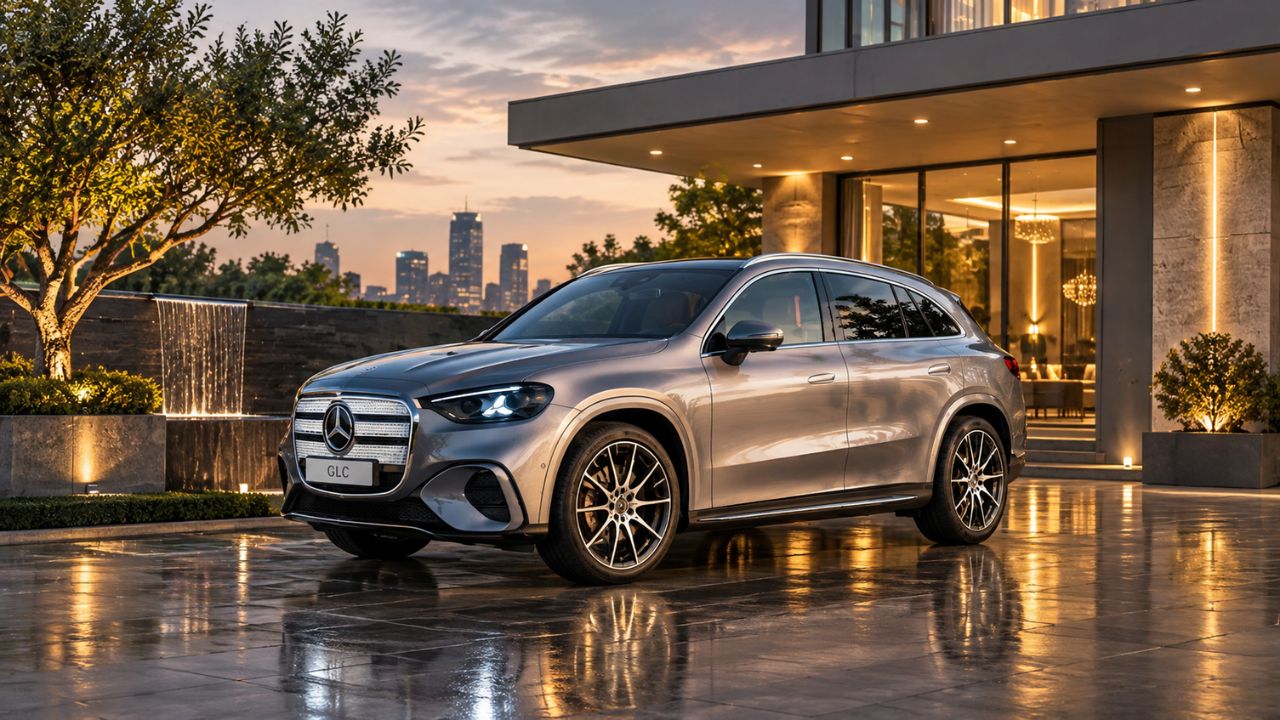
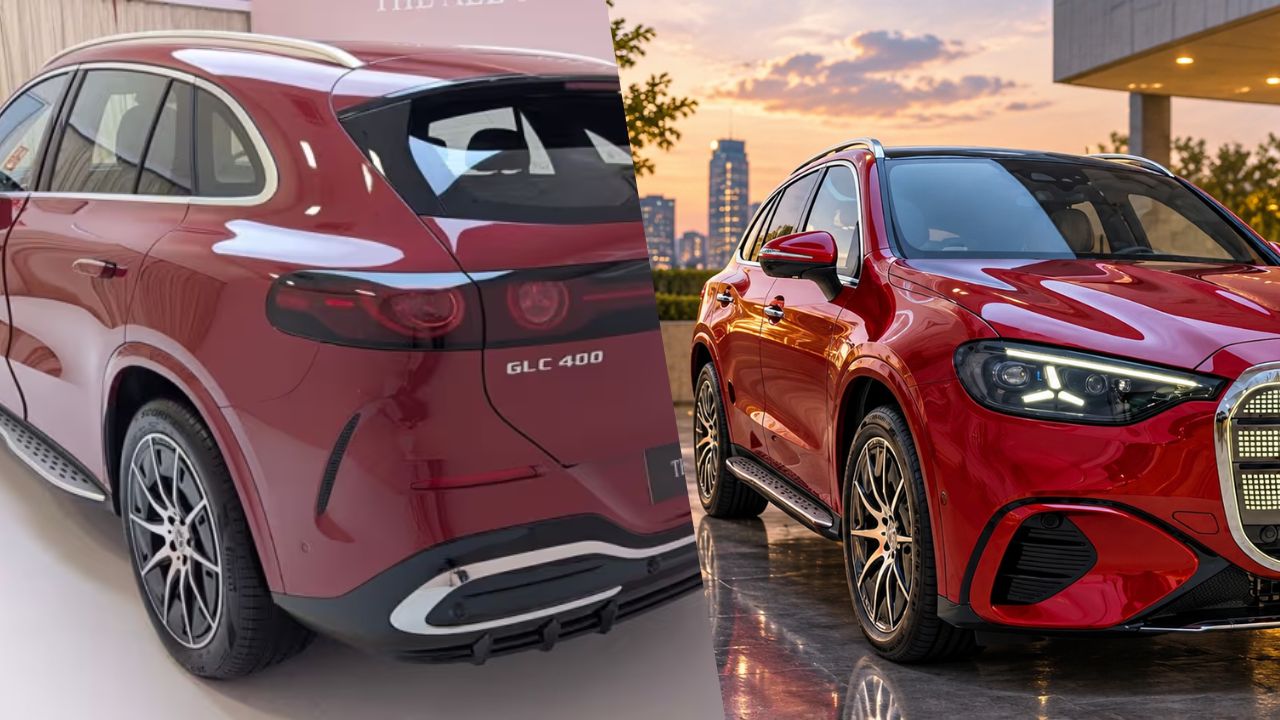
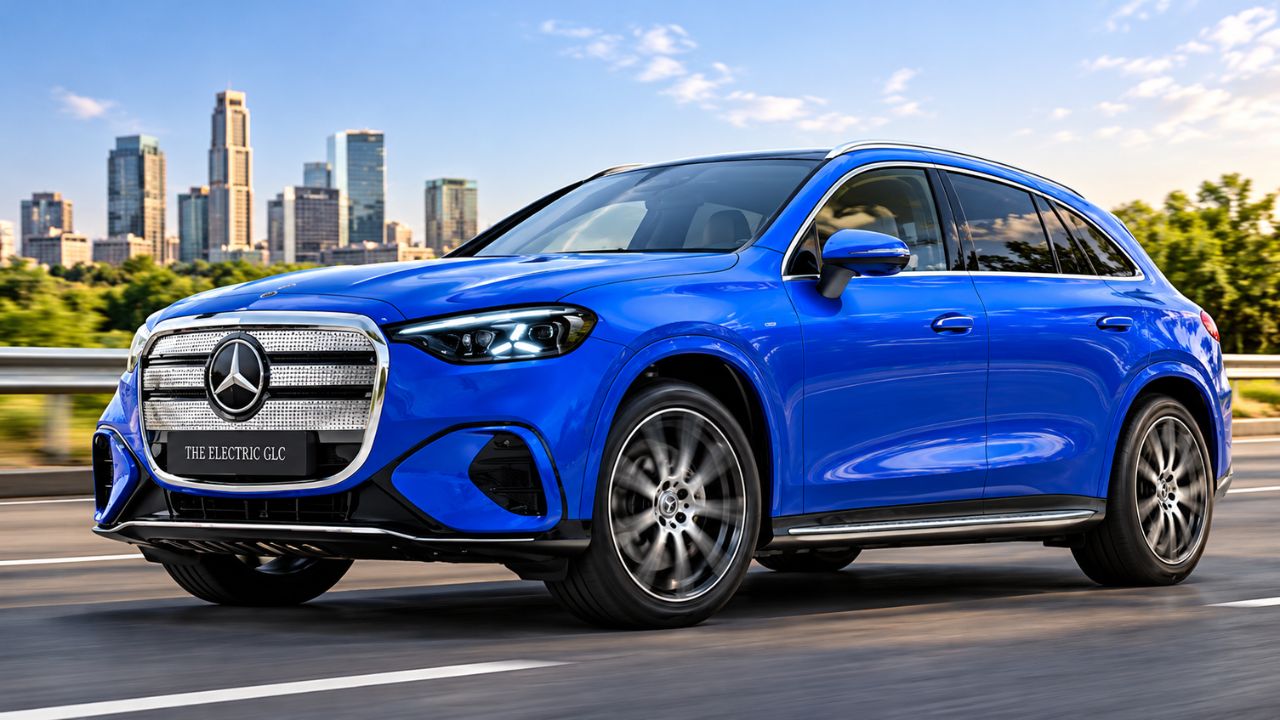
Mercedes-Benz GLC Electric: Premium Performance Meets Practical Compromises

Mercedes-Benz GLC Electric

Mercedes-Benz has just lowered the entry price for its electric SUVs in India. The GLC Electric is priced at Rs 78.5 lakh (ex-showroom), is assembled locally, and is now the entry point to Mercedes-Benz GLC Electric SUV line-up here. It is built at the Chakan plant in Pune from completely knocked-down kits. 

Price and availability

Only one variant is on sale, the top-spec GLC 400 4Matic. CarDekho reports it works out nearly Rs 8.95 lakh cheaper than the combustion GLC on-road. Demand looks strong. Mercedes says it has over 1,000 bookings, the car is sold out till March 2027, and deliveries start around Diwali.

Battery, range and performance

The Mercedes-Benz GLC 400 offers a 94 kWh battery and two motors for all-wheel drive. Together they make 490 hp and 800 Nm, and Mercedes claims 0-100 kph in 4.3 seconds. That is quick for a family SUV that weighs nearly 2.5 tonnes.

Mercedes-Benz GLC Electric Battery, range and performance

Real-world range of Mercedes-Benz GLC Electric might be lower than a claimed 711 km WLTP-certified range, depending on speed, AC use and traffic.

Charging is also worth a closer look. A 22 kW AC charger comes as standard, and a 330 kW DC charger can add 300 km in 10 minutes. That fast figure needs a very powerful charger, so check what is actually available on your usual routes.

Inside the cabin

The centrepiece is a 39.1-inch hyperscreen that stretches across the dashboard as one continuous panel. The trade-off is that there are barely any physical controls, even for the climate system. Some drivers will love that, others will miss real buttons.

The equipment list is long:

Comfort & Interior

  • 15-speaker Burmester 3D surround-sound system with Dolby Atmos
  • Panoramic glass roof with illuminated stars and electronically adjustable opacity
  • Two wireless smartphone chargers
  • Front seats with massage and heating
  • No front-seat ventilation
  • Multi-colour ambient lighting
  • Powered tailgate and power-folding rear seats

Safety & Driver Assistance

  • Level 2 ADAS
  • 8 cameras and 5 radars
  • 9 airbags
  • 360-degree surround-view camera
  • Automated parking assistance

Mercedes-Benz GLC Electric Practicality

  • 570-litre boot
  • 128-litre front trunk (frunk)
  • Total luggage capacity: 698 litres

What you don’t get

This India-spec car has no rear-wheel steering or air suspension and instead rides on passive dampers. There is no sunshade on the roof, Mercedes-Benz GLC Electric cloudiness is electronically controlled. 

Mercedes-Benz GLC Electric Practicality

Who is it for?

At launch the Mercedes-Benz GLC Electric has no direct rival in India, though the BMW iX3 is due next year. If you want to own a Mercedes of a particular type, a big screen, phone integration, and a long claimed range, this is the cheapest route to that. If you cannot charge the car at home, it’s best to plan this one first. 

Category Details
Model Mercedes-Benz GLC 400 4MATIC Electric
Position in line-up Entry point to Mercedes-Benz India’s electric SUV range
Mercedes-Benz GLC Electric Price ₹78.5 lakh, ex-showroom
Assembly Locally assembled at Chakan, Pune, from completely knocked-down kits
Variants One variant only: top-spec GLC 400 4MATIC
Value vs petrol/diesel GLC About ₹8.95 lakh cheaper on-road than the combustion GLC, as reported by CarDekho
Bookings / availability Over 1,000 bookings; sold out until March 2027; deliveries expected around Diwali
Battery 94 kWh
Drivetrain Dual-motor all-wheel drive
Power / torque 490 hp / 800 Nm
0–100 kph 4.3 seconds, claimed
Claimed range 711 km, WLTP-certified; real-world range will likely be lower
AC charging 22 kW charger standard
DC fast charging Up to 330 kW; claimed 300 km added in 10 minutes, subject to charger availability
Infotainment 39.1-inch Hyperscreen spanning the dashboard
Controls Very few physical controls, including for climate functions
Audio 15-speaker Burmester 3D surround system with Dolby Atmos
Roof Panoramic glass roof with illuminated stars and electronically adjustable opacity; no separate sunshade
Phone charging Two wireless smartphone chargers
Front seats Massage and heating; no ventilation
Ambience / convenience Multi-colour ambient lighting, powered tailgate, power-folding rear seats
ADAS Level 2 ADAS
Sensors 8 cameras and 5 radars
Airbags 9
Cameras / parking 360-degree surround-view camera and automated parking assistance
Boot space 570 litres
Frunk 128 litres
Total luggage capacity 698 litres
Not available in India Rear-wheel steering, air suspension, front-seat ventilation, and a physical roof sunshade
Suspension Passive dampers
Rivals No direct rival at launch; BMW iX3 expected next year
Best suited for Buyers wanting a locally assembled Mercedes EV with a large screen, strong performance, long claimed range, and premium features
Key caveat Home charging access and reliable high-power DC charging on regular routes should be checked before buying

Conclusion

Mercedes-Benz GLC Electric caters mostly to the buyers who want a luxurious, quick, and technologically advanced Mercedes EV and can charge it at home. With 1,000 bookings and out of stock until March 2027, early demand shows that it has made a significant impact in the Indian premium EV market. 

1

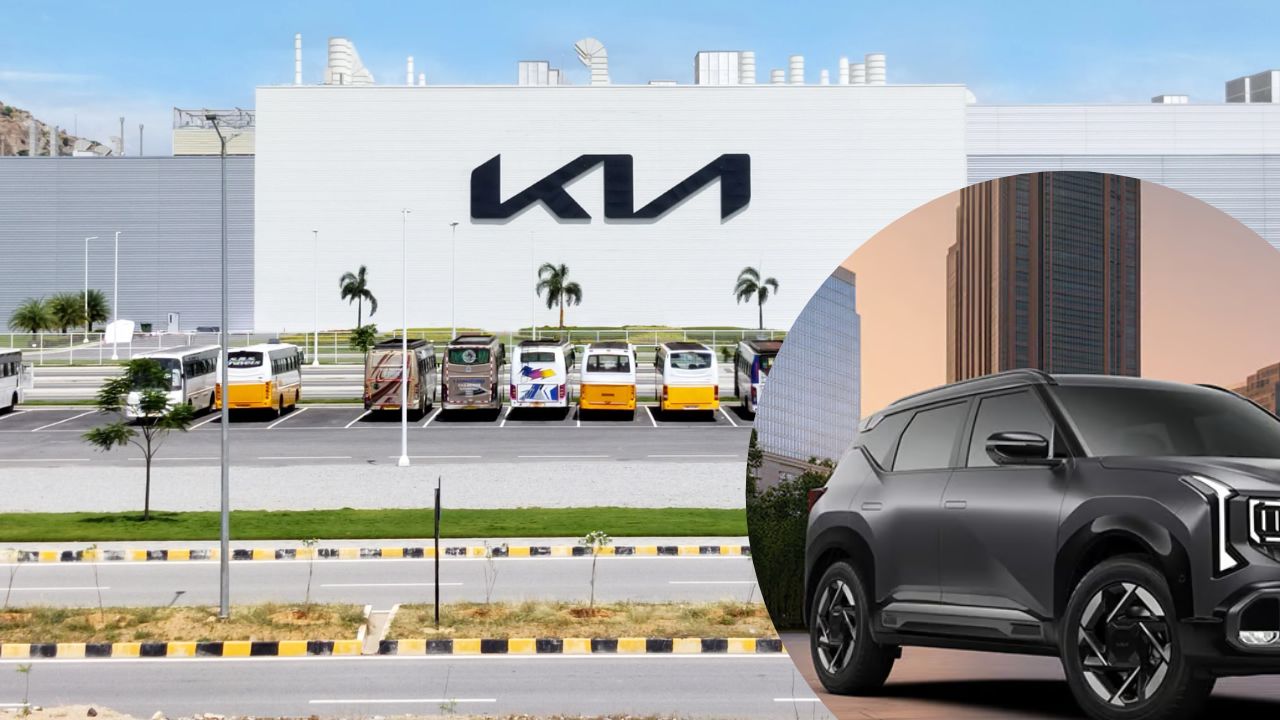
Kia India Confirms New ICE & Electric Cars With a Second Plant in Anantapur

Kia India Confirms New ICE & Electric Cars

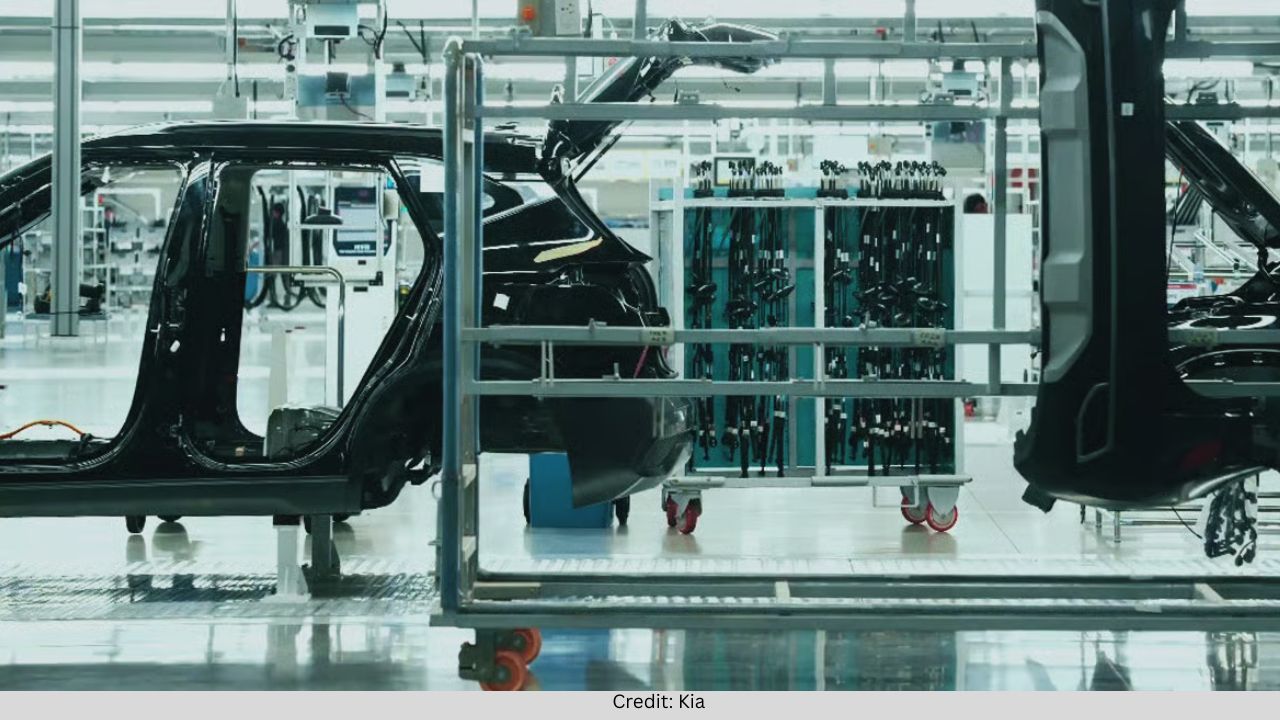
If you’re choosing a Kia this year, this announcement changes nothing about your decision. If you’re trying to read where the brand is heading, it changes a lot. Kia India has confirmed a second plant in Anantapur, Andhra Pradesh, backed by a combined USD 2 billion from the carmaker and its suppliers. The plant will build new ICE & electric cars..

Kia signed an MoU with the Andhra Pradesh government, and the details are specific. The factory sits in the same district as Kia’s current plant and adds 2 lakh units of annual capacity. That lifts Kia India’s total from 4.3 lakh to 6.3 lakh vehicles a year. Kia and its suppliers will share a 465-acre site. The plant will handle stamping, welding, painting and assembly, so it’s a full factory rather than an assembly annex.

The jobs figure is about 12,000, direct and indirect. With this plant, Kia’s cumulative investment across both facilities reaches around USD 5 billion.

Timing is the catch. Production is targeted for early 2030, more than three years away. Treat that as a target, not a promise.

Why New ICE & Electric Cars, Not Just EVs

A Kia EV-only factory could have been named outright – but it wasn’t. The plant will help produce the next generation of both ICE and EV models, worldwide. 

New ICE & Electric Cars

It shows how Kia sees the Indian market. Petrol, diesel, and CNG vehicles are still popular, and EV uptake is slower than in Europe or China. To adapt to changing demand, Kia has designed a flexible plant that can be easily changed to meet demand. Kia says this will allow them to be much more agile and flexible to meet customer demand.

Why Kia Needs a Second Manufacturing Plant

We don’t know what Kia will be making in Anantapur. We won’t know the definite details of what models will be produced in India. There will be some guesswork over what global models will be made here, like the EV3 which is already manufactured in Mexico for the Americas. But there’s no connection to this plant.

Kia Needs a Second Manufacturing Plant

Right now, the plant isn’t stuffed with old products gathering dust. Seven models roll off the line already, everything from the Sonet to the Sorento. So building a second plant isn’t about saving a failing operation. It’s about making room for products that haven’t hit India yet.

Conclusion

You can’t buy a car in 2027 or 2028 from a plant that hasn’t even started making them yet. Shop what’s actually on the lot right now. Sonet, Seltos, Carens. Current EVs too. Compare them on price. Service reaches matters. Running costs add up. Look at what dealers have today.

The announcement does matter in two cases. If you’re a long-horizon buyer, such as an EV shopper planning for 2029 or later, it signals that Kia intends to bring more choice to India. If you’re a current owner, a bigger plant in the same district should mean a stronger supplier base around Anantapur, though that’s an inference and not a Kia promise.

0

Get the Best Value for Used Car

Selling your vehicle through the online system may be the easiest and most profitable option. The process of your work is almost the same as that of the traditional medium, and you will never get confused. However, the most important point is that there are many websites that will allow you to sell your used car online  free. Therefore, you can run your ad without investing any money. But the time it takes to sell a car privately varies from a few hours to never. It is because of the innumerable factors that influence the decision-making process. However, if you start with the right price and expectations, it will be easier for you to sell your used car for free. Therefore, the Internet is the most user-friendly option that can give you the best car sales experience.

Before the introduction of the Internet, people used to sell their cars through local newspapers or magazines. Although the mainstream medium was easy to understand, the seller used to have a very limited audience. Now online used car buying and selling websites Badicar.com help you reach a large number of potential customers.

However, getting the best price for your used car is a tedious process. With Badicar.com, you have the ability to post your car details on the website and get the best value from the car instantly. Your automobile deal closes in very less time. Isn’t it easy and time efficient? With no expense, you get the best value for your car! Happy car sales!

0

Top 10 Best Mileage Cars in India 2025 You Must Check Before Buying!

Published Jul 1, 2025, 8:53 AM
Last Updated Apr 14, 2026, 12:43 PM

Top 10 Best Mileage Cars in India 2025

Arе you looking for a nеw car that is еasy on your wallеt? If yеs, thеn you must chеck out thе bеst milеagе cars in India. In 2025, thе car markеt is full of options. Rising fuеl pricеs makе fuеl еfficiеncy vеry important. Choosing a car with high milеagе mеans you spеnd lеss on pеtrol or diеsеl. You also hеlp thе еnvironmеnt by burning lеss fuеl. 

This articlе will show you thе top 10 bеst milеagе cars in India for 2025. Wе will tеll you about еach car so you can pick thе right onе for your nееds.

Why Milеagе Mattеrs in 2025?

Milеagе is how far a car can go on onе litrе of fuеl. Bеttеr milеagе mеans you savе monеy еvеry timе you fill your tank. Many pеoplе in India drivе еvеry day. Traffic jams and long commutеs arе common. 

A car with good milеagе is pеrfеct for city driving. It also kееps your running costs low. Bеst milеagе cars in India arе now a top choicе for buyеrs. Thеsе cars arе not just chеap to run. Thеy also havе modеrn fеaturеs and look stylish.

Top 10 Bеst Milеagе Cars in India 2025

Check out the list of thе bеst cars for milеagе in India. Each car is popular for its fuеl еfficiеncy. Wе will tеll you about its pricе, еnginе, and spеcial fеaturеs.

1. Maruti Suzuki Grand Vitara (Hybrid)

Maruti Suzuki Grand Vitara

Image Credit: Maruti Suzuki

Thе Grand Vitara is a strong SUV car from Maruti Suzuki. It givеs a milеagе of 27.97 kmpl. Thе car has a hybrid еnginе. It mеans the car usеs both pеtrol and еlеctric powеr. Thе еnginе is 1.5 litrе and has thrее cylindеrs. Thе car is spacious and comfortablе. It is pеrfеct for familiеs. Thе pricе starts from ₹16.99 lakh.

2. Toyota Urban Cruisеr Hyrydеr (Hybrid)

Toyota Urban Cruisеr Hyrydеr

Image Credit: Toyota

Thе Toyota Urban Cruisеr Hyrydеr is anothеr grеat SUV. It givеs thе samе milеagе as thе Grand Vitara. Thе car has a 1.5-liter petrol engine. It also usеs a lithium-ion battеry for еxtra powеr. Thе car is smooth to drivе. Thе pricе starts from ₹16.81 lakh.

Also Read: Top 7 Upcoming Compact Electric Cars You Can’t Miss in 2025

3. Honda City е:HEV (Hybrid)

Honda City е:HEV

Image Credit: YouTube

Thе Honda City е:HEV is a sеdan with a hybrid еnginе. It givеs a milеagе of 27.26 kmpl. Thе car has a 1.5-liter petrol engine and two еlеctric motors. It is powеrful and comfortablе. Thе pricе starts from ₹20.75 lakh.

4. Maruti Suzuki Cеlеrio (Pеtrol)

Maruti Suzuki Cеlеrio

Image Credit: Maruti Suzuki 

Thе Maruti Suzuki Cеlеrio is a small hatchback. It is pеrfеct for city driving. Thе car givеs a milеagе of 26.68 kmpl. It has a 1.0 litrе еnginе. Thе car is еasy to drivе and light. Thе pricе starts from ₹5.37 lakh.

5. Maruti Suzuki Swift (Pеtrol)

Maruti Suzuki Swift

Image Credit: Maruti Suzuki 

Thе Maruti Suzuki Swift is a popular hatchback. Thе nеw modеl givеs a milеagе of 22.38 kmpl. Thе car has a 1.2-liter engine. It is fun to drivе and looks sporty. Thе pricе starts from ₹6.49 lakh.

Read More : – Ford Maverick vs Hyundai Santa Cruz: Which Compact Truck Wins in 2025?

6. Maruti Suzuki Wagon R (CNG)

Maruti Suzuki Wagon R

Image Credit: Maruti Suzuki

Thе Maruti Suzuki Wagon R is a hatchback model. Thе CNG vеrsion givеs a milеagе of 34.05 km/kg. Thе car is spacious and practical. It is grеat for familiеs. Thе pricе starts from ₹6.43 lakh.

7. Maruti Suzuki Alto K10 (CNG)

Maruti Suzuki Alto K10

Image Credit: Maruti Suzuki

Thе Maruti Suzuki Alto K10 is a small and budgеt-friеndly car. Thе CNG vеrsion givеs a milеagе of 33.85 km/kg. Thе car is еasy to park and drivе. It is pеrfеct for first-timе buyеrs. Thе pricе starts from ₹5.95 lakh.

8. Tata Tiago NRG (CNG)

Tata Tiago NRG

Image Credit: Tata Motors

Thе Tata Tiago NRG is a ruggеd hatchback. Thе CNG vеrsion givеs a milеagе of 26.49 km/kg. Thе car has a tough look. It is safе and comfortablе. Thе pricе starts from ₹6.7 lakh.

9. Hyundai Aura (CNG)

 Hyundai Aura

Image Credit: Hyundai 

Thе Hyundai Aura is a compact sеdan. Thе CNG vеrsion givеs a milеagе of 27 km/kg. Thе car looks stylish and has good fеaturеs. Thе pricе starts from ₹7.89 lakh.

10. Maruti Suzuki Balеno (Pеtrol)

 Maruti Suzuki Balеno

Image Credit: Maruti Suzuki 

Thе Maruti Suzuki Balеno is a prеmium hatchback. It givеs a milеagе of 22.35 kmpl. Thе car has a 1.2-liter engine. It is comfortablе and has many fеaturеs. Thе pricе starts from ₹6.61 lakh.

What Makеs Thеsе Cars Spеcial?

All thеsе cars arе among thе bеst milеagе cars in India. Thеy arе known for saving fuеl. Thеy also havе modеrn fеaturеs. Somе cars havе hybrid еnginеs. This hеlps thеm usе lеss fuеl. Somе cars run on CNG while some run on pеtrol. Thеsе cars arе good for driving and also rеliablе and еasy to maintain.

Final Thoughts

Buying a car is a big dеcision. You want a car that is еasy to drivе, chеap to run, and looks good. Thе bеst milеagе cars in India arе pеrfеct for this. Thеy hеlp you savе monеy on fuеl. Thеy arе also good for thе еnvironmеnt. Thе list abovе has cars for еvеry budgеt and nееd. You can pick thе onе that fits your lifеstylе.

Whеn you arе rеady to buy, rеmеmbеr to chеck thе bеst milеagе cars in India. This will hеlp you makе thе right choicе. 

0

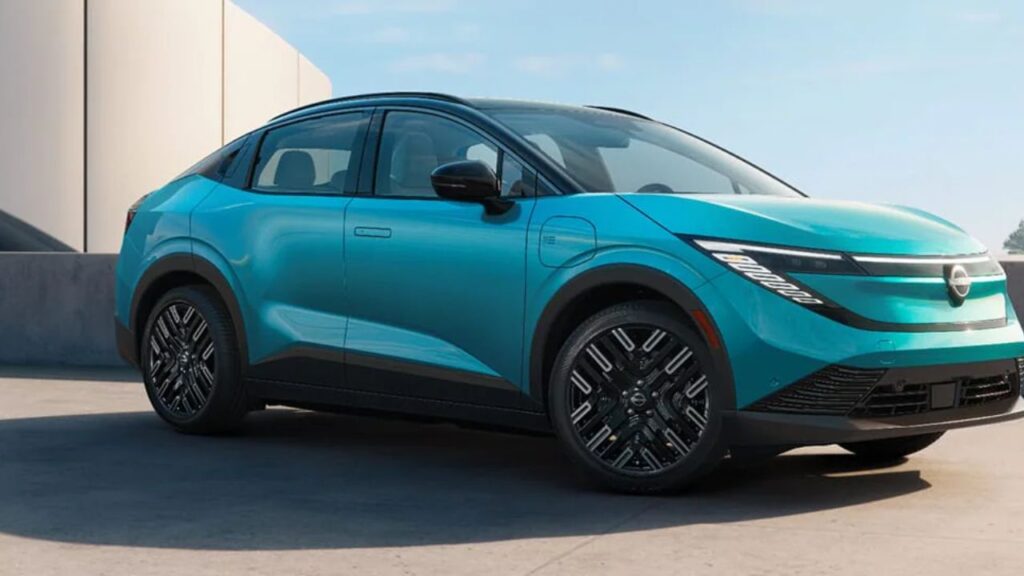
Nissan Leaf Expected ₹30 Lakh Price With Detailed Guide on Features and Range

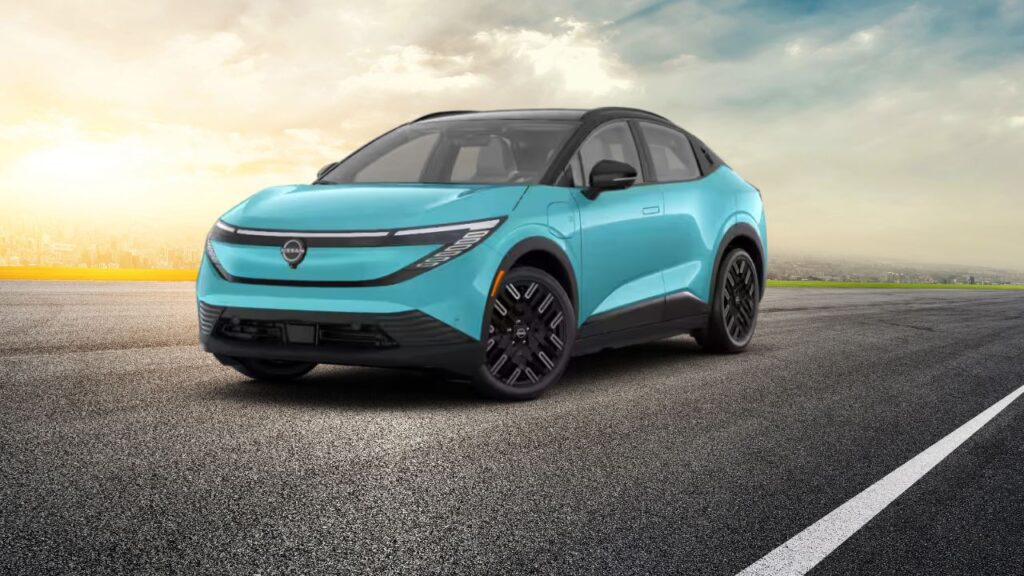
Nissan Leaf

If you’re one of those people who thinks the future of driving is electric but you just haven’t made the jump yet, the Nissan Leaf might be the car to change your mind. Carrying an expected price tag of ₹30 lakh, this revolutionary EV is designed to disrupt the EV market in India by offering global standards and tried & tested reliability to your garage without burning a hole in your pocket. 

Why the Nissan Leaf is Creating a Buzz

Electric cars have always felt like something only the very rich could afford. But that story is being rewritten, with the Nissan Leaf. With over a decade of global real-world success, the Nissan Leaf is widely recognized as the most dependable and practical electric vehicle in the world. It is also the best-selling electric car in the world – over 6 million units have been sold worldwide. Now, with its introduction in India at ₹30 lakh, it is making electric mobility open to all and that is a game-changer. 

Performance That Actually Delivers

The Nissan Leaf’s Indian edition is powered by a 40 kWh battery pack that drives a 148 bhp electric motor which churns out 320 Nm of torque. Now if you’re not a number person, let’s talk about what that means: It’s more torque than a lot of run-of-the-mill petrol cars in the same price bracket, and it translates to acceleration that’s quick, smooth, and genuinely exciting. It goes from 0 to 100 km/h in less than 7.5 seconds – nothing supercar level, but not bad at all.

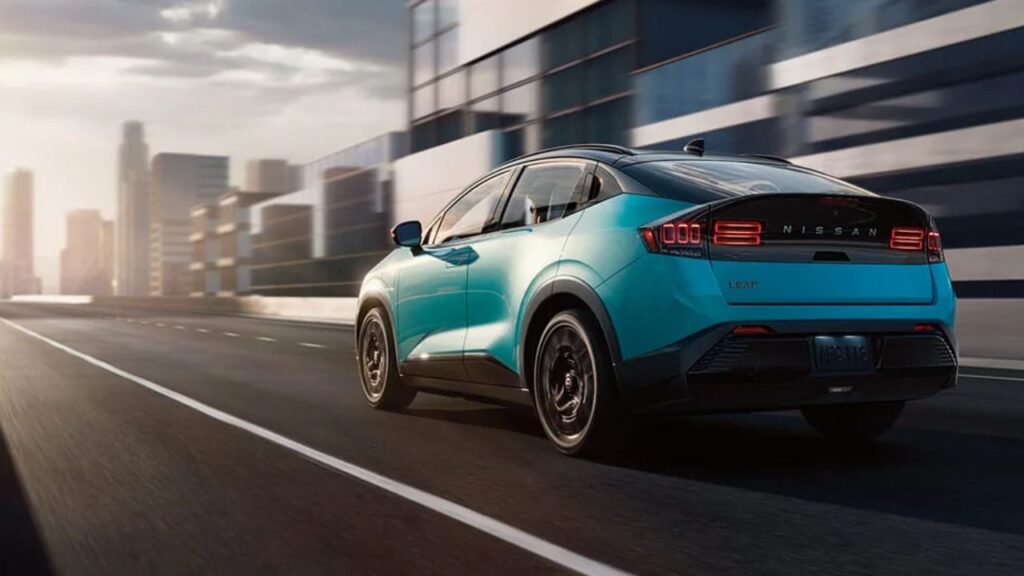
Performance Nissan Leaf

Image credit: Nissan

What makes this performance so special is the delivery of immediate torque. Unlike traditional engines that have to spin up, electric motors generate peak torque right away. This makes your daily city commute driving a breeze and highway overtaking a cinch. 

How Far Will It Really Go?

The Nissan Leaf goes some way to allay that worry with a single charge range of 195-240 km depending on the variant you choose and driving conditions. It’s not supposed to be your pick for a 500-km interstate road trip, but it is totally perfect for your daily commitment, your weekend runs or your jaunts around town.

Just think about your life on a standard day. Most Indians travel around 30-50 km daily. The Nissan Leaf does this with ease, and the ideal your everyday needs car needs to be able to do that. It’s also worth noting that in eco mode you can boost the range making it even better for those who mind How far they drive. 

Read More:-  Citroen Basalt X 1.2 Turbo Specs and Price Details Guide

Charging the Nissan Leaf is simpler than you might imagine

At a normal home charger a full charge takes around 7-8 hours. If you’re charging with a DC fast charger — which can be found at shopping malls, highways, and charging networks — you can go from 20% to 80% in just 40 to 60 minutes. That’s basically the amount of time you need for a coffee break.

The home charging cable is also supplied along with the intelligent charging management system of the vehicle, which allows you to set charging during the hours of low electricity rates, making it convenient and saving electricity bills. In addition, the charging port is waterproof and there is an advanced locking system, so you never have to worry about security or weather-proof! 

Features That Make It Feel Premium

Don’t let the ₹30 lakh price tag mislead you—there is an almond of salt that is packed with amenities found in cars costing much more than this. The car comes with 6 air bags, electronic stability control, hill start assist and advanced driver assistance systems (ADAS) that are comparable to vehicles three times its price. Automatic emergency braking with pedestrian detection, intelligent blind spot intervention all contribute to an even safer ride on JLR products.

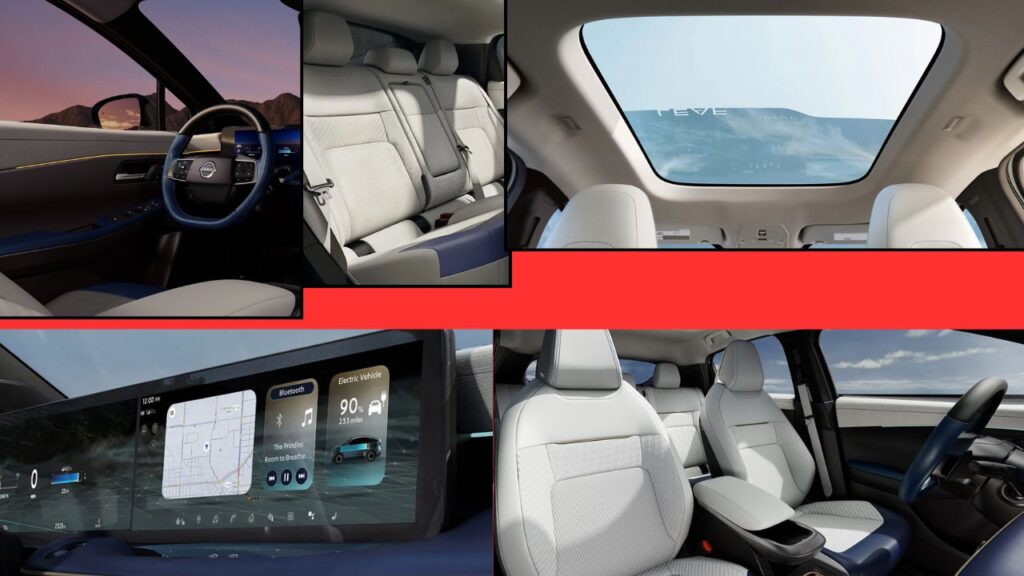
Nissan Leaf Features That Make It Feel Premium

There is a modern touchscreen interface, ample comfortable seating, and an unexpectedly roomy cargo area with rear seats that fold down. In addition to the ambient lighting and the serene cabin, you tend to forget that you are driving — thanks to the an almost imperceptibly quiet electric motor. 

Why Choose the Nissan Leaf Over Competitors?

In the Rs 30 lakh category, you are eyeballing rivals like the MG ZS EV and Tata Nexon EV MAX. While the MG provides a marginally bigger range (461 km), Nissan Leaf makes up for it with better torque delivery (340 Nm vs. 280 Nm), tried and tested reliability for 10 years of real world, and a brand backing that is trusted the world over. The Tata is cheaper but has less features and the driving experience is less amazing than Nissan. 

The Real Game-Changer

What makes the Nissan Leaf different is its fact-based history. This is not a science-fiction car or a technology still gaining market experience. The Leaf is the world’s most experienced and most thoroughly tested electric car, having been on sale since 2010. 

Nissan Leaf The Real Game-Changer

Image credit: Nissan

You’re not the guinea pig—you’re part of a community of millions of happy owners who have already discovered that electric driving isn’t just practical but it’s truly better. 

Conclusion

At ₹30 lakh, the Nissan Leaf is a step change in the way India looks at electric mobility. It’s practical for everyday use, easy to charge, packed with features, and supported by the reputation of a global brand. If you’re a green driver, fed up with rising fuel costs, or just curious about what the future holds for mobility, the Nissan Leaf deserves your attention. The electric revolution isn’t coming – it’s here, starting at ₹30 lakh.