
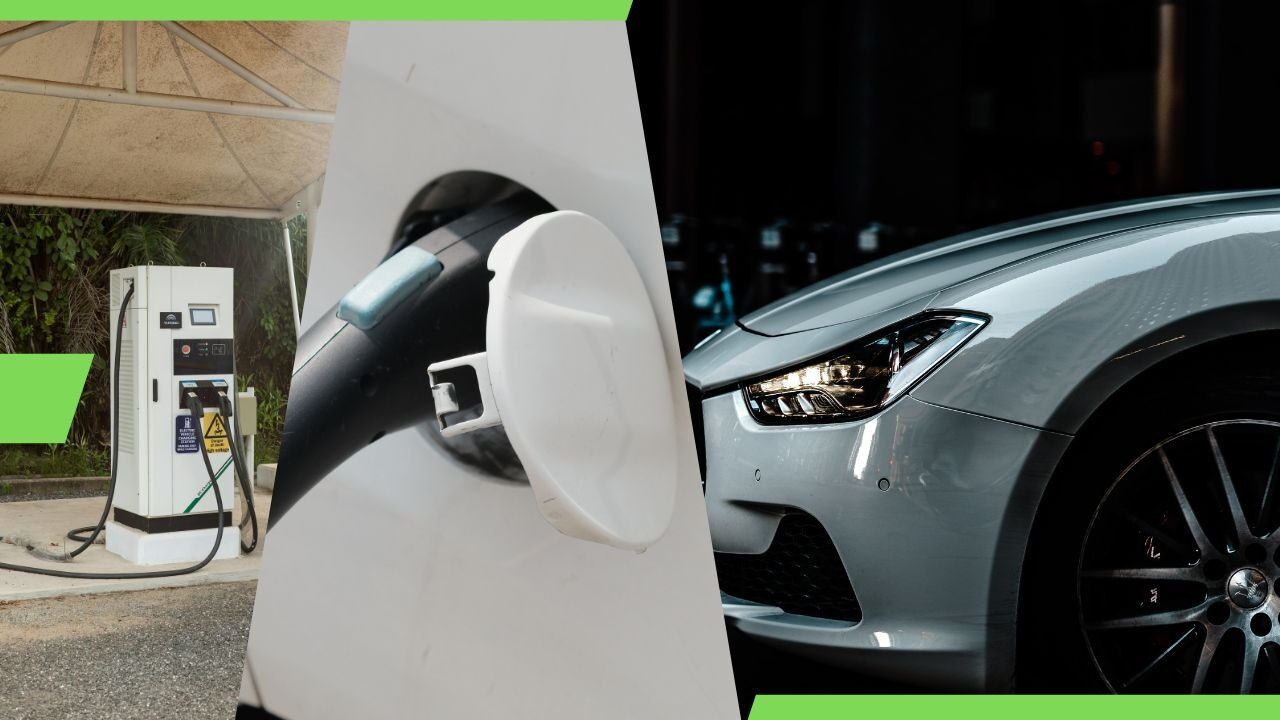
For years petrol or diesel cars have dominated on the road, but now the future of transportation is shifting to Electric Cars. They are already in the market and become a practical choice for millions of people worldwide. People prefer EVs to buy in 2026 as they offer low running cost, advanced technology, and less expensive maintenance.
However, car makers are still working on the batteries to provide more range. That future is near when average people can also afford electric cars. Governments and automakers invest heavily in electrification for making charging accessible easily.
The Transportation Shift is Already Happening
The smarter, faster, comfortable transport will become Electric cars in the future. So choose wisely before you’re going to buy a new car. The resale value also dropped of petrol and diesel cars and EVs offer excellent technology with good range of driving.
Global electric vehicle sales crossed 17 million units in 2024. China alone put more EVs on the road last year than the entire world did in 2021. India’s EV two-wheeler and three-wheeler market is exploding, with four-wheelers catching up fast. Tata Nexon EV is no longer a novelty on Indian roads — it’s traffic.
The question isn’t whether electric cars will change transportation. They already are. So are you going to be ahead of that change, or scrambling to catch up?
Read More:- The Future of Electric Vehicles: What Drivers Need to Know
What Actually Changes When a Car Runs on Electricity
The engine disappears. Not just physically — the entire relationship between a driver and maintenance changes. No oil changes. No coolant flushes. No timing belt anxiety. An electric motor has roughly 20 moving parts. A combustion engine has over 2,000. That’s not a small difference — that’s a different category of machine.
Refuelling becomes recharging — and that changes your whole routine. You stop thinking about fuel the way you think about groceries. Instead, you plug in at home overnight. Your car is full every morning. The “range anxiety” people talk about? It’s mostly psychological — the average Indian commuter travels under 40 km a day. Even entry-level EVs handle that with room to spare.
The car becomes a software device. This is the part that surprises people most. EVs aren’t just cars with batteries — they’re computers on wheels. They get over-the-air software updates. Their performance can literally improve after you buy them. Tesla has pushed updates that added features and improved range on cars already sitting in someone’s garage. That’s unprecedented in automotive history.
What This Means for Roads, Cities, and Air
If your city’s electricity is primarily coal-generated, an EV charged there is still indirectly burning fossil fuel — just upstream. India is working to fix this. Renewable energy capacity is growing rapidly, and as the grid gets cleaner, every EV on that grid gets cleaner automatically, without any change from the owner. That’s a compounding advantage no petrol car can ever have.
But air quality? That improvement is immediate and local. No tailpipe means no exhaust in city traffic. Anyone who’s sat in Delhi or Lucknow traffic in summer knows exactly how much that matters at street level.
Urban noise also drops. Electric motors are nearly silent. A city with predominantly electric vehicles would be a fundamentally quieter place — and that has real mental health implications that researchers are only beginning to document.
You Know That:- Which Car Is Best: Petrol or Diesel?
Pricing Structure For Electric Cars
Transportation isn’t just about getting from home to office or one city to another. It’s an enormous economic engine and electric cars are rewiring it.
The fuel economy argument alone is stark. Running an EV in India typically costs around ₹1–1.5 per km in electricity. A petrol car costs ₹6–8 per km at current fuel prices. For someone driving 15,000 km a year, that’s a saving of ₹75,000 to ₹1 lakh annually — every year. The higher upfront cost of an EV starts looking very different when you do that math over five years.
Then there’s what this does to jobs. Petrol stations, engine mechanics, spare parts manufacturers — entire ecosystems built around combustion are under slow pressure. New ecosystems are being built: charging infrastructure, battery manufacturing, software engineers for automotive systems. The jobs aren’t disappearing, they’re migrating. But migration is uncomfortable for the people in the middle of it.
EV Batteries Are Still a Problem
Batteries are still a big problem for EV cars and people hesitate while buying an electric car because of this.
Recent reporting of child labor in Africa raises concern as this happened in Cobalt mines. The material is used in batteries along with lithium and manganese. Recycling infrastructure isn’t completed properly yet. This doesn’t mean that EVs are harmful for our environment, instead it pushed manufacturers for stronger policies on battery sourcing.
The technology is improving. Solid-state batteries, sodium-ion alternatives, and better recycling processes are all in active development. But “it’ll be better later” isn’t the same as “it’s fully solved now.”
Where The Future of Transportation is Going?
The trajectory is clear, even if the timeline isn’t perfectly predictable.
Several countries have set deadlines to phase out new petrol and diesel car sales — Norway by 2025 (already there), UK by 2035, India pushing hard toward electrification targets under its FAME scheme. Automakers globally are retooling factories. Maruti Suzuki, which long resisted full electrification, is now accelerating its EV lineup. When the most conservative, mass-market carmaker in India pivots, the direction of travel is settled.
What remains uncertain is speed and equity. If charging infrastructure will expand fast to reach Tier 2 and Tier 3 cities and cut the manufacturing costs with time to make a car affordable for middle-income buyers.
Read More:- Car Maintenance Tips That Save Money And Valuable Time
Conclusion
In a changing world, people are choosing cars with batteries rather than petrol or diesel. Electric cars support sustainability and reshaping transportation, cities, and the global automotive industry. Adaptation of EVs are growing faster, despite facing challenges like battery production, recycling, and charging infrastructure.
The future of transportation is not a petrol or diesel car anymore. But electric cars are leading that transformation to a greener world. Although, it’s not limited to it, it offers advanced tech in a car, speed and comfort too.
