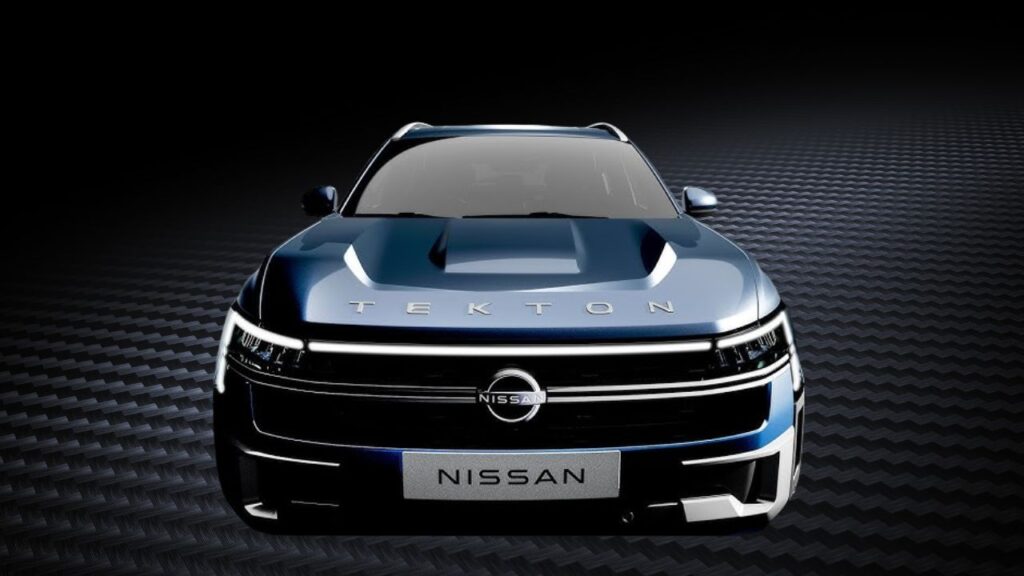
0

The Nissan Tekton Engineered for Superior Comfort on Rough Roads

The Nissan Tekton Engineered

The Tekton for the brand new model is a midsize, three-row SUV, and next year it will be the first and only vehicle for the Nissan brand the company is counting on to drive its resurgence in the emerging automotive markets of high-growth. The genesis of the vehicle’s market offer is based on a simple premise: combining the rugged and reliable CMF-B (Common Module Family) platform architecture known for its rough-road capability with an array of high-tech, human-centered comfort solutions that today’s consumers want. 

The Tekton’s touted rough-road traction is a predictable outcome of its bones, which the soon-to-be-revealed third-generation Renault Duster will also be built on. Engineering-wise this means design and construction principles which emphasize rigidity and consequent high ground clearance. At the same time, the vehicle is anticipated to deliver exceptional driver comfort and loyalty through target feature load – such as ventilated seating, next-generation digital displays, and advanced driver-assistance systems – that tackle passenger fatigue and cognitive load directly while on the road over long drives and in demanding city terrain. 

Therefore, the Tekton is crafted to be a “disruptor” — a midway point between function-driven ruggedness and premium, feature-laden refinement. 

Engineered for the Rough Road Challenge

Good control over the bumpy roads—one of the basics of the user query—is mainly due to the Tekton’s platform and the standard engineering tune that goes with it. 

The Nissan Tekton is based on the CMF-B platform of the Renault–Nissan–Mitsubishi Alliance’s Common Module Family (CMF). The CMF is not a traditional platform like the ones in the past, but a modular design and manufacturing system that breaks most components into five different modules – engine bay, the cockpit, the front underbody, the rear underbody, and electrical/electronics, allowing the sharing of components among different models. 
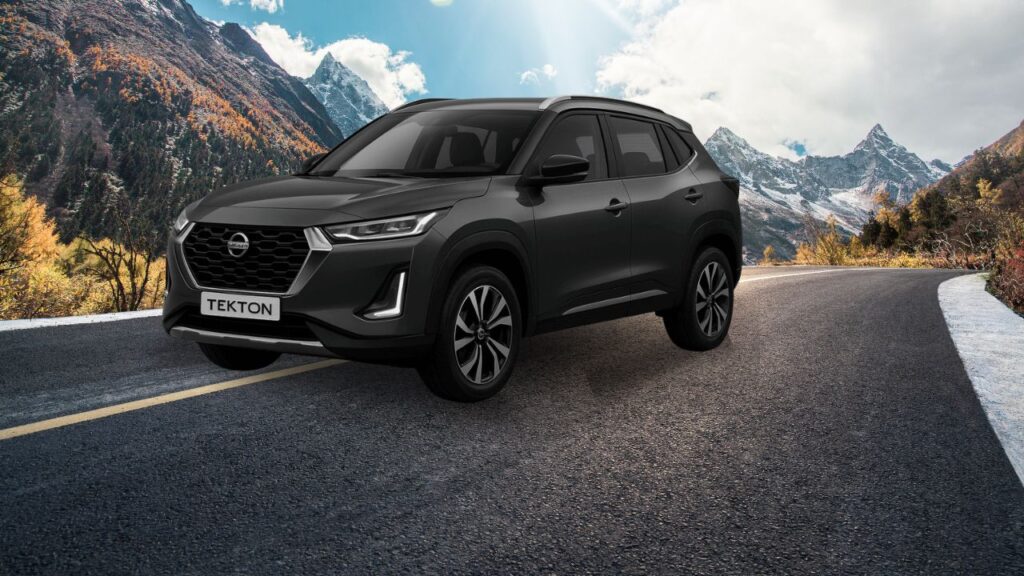
Nissan Tekton

The key factor that contributes to the Tekton’s bumpy ride is its shared platform with the next-gen Renault Duster. The original Duster earned cult status for its rugged ability to keep its occupants isolated at high speeds (around 80-90 kph) even on patchy and pockmarked roads. 

Suspension Dynamics

Off-road performance is purely a function of suspension design and tuning. The CMF platform usually integrates a MacPherson Strut setup for the front suspension. To make the Tekton perform on rough terrain, the setup needs to be adjusted with enough suspension travel and unique damping characteristics that sufficiently cushion abrupt vertical impacts–(think potholes)–without feeding harsh jolts to the cabin nor inducing the suspension into a multiple series rattling bottom out.

For the rear suspension, the typical cost and packaging pressures of the volume based B-segment underpinnings on typical C-segment SUVs would suggest that the Front-Wheel Drive (FWD) versions should be equipped with a heavy duty Torsion Beam, rather than the more costly multi-link setup found on larger, premium CMF platforms (i.e the X-Trail’s CMF-C platform). 

Ground Clearance

Among the mechanical necessities for tough-road toughness is adequate ground clearance, which helps in preventing the undercarriage from getting scraped while traversing over speed breakers, potholes, and stones. Tekton geometry should be extremely competitive in that regard. ADS At the time of writing, the predicted data indicates the unladen ground clearance is around 205 mm but there are some that gives it 190 mm. A ground clearance of 205 mm helps place the Tekton at the higher end of its C-segment competitors and is nearly the same as the 210 mm high ground clearance of the larger Nissan X-Trail. This raise is a functional requirement for durability. 

NVH Mitigation and Structural Integrity
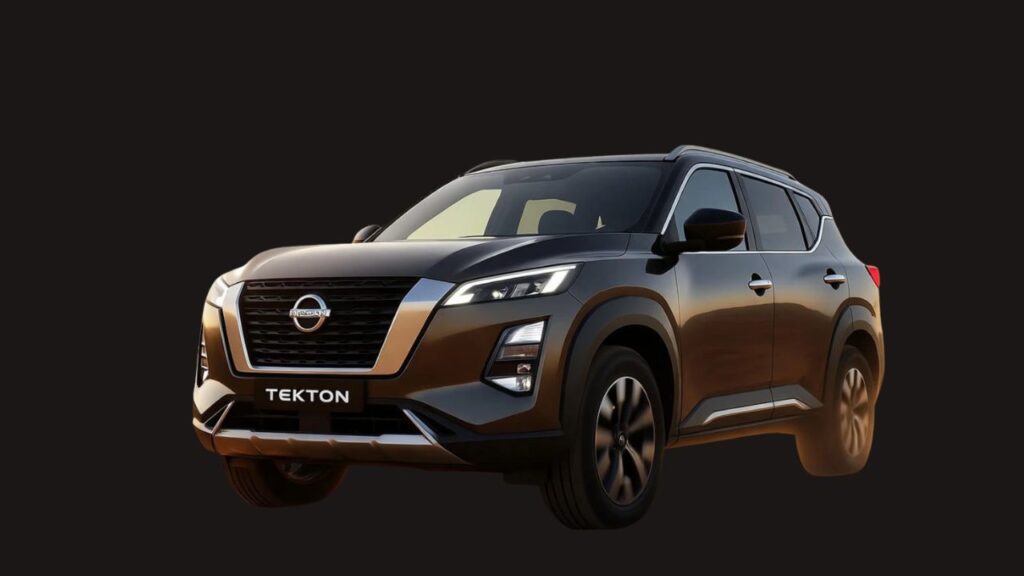
NVH Mitigation and Structural Integrity

Uneven pavements cause substantial noise and vibration with a harshness (NVH) component inside the cabin which would tire occupants. Although the CMF-B platform is a rigid platform, good insulation is a must. For the Tekton to offer superior comfort, enhanced damping materials and sound insulation must be used in the CMF-B architecture to reduce the infiltration of road noise and (thudding) suspension feedback when travelling over uneven terrain. 

Features that Drive Customer Loyalty

The other fundamental part of the Tekton’s appeal is the long list of comfort and technology elements that inspire passionate driver loyalty. This loyalty is earned by features that lessen bodily discomfort, alleviate stress and make the vehicle more useful in day-to-day life. 

Interior Architecture and Premium Ambience

The Tekton’s expected formula for interior design is modern and visually pleasing, consistent with the premium positioning. First shots show a layered dash with a massive central screen. To make the cabin more than just functional, Nissan will use premium materials and design touches, such as gloss black panels and a unique copper-tone strip that wraps around the dash. 

Primary Comfort Enablers

One of the most popular comfort options that is anticipated is ventilated front seats. This is an important feature in the target market of hot and humid conditions. climate can be managed with such features as an automatic air conditioner. Considering the fact that dual zone AC is available in Nissan’s bigger SUVs (X-Trail) , it would be safe to assume personalized climate control will be given priority to ensuring maximum comfort for everyone on board. 

Connectivity Ecosystem
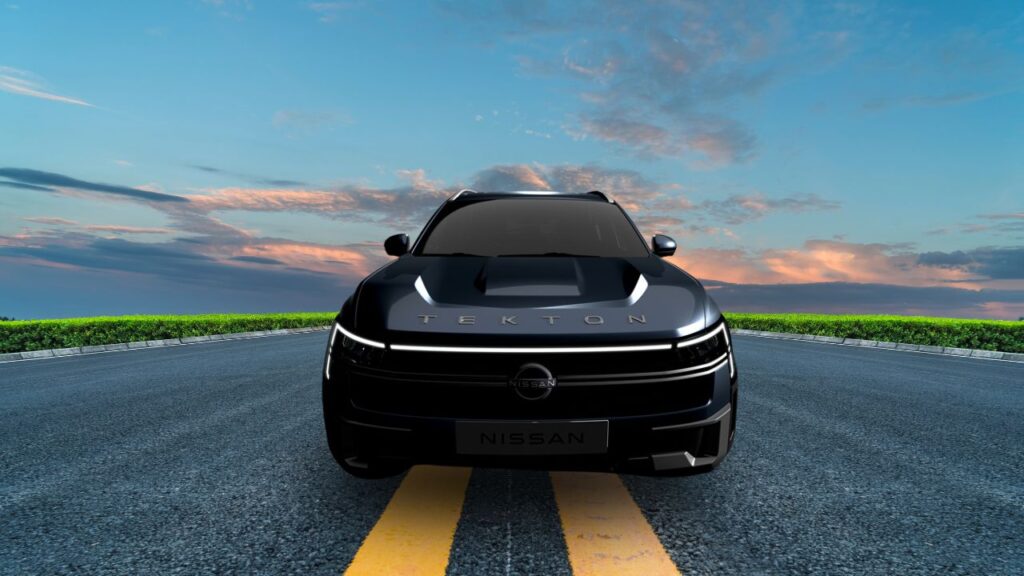
Tekton Connectivity Ecosystem

a 10.1-inch unit, with basic wireless support for Android Auto and Apple CarPlay. That helps keep phone interaction easy and free of clutter. A full-digital cluster supports the driver, providing clean, customizable driving content that minimizes visual distraction and reinforces the vehicle’s advanced technology character. 

Advanced Safety and Driver Assistance Systems

Tekton should have strong passive safety such as many airbags (up to 7 like the X-Trail) , ABS with EBD and ESC (Electronic Stability Control). Rounding out the features is the expected availability of a 360-degree camera , which will certainly prove a major stress reliever. 

The Tekton is expected to have Level 2 ADAS (Advanced Driver-Assistance Systems) functionality. L2 ADAS commonly also features Adaptive Cruise Control (ACC) and Lane Keep Assist (LKA). With the introduction of L2 ADAS, the need for constant, tiny steering and throttle adjustments on highways is significantly reduced leading to less fatigue for the driver on long stretches of road – a key consideration for those looking at the vehicle for longer term trips over mixed road conditions. 

Read More:- Audi vs Mercedes: Which is the Best Used Cars for Resale in 2025

Performance and Powertrain Options

Estimated Engine Specifications: The Tekton will likely share powertrain options with its CMF-B platformed sibling the Renault Duster. Such sharing of resources guarantees development costs are optimized and reliability proven. Nissan will likely sell the Tekton as a petrol-only model, following the worldwide decline of diesel in this class. 

Turbo Petrol (Performance): A 1.3-litre, 4-cylinder, turbocharged petrol engine could be the premium option. This engine is must for providing requisite power and torque for confident overtaking and stable cruising at high speeds for long on highways which are the most important qualities for any driver using a SUV for long journeys on highway. Transmission options for this engine will likely be a 6-speed manual transmission or a 7-speed DCT.  

Naturally Aspirated/Small Turbo (Entry-Level): The base models are expected to house a 1.5L naturally-aspirated (NA) petrol motor, with a 1.0-litre, 3-cylinder turbo petrol also coming for smaller variants. These choices are all about accessibility and value, but also solid city power. 

Hybridization for Efficiency: In keeping with future emission norms and competition, a potent hybrid version of Tekton is also expected. This version is derived from the 1.5L NA petrol engine and could use the 1.6L hybrid powertrain found in international markets. 

Projected Powertrain Options and Performance Impact

Engine Type Configuration Transmission Options Impact on Comfort/Handling
Primary Turbo Petrol 1.3L, 4-Cylinder, Turbo 6MT, 7-Speed DCT Road-holding and performance: confident cruising on bumpy roads and when overtaking on highways.
Entry Petrol 1.5L Naturally Aspirated Manual/AMT  Emphasis on above-board-fruitfulness, ease of service, and dependable city drivability.
Potential Hybrid 1.5L NA based or 1.6L Global Hybrid E-CVT  Finest refinement, lower NVH and better fuel economy in city environments.

The Nissan Tekton Global Price and Market Valuation

In the light of its segment and likely export strategy similar to models such as the Magnite, the Tekton is expected to be aggressively priced for consumers in global markets (typically ranging between $12,000 and $24,000 USD equivalent for emerging and certain export markets). The price of Nissan Tekton in India is expected to be around ₹10 lakhs to ₹20 lakhs (₹10,00,000 – ₹20,00,000) approximately. 

What sets the Tekton apart is its contemporary Patrol-based styling, tech-laden cabins and aggressive pricing aimed at global mid-size SUV buyers. Nissan’s ‘One Car, One World’ strategy designed to attract global buyers looking for value and style. 

Conclusion

The Nissan Tekton is an exercise in utilizing tried and tested robust global engineering (CMF-b) but with carefully selected high-end comfort technology while still being the best value by a mile competing in the extremely competitive mid-size SUV segment. Its expected rugged-road-handling prowess is an architectural guarantee, and its driver comfort appeal is a carefully curated list of technology-based amenities designed to reduce stress and fatigue. 

Sharey Khan

Sharey Khan is an IT entrepreneur and petrol head & a car enthusiast. With a special focus on car-related content, he combines his deep passion for vehicles with a talent for crafting informative, engaging, and easy-to-understand content. His writing is driven by a genuine love for cars and he is committed to providing readers with accurate, up-to-date, and trustworthy information that empowers smarter driving decisions. 

Leave a Reply

Your email address will not be published. Required fields are marked *

Affordable CNG Cars Under 20 Lakhs in India

CNG Cars Under 20 Lakhs

Finding the right CNG car that balances your needs can be worth your money. With the plethora of choices available in the Indian car market, the affordable CNG cars under 20 lakhs which offer fuel efficiency and good performance are hard to find. CNG cars offer good value whether you are a family looking for reliable transport or a daily commuter eager to cut fuel costs. All the CNG cars under 20 lakh are included in this article with detailed specs and analysis to help you choose the best. 

Why Choose a CNG Car?

It is important to understand the reasons for the popularity of CNG among automobile buyers in India before we discuss individual models. With an average mileage of 17.44km/kg to 35.6 km/kg (based on the model), CNG vehicles consume less fuel compared to petrol vehicles. Besides, CNG is also cheaper than petrol, which makes it a great option for the family or business owner on a budget. The engines are dual-fuel flexible (CNG and gasoline) which allow you to switch according to your availability and preference. 

Tata Nexon

The car offers 5-star safety rating by both global NCAP and Bharat NCAP ensuring passengers are provided with best possible protection. Its stylish 16-inch dimple Dual-tone alloy wheels along with its sleek LED lights are inspired enough to attract young hearts. With three powered options – a 1.2L turbo-petrol, a 1.2L turbo-petrol CNG, and a 1.5L diesel, and multiple transmission options – manual (5/6-speed), AMT, and a 7-speed DCT for petrol variants, and manual and AMT variants for diesel. 

Tata Nexon

The infotainment system is easily synced to the driver with a 10.25-inch touch screen and an accompanying driver’s display. It comes with a panoramic sunroof, front seats which are ventilated, a high-end JBL audio system and an air purifier. Advanced technology contributes to convenience and safety, including a wireless charger, around view monitor, cruise control, dual zone climate control, rear air ventilation, and advanced internet features. Also, the blind spot camera adds to the driver’s peace of mind. 

The Tata Nexon comes in a range of Rs. 8.4 lakh to Rs. 16.58 lakh. Buyer can get this feature packed compact SUV in 2025.

Maruti Grand Vitara

There are powertrain options in a Maruti Grand Vitara, it comes with a 1.5-litre mild-hybrid petrol engine, a 1.5-litre strong-hybrid petrol engine paired with an electric motor and dedicated CNG variants. You can get CVT and automatic transmissions, both with AWD. The cabin is spacious five-seater with premium materials used and thoughtful design.  

Maruti Grand Vitara

Occupant protection is better with now six standard airbags across all versions of the car. Panoramic sunroof (only on high spec variants) adds to the open and airy feel of the cabin. More comfort and convenience are added with 9-inch touchscreen, ventilated seats, head-up display, 360-degree camera, air purifier, and wireless charging. Front-wheel drive (FWD) and all-wheel drive (AWD) are offered, with the addition of a new AWD automatic version. 

With a 5-speed manual gearbox and a fuel efficiency of 21.11 kmpl, the Base Sigma Petrol variant is priced at ₹10.77 lakh. The cost of the Delta CNG variant is ₹13 lakh. The cost of the high-end Alpha Plus Opt Hybrid CVT DT variant is ₹19.72 lakh. 

Maruti Ertiga 

There are two engines options available for the car, a 1.5L petrol engine offers 102 horsepower and 136.8 Nm of torque and a 1.5L CNG engine delivers 87 horsepower and 121.5 Nm of torque. The gasoline version is available with a 5-speed manual and a 6-speed torque converter automatic transmission, while the CNG version is only a manual. The fuel consumption figures are fact – the CNG variant delivers 22.75 km/kg while the petrol variant delivers 20.3 – 20.51 kmpl as per ARAI. 

A 7-inch touchscreen infotainment system with Android Auto and Apple CarPlay, automatic climate control, paddle shifters (AT), cruise control, 40+ linked car features, rear AC vents, tumble fold seats, rear parking sensors and cameras, and ventilated seats in upper trims are just some of the highlights. Safety also benefits from dual airbags, ABS with EBD, rear sensors and a 3-star Global NCAP rating. The 209-liter boot is handy for all sorts of storage and can be extended by folding down the third-row seats. 

For 2025, the Ertiga gets a reduction in its GST price, making it more affordable, with prices beginning at ₹8.80 lakh (ex-showroom), while the top variants touch around ₹12.94 lakh

Toyota Rumion

A 1.5-litre naturally aspirated petrol engine gives 103 PS of horsepower with 137 Nm of torque which is ready to hit the road at a speed. The CNG version comes with a 1.5L engine to generate 88 PS and 121.5 Nm which is ready to give 26.11 km/kg impressive mileage. The petrol version is available with two transmission options, a 5-speed manual and a 6-speed torque converter automatic.  

Toyota Rumion

The 2025 Toyota Rumion is starting at ₹10,44,000 but choosing more options in the car will cost you around ₹13,62,000. The S variant is the lowest-priced option, while the automatic one tops the list of the non-CNG models. With recent GST price cut, the CNG variant is priced at ₹11.39 lakh (ex-showroom). 

Maruti XL6

The vehicle is offered with two engine options that comply with BS6 Phase II standards – a 1.5L mild-hybrid petrol engine producing 102hp and 137Nm of torque, and a 1.5L CNG engine producing 87hp and 121.5Nm of torque. A 5-speed manual transmission would be available for both variants and the petrol variant would get a 6-speed automatic (torque converter) only. That’s good fuel economy, too, with the petrol versions delivering 20.27–20.97 kmpl and CNG model delivering 26.32 km/kg. The infotainment system includes a 7-inch touchscreen (with wireless charging), a 360° camera, Apple CarPlay, Android Auto, and Suzuki Connect. 

Nexa is the exclusive channel for buying Maruti Suzuki’s premium, 6-seater, MUV the XL6. The 2025 prices of the top Alpha Plus AT Dual Tone trim and Zeta petrol variant of the car are ₹14.48 lakh and ₹11.52 lakh, respectively. 

Read More:-  The Best Skoda Cars Under 10 lakh In India – Stylish, Reliable And Budget-Friendly Options

Toyota Urban Cruiser Hyryder

Engine options for the car include a 1.5L mild-hybrid petrol, a 1.5L strong hybrid petrol with a CVT, and a 1.5L CNG variant. Transmission options include 5-speed manual, 6-speed automatic torque converter (for petrol and CNG variants) and CVT (gasoline-only for the high-output hybrid model). Be it for fuel economy of 21.11 kmpl, petrol-manual and 20.58 kmpl, automatic, an incredible 27.97 kmpl in hybrid mode as per ARAI certification and 26.6 kg per km with CNG variant, this automobile draws all eyes. 

Toyota Urban Cruiser Hyryder

Toyota Urban Cruiser Hyryder technically comes with FWD but some of the high-end trims provide All-wheel drive (AWD). The modern built cabin ensures passengers comfort and convenience. 

In 2025, the price of the V Hybrid Dual Tone top variant (automatic, strong hybrid) ex-showroom is ₹19.76 lakh and the E base variant (manual, mild hybrid petrol) begins at ₹10.95 lakh.  

Hyundai Alcazar CNG

The 1.5L petrol engine of the upcoming model that has been adapted for compressed natural gas generates 130–135 hp and 170 Nm of torque. This is a 15% drop from its petrol counterpart. It is expected to come with a 6-speed manual transmission as standard; an automatic variant could be in the offing. With awesome mileage of over 25 km/kg, the CNG variant is a pocket friendly option for long distance travellers. 

Its 6 and 7 seater configurations are on offer, same as petrol and diesel trims. We expect premium features such as ADAS, wireless charging, air purifier, powered driver seat, third row a/c, ABS with EBD, hill assist, TPMS, and ISOFIX. The expected price range is between Rs 15 and 20 lakh (ex-showroom), depending on the variant and features you select. 

Conclusion

In India, CNG cars under ₹20 lakh are now redefining efficient driving without compromising on features and comfort. The CNG models available today are practical, safe and affordable, from premium MPVs like the Toyota Rumion and Maruti XL6 to compact SUVs such as the Tata Nexon CNG. For 2025, these affordable CNG cars under 20 lakhs will be a good option to buy but take a test drive for a vehicle you are going to buy because each model brings something unique that should match with your vibe.

Sharey Khan

Sharey Khan is an IT entrepreneur and petrol head & a car enthusiast. With a special focus on car-related content, he combines his deep passion for vehicles with a talent for crafting informative, engaging, and easy-to-understand content. His writing is driven by a genuine love for cars and he is committed to providing readers with accurate, up-to-date, and trustworthy information that empowers smarter driving decisions. 

Leave a Reply

Your email address will not be published. Required fields are marked *

Hyundai Alcazar 2025: Latest Price, Specifications, Features, Mileage and Engine Details

Hyundai Alcazar 2025

Purchasing a family SUV in India usually requires you to balance space, features, mileage, and budget — all at the same time. Most offerings promise one thing, but ask buyers to compromise on another. The Hyundai Alcazar 2025 is a good-balanced offering catering to the folk who are not ready to pay premium SUV prices but need the comfort and practicality of a three-row SUV. 

Now with revised pricing, a range of fuel-efficient petrol engine options, modern technology and best-in-class safety features, the Alcazar tries to strike that sweet spot between cost-effective and premium. So, without further show, this is a complete review on what 2025 Hyundai Alcazar has in store for you as a midsize SUV option.  

Price Range For Hyundai Alcazar

The Alcazar is surprisingly well within reach, beginning at a pocket-friendly ₹14.47 lakh (ex-showroom) for the base Executive variant with a petrol engine and 6-speed manual transmission. 

The pricing is symmetrically designed for all variants with an upper-limit of ₹21.10 lakh for the diesel automatic high-spec Signature 6 seater variant. Hyundai has also announced price cut of up to ₹75,000 in line with new GST 2.0 rates from September 2025, which would make this SUV even more appealing to prospective buyers. 

Engine Options

The 2025 Alcazar offers a real choice between two very different powertrains, each with its own personality. The 1.5 litre turbo charged petrol engine is a fast moving engine which produces 160 PS at 5500 rpm and a good 253 Nm Torque over 1500-3500 rpm. It’s polished, reactive and works wonderfully with a 6-speed manual or a sophisticated 7-speed dual-clutch automatic gearbox. If refinement and city-friendly everyday drivability are what you’re looking for, this is the engine to get.​

Hyundai Alcazar 2025

On the other hand, the 1.5-litre diesel engine is more practical, offering 114 PS at 4,000 rpm along with 250 Nm of torque in the 1,500-2,750 rpm rev band. Though not as powerful, diesel has that signature low-end torque that many Indian buyers love for highway cruising and towing. You are offered either a 6-speed manual or a 6-speed torque converter automatic transmission here. 

Real-World Mileage

This is the right place where the alcazar truly shines for tightfisted families. The diesel manual version offers a superlative 20.4 kmpl making it one of the best options for long highway drives. Even the diesel auto is well under way with a decent 18.1 kmpl. 

Diesel Manual 20.4 kmpl Long highway drives & maximum fuel savings
Diesel Automatic 18.1 kmpl Comfortable cruising with good efficiency
Petrol Manual 17.5 kmpl Balanced performance and daily usability
Petrol Automatic 18.0 kmpl Smooth driving with refined performance

The petrol variants are slightly less thirsty and return 17.5 kmpl with the manual and 18.0 kmpl with the automatic, but if you consider the performance and refinement they offer, these figures are still miles ahead of almost anything else in the segment.  

Features That Feel Premium

Step inside the cabin and you’ll soon realize that Hyundai hasn’t cheaped out on the creature comforts. The 10.25-inch infotainment system dominates the dashboard, now with wireless Android Auto and Apple CarPlay support through a new wired-to-wireless adapter. The all-digital 10.25-inch driver’s instrumentation cluster also gives that premium digital cockpit feel you would expect from a car that costs a lot more.​

Hyundai Alcazar Features That Feel Premium

In terms of comfort, the Alcazar indulges its passengers with dual-zone automatic climate control, ventilated seats for front and second row (in higher variants), an 8-speaker Bose audio system, and a voice-enabled panoramic sunroof. The second-row wireless charger and power-adjustable seats speak to Hyundai’s consideration of families taking long trips. 

Read More:-  Jay Leno’s Car Collection: A Passion That Goes Beyond the Garage

Safety and Advanced Technology

For modern buyers, the clear highlight of the car is its Level 2 ADAS (Advanced Driver Assistance System) package. It has adaptive cruise control which keeps a safe distance on the highway, lane-keeping assist that helps you from unintended lane drift, forward collision warning with brake assistance, plus blind-spot monitoring and rear cross-traffic alert to give you more confidence on the road and in parking lots.  

If you’re worried about highway safety and minimizing driver strain on long hauls, these features make the price premium over cheaper models worth it.​​

Outside of ADAS, there are six airbags for all variants with the option of two more in the top trim, hill-start assist, ESP, a 360-degree camera system and rain-sensing wipers. It’s an active-safety package that seems authentic, rather than thrown in just to meet a checklist. 

Dimensions and Practicality

Length  4,560 mm
Width 1,800 mm
Height  1,710 mm
Wheelbase  2,760 mm

These measurements equal to real comfort on all the three rows, making it sit six or seven occupants, with the option of captain seats in the middle row for more comfort.  

Hyundai Alcazar 2025

The 200-mm ground clearance takes care of all Indian road conditions quite well and a 50-litre fuel tank allows you to ride a long way between fuel stops. The 180-litre boot capacity is adequate for luggage for weekend trips, although you’ll need to fold seats for larger loads. 

Conclusion

The 2025 Hyundai Alcazar looks to be a compelling offer for Indian families seeking value for money with minimal compromises. Whether you want to opt for fuel efficiency with the diesel or refinement with the petrol, choose the convenience of the automatic or the involvement of the manual transmission, an Alcazar variant for your lifestyle and budget awaits you. 

With segment-leading safety technology and plush creature comforts usually found in premium vehicles, the Alcazar delivers more than expected making it truly worth your consideration. 

Sharey Khan

Sharey Khan is an IT entrepreneur and petrol head & a car enthusiast. With a special focus on car-related content, he combines his deep passion for vehicles with a talent for crafting informative, engaging, and easy-to-understand content. His writing is driven by a genuine love for cars and he is committed to providing readers with accurate, up-to-date, and trustworthy information that empowers smarter driving decisions. 

Leave a Reply

Your email address will not be published. Required fields are marked *

Hyundai Ioniq 5 vs Tesla Model Y: Which EV Wins in 2025?

The 2025 year seems to be huge for electric cars as it introduces many EVs other than Tesla which once dominated this market alone. Now, other competing cars take place leading to Hyundai Ioniq 5 vs Tesla Model Y battle showdown. The two cars are considered to be useful and stylish for buyers. 

Both are widely popular for delivering quite pleasant electric driving experiences. Both are updated with new features but which one is best for you is a complex question. Let’s solve this puzzle together through this detailed blog.

Pricing and Value

The 2025 Hyundai Ioniq 5 will cost you around $43,975 but additional trims and special edition (N or XRT) can cost you around mid-$50,000.

Hyundai IONIQ 5

Image Credit: Hyundai

The 2025 Tesla Model Y including AWD & Long Range variants prices hovers in the $46,000 – $50,000 range. The cost can go up with additional performance trims.

Tesla Model Y in India

Image Credit: YouTube

Ultimately, Hyundai offers more features and a comfortable ride with low starting cost. Meanwhile, Tesla’s full Self-Driving feature cost more that its starting prices. 

Range and Efficiency

While buying a car most buyers check range and efficiency, and here Tesla Model Y is slightly up with its long range up to 330–337 miles. The Ioniq 5 is catching up with an 84 kWh battery to deliver range up to 300–318 miles. So, while Tesla is delivering a bit more range, Hyundai now offers more than enough for daily commutes and long trips.

Charging Technology and Infrastructure

The battle gets interesting here, Ioniq 5 is shining with an 800-volt system that charges at speed from 10% to 80% in just 18 minutes. It becomes possible with super-fast DC chargers that provide top-notch speed, also used in luxury EVs like Porsche & Audi.

But Tesla’s charging network is bigger than any other car, even in 2025. It offers more locations, makes it easy and simple to use. The good news? Hyundai Ioniq 5 now uses the NACS standard means it can use Tesla Superchargers too. 

Image credit: Tesla

These things made it super easy for Hyundai but Tesla still won for offering greater ease.

Performance and Driving Experience

These two crossovers are explosive, but they do things differently. The standard Ioniq 5 AWD version delivers 320 horsepower, the true monster is the Ioniq 5 N model which produces over 600 horsepower and track-ready parts. The XRT trim of Hyundai is more into off-road action ready demon. 

The Tesla Model Y offers outstanding performance in a speed range from 0-60 mph in 3.3 seconds. Performance is equal to a sports car. The quick acceleration of the Tesla is a remarkable feature with its quick tuning. 

Tesla and Hyundai N models both offer unstoppable performance that excite speed lovers. Tesla has offered straightforward speed, while Hyundai more evolved into driving experience.

Read More: Toyota RAV4 vs Honda CR-V: The Ultimate SUV Battle of 2025

Interior and Tech

The difference is obvious inside both vehicles. The Ioniq 5 offers a practical cabin with 12-inch displays for the infotainment system and comfortable seats made with high-quality material for both driver and passengers. Controls are real and easy to use, overall the interior is giving a pleasure and decent experience of the trip. 

Image credit: Hyundai

The Model Y offers amazing features in a minimalist cabin with a single touchscreen infotainment system. Its first approach is software that delivers outstanding controls and provides features like autopilot for full self-driving. Now, it has become tech savvy’s favorite electric vehicle.

Read Also: Mahindra Thar vs Maruti Jimny: Which SUV Dominates Off-Road?

Practicality and Everyday Use

Both cars offer large spaces for long family trips. Tesla offers more back space and optional 3rd row seating available in some markets. Hyundai offers excellent ride, comfort, and roomy back seat, making it easy to use.

Ultimately, both are versatile and are a good electric choice. They work perfectly for daily commutes and road-trips.

Quick Comparison Hyundai Ioniq 5 vs Tesla Model Y

Category Hyundai Ioniq 5  Tesla Model Y 
Starting Price (US) From $43,975 (higher trims mid-$50k; N & XRT editions cost more) From $46,000–$51,000 (Performance and FSD push costs higher)
Range (EPA/est.) 300–318 miles depending on trim & wheels 300–337 miles depending on motor & wheels
Charging 84 kWh Battery, fastest charging (10–80% in 18–20 min) Supercharger network access
Performance AWD standard: 320 hp, Ioniq 5 N: 600 hp (track-focused), XRT for rugged use Long Range AWD quick & efficient; Performance trim does 0–60 mph in 3.3s
Interior & Comfort Two 12-inch screens, premium materials, mix of physical + digital controls Minimalist cabin with single touchscreen; software-driven interface
Tech & Software Infotainment system & now supports Tesla plug (NACS) Industry-leading OTA updates, Autopilot, optional Full Self-Driving package
Charging Network Compatible with Tesla Superchargers + CCS chargers Exclusive Supercharger network with best coverage & reliability
Practicality Comfortable ride, roomy 2-row crossover, stylish design Very spacious, large cargo space, optional 3rd row (in some markets)

Conclusion

The two cars are ready for the battle Hyundai Ioniq 5 vs Tesla Model Y. Hyundai provides driving quality experience with more advanced features at fastest speed and more cargo space for family trips. Tesla is a fully tech optimized vehicle which offers full self-driving options and more add-ons features in trim versions. Both cars offer amazing driving experience, so there is no single winner, but the right choice depends on your lifestyle. 

Sharey Khan

Sharey Khan is an IT entrepreneur and petrol head & a car enthusiast. With a special focus on car-related content, he combines his deep passion for vehicles with a talent for crafting informative, engaging, and easy-to-understand content. His writing is driven by a genuine love for cars and he is committed to providing readers with accurate, up-to-date, and trustworthy information that empowers smarter driving decisions. 

Leave a Reply

Your email address will not be published. Required fields are marked *

Khan Sir Car Collection That Will Blow Your Mind

Khan Sir Car Collection

Some people admire others with their choices, Khan Sir also surprised his students and fans with his down-to-earth choice. Khan Sir Car Collection is not parked million-dollar luxurious cars, his garage reflects his mix of practicality, comfort, and style that matches his dynamic persona. He takes many student’s hearts with his teaching style and knowledge but Khan Sir’s garage is taking their brain too by admiring them for the simple but practical taste in cars. 


Taking a look at Khan Sir’s exclusive taste in cars will blow your mind as it reveals his lifestyle choices. From the strong and safe Tata Harrier to stylish and big Crysta, each car reflects his automotive engineering choices which leaves you impressed. 

Tata Harrier – The Premium Choice


Tata Motor isn’t introducing just a simple SUV but it is a remarkable segment that blends with muscular design, modern technology, and incredible high safety functions. Its strong body is proven for preventing passengers’ life risk during crashes. 

Exterior and Interior Design

Its exterior design including aggressive front grille, R17 alloy wheels and dual color option enhances its visual on the road. While its interior gives a premium feel with wooden inserts, infotainment system, and generous cabin space making every journey luxurious.

Tata Harrier

Image credit: cars.tatamotors


Features of Tata Harrier

The Tata Harrier is Khan sir’s favorite as it represents his choice of investing in an Indian automotive company. The Harrier offers a 1956cc diesel engine that delivers the speed of 167 bhp with 350 Nm torque, giving incredible experience in both city and long trips.


Features  Specification
Engine 2.0L Diesel
Transmission 6-speed manual & automatic
Safety Rating 5-star 
Mileage 16.8 kmpl (Approx.)
Boot Space 445L


The Tata Harrier SUV will provide up to 5 passengers to sit comfortably in its spacious cabin. This SUV is offering acceleration speed from 1-100 km/h in 10.8 seconds. Khan sir’s SUV is worth around Rs. 24 Lakh. 

Mahindra Scorpio – The People’s Favorite

The Mahindra Scorpio shows Khan sir’s special connection to common people as “he refuses 107 crore offer instead he chose to serve his mission for educating unprivileged students.” This SUV received huge popularity in north India due to its reliability and robust performance. 

Bold and Muscular Design

Whether you are going on city streets or rough off-road trails, the Scorpio will thrive on with ease. Its bold design stood out for commanding road presence. Dual-tone bumpers and skid plates for a rugged look and tall-upright body style and high ground clearance delivers an impressive look of an SUV that makes it a head-turner everywhere it goes. 

Mahindra Scorpio SUV from Khan Sir Car Collection with bold design and strong performance

Image credit: auto.mahindra


Features of Scorpio

Mahindra Scorpio is delivering outstanding performance without compromising comfort and convenience with its strong low-end torque and refined gearshifts. Interior comfort does not just end with driving features but it offers full premium experience with spacious cabin space, automatic climate control, navigation support in high-end infotainment systems. 


Features Specification
Engine 2184cc diesel
Transmission 6-speed manual & automatic
Seating capacity 7-seater
Mileage Around 14.4 kmpl
ADAS Cruise control, emergency brakes, warning system for lane departure, and forward collision


This car offers a 2184cc classic engine that delivers 130 bhp of power with 300 Nm Torque. It supports 60 litres fuel capacity and 7-seater leather seats for a comfortable ride, valued at Rs. 13.77 Lakh. This strong build and stylish design is making it perfect for professional use, reflecting Khan Sir’s practical approach to life. Scorpio has strengthened its ability on both rough and steep areas with its high ground clearance and robust suspension.


Toyota Innova Crysta – The Reliable Workhorse

Khan Sir travels on Toyota Innova Crysta for his daily visits to coaching centers. The premium quality offers spacious interior blends with comfortable seats, exceptional features, and proven reliability. The Crysta is very reliable for long tours with family or friends.

Elegant and Premium Design

It is perfect for family due to its comfort, reliability and practicality, the Crysta has earned its reputation with its proven durability with stylish design and premium features. Its aerodynamic body lines and 17-inch alloy wheels and wraparound rear lamps, making a sophisticated road presence.

Toyota Innova Crysta from Khan Sir Car Collection with premium comfort and reliability

Image credit: auto.mahindra

Features of Toyota Innova Crysta

Crysta’s interior is delivering comfort and reliability to its owner with high-quality material, climate control functions, and roof-mounted AC vents. Safety features are strong with 7 airbags, ABS with EBD and stability at fast speed making it reliable for highway trips.


Features Specification
Engine 2393cc diesel
Power 147 bhp
Transmission 5-speed manual
Seating Capacity 7 seater
Mileage 16 kmpl
Fuel Capacity 65 litres


This car is designed with advanced safety features including Vehicle Stability Control, Electronic Brake, 7 Airbags, ABS with EBD, Camera view, for long-distance trips. Comfortable seats and spacious cabin with multiple storage options, making it an ideal car for families. Khan Sir’s Toyota Innova Crysta valued at Rs. 19 lakhs.

Conclusion

Khan Sir Car Collection is inspiring for many students who have been following him. Life of Khan Sir is just as simple as it seems in his classes. His choices of cars with simplicity and practicality become more impressive, these cars are not just simple but they are reliable for personal and professional use. 

Bipin Sharma

Bipin Sharma is a seasoned automotive content writer with over 10 years of hands-on experience in the world of cars. From the latest car news and reviews to in-depth maintenance tips and expert buying guides, Bipin covers everything that drives the automotive world. Writing about cars isn’t just his profession — it’s his passion. His deep industry knowledge and love for automobiles fuel every blog he creates, helping readers make informed decisions and stay updated on the fast-evolving auto landscape.

Leave a Reply

Your email address will not be published. Required fields are marked *

Mahindra XUV700 Facelift Arriving Soon with Stunning New Features!

Mahindra XUV700 Facelift Arriving

Mahindra fans havе a big rеason to gеt еxcitеd. Thе Mahindra XUV700 facеlift is coming soon. This nеws is making a lot of buzz among car lovеrs. Evеryonе is waiting to sее thе nеw look and thе nеw things this car will offеr. 

Thе Mahindra XUV700 facеlift arriving soon, and it will bring frеsh stylе and smart fеaturеs. Lеt’s find out what is nеw and why you should kееp an еyе on this car. 

What is a Facelift?

A facelift means giving a car a makeover. The car company changes the look of the car. They add new features. They make the car look more modern. The Mahindra XUV700 facelift is getting this treatment. The car will look better and have more things for you to enjoy.

When Will the Mahindra XUV700 Facelift Launch?

When Will the Mahindra XUV700 Facelift Launch

Image Credit: YouTube

Thе Mahindra XUV700 facеlift is еxpеctеd to comе out in еarly 2026. Somе rеports say it could bе in January 2026. Thе company is tеsting thе car now. Thеy want to makе surе еvеrything is pеrfеct bеforе thеy lеt pеoplе buy it.

What is New in the Mahindra XUV700 Facelift?

The Mahindra XUV700 facelift will have many changes. Let’s look at the main ones.

New Look Outside

The car will have a new front grille. The grille will have vertical lines. This is a style that Mahindra uses in many cars. The headlights will also be new. The new headlights will have two LED projectors. This means better light at night and a more modern look. 

The car will also have new bumpers. The bumpers are the parts at the front and back of the car. The rear bumper will also be new. The tail lights will be updated. They will use LED lights.

The car will have new alloy wheels. Alloy wheels are the shiny wheels you see on cars. The new wheels will look different. There may be two designs. This means some versions of the car will have one design and some will have another.

New Features Inside

What is New in the Mahindra XUV700 Facelift

Image Credit: Mahindra

Inside, the car will have a new dashboard. The dashboard is the part in front of the driver. The new dashboard will have three screens. This is called a triple-screen setup. One screen will show the speed and other car info. 

Another screen will be for the music and maps. The third screen will be for the front passenger. This is a very modern feature. Many new cars do not have this.

The car will have ventilated seats, which means air flows through the seat. This keeps you cool in hot weather. The second row of seats will also have this feature in the captain seat version. 

The car will have a panoramic sunroof. This is a big glass roof. It lets in a lot of light and makes the car feel bigger.

The car will have a wireless phone charger. The car will also keep all the old features. It will support wireless Android Auto and Apple CarPlay connectivity. This means you can connect your phone to the car easily. 

The car will have a 6-way powered driver seat. You can move the seat in many ways to be comfortable. The car will have dual-zone auto AC. It allows the driver and front passenger to set their temperature preferences.

The car will feature a 12-speaker sound system from Sony. This means great sound for music lovers.

Safety Features

Safety Features

Image Credit: Mahindra

The Mahindra XUV700 facelift will have many safety features. It will have 7 airbags. Airbags help protect you if there is an accident. The car will have electronic stability control. This helps keep the car steady on the road. It will have auto headlamps. 

The headlights turn on by themselves when it gets dark. The car will have a 360-degree camera. This helps you see all around the car while parking. 

The car will have a tyre pressure monitoring system. This tells you if your tyres have enough air. The car will have ISOFIX mounts. These are for child seats. The car will have an electronic parking brake. This is easy to use. The car will have advanced driver assistance systems. These help you drive safely.

Read More :- Best CNG Cars in India Under 10 Lakhs You Shouldn’t Miss in 2025!

Engine and Performance

The Mahindra XUV700 facelift will keep the same engines as before. It will have a 2.0-litre turbo-petrol engine. It will also have a 2.0-litre diesel engine. Both engines are strong and give good power. 

It will have a manual gearbox of 6-speed. It will also have a 6-speed automatic gearbox. This means you can choose how you want to drive.

How Much Will It Cost?

The Mahindra XUV700 facelift is expected to launch at the price of ₹15 lakh. This is a good price for a car with so many features. The price may change when the car is launched. You should check the latest price before buying.

Conclusion

Thе Mahindra XUV700 facеlift arriving soon is big nеws for car lovеrs. Thе car will havе a nеw look and many nеw fеaturеs. It will bе safеr and morе comfortablе. It will bе good for familiеs and pеoplе who lovе tеchnology. Thе pricе is good for what you gеt. If you want a nеw car, you should wait for thе Mahindra XUV700 facеlift.

Sharey Khan

Sharey Khan is an IT entrepreneur and petrol head & a car enthusiast. With a special focus on car-related content, he combines his deep passion for vehicles with a talent for crafting informative, engaging, and easy-to-understand content. His writing is driven by a genuine love for cars and he is committed to providing readers with accurate, up-to-date, and trustworthy information that empowers smarter driving decisions. 

Leave a Reply

Your email address will not be published. Required fields are marked *