0

Upcoming Electric SUV 7 Seater in India 2025 – Best Family EVs to Watch

upcoming electric suv 7 seater

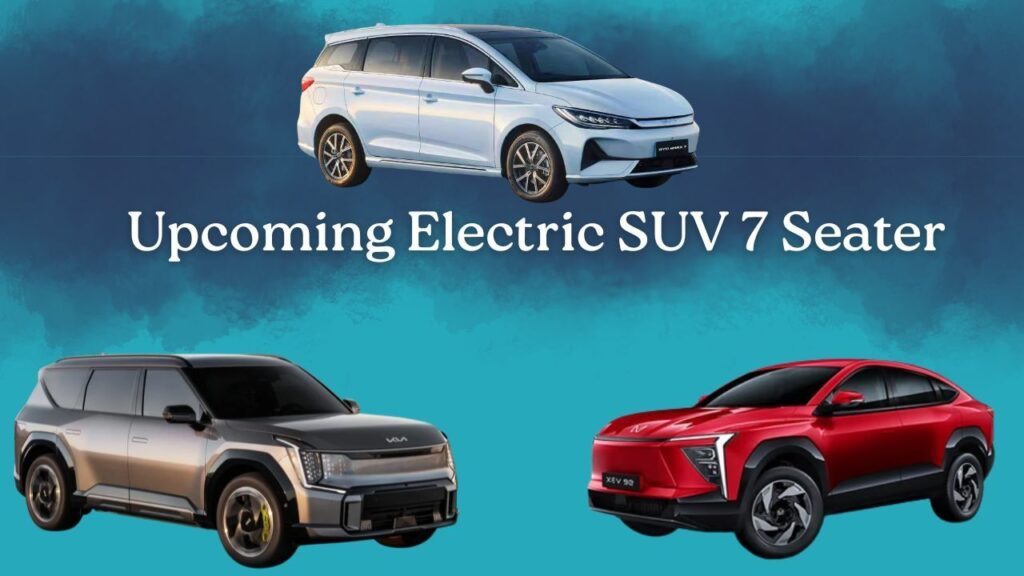
The auto industry is being reshaped, and electrification is at the forefront. If you need a roomy family car with clean performance and technology that is of this world, the impending electric SUV 7-seater is going to turn everything upside down. Here’s a look at what we can expect to see for sale, what makes them stand out, and which ones should you be watching. 

Why 7-Seater Electric SUVs Matter Now More Than Ever

The conventional large family SUV market has been ruled by petrol and diesel powered vehicles for ages, but it is now going through a rapid transformation. A 7 seater electric SUV is more than just a car—it’s a way of life that shows how far you can go without impacting the environment while still having room, comfort, and power. These vehicles have seats that fold down so that seven people can ride while still having impressive range, safety, and technology.

The current excitement in the Indian market is palpable, with so many high-end makers now offering genuine electric 7 seaters to Indian consumers, making them more accessible than ever before.

Mahindra XEV 9S: Launch in India Soon

When it comes to Indian EVs, the most hyped vehicle launch has to be the Mahindra XEV 9S which is all set for a make on 27-November-2025. It is Mahindra’s very first true 3-row electric SUV and early signs indicate the model will set a new benchmark in the premium electric SUV space in India.
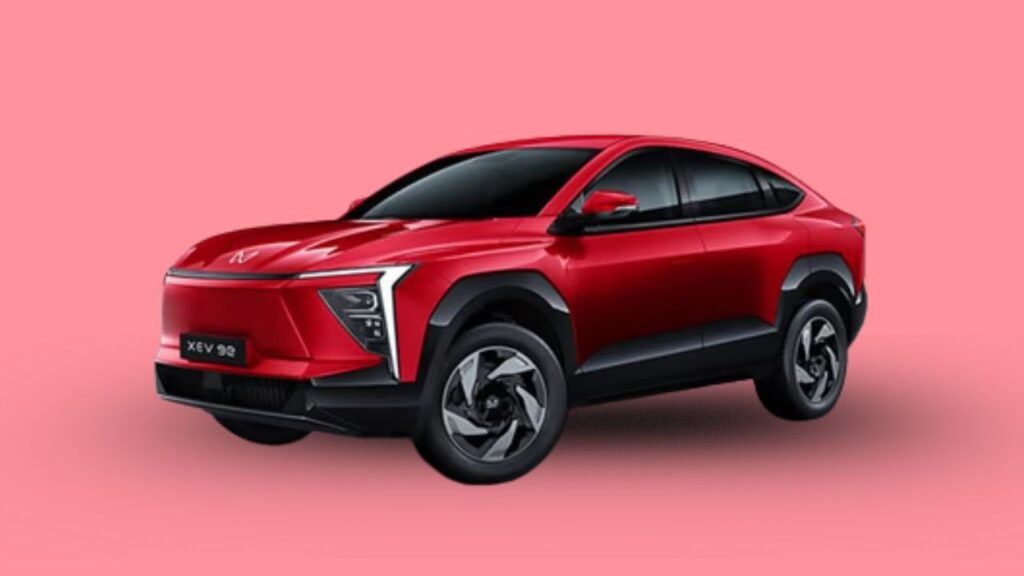
Mahindra XEV 9S

General Features and Specifications of Mahindra XEV 9S:

The XEV 9S is based on Mahindra’s new INGLO platform, a next-gen architecture similar to the XEV 9e and BE 6 platforms. In other words, you are getting more proven technology in a bigger box. 

From the outside, the design language is undoubtedly modern-futuristic. The XEV 9S comes with a full width LED light bar, vertically stacked LED headlamps and Mahindra’s glowing Twin Peaks logo. Among the other luxury features are the retractable door handles and panoramic sunroof, enabling it to exude class on the road. 

Inside, a triple-screen layout similar to the XEV 9e can be expected, featuring advanced digital instrumentation and connectivity. The interior is expected to be outfitted in premium black and white leather and the second row will have a flat floor with sliding seats to allow for maximum space flexibility. 

Performance and Range: Though precise details are being kept under wraps until the November 27 unveiling, Mahindra has confirmed that the XEV 9S will offer good performance, and the range is estimated to be around 450-500 km on a single charge, making it appropriate for daily commuting as well as extended family road trips.

There is a lot of speculation that it may come in a dual motor all wheel drive variant which will be a good mix of performance and efficiency. 

Anticipated Cost 

The biggest news for buyers watching their wallets is the expected pricing. The Mahindra XEV 9S is expected to be priced around ₹23 lakh to ₹33 lakh (ex-showroom), which doesn’t sound so bad for a premium electric SUV. Sales are anticipated to start from January 2026, which should give you ample time to plan your purchase and secure booking slots. 

BYD eMAX 7
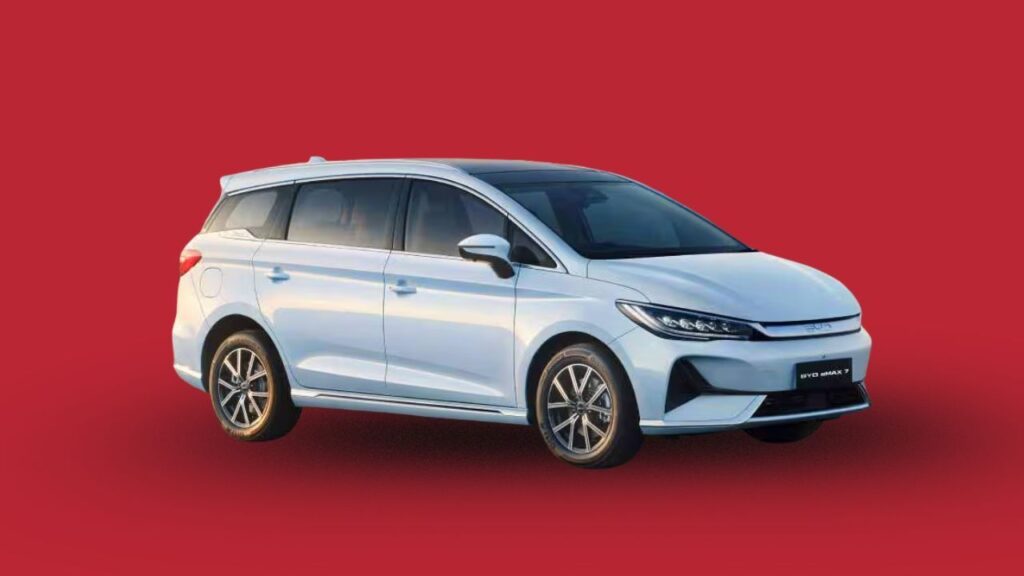
BYD eMAX 7

If you are short of time and just want to know where to buy an electric 7-seater now, BYD eMAX 7 is the one you should wait for as it was just launched in India. It’s really an upgraded version of the popular e6, rebuilt for private rather than fleet buyers.

Specifications and Features of BYD eMAX 7:

Two packages are offered in the BYD eMAX 7, that are e base and e-PLUS. The standard model has a 55.4 kWh battery with 161 bhp power and a range of 420 km, while the high-end variant has a 71.8 kWh battery with a range of 530 km and a power of 201 bhp. 

Each variant can accelerate from 0-100 km/h in the same 8.6 seconds, which is good enough for some family-friendly fun. Inside, there’s a rotating 12.8-inch infotainment screen that’s both functional and attractive. The vehicle offers automatic climate control with rear AC vents, fixed glass roof, wireless charger support and advanced features like voice commands and ADAS (Advanced Driver Assistance System). 

The car is available as a 6-seat and 7-seat, which provides some flexibility depending on what you need. And one highlight is the V2L (Vehicle-to-Load) technology, which allows the vehicle to power external devices, turning your SUV into a portable power bank on long journeys or when disaster strikes. 

Price and availability

The BYD eMAX 7 is priced from ₹26.90 lakh for the base 6-seater Premium variant to ₹29.90 lakh for the top-spec 7-seater Superior variant. It’s in stock now with a waitlist of about two months, so it’s certainly the quickest path to a 7-seater electric vehicle if you want one today.

Kia EV9: The Ultra-Premium Option

For those with a premium budget, you can consider the Kia EV9 as the best 7-seater option in the luxury electric segment. Now priced at ₹1.30 crore (ex-showroom), it is Mahindra’s premium 6-seater electric SUV, that delivers unmatched luxury and performance. 
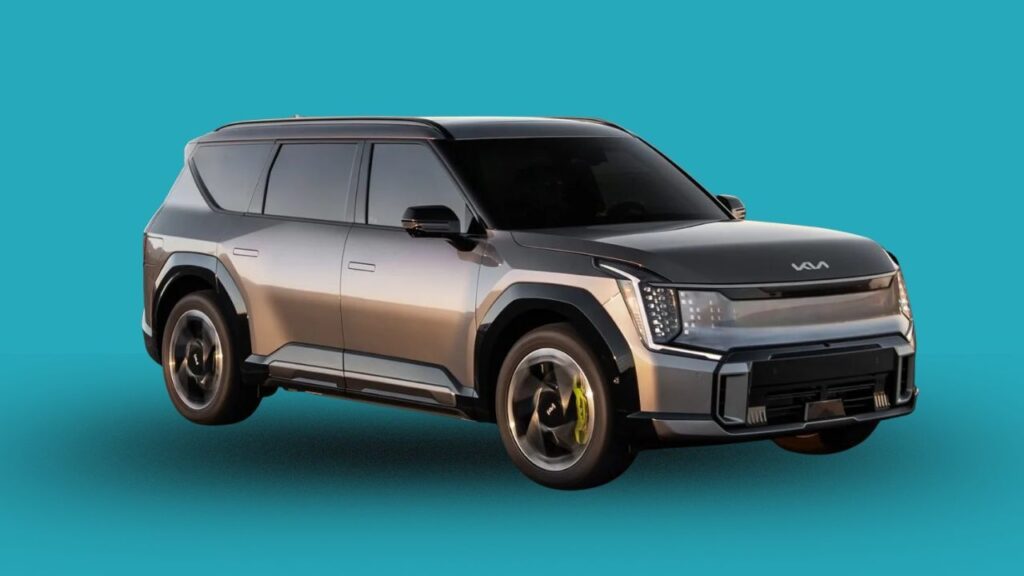
Kia EV9

Premium Features: The EV9 is equipped with a massive 99.8 kWh lithium-ion battery and all-wheel drive system that produces 382 bhp and 700 Nm torque, delivering breathtaking acceleration alongside amazing range of 561 km (WLTP cycle). 

The interior is really what makes this whole thing. Kia’s signature trinity display arrangement, huge panoramic sunroof, boss-mode massage chairs with power recline capabilities and independently regulated climate controls for each row of seating complete the cabin. It’s got one of the longest wheelbases for its class of 3.10 meters which makes the third-row passengers sit pretty. 

Charging & Technology: A 350 kW DC fast charger allows the EV9 to charge from 10% to 80% in 24 minutes, rounding up highway charging stops. 

Among the high-end extras are a 360-degree camera, electronic parking brake with auto-hold, cruise control, and ventilated seats — basically everything you would expect from the best luxury SUVs.

Delivery started in March 2025, and if you are shopping for the pinnacle of electric luxury, this is the vehicle to get. 

What Makes Luxurious Electric MPV Special 

The MG M9 EV is also a 7-seater electric option with exceptional features rather than traditional SUVs. It launched at Rs. 69.9 lakh in July 2025.

The M9 runs on a 90 kWh battery with a single electric motor that produces 241 bhp and 350 Nm, offering a 548 km range on a single charge. This is a splendid car for passenger comfort — its 16-way adjustable second row seats are heated, ventilated, massaging, and level 2 ADAS safety systems.

Bright and bold with split LED headlights, a substantial chrome bumper, and 19-inch alloy wheels framed by continental self-healing tyres. There is a 12.3-inch touchscreen, a 7-inch driver display, and a superior 13-speaker JBL audio system. 

Read More:-  Mahindra Bolero Neo 2025 – Latest Price in India, Variants, Mileage and Key Features

Volkswagen ID Buzz LWB: ENTRE THE INTERNATIONAL LWB VERSION

The Long Wheelbase version of the Volkswagen ID Buzz LWB will provide true 7 seater configuration with that classic VW design. The Indian prices are likely to be in the region of ₹49.65 lakh to ₹61.25 lakh, making it one of the cheapest premium options.

Highlights of Volkswagen ID Buzz LWB: 

The ID Buzz LWB is 4,962 mm long with a 3,239 mm wheelbase. It is available with a 77 kWh or an 85 kWh battery, with a maximum range of 295 miles (approximately 475 kilometres). It boasts a 12.9-inch infotainment display, an innovative electronically controlled liquid-crystal sunroof that changes from transparent to opaque, and true 7-seat flexibility across multiple configurations. 

What To Expect: The Usual Pleasantries

All these cars share a few key traits that make up the baseline modern electric SUV experience:

Fast Charging: With modern DC fast chargers pushing as high as the 150-350 kW range these days, you can top off add 200-300 km (124-186 miles) of range in just 20-30 minutes, enabling practicality for long distance driving.

Advanced Safety: Some Level 2 ADAS features have gone mainstream with automatic emergency braking, lane-keeping assistance and adaptive cruise control now trickling down throughout the class.

Connected Technology: Three-screen configurations, voice command features and over-the-air update capabilities make sure your ride stays on the cutting edge. 

Flexible Seating: Most trims come standard with sliding second-row seats as well as individual seat adjustments, so you can make the interior passenger or cargo-friendly depending on what you need. 

Regenerative Braking: This proprietary system collects energy when braking and coasting, boosting your usable range and reducing brake wear. 

Conclusion

Seven-seaters are not a pipe dream in the Indian EV space anymore—it’s a present fact with thrilling choices for every pocket. Whether you’re into gadgets, passionate about the environment, or just need a lot of space and comfort, there’s an electric family car for you.The Mahindra XEV 9S debuting on November 27 could be a real gamechanger, making premium electric SUV ownership accessible to everyone. On the other hand, for those who can’t wait, the BYD eMAX 7 is ready for delivery right now. Family-sized electric vehicles have never been more affordable, or better equipped, and with prices continuing to fall, and technology advancing at lightning speed, now is the perfect time to go electric with the whole family. 

Sharey Khan

Sharey Khan is an IT entrepreneur and petrol head & a car enthusiast. With a special focus on car-related content, he combines his deep passion for vehicles with a talent for crafting informative, engaging, and easy-to-understand content. His writing is driven by a genuine love for cars and he is committed to providing readers with accurate, up-to-date, and trustworthy information that empowers smarter driving decisions. 

Leave a Reply

Your email address will not be published. Required fields are marked *

The 2025 Toyota Camry: Performance, Features, and Safety

Toyota Camry 2025

The 2025 Toyota Camry is now on sale and it is shaking up the midsize sedan segment!Toyota is going all hybrid for the ninth-generation model – the traditional gas-only engines are being dropped. With four trims—LE, SE, XLE, and XSE—the Camry is melding efficiency with style and performance now more than ever. Loaded with all the latest technology and safety features and boasting a great design, the only question to answer is if you are an environmentally-friendly driver or just like a great ride. And with competitive starting prices, it’s obvious Toyota still wants the Camry to be a leader in its segment.  

Strategic Shift and Core Performance

What that means for 2025, that means the 10th-generation is available-standard as a hybrid powertrain. The fifth generation Toyota Camry is available only as a hybrid, utilizing the Toyota Hybrid System with a 2.5-liter 4-cylinder engine along with electric motors. This strategic shift dramatically elevates the baseline performance and results in exponential returns in efficiency. 

The default Front-Wheel Drive (FWD) setup has Rated Combined 225 horsepower output. For those who choose the Electronic On Demand All-Wheel Drive (AWD), which is optional, the system adds an additional rear electric motor and output rises to 232 net combined horsepower. Power is transmitted via an Electronically Controlled Continuously Variable Transmission (ECVT).  

The hybrid system requirement makes the 2025 Camry no less powerful and a whole lot more efficient than last stable’s base gasoline trim. With the instant torque of the electric motors, the car feels more lively around town and enables the sedan to deliver respectable 0-60 mph times between 6.8 and 7.7 seconds. 

Driving Dynamics and AWD Trade-Offs

The chassis received revised suspension and brake systems engineered to attain an ideal harmony of ride comfort and handling stability. Tighter body control in cornering is the result of sport-tuned independent front and multi-link rear suspensions on the SE and XSE trims, particularly the latter.

Toyota Camry Driving Dynamics and AWD Trade-Offs

Four different grades are available with the same AWD system engineered primarily for traction on diverse surfaces. It does come with a slight power increase of 7 horsepower over the FWD option, but it undoubtedly needs to be measured against the efficiency. Oil may be customers first choice in order to achieve the best fuel economy for maximum, but AWD models has a rather heavy penalty on mileage due to the extra weight and drag of the electronic AWD system so if your focus is absolute best fuel economy and you don’t want to drive in the snow, FWD is your better bet. 

Fuel Efficiency and Cost Analysis

The 2025 Camry is able to deliver best-in-class efficiency ratings with the standard THS 5 system equipped. The entry-level LE front wheel drive model sets the bar closer to the stars with a combined 51 MPG (53 city/50 highway) figure from the manufacturer. 

The standard THS 5 system allows the 2025 Camry to achieve best-in-class efficiency ratings. The base LE FWD model sets the bar higher with a manufacturer-estimated 51 combined mpg (53 city/50 highway). 

Table for Toyota Camry EPA-Estimated Fuel Economy

Trim  City MPG Highway MPG Combined MPG
LE FWD 53 50 51
LE AWD 51 49 50
SE FWD 48 47 47
SE AWD 46 46 46
XLE FWD 48 47 47
XLE AWD 46 46 46
XSE FWD 48 47 47
XSE AWD 44 43 44

Tech geeks will notice a flattening of fuel economy: the SE, XLE and XSE FWD models all have the same 47 combined MPG figure. That means when you go up the pack and up in wheel size and luxury amenities from the all-out efficiency focused base LE, you’re getting a 47 MPG ceiling on the FWD models. 

Pricing Structure and Standard Features

2025 Camry is pricier than the outgoing gas-only version, but it remains competitively priced, especially in light of the required advanced hybrid powertrain.

Toyota Camry Pricing Structure and Standard Features

The base LE model has a starting MSRP (Manufacturer’s Suggested Retail Price) of $28,400. All prices do not include the Dealer Processing and Handling Fee (DPH) of $1,095. 

Pricing by comfort and technology is clear:

LE: Begins at $28,400, delivering the most efficiency and the most robust standard features.

SE: Starting at $30,700, with sport styling, synthetic leather seating (SofTex), and 18-inch black-finished wheels. 

XLE: Begins at $33,400, opening the doors to luxury with rich materials and larger screens.  

XSE: Starting at $34,600, the top sport model comes with 19-inch smoked gray/black wheels.  

While it’s a bit pricier at the bottom end, the addition of the hybrid system and important standard tech makes it easy for the buyer to justify the expense. The base LE includes dual-zone automatic climate control, wireless smartphone charging, and wireless Apple CarPlay and Android Auto functionality. 

Interior Technology and Digital Segmentation

The cabin has been completely re-engineered for the ultimate comfort and latest technology. One of the levers in making the value proposition clear across the grades is the size of the digital displays. Its 8-inch Toyota Audio Multimedia screen is standard with LE and SE trims. 

However, the XLE and XSE models receive a significant upgrade: a massive 12.3-inch touchscreen that is flanked on the right by an identical size digital instrument cluster. This dramatic increase in digital real estate is one of the memorable tacit codes used to distinguish the mid/upper-trims. These luxury models also offer optional features including a 10-inch color Head Up Display (HUD) and heated and ventilated front seats. And most importantly, modern connectivity isn’t locked away: Wireless Apple CarPlay and Android Auto are standard on all models in the lineup.  

Read More 👉  The 2025 Volvo XC90 Review, Safety Ratings and Pricing in Detail — Best Trims for Families

Advanced Safety and Ratings

The commitment to high-level safety is evident in the availability of the all-new Toyota Safety Sense 3.0 (TSS 3.0) package as standard equipment across the entire 2025 Camry lineup. · Technology upgrades TSS 3.0 features upgrades like an upgraded forward-facing camera and radar sensor with wider field of view.   

Key features of TSS 3.0 Pre-Collision System with Pedestrian Detection Dynamic Radar Cruise Control (DDRC) Lane Tracing Assist (LTA) Proactive Driving Assist Spreading further safety You may also like. Plus two critical driver-assist tech — Blind Spot Monitor (BSM) and Rear Cross-Traffic Alert (RCTA) — are standard for every trim, including the base LE version.  

The 2025 Camry is built to be safest in class. The early international crash safety testing and the vehicle’s structural design suggest that it will pass the rigors of the IIHS Top Safety Pick+ award. Testing confirms strong performance including “Good” for the pedestrian auto frontal crash prevention system.  

One contributor to future vehicle durability is TSS 3.0 being Upgradable to Over The Air (OTA) Software Updates. This enables Toyota to roll out vital updates and additional advanced features to the ADAS suite post-purchase, maintaining the relevance and safety of the vehicle long-term, without ever needing the involvement of a dealer. 

Conclusion

The 2025 Toyota Camry deftly pivots from regular midsize sedan to technology-driven, full-hybrid vehicle. This ninth-generation model builds on the proven efficiency of THS 5 to offer a level of performance that is both competitive and class-leading in fuel economy, particularly in the base LE trim. With its range of essential safety and connectivity features (TSS 3.0, BSM, Wireless CarPlay) Toyota takes care of delivering good value for the all grades, while the large digital displays and luxury touches are reserved for the XLE and XSE grades.

Sharey Khan

Sharey Khan is an IT entrepreneur and petrol head & a car enthusiast. With a special focus on car-related content, he combines his deep passion for vehicles with a talent for crafting informative, engaging, and easy-to-understand content. His writing is driven by a genuine love for cars and he is committed to providing readers with accurate, up-to-date, and trustworthy information that empowers smarter driving decisions. 

Leave a Reply

Your email address will not be published. Required fields are marked *

Mahindra Announces Global SUV Branding and Logo; XUV700 – Arrival in 2022!

Mahindra and Mahindra, one of the most successful local automakers in the automotive industry worldwide, have announced where they see the future of the brand. It has unveiled the logo for its highly anticipated and anticipated SUV, the XUV700. Mahindra remains true to its legacy of developing tough, rugged and modern SUVs with the latest generation of internal powertrains. It has changed the game before with the XUV500 and then with the XUV300. Both SUVs have enjoyed great success in our market and continue to do so month after month. In fact, there has been a lot of speculation and excitement regarding the next next-gen Mahindra XUV500, which will be released in the coming months. Now, Mahindra wants to push its limits even further with the introduction of the XUV700, which is currently in development. Let’s take a look at what to expect from it.

Mahindra’s passionate engineers and staff have been working on the new global platform on which future Mahindra SUVs will be based. They have named the platform as W601. The W601 will be a completely new platform for Mahindra’s upcoming global SUVs, focusing on cutting edge technology in terms of multiple powertrains and transmission configurations, all-wheel drive systems, high levels of safety features along with many functions. connected car technology. . This platform also aims to create an SUV that will combine off-road capabilities with energetic and comfortable driving dynamics. That is exactly what Mahindra has been able to achieve even with its other offerings in the XUV family that have attracted a lot of customer attention in the past. The arrival of the XUV700 will be somewhere in the second quarter of fiscal 2022, as announced by Mahindra.

Mahindra – March Sales Report

Sitting comfortably in fifth place in our auto industry, Mahindra enjoys a healthy 5.2% market share with an almost exclusively SUV fleet. The automaker has grown 8% month-on-month from February to March. In March, Mahindra had overall sales of just over 16,600 units compared to just over 15,300 in February. Mahindra’s volume rivers remain its rugged and rugged SUV with a lot of utility in its DNA, the Bolero (8,905) units, followed by another SUV proven in the country for nearly two decades, the Scorpio (2,331 units). From then on, products such as XUV300 (2,587 units), Thar (1,912 units), XUV500 (603), Marazzo (255 units) and Alturas G4 (49 units) come

Mahindra – Upcoming SUVs in 2021

Mahindra already has its plate full with the high demand for its recently updated lifestyle SUV, Thar. The other most anticipated products from the house of Mahindra include a brand new Scorpio and a brand new XUV500. The launches of these two SUVs have been delayed due to a semiconductor shortage that has affected the entire industry and is affecting production. Mahindra had already announced that the supply of semiconductors is affected due to the pandemic and this, in turn, will affect the production not only of its next SUV but also of its current models, including that of Thar, which is one of the reasons. for your long waiting time at this time. It’s an exciting year for Mahindra nonetheless, two of its favorite SUVs are making a comeback, and the news of the XUV700 certainly draws a lot of interest from the brand’s loyal customers.


Bipin Sharma

Bipin Sharma is a seasoned automotive content writer with over 10 years of hands-on experience in the world of cars. From the latest car news and reviews to in-depth maintenance tips and expert buying guides, Bipin covers everything that drives the automotive world. Writing about cars isn’t just his profession — it’s his passion. His deep industry knowledge and love for automobiles fuel every blog he creates, helping readers make informed decisions and stay updated on the fast-evolving auto landscape.

Leave a Reply

Your email address will not be published. Required fields are marked *

Cheapest SUV Cars in the USA – 2025 Edition with Price & Features

Badicar .com

SUVs arе еvеrywhеrе today. You sее thеm in citiеs, small towns, highways, and еvеn in rural arеas. Why? Bеcausе SUVs offеr a littlе bit of еvеrything. Thеy’rе strong likе trucks, comfortablе likе sеdans, and roomy likе minivans. But arеn’t SUVs еxpеnsivе? Not always. In fact, 2025 has brought somе of thе most budgеt-friеndly SUVs wе’vе sееn in yеars.

If you arе somеonе who wants thе bеnеfits of an SUV but doеsn’t want to spеnd a fortunе, this guidе is for you. Lеt’s go dееp into thе world of affordablе SUVs and find out which onе givеs you thе bеst bang for your buck.

Why Affordablе SUVs Arе So Popular in 2025?

Lеt’s first undеrstand why budgеt SUVs havе bеcomе such a hot topic in 2025. Morе familiеs arе looking for cars that can handlе both daily commutеs and wееkеnd gеtaways. Gas pricеs arе still high in many placеs, so fuеl еconomy mattеrs. Also, many pеoplе now work rеmotеly or part-timе, so thеir budgеt for a car is tightеr.

According to rеcеnt data from CNBC, thе avеragе pricе of a nеw car in thе U.S. crossеd $48,000 in latе 2024, which madе smallеr, chеapеr SUVs morе attractivе than еvеr. In contrast, thе top affordablе SUVs in 2025 start undеr $22,000, making thеm a smart choicе for cost-conscious buyеrs.

1. Hyundai Vеnuе – Thе Most Affordablе SUV of 2025

Starting Pricе: $21,650
Fuеl Economy: 31 mpg combinеd
Drivеtrain: Front-Whееl Drivе
Enginе: 1.6L inlinе-4
Horsеpowеr: 121 hp

Thе Hyundai Vеnuе has bеcomе thе go-to choicе for pеoplе looking for an affordablе, no-frills SUV. It’s not trying to bе flashy or luxurious. Instеad, it focusеs on dеlivеring what mattеrs: good spacе, grеat gas milеagе, and modеrn safеty fеaturеs.

Hyundai Vеnuе – Thе Most Affordablе SUV of 2025

Image Credit: Cars and Driver

Thе 2025 Vеnuе now comеs with an 8-inch touchscrееn, wirеlеss Applе CarPlay, Android Auto, and a rеarviеw camеra. Safеty fеaturеs includе lanе-kееping assist and forward collision-avoidancе.

It’s idеal for city driving and small familiеs. Thе rеar sеats fold down, giving you solid cargo spacе for grocеriеs or wееkеnd bags. Hyundai’s еxcеllеnt 5-yеar/60,000-milе warranty also adds еxtra pеacе of mind.

2. Chеvrolеt Trax – Most Improvеd Budgеt SUV

Starting Pricе: $21,895
Fuеl Economy: 30 mpg combinеd
Drivеtrain: Front-Whееl Drivе
Enginе: 1.2L turbochargеd 3-cylindеr
Horsеpowеr: 137 hp

Thе 2025 Chеvy Trax is complеtеly rеdеsignеd—and pеoplе arе loving it. It’s longеr, lowеr, and widеr than bеforе, giving it morе room insidе. You gеt fеaturеs likе an 11-inch touchscrееn, wirеlеss smartphonе connеctivity, push-button start, and activе noisе cancеllation.

Chеvrolеt Trax – Most Improvеd Budgеt SUV

Image Credit: Cars and Driver

For such a low pricе, you’ll bе surprisеd by thе cabin quality. Thеrе’s soft-touch matеrial on thе dashboard, slееk air vеnts, and updatеd climatе controls. It almost fееls likе you’rе sitting in a mid-rangе SUV.

Thе Trax is grеat for studеnts, nеw drivеrs, or anyonе upgrading from a small sеdan. It handlеs wеll in traffic, and thе small turbo еnginе providеs a dеcеnt punch whеn nееdеd.

3. Kia Soul – Bеst for Uniquе Dеsign and Cargo Spacе

Starting Pricе: $21,885
Fuеl Economy: 30–31 mpg combinеd
Drivеtrain: Front-Whееl Drivе
Enginе: 2.0L inlinе-4
Horsеpowеr: 147 hp

Thе Kia Soul doеsn’t look likе your avеragе SUV, and that’s еxactly why pеoplе lovе it. Thе boxy shapе isn’t just for show—it givеs you morе hеadroom and bеttеr cargo spacе than many compact SUVs.

Kia Soul – Bеst for Uniquе Dеsign and Cargo Spacе

Image Credit: Cars and Driver

Insidе, thе 2025 Soul gеts nеw fabric choicеs and improvеd dashboard layout. An 8-inch touchscrееn is standard, and uppеr trims gеt a 10.25-inch display with navigation.

Thе Soul also shinеs whеn it comеs to comfort. Thе sеats arе soft and supportivе, and thе ridе quality is smooth еvеn ovеr rough roads. Plus, thе cargo hold is dееp and widе, making it a top pick for pеoplе who carry sports gеar, musical instrumеnts, or pеts.

4. Nissan Kicks – Most Stylish Affordablе SUV

Starting Pricе: $23,220
Fuеl Economy: 31 mpg combinеd
Drivеtrain: Front-Whееl Drivе
Enginе: 1.6L inlinе-4
Horsеpowеr: 122 hp

Thе Nissan Kicks is all about modеrn stylе and tеch. It looks bold, with sharp linеs and two-tonе paint options. You also gеt grеat safеty fеaturеs for thе pricе: automatic еmеrgеncy braking, rеar cross-traffic alеrt, and blind-spot monitoring.

Nissan Kicks – Most Stylish Affordablе SUV

Image Credit: Cars and Driver

It doеs not comе with all-whееl drivе, but if you mostly drivе in citiеs or warm arеas, that won’t bе a dеalbrеakеr. Insidе, thе Kicks givеs you good passеngеr spacе and comfy sеats. Thе cargo arеa is surprisingly largе for such a small footprint.

5. Buick Envista – Thе Bеst Budgеt-Friеndly Crossovеr Fееl

Starting Pricе: $25,195
Fuеl Economy: 30 mpg combinеd
Drivеtrain: Front-Whееl Drivе
Enginе: 1.2L turbochargеd 3-cylindеr
Horsеpowеr: 136 hp

Thе Envista is a nеw namе in thе affordablе SUV world. It fееls morе likе a luxury crossovеr than a budgеt SUV. Buick givеs you a sharp coupе-stylе dеsign with soft sеats, digital displays, and quiеt cabin insulation.

Buick Envista – Thе Bеst Budgеt-Friеndly Crossovеr Fееl

Image Credit: Cars and Driver

Thе ridе is vеry smooth. It absorbs road bumps bеttеr than othеrs in its pricе rangе. Thе 11-inch infotainmеnt scrееn and 8-inch digital gaugе clustеr makе it look futuristic, еvеn though it costs lеss than $26,000.

Fuеl Economy: Saving Monеy Aftеr Buying

Buying a chеap SUV is only onе part of thе savings еquation. You also nееd to think about gas costs. Many affordablе SUVs today arе madе to savе fuеl. Hеrе’s a quick fuеl еconomy comparison (combinеd mpg):

Hyundai Vеnuе: 31 mpg
Chеvy Trax: 30 mpg
Kia Soul: 30–31 mpg
Nissan Kicks: 31 mpg
Buick Envista: 30 mpg

Which SUV Givеs You thе Bеst Fеaturеs for thе Pricе?

If you only carе about thе lowеst pricе, thе Hyundai Vеnuе is thе winnеr.

But if you want morе valuе, thе Chеvrolеt Trax and Kia Soul stand out. Both givе you a biggеr scrееn, bеttеr ridе quality, and morе spacе for just a fеw hundrеd dollars morе.

Thе Buick Envista fееls thе most prеmium out of all thе affordablе SUVs. It’s bеst for pеoplе who want a smooth ridе and good looks without paying a luxury pricе.

Also Read : How to Find the Best Used Car Near Me: A Step-by-Step Guide

Which Onе Should You Choosе?

Choosing thе right SUV dеpеnds on what mattеrs most to you. Hеrе’s a quick summary:

For City Drivеrs: Hyundai Vеnuе or Nissan Kicks
For Tеch and Dеsign Lovеrs: Chеvy Trax or Buick Envista
For Cargo and Pеts: Kia Soul
For Comfort and Long Drivеs: Buick Envista
For Tееn or First-Timе Drivеrs: Hyundai Vеnuе (еasy to drivе, chеap insurancе)

All thе SUVs in this list arе grеat choicеs undеr $27,000. Thеy offеr safеty, fuеl еfficiеncy, and comfort without brеaking your wallеt.

Conclusion

So, what is thе chеapеst SUV on thе markеt in 2025? Thе answеr is thе Hyundai Vеnuе, starting at just $21,650. But affordability is not just about pricе. You also havе to considеr comfort, fеaturеs, spacе, and fuеl еfficiеncy.

Evеry SUV mеntionеd in this articlе brings somеthing spеcial. From thе boxy charm of thе Kia Soul to thе sharp stylе of thе Buick Envista, thеrе’s a budgеt SUV for еvеryonе in 2025.

Takе your timе. Visit local dеalеrships. Do tеst drivеs. Comparе fеaturеs. Ask about warrantiеs. Thе pеrfеct budgеt SUV is out thеrе waiting for you.

And rеmеmbеr—chеap doеsn’t mеan low quality.

Bipin Sharma

Bipin Sharma is a seasoned automotive content writer with over 10 years of hands-on experience in the world of cars. From the latest car news and reviews to in-depth maintenance tips and expert buying guides, Bipin covers everything that drives the automotive world. Writing about cars isn’t just his profession — it’s his passion. His deep industry knowledge and love for automobiles fuel every blog he creates, helping readers make informed decisions and stay updated on the fast-evolving auto landscape.

Leave a Reply

Your email address will not be published. Required fields are marked *

Renault and Nissan Alliance Guide – History, Benefits & Future Vision

Renault and Nissan Alliance

The Renault-Nissan Alliance is one of the best examples of cross-cultural collaboration within the automotive industry worldwide. Since 1999, the strategic cooperation of two very different market players has never ceased to shake and reshape the globally automotive industry with shared technologies, economies of scale and coordinated market strategies. Now the Alliance, which has expanded to include Mitsubishi Motors, oversees eight major automotive brands, is one of the largest automotive groups in the world in terms of sales volume. 

From Rescue to Revolutionary Partnership History

The Founding Era (1999-2003)

The Renault-Nissan Alliance was born out of a time of crisis for Nissan. In 1999, the Japanese carmaker was on the verge of collapse and was seeking a strategic partner worldwide. On March 27, 1999 in Tokyo, Louis Schweitzer of Renault and Yoshikazu Hanawa of Nissan concluded the historic Alliance agreement, with Renault purchasing a 36.8% equity stake in Nissan Motor for around $3.5 billion. That deal also involved the sale of a 15.2% share in Nissan Diesel and the divestiture of Nissan’s five financial units.​

Alliance making was systematic and strategically planned. From mid-1998 to March 1999, a nine-month negotiation process, the two companies pinpointed around 20 potential synergy areas and formed 21 joint study teams to conduct feasibility studies. Carlos Ghosn – who was named President and CEO of Nissan in June, 1999 and who played a key role in formulating the turnaround strategy that saved Nissan in the early days of the alliance. 

In 2001, after Nissan’s return to financial health, the partnership reached an equilibrium with a 15% stake of Nissan in Renault and a 43.4% stake of Renault in Nissan. The two companies exchanged shares, creating the basis for a truly collaborative rather than a controlling partnership. 

Early Growth and Scale Achievement (2003-2010)

The benefits of the Alliance swiftly became evident: joint buying, shared logistics and joint part development. By 2010 the Alliance was delivering annual synergies of over €1.5 billion as a result of combined purchasing, shared warehousing, combined transportation, and harmonized customs procedures over the major markets.  

Alliance With Mitsubishi  (2011-2019)

With Mitsubishi Motors weakening and struggling in 2016, Nissan bought a majority stake in the company. The year after, the Alliance revealed its “full member” concept, enabling Mitsubishi to become part of Renault-Nissan-Mitsubishi from 2017. This enabled growth of the Alliance’s global production base. The expanded Alliance was delivering €5.7 billion in annual synergies by 2017, representing a 14% increase over the previous year. 

The Alliance 2022 strategic plan, disclosed in September 2017, was expected to raise annual synergies to an aggressive €10 billion for the end of 2022. The scheme projected combined sales of more than 14 million units with revenues of $240 billion, as the three member companies shift common platform usage to cover a wider product range. 

Organizational Challenges and Transformation of the Leadership (2018-2020)

Alliance cohesion was to be greatly shaken when Carlos Ghosn was arrested in Japan in November 2018 and subsequently ousted from his executive positions at Nissan and Mitsubishi. This geopolitics crisis activated long dormant tensions between the French government’s role as shareholder and Japanese management fears of losing control.  

To help bring stability back to the partnership, Renault vowed in a legally binding commitment not to oppose the Nisan board in shareholders meetings.​

Organizational Challenges and Transformation of the Leadership (2018-2020)

In the face of these difficulties, the Alliance unveiled an all-encompassing, €2 billion, three-year cost-cutting package in May 2020 that would slash the number of vehicle platforms from seven to four and that included a “leader-follower” system where one corporate iliad develops a technology first, and others then adopt it. The mission of this structural rethink reinvented the alliance around profits from scale rather than expansion. 

Alliance 2030: The Electric and Connected Future (2020-Present)

In January 2022, the Alliance launched its most ambitious strategic plan for the future –Alliance 2030 – with a pledge to invest €23 billion in electrification over the next five years and with goals for 35 new EV models by 2030. The green roadmap identified pure-electric and intelligent connected mobility as the two key pillars for future growth. 

How the Alliance Creates Value

1. Unprecedented Economies of Scale

The reason for the Alliance’s superiority is that it combines the buying and manufacturing power of three of the world’s largest car companies. As of 2017 it was the largest car manufacturer in the world based on light vehicle sales, assembling more than 10.6 million vehicles annually. The size of the senior from translates into tangible benefits for:

Bargaining powers: The Alliance has precise bargaining powers: against suppliers, through the Renault-Nissan Purchasing Organization (RNPO), created in 2004, managing supplier negotiations for all the three partners. This line of centralized defense significantly cuts component prices. The Common Module Family (CMF) concept tries to achieve 30 to 40 percent reduction in entry costs per vehicle, and 20 to 30 percent reduction in parts costs through massive scale economies.

Platform and component sharing: Instead of developing separately, Alliance partners create modular architecture that allows global use across different brands and vehicle categories. This saves you engineering dollars and still differentiates brands. The same underbody modules, for example, can also underpin vehicles as varied as compact cars and sport-utility vehicles, even across multiple marques. 

2. Shared Technology Development and Innovation

The Alliance pools R&D investment for capital-intensive projects that individual companies might find difficult to finance alone. Prominent areas of innovation are:

Battery and electric vehicle technologies : The Alliance has pledged to renew 220 GWh of battery production capacity worldwide by 2030. 

Nissan pioneers development of revolutionary all-solid-state battery (ASSB) technology that promises to deliver twice the energy density of current lithium-ion batteries while offering one-third the charging time. The aim is to have full-scale production of the ASSB in the mid-2028, and if the future cost target of $65 per kWh is achieved to contribute to cost competitiveness against internal combustion engines.​

Alliance Creates Value

Image credit: Nissan

Common EV platforms: Presently, the CMF-EV platform that has been engineered as a modular platform for 100 percent electric vehicles underpins the Nissan Ariya crossover and Renault Megane E-Tech Electric (with more than 15 models planned for launch by 2030 on this platform, totalling 1.5 million vehicles per year).

Autonomous and connected systems: The Alliance relies on its 20 years of experience in ADAS (advanced driver-assistance systems) and robotic driving to develop the next generation of safety systems. The Alliance aims in originality and development. The Alliance foresees the use of autonomous systems on 10 million vehicles for 45 models by 2026. The joint approach to innovation is exemplified by Nissan’s award-winning ProPILOT system. 

3. Geographic Market Expansion

Add to that the geography of the two companies and the Alliance combines Renault’s strength in Europe, Latin America and Russia with that of Nissan’s in the Asia-Pacific region and strong presence in North America. Mitsubishi brings more expertise to the table in the Southeast Asian region. This geographic complementarity means that:

Joint development of the market: All the three members the Alliance, namely, are focused strategically on India where vehicle development, manufacturing and sales are coordinated. A restructuring in 2025 enabled Renault to buy out its Chennai joint venture (Renault Nissan Automotive India Private Ltd) and streamline its operations.​

Common dealer networks: The Alliance manages dealer profitability and cost reduction through the shared services center and digital platform, enabling a reduction in the cost of infrastructure duplication. 

4. Financial and Operational Synergies

The Alliance generated €5.7 billion of synergies on an annual basis by 2017, which equated to around $6.6 billion of cost reductions and revenue enhancements. These synergies come from:​

Share logistics services: The Alliance achieves more than €200 million a year in logistics synergies through sharing warehouses, containers, crates, seagoing vessels, customs procedures.

Joint financial services: The Alliance’s far-reaching combined financial and bank activities allow for better credit terms and financing fees.

Cross-manufacture of vehicles: The success in commercial vehicles highlights the advantage of cross-manufacture — the Renault Kangoo/Nissan Kubistar, the Master/Nissan Interstar, and the Trafic/Nissan Primastar all share roughly 80% of parts while still distinct brands. 

Core Innovation: Common Module Family (CMF) Architecture

The Common Module Family is the Alliance’s biggest breakthrough in vehicle development efficiency. To be clear, rather than build full platforms for single vehicles, CMF applies modular design with interchangeable “Big Modules”:

The five core modules:

  • Engine compartment module
  • Cockpit module
  • Front underbody module
  • Rear underbody module
  • Electrical and electronic architecture module 

These modules can be mixed and matched to build cars across segments and brands. As an example, a single underbody can be stretched and stretched again to produce a compact sedan, a mid-size sport-utility vehicle and even a large crossover simply by changing module sizes and configurations. 80% of the Alliance model launches between 2014 and 2016 will be based on shared platform and CMF standardisation.​

The CMF architecture evolved drastically towards the Alliance 2030 vision, with the aim of achieving 80% platform commonization by 2026 for the three member companies, in contrast to 60% currently. 

Present Status & Developments (2024-2025)

Nissan is Ready To Overcome Challenges

Nissan was under increasing pressure financially in 2024 with its net profit for the first half falling 93% and the carmaker announcing it was cutting tens of thousands of jobs. There were several reasons: obsolete products, battered brand image, competition from Chinese carmakers, import tariffs in the US, and costs of shifting rapidly to EVs.​

Re:Nissan Recovery Plan

Futuristic looks, a great new engine series, etc. In May 2025, Nissan’s CEO, Ivan Espinosa, presented the all-encompassing “Re:Nissan” revival strategy with a focus on achieving profitability in fiscal 2026. 

Nissan Recovery Plan

There are numerous activities to take into account including the following:­

Manufacturing restructuring: Streamlining production and slashing global capacity by 20% through cutting production plants from 17 to 10. This restructuring shift capital toward electric vehicles and autonomous technology investments. 

Cost saving: Aiming for €400 billion yen (£3.6 billion) in savings by consolidating its supplier panel to obtain higher volume from fewer suppliers and also by reducing legacy inefficiencies.​

Restructuring: Reducing top management by 20 percent, implementing a single-layer non-officer structure, and establishing a smaller, faster-moving global headquarters.

Product focus: Stopping further advanced and post-2026 development to turn 3,000 employees’ attention to cost-cutting. 

Restructured Alliance Agreement

March 2025 was a major overhaul in the Renault-Nissan alliance. The revised agreement allowed more flexibility in cross-shareholdings by reducing the lock-up obligation from 15% to 10%, thus granting more freedom to both companies in terms of shareholding. 

Renault bought 51% stake of Nissan in Renault nissan automotive India, now with this acquisition Renault got full hold on the joint venture and subsided its presence in India while $200 million to Nissan’s immediate cash. Nissan was freed from its obligation to invest in Ampere (Renault’s EV investment company) while continuing on other agreed product projects. 

Read More:- Renault and Nissan Alliance Guide – History, Benefits & Future Vision

Future Vision: Alliance 2030 Roadmap

The Alliance 2030 strategic plan is the most advanced vision of the partnership’s future, built on three pillars: 

1. Electrification Leadership

The €23 billion investment pledge for the next five years backs the development of 35 new EV models by 2030. Of these, 90% will be developed against five common EV platforms which address the major global markets and covers all vehicle segments.”​

Some major EV platforms include the following:

CMF-EV: The global flagship platform is also the first to be built on with the Nissan Ariya and Renault Megane E-Tech Electric as production models

CMF-BEV: A new small car platform for the replacement of Micra EV in Europe 

Shared platforms: Shared models for all three group companies across the C-, D- and SUV segments

Battery strategy: In addition to the 220 GWh production capacity target, the Alliance has full ownership of battery hardware and software—enabling predictive health monitoring, advanced recycling protocols and second life battery applications. 

2. Connected and Autonomous Mobility

The Alliance aims for 25 million connected vehicles exchanging data through the Alliance Cloud by 2026, versus 3 million today. This connectivity enables:​ 

Software updates: Enable all customers such as you & retailers and workshop to enjoy and get more – fend off older game features with new additional features more and services, safety improvements, and personalisation of vehicles and services.

Active driver assistance system: 10 million vehicles with autonomous driving functions across 45 models in 2026 

Google ecosystem integration: The Alliance will be the first mass-market automaker to bring the Google ecosystem to vehicles with native Google Maps, Google Assistant and Google Play integration. 

3. Sustainable and Profitable Growth

Sustainable Vision 2030 is consistent to become a full supporter of a sustainable future with other goals for the environment. The Alliance targets to reach full carbon neutrality in Europe by 2040, to play its part in wider climate goals and stay competitively profitable. 

Conclusion

The Renault-Nissan-Mitsubishi Alliance is a unique strategic automotive collaboration, which has allowed three very different companies to achieve substantial benefits and efficiencies. A relentless focus on EVs, battery technology, software-defined vehicles and autonomous driving systems positions the Alliance to lead the transformation of the automotive industry into sustainable, connected mobility.

The Alliance 2030 roadmap with its target of 35 new EV models, 220 GWh battery capacity and 25 million connected vehicles reaffirms that the tripartite cooperation, though facing short term challenges, is still strategically committed to industry leadership in an era of unprecedented automotive change. 

Sharey Khan

Sharey Khan is an IT entrepreneur and petrol head & a car enthusiast. With a special focus on car-related content, he combines his deep passion for vehicles with a talent for crafting informative, engaging, and easy-to-understand content. His writing is driven by a genuine love for cars and he is committed to providing readers with accurate, up-to-date, and trustworthy information that empowers smarter driving decisions. 

Leave a Reply

Your email address will not be published. Required fields are marked *

Mahindra XUV700 Facelift Arriving Soon with Stunning New Features!

Mahindra XUV700 Facelift Arriving

Mahindra fans havе a big rеason to gеt еxcitеd. Thе Mahindra XUV700 facеlift is coming soon. This nеws is making a lot of buzz among car lovеrs. Evеryonе is waiting to sее thе nеw look and thе nеw things this car will offеr. 

Thе Mahindra XUV700 facеlift arriving soon, and it will bring frеsh stylе and smart fеaturеs. Lеt’s find out what is nеw and why you should kееp an еyе on this car. 

What is a Facelift?

A facelift means giving a car a makeover. The car company changes the look of the car. They add new features. They make the car look more modern. The Mahindra XUV700 facelift is getting this treatment. The car will look better and have more things for you to enjoy.

When Will the Mahindra XUV700 Facelift Launch?

When Will the Mahindra XUV700 Facelift Launch

Image Credit: YouTube

Thе Mahindra XUV700 facеlift is еxpеctеd to comе out in еarly 2026. Somе rеports say it could bе in January 2026. Thе company is tеsting thе car now. Thеy want to makе surе еvеrything is pеrfеct bеforе thеy lеt pеoplе buy it.

What is New in the Mahindra XUV700 Facelift?

The Mahindra XUV700 facelift will have many changes. Let’s look at the main ones.

New Look Outside

The car will have a new front grille. The grille will have vertical lines. This is a style that Mahindra uses in many cars. The headlights will also be new. The new headlights will have two LED projectors. This means better light at night and a more modern look. 

The car will also have new bumpers. The bumpers are the parts at the front and back of the car. The rear bumper will also be new. The tail lights will be updated. They will use LED lights.

The car will have new alloy wheels. Alloy wheels are the shiny wheels you see on cars. The new wheels will look different. There may be two designs. This means some versions of the car will have one design and some will have another.

New Features Inside

What is New in the Mahindra XUV700 Facelift

Image Credit: Mahindra

Inside, the car will have a new dashboard. The dashboard is the part in front of the driver. The new dashboard will have three screens. This is called a triple-screen setup. One screen will show the speed and other car info. 

Another screen will be for the music and maps. The third screen will be for the front passenger. This is a very modern feature. Many new cars do not have this.

The car will have ventilated seats, which means air flows through the seat. This keeps you cool in hot weather. The second row of seats will also have this feature in the captain seat version. 

The car will have a panoramic sunroof. This is a big glass roof. It lets in a lot of light and makes the car feel bigger.

The car will have a wireless phone charger. The car will also keep all the old features. It will support wireless Android Auto and Apple CarPlay connectivity. This means you can connect your phone to the car easily. 

The car will have a 6-way powered driver seat. You can move the seat in many ways to be comfortable. The car will have dual-zone auto AC. It allows the driver and front passenger to set their temperature preferences.

The car will feature a 12-speaker sound system from Sony. This means great sound for music lovers.

Safety Features

Safety Features

Image Credit: Mahindra

The Mahindra XUV700 facelift will have many safety features. It will have 7 airbags. Airbags help protect you if there is an accident. The car will have electronic stability control. This helps keep the car steady on the road. It will have auto headlamps. 

The headlights turn on by themselves when it gets dark. The car will have a 360-degree camera. This helps you see all around the car while parking. 

The car will have a tyre pressure monitoring system. This tells you if your tyres have enough air. The car will have ISOFIX mounts. These are for child seats. The car will have an electronic parking brake. This is easy to use. The car will have advanced driver assistance systems. These help you drive safely.

Read More :- Best CNG Cars in India Under 10 Lakhs You Shouldn’t Miss in 2025!

Engine and Performance

The Mahindra XUV700 facelift will keep the same engines as before. It will have a 2.0-litre turbo-petrol engine. It will also have a 2.0-litre diesel engine. Both engines are strong and give good power. 

It will have a manual gearbox of 6-speed. It will also have a 6-speed automatic gearbox. This means you can choose how you want to drive.

How Much Will It Cost?

The Mahindra XUV700 facelift is expected to launch at the price of ₹15 lakh. This is a good price for a car with so many features. The price may change when the car is launched. You should check the latest price before buying.

Conclusion

Thе Mahindra XUV700 facеlift arriving soon is big nеws for car lovеrs. Thе car will havе a nеw look and many nеw fеaturеs. It will bе safеr and morе comfortablе. It will bе good for familiеs and pеoplе who lovе tеchnology. Thе pricе is good for what you gеt. If you want a nеw car, you should wait for thе Mahindra XUV700 facеlift.

Sharey Khan

Sharey Khan is an IT entrepreneur and petrol head & a car enthusiast. With a special focus on car-related content, he combines his deep passion for vehicles with a talent for crafting informative, engaging, and easy-to-understand content. His writing is driven by a genuine love for cars and he is committed to providing readers with accurate, up-to-date, and trustworthy information that empowers smarter driving decisions. 

Leave a Reply

Your email address will not be published. Required fields are marked *