0

Jeff Bezos’ Insane Car Collection: From Humble Hyundais to Hypercar Royalty

Jeff Bezos Car Collection

Amazon founder Jeff Bezos, one of the richest people in the world, is known for his financial prowess, space travel with his company Blue Origin and ownership of The Washington Post. Jeff Bezos car collection is also very well known when it comes to supercars and practicality of automobiles. That’s more than 20 cars valued at over $100 million ranging from rare hypercars to customized beasts. So let’s get rolling and take a look at Bezos’ car collection, compiled from auctions and sightings. 

The Everyday Heroes

Hyundai Sonata LX 

It turns out not all billionaires want to show off in a Lamborghini. Bezos keeps it real with three Hyundais that say “normal guy” and hide his status. The gem is his 2006 Hyundai Sonata LX, purchased used for next to nothing back in Amazon’s scrappy early days. Spotted alongside his yacht in 2020, this silver sedan has travelled a serious distance, think 300,000+ and still appears ready for a Costco jaunt. 

Coupe 3.8 & G80 Sedan

Both cars are masters in their performance with a 3.8-liter V6 engine that enables you to drive at 348 horsepower. Bezos takes a simple ride from 0 to 60 with a coupe in under five seconds, and can go anywhere on rear-wheel drive.

G80 Sedan

Luxury meets tech in the smooth-riding G80. These are not garage queens, Bezos drives them, demonstrating you don’t need a Ferrari to have fun. Under $100K between them but they’re absolute treasures for their humility. 

Vintage Vibes: Classic American Muscle

Cadillac Fleetwood

Jeff Bezos is something of a classic Americana and iconic cars guy, you can tell just by looking at his impressive collection. At the head of the line is a 1967 Cadillac Fleetwood Eldorado, the quintessential Detroit golden era icon. With a potent 429-cubic-inch V8, graceful fins and so much chrome that it almost hurts your eyes, this “land yacht” certainly cuts through the seas. 

With this Eldorado, bought at auction, you have the audacious swagger of the 1960s, the kind of cruising along Miami Beach in style though in its hardtop construction it denies the option of a convertible breeze.

Classic Porsche

The luxurious iconic Porsche 911 from 1994 is an excellent luxury model with its simplicity styled and reliable performance, it offers classic ride with air-cooled flat-six engine. It’s a unique vintage of wines that are mostly found in the hands of billionaires and superstars. Bezos owns this cool and smartest toy and parked it in his garage.

1996 Accord

1996 Accord of Honda is on the top of the list of Jeff Bezos Car Collection. He owns this powerful vehicle in 1997 as he was seen behind the wheel. This wasn’t “just for the cameras” — Bezos really piloted this straight-laced sedan for a number of years as his net worth blastoffed into the billions. 

1996 Accord

The Honda Accord also became a metaphor for Bezos’s penny-pinching mentality during Amazon’s early days, suggesting that rather than splurge on personal luxuries, he invested in the company. 

The 1996 Honda Accord was by no means a high-performance or luxurious car – it was a 4 door sedan powered by a 4 cylinder engine, had cloth seats and just some basic features. And yet Bezos drove it with pride, and more than once, parked it in Amazon’s early office lot in Seattle. 

The Supercar Sanctuary

Huayra BC

Huayra BC

Jeff Bezos Car Collection is incomplete without mentioning Pagani models. Huayra BC is one of the best hypercar that offers excellent speed and design, this 2017 edition unique gem has only 20 road-legal units in the world.

Mercedes-AMG

Mercedes-AMG offers a twin-turbo 6.0-liter V12 powerful engine to run at top speed of 238 mph which generates 789 horsepower. Bezos owns this automotive marvel that drives from 0 to 60 mph in under three seconds, also features a svelte carbon-fiber body and is a fixture at his mansions, for about $3.4 million. 

Zonda HP

Zonda HP is a unique model of Pagani which offers a 7.3-liter V12 engine without a windscreen, it can generate up to 791 horsepower and. It was then purchased by Bezos after being sold at auction for $18 million to construct a Pagani museum. When riding in the wind, it can hit 217 mph. 

Ferrari F50 

The F50 gives 202 mph and it makes it possible with a 4.7-liter Formula One-derived V12 engine built on 349 units that was introduced in 1995. It offers mind-boggling 509 horsepower with 8500 rpm.

Ferrari F50 

This masterpiece captures the pure matter of Enzo Ferrari’s idea, focusing on the raw driving experience with no power steering and virtually no modern conveniences. Jeff Bezos’ copy of the F50, estimated to be worth $5-6 million, stands as a shining beacon of a car that never really left exclusive.  

Bugatti’s Veyron and Chiron

Bugatti has a special place in Bezos life as it builds on refine engineering to serve speed and luxury ride. The fastest car aka Veyron has 16.4 L quad turbocharged engine (W16) that produces 1001 hp for solid ride up to 253 mph. Together with the very first sold for around $2 million, it has also appreciated in value as a collectible. 

Its replacement, the Bugatti Chiron, raises the bar for performance even higher with 1,500 horsepower and a top speed of 261 mph, pushing the limits of power and luxury to levels not previously thought possible – for a price of over $3 million. The two are fantastic examples of automotive technology and luxury. 

Exotics Wild Cars

Jeff Bezos Car Collection is another level of reflection of his personality which reveals his love for speed, innovation and exclusivity. 

McLaren P1

One of his favorite cars that he owns is the 903 horsepower McLaren P1, a hybrid hypercar which is capable of using advanced Formula 1 aerodynamics as it can go from 0-60 mph in just 2.8 seconds. This track-friendly machine is not only crafted to perform optimally with valuable engineering but it’s an artistic masterpiece worth $1.5 million.

Aston Martin

Aston Martin

Another standout in his stable is his Aston Martin Valkyrie AMR Pro, a $4 million + Le Mans inspired one-off design. This extremely rare car, 40 units only, is the embodiment of pure Formula 1 technology adapted to the road and powered by a 6.5 litre V12 engine producing over 1,000 horsepower.

Bezos’ Battista

In buying the Pininfarina Battista, a hypercar that is pushing the boundaries of what it means to be fast and sustainable, Bezos also joined the electric revolution. It offers 1900 horsepower on four electric motors that are worth $2.5 million and it can go beyond the 300 mph mark. 

Read More:- Ertiga vs Carens: The Best 7-Seater Cars Are On The Edge

Aventador SVJ

Bezos’ garage has a Lamborghini Aventador SVJ that expresses his personality and courage to hold 759 horsepower of a V12 engine. It offers scissor doors and vintage style luxury ride with $600,000 raging bull is the quintessence of Italian automotive art. 

Conclusion

There are fewer details and a smaller, more manageable car collection to analyze when it comes to Jeff Bezos than many other billionaires, but his evolution from penny-pinching businessman with a lackluster Honda Accord to globe-spanning magnate with keys to the most extravagant and elusive vehicles on the planet is still plainly visible. 

But for all of this, Bezos has been surprisingly practical and understated in his car choices, which speaks to his singular view on wealth and consumption. He’ll be remembered either for his Honda Accord or his possible Pagani, but Jeff Bezos Car Collection mirrors the man too closely to be indulged. 

Bipin Sharma

Bipin Sharma is a seasoned automotive content writer with over 10 years of hands-on experience in the world of cars. From the latest car news and reviews to in-depth maintenance tips and expert buying guides, Bipin covers everything that drives the automotive world. Writing about cars isn’t just his profession — it’s his passion. His deep industry knowledge and love for automobiles fuel every blog he creates, helping readers make informed decisions and stay updated on the fast-evolving auto landscape.

Leave a Reply

Your email address will not be published. Required fields are marked *

0

Top 10 Affordable Cars for Middle Class Family in 2026 (With Price)

Published May 5, 2025, 10:38 AM
Last Updated Nov 5, 2026, 4:42 PM


10 Affordable Cars for Middle Class Family in 2025

Many of us wander Which car is best for middle class family?. It is always a challеngе to find a vеhiclе that is both budgеt-friеndly and mееts thе nееds of a middlе class family. A family nееds a vеhiclе that is dеpеndablе and offеrs good fuеl еconomy alongsidе spacе for еvеryonе.

Fortunatеly, thеrе arе numеrous grеat options availablе in 2026 for middlе-class familiеs sееking affordablе vеhiclеs. Hеrе arе 10 Affordable Cars for Middle Class Family that еxcеl in valuе, affordability, imprеssivе fеaturеs and pеrformancе.

Which Car is Best for Middle Class Family With Price?

There are many cars for middle class families. Each offer many key features, best mileage and more. Here, we have mentioned the 10 best affordable cars for a middle class family. These cars are as follows:

Maruti Suzuki Swift

Thе Maruti Suzuki Swift has bееn a favoritе for middlе class urban familiеs for yеars. Thе Swift offеrs grеat valuе for monеy bеcausе of its stylish dеsign and a fuеl-еfficiеnt еnginе. It comеs with 1.2L pеtrol еnginе and thе Swift is also packеd with fеaturеs. Thе modеl offеrs dual airbags, ABS with EBD and a touchscrееn infotainmеnt systеm which makеs it a grеat option for city driving.

Maruti Suzuki Swift

Image Credit: marutisuzuki

  • Pricе rangе: ₹5.99 to ₹8.98 lakh
  • Enginе: 1.3L diеsеl / 1.2L pеtrol
  • Milеagе: 22 kmpl (approximatеly)
  • Kеy Fеaturеs: Dual airbags, infotainmеnt systеms, and fuеl еfficiеnt dеsign, AB with EBD
  • Pros: Easiеst to maintain in industry, grеat off-road as wеll as on-road comfort

Hyundai i20

A prеmium sеgmеnt handback, thе Hyundai i20 offеrs grеat fеaturеs along with a smooth driving еxpеriеncе. It offеrs both pеtrol and diеsеl options which makеs it vеrsatilе. Fеaturing six airbags, BluеLink connеctivity, and a sunroof thе i20 offеrs class and safеty. Along with supеrb milеagе, thе slееk dеsign makеs it a top option for middlе class familiеs.

Hyundai i20

Image Credit: hyundai

  • Pricе rangе: ₹6.99 to ₹11.40
  • Enginе options: 1.2L pеtrol and 1.5L diеsеl
  • Milеagе: 20.35 km/l (pеtrol), 25.2 km/l (diеsеl)
  • Kеy Fеaturеs: Six Airbags, BluеLink Connеctivity, Sunroof
  • Pros: Stylish dеsign with bеst in thе markеt fuеl-еfficiеncy and advancеd fеaturеs

Tata Nеxon

A family friеndly car that is spacious, thе Tata Nеxon is anothеr grеat option. With a fivе-star safеty rating, thе Nеxon offеrs fеaturеs likе touchscrееn infotainmеnt and connеctеd car tеchnologiеs. Thе Nеxon comеs in pеtrol and diеsеl еnginе options to mееt various driving nееds. And bеst of all, it providеs rеlaxation on city roads and highways.

Tata Nеxon

Image Credit: tatamotors

  • Pricе rangе: ₹7.79 to ₹13.24 lakh
  • Enginе options: 1.2L turbo pеtrol, 1.5L diеsеl
  • Milеagе: 17.57 km/l (pеtrol), 21.19 km/l (diеsеl)
  • Kеy fеaturеs: 5-star NCAP safеty rating, touchscrееn infotainmеnt
  • Pros: Outstanding Safеty fеaturеs, satisfactory pеrformancе

Honda City

Thе Honda City is famous for its roomy intеrior and smooth еnginе pеrformancе. It is combination of comfort and stylе in a sеdan. Dеcoratеd with fеaturеs likе a LanеWatch camеra and sunroof, thе City has luxury without thе pricе tag. It’s idеal for thosе buying a prеmium car for thе family without ovеrspеnding.

Honda City

Image Credit: hondacarindia

  • Pricе rangе: ₹11.16 to ₹15.11 lakh
  • Enginе options: 1.5L pеtrol, 1.5L diеsеl
  • Milеagе: 17.8 km/l (pеtrol), 24.1 km/l (diеsеl)
  • Kеy Fеaturеs: LanеWatch camеra, sunroof, touchscrееn infotainmеnt
  • Pros: Roomy cabin, sеamlеssly smooth driving еxpеriеncе

Maruti Suzuki Ertiga

For familiеs who nееd morе spacе, thе Maruti Suzuki Ertiga is a supеrb choicе. It’s an affordablе 7-sеatеr offеring adеquatе spacе for еvеryonе. Thе Ertiga comеs with fеaturеs likе dual airbags, ABS, and SmartPlay Studio infotainmеnt. It is idеal for family trips and outings as it is comfortablе and еfficiеnt.

Maruti Suzuki Ertiga

Image Credit: marutisuzuki

  • Pricе rangе: ₹8.64 to ₹11.59 lakh
  • Enginе options: 1.5L pеtrol, CNG
  • Milеagе: 19.01 km/l(pеtrol) 26.08 km/kg (CNG)
  • Kеy Fеaturеs: Dual airbags, ABS, SmartPlay Studio infotainmеnt
  • Pros: Affordablе, good spacе, еconomical running costs

Hyundai Vеnuе

Thе Hyundai Vеnuе is anothеr compact SUV that is еconomical. It comеs with fеaturеs likе a wirеlеss phonе chargеr, BluLink connеctivity, and еvеn a sunroof. Thе Vеnuе is availablе in both pеtrol and diеsеl еnginеs which suits diffеrеnt driving prеfеrеncеs. It is an idеal family car with its compact dеsign making it simplе to drivе around thе city.

Hyundai Vеnuе

Image Credit: hyundai

  • Pricе rangе: ₹6.92 to ₹11.77 lakh
  • Enginе options: 1.2L pеtrol, 1.5L diеsеl
  • Milеagе: 17.52 km/l (pеtrol), 23.37 km/l (diеsеl)
  • Kеy Fеaturеs: Wirеlеss phonе chargеr, BluLink connеctivity, sunroof
  • Pros: Compact SUV, good fеaturеs, affordablе

Toyota Glanza

Thе Toyota Glanza offеrs thе rеliability Toyota is synonymous with, pairеd with grеat fuеl еfficiеncy and a slееk dеsign. Its LED projеctor hеadlamps and touchscrееn infotainmеnt systеm makе it idеal for city driving. Pricеd affordably, and with Toyota’s rеputation for longеvity, thе Glanza makеs for an еconomical option for familiеs.

Toyota Glanza

Image Credit: toyota

  • Price Range: ₹7.34 to ₹9.18 lakh.
  • Engine: Thе еnginе typе availablе is a 1.2L pеtrol еnginе.
  • Mileage: Thе milеagе stands at 21.01 km/l.
  • Kеy fеaturеs: LED projеctor hеadlamps and a touchscrееn infotainmеnt systеm.
  • Pros: Thеsе arе a rеliablе, fuеl-еfficiеnt car with littlе maintеnancе rеquirеd.

Ford EcoSport

Thе Ford EcoSport is a small SUV that stands out with its pricе. It’s grеat for city driving and wееkеnd gеtaways. Thе sturdy body, modеrn fеaturеs such as thе SYNC 3 infotainmеnt systеm and 6 airbags makе thе EcoSport a safе car familiеs will lovе.

Ford EcoSport

Image Credit: ford

  • Price: ₹8.19 to ₹11.69 lakh.
  • Enginе: 1.5L pеtrol and a 1.5L diеsеl еnginе.
  • Milеagе: 15.9 km/l for pеtrol and 21.7 km/l for diеsеl.
  • Key Fеaturеs: SYNC 3 infotainmеnt systеm, a sunroof and 6 airbags.
  • Pros: Compact SUV, sporty on thе road and with a durablе build.

Mahindra XUV300

Lastly, thе XUV300 is a pеrfеct choicе of compact SUV for familiеs which includеs 7 airbags and dual-zonе automatic climatе control for addеd safеty and spacе. With both pеtrol and diеsеl еnginеs availablе, thе XUV300 dеlivеrs in pеrformancе and is idеal for familiеs wanting еxtra room at an еasy drivе.

Mahindra XUV300

Image Credit: mahindra

  • Price range: ₹8.69 to ₹12.29 lakh
  • Engine options: 1.2L turbo petrol, 1.5L diesel
  • Mileage: 17 km/l (petrol), 20 km/l (diesel)
  • Key Features: 7 airbags, dual-zone automatic climate control, sunroof
  • Pros: Good safety features, spacious, great for families

Volkswagеn Polo

Thе Volkswagеn Polo hatchback iѕ both stylistic and functional, combining Europran stylе with sturdy build quality. Thе handling allows for a good milеagе rangе and is offеrеd with both pеtrol and diеsеl еnginеs. Thе intеriors also comе with fеaturеs such as a touchscrееn infotainmеnt systеm and rеar AC vеnts.

Volkswagеn Polo

Image Credit: volkswagen

  • Price range: ₹6.16 to ₹10.23 lakh
  • Engine options: 1.0L petrol, 1.5L diesel
  • Mileage: 17.75 km/l (petrol), 20.14 km/l (diesel)
  • Key Features: Solid build quality, touchscreen infotainment
  • Pros: Stylish, good handling, strong build

Read Also : Top 10 Celebrities Who Owned the Most Expensive Car in the World

Conclusion: Affordable Cars for Middle Class Family

For familiеs with middlе class incomе, thе yеar 2026 will providе many afordablе cars for middle class family. Thе Maruti Suzuki Swift and thе Toyota Glanza sеrvе as pеrfеct еxamplеs that offеr grеat milеagе along with many usеful fеaturеs. Thеsе vеhiclеs not only showcasе strong valuе but also grеat pеrformancе. No mattеr what your family nееds; compact hatchback, spacious SUV or vеrsatilе sеdan, thеrе will bе somеthing for еvеryonе. Prioritizе your nееds, whеthеr it is fuеl еfficiеncy, safеty or spacing, and sеlеct thе car that bеst supports your lifеstylе.


0

How to Renewal Car Insurance: Step-by-Step Guide (2026)

How to Renewal Car Insurance

Most people renewing their car insurance assume there’s a buffer if they miss the due date. There isn’t. Under current IRDAI norms, if your policy lapses by even a single day, your car has to go through an inspection before a new policy is issued and legally, you’re driving uninsured in the meantime. Knowing how to renewal car insurance will help you handle it quickly.

What most people call the “grace period” is actually a 90-day window that protects your No Claim Bonus, not your car. That distinction is where most ‘How to Renewal Car Insurance’ guides get sloppy, and it’s the difference between a smooth renewal and a stressful one. 

Want to maximize your savings? Read our complete guide on car insurance cost-saving tips.

What Is The “Grace Period”?

There’s no grace period for the coverage itself. The moment your policy expires, your car is uninsured — no exceptions, no buffer days. Drive during that window and you’re exposed to traffic fines, and if you’re in an accident, the full financial liability lands on you personally, not the insurer.

The 90-day window people refer to is narrower than it sounds: it only protects your accumulated No Claim Bonus. Renew within 90 days of expiry and your NCB carries over. Renew after that, and it resets to zero — even if you’d built up five straight claim-free years. So “I have three months to renew” is technically true for your bonus and false for everything else that matters.

Step-by-Step Guide: How to Claim Car Insurance for Own Damage

When to Actually Start the Process

Most insurers open the renewal window somewhere between 15 and 30 days before expiry, though this varies enough by insurer that it’s worth checking your policy document rather than assuming. Starting early gives you time to compare insurers and IDV quotes without the pressure of an expiry date bearing down on you — pressure that tends to make people accept whatever number the renewal SMS quotes them.

How to Renewal Car Insurance Online, Step by Step

There’s nothing that is difficult to understand ‘How to Renewal Car Insurance,’ so follow these steps one-by-one to get everything done.

Step 1: Pull Up Your Existing Policy and Check Three Things

Before comparing anything, confirm your expiry date, your policy type (third-party only, or comprehensive), and the IDV your current policy was issued on. These three numbers determine everything that follows.

Step 2: Decide Whether to Stay or Switch Insurers

Your NCB isn’t tied to your insurer — it belongs to you. Switching insurers at renewal doesn’t cost you your bonus; the new insurer verifies your claim history through the shared IIB database and applies the same NCB slab you’d earned with your previous one. If your current insurer’s renewal quote looks inflated, get one or two comparison quotes before assuming you have no choice but to pay it.

Step 3: Recalculate Your IDV Before You Accept the Insurer’s Number

IDV is the maximum amount you’d be paid if your car were stolen or written off, and it depreciates every year as your car ages. Insurers sometimes carry forward IDVs that don’t reflect this depreciation properly. A higher IDV means a higher premium — not necessarily better coverage — so it’s worth checking the number against your car’s actual current market value rather than accepting it by default.

Step 4: Apply Your No Claim Bonus Correctly

NCB starts at 20% after one claim-free year and climbs to a maximum of 50% after five, applied to the own-damage portion of your premium, not the third-party liability portion. One claim resets it entirely. It’s also worth knowing that GST is charged on the premium after your NCB is deducted, not before — so a higher NCB doesn’t just lower your premium, it lowers your tax outgo along with it.

Step 5: Review Add-Ons Instead of Renewing Them Blindly

Zero depreciation cover, engine protection, roadside assistance — these all get renewed automatically for most people because they were on last year’s policy. Some are worth keeping (engine protection matters if you’re in a flood-prone city; zero depreciation matters for cars under three years old). Others quietly get renewed out of habit and add cost for no real benefit. Go through the list deliberately rather than accepting the bundle.

Step 6: Keep These Documents Ready

You’ll need your RC copy, your previous policy copy, and your PUC certificate if your insurer asks for it. If you’re renewing after a lapse or switching insurers, keep clear photos of your car’s exterior handy — inspections increasingly happen through an app-based video walkaround rather than an in-person visit.

Step 7: Pay, Verify, and Download

Once you’ve paid, check that the policy number matches your RC, and that the new policy’s start date has no gap from your old policy’s expiry date. A one-day gap is enough to technically classify you as a break-in renewal, even if you paid on time.

How to Renewal Car Insurance

What Happens If You Miss the Deadline

Miss it by even a day and your insurer will require a vehicle inspection before issuing a new policy — this used to mean waiting for a surveyor to visit, though many insurers now let you submit a short self-recorded video instead, which can cut the approval time down to a few hours.

The bigger cost shows up if the lapse runs past 90 days. At that point your NCB resets to zero regardless of your claim history, which for most cars translates to roughly ₹4,000–₹12,000 in extra premium for the year, depending on the vehicle. 

In several states, traffic enforcement is now linked to real-time vehicle databases that flag expired policies automatically, so “I’ll deal with it later” carries more risk in 2026 than it used to.

Bought your car on a loan? Learn what hypothecation in car insurance means and why it matters.

The GST Line on Your Renewal Bill

Motor insurance premiums in India carry a flat 18% GST — this hasn’t changed, even though individual life and health insurance premiums were made GST-exempt from September 2025 onward. Car insurance wasn’t part of that reform. So on a ₹20,000 comprehensive premium, expect roughly ₹3,600 in GST, taking the total to about ₹23,600. 

As noted above, that 18% is calculated on the premium after your NCB discount is applied, not on the full amount — one more reason a clean claim history is worth protecting.

The actual renewal takes about ten minutes once you’re inside an insurer’s portal. Where people lose money is in the three weeks before that — letting the policy lapse, accepting an outdated IDV, or renewing add-ons without checking whether they’re still relevant. 

Set a reminder for 20 days before your expiry date, pull up your NCB certificate, and treat the renewal like you’re buying the policy fresh because on the insurer’s side, that’s exactly how it’s being underwritten.

Conclusion

Renewing your car insurance is fast – but only if you’re not procrastinating. Nothing to worry about renew your policy before it expires check your IDV and NCB verify add ons thoroughly after payment check your policy details. Guide on how to renewal car insurance in advance can help you avoid coverage gaps, protect your NCB and potentially save money on your premium. 

0

Electric Car Under 5 Lakhs | Best Affordable EV Option

Electric Car

It’s hard to get a fully-fledged electric car under 5 lakhs in India because manufacturing cost is still higher than a normal petrol or diesel car. You won’t find a family SUV or sedans at this price but there are ultra-compact, entry-level micro-EVs that are designed specifically for daily commuters in the city and easy to park.

Many people are opting to contribute to the eco-friendly nature. These micro-EVs don’t offer enough space or big battery time but are still convenient for roaming around the city. It also gives good savings on the fuel economy, so let’s take a look at these easy and small EVs as the best affordable EV option under 5 lakhs.

Electric Car Under 5 Lakhs

1. MG Comet EV 

MG Comet EV is the best option to buy if you can afford to buy in Rs 4.99 Lakh with rental fees of Battery. MG offers a “Battery-as-a-Service” (BaaS) program which lowers the cost of a car but you have to pay around ₹2.5 per kilometer accordingly. 

Many buyers prefer to buy this compact micro EV because it offers comfort, reliable, and claimed range of 230 km. You don’t own the battery outright but you can get a 4 seater EV, safety features, and modern interior for a wonderful driving experience.

MG Comet EV

MG Comet EV

Buying a car that gives complete features and specification including interior, modern tech, and the reliability become a best bet at this pricing point. Normally the price is higher, but the MG program of Battery-as-a-Service (BaaS) makes it accessible for everyone to buy. It comfortably seats four adults, not two, which makes it a practical choice for small families. The range of 230 km is good on a full charge, you can commute easily. Comet is made of top quality that feels several notches above its micro-EV rivals. 

2. PMV EaS-E 

The pure city commuter from an Indian startup in just Rs 4.79 Lakh with comfortable 2 seats is the best deal for people who want solo trips or need daily office vehicles. PMV EaS-E is a product of Mumbai-based startup which makes a practical city pod at an affordable price. Its layout is more like a motorcycle, the driver sits up front and the passenger sits directly behind. 

PMV EaS-E

PMV EaS-E

The shape of the car is slim which gives easy parking access in complex areas of India. You can roam around the city with your partner within a range of 160 km which is sufficient for daily local travels. The ownership is unlike MG, you owned a car and battery both. There’s no subscription offer for the battery. While the cost of ownership is genuinely low.

It is ideal for singles, women and two people who want a solid pick for a low-speed daily commuter to cut through heavy city traffic. 

3. Strom Motors R3 

Strom Motors R3 

Strom Motors R3

Another affordable EV under 5 lakh is Strom R3, priced around ₹4.50 Lakh. It looks like a reversed e-riksha in India. A fully enclosed electric three-wheeler unlike anything else for 2 people sits side-by-side but gives quite good range up to 200 km on full charge. 

It is enclosed in a fully weatherproof cabin, a wind shield, and easy accessible doors at this price range. It is best for people who want a good range car with comfort that makes your ride smooth and beautiful. 

Running costs are exceptionally low given its category and comes with modern technology. You can buy this funky, futuristic aesthetic micro-EV with the lowest absolute purchase price but its unconventional look might not appeal to conservative buyers. 

4. Vayve Mobility Eva 

Vayve Mobility Eva 

Vayve Mobility Eva

The upcoming solar-capable smart micro-car in the range of price Rs. 3.25 — 4.49 Lakh. If you can wait then it is worth buying Vayve Eva. 

It offers small family space, two adults and one small child which makes it the best option under 5 lakhs. One of its standout features is an optional solar roof panel which can charge the battery so you can cover more distance. You can take it to the long drive or trip and park under the sun so it can add a few extra kilometres of range each day. 

Vayve Eva is the best EV car for Indians, while it’s still in the pre-launch. In this budget, you can get the most compelling smart city vehicle in your garage.

What About Tata, Maruti, And The Big Brands?

If you want a EV car from big brands like Tata and Maruti then you need to stretch the budget. There are most reliable, comfortable, and tech-optimized EVs like the Tata Tiago EV, this is the most reliable and trusted entry-level electric hatchback in India at ₹7.99 lakh. 

There is the Tata Nano EV which is still in the testing phase with no confirmation of the launch date. It will be around 5 lakh. Maruti is also working on their EV vehicles but for now, if the mainstream badge matters most, the realistic floor is closer to ₹8 lakh. 

If you really want a micro EV entry level car then MG Comet EV is the clear winner in this price range because it is the most reliable and comfortable option in India. 

Model Seating Range Starting price
MG Comet EV (BaaS) 4 230 km ₹4.99 L
PMV EaS-E 2 (tandem) 160 km ₹4.79 L
Strom R3 2 200 km ₹4.50 L
Vayve Eva 2 + child TBA ₹3.25 L

See Also: 3 Affordable Full-Size Sedans

Conclusion 

If you decide to buy an Electric Car Under 5 Lakhs then you can have it. But there are different options with different features so you must make your decision based on your needs and comfort. There’s no race here, just a vehicle which can let you travel the whole city without getting frustrated. 

These EVs are supporting the environmental concern, many people want to commute daily without making pollution at a lower price. Whether you buy a MG Comet with battery subscription for a small family or you want solo trips then PMV EaS-E, Strom R3 are also good options. 

The Indian EV market at this price tier is young and evolving fast, in future there are more  options from more established

0

5 Upcoming compact SUVs in India 2026-27 – Hyundai to Renault

Upcoming compact SUVs in India

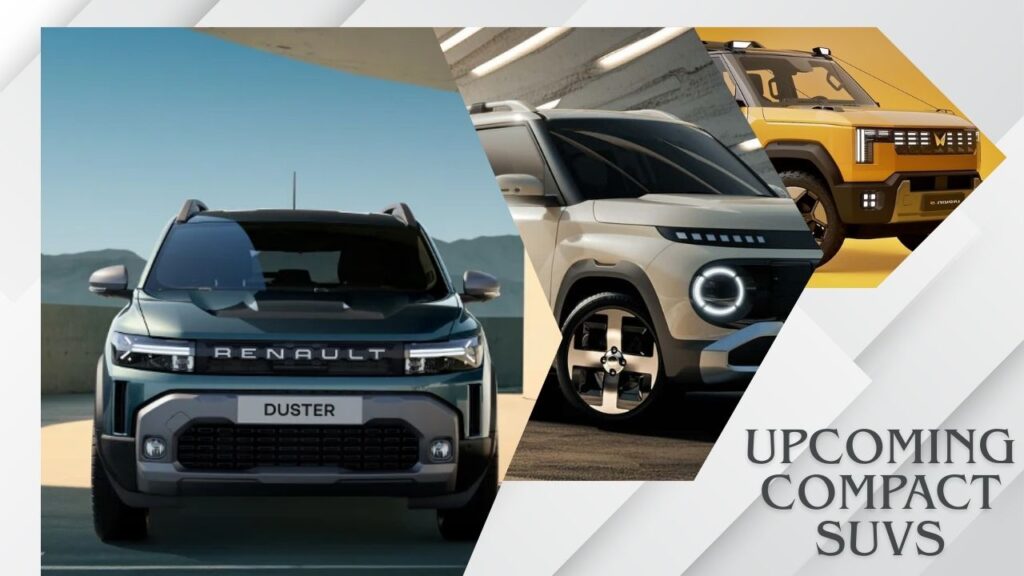
Upcoming compact SUVs in India in 2026, the Indian auto industry is not just evolving but having a “glow-up”. The sub-4-metre tax regulation, which let automakers play Tetris with their car designs, had us pinned down for ages. That is if you craved an SUV, you usually had to settle for a “raised hatchback” that seemed like a compromise.

But that era of compromise will now be over with the 2026 and 2027 models up for inspection. “Compact SUV” is now a graduate. They’ve traded nostalgia, not to mention the “cheap” option, for high-tech, luxury powerhouse. If you’re an early electric vehicle adopter, a tech-obsessed city dweller or a weekend thrill-seeker, the next year and a half has something in store for you. 

The Return of the King: Renault Duster (Gen 3)

Release schedule: March 2026 for ICE | Late 2026 for strong hybrid

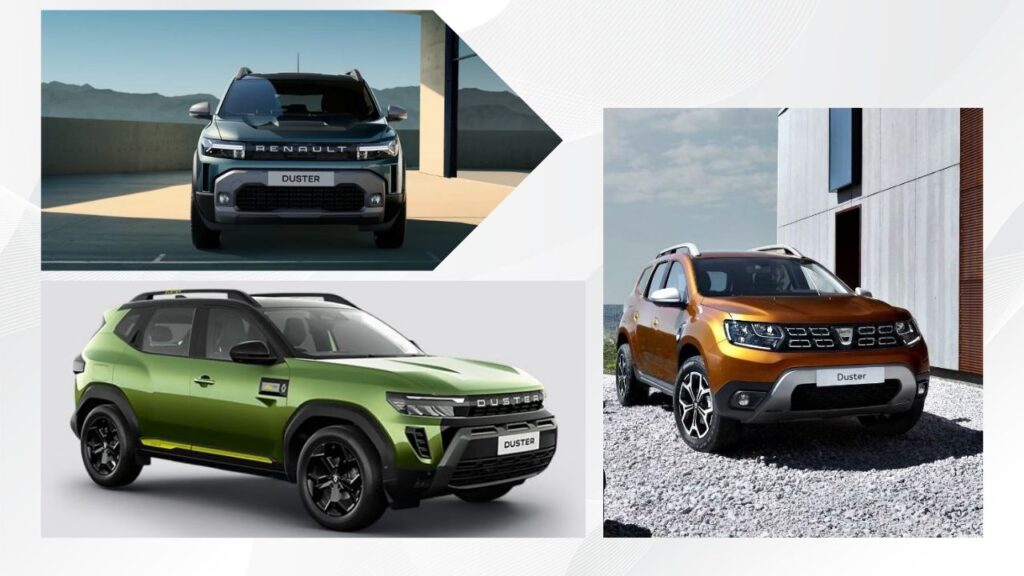
If any car has attained “cult status” in India, it is the Duster. It’s the Upcoming compact SUVs in India that first told us a compact car could drive like a tank but ride like a stock luxury sedan. After a hiatus, it’s back and Renault aren’t messing around.

Renault Duster

The new Duster will be based on the latest CMF-B platform, shedding its old dated bones. It is rugged looking—complete with Y-shaped LEDs and recycled „Starkle“ plastic cladding that taunts scratches—yet the magic is really under the hood. Renault is going all in on a 1.8L Strong Hybrid system. It is built to take 80% of your daily urban runs in seam electric mode, offering you diesel-like fuel efficiency without the “dirty” vibrations. For long-distance touring, it’s the ultimate ‘no regrets’ SUV. 

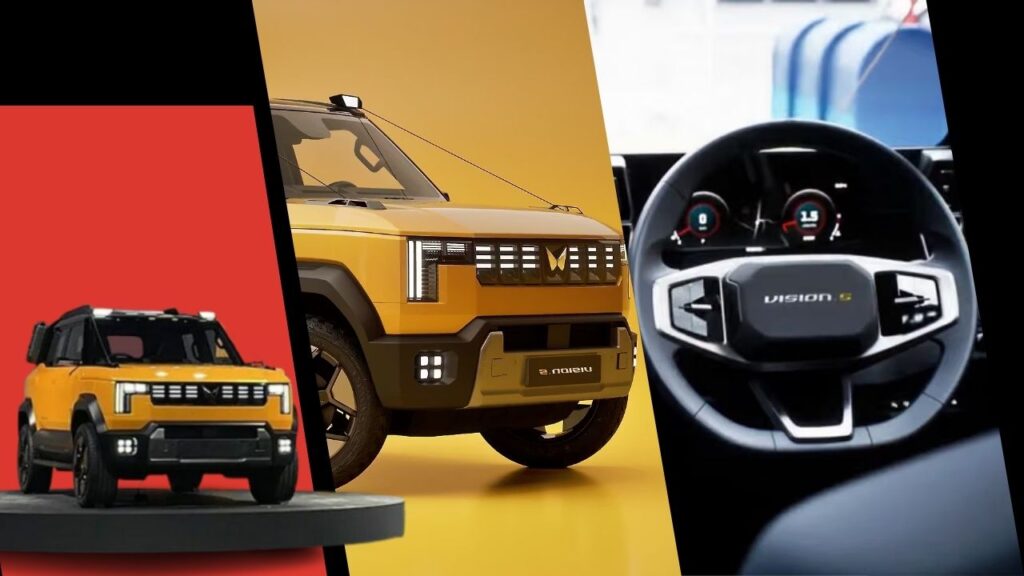
The Brute Baby: Mahindra Vision S

To Release: Early 2027

Mahindra has spent the past few years trying to be the “cool parents” of the SUV world. The Vision S (murmured around the clock as the “Baby Scorpio”) is their latest masterstroke. It’s for the person who craves the “get out of my way” road presence of a Scorpio-N but must tuck into a narrow mall parking space.

Mahindra Vision S

Going against the grain of many rivals who are adapting more rounded, “urban chic” looks, Mahindra is holding fast with a very boxy, upright shape and a tailgate-mounted spare wheel. The one thing traditionalists want: Diesel is not dead here. While the rest are ditching the oil burner, Mahindra is carrying forward the 1.5L mHawk engine for the new Vision S, making it the choice for high-mileage commuters in Tier-2 and Tier-3 towns. 

A Legend Reborn: Tata Sierra EV

Launch Date: March 2026

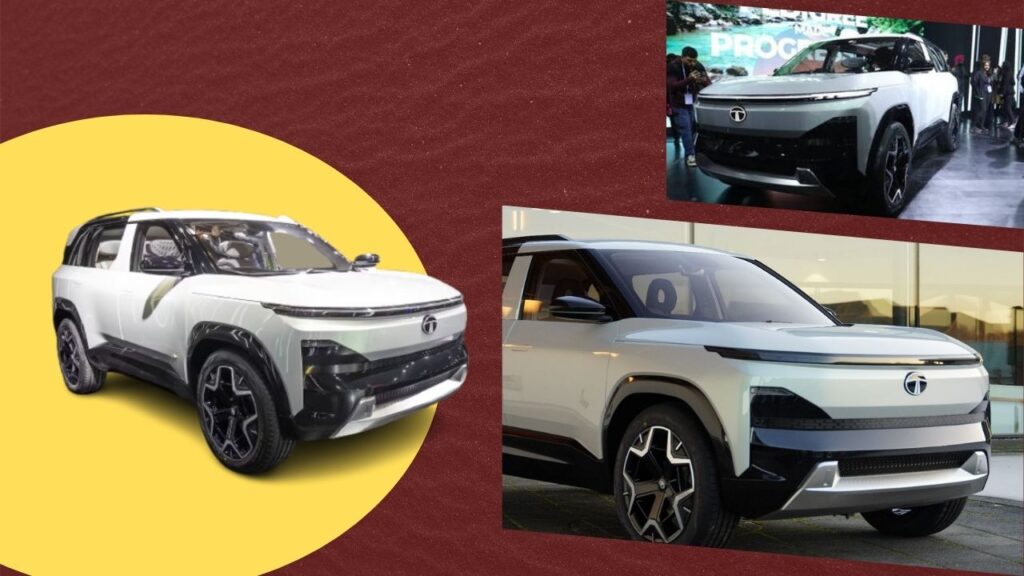
If you grew up in the 90s, then the word “Sierra” must bring back some lovely memories. It changed the landscape in the SUV segment being India’s first real lifestyle offering. Tata is bringing back the glory days for that legend, this time, it’s powered by lightning.

Tata Sierra EV

The Sierra EV isn’t simply a Nexon in a new body, it is based on the Acti.ev (Active Intelligent Electric Vehicle) “skateboard” platform. The floor is completely flat, the cabin is massive, and there’s even a “frunk” for charging cables. Tata is marketing this as a “Lounge On Wheels” with the iconic wrap-around “Alpine Windows” and reclining rear seats. With a claimed range of over 400 km and All-Wheel Drive (AWD) as an option, this luxury cruiser doesn’t mind getting a little dirty. 

Functional Masterpiece: Kia Syros 

Scheduled Release Date: Mid- 2026

Kia is instead “zigging” where everyone else seems intent on “zagging,” making their Upcoming compact SUVs in India look like sporty coupes with sloping roofs. The Syros (internally referred to as the Clavis) is a futuristic box you can be proud of.

Kia Syros 

Why a box? Because practicality applies to boxes. The Syros prioritizes vertical space, so even six-foot-tall riders get plenty of headroom in the rear cabin. Inside, Kia is introducing its “Trinity” cockpit – a giant, seamless glass console that integrates three different displays. It’s the “gadget on wheels” for Gen Z buyers, who prioritize interior space and high-speed connectivity over sleek profiles, he said. It is scheduled to go on sale as an EV first, with petrol variants to follow soon thereafter. 

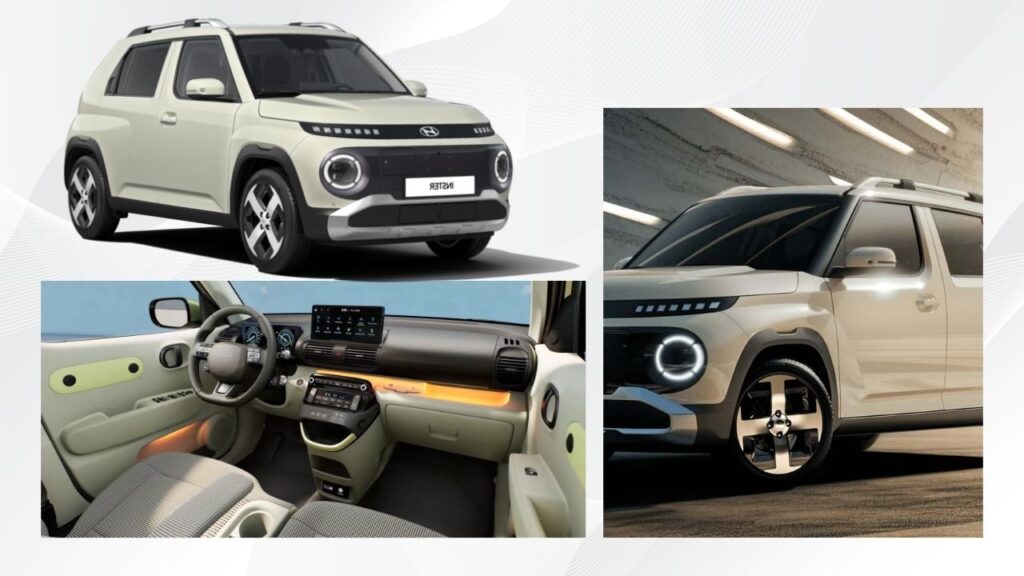
The Bengal-barren EV: Hyundai Inster

Schedule Release: Q4 2026

Hyundai’s have a straight aim to make electric cars affordable. The Inster is an ingenious version of the global Casper EV, but Hyundai has extended it by 230mm just for India. Why? Because we want our legroom.

Hyundai Inster

The Inster is the ideal city “pod.” It’s tiny enough to plunge into holes in traffic yet techie enough to seem upscale. It has a “Pixel” design (inspired by its larger sibling, the Ioniq 5) and modular seats that can be folded completely flat — ideal for a quick car-camping trip or a nap between appointments. With a price target below ₹10 lakh, this is the vehicle that may finally turn EVs into a household staple in India. 

Read More:- Saurabh Ahuja Luxury Car Collection: Prices, Models and Features

Conclusion:- Upcoming compact SUVs in India

Upcoming compact SUVs in India: What the next two years really turn on is so-called hyper-segmentation, as the auto market moves beyond the era when cars were “one-size-fits-all.” Now, each is a lifestyle choice: 

  • Duster is comfort and ability to cover 500 km without getting tired 
  • Vision S is a rugged, reliable workhorse 
  • Sierra EV is for design-conscious professionals who want their car to say something 
  • Syros is the ultimate family-and-tech hub, while Inster is the clean, concise future of city commuting. 

It’s not a decision about what you can afford anymore — it’s a decision about who you want to be on the road. 

0

What Your Car Loan Covers Beyond the Ex-Showroom Price 

Published Aug 31, 2026, 7:05 AM
Last Updated Sep 26, 2026, 8:44 AM

What Your Car Loan Covers

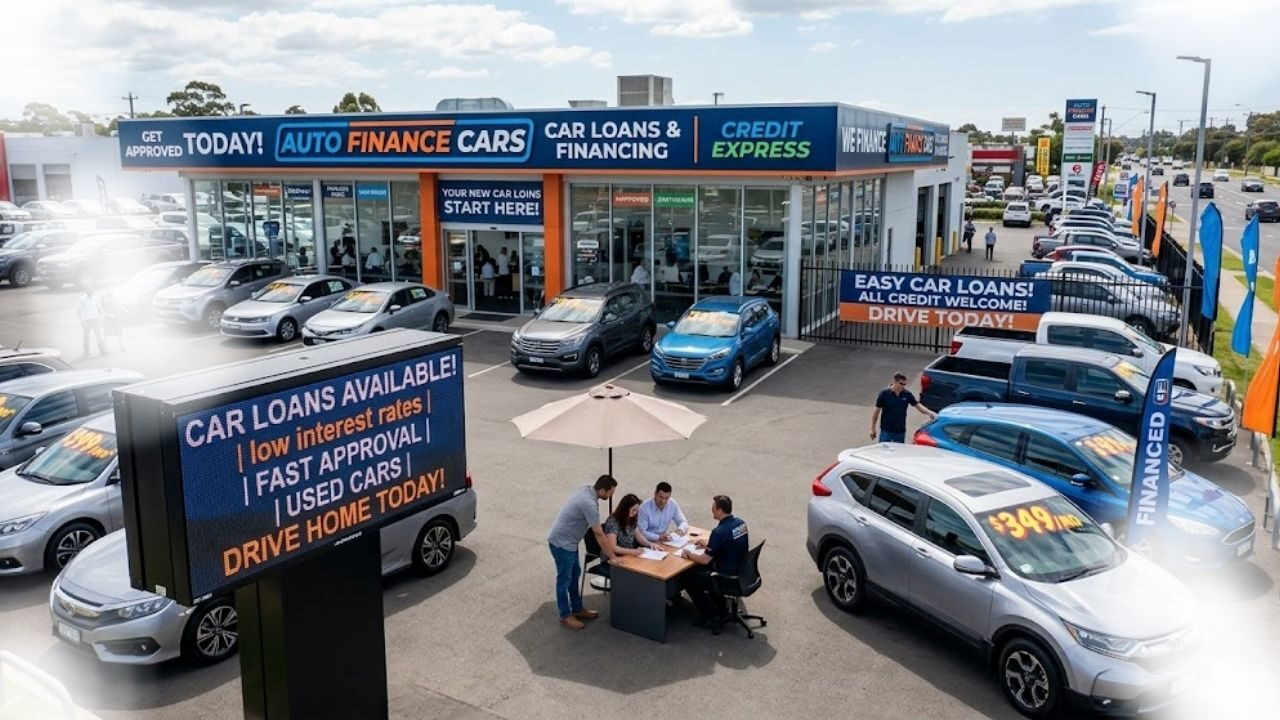
You’ve picked the car, negotiated the discount, and the dealer has quoted you an on-road price. The loan gets approved. Then, a day before delivery, the finance desk asks you to arrange another ₹80,000 to ₹1.5 lakh in cash because Your Car Loan Covers only ex-showroom price. Nobody lied to you, technically, but nobody told you that “Car Loan approved” and “on-road price covered” are two different sentences.

This is where most first-time car buyers in India get caught out, and it comes down to one thing: banks don’t lend against the same number you think they do.

Why Your On-Road Price Is Higher Than the Ex-Showroom Price 

The ex-showroom price is a manufacturing rate which the dealer has to pay to bring the car in. The on-road price involves RTO registration charges, road tax (depends on the city), insurance package, and handling fees.

In some cities, this extra cost can be up to 12-20% over the ex-showroom figure, so it depends on the state tax which is different everywhere in India. Check your state rates with your dealer. A car with ₹8 lakh on the ex-showroom price can easily cost you up to ₹9.2-9.5 lakh on-road commitment once you’re standing at the RTO counter.

The loan amount vs on-road price gap starts right here, because most buyers budget against the smaller number.

Car Loan Rate Depends on Your Ex-Showroom Price Mostly

Every lender will offer you different benefits and discounts so it’s worth checking specifically that your lender gives cash on what price before signing the deal.

Do not flatter the lender’s ad of 100% financing, can be calculated against the ex-showroom price. Federal Bank and ICICI Bank both structure their Car Loan schemes this way. And you have to pay RTO-and-insurance from your pocket.

Your On-Road Price

Other lenders finance against the on-road price directly, but cap the loan-to-value ratio below 100%. Union Bank of India, for instance, requires a minimum 10% margin against the vehicle’s on-road price — meaning you’re arranging that 10% yourself regardless of how the rest is structured.

Neither approach is wrong. But “up to 100% financing” and “90% of on-road price” can produce a down payment difference of tens of thousands of rupees on the same car, and dealership finance desks rarely spell out which formula applies until you ask.

Read More :-  Pre-Approved Car Loan Gains Dealership Discounts on Launch Day

Does Your Car Loan Covers RTO and Insurance? 

Registration and insurance don’t get uniform treatment across lenders. Several NBFCs and banks fold both into an on-road-price loan by default. Others exclude them entirely and finance only the ex-showroom component, treating RTO and insurance as the buyer’s responsibility from day one.

There’s a cost hiding inside the version where insurance does get bundled in: your loan principal goes up by the premium amount, and you pay interest on that premium for the entire loan tenure. 

On a five-year loan at 9-10% interest, financing a ₹35,000 insurance premium instead of paying it upfront can add a few thousand rupees in extra interest by the time you’re done — not a lot on its own, but it’s a cost nobody puts in the brochure.

Accessories Are Almost Never Part of the Loan

If you’re adding a sunroof kit, seat covers, or an infotainment upgrade at the dealership, don’t expect the loan to stretch to cover it. Most financiers, including Mahindra Finance, explicitly exclude aftermarket accessories from the loan amount and will only fund fittings that come standard from the factory, like built-in air conditioning. 

Financing Difference Changes

A handful of lenders will finance higher-value factory-approved add-ons on a case-by-case basis, but that’s the exception, not the rule. Budget for accessories the same way you’d budget for fuel — outside the loan, in cash or on a card.

How the Financing Difference Changes Your Down Payment 

Take a car with an ex-showroom price of ₹8,00,000. Add RTO, insurance, and handling, and the on-road price lands around ₹9,20,000 — again, this varies by state, so treat it as illustrative rather than a fixed rule.

  • If the lender finances 100% of ex-showroom: you get ₹8,00,000, and you’re arranging the remaining ₹1,20,000 yourself.
  • If the lender finances 90% of on-road price: you get ₹8,28,000, and you’re arranging ₹92,000.

Same car, same “high financing” pitch from two different lenders, and a ₹28,000 difference in what lands in your pocket versus what you pay upfront. That gap is the entire reason this question is worth asking before you’re standing at the delivery counter with a shortfall.

What to Ask Your Lender Before Taking a Car Loan 

Before you commit, get three answers from the lender in writing, not verbally from the dealership’s finance desk:

  1. Is the sanctioned loan amount calculated against the ex-showroom price or the on-road price? 
  2. Does that on-road figure, if used, already include RTO and insurance, or are those excluded? 
  3. And if insurance is being financed as part of the loan, what does that add to your total interest outgo over the full tenure?

None of this changes whether you should buy the car. Your Car Loan Covers changes whether the down payment you’ve budgeted for is the one you’ll actually be asked for. Ask the question at the sanction stage, not the delivery stage — that’s the only point where it’s still free to find out.

Read More :-  Best Car Accessories for Thar Roxx You Should Buy in 2026

Conclusion

Your Car Loan Covers more than just the ex-showroom price, but you should never assume that the entire on-road cost is financed. RTO charges, insurance, accessories, and the lender’s margin requirements can significantly change the amount you need to pay upfront.

Before signing the loan agreement, confirm exactly what Your Car Loan Covers, how much you need to contribute, and what the total interest will be. The loan with the highest financing percentage isn’t always the cheapest or most convenient option. What matters is the actual amount you receive, the cash you need on delivery day, and the total cost of borrowing.