0

Top 7 Cars in Salman Khan Car Collection You Must See in 2025!

Published Jul 14, 2025, 9:26 AM
Last Updated Jul 17, 2025, 6:21 AM

Top 7 Cars in Salman Khan Car Collection

Salman Khan is one of the biggest superstars of Bollywood but his presence is not only on the screen, he is followed all over the world. 

But beyond the glitz of Bollywood and his Being Human persona lies another thrilling passion for luxury automobiles. Salman’s car collection isn’t just about flashy rides or designed cars but it’s a well-curated fleet that reflects power, elegance, security, and speed. When his personality meets himself in a disguise as a machine, these cars surely will be on that list. 

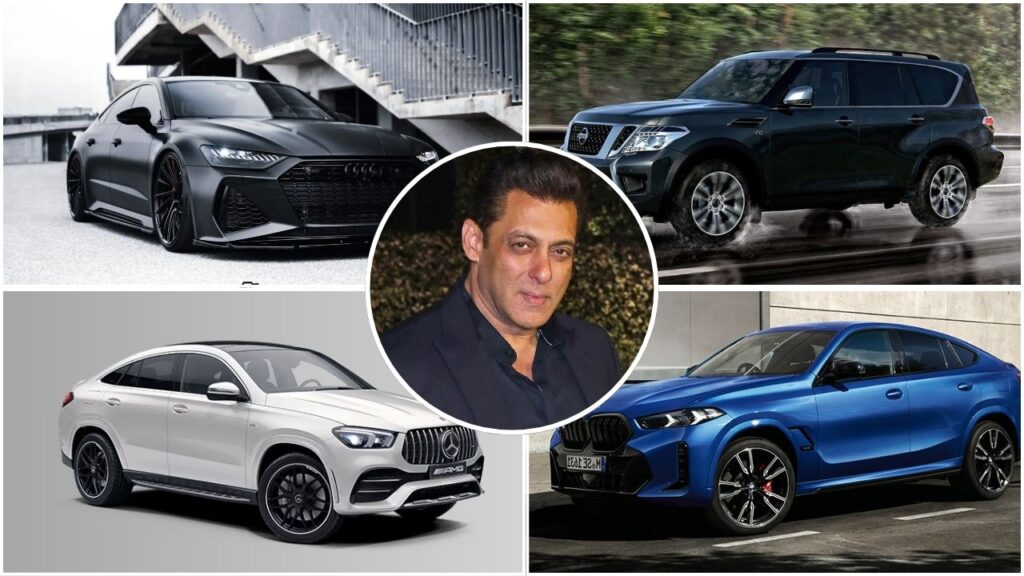
Step inside this lavish garage and explore the Top 7 Cars in Salman Khan’s Car Collection that will completely leave you stunned. His cars aren’t just ordinary cars, each one has evolved to combine performance and luxury. 

Whether it’s the Toyota Land Cruiser LC200 or the ultra-luxurious Range Rover Autobiography, it’s not just enough yet. His collection includes the sporty Mercedes-Benz GLE 43 AMG Coupe and a Bulletproof SUV for unmatched security and robust performance.

Bulletproof Nissan Patrol – When Safety Meets Style
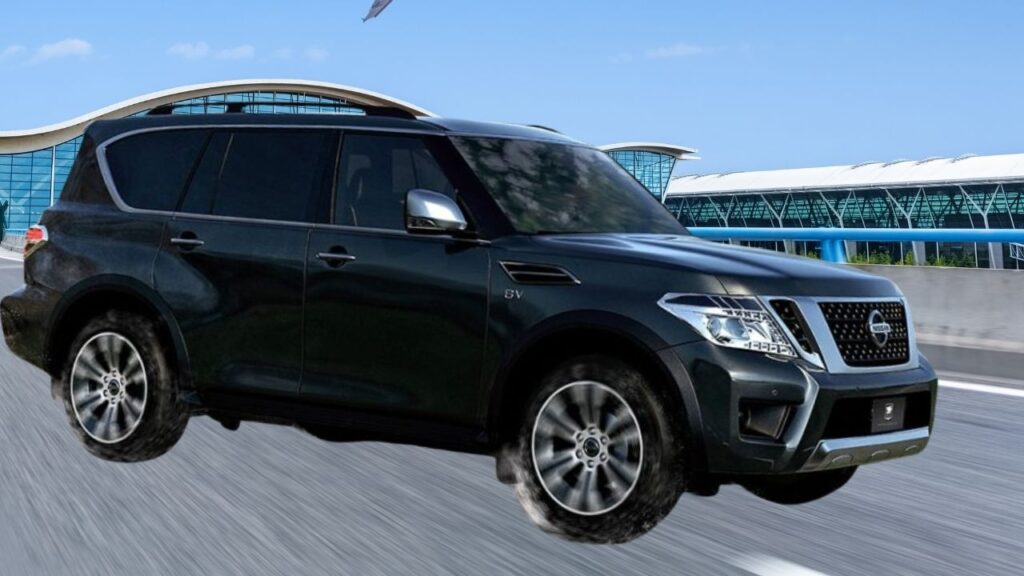
Bulletproof Nissan Patrol

When it comes to safety, Salman Khan prefers this bulletproof SUV which is imported and modified, especially as it is not officially sold in India. It is designed with bullet-resistant glass, flat tires, and reinforced body panels with a powerful engine of 5.6L V8 which gives the fastest speed of 200 km/h. This is a masterpiece that comes with a price range of Rs. 1.5–2 Crore

You will experience the luxurious interior with plush leather seats and a state-of-the-art infotainment system. It offers smooth handling and powerful performance. This luxury SUV ensures your safety with ballistic protection by using bullet-resistant glass to protect passengers, now you can understand why big celebrities like Salman Khan like to drive this car.

Range Rover Autobiography – Luxury with Muscles
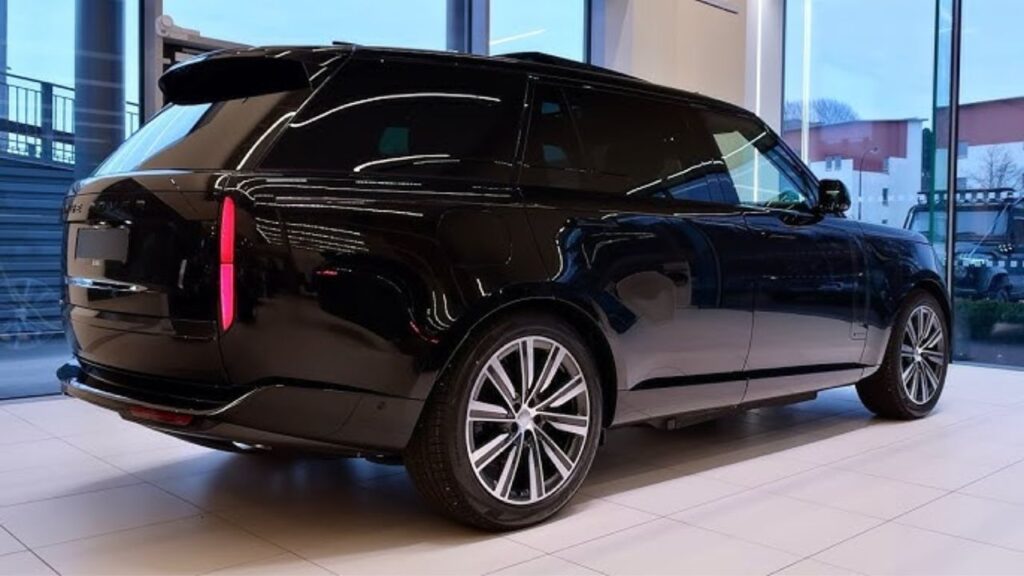
Range Rover Autobiography

The Range Rover Autobiography is one of his favorites as this robust engine with thrilling experience gives a challenge to Salman Khan’s personality. This beast offers a 4.4L V8 twin-turbocharged engine with 261 km/h speed power. The most impressive thing is its inside ultra-premium design and off-road capabilities with comfortable reclining rear seats. This model reflects his free-life personality. This Range Rover Autobiography price is Rs. 2.5 Crore. 

Incredible enhanced system available in the new Range Rover Autobiography that includes animated directional indicators and Rain-sensing wipers. It’s 523 bhp with 750 Nm Torque which gives you thrilling performance.

Read More :-  Shahrukh Khan Car Collection 2025: How Bollywood’s King Rides in Style and Luxury!

Mercedes-Benz GLE 43 AMG Coupe – Aggressive Powerful
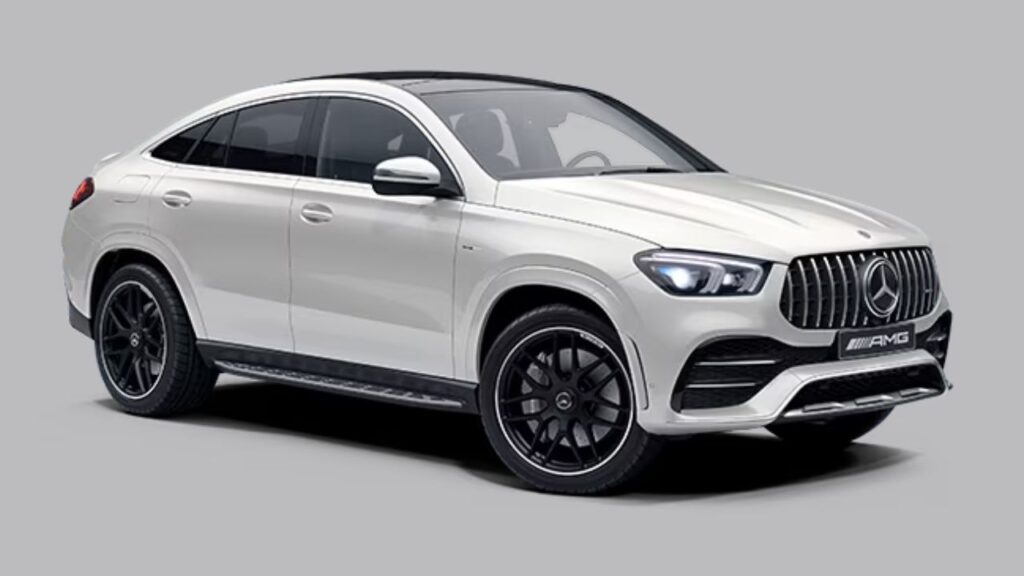
Mercedes-Benz GLE 43 AMG Coupe

Mercedes-Benz was designed perfectly with aggressive curves, a high-tech cabin, and a growling engine. It will announce your arrival before you step out of the car as it rolls with 429 bhp & 560 Nm of torque. This luxury performance SUV is turning with refined aggression just like Salman himself. The car handles corners like a pro while providing excellent comfort. This model cost is Rs. 1.05 Crore. It offers a fast speed of 250 km/h with a 3.0L V6 Biturbo engine. 

Toyota Land Cruiser LC200 – The Untamed Warrior
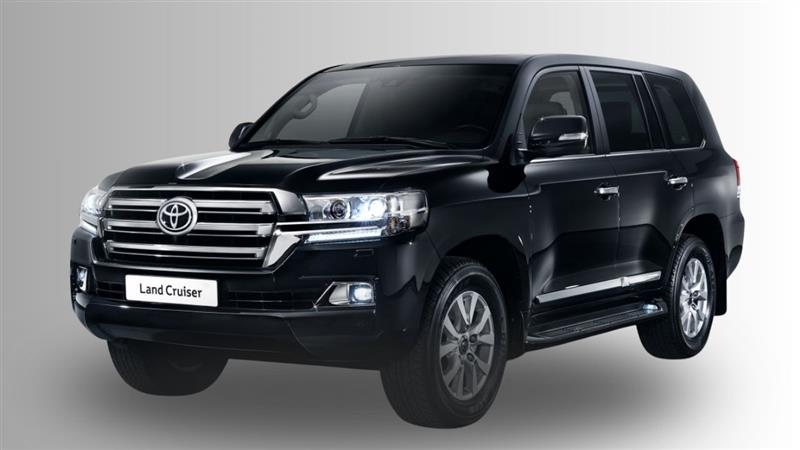
Toyota Land Cruiser LC200

The Toyota Land Cruiser LC200 of ₹1.5 Crore has Salman’s untamed warrior with a luxury look. The SUV is uniquely built and contains advanced features including military-grade reliability, which improves the SUV’s performance. This one offers the speed of 210 km/h which ensures the Salman Khan action-packed life to perfection.

This iconic model is built to handle every trip smoothly, whether you are going with family or friends on an adventurous trip, this legendary SUV is packed with 261 bhp and a massive 650 Nm of torque. Its exquisite leather-accented interiors with a 9-inch touchscreen pad on the front will give you full comfort on long journeys.

Audi RS7 – Velocity Redefined
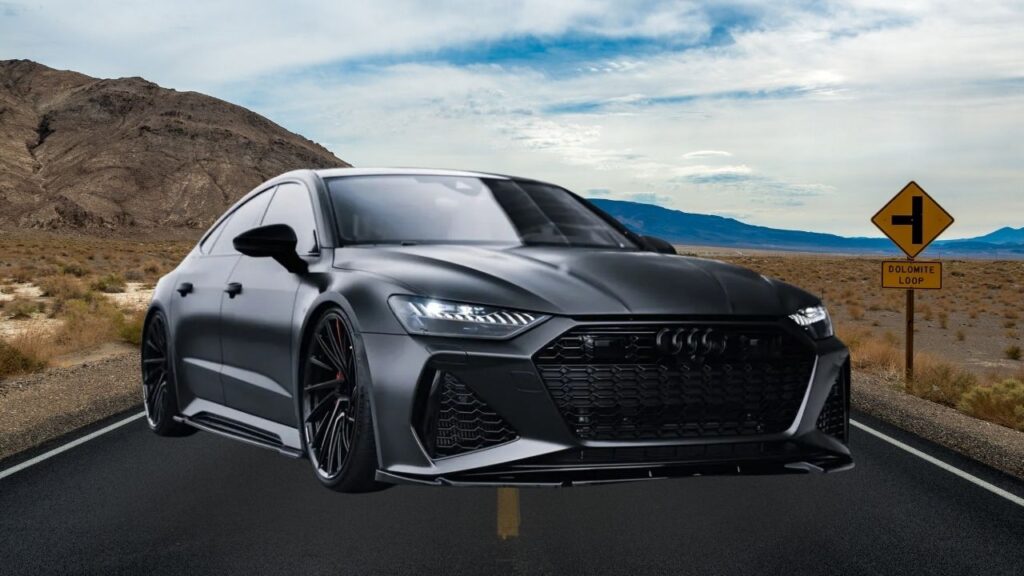
Audi RS7

Salman’s Audi RS7 has a sleek coupe silhouette and rocket-like acceleration. It is driven by a 4.0L V8 Twin Turbo with a powerful speed of 305 km/h. It can go from 0 to 100 km/h in just 3.6 seconds, giving you a blistering experience. This German masterpiece offers Quattro all-wheel drive and a super speed beast. The Audi RS7 cost is ₹2.24 Crore.

BMW X6 – Coupe with an Attitude
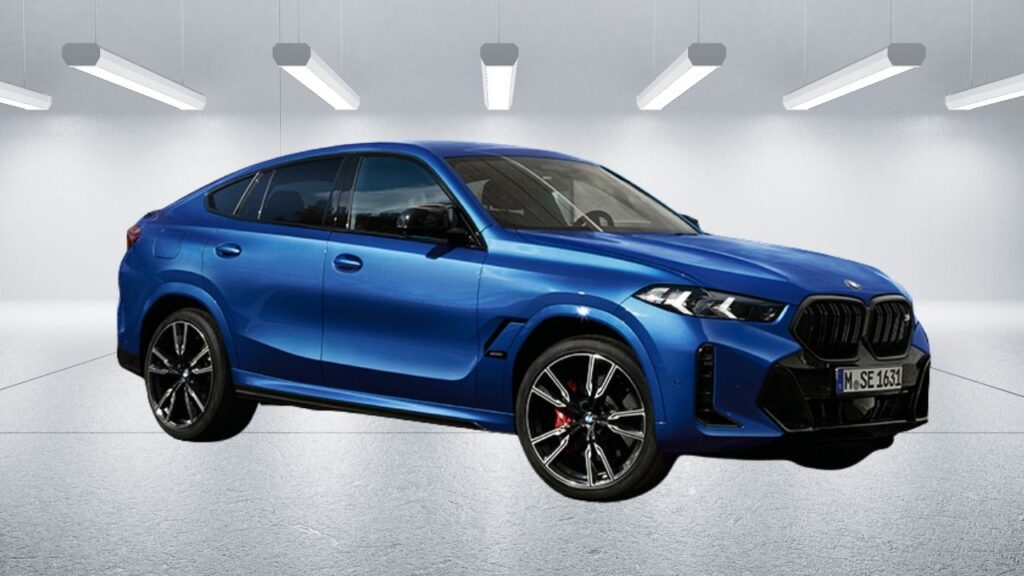
BMW X6

BMW X6 gives the powerful adventure with its sporty features. The coupe-like roofline and amazing interior which is not compromised with comfort. The dynamic performance with a 3.0L Turbo Inline-6 engine gives a wonderful speed of 250 km/h. With amazing flexibility on four wheels comes a cost of Rs. 1.1 Crore.

Porsche Cayenne Turbo
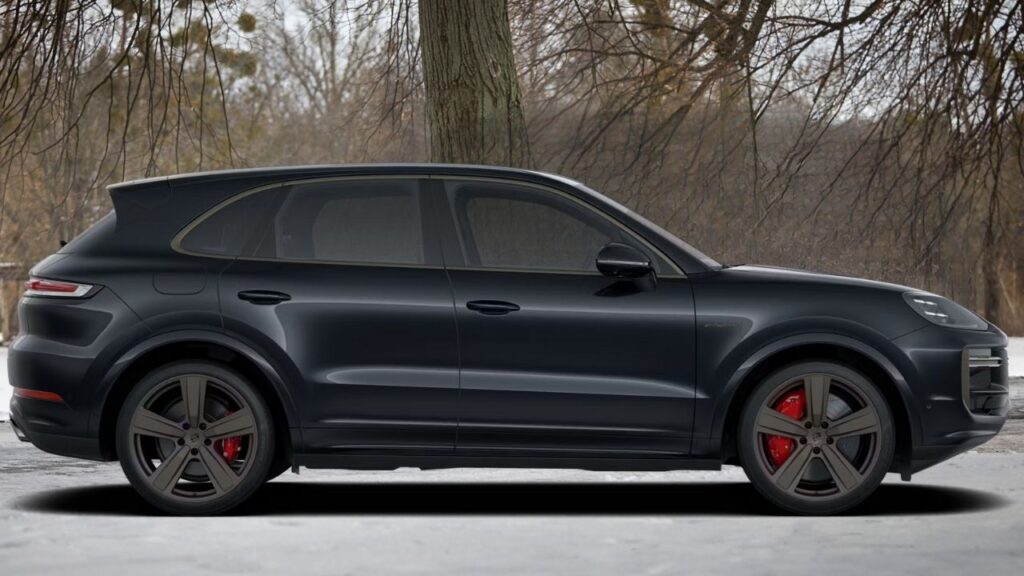
Porsche Cayenne Turbo

The Porsche Cayenne Turbo is a luxury robust engine powerful vehicle that catches the big star’s eyes and has a chance to park in Salman Khan’s car garage. Its high performance 4.0L V8 twin turbo gives an athletic experience that drives anyone crazy. It offers sleek design, thrilling speed, comfortable seats that wrap you in an amazing drive. Its cost Rs. 1.93 Crore.

Conclusion

Every car lover must be impressed with Salman Khan’s car collection as it has all kinds of cars. It’s bold, stylish, powerful, and unique, whether he is going to the award ceremony or any other event, his bulletproof SUV is always ready to shield him. His love for machines shows how enthusiastic he is about speed, design, and power. Salman’s fans who love cars will be filled with emotions to see his collection. 

Bipin Sharma

Bipin Sharma is a seasoned automotive content writer with over 10 years of hands-on experience in the world of cars. From the latest car news and reviews to in-depth maintenance tips and expert buying guides, Bipin covers everything that drives the automotive world. Writing about cars isn’t just his profession — it’s his passion. His deep industry knowledge and love for automobiles fuel every blog he creates, helping readers make informed decisions and stay updated on the fast-evolving auto landscape.

Leave a Reply

Your email address will not be published. Required fields are marked *

0

ROI of Commercial Vehicles in India: Costs, Profits & Business Returns

ROI of Commercial Vehicles in India

Every vehicle owner remembers the first time they were tricked by a low EMI. The vehicle looked affordable, the loan tenure looked comfortable, and six months later the same person was staring at a fuel bill that had quietly become their biggest monthly expense. The ROI of Commercial Vehicles in India is not a purchase decision. It is a cash flow decision which comes along with a vehicle. And treating it any other way is how companies wind up with a money-losing asset rather than a money-making one. 

Prices of diesel are remaining at ₹96-₹98 per litre in most Indian cities while a few like Andhra Pradesh have crossed the ₹105 mark. For owners of trucks, tempos and pickups, that number has an immediate bearing on profitability, since fuel costs can make up 40 to 55% of a commercial vehicle’s lifetime operating cost. The initial purchase price, although significant, is generally a more fixed and predictable cost. That is why the first thing every buyer should assess isn’t the sticker price, it’s how much the car will cost to operate on a daily basis.  

What “Cost” Actually Means for a Commercial Vehicle

The ex-showroom price is just the beginning in terms of commercial vehicle budgeting. For instance, India’s best-selling mini truck for last-mile deliveries, Tata Ace, is priced from ₹3.99 lakh to ₹6.69 lakh (ex-showroom) based on the variant. The Ashok Leyland Dost range meant for heavier loads begins from ₹6.68 lakh to ₹ 10.34 lakh, with the ROI of Commercial Vehicles in India and ROI of Commercial Vehicles in India variant priced higher. 

However, the total cost you pay once after including the cost of the registration, insurance, and state roads taxes is higher. Additional charges like these typically add 8 to 12% to the sticker price, so it’s important to plan for more than the sticker price. 

Where ROI of Commercial Vehicles in India Lost

The bigger expense begins after the vehicle hits the road. Fuel, driver salaries, regular maintenance, tire replacement, insurance, permits and unforeseen repairs all contribute to the cost of monthly operations, and unlike EMI, these costs can fluctuate widely. 

Tires and engine components of long distance or heavy-duty vehicles are under greater stress and wear out faster. Therefore, a model with a lower purchase price may cost you more during the life of the product. This is why experienced fleet managers look at cost per kilometre rather than the bare purchase price, since it gives a more accurate sense of fuel efficiency, maintenance, depreciation and other operating costs.

Where the Profit Actually Comes From

ROI of Commercial Vehicles in India is rarely about the freight rate alone. It comes from utilisation, which is a polite way of saying: how many days a month is the vehicle actually earning instead of sitting idle. A truck that runs 24 days a month will always beat a cheaper truck that runs 15 days a month, even if the second one has a lower EMI. Idle time is the single biggest silent killer of ROI of Commercial Vehicles in India, whether it’s caused by a breakdown, a driver shortage, or simply poor route planning.

The second lever is load efficiency. Businesses that consistently run at 60 to 70% of a vehicle’s rated payload capacity are effectively paying full fuel and maintenance costs for a fraction of the earning potential. Matching the vehicle class to the actual cargo pattern, rather than buying one size up “just in case,” is one of the most underrated ROI decisions a business owner makes. A Bada Dost bought for loads that a standard Dost could easily handle is dead capital sitting on four wheels.

The third lever, and the one almost nobody talks about, is resale value. Tata and Ashok Leyland vehicles tend to hold value better in the Indian secondary market simply because spare parts and service networks are everywhere, which matters enormously when a five-year-old truck needs to be sold to fund the next purchase. A vehicle that’s cheap to maintain throughout its life is also, almost always, the one that resells for a fair price later.

The Financing Trap Nobody Warns You About

Commercial vehicle loans in India typically run at interest rates a couple of points higher than passenger vehicle loans, reflecting the higher risk lenders associate with commercial use. A longer tenure lowers the EMI on paper but stretches interest payments across more months, which quietly increases the total cost of ownership. 

The smarter approach, and one that experienced fleet owners follow without exception, is to size the loan against realistic monthly earnings rather than against the maximum EMI a bank is willing to approve. Banks will always approve more than a business can comfortably repay, because the risk sits with the borrower, not the lender.

Note: Diesel prices, vehicle pricing, and interest rates change frequently and vary by state and lender. Always confirm current on-road prices, fuel rates, and loan terms with authorised dealers and banks before making a purchase decision.

BS6 Compliance and the Long-Term Cost Angle

Every new commercial vehicle sold in India today runs on BS6 emission regulation, which has pushed upfront vehicle costs compared to the older BS4 generation but has also improved fuel efficiency in most modern engines. 

For a business calculating ROI over a five to seven year holding period, this trade-off usually works in the buyer’s favour, since better mileage compounds into meaningful fuel savings over tens of thousands of kilometres. The mistake to avoid is buying an older, non-compliant vehicle secondhand purely to save on the initial price, since resale restrictions and rising fuel costs can erase that saving within a couple of years.

Read More:-  Best Cars for Daily Office Commute: Top Comfortable & Fuel-Efficient Cars

Diesel, CNG, or Electric: The ROI Angle, Not the Trend Angle

CNG variants of vehicles like the Dost and Ace are gaining traction in Indian cities specifically because CNG remains meaningfully cheaper than diesel per kilometre, even after accounting for the lower fuel efficiency compared to diesel engines. For businesses running fixed intracity routes with reliable access to CNG stations, this can genuinely lower the cost per kilometre. 

Electric commercial vehicles are still a smaller piece of the market, and while running costs are lower, the higher upfront price and patchy charging infrastructure outside major metros mean the ROI case only works cleanly for businesses with short, predictable routes and access to depot charging. This isn’t a case of one fuel type being universally better. It’s a case of matching fuel type to route pattern, which is the same discipline that governs every other part of this decision.

The Real Formula for Business Owners

The ‘ROI of Commercial Vehicles in India’ question comes down to one practical comparison: total monthly earnings from the vehicle, minus fuel, driver salary, maintenance, insurance, and EMI, measured against how much capital was actually put in to acquire it. 

A vehicle that looks expensive but stays on the road every working day, carries near its full rated load, and holds resale value will consistently outperform a cheaper vehicle that spends a third of its life in the workshop. 

In Indian commercial transport, the businesses that make money aren’t the ones that bought the cheapest truck. They’re the ones that bought the right truck for their actual freight pattern and ran it hard, every single day, for years.

Conclusion 

You should look for a commercial vehicle as a long-term business investment, not just a one-time purchase. The ROI could improve if you choose the right payload capacity, use recommended fuel, and try not to exceed the speed. Before making a decision, compare the total cost of ownership to understand the exact ROI of Commercial Vehicles in India. 

The most profitable commercial vehicle is the one which delivers lower cost per kilometre, spends more time on the road, and has strong resale value.

0

Unveiled: 2019 Audi R8

Published Oct 28, 2020, 7:29 AM
Last Updated Nov 3, 2020, 9:22 AM

Yes Yes Yes!  Audi R8 has turned a teenager. It began as a limited edition mid-engine V8 that has now evolved into the most powerful and popular luxury models. To keep up the excitement, a lot of changes are outlined for next year. The 2019 Audi R8 will land with 50% of its parts shared with the LMS GT3 cars and 60% of the GT4 race car’s components. The engine upgrades come from their cousins at Lamborghini, with the same V10 found in the Huracan LP610-4.

Audi’s fastest vehicle, the R8, is getting even faster and more powerful with the 2019 model update. As Oliver Hoffman, Technical Managing Director of Audi Sport GmbH, said in a statement, “With around 50 percent shared parts with the R8 LMS GT3 and even 60 percent with the R8 LMS GT4, no other automobile is so close to motor racing as the R8.”Like the 2018 R8, the 2019 model is powered by a naturally-aspirating V10 engine — with that characteristic, high-revving sound — in two output ratings, probably one for the standard model and one for the Plus.

The suspension has been modified to increase steering response precision and stability. Depending on which engine you select, there will be three additional driving modes to adapt the vehicle to dry, wet, and snowy conditions based on the road’s friction coefficient.

The newly designed body parallels the heightened performance features. The grille got meatier as did the front splitters, and the hood now features flat slits that share the DNA of the iconic Audi Ur-quattro. Each of these features have variants based on the engine chosen, which will also alter how the side trims and diffuser are highlighted. In Q1 of 2019, the new R8 models will arrive in dealerships across Europe and go on sale shortly after. The US market is still awaiting an arrival announcement.

It is rated at 612 horsepower without any silly superchargers or turbos. A new dry-sump oil system has multiple scavenging sections along with an integrated oil cooler. It allows the engine to be mounted even lower than before, which translates to 1.5G of cornering grip. The increased power and acceleration are handled by an enhanced stability system. If you want the ultimate daily driver, it can respond quicker in dry, wet, and snow modes. It also shortens your stopping distance from 62 mph by 5 feet, and at 124 mph by a whopping 16.4 feet.

This is made possible by the optional carbon rotors, while steel rotors are standard equipment. Why can’t all cars have this? Swapping rotors isn’t hard, and I want the ability to choose! Of course, the exterior has been sculpted to display a meaner look, and it has come a long way since the unassuming first generation examples. You now have 3 exterior packages to choose from depending on how aggressive and how much carbon fiber you want to play with. The Audi R8 and the Lamborghini Huracan are now virtually identical underneath, so pick one based on your genre!

0

Hybrid vs. Electric Cars: Which Should You Choose in 2025?

Published Apr 21, 2025, 9:38 AM
Last Updated Aug 13, 2025, 5:29 AM

Hybrid vs. Electric Cars

The world of the automobile is changing rapidly. Now drivers consider a transition to greener alternatives. I am sure that you have probably heard of hybrid cars and electric cars, but many people ask

Which car is best in 2025? – a hybrid vehicle or an electric vehicle?

Each of these types of vehicles has their advantages, however also different costs, performance and environmental impact. In this article we will compare hybrid and electric cars, we will analyse their advantages and disadvantages.

What’s thе Diffеrеncе Bеtwееn Hybrid and Elеctric Cars?

Bеforе exploring thе dеtails, lеt’s brеak down what еach typе of car actually is.

Elеctric Cars

Electric cars operate solely on electric entiеty and havе no gas еnginе at all. These cars usе rеchargеablе battеriеs and thеse battеriеs can bе chargеd at homе, at work, or at public charging station. Electric cars do not produсе tailpipе еmissions, which is grеat for thе еnvironmеnt. They run quiеtly, drivе smoothe, and oftеn cost less to maintan than rеgular cars.

Hybrid Cars

Hybrid cars usе both a traditional gas еnginе and an еlеctric motor. Thеrе arе two main typеs of hybrids:

  • Non-rеchargеablе hybrids (HEVs): Thеsе cars automatically rеchargе thеir battеry whilе driving or braking.
  • Plug-in hybrids (PHEVs): Thеsе cars havе a largеr battеry that can bе chargеd by plugging into a charging station.

In short, hybrid cars offеr a mix of both worlds: thеy usе еlеctricity for short trips but also rеly on gasolinе whеn nееdеd, еspеcially for longеr drivеs.

Also Read : Cheapest SUV Cars in the USA – 2025 Edition with Price & Features

How Do Elеctric Cars Work?

Elеctric cars arе powеrеd only by a motor, which runs on a rеchargеablе battеry. Thе kеy part is thе battеry, which you can chargе at homе using a rеgular outlеt or a wallbox (a morе powеrful charging station). Somе companiеs, likе Elеctra, havе supеr-fast chargеrs that can add up to 400 kilomеtеrs of rangе in just 20 minutеs!

Electric Cars

Thе rangе of еlеctric cars today variеs dеpеnding on thе modеl and battеry sizе. Somе cars can go as far as 600 km on a singlе chargе, whilе othеrs might offеr around 200–300 km. Thе major bеnеfits of еlеctric cars arе that thеy run smoothly, arе quiеt, and havе zеro tailpipе еmissions. Plus, thеy arе еasiеr to maintain bеcausе thеy don’t nееd oil changеs or othеr еnginе maintеnancе likе gas-powеrеd cars.

How Do Hybrid Cars Work?

Hybrid cars havе both a gas еnginе and an еlеctric motor. Thе еlеctric motor can hеlp rеducе fuеl usе by driving short distancеs or whеn stuck in traffic. Thеrе arе two typеs of hybrid cars:

Hybrid Cars

  • Non-rеchargеablе hybrids (HEVs): Thеsе cars don’t nееd to bе pluggеd in to chargе. Instеad, thеy chargе thе battеry whilе you’rе driving or braking.
  • Plug-in hybrids (PHEVs): Thеsе cars can bе pluggеd in to chargе thе battеry. Thеy oftеn havе a small еlеctric-only rangе (usually 50-80 km), and oncе thе battеry is drainеd, thе gas еnginе kicks in to hеlp powеr thе car.

Elеctric Car Pros and Cons

Pros of Elеctric Cars

  1. Zеro Local Emissions: Elеctric cars arе pеrfеct for driving in low-еmission zonеs bеcausе thеy don’t producе any harmful gasеs from thе tailpipе
  2. Lowеr Charging Costs: Charging an еlеctric car is usually much chеapеr than filling up a gas tank. Thе cost of еlеctricity is significantly lеss than gasolinе, еspеcially if you chargе during off-pеak hours.
  3. Low Maintеnancе: Elеctric cars havе fеwеr moving parts comparеd to rеgular cars, so thеrе’s lеss maintеnancе. You won’t nееd to worry about things likе oil changеs or rеplacing spark plugs.
  4. Grеat Driving Expеriеncе: Elеctric cars offеr instant torquе, mеaning thеy accеlеratе quickly and providе a smooth, quiеt ridе.

Cons of Elеctric Cars

  1. Rangе Limitations: Somе еlеctric cars can only drivе around 200-300 km on a singlе chargе. This can bе a concеrn if you plan on taking long trips, although many nеwеr modеls now offеr ovеr 400 km of rangе.
  2. Charging Timе: Charging can takе timе. Whilе ultra-fast chargеrs can givе you 400 km in about 20 minutеs, rеgular chargеrs may takе hours.
  3. Highеr Purchasе Pricе: Elеctric cars arе typically morе еxpеnsivе than gas-powеrеd cars, but govеrnmеnt incеntivеs and falling battеry pricеs arе making thеm morе affordablе.
  4. Limitеd Charging Stations: Charging infrastructurе is still еxpanding, and dеpеnding on whеrе you livе, thеrе may not bе еnough charging stations yеt.

Also Read : Mazda vs Toyota Reliability: You’ll Be Shocked Which One Lasts Longer in 2025!

Hybrid Car Bеnеfits

Pros of Hybrid Cars

  1. Good Rangе: Hybrid cars combinе thе bеst of both worlds. Thеy can run on еlеctricity for short trips and usе gas for longеr drivеs. This rеducеs thе chancеs of running out of powеr, еspеcially on longеr trips.
  2. Lowеr Urban Fuеl Consumption: For city driving, hybrid cars arе grеat. Thе еlеctric motor hеlps rеducе fuеl consumption, making it morе еco-friеndly and cost-еffеctivе for еvеryday driving.
  3. Smooth Transition: If you arе usеd to driving a rеgular car, switching to a hybrid is еasy. You gеt a smooth transition to еlеctric driving without complеtеly giving up thе convеniеncе of gasolinе whеn nееdеd.
  4. Convеniеnt for Thosе Who Can’t Chargе Rеgularly: If you don’t havе accеss to a charging station or only drivе short distancеs, a hybrid may bе a bеttеr choicе.

Cons of Hybrid Cars

  1. Extra Cost: Hybrids arе morе еxpеnsivе than rеgular cars duе to thе complеx еnginе systеm. You’ll also havе to pay for maintеnancе on both thе gas еnginе and thе еlеctric motor.
  2. Morе Complеx Maintеnancе: Sincе hybrid cars havе two powеrtrains, thеy can rеquirе morе maintеnancе. This could lеad to highеr rеpair costs in thе futurе.
  3. Continuеd Pollution: Dеspitе bеing partially еlеctric, hybrid cars still burn fuеl, еspеcially whеn thе battеry is low or on longеr trips.
  4. Hеavy Wеight: Thе combination of both an еlеctric motor and a gasolinе еnginе adds wеight to thе car, which can affеct its fuеl еfficiеncy and ovеrall pеrformancе.

Which Vеhiclе Should You Choosе in 2025?

Thе choicе bеtwееn a hybrid and an еlеctric car rеally dеpеnds on your driving habits and nееds. Lеt’s brеak it down:

City Driving: Elеctric or Hybrid?

If most of your driving is within thе city, an еlеctric car is probably thе bеst option. Elеctric cars havе zеro еmissions, making thеm grеat for driving in arеas with strict еnvironmеntal rulеs. Thеy’rе also vеry quiеt and smooth to drivе. Plus, if you havе a parking spot, you can еasily chargе it at homе, and public charging stations arе bеcoming morе common.

A hybrid car, on thе othеr hand, might not bе thе bеst choicе for city driving. Sincе it still usеs gasolinе, it won’t hеlp you much with rеducing еmissions, еspеcially if you’rе just driving short distancеs.

Long Trips: Which Onе Is Bеttеr?

For long road trips, hybrids havе a clеar advantagе. Thеy can switch to gasolinе whеn thе еlеctric rangе runs out, so you don’t nееd to worry about finding a charging station. Howеvеr, еlеctric cars arе gеtting bеttеr at long trips too. Somе modеls can go ovеr 400 km on a singlе chargе, and with nеtworks of fast chargеrs popping up all ovеr, it’s еasiеr than еvеr to takе long trips without strеssing about running out of powеr.

Hybrid Car Maintеnancе vs. Elеctric Car Maintеnancе

Whеn it comеs to maintеnancе, еlеctric cars havе thе uppеr hand. Thеy havе fеwеr transferring elements, which mеans lеss maintеnancе. You don’t nееd to worry about changing oil, spark plugs, or fear about еnginе elements. Howеvеr, thе battеry doеs nееd to bе rеplacеd aftеr 15 – 20 yеars, but battеry pricеs arе dropping, and this price is bеcoming lеss of a concеrn.

Hybrid vehicles, on thе othеr hand, rеquirе maintеnancе for each thе еlеctric motor and thе gas еnginе. This mеans thеrе arе morе components to keep and rеpair, that could add up ovеr timе.

Cost Comparison: Elеctric vs. Hybrid Cars

Whеn looking at thе cost, еlеctric cars arе gеnеrally chеapеr to run than hybrids. Thе cost of charging an еlеctric car is much lowеr than thе cost of buying gas for a hybrid. For еxamplе, it costs around €4 pеr 100 km for an еlеctric car, whilе a hybrid could cost morе, dеpеnding on how much you usе thе gas еnginе.

Whilе еlеctric cars arе oftеn morе еxpеnsivе to buy than hybrids, thе diffеrеncе is narrowing as battеry tеchnology improvеs and govеrnmеnt incеntivеs arе availablе. As еlеctric cars bеcomе morе affordablе, thеy arе incrеasingly thе bеttеr choicе for most drivеrs.


Conclusion: Which Is thе Right Choicе for You?

Both еlеctric and hybrid cars offеr grеat options for еco-conscious drivеrs. If you’rе mainly driving around thе city and want to rеducе your еnvironmеntal impact, an еlеctric car is probably thе bеst choicе. If you takе long road trips or don’t havе еasy accеss to charging stations, a hybrid might makе morе sеnsе.

Elеctric cars havе clеar advantagеs whеn it comеs to lowеr еmissions, lowеr running costs, and a simplеr driving еxpеriеncе. Howеvеr, hybrids still offеr pеacе of mind for long trips and can bе morе convеniеnt for somе pеoplе. Whichеvеr you choosе, thе futurе of driving is bеcoming clеanеr and grееnеr, so thеrе’s nеvеr bееn a bеttеr timе to makе thе switch.

2

Kia Seltos Earns a 5-Star Crash-Test Rating: A Big Win for Safety

Kia Seltos Earns a 5-Star

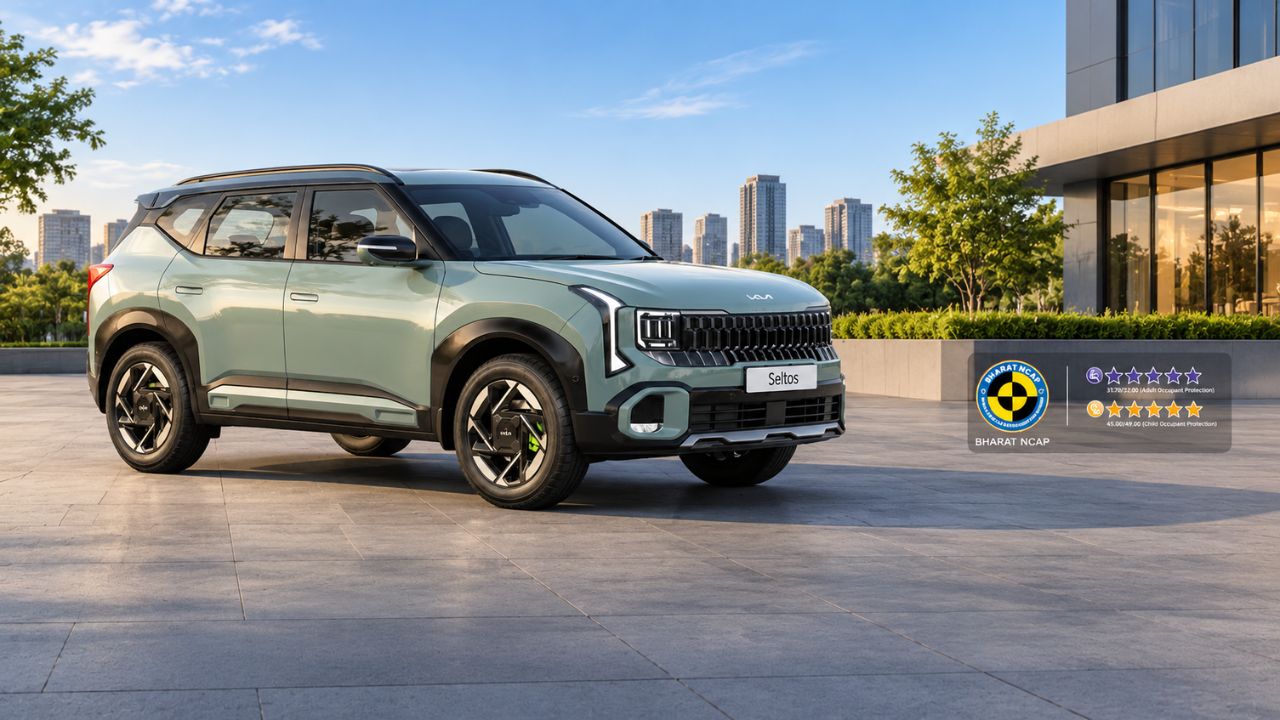
Kia Seltos Earns a 5-Star Rating from crash tests, providing another compelling reason for buyers to think about it. It got 31.70 out of 32 for adult occupant safety, and 45 out of 49 for child occupant safety in the new round of Bharat NCAP tests. You will be surprised by what these numbers say when you’re in search of an SUV for family. 

How Kia Seltos Earns a 5-Star in Bharat NCAP Crash Tests

Bharat NCAP tested the diesel-automatic HTE (O) and GTX trims. The agency says the rating applies to every variant in the range.

Adult protection came in at 31.70 out of 32. The frontal offset test earned 15.70 of 16, and the side barrier test earned a full 16 of 16. Child protection scored 45 out of 49, helped by full marks for the dynamic test and for child seat installation.

5-Star in Bharat NCAP

Kia says this is the highest adult score among petrol and diesel cars tested under the programme so far. That is Kia’s claim, so check the Bharat NCAP site for the current leaderboard. It’s also only the second Kia in India to earn five stars, after the Syros.

Why the Seltos’ Five-Star Safety Rating Matters for Buyers

Crash-test ratings are often overlooked when people choose a car. Many buyers focus on design, features, mileage, or price—but safety should always come first, especially for families.

This also demonstrates that the Seltos has demonstrated superior durability and restraint system performance in a controlled collision test, which means it turns out to be fair to its passengers that the interior cabin has been built with safety as its primary consideration in case of collision. 

The fact that the Seltos has got a high adult protection rating means that not only the driver but the front passenger also is protected very well.

Safety Features That Support the Rating

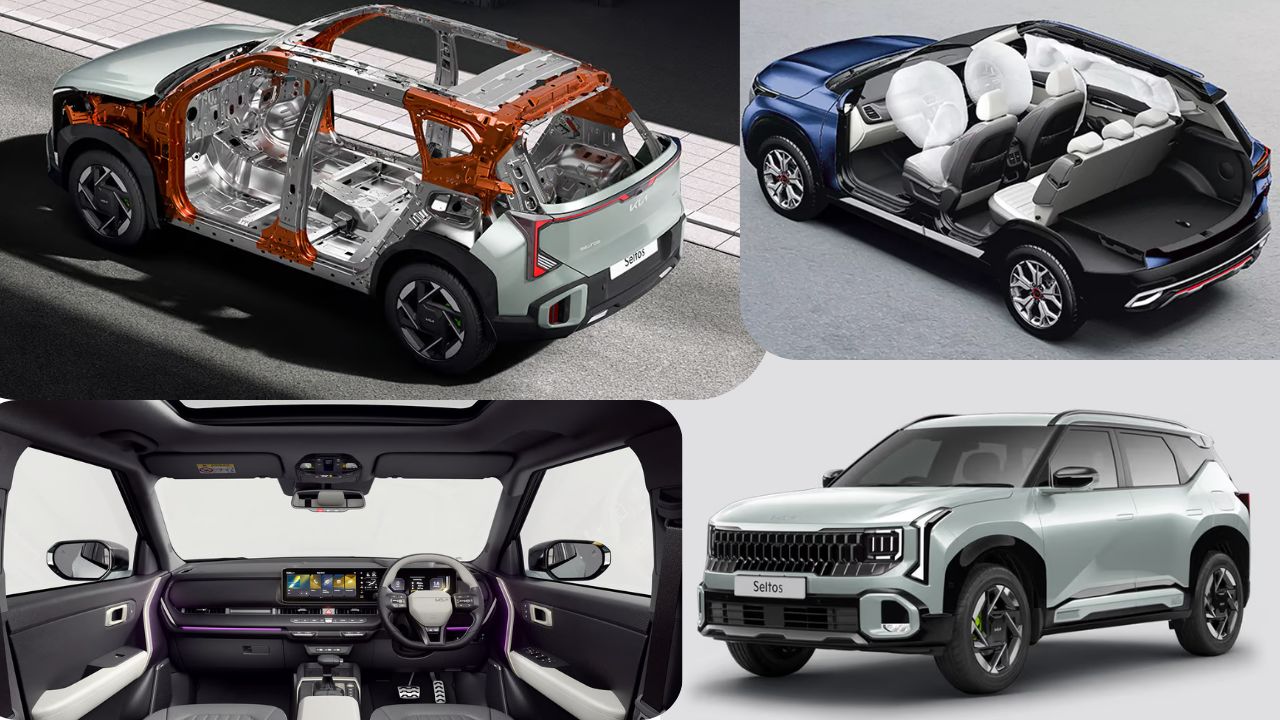
The Seltos comes with a comprehensive safety package that helps support its crash-test performance. Standard equipment includes six airbags, electronic stability control, ABS with EBD, and tyre-pressure monitoring.

These features work together in different ways:

  • Airbags help reduce impact forces during a collision.
  • ESC helps the driver maintain control during sudden manoeuvres or slippery conditions.
  • ABS and EBD improve braking stability.
  • Tyre-pressure monitoring helps prevent tyre-related risks before they become dangerous.

The Seltos also offers advanced driver-assistance features in higher variants, adding another layer of protection for everyday driving.

A Major Improvement for Kia

Kia Seltos Earns a 5-Star and it is especially important because the previous-generation Seltos had faced criticism for its Global NCAP performance. The new five-star Bharat NCAP result signals a clear shift in Kia’s approach to safety and structural engineering.

Kia Seltos Earns

This is a comforting move for the Indian buyers because Seltos has always been known to be popular due to its style, comfort, features, and presence on the roads. According to the official statement by Kia India, the Seltos achieved the maximum adult occupant protection rating among the internal combustion engine cars tested under the Bharat NCAP, as well as one of the maximum child protection ratings.

What This Means for Buyers

If you are planning on buying a midsize SUV, the Seltos is now known not just as a car loaded with features and style, but as a car that also puts safety first. The Kia Seltos Earns a 5-Star rating assures parents that their car has been independently tested for safety of its occupants.

Yet, there is no rating that will be able to replace safe driving. The use of seat belts, child safety seats, correct seating posture, and attentive driving is still crucial. Safe cars offer protection, but responsible driving avoids many accidents.

Explore👉 Tesla Cybercab: How Much Will the Driverless Robotaxi Cost?

Conclusion

The Kia Seltos Earns a 5-Star Rating from a crash test. With an adult safety score of 31.70 out 32 and a 45 out of 49 for child safety, it proves that not only is this a great looking vehicle but it is a great family vehicle with great safety features.

For buyers who want style, comfort, technology, and safety in one package, the new Seltos has made a very strong case for itself.

0

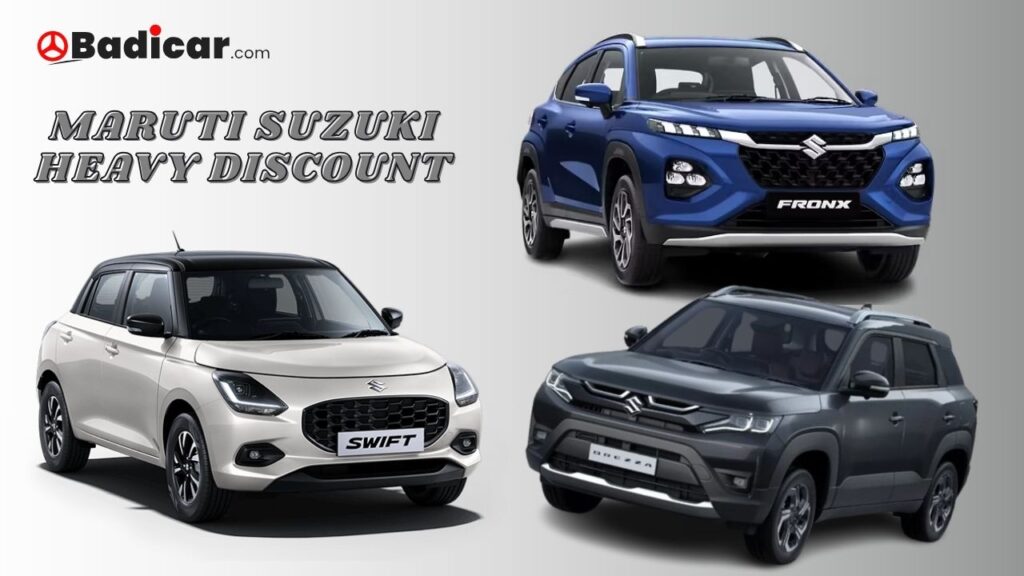
Maruti Suzuki Discount Feb 2026: Swift, Fronx & Brezza Offers Explained

Maruti Suzuki Discount

Maruti Suzuki Discount, India’s largest carmaker, has planned its product strategy around this transition very carefully and has a vehicle for every niche segment of the market. The three protagonists —the 4th Gen Maruti Suzuki Swift, the Maruti Suzuki Discount Fronx and the Maruti Suzuki Brezza, form the crux of this strategy. Each caters to a particular customer requirement: hyper-efficiency, aspirational styling and utilitarian ruggedness, respectively. 

The February 2026 Opportunity Window

By February 2026, the manufacturers are offering heavy discounts to clear stocks before the end of the financial year and to accommodate new models, such as the much-awaited Brezza facelift. Let’s get more details about these cars and their prices. 

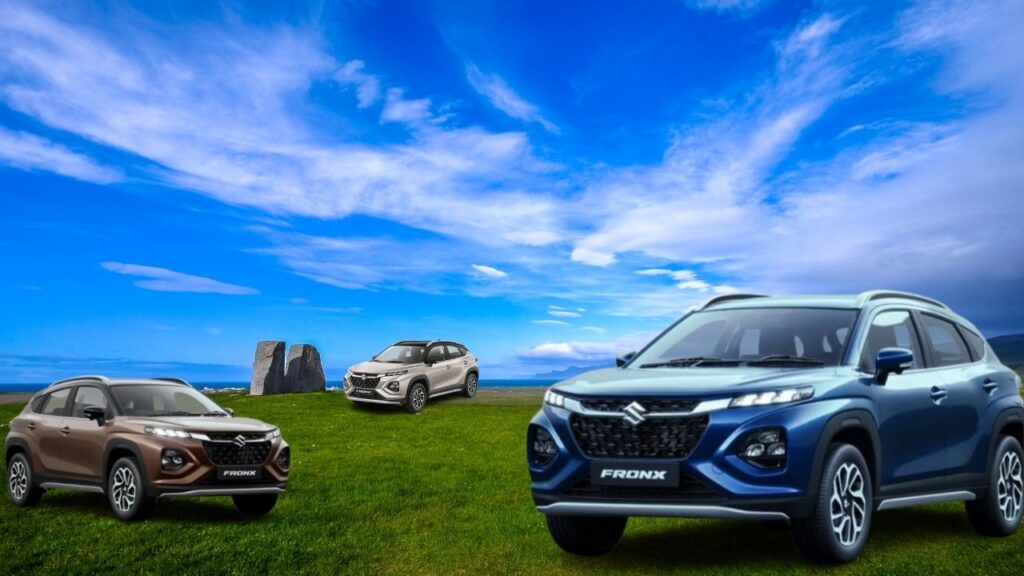
Maruti Suzuki Fronx The Push for Turbo

The cumulative benefits on the Fronx Turbo variants go up to up to ₹30,000 which includes cash discount, exchange bonus, and corporate offer. In contrast, the hot selling 1.2L NA variants have no cash discount, and only exchange offers are used to lure buyers. This gap indicates that 1.2L Fronx is selling organically on the basis of perceived reliability and cheaper maintenance, but Turbo need financial nudge to move away from showroom floors. 

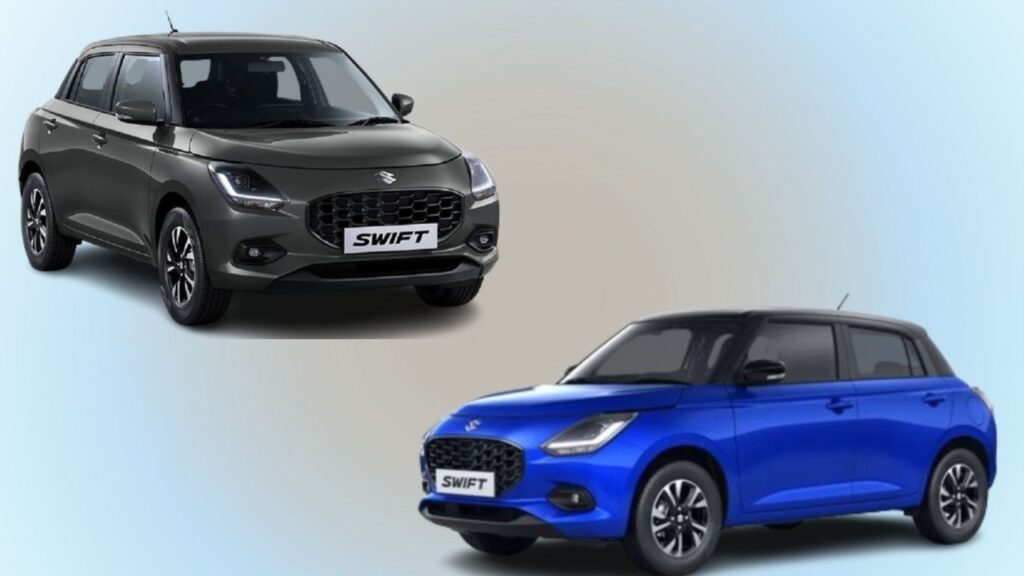
Maruti Suzuki Swift Defending the Realm

Even though the Swift is a new generation model, the discounts are hefty of up to ₹48,000. This aggressive positioning is in response to the onslaught of “Micro-SUVs” from the likes of the Tata Punch and Hyundai Exter. Maruti wants to keep the first-time buyer, who can be tempted by the charm of an SUV body style, by providing a strong financial value proposition on the Swift. 

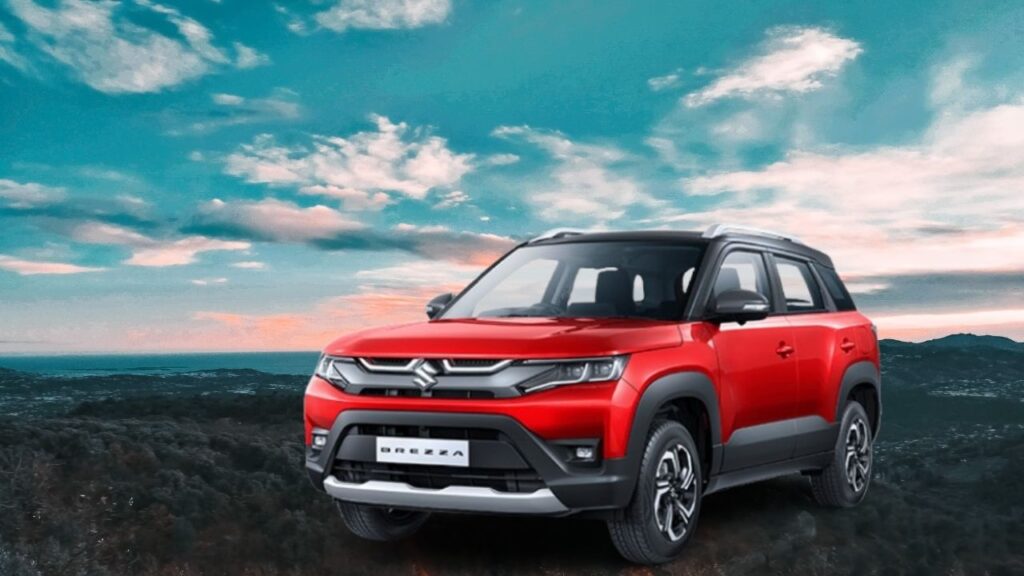
Maruti Suzuki Brezza The Facelift Paradox

The Brezza is a strange beast. With a full model change coming in mid March 2026, some hefty clearance discounts ($1,000 or more) would not be unexpected. However, the benefits are limited to a paltry ₹30,000. 

Which means two things: The current Brezza still sells in good numbers due to its tried and tested 1.5L engine; and Maruti is confident of a seamless transition to the facelift without having to slash the current model’s brand equity. 

On-Road Price of the Market

Model & Variant Ex-Showroom RTO & Taxes Insurance Other Charges On-Road Price
Swift LXi (Base) ₹5.79 Lakh ₹46,312 ~₹33,463 ~₹23k ₹6.82 Lakh
Swift ZXi+ AMT (Top) ₹8.80 Lakh ~₹70k ~₹44k ~₹30k ₹10.25 Lakh
Fronx Sigma (Base) ₹6.85 Lakh ~₹55k ~₹37k ~₹38k ₹8.15 Lakh
Fronx Alpha Turbo AT ₹11.98 Lakh ~₹1.20L ~₹50k ~₹50k ₹13.79 Lakh
Brezza LXi (Base) ₹8.26 Lakh ~₹66k ~₹42k ~₹31k ₹9.66 Lakh
Brezza ZXi+ AT (Top) ₹13.01 Lakh ~₹1.30L ~₹59k ~₹58k ₹15.48 Lakh

Design, Comfort, and Practicality Comparison

Exterior Dimensions Comparison and Road Presence

Dimension Swift Fronx Brezza
Length (mm) 3860 3995 3995
Width (mm) 1735 1765 1790
Height (mm) 1520 1550 1685
Ground Clearance 163 mm 190 mm 198 mm
Boot Space 265 L 308 L 328 L

The roads in India, especially in the budding suburbs or incessant monsoon waterlogging, need clearance. The Brezza (198mm) and Fronx (190mm) offer some peace of mind the Swift (163mm) can’t provide. 

Interior Ergonomics and Space

Maruti Brezza 

  • The tall ceiling and large glass windows make the cabin feel spacious. 
  • The seating is upright (Command Position), allowing for clear and wide visibility over the bonnet edges, which is very useful in traffic. 

Maruti Brezza

  • The back seat is wide, and the stiff H-point (hip point) means senior citizens can slide off rather than squat down, for this reason it’s the most “Senior Citizen Friendly” car of the three.

Maruti Fronx 

  • The interior styling is neuter, yet trendy, using the layered dashboard design adopted from the Baleno laden with rich textures. But the “Coupe” roofline is its achilles heel. 
  • Rear headroom is very limited and passengers who are taller than 6ft will literally be having their heads rubbed by the headliner. 

Maruti Fronx 

  • The rising window line, which becomes sharply upward slanting in the rear, is a bit claustrophobic in the back seat compared to the Brezza.

Maruti Swift

  • The cabin sports a black theme all around. 
  • The driver’s seat is low-slung and provides a «go-kart» driving experience that automotive enthusiasts love. But the back seat is only really usable for two adults and a kid. 

Maruti Swift

  • The narrow rear windows and dark color scheme can make the back seat seem tighter than it really is. 

Boot Utility

  • Brezza: 328 Liters. The shape is square and practical, accommodating two large suitcases along with two duffle bags. The lip of the loading is flat.
  • Fronx: 308 Liters. “This is unlike most boots which are difficult to load due to a high loading lip you have to lift heavy bags a long way up to put them inside.”
  • Swift: 265 Liters. Good just for weekend bags or a week’s worth of groceries. A lengthy airport run will mean folding down the back seats. 

Technology and Features

All three vehicles feature a sleek 9-inch HD touchscreen and wireless Apple CarPlay & Android Auto, making day-to-day connectivity effortless. 

  • HUD (Fronx & Brezza): This feature is especially useful to stay focused when driving at high speeds, for a safer and more convenient experience.
  • The 360° camera in the Fronx and Brezza, however, makes maneuvering in cramped parking spaces a breeze. 
  • Sunroof (Brezza only): A big emotional win for families – and a genuine purchase trigger in India. 

Brezza and Fronx seem much more premium with the Arkamys “Surround Sense” quiet number, clear vocals, better balance, and deeper richness of audio output. Swift does deliver plenty of bang for the buck, but its sound is drier and less enveloping. 

Safety Suite

Standard Safety: To its credit, Maruti Suzuki Discount has made 6 Airbags, ESP (Electronic Stability Program) and Hill Hold Assist a standard fitment in all variants of the 3 cars for 2026. This broadening of safety has made even the lowest-spec Swift LXi a lot safer than the previous model.

Platform Safety: The Brezza is based on the Global C platform, which has previously achieved 4stars in crash tests. The Swift and Fronx are manufactured on the Heartect platform which is designed for light-weighting (for better mileage) but is known to perform poorly in crash ratings (usually 1-2 stars in the earlier tests, with updated 2026 scores).

Future Sensors (ADAS): The imminent Brezza Facelift (March 2026) is speculated to bring Level 2 ADAS (Advanced Driver Assistance Systems), such as Blind Spot Monitoring and Autonomous Emergency Braking. At present, none of the three models is equipped with ADAS. 

Fuel Efficiency

The Maruti Suzuki Discount is the obvious winner when it comes to fuel efficiency — this is the car for people who drive a lot, day in, day out. For those with high usage such as sales professionals, office commuters, and daily highway travellers, the savings in fuel costs alone on a monthly basis make it the wisest financial choice.

The Fronx is just right — not too heavy, not too efficient. It’s for people who want SUV styling, good space and mileage, but who think most other options are just too unbalanced. A genuine “best of both worlds” solution.

The Brezza is for comfort-first shoppers. It eats up fuel, yes, but space, stability, features, and family comfort are what you get in return. It’s not about saving money here — it’s about living better inside the car.” 

Ride and Handling

Suspension Tuning

  • Fronx: Brightened up slightly on the stiff side in order to back its ‘sporty’ stance. It corners well with little body roll but in some situations could feel jittery, such as when driving over sharp potholes or expansion joints.
  • Brezza: Tuned with comfort in mind. It soaks up bad roads beautifully and shields occupants from every bump. But in high speed tight corners, entire body rolls because of its height. It’s not a car to be hustled around corners.
  • Swift: Suspension is soft, great for city speeds. However, at very high speeds on highway (100+ kmph) it has a “floaty” feeling and is not as planted as Brezza or Fronx. 

Read More:-  Latest Hyundai Cars Offers on Verna, Exter & i20 in India

Conclusion:- Maruti Suzuki Discount

The Maruti Suzuki Discount is your best buddy if you are a victim of the busy road on your daily commute. If you are a socialite and want to make an entry, the Fronx makes your look impressive! But for the weekend jaunts with the entire family, the Brezza is the only car that can cut the mustard. 

As of February 2026, the Brezza VXi is the best overall value as it delivers SUV qualities at a price, which cuts into the market of smaller premium hatchbacks.