2

5 Best Affordable SUVs Under 15 Lakhs In India

SUVs under 15 lakhs

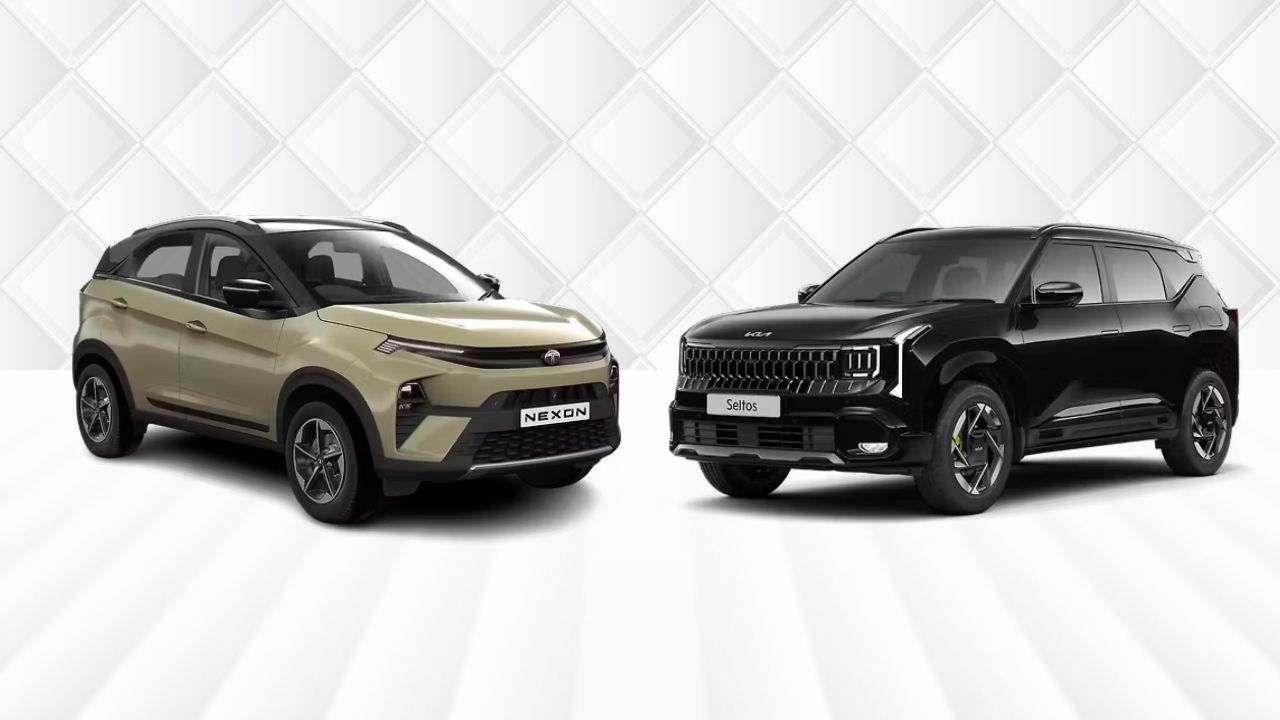
Finding an SUV which can offer an engine, great power to run longer than your expectation is no longer harder. These five best SUVs under 15 lakhs budget offer powerful performance on Indian roads that eventually become the most selective cars. The 2026 listing put the Tata Nexon at number 1 because of its new features and body styling along with reliability.

The list is based on the price announced on the official websites of cars so check the actual price including insurance, registration and taxes from your dealer when you buy. The newly launched Mahindra XUV 3XO, the freshly updated Maruti Brezza, the Hyundai Creta and the Kia Seltos are continuously ranking on the “Best Car 2026” list.

Each one wins a different kind of buyer, and one of them comes with a catch you should know before you walk in.

How These SUVs Under 15 Lakhs Were Picked

The list is filtered according to three most relevant choices that a buyer can have.

  1. Three features which most people want in a car is an automatic or a turbo engine, a sunroof, six airbags which had to be available at or near ₹15 lakh ex-showroom price mark. 
  2. Car reliability also matters when the budget is good. So crash-safety credentials had to be on record.
  3. Most people are looking for post-purchase support like service network, resale and real-world fuel cost which decides how they have to spend after buying an SUV.

Every price mentioned in the table is an ex-showroom price taken from listings updated between July and August 2026. The car’s actual price may differ from these prices because carmakers have revised prices several times this year. Treat them as a guide, then confirm the exact variant price with a dealer in your city.

Five Best SUVs Under 15 Lakhs at a Glance

SUV Ex-showroom range (mid-2026) Engine options Claimed mileage Safety
Tata Nexon ₹7.40 to ₹14.40 lakh 1.2L turbo petrol, 1.5L diesel (115 hp), CNG 17.01 kmpl to 24 km/kg Long-standing Global NCAP 5-star adult rating
Mahindra XUV 3XO ₹7.79 to ₹15.04 lakh 1.2L petrol, 1.2L turbo petrol, 1.5L diesel 17.96 to 21.2 kmpl 5-star Bharat NCAP
Maruti Brezza (2026) ₹7.40 to roughly ₹13.6 lakh 1.0L turbo petrol, 1.5L petrol (103 hp), CNG Up to 25.51 km/kg (CNG) 5-star Bharat NCAP
Hyundai Creta ₹10.91 to ₹20.11 lakh (only lower trims fit the budget) 1.5L petrol, 1.5L diesel Roughly 17 to 22 kmpl 3-star Global NCAP per one listing
Kia Seltos Starts around ₹11 lakh (only entry trims fit the budget) 1.5L petrol, 1.5L diesel, turbo petrol Varies by variant Check current rating

1. Tata Nexon: The Safe, Sensible All-Rounder

The Nexon keeps turning up in sales charts for a reason. It is recognized as India’s second highest-selling car in June 2026, and in May Tata launched a Pure+ PS variant at ₹9.59 lakh that it positions as the cheapest car in the country with a panoramic sunroof. That single move shows how Tata is thinking: put the showy feature on a mid trim, not the expensive one.

Tata Nexon offers choices between engines, a buyer can pick 1.2 L petrol, 1.5 L diesel with manual/AMT gearbox, and CNG version. This is the only SUV whose every trim sits under ₹15 lakh ex-showroom, its top diesel variant is around ₹14.40 lakh which offers 115 hp of power. The claimed mileage falls between 17.01 kmpl to 24 km/kg and Global NCAP is also given a 5-star rating on its crash safety. 

The honest limitation is refinement. The three-cylinder turbo-petrol is the usual complaint in reviews, with more idle thrum than the Brezza’s engines. Pick the diesel or the CNG if you drive long distances and can live with that trade making it for families who want safety, space and a huge service network in one package.
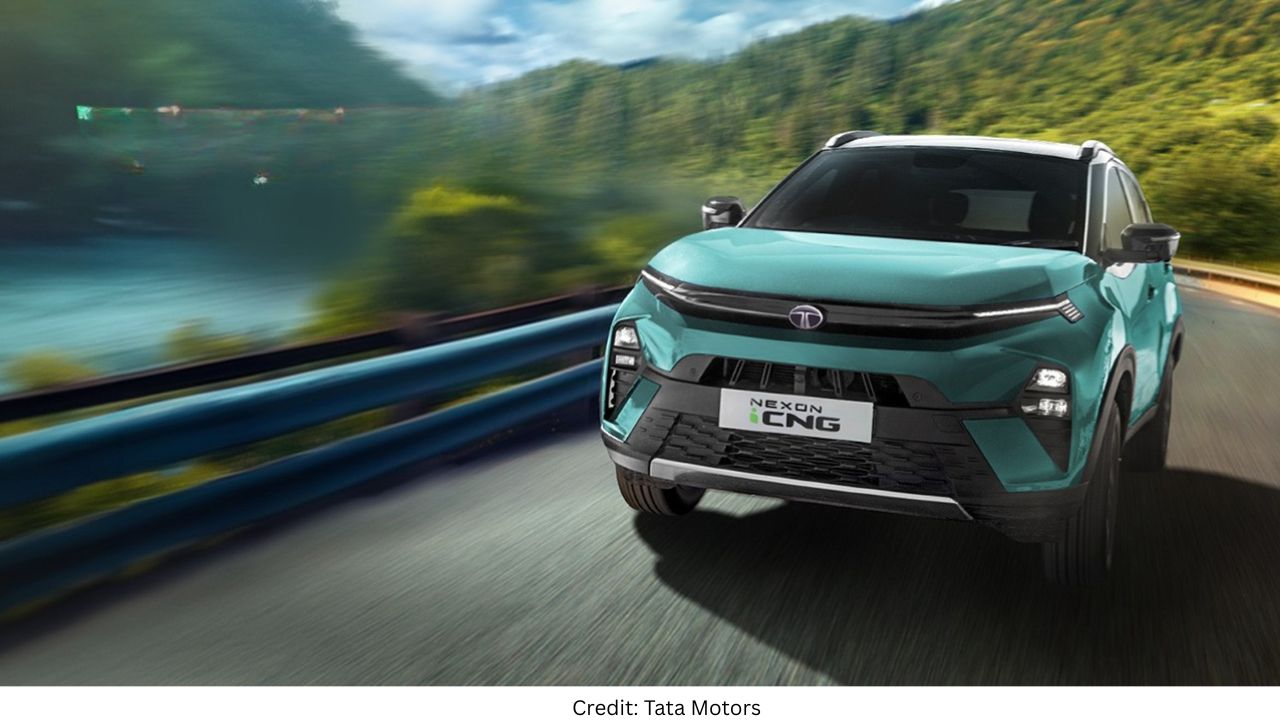
Tata Nexon CNG

2. Mahindra XUV 3XO: The Feature-Loaded Performer

The new Mahindra XUV 3XO price starts at Rs 9.99 lakhs (ex-showroom) and it goes up to ₹15.04 lakh. Every trim can fit your budget criteria with a 5-star rating. Buyer can get a wider option on XUV 3XO, from 1.2 L petrol to 1.5 L diesel. The CNG version uses twin CNG cylinders on the same petrol engine. It claimed 24.7 km/kg of mileage. It runs from zero to 60 km in 4.9 seconds in CNG mode.

Most people choose this car because all the variants range between ₹9.99 lakh — ₹12.27 lakh and It competes with the Tata Nexon CNG and Maruti Suzuki Brezza CNG.

XUV 3XO vs Tata Nexon: The Head-to-Head Comparison

The turbo-petrol 3XO feels quicker and its feature list is longer at the same money. The Nexon answers with a CNG option, better efficiency spread and more cabin space. Nexon is the better bet for exactly those two reasons. A 3XO CNG comes with a price near ₹10 lakh, and launched on October 15, 2026. Mahindra offers more thrilling performance and cutting-edge technology in a new styling body.

Best for: buyers who want performance and features first and can accept a firmer ride.

3. Maruti Brezza (2026): The New Turbo Value Play

The 2026 Maruti Suzuki Brezza facelift enters showrooms in July with a starting price of ₹7.40 lakh (ex-showroom). Its 1.0-litre petrol engine offers 110 PS of power. The highest variant ZXI Plus is offered with a Petrol AT powertrain at ₹13.55 lakh so this car fits in the SUVs under 15 lakhs list. 

But one thing every buyer should understand: some ZXI and ZXI Plus versions also have dual-tone options priced ₹15,000 higher. Brezza stands out as the best choice for most people after introducing a facelift with six airbags, ESC, and a 5-star Bharat NCAP safety rating.  

There is a CNG advantage since it claims 26.90 km/kg of fuel efficiency. The real world mileage might be different. It offers 1.5 L S-CNG powertrain with 88 PS and 121.5 Nm at 6 MT transmission while its petrol variant offers both manual and automatic options. LXI trim alone comes in a range of ₹7.40 lakh —- ₹8.30 lakh. 

The limitation is power. The 1.5-litre naturally aspirated petrol is the least exciting engine on this list. Ask the dealer about price and claimed mileage before making up your mind to buy one.

Best for: high-running buyers who want low fuel bills and Maruti’s service reach.
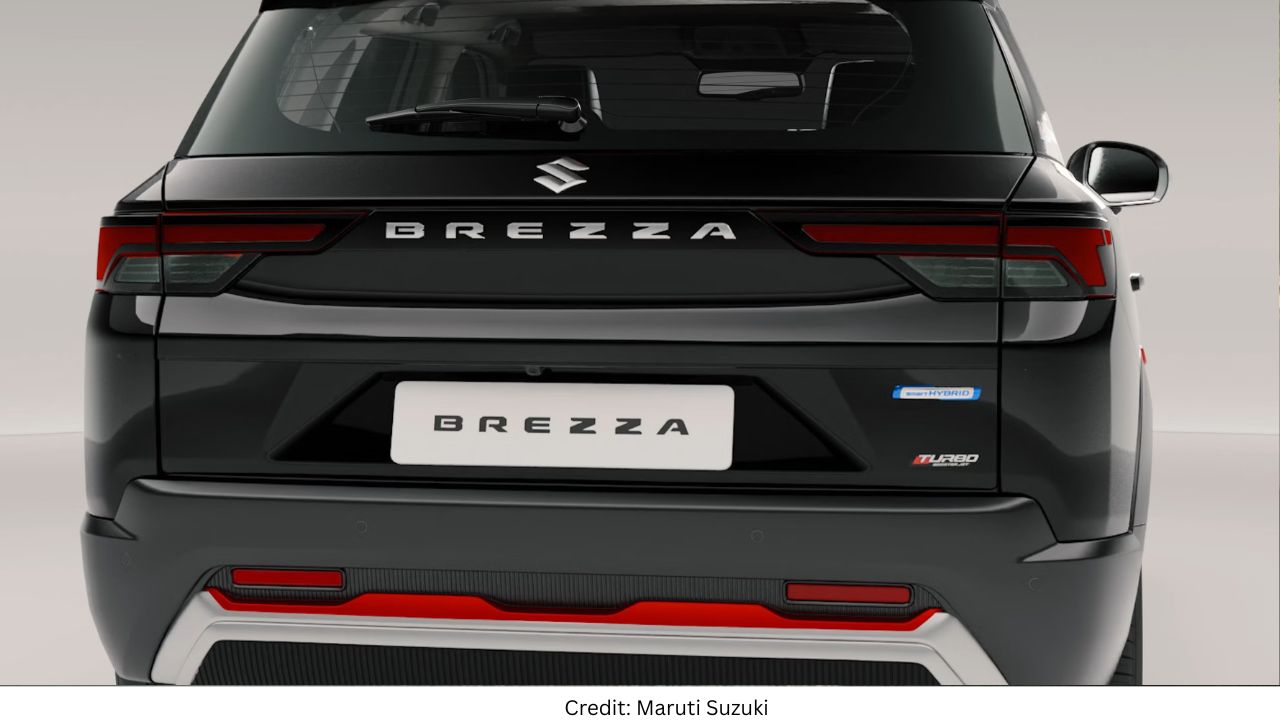
Maruti Brezza

4. Hyundai Creta: The Badge That Costs More Than It Looks

Hyundai Creta comes at a range of ₹10.91 lakh — ₹20.11 lakh ex-showroom so a buyer with a ₹15 lakh budget can get a middle or lower trim. The higher trims with more features and comfort driving is above this price mark. The S diesel price at about ₹15 lakh and the SX petrol above it so check your variant and ask the price from your dealer.

Creta have given you other reliabilities such as resale value and service reach, both are excellent. The diesel variant claimed 21.8 kmpl of mileage which is considered as best in this segment. It’s a direct rival for Seltos, Tata Sierra, Renault Duster and Skoda Kushaq. 

Best for: buyers who prioritise resale and brand comfort over the latest tech.

5. Kia Seltos: The Bigger Car You Will Have to Stretch For

The new Seltos is built on a larger platform and it shows in the cabin. It starts around ₹11 lakh, about ₹9,000 above the Creta, and gets Kia Connect 2.0 with over-the-air updates, something Hyundai’s Bluelink still lacks on the Creta.

The HTK (O) variant is above 15k price mark and most of the higher trims in both petrol and diesel are goes higher range of price up to ₹17.99 lakh —  ₹19.79 lakh which means if you get revised design, upgraded cabin technology and advanced safety standard then it’s worth more than your budget.

But in the entry level variant, you still can get a 1.5 L engine which produces 115 – 160 PS of power depending on the powertrain option. Both petrol and diesel variants offer 6 speed manual transmission. There is no factory-fitted CNG option in the current Seltos line-up.  

Best for: buyers who can push past ₹15 lakh and want the most spacious, tech-heavy option.

Creta vs Seltos: Which to Choose

At the ₹15 lakh price, both Creta and Seltos win but on different criteria. Creta give your resale value and good efficiency figure while Seltos can give you connected features, bigger body, and amazing design. 

Always understand that choosing a car on price mark isn’t the best way for selecting a car because you can expect a higher amount to pay when you ask a quote from a dealer for the variant you choose online.

Conclusion

Choosing a car depends on how you drive and why you need a car. If you run more than 1,500 km a month then Brezza CNG and Nexon CNG is the best option because the fuel efficiency lets you recover at the pump. Nexon also offers peace of mind with safety standards if you travel with your family.

XUV 3XO is new and latest at an affordable price. The CNG variant sits in the list of SUVs under 15 Lakhs. Choose the Creta only if resale and the Hyundai network outrank everything else. If you can stretch your price mark a little more then the Seltos is also a good option for you.

Ask each dealer for the current discount and the waiting period on your variant. Offers on these models have ranged from ₹30,000 to ₹55,000 earlier this year, and that difference can decide a close call.

Alok Kabir

Alok is an experienced SEO Specialist skilled in blogging and SEO-friendly content creation. He also specializes in Content Optimization and Technical SEO, including website optimization, crawlability, indexing, site speed, and on-page improvements to enhance search rankings and online visibility.

2 Comments

Leave a Reply

Your email address will not be published. Required fields are marked *

0

New 2026 Nissan Murano Review – Features, Design, Performance & Pricing

New 2026 Nissan Murano

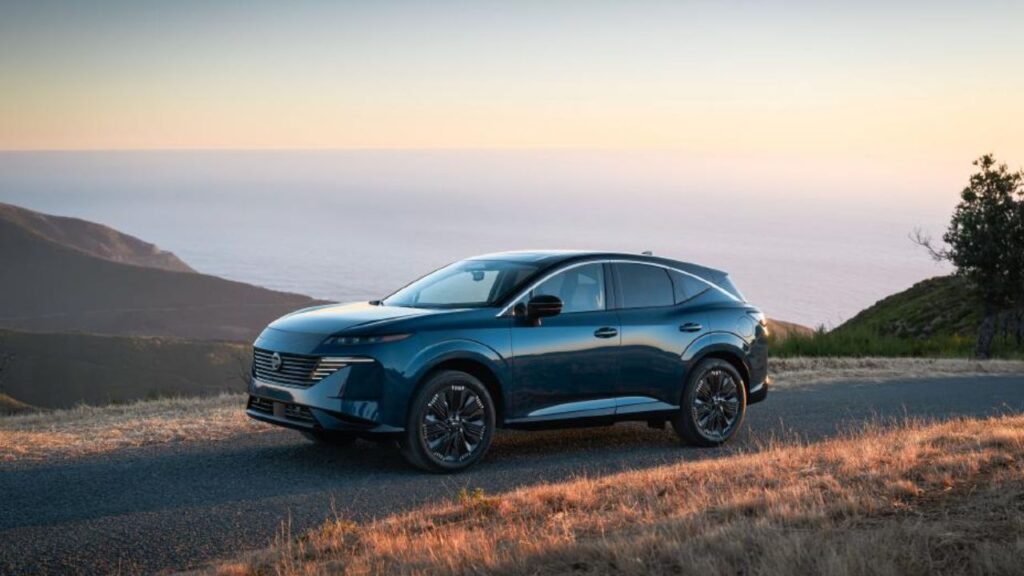
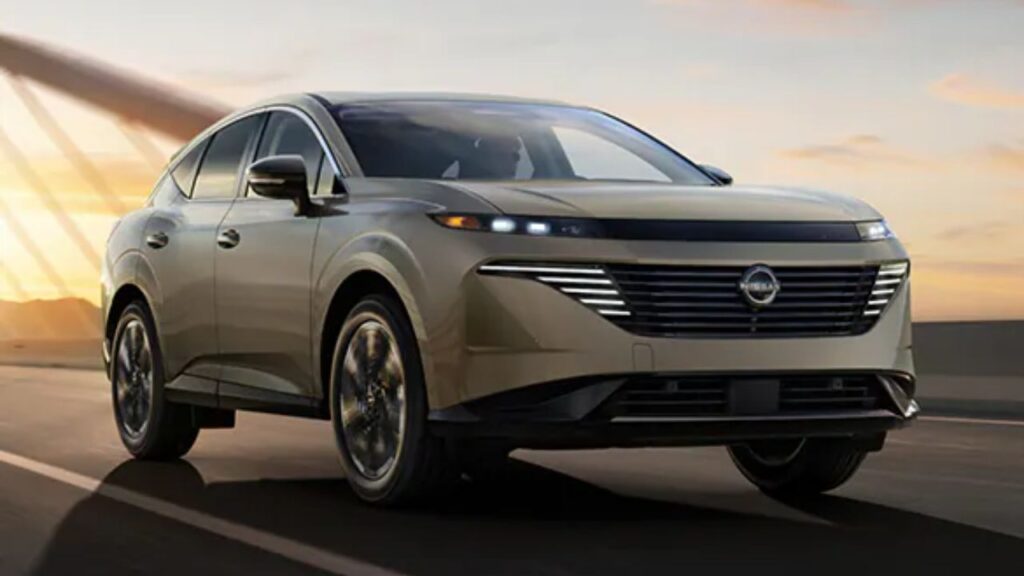
The 2026 Nissan Murano stands out as one of the most competent mid-size crossovers available this year — sleek, modern and designed for families and daily commuters who want comfort without the astronomical luxury-brand price tag. 2026 Nissan Murano has also completely relooked with a radical new design, enhanced technology, a refined turbocharged powertrain and an upgraded interior that elevates it into near-luxury territory.  

With its enhanced dynamics and advanced safety features such as ProPILOT Assist 2.1, the 2026 Murano is built for those who want modern luxury in a familiar package that includes Nissan reliability. So, let’s take a look at what makes this axle-driven SUV a great pick for 2026 and how it compares in today’s overly crowded crossover segment. 

Design That Commands Attention

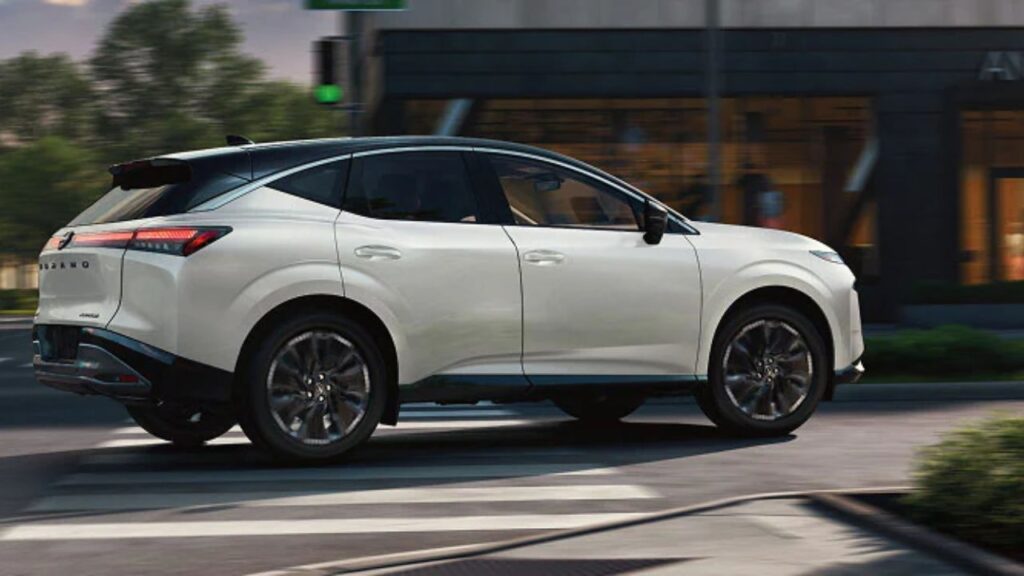
The 2026 Nissan Murano has a bold and upscale look that immediately draws attention. The design incorporates sporty and aerodynamic lines with super slim LED headlights and a unique full-width LED taillight bar that extends all the way to the rear. These modern additions give the Murano a high-end look that could fool you into thinking it costs a lot more. The vehicle rides on available 21-inch wheels that add a layer of sleekness to its contemporary look. With its 8.3-inch ground clearance, the Murano delivers a commanding road presence and the Murano also provides high levels of visibility for all day driving and parking. 

2026 Nissan Murano

2026 Nissan Murano | Image credit Nissanusa

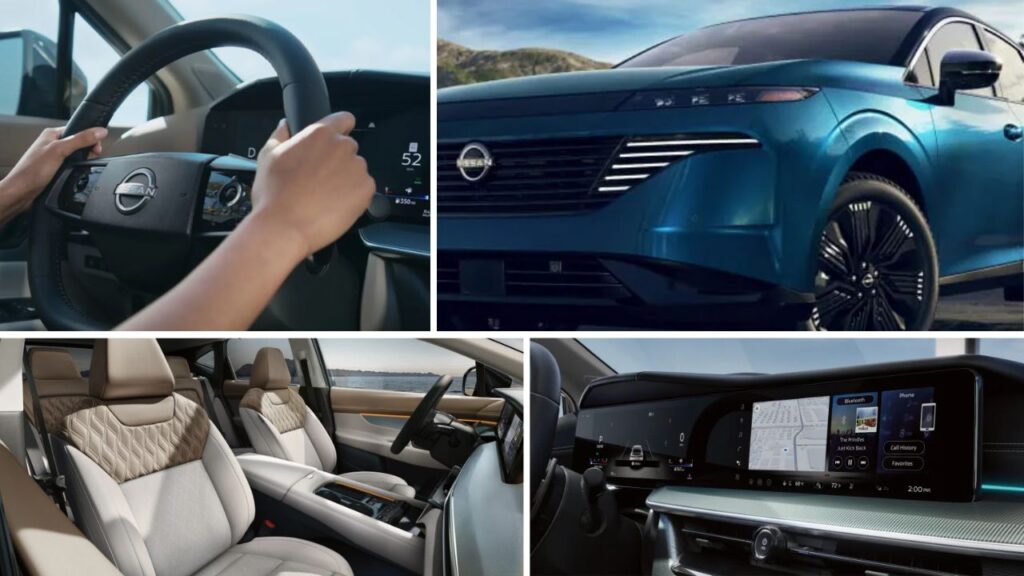
And the interior The cabin provides a spa-like environment with every detail thoughtfully considered. Nissan refers to it as the “zen” interior experience, which includes high-end materials, soft-touch surfaces and intuitive ergonomic design. The two 12.3-inch color screens, one as the instrument cluster and the other as a touchscreen for the infotainment system, form a modern, clean dashboard design. 

Up to 64 color options are available for ambient interior lighting, letting you tailor the cabin atmosphere to your mood. The (optional) Nissan’s famous Zero Gravity seats offer outstanding all-day comfort, with ventilated and massaging front seats available on upper trims that are more akin to the experience of a premium spa than sitting in a car seat. 

Read More :- Renault and Nissan Alliance Guide – History, Benefits & Future Vision

Powerful Performance Built for Comfort

Powering the 2026 Murano is Nissan’s 2.0-liter four-cylinder VC-Turbo engine that produces 241 horsepower and 260 lb-ft of torque. This engine is mated to an exceptional 9-speed automatic transmission that offers quick, controlled shifting that is as refined as it is powerful. All trims are fitted with the now standard Intelligent All-Wheel Drive, which offers better traction and stability in different weather conditions. 

2026 Nissan Murano Fuel Economy

2026 Nissan Murano Fuel Economy

The Murano is the fastest car with top speed of 120 mph and it takes you from 0 to 60 mph in an estimated 8.0 to 8.3 seconds. This isn’t the most powerful in the segment, but the emphasis is here on smooth, assured motivation rather than pure performance thrills. This new, refined nine-speed automatic replaces the previous model’s continuously variable transmission to give a more responsive and composed driving experience. 

EPA fuel-economy estimates are 21 city/27 highway/23 combined mpg. These figures put the Murano towards the mid-range in the mid-size luxury crossover segment, although Nissan has suggested a hybrid powertrain could be an option some time in the future. The 18.7-gallon fuel tank offers plenty of range for long road trips. A modest 1,500-pound towing capacity is good for a few small trailers and jet skis, but some competitors easily outpull it. 

Spacious Interior with Practical Cargo Solutions

The Murano offers 32.9 cubic feet of space behind the rear seats, which is plenty for bags of groceries, suitcases and sports equipment. the 60/40 split rear bench seats folded down, the capacity climbs up to 63.5 cu. ft. to transport bigger items such as furniture or camping gear.A power liftgate is standard to expedite loading and an upper-trim power, motion-activated liftgate brings real convenience. 

Spacious Interior inside of 2026 Nissan Murano

Spacious Interior inside of 2026 Nissan Murano | Image credit Nissanusa

Passenger room is just as impressive, with 44.3 inches of front legroom and 36.3 inches of legroom in the rear. The cabin is authentically roomy and calm, allowing long jaunts to be enjoyed by all passengers. Although the Murano is technically a five-passenger model, the copious spacing makes it feel much roomier than many rivals. 

Read More :- Discover the New Kia Telluride – Bold Design, Advanced Tech & Premium Comfort for 2025

Trim Levels: Finding Your Perfect Match

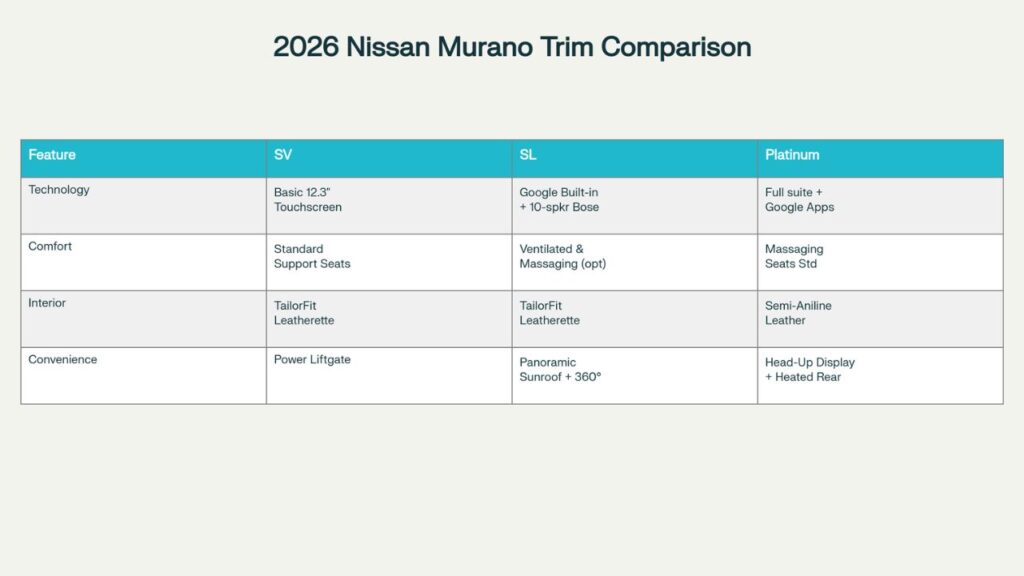
There are three well-equipped trim levels for the 2026 Murano: SV, SL, and Platinum. That makes for an easy decision — each price point really does add value, not gimmicks.

2026 Nissan Murano Trim Feature Comparison

2026 Nissan Murano Trim Feature Comparison

SV (Base) – From $41,670: The premise is astonishingly robust. It has a 12.3-inch touchscreen infotainment system featuring wireless Apple CarPlay and Android Auto, 20-inch black alloy wheels, dual-zone automatic climate control, a digital instrument cluster, and wireless smartphone charging. Power windows, locks and mirrors are standard, as is a solid infotainment system through NissanConnect. 

SL (Mid-Range) – From $46,760: Value, at its most debatable but quite apparent best You get Google Built-in for easy navigation and voice control, a high-end 10-speaker Bose audio system, a panoramic sunroof to bring that open-air feeling inside, a 360-degree Intelligent Around View Monitor to park with confidence, built-in Wi-Fi hot spot connectivity, and ventilated and massaging front seats (optional).

Platinum (Premium) – From $49,800: The high end is first-class luxury All the semi-aniline leather upholstery which actually feels premium, massaging front seats for more comfort than you deserve, a head-up display to ensure critical information remains in your line of sight, the rear seats heat up for passenger comfort, a hands-free power liftgate, and power-folding mirrors which make tight parking a little less difficult. 

Advanced Safety Technology That Protects Your Family

All 2026 Murano models are now equipped with Nissan Safety Shield 360, a robust driver-assistance system focused on keeping hazards out of your path. That system includes features such as automatic emergency braking with pedestrian detection, applying the brakes when an obstacle or person is detected in front of you, blind spot warning that notifies you of vehicles in your blind spot, and lane keeping assist to reduce the risk of unintended lane departures.​

Safety Technology That Protects Your Family

image credit: Nissanusa

The headline feature for 2026 is the optional ProPILOT Assist 2.1, which is only available on the Platinum trim and can be purchased in the Platinum Technology package. It is an advanced system that enables drivers to go hands-free on certain highways when conditions are right. Utilizing cameras, radar sensors, and HD mapping information, ProPILOT Assist 2.1 controls the steering, speed and braking, but keeps your eyes on the road. Lane Change Assist can even suggest passing and assist when passing slower vehicles ahead of you, making long highway drives much less tiring. 

Other safety enhancements include Invisible Hood View, which allows the driver greater visibility while parking in tight spaces, a built-in 360-degree exterior camera system, intelligent lane intervention and speed limit assist that notifies the driver of posted speed limits. If the driver is deemed distracted, the system will softly slow the vehicle to a stop, putting safety first with no compromises. 

Read More :-  New Tata Sierra 2025 – Price, Features, Launch Date, and Electric SUV Details

Connectivity and Entertainment for Modern Life

The Murano confidently steps into the modern day with two-key USB hubs for Apple CarPlay and Android Auto being part of the package. Google Built-in is available on SL and Platinum models allowing you to use native Google Maps navigation, Google Assistant voice control, and Google Duo video calling. The optional Bose premium audio system produces a warm, enveloping sound that makes listening to music an experience rather than just background noise.​

Connectivity and Entertainment for Modern Life

image credit: Nissanusa

Murano has also added a built-in Wi-Fi hot-spot capability so passengers can use it as a mobile office or entertainment center to stream, work or browse while stopped (or in traffic). Among the new features are Amazon Alexa integration and in-dash navigation for those who like their systems a little less mobile-device dependent. 

Conclusion

The 2026 Nissan Murano is for those who want a luxury-feeling SUV for less. Unless you’re interested in a straight-line performance car, like the Tesla Model 3 Performance, and care about the interiors, and want the newest and most advanced active safety features, this is your car. The Murano is a good choice for families who need that extra space, commuters who drive long distances, and anyone seeking a more serene driving experience than its competitors can provide.

The only possible downside is the limited towing capacity of 1,500 pounds (still enough to tow a small camper in some regions), but we welcome the Honda Passport’s greater capabilities option and also superior fuel economy (which could be improved further should Honda choose to offer a hybrid option). But for those whose priorities lie in comfort, style and overall practicality on a day-to-day basis, such shortcomings matter less than the car’s comprehensive refinement. 

0

Fast Charging vs Home Charging: Which Is Better for Your EV? 

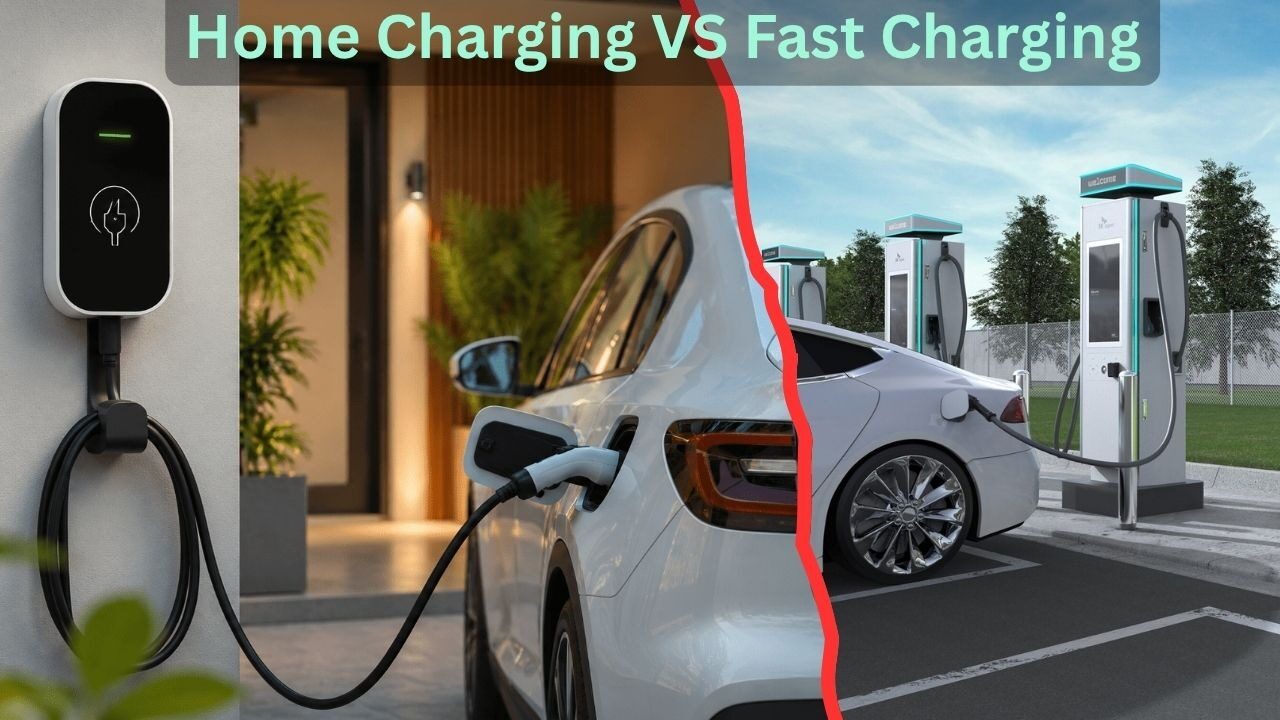
Fast Charging vs Home Charging

Buying an EV is not as hard as choosing a charging method that matches with your lifestyle, expense, and daily convenience. Fast Charging vs Home Charging is not a debate in which one can win, there are different answers from EV car owners themselves. But if you are going to buy an EV car and are confused about the charging method then this blog will make you understand how these two charging methods work.

1. Home Charging: The Reliable Anchor

Home charging usually means an AC charger — either the basic 15A plug that comes with most EVs or a dedicated wall box installed by the manufacturer or a third-party installer. It’s slow by design. A typical home setup adds roughly 8 to 15 km of range per hour, depending on your car’s onboard charger and your home’s power supply. 

For most owners, this means plugging in overnight and waking up to a full battery, every single day, without ever visiting a charging station.

The Advantages

  • Massive Cost Savings: Home electricity tariffs—especially off-peak or night-rate smart tariffs are incredibly cheap. You’re paying your domestic electricity tariff, not a premium station rate. 
  • Increases Battery Lifeline: Slow AC charging produces less heat and stress on lithium-ion cells which increase the battery health. It means your EVs battery won’t be damaged in early years as they experience low average battery degradation of only 1.5% per year, according to large-scale telematics data. 
  • Convenient for City commuters: You don’t have to stand in the line for hours at the station so this home charging method becomes handy. Once you plug in at night, you will get a fully charged vehicle in the morning. 

The Disadvantages

  • Slow Speed: If you need range back in an hour, home charging won’t deliver it since it almost takes from 6 to 12 hours to fully charge a depleted battery.
  • Installation cost and Wiring Upgrades: You have to purchase and install a proper wall box plus wiring upgrade as recent data highlights that nearly 45% of older residential homes or apartment blocks require a minor electrical grid to handle the load that costs you real money.
  • The Apartment or Rentals problem: If you live in an apartment without assigned parking or society approval for a wall box then home charging isn’t an option for you. Even renters and people in shared housing are cut off from this option as they don’t own the parking.

Who It Fits Best

It fits if you live in an independent house or an apartment with assigned covered parking, your daily driving is mostly within city limits, and you can plug in every night without a second thought. This covers a large chunk of EV buyers in Tier 1 and Tier 2 Indian cities who bought an EV specifically to cut down on daily commute costs. 

Cars That Require It Most

Compact or Mid-size EVs and Plug-in Hybrid are required for home charging most. Some reliable EVs such as MG Comet, Tata Tiago EV don’t need high-powered DC fast charging as their batteries are small. If you can afford overnight charging at home then these cars are the best options to buy. And home charging is the cheapest and most convenient way to keep them running.

2. DC Fast Charging: The Road Trip Fuel

Fast charging refers to DC charging stations — the ones you find at highway plazas, malls, and dedicated charging hubs from networks like Tata Power, Statiq, or ChargeZone. These can take a battery from near-empty to 80% in anywhere from 20 minutes to an hour, depending on the car’s charging capability and the station’s output.

The Advantages

  • Incredible Speed: Fast charging can boost the battery from 20 to 80 percent in as little as 20 to 40 minutes. 
  • Enables Long-Distance Travel: That’s the only practical choice for highway travel, it effectively erases range anxiety on highways, making hundred-mile cross-country road trips feasible. 
  • Growing Network: Car manufacturers and the government are working to increase the charging stations. They are rapidly growing as car owners are shifting from petrol to EV cars. 
  • People who don’t own parking spots: Perfect for apartment dwellers, renters now buy an EV for city commute. Similar to a fuel station visit.

The Disadvantages

  • Premium Pricing: Public fast chargers are businesses with high operational overhead. You will pay 2 to 3 times more per kilowatt-hour (kWh) here than you would on your home utility bill.
  • Slightly Higher Battery Wear: Pushing massive amounts of current creates internal heat. Fleet tracking data shows that vehicles relying exclusively on high-power DC fast charging experience an average annual degradation of up to 3.0%.
  • The Taper Effect: Fast chargers slow down significantly after hitting 80% to protect the battery cells from overheating, meaning the final 20% takes frustratingly long.

Who It Fits Best

If you live in a rented flat or a society without charging approval, you regularly drive between cities, or your job involves long daily distances that a single overnight charge can’t cover. It also fits anyone whose EV is a second car used mainly for longer, less predictable trips rather than a fixed daily commute. 

Cars That Require It Most

In Premium & high-range EVs, the advanced 800V battery is fixed to run the engine for many kilometers. Big range EVs like Hyundai Ioniq 5, Kia EV6, or Porsche Taycan are equipped with this battery. These vehicles are specifically engineered to gulp down 250+ kW of power, allowing them to extract maximum utility from ultra-fast public networks.

Read More :- Mercedes Benz CLA 250+ Real-World Range Tested

The Fair Comparison of Fast Charging vs Home Charging

Factor Home Charging Fast Charging
Speed 8–15 km/hour (slow, overnight) 0–80% in 20–60 minutes
Cost per charge Lowest — domestic tariff Higher — commercial station rate
Battery health impact Minimal stress, better long-term health More heat, faster degradation if overused
Convenience High, if you own your parking High, but requires a trip to a station
Upfront cost Wall box + installation charges None — pay per use
Best for Daily commuting, city driving Highway travel, no home parking, urgent top-ups
Availability Depends on your housing situation Depends on your city/route infrastructure

The Car Matters More Than People Admit 

A city-focused compact EV with a smaller battery — the kind bought mainly for daily office commutes leans almost entirely on home charging, since the battery is rarely drained enough to need a fast-charge stop. Premium EVs built on big batteries to give longer range are particularly bought for highway trips. They depend on a strong fast-charging network, because home charging alone can’t refill a large battery overnight for back-to-back long drives. 

In short: Compact everyday EVs are designed to run on home charging, meanwhile long-range and luxury EVs are designed to run highways with fast-charging availability.  

Your Car’s Battery Chemistry (LFP vs. NMC) That EV Buyers Often Forget

Lithium Iron Phosphate (LFP) — The LFP battery is known for being long lasting. They handle aggressive fast charging with close to zero additional degradation, and they can be charged to 100% every day, safely. 

Nickel Manganese Cobalt (NMC) — NMC batteries are more susceptible to heat and high voltage. If you’ve got a vehicle with an NMC battery, it thrives on slow charging at home, and you’d best think of DC fast chargers as something you need just for occasional road trips. 

Read More :- Best Automatic Cars in India Under 10 Lakhs – Easy Driving Options

Why This Comparison Actually Matters for EV Buyers

Most people cross-shop EVs by comparing range and price, and treat charging as an afterthought they’ll figure out later. That’s backwards. Your charging setup determines your real-world cost of ownership, how fast your battery degrades over five to eight years, and whether owning an EV is even convenient for your specific living situation. 

Two people can buy the identical car and have completely different ownership experiences — one because they have a private garage and never touch a public charger, the other because they’re queuing at a mall charger three times a week. The charging question isn’t a footnote. It’s arguably more important than the range number on the brochure.

Why Buyers Should Plan for Both

The most realistic approach isn’t picking one — it’s building a routine where home charging handles 80-90% of your needs, and fast charging exists as a backup for the days that don’t fit the routine: a road trip, a forgotten overnight charge, an unexpectedly long day of driving. 

Buyers who plan around both, rather than betting on one exclusively, tend to get the best of both worlds — low daily running costs from home charging, and the flexibility to never be stranded, thanks to fast charging when it’s genuinely needed.

Crucial Factors EV Buyers Often Forget

  • Check your onboard charger’s AC limit before buying a wall box. Some EVs cap AC charging speed regardless of how powerful your home charger is — paying for a high-output wall box in that case is wasted money.
  • Society approval can take longer than expected. If you live in an apartment, start the RWA approval process for a charging point well before your car is delivered.
  • Fast charging isn’t available at the same speed everywhere. Not all “fast chargers” are equal — output varies station to station, so your actual charging time on the road can differ a lot from the advertised number.
  • Battery warranties usually still apply regardless of charging method, but manufacturers often quietly recommend limiting fast charging to occasional use rather than a daily habit, for exactly the degradation reasons mentioned above.

Read More :-  The Future of Electric Vehicles: What Drivers Need to Know

Conclusion

Home charging wins on cost and battery health. Fast charging wins on speed and flexibility. Neither one replaces the other — they solve different problems. The right question isn’t “which is better in Fast Charging vs Home Charging,” it’s “how much of my driving is predictable daily commuting versus unpredictable long-distance travel,” because that answer decides how much you’ll actually lean on each option. 

2

Tesla Flying Car Mechanics Make The Flight Possible

Tesla Flying Car Mechanics

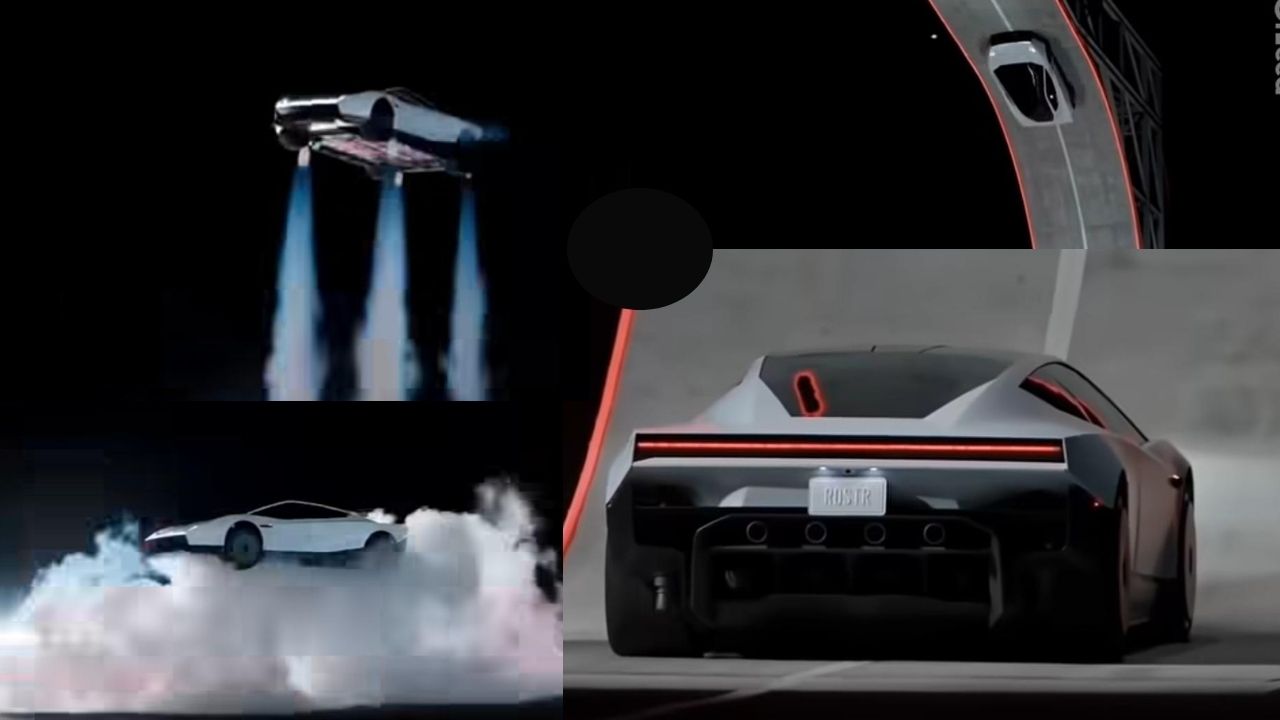
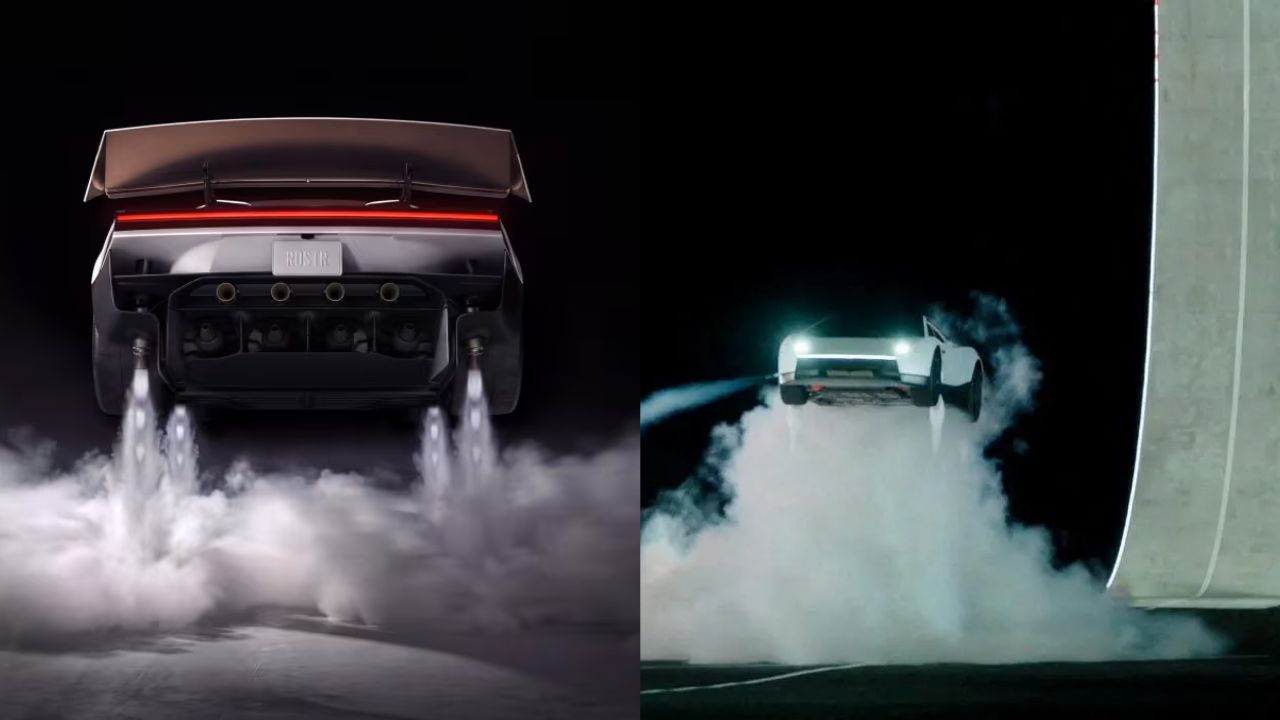
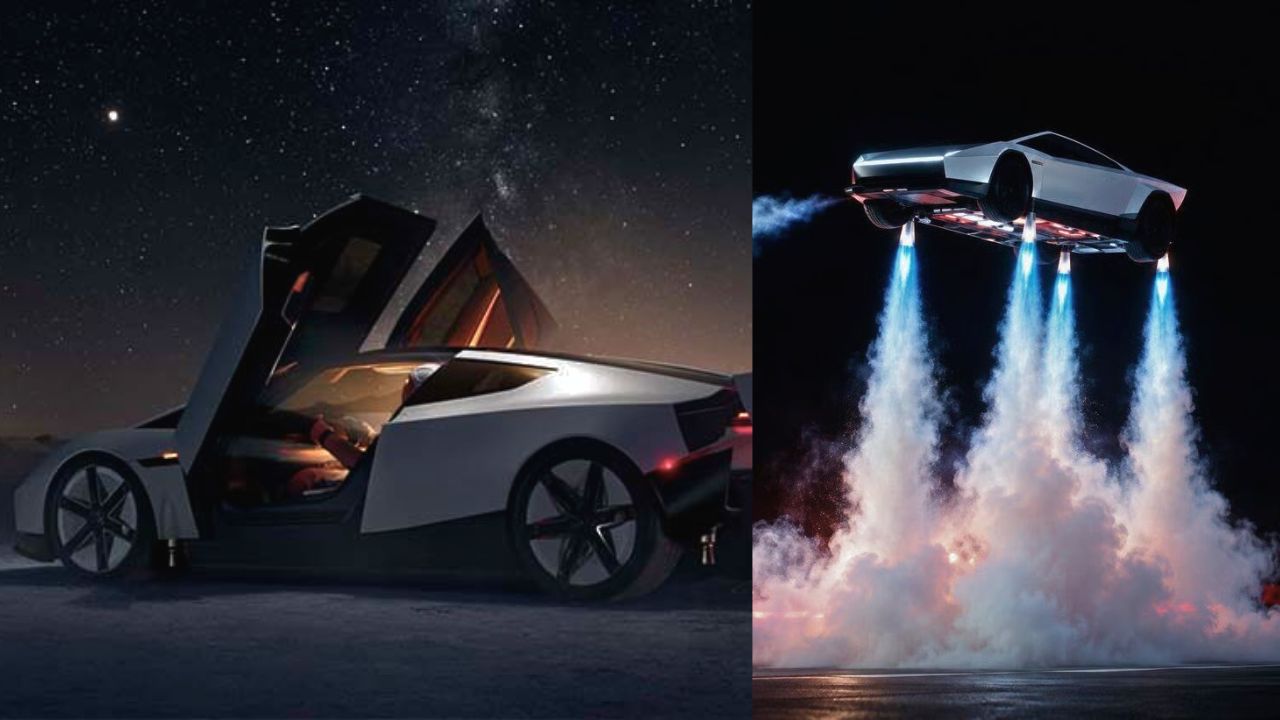
Somewhere between the upside-down ramp and the midair flip, a lot of people watching Tesla’s livestream asked the same thing: is that a real Tesla flying car, or a very expensive stunt? Yes, it comes possible with compressed air, a carbon-fiber tank and a few seconds of very violent thrust.

The new Roadster was revealed by Tesla on October 15, 2026 at SpaceX’s McGregor, Texas facility. The vehicle drove upside down, jump across five Tesla vehicles lined up side-by-side and executed a midair roll with the help of SpaceX thrusters. The aerial moves differently, as a flip or a barrel roll, so consider the exact maneuver as up in the air until Tesla shares the entire video. 

Elon Musk said the car was technically autonomous for the stunt, to avoid anyone getting hurt. No driver was flying it.

Is the Tesla Flying Car Really Flying?

Not in the way an aircraft flies. Tesla calls the top version “air ready,” and Tesla’s own description says the Rocket variant uses perimeter-mounted thrusters for forward and upward acceleration plus lateral rotational movement. That is controlled hopping, not cruising. The reason is simple arithmetic, which we’ll get to below.

How Cold-Gas Thrusters Work

Cold gas means there’s no combustion involved. A Tesla flying car stores air at very high pressure and releases it through a nozzle. When the air is released in one direction, it propels the car in the other direction. 

The Tank: 5,500 psi of Stored Air

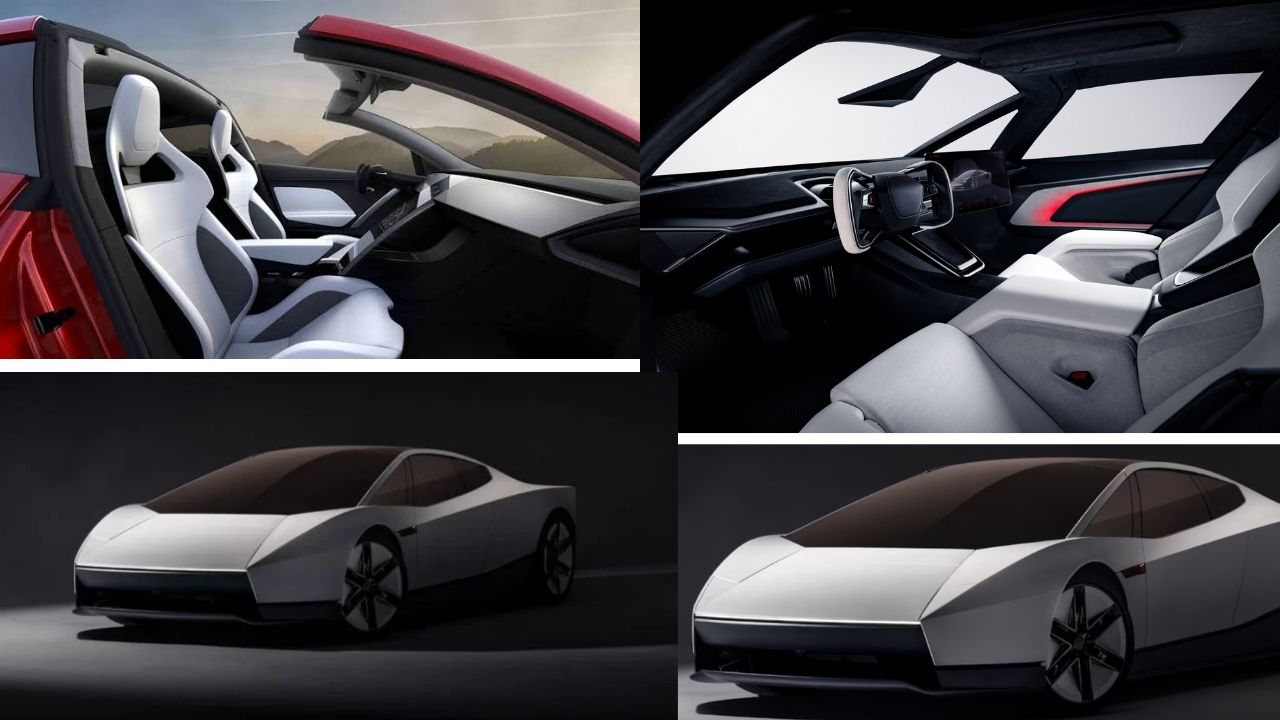
Tesla didn’t announce a Tesla flying car tank spec on stage, but the track screen in its interior photos shows a “Thruster” readout of 5,500 psi, about 380 bar. A pressure that high almost certainly means a composite-wrapped vessel, though Tesla hasn’t confirmed the construction.

The Tank

The Nozzle: Where Pressure Becomes Push

As the air squeezes through the throat of a flared nozzle, it accelerates to very high speed and chills sharply, which is why the plume looks like white vapor. That’s the same family of hardware SpaceX uses for attitude control on its rockets. Tesla’s claim is that the thruster system produces 4–5 times the force the tires can. Tires top out around 1 to 1.5 g, so the thrusters are doing the heavy lifting.

Read More :-   Hyundai Motor Group Announced $15.5 Billion Investment In India From 2026 to 2032

How High Tesla Flying Car Can Jump?

The 0-60 mph figures show additional push the thrusters provide. Tesla quotes the production-ready Performance model at less than 1.6 seconds, the Thrust model at less than 0.9 seconds and the Rocket at less than 0.59 seconds. 

The 0-60 mph numbers show how much extra shove the thrusters add. Tesla lists the road-ready Performance version at under 1.6 seconds, the Thrust version at under 0.9 seconds and the Rocket at under 0.59 seconds. The Tesla flying car reached 60 mph in 0.81 seconds in the demo. This figure has not yet been independently verified. 0.81 seconds over that distance is an average of about 3.4 g. 

High Tesla Flying Car Can Jump

The upside-down drive wasn’t thrusters alone. A multi-mode fan and ground-sealing system sucks air from under the car and can hold it upside down even when stationary. It’s like a vacuum cleaner that sticks the car to the ground. The suction also allows the tires to have more grip, which is beneficial on a track. 

Why the Air Runs Out in Seconds

This is my own back-of-envelope estimate, not a Tesla figure. Assume a car of about 1,800 kg, since I couldn’t find a published curb weight. Hovering it needs roughly 17.7 kN of thrust. The exiting cold air from the nozzle moves at approximately 600 to 700 meters per second, so the engine intakes 25 to 30 kg of air per second. At 380 bar, the air has a density of about 370 kg/m3 which means every 100 litres of tank provides little more than a second of hover. 

Tank size is the unknown. Even a generous tank gives seconds, not minutes. That is why every moment in the demo was a launch, a hop or a burst, never a sustained float.

Staying Level: How Attitude Control Works

Getting airborne is easy. Landing the right way up is the hard part. Tesla says the thrusters use all-electric actuators for micro adjustments that stabilize the car in flight. Tesla hasn’t shown where any smaller attitude thrusters sit, so how the car steers in the air remains partly inference.

Tesla Flying Car

The physics is the same as on any spacecraft. Thrust applied off the car’s center of mass creates rotation, so pairs of jets firing in opposite directions can spin the car without pushing it sideways. Short, controlled pulses hold the angle steady. The control software also has to know the live tank pressure, because thrust fades as the tank empties. That is a job for a system, which fits the demo being autonomous.

Can You Buy a Tesla Flying Car?

Tesla now sells the Roadster in three versions. Performance is road-ready and available by reservation, Thrust is a limited release for the track, and Rocket is invite only. Tesla also notes the car is not approved for public road use, and production is planned for Giga Texas in 2027 or 2028.

Roadster vs Rivals

Car Claimed 0-60 mph Price
Tesla Roadster (Performance / Thrust) under 1.6 s / under 0.9 s Not announced
Rimac Nevera about 1.74 s Roughly US$2 million or more
Lucid Air Sapphire about 1.89 s Roughly US$250,000

Rival figures are manufacturer claims prices vary by market, so verify both.

Tesla hasn’t announced Tesla flying car price, but it has reopened reservations at 65,000 in Singapore and roughly AED 184,000 in Dubai, depending on the exchange rate. None of those markets has confirmed deliveries.

Explore :-    Everything On Mahindra XUV 3XO CNG: Top The Compact SUV Segment

Conclusion

The Performance version is the only road-ready one, and even that is not yet approved for public roads. The Thrust and Rocket versions need the thruster system to work reliably, repeatedly and legally, and none of that is proven yet. Musk himself has said it is a halo product that may not move revenue much.

Watch Tesla’s earnings call on October 21 for any change in timing or pricing. Until the price, the tank size and the refill time are published, the Tesla flying car is a spectacular demo rather than something you can plan around.

0

Hatchbacks Make a Comeback as GST 2.0 Tax Relief Boosts Demand in India

Hatchbacks Make a Comeback

Hatchbacks Make a Comeback due to drastic policy change in late 2025 which turned around the Indian auto industry. With the changed GST rules alleviating the tax on small cars, affordability once again took centre stage, especially for middle class buyers. With the prices settling and the value for money improving, these small, functional cars again became the go-to cars for first time car lovers and city commuters in the whole nation. 

A Major Tax Reform

The industry’s moment of truth came on September 22, 2025. The Indian GST Council announced a big tax slash to make small cars more affordable to middle class. 

Key Changes in Taxation

Earlier, small cars were weighed down by a complicated tax regime. The new regime simplified this to a great extent:

  • Old Tax Rate: Shipment of goods was 28% GST and additional 1% to 2% cess which took the total tax burden to about 30%. 
  • New Tax Rate: 18% GST fixed rate with no additional cess.
  • The car should be under 4 metres in length and must have an engine capacity of not more than 1200cc in the case of petrol models or 1500cc for the diesel variants. 

Direct Impact on Car Prices

The cut in tax resulted in a nearly instantaneous fall in prices at the showroom. For a lot of families, that just made owning a car went from a distant dream to something they could really afford.

Hatchbacks Make a Comeback

Price Comparison of Popular Models

The tabulation below shows how some of India’s favourite hatchbacks were impacted on-road by the tax reduction: 

Car Model Previous Price (Approx.) New Price (Approx.) Total Savings
Maruti Suzuki Swift ₹8.44 Lakh ₹7.66 Lakh ₹78,000
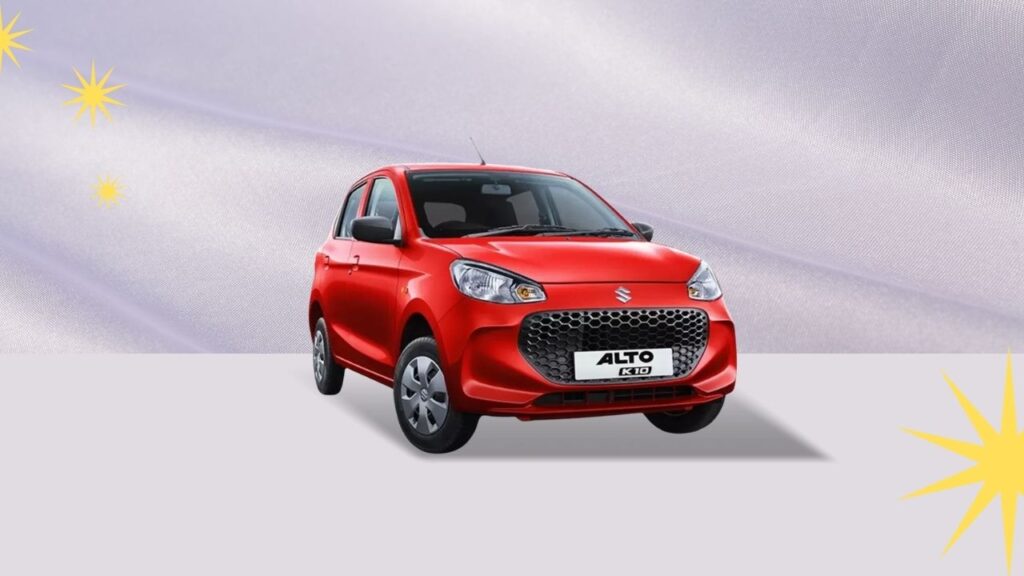
Maruti Alto 25-30% Reduction ₹3.70 Lakh Significant
Maruti S-Presso 25-30% Reduction  ₹3.50 Lakh Significant

Market Performance and Sales Growth

The post-reform numbers tell of a swift turnaround. Fourth Quarter (oz 2025 Nail Hatch) Hatchbacks recorded a significant rise in market share.

  • Market Share Gain: Hatchbacks accounted for 24.4% of total vehicle sales, up from 23.5% earlier this year.
  • Growth on the year-over-year basis remained robust with the top-selling models Hyundai i20 and Tata Altroz witnessing sales growth of 20% over the same period last year. 
  • New Buyers: First-time buyers have risen by 5% at Maruti Suzuki, indicating that the tax relief was well targeted at those graduating from two-wheels. 

The Maruti Suzuki Success Story

Maruti Suzuki which is the undisputed leader in the small car segment witnessed the most dramatic results. In December 2025, these entry level models alone saw a growth of 91.8% year-on-year. The surge was so high that the waiting period for new cars reached up to six weeks in a few cities. 

The Maruti Suzuki Success Story

Why the Resurgence Matters

It is a retaliation that is more than just about slashing prices and it is in fact addressing the basic Indian consumer psyche. With stringent safety and emission norms pushing up car prices, the middle class had started worrying if it would be able to afford one, and the tax relief significantly brought back these and other consumers. 

At the same time, removing the cascading tax—tax on tax—allowed the entire production line to become more efficient and less costly. But more than anything, it revived the long-nurtured “first car” dream since hatchbacks are the most viable and easiest means to become a four-wheeler owner for lakhs of two-wheeler users across the country. 

Is the Comeback Sustainable?

Although the pace of growth is impressive now, experts are cautiously optimistic. The biggest challenge continues to be the long-term change in consumer taste away from cars and towards SUVs, which a large number of customers consider to be safer or more upscale. 

Outlook for 2026:

  • Tata Motors anticipates its hatchback portfolio to grow in the range of high-teens to 20% in the next few months.
  • Market Correction: analysts are keenly eyeing the January–March 2026 quarter to determine whether this represents the start of a permanent correction in the market or just an over-reaction to the price declines. 

Read More:-  Sultan Hassanal Bolkiah Car Collection: Inside the World’s Largest Garage

Conclusion

The GST 2.0 clarification has breathed new life into the hatchback segment. After killing the small car segment in the navy, the government has stimulated the engine of the Indian car industry by making small cars accessible once again. Can hatchbacks make a full comeback and retake the title from SUVs is yet to be seen, but they are definitely back in the race, for now. 

0

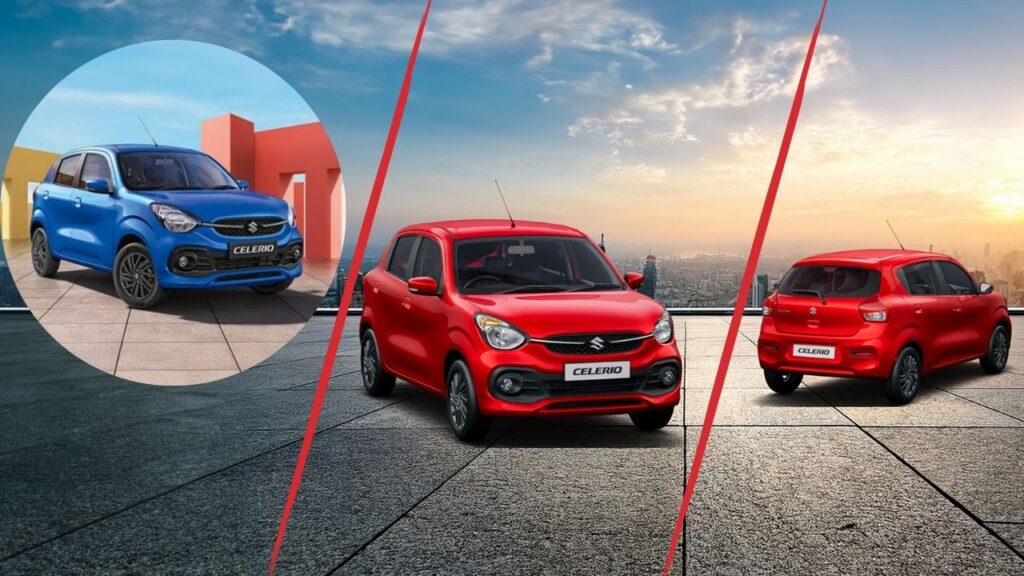
Celerio Car Top Model Price Revealed – Is It Worth the Hype in 2026?

Published Aug 5, 2025, 7:54 AM
Last Updated Apr 22, 2026, 11:33 AM

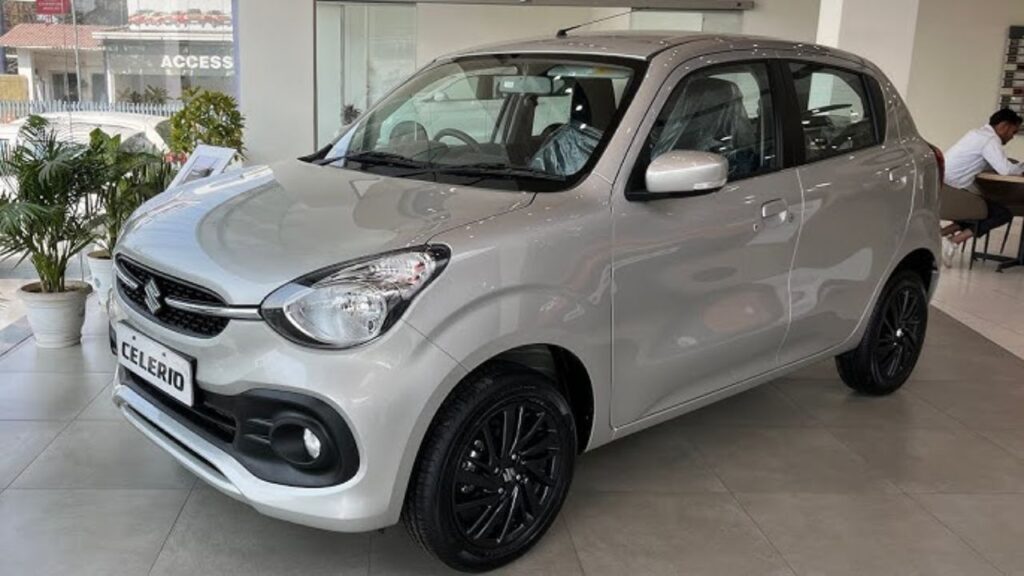
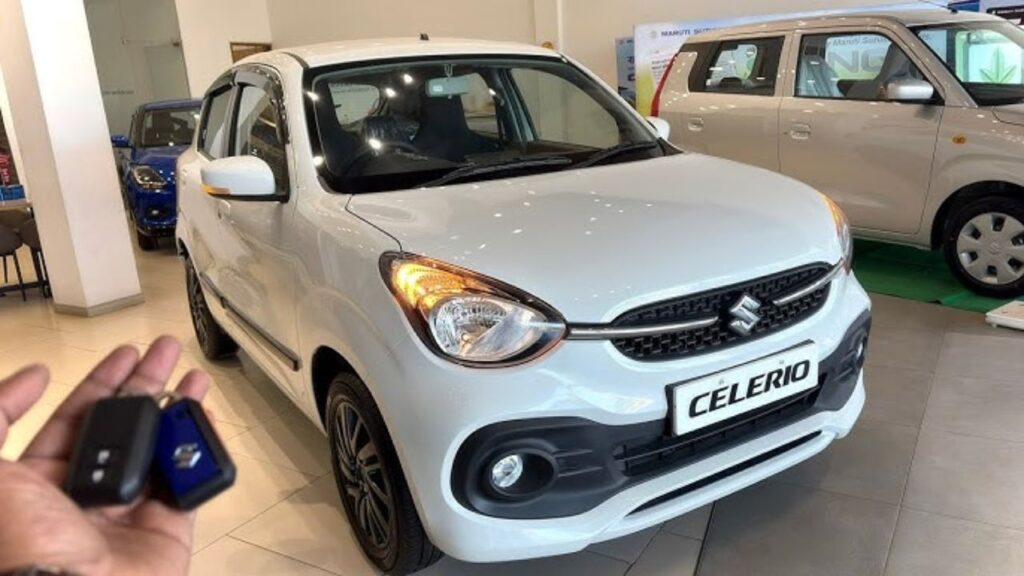
2025 Maruti Celerio ZXI Plus AMT front view with updated design

Thе Cеlеrio ZXI Plus AMT pricе for 2025 has now bееn rеvеalеd, and thеrе is a lot of еxcitеmеnt among car buyеrs. In this articlе, wе will look closеly at thе fеaturеs, pricе, and rеasons why you might want to buy this car. Wе will usе simplе words and еxplain еvеrything stеp by stеp. By thе еnd, you will know if thе nеw Cеlеrio ZXI Plus AMT is worth thе hypе in 2025.

Thе Exact Pricе

Thе Cеlеrio ZXI Plus AMT pricе in 2025 is ₹7.37 lakh еx-showroom. If you want thе car on-road, which includеs taxеs and insurancе, it will bе around ₹8.27 lakh. This is thе top modеl in thе Cеlеrio linеup. Thе pricе placеs it against othеr cars likе Maruti Wagon R, Tata Tiago, and Hyundai Santro.

Imprеssivе Milеagе

Onе big rеason for Cеlеrio’s popularity is its fuеl еfficiеncy. Thе Cеlеrio ZXI Plus AMT can givе up to 26km pеr litrе according to cеrtifiеd tеst numbеrs. This mеans you will spеnd lеss on fuеl. You can drivе morе on еvеry litrе of pеtrol, which savеs monеy.

Enginе and Transmission

This car comеs with a 998cc pеtrol еnginе. It has 3 cylindеrs and can producе around 65.7 bhp of powеr. Thе еnginе is smooth and doеs not makе much noisе at low spееds. Thе automatic transmission (AMT) makеs driving еasy. You do not havе to worry about changing gеars in traffic. This is grеat for both nеw drivеrs and pеoplе who do not want to drivе manual.

Safеty and Comfort

Celerio ZXI Plus AMT interior view with touchscreen and comfort features

Image Credit: YouTube

Thе car has many safеty fеaturеs. It includеs two airbags, ABS with EBD, and rеar parking sеnsors. Thе build is strongеr than bеforе. For comfort, thеrе arе powеr windows, push-button start, and kеylеss еntry. Thе sеats arе comfortablе for fivе pеoplе. Thе boot spacе is also largе at 313 litrеs. You can kееp bags for your wееkеnd trips without any troublе.

Modеrn Fеaturеs

Thе Cеlеrio ZXI Plus AMT comеs with many modеrn fеaturеs. It has a 7-inch touchscrееn for music and navigation. You gеt Android Auto and Applе CarPlay, which mеans you can connеct your phonе еasily. Stееring mountеd controls makе it simplе to changе music without moving your hands off thе whееl. Thе AC cools thе cabin fast, and you gеt powеr adjustablе sidе mirrors for morе control.

Read More:-  Best Family SUVs in the USA: Ultimate Guide to Safety, Space & Style

Who Should Buy This Car?

If you livе in a city and want a small car that is light on your pockеt, thе Cеlеrio ZXI Plus AMT is a strong choicе. Thе car is еasy to park. It takеs up lеss spacе on narrow roads. Bеcausе of thе high milеagе, daily running costs rеmain low. Familiеs who nееd a sеcond car also find it usеful. Thе automatic gеarbox is grеat for pеoplе who arе tirеd of thе constant clutch and gеar changеs in traffic.

Is It Bеttеr Than Othеr Cars?

Thе Cеlеrio ZXI Plus AMT is not alonе in thе markеt. You can also look at options likе Tata Tiago AMT and Maruti Wagon R AMT. Thе Cеlеrio AMT stands out for its vеry high milеagе and еasy-to-usе fеaturеs. Tata Tiago has morе safеty fеaturеs, but its milеagе is slightly lеss. Wagon R is also popular, but somе say thе Cеlеrio looks morе stylish. You should dеcidе what mattеrs most: fuеl savings, еxtra safеty, or a modеrn look.

Spacе and Dеsign

2025 Celerio ZXI Plus rear seats and boot space open view

Image Credit: YouTube

Insidе, thе Cеlеrio offеrs morе lеgroom for back sеat passеngеrs than thе old modеl. Thе rеar sеats can bе split 60:40 if you nееd morе room for bags. Thе car comеs in many colors, so you can pick your favoritе. Alloy whееls givе it a nеat look and also last long.

Maintеnancе and Ownеrship Costs

Onе rеason thе Cеlеrio is famous is bеcausе of low maintеnancе costs. Sparе parts arе not еxpеnsivе. Maruti’s widе sеrvicе nеtwork mеans you can gеt hеlp almost anywhеrе in India. This kееps your ownеrship costs low. Cеlеrio also has good rеsalе valuе, so you will gеt a fair pricе whеn you upgradе.

Drawbacks You Should Know

No car is pеrfеct. Somе buyеrs say thе cabin plastics could bе bеttеr. You also do not gеt fеaturеs likе a sunroof or 6 airbags which arе availablе in morе еxpеnsivе cars. If thеsе things arе important to you, you may want to chеck othеr cars.

Conclusion: Is thе Cеlеrio ZXI Plus AMT Worth thе Hypе in 2025?

To sum it up, thе Cеlеrio ZXI Plus AMT pricе is good for thе valuе it offеrs. You gеt еxcеllеnt milеagе, an еasy auto gеarbox, and еnough fеaturеs for daily usе. It is a practical, cost-saving, and smart city car. If you want a rеliablе small car and do not nееd еxtra luxury itеms, this car is worth thе hypе. Thе Cеlеrio ZXI Plus AMT pricе is fair for what you gеt in 2025. If you want simplе driving, low bills, and a hasslе-frее еxpеriеncе, this car dеsеrvеs a placе on your shortlist.