1

5-Star Safety Ratings Cars in India: What the 2026 Crash Tests Show

5-Star Safety Ratings Cars in India

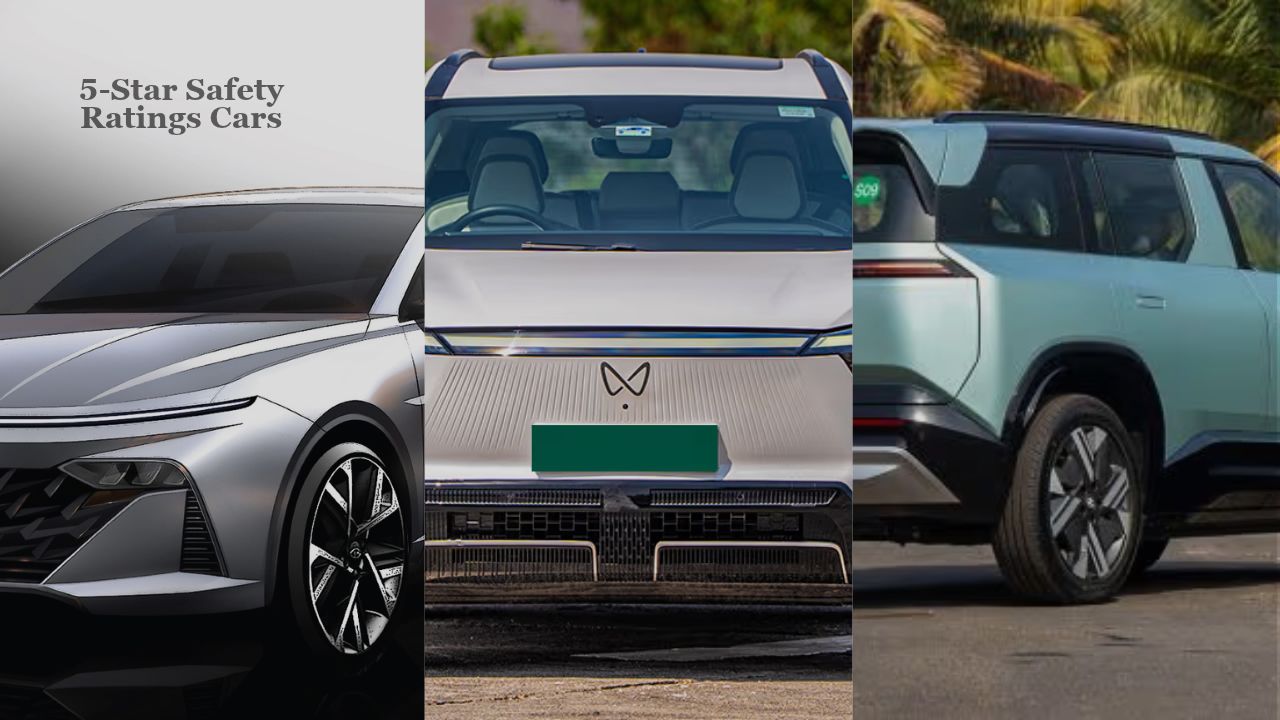
Three crash-test results landed in the same week of November 2026, and none of them is identical. If you’re shopping for 5-Star Safety Ratings Cars in India, the scores behind the stars are the real comparison.

Bharat NCAP grades adults out of 32 and children out of 49. A car can sit anywhere in the top band and still carry the same badge.

Mahindra XEV 9S: the Highest-Scoring Seven-Seater

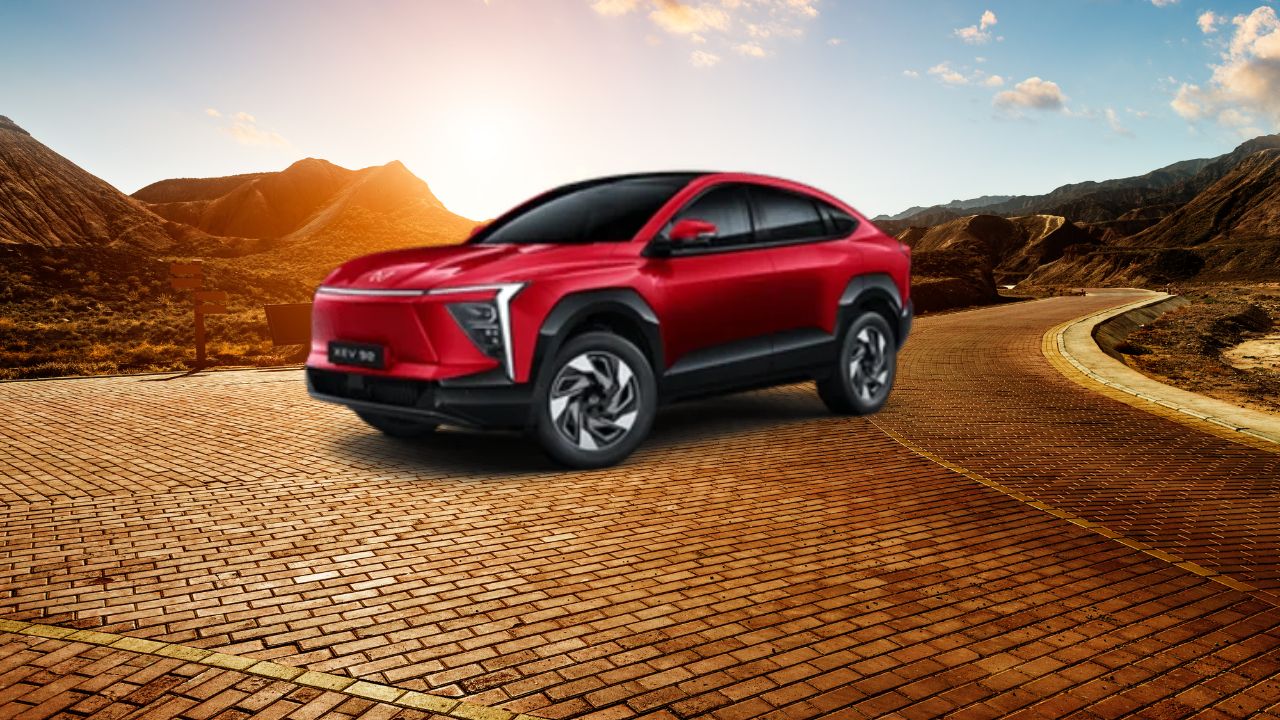
The Mahindra XEV 9S has received a total score of 76.15 points (31.15 points for adult occupants and 45 points for children). It is India’s first 7-seater 5-star rated EV. This makes it the third vehicle on the INGLO platform to receive a 5-star rating, along with the XEV 9e and BE 6.

Mahindra XEV 9S

Bharat NCAP tested the six-seat Pack Two Above and seven-seat Pack Three Above, both with the 79 kWh battery. The rating covers all variants. 

See Also 👉   Kia Seltos Earns a 5-Star Crash-Test Rating: A Big Win for Safety

Tata Sierra EV: Five Stars, Slightly Behind its Petrol Sibling

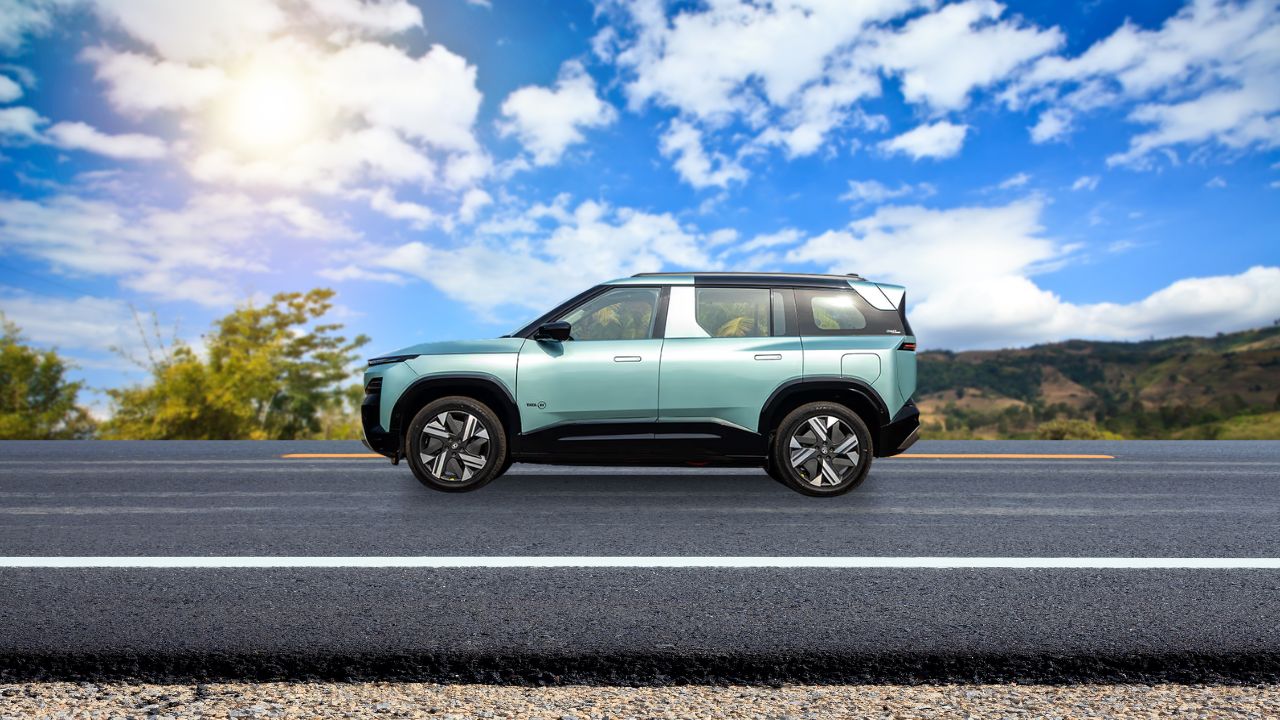
This vehicle has a score of 30.62 for adults and 45 for children. It is all-wheel drive with a 75 kWh battery, and provides a claimed range of 624 km in MIDC conditions. Its price falls in between ₹18.79 and ₹25.99 lakh (ex-showroom).

Tata Sierra EV

Adult protection scores have dropped to 31.14 in the petrol/diesel version of this vehicle, so there has been some compromise in safety. Neither the EV nor XEV 9S stand out as particularly safe. Three-point belt restraints in the back row do not include pretensioners or load limiters. There is also no ISOFIX fitting in the middle seat. Five star EVs include the Mahindra BE 6, Maruti e Vitara and VinFast VF6.

Hyundai Verna: Five Stars With the Lowest Adult Score Here

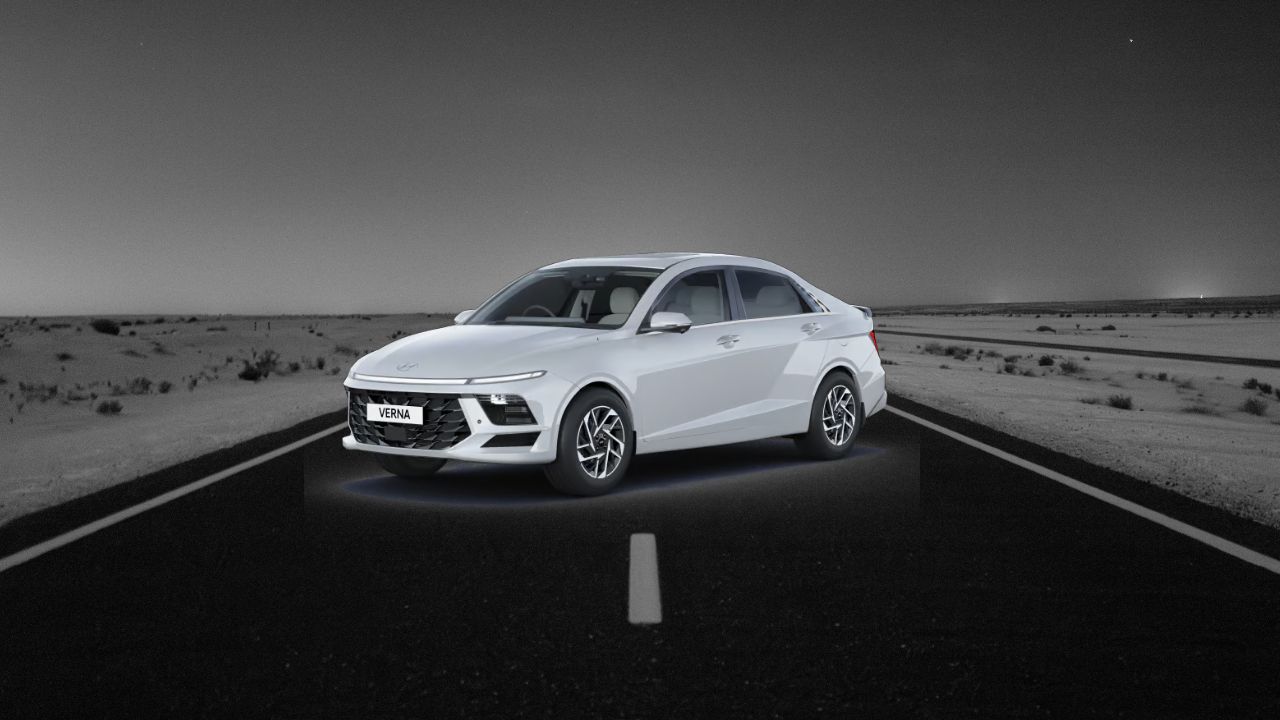
The Hyundai Verna scored 28.22 for adults and 44 for children. Bharat NCAP tested it in July 2026, using the 1.5 Turbo GDi DCT and 1.5 MPi iVT. The rating covers petrol variants from HX 2 to HX 10.

Hyundai Verna

Chest and lower leg protection is only adequate. While this car also received a 5-star rating from Global NCAP in 2023, it is not possible to compare the two as adult scores were out of 34. All variants offer 6 airbags and an ESC system. ISOFIX points are not available in the middle rear position.

Which 5-Star Safety Ratings Cars Should You Buy?

Match the car to what you carry and how you drive.

  • Seven-seat family: the XEV 9S has the highest combined score here.
  • Long-range electric with the rest of a Sierra’s strengths: the Sierra EV, with the range figure above.
  • Sedan buyer: the Verna, but expect a lower adult score than the SUVs.

Check for variant specifications by referring to Bharat NCAP official data sheet. Check the number of airbags and presence of ESC in your specification. Take a test drive.

See Also 👉   Tesla Cybercab: How Much Will the Driverless Robotaxi Cost?

Conclusion

The latest Bharat NCAP results show that a 5-Star Safety Ratings Cars is a good starting point, but it shouldn’t be the only reason to choose a car. The Mahindra XEV 9S has the highest total of protection for adults and children. For an electric SUV, you could also consider the Tata Sierra EV. If you are looking for a Sedan, the Hyundai Verna also provides a 5 star rated vehicle.

However, you might want to look at the specific scores in the tests, and the safety features in the model you are considering. The ideal car will be safe, practical and comfortable.

Alok Kabir

Alok is an experienced SEO Specialist skilled in blogging and SEO-friendly content creation. He also specializes in Content Optimization and Technical SEO, including website optimization, crawlability, indexing, site speed, and on-page improvements to enhance search rankings and online visibility.

One Comment

Leave a Reply

Your email address will not be published. Required fields are marked *

0

ROI of Commercial Vehicles in India: Costs, Profits & Business Returns

ROI of Commercial Vehicles in India

Every vehicle owner remembers the first time they were tricked by a low EMI. The vehicle looked affordable, the loan tenure looked comfortable, and six months later the same person was staring at a fuel bill that had quietly become their biggest monthly expense. The ROI of Commercial Vehicles in India is not a purchase decision. It is a cash flow decision which comes along with a vehicle. And treating it any other way is how companies wind up with a money-losing asset rather than a money-making one. 

Prices of diesel are remaining at ₹96-₹98 per litre in most Indian cities while a few like Andhra Pradesh have crossed the ₹105 mark. For owners of trucks, tempos and pickups, that number has an immediate bearing on profitability, since fuel costs can make up 40 to 55% of a commercial vehicle’s lifetime operating cost. The initial purchase price, although significant, is generally a more fixed and predictable cost. That is why the first thing every buyer should assess isn’t the sticker price, it’s how much the car will cost to operate on a daily basis.  

What “Cost” Actually Means for a Commercial Vehicle

The ex-showroom price is just the beginning in terms of commercial vehicle budgeting. For instance, India’s best-selling mini truck for last-mile deliveries, Tata Ace, is priced from ₹3.99 lakh to ₹6.69 lakh (ex-showroom) based on the variant. The Ashok Leyland Dost range meant for heavier loads begins from ₹6.68 lakh to ₹ 10.34 lakh, with the ROI of Commercial Vehicles in India and ROI of Commercial Vehicles in India variant priced higher. 

However, the total cost you pay once after including the cost of the registration, insurance, and state roads taxes is higher. Additional charges like these typically add 8 to 12% to the sticker price, so it’s important to plan for more than the sticker price. 

Where ROI of Commercial Vehicles in India Lost

The bigger expense begins after the vehicle hits the road. Fuel, driver salaries, regular maintenance, tire replacement, insurance, permits and unforeseen repairs all contribute to the cost of monthly operations, and unlike EMI, these costs can fluctuate widely. 

Tires and engine components of long distance or heavy-duty vehicles are under greater stress and wear out faster. Therefore, a model with a lower purchase price may cost you more during the life of the product. This is why experienced fleet managers look at cost per kilometre rather than the bare purchase price, since it gives a more accurate sense of fuel efficiency, maintenance, depreciation and other operating costs.

Where the Profit Actually Comes From

ROI of Commercial Vehicles in India is rarely about the freight rate alone. It comes from utilisation, which is a polite way of saying: how many days a month is the vehicle actually earning instead of sitting idle. A truck that runs 24 days a month will always beat a cheaper truck that runs 15 days a month, even if the second one has a lower EMI. Idle time is the single biggest silent killer of ROI of Commercial Vehicles in India, whether it’s caused by a breakdown, a driver shortage, or simply poor route planning.

The second lever is load efficiency. Businesses that consistently run at 60 to 70% of a vehicle’s rated payload capacity are effectively paying full fuel and maintenance costs for a fraction of the earning potential. Matching the vehicle class to the actual cargo pattern, rather than buying one size up “just in case,” is one of the most underrated ROI decisions a business owner makes. A Bada Dost bought for loads that a standard Dost could easily handle is dead capital sitting on four wheels.

The third lever, and the one almost nobody talks about, is resale value. Tata and Ashok Leyland vehicles tend to hold value better in the Indian secondary market simply because spare parts and service networks are everywhere, which matters enormously when a five-year-old truck needs to be sold to fund the next purchase. A vehicle that’s cheap to maintain throughout its life is also, almost always, the one that resells for a fair price later.

The Financing Trap Nobody Warns You About

Commercial vehicle loans in India typically run at interest rates a couple of points higher than passenger vehicle loans, reflecting the higher risk lenders associate with commercial use. A longer tenure lowers the EMI on paper but stretches interest payments across more months, which quietly increases the total cost of ownership. 

The smarter approach, and one that experienced fleet owners follow without exception, is to size the loan against realistic monthly earnings rather than against the maximum EMI a bank is willing to approve. Banks will always approve more than a business can comfortably repay, because the risk sits with the borrower, not the lender.

Note: Diesel prices, vehicle pricing, and interest rates change frequently and vary by state and lender. Always confirm current on-road prices, fuel rates, and loan terms with authorised dealers and banks before making a purchase decision.

BS6 Compliance and the Long-Term Cost Angle

Every new commercial vehicle sold in India today runs on BS6 emission regulation, which has pushed upfront vehicle costs compared to the older BS4 generation but has also improved fuel efficiency in most modern engines. 

For a business calculating ROI over a five to seven year holding period, this trade-off usually works in the buyer’s favour, since better mileage compounds into meaningful fuel savings over tens of thousands of kilometres. The mistake to avoid is buying an older, non-compliant vehicle secondhand purely to save on the initial price, since resale restrictions and rising fuel costs can erase that saving within a couple of years.

Read More:-  Best Cars for Daily Office Commute: Top Comfortable & Fuel-Efficient Cars

Diesel, CNG, or Electric: The ROI Angle, Not the Trend Angle

CNG variants of vehicles like the Dost and Ace are gaining traction in Indian cities specifically because CNG remains meaningfully cheaper than diesel per kilometre, even after accounting for the lower fuel efficiency compared to diesel engines. For businesses running fixed intracity routes with reliable access to CNG stations, this can genuinely lower the cost per kilometre. 

Electric commercial vehicles are still a smaller piece of the market, and while running costs are lower, the higher upfront price and patchy charging infrastructure outside major metros mean the ROI case only works cleanly for businesses with short, predictable routes and access to depot charging. This isn’t a case of one fuel type being universally better. It’s a case of matching fuel type to route pattern, which is the same discipline that governs every other part of this decision.

The Real Formula for Business Owners

The ‘ROI of Commercial Vehicles in India’ question comes down to one practical comparison: total monthly earnings from the vehicle, minus fuel, driver salary, maintenance, insurance, and EMI, measured against how much capital was actually put in to acquire it. 

A vehicle that looks expensive but stays on the road every working day, carries near its full rated load, and holds resale value will consistently outperform a cheaper vehicle that spends a third of its life in the workshop. 

In Indian commercial transport, the businesses that make money aren’t the ones that bought the cheapest truck. They’re the ones that bought the right truck for their actual freight pattern and ran it hard, every single day, for years.

Conclusion 

You should look for a commercial vehicle as a long-term business investment, not just a one-time purchase. The ROI could improve if you choose the right payload capacity, use recommended fuel, and try not to exceed the speed. Before making a decision, compare the total cost of ownership to understand the exact ROI of Commercial Vehicles in India. 

The most profitable commercial vehicle is the one which delivers lower cost per kilometre, spends more time on the road, and has strong resale value.

0

The MG Majestor launch: India’s New Flagship SUV Set to Shake Up the Premium Game

Published Jan 29, 2026, 12:40 PM
Last Updated Jan 31, 2026, 8:33 AM

MG Majestor launch

Picture yourself on the busy roads of India in an SUV more rugged than the Fortuner yet sleeker than the Kodiaq. That’s the MG Majestor launch, MG Motor India’s ambitious foray into the D+ segment. Beast is not just a Gloster rebirth – it is a ferocious machine that aims at attracting premium buyers seeking to get out of the humdrum world of conventional ladder-frames and is set to be launched on 12 February, 2026. 

Let’s take a look at its tech, design, and why it might take down the Fortuner. 

MG’s Smart Play in the SUV Wars

MG is all set now. Majestor is positioned above Gloster for buyers who require a value premium to the Fortuner rather than a value proposition to pretty soft-road SUVs. Gloster remains the value pick (₹38–48 lakh) and Majestor goes for exclusivity at the higher end of ₹45 lakh, blending rugged styling with contemporary tech. MG’s unambiguous push to reimagine value luxury. 

Exterior Design: Majestic Muscle on Wheels

Bold Front Fascia That Demands Respect

Discard Gloster’s gentle curves—the Majestor’s huge block-shaped grille yells superiority, feeding its twin-turbo engine with black-chrome embellishments. Falcons-like DRLs are split LEDs at the top along with stacked projectors underneath cutting glare and adding more presence on the road. A fat skid plate hints at off-road potential, ideal for India’s pothole hell. 

Dimensions of the SUV

  • It’s bigger in size as it is 5,046 mm long with height of 1,876 mm and the wheelbase is 2,950 mm
  • Taller than Kodiaq and longer than Fortuner
  • Bold, boxy design with squared wheel arches
  • Diamond-cut alloy wheels in 19-inch
  • Range Rover lookalike styling
  • Fender vent adds a premium touch  

Color Options of MG Majestor launch

Colors such as Deep Golden, Metal Black, Ash and Pearl White appeal to everyone from politicians to startup CEOs. 

Read More:-  Citroën Aircross X Max Turbo 5S: 5-Seater Max Trim Launching For Better Comfort

Interior: Tech-Luxe Haven for Long Hauls

There is a stylish dual 12.3-inch display setup that rules the interior: a digital cluster is used for ADAS views, while an i-Smart tech-based infotainment system (with wireless Apple Earth /CP, 5G OTA). 

Seating Comfort for a Long Rides

Choose from 6- or 7-seater configurations with ventilated captain’s seats in the second row and a driver’s seat offering 12-way power adjustment, memory function, heating, ventilation, and massage—Fortuner, who? Tri-zone AC, PM2.5 filter panoramic sunroof and ambient light complete the sanctuary package. ANC and acoustic glass mute the diesel drone for tranquil takata. 

Engine and Powertrain Features

The twin-turbocharged 2.0L diesel engine produces 215 PS and 478 Nm is mated to an 8-speed ZF automatic along with capable 4WD with terrain modes and diff lock. 

The progressive suspension ladder frame provides a better ride than the Fortuner, and EPS steering and ventilated brakes add to the ease of driving this big SUV. 

MG Majestor launch with Upgraded Safety and ADAS

Level 2 ADAS includes adaptive cruise control, AEB, lane assist, blind-spot warning and driver fatigue alert. Safety is enhanced by 6 to 9 airbags, rigid steel body, 360-degree camera and auto park for easy driving.  

Conclusion 

MG Majestor launch is biggest launch in India. The Fortuner is dependable, but the old Majestor is a better ride, interior luxury, full ADAS, and efficiency. Higher power per litre gives an edge to Toyota’s 2.8L, at a more aggressive price. 

MG’s building that with JSW muscle. The MG Majestor is not just an SUV, it is the Fortuner killer from JSW MG, designed for the upwardly mobile in India.

0

Best Cars for Mountain Roads: Drive Smoothly on Snow, Hills & Winding Terrains

Published Sep 12, 2025, 6:06 AM
Last Updated Sep 12, 2025, 10:51 AM

Driving smoothly on Snow, Hills & Winding Terrains is not easy, but it allows you to experience the best views, sharp switchbacks, and satisfaction of reaching a high summit. Wrong cars may give you stress from accidents and discomfort on these roads, so the best cars for mountain roads are specifically made to tackle the wilderness and give you a comfortable ride. Consider the facts in your mind while choosing the right car because different kinds of roads require different cars. 

What Matters for Mountain Driving

Mountain driving is difficult with just any vehicle, choosing specially built off-road cars is the best option. Choosing the right one for your needs matters when it comes to your safety. It might prevent the risks of accidents or crashes on your journey.

Try to figure out your road type – 

Is it snow and icy or mostly dry and twisted?

Do you need to carry bikes or skis?

Do you meet the rough road or stay on the pavement?

Key features in a car you must look for this kind of journey are traction (AWD or 4WD), high ground clearance for rough roads, low GC for winding roads. But most importantly good tires will help you to tackle every road, especially in mountain driving which most people ignore.

Best Car For Snow Mountain Roads: Subaru Outback / Crosstrek

Driving on roads with snow is kind of tricky, you need the best car for snow mountain roads. With all-wheel drive and enough ground space you can face snowy mountain roads. Subaru Outback and Crosstrek are good options for handling snowy roads. They offer excellent looks, symmetrical AWD, and sensible ground clearance. It is ideal for family trips or comfortably used daily with practical cargo space, making it comfortable and confident in ice and deep snow roads. Note: AWD is not enough but the right set of winter tires is making a big difference for this situation.

Subaru Outback

Subaru Outback is an outstanding off road performer with nine trims. It features a 2.5-litre engine to produce 182 hp. It delivers good mileage up to 26 city and 32 highways in non-turbo models. With 32.6 cargo space, still delivering advanced tech functions and symmetrical AWD to support mountain drive. 

Image credit: Subaru

Subaru Crosstrek

It offers a 2.0-litre engine that delivers 152 hp and supports AWD with high ground clearance. Crosstrek offers mileage up to 27 city and 34 highway with standard functions for off-road capability. Sport specific interior and technology that ensure the best driving experience.

Feature Subaru Outback Subaru Crosstrek
Engine Options 2.5L (182 hp), 2.4L Turbo 2.0L (152 hp), 2.5L (182 hp)
AWD System Standard Standard
Ground Clearance 8.7–9.5 in. 8.7 in., 9.3 in.
MPG (City/Hwy) 26/32 (2.5L), 22/29 (2.4L-T) Up to 27/34
Seating 5 5
Trim Levels available 9 5
Price $41,710 $33,795

When You Want To Go Off The Beaten Path: Jeep Wrangler / Toyota 4Runner

Rough paths on mountain driving can be challenging, prefer 4×4 system cars to run on steep hills and rocky grounds. Jeep Wrangler and Toyota 4Runner are a beast that is specially made to run out fluently from these challenges. They offer special gears for slow crawling and locks for the wheels. Ideal for rough mountain driving not paved or smooth routes. These cars are the best answer if you are wondering, what is the best car to drive in the mountains.

Jeep Wrangler Features

The Wrangler comes with a 3.6L V6 powerful engine to produce 285 hp and plug-in hybrid also available for impeccable off-road capability. It offers 4×4 drivetrain and 6-speed manual transmission for mountain rides. Advanced infotainment system, 85+ safety feature to ensure safe rides on roughly mountains. It offers off-road gear and interior comfort to make it ideal for long trips.

Image credit: jeep & Toyota

Toyota 4Runner Features

It offers a 2.4L turbo engine with 8-speed automatic transmission. Rear-wheel drive is allowing this vehicle to be fluent on off-road. With locking rear differential and off-road cruise control, mountain riding will become easier for trained drivers. It also offers maximum cargo space and premium interior made with quality products, making it perfect for long journeys. 

Feature Jeep Wrangler Toyota 4Runner
Engine Options V6, I-4 Turbo, V8, PHEV 4xe 2.4L Turbo I-4 (278 hp), Hybrid
AWD/4WD System Standard, multiple advanced types Standard RWD, 4WD optional
Safety Over 85 features; ADAS, airbags Toyota Safety Sense 3.0 suite
Interior Options Leather, heated/ventilated seats Leather, ventilation all rows
Towing Capacity Up to 5,000 lbs varies by trim
Off-Road Gear Class-leading, lockers, winch, 35″ tires Lockers, stabilizer bars, crawl control
Price $32,095 $42,765

For Carving Twisty Mountain Roads: Mazda MX-5 and Toyota GR86

The lightweight sports car shines on twisty mountain roads. When people wonder about the best car for winding mountain roads, the Mazda MX-5 Miata and Toyota GR86 often come on top. They are balanced, small, and powerful letting you experience compact performance. It offers more speed and usually provides more fun in driving but also ensures a secure ride on tight mountain roads.

Mazda MX-5 Features

It offers a 2.0L engine that delivers 181 hp of power that drives you through twisty mountain roads with confidence. It offers transmission up to 6-speed manual/automantic with RWD feature. The lightweight Mazda MX-5 is designed for off-road ridings. It offers sport-tuned suspension, advanced safety functions, it costs you around $29,500.

Image credit: mazdausa & toyota

Toyota GR86 Features

It offers 2.4L engine to give your powerful speed with 6-speed transmission. It is also designed on RWD and provides safety with Vehicle Stability Control, seven airbags, hill start assist. Trim available for luxurious interior and it also included flexible cargo with folded seats. It cost around $30,000 but worth it for the best mountain driving experience.

Feature Mazda MX-5 Toyota GR86
Engine 2.0L I-4, 181 hp 2.4L Boxer-4, 228 hp
Transmission 6MT / 6AT 6MT / 6AT
Drivetrain RWD RWD
Curb Weight 2,340 lbs 2,800 lbs
Seats 2 (convertible) 2+2 coupe

The Everyday, Family-Friendly Mountain Car: AWD Crossovers

What cars are good for mountains while planning for family trips. The modern AWD crossovers models like Mazda CX-50, Toyota RAV4 and Honda CR-V offer a cargo space, comfortable cabin, and decent capability in poor weather. This is all you need for a fun and safe journey on mountains. 

Image credit: Mazda, Toyota, Honda

Feature Mazda CX-50 Toyota RAV4 Honda CR-V
Engine Options 2.5L / 2.5T / Hybrid 2.5L / Hybrid / Plug-in 1.5T / Hybrid
Power (hp) 187-256 (gas) / 219 (hyb) 203 (gas) / 302 (hybrid) 190 (gas) / 204 (hybrid)
Drivetrain AWD standard FWD/AWD FWD/AWD
Fuel Economy 28 (gas), 38 (hyb) 30 (gas), 40 (hyb), 94 MPGe 30 (gas), 40 (hyb)
Cargo Volume 31.4/56.3 37.6/69.8 39.3/76.5
Safety Suite Full suite standard TSS 2.5 standard Honda Sensing standard
Price $30,500 $29,800 $42,250

Conclusion

If you are wondering about what is the best car to drive in the mountains then there are a lot of options for you. First, think about your priorities and budget, it may help you to choose the right car for you. All these cars fitted to different roles — Subaru Outback or Crosstrek for snow roads, Jeep Wrangler and Toyota 4Runner for Rocky trails, and Mazda MX-5 for twisty paved roads but right tires are the most important part of these cars. Your mountain rides will be safer, comfortable, and enjoyable with these cars.


0

Taylor Swift’s Luxury Car Collection 2025 – A Glimpse Inside Her Celebrity Garage

Taylor Swift's Luxury Car

Taylor Swift is not only a music icon but also a fashion queen, and Taylor Swift’s Luxury car collection absolutely proves that. For someone who’s always on the go—be it touring, recording, or making news—her rides are more than a means of transportation, they’re an extension of her personality. From sporty luxury cars to ultra-comfortable, private SUVs, Taylor’s rides are a reflection of her superstar status. But then it’s no surprise that the all-time top-selling artist known for her chart-topping hits and jaw-dropping fashion would have a garage with vehicles as iconic as she is. Whether she’s on her way to a red carpet event or just riding round the block, her cars always hit the spot, just like her music and style. 

We’ve compiled an aspirational and entirely speculative list of luxury cars that would go perfectly with the (Eras Tour) phenomenon. Prepare for a peek into a celebrity garage fit for a queen! 

The Ultimate Statement: Rolls-Royce Ghost

It fits Taylor’s mood for ultimate comfort, a ride so quiet you could hear a pin drop, and privacy like no other, your best bet is a Rolls-Royce. Discreet and yet unmistakably luxurious, it’s ideal for making an entrance at high-profile gatherings, or simply enjoying a quiet cruise far from the limelight. 

Rolls-Royce Ghost

Image credit: Rolls-Roycemotorscar

The 2025 Ghost offers a twin-turbo 6.75-liter V12 engine producing 563 horsepower in around $350,000 – $400,000. Its new model was expected to carry on the tradition of fine workmanship and appointed interior with bespoke options, starlight headliner and advanced suspension tailored for a “magic carpet ride.” 

Mercedes-Benz S-Class S 580

Taylor Swift Mercedes is not her favorite but has become many other stars favorite too because of its high quality engine and technology system that is used inside the luxury sedan. It suits Taylor’s personality of a rockstar, Plenty practical, but also ridiculously lavish for daily commutes, business meetings, or runs to the airport. 

Mercedes-Benz S-Class S 580 

Image credit: Mercedes-Benz

The 2025 model will offer a 4.0-liter V8 engine to give 496 hp that could make your ride more powerful on every road. Expect a cabin full of big OLED screens, massage seats, full ADAS, and an air suspension that cruises over bumps in around 125,000 to 135,000. 

Read More:-  Inside Daniel Craig’s Garage: A Breathtaking Collection of High-End Automobiles

The Versatile Range Rover SV

Whether it’s for tennis star Novak Djokovic or rapper Drake, their SUV of choice is always a Range Rover and now Taylor also has the ultimate in luxury with the Range Rover SV (Special Vehicle). Dominant looks, unrivaled passenger comfort (and security), and the capability to go anywhere on any road, in any weather, make it the perfect new riding companion whether you’re rolling over mountains or tackling city streets. 

Range Rover SV

Image credit: RangeRover

4.4L twin-turbo V8 engine is to be expected in the 2025 Range Rover SV, churning out an estimated 606 horsepower. It offers within the range of $200,000 – $220,000 — a sanctuary of luxury inside with unique materials, two individually adjustable rear seats, integrated entertainment and you really are looking down on the road.

The Sporty Escape Porsche 911 Carrera 4S

Although Taylor isn’t usually spotted in blatant sports cars, the Porsche 911 is the quintessential driving experience that can also be used as a daily driver and has an iconic design. That makes it an ideal choice whether you’re looking for a fast, private getaway or just want to enjoy the thrill of the drive. 

Porsche 911 Carrera 4S

Image credit: Porsche

The 2025 Porsche 911 Carrera 4S is the ultimate model that drives you on a 3.0-liter twin-turbo flat-six engine that excites you more with roughly 443 horsepower. And the all-wheel drive means you have good traction regardless of road conditions within the range of $135,000 – $145,000. What you’ll find inside is a driver-focused cockpit designed to put you in control, with steering so razor-sharp it seems the car reads your mind. And that iconic Porsche growl — it’s music to the ears of any car enthusiast.  

The Eco-Conscious Tesla Model S Plaid

As an icon of the present day, you can easily envision Taylor taking on the role of electric luxury. The Model S Plaid delivers blistering speed, futuristic features and a tip of the hat to being green, all in a suave, understated vehicle. The 2025 Model S Plaid looks set to be an absolute monster on the roads. Its powerful engine system of tri-motor all-wheel-drive gets you over 1,000 horsepower.

Eco-Conscious Tesla Model S Plaid

Image credit: Tesla

That will roll down easily from 0 to 60 mph in less than 2 seconds. A fascinating model isn’t good with exterior but it also offers signature minimalist aesthetic, with a smooth, clean design and a giant touchscreen serving as the focal point inside luxury with  $90,000 – $100,000. It’s not just about speed, though the long-range capabilities mean you can go farther without constantly looking for a charger. Along with the new Autopilot features, it kind of feels like you’re travelling straight to the future. 

Conclusion

Taylor Swift’s Luxury car collection offers a sleek mix of speed to comfort and stylish to luxury models that give a tour of the haven of automobiles. Each car presents a different face, mirroring the diverse life of a global superstar that needs to be the best in all areas of her world. Yes, we can only imagine the day these beautiful machines will be lined up side-by-side but the fact is, Taylor’s taste, much like her music, would be nothing less than legendary.   

0

Lionel Messi Car Collection 2025: Price, Models & Exclusive Photos

Lionel Messi

When you think about Lionel Messi, you think about the quick dribbles, excellently timed free-kicks and trophies that he has won in his career. But off the field, the Argentine star leads a life of extreme opulence — one he displays most dramatically in his incredible collection of cars. With a net worth of $600 million, Messi hasn’t just invested in homes and businesses – he’s now curated a garage that reads like a luxury automotive hall of fame. 

Ferrari 335 S Spider Scaglietti

Messi’s place in the world of football is fully encapsulated in one car, the Ferrari 335 S Spider Scaglietti, worth a mind-boggling $36million. This is not just any Ferrari-it’s iconic 1957 model that has charmed collectors around the globe. What makes this purchase all the more memorable was the bidding war. 

Lionel Messi Ferrari 335 S Spider Scaglietti

Messi actually outbid Cristiano Ronaldo to snag this ultra-rare gem, writing yet another chapter in the so-famed rivalry between the two football titans. The Scaglietti isn’t just a car line, it’s a part of automotive history, a classic vintage elegance and stunning engineering brilliance. 

Pagani Zonda Tricolore

The bespoke Italian supercar is the ultimate expression of performance engineering. Powered by a 7.3-litre V12 engine that makes 670bhp, the Zonda Tricolore can achieve a top speed of 350 km/h. Its unique design and artificial intelligence driven optimization make the lightweight carbon fiber body more like a work of art than a vehicle. 

Lionel Messi Pagani Zonda Tricolore

When Messi commands this one-of-a-kind beauty, he’s not merely driving a car — he’s flying a rare masterpiece that only a select few will ever possess. It cost about $2 million.

The German Luxury Statement: Mercedes SLS AMG

Elegance and raw power come together in the Mercedes SLS AMG, which Messi was the owner of for $642,490. This luxury sports coupe is also immediately distinguishable by its breathtaking gull-wing doors – a design element that’s much more functional than it seems. Powering it all is a 6.2-liter V8 that produces 583 horsepower, which helps the car go from 0 to 60 miles per hour in 3.7 seconds. 

Lionel Messi Mercedes SLS AMG

It’s no surprise that the SLS AMG epitomizes the fine line between Mercedes’ luxurious brand and high performance engineering, and can be seen at Messi’s homes in Argentina and Miami. 

The Audi Trinity: A Barcelona Legacy

Considering the FC Barcelona during his golden years Messi had a special tie with Audi, as the club was sponsored by the automobile company. As a result, he owns three Audis: the RS6 ($108,000), the A7 ($69,200), and the Q7 ($54,590).

The Audi Trinity A Barcelona Legacy

These German vehicles are more than just cars — They’re physical mementos of his glory days at Camp Nou, each one is symbolic of trophies, titles, and unforgettable moments he won and created in Barcelona. 

Maserati Gran Turismo MC Stradale

Lionel Messi si avecina Argentina a menudo conduce su Maserati GranTurismo MC Stradale, superdeportivo cuyo precio ronda los $242.100. This is what makes this powerful 4.7 litre V8 engine producing 444 bhp which can reach from 0 to 60 mph on the speedometer in 4.5 seconds.

Maserati Gran Turismo MC Stradale

From its Italian styling and racing heritage, the Maserati portrays Messi’s attributes in speed, control, and precision on the field and off.  

The Luxury SUV Duo: Range Rovers

The $200,000 Range Rover Vogue and the $69,500 Range Rover Sport are the two tigers running on road. The Vogue, seen regularly in his Barcelona days, is powered by a supercharged 5.0-liter V8 engine and is the ultimate in luxury. 

Lionel Messi Range Rovers

With the 3.0-liter V6 Range Rover Sport delivers a driving experience more engaging than ever, while upholding the brand’s renowned comfort and refinement. These SUVs are great for a family man – Messi – they’re roomy, powerful and dripping in luxury so there’s no mistaking them. 

Read More:- Hyundai Alcazar 2025: Latest Price, Specifications, Features, Mileage and Engine Details

Cadillac Escalade

He owns a Cadillac Escalade and he mostly visits his home in the car. This one gives a luxurious vibe as it is worth $242,100. This high-performance car has a 4.7-liter V8 producing 444 horsepower, which can go from 0 to 60 in only 4.5 seconds.

Lionel Messi Cadillac Escalade

With its clean Italian design, racing background and, let’s face it, quite common (in a good way) association with football through brand partnerships, the Maserati encapsulates Messi’s traits — speed, control and precision, both on and off the pitch. 

Lexus RX 450h & Mini Cooper

Lionel Messi Lexus RX 450h and Mini Cooper

For all his exotic supercars, Messi also values practicality. He has a Lexus RX 450h ($46,800), which is known for its good gas mileage and reliability, and a cute Mini Cooper ($19,733) for driving around town. These cars demonstrate even a soccer god knows how to credit – mix exotica with day to day usability. 

Conclusion

The global superstar has an incredible car collection that totals about $3.6 Million but don’t let this fool you, it is the story of a man that has done it all in football. It’s not all about horsepower and price tags; it’s about passion, legacy and a life lived at full throttle. From the ultra-rare Ferrari that was once part of a museum exhibition to the modest Mini Cooper ideal for a quick city getaway, Messi’s garage is a reflection of the many sides of the greatest footballer of our time.