0

Maruti Suzuki Discount Feb 2026: Swift, Fronx & Brezza Offers Explained

Maruti Suzuki Discount

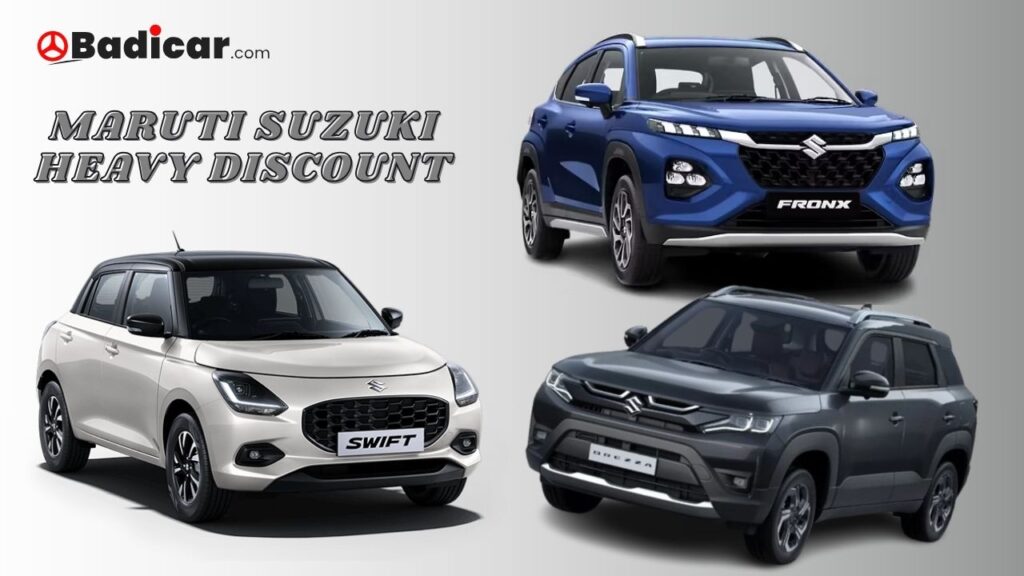
Maruti Suzuki Discount, India’s largest carmaker, has planned its product strategy around this transition very carefully and has a vehicle for every niche segment of the market. The three protagonists —the 4th Gen Maruti Suzuki Swift, the Maruti Suzuki Discount Fronx and the Maruti Suzuki Brezza, form the crux of this strategy. Each caters to a particular customer requirement: hyper-efficiency, aspirational styling and utilitarian ruggedness, respectively. 

The February 2026 Opportunity Window

By February 2026, the manufacturers are offering heavy discounts to clear stocks before the end of the financial year and to accommodate new models, such as the much-awaited Brezza facelift. Let’s get more details about these cars and their prices. 

Maruti Suzuki Fronx The Push for Turbo

The cumulative benefits on the Fronx Turbo variants go up to up to ₹30,000 which includes cash discount, exchange bonus, and corporate offer. In contrast, the hot selling 1.2L NA variants have no cash discount, and only exchange offers are used to lure buyers. This gap indicates that 1.2L Fronx is selling organically on the basis of perceived reliability and cheaper maintenance, but Turbo need financial nudge to move away from showroom floors. 

Maruti Suzuki Swift Defending the Realm

Even though the Swift is a new generation model, the discounts are hefty of up to ₹48,000. This aggressive positioning is in response to the onslaught of “Micro-SUVs” from the likes of the Tata Punch and Hyundai Exter. Maruti wants to keep the first-time buyer, who can be tempted by the charm of an SUV body style, by providing a strong financial value proposition on the Swift. 

Maruti Suzuki Brezza The Facelift Paradox

The Brezza is a strange beast. With a full model change coming in mid March 2026, some hefty clearance discounts ($1,000 or more) would not be unexpected. However, the benefits are limited to a paltry ₹30,000. 

Which means two things: The current Brezza still sells in good numbers due to its tried and tested 1.5L engine; and Maruti is confident of a seamless transition to the facelift without having to slash the current model’s brand equity. 

On-Road Price of the Market

Model & Variant Ex-Showroom RTO & Taxes Insurance Other Charges On-Road Price
Swift LXi (Base) ₹5.79 Lakh ₹46,312 ~₹33,463 ~₹23k ₹6.82 Lakh
Swift ZXi+ AMT (Top) ₹8.80 Lakh ~₹70k ~₹44k ~₹30k ₹10.25 Lakh
Fronx Sigma (Base) ₹6.85 Lakh ~₹55k ~₹37k ~₹38k ₹8.15 Lakh
Fronx Alpha Turbo AT ₹11.98 Lakh ~₹1.20L ~₹50k ~₹50k ₹13.79 Lakh
Brezza LXi (Base) ₹8.26 Lakh ~₹66k ~₹42k ~₹31k ₹9.66 Lakh
Brezza ZXi+ AT (Top) ₹13.01 Lakh ~₹1.30L ~₹59k ~₹58k ₹15.48 Lakh

Design, Comfort, and Practicality Comparison

Exterior Dimensions Comparison and Road Presence

Dimension Swift Fronx Brezza
Length (mm) 3860 3995 3995
Width (mm) 1735 1765 1790
Height (mm) 1520 1550 1685
Ground Clearance 163 mm 190 mm 198 mm
Boot Space 265 L 308 L 328 L

The roads in India, especially in the budding suburbs or incessant monsoon waterlogging, need clearance. The Brezza (198mm) and Fronx (190mm) offer some peace of mind the Swift (163mm) can’t provide. 

Interior Ergonomics and Space

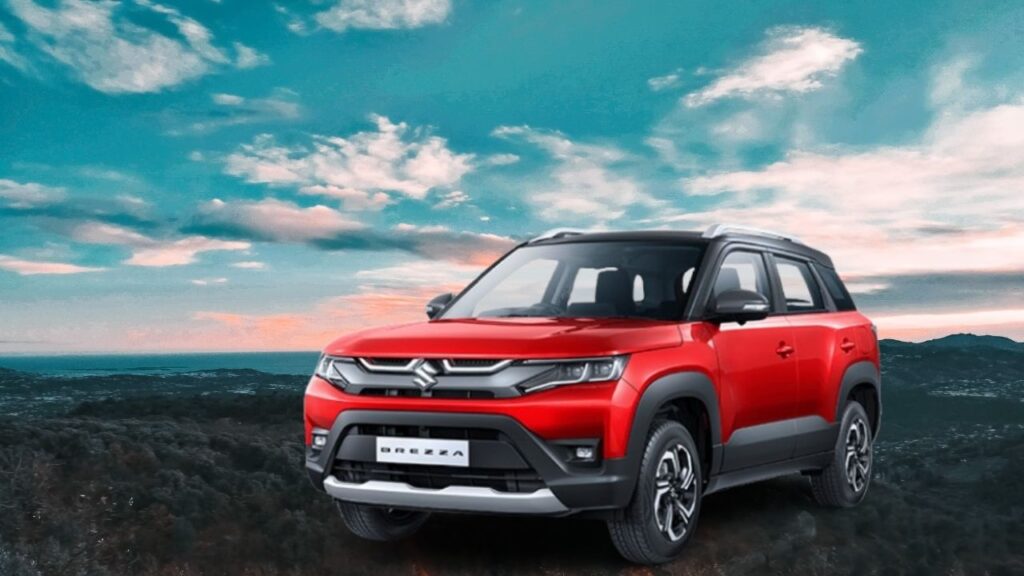
Maruti Brezza 

  • The tall ceiling and large glass windows make the cabin feel spacious. 
  • The seating is upright (Command Position), allowing for clear and wide visibility over the bonnet edges, which is very useful in traffic. 
Maruti Brezza

  • The back seat is wide, and the stiff H-point (hip point) means senior citizens can slide off rather than squat down, for this reason it’s the most “Senior Citizen Friendly” car of the three.

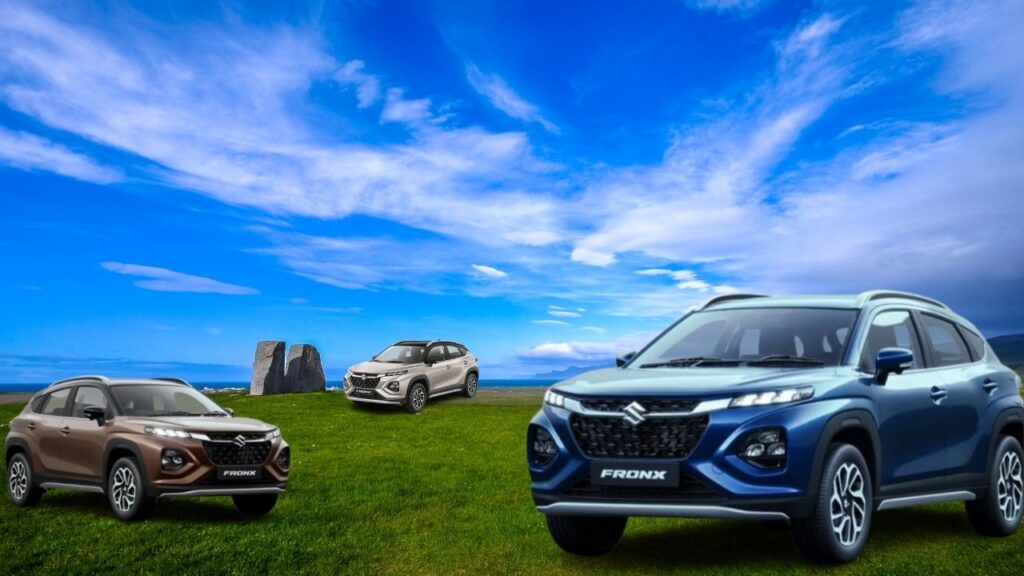
Maruti Fronx 

  • The interior styling is neuter, yet trendy, using the layered dashboard design adopted from the Baleno laden with rich textures. But the “Coupe” roofline is its achilles heel. 
  • Rear headroom is very limited and passengers who are taller than 6ft will literally be having their heads rubbed by the headliner. 
Maruti Fronx 

  • The rising window line, which becomes sharply upward slanting in the rear, is a bit claustrophobic in the back seat compared to the Brezza.

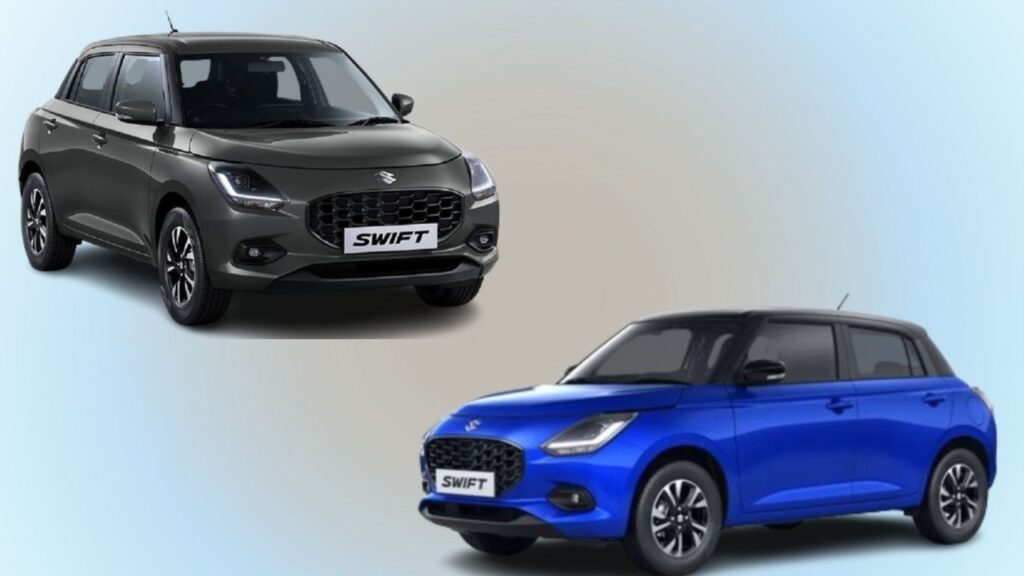
Maruti Swift

  • The cabin sports a black theme all around. 
  • The driver’s seat is low-slung and provides a «go-kart» driving experience that automotive enthusiasts love. But the back seat is only really usable for two adults and a kid. 
Maruti Swift

  • The narrow rear windows and dark color scheme can make the back seat seem tighter than it really is. 

Boot Utility

  • Brezza: 328 Liters. The shape is square and practical, accommodating two large suitcases along with two duffle bags. The lip of the loading is flat.
  • Fronx: 308 Liters. “This is unlike most boots which are difficult to load due to a high loading lip you have to lift heavy bags a long way up to put them inside.”
  • Swift: 265 Liters. Good just for weekend bags or a week’s worth of groceries. A lengthy airport run will mean folding down the back seats. 

Technology and Features

All three vehicles feature a sleek 9-inch HD touchscreen and wireless Apple CarPlay & Android Auto, making day-to-day connectivity effortless. 

  • HUD (Fronx & Brezza): This feature is especially useful to stay focused when driving at high speeds, for a safer and more convenient experience.
  • The 360° camera in the Fronx and Brezza, however, makes maneuvering in cramped parking spaces a breeze. 
  • Sunroof (Brezza only): A big emotional win for families – and a genuine purchase trigger in India. 

Brezza and Fronx seem much more premium with the Arkamys “Surround Sense” quiet number, clear vocals, better balance, and deeper richness of audio output. Swift does deliver plenty of bang for the buck, but its sound is drier and less enveloping. 

Safety Suite

Standard Safety: To its credit, Maruti Suzuki Discount has made 6 Airbags, ESP (Electronic Stability Program) and Hill Hold Assist a standard fitment in all variants of the 3 cars for 2026. This broadening of safety has made even the lowest-spec Swift LXi a lot safer than the previous model.

Platform Safety: The Brezza is based on the Global C platform, which has previously achieved 4stars in crash tests. The Swift and Fronx are manufactured on the Heartect platform which is designed for light-weighting (for better mileage) but is known to perform poorly in crash ratings (usually 1-2 stars in the earlier tests, with updated 2026 scores).

Future Sensors (ADAS): The imminent Brezza Facelift (March 2026) is speculated to bring Level 2 ADAS (Advanced Driver Assistance Systems), such as Blind Spot Monitoring and Autonomous Emergency Braking. At present, none of the three models is equipped with ADAS. 

Fuel Efficiency

The Maruti Suzuki Discount is the obvious winner when it comes to fuel efficiency — this is the car for people who drive a lot, day in, day out. For those with high usage such as sales professionals, office commuters, and daily highway travellers, the savings in fuel costs alone on a monthly basis make it the wisest financial choice.

The Fronx is just right — not too heavy, not too efficient. It’s for people who want SUV styling, good space and mileage, but who think most other options are just too unbalanced. A genuine “best of both worlds” solution.

The Brezza is for comfort-first shoppers. It eats up fuel, yes, but space, stability, features, and family comfort are what you get in return. It’s not about saving money here — it’s about living better inside the car.” 

Ride and Handling

Suspension Tuning

  • Fronx: Brightened up slightly on the stiff side in order to back its ‘sporty’ stance. It corners well with little body roll but in some situations could feel jittery, such as when driving over sharp potholes or expansion joints.
  • Brezza: Tuned with comfort in mind. It soaks up bad roads beautifully and shields occupants from every bump. But in high speed tight corners, entire body rolls because of its height. It’s not a car to be hustled around corners.
  • Swift: Suspension is soft, great for city speeds. However, at very high speeds on highway (100+ kmph) it has a “floaty” feeling and is not as planted as Brezza or Fronx. 

Read More:-  Latest Hyundai Cars Offers on Verna, Exter & i20 in India

Conclusion:- Maruti Suzuki Discount

The Maruti Suzuki Discount is your best buddy if you are a victim of the busy road on your daily commute. If you are a socialite and want to make an entry, the Fronx makes your look impressive! But for the weekend jaunts with the entire family, the Brezza is the only car that can cut the mustard. 

As of February 2026, the Brezza VXi is the best overall value as it delivers SUV qualities at a price, which cuts into the market of smaller premium hatchbacks. 

Sharey Khan

Sharey Khan is an IT entrepreneur and petrol head & a car enthusiast. With a special focus on car-related content, he combines his deep passion for vehicles with a talent for crafting informative, engaging, and easy-to-understand content. His writing is driven by a genuine love for cars and he is committed to providing readers with accurate, up-to-date, and trustworthy information that empowers smarter driving decisions. 

Leave a Reply

Your email address will not be published. Required fields are marked *

0

Tata Launches BaaS Across Its Whole EV Range: Is the Lower Price Real?

Tata Launches BaaS Across Its Whole EV Range

A Harrier.ev advertised at Rs 14.49 lakh looks like a different car from the Rs 21.79 lakh Harrier.ev on the regular price list. It isn’t because Tata launches BaaS. Tata Motors’ EV arm has moved the battery into a separate loan, so the sticker price falls while the battery cost still has to be paid. 

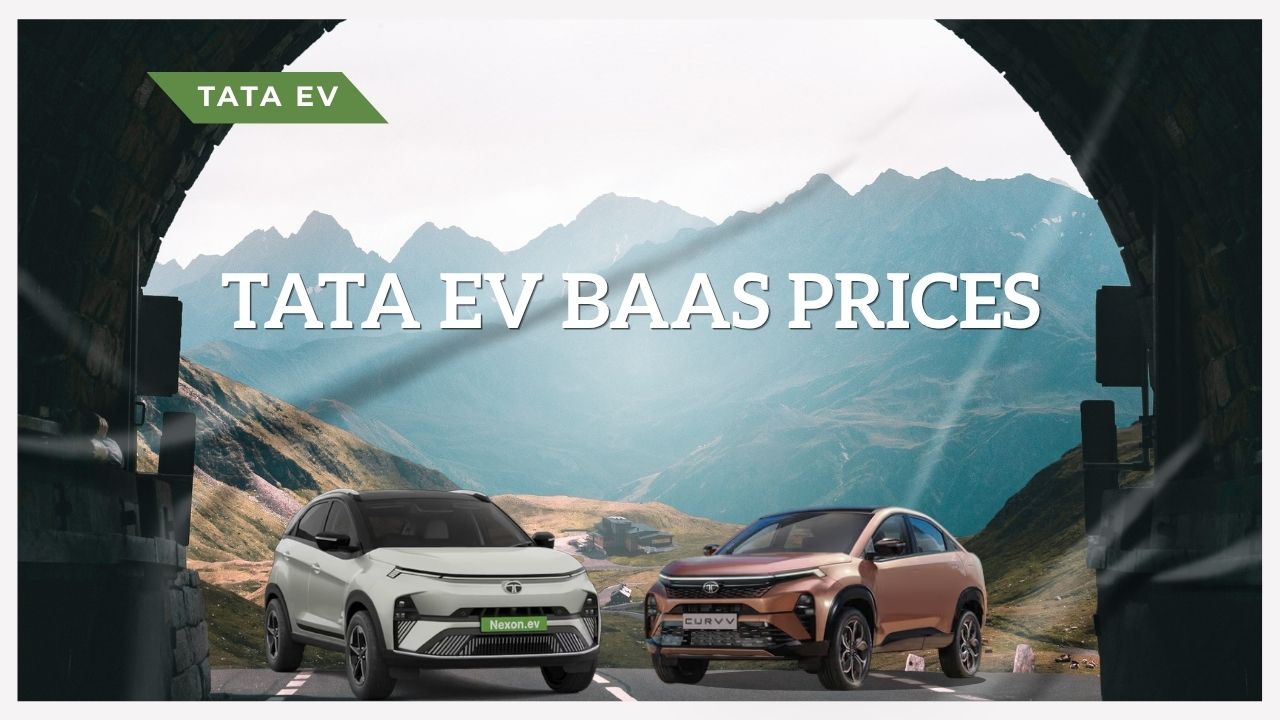
Tata.ev has extended Battery-as-a-Service to Nexon, Curvv, Sierra and Harrier, after launching it on the Tiago and Punch. Tata’s battery financing option now covers all six models, so it’s worth working out what you actually save.

Tata Launches BaaS For All EVs 

Buyers can still purchase any Tata EV with the battery included. Tata launches BaaS as an extra route, not a replacement. Tata calls it a dual-loan finance product: the vehicle and battery sit in separate loan accounts with flexible tenures, and multiple financiers are on board. The vehicle loan works like a normal car loan. The battery payment depends on battery size, down payment and tenure.

Tata’s Chief Commercial Officer, Vivek Srivatsa, said customers now want a choice in how they finance an EV as well as which one they buy. The company says the same vehicle technology, product experience and ownership support apply either way.

Tata Launches BaaS

Model-wise Tata EV BaaS Prices

Model BaaS vehicle price (ex-showroom) Regular starting price (with battery) Upfront saving vs regular price Battery usage cost
Tiago.ev ₹4.69 lakh ₹6.99 lakh ₹2.30 lakh ₹2.6/km
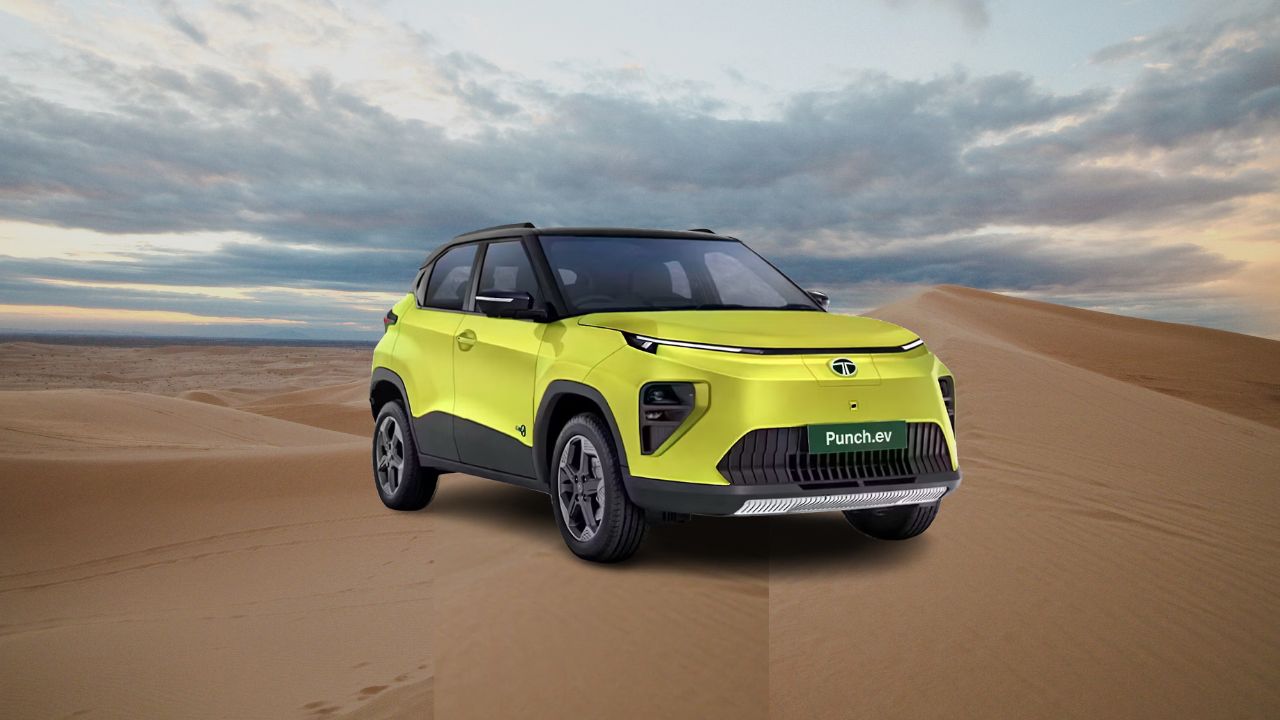
Punch.ev ₹6.59 lakh ₹9.79 lakh ₹3.20 lakh ₹2.6/km
Nexon.ev ₹8.99 lakh ₹14.34 lakh ₹5.35 lakh ₹4.4/km
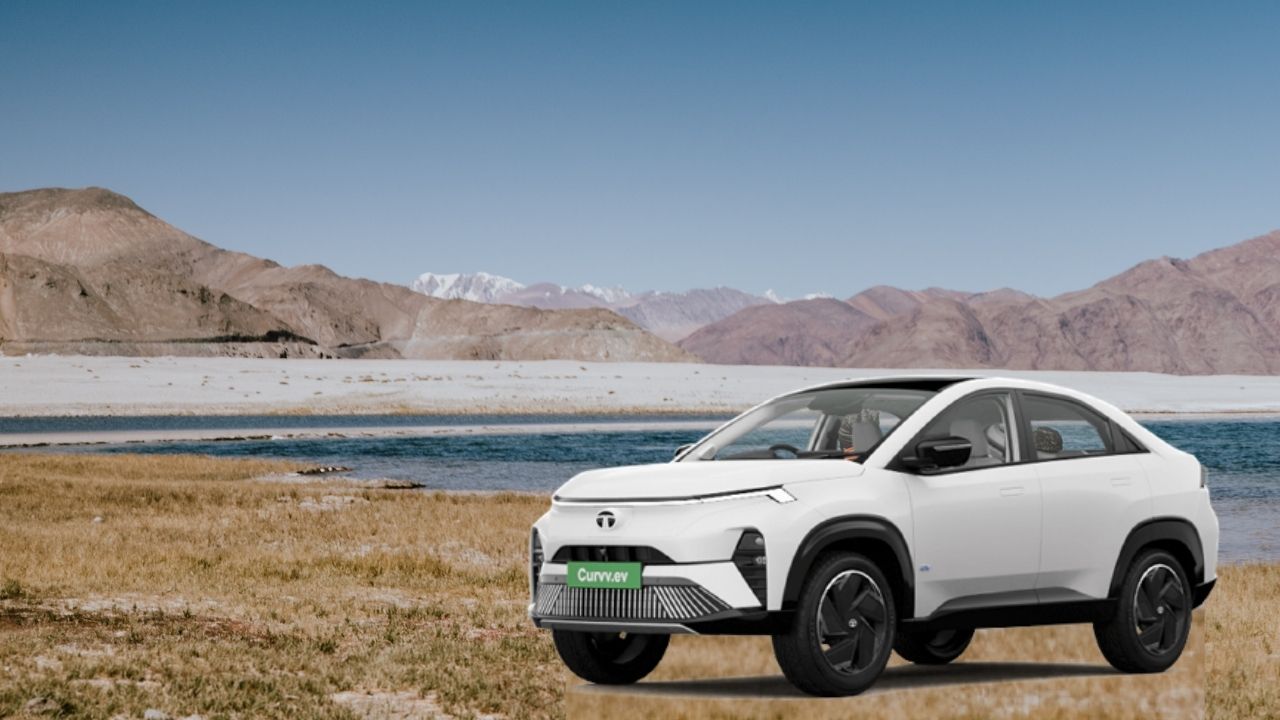
Curvv.ev ₹10.99 lakh ₹17.19 lakh ₹6.20 lakh ₹5.0/km
Sierra.ev ₹11.99 lakh ₹18.79 lakh ₹6.80 lakh ₹5.5/km
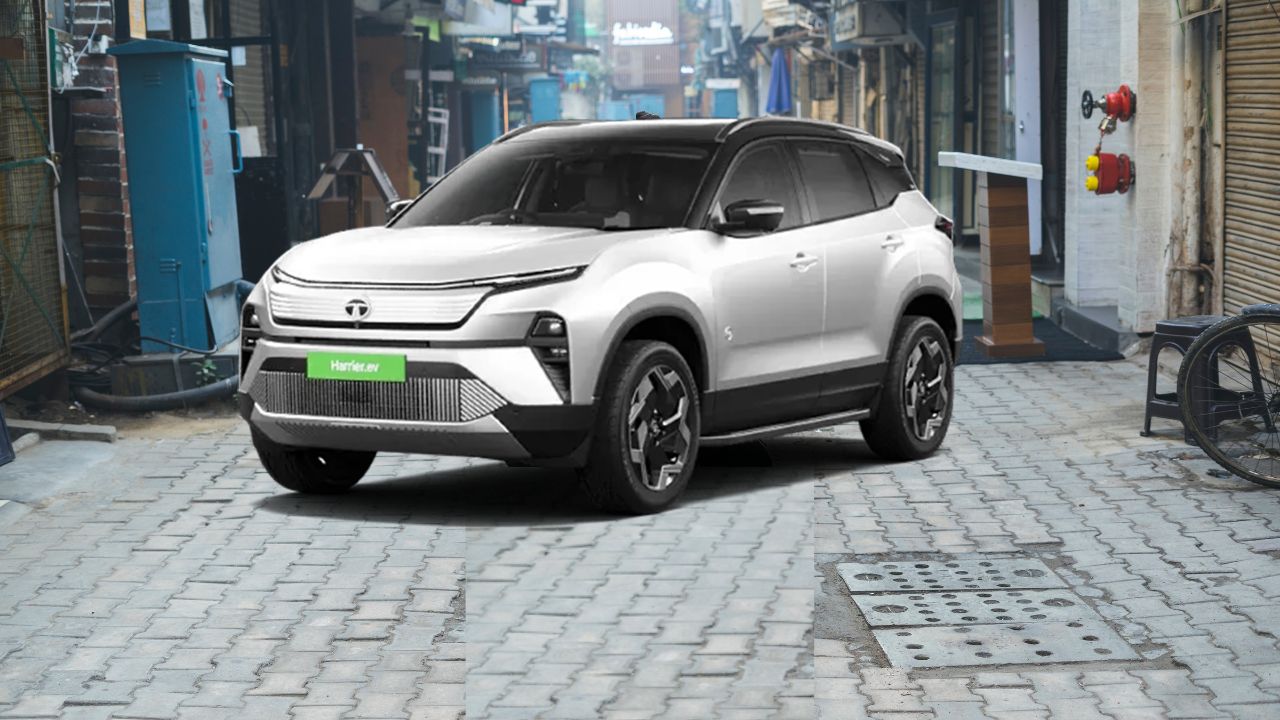
Harrier.ev ₹14.49 lakh ₹21.79 lakh ₹7.30 lakh ₹5.9/km

The Harrier.ev’s ex-showroom price drops from Rs 21.79 lakh to Rs 14.49 lakh under BaaS. The prices apply to entry-level variants for personal users, and they exclude government levies, road tax, insurance and TCS. Tiago’s saving is the smallest and Harrier’s the largest, because a bigger battery means a bigger chunk moved out of the sticker price.

Battery capacity and claimed range for each model weren’t in the launch coverage that could verify, so check Tata’s own configurator before quoting specs in your budget.

See Full Detail :-   New Hyundai Flagship Models Arriving Soon to Dominate Indian SUV Market

How Battery Loan Charges Are Calculated

Tata quotes the battery cost per kilometre. The battery financing or usage cost starts at Rs 2.6 per km. Take a guess with these starting figures, as it’s not the rate for each model, so ask the dealer for the exact number on your variant.

Tata’s illustration assumes 60 km per day for most models and 44 km per day for the Tiago.ev. At Rs 2.6/km and 44 km a day, that works out to roughly Rs 114 a day, or about Rs 3,400 a month. Your real figure will differ with your driving and your financing terms.

Battery Loan Charges

The battery payment isn’t your running cost. Charging, maintenance and repairs are extra. Electricity still comes on top.

One warning applies to the whole scheme. The lower price is a separation of costs for financing purposes, not an equivalent discount on the complete vehicle. You are paying for the battery, just in a different account.

Tata BaaS For All EVs VS Rivals

Tata is catching up to a crowded field. Mahindra recently introduced BaaS for the XEV 9S and XEV 9e, and MG’s Hector Tomahawk EV starts at Rs 13.99 lakh plus a battery rental of Rs 4.90 per km. The same report says Hyundai’s Creta Electric, Kia’s Syros EV, Citroen’s e-C3X and Toyota’s Ebella also have BaaS options.

MG’s Rs 4.90/km is the clearest benchmark. At Tata’s 60 km/day assumption, that rate comes to about Rs 8,800 a month for battery rental alone. Tata hasn’t shared per-km rates for its larger SUVs yet, so it’s too early to say whether the Sierra or Harrier will be cheaper. 

Tata BaaS For All EVs VS Rivals

Tata’s edge is that all six models are covered, so you can stay in one brand whether you want a Rs 4.69 lakh hatchback or a Rs 14.49 lakh SUV.

The main test is how long you’ll keep the car and how far you’ll drive it. Take the Tiago.ev. The Rs 2.30 lakh upfront saving divided by Rs 2.6/km gives about 88,000 km. At 44 km a day, that’s around five and a half years. If the per-km figure is the entire battery payment and the tenure runs that long, the saving is really a deferral. That ignores interest and any structure that couldn’t be confirmed yet.

Which Kind of EV Buyers Opt For BaaS?

  • Tight upfront budgets: you can afford the monthly payments but not a large down payment.
  • Low-mileage drivers: you drive well under Tata’s daily assumptions, so a per-km battery charge costs you less.
  • Short-tenure owners: you plan to sell within a few years and won’t stay on the battery loan long.

If you drive heavily or keep cars for a decade, buying outright with the battery included will likely cost less over time.

Read  Also :-  Renault Duster Hybrid Launches in India on 17 October 

Conclusion 

Tata launches BaaS for EV across models — Tiago, Punch, Nexon, Curvv, Sierra and Harrier. EV buyers can now finance a car on two different routes, this lowers the sticker but not the car price. This is not a discount, it’s a way to make a broader financing option for EVs.

Before signing, ask the dealer for the total down payment across both loans, the total payable over both tenures, and the battery EMI in writing. Compare that with a standard single loan. If the BaaS total isn’t clearly lower for your usage, skip it.

And if your budget is tight, consider this as a chance to buy an EV under Battery-as-a-Service scheme. 

0

BMW 5 Series Price in India: Latest Cost, Features & Buying Guide

BMW 5

The BMW 5 Series has been the defining executive sedan for years, striking that elusive balance of sports-car thrill and luxury cruiser. In the constantly growing Indian automobile industry, the 5 Series gets a big facelift. BMW 5 Series Price In India is worth the features to experience the real luxury ride. Understanding the Indian luxury car buyers unique requirements, — essentially they drive on weekends and get driven on weekdays, BMW has introduced the Long Wheelbase (LWB) model. 

This change in strategy changes the sedan’s value proposition entirely. If you have your eyes set on this Bavarian marvel, then it’s important that you know the BMW 5 Series Price In India, running costs and what makes it so special. 

This all-inclusive guide goes in depth on all the things you need to know before you spend your money. 

The BMW 5 Series Price in India

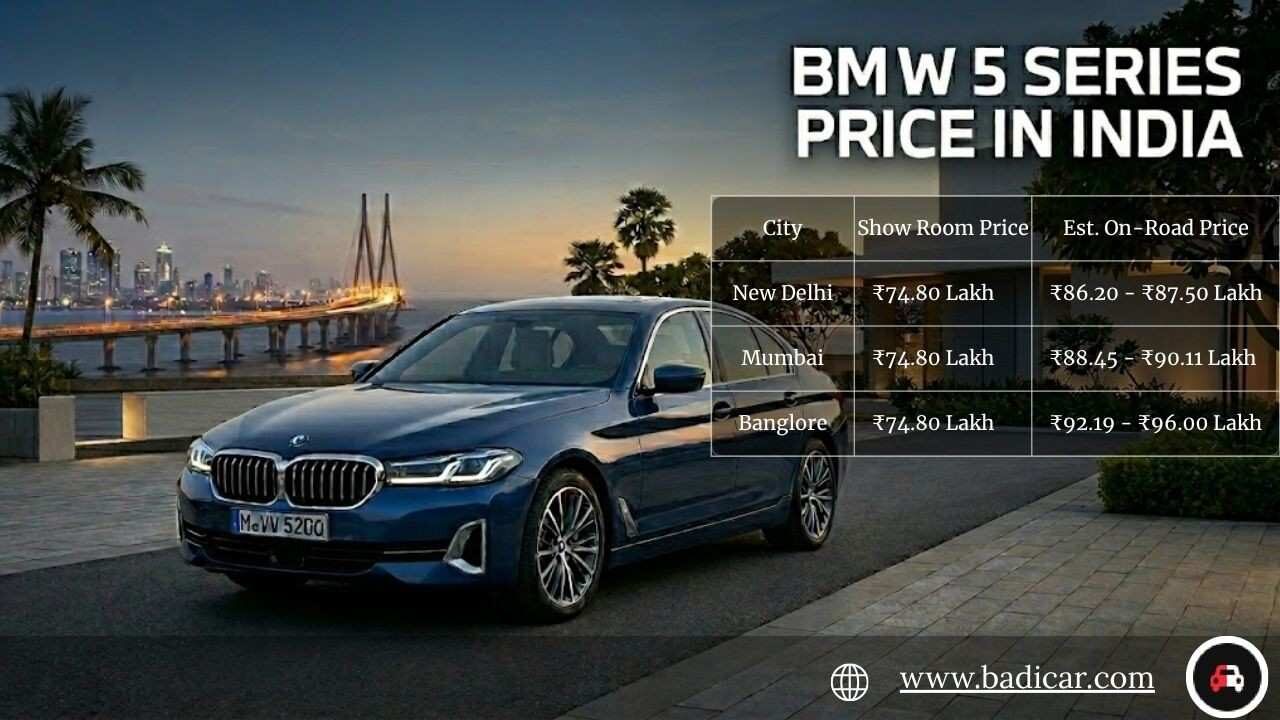
When shopping in the high-end car category, the price tag is just the beginning. From 2026, BMW 5 Series will be offered only in the very popular 530Li variant. The price (ex-showroom) for the BMW 5 Series in India is now ₹72.90 Lakh – ₹75.80 Lakh. 

Yet, the on-road price is a more accurate indication of what you have to spend, as it includes the RTO registration, road tax, insurance, and any handling charges. The taxes are ridiculous in some Indian states and the final amount you pay will depend largely on the state where you register the vehicle. 

Estimated On-Road Prices in Major Indian Cities

City Ex-Showroom Price Estimated On-Road Price
New Delhi ₹74.80 Lakh ₹86.20 Lakh – ₹87.50 Lakh
Mumbai ₹74.80 Lakh ₹88.45 Lakh – ₹90.11 Lakh
Bangalore ₹74.80 Lakh ₹92.19 Lakh – ₹96.00 Lakh
Chennai ₹74.80 Lakh ₹93.68 Lakh – ₹95.23 Lakh
Chandigarh ₹74.80 Lakh ₹86.03 Lakh – ₹87.00 Lakh

Under the Hood: Performance Meets Refinement

A BMW is ultimately defined by what lies under its bonnet, and the new BMW 5 Series LWB is no exception. The Indian market have seen a major focus move towards refined, high performance petrol engines. 

The BMW 5 series offers a 2.0-litre four-cylinder petrol engine that drives you with a super speed with quite punchy 255 bhp @ 4500 rpm power. It also offers 8-speed Steptronic automatic transmission to add ultra-smooth experience with rear wheels and a healthy 400 Nm peak torque from as little as 1600 rpm. 

It provides a smooth ride while accelerating high with LWB 530Li and takes you from 0 to 100 km/h in 6.5 seconds. For a big executive limousine that’s quite an achievement. Also, the fuel efficiency claimed by ARAI is a staggering 15.7 kmpl, however in the city you will get anywhere between 10-12 kmpl depending on the traffic and the way you drive.

See Also: New BMW M4  2028 Coupe Digitally Enters The BMW Neue Klasse M4 Era

Design and Features: The Luxury of Space

The move to a Long Wheelbase format is what sets the current 5 Series apart. The longer wheelbase results in rear-seat legroom that is simply enormous, encroaching on the space that is traditionally reserved for the 7 Series flagship. 

Exterior Styling

BMW has gone for a brave, modern look. The front of the car is dominated by the signature kidney grille which is also lighted with a soft illumination to give more presence at night. On top of the grille are sharp adaptive LED matrix headlights. The shape is clean with flush door handles and 19-inch alloy wheels as standard for a sleek, aggressive and refined look. 

Interior & Technology

The interior is first-class lounge which makes you experience the premium cabin comfort and style with: 

  • BMW Curved Display: It offers a large 12.3 inch driver display and 14.9-inch touchscreen makes it more convenient for every driver to take a care-free ride.
  • Panoramic Glass Roof: Making this car more like a home, BMW is not gonna leave a chance for a dislike. A glass roof lets you enjoy the sunshine and rain while you sit in the back.  
  • Rear seat comfort: Special contours have been developed for the rear seats to provide comfort and luxury with individual climate control zones and high-quality leather material and larger legroom. 
  • Technology: advanced design that supports wireless charging, all-round camera and a premium Harman Kardon audio system that make your ride more fun and ventilated front seats to make you comfortable.

Strong Focus on Safety and Sustainability

Mostly in the luxury vehicles, the focus is more on the performance but BMW keeps its brand more safe and sustainable with their well constructed model of new BMW 5 Series which holds an excellent safety rating. 

Key Safety Features include:

  • Maximum Airbags: Everyone inside the car will be protected with both front and rear seat airbags from various impact directions.
  • Active Safety Systems: More advanced control over safety is implemented with Traction control, EBD, and ESC which helps to keep the car balanced and avoid destruction particularly on abrupt turns or when braking suddenly. 
  • Advanced Driver Assistance Systems (ADAS): It’s one of the most advanced safety systems which detects sudden obstacles with cruise control, blind-spot alerts, and automatic emergency braking.

Besides, BMW is striving for sustainable production in an all-round way. The cabin is adorned in “Veganza,” a vegan material which is highly durable and akin to the texture and breathability of traditional leather but only results in a fraction of the typical leather carbon waste. 

Is the BMW 5 Series the Right Choice?

Spending more than ₹85 lakh for a car is a call that needs to be made after a lot of thought. The segment for luxury executive sedans does have a handful of very strong contenders, so deciding between them is a question of your priorities. 

BMW 5 Series Competition Check

  1. Mercedes-Benz E-Class LWB: A long-wheelbase model gives you a more comfortable ride. Most people who want to sit back and enjoy the ride while the driver is handling the streets then it’s best for them.
  2. The Audi A6: One of the luxurious cars everyone craves for as it offers modern hightech features to make you experience the true luxury. But it can’t match the 5 Series for commanding road presence or long-wheelbase composure.  
  3. Lexus ES: If you are more interested in mileage and hybrid engine to become eco-friendly then it is best but you can’t get the experience of sporty drive as the rear-wheel-drive BMW 5 Series.    

BMW 5 Series LWB strikes the elusive sweet spot. It’s the ideal car for the corporate executive with a chauffeur for the weekday grind and who loves to speed down the Sunday highway behind the wheel.

While considering BMW 5 Series Price in India, it is advisable to go for the BSI (BMW Service Inclusive) packages. These prepaid maintenance plans cover your service expenses for a certain number of years or kilometers and protect you against inflation and give you complete peace of mind. 

Conclusion

The BMW 5 Series is new again, and it raised the bar for what an executive sedan could be in India. With the 5 Series now available in a specifically designed Long Wheelbase version, BMW has perfectly met its customers’ needs for a chauffeur-driven car without betraying the “Ultimate Driving Machine” credo on which the brand rests.

If it’s the high-tech curved display, the expansive rear-seat space, or the relaxed punch of the 2.0-liter turbo-petrol engine that charms you, the 5 Series is a very well-rounded offering. Yes, the BMW 5 Series Price in India is beyond the reach of the segment, straddling the ₹90 Lakh mark on-road in many states. Still, for that kind of premium, you’re getting a car that refuses to make compromises—delivering a decked-out luxury experience and a thrilling ride on the weekends. 

0

How to Save Money on Car Insurance?

Save Money on Car Insurance

Car insurance is one of those expenses that most people don’t think about until the renewal reminder shows up. If you’re wondering How to Save Money on Car Insurance?, the good news is that cheaper insurance doesn’t always mean weaker protection. Many insurers offer the same level of coverage at more competitive rates. There are a number of proven ways to lower your car insurance premiums without compromising on the coverage you need.

Whether you are buying a new policy or renewing an existing one, learning How to Save Money on Car Insurance? and making a few smart decisions—such as comparing quotes, taking advantage of discounts, and choosing the right coverage—can help you save a significant amount each year.

Why Car Insurance Costs Vary

Two people driving the same car model in the same city can end up with completely different premiums. That’s because insurers don’t price car insurance on the vehicle alone — they price the risk you represent as a driver. Your claim history, the area you park in overnight, how old the car is, and even which insurer you’re comparing against all shift the number. 

This is exactly why shopping around matters: a premium that looks “standard” from one insurer can be 20-30% higher than what a competitor offers for the same coverage.

Understand the Factors That Affect Your Premium

Before you can lower your car insurance bill, you need to know what’s driving it up. The main factors include:

  • Insured Declared Value (IDV) — a higher IDV means higher premium, since it’s the maximum payout in case of total loss or theft.
  • Car’s age and make — older cars usually cost less to insure, but expensive parts (German sedans, for instance) push premiums up regardless of age.
  • Location — metro cities with higher accident and theft rates typically carry higher premiums than smaller towns.
  • Engine capacity — bigger engines are taxed at a higher premium slab.
  • Claim history — every claim you make resets your No Claim Bonus clock and signals higher risk to the insurer.

Once you have identified which of these are relevant to you, it is much easier to see where you are being overcharged. 

Compare Car Insurance Quotes Before Buying

This is the one most powerful habit you can have to lower your car insurance cost, and yet almost no one bothers to do it, they just renew with the same company year after year out of laziness. Different insurers assess risk in different ways, so the difference between the cheapest and most expensive quote for the same level of cover can be significant. 

How to Save Money on Car Insurance

Use an online aggregator to fetch quotes from a minimum of four or five insurers before you buy, and check each one for the same IDV and coverage type — else you will not be comparing apples to apples. Five minutes of comparison can save you thousands over the policy year.

Choose the Right Coverage for Your Needs

Third-party car insurance is compulsory in India and the damage caused to another party is covered under it, the repairs of your own car can be claimed under your ‘own damage’. Comprehensive car insurance policy provides coverage for both theft and natural calamities besides accidents. 

If your car is relatively new or still has a lot of value, you’ll want to consider full coverage despite the extra cost. But if you drive an older car and mostly drive it on short trips around town, a third-party policy with a couple of targeted add-ons could be all the coverage you really require. 

If your car is new or still holds significant value, comprehensive coverage is worth the extra premium. But if you’re driving an older car that’s mostly used for short local trips, a third-party policy with a few targeted add-ons might be all you actually need. The goal isn’t to get the lowest price policy—it’s to get the policy that best aligns with your car’s actual risk. 

Increase Your Voluntary Deductible

A voluntary deductible is the amount you commit to paying from your own pocket prior to your insurer’s involvement for a claim. Choosing a higher voluntary deductible on top of the mandatory one reduces your premium since you are taking on more of the risk of small claims.  

It works great if you’re a cautious driver who never or very rarely makes claims. Just be sure the deductible is a figure you could easily lay out in cash if you got in a crash. 

Read More :- Hypothecation in Car Insurance: Everything You Need to Know

Take Advantage of No Claim Bonus (NCB)

No Claim Bonus is a discount which accumulates on every claim free year, it starts at 20% after the first year and goes up to a maximum of 50% by the fifth year. It’s linked to you and not the car, so it transfers even if you sell your old car and get a new one. 

If you’ve gone a few years without a claim, make sure your insurer is actually applying your full NCB at renewal — it’s worth checking the math yourself rather than assuming it’s automatic.

Avoid Making Small Insurance Claims

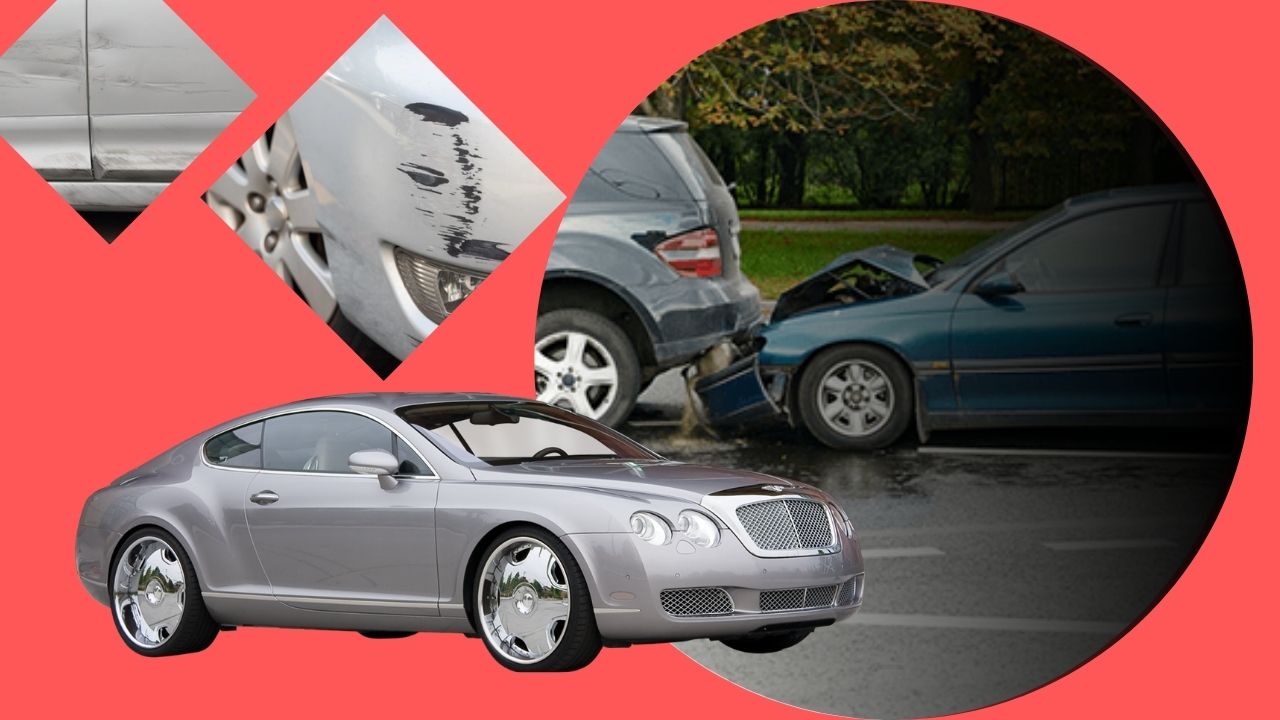
Making a claim for a tiny scratch or a little dent might seem like you’re making the most of what you paid for, but it usually ends up costing you more in the long run. A minor claim will reset your No Claim Bonus, and losing even 20% of your discount can mean more than what the claim is worth. 

For low-cost repairs, it’s usually cheaper to pay out of pocket and preserve your NCB streak. Save your claims for the incidents that actually justify losing the bonus — major accidents, theft, or significant damage.

Install Safety and Anti-Theft Devices

Insurers offer premium discounts — typically around 2.5% on the own-damage component — for cars fitted with ARAI-approved anti-theft devices. Airbags, ABS, and approved security systems can also nudge your premium down, since they lower the insurer’s risk of a large payout. If your car doesn’t already have these, the discount plus the added safety often justifies the upfront cost.

Renew Your Car Insurance on Time

Letting your policy lapse, even briefly, is one of the costliest mistakes a car owner can make. A lapsed policy means you lose your No Claim Bonus, and you may need a fresh vehicle inspection before the insurer will issue a new one — sometimes at a higher premium because you’re now treated as a higher-risk case. 

How to Save Money on Car Insurance

Set yourself a reminder a few weeks ahead of your renewal date so you can shop around rather than renewing in a hurry with the first renewal reminder you receive. 

Bundle Insurance Policies for Extra Savings

A lot of insurers provide you with a discount, if you have more than one policy with them — like car and two-wheeler, or car and home insurance. Bundling lowers the insurer’s cost to acquire you, and they typically share some of that savings with you. 

Just be sure to check the bundled price against the cost of purchasing the individual policies offered separately online; the discount really should be significant enough to beat the alternative, not just offer a convenience. 

Maintain a Good Driving Record

A spotless driving record is one of the silence-but-punch-packaging punches to keep your auto coverage affordable in the long run. Less claims means more NCB and some insurers even offer good driver/telematics based discounts for driving within speed limits and driving habits, monitored via an app or a device installed on the vehicle. Even without telematics, consecutive claim-free years establish a record that carriers will reward at renewal. 

Remove Unnecessary Add-Ons

Add-ons such as zero depreciation cover, engine protection, and roadside assistance are helpful, but only if they are reflective of the way you use your vehicle. Zero depreciation coverage is a good idea for a new car that is in its first few years; on an eight-year-old vehicle it adds very little value. 

Review each of your policy add-ons one by one and remove those that aren’t applicable to your current situation that alone can shave a noticeable amount off your premium. 

Read More :- What is ORVM in a Car and How Does it Work?

Opt for Pay-As-You-Drive Insurance (If Available)

If you drive only occasionally — a car for weekends, or one that’s used primarily for quick trips — pay-as-you-drive coverage can be a lot cheaper than a traditional annual policy. Premiums are based on actual kilometers driven, so that compensates low-mileage drivers instead of subsidizing high-mileage drivers. Not every insurer offers it yet, but if your car is mostly parked, it’s certainly worth asking. 

Review Your Policy Every Year

The value of your car declines every year which is why your IDV needs to be recalculated at every renewal, ensuring your old car at its original value is like paying for protection that you no longer need. 

Reviewing your policy once a year also allows you to re-evaluate add-ons, see if you’re eligible for a new discount, and make sure your NCB has been credited properly. Consider renewal a decision point, not a formality. 

Common Mistakes That Increase Car Insurance Costs

A handful of habits help drive up what people pay for car insurance annually: rolling over with the same insurer without comparing quotes, claiming for small damage and losing NCB, letting the policy lapse, over-insuring a veteran car at an outdated IDV, and not reading the fine print on add-ons that are no longer valid. 

Tips to Get the Best Car Insurance Deals

Getting the best car insurance deal isn’t about finding one trick — it’s about stacking several small decisions correctly. Review quotes from different insurers at each renewal, protect your NCB by not making small claims, select a voluntary deductible that you can afford and remove any add-ons that you are not using. Renew on time, keep your driving record clean, and revisit your IDV annually instead of letting it auto-renew at last year’s number.

Conclusion

Car insurance costs feel fixed until you actually sit down and question each line item — and that’s usually where the savings show up. None of the steps here require switching to a bare-minimum policy that leaves you exposed; they’re about paying for exactly the coverage your car needs, at a price that reflects your actual risk. Next renewal, take the twenty minutes it needs to compare, adjust, and ask your insurer the questions most people never bother asking.

0

Citroen Basalt X 1.2 Turbo Specs and Price Details Guide

Citroen Basalt X

There have been great launches in the Indian automotive world this year and the Citroën Basalt X 1.2 Turbo is one of the best-suited options in the compact SUV-coupe segment. If you were wondering if this turbocharged beauty might be deserving of your gaze, we’ve got the details on everything you need to know – specs, pricing and what makes it special from the pack. 

Understanding the Citroën Basalt X

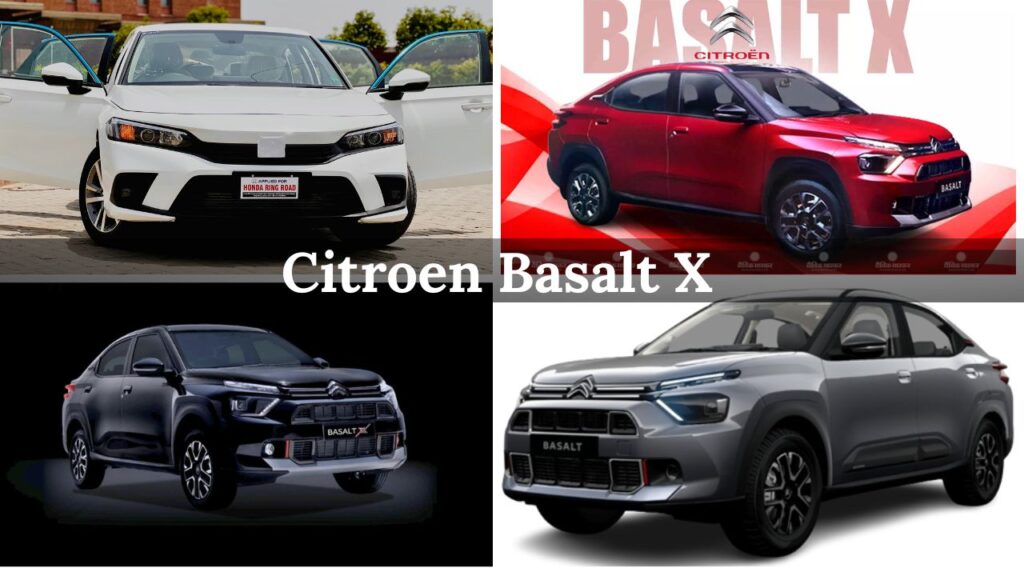
When Citroën revealed the Basalt X in September 2025, they didn’t just throw on an ‘X’ badge and call it a day. This is a carefully cultivated special edition that combines premium design, leading-edge technology and high-caliber performance all in one package. The Basalt X is essentially a higher-spec version of the regular Basalt, catering for buyers who want that little bit extra in life without selling a kidney to afford it.​

the Citroën Basalt X

So consider it Citroën’s response to the burgeoning market for stylish, feature-packed small SUVs that don’t make practical or performance compromises. The real star here is the 1.2-liter turbocharged petrol engine, and we will tell you why it is so important. 

Powerful Engine and Powertrain:

The 1.2-liter turbo petrol engine that lies under the bonnet of the Basalt X is truly awe-inspiring. It develops a decent 108 horsepower at 6000 RPM and the torque ranges from 190-205 Nm based on which transmission you select. For perspective, that’s just enough punch to make city driving feel spirited and to ensure you’re never underpowered on highways.​

the Citroën Basalt X

You have a choice of two transmissions to suit your driving style - a 6 speed manual for those who want the traditional driving involvement, or a 6 speed torque converter automatic for easy urban living. The torque converter automatic deserves special mention as it strikes a happy medium between fuel efficiency and convenience — a combination that a lot of compact SUVs fail to achieve. 

Mileage That Really Matters to Buyers

Now that we have given you the overview, let’s talk about what really matters when you’re at the gas pump. The Basalt X 1.2 Turbo offers 18.7 to 19.5 km/l based on the transmission. Yes, you did read that right. A twin-scroll turbocharged engine with around 20 kilometers per liter is really praiseworthy. The manual is a bit more fuel efficient, which makes it the ideal choice if you do a lot of highway driving. 

Read More :- Lexus RX 350h Exquisite Grade: Price, Features & Specifications

The Basalt X Pricing

That’s where the Basalt X makes a great argument. The 1.2 Turbo variants are available at a starting price of ₹10.82 lakh and the top- end price is ₹13.11 lakh (ex-showroom).

Let’s go through each variant to know where each price point is: 

Variant Transmission Price Mileage
Plus 1.2 Turbo Manual ₹10.82 Lakhcartrade​ 19.5 km/lcartrade​
Max 1.2 Turbo (MT) Manual ₹11.63 Lakhcartrade​ 19.5 km/lcartrade​
Max 1.2 Turbo (MT) Dual Tone Manual ₹11.84 Lakhcartrade​ 19.5 km/lcartrade​
Plus 1.2 Turbo Automatic (TC) ₹12.07 Lakhcartrade​ 18.7 km/lcartrade​
Max 1.2 Turbo (AT) Automatic (TC) ₹12.90 Lakhcartrade​ 18.7 km/lcartrade​
Max 1.2 Turbo (AT) Dual Tone Automatic (TC) ₹13.11 Lakhcartrade​ 18.7 km/l

Features That Make a Difference

Why the Basalt X truly stands out is not only on account of the engine. That list of features looks like a who’s who of modern-day conveniences. There’s a 10.2-inch floating touchscreen infotainment system with wireless Android Auto and Apple CarPlay, a 7-inch digital instrument cluster, and automatic climate control with rear AC vents.​

the Citroën Basalt X

The luxury Max variants add ventilated front seats, cruise control, wireless phone charging and a 360-degree camera system, the best in its class. A stylish black and tan color scheme with bronze trim accents makes the interior look more upscale compared to the regular Basalt. 

Safety: Because Comfort Means Nothing Without Security

Citroën has bundled the Basalt X with a robust safety suite that includes 6 airbags, hill-hold assist, rear parking camera with sensors, TPMS, and ISOFIX child seat anchorages.

the Citroën Basalt X

It may not yet have been NCAP tested, but these features ensure a rounded safety package when out on the road each day. 

Physical Dimensions and Tank Capacity

With a length of 4352mm, width of 1765mm and height of 1593mm, the Basalt X stretches solid road presence. The fuel tank holds 45 liters, which provides an impressive range between fill-ups, particularly with the turbo engine that is so efficient. 

Conclusion

The turbocharged performance, modern technology, thoughtful design and good value are all wrapped up in one package. The Manual or the Automatic, whichever you elect to use to engage the gears, it warrants to provide you a premium ownership experience that you notice without breaking your wallet. 

But if you’re in the market for a turbocharged compact SUV that’s fun to drive without sacrificing daily utility, the Citroën Basalt X 1.2 Turbo is definitely one to keep an eye on. 

0

Budget Friendly Cars – Best Affordable Cars for Every Indian Family

Budget Friendly Cars

Car ownership in India is no more a far-fetched dream, it’s an achievable target for most households, with a wide variety of budget cars that offer a good balance of affordability, safety and modern amenities. Indian carmakers have taken things up a notch by 2025 and now offer cars that are stylish, feature-rich, and give good mileage, all without breaking the ₹10 lakh barrier. 

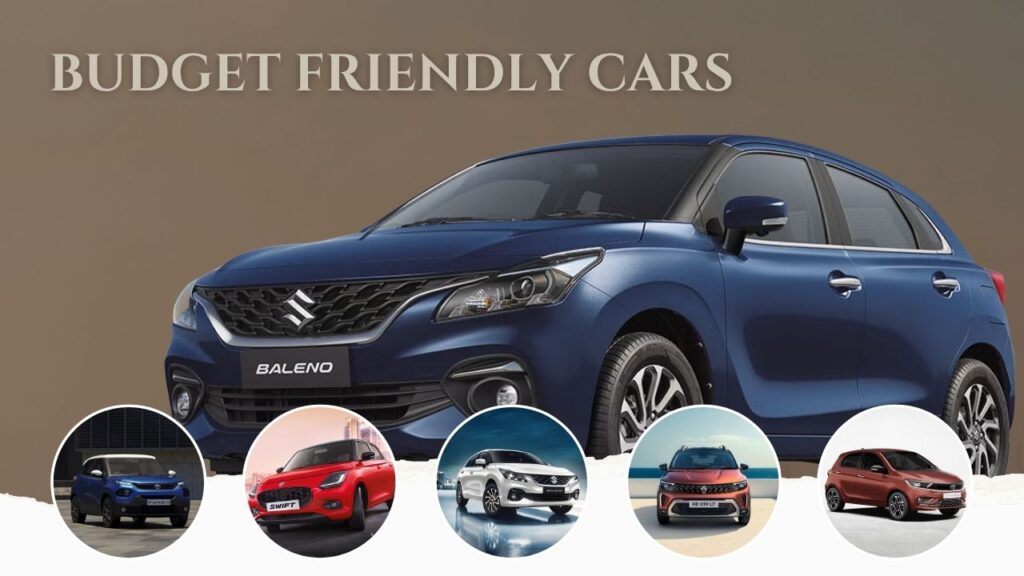
From the rugged yet compact Tata Punch, dependably peppy Maruti Swift, feature-laden Baleno, multi-purpose Renault Triber and all-time favourite Tata Tiago. There’s a Budget Friendly Cars for everyone no matter the requirement or lifestyle. Explore the best affordable cars of 2025 that offer incredible features and specifications to give you a nice ride.

The Champions of Budget Excellence

By 2025, there are more good cars within reach than ever before. With everything from sleek designs and advanced tech like touchscreen displays and driver-assist systems, these are the cars that prove you don’t have to spend a fortune to drive something reliable and stylish. 

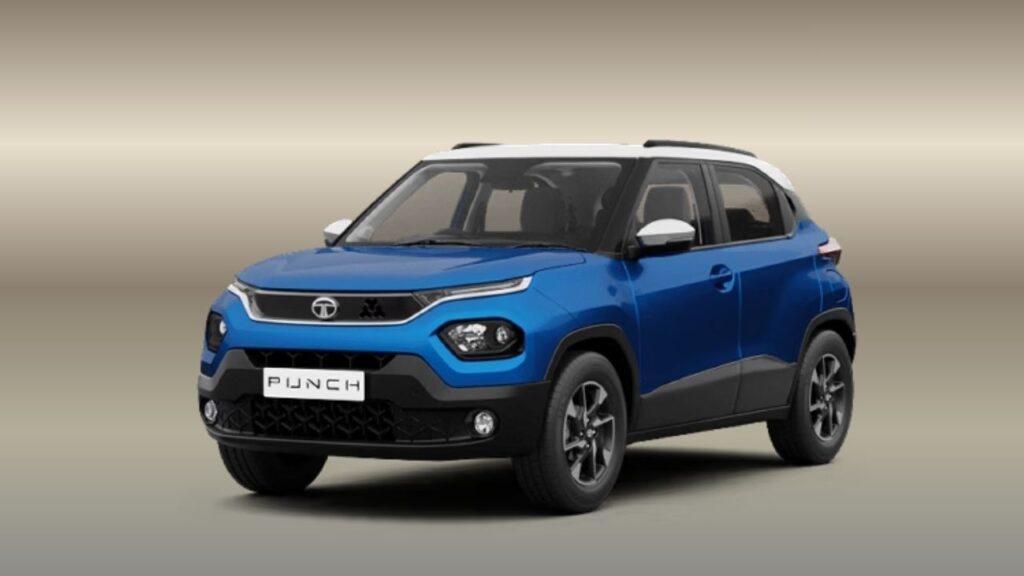
Tata Punch – The Compact SUV Winner

The ultimate SUV runs on Indian roads at ₹5.50 lakh with useful family-car practicality. This ride features a 1.2-liter Revotron engine that produces 87 bhp and 115 Nm of torque. This setup makes for a good amount of power for the city and highways. 

Tata Punch - The Compact SUV Winner

The only thing that makes the Punch standout is it having a 5-star Global NCAP safety rating, which makes it amongst the safest cars in its segment. It provides 187 mm of ground clearance, ideal for Indian roads, and gets features such as a 10.25-inch touchscreen infotainment system, automatic climate control and a 6-speaker Harman sound system. Punch also delivers good fuel efficiency in the range of 18.8 to 20.09 kmpl, helping families stay on top of running costs. 

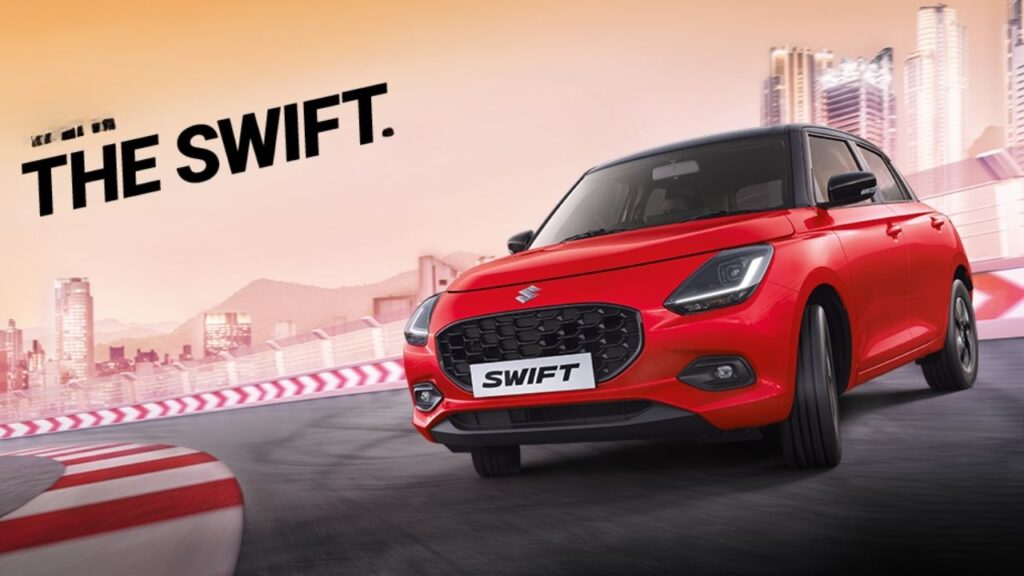
Maruti Suzuki Swift – The Reliable Performer

With a starting price of ₹5.79 lakh, Swift remains a favorite in Indian homes. The new generation is powered by a 1.2-liter K12N engine, which produces 89 bhp and returns a mileage of 25.75 kmpl.The highlight of the Swift is its all-round safety package, which includes 6 airbags as standard, ESP, hill hold assist, and ABS with EBD. 

Maruti Suzuki Swift - The Reliable Performer

The Swift has a roomy boot of 265 liters and gets contemporary connectivity features like wireless charging, 7-inch SmartPlay Pro+ infotainment system with Apple CarPlay and Android Auto.Its lightweight design and polished engine make it a great candidate for novice as well as seasoned drivers. 

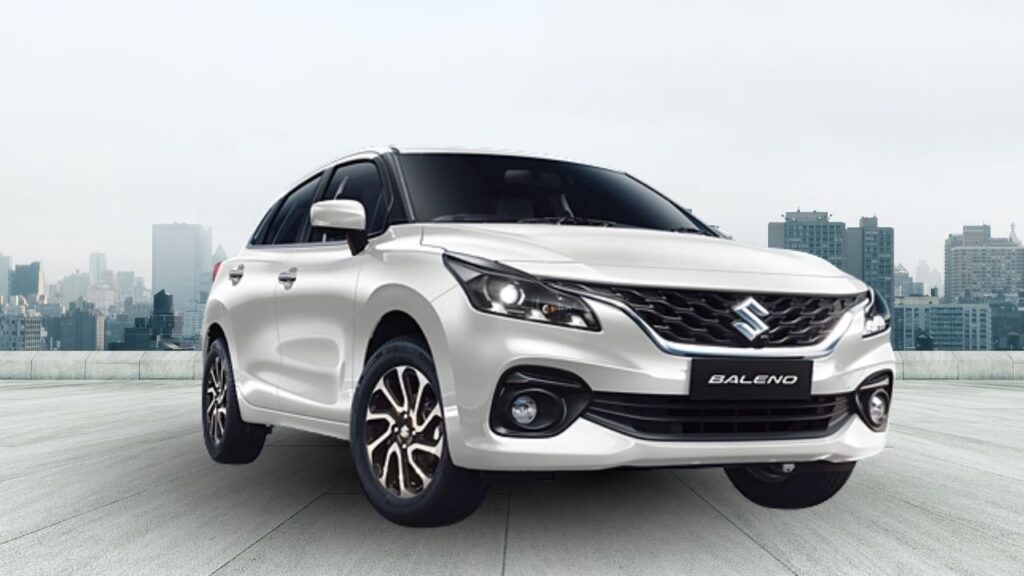
Maruti Suzuki Baleno

Maruti Suzuki Baleno

You can get the Baleno in the range of ₹5.99 to ₹9.88 lakh as it offers many features within a low cost of maintenance. It’s the pinnacle of cheap cars. You get 170mm ground clearance and a spacious cabin. Top trims come with a 9-inch SmartPlay Pro+ screen and six airbags. Plus, it’s good on gas, too. It retains its value, so it’s a smart purchase for years to come.  

Renault Triber – The 7-Seater Wonder

Starting at ₹5.76 lakh, the Triber is the cheapest 7-seater MPV in the Indian market. That smart ride provides you with flexible seats that change in 5, 6, or 7 positions. That configuration suits a family on the grow. The 2025 update is powered by a 1-liter petrol engine that will give you 72 hp of power with 96 Nm of torque.  

It was also updated with new features like an 8-inch floating touchscreen infotainment system. That’s not it, it also offers connectivity features including wireless Android Auto and Apple CarPlay. Lean into a practicality with six airbags as standard, and front parking sensors to provide worry less driving. Configured as a five-seater, it takes the lead with 625 liters of boot space for top practicality.  

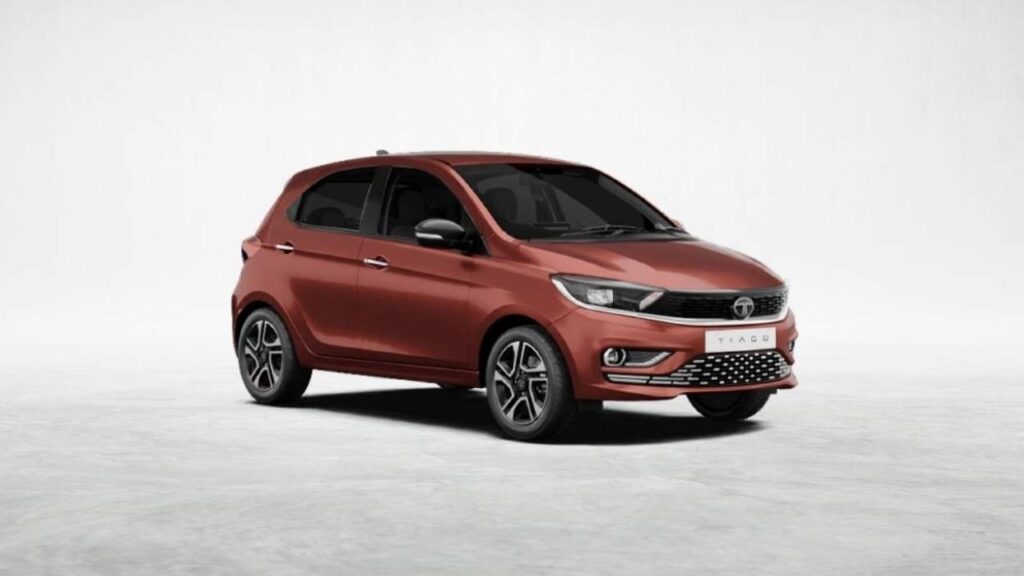
A Powerful Beast: Tata Tiago 

A Powerful Beast Tata Tiago

Tata Tiago offers 1.2L engine with 1199 cc capacity, buyers can get good features to run on road with comfort and reliability. It gives 86 PS power and 5 speed manual transmission with 35L fuel efficiency that makes it perfect for the family. It got 5-star Global NCAP rating safety which is incredibly important to consider a family car, also starting at an incredibly affordable ₹4.57 lakh.

Smart Feature Integration Without Premium Pricing

Budget-friendly cars are now catching up when it comes to features that were only available in the high-end variants. Take the Hyundai Exter, for example, It is priced from just ₹5.68 lakh and comes with an 8-inch touchscreen, digital instrument cluster, a sunroof and 6 airbags, all as standard. And then there’s the Tata Altroz that begins at ₹6.30 lakh and comes with a cavernous 345-litre boot and a refined 3-cylinder unit pumping out 86.79 bhp. These cars prove you don’t have to empty your wallet to get modern tech and comfort. 

Safety Without Compromise

Safe is the new seat in cars under 10 lakh. The 5-star GNCAP rating of the Tata Punch is a testament to the fact that budget cars can be very safe.The Tata Tiago offers safety features like airbags, ABS, EBD, parking sensors, and seat-belt alerts as standard. Renault Triber 6-airbags are standard for all the variant along with ISOFIX child seat anchor. 

Fuel Efficiency for Economic Operation

Cost-savvy families need fuel efficient vehicles and these cars deliver everything you need. The Maruti Swift delivers a good mileage of 25.75 kmpl which makes it one of the most fuel efficient cars to go for a long ride or your daily drives. Tata Tiago is a compact SUV that gives you 23.84 kmpl fuel efficiency, making it a perfect balanced car for the riders. Tata Punch delivers 20 kmpl fuel efficiency meaning good mileage without compromising on style, so, if you like to inject a little fun into your drives, this is a very interesting option to consider.  These figures mean that families can afford day-to-day runarounds without wondering about the cost of fuel. 

Read More:-  Discover The Stylish And Powerful Chery Arrizo 8 – Redefining The Modern Sedan

The Perfect Balance of Price and Performance

These vehicles have their own sets of value. Tata Punch brings SUV styling with best-in-class safety, the Swift comes with tried and tested reliability, the Baleno comes loaded with premium features, the Tiago offers unbeatable value and the Triber provides 7-seater flexibility. All these cars are proof that Indian families don’t have to pinch their pockets to get powerful features and dependable performance. 

Making the Right Choice for Your Family

Picking a cheap car means thinking about what your family really needs. The Tata Punch fits great if you want top safety and that SUV look. Nobody beats the Swift for great gas mileage and dependability. Those requiring 7-seater versatility for family needs should opt for the Triber and for premium features within a tight budget, pick the Baleno. The best way to decide is taking the test drive for the cars you like and decide which makes you comfortable and easy.

Conclusion

Power-packed features at affordable prices for the family car buyers is important. The 2025 Indian automotive market has a lot to offer to the family car buyers looking for strong features within a tight budget. These cars prove that inexpensive doesn’t mean you have to sacrifice quality, safety or contemporary features. 

By taking your family’s needs and likes into consideration, you can select the right car that offers you a great price for sale and get more value for your money for many years to come. Whether you are purchasing your first vehicle or looking to upgrade your family car, these Budget Friendly Cars options present the best value for money in terms of features, pricing, and reliability that every Indian family needs.