0

Best Cars for Daily Office Commute: Top Comfortable & Fuel-Efficient Cars

Published Jul 16, 2026, 1:03 PM
Last Updated Jul 22, 2026, 12:36 PM

 Cars for Daily Office Commute

Planning to buy the Best Cars for Daily Office Commute but blindly trusting a showroom seller is a bit naive choice. It’s not because they are lying to you but they don’t know your driving style, routes, and budget. Getting confused in a bunch of car options, try to minimize the list in terms of purchasing price first. Start looking by yourself — learn what and where to look in a car to define the best car for daily commutes. 

Traveling for 12 km inside the city and running on a 45 km highway is not the same, it gives you a different fuel efficiency on both paths. Before going to the list of cars, understand why the roads and diving pattern make a big difference in cost of fuel.

What Actually Decides the Right Commuter Car

Rather than focus on just brand loyalty and beautiful showroom gestures, try to calculate your daily distance, monitor daily traffic situations, and how long you plan to keep the car.

If the distance between your home and office is very short with star-stop traffic that makes you step on the brake pedal every thirty seconds is where you need a CNG hatchback with a tall seating position and light steering. It can save you more money and lift up your driving experience. 

The 40 to 80 km daily commuters reaching their destination after passing both rush and open road deserves a strong hybrid car. It might be costly at the time you bought it but it runs on electric power during slow and traffic areas and switches to petrol only when it needs real power that saves your money.

And if you are crossing highways at a steady speed daily, buying a diesel car or well-tuned petrol sedan will be beneficial for you because they give great mileage. Hybrids are amazing in stop-and-go traffic, not on the open road.

Comfort also matters just as much as mileage if you have to drive daily. Having a perfect height of seat, under-thigh support, noise-free cabin, AC and features functionality gives you a perfect ride. 

For Short City Commutes: Maruti Suzuki WagonR CNG

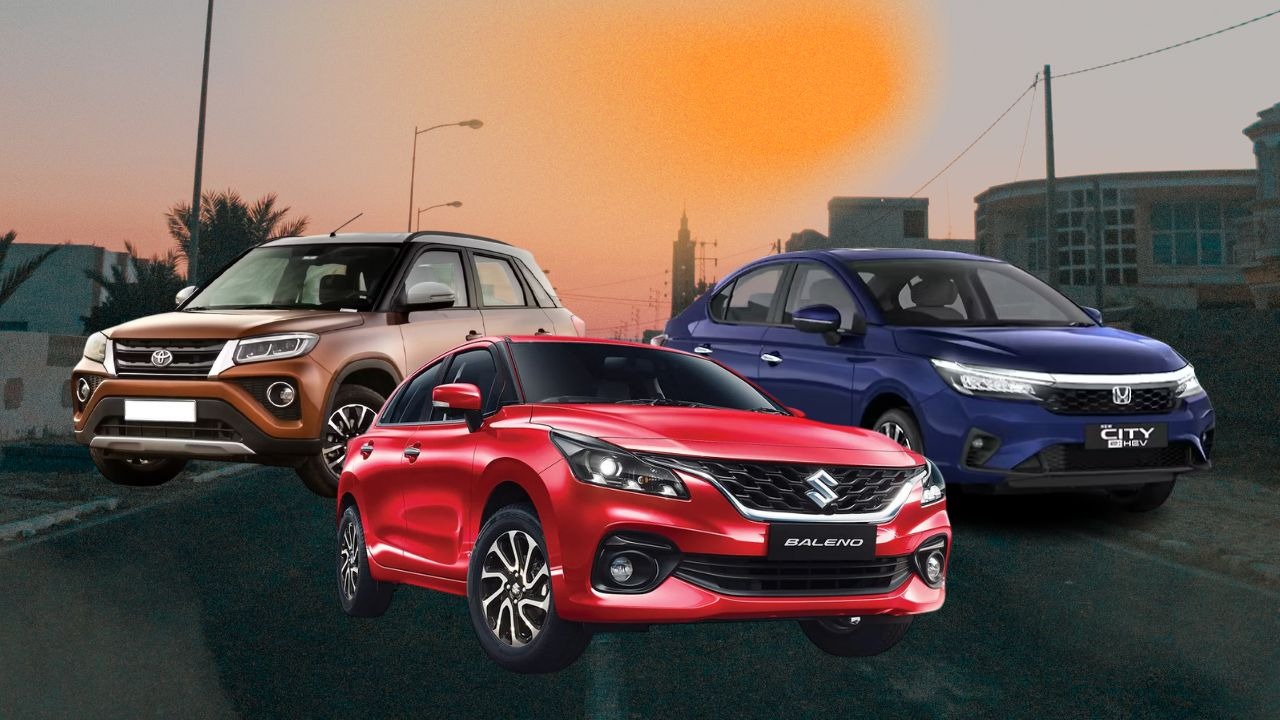
If your office is located under 20 km of range and you’re driving through rush areas and traffic jammed than open roads, you’ll need WagonR CNG as it gives ARAI-rated at up to 34 – 37.5 km/kg. While different variants offer different figures, the tall-boy design offers a commanding seating position with excellent visibility, making it easier to handle traffic areas than in a conventional hatchback. 

With small dimensions, the car still feels spacious from the inside and makes passengers comfortably sit. There’s a thing that you have to leave behind: boot space, because the CNG cylinder takes space in your luggage area and makes it small. Performance is adequate for daily city driving, but this is a car built for economy and ease, not overtaking on the highway. 

For Comfort-First City Driving: Maruti Suzuki Baleno

If you are interested in hybrid models then Baleno offers a more refined experience than any other hatchbacks. It delivers 18 km/l mileage on petrol in real-world driving, with excellent insulation, built with high-quality materials, and flexible seats. 

It’s consistently among the top five best-selling cars in India, so you don’t have to worry about its resale value and maintenance. If your daily commute is a mix of city roads with the occasional longer weekend drive, the Baleno provides an excellent balance of efficiency, comfort, and long-term ownership costs. 

Read More :- What Is ADAS? A Complete Guide to Advanced Driver Assistance Systems

For Sedan Comfort With Hatchback Efficiency: Maruti Suzuki Dzire

If you don’t want to compromise on boot space without sacrificing mileage because longer journeys are a part of your daily life, the Maruti Suzuki Dzire is the best option. The Dzire remains one of India’s most trusted commuter sedans with a mileage of 26 km/l on petrol in the ARAI chart but it works better on the CNG. 

It is a very comfortable sedan with Hatchback efficiency to handle both city-highway commute. The resale value is also higher since it offers low running cost making a practical long-term choice rather than just a cheap one.

For Longer, Mixed Commutes: Honda City e:HEV

The Honda City e:HEV is a self-charging strong hybrid which is best for your daily longer commutes. It combines a 1.5-litre petrol engine with two electric motors and a bigger advantage is it runs everyday traffic without burning a lot of fuel. It gives ARAI-certified fuel efficiency of 27.26 km/l, and 23–25 km/l in real-world running with AC on since e:HEV is able to run on electric power during low-speed, stop-and-go driving.

Priced around ₹19 – 20 lakh ex-showroom, if you are going to buy a car then its a right time to shift from petrol-only into e:HEV hybrid for long daily commuters. The fuel savings take time to justify the extra cost. However, a hybrid is best if you are covering 50 km or more with noticeably quieter cabin, smoother acceleration, and a more relaxed driving experience.

Best SUV Seating Experience: Toyota Urban Cruiser Hyryder Hybrid / Maruti Grand Vitara Hybrid

These SUVs use Toyota’s proven strong-hybrid system which makes it a more excellent choice for buyers who are looking for Best Cars for Daily Office Commute. They deliver everyday drivability and mileage of around 27–28 km/l in real world conditions. The SUVs which you can drive comfortably in city traffic with higher ground clearance, and commanding driving position.

They offer great value in both city and longer journeys with spacious cabins and comfortable experience. For someone whose commute includes patchy roads or minor flooding during monsoon season, they need these kinds of cars with higher stance as these hybrids are a practical choice which handles challenging road conditions while still delivering low running costs. 

For Budget-Conscious SUV Buyers: Tata Punch

If safety ratings matter to you as much as running cost, then Tata Punch is a great option for you as it receives a higher Global NCAP crash rating. You can buy it for around ₹7.1 lakh for experiencing a SUV-like driving position and automatic transmission.

So Tata Punch is a reliable and safe option for people who have a low budget and expect good mileage. This petrol compact SUV offers remarkable features and sleek design to mark your presence on the road in daily city traffic.

The Honest Way to Choose Between Them

Work out your daily one-way distance first, then multiply by your actual working days, not an assumed 30. If that number stays under 500 kilometres a month and most of it is stop-start traffic, a CNG hatchback like the WagonR will save you more money than any hybrid ever will, because the hybrid’s price premium simply won’t get paid back in that few kilometres. 

If you’re crossing 1,200–1,500 kilometres a month with a real mix of traffic and open stretches, that’s the zone where a strong hybrid like the City e:HEV or Hyryder starts to genuinely pay for itself within a reasonable ownership period. 

And if comfort and cabin refinement matter more to you than shaving the last rupee off your running cost, weigh that into the decision honestly — a car you enjoy sitting in for an hour a day is worth something that doesn’t show up on a mileage chart.

Read More :- Monsoon Car Care Tips: Keep Your Car Safe During the Rainy Season

Conclusion

These cars are proven outcomes of good fuel economy so if you are looking for best cars for daily office commute to buy then this will help you understand what each one offers. Whether you are looking for daily city commutes for shorter distances or a strong car which handles longer distance and daily traffic, these models offer great mileage with a comfortable driving experience.

Sharey Khan

Sharey Khan is an IT entrepreneur and petrol head & a car enthusiast. With a special focus on car-related content, he combines his deep passion for vehicles with a talent for crafting informative, engaging, and easy-to-understand content. His writing is driven by a genuine love for cars and he is committed to providing readers with accurate, up-to-date, and trustworthy information that empowers smarter driving decisions. 

Leave a Reply

Your email address will not be published. Required fields are marked *

0

Khan Sir Car Collection That Will Blow Your Mind

Published Aug 27, 2025, 7:58 AM
Last Updated Aug 27, 2025, 8:00 AM

Khan Sir Car Collection

Some people admire others with their choices, Khan Sir also surprised his students and fans with his down-to-earth choice. Khan Sir Car Collection is not parked million-dollar luxurious cars, his garage reflects his mix of practicality, comfort, and style that matches his dynamic persona. He takes many student’s hearts with his teaching style and knowledge but Khan Sir’s garage is taking their brain too by admiring them for the simple but practical taste in cars. 


Taking a look at Khan Sir’s exclusive taste in cars will blow your mind as it reveals his lifestyle choices. From the strong and safe Tata Harrier to stylish and big Crysta, each car reflects his automotive engineering choices which leaves you impressed. 

Tata Harrier – The Premium Choice


Tata Motor isn’t introducing just a simple SUV but it is a remarkable segment that blends with muscular design, modern technology, and incredible high safety functions. Its strong body is proven for preventing passengers’ life risk during crashes. 

Exterior and Interior Design

Its exterior design including aggressive front grille, R17 alloy wheels and dual color option enhances its visual on the road. While its interior gives a premium feel with wooden inserts, infotainment system, and generous cabin space making every journey luxurious.

Tata Harrier

Image credit: cars.tatamotors


Features of Tata Harrier

The Tata Harrier is Khan sir’s favorite as it represents his choice of investing in an Indian automotive company. The Harrier offers a 1956cc diesel engine that delivers the speed of 167 bhp with 350 Nm torque, giving incredible experience in both city and long trips.


Features  Specification
Engine 2.0L Diesel
Transmission 6-speed manual & automatic
Safety Rating 5-star 
Mileage 16.8 kmpl (Approx.)
Boot Space 445L


The Tata Harrier SUV will provide up to 5 passengers to sit comfortably in its spacious cabin. This SUV is offering acceleration speed from 1-100 km/h in 10.8 seconds. Khan sir’s SUV is worth around Rs. 24 Lakh. 

Mahindra Scorpio – The People’s Favorite

The Mahindra Scorpio shows Khan sir’s special connection to common people as “he refuses 107 crore offer instead he chose to serve his mission for educating unprivileged students.” This SUV received huge popularity in north India due to its reliability and robust performance. 

Bold and Muscular Design

Whether you are going on city streets or rough off-road trails, the Scorpio will thrive on with ease. Its bold design stood out for commanding road presence. Dual-tone bumpers and skid plates for a rugged look and tall-upright body style and high ground clearance delivers an impressive look of an SUV that makes it a head-turner everywhere it goes. 

Mahindra Scorpio SUV from Khan Sir Car Collection with bold design and strong performance

Image credit: auto.mahindra


Features of Scorpio

Mahindra Scorpio is delivering outstanding performance without compromising comfort and convenience with its strong low-end torque and refined gearshifts. Interior comfort does not just end with driving features but it offers full premium experience with spacious cabin space, automatic climate control, navigation support in high-end infotainment systems. 


Features Specification
Engine 2184cc diesel
Transmission 6-speed manual & automatic
Seating capacity 7-seater
Mileage Around 14.4 kmpl
ADAS Cruise control, emergency brakes, warning system for lane departure, and forward collision


This car offers a 2184cc classic engine that delivers 130 bhp of power with 300 Nm Torque. It supports 60 litres fuel capacity and 7-seater leather seats for a comfortable ride, valued at Rs. 13.77 Lakh. This strong build and stylish design is making it perfect for professional use, reflecting Khan Sir’s practical approach to life. Scorpio has strengthened its ability on both rough and steep areas with its high ground clearance and robust suspension.


Toyota Innova Crysta – The Reliable Workhorse

Khan Sir travels on Toyota Innova Crysta for his daily visits to coaching centers. The premium quality offers spacious interior blends with comfortable seats, exceptional features, and proven reliability. The Crysta is very reliable for long tours with family or friends.

Elegant and Premium Design

It is perfect for family due to its comfort, reliability and practicality, the Crysta has earned its reputation with its proven durability with stylish design and premium features. Its aerodynamic body lines and 17-inch alloy wheels and wraparound rear lamps, making a sophisticated road presence.

Toyota Innova Crysta from Khan Sir Car Collection with premium comfort and reliability

Image credit: auto.mahindra

Features of Toyota Innova Crysta

Crysta’s interior is delivering comfort and reliability to its owner with high-quality material, climate control functions, and roof-mounted AC vents. Safety features are strong with 7 airbags, ABS with EBD and stability at fast speed making it reliable for highway trips.


Features Specification
Engine 2393cc diesel
Power 147 bhp
Transmission 5-speed manual
Seating Capacity 7 seater
Mileage 16 kmpl
Fuel Capacity 65 litres


This car is designed with advanced safety features including Vehicle Stability Control, Electronic Brake, 7 Airbags, ABS with EBD, Camera view, for long-distance trips. Comfortable seats and spacious cabin with multiple storage options, making it an ideal car for families. Khan Sir’s Toyota Innova Crysta valued at Rs. 19 lakhs.

Conclusion

Khan Sir Car Collection is inspiring for many students who have been following him. Life of Khan Sir is just as simple as it seems in his classes. His choices of cars with simplicity and practicality become more impressive, these cars are not just simple but they are reliable for personal and professional use. 

0

Mahindra XUV700 Facelift 2026 – New Features, Design Updates & Latest Details

Published Nov 25, 2025, 1:02 PM
Last Updated Apr 10, 2026, 7:21 AM

Mahindra XUV700 Facelift 2026

The Mahindra XUV700 has been the undisputed leader in the Indian SUV space ever since its launch in 2021. Now it’s time for the company to prepare a thrilling new edition to keep that trend very much alive and well. The 2026 refresh is set to include such an impressive array of updates that it’s expected to entice even more buyers. So, let’s take a look at what’s new, what’s changed and why this facelift is worth the wait. 

What’s the Big Deal with the Facelift?

A “facelift” in terms of cars, is when a vehicle is given a bit of a design and feature refresh to keep it looking up to date and competitive. The XUV700 facelift 2026 is not a mere patchwork-up. It brings massive changes on the outside and inside the SUV. Facelift is all set to keep Mahindra ahead in the war marred mid-size SUV segment which is their bread and butter where it faces competition from Tata Safari, MG Hector Plus, Hyundai Alcazar.

The good news is the update will make the XUV700 even more capable while still being the XUV700 that owners already love. The upcoming model is expected to debut in 2026, and judging from the spy shots of the prototype, we now have a peek at what is coming. 

Design Updates

The body of 2026 XUV700 facelift remains same but gets an all new front end- which will be a huge change in the new model. Here’s what’s changing:

Front Fascia: The circular headlights are disappearing to give way to dual-pod LED projector headlights which look much sharper and modern. The new lamps will have a new design for the C-shaped LED DRLs, appearing more futuristic and aggressive. 

Grille: The grille at the front has been redesigned. It’s more upright and has more slats, which gives the XUV700 a new identity that is more premium and unique. The restyled design was inspired by Mahindra’s new electric SUVs such as the BE 6 and XEV 9e.​

Bumper Design: The lower part of the front bumper is restyled with a more streamlined air dam and a new lower lip on the bumper that gives a more refined finished look. The rear bumper gets revisions too in line with the new design language. 

Alloy Wheels: There will be new alloy wheel designs that match the contemporary exterior style.​

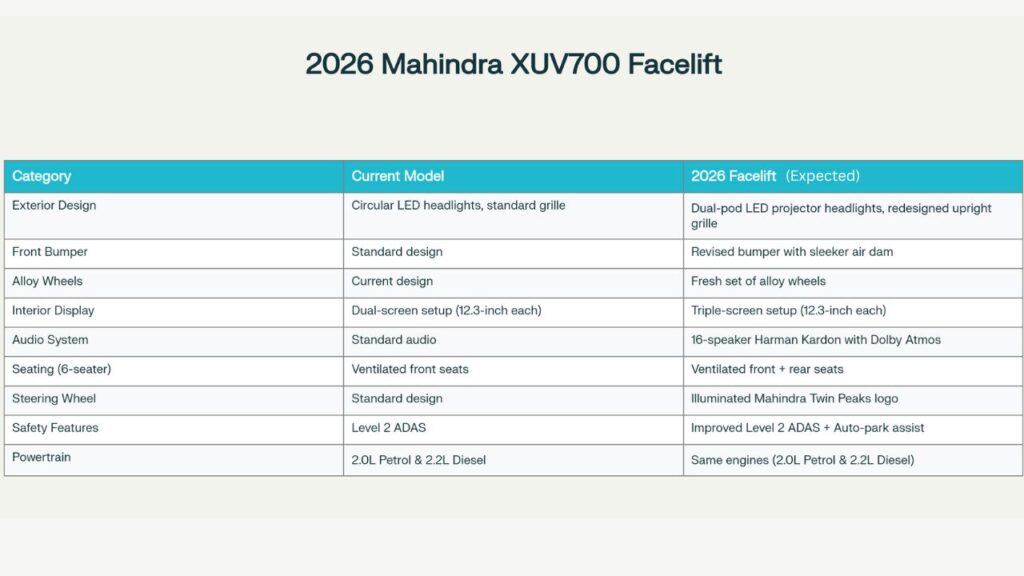
Mahindra XUV700 Facelift 2026 vs Current Model

Mahindra XUV700 Facelift 2026 vs Current Model – (Expected) Key Updates Comparison

Rear End : The rear receives minor changes that includes a new LED lightbar and restyled bumper. The dual tail light set up with vertical extensions mounted on both sides is also said to modernize its looks. 

Interior Features

It’s the interior of the new XUV700 that truly sizzles. Mahindra is bringing certain features from its electric SUVs to enhance the premium feel of the cabin and make it more tech-forward.

Triple Screen Setup: The transformed triple-screen dashboard setup, inspired by the Mahindra XEV 9e, is the most significant change in the interior. The instrument cluster, the infotainment screen, and the co-passenger entertainment screen – all three are 12.3 inches in size. This is the kind of arrangement you usually find in far more expensive SUVs, and it just adds to the value of the XUV700.​

Premium Audio System: The existing unit already a treat to ears but the 2026 gets premium 16-speaker Harman Kardon audio system with Dolby Atmos. This is the same audio system available in Mahindra’s EVs and will give you film-quality audio inside your SUV.​

Comfort Features: The 6-seater model would now receive rear ventilated seats in the second row, ideal for Indian summers. The revised version also introduces an auto-dimming internal rear-view mirror in the XUV700. You will also find one more wireless phone charger, so as you and your partner keep your phones charged on road trips. 

Steering Wheel: The steering wheel now sports an illuminated Mahindra Twin Peaks logo for a premium feel when you get in at night.​

Advanced Safety Tech: Among the most-discussed features is the auto-park assist feature, which can park the car itself in a tight spot —a high-end luxury car feature until now. 

Technology & Safety

Apart from the screens and the sound system, the facelift also makes the XUV700 smarter. The Level 2 ADAS (Advanced Driver Assistance System) will be enhanced with more functions and better performance. A digital key feature will enable you to unlock and start your car from your smartphone.​

Other anticipated technology upgrades include upgraded connected car features and a refreshed infotainment system with more touchscreen-based controls. Rear sun blinds and ambient lighting throughout the cabin which help to create a more premium feeling. 

Same Powerful Engines

Here’s the thing about the facelift — the engines remain the same because they’re already great. The XUV700 will get two power options.​

The 2.0-litre turbo Petrol engine is capable of producing 197 bhp @ 5,000 rpm and 380 Nm of torque between 1,750 and 3,000 rpm. Then there’s the 2.2-litre diesel, which delivers an economical punch for the purists. 

Either a 6-speed manual or 6-speed automatic gearbox can be had for both engines. So no mechanical changes just the engines that have been excellent in terms of reliability and performance. 

What Stays the Same?

The XUV700 facelift is packed with the features that already have you hooked. This includes the panoramic roof, 360-degree camera, ventilated front seats, dual-zone air conditioning, electronic parking brake and tire pressure monitoring system. You can still opt between the 6-seater and 7-seater variants. 

When Can You Buy It?

The update is said to come in 2026. Although the release date has not been confirmed, Mahindra is already shuttling the vehicle on roads in India, meaning that an official unveiling is drawing nearer. 

Conclusion

The Mahindra XUV700 facelift 2026 is turning out to be an impressive midcycle update that the manufacturer planned to bring to the buyers, including more features, better tech and an all-new look. It’s not an all-new design, which is good news, because customers already love the shape of the current XUV700’s body. Instead, it’s a smart refresh that transfers features from luxury cars and electric vehicles to this beloved SUV.

If you’re in the market for a mid-size SUV and can hold on a few months, wait for the 2026 refresh. Mahindra has undoubtedly heard the customers desires and has brought forth an update that emanates an improved comfort, more tech, a more premium feel—all with the same reliable engines and practical design that made the XUV700 such a hit. 

0

Top 10 Cars in the Virat Kohli Car Collection That Define Luxury in 2026

Published Jun 6, 2025, 12:08 PM
Last Updated Apr 22, 2026, 11:28 AM

Top 10 Cars in the Virat Kohli Car Collection That Define Luxury in 2025

Virat Kohli is not just an elite cricketer. He is also a car lover. One Indian celebrity whose car collection is most sought after is Virat Kohli. If you are anything like me and like reading about expensive cars, you will be down with this. There are fast, powerful, very expensive cars all over his garage. Each car shows his passion for style, speed, and a comfortable driving experience.
Let’s explore the top 10 cars in his collection and what makes them special.

Audi R8 V10 Plus

Audi R8 V10 Plus

Image Credit: Audi

If I were to select the sportiest car from your garage, I would go for the Audi R8 V10 Plus. It’s driven by a 5.2-liter V10 engine that generates 610 horsepower. This beast jumps from 0 to 100 km/h in 3.2 seconds. That’s quicker than most supercars. It’s sharp and it’s fast and it feels like a race car on the street. This outfit is as good as it gets in the high-end garages and becomes a perfect addition to Virat Kohli car collection.

Bentley Continental GT

Bentley Continental GT

Image Credit: Bentley Motors

You know how a few cars make you feel rich the moment you sit in them? That’s the Bentley Continental GT. That power comes from a 6.0-liter W12 engine that delivers 626 horsepower. It’s not only powerful; it’s smooth and quiet as well. On the inside: hand-stitched leather, polished wood. This is the luxury car Virat goes to when he wants a quiet, luxury drive. You’ll fall in love with it’s comfort this season.

Lamborghini Aventador S

Lamborghini Aventador S

Image Credit: Automobili Lamborghini

Virat’s Lamborghini Aventador S’ has a massive 6.5-liter V12 engine. It pushes out 730 horsepower. The car does 0-100km/h in 2.9 seconds. That’s a rollercoaster on wheels! The sharp lines, scissor doors, and thunderous engine make it the most dramatic car in the Virat Kohli car collection. If you ever encounter one on the road, you’ll understand why it’s special.

Range Rover Vogue

Range Rover Vogue

Image Credit: YouTube

Something more practical to discuss. The Range Rover Vogue is a high-end SUV. It’s got a 5.0-liter V8 engine, and it can eat up rough roads. This SUV is Virat’s favorite when he needs some off-road power and Comfort. The seats are super comfortable, and the tech inside is first-rate. You can roll it on a family excursion or even over mountains. 

BMW M5

BMW M5

Image Credit: BMW

The BMW M5 is based on the tried-and-true formula for those who want a sports car when the kids aren’t in the car and a family sedan when it’s time to take them to school. It’s equipped with a 4.4-liter twin-turbo V8 engine that produces 600 horsepower. It resembles a BMW just as you might expect, but you step on the pedal and away it goes. 

I like the idea of this car, balancing speed and style. Virat must enjoy this one of his when he feels like doing a quick and easy ride. It is a good selection for any automotive enthusiast.

Porsche 911 Turbo S

Porsche 911 Turbo S

Image Credit: Porsche

Here’s another that many sports car fans love. The Porsche 911 Turbo S runs on a 3.8-liter twin-turbo flat-six engine that delivers thrilling performance. It produces 640 horsepower. It’s fast, light, and wicked sharp in the corners. If I had to pick one car from Virat’s stable to drive on a racetrack, this would be it. You’ll feel it in action when you’re driving.

Mercedes-Benz GLS 63 AMG

Mercedes-Benz GLS 63 AMG

Image Credit: YouTube

This full-size SUV is a king of muscle and luxury. The GLS 63 AMG packs a 4.0-liter V8 biturbo engine that delivers an impressive 603 horsepower. It comes with seven seats and plenty of room inside. When Virat takes his extended family for a drive, this car offers him everything — speed, space, luxury. The suspension is amazing, you think it’s bumpy on the street?” I also love how it combines performance and comfort in one neat bundle.

Ferrari 488 GTB 

Ferrari 488 GTB 

Image Credit: Ferrari

Ferrari always equals speed, right? The 488 GTB is powered by a 3.9-liter twin-turbo V8 with 661 horsepower. It’s crazy light and super fast.” The car can accelerate from 0 to 100 km/h in roughly 3 seconds. Its styling is the sleek sporty sporty-looking one too. This is a car that is suited to the audacious nature of Virat. If you like sexy moves on wheels, the Ferrari is worth lusting over.

Land Rover Defender

Land Rover Defender

Image Credit: Land Rover

Now here’s a car for real adventures. The Land Rover Defender is not your average luxury car. It’s rugged, bold, and built to handle the toughest and most challenging terrain with ease. It’s powered by a 3.0-liter inline 6 engine, and can go through water, rocks, and sand without a hassle. If I were going to design the little road trip through the wilderness I have planned, this is the one I’d take. It adds a pragmatic core to Virat’s lineup and proves that style can be rough, too.

Aston Martin DB11

Aston Martin DB11

Image Credit: Aston Martin

Lastly, the Aston Martin DB11 is all about sleek style, bold looks, and pure elegance. It is powered by a 5.2-liter twin-turbo V12 engine rated at 630 horsepower. Style: The style is sleek and elegant. It’s the sort of car James Bond would drive — and Virat as well. Inside, you’ll find premium leather, attractive controls, and the latest tech. If you’re a connoisseur of performance and pure class of the mixed variety, you’re gonna love this one.

Final Thoughts

So now you know all about the top 10 cars in Virat Kohli’s car collection, right? Each offers something unique, be it outright bonkers speed, the ultimate in luxury, or performance. It’s clear from Virat’s car choices that he has a strong love for powerful machines and impressive engineering. He is the owner of some of the world’s best cars, from Ferraris to Land Rovers.


0

How Often Should You Change Oil in Your Car? What Actually Matters in India

Change Oil in Your Car

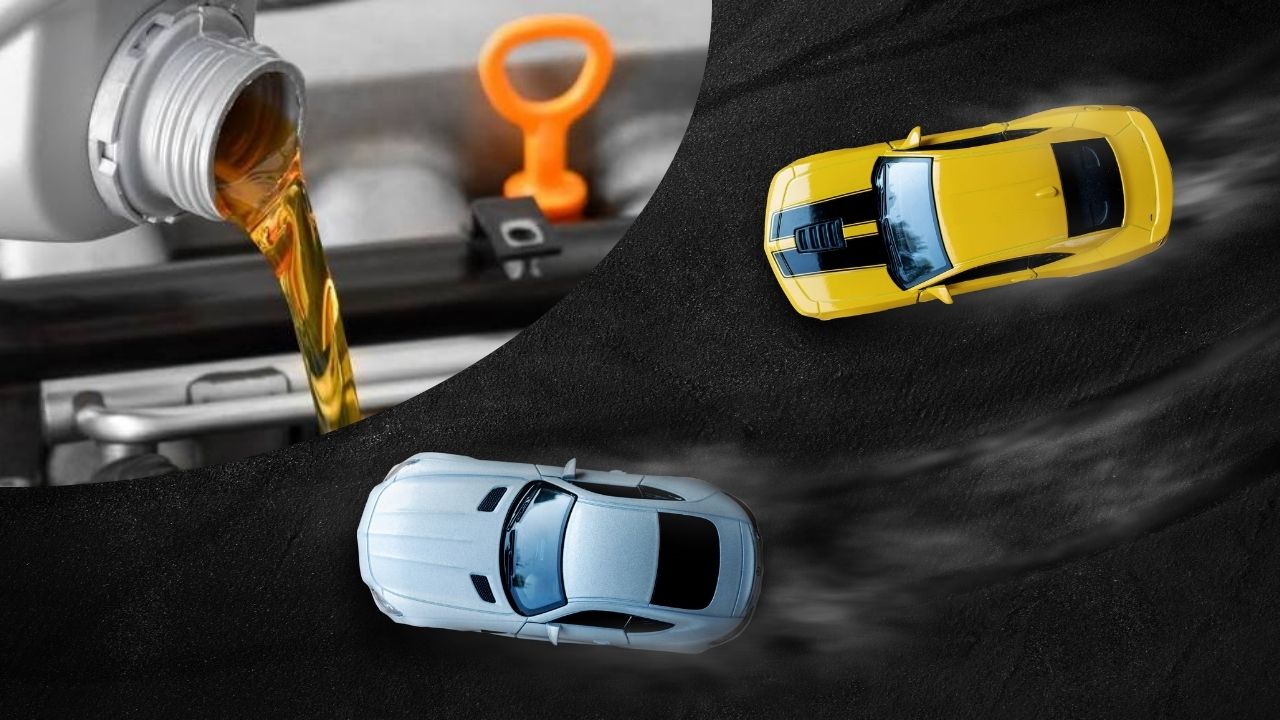
Your Swift covers 9,000 km and the service centre calls. Your neighbour is a strong believer in the “every 5,000 km no exceptions” rule as his father has been following since 1998. Your mechanic insists on seeing you every three months no matter what your owner’s manual says. None of the three are infallible, and How Often Should You Change Oil in Your Car is determined less by a fixed number and more by three things: what oil is currently in your engine, what kind of driving you really do, and how honest you’re willing to be about both. 

The Manufacturer’s Number Is a Starting Point, Not the Answer

Every car sold in India comes with a service booklet that lists an interval — usually tied to kilometres or months, whichever arrives first. That number assumes “normal” driving conditions as defined in a lab, not a Bengaluru signal-to-signal commute or a Delhi summer where cabin AC runs eight hours a day. 

Here Major brands currently stand On How Often Should You Change Oil in Your Car:

Brand / Segment Standard Interval
Maruti Suzuki (most models) 10,000 km or 12 months
Hyundai, Kia, Honda, Toyota, Mahindra 10,000 km or 12 months
Tata Motors (Punch, Nexon, Altroz) 15,000 km or 12 months
Volkswagen, Skoda 15,000 km or 12 months

If your vehicle is more than ten years old and it’s still on the old mineral oil era schedule, don’t assume it followed the newer 10,000 km norm, check your actual booklet for the year of your model. Take the precedent of the old Maruti 800s and early Zens, they used to get 5,000 km services because that’s all the mineral oil of that time could take before breaking down. 

The Oil Grade Changes the Number More Than the Car Does

This is the part that most owners skip over. The interval on your service sticker assumes a particular oil grade, and changing that grade alters the actual oil life: 

Change Oil in Your Car

  • The mineral oil is the most economical, priced around ₹280–380 per litre, and it also oxidises the fastest — most mechanics will still tell you to change it every 5,000–8,000 km no matter what a new manual says, because the base stock just doesn’t hold up longer than that. 
  • The semi-synthetic oil, available at a price of ₹420-550 per litre, splits the difference and can be used for 8,000-10,000 km. 
  • Full synthetic, which costs ₹650-900 a litre, is undoubtedly what allows modern engines to go 10,000-15,000 km between oil changes – the additive package survives thermal breakdown long enough to justify the premium cost. 

So if your car’s manual says 15,000 km but your mechanic filled your car up with a mineral oil last visit because that was the cheapest or is the one he has in stock, you are not really on a 15,000 km schedule anymore. You’re on whatever that oil can last, which is more like one third that distance. 

Why Indian Roads Push Every Interval Downward

Manufacturer intervals are written for “normal” use. Most Indian driving qualifies as “severe” use without the owner realising it — and severe-use schedules are usually 20–30% shorter than the standard ones printed in bold on the first page of the manual. 

Three conditions push you into that category almost automatically here: stop-and-go traffic in cities like Mumbai, Bengaluru, and Delhi NCR, where the engine idles more than it cruises; sustained heat above 40°C through summer months, which accelerates oil oxidation; and short trips under 15–20 minutes that never let the engine reach full operating temperature, so moisture and fuel residue never burn off properly. 

If two or more of these describe your daily driving, treat the printed interval as an outer limit, not a target — and lean toward the shorter end of whatever range your oil grade allows.

Read More:-  How Often Should You Service Your Car? | Complete Maintenance Guide

What Skipping a Change Actually Costs

A straightforward, on-schedule oil change in India runs about ₹2,500–4,500, oil and labour included. That number looks easy to postpone when the car “feels fine.” 

It stops looking easy once you see the other side of the ledger: a Swift owner who pushed one scheduled change from 30,000 km out to 45,000 km ended up facing ₹8,000–18,000 in cleaning and repair work from the sludge that built up in the meantime. Push it further and you’re looking at ₹15,000–40,000 in ring wear, bearing damage, or worse — four to nine times what the change itself would have cost. 

Engine oil in an Indian car is doing three jobs at once: lubricating, cooling, and carrying away contamination. Once it’s saturated with carbon and moisture, it stops doing all three, and the damage compounds quietly until something expensive fails.

Signs Your Oil Needs Changing Before the Odometer Tells You

Kilometres aren’t the only trigger if you are looking for How Often Should You Change Oil in Your Car. A car that’s driven rarely, under 3,000–4,000 km a year still needs an annual oil change even if it never comes close to the km limit, because oil oxidises with time and moisture exposure regardless of use. 

Change Oil in Your Car

Watch for oil that’s gone dark and gritty rather than amber and clear on the dipstick, a burnt smell inside the cabin, a noticeably rougher idle, or the oil warning light itself — none of these should be treated as optional information to act on “next weekend.”

The Practical Rule On How Often Should You Change Oil in Your Car?

Follow your manual’s kilometre or month interval, whichever comes first — but only if you’re certain the oil in your engine matches the grade that interval was written for. If you’re not sure what’s currently in the sump, or your driving is mostly city stop-and-go, shave 15–20% off the printed number and go with full synthetic if your budget allows it; the extra ₹1,000–1,500 per change is cheaper than one skipped interval turning into a repair bill. 

When in doubt, ask your service centre to show you the actual oil grade on the invoice, not just tick a box that says “oil changed.”

Read More:- How to Check Tire Pressure Correctly: Guide For Car Owners

Conclusion 

How Often Should You Change Oil in Your Car, depends on many factors, so there is no single perfect answer. The appropriate interval will vary based on the oil being used, how you drive and the conditions to which your vehicle is subjected daily. Although the owner’s manual is the best place to start, stop-and-go city traffic, short trips, extreme heat and using a lesser-quality oil can all shorten the life of the oil. 

The best policy is to follow the recommended service intervals, use the right oil grade, and adjust the interval if your driving conditions are “severe”. Spending a few thousand on timely oil changes is way cheaper than spending big money on engine repairs later. 

A modest routine of checking your oil level, verifying the oil grade at each service, and not putting off scheduled changes will help ensure a long-running, happy engine. 

0

JLR Landing a Land Rover Defender Pickup Truck In US 

Land Rover Defender Pickup Truck

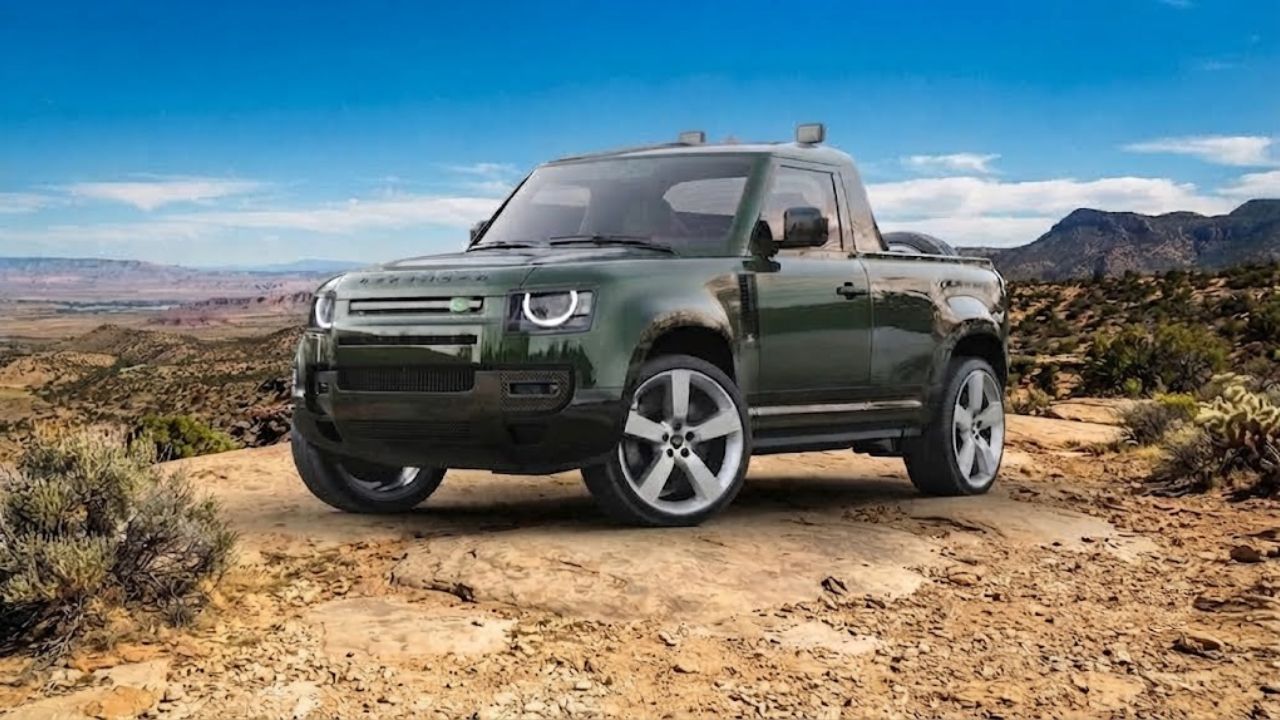
For years, Defender fans have asked why Land Rover keeps teasing a pickup version and never builds one. Now, Jaguar Land Rover (JLR) is working with Stellantis to build a Land Rover Defender pickup truck in the United States — and the reason has less to do with off-road capability and more to do with import tariffs.

The specifications are still not confirmed. This is the first product of collaboration so expecting great tech and reliability of a pickup truck is the first thing to think about.

The Official Agreement Between JLR and Stellantis on Product Development

Back in May 2026, JLR and Stellantis signed a non-binding memorandum of understanding (MoU) to “explore opportunities to collaborate on product development” in the US, along with shared manufacturing capacity. At the time, neither company named a specific vehicle.

That changed in September 2026, when Automotive News reported that the first product out of this alliance would be a Land Rover Defender pickup truck built for the US market. JLR’s Chief Financial Officer, Richard Molyneux, confirmed on an earnings call that the two companies intend to finalize the broader agreement by the end of 2026. JLR’s CEO, PB Balaji, has separately said the goal is to grow JLR’s US business to eventually match the size of its entire global business — a genuinely ambitious target.

JLR and Stellantis

Stellantis has acknowledged joint discussions are underway, but neither company has publicly confirmed “pickup truck” as the specific output. 

Why Land Rover Defender Pickup Truck Has to Be Built in America

This is really a tariff story wearing a product story’s clothes.

Every Defender sold in the US today — the 90, 110, and 130 — ships in from JLR’s plant in Nitra, Slovakia. Passenger vehicles built in the UK and EU already face added US import tariffs. But trucks get hit worse: American light trucks and pickups imported from abroad face the 25% “Chicken Tax,” a tariff that’s been on the books since the 1960s and makes shipping a European-built truck to the US financially unworkable.

Building the pickup on US soil with Stellantis sidesteps that tariff entirely. North America now accounts for roughly 30% of JLR’s global sales, while China — once its biggest market — has fallen to under 7%. A pickup built for Americans, by an American-based partner, is JLR reading the room.

If it happens, it would also mark JLR’s first vehicle assembly in the US, and the first Land Rover-badged pickup sold there since British Leyland shipped over Series I and Series II trucks in the 1960s and early ’70s.

Read More 👉  This Used Luxury Car Costs the Same as a Top-Spec Maruti Fronx

The Engineering Behind Defender

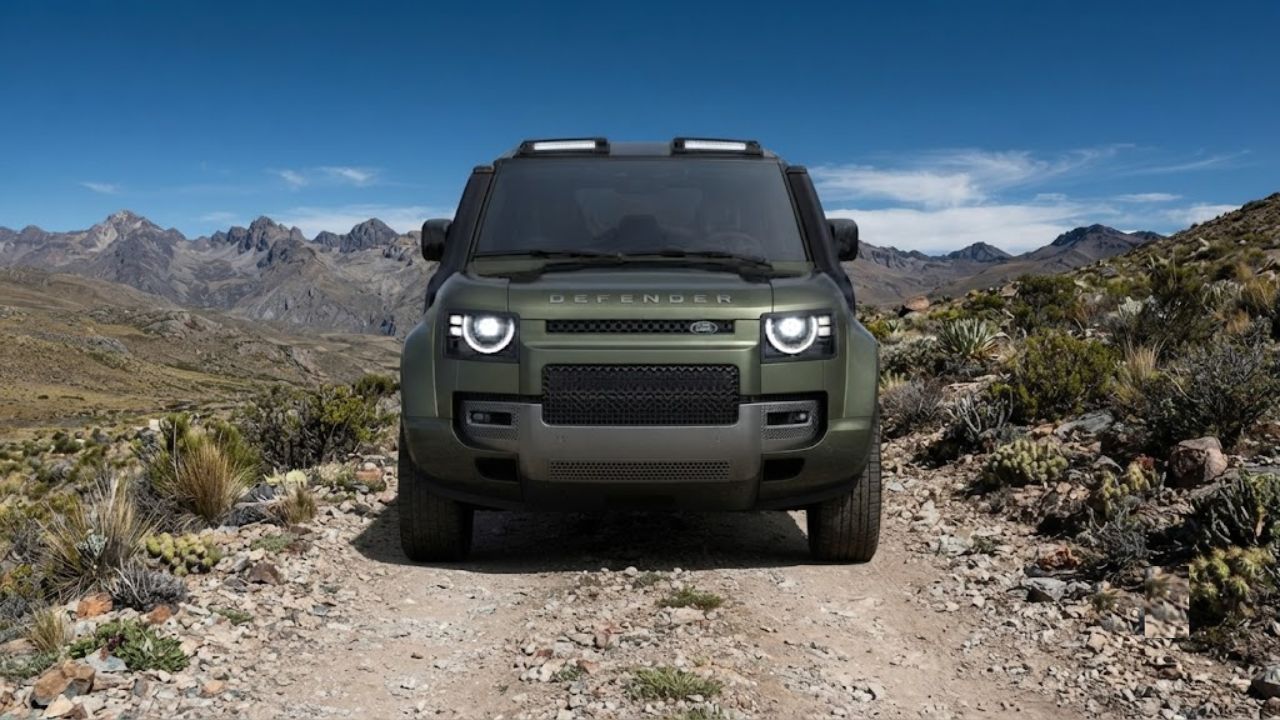
The current Defender is a unibody vehicle. Stellantis’s American trucks — the Ram 1500, Ram Heavy Duty, and Jeep Gladiator — are body-on-frame. Those are different structural philosophies, and no one has said which way a Defender pickup would go. 

Land Rover Defender

Stellantis does have unibody experience through the Jeep Grand Cherokee and Dodge Durango, so a unibody truck isn’t off the table, but it’s not confirmed either.

Powertrain is just as open. Shipping Defender’s European engines to the US would trigger its own tariffs, but slotting in an off-the-shelf Stellantis engine might not fit a vehicle Land Rover wants to sell at premium prices. 

Size, trim strategy, launch year, and pricing haven’t been disclosed by either company. Any number you see for engine output, mileage, or price right now is a guess dressed up as a leak.

Land Rover Defender Pickup Truck Rivals Already In The Market

The Ineos Grenadier Quartermaster as the closest natural rival — a body-on-frame, old-school off-roader with genuine pickup credibility and a similar niche, premium-utility positioning. The Jeep Gladiator gets the hook too, though as a lower-priced, less luxury-focused alternative rather than a direct match.

Beyond that, a Defender pickup would land in the same rarefied air as loaded trim levels of the Ford F-150 Platinum and GMC Sierra Denali — trucks that compete less on payload bragging rights and more on cabin quality and brand cachet. If JLR positions this as a genuine luxury pickup rather than a rebadged Stellantis product, that’s the shelf it’s aiming for.

Read More 👉 Get New Maruti Premium Hatchback at Lower Price

Expected Specification and Size of Land Rover Defender Pickup Truck 

Land Rover Defender Pickup are using the Defender 110 as the donor vehicle since it’s the volume model closest to a crew-cab truck’s proportions. The current Defender 110 measures around 5,018mm in length including the rear-mounted spare wheel and uses a 3,022mm wheelbase. The most-floated build approach isn’t a clean-sheet truck at all — it would keep the 110’s front section, four doors and five-seat cabin, and simply replace the rear luggage compartment with an open load bed. 

Land Rover Defender

Unlike traditional pickups, the Defender uses JLR’s aluminium D7x monocoque architecture rather than a separate ladder-frame chassis. Stellantis’s US trucks (Ram 1500, Ram HD, Gladiator) are body-on-frame. But still it’s unconfirmed.

The current lineup runs from a 296-hp turbocharged four-cylinder to a 626-hp twin-turbo V8, but European-built JLR engines would face import tariffs if shipped over for US assembly. An off-the-shelf Stellantis engine dodges that, but risks feeling wrong in a truck JLR wants to price at a premium. 

Read More 👉 BMW i5 LWB On Road Price Is Lower Than What Buyers Expected

Conclusion

If the deal is finalized by the end of 2026 as JLR’s CFO suggested, the realistic next milestone to watch for is an official confirmation of the vehicle itself. Concept reveals, platform confirmations, and pricing typically trail an MoU finalization by a year or more in projects like this.

For now, JLR wants an American-built Land Rover Defender Pickup Truck badly enough to partner with a rival automaker to get around a 60-year-old tariff law. Everything past that — what it looks like, what it costs, whether it ever reaches a market outside the US is still an open question.