0

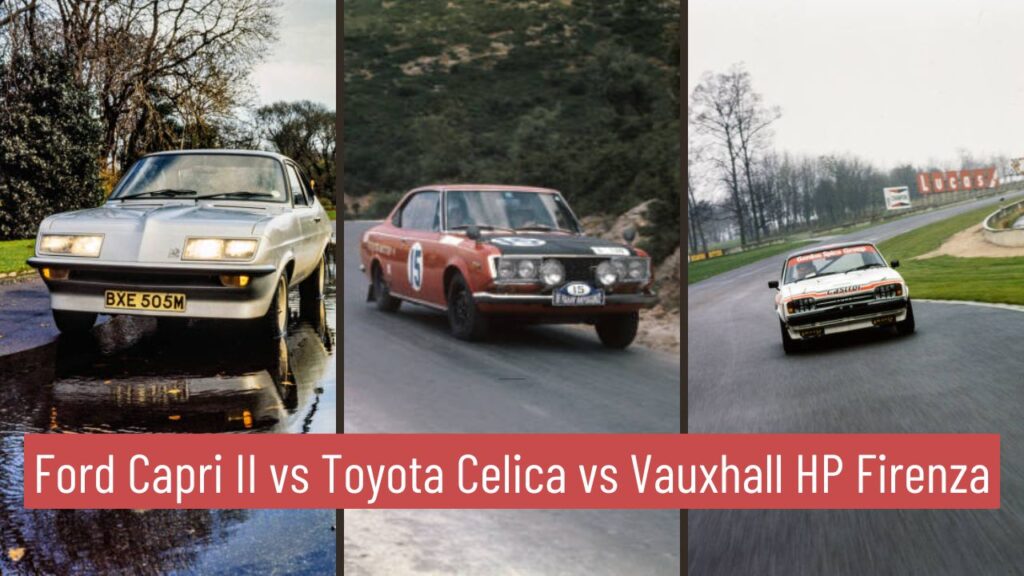
Ford Capri II vs Toyota Celica vs Vauxhall HP Firenza: The Global Decade of Style

Ford Capri II vs Toyota Celica vs Vauxhall HP Firenza

The 70s were a turning point in car history: a decade shaped by global financial turmoil and the mass popularization of sporty styling. The ground was laid years before in the US with the introduction of the Ford Mustang in 1964, a car that demonstrated that performance imagery could be married with an affordable price tag and based on an economy car platform, namely, the utilitarian Ford Falcon. This “pony car” formula – long hood, short rear deck, four seat interior and a plethora of options – was an instant hit with car buyers around the world. 

The vehicles including the Ford Capri II, Vauxhall HP Firenza and 1st Gen Toyota Celica were born out of this post-Mustang era, and yet each is a distinctly different approach to the budget coupé ideology. 

Ford Capri II
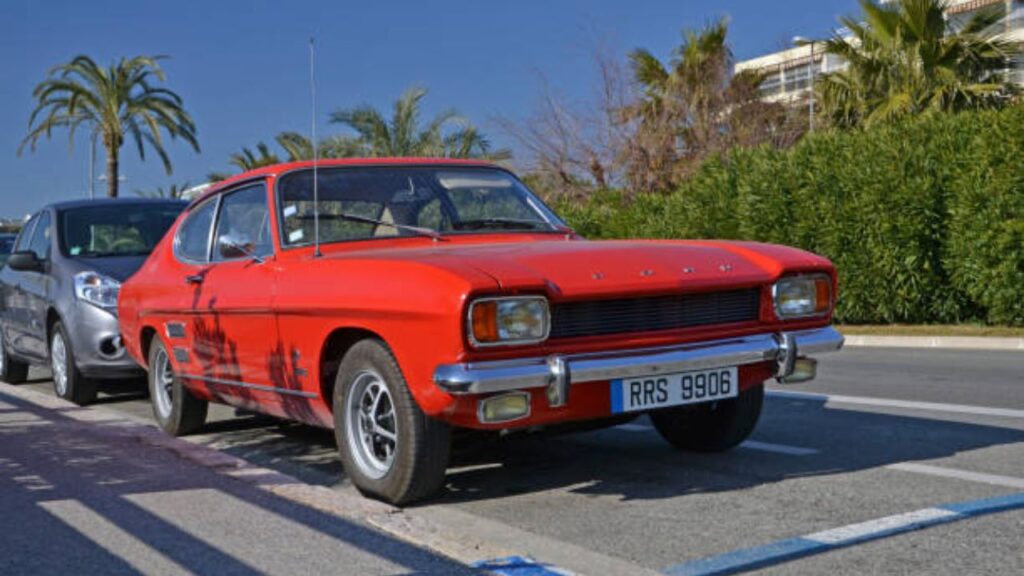
Ford Capri II

The Capri II was a natural progression for Ford’s European pony car. Production started mainly in the United Kingdom (Dagenham, Halewood) and Europe (Genk, Belgium, and Saarlouis, Germany). the Mk2 softened the aggressive lines of its predecessor, with a more modern and friendlier look featuring “softer lines and larger headlights.” 

Engineering and Accessibility

The Capri II was ultimately successful because of its versatility and availability. Ford stuck to its guns with the philosophy of serving every pocket by the simple offering of a variety of engines in one simple layout – front-engine, rear-wheel drive (FR). For the budget-conscious buyer, the car had the I-4 1.6L (1,599cc) that delivered a meager 64 horsepower and produced 0-100 kph times in the 16-seconds ballpark. A somewhat more balanced choice was the 2.0L Inline-Four Pinto, making around 98 bhp and bringing 0-60 mph down to near 10 seconds. Up top, there was the potent V6 3.0L engine. 

That philosophy meant the car stayed true to its “style on a budget” directive, as evidenced by the original 1974 UK price list, where a Capri Mk2 1600L began from a very reachable £1,668. 

Read More:- Range Rover Reaches New Heights with the Astronaut Edition

Driving Experience and Legacy

Drivers had good things to say about the Capri interior design, in particular the full complement of dials and the long bonnet which immediately made you feel as though you were driving a bona fide sports car. Controls were said to be both light and direct. 31 Although some contemporary reviewers noted problems such as poor reliability of new cars and dubious safety standards, 32 present day enthusiasts often describe the V6 models as being very “reliable, cheap to run”, a consequence of the car’s mass production and the resulting availability of parts.

The straight-six engine, especially in the later 2.8i injection versions, had a “great sound from the engine and exhaust”. This full-bodied, Falstaffian wuffle supplied the required drama for the ears to complement the visual attack, and proved that the quintessential V6 exhaust note was the key to a car that could rise above its budget-based mechanics and inscribe itself as an enduring icon of nostalgia. 

The Contradiction in Current Value
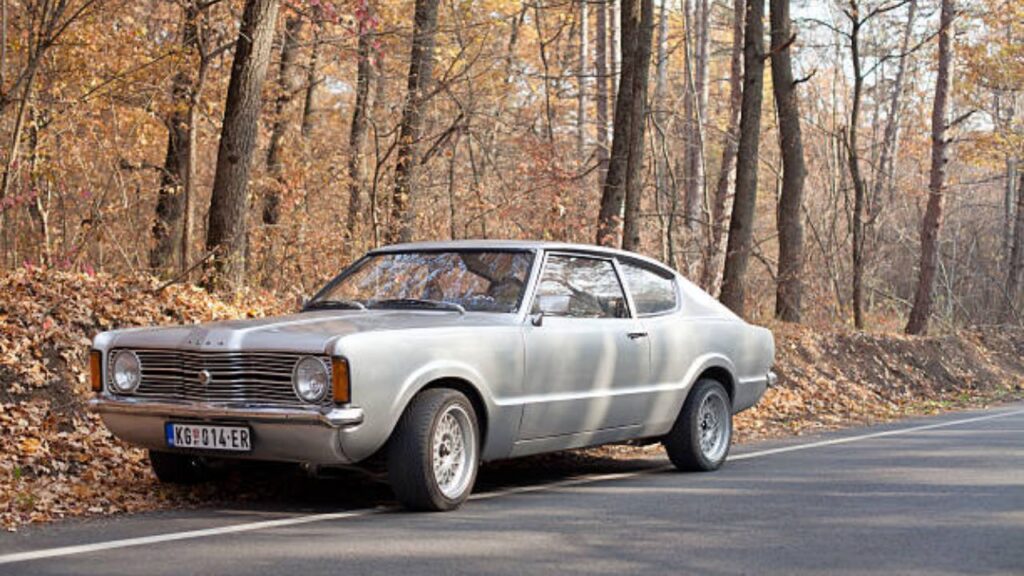
Ford Capri II Current Value

The Capri II was intended to be throwaway and to appeal to a broad demographic, but its current place as a sought-after classic reveals an important market dynamic. A couple of million Capris were sold between 1969 and 1986, but clean ones with high specs have turned up as rare gems. Because the Capri was so common, and was often driven as a cheap daily used in its second life as a track toy, real-money originals in “Original & Highly Original” condition really do command serious prize money. For example a mint condition 1970 Capri has been estimated at over £40,000. 

Vauxhall HP Firenza ‘Droopsnoot’
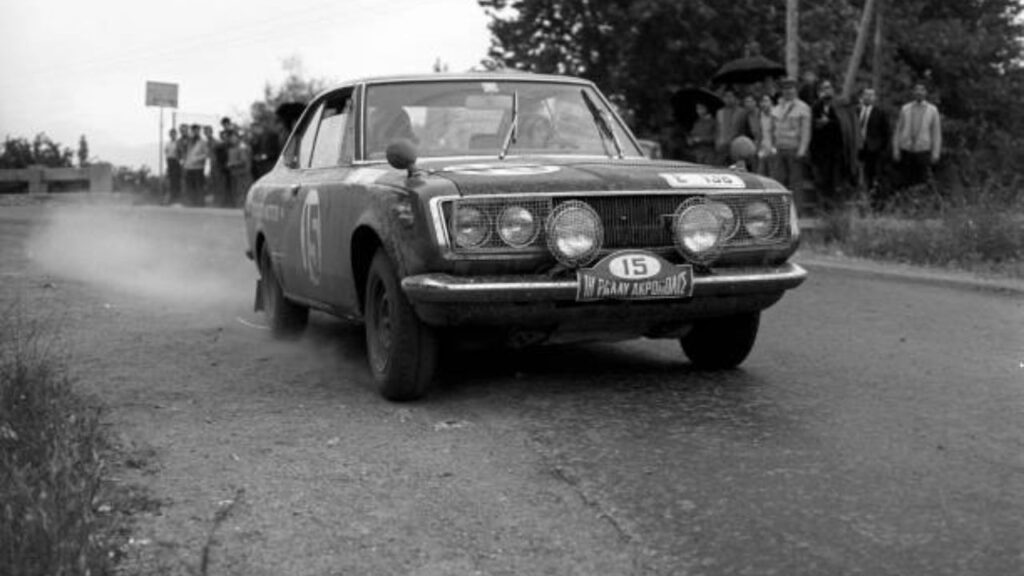
Vauxhall HP Firenza 'Droopsnoot'

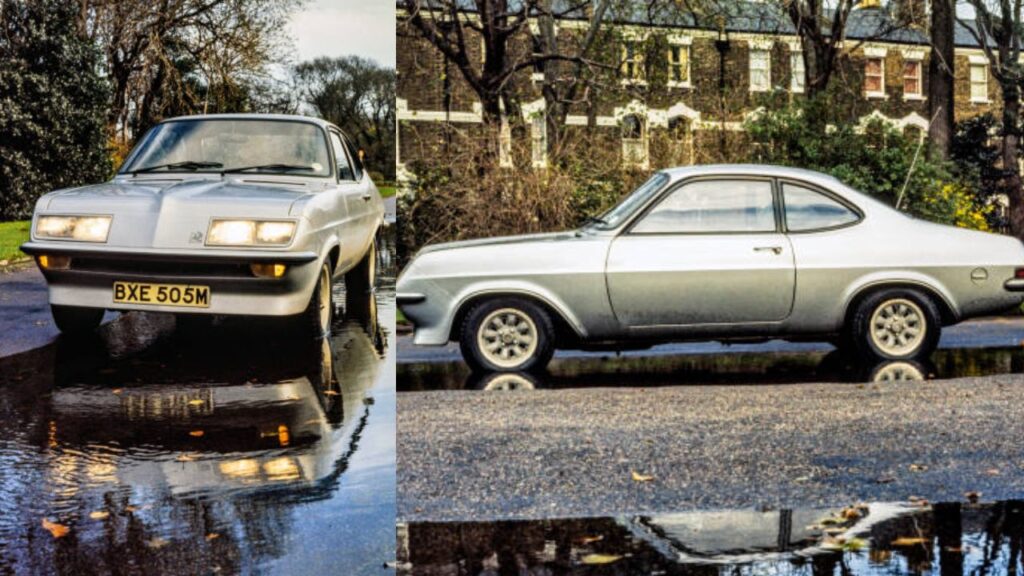
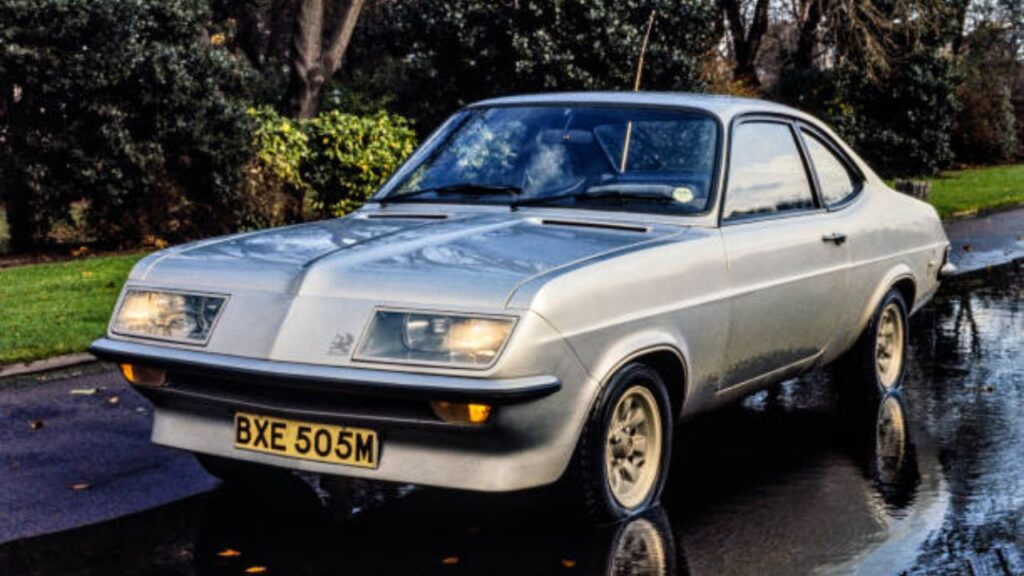
The Vauxhall Firenza, was originally launched in 1971 as a sporty two-door fastback coupé based on the lowly Viva. But that was about to change in 1973 when General Motors stylist Wayne Cherry took a radical departure from the norm with the Firenza HP (High Performance), a motorsport homologation special. 

Radical Styling and Advanced Engineering

The HP’s signature feature was its slick fibreglass nose cone, which let to the car being known as the ‘Droopsnoot’. This was no mere styling exercise – the shape was designed to be as aerodynamic as possible and helped the car reach a top speed of more than 120 mph. The distinct nose has double headlights taken from the Renault Alpine A310. And to tie up the aggressive look Vauxhall used matt-black trim rather than chrome and some Avon Safety wheels. Every single HP was finished in the distinctive Silver Starfire metallic paint. 

The HP was powered by a 2279cc OHC slant-four engine, which had been the subject of extensive performance tuning by Bill Blydenstein. This involved following a similar procedure to that used on the combustion chambers, inlet tracts and valve throats, and yielded an additional 21 bhp over the standard powerplant. The result was 131 bhp , and a broad torque band so the car was easy to drive. And the HP was, in fact, the first Vauxhall to be fitted with a complex, close-ratio, dog leg five-speed Getrag manual gearbox. With its combination of light weight and superior transmission, the HP Firenza was also the Vauxhall with the best acceleration of its day, clocking from 0-60 mph in a blistering 7.6 seconds. 

Market Paradox
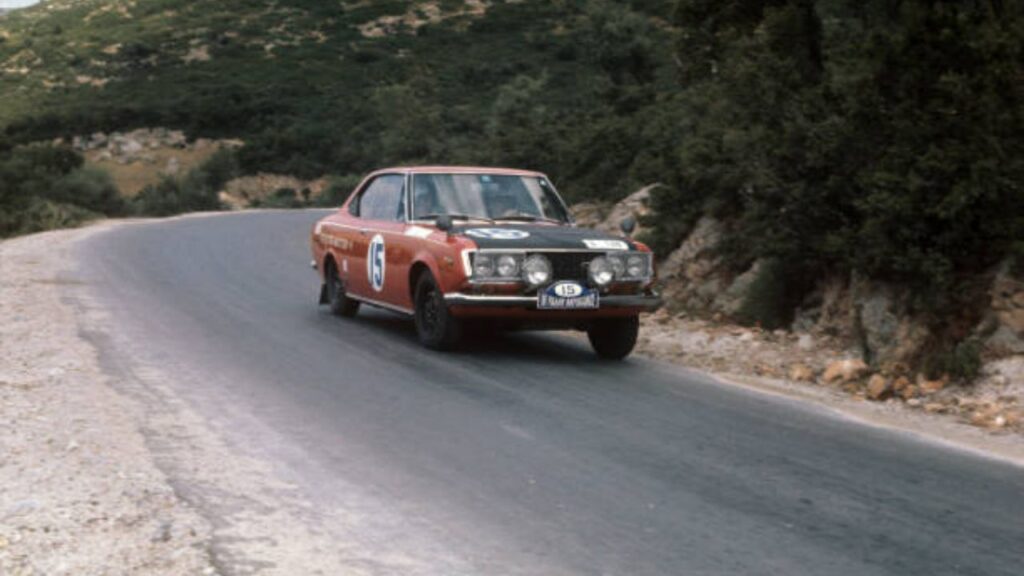
Vauxhall HP Firenza Market Paradox

This severe scarcity is what governs its place in the classic market.Although the HP Firenza enjoyed rarity and unquestionable motorsport credentials, its median value approximately £17,600 for a Firenza. Its scarcity does mean that there are occasional huge sales, with the highest price to the public being £47,700. 

Toyota Celica (1st Generation)
Toyota Celica

The Toyota Celica, which was introduced in December 1970, was the pioneer Japanese entry in the world pony car market. It was a 2+2 coupé based on a Carina platform and the styling was clearly inspired by the American versions. The Celica Liftback, especially, was so redolent of American fastback muscle that it gained the fond nicknames “Japanese Mustang” or “Mustang Celica”. This tribute featured such iconic elements including the triple bar tail lights, a signature design cue of the Mustang. 

Technological Sophistication and Dynamic Appeal

Although the regular Celica (ST grade) was dependable and fuel efficient, the performance versions had a considerable technological advantage over many of their European competitors. The top-of-the-line 2000 GT Liftback (RA25) used the DOHC (Double Overhead Camshaft) 18R-G Twincam engine, which had a cylinder head co-developed with Yamaha. This sophisticated engine was rated at 134 hp/145 bhp maximum power. 

The Reliability Paradox 
The Reliability Paradox

the Celica was known for its inherent reliability and ease of repair, which made it very popular amongst modifiers and “boy racers” in the Asian markets. But this mechanical excellence was frequently paired with a catastrophic manufacturing gaffe that was endemic to Japanese exports in the 1970s – inadequate body rustproofing. 

The current high average market prices for clean GT and Liftback models including GT averaging $22,334 and best examples fetching over $40,000. 

Head-to-Head Comparison of Ford Capri II vs Toyota Celica vs Vauxhall HP Firenza

Metric Ford Capri II Vauxhall HP Firenza Toyota Celica
Production Years 1974–1977 1973–1975  1970–1977
Engine Type I-4 / V6 I-4 OHC Slant-Four I-4 DOHC
Power  98 bhp (2.0L) – 158 hp (3.0L)  131 bhp 134–145 hp 
0-60 mph 10.0 s 7.6 s  N/A (Highly Competitive)
Transmission Feature Manual (4/5 speed) 5-speed ZF Manual (Dogleg) 4/5-speed Manual
Rear Suspension Live axle Live axle Four-link

The Price Valuation and Market Dynamics

Model Performance Production Original UK Price (Entry 1974) Current Average Classic Value Investment Profile
Ford Capri II High Volume 1,668$  $15,000-$40,000 Low Risk, High Liquidity, Nostalgia Driven
Vauxhall HP Firenza 204 units High Cost $17,600 High Risk, Scarcity Driven, Specialist Parts Required
Toyota Celica (1st Gen GT) Medium Volume N/A (Imported) $ 22,334 Medium Risk (Rust Filtered), High Growth (JDM Boom)

Who is The Winner?

Winner for Everyday Practicality and Accessibility: The Ford Capri II. Ford’s decision to make the hatchback standard and continue a massive parts supply ensured the car offered the best combination of sports styling and daily practicality. Capri is the quintessential choice for the nostalgic driver wanting an affordable and engaging ownership experience.

Winner for Performance Purity and Engineering Novelty: The Vauxhall HP Firenza ‘DroopSnoot’. Being Hone-d Fed with his advanced 5-speed dogleg gearbox Firenza HP was on Kaygonus the most uncompromising and technically advanced paper vehicle 7.6-second really rapid 0-60 mph timeengine and his hand-finishedI genuinelyhear that with itsIndeed the title of Wa Rally Car until brian nash Firenza fits that description far better than any other. Its defeat was solely in the market place and not product quality.

Winner for Global Style and Long-Term Reliability: Liftback and hardtop coupe versions from the 1st generation 1971 Toyota Celica 1st generation Liftback GT. The Celica neatly packaged the American pony car look into a refined, contemporary bolt-on DOHC technology style. Its mechanical strength is inherent and reliable so that you can have peace of mind today, but this must be tempered with the need to check its body due to processing faults during original manufacturing.  

Conclusion

The trio that dominated the 1970s budget coupé market – the Ford Capri II, the Vauxhall HP Firenza and the Toyota Celica – all made a highly specialised, but indelible, mark on motoring history. Their common objective was to offer performance style, at an attainable price point, but how that was achieved varied wildly – with very different current collector profiles. 

Sharey Khan

Sharey Khan is an IT entrepreneur and petrol head & a car enthusiast. With a special focus on car-related content, he combines his deep passion for vehicles with a talent for crafting informative, engaging, and easy-to-understand content. His writing is driven by a genuine love for cars and he is committed to providing readers with accurate, up-to-date, and trustworthy information that empowers smarter driving decisions. 

Leave a Reply

Your email address will not be published. Required fields are marked *

0

BYD Sealion 7 Prices in India: Expected Cost, Features & Launch Updates

Published Dec 3, 2025, 10:28 AM
Last Updated Apr 16, 2026, 11:22 AM

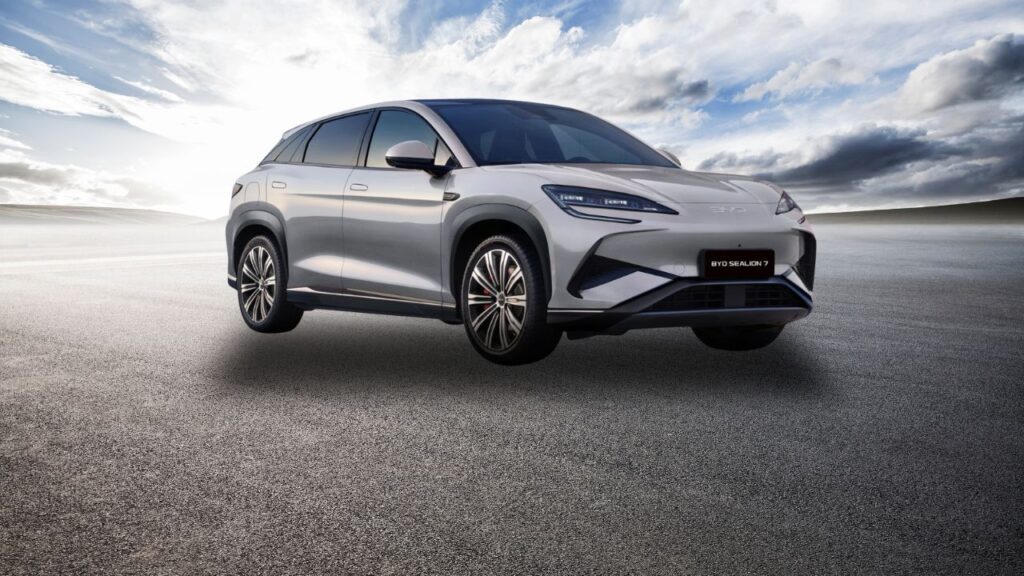
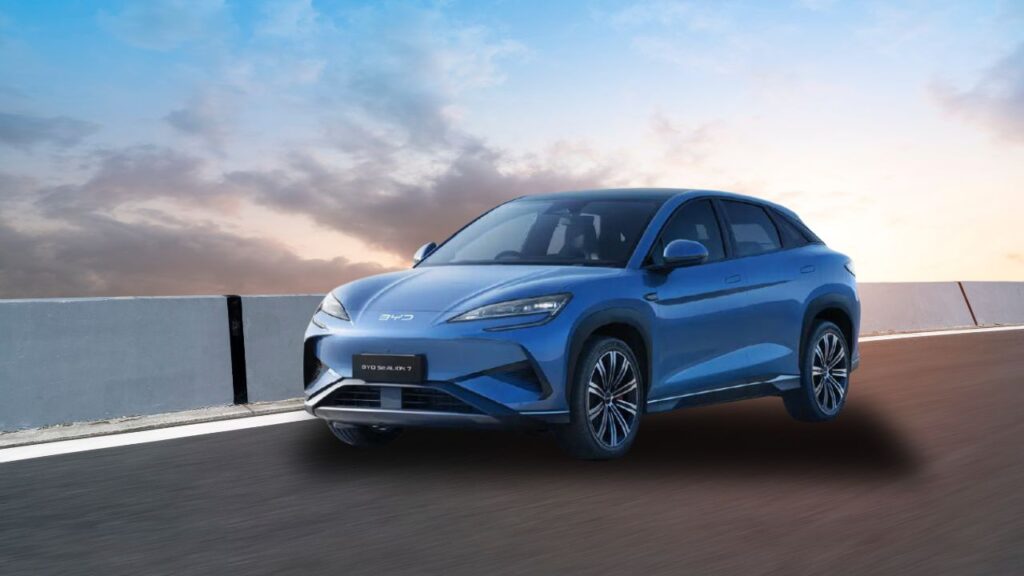
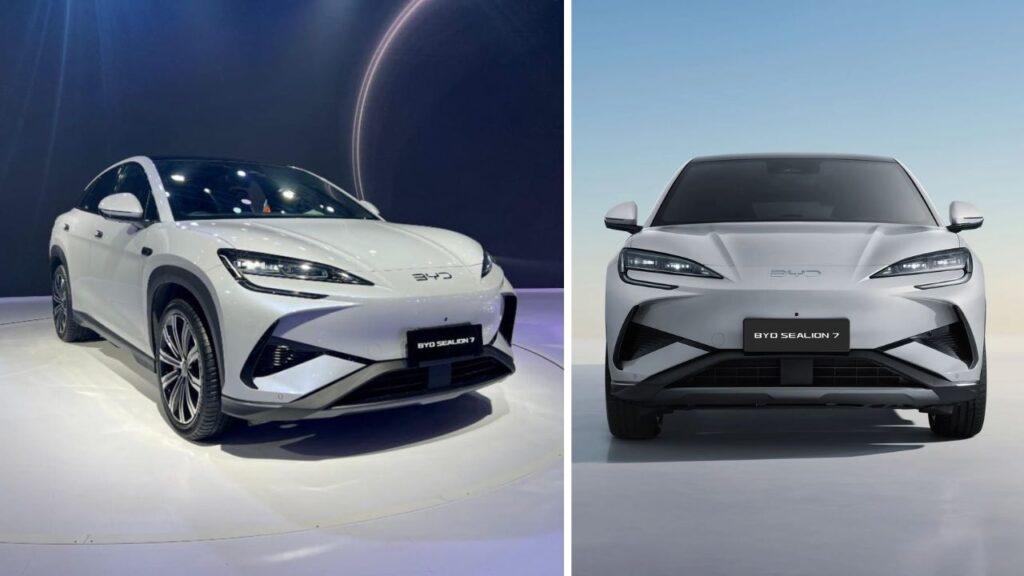
BYD Sealion 7

The Indian electric SUV market is getting competitive and BYD is going all out. If you have been watching the high-end EV scene, you may have come across the buzz about the BYD Sealion 7 and for good reason. The latest release of this Chinese automaker had already captured the attention of Indian car enthusiasts with its stylish appearance, outstanding technology and most affordable price. But here’s a crucial thing you need to know right now: starting January 2026, the prices will be increasing, so if you’re planning on getting one, your time might be running out. 

The Price Story: Lock in Now or Pay More Later

Currently, the BYD Sealion 7 is available in two variants with the following ex-showroom prices: The Premium variant is priced at Rs 48.90 lakh, and the Performance variant comes at Rs 54.90 lakh. Here is the important update — the prices are valid for customers who book the vehicle on or before 31 December 2025, as per an official statement from BYD. From 1 January 2026, the prices will be going up, but the exact amount of increase is unknown. If you are in the market for the SUV then you could save some money by booking before year-end. 

What is surprising? The Sealion 7 has already seen more than 2,000 units sold since the launch in February 2025, showing that Indian consumers are true fans of the BYD products. 

Understanding the Two Variants

It’s not only the price that you have to pay for the Premium over the Performance options. The Premium model runs on a rear-wheel-drive platform with a single electric motor which produces 313 PS and 380 Nm of torque. That equals 0-62 mph (100 km/h) from a standstill in 6.7 seconds and a claimed range of up to 567 km on one charge – ideal for long commutes without endless charging concerns. 

Understanding the Two Variants

The Performance model, however, is significantly more powerful with two motors and all-wheel drive. It packs 530 PS of power and 690 Nm of torque, and does the 0-100 km/h run in 4.5 seconds. The sacrifice? 542 km of range is just a little less – but really for most city-based driving that’s more than sufficient.​

Both models come with a common power source in the 82.56 kWh Blade Battery which BYD uses as its own patented lithium iron phosphate (LFP) technology. This battery allows for ultra-fast DC charging at a rate of 230 kW, leading to a charge from 10 to 80 percent in 32 minutes. Just think about it — squeezing in enough charge for the rest of your day in the time it takes to get a coffee! 

Features That Make You Go “Wow”

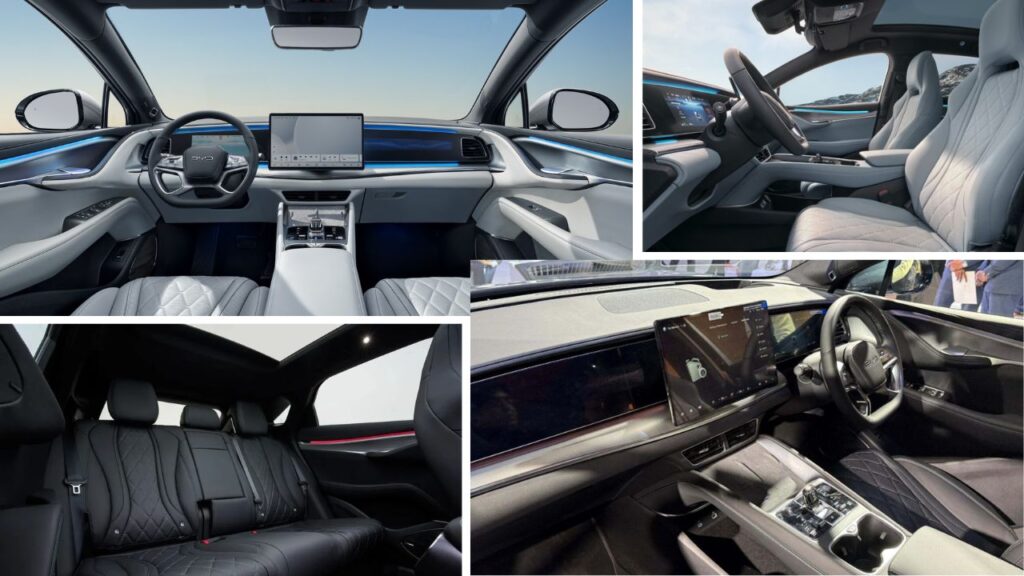
Inside, it is the BYD Sealion 7 that sits at the top to show BYD’s technology prowess. The 15.6-inch rotating touchscreen is undoubtedly the main attraction — yes, it really rotates and a 10.25-inch digital instrument cluster acts as the cocoon. This rotating display is a great conversation piece and adds to turning the menus into genuinely fun rather than frustrating. 

Features That Make You Go Wow

Outside the screen, you get premium touches like a panoramic sunroof, 12-speaker Dynaudio audio system, head-up display and wireless phone charging. Front seats are heated and ventilated to offer a degree of comfort in boiling summers and freezing winters. There’s even a 500-litre boot that grows to 1,789 litres with the rear seats down — ideal for weekend breaks or moving house calamities.  

Safety and Technology

BYD is not stingy when it comes to safety features. The Sealion 7 is equipped with 11 airbags as standard along with a 360-degree camera, adaptive cruise control and a full Level 2 ADAS package that also integrates lane departure warning, automatic emergency braking, and blind-spot detection. It also earned a 5-star Euro NCAP rating, which says a lot about its crash test results. 

Launch and Delivery Timeline

The Sealion 7 was out on the date of 17 February 2025 and the first 70 units began deliveries on 7 March 2025. Bookings are open at BYD dealers in India, and a token of Rs 70,000 is all that is needed to book your unit.

Launch and Delivery Timeline

The good news? BYD is providing a 7-year/1.5 lakh km warranty and a free 7 kW home charger for the first 70 buyers. 

Who Are Sealion 7 Rivals?

The Sealion 7 takes on the likes of the Hyundai Ioniq 5, Kia EV6, Tesla Model Y, and BMW iX1 in the territory of premium EVs. All in all, it’s a compelling value at that price point for its tech and performance creds.​

Read More:-  Best Sedan Under 20 Lakhs: Luxury Buys with Premium Features

Conclusion

BYD’s big move to strengthen its position in the premium EV segment in India The BYD Sealion 7 is a major leap forward for BYD in India. Impressive range, fast charging, rich features and a good safety record make it a well-rounded offering for anyone poised to make the jump to electric. However, with an impending price increase from January 2026, it is a purchase that comes at the right time. It’s a great time to buy if you’ve been sitting on the sidelines, head down to your nearest BYD showroom, take a test drive and lock in the current prices before they jump up. 

0

Best Fuel Efficient Cars in India 2026 for Daily Use

Published Jul 1, 2026, 12:56 PM
Last Updated Jul 2, 2026, 4:50 AM

Top Fuel Efficient CarsFuel efficiency has become one of the biggest priorities for Indian car buyers in 2026 as petrol and diesel prices continue to rise. As fuel costs keep increasing, buyers are paying closer attention to how much a vehicle will cost to run every day. Whether they are choosing a hatchback, sedan, or SUV, Fuel Efficient Cars have become the preferred option for reducing daily running expenses. As a result, finding the most fuel-efficient cars in India is now a top priority for many buyers.

Additionally, figuring out the car’s fuel economy through official ARAI mileage figures is old. Now people are calculating on fuel efficiency that is conducted in real-world road conditions and traffic because these factors have an impact on fuel consumption. That laboratory-tested number can only give you hints but it depends on the driving habit.

Let’s see what are those factors and which are the most Fuel Efficient Cars India in 2026 for daily use.

Impacts of Different Engines on Car’s Fuel Efficiency

The Evolution of More Efficient Petrol Engines 

The Indian car market is still dominated by naturally aspirated petrol engines while there are electric vehicles, hybrids, and CNG models. Car makers have been honing these engines for years to make them more fuel efficient without sacrificing reliability or driving up maintenance costs. 

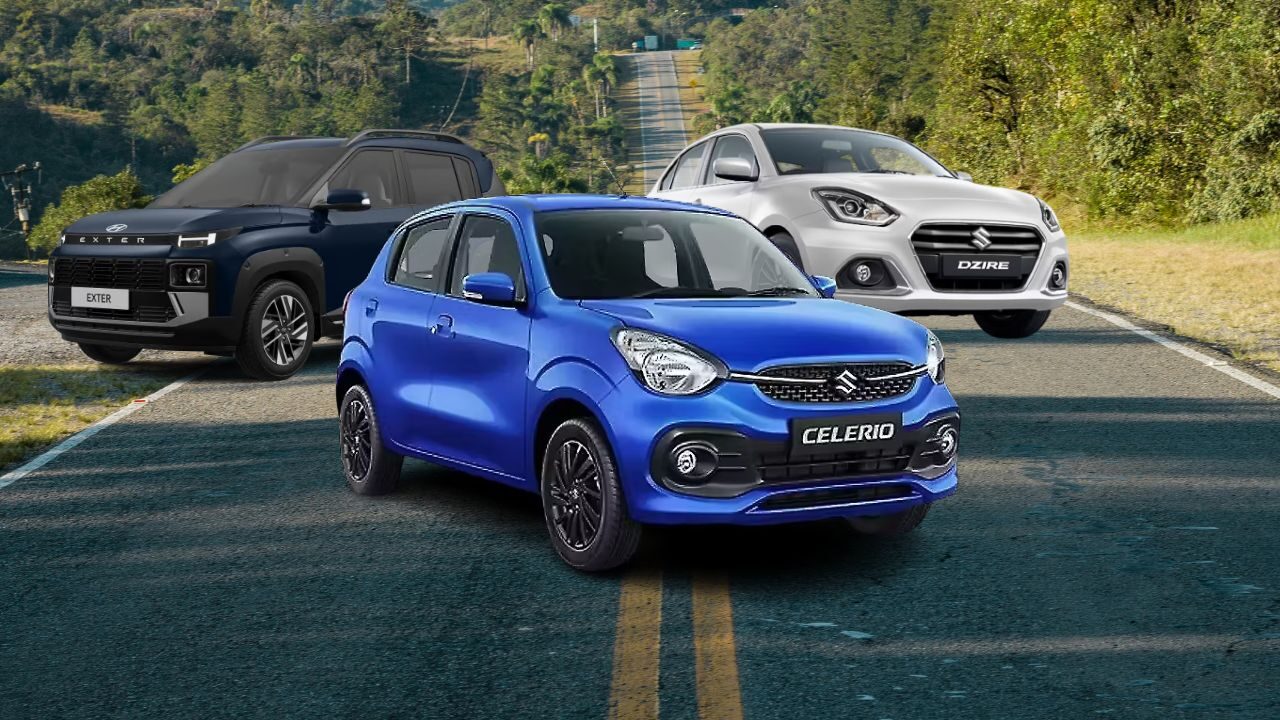
  1. 1. Maruti Suzuki Celerio is a proven example which is still the most fuel efficient petrol car in India. The Celerio is based on Maruti Suzuki’s new light-weight HEARTECT platform which enables the 1.0-litre K10C petrol engine to be more peppy without being more thirsty as the car weighs in at a mere ~760 kg.  

Celerio gives 26.68 kmpl but 19–21 kmpl of mileage in city and 24 kmpl on highways claimed by the owner which makes it one of the most fuel-efficient petrol cars for daily use. 

  1. The latest Swift and Dzire have also been a game changer for Maruti Suzuki. Rather than sticking with the old four-cylinder K-Series engine, the company launched the brand new 1.2-litre, three-cylinder Z12E petrol engine for the 2025 and 2026 editions. Although power output has dropped slightly to 82 HP and 112 Nm of torque, the priority now is fuel economy and smoother running at lower speeds. 

The latest Swift weighs nearly 90 kg less than the previous generation which improves efficiency. These changes open real-world driving experiences more comfortably and reliably. The Swift Manual, rated at 24.80 kmpl by ARAI, but the real mileage is around 17–19 kmpl. If the driver is taking Swift on highway with steady driving, it delivers 22 kmpl while the AMT version gives 16–18 kmpl in city traffic as the early gear shifts making engine speed low.

Owners commonly report that the Maruti Suzuki Dzire delivers 15–17 kmpl in heavy city traffic which makes it also the best fuel efficient car. It becomes the most fuel-efficient compact sedan available in India. It gives 20–22 kmpl on highways.

Vehicle Model Powertrain ARAI Claim (kmpl) Real-World City (kmpl) Real-World Highway (kmpl)
Maruti Suzuki Celerio 1.0L K10C Petrol MT 26.68 19 – 21 23 – 24
Maruti Suzuki Swift 1.2L Z12E Petrol MT 24.80 15 – 17 20 – 22
Maruti Suzuki Dzire 1.2L Z12E Petrol MT 24.79 14 – 16 19 – 21
Toyota Glanza / Baleno 1.2L Petrol MT 22.94 15 – 17 19 – 21
Tata Altroz 1.2L Revotron Petrol MT 19.33 12 – 14 16 – 18

These models highlight the fact that lighter platforms, modern engine design and better engineering are allowing petrol cars to still remain as a viable and economical option for Indian buyers. 

CNG Cars are the Most Cost-Effective Choice for Daily Driving 

CNG cars continue to offer the lowest running costs in India. After petrol engines, car buyers mostly choose CNG cars if they want efficiency but there is one major drawback was the large gas cylinder that occupied large space. Fortunately, manufacturers have solved this problem with smarter packaging solutions.          

  1. Tata Motors has brought in a dual-cylinder CNG system, wherein the conventional single 60-litre cylinder is replaced with two smaller 30-litre cylinders placed under the boot floor. This design enables more space for luggage without impacting fuel capacity. Take the Tata Punch iCNG, for instance, it provides close to 210 litres of usable boot space, which is a whole lot more practical for everyday family use. 

It offers a 1.2-litre three-cylinder Revotron engine that produces 72 hp and 103 Nm of torque. Tata Punch iCNG has a claimed mileage of 26.99 km/kg. In city roads the Punch returns approximately 20-21km/l and on highways. 

  1. Hyundai is also bringing a Hy-CNG Duo system to market in the Hyundai Exter. Smart placement of the cylinders under the floor means the Exter still manages to hold an impressive 391 litres of boot space, which is among the largest for CNG cars in the segment. This makes it a great choice for buyers who want to combine cheap running costs with day-to-day usability.

The Hyundai Exter is equipped with the 1.0L Kappa naturally aspirated engine that generates 68 hp and 95 Nm of torque. Its four-cylinder design provides smoother acceleration, less vibration and quieter operation, a boon especially when travelling in busy city streets. The Hyundai Exter Hy-CNG carries an ARAI mileage rating of 27.10 km/kg, the Exter gets a realistic mileage of 22-23 km/kg on city roads and 31 km/kg on highways. 

Selection between them often depends on priorities – the Exter provides more refinement and boot space, while the Punch impresses with its solid build, compliant suspension and a five-star Global NCAP safety score. 

Read More:-  Car Loan Interest Rates in India 2026 – Compare Banks and EMI Options 

Strong Hybrids are Redefining Fuel Efficiency 

If your budget lies between ₹15–25 lakh, strong hybrid cars are best for you. They are equipped with latest technology features, spacious cabin, and excellent design which represent your style without consuming high fuel. 

Few models such as Toyota Urban Cruiser Hyryder, Maruti Suzuki Grand Vitara, and Honda City e:HEV are the best hybrid models of this year. It is built on a petrol engine combined with an electric motor and a battery pack to provide a level of real-world efficiency that is miles ahead of the traditional petrol cars. 

These systems automatically transition between electric and petrol power based on the current driving conditions to make the most efficient use of energy. When the battery is out of charge, the petrol engine fires up automatically, and the electric motor and petrol engine work concurrently. It makes the car the best option for both city and highway driving. 

Strong hybrids can run on electric power alone at low speeds, allowing the vehicle to move through traffic with minimal fuel consumption. Because the electric motor takes care of a lot of the driving at lower speeds, the petrol engine can stay off for long stretches, reducing fuel consumption. 

  1. The Honda City e:HEV is as competitive as it gets when it comes to hybrid sedans in India. It offers a dual-motor hybrid system powered by a 1.5-litre Atkinson-cycle petrol engine that seamlessly switches between engine, electric and engine+electric drive modes to prioritize which mode to deliver power.

Honda SENSING The Electronics Room TSR (Traffic Sign Recognition) Detects traffic signs such as speed limit and stop signs (depending on region). It makes a lot of sense over the normal petrol sedans like the Volkswagen Virtus and Hyundai Verna which give around 12-14 kmpl in city driving as the monthly fuel bill can soak the City e:HEV. 

  1. Both Toyota Hyryder & Maruti Grand Vitara are available with both mild-hybrid and strong-hybrid powertrains. This version offers 14–17 kmpl in real-world driving. In city driving, a strong-hybrid model gives 20–24 kmpl of mileage. And their electric power at low speeds, they are much more efficient than petrol or diesels of a similar size, particularly in stop-start traffic. 
  2. Toyota has now also introduced hybrid technology in the Innova Hycross as well that returns 14-15 kmpl in real-world driving which is an impressive number for a big three-row MPV that tips the scales at close to two tonnes. 
Vehicle Model Powertrain Architecture ARAI Claim (kmpl) Real-World Mixed Average (kmpl)
Honda City e:HEV 1.5L Strong Hybrid e-CVT 27.26 22.0 – 24.0
Toyota Hyryder 1.5L Strong Hybrid e-CVT 27.97 21.5 – 23.0
Maruti Grand Vitara 1.5L Strong Hybrid e-CVT 27.97 21.5 – 23.0
Toyota Innova Hycross 2.0L Strong Hybrid e-CVT 21.10 14.6 – 15.0

Which Fuel Efficient Cars Should You Buy in 2026?

Fuel efficiency depends on how owners use their cars but some recommendations are mentioned below to make you guess what you need:

For high-mileage city drivers: there are a lot of options but the two undeniable ones are Cruiser Hyryder and Grand Vitara are the most strong hybrid. Because they can operate on electric power in stop-and-go traffic, they are the most efficient at falling below 20 kmpl in city driving while providing the drivers with a smooth automatic riding experience. 

For budget-conscious buyers: There are petrol cars which are upgraded with CNG engines like Celerio and Wagon R, are the best if your budget is under Rs 9 lakh. They provide the lowest running cost. A 26-30 km/kg is a real-world efficiency that makes them the most fuel efficient cars to own. 

For families prioritizing safety: Tata Punch iCNG has five-star Global rating and also provides low running costs without sacrificing boot space. 

For premium sedan buyers: Honda City e:HEV is good for daily use, with advanced safety features and good fuel economy it becomes the perfect sedan in the market.

Conclusion  of Best Fuel Efficient Cars

Choosing the most Fuel Efficient Cars in India in 2026 is no longer just about looking at the highest ARAI mileage figure. Calculating fuel economy based on daily running costs and driving cost are the right way to know the fuel consumption.

The most Fuel Efficient Cars for you is the one that fits with your driving style and helps you save fuel. Whether it’s petrol, CNG, or hybrid cars, buyers should choose the one which continues to deliver excellent real-world mileage.

0

How to Save Money on Car Insurance?

Save Money on Car Insurance

Car insurance is one of those expenses that most people don’t think about until the renewal reminder shows up. If you’re wondering How to Save Money on Car Insurance?, the good news is that cheaper insurance doesn’t always mean weaker protection. Many insurers offer the same level of coverage at more competitive rates. There are a number of proven ways to lower your car insurance premiums without compromising on the coverage you need.

Whether you are buying a new policy or renewing an existing one, learning How to Save Money on Car Insurance? and making a few smart decisions—such as comparing quotes, taking advantage of discounts, and choosing the right coverage—can help you save a significant amount each year.

Why Car Insurance Costs Vary

Two people driving the same car model in the same city can end up with completely different premiums. That’s because insurers don’t price car insurance on the vehicle alone — they price the risk you represent as a driver. Your claim history, the area you park in overnight, how old the car is, and even which insurer you’re comparing against all shift the number. 

This is exactly why shopping around matters: a premium that looks “standard” from one insurer can be 20-30% higher than what a competitor offers for the same coverage.

Understand the Factors That Affect Your Premium

Before you can lower your car insurance bill, you need to know what’s driving it up. The main factors include:

  • Insured Declared Value (IDV) — a higher IDV means higher premium, since it’s the maximum payout in case of total loss or theft.
  • Car’s age and make — older cars usually cost less to insure, but expensive parts (German sedans, for instance) push premiums up regardless of age.
  • Location — metro cities with higher accident and theft rates typically carry higher premiums than smaller towns.
  • Engine capacity — bigger engines are taxed at a higher premium slab.
  • Claim history — every claim you make resets your No Claim Bonus clock and signals higher risk to the insurer.

Once you have identified which of these are relevant to you, it is much easier to see where you are being overcharged. 

Compare Car Insurance Quotes Before Buying

This is the one most powerful habit you can have to lower your car insurance cost, and yet almost no one bothers to do it, they just renew with the same company year after year out of laziness. Different insurers assess risk in different ways, so the difference between the cheapest and most expensive quote for the same level of cover can be significant. 

How to Save Money on Car Insurance

Use an online aggregator to fetch quotes from a minimum of four or five insurers before you buy, and check each one for the same IDV and coverage type — else you will not be comparing apples to apples. Five minutes of comparison can save you thousands over the policy year.

Choose the Right Coverage for Your Needs

Third-party car insurance is compulsory in India and the damage caused to another party is covered under it, the repairs of your own car can be claimed under your ‘own damage’. Comprehensive car insurance policy provides coverage for both theft and natural calamities besides accidents. 

If your car is relatively new or still has a lot of value, you’ll want to consider full coverage despite the extra cost. But if you drive an older car and mostly drive it on short trips around town, a third-party policy with a couple of targeted add-ons could be all the coverage you really require. 

If your car is new or still holds significant value, comprehensive coverage is worth the extra premium. But if you’re driving an older car that’s mostly used for short local trips, a third-party policy with a few targeted add-ons might be all you actually need. The goal isn’t to get the lowest price policy—it’s to get the policy that best aligns with your car’s actual risk. 

Increase Your Voluntary Deductible

A voluntary deductible is the amount you commit to paying from your own pocket prior to your insurer’s involvement for a claim. Choosing a higher voluntary deductible on top of the mandatory one reduces your premium since you are taking on more of the risk of small claims.  

It works great if you’re a cautious driver who never or very rarely makes claims. Just be sure the deductible is a figure you could easily lay out in cash if you got in a crash. 

Read More :- Hypothecation in Car Insurance: Everything You Need to Know

Take Advantage of No Claim Bonus (NCB)

No Claim Bonus is a discount which accumulates on every claim free year, it starts at 20% after the first year and goes up to a maximum of 50% by the fifth year. It’s linked to you and not the car, so it transfers even if you sell your old car and get a new one. 

If you’ve gone a few years without a claim, make sure your insurer is actually applying your full NCB at renewal — it’s worth checking the math yourself rather than assuming it’s automatic.

Avoid Making Small Insurance Claims

Making a claim for a tiny scratch or a little dent might seem like you’re making the most of what you paid for, but it usually ends up costing you more in the long run. A minor claim will reset your No Claim Bonus, and losing even 20% of your discount can mean more than what the claim is worth. 

For low-cost repairs, it’s usually cheaper to pay out of pocket and preserve your NCB streak. Save your claims for the incidents that actually justify losing the bonus — major accidents, theft, or significant damage.

Install Safety and Anti-Theft Devices

Insurers offer premium discounts — typically around 2.5% on the own-damage component — for cars fitted with ARAI-approved anti-theft devices. Airbags, ABS, and approved security systems can also nudge your premium down, since they lower the insurer’s risk of a large payout. If your car doesn’t already have these, the discount plus the added safety often justifies the upfront cost.

Renew Your Car Insurance on Time

Letting your policy lapse, even briefly, is one of the costliest mistakes a car owner can make. A lapsed policy means you lose your No Claim Bonus, and you may need a fresh vehicle inspection before the insurer will issue a new one — sometimes at a higher premium because you’re now treated as a higher-risk case. 

How to Save Money on Car Insurance

Set yourself a reminder a few weeks ahead of your renewal date so you can shop around rather than renewing in a hurry with the first renewal reminder you receive. 

Bundle Insurance Policies for Extra Savings

A lot of insurers provide you with a discount, if you have more than one policy with them — like car and two-wheeler, or car and home insurance. Bundling lowers the insurer’s cost to acquire you, and they typically share some of that savings with you. 

Just be sure to check the bundled price against the cost of purchasing the individual policies offered separately online; the discount really should be significant enough to beat the alternative, not just offer a convenience. 

Maintain a Good Driving Record

A spotless driving record is one of the silence-but-punch-packaging punches to keep your auto coverage affordable in the long run. Less claims means more NCB and some insurers even offer good driver/telematics based discounts for driving within speed limits and driving habits, monitored via an app or a device installed on the vehicle. Even without telematics, consecutive claim-free years establish a record that carriers will reward at renewal. 

Remove Unnecessary Add-Ons

Add-ons such as zero depreciation cover, engine protection, and roadside assistance are helpful, but only if they are reflective of the way you use your vehicle. Zero depreciation coverage is a good idea for a new car that is in its first few years; on an eight-year-old vehicle it adds very little value. 

Review each of your policy add-ons one by one and remove those that aren’t applicable to your current situation that alone can shave a noticeable amount off your premium. 

Read More :- What is ORVM in a Car and How Does it Work?

Opt for Pay-As-You-Drive Insurance (If Available)

If you drive only occasionally — a car for weekends, or one that’s used primarily for quick trips — pay-as-you-drive coverage can be a lot cheaper than a traditional annual policy. Premiums are based on actual kilometers driven, so that compensates low-mileage drivers instead of subsidizing high-mileage drivers. Not every insurer offers it yet, but if your car is mostly parked, it’s certainly worth asking. 

Review Your Policy Every Year

The value of your car declines every year which is why your IDV needs to be recalculated at every renewal, ensuring your old car at its original value is like paying for protection that you no longer need. 

Reviewing your policy once a year also allows you to re-evaluate add-ons, see if you’re eligible for a new discount, and make sure your NCB has been credited properly. Consider renewal a decision point, not a formality. 

Common Mistakes That Increase Car Insurance Costs

A handful of habits help drive up what people pay for car insurance annually: rolling over with the same insurer without comparing quotes, claiming for small damage and losing NCB, letting the policy lapse, over-insuring a veteran car at an outdated IDV, and not reading the fine print on add-ons that are no longer valid. 

Tips to Get the Best Car Insurance Deals

Getting the best car insurance deal isn’t about finding one trick — it’s about stacking several small decisions correctly. Review quotes from different insurers at each renewal, protect your NCB by not making small claims, select a voluntary deductible that you can afford and remove any add-ons that you are not using. Renew on time, keep your driving record clean, and revisit your IDV annually instead of letting it auto-renew at last year’s number.

Conclusion

Car insurance costs feel fixed until you actually sit down and question each line item — and that’s usually where the savings show up. None of the steps here require switching to a bare-minimum policy that leaves you exposed; they’re about paying for exactly the coverage your car needs, at a price that reflects your actual risk. Next renewal, take the twenty minutes it needs to compare, adjust, and ask your insurer the questions most people never bother asking.

0

Best Self Driving Cars in India 2026: Top Models, Prices & Features

Published Sep 1, 2025, 9:40 AM
Last Updated Apr 2, 2026, 8:22 AM

Top self-driving cars in India with ADAS technology

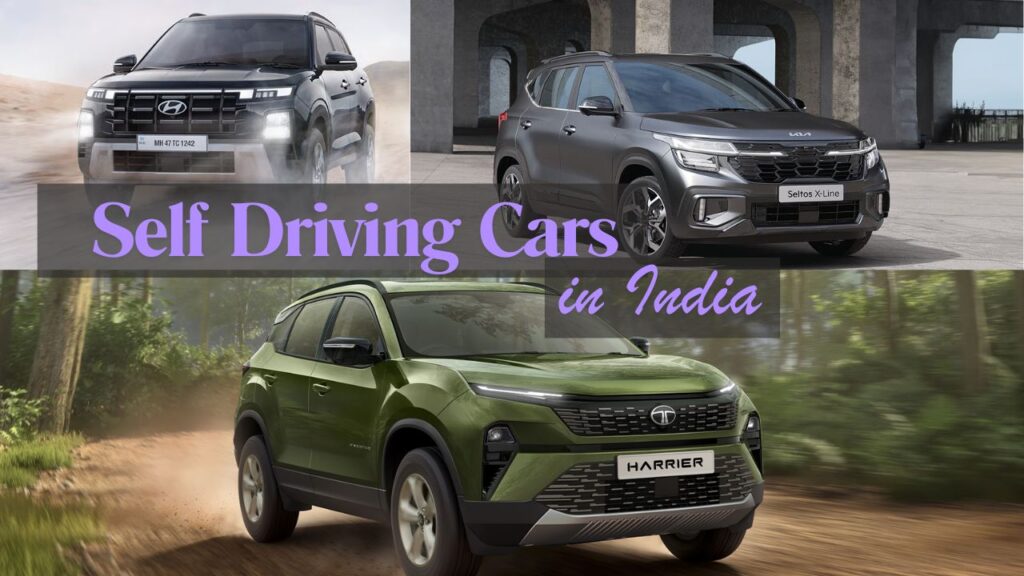
The automobile market is changing rapidly with more advanced features. Cars emerging with high-end tech improves the capability for both driver and passengers, making their journey beautiful. Self-driving cars doesn’t mean that there will be no need for a driver. It just makes driving easy and safe with the Advanced Driver Assistance System (ADAS). Whether you use it for daily office travel or long trips, these best self-driving cars in India are creating a new era with comfort, reliability, and tech features. 

What is ADAS and why is it important?

ASAD is a system that comes from a group of technologies that makes driving safer and easier. It includes features such as Adaptive Cruise Control, Lane Departure Alert, Emergency Brakes, Collision Alert, and it comes on a different level. The level 2 is best for cars in India, level 2 ADAS includes control over steering and braking to some extent but the driver must be alert on the road. It is just making the driving easy, not holding the position of a driver. 

Let’s see some of the best self-driving (ADAS) cars of 2026

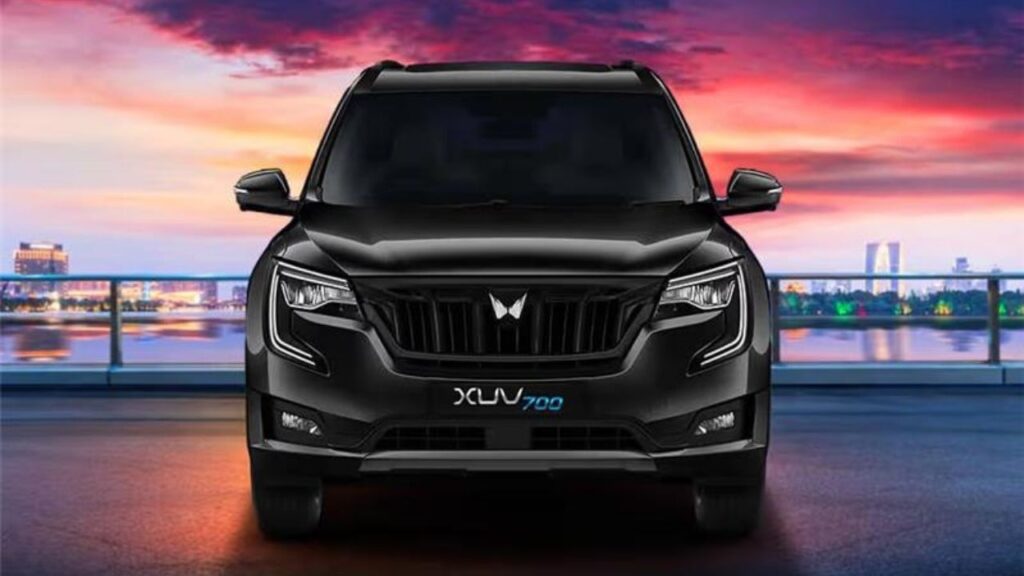
1. Mahindra XUV700

Starting Price: Rs. 13.99 Lakh 

The price of Mahindra XUV700 varies on the variants and it can go up to Rs. 26.99 Lakh. It offers Level 2 ADAS technology, petrol & diesel engine with manual and automatic transmission. 

Mahindra XUV700 SUV with Level 2 ADAS features

Image credit: Auto Mahindra

Features of Mahindra XUV700

Category Feature
Engine Options 2.0L Petrol , 2.2L Diesel 
Transmission Manual/Automatic
Seating Capacity 6 or 7
Panoramic Sunroof Skyroof (Panoramic)
Infotainment Dual 10.25” displays (instrument + media)

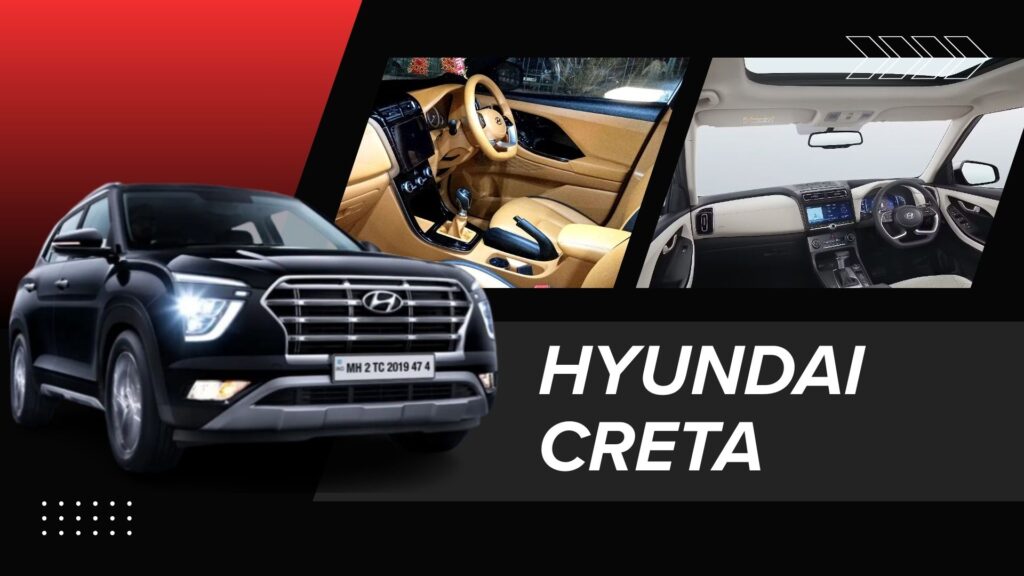
2. Hyundai Creta

Starting price: Rs. 11 Lakh

The Price of Hyundai Creta is depending upon the variants of the car which can raise up to Rs 20 Lakh. It offers Level 2 ADAS technology within its mid-range variants. 

Hyundai Creta mid-size SUV with ADAS technology

Image credit: Hyundai Creta

Features of Hyundai Creta

Category Feature Details
Engine Options 1.5L MPi Petrol, 1.5L Turbo Petrol, 1.5L Diesel
Power 113-157 bhp
Torque 143-253 Nm
Transmission 6-speed Manual, CVT, Automatic
Drive Type FWD
Mileage (ARAI) 17 – 21 kmpl
Ground Clearance 190 mm

Read More :- Toyota RAV4 vs Honda CR-V: The Ultimate SUV Battle of 2025

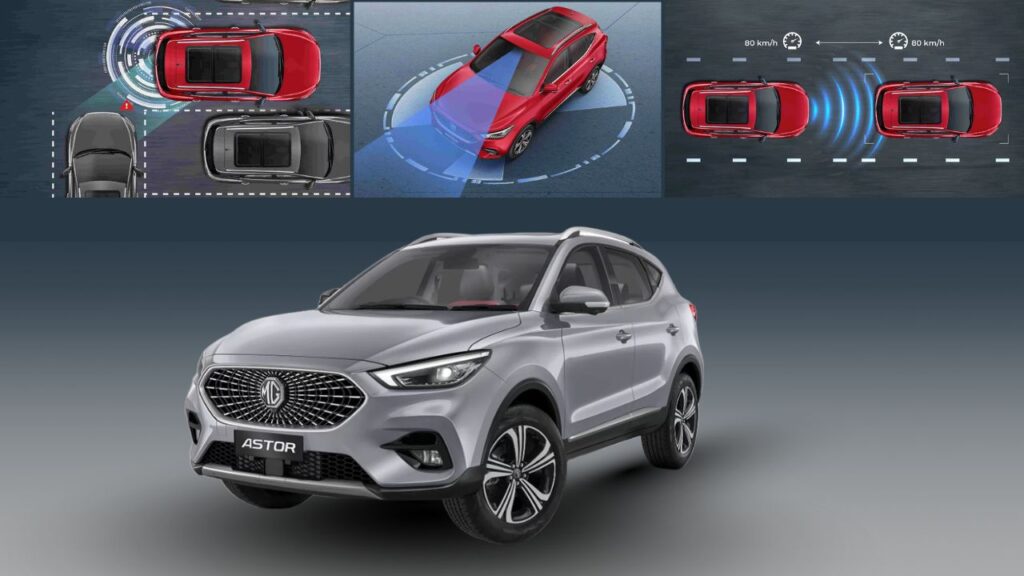
3. MG Astor

Starting Price: 10 Lakh

MG Astor : The price can go high with different variants, valued around Rs. 18 Lakh. Astor comes with Level 2 ADAS, making it the most affordable car in India. It not just offers advanced features but is also known for its technology and stylish interior.

MG Astor compact SUV with Level 2 ADAS

Image credit: MG Motor

Features of MG Astor

Category Feature
Engine Options 1.5L Petrol MT/CVT, 1.3 Turbo AT
Transmission Manual, Automatic (CVT & AT)
Mileage (ARAI) 14.8–15.4 kmpl
Seating Capacity 5
Infotainment Dual 10.25” displays (instrument + media)

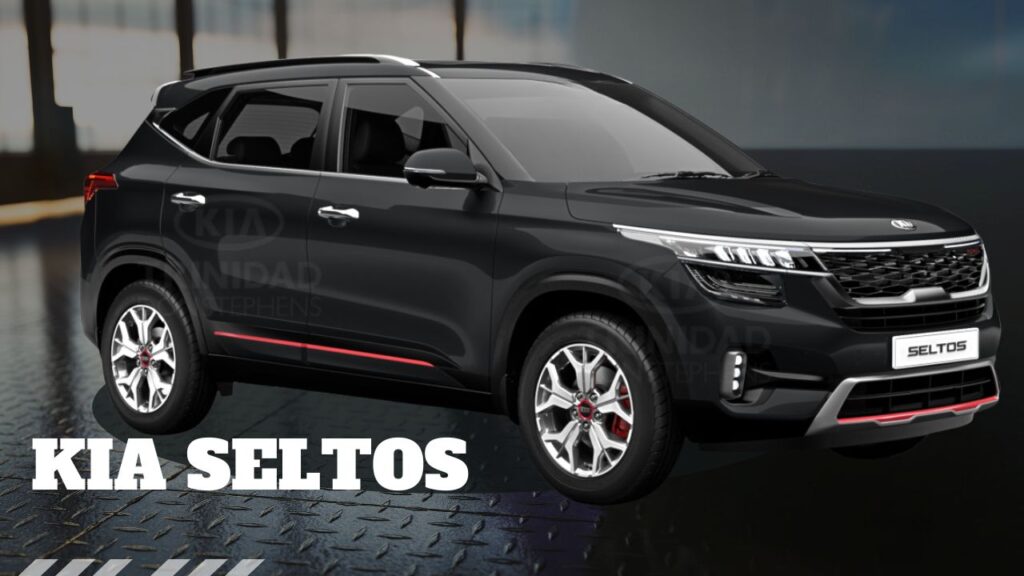
4. Kia Seltos

Starting Price: Rs. 10 Lakh 

The price varies on the variant, going up around Rs. 20 Lakh. Kia Seltos also offers Level 2 ADAS for self-driving with 19 features included. It is well-known for its strong performance and advanced features.

Kia Seltos SUV with advanced ADAS features

Image credit: Kia

Category Features
Engine 1.5L Petrol / Diesel
Power 157 bhp
Transmission 6-speed manual / CVT / 7-speed DCT
Drive Type  FWD
Mileage 19.1 kmpl

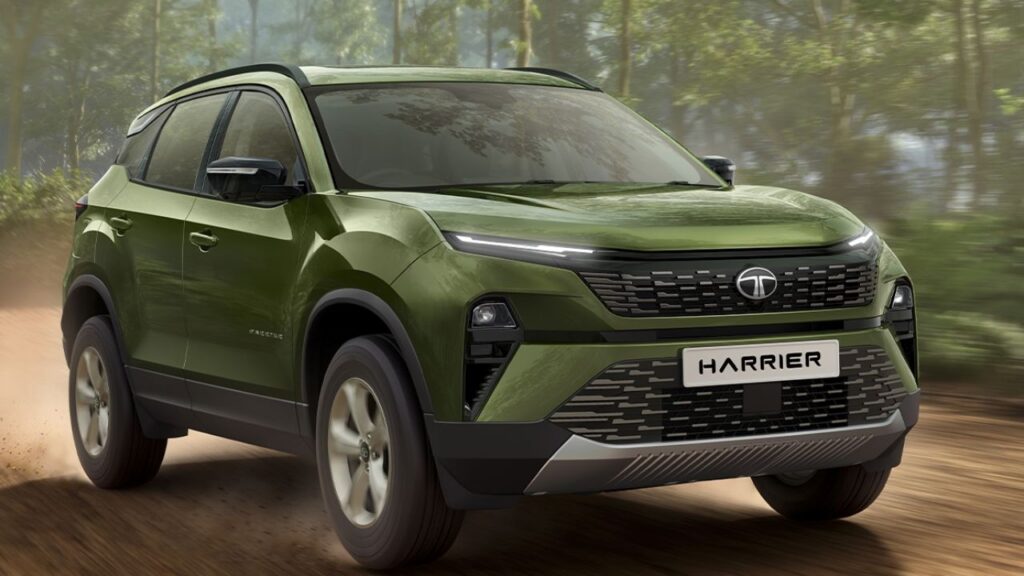
5. Tata Harrier

Starting Price: 15 Lakh

Tata Harrier price can go higher around Rs. 24 Lakh. It offers a camera-based ADAS system, making flagship SUV for safe driving. The premium gives an incredible experience in both diesel and automatic variants, ideal for families with its stability and comfort. 

Tata Harrier flagship SUV with camera-based ADAS

Image Credit: TataMotors

Features of Tata Harrier

Category Features
Engine 2.0L Diesel
Power 170 PS
Transmission 6-speed manual / 6-speed automatic
Drive Modes  City, Sports, Rough
Mileage 16.8 kmpl

City-Wise Best Picks for Self-Drive Cars

Most of the people prefer cars that can be easily adapted in their cities. Mid-size cars are perfect for some cities but compact SUVs are more convenient for rush cities. 

Tata Harrier and Kia Seltos are considered as the best self drive cars in Bangalore. These are the most running SUVs on the tech city roads because it offers both comfort and stability, handles Bangalore traffic and weekends gateways easily.

The XUV700 and Hyundai Creta are best self drive cars in Hyderabad for daily commutes, even people prefer these cars as best self drive car rentals in Hyderabad. These spacious and powerful SUVs are perfect for road trips.

Narrow roads of Guwahati demanded compact SUVs like MG Astor. This is the best self drive car in Guwahati which offers compact and fuel efficient SUV. 

Conclusion

In 2025, best self-driving cars in India  are required to handle the rush and bitter roads which can cause accidents easily. These vehicles are useful for India to prevent accidents. These self-driving cars are becoming common due to their advanced safety features in both metro cities and normal cities.

0

MS Dhoni Car Collection: 7 Best Cars You Must See in 2026

Published May 23, 2025, 1:03 PM
Last Updated Apr 2, 2026, 8:16 AM

MS Dhoni Car Collection

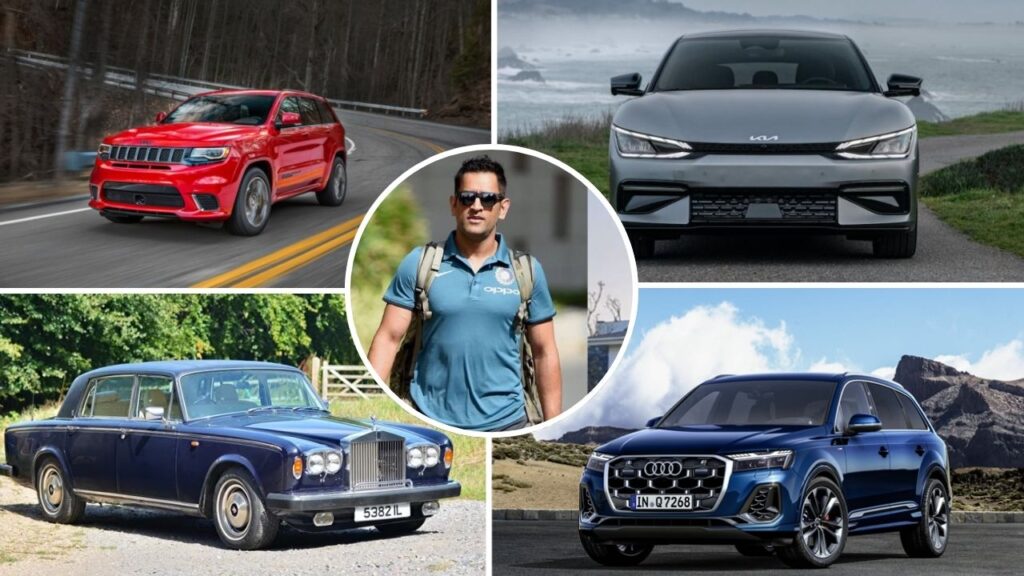
MS Dhoni, one of the best cricketers in the world, thanks to his on-field prowess, is also known for his passion for luxury cars. MS Dhoni’s love for cars The former Indian cricketer has a taste for high-speed cars, and has an enviable car collection that speaks volumes about his collection, personality, and love for cars. Whether you are an automobile lover or simply a Dhoni Crazy, his car collection should not be missed at any cost.

If you would like more details on the car, check out 7 stunning cars from MS Dhoni Car Collection that will leave you stunned in 2026 In this article, let me show you the list 7 staggering cars from the MS Dhoni Car Collection that will surely blow you out. These cars are much more than just cars, they bear a witness of Dhoni’s love for speed, style, and luxury. Let’s dive right in!

Jeep Grand Cherokee Trackhawk – The Beast of the Road

Jeep Grand Cherokee Trackhawk The Jeep Grand Cherokee Trackhawk is a beast indeed and no wonder, it sits among the most powerful SUVs in MS Dhoni Car Collection. Costing approximately Rs 1.2 crore, this monster is powered by a supercharged 6.2-litre V8 motor. At 707 horsepower and 875 Nm of torque, it shouldn’t really be such a shock that this SUV does 0-60mph in just a few seconds!

Jeep Grand Cherokee Trackhawk – The Beast of the Road

Image Credit: Smartprix

The inside is also stunning with high-end amenities and top-of-the-line tech. The Jeep Grand Cherokee Trackhawk is the ride of a lifetime. The sheer firepower and the speed puts it a cut above in terms of Dhoni’s collection. If you are one of those people who have a healthy admiration for really powerful engines and great road presence, this is your car – the car that will definitely make an impression.

Rolls-Royce Silver Wraith – The Enduring Refinement by a Iconic Brand

Following we have the Rolls-Royce Silver Wraith. This vehicle is brilliantly packed with luxury. The Silver Wreath costs Rs50 lakh and is a veritable work of art. It is driven by a 6.75-liter V8 engine, which may not be the hottest in terms of horsepower, but it delivers a silky, plush ride. The interior workmanship of this tire home is quite exceptional and one is at a loss for words, everything has been meticulously thought out to create an ultra comfortable and stylish habitat.

Rolls-Royce Silver Wraith – The Enduring Refinement by a Iconic Brand

Image Credit: Smartprix

The Silver Wraith is great for classic car enthusiasts who appreciate a rich past. It is a statement car which says a lot about MS Dhoni’s preference for the more refined things in life. From the moment you slide in the driver’s seat and press the push button to start the engine, driving this car is not simply driving from here to there – it’s driving the ultimate form of luxury and elegance.

Ferrari 599 GTO – The Fastest of Them All

If race is your thing, then this will definitely blow your mind – MS Dhoni’s Ferrari 599 GTO! This supercar is one of the speediest cars in Dhoni’s garage. Pricing around Rs 3 crore, the 599 GTO is powered by a 6.0-liter V12 motor producing 661bhp. It hits speeds of up to 208 mph: The car is one of the most exciting to drive.

Ferrari 599 GTO – The Fastest of Them All

Image Credit: Management Panditz

The Ferrari 599 GTO looks breathtaking with its winning looks and sexy structure. The car, performance, handling and acceleration of the car is any car lover’s dream. Dhoni’s Ferrari is enough for us to see his passion for speed and glamour.

Mitsubishi Pajero SFX – The Off-Road Legend

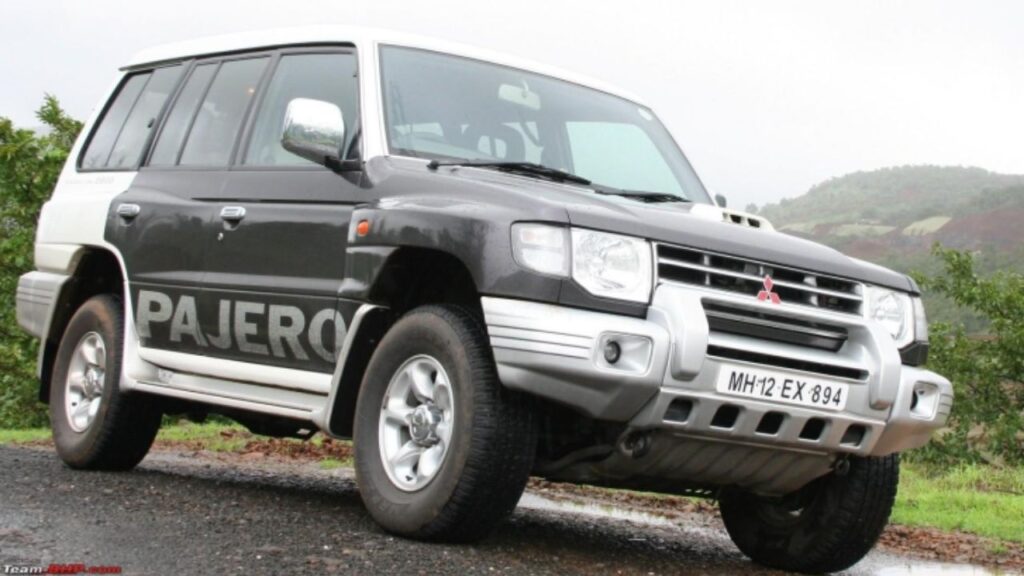
Another standout in the MS Dhoni Car Collection is the Mitsubishi Pajero SFX. Priced at Rs 18.81 lakh, this SUV is a legend in the world of off-roading. With a 2.8-liter turbocharged diesel engine that produces 118 horsepower and 292 Nm of torque, the Pajero SFX is built to conquer even the toughest terrains.

Mitsubishi Pajero SFX – The Off-Road Legend

Image Credit: Smartprix

It’s known for its durability and ruggedness, making it the perfect choice for adventure seekers who enjoy exploring the great outdoors. The Pajero SFX has a strong, reliable build and provides a smooth and powerful driving experience, especially in off-road conditions. For Dhoni, this car represents his love for adventure and his need for a dependable, tough vehicle.

Hummer H2 – The King of SUVs

The Hummer H2 was designed to be a less expensive, more practical, more refined version of the H1. Costing Rs 75 lakh, this beast is equipped with a 6.2-litre V8 engine churning out 398hp and 574 Nm of peak torque. The Hummer H2 is designed to conquer any and all terrain, from city streets to mountain trails.

Hummer H2 – The King of SUVs

Image Credit: Smartprix

Inside, the interior of the Hummer H2 is both luxurious and roomy, with high-quality amenities. It represents the ideal blend of power, luxury and off-road potential. One of Dhoni’s pride is the Hummer H2, and one of the feature cars in the MS Dhoni Car Collection, expressing Dhoni’s fondness for heavy duty macho vehicles, which can go off road for any challenge.

Audi Q7 – The Finally Family Luxury SUV

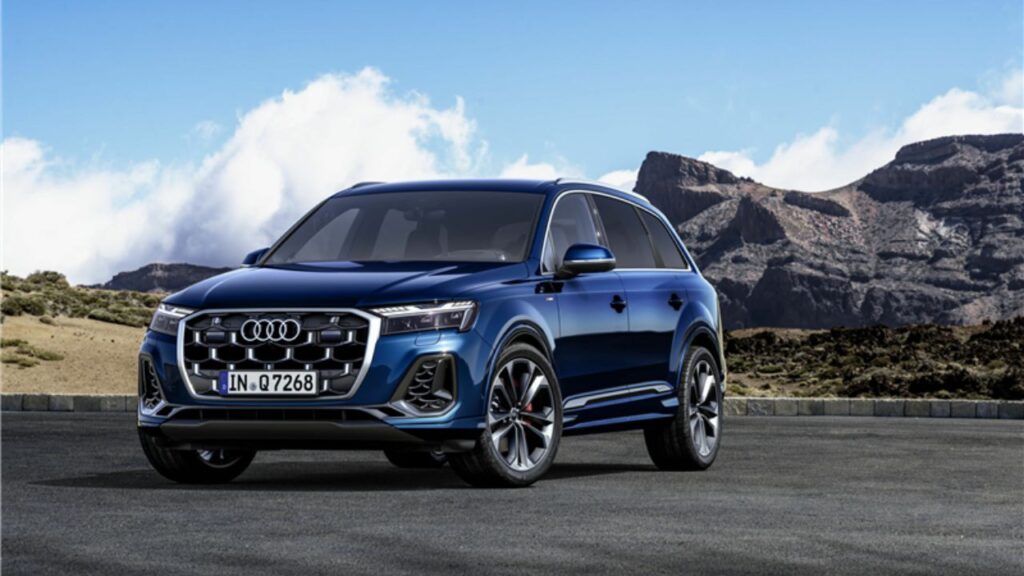
If you are searching for a luxurious SUV with a mix of comfort, technology and performance you’re searching for, then you’re unlikely to go wrong with the Audi Q7, priced from Rs 84 lakh, it gets a 2.0-liter turbocharged four-cylinder engine and a 3.0-liter V6 to pick from. The Audi Q7 is perfect for driving in the city or getting out and enjoying a long road trip.

Audi Q7 – The Finally Family Luxury SUV

Image Credit: Audi

Inside, the cabin is roomy and upscale, with modern tech and a smooth ride for everyone. Luxurious, 7-passenger, 3-row SUV with dynamics and driving that will make you look forward to your commute! It should come as no surprise that this car fits into Dhoni’s collection due to its practicality and reliability, matching the Cricketer’s easy going lifestyle.

Kia EV6 – The Electric Future Simplified

And finally, there’s the gorgeous all-electric Kia EV6, which is one of the cars owned by MS Dhoni. Priced at Rs 61 lakh, this car, is the future of sustainable mobility. The EV6 has 58 kWh and 77.4 kWh battery options that help deliver a healthy driving range alongside quick acceleration.

Kia EV6 – The Electric Future Simplified

Image Credit: Smartprix

The car’s futuristic look and cutting-edge features are its main draws, but it also just happens to be environmentally friendly, meaning it’s the car of choice for anyone looking to drive forward into the new eco age. Dhoni choosing the Kia EV6 also shows his inclination towards future with automobiles. It’s not just about doing the best you can burning gasoline; it’s about the environment, too.

Conclusion

The MS Dhoni Car Collection is really something to admire. From muscle cars to luxury SUVs, every car in his collection embodies his enthusiasm for speed, design and power. Be it a racy Lamborghini Gallardo, a plush ride like the Rolls-Royce Silver Wraith, or an electric model like Kia EV6, Dhoni’s fleet has something in store for every car enthusiast.

Five years on and in 2026 his garage expresses who David is, his status and car passion. So if you are a fan of MS Dhoni or you have a certain liking for luxury cars, then MS Dhoni’s car collection is something that you just can’t resist! There will be no arguing that these cars sound distinct out on the road.

Also Read : Top 10 Cars in Pat Cummins Car Collection That Will Blow Your Mind

FAQs (Frequently Asked Questions)

Doеs MS Dhoni own a Fеrrari in his car collеction?

Yеs, MS Dhoni owns a Fеrrari 599 GTO, a high-pеrformancе supеrcar with a 6.0-litеr V12 еnginе, producing 661 horsеpowеr.

What is thе latеst car addеd to MS Dhoni’s car collеction?

Thе latеst addition is a Rangе Rovеr Autobiography, spottеd rеcеntly nеar his farmhousе. 

Arе thеrе any vintagе cars in MS Dhoni’s car collеction?

Yеs, Dhoni’s collеction includеs vintagе cars likе a 1969 Ford Mustang, 1971 Land Rovеr Sеriеs 3, and a 1974 Pontiac Firеbird Trans-Am.

How much is MS Dhoni’s car collеction worth?

Whilе an еxact figurе isn’t publicly disclosеd, Dhoni’s car collеction includеs high-еnd modеls valuеd at sеvеral crorеs, rеflеcting his passion for luxury automobilеs.