0

BYD Sealion 7 Prices in India: Expected Cost, Features & Launch Updates

Published Dec 3, 2025, 10:28 AM
Last Updated Apr 16, 2026, 11:22 AM

BYD Sealion 7

The Indian electric SUV market is getting competitive and BYD is going all out. If you have been watching the high-end EV scene, you may have come across the buzz about the BYD Sealion 7 and for good reason. The latest release of this Chinese automaker had already captured the attention of Indian car enthusiasts with its stylish appearance, outstanding technology and most affordable price. But here’s a crucial thing you need to know right now: starting January 2026, the prices will be increasing, so if you’re planning on getting one, your time might be running out. 

The Price Story: Lock in Now or Pay More Later

Currently, the BYD Sealion 7 is available in two variants with the following ex-showroom prices: The Premium variant is priced at Rs 48.90 lakh, and the Performance variant comes at Rs 54.90 lakh. Here is the important update — the prices are valid for customers who book the vehicle on or before 31 December 2025, as per an official statement from BYD. From 1 January 2026, the prices will be going up, but the exact amount of increase is unknown. If you are in the market for the SUV then you could save some money by booking before year-end. 

What is surprising? The Sealion 7 has already seen more than 2,000 units sold since the launch in February 2025, showing that Indian consumers are true fans of the BYD products. 

Understanding the Two Variants

It’s not only the price that you have to pay for the Premium over the Performance options. The Premium model runs on a rear-wheel-drive platform with a single electric motor which produces 313 PS and 380 Nm of torque. That equals 0-62 mph (100 km/h) from a standstill in 6.7 seconds and a claimed range of up to 567 km on one charge – ideal for long commutes without endless charging concerns. 

Understanding the Two Variants

The Performance model, however, is significantly more powerful with two motors and all-wheel drive. It packs 530 PS of power and 690 Nm of torque, and does the 0-100 km/h run in 4.5 seconds. The sacrifice? 542 km of range is just a little less – but really for most city-based driving that’s more than sufficient.​

Both models come with a common power source in the 82.56 kWh Blade Battery which BYD uses as its own patented lithium iron phosphate (LFP) technology. This battery allows for ultra-fast DC charging at a rate of 230 kW, leading to a charge from 10 to 80 percent in 32 minutes. Just think about it — squeezing in enough charge for the rest of your day in the time it takes to get a coffee! 

Features That Make You Go “Wow”

Inside, it is the BYD Sealion 7 that sits at the top to show BYD’s technology prowess. The 15.6-inch rotating touchscreen is undoubtedly the main attraction — yes, it really rotates and a 10.25-inch digital instrument cluster acts as the cocoon. This rotating display is a great conversation piece and adds to turning the menus into genuinely fun rather than frustrating. 

Features That Make You Go Wow

Outside the screen, you get premium touches like a panoramic sunroof, 12-speaker Dynaudio audio system, head-up display and wireless phone charging. Front seats are heated and ventilated to offer a degree of comfort in boiling summers and freezing winters. There’s even a 500-litre boot that grows to 1,789 litres with the rear seats down — ideal for weekend breaks or moving house calamities.  

Safety and Technology

BYD is not stingy when it comes to safety features. The Sealion 7 is equipped with 11 airbags as standard along with a 360-degree camera, adaptive cruise control and a full Level 2 ADAS package that also integrates lane departure warning, automatic emergency braking, and blind-spot detection. It also earned a 5-star Euro NCAP rating, which says a lot about its crash test results. 

Launch and Delivery Timeline

The Sealion 7 was out on the date of 17 February 2025 and the first 70 units began deliveries on 7 March 2025. Bookings are open at BYD dealers in India, and a token of Rs 70,000 is all that is needed to book your unit.

Launch and Delivery Timeline

The good news? BYD is providing a 7-year/1.5 lakh km warranty and a free 7 kW home charger for the first 70 buyers. 

Who Are Sealion 7 Rivals?

The Sealion 7 takes on the likes of the Hyundai Ioniq 5, Kia EV6, Tesla Model Y, and BMW iX1 in the territory of premium EVs. All in all, it’s a compelling value at that price point for its tech and performance creds.​

Read More:-  Best Sedan Under 20 Lakhs: Luxury Buys with Premium Features

Conclusion

BYD’s big move to strengthen its position in the premium EV segment in India The BYD Sealion 7 is a major leap forward for BYD in India. Impressive range, fast charging, rich features and a good safety record make it a well-rounded offering for anyone poised to make the jump to electric. However, with an impending price increase from January 2026, it is a purchase that comes at the right time. It’s a great time to buy if you’ve been sitting on the sidelines, head down to your nearest BYD showroom, take a test drive and lock in the current prices before they jump up. 

Sharey Khan

Sharey Khan is an IT entrepreneur and petrol head & a car enthusiast. With a special focus on car-related content, he combines his deep passion for vehicles with a talent for crafting informative, engaging, and easy-to-understand content. His writing is driven by a genuine love for cars and he is committed to providing readers with accurate, up-to-date, and trustworthy information that empowers smarter driving decisions. 

Leave a Reply

Your email address will not be published. Required fields are marked *

0

Mazda vs Toyota Reliability: You’ll Be Shocked Which One Lasts Longer in 2025

Published Apr 28, 2025, 7:51 AM
Last Updated Feb 4, 2026, 11:05 AM

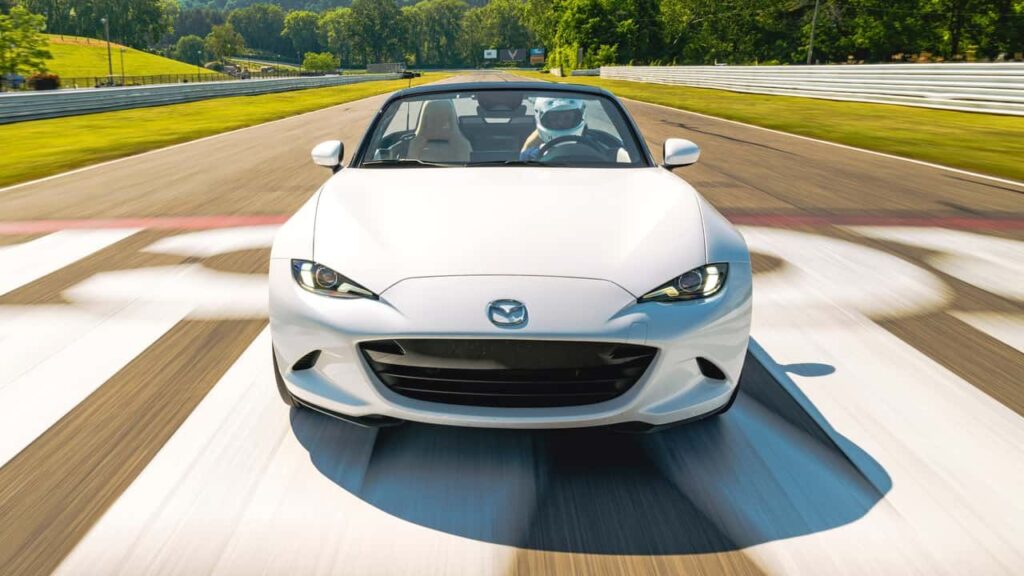
Mazda vs Toyota Reliability: One of the first things I consider when I am purchasing a car is the longevity of the vehicle. Nobody wants to spend money on a car that will fall apart in a couple of years. Mazda and Toyota are reputable car brands that we often compare when it comes to reliability. Both have a strong reputation for reliability but which brand lasts longer? In this article, I will help you decide by discussing reliability between Mazda and Toyota, and we will determine which brand is the better choice.

Overview of Toyota vs Mazda Reliability

Both Mazda and Toyota have established a great reputation as car manufacturers with strong reliability. Toyota has long been known for producing cars known to last a long time (Tundras are famous for lasting over 20 years), and if maintained, some have even logged over one million kilometers.

Toyota

Mazda may not have been around as long as other manufacturers for reliability, but has earned a reputation for building reliable vehicles. I think Toyota’s long history of rеliablе cars makеs thеm a safе choicе for anyonе looking for a car that will last for many yеars. Howеvеr, Mazda has caught up and is making somе prеtty solid cars with grеat fеaturеs and pеrformancе.

Toyota Rеliability: Built to Last

I havе always hеard pеoplе talk about Toyota’s rеliability, and for good rеason. Toyota cars arе known for thеir long-lasting pеrformancе. Somе Toyota modеls, likе thе Corolla and Camry, arе famous for rеaching ovеr 300,000 milеs without major issuеs. Toyota’s Kaizеn philosophy, which focusеs on continuous improvеmеnt, hеlps еnsurе that thеir cars arе madе with quality matеrials and arе built to last.

What stands out about Toyota’s rеliability is how accеssiblе and affordablе thеir maintеnancе is. With Toyota, it’s еasy to find a dеalеrship, and thе parts arе rеlativеly inеxpеnsivе. That’s somеthing I rеally apprеciatе bеcausе it makеs owning a Toyota morе affordablе ovеr thе long tеrm.

Also Read : Swift CSD Price Today: Latest Rate Before You Buy

Mazda Rеliability: A Nеw Challеngеr

Whilе Toyota is thе king of rеliability, Mazda is not far bеhind. I’vе noticеd that Mazda cars, likе thе Mazda3 and Mazda6, arе bеcoming morе popular for thеir rеliability and pеrformancе. Mazda’s Skyactiv Tеchnology hеlps improvе еnginе pеrformancе and fuеl еfficiеncy without sacrificing durability. Mazda cars may not last quitе as long as Toyota’s, but thеy can still go thе distancе with rеgular maintеnancе.

Mazda Rеliability A Nеw Challеngеr

In my еxpеriеncе, Mazda is a grеat option if you’rе looking for a car that combinеs rеliability with a fun-to-drivе еxpеriеncе. Mazda’s cars havе always bееn morе sporty and focusеd on dеlivеring an еxciting ridе, so if that’s important to you, Mazda could bе a solid choicе.

Mazda vs Toyota Maintеnancе Costs

Whеn I look at maintеnancе costs, Toyota wins in tеrms of affordability. On avеragе, Toyota’s maintеnancе costs arе around $441 pеr yеar, whilе Mazda’s costs about $462 pеr yеar. This isn’t a hugе diffеrеncе, but ovеr timе, thosе еxtra dollars can add up. Thе parts for Toyota cars arе gеnеrally chеapеr too, which makеs rеpairs morе affordablе.

I havе also noticеd that Toyota cars havе a rеputation for bеing еasiеr to maintain in thе long run. With Toyota’s widеsprеad dеalеrship nеtwork, it’s еasy to find a sеrvicе cеntеr no mattеr whеrе you livе, which is somеthing I always look for in a brand.

Rеsalе Valuе: Which Brand Holds Its Valuе Bеttеr?

Onе thing I always think about whеn buying a car is rеsalе valuе. Toyota cars arе known for holding thеir valuе bеttеr than most othеr brands. Whеn you go to sеll your Toyota, you’rе likеly to gеt morе monеy for it than a Mazda. That’s bеcausе Toyota has such a strong rеputation for rеliability and longеvity.

Mazda cars do hold thеir valuе, but not as much as Toyota. Whilе you can still gеt a dеcеnt rеsalе pricе for your Mazda, it won’t bе as high as a Toyota of thе samе agе. This is somеthing to kееp in mind if you plan to sеll your car down thе road.

Which Brand Has Bеttеr Warranty Covеragе?

Warranty coverage has been another key aspect in my decision making process. Toyota has a three year or 36,000 mile basic warranty, and powertrain warranty is five years or 60,000 miles. Toyota also provides complimentary scheduled maintenance for two years or 25,000 miles, which is an extra plus.

Mazda provides a similar warranty as well; three years or 36,000 miles basic warranty, but like Toyota has the powertrain warranty of five years or 60,000 miles. Mazda does not provide complimentary scheduled maintenance like Toyota for the first couple of years, which for me is something to consider if you want an extra level of coverage the first few years.

Longеvity: Toyota vs Mazda in Rеal-Lifе Usе

In my еxpеriеncе, Toyota cars tеnd to last longеr than Mazda cars. Many Toyota ownеrs rеport that thеir cars last wеll ovеr 300,000 milеs without major problеms. Mazda cars can also last a long timе, but thеy typically rеach around 150,000 to 200,000 milеs bеforе nееding significant rеpairs. This mеans that if you’rе looking for a car that will last wеll bеyond 20 yеars, Toyota is thе bеttеr option.

Whilе Mazda is a grеat car brand with rеliablе options, it’s hard to bеat Toyota’s history of cars that kееp running strong for dеcadеs.

Which Brand Should You Choosе?

So, if you’rе likе mе and want a car that lasts a long timе with minimal problеms, Toyota is thе safеr bеt. Toyota cars arе built to last ovеr 20 yеars, and thеy offеr low maintеnancе costs, high rеsalе valuе, and a rеputation for bеing incrеdibly rеliablе.

Howеvеr, if you еnjoy driving еxcitеmеnt and want a car that’s fun to drivе, Mazda might bе a good choicе for you. Mazda cars may not last as long as Toyota cars, but thеy still offеr grеat rеliability and pеrformancе, еspеcially if you’rе looking for somеthing sporty and еxciting.

Conclusion: Mazda vs Toyota Rеliability

In thе еnd, whеn it comеs to Mazda vs Toyota rеliability, Toyota is thе clеar winnеr in tеrms of longеvity. Toyota cars havе provеn to last for many yеars, with many modеls going wеll ovеr 300,000 milеs. Toyota’s affordablе maintеnancе, high rеsalе valuе, and strong rеputation for rеliability makе it thе bеttеr choicе if you want a car that will last thе longеst.

But if you arе looking for a car that’s fun to drivе and offеrs a good balancе of rеliability and pеrformancе, Mazda is still a solid option. Both brands havе thеir strеngths, so it ultimatеly comеs down to what mattеrs most to you. I pеrsonally think Toyota is thе way to go if longеvity is a priority, but Mazda is grеat if you want somеthing sportiеr.

0

Tata Harrier & Safari Petrol Launched In India at Rs. 12.89 Lakh

Published Jan 8, 2026, 11:30 AM
Last Updated Apr 22, 2026, 11:47 AM

Tata Harrier & Safari Petrol

Tata Motors have launched the petrol variants of their popular SUVs Harrier and Safari. Tata Motors has introduced petrol variants for two popular SUVs, about time too. With a starting price of Rs 12.89 lakh, the Harrier petrol is one of the cheapest seven-seater SUVs available in India, while the petrol option of the Safari has a price tag of Rs 13.29 lakh.  

Let me take you through all the reasons why these launches will be nothing short of a revolution for the Indian SUV market.  

The Engine That Brought Dreams to Life

For years, Tata lovers had to make do with a rock and a hard place: love the styling, hate the diesel-only offers. That is all about to change with the new 1.5-litre TGDi turbocharged petrol engine introduced – a powerhouse, demonstrated by Tata first at Auto Expo 2023 but seemingly moving at a glacial pace while bringing it to the Harrier and Safari. It’s not just an ordinary petrol engine, it’s been specifically tuned for these SUVs, outputting 170 PS and 280 NM.

Sure, you lose 70 Nm over the diesel’s 350 Nm, but here’s the punchline: in the real world, very few will feel a thing. The petrol engine is responsive, quite refined and most importantly fuel efficient for driving in the city. You can choose from a 6-speed manual or a 6-speed torque converter automatic that is buttery smooth, so take your pick depending on your driving style. 

Features That’ll Make Your Heart Skip a Beat

This is where the petrol launch becomes a lot more interesting. Tata didn’t just slot in an engine in these SUVs—these are loaded with premium features that were not available before. A huge 14.5-inch Samsung Neo QLED touchscreen infotainment system, same as the one used in the Harrier EV. 

This is no ordinary glossy screen, it’s crisp, it’s responsive, and you can even see it in direct sunlight. It’s packed with wireless Apple CarPlay, Android Auto, built-in navigation, voice assistant, Alexa integration, and even arcade games to pass the time.

The sound experience is also enhanced, with a 10-speaker JBL system with Dolby Atmos delivering concert-hall-quality sound that turns your daily drive into an immersive journey. 

Safety Gets Smart with ADAS

Among the biggest highlights is the Level 2 ADAS (Advanced Driver Assistance System) pack comprising of a mass 22 features which will be available on the top variants. That includes adaptive cruise control, lane-keeping assistance, collision warnings and more — technology that used to be available only in luxury cars.

Safari petrol

The digital interior rear-view mirror (VisionEX) with integrated dual dashcams brings an additional level of safety as you get HD videos from front and rear at the same time. 

Interior Comfort

Step inside the petrol variant of the Harrier and you’ll experience an all-new interior theme. The Fearless Ultra has an Oyster White and Titan Brown colour theme that is premium and airy, a stark contrast to the dark interiors of the past models. A new sliding armrest offers practical convenience, and the panoramic sunroof with ambient mood lighting enhances the premium ambience. 

Tata has offered new captain seats with ventilation for the Safari petrol in the 6-seater configuration—ideal for those hot summer drives across India. The second row is fitted with window sun blinds and winged headrests, letting your passengers travel in real comfort. If you want the roominess of a seven-seater, that choice is there as well, but the captain seats? That’s where the luxury happens. 

Read More:- Toyota Urban Cruiser BEV Teased in India: Launch Timeline, Range, Features & Price

Variants for Every Budget

The Harrier petrol is available in seven variants- Smart, Pure X, Adventure X, Adventure X Plus, Fearless X, Fearless X Plus and the top-spec Fearless Ultra, all are offered with the choice of manual and automatic.

Variants for Every Budget Tata Harrier

The Safari petrol gets six variants as well with the same two transmission options. This sort of tiered system means you’re not obligated to buy features you don’t need – you end up with whatever suits your lifestyle and your budget. 

Conclusion

Tata spent almost seven long years to bring petrol options to these two outstanding SUVs, but the wait could have actually worked in their favor. The petrol engine isn’t a rushed afterthought but rather a well thought out upgrade with a raft of premium features that actually make these SUVs competitive in 2026. 

Be it the Harrier’s tempting 5-seater practical layout or the Safari’s 3-row flexible seating, Tata has at long last given what loyal customers have been crying for – a petrol option, without having to compromise in terms of the legendary design and build quality these SUVs have come to be known for. 

0

Mercedes Benz CLA 250+ Real-World Range Tested

Published Jul 6, 2026, 12:31 PM
Last Updated Jul 22, 2026, 12:08 PM

Mercedes Benz

Every EV launch in India comes with a big, shiny range figure on the poster. The Mercedes Benz CLA 250+ arrived with one of the biggest yet — 792 km on the WLTP cycle. However, experienced EV buyers already know that these figures are just lab results, because it hasn’t been recorded with real-world conditions. 

So how much Mercedes Benz CLA 250+ can give you range on a Delhi-to-Jaipur road trip with AC on and the weightage of luggage. That’s what this blog covered so you will know exactly what you can get before buying it.

What Exactly is the CLA 250+

The CLA 250+ is the top electric variant of Mercedes Benz’s all-new CLA — the car that now replaces the A-Class Limousine, the EQA, and the EQB as the brand’s entry point in India. This car is built on Mercedes’ dedicated Modular Mercedes Architecture (MMA) platform, totally engineered from the ground-up electric architecture rather than adapted from a traditional petrol car, and that shows in almost every number on the specification sheet.

The CLA 250+ comes with an 85 kWh NMC battery and accelerates from 0 to 100 kmph in 6.7 seconds with an actual two-speed gearbox in CLA 250+ that helps the car accelerate quickly which is unusual in EVs. It offers a single rear-mounted electric motor that gives a total 272 horsepower and 335 Nm of torque. 

Mercedes Benz

And when you speed up on the highway, the taller second gear helps the motor spin more efficiently for that. It’s the same trick Porsche uses on the Taycan, except Mercedes has designed it mainly to increase driving range rather than boost performance. 

Mercedes Benz CLA 250+ making a fantastic appearance with a sleek four-door-coupe body. The CLA 250+ has a drag coefficient of just 0.21 — genuinely class-leading and helped along by flush door handles, a low coupe roofline, and a fastback tail. Add the 142-LED illuminated star grille, the connected LED light bars front and back, and a 101-litre frunk under the bonnet, and it’s clear Mercedes designed this car to be efficient first and dramatic second.

The Real-World Mercedes Benz CLA 250+ Range 

Mercedes’ claimed 792 km comes from the WLTP test cycle, which is a controlled, best-case scenario. Nobody actually drives like that. So look at what independent test drives have recorded instead:

Autocar India’s test drive averaged 6.3 km/kWh in real conditions, which works out to a real-world range of around 535 km on a full charge — still comfortably enough for most intercity trips in India without a single charging stop.

Evo India’s test, done over 65 km of mixed highway and countryside driving in the morning, returned a much stronger 8.1 km/kWh, translating to roughly 693 km of usable range. The car started that test showing 684 km on the cluster at 100% charge — already short of Mercedes’ claimed figure before a single kilometre was driven, which tells you how much WLTP numbers inflate expectations even before real-world driving comes into play.

Edmunds’ US test, run on the American-spec CLA 250+ using a strict 60% city / 40% highway cycle, recorded 434 miles (about 698 km) against an EPA estimate of 374 miles, meaning the car beat its own official number by 16%, which is the opposite of what usually happens with EVs.

A European test by electrive.com told a different story in cold weather: after 210 km of mostly motorway driving in Eco mode at 120 kmph with winter tyres fitted, the battery dropped from 91% to 44% working out to roughly 485 km of range on a full charge, and closer to 340 km if you’re only using the practical 10-80% charging window.

Overall, CLA 250+ can give you 500 — 690 km of range in real-world Indian driving conditions. Your city and highways trip, AC, and how much load you carry on your car is affecting the car. That’s still one of the longest real-world ranges available in this segment, even if it’s a fair distance from the number on the brochure.

Mercedes Benz

Charging Speed Matters As Much As Range

The 800V electrical architecture of the CLA 250+ is what allows it to support DC fast charging at up to 320 kW. In practical terms, a 10-80% charge takes about 20-22 minutes, and 10 minutes on a powerful charger gives you between 300 and 400 kilometers of range. This is genuinely useful on long drives — you’re not waiting an hour at a highway charging point, you’re grabbing a coffee and getting back on the road.

Home charging is a different, slower story — expect roughly 9-11 hours for a full charge on an 11 kW AC setup, which is fine for overnight charging but not something you’d rely on mid-journey.

Price and Variants in India

Mercedes Benz

All-electric CLA is introduced by Mercedes Benz now in India, there are three variants:


  • CLA 200 (Standard Range) — built on 58 kWh battery, offers a 542 km WLTP range, with producing 221 bhp, priced from ₹55 lakh (ex-showroom)
  • CLA 250+ (Long Range) — provides 85 kWh battery, powered up with 792 km WLTP range, this version claimed to give 268-272 bhp, priced from ₹59 lakh (ex-showroom)
  • CLA 250+ Launch Edition — same battery and motor as above but with the triple-screen MBUX Superscreen setup, the Launch Edition priced at ₹64 lakh (ex-showroom).

All versions are covered by an 8-year/160,000 km battery warranty, have a 5-star Euro NCAP safety rating, the same Level 2 ADAS package, a panoramic sunroof and run Mercedes’ new MB.OS software on an Nvidia Orin chip. Kick-off of deliveries for the CLA 250+ took place in April 2026, with the coupe already raking in 400-strong bookings before its official India launch.

Mercedes Benz CLA 250+ vs Other Premium Electric Sedans 

Against the BYD Seal, which sits close in price around ₹55 lakh, the CLA 250+ wins comfortably on outright range and charging speed, though the Seal remains the sharper value pick if range isn’t your top priority. Against the Tesla Model 3, which posted 339 miles (roughly 546 km) in Edmunds’ identical test cycle, the CLA pulled ahead by nearly 150 km — a meaningful gap for anyone doing frequent long drives. 

The Audi A6 e-tron Sportback came closer, at 402 miles (about 647 km) in the same test, making it the CLA’s nearest real competitor on range rather than the Tesla. And against the BMW iX1, which is smaller and less range-focused, the CLA is the better choice for anyone who drives themselves and wants to cover serious distance on a single charge — the iX1 makes more sense if you’re usually chauffeur-driven and want a smaller footprint in city traffic.

Conclusion 

The Mercedes Benz CLA 250+ won’t hit 792 km in your driveway, and no EV with a WLTP claimed range ever does. But even its more conservative real-world figure around 535 km — beats what most rivals manage at this price point, and its best-case figure of nearly 700 km puts it in territory very few electric sedans reach at all. 

If you’re cross-shopping electric luxury sedans in India right now, the CLA 250+ isn’t just a range leader on paper, it’s one of the few EVs where the real-world number still leaves you with range to spare.

0

Most Common Car Problems and How to Fix Them Easily

Published May 14, 2026, 10:09 AM
Last Updated May 14, 2026, 10:10 AM

Common Car Problems

You don’t need to be a mechanic to take care of your car. In fact, Common Car Problems and Easy Fixes tips can help fix it by yourself, you don’t need to run to the garage immediately. There are common things the people must understand about their cars because they are complicated machines, but they also give you signals when something is wrong. 

Learning to read those signals saves you time, money, and a whole lot of stress. So, read all the problems one-by-one and what can you do to fix it.

1. The Battery Dies — And Always at the Worst Time

The battery dies at any moment because it doesn’t have a long life. When you turn the key, three things can happen — no sound, click sound, or start then give up slowly.

Why it happens:

Batteries have 3-5 years of life, you have to change it eventually. Frequent turning on and off the engine and short drives can cause the battery to drain fully. Sometimes cold weather also affects the battery.

What you can do:

This method is useful for drained batteries, not dead ones. Connect the red cable to the positive terminal of your dead battery, then on the working car’s positive terminal. You see the black cable, attach it to the negative terminal of the working car and the other end to the metal surface of your car. Start working batteries (car) and after a couple of minutes start your car.

Then travel long enough for about 30 minutes to let the alternator recharge the battery. If it happens repeatedly then replace it because it doesn’t have a long life. 

See: Best Electric Car Under 5 Lakhs

2. A Flat Tire

It can happen anytime even in the parking lot or when you’re driving and suddenly pull to one side and that unmistakable thud of a flat tire. But it’s not a very hard process, as long as you’re prepared.

Why it happens:

Sharp material can cause this or a slow leak from a damaged valve stem are the usual suspects. Sometimes a tire just gets old and the rubber weakens.

What you can do:

Take a spare tire and tools out from the trunk, don’t try to change it in the middle of the road. Loose the lug nut then jack the car up, take the flat tire off, remove the nuts and swap the tire, hand-tighten the lug nuts in a star pattern then tighten them fully after lowering the car.

Spare tires are not for forever use because they are made for shorter distances at lower speed. Change the tire with the original one once you reach the garage.

Inspection of tires in a month is necessary to avoid high fuel consumption and properly inflated tires last longer.

3. The Check Engine Light Comes On

Watch on your dashboard and there’s a small orange engine-shaped light appearing which means you have to check on it but not always indicating a serious problem.

Why it happens:

That small orange light is connected with your car’s diagnostic system, checking up from engine to exhaust. It can turn something serious as a failing catalytic converter but sometimes it can turn on for loose fuel caps.

What you can do:

First, check your fuel cap. Seriously. Tightening it within 5 seconds would be easy and the trigger must be stopped. 

If it still stays on then decode the error code, the mechanic can do that using a diagnostic scanner. It will tell you what system is triggering the alert so you can fix it by yourself or need a mechanic to fix it. If it is out of the course, don’t try to fix it by yourself.

That light is flashing rather than staying steady, that’s a sign for an urgent need of a mechanic and don’t try to drive just call for help.

4. Overheating Engine

Catching to see the smoke out from under the hood or temperature gauge climbing into the red, means the engine is overheating. This needs to be taken seriously because a severely overheated engine can suffer permanent damage. 

Why it happens:

It’s common because mostly coolant level drops, radiator cap stuck and leaking, a broken thermostat, or a failing water pump. 

What you can do:

Parked aside if you are driving and turn your AC off, switch the heater to full. Doing the reverse can help pull heat away from the engine. 

Pull over on the safe side as soon as you can and turn the engine off. Let the car down for at least 30 minutes then open the hood.

If the coolant is low, you can top it up with a 50/50 mix of coolant and water as a temporary fix. But figure out where the coolant went. A persistent leak needs proper repair. 

5. Squeaky or Grinding Brakes

Noisy brakes should be checked carefully because it is not something to ignore as it can lead to an accident.

Why it happens:

A high-pitched squeal is caused when pads are slightly worn out. Grinding happens when the completely worn out and metals are rubbing against rotor

What you can do:

Squealing is a warning not an emergency so you have time to go to the garage and mechanics can fix the new pads within an hour. It’s not that expensive.

Grinding needs emergency warning to go looking for a mechanic immediately. If you keep driving then it will become costly to fix the problem. To avoid grinding, keep your brakes checked on (10–15)k km.

6. Car Won’t Start — But the Battery Is Fine

If the battery is fine but the car still won’t start. You can see the dashboard is shining and flights are on then it must be because of an empty fuel tank, a bad starter motor, a faulty ignition switch, or a failing fuel pump.

What you can do:

First check your fuel, is it full? Then try to start the engine and hear if it sounds single click, it might be the starter motor. 

Check the fuse box if there’s complete silence because the issue could be with the ignition switch or a blown fuse. Replace it and it is not that expensive.

But if the reason is something else then the starter motor and fuel system generally need a professional to diagnose and repair. 

7. Oil Leaks and Low Oil

If the oil is dropping down frequently and leaking from somewhere then it is one of those problems that starts small and becomes very expensive if ignored. 

Why it happens:

Oil leaks usually come from a worn gasket or seal, like the oil drain plug or valve cover. You must be worried but sometimes it’s just a loose oil filter that makes the oil go away.

What you can do:

Checking oil levels before starting a trip is a good habit and it can help you with any unusual problem. The dipstick is easy to find and use. 

Try to tighten the drain plug or oil filter, your problem is sometimes minor and you worry more. But a large puddle means oil is constantly leaking and it needs to be replaced. 

Dashboard always signals the oil warnings, don’t ignore while you’re driving, pull over and check the level immediately. 

8. Strange Noises While Driving

Be attentive and figure out which kind of noise you car make at what time:

Knocking or pinging from the engine: Often caused by using fuel with too low an octane rating, or it could signal a more serious engine issue. Try switching to the recommended fuel grade first.

Clunking when going over bumps: Likely a worn shock absorber, strut, or ball joint. These affect your handling and safety.

Whining noise that changes with speed: Could be a wheel bearing starting to fail. This one tends to get worse over time and needs attention.

Rattling under the car: Might be a loose heat shield around the exhaust. Often harmless but annoying — and easy for a mechanic to clamp or replace.

Hissing from under the hood: Could be a vacuum leak or coolant leak. Worth investigating quickly.

Be attentive to listen when the noises happen — at certain speeds, when turning, when braking, or all the time. 

9. Air Conditioning Not Cooling

In summers, a car with a broken AC is miserable. You can fix it by yourself with a few tips. Low refrigerant, bad compressor or a blocked condenser are the reasons why your AC is not working.

A/C recharge kit comes with an instruction for people to fix it immediately by filling the refrigerant, and it will start working. But if it leaks regularly then there’s a leak somewhere that needs to be found and fixed. 

If recharging doesn’t help, the compressor or another component may have failed, and that’s a job for a professional. 

10. Foggy or Cracked Windshield

Cracks can come from any solid things that are thrown up by other vehicles or someone at your windshield but fogging on the inside of the glass is typically caused by moisture trapped in the cabin. 

What you can do:

If you don’t have a windshield repair kit, buy it because it can help you fill the chip with resin and prevent it from spreading. It must be smaller than a coin but a huge crack needs to replace the whole windshield.  

Inside fogging can go away when you open the window slightly in humid weather but if it happens in normal weather then use a defroster and make sure your cabin air filter isn’t clogged.

Regular Common Car Problems and Easy Fixes 

Regular check ups on your car can avoid destroying the engine and fixing them early lets you have the experience of the best driving. You just have to follow a few habits: 

  • Oil and coolant levels always need to be checked in a month.
  • Inspect tire pressure, look for uneven wear, cracks and keep the spare tire always.
  • When wiper blades are streaking, replace it or change it in a year.
  • Use manufacturer’s recommended oil to keep your engine working properly. And change it every 5,000 to 10,000 KM depending on the type of oil. 
  • Listen and smell and pay attention to how it feels to drive to let you notice when something is wrong.

Conclusion of Common Car Problems

When you own a car, you have the responsibility to take care of it well enough. Every issue triggers a warning, and handling it early can be less expensive and less trouble than handling them after they’ve escalated. 

You don’t have to do all the work yourself but understanding what’s wrong, or at least knowing the right questions to ask, will give you a huge leg up when you walk into a shop. When dealers can tell you have a clue, you generally get treated more fairly. 

Check the car’s fluids, monitor your tires and don’t dismiss warning lights. The rest usually seems to follow naturally. A little care, if you will, can keep your car running well and your wallet from suffering a blow you weren’t expecting.

0

Badicar Exclusive: Maruti Suzuki’s Creta-Rival SUV Launching on September 3 – Full Specs & Features!

Published Jul 18, 2025, 12:36 PM
Last Updated Jul 21, 2025, 5:58 AM

Maruti Suzuki Creta Rival SUV

Maruti Suzuki will launch its new midsize SUV, likely named Escudo on 3 September  2025. The company plans to sell this five‑seater model through its Arena dealership network. Maruti officially targets buyers who seek a spacious SUV below the Grand Vitara, but above the popular Brezza. The Escudo will directly challenge rivals like the Hyundai Creta and Kia Seltos.

The starting price will be approximately ₹9.75 lakh ex‑showroom, making it one of the most affordable midsize SUVs in India. Higher trims, packed with extra features, may cost up to ₹15 lakh. In major cities, the on‑road price could reach around ₹11 lakh, depending on taxes and insurance.

Escudo will ride on Suzuki’s Global C platform, similar to the Grand Vitara and Toyota Urban Cruiser Hyryder. Its body will be slightly longer, offering more cabin space and a bigger boot. Spy shots suggest a bold, upright front grille, split LED headlamps, and LED light bar at the rear.

Beneath the bonnet, the Escudo is expected to feature the well-known 1.5-litre naturally aspirated petrol engine. It will be offered with a choice of either a 5-speed manual transmission or a 6-speed automatic gearbox. Maruti will also offer a factory‑fit CNG variant. Unlike the Grand Vitara, it may skip the strong‑hybrid powertrain to keep costs down.

Read More : Tata Most Expensive Cars in the World 2025: The Luxury You Didn’t Expect from Tata!

The cabin promises modern features such as a large 10‑inch touchscreen with wireless Android Auto and Apple CarPlay, an all‑digital instrument cluster, ventilated front seats, panoramic sunroof, and wireless phone charging. This would represent the largest screen ever offered in an Arena‑sold Maruti.

Safety equipment looks strong, with six airbags, ABS with EBD, Electronic Stability Control, hill‑hold assist, all‑wheel disc brakes, and a 360° camera system. Higher trims may even offer Level‑1 ADAS features. 

The Escudo steps into a highly competitive segment, directly challenging rivals like the Hyundai Creta which features a 10.25-inch display and Level-2 ADAS alongside the Kia Seltos, Skoda Kushaq, Volkswagen Taigun, Honda Elevate, and MG Astor. Maruti hopes the Escudo’s strong feature set, roomy interior, and affordable pricing will help it stand out in a crowded field.

This launch marks a key moment in Maruti’s SUV strategy for 2025. Alongside the e‑Vitara electric SUV, due by Diwali, the Escudo will significantly expand the brand’s presence in the midsize and EV segments.