1

2027 MG Windsor Facelift: 500+ km Range, Premium Features and Expected Price

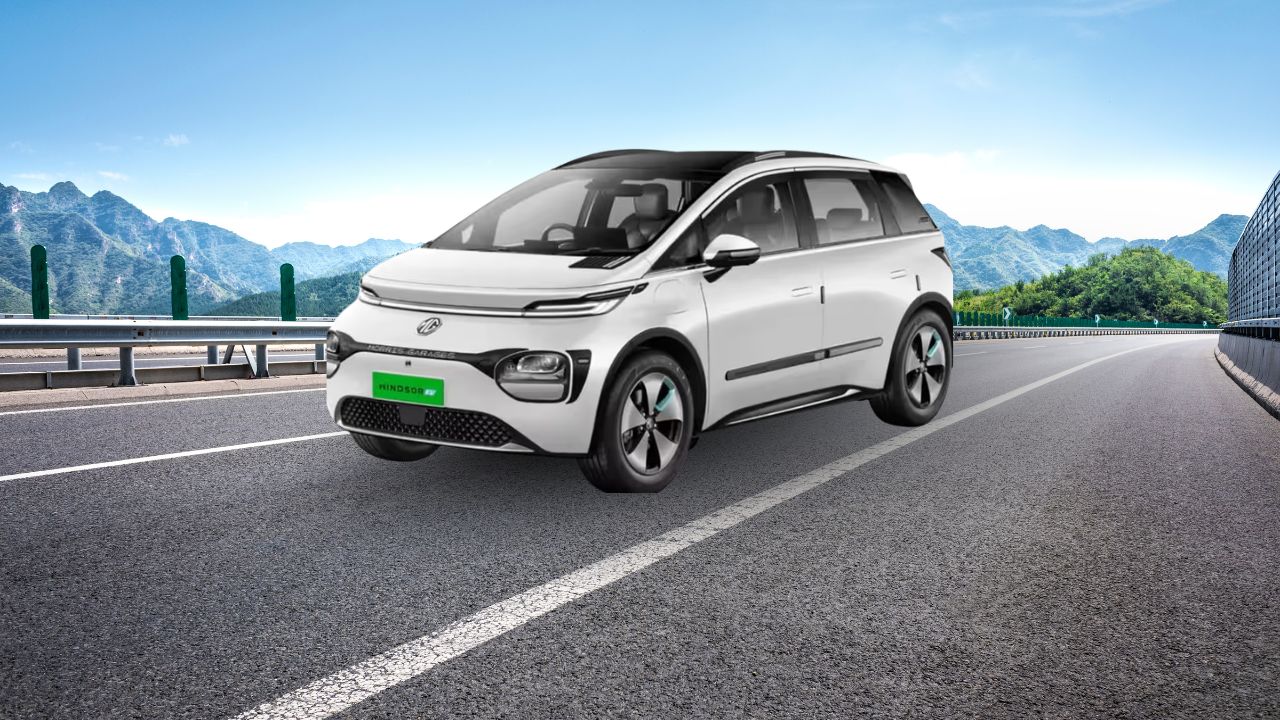
2027 MG Windsor Facelift

MG Windsor has already impressed many people in India’s EV market through its large interior, comfortable seats at the back, and affordable prices. This car was launched in September 2024 and immediately attracted buyers who were looking for practical electric family cars. The new 2027 MG Windsor Facelift will offer more in terms of a larger battery, increased driving range, better charging speeds, and several upgraded elements inside the car.

Perhaps the biggest highlight would be the introduction of a 61 kWh LFP battery pack that promises to offer a range exceeding 500 km. MG is also said to be developing rear seat ventilation and massage systems. If everything goes as of reports, the new MG Windsor might be more attractive for family use on road trips out of town.

Bigger Battery and 500+ km Range is Expected in 2027 MG Windsor Facelift

Two battery models come in the current MG Windsor model, either a 38 kWh model with a range of 332 km or 52.9 kWh for the Windsor Pro variant, which gives a maximum range of 449 km. Despite being sufficient for daily commuting, there is still a need for extended ranges for highway trips.

With the 2027 MG Windsor facelift, it will be equipped with an even bigger 61 kWh LFP battery pack that will have a range of over 500 km. This will enable the car to become more ideal for long travels.

Faster DC Charging Could Improve Highway Convenience

MG is not going to improve its batteries only in terms of capacity. The new facelift may get a quicker DC charger. It takes around 45-50 minutes to charge the Windsor from 20% to 80%.

The shorter time of recharging will make the MG Windsor EV more convenient to drive on highways when compared with its competition like the Tata Nexon.ev 45. However, these new charging specifications have not been officially confirmed.

Feature / Spec Current MG Windsor (38 / 52.9 kWh) Expected 2027 MG Windsor Facelift
Top Battery Pack 52.9 kWh LFP 61 kWh LFP (New Flagship Option)
Claimed Range 332 km – 449 km 500+ km (Expected)
DC Fast Charging 45–50 mins (20–80%) Improved / Shorter Turnaround
Rear Seat Comfort 135-degree Aero-Lounge recline Outboard Ventilation & Massage
Starting Price ₹14.85 lakh (₹9.99 lakh + BaaS) Sub-₹15 lakh (Plus BaaS option)

2027 MG Windsor Interior and Exterior: More Premium Than Before

The MG Windsor is already known for its roomy cabin and comfortable back seat experience. With the addition of the facelift, the company should pay more attention to the passengers’ comfort and practicality. Besides new cabin interior colors and trim levels, the electric crossover might have some extra options.
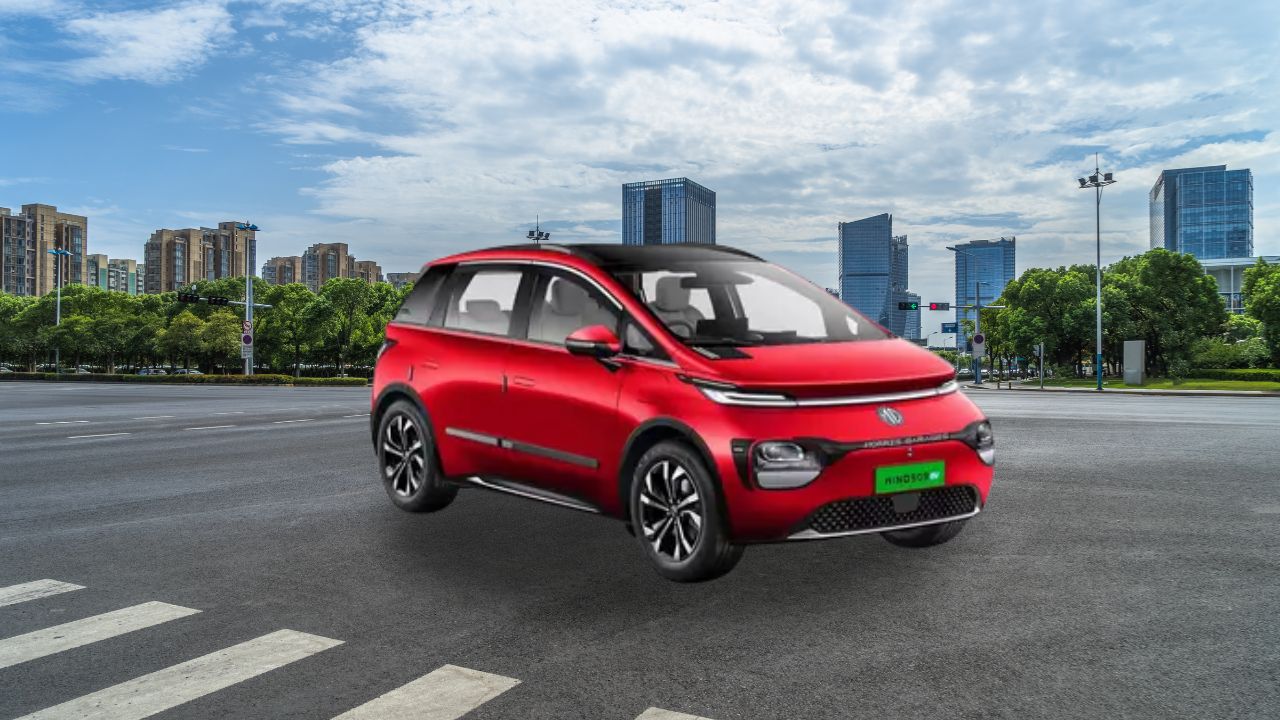
MG Windsor Interior and Exterior

Rear-Seat Comfort Gets More Attention

The existing Aero-Lounge rear seats can recline up to 135 degrees, making the Windsor a comfortable option for chauffeur-driven buyers. The facelift could take this experience further with:

  • Rear-seat ventilation: Ventilated outer rear seats for improved comfort during hot weather.
  • Massage function: Potential massage features for rear passengers.
  • Front passenger convenience: An electrically adjustable co-driver seat for better seating comfort.

 Know Before You Buy 👉 Thinking of Buying Maruti Alto K10 in 2027? Read This Before You Decide

New Exterior Features and Practical Upgrades

The 2027 MG Windsor facelift is also expected to receive subtle exterior changes rather than a complete design overhaul. Expected updates include:

  • Redesigned front and rear bumpers.
  • Updated LED lighting signatures.
  • New side body mouldings.
  • Fresh 18-inch alloy wheels.
  • A powered tailgate for easier access to the boot.
  • A rear wiper with washer for better visibility during rainy weather.

These additions could make the Windsor more practical while giving it a fresher appearance.

Will 2027 MG Windsor Facelift Price in India Stay Under ₹15 Lakh?

Pricing will be very important for the successful launch of the new MG Windsor. However, a bigger battery and additional premium features could drive the total price up, but MG will try to offer a competitive starting price for their car.

It’s expected the base variants will keep the current 38 kWh battery, and the higher trims could get a larger 61 kWh battery. MG could sell base variants below ₹15 lakh, and provide an expensive long-range option.
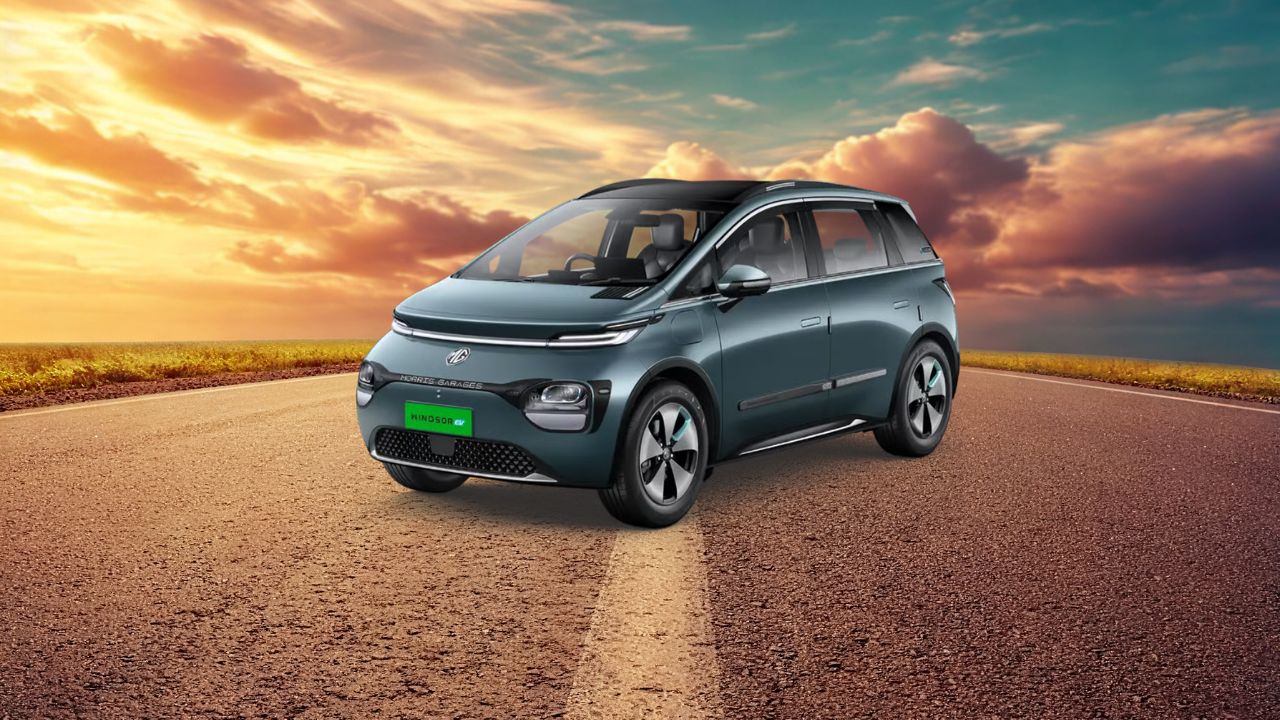
MG Windsor Facelift

How MG’s Battery-as-a-Service Programme Could Help

MG’s Battery-as-a-Service (BaaS) programme is another important part of its pricing strategy. Instead of paying the full battery cost upfront, customers can purchase the vehicle at a lower initial price and pay for battery usage on a per-kilometre basis.

This structure could help MG sell more Windsors as it allows them to provide a more affordable premium electric vehicle. The eventual cost of the battery rental and facelift pricing will determine the true cost of ownership.

Discover Its Bold New Design! 👉 Hyundai Elantra Hybrid Comes With More Sharper Design 

Conclusion

The 2027 MG Windsor facelift may bring upgrades to one of the more popular EVs in India. Improving range to over 500 km, battery size to 61 kWh, and DC charging speed, as well as increased comfort features for the rear seats, may improve the Windsor for families.

However, the MG Windsor facelift will launch in India. While its success hinges on factors such as final pricing, real-world driving range, and charging performance, MG could improve the Windsor against its competitors, including the Tata Nexon.ev and other electric SUVs, if the changes are implemented properly.


Alok Kabir

Alok is an experienced SEO Specialist skilled in blogging and SEO-friendly content creation. He also specializes in Content Optimization and Technical SEO, including website optimization, crawlability, indexing, site speed, and on-page improvements to enhance search rankings and online visibility.

One Comment

Leave a Reply

Your email address will not be published. Required fields are marked *

0

The Ultimate Guide to the Best Compact SUVs in 2026: Drive Smart, Live Better

Best Compact SUVs in 2026

For now, if you find yourself at the crossroads in the market for a new vehicle — well, the best compact SUVs may be the sweet spot you were looking for. They fall short of the gargantuan size of full sized SUVs, but they have enough room and capability to allow you to have fun on your day to day commute as well as on your weekend jaunts. 

If you’re a city resident frustrated by gargantuan vehicles hogging parking spaces, a small family requiring practicality with a dash of style, or just someone who wants to find the best compromise between comfort and efficiency, the compact SUV segment has blossomed into something pretty remarkable. Let’s take a look at the best of the best for 2026 that are worthy of your consideration. 

The Champions of the Compact SUV World

Honda CR-V: The All-Around Achiever

Let’s begin with the Honda CR-V, which is always among the best compact SUVs in our ratings. It’s like the dependable buddy who shows up promptly, doesn’t whine, and actually cares if you’re comfortable or not.

​The CR-V is pretty well balanced in almost every way. It feels within reach at around $31,495 but doesn’t feel cheap. The 190-horsepower turbocharged 1.5-liter four-cylinder engine is paired with a continuously variable transmission. But here’s where it gets interesting: the hybrid model offers 204 horsepower for those seeking a bit more punch and better fuel economy. 

Honda CR-V

A sleek honeycomb-patterned dashboard and surprisingly roomy cockpit await inside. The front seats really do hold you in place on long drives, and the rear passengers aren’t squeezed — always a win. With the second row seats up, cargo space is an impressive 39 cubic feet; folding them down increases it to 76 cubic feet. For comparison, real-world gas mileage of the gasoline model is 28-31 mpg city and 34 mpg highway.

​What’s unique about the CR-V is not some singular standout attribute; it’s a collection of smart design decisions. The cargo floor, which is low all the way to the ground, is a back saver, the driver’s seat feels like home, and the ride quality soaks up bumps without being either too firm or too floaty. 

Nissan Rogue: Luxury on a Budget

For a bit of pampering without going broke, say hello to the 2025 Nissan Rogue Platinum, which rang the bell in overall 2025 testing. At a roughly $40,920 starting point for the Platinum trim, it offers truly premium feels that make sense for the price tag.

The interior of the Rogue is nothing if not impressive. Those NASA-designed zero-gravity seats aren’t marketing fluff—they’re really supportive and comfortable. The Aniline two tone leather with diamond shaped pleats and heavy stitching makes you feel that luxury car. Add the heated seats, heated steering wheel and the wireless phone charger and you’re ensconced in what turns out to be a rather posh mobile sanctuary. 

Nissan Rogue Technology

The 1.5-liter turbo three-cylinder engine makes 201 horsepower and 225 lb-ft of torque, and is a very refined powertrain. The Nissan Safety Shield 360 suite is standard and includes automatic emergency braking with pedestrian detection, blind spot alert and lane departure warning—well, Nissan’s eyes are on the road now, so you can relax.

​Bolts and nuts Cargo capacity is 74.1 cubic feet with the backseats folded down, and notably the rear doors open to nearly 90 degrees, making installation of child seats and getting in and out of the car incredibly easy. Fuel economy is 27-28mpg in the city and 34-35 on the highway. 

Mazda CX-5: The Driver’s Delight

If you like to drive and are not willing to compromise that for utility, the Mazda CX-5 is for you. He’s the shy, retiring party guest who reveals himself to be the most interesting interlocutor low-key, but truly extraordinary.

The CX-5 delivers an experience that feels worth more than its entry-level price of about $29,000. The non-turbo 2.5 engine makes 187 horsepower, but get the turbocharged variant (256 horsepower) and you’ll hit 0-60 in 6.2 seconds—really exciting for a family SUV. The six-speed automatic and standard all-wheel drive also make for a driving experience that’s responsive and fun, and that rivals what you get in vehicles that cost thousands of dollars more. 

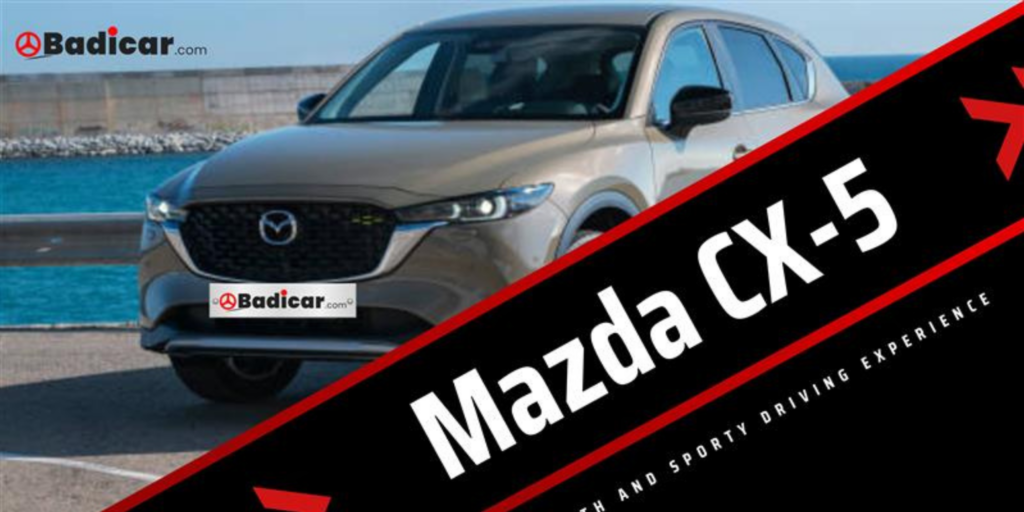
Mazda CX-5 – Sporty Family SUV with Premium Interior

The cabin is as if someone went to luxury car cabs and took the best ideas. Materials are upscale, the design is intuitive, and that floor-hinged accelerator pedal (in lieu of the ubiquitous suspended one), well, that’s just a small detail that illustrates how Mazda thinks. Ride quality is exemplary—faults in pavement are muffled, road noise is minimal and cornering feels planted and confident.

​Fuel economy is 26-31 mpg on the highway depending on the engine choice and the turbo variant manages a respectable 30 mpg at highway speeds despite its extra power. 

A Quick Comparison Overview

Model Starting Price Top Engine Power Fuel Economy (Hwy) Cargo Space (Folded) Best For
Honda CR-V $31,495 190 hp (204 hybrid)​ 34 mpg 76 cu ft​ Overall balance and reliability​
Nissan Rogue $40,920 (Platinum) 201 hp 34-35 mpg​ 74 cu ft Luxury feel and comfort
Mazda CX-5 ~$29,000 256 hp (turbo) 27-31 mpg Smaller but designed Pure driving enjoyment

Budget Friendly Compact SUVs 

Budget friendly compact SUVs in India are Maruti Fronx, Venue, Urban Cruiser Taisor, and Kushaq. Please note that the prices quoted are ex-showroom and may vary based on the On variant and region. In addition, the on-road prices will also have other things like RTO charges, insurance and so on. 

Model Base Price (ex-showroom) Top Price (ex-showroom)
Maruti Fronx ₹6.85 Lakh ​ ₹11.98 Lakh 
Hyundai Venue ₹8.00 Lakh ​ ₹15.69 Lakh 
Toyota Taisor ₹7.21 Lakh  ₹12.06 Lakh 
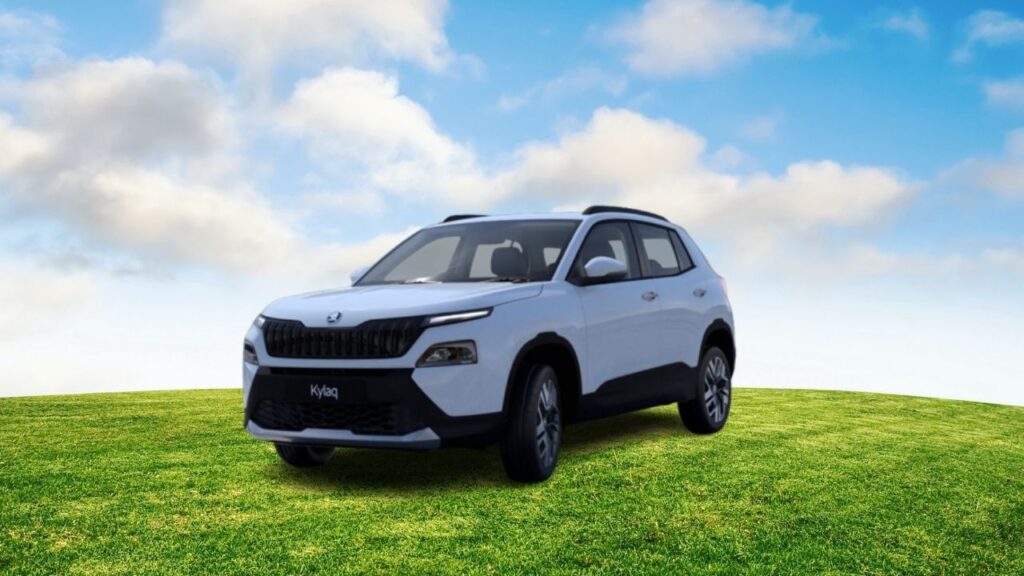
Skoda Kylaq ₹7.55 Lakh  ₹12.80 Lakh 

Key specifications are available on complete details related to engines, mileage, standout features as on January 2026. 

Read More:- Hatchbacks Make a Comeback as GST 2.0 Tax Relief Boosts Demand in India

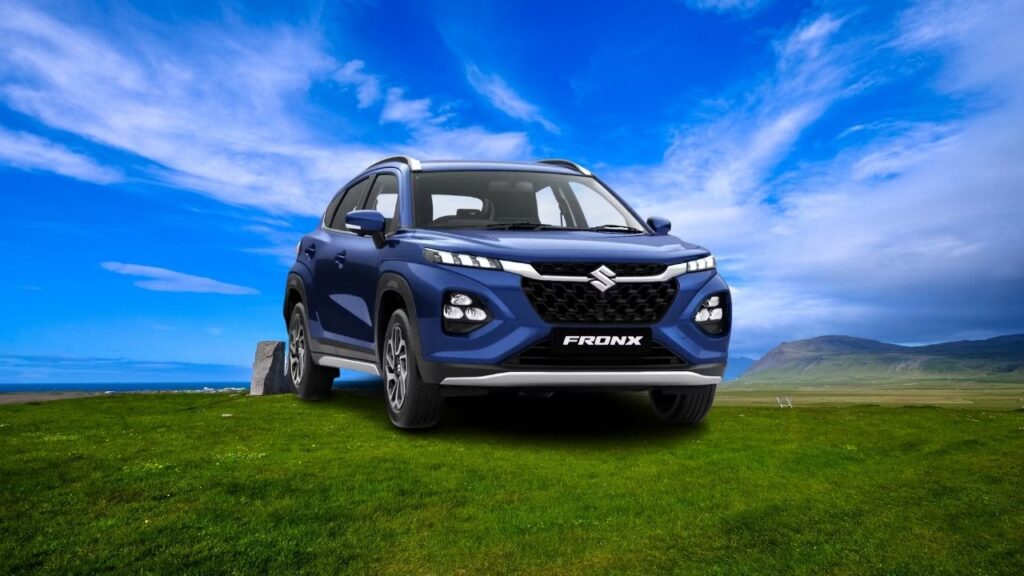
Maruti Fronx 

Engine options on the Maruti Fronx are the 1.2L petrol engine with 89 bhp and 21.79 kmpl (manual), and the 1.0L turbo-petrol engine with 99 bhp offering 21.5 kmpl, as well as a CNG variant.

Maruti Fronx

It also features premium amenities like a 9-inch touchscreen and 360-degree camera. 

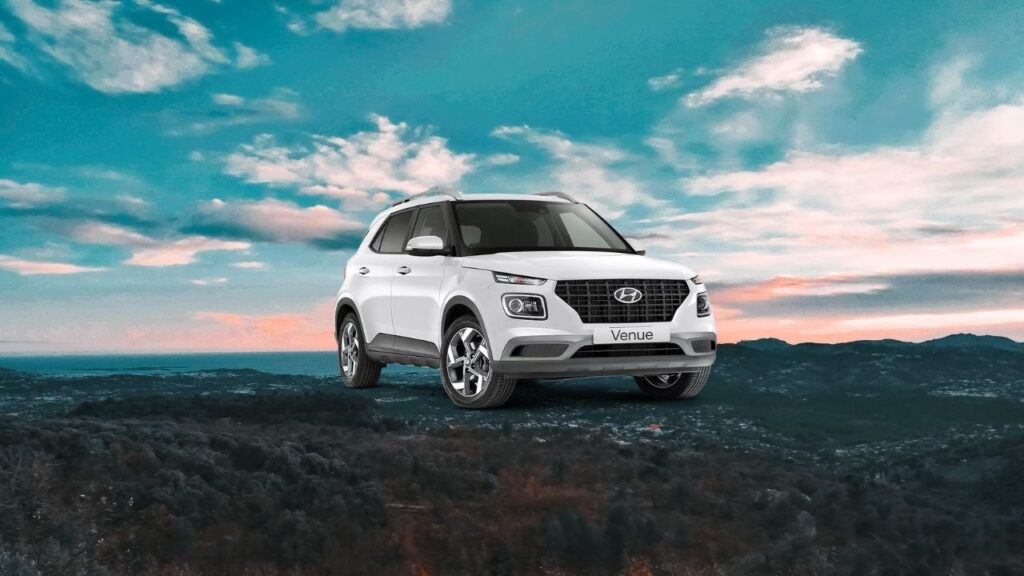
Hyundai Venue 

The car comes with three engine options – a 1.2L petrol engine putting out 82 bhp and delivering a mileage of 18.5 kmpl, a 1.0L turbo-petrol engine producing 118 bhp and giving a mileage of up to 20 kmpl (with a DCT), and a 1.5L diesel engine making 114 bhp and offering a mileage of up to 20.99 kmpl.

Hyundai Venue 

It packs world-class world premieres such as Level 2 ADAS, dual 10.25-inch screens and ventilated seats to improve comfort and safety. 

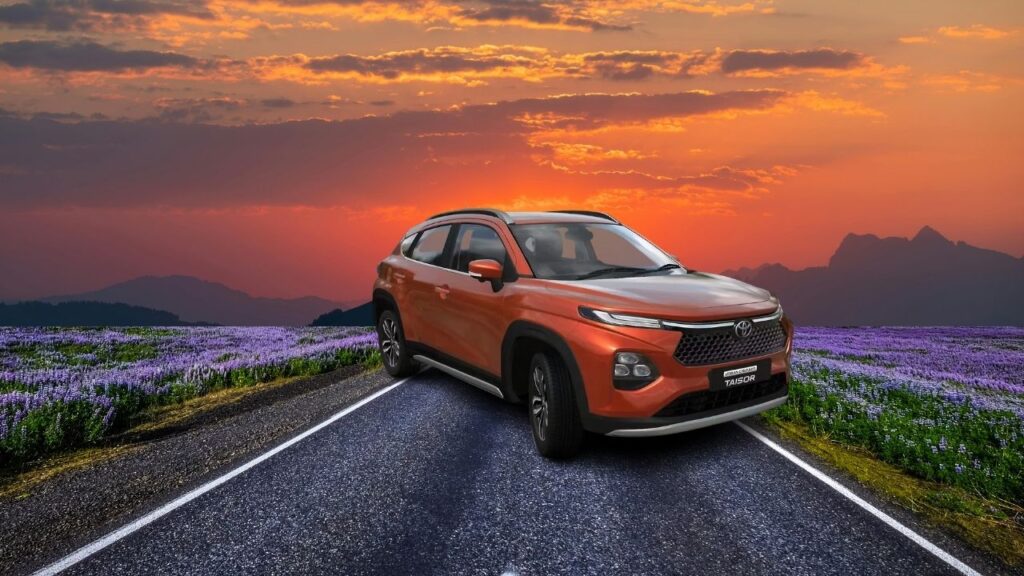
Toyota Taisor

The Fronx with a different badge is available in a 1.2L petrol/CNG engine as well as a 1.0L turbo-petrol engine options which provide an impressive mileage of 22.89 kmpl.

Toyota Taisor

It comes with the latest technologies, including projector LED headlights, and at an additional cost is available with an automatic transmission. 

Skoda Kylaq 

The entry-level compact SUV has petrol variants and mileage is expected to be around 18-20 kmpl. Boasting “European build quality” it’s engineered on a potential 5-star safety rating. 

Skoda Kylaq

Engine and Mileage Comparison

Model Engines (Power) Mileage (ARAI, kmpl)
Fronx 1.2L Petrol /CNG (89/76 power), 1.0T (99 bhp) 20-22.89
Venue 1.2 litre petrol engine—82 power; 1.0T—118 power; 1.5D (114 bhp) 17.9-20.99 
Taisor Similar to Fronx 20-22.79 
Kylaq 1.0L TSI petrol variants 18-20 (expected) 

Conclusion

Selecting from these three comes down to what matters to you most. The Honda CR-V if you want the safe bet — a vehicle that performs well in every area without a significant trade-off. Get the Nissan Rogue If you want to pretend you’re driving something more luxurious than what you’re able to buy. Buy the Mazda CX-5 if you think driving a car should be fun, not just functional. 

The 2026 compact SUV segment has real options and to be honest, nothing in this class is really a bad buy. Any of these will get you through the next several years with a practical, yet engaging driving experience that can make even the most banal daily commutes feel purposeful. Your next vehicle adventure begins by deciding what matters most to you—and luckily, these SUVs make that choice particularly straightforward. 

2

Skoda Slavia Facelift Comes With Automatic Shift & More Features

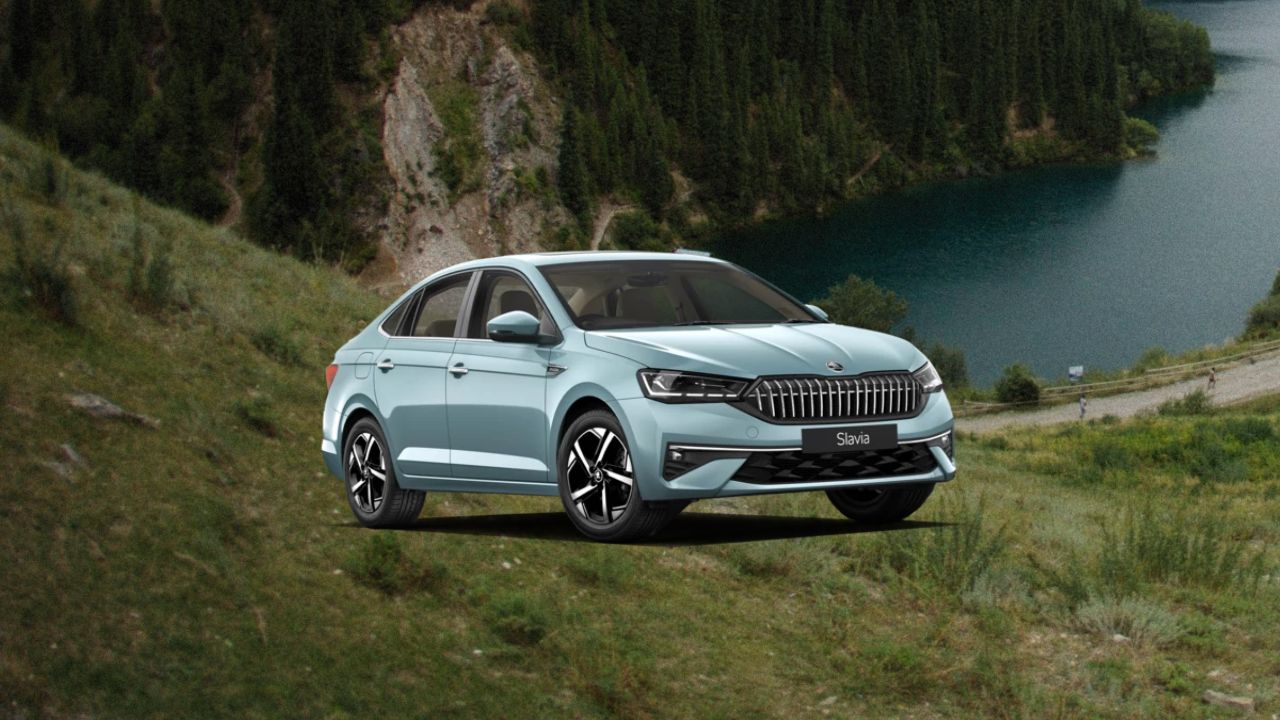
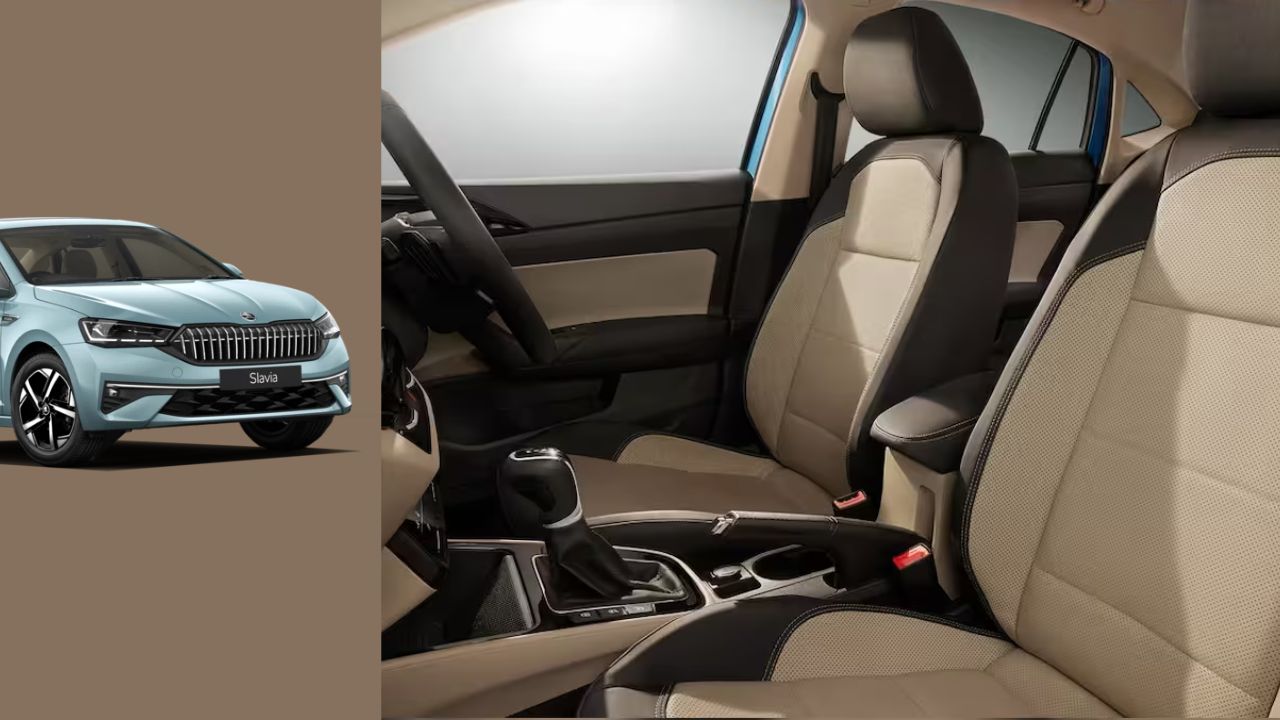
Skoda Slavia Facelift

Skoda has launched the updated Slavia in India. Prices run from Rs. 9.99 lakh to Rs. 18.84 lakh, ex-showroom, and deliveries begin next week. It brings not only just design but advanced features and gearbox updates too. 

The facelift keeps the Slavia’s silhouette, so it won’t look like a new car from a distance. But a new automatic gearbox, a longer features list and a rear massage function make it more than a cosmetic update.

Skoda Slavia Facelift Price and Variants

Six trims carry over: Classic, Classic Plus, Signature, Sportline, Prestige and Monte Carlo. Prices are ex-showroom.

Variant 1.0 TSI MT 1.0 TSI AT 1.5 TSI DCT
Classic Rs 9.99 lakh – –
Classic Plus Rs 10.99 lakh Rs 12.49 lakh –
Signature Rs 13.94 lakh Rs 14.94 lakh –
Sportline Rs 14.34 lakh Rs 15.34 lakh –
Prestige Rs 15.89 lakh Rs 16.89 lakh Rs 18.59 lakh
Monte Carlo – Rs 17.29 lakh Rs 18.84 lakh

Look at the jump from Classic Plus (Rs 10.99 lakh) to Signature (Rs 13.94 lakh). That is nearly Rs 3 lakh for one step, and it’s where most of the equipment story begins. Confirm variant-wise equipment at the showroom before you commit. Classic Plus AT is the cheapest way to enter into the new gearbox.

 👉  Festive Car Discounts 2026: What You’ll Really Save After Price Hikes 

What Brings Facelifted Version of The Skoda Slavia 

The Slavia Design Update 

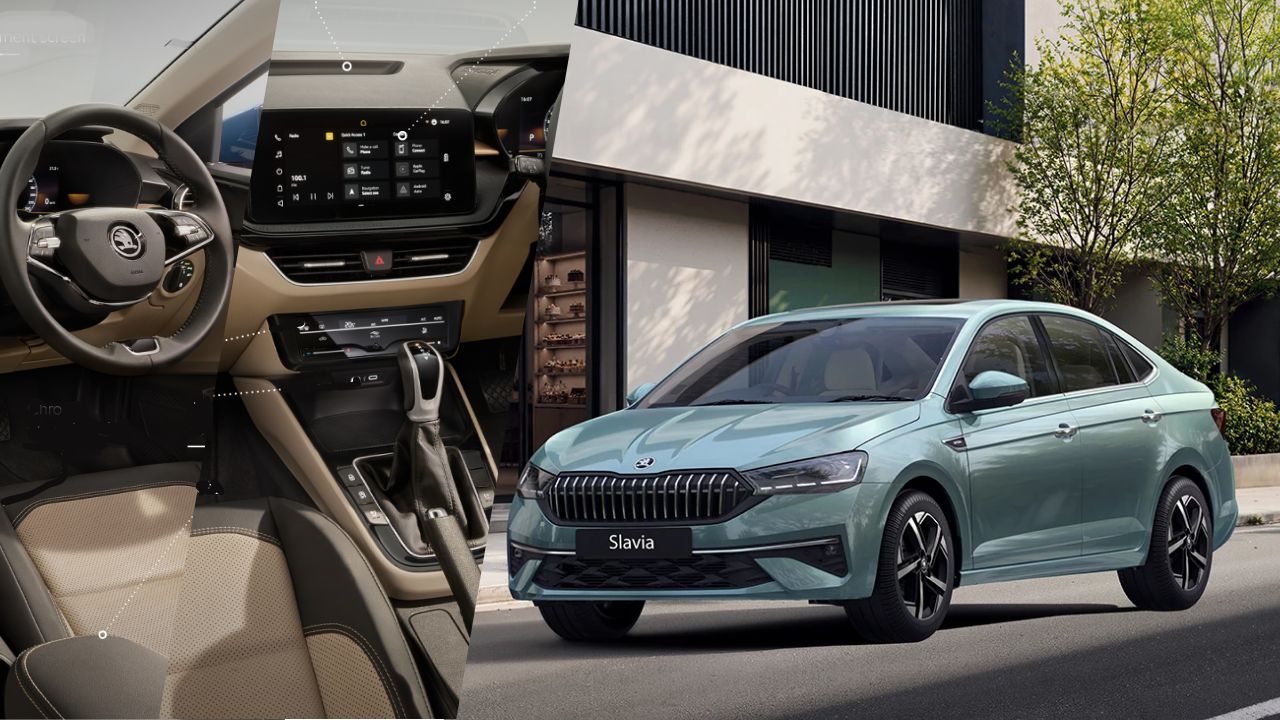
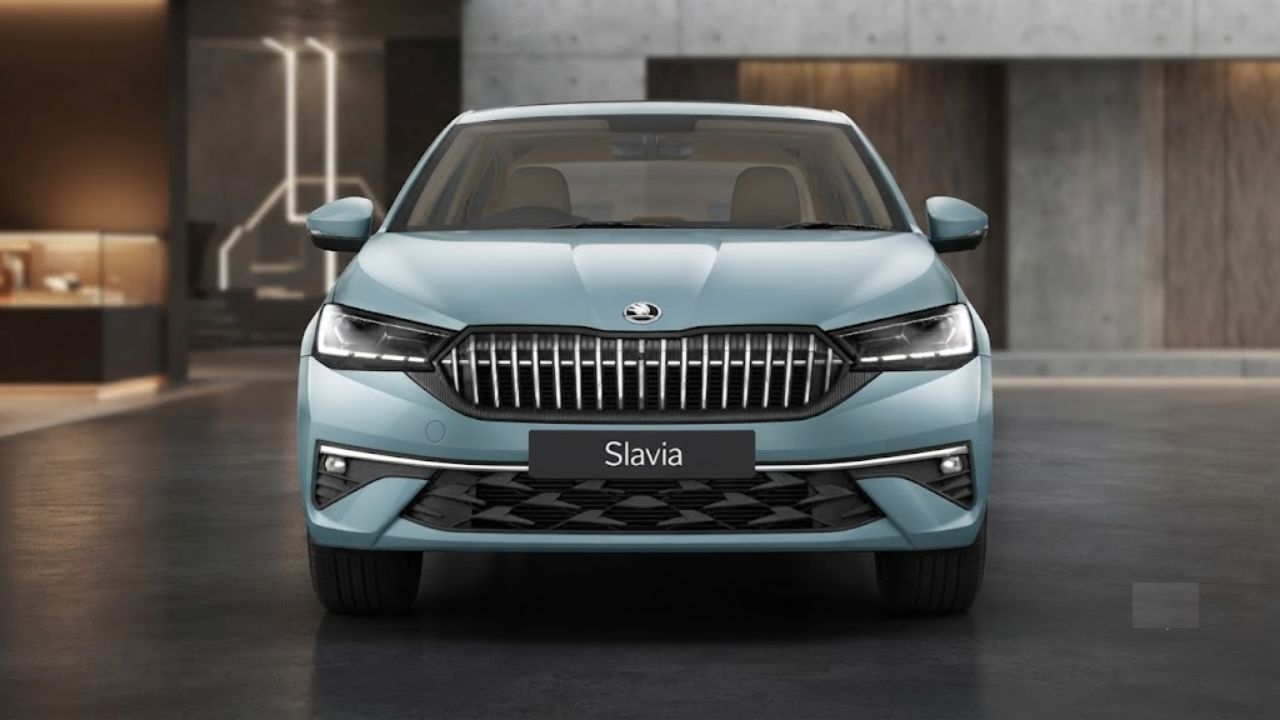
This is a facelift, not a new car. The silhouette is untouched. Up front you get revised L-shaped LED DRLs, a redesigned bumper, LED fog lamps with a cornering function and a faux carbon-fibre insert below the grille. The tail lamps get new internal elements and dynamic turn indicators. A carbon-look strip now links the two units across the tailgate, and 16-inch dual-tone alloys are new.

The Slavia Design Update 

There are ten paint shades, including Arctic Silver and Cappuccino Beige. Beige deliveries only begin in December 2026, so don’t pick it if you need the car for Diwali.

Inside: Bigger Screens, a Quirky Headline Feature

The dual-tone black-and-beige cabin and two-spoke steering wheel stay. What’s new is the equipment list:

  • 10.25-inch digital driver’s display
  • 10.1-inch touchscreen with wireless Android Auto and Apple CarPlay, plus Google Assistant
  • Rear seat massaging function
  • 360-degree camera
  • Single-pane sunroof, wireless charger and cruise control

Six airbags, ESC, hill-hold and tyre-pressure monitoring are on the safety sheet. ADAS is missing, and that matters because some rivals now offer it. The Slavia’s 5-star Global NCAP rating was earned under an older test protocol, so treat it as a strong result but not a like-for-like score against newer-protocol cars.

The 8-Speed Automatic Is the Real Upgrade

Skoda Slavia facelift brings new updates in the engine but the engine itself is old. The biggest mechanical change is the gearbox. The new 8-speed torque converter finds a way through the old 6-speed automatic on the 1.0 TSI. 

With 1.5L TSI, it stays on 7-speed DSG and rear disc brakes also given that makes the ride more smooth and comfortable. The fuel efficiency also makes better figures as the driving becomes more smooth. The facelift comes with the same engine which exists in the current model so expect the same 115 PS and 150 PS of power from the upgrade too.

Skoda Slavia Facelift vs Volkswagen Virtus and Hyundai Verna

Skoda Slavia Facelift vs Volkswagen

Skoda appeal will come down to how its pricing stacks up against the Virtus and Verna. That sounds right to me. The Virtus shares its platform and engines with the Slavia, so the real contest there is Skoda’s features and pricing against Volkswagen’s. 

Skoda offers turbo-petrol engines and a rear massage function which Verna doesn’t offer yet, so if you are looking for a car with more comfortable features then Slavia is a better choice. In the price range of Rs 12 lakh to Rs 21.36 lakh, there is one more brand that offers space and refinement, not speed is the Honda City. check the price each and every car from the dealer.

Should You Buy the Skoda Slavia Facelift?

Buy the Skoda Slavia Facelift if the driving feel matters as it provides ADAS, comfortable seats, and large screen.

Pick your variant like this:

  • Under Rs 11 lakh: Classic Plus MT at Rs 10.99 lakh. The Classic at Rs 9.99 lakh is a starting price, not a recommendation.
  • City commuters: Classic Plus AT at Rs 12.49 lakh, if the equipment suits you.
  • Feature seekers: the Signature AT at Rs 14.94 lakh is the first step where the new tech is likely to appear. Confirm it first.
  • Enthusiasts: the 1.5 TSI Monte Carlo DCT at Rs 18.84 lakh is the one that justifies a Skoda badge.

 👉  5 Lowest-Priced Maruti Suzuki Cars Featuring Automatic Transmission in India

Conclusion

The Skoda Slavia facelift is more than a visual update. The new 8-speed automatic, added cabin features, 360-degree camera and rear seat massage function give it a stronger case against the Volkswagen Virtus and Hyundai Verna. The engines remain familiar, but the gearbox update should make the 1.0 TSI easier to live with in daily city traffic.

At Rs. 9.99 lakh to Rs. 18.84 lakh, the Slavia still covers a wide price range. The Classic Plus AT looks like the sensible starting point for an automatic, while the 1.5 TSI DCT remains the pick for buyers who want stronger performance. Before booking, check the exact variant-wise equipment and dealer quote, since the nearly Rs. 3 lakh jump between some trims makes choosing the right version important.

0

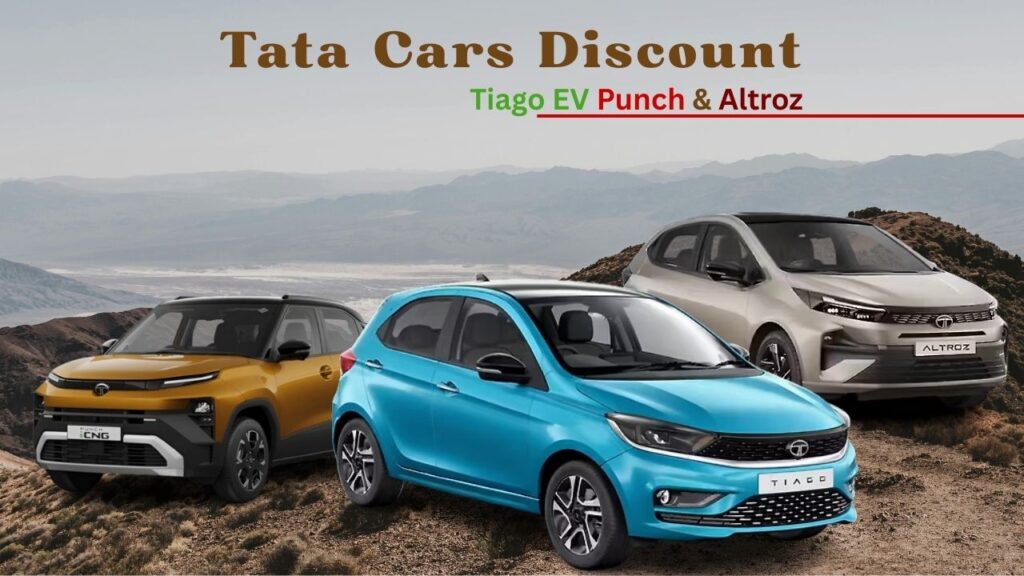
Tata Cars Discount 2026: Up to ₹1.55 Lakh Off on Tiago EV, Punch & Altroz

Tata Cars Discount 2026

If you have been thinking of buying a new Tata car, here is some good news for you. Tata Motors is offering huge discounts on a select few of its best-selling models — Tiago EV, Punch, and Altroz — bringing them to a new high of affordability. These deals are applicable on vehicles ranging from electric vehicles to compact SUVs to premium hatchbacks, and will likely accommodate a broad array of buyers. 

With perks up to ₹1.55 lakh on select variants, Tata is clearly targeting value-conscious buyers who aspire for modern specifications, solid safety, and long-term dependability but don’t want to overstretch their finances. 

Tata Cars Discount Tiago EV, Punch, Altroz

Tata Motors is now providing huge discounts on many of its car models, among them the Tiago EV, Punch, and Altroz, the demand for which is quite high among buyers. 

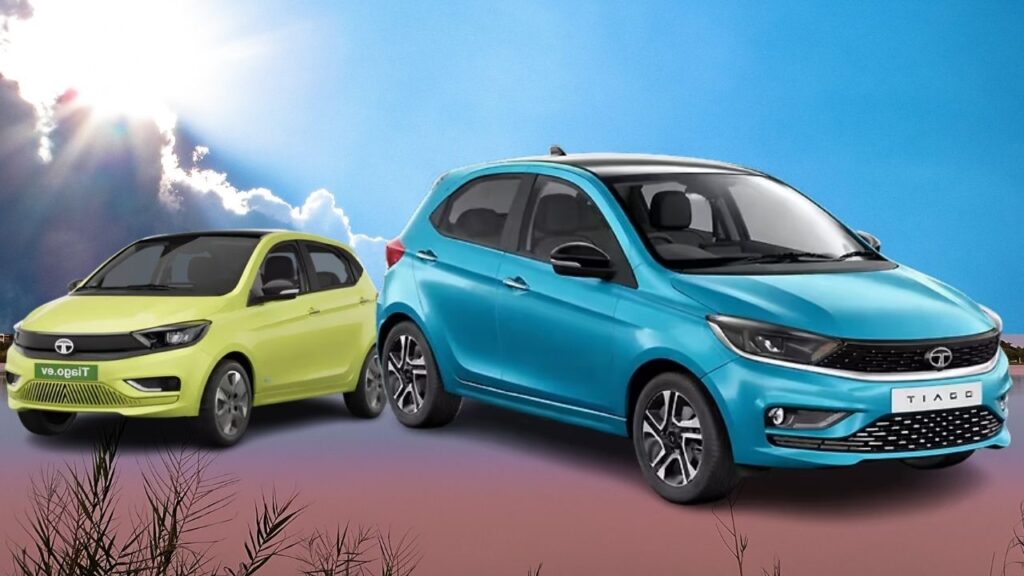
Tiago EV Offer

The Tiago EV is now available with discounts of Rs 1,50,000, rear- wheel drive Tata electric cars could prove to be the most value for money. These discounts on particular variants (XE, XT, XZ) is related to a Rs 70,000 green bonus, an exchange or scrappage benefit of Rs 30,000-35,000 and a loyalty bonus Up to Rs 50,000. Furthermore, Rs 65,000 off on MY2026 variants, which comprises of Rs 40,000 as green bonus and Rs 20,000-25,000 as exchange benefit. 

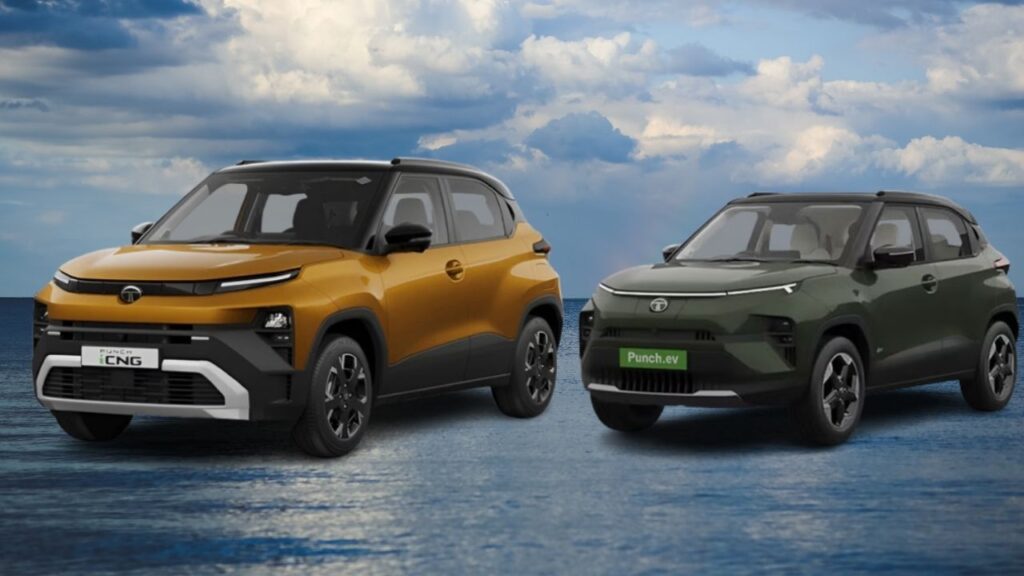
Tata Punch Discount

Tata is now offering benefits of up to Rs. 70,000 on some variants (Pure, Adventure, Creative, Creative iCNG, Adventure iCNG) of Punch. However, MY2026 Punch facelift doesn’t have any discount. Discounts for the Punch EV model differ by production year with the models corresponding to MY2025 and MY2024 receiving a discount of up to ₹1.65 lakh, and the model corresponding to MY2026 an up to ₹95,000 discount. 

Altroz Offer

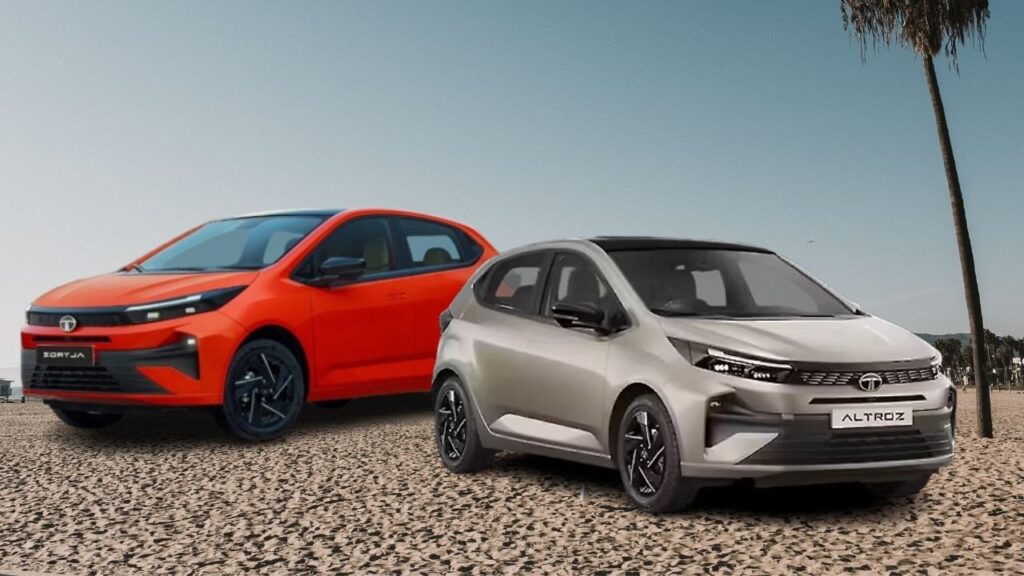
Altroz has been a safety and design leader and is being offered with discounts of up to ₹85,000 for the outgoing model (Pure Diesel, Smart Diesel, Smart CNG, Pure Diesel AMT, Smart Diesel AMT, Smart CNG AMT). The brand new variants, pre-facelift MY24/MY25, which consists of Rs 60,000 cash + Rs 25,000 – Rs 35,000 exchange. This makes Altroz a value-for-money buy if you’re looking at the hatchback segment with premium features. 

Read More:-  Mahindra Car Discount Price February 2026: Up to ₹2 Lakh Off on Thar, Scorpio N & XUV 3XO

Offers Summary Table

Model MY2026 Max Benefit MY2025/MY24 Max Benefit Key Components
Tiago EV Rs 65,000 Rs 1.55 lakh Green bonus, exchange, loyalty 
Punch (ICE) None / Rs 40k (pre-facelift) Rs 60k (with loyalty) Cash, exchange, loyalty 
Altroz Rs 30k-35k Rs 85k-95k Cash discount, exchange 

Tiago EV, Punch, and Altroz features and specifications

Tiago EV

The Tiago EV is a hatchback, compact and nimble with the usual practicality-enhancing features and modern bits and bobs. 

  • It is available in deux battery options, the 19.2 kWh offering a range of around 250 km, and the 24 kWh offering a range of up to 315 km on a single charge. 

Tiago EV

  • The smaller battery variant has a power output of 61 bhp, while the larger one produces 74 bhp, enabling quick acceleration with the larger model achieving 0-60 km/h in just 5.7 seconds.
  • The Tiago EV features a touchscreen infotainment system, connected car technology, and intelligent regenerative braking. Also, you can choose from different driving modes, and the roomy space with high-end material make it a best place to spend your days on wheels. 

Punch: A Compact SUV

  • Those who like small and roomy cabin car, welcome here because The Punch is an incredible model that offers practicality with comfort.
  • With an automatic transmission option that makes it easy for new drivers to shift easily with the powerful latest motor (1.2-liter 3-cylinder) present in the system to give 84 bhp and 113 Nm.  

Punch

  • For added ease, an automatic transmission edition is also available, which is ideal for city driving.
  • For performance, the Punch has a good fuel economy of 18-20 km/l making it a good buy for everyday riding. 

It also has several other impressive features, such as a 7-inch touchscreen, semi-digital instrument cluster, multiple airbags, ABS with EBD, and a rear parking camera. Its tall ground clearance and SUV-like posture promise adventure on all terrains. 

Altroz: Premium Hatchback

The Altroz is a new strong option in the premium hatchback segment with the flexibility of three engine options. This comprises of a 1.2-litre naturally aspirated petrol engine producing 85bhp, a turbocharged 1.2-litre petrol engine outputting 110bhp and a 1.5-litre diesel engine with 90bhp to address different performance requirements. 

  • Its fuel economy is good enough as study shows a distance of 20-25 km/l, which provides the drivers with an economy drive.

Altroz

  • What really elevates the Altroz is its focus on safety, which wins it a 5-star Global NCAP rating. 
  • Features such as electronic stability control and a premium audio system coupled with a 7-inch touchscreen that allows smartphone connectivity, along with versatile rear split folding seats adds to the appeal. 

With its strong build quality, the Altroz is the ideal pick for drivers who seek safety and style in one practical package. 

Conclusion

Tata Motors has opened the door for buyers to make a smart upgrade in 2026 with such heavy discount offers on the Tiago EV, Punch and Altroz. Whether you’re after an affordable electric car, a city-friendly compact SUV, or a safe and stylish premium hatchback, these deals make each model an even better value proposition. Together with Tata’s safety, build quality, and after sales support reputation, these offers are not just discounts – they are buying opportunities where you can be sure you are making a wise investment. If you have been waiting for the right time to buy a new car, this sale season could be the one for you 

0

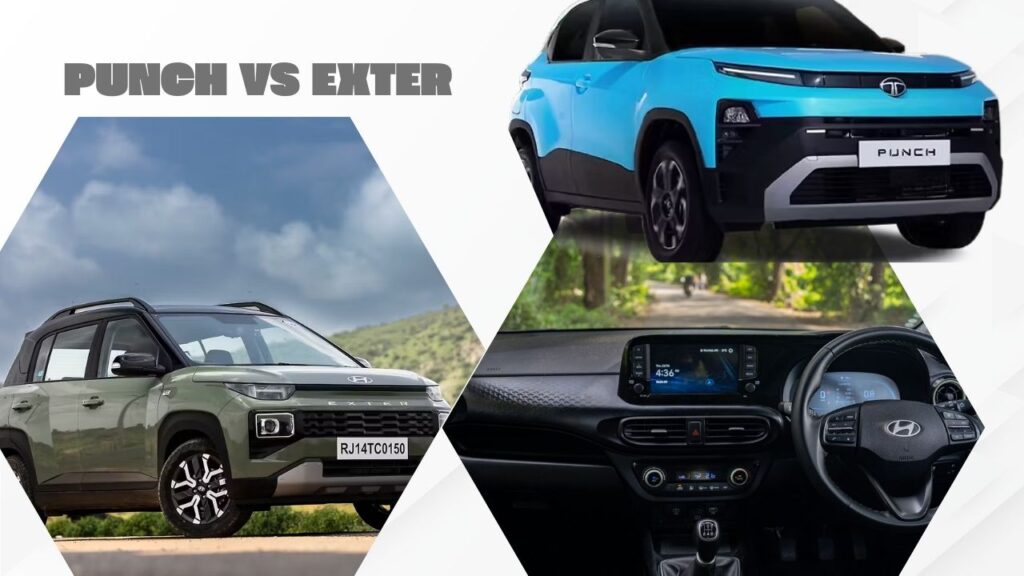
Punch vs Exter: Best Budget Micro-SUV for First-Time Car Buyers

Punch vs Exter

Buying your first car is a little like selecting a long-term roommate. You want it to be reliable and comfortable to live with every day, and cheap enough that the payments don’t make you sweat. That’s precisely why the Tata Punch vs Hyundai Exter comparison has turned out to be a big talking point. For a lot of first-time buyers, this micro-SUV war can confuse them enough to make them go weak in the knees. 

In the 2026 Indian market, two names have turned out to be the de-facto choices for every first-time buyer — Tata Punch & Hyundai Exter. Both the new models are “Micro-SUVs,” which means you get a commanding high-seating position and the “big car” feel without the hassle of parking a tank in a small city space.

But which one should you actually buy? Let’s take a look at the Punch vs Exter comparison to see which one suits you better. 

The First Impression: Design and Presence

For a lot of first-time buyers, the word “SUV” is minimalistic enough.

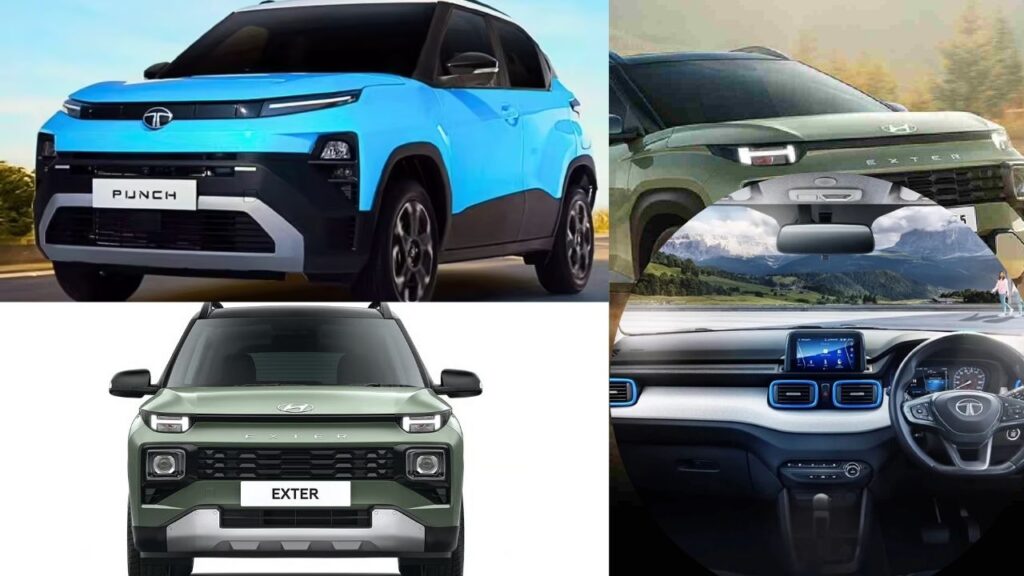
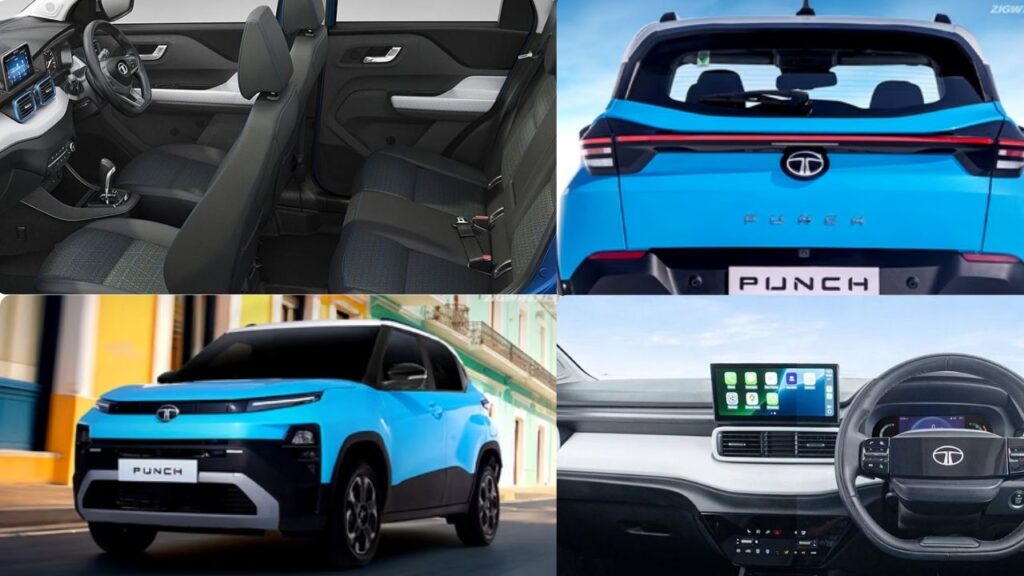
At first look the Punch 2026 facelift appears robust and sturdy, with the presence and stance of a compact SUV that can take on anything. Its good ground clearance of 193 mm is one of the best in the segment and helps a lot on Indian roads. If your route to work has potholes, patches of rough pavement, or water-filled streets in the monsoon, the Punch is a vehicle that looks like it can take those pummellings and keep going without a second thought.

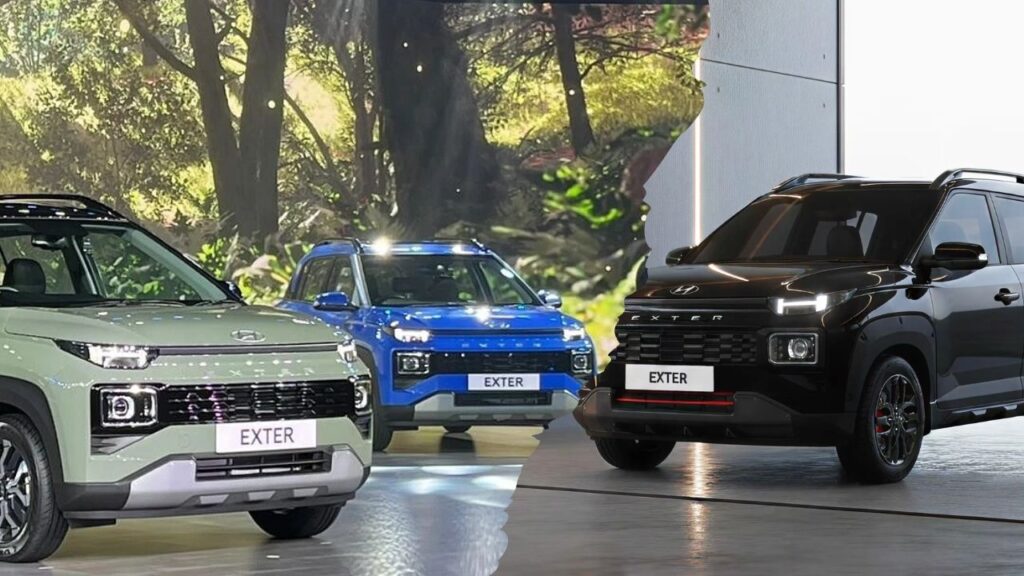
Hyundai Exter: The Exter taps into a “funky-urban” theme. It’s a little more boxy and “tall-boy” in shape. The H-formed LED lights spark conversation, and it looks like a high-tech gadget on wheels. Though it isn’t as “rugged” looking as the Punch, it does have a polished look that would feel right at home in the parking lot of a corporate headquarters. 

Performance: City Zipping vs. Highway Cruising

Since this is maybe your first car ever, you probably want an easy, no-stress driving experience, particularly when you’re inching along in city traffic.

The Smooth Operator – Hyundai Exter:

The Exter buit on a comfort and refinement that was given by a 1.2-litre 4-cylinder engine. You can sneak in and out from anywhere without making a huge noise when your car goes on. This poise makes for a lot more relaxing, especially in stop-and-go city traffic and what seems like an endless daily grind. And light steering and a quiet cabin also make new drivers feel comfortable behind the wheel. 

City Zipping vs. Highway Cruising

Highway Titan Power Punch

The Power Punch (Tata): The Punch also packs in a 1.2L engine, but it is a 3-cylinder unit, which can seem a bit “vocal” when compared to the Hyundai. But for 2026 Tata has launched a Turbo-Petrol variant for all those who want this car to have a little more “oomph.” For weekend jaunts up the mountains or long hauls on the highway, the Punch’s beefier steering and solid platform seem more grounded and “unstoppable” at speed. 

The “Tech” Factor: What’s Inside?

This is where the fight gets fierce. Features have always been Hyundai’s forte, but Tata has got there fast. 

Feature Tata Punch (Facelift) Hyundai Exter
Infotainment 10.25-inch (Huge & Crisp) 8-inch (User-friendly)
Connectivity Wireless Android Auto/Apple CarPlay Mostly Wired (needs adapter)
Sunroof Yes (Voice Assisted) Yes (Voice Assisted)
Cameras 360-degree camera Rear Camera only
Special Bits Ventilated Seats, Air Purifier Dashcam with Dual Camera

The Punch’s 360-degree camera is a huge boon for a first-time driver. It’s like parking in a video game and not a nerve-racking task. Flip side, the Exter’s factory-fitted dashcam is a great safety feature to record your drives. 

Safety: The Peace of Mind

Tata is inextricable from safety.

Tata Punch – It boasts of 5-star safety rating (Bharat NCAP). The doors close with a satisfying “thud” that makes you feel secure. If safety is the number 1 priority in your life because you have to haul around family, then the Punch is the undisputed reigning heavyweight champion of that category.

Safety The Peace of Mind

Hyundai Exter: Six Airbags are now standard on all variants and that is great. While it’s not yet crash-tested officially, it does bring electronic safety aids such as Stability Control (ESC), and Hill Start Assist so you don’t lose grip on slopes. 

Mileage and Price Matters the Most

As a budget SUV, running cost matters.

  • Fuel efficiency: The Exter manages to fetch a little bit more mileage in the city drive, that too on the CNG variants, which happen to be one of the most polished variants in India.
  • Pricing: Both the cars are priced from around ₹6 lakh (ex-showroom) to ₹10.5 lakh for the top-end variants.

Pro Tip: The Punch CNG is now offered with “Twin Cylinder” technology, which means you get the economy of CNG without the space of your boot for luggage. It’s a game-changer for small families.” 

Which one should you buy?

If you are torn between Tata Punch and Hyundai Exter, have a look at the following points:

Choose the Tata Punch for safety especially in this segment If you want to prioritize safety. You Should Get It Also If You Drive On Rough Roads Or If You Bump Up High Often. For those who love to go spirited driving on the highway, the Turbo engine would be great in this case. 

Punch vs Exter buy

Hyundai Exter giving you quiet engine to drive smoothly on city roads. Its high-end interior quality aside, a better fit and finish also enhances its appeal. The jolt-free, dependable AMT ensures smooth driving and with a wide service network of Hyundai, ownership will be taken care of without any hassles. 

Read More :-  Jeff Bezos’ Insane Car Collection: From Humble Hyundais to Hypercar Royalty

Conclusion

Tata Punch, Hyundai Exter both are great options for a first-time vehicle buyer in the budget micro-SUV segment.

Tata Punch is the safer choice, is more robustly built and can handle rough roads better. If you want a more refined engine, better city ride quality and more refined cabins, Hyundai Exter is the way to go. 

In short, Punch is ideal for durability and safety, while Exter is great for city-friendly comfort and features. 

0

Kia Carnival Hybrid Price In India And Additional Cost For Accessories

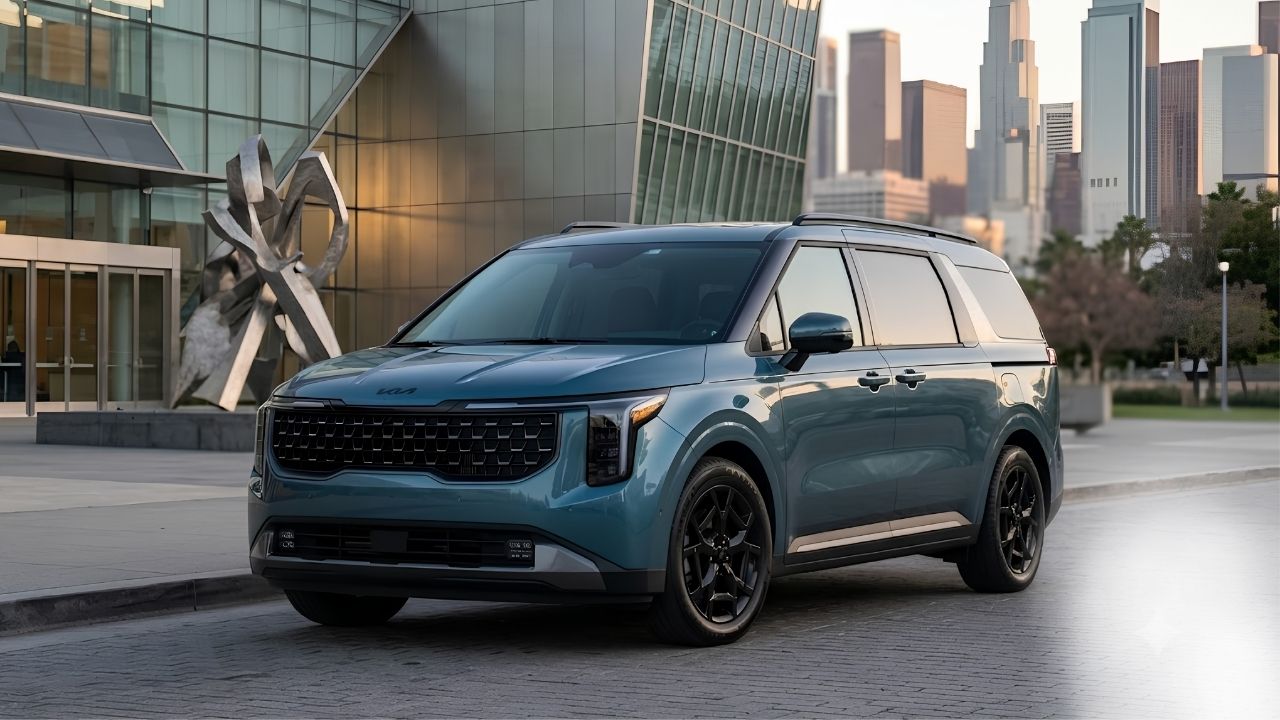
Kia Carnival Hybrid

Waiting for two days more for the hybrid is worth it if you are buying for city errands. Kia Carnival Hybrid price in India is not officially announced yet, you will know at the time of launch on September 4, 2026. Expected to arrive with more high-end features, better mileage, and comfortable seating along with smart driving assistance.

Other than that, there are essential accessories that keep the interior manageable. Additional cost for accessories mostly added on-road price but check whether you need it or not. In this segment, it could be expensive but some of them are non-negotiable so let’s see the important accessories cost and Kia Carnival Hybrid expected price.

Will Carnival Hybrid be More Expensive Than Its Diesel Model?

Kia hasn’t published pricing for the Carnival Hybrid. The car will sit alongside the existing diesel model rather than replace it on September 4. We now know today is diesel Carnival’s ex-showroom price of ₹59.65 lakh, sold in a single fully-loaded Limousine Plus trim. The on-road price will sum up to around ₹70-75 lakh depending on your city’s registration and insurance costs.

Automotive industry reporters suggest that hybrid models put at an accessible entry point into Carnival lineup rather than premium over diesel and this positively makes sense because parallel-hybrid systems are usually cheaper to build at scale than a big turbo-diesel and 8-speed gearbox. 

A working estimate of roughly ₹55-65 lakh ex-showroom is a reasonable range since it’s a hybrid model but it’s not a quote so treat this range as a guess point. Wait for Kia’s confirmed range on the 4th before making a decision to buy.

Read More 👉 New Kia Niro EV Price 2025 – Full Details, Features & Latest Updates

Features And Performance

Most of the features and specifications of hybrids are similar from diesel Carnival including body size but we can expect powerful powertrains that gives you new experience.

Powertrain

The Carnival Hybrid swaps the current 2.2-litre diesel (193 PS, 441 Nm, paired with an 8-speed automatic) for a 1.6-litre turbo-petrol engine working with a 54kW electric motor through a 6-speed automatic. 

Combined output is expected to land around 242 HP and 367 Nm, matching the figures Kia quotes for this powertrain in international markets. 

Kia Carnival Hybrid Features And Performance

Fuel Economy

The system also gets three levels of regenerative braking, which is what’s expected to close the efficiency gap with the diesel — global specs suggest fuel economy near 14.5 km/l for the hybrid, close to the diesel’s ARAI-rated 14.85 kmpl, but with petrol running costs and none of the diesel’s low-end clatter.

Body Size & Exterior

Dimensions carry over largely unchanged: 5,156mm long, 1,994mm wide, 1,740mm tall, on a 3,091mm wheelbase — so the hybrid isn’t a smaller, more city-friendly Carnival. It’s the same big MPV with a different heart.

Carnival Hybrid Rival in The Indian Car Market

If you’re cross-shopping, the decision splits pretty cleanly along how you actually drive. The diesel Carnival’s 441 Nm of torque and proven 8-speed gearbox still make sense if you’re doing long, loaded highway runs regularly — that’s where diesel torque earns its keep. The hybrid makes more sense if your driving is a city-highway mix, since the electric motor and regen braking do their best work in stop-start traffic where the diesel is least efficient.

In this segment, one more name is sitting on the top: Toyota Vellfire, pricing starts at ₹1.20 crore and runs to ₹1.30 crore ex-showroom so it’s not a really competitor of Carnival in price. In functions, it comes with a 2.5-litre hybrid engine that makes 190 HP of power with 240 Nm torque which is less than what Kia offers, but Vellfire claimed 19.28 kmpl with a more opulent cabin in higher trim.

If your budget tops out anywhere near ₹60-75 lakh, the real comparison is Carnival diesel vs. Carnival hybrid, not Carnival vs. Vellfire.

What’s Different to Look At, Not Just Drive

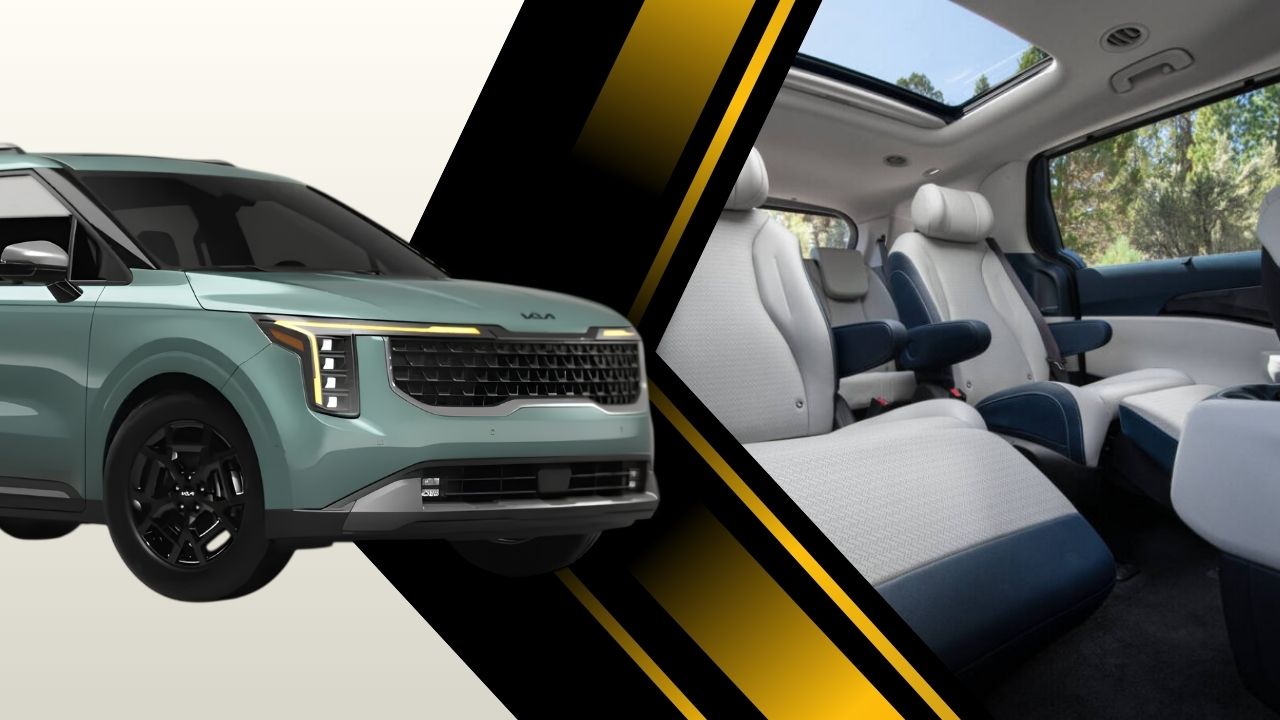
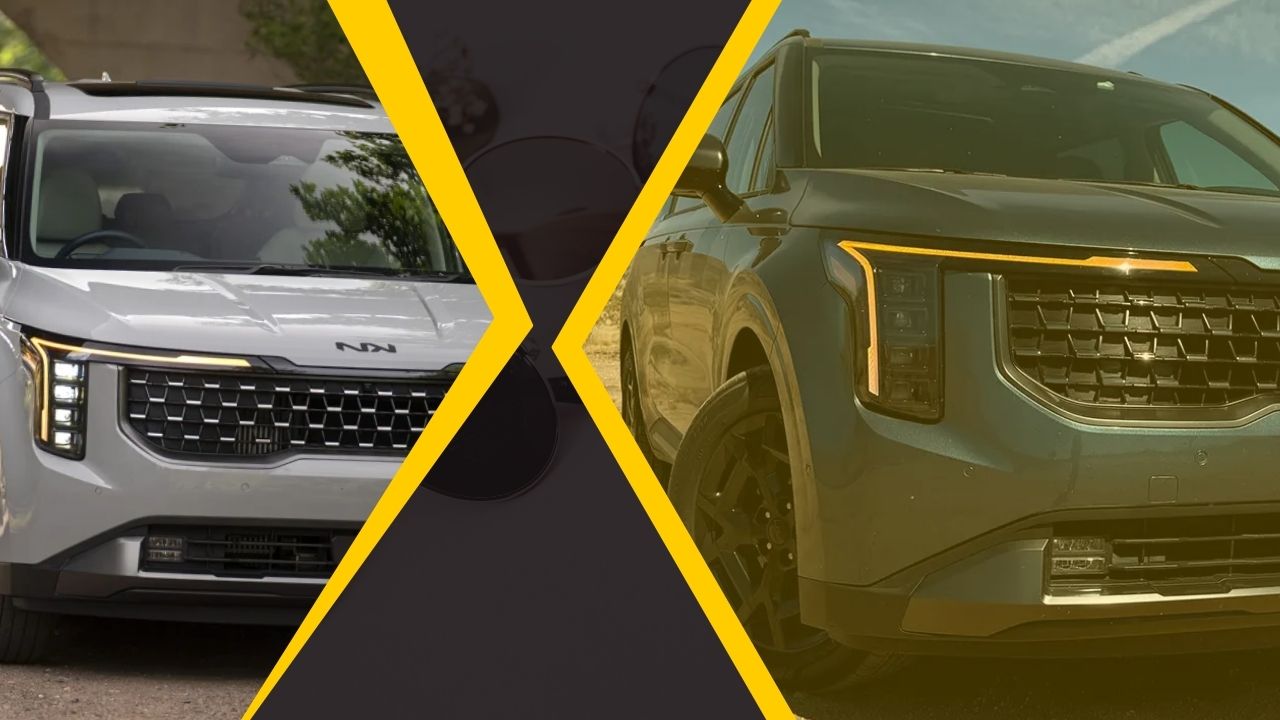
The hybrid isn’t just a badge change. It will be a more futuristic and sleek-packed design with 19-inch glossy black alloys and a Dark Edition trim option. Front and rear full LED lighting is making a presence remarkably extinguish. For higher trims, relaxed second-row seating with power adjustment, recline, and ottomans, plus heating and ventilation is a peak comfort. Kia is leaning into chauffeur-driven appeal rather than turning it into a conventional family MPV.

Read More 👉 EMI vs Lease: Which Is Better If You Plan to Upgrade Your Car Every 3 Years 

Additional Cost For Kia Carnival Hybrid Accessories

Accessories are a separate line item worth buying along with a new car to secure it from daily dirt and keep it refreshed. It’s mostly added in an on-road price quote but Kia hasn’t published a hybrid-specific accessory catalogue yet. So we should look into the Kia-authorized accessory for the current Carnival which is a reasonable stand-in given the hybrid shares the same body and cabin.

Essential Accessories to keep the car clean and refreshed while finishing city errands or going on a longer trip, comfort and styling comes from little care and small things. If you are buying a Kia Carnival Hybrid. Keeping the add-ons in the list will increase a little money but it will be worth it.

Accessory Price Range (₹)
Lifelong 7D floor mats (full set) 8,000 – 10,000
Leather-look seat covers (full set) 8,000 – 10,000
Car garbage bin 760 – 900
Tissue box holder 410 – 480
Microfiber cloths (set) 200 – 420

If you want more styling and make it look like a premium car then adding a few more things like a genuine chrome accessory kit, door visors, or a body cover is enough to make your car attractive. There is no fixed mention price because it is quoted per-order rather than listed at a fixed price. So ask your dealer for an itemized accessory bundle rather than guessing.

One outlier worth a premium aftermarket horn upgrade with relay was priced around ₹2,600 — a small but common add-on for MPV owners who find the stock horn underwhelming.

Kia Carnival Hybrid Accessories

None of this is optional-optional if you’re buying a car in this price bracket — dealers routinely bundle ₹40,000-60,000 worth of mats, covers, and styling extras into the on-road price quote, and it’s easy to miss that this is negotiable.

Should You Book Now or Wait Two Days?

If you’re not in a hurry, waiting until September 4 costs you nothing and gets you a real number instead of a range. If you’re already leaning diesel because you need the towing torque or you’re not interested in a wait, there’s no reason the hybrid launch should change your plans — you’re not cross-shopping the same use case anyway. 

Either way, treat every “Carnival Hybrid price” you see published before the 4th, including the estimates in this piece, as a placeholder until Kia says otherwise.

Read More 👉  Ceramic Coating vs PPF For Kia Carnival Hybrid 2026 

Conclusion

The Kia Carnival Hybrid is worth waiting for if most of your driving happens in the city, especially if you want a quieter, smoother MPV without giving up the Carnival’s space and premium features. But don’t book it based on the ₹55-65 lakh estimate yet — Kia’s September 4 pricing will determine whether the hybrid is genuinely better value than the ₹59.65 lakh diesel.

If your priority is highway touring, full-load performance and maximum torque, buy the diesel. For a mixed city-highway lifestyle, the hybrid is the version to watch. For additional cost for the accessories to buy along with a new car can be around ₹40,000-60,000 other than the cost of the car.

So wait for the hybrid’s official price point from Kia then compare it with the final on-road price of diesel, if Kia manages to keep the hybrid near the ₹60 lakh mark, that’s a win-win for urban buyers.