
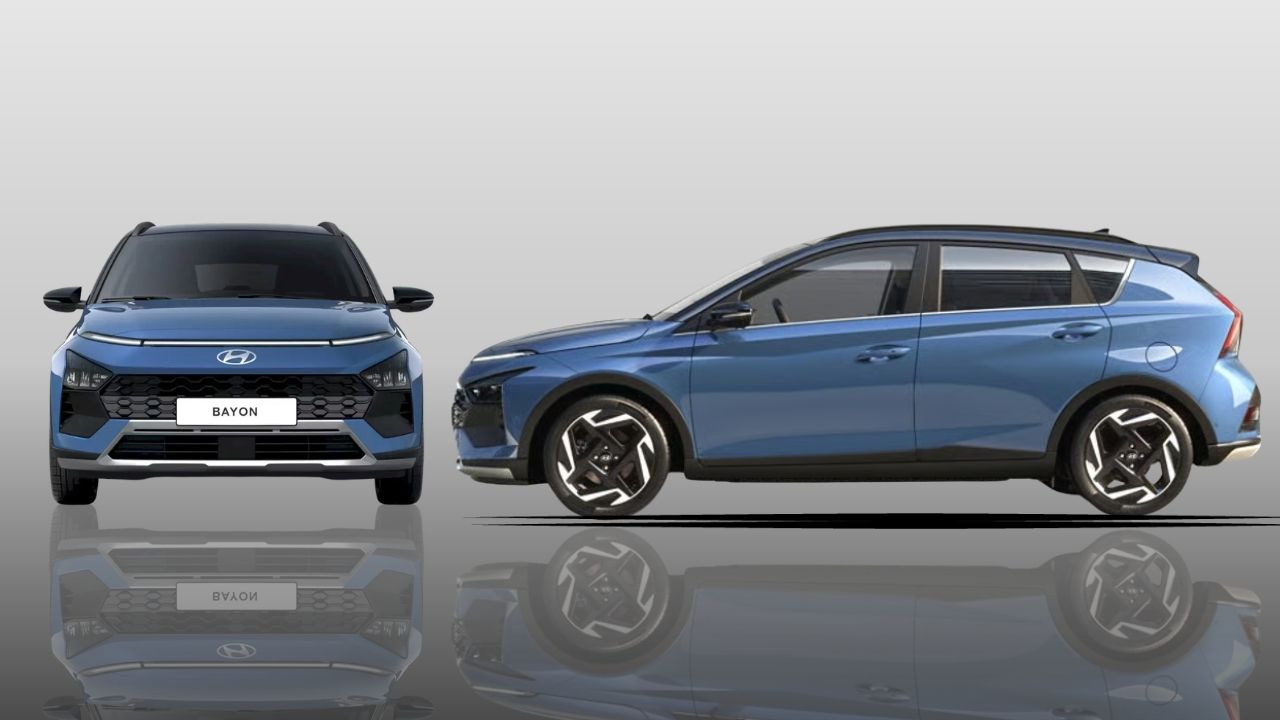
Hyundai Bayon rewrote the SUV segment with high-end features, opening at ₹11,000. That is the real story behind Hyundai Bayon bookings. Bookings are live on Hyundai’s website and at authorised dealerships, the launch is set for October 26, 2026, and the price lands that day.
Hyundai Motor India has unveiled the India-spec Bayon, a 4.2-metre SUV it calls an “Intelligent Utility Vehicle”. Below is specification and features that comes with this car, and where the Bayon fits against the cars you’re probably already comparing it with.
Hyundai Bayon Bookings Opens at ₹11,000
The booking amount is ₹11,000, payable online or at a dealership. What the token does not tell you is the price. Hyundai says it will announce that at launch. Detailed delivery timelines are also being held back until then, although Hyundai has said deliveries will begin in the festive season.
Hyundai’s India booking terms have historically allowed cancellation, but whether that applies to the Bayon, and what, if anything, gets deducted, hasn’t been stated in anything by the company yet. So, ask your dealer about the refund policy.
A booking token usually buys you a place in the queue and little else. With deliveries tied to the festive season, queue position is the only real argument for booking before the price is public.
Where the Bayon Sits in Hyundai’s India Lineup
Hyundai positioned the Bayon between Venue and Creta. Bayon is 4.2 mtres longer than Venue but shorter than the Creta. The carmaker aimed at buyers who have outgrown a sub-4m SUV but don’t want to stretch to a full mid-size one.
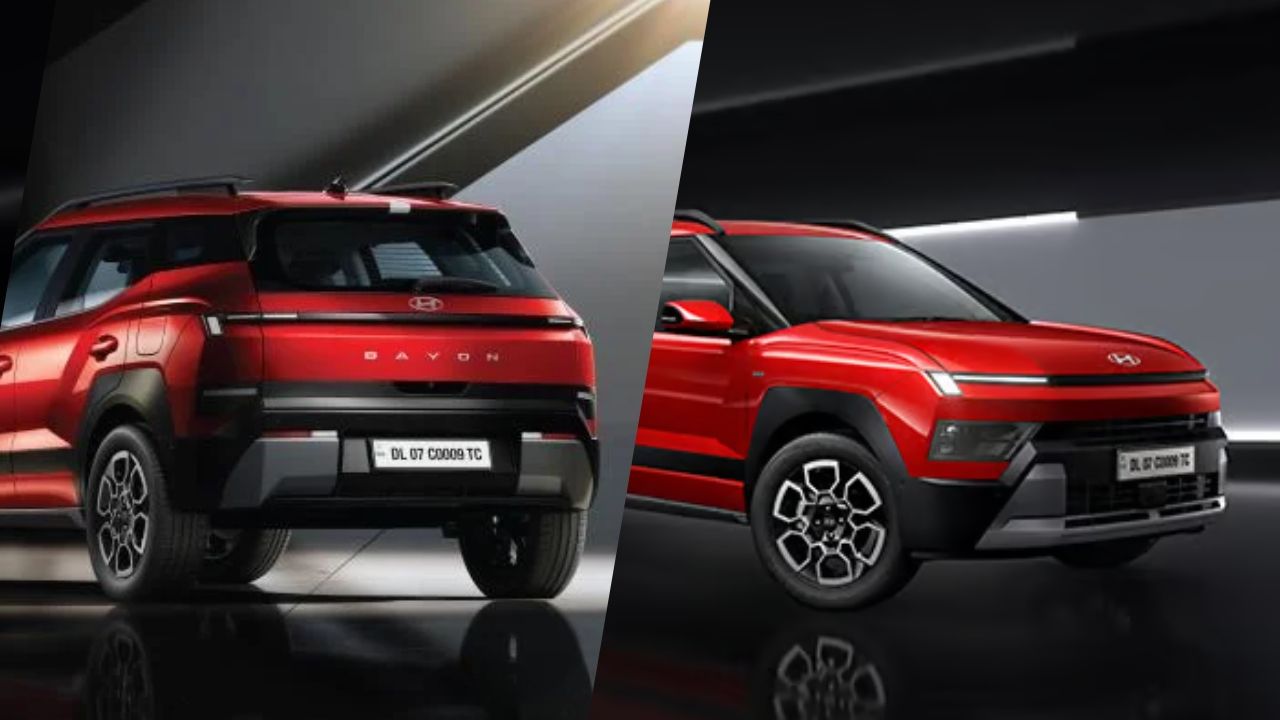
One report says it rides on Hyundai’s Global K Enhanced Platform. A 4.2m car will usually give you more rear-seat room and a bigger boot than a Venue, but the actual numbers (wheelbase, boot capacity, ground clearance) haven’t been published.
Engine and Gearbox: A Familiar Hyundai Petrol
Under the hood is a 1.5-litre, four-cylinder MPi petrol engine making 115 PS (84.4 kW) and 144 Nm. Buyers get a choice of a six-speed manual or an IVT automatic.
If those numbers sound familiar, they should. They match the 1.5-litre petrol in the current Creta. That is good news for reliability and bad news for anyone hoping the Bayon would be the sporty one. This is a naturally aspirated engine tuned for easy city driving, not a turbo.
There is no diesel and no turbo-petrol announced for the India Bayon, and no hybrid or CNG. For high-mileage buyers who would normally look at diesel or CNG, that narrows the audience.
ARAI mileage hasn’t been announced. For context, the Honda Elevate’s 1.5-litre petrol is rated at 15.31 kmpl with the manual and 16.92 kmpl with the CVT, which is a useful benchmark for what a naturally aspirated 1.5 returns in this size class.
Hyundai Bayon High-End Features
Hyundai is leading with technology, and CEO Tarun Garg has pitched the Bayon as the car that “places technology and convenience at the heart of the customer experience”. The specifics:
Generative AI voice assistant. This is the first one in a Hyundai India car. Perplexity and SoundHound as the technology partners.
Dual 12.3-inch screens. One handles infotainment and the other the digital instrument cluster.
NVIDIA-accelerated ccNC. Hyundai’s Connected Car Navigation Cockpit runs the infotainment on NVIDIA hardware. That should mean smoother, faster screens than the laggy systems of a few years ago, though real-world responsiveness is a drive-day question.
OTA updates for 19 controllers. Hyundai calls this Vehicle Controller Over-the-Air (C-OTA). The number is the interesting part. Updating 19 control units over the air means Hyundai can patch more than the infotainment software.
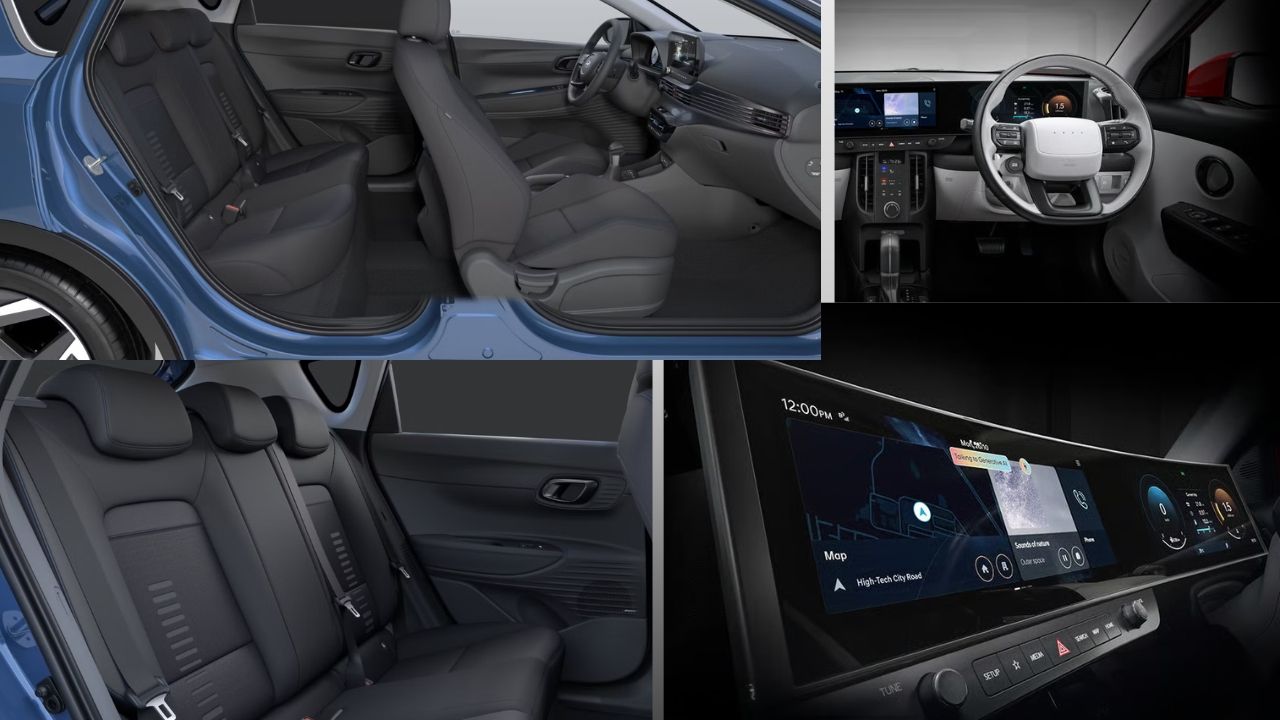
Bluelink connected features. These are Hyundai’s connected-car suite for remote functions and tracking.
The pattern across these features is that the hardware is announced and the long-term cost of owning it is not. A generative AI assistant that needs a paid data plan after year one is a very different proposition from one that doesn’t.
Safety: “Engineered For” Is Not a Rating
Hyundai says the Bayon is engineered for five-star Indian safety standards. That describes an intention. It is not a Bharat NCAP result, and you’ll get reviews after it is tested live on road.
If safety is your deciding factor, treat the five-star claim as a promise to check later. Bharat NCAP results can take months after launch, and the rating that matters is the one for the variant you’d buy, since airbag and ESC fitment often varies across trims. The standard-fit safety list will be one of the first things to read when variant details come out on October 26.
👉 : – Tesla Flying Car Mechanics Make The Flight Possible
| Area | Hyundai Bayon features |
| Display | Dual 12.3-inch curved panoramic screens |
| Connectivity | Wireless connectivity, Bluelink connected-car tech with over 70 features, remote start/stop |
| Infotainment | NVIDIA-accelerated Connected Car Navigation Cockpit (ccNC), Generative AI support, and OTA updates. |
| Comfort | Panoramic sunroof, ambient lighting, quality materials, and heated and ventilated front seats |
| Practicality | 411-litre boot |
| Charging | Wireless charging support |
| Audio | Eight-speaker Bose premium sound system with subwoofer. |
| Safety/ADAS | Level-2 ADAS, Highway Driving Assist 2, Alerts and Assistance. |
Conclusion
The Hyundai Bayon price is out on October 26, and booking before then means committing money to an unknown figure.
Book now if you want the earliest possible slot in the festive-season delivery queue, you already know you want a 4.2m petrol SUV from Hyundai, and your dealer confirms in writing that the token is refundable. Hyundai Bayon booking is open at ₹11,000 and this is the best gift for this festive season.
