1

Everything On Mahindra XUV 3XO CNG: Top The Compact SUV Segment

Published Oct 15, 2026, 1:10 PM
Last Updated Oct 16, 2026, 10:42 AM

Mahindra XUV

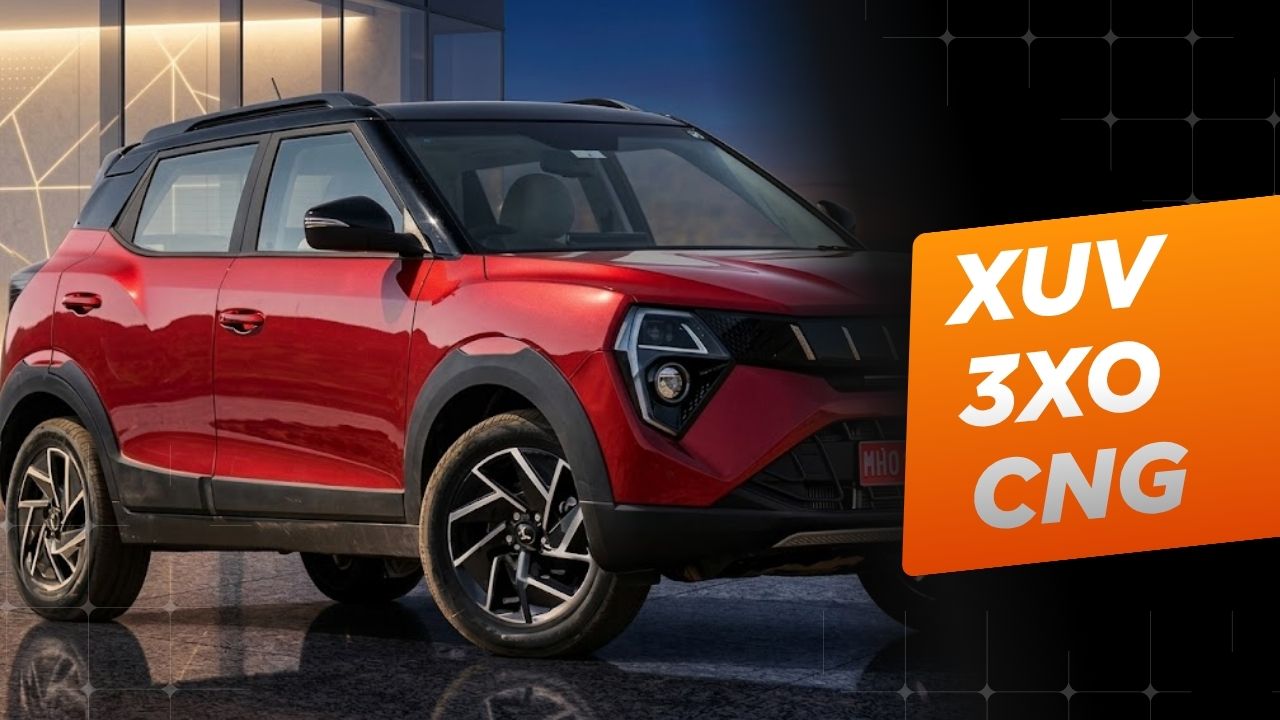
Mahindra XUV 3XO CNG comes with a 112 PS and claimed 24.7 km of mileage at Rs 9.99 lakh, available in four variants.

CNG cars mostly give good mileage but performance is always lower than petrol cars. Now Mahindra promises the same 112 PS and 200 Nm on CNG, it uses a 1.2 L turbo engine to hit at that power. Mahindra XUV 3XO CNG comes at Rs 9.99 lakh (ex-showroom) which might solve the problem especially when you put your foot down and the car struggles to pick up speed.

If it does then it’s going to change the entire CNG compact SUV segment at this price mark. There’s one thing that you won’t get in the Mahindra XUV 3XO CNG is the boot space. Keep going down for every detail before you make up your mind to buy this car.

Mahindra XUV 3XO CNG Engine: The Power Claim That Matters

It offers 1.2 L petrol engine and 6-speed manual transmission to use it for getting 112 PS at 5,000 rpm and 200 Nm. Gas carries less energy per unit volume than petrol to work the engine, so CNG conversions usually lose power. A little drop in that is normal but Mahindra avoided to lose that power.

It fixed it with a 10-bar CNG injection system and revised turbocharger calibration so it takes the gas faster and runs the engine quickly. Mahindra XUV 3XO CNG claimed to reach from zero to 100 km/h in 11.8 seconds. It reaches somewhere that its rivals still struggle to get there because in this segment the CNG cars are less powerful. 

However, the real-time figures are still under wraps as the test drive with real conditions is not done yet. So treat the no-power-loss claim as promising rather than proven. 3XO gives you power to switch between petrol and CNG with a button but also switches to petrol automatically when the CNG runs low. The instrument cluster shows both average and instantaneous efficiency.

Mahindra XUV 3XO CNG Mileage and the Real Running-Cost 

Mahindra XUV 3XO CNG mileage is 24.7 km/kg but it’s a claimed figure not a real-time running calculation. The regular petrol version rated at 18.89 km/l and diesel manual at 20.6 km/l. The fuel cost is different in different city/state if we take Delhi as an example, fuel cost is Rs 86.98 per kg for CNG, Rs 102.12 per litre for petrol and Rs 95.20 per litre for diesel. So the total running costs are based on fuel prices and driving patterns.

Fuel Claimed mileage Running cost per km
CNG 24.7 km/kg about Rs 3.52
Diesel 20.6 km/l about Rs 4.62
Petrol 18.89 km/l about Rs 5.41

Mahindra claims 24.7 km for one kg in CNG and 18.89 km in petrol and 20.6 km in diesel. Now if we calculate these three different fuel options, you are saving ₹1.89 against petrol and ₹1.10 against diesel in CNG version.

Now if you are spending an extra cost of around ₹89,100 se ₹99,500 on buying XUV 3XO CNG than petrol version then understand where you are saving your money.

If you are driving 1,500 km every month, you are saving ₹2,835 on the CNG version which means you can recover your ₹90,000 extra purchasing price in 2 years and 8 months. 

But if you are driving only 800 km every month then you can only save ₹1,512 in months which extends your time. The extra ₹90,000 money will recover in 5 years.

Overall, if you drive daily and cover more kilometres each month, choosing the CNG version could save you money. But if you drive only around 800 km a month, it will take much longer to recover the extra cost.

These figures are based on the company’s claimed mileage and Delhi fuel prices. So the real-world mileage may differ from these, depending on the city fuel rates.

The CNG Version 270-Litre Boot Is Where Buyer Should Consider

The XUV 3XO CNG provides a capacity of 60 litres with twin cylinders but Mahindra fit them under the boot floor to make the layout clean and maintain the space for luggage and leaves the spare wheel underneath the car. These are Mahindra’s reasons for splitting gas into two smaller cylinders. 

The regular XUV 3XO offers 364 litres which means the CNG version eats up 94 litres space, that’s roughly the space a couple of cabin bags would fill. Boot capacity matters when a buyer is looking for a family car that regularly loads a stroller and luggage for a long weekend. Otherwise, it is perfect for daily errands and grocery runs.

Mahindra has also retuned the dampers, springs and anti-roll bar to cope with the extra rear weight. The layout is still MacPherson struts at the front and a twist-beam at the rear. Whether the retune fully preserves the regular car’s ride is something only a proper drive will show.

Mahindra XUV 3XO CNG Launched Four Variants and Prices

The CNG model is officially called the XUV 3XO ZNG, it is a factory-fitted system, not a dealer retrofit, and it joins the existing petrol, diesel and electric versions of the compact SUV, which first arrived in April 2024 as a facelift of the XUV300.

Mahindra XUV 3XO CNG test drives began on launch day. Bookings open on October 20, 2026, through Mahindra dealerships and the company website, and deliveries are scheduled to start the same day. If you want one in the first batch, that is your date.

Four variants are on sale: MX Edge, RevX Edge (O), AX5 and RevX A. The MX Edge is new to the lineup. The other three have petrol-manual siblings already on sale.

Variant Ex-showroom price
MX Edge Rs 9.99 lakh
RevX Edge (O) Rs 10.79 lakh
AX5 Rs 11.19 lakh
RevX A Rs 12.27 lakh

On-road price of Mahindra XUV 3XO CNG is different from the Rs 9.37 lakh, the amount goes higher when you enter a showroom. You have to pay roughly 1–2 lakh more because registration charges and insurance vary by state. Different cities have different RTO charges so ask your dealer to give you the actual price in writing.

The RevX Edge (O) and AX5 are not a simple step up the ladder, even though the AX5 costs Rs 40,000 more. They offer different features.

MX Edge is the base, and it is better equipped than a base car usually is. It offers a 10.25-inch touchscreen, and connectivity experience with wireless Android Auto and wired Apple CarPlay. You can enjoy every drive with premium features. It’s not hard to park with a rear parking camera. You get cruise control, rear AC vents, 60:40 split rear seats for passengers to sit comfortably. The driver also gets the real perks with engine start-stop, steering modes and reverse sensors.

RevX Edge (O) adds a panoramic sunroof, auto headlamps and wipers, power-folding mirrors, keyless entry with push-button start, a height-adjustable driver’s seat, black leatherette seats, a dual-tone roof and a rear centre armrest.

AX5 takes a different route. Instead of the sunroof and cosmetics, it gives you twin 10.25-inch screens, six speakers, 16-inch diamond-cut alloys, a single-pane sunroof, LED projector headlights, connected-car features with Alexa, online navigation, wireless Android Auto and Apple CarPlay, dual-zone automatic climate control, 65W USB-C charging, TPMS and a rear wiper with washer and defogger.

RevX A builds on the AX5 and adds the panoramic sunroof, Dolby Atmos audio, leatherette seats, the dual-tone roof and 16-inch black alloys.

One caution on the top variant. The RevX A petrol uses Mahindra’s more powerful direct-injection turbo engine, while the RevX A CNG uses the 112 PS CNG engine. They are positioned the same but are not equal on output, so do not read the Rs 99,500 gap as a like-for-like cost of CNG.

Six Airbags Safety Along With Sensors

Every variant gets six airbags, electronic stability control, ISOFIX child-seat anchors, four disc brakes, three-point belts and belt reminders for all seats, and reverse parking sensors. The CNG system also has integrated leak detection, and if it senses a leak it moves the engine to petrol automatically.

The regular XUV 3XO earned five stars from Bharat NCAP for both adult and child occupant protection. Mahindra says the CNG shares the same underlying architecture and showed the cylinder installation after a crash test at the launch event. 

What it has not announced is a separate Bharat NCAP result for the XUV 3XO CNG version. Until that appears, the five-star rating belongs to the petrol and diesel cars, not strictly to this one.

Mahindra XUV 3XO CNG vs Tata Nexon CNG vs Maruti Brezza CNG

XUV 3XO CNG Tata Nexon CNG Maruti Brezza CNG
Price (ex-showroom) Rs 9.99-12.27 lakh Rs 9.24-13.66 lakh Rs 9.35-11.71 lakh
Engine 1.2L turbo 1.2L turbo 1.5L non-turbo
Power 112 PS 100 PS 88 PS
Torque 200 Nm 170 Nm 122 Nm
Claimed mileage 24.7 km/kg 24.01 km/kg 26.90 km/kg
CNG capacity 60L 60L 55L
Boot space 270L 321L 328L

Against the Nexon CNG, the XUV 3XO CNG has 12 PS and 30 Nm more, and a slightly higher claimed mileage, but it gives up 51 litres of boot. Against the Brezza CNG, the gap in performance is wider: 24 PS and 78 Nm in the Mahindra’s favour. The Brezza answers with the best claimed mileage here, 26.90 km/kg, and the biggest boot at 328 litres, helped by an underbody cylinder.

So the three cars make three different arguments. The XUV 3XO CNG is the one to drive. The Brezza CNG is the one to run cheapest and load fullest. The Nexon CNG sits in the middle. Nexon’s price range starts about Rs 75,000 lower than the 3XO’s, so check which variants each brand actually offers at the budget you have in mind.

Conclusion

Buy a Mahindra XUV 3XO CNG if you drive roughly 1,200 km or more a month and want CNG running costs without feeling like you are driving a CNG car. The turbo engine’s torque matters most on highways and in loaded overtakes, and that is the 3XO’s whole case. If you buy, the RevX Edge (O) is the sensible pick for most people, since a panoramic sunroof and keyless entry at Rs 10.79 lakh matter more in daily use than the AX5’s second screen.

Independent mileage tests, a Bharat NCAP result for the CNG and real owner reports on the no-power-loss claim will all arrive within a few months of deliveries starting on October 20. A small wait costs you nothing, and the first month of reviews will tell you whether 112 PS on CNG is real or just a brochure number.

Alok Kabir

Alok is an experienced SEO Specialist skilled in blogging and SEO-friendly content creation. He also specializes in Content Optimization and Technical SEO, including website optimization, crawlability, indexing, site speed, and on-page improvements to enhance search rankings and online visibility.

One Comment

Leave a Reply

Your email address will not be published. Required fields are marked *

0

Best 7-Seater SUVs Launching in India: Tata Safari EV, Mahindra XEV 7e, Maruti Y17 & More 

Published Jan 23, 2026, 6:21 AM
Last Updated Nov 2, 2026, 11:41 AM

Best 7-Seater SUVs Launching in India

There is a tectonic shift underway in the Indian automotive terrain. As we head into 2026, the old budget hatchbacks are now replaced with a much more premium seven-seater SUV demand. This is not just a matter of inserting another seat row, it’s an industry-wide structural reshuffle in which electrification, high-end digital cockpits and global safety standards are the new normal.

For today’s Indian family, the car is no longer a mere means of transit, but a “mobile living space.” Here’s a tactical rundown on the headline-grabbing chassis and powertrains that are at the heart of the 2026 SUV segment. 

The “Born Electric” Pioneers: Tata and Mahindra

2026’s biggest moves are from leading Indian companies Tata and Mahindra, both of which are turning to dedicated electric architectures. 

Tata Safari EV (Gen 2 Architecture)

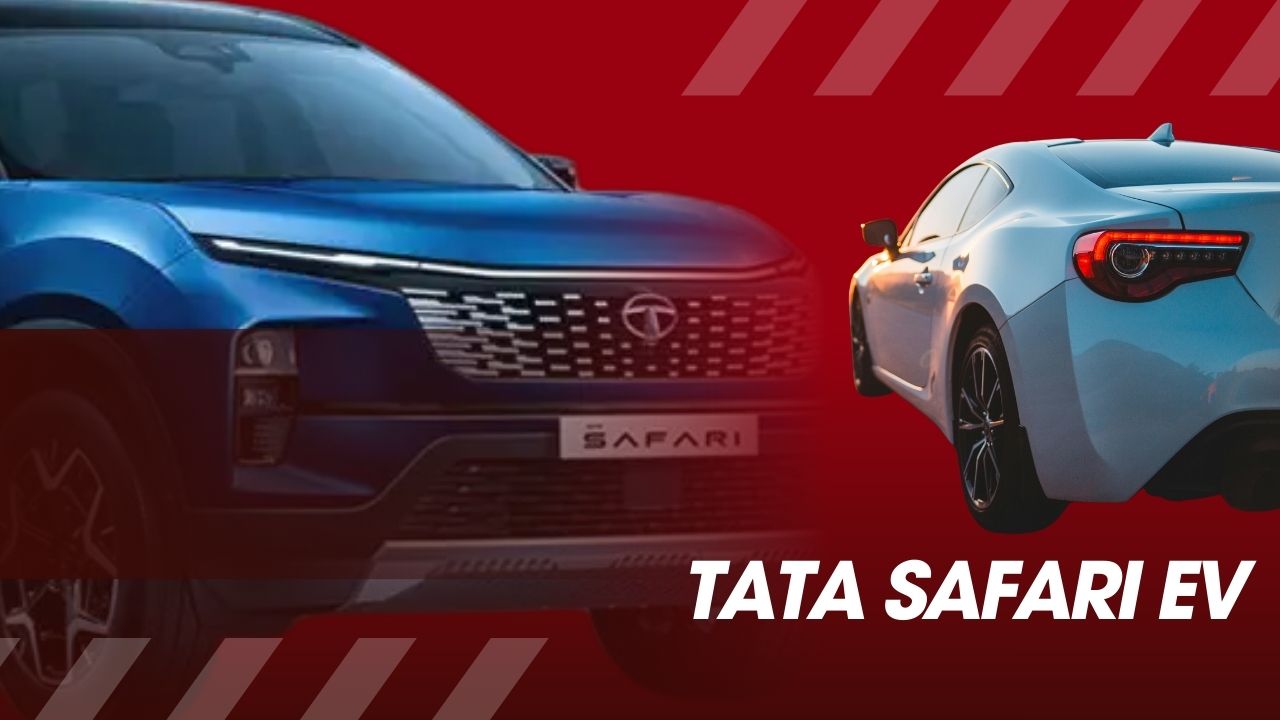
Tata Motors has graduated from “converted” EVs. The 2026 Safari EV is based on the Gen 2 platform, which was designed to accommodate massive battery packs without eating into the space of the Safari silhouette or its off-road capabilities.

Tata Safari EV

Expected battery capacities are between 60 kWh and 80 kWh with a targeted real-world range of 500 km. This is an important psychological barrier for Indian consumers who are wary of highway charging infrastructure.

Higher trims are also expected to offer a dual-motor AWD system, giving it a strategic Edge in the “go-anywhere” family SUV bracket. 

Mahindra XEV 7e (INGLO Platform)

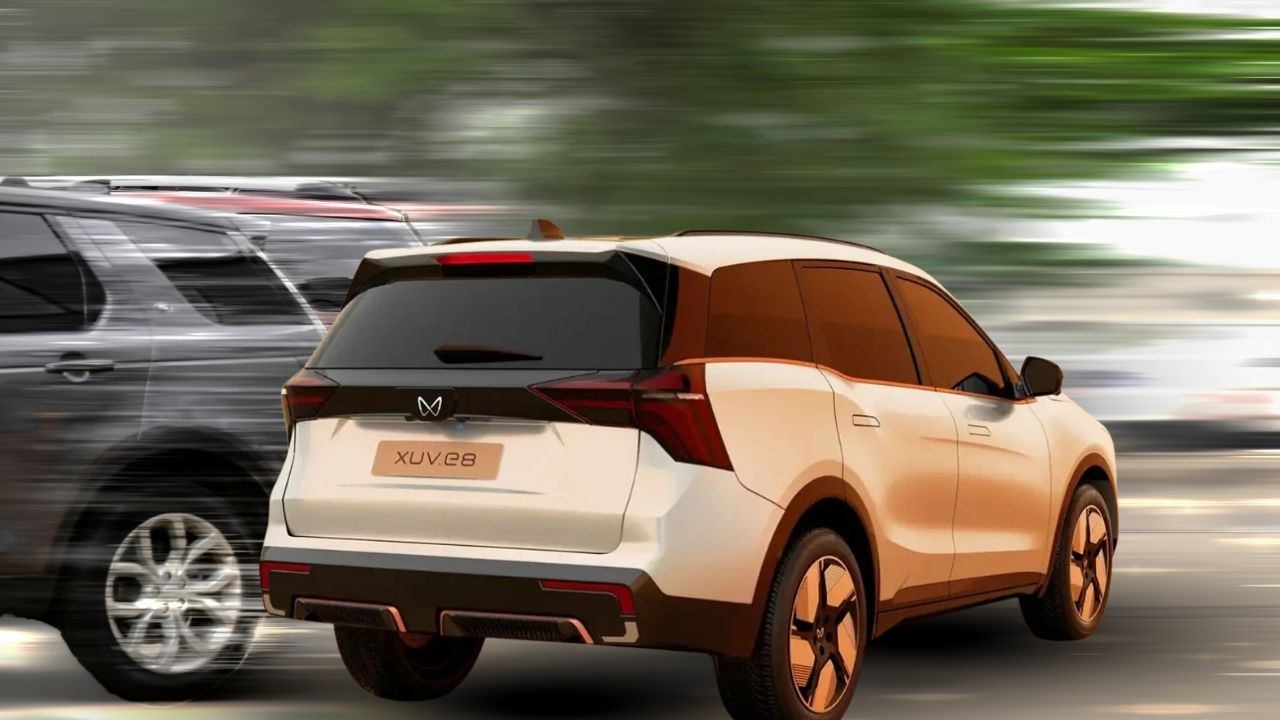
Mahindra’s answer to this is the XEV 7e (the production version of the XUV.e8), which is developed on the modular INGLO platform. “Traditional architecture have the INGLO Provide for a flat floor and must be a ‘cab-forward’ form that permits for maximum use of the interior. 

Mahindra XEV 7e

Software-Defined Environment: The interior is dominated by a three-screen configuration, comprising a 12.3-inch cluster, a 12.3-inch infotainment screen, and a separate third display for the front passenger.

Power: With a power of nearly 345 bhp, it wants to be the most powerful Indian SUV on the tarmac. 

The Efficiency Champions: Maruti Suzuki and Toyota

While a handful of brands are going “all in” on electric, the Indo-Japanese alliance is instead doubling down on Strong Hybrids. This strategy is aimed at mass-premium segment which wants high mileage without range anxiety.

Maruti Suzuki Y17 (Grand Vitara 7-Seater) 

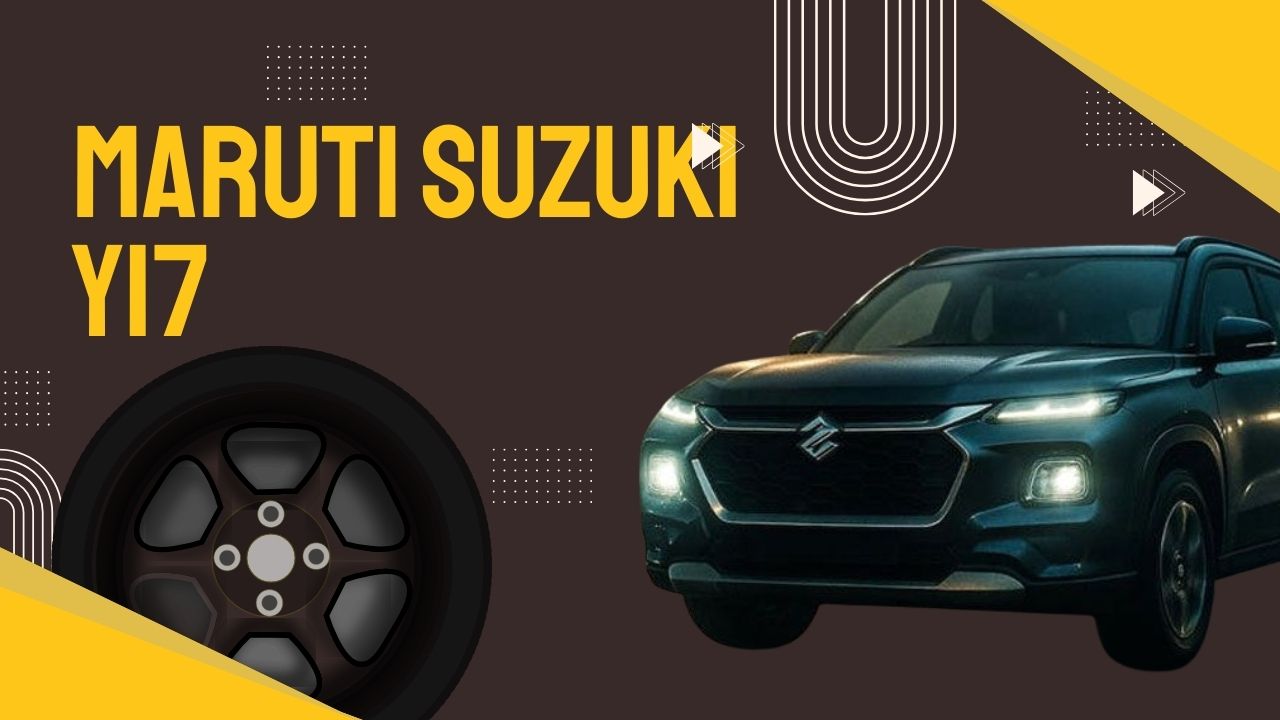
Codenamed Y17, this SUV (launching early 2026) is the elder sibling to the Grand Vitara.

Maruti Suzuki Y17

The “Diesel Killer”: By running a 1.5-litre strong-hybrid powertrain, the Y17 is targeting fuel efficiency numbers over 27 kmpl. In fact, with fuel expenses still a major worry in that market, it will make a strong contender against the traditional diesel SUV.

Platform: Developed on the Global C platform from Maruti’s new Kharkhoda plant, it focuses on city driving and crash safety. 

European Engineering: Volkswagen Tayron

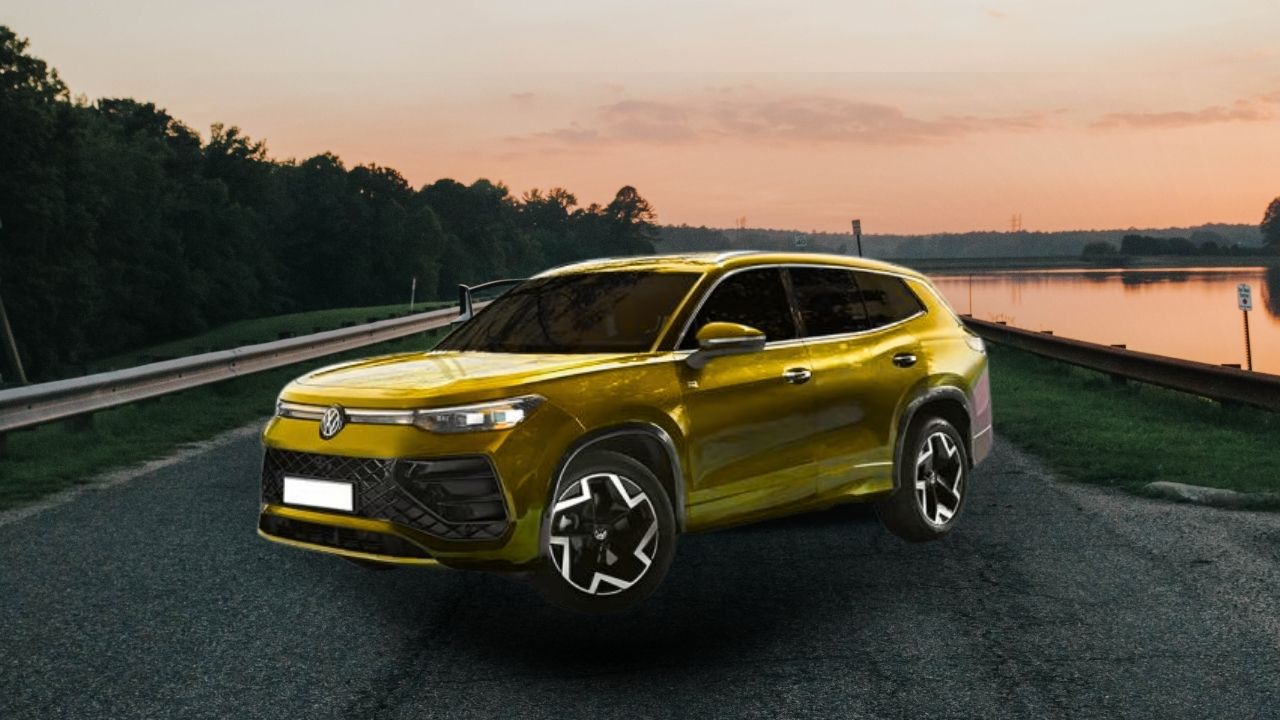
Volkswagen makes a return to premium three-row with the Tayron, the spiritual successor to the Tiguan Allspace.

MQB EVO Platform: Based on the latest iteration of the MQB platform, the Tayron measures in at 2,789 mm, in terms of wheelbase. This means the third row isn’t just for kids but a row that adult can sit on comfortably.

Volkswagen Tayron

Drivetrain: VW stays true to its performance heritage and offers a 2.0-litre TSI turbo petrol engine with 204 PS mated to the lightning-fast 7-speed DSG with 4MOTION all-wheel drive. It’s aimed at a buyer who appreciates ” German Build” and high-speed stability. 

The Boom in Value: Renault Bigster 

Renault and Nissan are making a return in 2026 with the CMF-B platform. The Renault Bigster (Boreal) is the company’s biggest bet in the “rugged value” segment.

Strategy: Bigster is a Safari and XUV700 direct competitor and built on a localised platform to help keep the entry-level price estimated to start from ₹13 lakh.

Hybrid Focus: It is also expected to debut a 1.6-liter strong-hybrid system for the Renault lineup, serving a mix of “tough” looks and “green” merits. 

Read More :- Nithin Kamath’s Car Collection: Inside Zerodha CEO’s Luxury Garage

Luxury Scaling: Hyundai Palisade

Hyundai is pushing the boundaries in “soft-roader” SUVs with the Palisade.

Lounge on Wheels: The Palisade, which is designed to challenge the Toyota Fortuner, is all about “atmospheric luxury” rather than rugged off-roading. The car also features dual-panel sunroofs, 12.3-inch displays, and a capacity for 8-seaters.

Upgrading for the Future: The addition of a 2.2-liter diesel is also in the offing; but then again, Hyundai is also considering a 2.5-liter turbo-petrol hybrid version as a safeguard against tightening emission regulations in major metro cities such as Delhi-NCR. 

Brand Model Platform Key Drivetrain Est. Price
Tata Safari EV Gen 2 EV 80 kWh / AWD ₹25–32 L
Mahindra XEV 7e INGLO 79 kWh / 345 bhp ₹21–35 L
Maruti Y17 Global C 1.5L Strong Hybrid ₹15–25 L
VW Tayron MQB EVO 2.0L TSI / 4MOTION ₹45–53 L
Renault Bigster CMF-B 1.6L Hybrid / 1.2L MH ₹13–18 L
Hyundai Palisade Monocoque 2.2L Diesel / 2.5L Hybrid ₹40–50 L

Conclusion

That the 2026 SUV boom is real in India is that a buyer here is no longer simply seeking “more seats.” They want advanced safety (Level 2 ADAS), software-integrated cabins and sustainable powertrains. Be it the instant torque of the Safari EV or the astounding efficiency of the Maruti Y17, the 2026 line-up will provide a stellar blueprint for the future of Indian mobility. 

0

Mahindra Bolero Neo 2025 – Latest Price in India, Variants, Mileage and Key Features

Published Nov 4, 2025, 7:13 AM
Last Updated Apr 22, 2026, 11:51 AM

Mahindra Bolero Neo 2025

For the Indian buyer, eyeing a reliable SUV but not willing to pinch too many pockets, the Mahindra Bolero Neo was always the safe bet. With the 2025 overhaul, the Indian manufacturer has given the thick-skinned little workhorse a new lease on life while retaining its basic characteristics. If you are in the market for a utilitarian, value-for-money SUV to serve your family or business, here’s all you need to know about the new Bolero Neo. 

Pricing That Won’t Break Your Budget

The 2025 model of the Mahindra Bolero Neo is one of the cheapest cars in its segment owing to the pricing being actually quite aggressive. The Bolero Neo is within reach of middle-class Indian families as it is priced at ₹8.49 lakh for the base N4 variant and goes up to ₹9.99 lakh for the new top-end N11. Ex-showroom prices of the five variants are as follows: 

There are excellent feature upgrades as you move up the ladder without a shocking price jump, thanks to a clever pricing decision. When a budget between ₹9.74 upto ₹11.45 lakh for the N4 and the N11 respectively is considered, that’s what you’ll need to calculate as on-road price (inclusive of insurance, registration and other taxes) based on your location. 

Five Variants to Suit Every Need

Mahindra has segmented the Bolero Neo 2025 into five variants to meet the needs of different buyers: 

Mahindra Bolero Neo Five Variants to Suit Every Need

Credit: autoMahindra

N4(₹ 8.49 lakh): The no-nonsense all-rounder starting point hero. With halogen headlamps, fabric upholstery, power steering, manual air conditioning, dual airbags with ABS and steel wheels, it is indeed a practical machine. Perfect for one who likes practicality over indulgence.    

N8 (₹9.29 lakh): The N8 is a rung above the base variant and introduces four speakers, a basic infotainment system, steering-mounted controls, a rear wiper and defogger, plastic wheel caps and wheel arch cladding.  

N10 (₹9.79 lakh): Now, the starts to get interesting. This mid-level variant has some modern styling elements such as chrome strips, 16-inch alloy wheels, LED DRLs and a unique spoiler. It offers front armrests, a substantial 9-inch touchscreen infotainment along with a 6-speaker Sony sound system and much more comfort. 

N11, or ₹9.99 lakh: The newly introduced N11 is the new flagship, which brings high-end features that allow it to compete against much pricier SUVs. It brings some features and styling to the N10. 

The top of the line N10(O) (₹10.49 lakh) with mechanical locking differential and other performance centric enhancements is also the highest priced variant in the standard Bolero Neo range. 

Engine and Performance: Proven Reliability

Mahindra Bolero Neo Engine and Performance Proven Reliability

Credit: autoMahindra

The 1.5-litre mHawk100 diesel engine that powers the vehicle has been refined over years of real-world serve on Indian roads. This 3-cylinder turbocharged motor makes 100 hp and 260 nm of torque. It gets a slick five-speed manual gearbox. 

It was specifically developed for Indian roads. The mHawk100 marries efficient combustion with impressive low end torque output, vital for running in city traffic and over craggy mountain terrain. This equilibrium can be felt in the ability of the Neo to take on stop-start urban traffic and cruising on the open road without ever feeling underpowered. 

Read More:-  Affordable CNG Cars Under 20 Lakhs in India

Fuel Efficiency That Actually Matters

Fuel economy of the Bolero Neo is a real attraction point in a day and age when the cost of gas looks like going up every other week. Your mileage may vary based on driving habits and road conditions but ARAI certified 17.29 km/l can deliver 16-17 km/l on highway and 13-15 km/l in city. With a 50-litre fuel tank, you can go for more than 800 kilometres on a full tank, which is great for long road trips as you don’t have to stop for filling up frequently. 

Design: Modern Yet Unmistakably Bolero

Mahindra Bolero Neo Design Modern Yet Unmistakably Bolero

Credit: autoMahindra

The Bolero Neo 2025 smartly tweaks and does not radically reinvent itself. The redesigned front facial now sports a horizontal chrome slatted grille that looks sleek and modern which makes the Neo look more sophisticated. The new 16-inch dark-grey alloy wheels enhance the look instantly and the new bumpers are fitted with silver skid inserts adding to the rugged aesthetic. 

Conclusion

The 2025 Mahindra Bolero Neo remains an embodiment of utilitarian, reliable and tough appeal in the compact SUV space. Powered by a refined mHawk100 diesel engine, offers great mileage and comes in a feature-packed variants range, it really offers the perfect combination of value for money and performance. Mahindra has found a way to bring the Bolero Neo into the 21st century without compromising its DNA – a tough, plain-vanilla SUV made for both cities and villages. 

0

Citroen Basalt X 1.2 Turbo Specs and Price Details Guide

Published Dec 6, 2025, 4:55 AM
Last Updated Dec 5, 2025, 10:16 AM

Citroen Basalt X

There have been great launches in the Indian automotive world this year and the Citroën Basalt X 1.2 Turbo is one of the best-suited options in the compact SUV-coupe segment. If you were wondering if this turbocharged beauty might be deserving of your gaze, we’ve got the details on everything you need to know – specs, pricing and what makes it special from the pack. 

Understanding the Citroën Basalt X

When Citroën revealed the Basalt X in September 2025, they didn’t just throw on an ‘X’ badge and call it a day. This is a carefully cultivated special edition that combines premium design, leading-edge technology and high-caliber performance all in one package. The Basalt X is essentially a higher-spec version of the regular Basalt, catering for buyers who want that little bit extra in life without selling a kidney to afford it.​

the Citroën Basalt X

So consider it Citroën’s response to the burgeoning market for stylish, feature-packed small SUVs that don’t make practical or performance compromises. The real star here is the 1.2-liter turbocharged petrol engine, and we will tell you why it is so important. 

Powerful Engine and Powertrain:

The 1.2-liter turbo petrol engine that lies under the bonnet of the Basalt X is truly awe-inspiring. It develops a decent 108 horsepower at 6000 RPM and the torque ranges from 190-205 Nm based on which transmission you select. For perspective, that’s just enough punch to make city driving feel spirited and to ensure you’re never underpowered on highways.​

the Citroën Basalt X

You have a choice of two transmissions to suit your driving style - a 6 speed manual for those who want the traditional driving involvement, or a 6 speed torque converter automatic for easy urban living. The torque converter automatic deserves special mention as it strikes a happy medium between fuel efficiency and convenience — a combination that a lot of compact SUVs fail to achieve. 

Mileage That Really Matters to Buyers

Now that we have given you the overview, let’s talk about what really matters when you’re at the gas pump. The Basalt X 1.2 Turbo offers 18.7 to 19.5 km/l based on the transmission. Yes, you did read that right. A twin-scroll turbocharged engine with around 20 kilometers per liter is really praiseworthy. The manual is a bit more fuel efficient, which makes it the ideal choice if you do a lot of highway driving. 

Read More :- Lexus RX 350h Exquisite Grade: Price, Features & Specifications

The Basalt X Pricing

That’s where the Basalt X makes a great argument. The 1.2 Turbo variants are available at a starting price of ₹10.82 lakh and the top- end price is ₹13.11 lakh (ex-showroom).

Let’s go through each variant to know where each price point is: 

Variant Transmission Price Mileage
Plus 1.2 Turbo Manual ₹10.82 Lakhcartrade​ 19.5 km/lcartrade​
Max 1.2 Turbo (MT) Manual ₹11.63 Lakhcartrade​ 19.5 km/lcartrade​
Max 1.2 Turbo (MT) Dual Tone Manual ₹11.84 Lakhcartrade​ 19.5 km/lcartrade​
Plus 1.2 Turbo Automatic (TC) ₹12.07 Lakhcartrade​ 18.7 km/lcartrade​
Max 1.2 Turbo (AT) Automatic (TC) ₹12.90 Lakhcartrade​ 18.7 km/lcartrade​
Max 1.2 Turbo (AT) Dual Tone Automatic (TC) ₹13.11 Lakhcartrade​ 18.7 km/l

Features That Make a Difference

Why the Basalt X truly stands out is not only on account of the engine. That list of features looks like a who’s who of modern-day conveniences. There’s a 10.2-inch floating touchscreen infotainment system with wireless Android Auto and Apple CarPlay, a 7-inch digital instrument cluster, and automatic climate control with rear AC vents.​

the Citroën Basalt X

The luxury Max variants add ventilated front seats, cruise control, wireless phone charging and a 360-degree camera system, the best in its class. A stylish black and tan color scheme with bronze trim accents makes the interior look more upscale compared to the regular Basalt. 

Safety: Because Comfort Means Nothing Without Security

Citroën has bundled the Basalt X with a robust safety suite that includes 6 airbags, hill-hold assist, rear parking camera with sensors, TPMS, and ISOFIX child seat anchorages.

the Citroën Basalt X

It may not yet have been NCAP tested, but these features ensure a rounded safety package when out on the road each day. 

Physical Dimensions and Tank Capacity

With a length of 4352mm, width of 1765mm and height of 1593mm, the Basalt X stretches solid road presence. The fuel tank holds 45 liters, which provides an impressive range between fill-ups, particularly with the turbo engine that is so efficient. 

Conclusion

The turbocharged performance, modern technology, thoughtful design and good value are all wrapped up in one package. The Manual or the Automatic, whichever you elect to use to engage the gears, it warrants to provide you a premium ownership experience that you notice without breaking your wallet. 

But if you’re in the market for a turbocharged compact SUV that’s fun to drive without sacrificing daily utility, the Citroën Basalt X 1.2 Turbo is definitely one to keep an eye on. 

0

Renault Duster Specs and Features: Complete Guide to Design, Performance and Features

Renault Duster

Renault Duster would probably be the right pick for you if you plan to buy a budget compact suv or you are just hunting for a new car to keep in your garage. It delivers a strong performance and styling that carry you ahead of the curve. The Renault Duster Specs and Features is promising and gives an amazing experience without making the driver worry about safety and comfort. Whether you’re a weekend warrior or spend the majority of your time stuck in city traffic, your pick will never let you down. So, let’s find out in depth what makes the Duster such a tempting proposition in the current market. 

The Design That Encourages You To Show Off

The Renault Duster is the first you come across when you think of a rugged and bold-looking SUV. Developed on the all-new CMF-B platform, this SUV is a perfect fusion of contemporary aesthetics and timeless design principles. The vehicle is 4,341mm long, 1,804mm wide and 1,660mm high, making it small enough to fit into the tight city spaces and large enough to give you that commanding view from an SUV. 

The Design That Encourages You To Show Off

What really stands out are the LED headlights, which lend the front end a crisp, contemporary look. The design is clean and purposeful - there are no unnecessary frills, just pure functionalist wrapped in an attractive outfit. With a ground clearance of 200-210mm, the Duster sits tall and proud on the road for city road drives or light off-road adventures. 

Interior That Wins Your Heart

The inside ideas stays the no-nonsense approach. There is a spacious cabin for five occupants and the 475-litre boot means you won’t be battling for room when packing for holidays or running daily errands. Everything is intuitive, there is decent visibility due to the large window area, and an optional 360-degree camera system, which really takes the stress out of parking. 

Incredible Performance of New Renault Duster

As for the engine, the Renault Duster provides flexibility for various driving requirements and driving style. There are more than a few engine options available for this the vehicle – if your priorities lie in a certain direction, there will be something for you.

The 1.3-litre turbocharged petrol engine here is the star and the performance king, producing 156 PS and 254 Nm of torque. Whether banging down the highway or fighting bumper-to-bumper traffic in a city, this engine feels lively and eager. With 6-speed manual transmission and CVTautomatic transmission option, select your favorite driving experience that best suits your lifestyle. 

Incredible Performance of New Renault Duster

For the naturally aspirated fans, there is a 1.5 litre petrol unit which churns out 106 PS and 142 Nm of torque that comes mated to a 5-speed manual gearbox. While it’s nowhere near as powerful as its turbo sibling, it still offers decent performance for daily driving and gets good gas mileage. ​

As for consumptions, the Duster promises realistic mileage of between 13.9 to 15.8 km/l, depending on engine variant and road conditions. The 50-liter fuel tank means fewer stops for refueling, and that makes for more comfortable long drives. 

Ride comfort is ensured by the suspension set-up that consists of McPherson struts with coil springs at the front and a torsion beam with coil springs at the rear. The steering is accurate and quick acting, with the electrically assisted rack-and-pinion unit. Tight maneuvering gets a lot easier with a small turning circle of 5.4m. 

When Technology Meets With Inside Beauty of Renault Duster

Just step inside and you’ll see a thoughtfully laid out cabin that makes the right compromises for comfort without being over the top. The all-new generation Duster has a fully digital driver’s display replacing conventional analog dials, which provides at-a-glance information in a contemporary, easy-to-understand layout.​

When Technology Meets With Inside Beauty of Renault Duster

The highlight is the 10.1-inch touchscreen infotainment system with Apple CarPlay and Android Auto. Your smartphone experience is now enhanced, as it links smoothly enabling you to navigate through your favorite maps app, make hands-free phone calls and listen to your favorite music – without taking your eyes off the road. Automatic climate control maintains the cabin at the set temperature, and ventilated front seats keep you cool on those hot summer drives. 

Engine start-stop button, keyless entry and cruise control are some of the other modern amenities that make daily drive convenient. The tyre pressure monitoring system also gives an alert on likely problems before they become problems, showing a commitment to driver-awareness and safety from Renault. 

Safety That Build to Protect Your Loved Ones on Journey

In the world today, safety is not optional — it’s a must-have. The Renault Duster means it seriously with a full range of safety features and advanced driver assistance systems.

It has dual front airbags, ABS with EBD, electronic stability program (ESP), and hill-hold assist. These are not just cute acronyms to geek out over, they are technologies that genuinely help protect you and your passengers in the event of unexpected situations. 

For parking and driving in tight spaces, the optional 360º multi-view camera system is actually useful, allowing you to see live images from multiple angles on your infotainment screen. Rear and front parking sensors give beeps and also visual warnings for obstacles in the front and back of the car, so those tight parking spots aren’t as terrifying.​

Additionally, the Duster comes with up to 17 high-level driver-assistance features in higher trims, such as adaptive cruise control with stop-and-go, high/low beam headlights which are automatically adjusted when detecting oncoming vehicles, and traffic sign recognition. These two items combine to offer all the “comfort and safety” one could ever want or need while on the road. 

Read More:- Best Hybrid Cars Under 20 Lakhs: Stylish, Efficient & Affordable

Conclusion

The Renault Duster is a great pick if you want to grab a practical, good looking and well-equipped compact SUV. Fun to drive, well-equipped, easy to live with and safe, it’s also a very affordable package. So whether this is your first SUV, or you’re an experienced enthusiast, Duster’s unique combination of style and substance means it’s definitely worth a closer look and serious consideration. 

The Duster is all set to bow out in early 2026 with a new generation and an expected price of around ₹10 lakh, which could also make for a significant impact on the Rs 10-20 lakh compact SUV market in India. 

0

Thar Roxx Accessories to Buy Online That Actually Worth Buying in 2026 

Published Aug 13, 2026, 12:59 PM
Last Updated Aug 31, 2026, 6:55 AM

Thar Roxx Accessories

Walk into a Mahindra dealership after booking a Thar Roxx and someone will hand you an accessories catalogue before you’ve even signed the delivery paperwork. You should check Thar Roxx Accessories to buy online because they offer you a long list — everything from a ₹300 alloy wheel hub cap to a ₹1.35 lakh paint protection job and almost nobody explains which of it actually matters. 

Add in the aftermarket sellers online pushing “off-road bumper guards” that are quietly illegal, and shopping for Thar Roxx accessories turns into a research project you didn’t sign up for. This guide sorts through what’s genuine in Thar Roxx Accessories Online to buy and what’s worth skipping.

Mahindra Genuine vs. Aftermarket Accessories: How to Spend Smart on Upgrades 

Mahindra sells its own accessory range through its dealer network and its official m2ALL online store. These are engineered to bolt onto the Thar Roxx without cutting or drilling anything, and they don’t touch your warranty. The trade-off is price — genuine parts routinely cost double or triple what a comparable aftermarket version runs.

That’s where sellers like Drivestylish, Carhatke, Elegantautoretail, and Automods.in come in. They stock everything from seat covers to LED light kits at lower prices, with faster shipping and a bigger range of styling options than any dealership carries. The catch is consistency — quality swings from vendor to vendor, and “genuine OEM” claims on aftermarket sites aren’t always verifiable, so it’s worth asking for a proper GST invoice before you pay.

Which route makes more sense partly comes down to which Thar Roxx you actually bought. The lineup runs six variants — MX1, MX3, AX3L, MX5, AX5L, and AX7L — priced roughly between ₹12.99 lakh and ₹23.09 lakh ex-showroom. Buyers on a loaded AX7L already have most creature comforts built in and are usually shopping for styling extras. Buyers on the MX1 or MX3 are often filling real gaps — floor mats, mud flaps, basic protection — that higher trims get standard.

Read More:-  Best Car Accessories for Thar Roxx You Should Buy in 2026

The Accessory Everyone Sells That You Legally Can’t Fit

Search “Thar Roxx accessories” on any marketplace and bull bars show up constantly, sometimes relabeled as “off-road bumper guards” to dodge the obvious red flag. They’re illegal. The Ministry of Road Transport and Highways banned bull bars and crash guards outright in a December 2017 circular, and fitting one violates Section 52 of the Motor Vehicles Act, 1988. Fines run ₹1,000 for a first offence up to ₹5,000 for repeat violations or for the seller who fitted it, under Sections 190 and 191.

The engineering reason matters more than the fine. A bull bar is bolted straight to the chassis, which means a collision transfers force directly into the frame instead of letting the factory crumple zone absorb it — and it can interfere with front airbag sensors. 

Several insurers will refuse or dispute a claim if a bull bar is fitted at the time of an accident. If what you actually want is protection for the bumper on gravel trails, a skid plate or a bumper-specific PPF section does the job without the legal exposure.

Best Thar Roxx Accessories to Buy in 2026

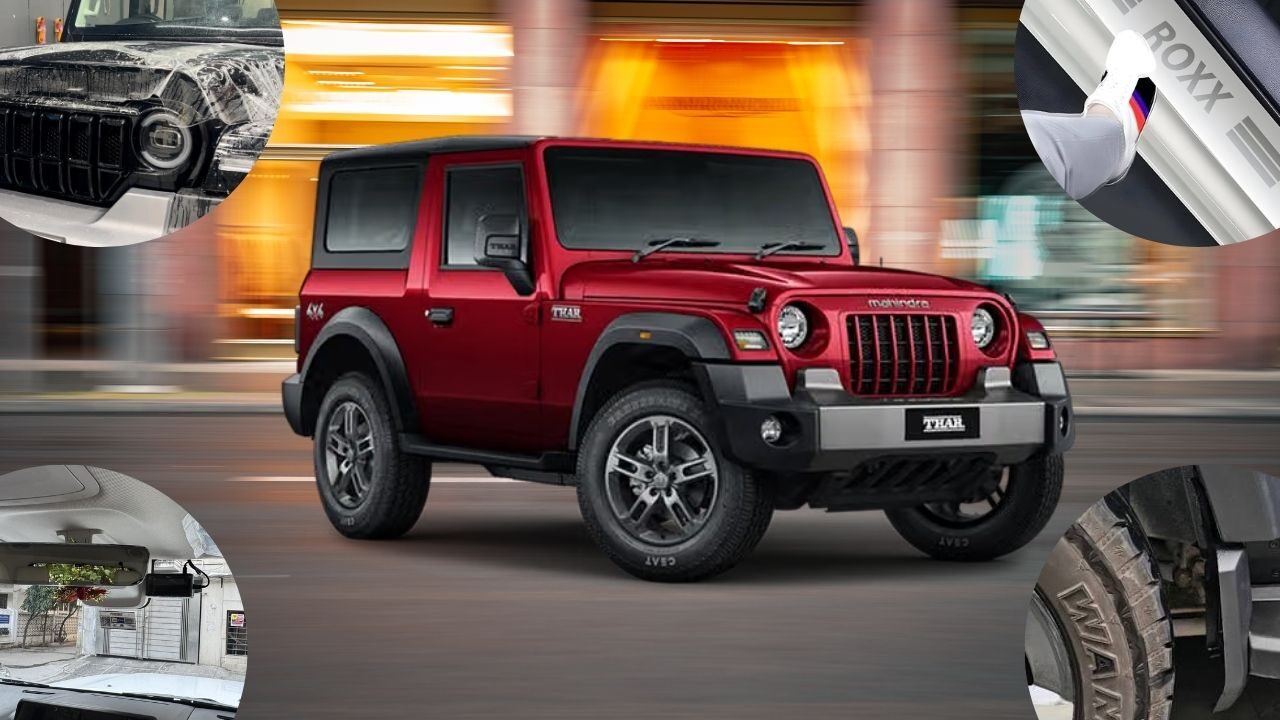
1. Paint Protection Film (PPF) — ₹1.35 lakh (8-year warranty) 

Thar Roxx Accessories

Full-body ceramic-infused film with a self-healing top coat. Genuinely protects resale value on a vehicle known for picking up stone chips on its flat panels and wheel arches — but at over a tenth of the base model’s price, it only pays off if you’re keeping the Roxx for five years or more.

Best for: owners planning a long-term hold.

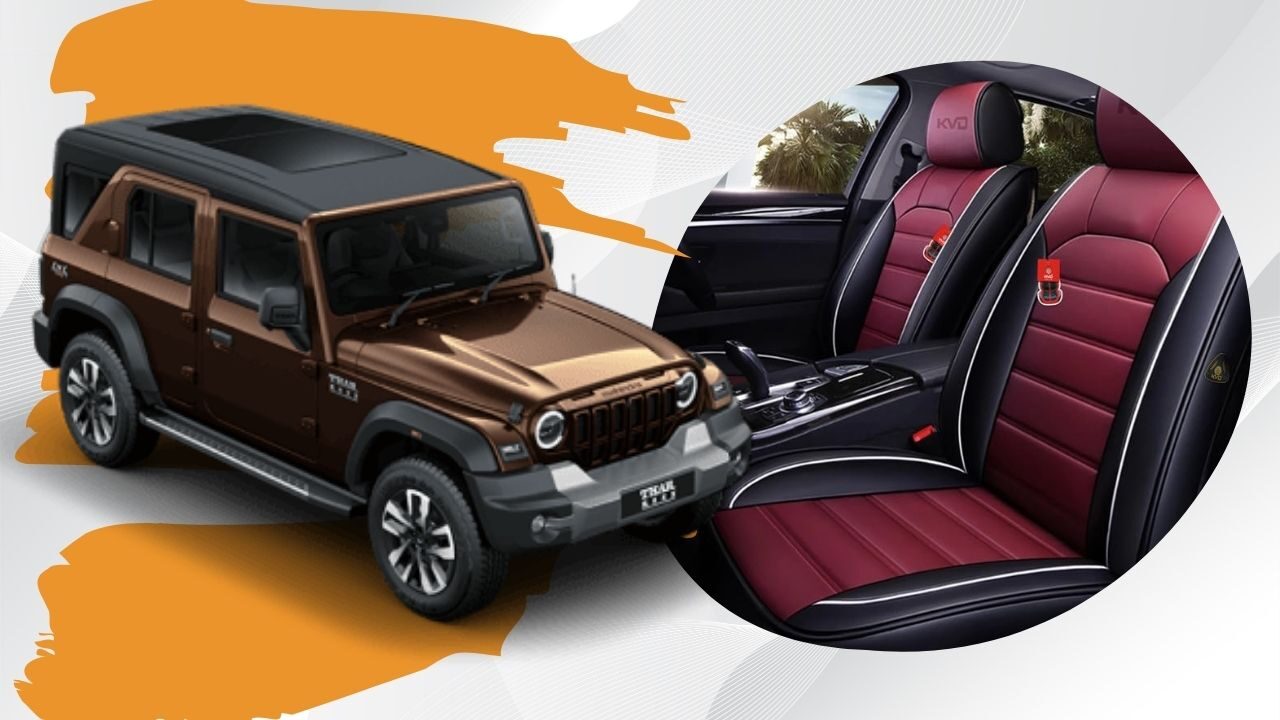
2. Bucket Seat Covers — ₹20,000 

Thar Roxx Accessories

Tailored fit, breathable fabric, factory-accurate stitching. The fit is a level aftermarket covers can’t quite match — but aftermarket seat covers run ₹2,000–₹10,000 for similar comfort if exact fit isn’t a dealbreaker for you.

Best for: buyers who don’t want any compromise on how it looks from the driver’s seat.

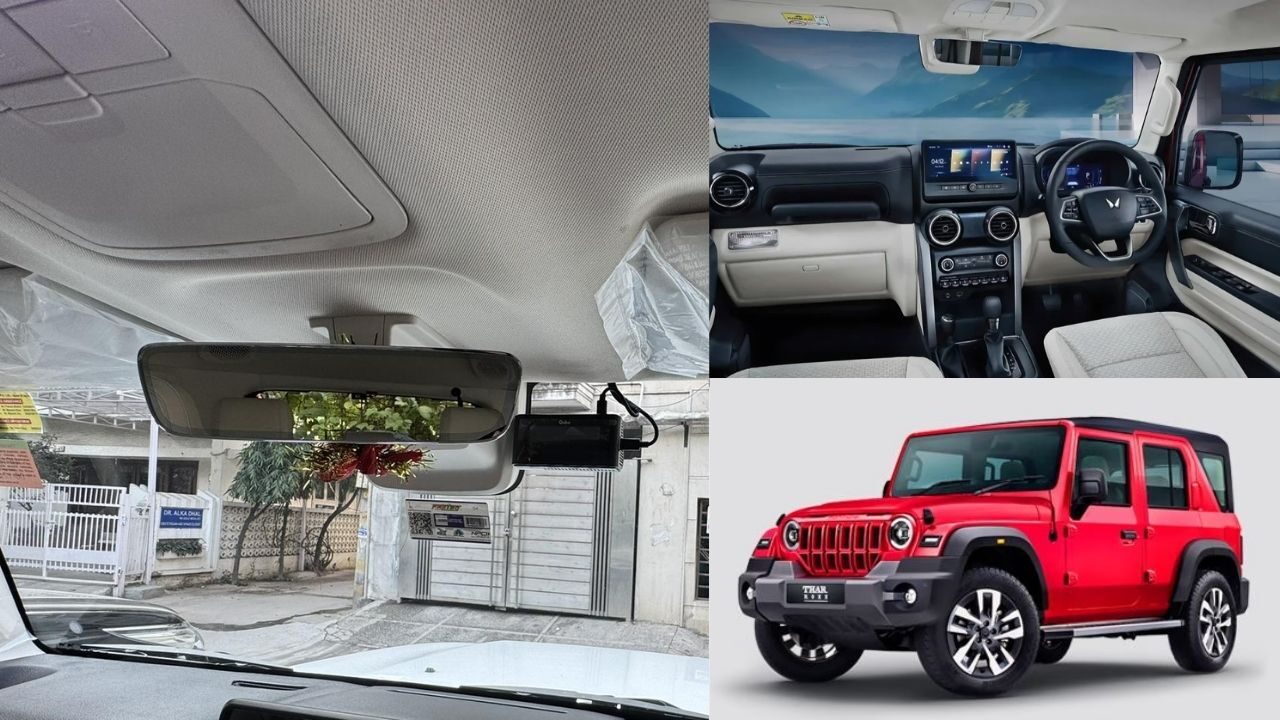
3. Dash Camera — ₹25,000  

Dash Camera

Integrated wiring, factory-fit mounting, no visible cables. Clean installation and solid footage for insurance disputes — though standalone aftermarket dash cams do the same core job for ₹3,000–₹8,000, just with a visible cable run.

Best for: daily commuters who want accident evidence without a wiring mess.

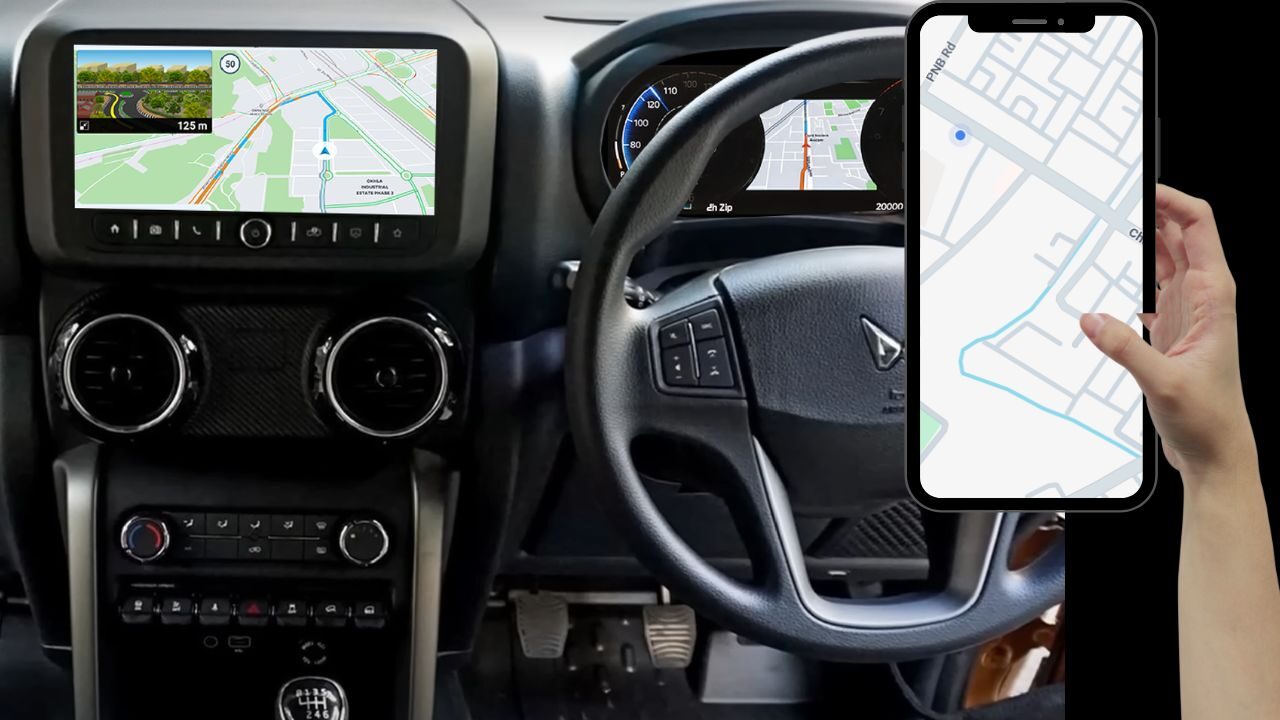
4. GPS Tracking Device — ₹12,499  

GPS Tracking Device

Real-time location tracking, geofencing. Useful if the vehicle gets shared across family members or parked in a theft-prone area — confirm whether there’s a recurring subscription fee before buying, since that’s not always advertised upfront.

Best for: shared vehicles or high-risk parking situations.

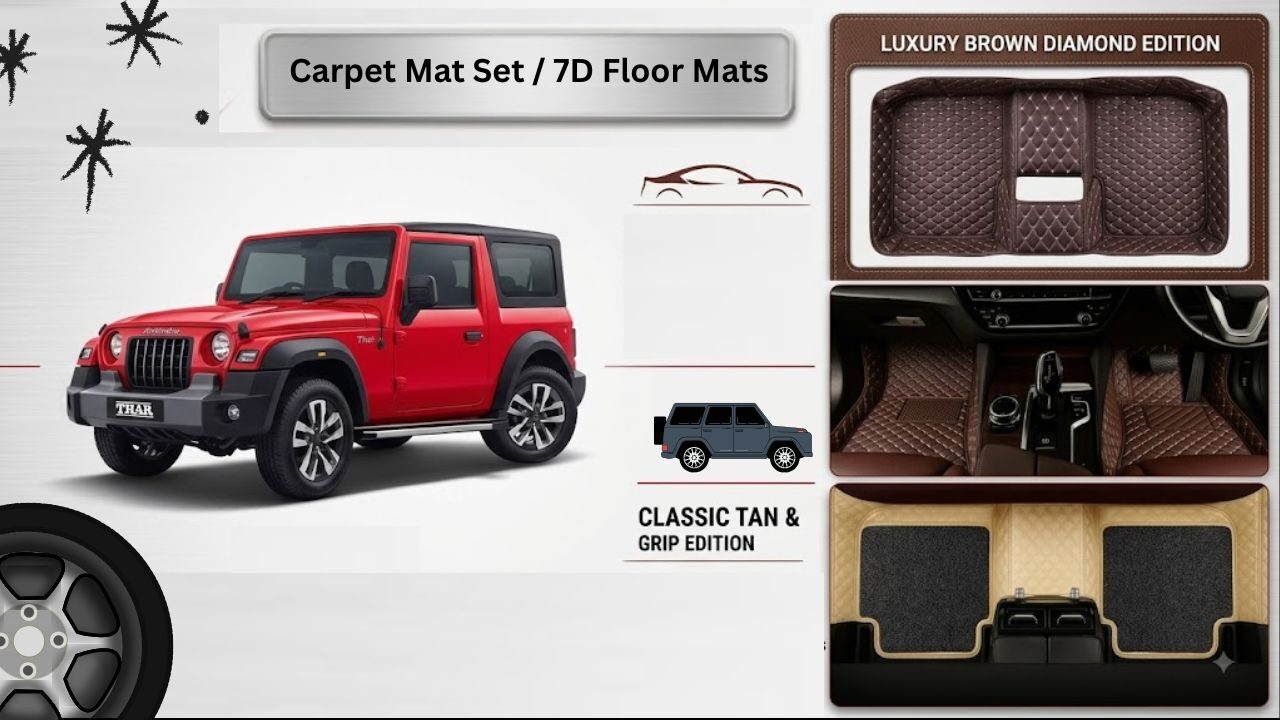
5. Carpet Mat Set / 7D Floor Mats — ₹3,950–₹9,999 

Carpet Mat Set

Raised edges, waterproof backing, model-specific fit. Real protection during monsoon months, which matters more on a vehicle that regularly sees mud and standing water — cheap aftermarket 7D mats can trap moisture underneath if the backing isn’t genuinely waterproof, so check reviews before buying the bargain option. 

Best for: monsoon-heavy regions.

Read More:-  Best Brake Pads for Cars: Top Options for Safe Driving

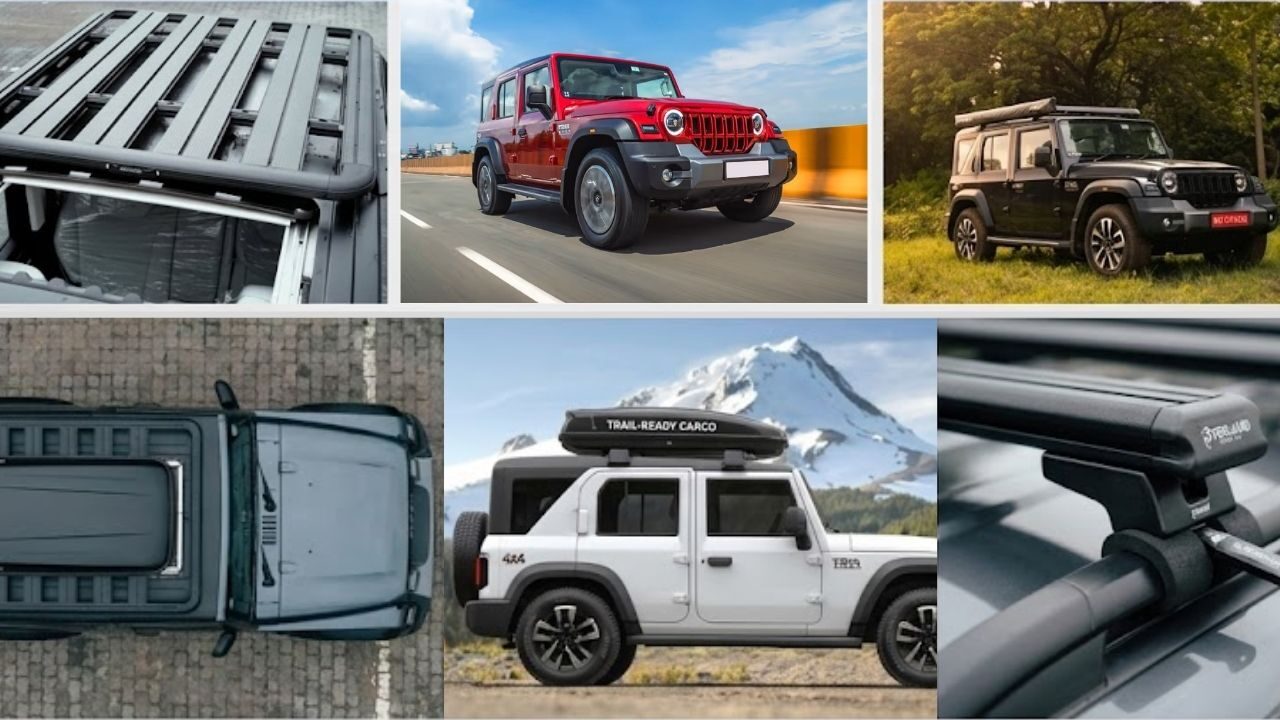
6. Roof Rails and Roof Carrier — indicative ₹10,000–₹30,000 (aftermarket range, confirm before buying) 

Roof Rails and Roof Carrier

Static or dynamic load-rated bars mounting to factory roof points. Turns the Roxx into a real camping and road-trip vehicle but load ratings vary a lot between sellers, so verify the actual rated capacity for your specific variant before strapping down gear. 

Best for: road-trippers and weekend campers.

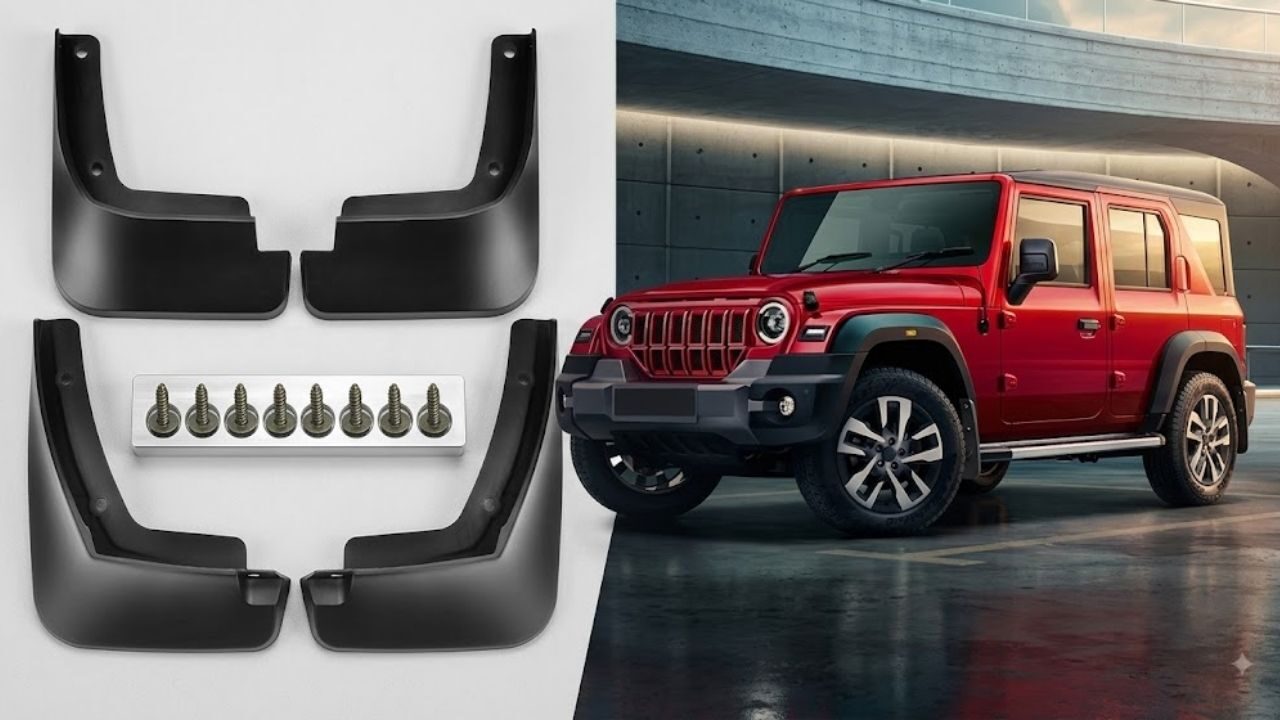
7. Mud Flaps — ₹500–₹3,000 

Mud Flaps

Front and rear sets, OEM or vehicle-specific fitted design. Cheap, effective protection against underbody rust from mud and rain splash — genuine Mahindra units cost noticeably more than near-identical fitted aftermarket versions from sellers like Carhatke or Techo. 

Best for: rural or muddy road driving, and as a low-cost first purchase.

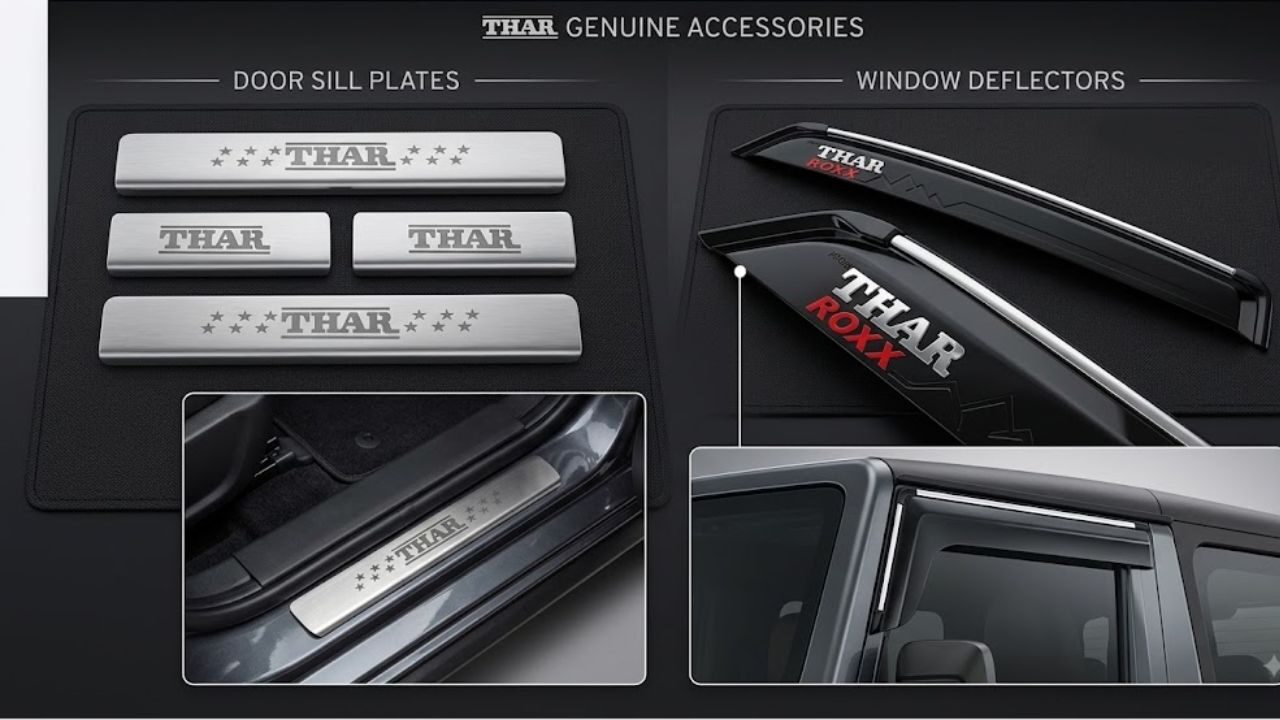
8. Sill Guards — ₹1,175  

Sill Guards

Brushed-finish scuff protection along the door sills. Mostly cosmetic, but it’s an affordable way to stop shoe scuffs from wearing down the paint at the door edge. 

Best for: budget buyers who want one cheap, low-effort upgrade.

PPF vs Ceramic Coating: True Comparison For Best Paint Protection

These two get lumped together as “paint protection,” but they solve different problems.

Paint Protection Film Ceramic Coating
Price ₹1.35 lakh (genuine, 8-yr warranty) Roughly ₹15,000–₹40,000 depending on tier — get an exact quote, pricing varies a lot by shop
What it actually does Physical film barrier — absorbs stone chips and scratches Adds gloss and a hydrophobic layer — doesn’t stop physical impact
Best suited to Regular gravel or off-road driving Mostly city and highway driving

If you’re taking the Roxx onto gravel trails or rough terrain often, PPF’s physical protection is doing real work. If it’s mostly tarmac and you want the shine, ceramic coating gets you most of the visual benefit for a fraction of the cost.

Where to Actually Buy Thar Roxx Accessories Online

For anything that touches warranty — seat covers, dash cams, tracking devices — go through your dealership. For styling and protection extras, Drivestylish, Carhatke, Elegantautoretail, and Automods.in all stock Thar Roxx–specific parts with home delivery across India. 

Prices for the same item can differ meaningfully between these sellers, so for anything above ₹5,000, it’s worth checking at least two listings before you buy.

Which Thar Roxx Accessory Should You Actually Buy First?

If your budget is under ₹3,000, start with mud flaps and sill guards — cheap, functional, and genuinely useful on Indian roads. Between ₹3,000 and ₹15,000, floor mats and an aftermarket Dash Cam cover the two things most owners regret not having within the first year. 

From ₹15,000 to ₹50,000, seat covers, ceramic coating, or roof rails are where personal use cases should decide — road-trippers go roof rails, everyone else probably wants seat covers. Above ₹50,000, PPF only makes sense if you’re planning to keep the vehicle long enough to see the resale benefit.

And regardless of budget: skip the bull bar, no matter how many sellers have it listed as a “must-have.” It’s not protecting anything — it’s a fine waiting to happen.

Read More:-  How Often Should You Change Oil in Your Car? What Actually Matters in India

Conclusion

The best Thar Roxx accessories aren’t necessarily the most expensive ones. And you don’t have to buy everything you see online so here is the list that contains the genuine Thar Roxx accessories to buy online which can make your car more sensible. Practical upgrades like mud flaps, quality floor mats and a dash cam, are standard materials to buy when you buy Thar Roxx. 

All other accessories depend on your driving needs, PPF is worth it for owners who consistently take their vehicles off-road, whereas ceramic coating is the better value for average city and highway drivers. Roof rails and seat covers have everything to do with how you use the Roxx and nothing to do with what the dealership tells you you need. 

Compare original and aftermarket prices, check fitment and warranties, and avoid illegal bull bars altogether.