1

Hyundai Bayon Bookings Open at ₹11,000 With a 1.5L Petrol Engine

Published Oct 19, 2026, 10:59 AM
Last Updated Oct 21, 2026, 1:03 PM

Hyundai Bayon rewrote the SUV segment with high-end features, opening at ₹11,000. That is the real story behind Hyundai Bayon bookings. Bookings are live on Hyundai’s website and at authorised dealerships, the launch is set for October 26, 2026, and the price lands that day.

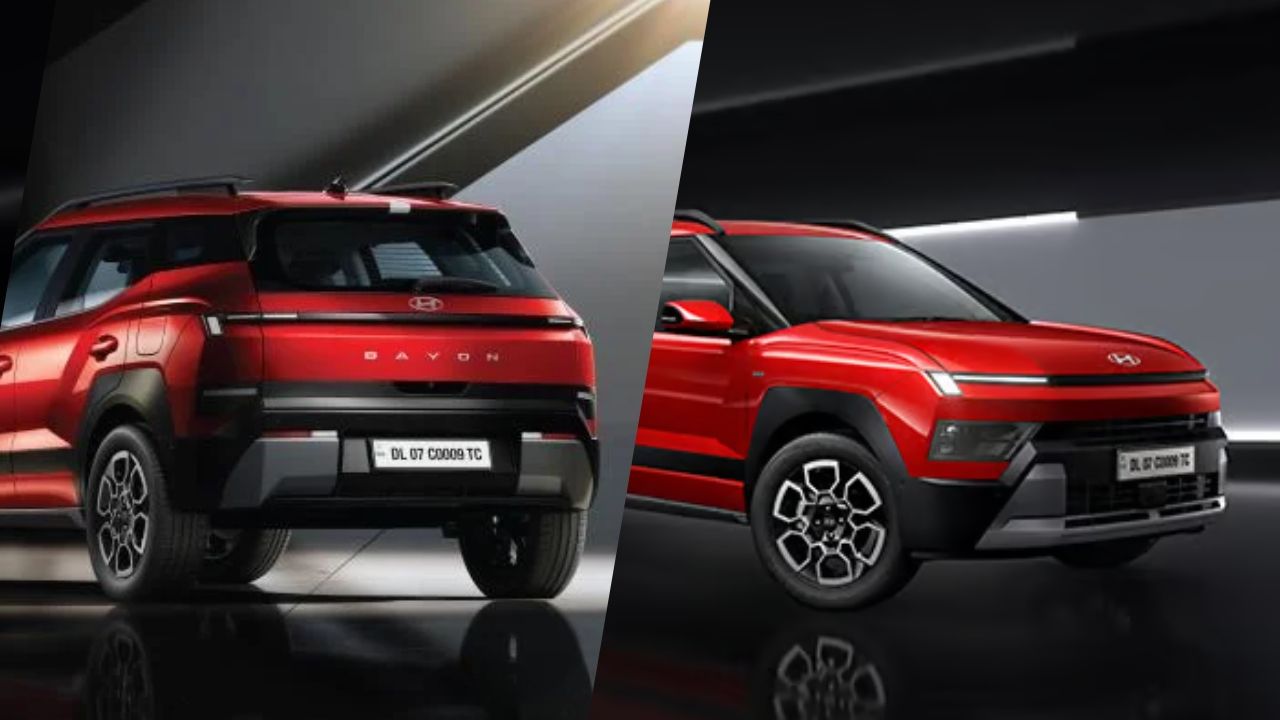
Hyundai Motor India has unveiled the India-spec Bayon, a 4.2-metre SUV it calls an “Intelligent Utility Vehicle”. Below is specification and features that comes with this car, and where the Bayon fits against the cars you’re probably already comparing it with.

Hyundai Bayon Bookings Opens at ₹11,000 

The booking amount is ₹11,000, payable online or at a dealership. What the token does not tell you is the price. Hyundai says it will announce that at launch. Detailed delivery timelines are also being held back until then, although Hyundai has said deliveries will begin in the festive season.

Hyundai’s India booking terms have historically allowed cancellation, but whether that applies to the Bayon, and what, if anything, gets deducted, hasn’t been stated in anything by the company yet. So, ask your dealer about the refund policy.

A booking token usually buys you a place in the queue and little else. With deliveries tied to the festive season, queue position is the only real argument for booking before the price is public.

Where the Bayon Sits in Hyundai’s India Lineup

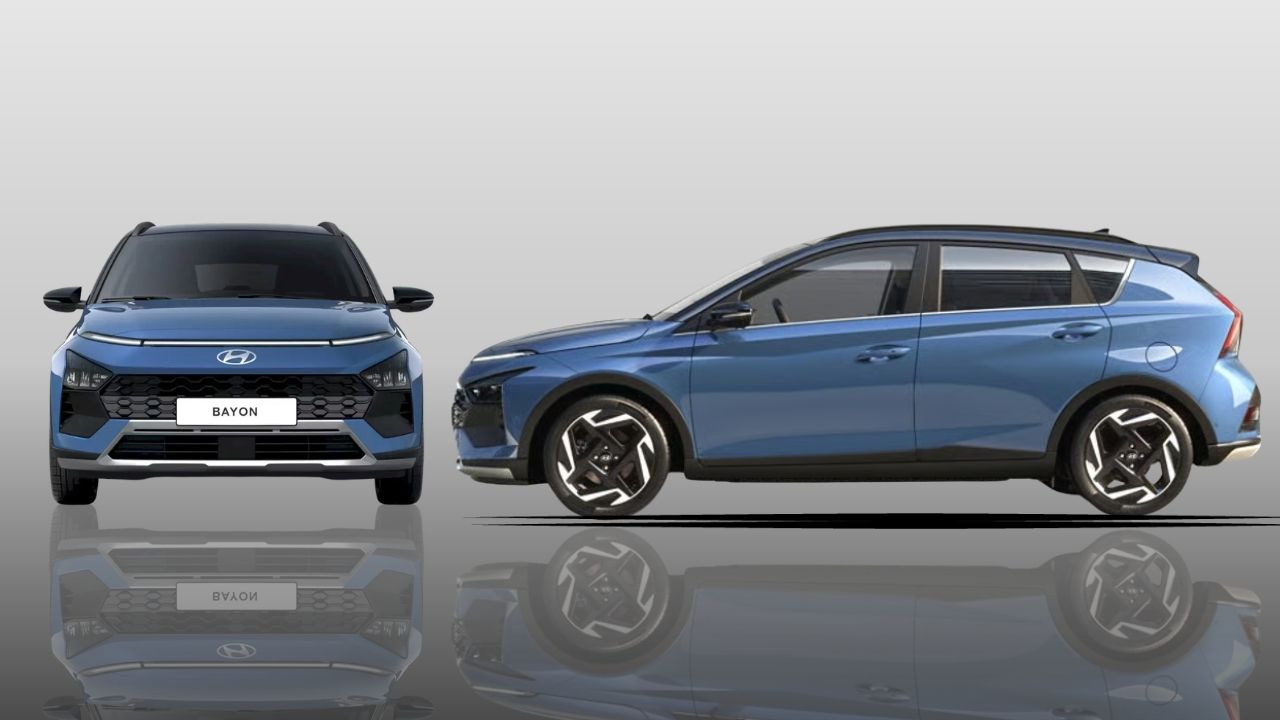
Hyundai positioned the Bayon between Venue and Creta. Bayon is 4.2 mtres longer than Venue but shorter than the Creta. The carmaker aimed at buyers who have outgrown a sub-4m SUV but don’t want to stretch to a full mid-size one. 
One report says it rides on Hyundai’s Global K Enhanced Platform. A 4.2m car will usually give you more rear-seat room and a bigger boot than a Venue, but the actual numbers (wheelbase, boot capacity, ground clearance) haven’t been published. 

Engine and Gearbox: A Familiar Hyundai Petrol

Under the hood is a 1.5-litre, four-cylinder MPi petrol engine making 115 PS (84.4 kW) and 144 Nm. Buyers get a choice of a six-speed manual or an IVT automatic.

If those numbers sound familiar, they should. They match the 1.5-litre petrol in the current Creta. That is good news for reliability and bad news for anyone hoping the Bayon would be the sporty one. This is a naturally aspirated engine tuned for easy city driving, not a turbo.

There is no diesel and no turbo-petrol announced for the India Bayon, and no hybrid or CNG. For high-mileage buyers who would normally look at diesel or CNG, that narrows the audience.

ARAI mileage hasn’t been announced. For context, the Honda Elevate’s 1.5-litre petrol is rated at 15.31 kmpl with the manual and 16.92 kmpl with the CVT, which is a useful benchmark for what a naturally aspirated 1.5 returns in this size class.

Hyundai Bayon High-End Features

Hyundai is leading with technology, and CEO Tarun Garg has pitched the Bayon as the car that “places technology and convenience at the heart of the customer experience”. The specifics:

Generative AI voice assistant. This is the first one in a Hyundai India car. Perplexity and SoundHound as the technology partners. 

Dual 12.3-inch screens. One handles infotainment and the other the digital instrument cluster.

NVIDIA-accelerated ccNC. Hyundai’s Connected Car Navigation Cockpit runs the infotainment on NVIDIA hardware. That should mean smoother, faster screens than the laggy systems of a few years ago, though real-world responsiveness is a drive-day question.

OTA updates for 19 controllers. Hyundai calls this Vehicle Controller Over-the-Air (C-OTA). The number is the interesting part. Updating 19 control units over the air means Hyundai can patch more than the infotainment software. 
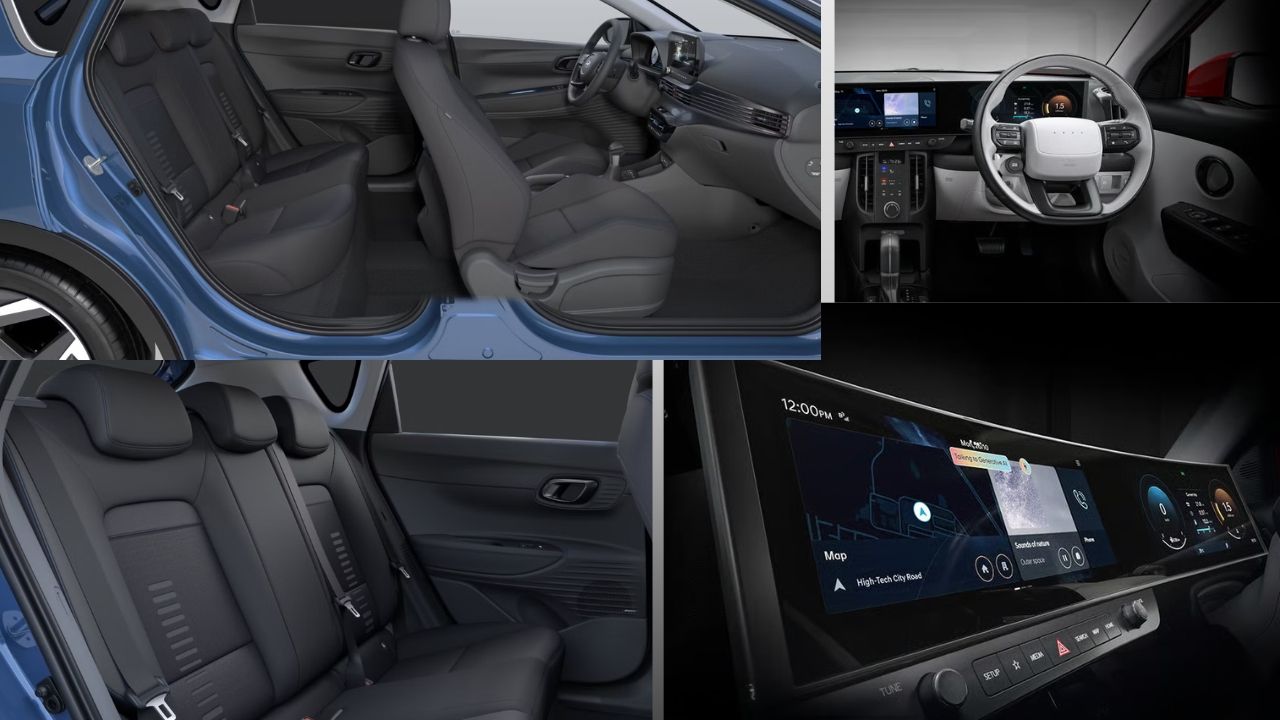
Bluelink connected features. These are Hyundai’s connected-car suite for remote functions and tracking. 

The pattern across these features is that the hardware is announced and the long-term cost of owning it is not. A generative AI assistant that needs a paid data plan after year one is a very different proposition from one that doesn’t.

Safety: “Engineered For” Is Not a Rating

Hyundai says the Bayon is engineered for five-star Indian safety standards. That describes an intention. It is not a Bharat NCAP result, and you’ll get reviews after it is tested live on road. 

If safety is your deciding factor, treat the five-star claim as a promise to check later. Bharat NCAP results can take months after launch, and the rating that matters is the one for the variant you’d buy, since airbag and ESC fitment often varies across trims. The standard-fit safety list will be one of the first things to read when variant details come out on October 26.

👉 : –  Tesla Flying Car Mechanics Make The Flight Possible

Area Hyundai Bayon features
Display Dual 12.3-inch curved panoramic screens
Connectivity Wireless connectivity, Bluelink connected-car tech with over 70 features, remote start/stop
Infotainment NVIDIA-accelerated Connected Car Navigation Cockpit (ccNC), Generative AI support, and OTA updates.
Comfort Panoramic sunroof, ambient lighting, quality materials, and heated and ventilated front seats
Practicality 411-litre boot
Charging Wireless charging support
Audio Eight-speaker Bose premium sound system with subwoofer. 
Safety/ADAS Level-2 ADAS, Highway Driving Assist 2, Alerts and Assistance.

Conclusion

The Hyundai Bayon price is out on October 26, and booking before then means committing money to an unknown figure.

Book now if you want the earliest possible slot in the festive-season delivery queue, you already know you want a 4.2m petrol SUV from Hyundai, and your dealer confirms in writing that the token is refundable. Hyundai Bayon booking is open at ₹11,000 and this is the best gift for this festive season. 

Bipin Sharma

Bipin Sharma is a seasoned automotive content writer with over 10 years of hands-on experience in the world of cars. From the latest car news and reviews to in-depth maintenance tips and expert buying guides, Bipin covers everything that drives the automotive world. Writing about cars isn’t just his profession — it’s his passion. His deep industry knowledge and love for automobiles fuel every blog he creates, helping readers make informed decisions and stay updated on the fast-evolving auto landscape.

One Comment

Leave a Reply

Your email address will not be published. Required fields are marked *

0

New Tata Sierra 2025 – Price, Features, Launch Date, and Electric SUV Details

Published Nov 13, 2025, 12:37 PM
Last Updated Apr 22, 2026, 11:41 AM

New Tata Sierra 2025

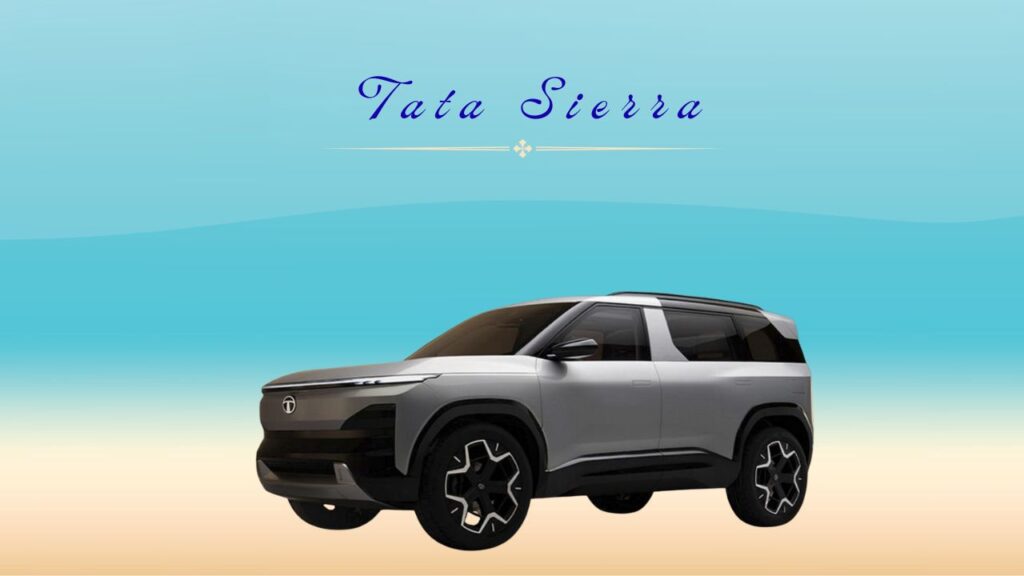
Tata is coming up with a bold comeback of an Indian automotive icon — New Tata Sierra 2025, re-imagined in the modern era of mobility. Packed with old-school cool and new-school tech, this Tata SUV blends the numb nostalgia for big SUVs with the company’s vision for a sustainable future. Based on Tata’s new design philosophy, the Sierra fuses retro aesthetics with futuristic technology and comes with top-notch safety features, the company claims luxury interiors, and smart connectivity. 

Launching electric variants highlights Tata Motors’ focus on enabling sustainable mobility and the future. With this eagerly awaited new model, the brand will captivate a whole new segment of forward-looking drivers, while also offering a true classic for the enthusiasts – a significant step in the brand’s rich heritage. 

Launch And Price Details

The Sierra is scheduled to be officially released on November 25, 2025, for both the internal combustion engine (ICE) models and prospective electric vehicle (EV) versions. At first, petrol and diesel variants will be offered, and an all-electric version, the Sierra EV, coming soon. 

Variant Estimated Price (₹)
Sierra Pure (Petrol) 15 lakh
Sierra Accomplished (Petrol) 25 lakh
Sierra EV (Electric) Starts at ~25 lakh

Excellent New Features of Tata Sierra 2025

Excellent New Features of Tata Sierra 2025

Image credit: Tatamotors

Amazing Exterior & Design

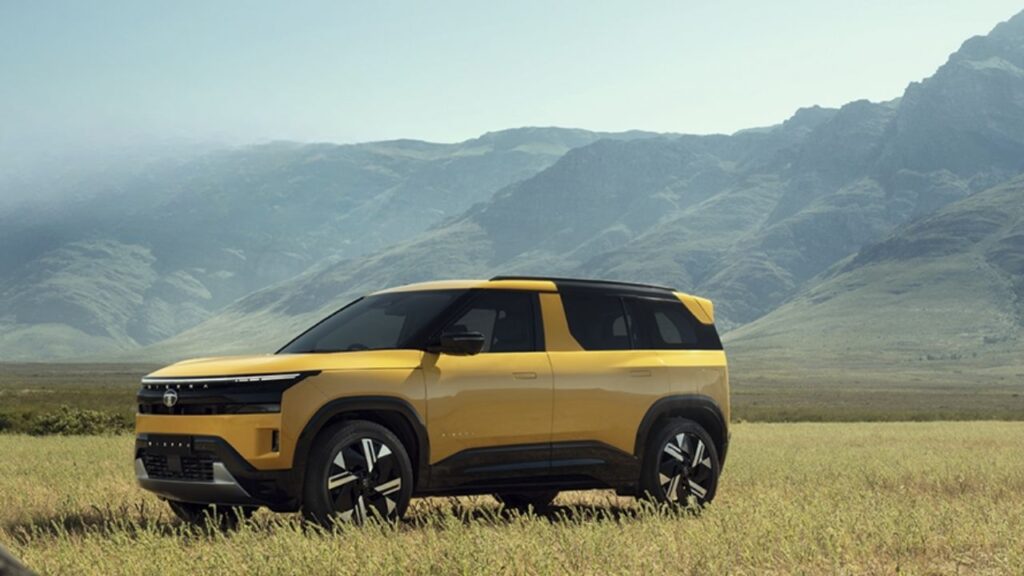
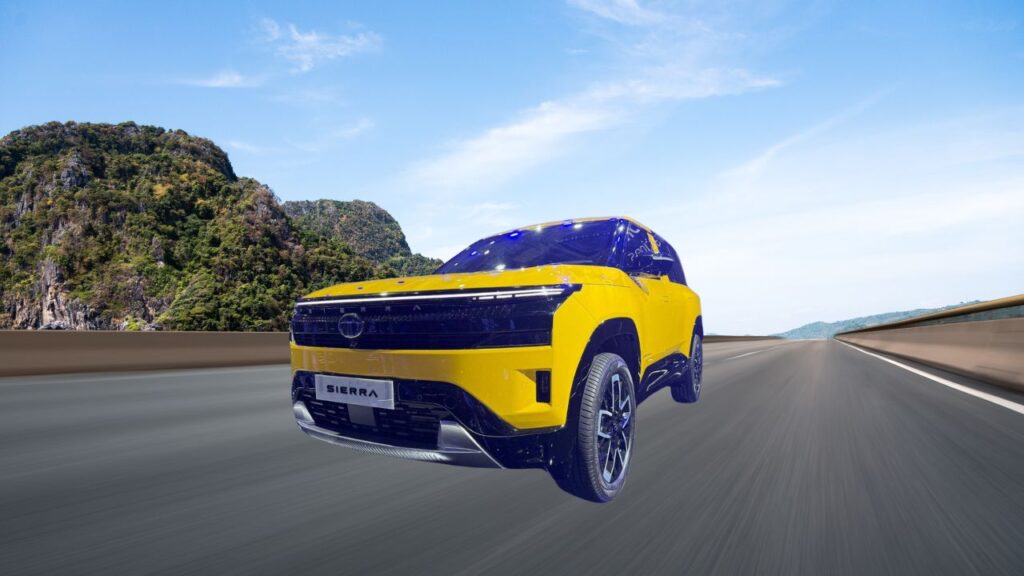
Inspired by the legendary Sierra, including modern interpretation, the design represents a glitchy retro-modern fusion. It sports a prominent black grille that grabs attention, smoked headlamps, and a daring LED light bar. Its smooth yet robust body is complemented by recessed door handles and thick body cladding, and the unique Sierra rear glasshouse brings a futuristic glint of nostalgia.

The design is complemented by big dual-tone alloy wheels which enhance its sportier stance. The connected LED tail lamps and clean rear design make this vehicle both timeless and forward looking. 

Interior

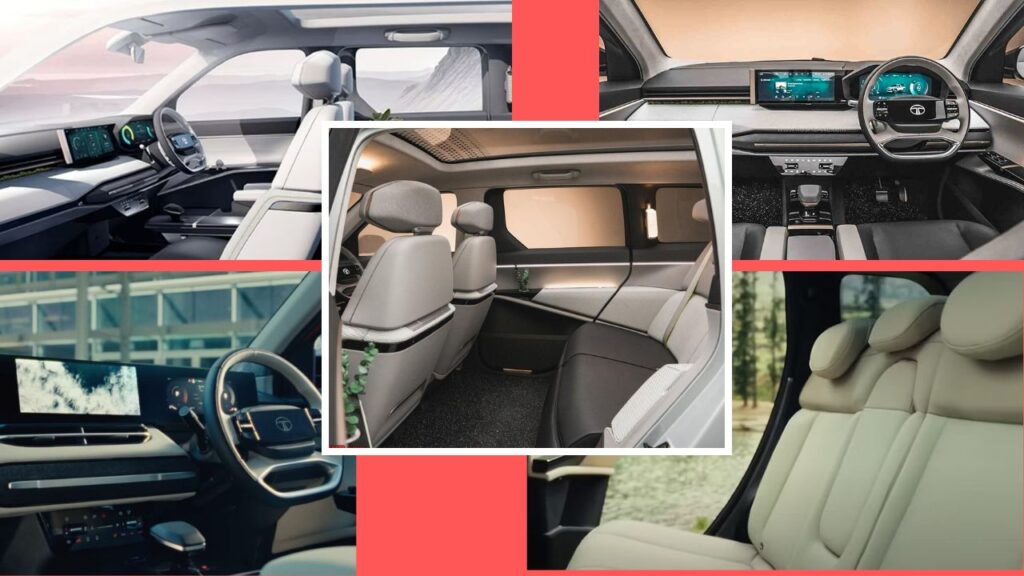
With a triple screen for the driver, the front passenger and infotainment, the Tata vehicle boasts a luxurious interior. It has a premium and sophisticated atmosphere, with a four-spoke steering wheel with the illuminated Tata logo. The cabin is treated to ambient lighting and quality materials for an upscale ambiance.

New Tata Sierra 2025 Interior

Image credit: Badicar

Rather than introducing a third row, the five-seater layout prioritizes comfort and room. Other features include a panoramic sunroof, multi-color ambient lighting, wireless charging, power and ventilation seats, JBL audio system and rear window sunshades that enhance the luxurious and comfortable driving experience. 

Safety

The vehicle Sports advanced safety features like up to 7 airbags, ABS with EBD, electronic stability control (ESC), and hill hold assist. And it has Level 2 ADAS features including adaptive cruise control, lane-keep assist, blind spot detection and autonomous emergency braking. 

Other features include a 360-degree camera, front and rear parking sensors, tire pressure monitoring system (TPMS), and it is expected to be Bharat NCAP 5-star compliant. 

Technology & Features

The car also boasts of modern-day features such as advanced infotainment systems with wireless Apple CarPlay and Android Auto connectivity. Comfortable living is ensured with dual-zone climate control and electrically operated, ventilated seats. Added convenience: It comes with electric ORVMs with an auto-folding function, a wireless charging pad and multiple drive modes.  

In addition, the vehicle features several drive modes to deliver different driving experiences, a wireless charger for convenience, and electrically adjustable and foldable side mirrors with heating option for practical application. 

Powertrains and Performance Of The Vehicle

Powertrains and Performance Of The Vehicle

Image credit: Badicar

Petrol & Diesel Engines

Components Petrol Diesel
Engine 1.5-litre turbo, 1.5-litre unit
Power 170 PS 118 PS
Torque 280 Nm  260 Nm
Speed 6-speed manual & 7-speed DCT automatic. similar

Electric (Sierra EV)

The car is for sale in two battery pack sizes, 55kWh and 65 kWh, with a possible 75 kWh pack in the higher trims. It is designed to compete with top electric SUV models and has a claimed range of around 450–500 km on a single charge. It also has fast charging technology that can charge the battery fully in 4-8 hours depending on the charger. 

As for its performance, front wheel drive comes as standard on the base model, and dual-motor all-wheel drive (AWD) is expected on higher trims. Distinct design touches for the electric vehicle (EV)- including a sealed grille, wheels optimized for aerodynamics and other EV-specific styling elements. 

Read More :- Honda Elevate – Price, Features, Mileage, and All You Need to Know

Conclusion

The Tata Sierra 2025 is bringing back an Indian automotive legend, but with completely modern sensibilities and the latest technology in safety and comfort. The ICE models are tailored for versatility and performance, whereas the Sierra EV provides an attractive electric range along with a host of cutting-edge features, making it stand out in the burgeoning mid-size premium SUV and electric SUV markets in India. 

0

Lamborghini Urus vs Bentley Bentayga: Which Luxury Beast Deserves Your Garage in 2025?

Published Aug 11, 2025, 7:42 AM
Last Updated Apr 13, 2026, 12:18 PM

Lamborghini Urus vs Bentley Bentayga luxury SUVs side-by-side comparison showing exterior design and performance features

In the world of luxury SUVs, Lamborghini Urus vs Bentley Bentayga are deserving brands to park in your garage. Choosing any one of them is hard because of their incredible features and advanced driving system. While Lamborghini is known for its bold, track-bred aggression, Bentley, on the other hand, is offering classic luxury style with handcrafted beauty. Let’s see their detailed features and specs for deciding any one SUV for your journey.


Performance: The Urus SE Roar vs. The Bentley’s Effortless Power

Urus SE

Urus has always been the top SUVs segment, now it’s taking it to the new heights with the new Urus SE, a plug-in hybrid model which offers twin-turbo 4-litre V8 engine with 192 horsepower electric motor. The combined double power delivers a 789 horsepower which makes it the most powerful SUV ever. It delivers the fastest speed experience of 0 to 60 mph within 3.4 seconds and reaches up to top speed of 193 mph. 

Performance comparison between Lamborghini Urus SE’s roaring power and Bentley Bentayga’s smooth, effortless engine performance

Other than hybrid one, the regular Urus S and Performante models are also offering 666 hp V8 powerful engines to drive from 0 to 60 mph within 3.3 seconds. But the Urus Hybrid is not delivering just raw power but fast steering, high stability, and different driving modes including Strada for street, Sport, Corsa for Race, and off-road settings are all ready for giving you supercar driving experience.

Bentley Bentayga

However, Bentley Bentayga is also offering the best performance but in a different style. Instead of brute-force assault, it delivers a smooth and easy power. In 2025, Bentley offers different engine options for different requirements. V8 has 4-litre twin-turbo which produces 542 hp and 568 lb-ft of torque. The strong engine will deliver the fastest speed from 0 to 60 mph within just 4.4 seconds and it can go up to 641 hp and 627 of torque by pushing the speed to the edges. 

It almost delivers the same speed as a Lamborghini. Its plug-in hybrid model is giving 456 hp with a 3-litre V6 engine. It is best for people who are looking for an eco-friendly vehicle. While Behtayga can offer that fast speed with the promise of a smooth and quiet ride and it all makes possible with its adaptive air suspension and dynamic ride system.

Interior and Technology: The Urus’s Fighter Jet vs. The Bentayga’s Grand Salon


Urus interior will make you say–WOW! The premium materials such as Alcantara, carbon fibre and leather are giving authentic blend to have a premium experience. Take flying experience on the road with a switching system and large HMI touchscreen infotainment. 


The Bentayga offers classic English luxury look with metal trim, wood veneers, and hand-stitched leather cabin which delivers an impression of enhanced comfort for driver and passenger. Most importantly it offers vast options for customization, big space, and technology features including auto climate adjusting, enhanced audio system that delivers a luxurious experience on your journey with family or business travel.

Read Also: Land Rover Defender vs Jeep Wrangler: The Off-Road Battle You Need to See Before You Buy!

Pricing and Practicality

The Lamborghini Urus SE price is nearly $262,630, its Performante model is nearly around $273,880. Urus is a high performance SUV focusing on style with aggressive design and speed on a firm ride. It is ideal for a small family as it offers seating up to five. The Bentayga price is around $200,000. The price will rise according to its custom options. Overall, fuel efficiency, elegance, and drive comfort comes best with Bentayga. 


Conclusion

The choice between these two beasts is totally up to your personal preference and priority. The Lamborghini Urus vs Bentley Bentayga is a complex competition because both offer automotive engineering and luxury driving experience.

Choose the Urus SE: if you are interested more in thrilling high performance vehicles to give you the supercar driving experience. You want an aggressive bold design and stylish interior that will comfort the journey.

Choose the Bentley Bentayga: if you are a challenging person who is always ready for adventurous rides but sometimes like silent rides with hybrid mode. It will quickly adapt according to your needs and provide the best experience in your journey. 


0

Jay Leno’s Car Collection: A Passion That Goes Beyond the Garage

Published Dec 15, 2025, 12:08 PM
Last Updated Apr 8, 2026, 7:28 AM

Jay Leno's Car Collection

When you think of Jay Leno, most of which are his notoriously large smile and decades of being one of the world’s best late-night comedians on The Tonight Show. But to gear-heads across the globe, Jay is something else entirely – a man who has made his childhood dreams come true by building one of the most spectacular automotive collections the world has ever seen. Before you dismiss, let’s check out Jay Leno’s Car Collection in a massive 122,000-square-foot garage near Burbank Airport. 

The Story Behind the Collection

What sets Jay Leno’s collection apart is not only its size or its estimated value of 52 to 100 million dollars. It’s the philosophy behind why he collects them. Unlike many rich collectors who lock up their treasures and let them gather dust, Jay is different. He drives them on a regular basis, takes adventures in them, and even makes a wildly popular YouTube show, “Jay Leno’s Garage,” where he lets his passion for cars take center stage. His mantra: “These cars are made to be driven.” 

1955 Buick Roadmaster 

Jay at sixteen had bought a 1934 Ford pickup truck. It was his first car ever. He swapped it for a Datsun 1600 by the time he was done with his first couple of gigs. The big shift hit when he moved to California There in the early ’70s he picked up a 1955 Buick Roadmaster for a mere $350. Jay happily named it “Rosebud.” It’s one of his top treasures. He spent time and money to make it run like a modern beast. All while maintaining it classic, old-school style. 

1955 Buick Roadmaster

That one purchase sent him on a path that would see him become the third most-googled car collector in the world, behind only Cristiano Ronaldo and Bill Gates. 

1909 Baker Electric That Predates The Titanic Itself

Baker Electrics of 1909 boasted thick lead-zinc or nickel-iron batteries, series-wound motors that could withstand great overloads, and top speeds of 14-25 mph with ranges up to records such as 201 miles on a charge by 1910.

1909 Baker Electric

Controls included a rudder-style tiller for steering, and throttle was controlled by a twist lever, eliminating the hazards of hand-cranking gasoline engines then in vogue. 

Jay Leno’s Favorite Car: 1972 Mercedes-Benz 600 Kompressor

The 1972 Mercedes-Benz 600 Kompressor is a unique, one-off W100 “Grosser” limousine owned by Jay Leno with a non-factory supercharger on the standard 6.3-litre V8 engine. This upgrade takes the power from the OEM 250 hp and 369 lb-ft to well in excess of 525 hp, and that power will get you to well in excess of 130 mph in a vehicle that weighs over 6,000 pounds with a load. 

1972 Mercedes-Benz 600 Kompressor

Built between 1963 and 1981 with approximately 2,677 units made, the base 600 was the quintessential luxury treat for dignitaries with hydraulic everything – from doors to windows.  

2026 McLaren W1 Hypercar

A 4.0-liter twin-turbo V8 is mated to a 342-hp electric motor. They produce a combined 1,258 horsepower and 988 lb-ft of torque. This arrangement allows the car to achieve 217 mph with a 0-60 mph time of 2.7 seconds. The dry weight is 3,084 pounds giving a power-to-weight ratio of about 2.5 pounds per hp. It is a real engineering tour de force.

2026 McLaren W1 Hypercar

The 1.38kWh high-performance hybrid battery of McLaren’s High-Performance Hybrid Powertrain is both 88 lbs lighter than that of the P1’s hybrid system and twice as powerful. 


Another Remarkable Piece is The 2006 GM EcoJet 

A Honeywell LT101 gas turbine, commonly found in helicopters, is mid-mounted, producing 650 horsepower and around 400-583 lb-ft of torque, with a few tuned variants making 750 hp. The 2006 GM EcoJet then powers the rear wheels through a four-speed automatic transaxle borrowed from a C5 Corvette, which is required since the turbine needs to be under constant load and without a manual clutch. 

The 2006 GM EcoJet 

The engine rides the high r.p.m.s (something near to 48,000), and that produces so much baseline power it makes braking a challenge. Jay Leno is the owner and driver of the prototype and demonstrates its road-worthiness, ignoring jet quirks such as scant engine braking. 

Jay Also Owns Incredibly Rare Machines: The 1992 Lotus Carlton 

The 1992 Lotus Carlton (or Lotus Omega in continental Europe) is a sports saloon produced by Lotus Engineering based on the Vauxhall Carlton/Opel Omega with a twin-turbo 3.6 litre inline-6 engine. Manufactured between 1990 and 1992 in limited quantities (roughly 950 units due to homologation requirements), it gave supercar speed in an everyday four-door package, and earned a reputation as one of the quickest saloons of its time. 

Read More:-  Erica Kirk Luxury Car Collection Featuring Rare Supercars and Premium Models

What Sets Jay apart From Other Collectors

Jay is picky about some brands. Notably, he has no Ferraris in his garage, just because he didn’t like “having to jump through all these VIP hoops” to become a Ferrari owner. He’d just as soon spend his money on cars that really excite him or that have significant chapters in the history of the automobile. 

What really pushes Jay Leno’s collection over the edge from just stuff to real collection is his dedication to preservation and education. He doesn’t just drive his cars, but also films them for his show, where millions learn about automotive history, engineering and the stories behind these machines. 

Conclusion

Jay Leno’s Car Collection is not just a testament to his wealth — it’s a living testament to car culture and automotive enthusiasm. In an age when technology is advancing at the speed of light and miracles from yesterday are taken for granted today, Jay’s garage is a place that celebrates mechanical art. His collection spans the story of human ingenuity from the earliest cars to the hypercars of the future – and it is all owned by one man who actually loves every single vehicle in his care. 

0

How to Save Money on Car Insurance?

Published Jul 25, 2026, 7:52 AM
Last Updated Jul 25, 2026, 7:59 AM

Save Money on Car Insurance

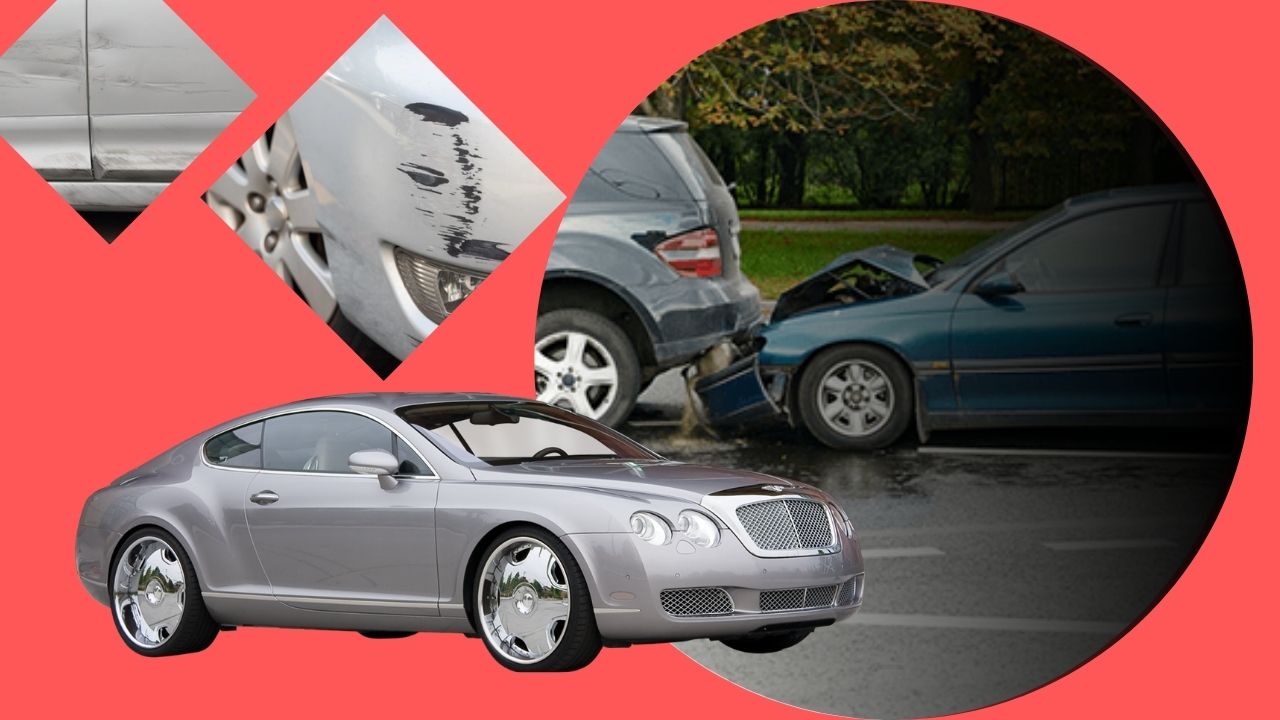
Car insurance is one of those expenses that most people don’t think about until the renewal reminder shows up. If you’re wondering How to Save Money on Car Insurance?, the good news is that cheaper insurance doesn’t always mean weaker protection. Many insurers offer the same level of coverage at more competitive rates. There are a number of proven ways to lower your car insurance premiums without compromising on the coverage you need.

Whether you are buying a new policy or renewing an existing one, learning How to Save Money on Car Insurance? and making a few smart decisions—such as comparing quotes, taking advantage of discounts, and choosing the right coverage—can help you save a significant amount each year.

Why Car Insurance Costs Vary

Two people driving the same car model in the same city can end up with completely different premiums. That’s because insurers don’t price car insurance on the vehicle alone — they price the risk you represent as a driver. Your claim history, the area you park in overnight, how old the car is, and even which insurer you’re comparing against all shift the number. 

This is exactly why shopping around matters: a premium that looks “standard” from one insurer can be 20-30% higher than what a competitor offers for the same coverage.

Understand the Factors That Affect Your Premium

Before you can lower your car insurance bill, you need to know what’s driving it up. The main factors include:

  • Insured Declared Value (IDV) — a higher IDV means higher premium, since it’s the maximum payout in case of total loss or theft.
  • Car’s age and make — older cars usually cost less to insure, but expensive parts (German sedans, for instance) push premiums up regardless of age.
  • Location — metro cities with higher accident and theft rates typically carry higher premiums than smaller towns.
  • Engine capacity — bigger engines are taxed at a higher premium slab.
  • Claim history — every claim you make resets your No Claim Bonus clock and signals higher risk to the insurer.

Once you have identified which of these are relevant to you, it is much easier to see where you are being overcharged. 

Compare Car Insurance Quotes Before Buying

This is the one most powerful habit you can have to lower your car insurance cost, and yet almost no one bothers to do it, they just renew with the same company year after year out of laziness. Different insurers assess risk in different ways, so the difference between the cheapest and most expensive quote for the same level of cover can be significant. 

How to Save Money on Car Insurance

Use an online aggregator to fetch quotes from a minimum of four or five insurers before you buy, and check each one for the same IDV and coverage type — else you will not be comparing apples to apples. Five minutes of comparison can save you thousands over the policy year.

Choose the Right Coverage for Your Needs

Third-party car insurance is compulsory in India and the damage caused to another party is covered under it, the repairs of your own car can be claimed under your ‘own damage’. Comprehensive car insurance policy provides coverage for both theft and natural calamities besides accidents. 

If your car is relatively new or still has a lot of value, you’ll want to consider full coverage despite the extra cost. But if you drive an older car and mostly drive it on short trips around town, a third-party policy with a couple of targeted add-ons could be all the coverage you really require. 

If your car is new or still holds significant value, comprehensive coverage is worth the extra premium. But if you’re driving an older car that’s mostly used for short local trips, a third-party policy with a few targeted add-ons might be all you actually need. The goal isn’t to get the lowest price policy—it’s to get the policy that best aligns with your car’s actual risk. 

Increase Your Voluntary Deductible

A voluntary deductible is the amount you commit to paying from your own pocket prior to your insurer’s involvement for a claim. Choosing a higher voluntary deductible on top of the mandatory one reduces your premium since you are taking on more of the risk of small claims.  

It works great if you’re a cautious driver who never or very rarely makes claims. Just be sure the deductible is a figure you could easily lay out in cash if you got in a crash. 

Read More :- Hypothecation in Car Insurance: Everything You Need to Know

Take Advantage of No Claim Bonus (NCB)

No Claim Bonus is a discount which accumulates on every claim free year, it starts at 20% after the first year and goes up to a maximum of 50% by the fifth year. It’s linked to you and not the car, so it transfers even if you sell your old car and get a new one. 

If you’ve gone a few years without a claim, make sure your insurer is actually applying your full NCB at renewal — it’s worth checking the math yourself rather than assuming it’s automatic.

Avoid Making Small Insurance Claims

Making a claim for a tiny scratch or a little dent might seem like you’re making the most of what you paid for, but it usually ends up costing you more in the long run. A minor claim will reset your No Claim Bonus, and losing even 20% of your discount can mean more than what the claim is worth. 

For low-cost repairs, it’s usually cheaper to pay out of pocket and preserve your NCB streak. Save your claims for the incidents that actually justify losing the bonus — major accidents, theft, or significant damage.

Install Safety and Anti-Theft Devices

Insurers offer premium discounts — typically around 2.5% on the own-damage component — for cars fitted with ARAI-approved anti-theft devices. Airbags, ABS, and approved security systems can also nudge your premium down, since they lower the insurer’s risk of a large payout. If your car doesn’t already have these, the discount plus the added safety often justifies the upfront cost.

Renew Your Car Insurance on Time

Letting your policy lapse, even briefly, is one of the costliest mistakes a car owner can make. A lapsed policy means you lose your No Claim Bonus, and you may need a fresh vehicle inspection before the insurer will issue a new one — sometimes at a higher premium because you’re now treated as a higher-risk case. 

How to Save Money on Car Insurance

Set yourself a reminder a few weeks ahead of your renewal date so you can shop around rather than renewing in a hurry with the first renewal reminder you receive. 

Bundle Insurance Policies for Extra Savings

A lot of insurers provide you with a discount, if you have more than one policy with them — like car and two-wheeler, or car and home insurance. Bundling lowers the insurer’s cost to acquire you, and they typically share some of that savings with you. 

Just be sure to check the bundled price against the cost of purchasing the individual policies offered separately online; the discount really should be significant enough to beat the alternative, not just offer a convenience. 

Maintain a Good Driving Record

A spotless driving record is one of the silence-but-punch-packaging punches to keep your auto coverage affordable in the long run. Less claims means more NCB and some insurers even offer good driver/telematics based discounts for driving within speed limits and driving habits, monitored via an app or a device installed on the vehicle. Even without telematics, consecutive claim-free years establish a record that carriers will reward at renewal. 

Remove Unnecessary Add-Ons

Add-ons such as zero depreciation cover, engine protection, and roadside assistance are helpful, but only if they are reflective of the way you use your vehicle. Zero depreciation coverage is a good idea for a new car that is in its first few years; on an eight-year-old vehicle it adds very little value. 

Review each of your policy add-ons one by one and remove those that aren’t applicable to your current situation that alone can shave a noticeable amount off your premium. 

Read More :- What is ORVM in a Car and How Does it Work?

Opt for Pay-As-You-Drive Insurance (If Available)

If you drive only occasionally — a car for weekends, or one that’s used primarily for quick trips — pay-as-you-drive coverage can be a lot cheaper than a traditional annual policy. Premiums are based on actual kilometers driven, so that compensates low-mileage drivers instead of subsidizing high-mileage drivers. Not every insurer offers it yet, but if your car is mostly parked, it’s certainly worth asking. 

Review Your Policy Every Year

The value of your car declines every year which is why your IDV needs to be recalculated at every renewal, ensuring your old car at its original value is like paying for protection that you no longer need. 

Reviewing your policy once a year also allows you to re-evaluate add-ons, see if you’re eligible for a new discount, and make sure your NCB has been credited properly. Consider renewal a decision point, not a formality. 

Common Mistakes That Increase Car Insurance Costs

A handful of habits help drive up what people pay for car insurance annually: rolling over with the same insurer without comparing quotes, claiming for small damage and losing NCB, letting the policy lapse, over-insuring a veteran car at an outdated IDV, and not reading the fine print on add-ons that are no longer valid. 

Tips to Get the Best Car Insurance Deals

Getting the best car insurance deal isn’t about finding one trick — it’s about stacking several small decisions correctly. Review quotes from different insurers at each renewal, protect your NCB by not making small claims, select a voluntary deductible that you can afford and remove any add-ons that you are not using. Renew on time, keep your driving record clean, and revisit your IDV annually instead of letting it auto-renew at last year’s number.

Conclusion

Car insurance costs feel fixed until you actually sit down and question each line item — and that’s usually where the savings show up. None of the steps here require switching to a bare-minimum policy that leaves you exposed; they’re about paying for exactly the coverage your car needs, at a price that reflects your actual risk. Next renewal, take the twenty minutes it needs to compare, adjust, and ask your insurer the questions most people never bother asking.

0

Pagani Utopia, Hypercar, Luxury Cars, Supercars 2025, V12 Engine, Pagani Cars, Exotic Cars

Published Mar 30, 2026, 11:42 AM
Last Updated May 23, 2026, 9:44 AM

Pagani Utopia

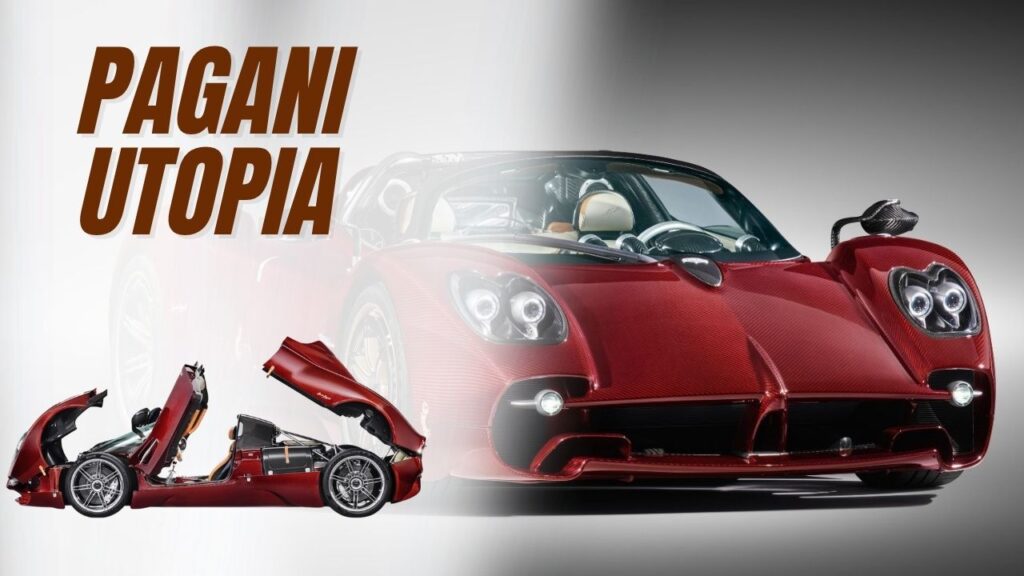
When you see the Pagani Utopia for the first time, something inside you clicks. It is recognition not just appreciation. You’re looking at an uncompromising machine that harks back to an era when engineering and art were soul mates, not just neighbors.

The Utopia is a fiery expression of human handcrafting, the pure physical excitement of the driver, and classic dreams of the V12 engine in an era in which hyper cars are more and more beginning to look like spaceships being steered by computers. 

The Third Symphony

Horacio Pagani had three seemingly simple goals to give his team as he prepared to build his third work of art, after the legendary Zonda and the revolutionary Huayra: simplicity, lightness and driving enjoyment. That wasn’t a tagline, that was the attitude.

In 2022, the result, the Utopia, was revealed and is slated for delivery in 2025. It has that race-bred thoroughbred spirit, even though it’s as heavy as a small hatchback, at just 1,280 kg dry. 

Not a single option listed in this line-up will be suitable for the selector, for just 99 Coupes and 130 Roadsters will ever be produced. Each begins at approximately €3.1 million. Hopefully, you’re not reading this too late and they’re still available. But rarity doesn’t account for the Utopia’s allure. what it has in it and what it does to you. 

The Heart That Refuses to Surrender

The Pagani M158, a 6.0-liter twin-turbo V12 engineered by Mercedes-AMG for Pagani, is visible under the rear clamshell Michael Kübler, one man in Affalterbach, Germany, who uses his hands to assemble every engine. This is mechanized high fashion, not industrial manufacturing. 

It produces but a laughable 864 hp at 6,000 rpm with 1,100 Nm of torque between 2,800 and 5,900 rpm. It is, however, only part of the picture. What truly determines the character of the V12 – how it spins smoothly like a turbine at low revs and comes alive when you really focus on it – is the sense of what matters.

The Heart That Refuses to Surrender

The turbos spool up super fast, delivering boost without the lag that plagued earlier models. In fact, the sound of four valves opening and closing at four times the engine speed is the distilled roar of a 12-cylinder engine breathing fire, not much different than the sound from the speakers. 

 No help from a hybrid. Without regenerative braking. None of those aids. One of the last great V12 engines ever made, just you and a mechanical throttle cable. 

The Sacred Ritual of Shifting

Pagani could have just gone with the flow and put in a dual-clutch transmission. They would have been faster, more efficient, more… modern. Instead they teamed up with British specialists Xtrac to create an increasingly rare thing: a real seven-speed manual gearbox.

It’s not like it was simple to engineer a manual transmission for 1,100 Nm of torque. The clutch is a light adjustable triple disc unit. The synchronizers had to be designed to handle forces that would destroy lesser transmissions.

But the payoff is worth every engineering hour – a shift feel that has been described as having “real lightness of touch,” a clutch pedal that doesn’t require leg-press strength, and a driver-machine connection that’s vanishing in the hypercar realm. 

There is indeed an automated manual for those who want it. But Pagani expects 80 per cent of Utopia customers to go for the stick. These are people who understand that driving is more than just arriving — it is the trip, the ritual, the dance. 

Sculpted by Wind, Finished by Hand

The Utopia’s outline is instantly that of a Pagani, but it’s softer and more mature than those that came before. Where the Huayra bore its aerodynamics like armor—active flaps opening and closing like fighter-jet wings—the Utopia makes downforce part of its DNA. Six years of wind tunnel testing fine-tuned every curve, every surface, until the vehicle was more aerodynamically efficient than the Huayra without one visible wing. 

Sculpted by Wind, Finished by Hand

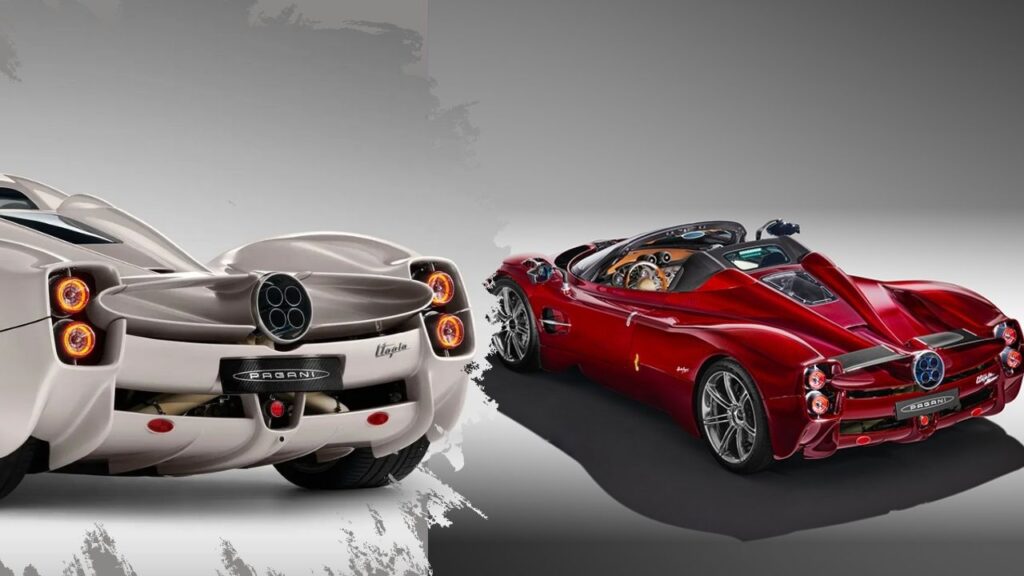
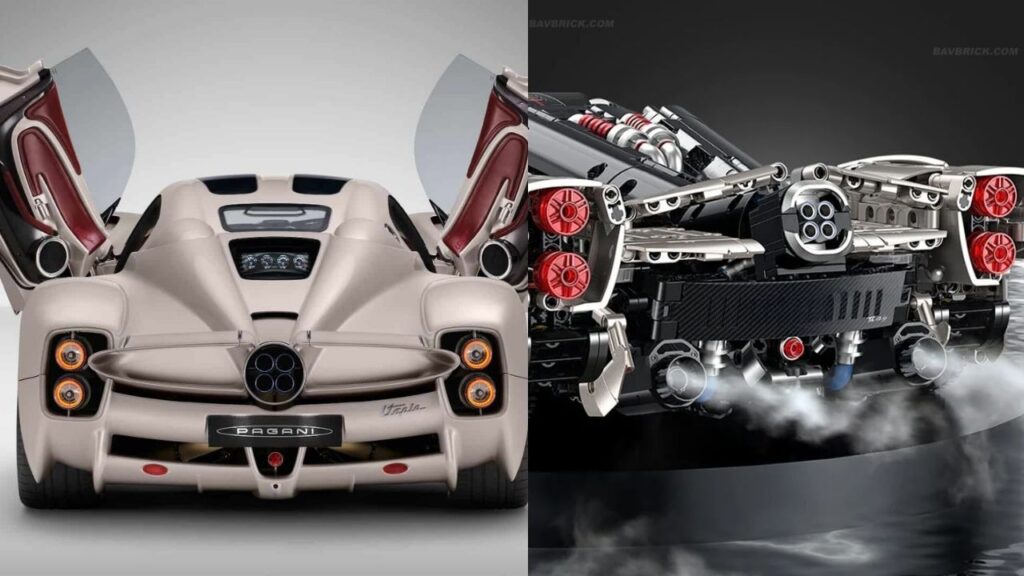
Worthy inspection brings about detailed rewards. The turbine shaped carbon fiber wheels are not only beautiful, they actively pull hot air away from the brakes while reducing turbulence. The headlights are inspired by 1950s Vespa scooters, and the ceramic-coated­titanium exhausts that emerge from the rear like mechanical sculptures. Even the side mirrors, which rest on airfoil-shaped arms, help the car’s aerodynamic performance. 

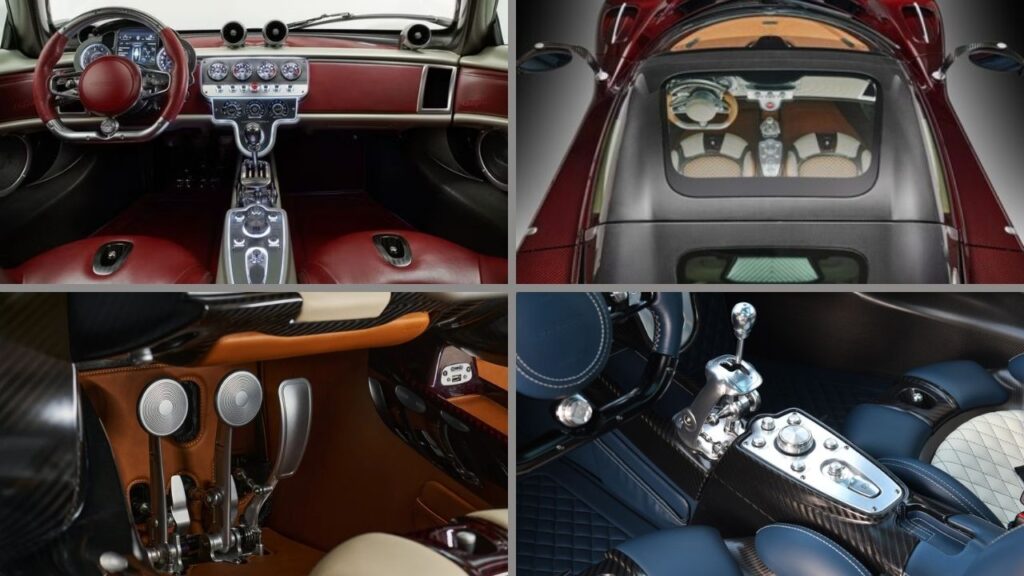
The sentiment of mechanical honesty is prevalent within. The digital screens so common in today’s supercars have been replaced by analog dials, with real needles that sweep. The wheel is billet aluminum shell which has been multi axis machined.

Rather than hide behind plastic casings, the mechanisms of the pedals are on display and celebrated as they are made from solid metal and cut. Every toggle switch, vent and surface is vetted by human eyes and hands. 

The Weight of Lightness

The monocoque of the Utopia, made from Pagani’s own Carbo-Titanium HP62 G2 and Carbo-Triax HP62 materials, is as robust as it is lightweight. Suspension triangles are forged from aerospace-grade aluminum alloy.

This preoccupation with weight pays off in handling. Utopia doesn’t ram the road; it twirls with it. Steering is light and accurate. The chassis tells you every subtlety in the texture of the road below. You don’t lurch as you brake the car just responds.

A Pagani Utopia for the Senses

In driving this hypercar, you utilize all your senses. You can feel the weave of the road under the tires in the steering wheel as if you were running a hand over the pavement. Hear how the voice of the V12 varies with load and revs on this link.

There’s the warm electronics and leather, and a faint whiff of high- performance lube. Through narrow A-pillars and a domed canopy you look out upon a world almost alien to the supercars of today. 

The 2025 Pagani Utopia is far from perfect in the usual sense. It’s not the quickest hypercar in a straight line with a respectable but by no means record-breaking 0-60 mph time of around 3.1 seconds. Its electronically limited maximum speed of 217 mph is nothing compared to Bugatti’s chasing 300+ mph. A Porsche 911 GT3 RS will lace the ‘Ring faster than it. 

A Utopia for the Senses

In the era of drone delivery and smart toasters, the Pagani Utopia is a glimpse of what we have lost and what we might lose. It’s a celebration of mechanical purity, human ingenuity and the simple yet irreplaceable connection between driver, car and open road.

It’s more than just a hypercar, it’s a love letter to driving itself, penned in carbon fibre, titanium and the roaring song of a V12 engine.

And that is what will be handed down to the lucky, and for those lucky few who own one it means something much more rare: the knowledge that even in an imperfect world, moments of true utopia can be found. You just need the right key – and €3.1 million. 

Read More:- The Garage of Dreams: Inside C.J. Roy’s Car Collection

Conclusion

The Pagani Utopia isn’t trying to set records or follow trends—it’s pursuing an emotion. In an era when speed is increasingly defined by software and electrification, this car is a testament to what driving used to be and, on occasion, still is. It sacrifices pure numbers to emotion and precision and to a profoundly human connection between machine and driver.

It probably won’t be the fastest or the most technologically advanced hypercar of 2025, but that’s precisely the point. The Utopia is craftsmanship over convenience, analog over artificial, passion over perfection. It’s not designed to own the lap time – it’s designed to be memorable.

And maybe that’s the reason why it is so important. Because cars like the Utopia, they don’t just move you physically — they move you mentally long after you’ve turned the engine off.