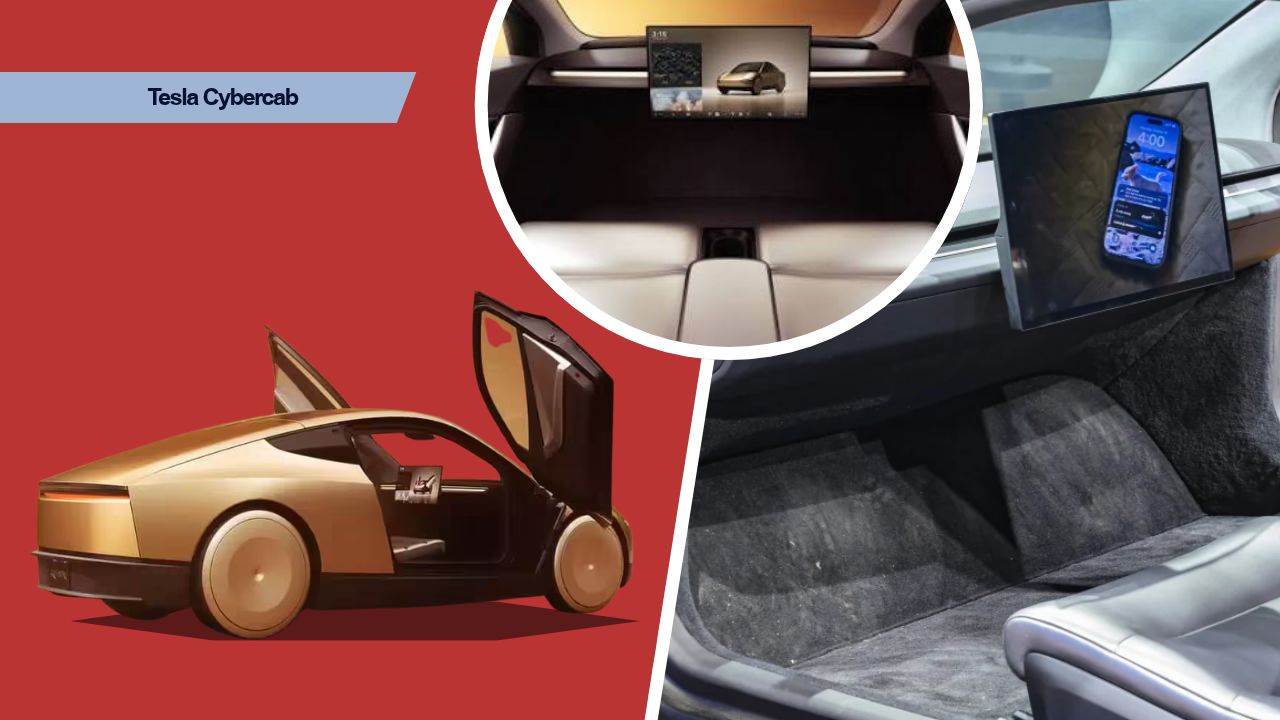
Driverless Robotaxi, Tesla Cybercab is cost around $29,990, plus a $299-a-month “Autonomy Subscription.” At roughly ₹95 to the dollar, that’s about ₹28.5 lakh before anything else is added. The Tesla Cybercab is specifically designed by Tesla as a two-seat autonomous robotaxi. The vehicle comes without pedals and a steering wheel. It is designed to utilize Tesla’s robotaxi service.
Presently, it is offered in limited areas of Austin, Texas instead of being made available to the general public. Tesla hasn’t announced the Cybercab for India. Let’s take a look at Tesla Cybercab Costs and features.
How Much Does the Tesla Cybercab Cost in the US?
Tesla is inviting select customers to order, with an estimated December 2026 delivery in Austin. The $29,990 is before taxes, and the first month of the subscription is included. The pricing reportedly makes it Tesla’s cheapest car.
The subscription changes the math. At $299 a month, you pay about $3,588 a year, or roughly ₹3.4 lakh. Over five years, car and subscription together come to about $47,930, or around ₹45.5 lakh. Treat the five-year figure as a working estimate.
👉 Mahindra Scorpio-N vs XUV 7XO: Price, Features and Mileage Compared
What Tesla Offers For the Money?
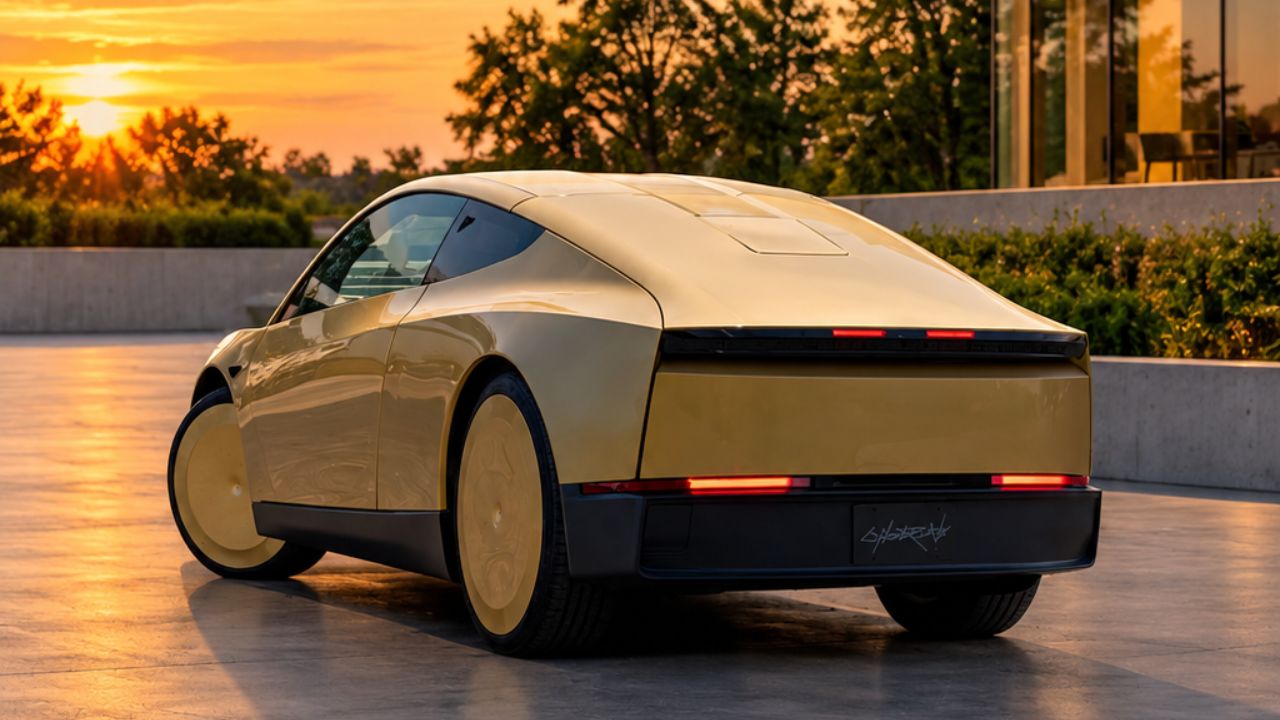
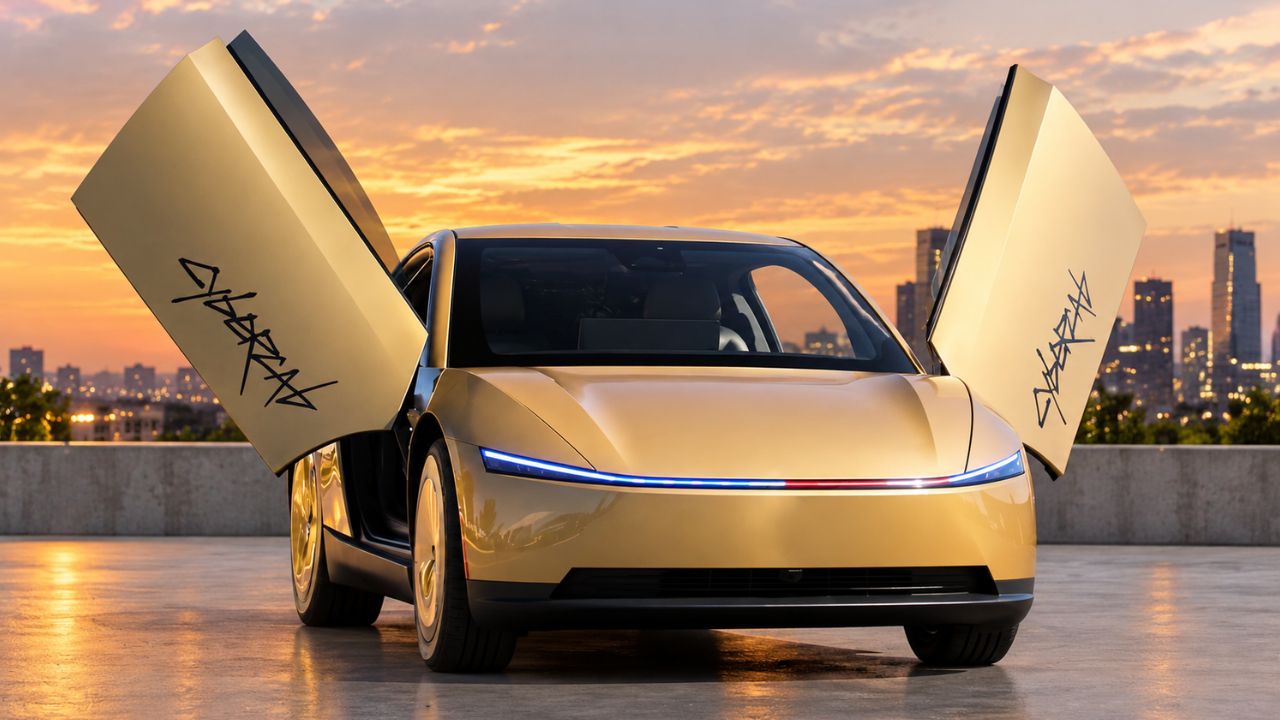
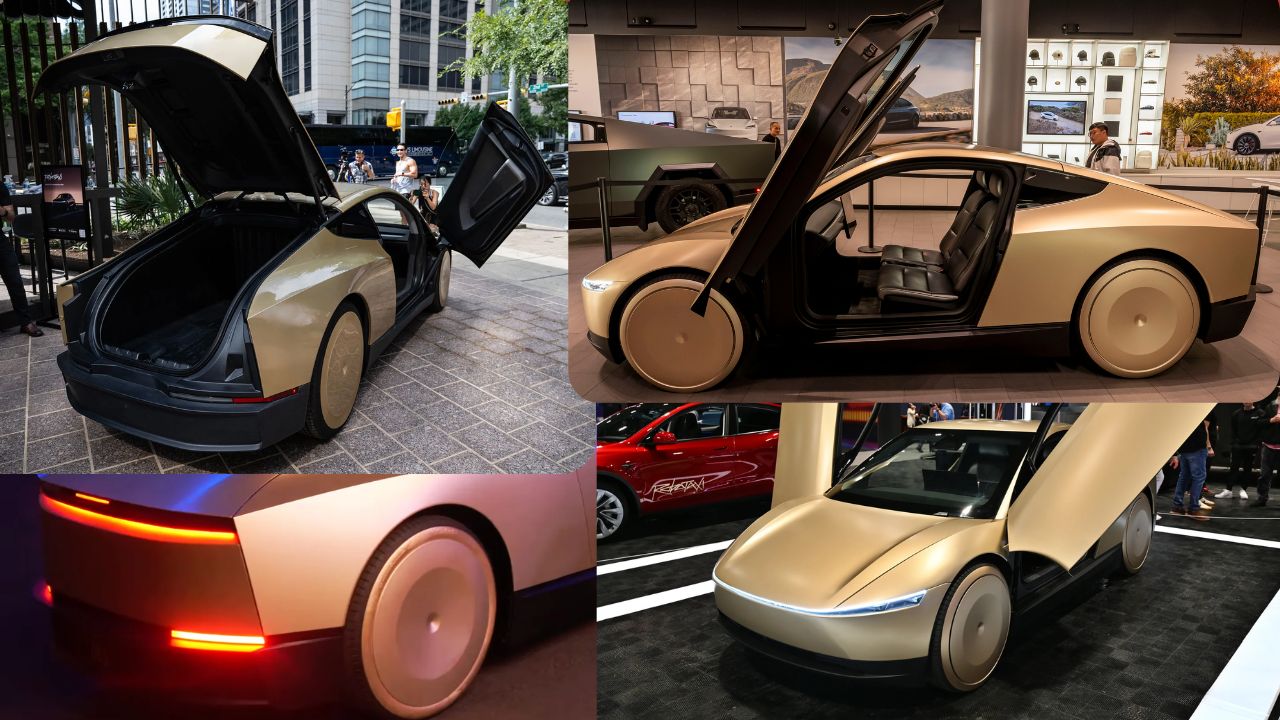
A two-seat, gold-finished car with butterfly doors and no steering wheel or pedals. It is built at Giga Texas using Tesla’s “unboxed” process. Pilot production began in February 2026, and paid Cybercab rides started in Austin on 3 September 2026. Tesla tells customers it will drive unsupervised only in the same geofenced areas as its robotaxi service. Tesla hasn’t published range or battery figures yet.
Customer-owned Cybercabs are reportedly set to join Tesla’s ride network from the second quarter of 2027. The US safety regulator, NHTSA, is also investigating whether a car without manual controls meets federal standards. That could slow sales even in the US.
Tesla Cybercab is not available to purchase in India. A Model Y imported to India starts at ₹59.89 lakh, and Tata’s Nexon EV sits in the low-to-mid teens of lakhs. The Model Y Robotaxi is dissimilar because it was developed from the beginning without equipment for a driver, thus it is not equipped with steering, brake pedal, accelerator, glove compartment, front trunks, and rear windshield.
A car at ₹48 lakh that can’t legally drive itself would sit between a premium import and a mainstream EV, with none of the autonomy it was built for. Treat any Indian price you see as a guess.
Tesla Cybercab are fully autonomous, using camera vision and sensors to navigate streets, highways, intersections, and parking areas. An electric vehicle that boasts a usable battery pack of 47.6 kWh, along with an engine of 163 kW and a claimed driving range of 293 miles. Please bear in mind that battery figures and range may be considered preliminary until updated by the Tesla itself.
The vehicle also incorporates user-friendly features like low bench seating for easy transfers to a wheelchair, provisions for transport of mobility aids, Braille text, and assistance from service animals.
| Feature | Cybercab |
| Seating | Up to 2 passengers |
| Driver controls | No steering wheel or pedals |
| Doors | Butterfly doors; automatic opening/closing |
| Cargo | 20.2 cubic feet rear trunk; Tesla says it fits two checked bags plus two carry-ons |
| Step-in height | 16.5 inches |
| Ground clearance | 5.8 inches |
| Interior room | 38.3 inches headroom, 43.4 inches legroom, 51.9 inches shoulder room, 50.4 inches hip room |
| Charging | Tesla has discussed inductive/wireless charging; final customer-facing charging details remain less clear than the vehicle’s rider features |
Inside the cabin
The interior of the Tesla Cybercab has minimal design: two seats, USB-C charge outlets, air conditioning vents, lights, a camera, and a screen that controls the doors, seat position, climate, music.
A STOP button is located in the middle of the lights. Pressing it will halt the journey, contact the support team, and require a stop request to Tesla. The touchscreen also displays safety indicators, including door-lock status, cabin camera and microphone status, and passenger-airbag status.
👉 Kia India Confirms New ICE & Electric Cars With a Second Plant in Anantapur
Conclusion
The Tesla Cybercab is Tesla’s first vehicle that is specifically designed to be used as an autonomous taxi rather than a regular vehicle with the feature of autonomy. Its immediate meaning is the fact that it is a limited Austin Robotaxi service vehicle, while its wider availability, price model, and real-life performance are still being developed.