1

2027 MG Windsor Facelift: 500+ km Range, Premium Features and Expected Price

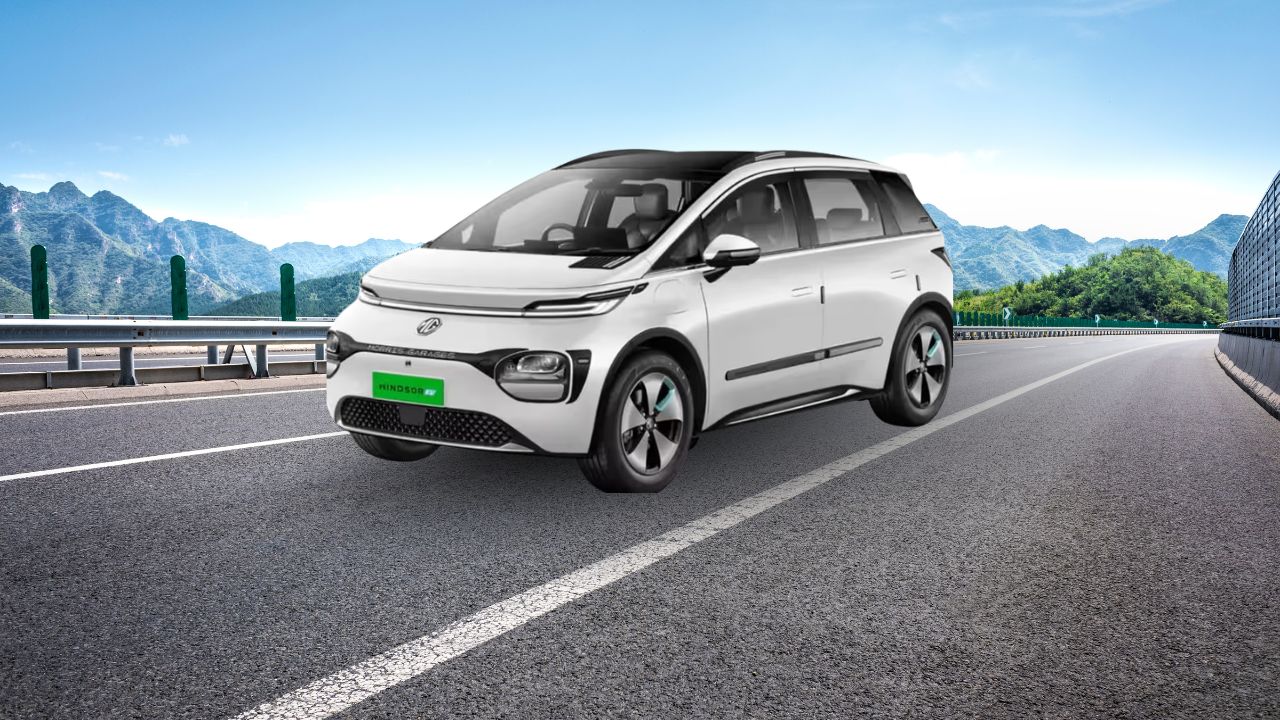
2027 MG Windsor Facelift

MG Windsor has already impressed many people in India’s EV market through its large interior, comfortable seats at the back, and affordable prices. This car was launched in September 2024 and immediately attracted buyers who were looking for practical electric family cars. The new 2027 MG Windsor Facelift will offer more in terms of a larger battery, increased driving range, better charging speeds, and several upgraded elements inside the car.

Perhaps the biggest highlight would be the introduction of a 61 kWh LFP battery pack that promises to offer a range exceeding 500 km. MG is also said to be developing rear seat ventilation and massage systems. If everything goes as of reports, the new MG Windsor might be more attractive for family use on road trips out of town.

Bigger Battery and 500+ km Range is Expected in 2027 MG Windsor Facelift

Two battery models come in the current MG Windsor model, either a 38 kWh model with a range of 332 km or 52.9 kWh for the Windsor Pro variant, which gives a maximum range of 449 km. Despite being sufficient for daily commuting, there is still a need for extended ranges for highway trips.

With the 2027 MG Windsor facelift, it will be equipped with an even bigger 61 kWh LFP battery pack that will have a range of over 500 km. This will enable the car to become more ideal for long travels.

Faster DC Charging Could Improve Highway Convenience

MG is not going to improve its batteries only in terms of capacity. The new facelift may get a quicker DC charger. It takes around 45-50 minutes to charge the Windsor from 20% to 80%.

The shorter time of recharging will make the MG Windsor EV more convenient to drive on highways when compared with its competition like the Tata Nexon.ev 45. However, these new charging specifications have not been officially confirmed.

Feature / Spec Current MG Windsor (38 / 52.9 kWh) Expected 2027 MG Windsor Facelift
Top Battery Pack 52.9 kWh LFP 61 kWh LFP (New Flagship Option)
Claimed Range 332 km – 449 km 500+ km (Expected)
DC Fast Charging 45–50 mins (20–80%) Improved / Shorter Turnaround
Rear Seat Comfort 135-degree Aero-Lounge recline Outboard Ventilation & Massage
Starting Price ₹14.85 lakh (₹9.99 lakh + BaaS) Sub-₹15 lakh (Plus BaaS option)

2027 MG Windsor Interior and Exterior: More Premium Than Before

The MG Windsor is already known for its roomy cabin and comfortable back seat experience. With the addition of the facelift, the company should pay more attention to the passengers’ comfort and practicality. Besides new cabin interior colors and trim levels, the electric crossover might have some extra options.
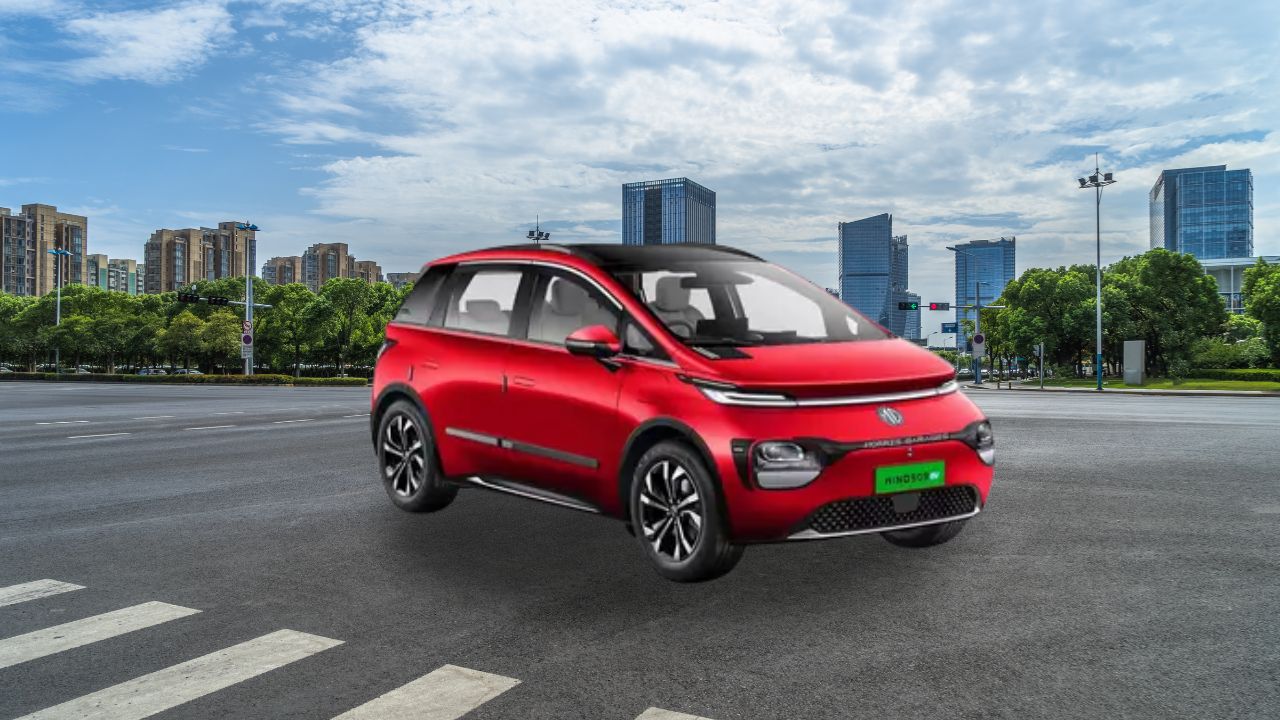
MG Windsor Interior and Exterior

Rear-Seat Comfort Gets More Attention

The existing Aero-Lounge rear seats can recline up to 135 degrees, making the Windsor a comfortable option for chauffeur-driven buyers. The facelift could take this experience further with:

  • Rear-seat ventilation: Ventilated outer rear seats for improved comfort during hot weather.
  • Massage function: Potential massage features for rear passengers.
  • Front passenger convenience: An electrically adjustable co-driver seat for better seating comfort.

 Know Before You Buy 👉 Thinking of Buying Maruti Alto K10 in 2027? Read This Before You Decide

New Exterior Features and Practical Upgrades

The 2027 MG Windsor facelift is also expected to receive subtle exterior changes rather than a complete design overhaul. Expected updates include:

  • Redesigned front and rear bumpers.
  • Updated LED lighting signatures.
  • New side body mouldings.
  • Fresh 18-inch alloy wheels.
  • A powered tailgate for easier access to the boot.
  • A rear wiper with washer for better visibility during rainy weather.

These additions could make the Windsor more practical while giving it a fresher appearance.

Will 2027 MG Windsor Facelift Price in India Stay Under ₹15 Lakh?

Pricing will be very important for the successful launch of the new MG Windsor. However, a bigger battery and additional premium features could drive the total price up, but MG will try to offer a competitive starting price for their car.

It’s expected the base variants will keep the current 38 kWh battery, and the higher trims could get a larger 61 kWh battery. MG could sell base variants below ₹15 lakh, and provide an expensive long-range option.

MG Windsor Facelift

How MG’s Battery-as-a-Service Programme Could Help

MG’s Battery-as-a-Service (BaaS) programme is another important part of its pricing strategy. Instead of paying the full battery cost upfront, customers can purchase the vehicle at a lower initial price and pay for battery usage on a per-kilometre basis.

This structure could help MG sell more Windsors as it allows them to provide a more affordable premium electric vehicle. The eventual cost of the battery rental and facelift pricing will determine the true cost of ownership.

Discover Its Bold New Design! 👉 Hyundai Elantra Hybrid Comes With More Sharper Design 

Conclusion

The 2027 MG Windsor facelift may bring upgrades to one of the more popular EVs in India. Improving range to over 500 km, battery size to 61 kWh, and DC charging speed, as well as increased comfort features for the rear seats, may improve the Windsor for families.

However, the MG Windsor facelift will launch in India. While its success hinges on factors such as final pricing, real-world driving range, and charging performance, MG could improve the Windsor against its competitors, including the Tata Nexon.ev and other electric SUVs, if the changes are implemented properly.

Alok Kabir

Alok is an experienced SEO Specialist skilled in blogging and SEO-friendly content creation. He also specializes in Content Optimization and Technical SEO, including website optimization, crawlability, indexing, site speed, and on-page improvements to enhance search rankings and online visibility.

One Comment

Leave a Reply

Your email address will not be published. Required fields are marked *

0

How Often Should You Change Oil in Your Car? What Actually Matters in India

Change Oil in Your Car

Your Swift covers 9,000 km and the service centre calls. Your neighbour is a strong believer in the “every 5,000 km no exceptions” rule as his father has been following since 1998. Your mechanic insists on seeing you every three months no matter what your owner’s manual says. None of the three are infallible, and How Often Should You Change Oil in Your Car is determined less by a fixed number and more by three things: what oil is currently in your engine, what kind of driving you really do, and how honest you’re willing to be about both. 

The Manufacturer’s Number Is a Starting Point, Not the Answer

Every car sold in India comes with a service booklet that lists an interval — usually tied to kilometres or months, whichever arrives first. That number assumes “normal” driving conditions as defined in a lab, not a Bengaluru signal-to-signal commute or a Delhi summer where cabin AC runs eight hours a day. 

Here Major brands currently stand On How Often Should You Change Oil in Your Car:

Brand / Segment Standard Interval
Maruti Suzuki (most models) 10,000 km or 12 months
Hyundai, Kia, Honda, Toyota, Mahindra 10,000 km or 12 months
Tata Motors (Punch, Nexon, Altroz) 15,000 km or 12 months
Volkswagen, Skoda 15,000 km or 12 months

If your vehicle is more than ten years old and it’s still on the old mineral oil era schedule, don’t assume it followed the newer 10,000 km norm, check your actual booklet for the year of your model. Take the precedent of the old Maruti 800s and early Zens, they used to get 5,000 km services because that’s all the mineral oil of that time could take before breaking down. 

The Oil Grade Changes the Number More Than the Car Does

This is the part that most owners skip over. The interval on your service sticker assumes a particular oil grade, and changing that grade alters the actual oil life: 

Change Oil in Your Car

  • The mineral oil is the most economical, priced around ₹280–380 per litre, and it also oxidises the fastest — most mechanics will still tell you to change it every 5,000–8,000 km no matter what a new manual says, because the base stock just doesn’t hold up longer than that. 
  • The semi-synthetic oil, available at a price of ₹420-550 per litre, splits the difference and can be used for 8,000-10,000 km. 
  • Full synthetic, which costs ₹650-900 a litre, is undoubtedly what allows modern engines to go 10,000-15,000 km between oil changes – the additive package survives thermal breakdown long enough to justify the premium cost. 

So if your car’s manual says 15,000 km but your mechanic filled your car up with a mineral oil last visit because that was the cheapest or is the one he has in stock, you are not really on a 15,000 km schedule anymore. You’re on whatever that oil can last, which is more like one third that distance. 

Why Indian Roads Push Every Interval Downward

Manufacturer intervals are written for “normal” use. Most Indian driving qualifies as “severe” use without the owner realising it — and severe-use schedules are usually 20–30% shorter than the standard ones printed in bold on the first page of the manual. 

Three conditions push you into that category almost automatically here: stop-and-go traffic in cities like Mumbai, Bengaluru, and Delhi NCR, where the engine idles more than it cruises; sustained heat above 40°C through summer months, which accelerates oil oxidation; and short trips under 15–20 minutes that never let the engine reach full operating temperature, so moisture and fuel residue never burn off properly. 

If two or more of these describe your daily driving, treat the printed interval as an outer limit, not a target — and lean toward the shorter end of whatever range your oil grade allows.

Read More:-  How Often Should You Service Your Car? | Complete Maintenance Guide

What Skipping a Change Actually Costs

A straightforward, on-schedule oil change in India runs about ₹2,500–4,500, oil and labour included. That number looks easy to postpone when the car “feels fine.” 

It stops looking easy once you see the other side of the ledger: a Swift owner who pushed one scheduled change from 30,000 km out to 45,000 km ended up facing ₹8,000–18,000 in cleaning and repair work from the sludge that built up in the meantime. Push it further and you’re looking at ₹15,000–40,000 in ring wear, bearing damage, or worse — four to nine times what the change itself would have cost. 

Engine oil in an Indian car is doing three jobs at once: lubricating, cooling, and carrying away contamination. Once it’s saturated with carbon and moisture, it stops doing all three, and the damage compounds quietly until something expensive fails.

Signs Your Oil Needs Changing Before the Odometer Tells You

Kilometres aren’t the only trigger if you are looking for How Often Should You Change Oil in Your Car. A car that’s driven rarely, under 3,000–4,000 km a year still needs an annual oil change even if it never comes close to the km limit, because oil oxidises with time and moisture exposure regardless of use. 

Change Oil in Your Car

Watch for oil that’s gone dark and gritty rather than amber and clear on the dipstick, a burnt smell inside the cabin, a noticeably rougher idle, or the oil warning light itself — none of these should be treated as optional information to act on “next weekend.”

The Practical Rule On How Often Should You Change Oil in Your Car?

Follow your manual’s kilometre or month interval, whichever comes first — but only if you’re certain the oil in your engine matches the grade that interval was written for. If you’re not sure what’s currently in the sump, or your driving is mostly city stop-and-go, shave 15–20% off the printed number and go with full synthetic if your budget allows it; the extra ₹1,000–1,500 per change is cheaper than one skipped interval turning into a repair bill. 

When in doubt, ask your service centre to show you the actual oil grade on the invoice, not just tick a box that says “oil changed.”

Read More:- How to Check Tire Pressure Correctly: Guide For Car Owners

Conclusion 

How Often Should You Change Oil in Your Car, depends on many factors, so there is no single perfect answer. The appropriate interval will vary based on the oil being used, how you drive and the conditions to which your vehicle is subjected daily. Although the owner’s manual is the best place to start, stop-and-go city traffic, short trips, extreme heat and using a lesser-quality oil can all shorten the life of the oil. 

The best policy is to follow the recommended service intervals, use the right oil grade, and adjust the interval if your driving conditions are “severe”. Spending a few thousand on timely oil changes is way cheaper than spending big money on engine repairs later. 

A modest routine of checking your oil level, verifying the oil grade at each service, and not putting off scheduled changes will help ensure a long-running, happy engine. 

0

2026 Toyota Tacoma – Full Overview, Features, and What to Expect

2026 Toyota Tacoma

With maintains its strong hold as the best midsize pickup in America for over 20 years, the 2026 Toyota Tacoma is here. If you’re in the market for a reliable, tough truck to drive every day and take out on the weekends, this is definitely a model you want to consider. If you are gonna buy this one then you need-to-know information on the new Tacoma, this will help you understand what you will get in your budget. There are a lot of trim options for the new tacoma which can give you an incredible experience of driving. 

What’s New for 2026 in Tacoma?

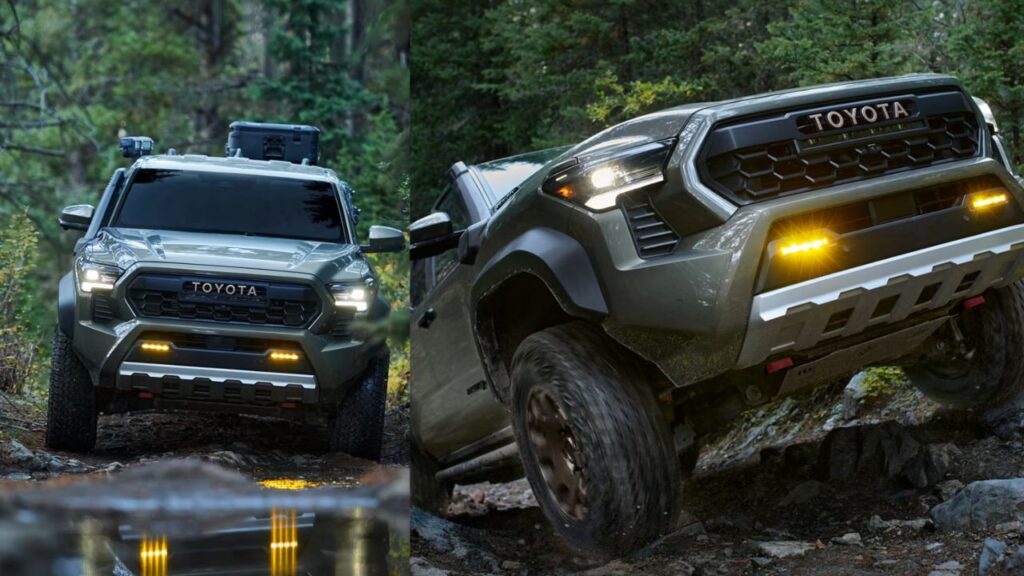
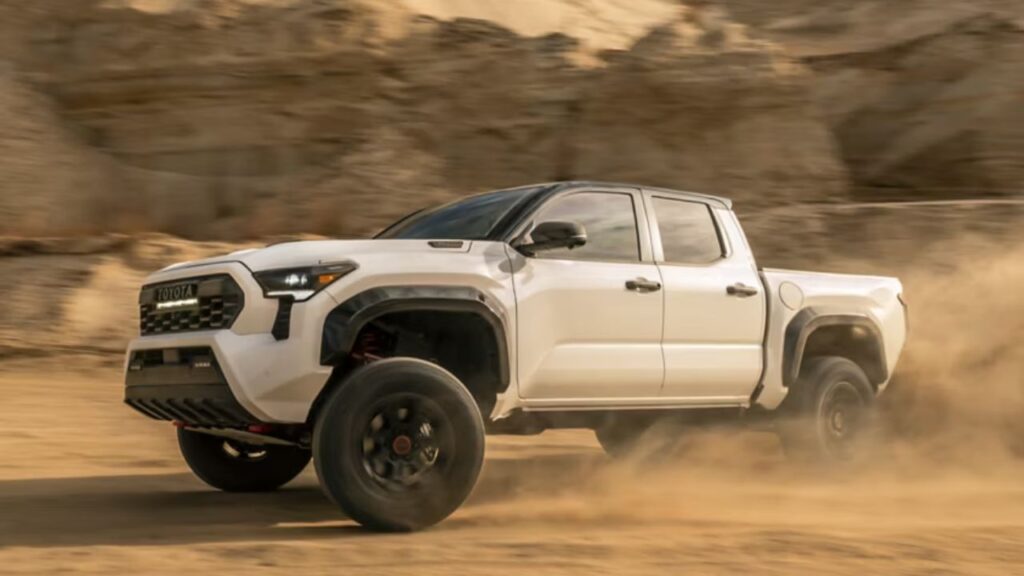
They update the 2026 model year with some tweaks without ripping up everything that already works really well. Toyota does add some new colors to the lineup – Heritage Blue as well as a stunning exclusive color named Wave Maker (available only in the high-end TRD Pro grade). 

If you’re after the TRD Off-Road, TRD Sport, and TRD PreRunner models you’ll notice they now feature a trendy black front logo. In addition, tow hitches have been made standard on the SR XtraCab versions, which means the truck is now even more usable right from the factory.

New for 2026 in Tacoma

Image credit: Toyota

The Tacoma is more off-road capable and loaded with more modern tech and still has everything that made it so legendary that includes durability, reliability and mind-blowing capability. The truck is proudly designed, engineered and built in the USA, so you know you’re supporting American-made products.  

Engine Choices – Power Meets Efficiency

This is when things begin to get interesting. The 2026 Tacoma offers two engine options as per your need, you can grab the one. 

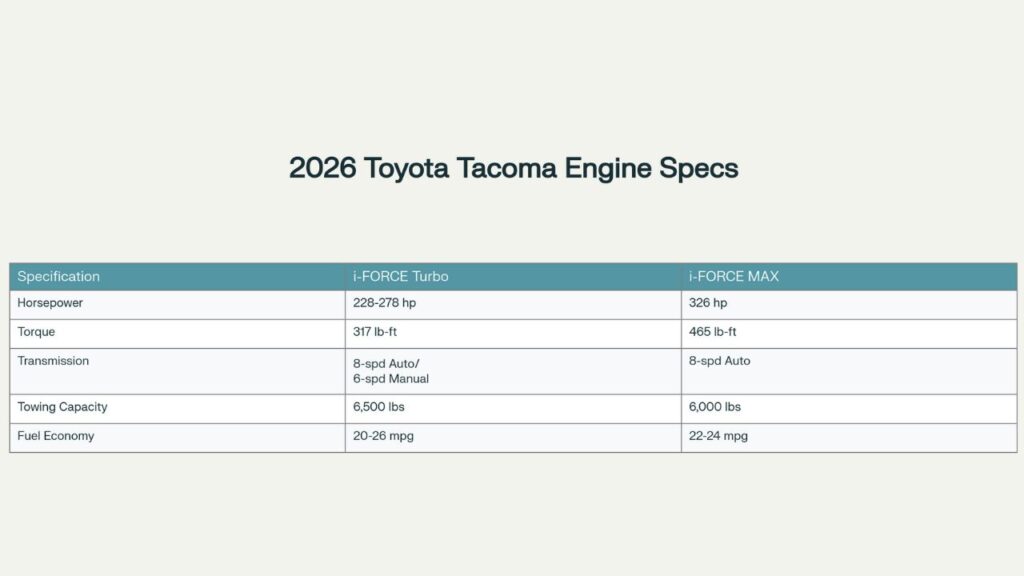
2026 Toyota Tacoma Engine and Performance Specifications

2026 Toyota Tacoma Engine and Performance Specifications

The Standard i-FORCE turbo engine is available in two power levels. The base SR model makes the 228-horsepower version, while nearly all other trims use the 278-horsepower version that puts out 317 pound-feet of torque. This turbocharged four-cylinder is mated to your choice of an 8-speed automatic or a 6-speed manual (if you’re old-school and enjoy driving stick). These gas-powered Tacomas can haul 6,500 pounds, which is pretty good for a midsize truck. 

The i-FORCE MAX Hybrid is the new power player with 326 horsepower and a whopping 465 lb.-ft. of torque. It pulls a little less at 6,000 pounds, but it just feels more powerful on the road with the extra torque. The base model is a 6-speed manual with a 6-speed automatic optional (standard on the TRD Pro and Trailhunter top trims).

Toyota Tacoma Engine and Performance Specifications

Image credit: Toyota

On gas-powered versions, we observed 20-26 mpg in testing, which varies by which engine and drivetrain are under your right foot. And the hybrid gets 22-24, which is pretty darn good for a truck this big. 

Pricing That Fits Different Budgets

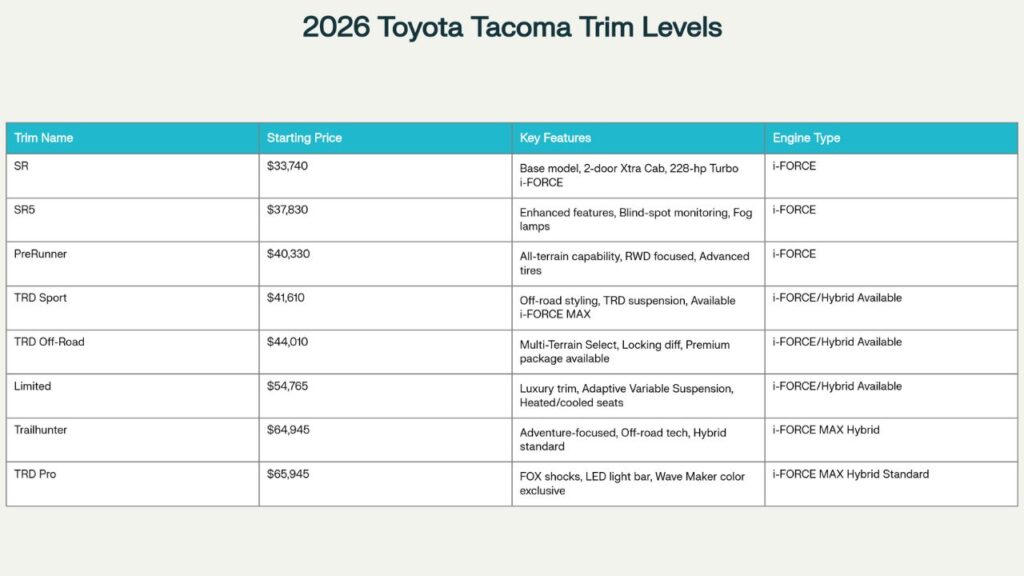
It is safe to say that there are Tacomas available for every budget. Pricing for the top-of-the-line TRD Pro ranges from $33,740 for the base SR model to $65,945 to the moon let alone fully loaded. Here’s the deal with what you get at different price points: 

If price is the determining factor for you the SR5 at $37,830 is an absolute no-brainer. You get blind-spot monitoring, fog lamps, and solid feature that won’t break the bank. TRD Off-Road ($44,010) 

2026 Toyota Tacoma Trim Levels and Pricing

2026 Toyota Tacoma Trim Levels and Pricing

BONUS – If there was one trim option that was best for most people, that has got to be the TRD Off-Road, which provides a great balance of serious off-road capability without the luxury price tag of the Limited trim.

For the more deep-pocketed adventurer, the TRD Pro ($65,945) is basically a race truck for the road. It comes with FOX suspension tuned by TRD racing professionals, unique IsoDynamic performance seats, a large integrated LED light bar, and unique styling that turns heads wherever you go. 

Inside the Cabin – Comfort Meets Technology

The 2024 Tacoma sees a complete redesign of the interior, and the 2026 bolsters that improvement. The dashboard is modern, with soft-touch materials and a choice of 7- or 12.3-inch digital gauge cluster based on your trim.

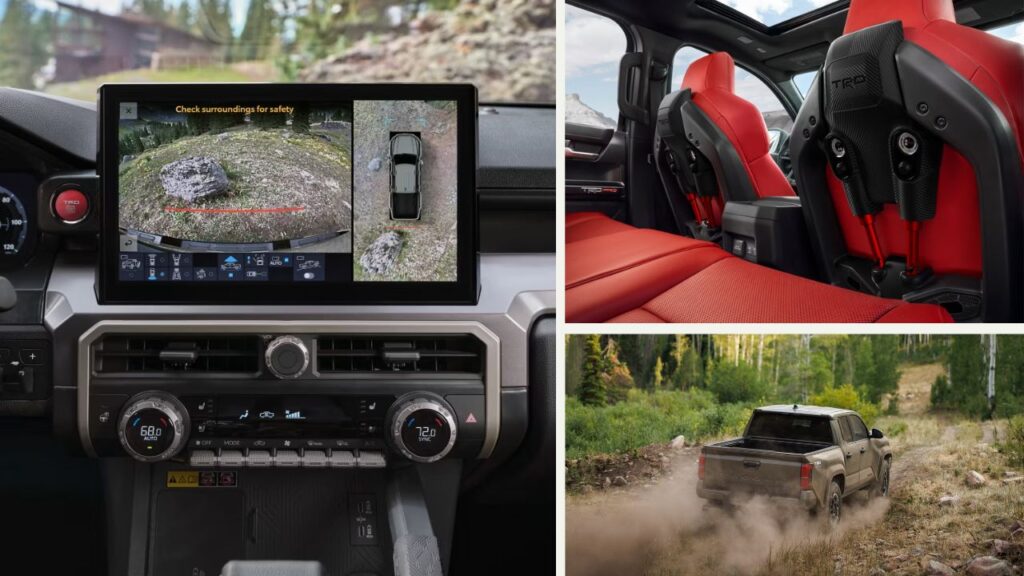
Now, the tech features are mind-blowing. Certain models offer a 14-inch touchscreen display with support for Apple CarPlay and Android Auto. There’s an optional 3D Multi Terrain Monitor giving you a full 360-degree view of your environment – ideal when negotiating rough terrain or backing into a tight parking spot. 

Inside the Cabin – Comfort Meets Technology

Image credit: Toyota

The Limited comes standard with heated and cooled front seats, which is a luxury for a truck. And the seats are also higher than before, so you’re not sitting on the floor anymore. Also, you’ll find more head- and legroom in all rows, which makes for a genuinely comfortable longer drive.

All Tacoma models come with Toyota Safety Sense 3.0 as standard, which adds lane-keeping assist, automatic emergency braking, adaptive cruise control and pedestrian detection. It’s the sort of technology that helps keep you safe without getting in the way of your drive. 

Off-Road Capability – The Tacoma’s Real Strength

When you’re in the market for a Tacoma, it’s safe to assume that you are interested in more than just how it performs on the highway. Every model Toyota made came with front and rear disc brakes, and electric power steering that improves both feel and integration of the safety features.

Serious off-road tech comes with the TRD models like Multi-Terrain Select and Crawl Control – these automatically tune your truck’s performance for rocks, sand, or mud. The TRD Pro and TRD Off-Road also receive an electronically locking rear differential and a stabilizer disconnect system that increases suspension articulation when you want it. 

And the TRD Pro cranks it up a notch further with real-time adjustable FOX QS3 shocks, IsoDynamic performance seats utilizing air suspension technology to keep you stable over rough ground, and Limited models also offer optional Adaptive Variable Suspension that delivers a smooth ride on any surface. 

Conclusion

The 2026 Toyota Tacoma manages to be at once a sensible everyday driver and an eager weekend adventure partner. Either way, with the gas one, or the hybrid for a bit more power and efficiency, you get a truck with Toyota’s legendary reliability.

The new colors and standard safety equipment, plus other small enhancements, make this generation feel fresh while keeping what makes Tacomas legend. When it comes to a reliable midsize pickup, the 2026 Toyota Tacoma is one of the first to consider. Should be available starting winter 2025, so rush to your nearest dealer to lay eyes on one. 

0

How to Buy a Used Car Online ?

With the emergence of India as a global hub for small cars, there is a huge increase in the number of vehicles on-road. New cars are available with attractive offers, and so are used cars available at affordable prices. With increased choice and accessibility, first time buyers may face confusion In buying a car. In today’s article, we take a look at used cars. How should you buy a used car? And what are the things to look out for?


The Following Points to Remember while  buying used cars. We will take a look at the following steps:

  • Locating your dream car
  • Inspection of car
  • Finalizing on the price
  • Transferring of ownership


How to Buy a Used Car Online


Locating your dream car

After deciding that you want to buy a used car, you will need to finalize on which make and model you wish to buy. This will mostly be dependent on your budget and personal preferences. For budget, you can use car valuation guides as present on Badicar.com or you can get a fair idea by just browsing cars for sale.

After deciding about the car to buy, the next task is to find the same available with a seller. You can use online classifieds portals such as Badicar.com which have listings of both dealers and individuals. Alternatively, you can approach your local dealers, use a newspaper ad or locate a car through references. Indeed, personal contacts are often an important channel to find a car.

While choosing between a dealer or individual, you may often get a better deal from a direct purchase, but after sales and warranty would be an issue. Thus, there is some benefit in paying more for the trust that a dealer can give.

Before making your way to the car, get a full understanding of its condition over phone or email and get an initial idea on the price the seller wants. Remember that there is no such thing as a fixed price, and you should always be able to get a bit down from the seller’s current cost.

Inspection of car

After locating the car and visiting the venue, you will now need to inspect it so that you can offer a correct price for the car. Remember that damage to the car need not deter you per se, as you can use it as a lever to reduce the cost. In this, you should be able to make a rough estimate on the cost it would entail to repair that damage.

The following is an overall checklist for purchasing a second hand car.

Tyres

The condition of tyres, its life and nature of wear must be noted. Improper or uneven tyre wear indicates there is possibility of misalignment of tyres. Each tyre should be checked whether it’s been retreaded or original because the cost of a new tyre is high.
Body

The condition of body and upholstery, paint etc. must also be checked. Sometimes long term usage of vehicles in coastal areas causes rust formation in body or on the under-chassis. Moreover, any dents, repainting jobs or deep scratches can be hints for more serious damage and necessitate a more thorough investigation from your end.
Battery

The condition of battery is also essential before deciding on the cost to pay, as it is a high cost item. Check for any residue on the battery.
Suspension

Make sure that you take a drive of the car to research the car’s suspension. For this purpose, it’s better to drive the vehicle on an uneven road so that you can check for a rattling noise of the body and its suspension system. The wear and tear of parts and assembly can be understood from a rattling noise.
Engine and drive quality

The condition of engine is also to be noted. Ease of starting and a good pick up are desired during a road test. In the meanwhile, also give the break system a check and ensure that car’s stop is smooth and effective. Don’t forget testing the hand brake either.

During the drive, take a look at the exhaust smoke to indicate condition of cylinder and working parts.

In general, issues in this section may require a large amount of work to fix, and thus may make you to skip the purchase.
Clutch, gearbox, differential and joints

On a road test, also take a look at the clutch. It is one component which can have serious wear and tear if the car is not driven properly. The gearbox should work nice and smoothly. These components can be checked on road test or on a hoist
Mileage

Check out the Kilometers that the car has run. The more the odometer reading, the nearer you are to changes in parts of the car, which means that you should expect large repair bills. Thus, reduce your offer if need be.
The R.C. Book

The vehicle’s R.C. Book must be checked to get information on a number of items.

Tax Payments

The tax payment and expiry date can be seen from the RC Book. If the expiry date is near, it means that you will need to spend money on the car soon. Thus, it may be a reason to decrease your offer for the car.

Model and Year of Manufacture

Verify the car’s age through the RC Book. Each year passed is one year of depreciation and thus it is one of the most important factors in depreciation. Also use the age of the car as an input to verify whether the car’s mileage is accurate or whether it has been tampered with.

Number of Owners

Use the RC book to verify the number of owners that the car has had. A larger number of owners is an alarm signal and can point at some issue with the car. Make sure to ask and do more research in this case.
Service records

Take a look at the car’s service records. Have the repairs been done at official service stations. Are all the services there? The records should tally with the car’s age.

An interesting point in this is also the identity of the owner. In general, cars owned by members of the Parsi community, doctors or army men are preferred as they are generally much better maintained.
Insurance status

While inspecting vehicle documents, it’s important to check out the type of insurance of the vehicle and whether it is still having valid period or not. Since insurance is legally mandatory, a longer expiry date means you will be able to save some money on the insurance costs.

In insurance, the main types Insurance are Comprehensive and third party insurance.

  • Comprehensive Insurance

    In this type, all risks as mentioned in the Motor Vehicle Act, such as accidents and theft are covered. Importantly, the insurance company will reimburse you for damages to your own car itself, over and above damages caused to other parties.
  • Third Party Insurance.

    The third party insurance policy does cover insurance for the policy holder but only for other persons involved in accidents.Obviously, a comprehensive insurance is more expensive than a third party insurance.

Accessories

Check for the presence of accessories in the car. Any accessories can allow you to offer a bit more for the car.

Taking the make, model, variant and age of the car as a starting point, the above points will help you to calibrate your offer for the car better.

Summary of the process

Deciding on the price to be quoted while selling and buying a car is a cumbersome and complicated task, since it involves so many factors. In sum, the process is as below:

First decide about your priority of car, i.e. whether you are looking for a particular brand or a car which suits your traveling needs. It’s important because most of the time people end up paying extra for particular brands when reliable cars from other makes are available at lower price. If you are looking for that exact car, you should be ready to pay a bit more for it. Decide on the make and model that you want.

Check on classifieds sites to get an idea on the quoted price for particular models and year of make along with accessories present. Then, start contacting sellers and making appointments.

Check the car in person and decide about the worthiness of car for the quoted price. Use the above checklist to counter offer the seller’s price, but be sure to take your time and walk away if you’re not getting the deal closed.

Transferring of ownership

So you’ve agreed with the seller on an amount and given him a token amount for the car. Now, you need to close the deal completely and get the car transferred to your name.

First, complete the payment to the seller and take a receipt for the payment as well as the RC Book. After receiving the payment, the seller must within 14 days submit relevant documents to the RTO as prescribed by the concerned RTO. He will get a no objection certificate and provide the same the buyer. As a rule seller must take care of this, however, in most of cases the buyer will go for it after getting sign of seller in the relevant forms.

The buyer should submit the Original RC with seal of no objection to the concerned RTO of his residence. With showing of all relevant documents such as RC book, Insurance note, Emission certificate etc. the RTO will put the car on the buyer’s name and thus complete formalities of transfer of ownership.

Conclusion

Buying a used car is never easy, but it can be simplified provided the correct relevant procedure is followed. Apart from the above mentioned tips, don’t be shy of bringing along a mechanic or a friend who may know more about cars. It will surely help for discussions and coming to a conclusion about car.

Judging the price of a car is a very important point in any vehicle buying and selling. With thorough research of available used cars you will be able to make an educated offer.

At Badicar.com we hope to be one such complete source to help people to decide on buying of used cars and bikes. Please do contact us or comment below for any questions or tips.

0

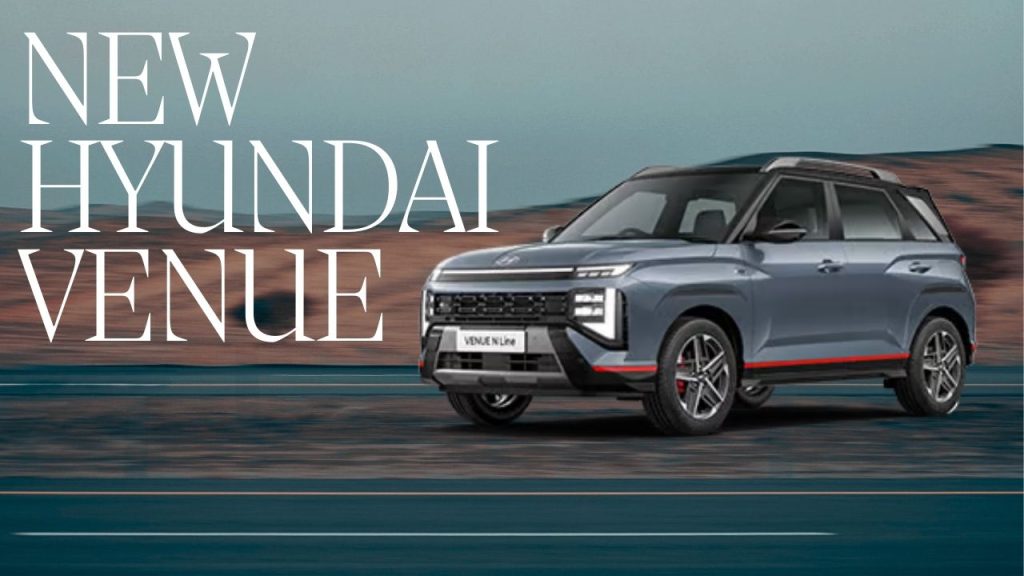
New Hyundai Venue Captures Immense Response with 80,000 Bookings

New Hyundai Venue bookings

If you even have an iota of interest in cars, you must have heard the hype, New Hyundai Venue bookings has notched 80,000 bookings in just over three months since launch. This is not just a number; it shows how this compact SUV is changing the rules of the game in India’s fiercely competitive market. Posted amidst much glory in late 2025, the Venue has been attracting all the gazes more quickly than a turbo spooling up. 

As a car lover who’s kept tabs on everything from luxury beasts to budget heroes, I just had to see what all the fuss was about – why this little dynamo is getting people so worked up. Let’s look into this guide for the car details.

The competition in India’s compact SUV segment is fierce – rivals such as the Kia Sonet, Tata Nexon, Maruti Brezza, and Mahindra XUV3O are battling it out for your attention. Pre-facelift Venue was already a champ, but this 2025 refresh? It’s as if Hyundai has clearly dialed everything up a notch. 

Bookings exceeded 80k by the beginning of February 2026, with an average of more than 25,000 vehicles per month. That’s insane—speedier than most launches could ever dream. Hyundai points to its “unrivaled style, tech, and value,” but let’s peel back the layers. 

Stylish Design That Makes the Venue Irresistible? 

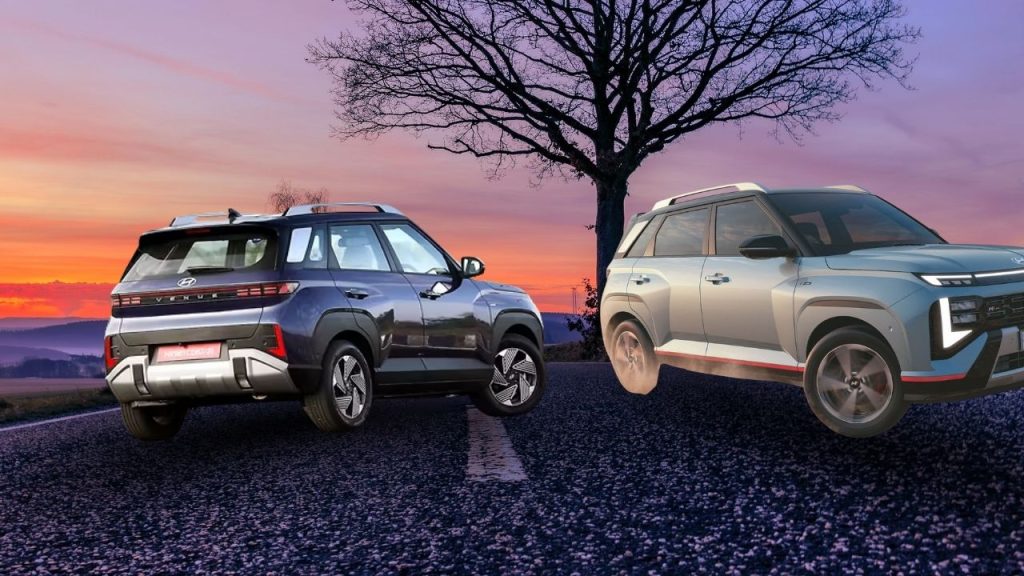
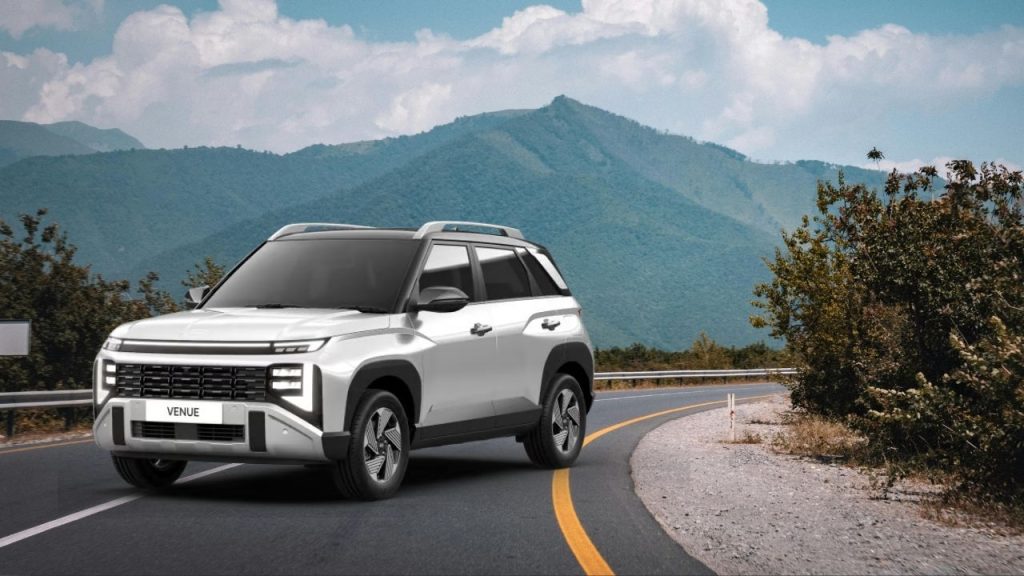
The new Venue boasts a more daring grille, sleek LED headlights and the connected tail lamps that add a premium feel without the Creta price tag. It has the “urban adventurer” look that is ideal for city zips or weekend getaways from Delhi to the hills. 

Stylish Design That Makes the Venue Irresistible

Among a sea of similar designs, the Venue makes its mark with diamond-cut alloys and two-tone roof schemes. It’s no surprise that newcomers to the brand (these make up 40% of bookings, according to Hyundai) are flocking. 

Powertrains for Every Mood

Variant Engine Power/Torque Mileage (ARAI) Price Range (ex-showroom)
E 1.2 Petrol MT 1.2L NA Petrol 83 PS / 114 Nm 17.5 kmpl ₹7.94 – 8.5 lakh
S 1.0 Turbo GDI 1.0L Turbo Petrol 120 PS / 172 Nm 18 kmpl ₹11.5 – 13 lakh
SX 1.5 Diesel 1.5L CRDi Diesel 116 PS / 250 Nm 23.7 kmpl ₹12 – 15 lakh
Top: SX(O) Turbo DCT 1.0L Turbo + DCT 120 PS / 172 Nm 18.3 kmpl ₹13.5 – 15.5 lakh

Features That Punch Above Its Weight

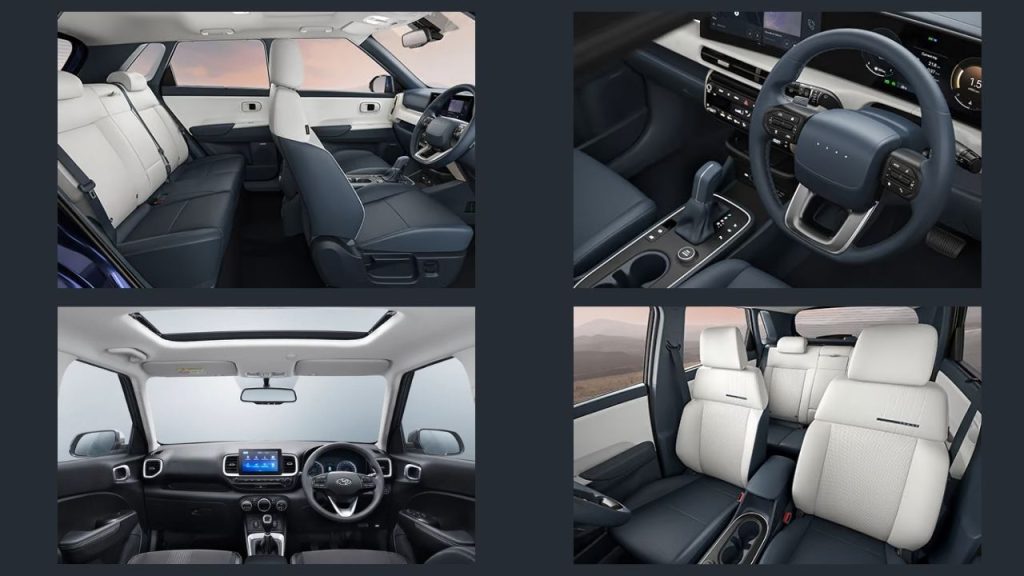
The Venue’s 10.25-inch touchscreen (infotainment + digital instrument cluster) is made sharper courtesy of Hyundai’s Bluelink connected-car technology that also enables you to start the AC remotely right from your phone. It also offers wireless charging, ventilated seats, and a lively Bose 7-speaker audio system.

Features That Punch Above Its Weight

Top variants feel luxury-car posh. Voice commands in Hinglish (“Hey Hyundai, play Arijit Singh”) make it family-friendly. And with more than 20 safety features, it has parents nodding approval.

Why the Booking Boom? 

Timing is everything. Launching after the festive season with offers such as ₹10k discounts and easy financing, the company tapped pent-up demand. Young city dwellers chose the Venue for its style and tech-first attitude, and families the functionality, especially the 422L boot that grows into a cavernous 1,116L when required. 

Booking Boom Hyundai Venue

Add the Hyundai 3-year/unlimited-kilometre warranty and it’s a no-brainer for both head and heart. 

Against rivals:

  • Vs. Sonet: Venue nudges ahead on boot space and ADAS breadth.
  • Vs. Nexon: Smoother turbo, better interiors.
  • Better mileage and features than Brezza.

Even the export markets are in love with it — the Venue is a global success, which hugely strengthens Hyundai’s India confidence. 

Read More:-  Steve Hamilton Car Collection: Inside The Hamilton Collection’s $30 Million Hypercar Empire

Conclusion

New Hyundai Venue bookings isn’t just hype — it’s worthy of this hype. Crossing 80,000 bookings in such a short period of time is a testament to Hyundai having perfectly gauged the Indian buyer. With a radical new design, a tech-packed cabin, a choice of different engines and a price that still makes sense, the Venue finds a rare balance between aspiration and practicality.

If you are a first time buyer attracted by the look and features or a family needing a reliable, safe and fuel efficient compact SUV, the Venue meets nearly all your expectations. In a category littered with worthy rivals, Hyundai has not simply remained relevant — it has set a new standard. If the booking numbers are anything to go by, the Venue isn’t just racing in the compact SUV category, it’s leaving the competition trailing behind. 

0

How to Check Tire Pressure Correctly: Guide For Car Owners

  How to Check Tire Pressure

Most drivers check tire pressure only when a tire already looks flat — which is exactly the wrong time to check it. By then you’ve likely been driving on underinflated rubber for weeks, burning extra fuel and wearing the edges of your tread down faster than the center. Understanding how to check tire pressure correctly can save your fuel.

What makes it tricky is that you can’t tell if a tire is under-inflated by simply looking at it. It changes with temperature and must be measured with a gauge. It’s a quick check that only takes a few minutes, and it can increase your gas mileage and tire life. 

Why Correct Tire Pressure Is Essential for Better Mileage 

A tire that is only 15% underinflated can reduce its life by thousands of kilometers and increase fuel consumption by 3 to 4%, the U.S. The Department of Transportation’s NHTSA quotes this data. Overinflated tires aren’t better as they shrink the contact patch with the road, which reduces grip and makes the ride harsher when you run over potholes. 

There’s a tight range that’s actually correct for your car and that size isn’t the number that’s printed on the sidewall of the tire. That figure is the tire’s maximum pressure rating, not the recommended one for your vehicle. 

The correct number resides in two places: a label inside the driver’s door jamb and the owner’s manual. Splitting the number is often given as two numbers – one for the front axle and one for the rear, as the rear often carries a different load. A normal Sedan tyre is inflated to around 30-35 PSI (approx. 2.1-2.4 bar) and for SUV/4X4 or heavier vehicles are usually recommended to be inflated 2-4 PSI more. 

When to Check Tire Pressure for the Best Results 

Tire pressure needs to be measured when they are “cold” — when the car has been stationary for at least three hours or if you haven’t driven more than two miles. Driving causes the air in the tire to heat up, and heat causes air to expand, which reads higher by 4-5 PSI or more depending on how long you’ve been driving. Check pressure immediately after a long drive and you’ll get a number that looks fine but isn’t — the tire will read low again once it cools overnight. 

The best time is early morning, before the car has moved, and before the sun has had a chance to warm the tires either.

Read More :-  How to Improve Gas Mileage: 15 Proven Tips That Actually Save Fuel

Accuracy Starts With the Right Gauge

Gas station pressure gauges on the air pump are well known for being inaccurate — they can be off by 3-5 PSI or more in either direction. A simple digital tire pressure gauge is very inexpensive and well worth having on hand; it eliminates guesswork and provides a consistent reading every time. Pencil-style gauges work too and are cheap and pocket-sized, but they’re harder to read precisely and tend to drift out of calibration faster than digital ones.

If your vehicle comes equipped with a Tire Pressure Monitoring System (TPMS), don’t use it as your sole check. In fact, the warning levels for TPMS are set to announce a single drop of approximately 25% from the recommended tire pressure – meaning that a tire can already be very under-inflated when the dashboard says something. 

Checking Tire Pressure Step by Step

  1. Take off the tire valve cap and place it in a safe place where you won’t lose it. 
  2. Press the gauge down on the valve stem until the hissing stops and you get a steady reading — a brief, uneven press results in an inaccurate reading. 
  3. Compare the reading with the number on the door jamb label for that particular axle (front and rear boots can be different). 
  4. If it’s low, pump in air in short bursts, checking between each — it’s easy to go too far. 
  5. If the pressure is too high, briefly press the small pin inside the valve stem to let some air out, then check again.
  6. Replace the valve cap. It’s not just cosmetic — it keeps out dirt and moisture that can lead to slow leaks, over time. 

Do this for all of the regular tires, and the spare if you have one. The spare is perpetually neglected and often the flattest tire in the vehicle when you actually require it. 

Temperature Changes Pressure More Than People Expect

Tire pressure drops roughly 1 PSI for every 10°F (about 5.5°C) drop in outside temperature. This matters a lot for drivers in North India or anywhere with a real winter — a tire set correctly in October can be noticeably underinflated by December without a single leak involved. 

The reverse happens in peak summer heat, especially in places like Dubai, where tires can run several PSI higher on hot asphalt purely from ambient heat, not overinflation. Checking pressure with the seasons, not just when something feels off, catches both problems before they become a blowout risk or an uneven wear pattern.

Signs You’ve Been Ignoring the Problem

Uneven wear on the outer edges of the tread usually points to underinflation; wear concentrated in the center strip points to overinflation. A car that pulls slightly to one side, feels softer than usual in corners, or seems to be drinking more fuel than it used to are all pressure symptoms before they’re anything else. None of these show up overnight — the build slowly enough that most drivers adjust to the change without noticing it.

The Habit That Actually Works

Checking tire pressure once a month, and always before a long highway trip, catches almost every problem before it becomes expensive. It takes less time than filling a fuel tank and costs nothing beyond the gauge sitting in your glovebox. 

The number on the door jamb is correct for a reason — trust that over the sidewall, over the gas station gauge, and over how the tire happens to look.

Read More :- How to Transfer Car Ownership in India: A Step-by-Step RTO Guide (2026)

Conclusion 

Properly checking tire pressure is one of the simplest and most beneficial maintenance routines. Among other things, it improves gas mileage, prolongs tire life, increases braking and handling, and minimizes the chance of an unplanned tire failure on the road. 

The trick is to measure the pressure when the tires are cold; use a good-quality gauge; and go by the PSI value on your car’s door jamb , not the number on the sidewall of the tire. 

Three minutes once a month can save your money on gas, extend the life of your tires and make every trip safer. For the typical car owner, it’s a small habit that can prevent a lot of bigger expenses down the road, not just something to think about when a warning light comes on. 

Keep a tire-pressure gauge in your glovebox, check all four tires and the spare on the reg, and make correcting tire pressure a normal step in your car-care routine.