0

Maruti Suzuki Price Hike 2026: What Buyers Need to Know Before Booking a Car

Published Nov 25, 2026, 4:02 AM
Last Updated Nov 25, 2026, 4:18 PM

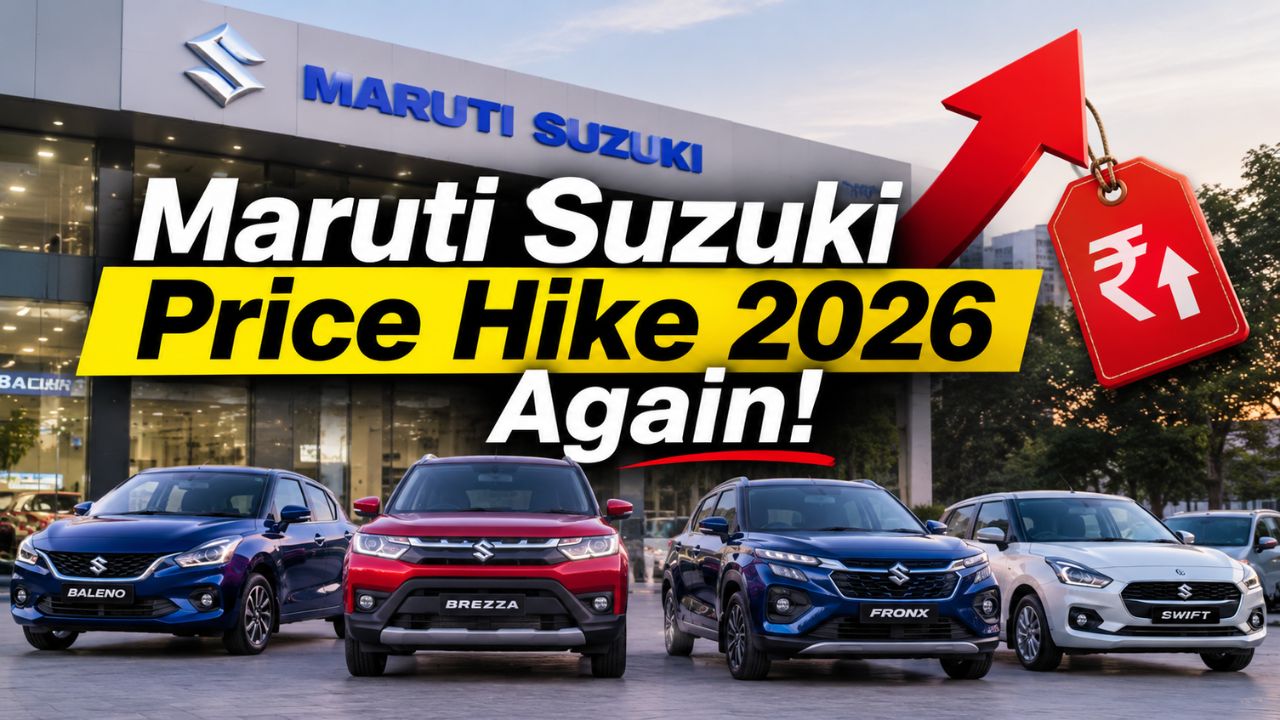
Maruti Suzuki Price Hike 2026

The Maruti Suzuki Price Hike 2026 announcement on November 22 may have disappointed buyers planning to bring home a new car before the year ends. For the fourth time this year, following price revisions in June, August, and September, India’s largest carmaker has increased ex-showroom prices across select models.

Although it may initially seem negative that there has now been a fourth increase in car prices within a year, the most recent adjustment has only resulted in an overall volume weighted average rise of 0.31%. Depending on the car and its version, the price effect can differ. Although some cars have seen their prices rise, many petrol versions are not affected. Those who know where to seek out deals may yet be able to successfully negotiate a favourable price during November and December.

Why Maruti Suzuki Increased Car Prices Again in 2026

Understanding the motivation behind Maruti’s actions is also key. Rather than being motivated purely by greed, the company is seeking to defend its margins. Despite recording its best ever quarterly sales performance (of almost 6.97 lakh units) in Q2 FY2027, Maruti Suzuki saw a year-on-year decline in standalone net profits of over 26%. Costs of materials, particularly steel and copper which continue to be resolutely expensive, rose to almost 80% of net sales. As a consequence, operating margins dropped to approximately 9% from around 12%.

Maruti Suzuki

Given that both the entry and small segment of the market is highly price-sensitive, Maruti could not afford to raise prices by 2 or 3% across-the-board. It therefore opted to make precise, targeted price changes.

Maruti Suzuki Price Hike 2026: Model-Wise Breakdown

Rather than raising prices across the board, Maruti targeted high-demand trims—particularly CNG automatics—while leaving several mainstream petrol variants untouched:

Price-impact tier Model Variants / powertrain affected Price change
Minimal impact Eeco All applicable variants +₹2,500
Minimal impact Wagon R Select variants +₹1,500 to ₹5,000
Minimal impact Ertiga Select variants +₹3,500 to ₹5,000
Minimal impact Brezza Select variants +₹4,000 to ₹5,000
Minimal impact Fronx Select variants +₹5,000
Minimal impact XL6 Select variants +₹5,000
Minimal impact S-Presso Select variants +₹5,000
CNG automatic hike Swift CNG automatic variants only +₹10,000
CNG automatic hike Baleno Delta and Zeta CNG automatic variants only +₹10,000
CNG automatic hike Dzire Range-wide; CNG automatic variants at the top of the range +₹2,400 to ₹10,000
Lifestyle / flagship Jimny All trims +₹10,000
Lifestyle / flagship Invicto All three variants +₹25,000
Mixed revision Victoris Base LXI petrol and CNG manual +₹10,000
Mixed revision Victoris Mid-spec VXI petrol manual and CNG manual -₹5,000

👉   Thinking of Buying Maruti Alto K10 in 2027? Read This Before You Decide

How Buyers Can Save Money Despite the Latest Maruti Price Hike

Most buyers react to a Maruti Suzuki Price Hike 2026 by either rushing blindly into a bad finance deal or walking away from the showroom altogether. Both are mistakes. 

Here is how to play the market right now:

1. Audit Your Variant Before You Pay a Rupee Extra 

As there has been a very selective price increase, confirm if your model has been impacted. Often, car showrooms will add ‘price increase’ to their advertising to encourage people to buy and/or to upsell. However, petrol versions of Baleno AMT and non-CNG versions of Swift have both retained their ex-showroom prices. Be wary that sales consultants may attempt to advise you otherwise.

2. Watch the ₹10 Lakh RTO Cliff 

Going above the rupees 10 lakh (ex-showroom) mark in select Indian states will land you in a much higher RTO (road tax) band. Should a 5,000 or 10,000 rupee price increase cause you to move up to a higher spec version of the Brezza, Victoris or Dzire from one priced at 9.96 lakh rupees, then your on-road costs may surge by between 30-50,000 rupees. Talk to your dealer as they can usually reissue certificates of registration for previous chassis numbers at the original pre-increase price.
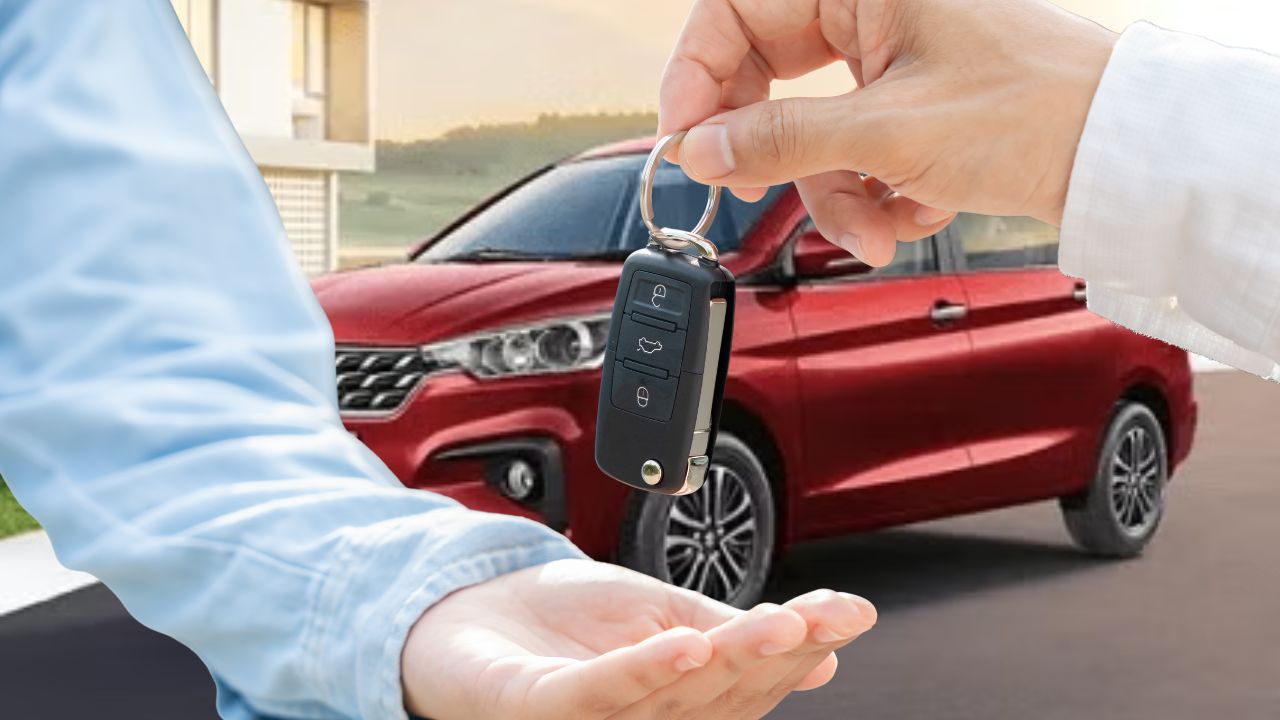
Maruti Suzuki Price Hike

3. Use Year-End Discounts to Erase the Maruti Suzuki Price Hike 2026 Five Times Over 

We are moving into the last five weeks of 2026. Dealers are under pressure to dispose of MY26 stock ahead of calendar year devaluation which comes into effect on January 1. Even a showroom price rise of between INR 5000 and 10,000 pales in comparison with current Arena and Nexa end of year cash rebates, trade-in benefits and company deals which range from INR 30000 to 70000. Use the ‘end of year’ issue as a hook for non-serious buyers and further haggle on current stock.

4. Don’t Wait for It Unless You Must 

Maruti indicated on its Q2 results call that further re-pricing may be necessary in early 2027, if commodities continue to rise in price. Although you can get an early 2027 date-stamp (which is only relevant if you intend to sell within 3 years) by having your car manufactured in January, you will almost certainly miss out on end of year offers and immediately face the sector standard New Year price increase.

Where a car is going to be kept for 5+ years then late-November to mid-December 2026 continues to be an ideal period in which to purchase. Choose a version which has not been most affected by the biggest price increase and ensure that you obtain stock pre-revision where possible. Then allow the sales push at the end of the year to work for you.

 👉  2027 MG Windsor Facelift: 500+ km Range, Premium Features and Expected Price

Conclusion

While Maruti Suzuki Price Hike 2026 again (this is their fourth increase), there are still options for good deals depending on which model and specification you are interested in. As there are still models on sale at pre-increase pricing and as end of year offers remain in place too, smart shoppers have good scope to obtain a favourable deal. 

After analysing new prices, investigate current stock and consider both trade and cash deals, in order to maximise value for money. If you intend to buy a Maruti Suzuki, December 2026 may also provide a good period in which to negotiate a deal as opposed to having to potentially negotiate again following another price change in January 2027.

Alok Kabir

Alok is an experienced SEO Specialist skilled in blogging and SEO-friendly content creation. He also specializes in Content Optimization and Technical SEO, including website optimization, crawlability, indexing, site speed, and on-page improvements to enhance search rankings and online visibility.

Leave a Reply

Your email address will not be published. Required fields are marked *

0

ROI of Commercial Vehicles in India: Costs, Profits & Business Returns

ROI of Commercial Vehicles in India

Every vehicle owner remembers the first time they were tricked by a low EMI. The vehicle looked affordable, the loan tenure looked comfortable, and six months later the same person was staring at a fuel bill that had quietly become their biggest monthly expense. The ROI of Commercial Vehicles in India is not a purchase decision. It is a cash flow decision which comes along with a vehicle. And treating it any other way is how companies wind up with a money-losing asset rather than a money-making one. 

Prices of diesel are remaining at ₹96-₹98 per litre in most Indian cities while a few like Andhra Pradesh have crossed the ₹105 mark. For owners of trucks, tempos and pickups, that number has an immediate bearing on profitability, since fuel costs can make up 40 to 55% of a commercial vehicle’s lifetime operating cost. The initial purchase price, although significant, is generally a more fixed and predictable cost. That is why the first thing every buyer should assess isn’t the sticker price, it’s how much the car will cost to operate on a daily basis.  

What “Cost” Actually Means for a Commercial Vehicle

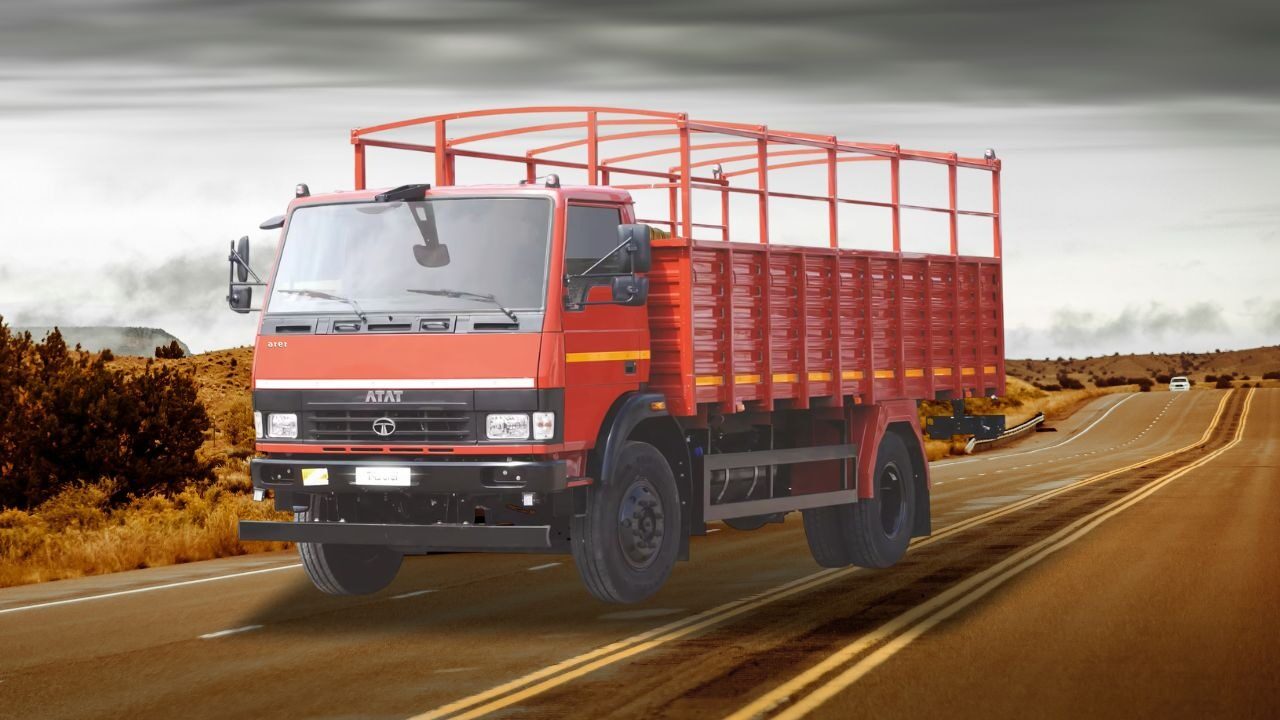
The ex-showroom price is just the beginning in terms of commercial vehicle budgeting. For instance, India’s best-selling mini truck for last-mile deliveries, Tata Ace, is priced from ₹3.99 lakh to ₹6.69 lakh (ex-showroom) based on the variant. The Ashok Leyland Dost range meant for heavier loads begins from ₹6.68 lakh to ₹ 10.34 lakh, with the ROI of Commercial Vehicles in India and ROI of Commercial Vehicles in India variant priced higher. 

However, the total cost you pay once after including the cost of the registration, insurance, and state roads taxes is higher. Additional charges like these typically add 8 to 12% to the sticker price, so it’s important to plan for more than the sticker price. 

Where ROI of Commercial Vehicles in India Lost

The bigger expense begins after the vehicle hits the road. Fuel, driver salaries, regular maintenance, tire replacement, insurance, permits and unforeseen repairs all contribute to the cost of monthly operations, and unlike EMI, these costs can fluctuate widely. 

Tires and engine components of long distance or heavy-duty vehicles are under greater stress and wear out faster. Therefore, a model with a lower purchase price may cost you more during the life of the product. This is why experienced fleet managers look at cost per kilometre rather than the bare purchase price, since it gives a more accurate sense of fuel efficiency, maintenance, depreciation and other operating costs.

Where the Profit Actually Comes From

ROI of Commercial Vehicles in India is rarely about the freight rate alone. It comes from utilisation, which is a polite way of saying: how many days a month is the vehicle actually earning instead of sitting idle. A truck that runs 24 days a month will always beat a cheaper truck that runs 15 days a month, even if the second one has a lower EMI. Idle time is the single biggest silent killer of ROI of Commercial Vehicles in India, whether it’s caused by a breakdown, a driver shortage, or simply poor route planning.

The second lever is load efficiency. Businesses that consistently run at 60 to 70% of a vehicle’s rated payload capacity are effectively paying full fuel and maintenance costs for a fraction of the earning potential. Matching the vehicle class to the actual cargo pattern, rather than buying one size up “just in case,” is one of the most underrated ROI decisions a business owner makes. A Bada Dost bought for loads that a standard Dost could easily handle is dead capital sitting on four wheels.

The third lever, and the one almost nobody talks about, is resale value. Tata and Ashok Leyland vehicles tend to hold value better in the Indian secondary market simply because spare parts and service networks are everywhere, which matters enormously when a five-year-old truck needs to be sold to fund the next purchase. A vehicle that’s cheap to maintain throughout its life is also, almost always, the one that resells for a fair price later.

The Financing Trap Nobody Warns You About

Commercial vehicle loans in India typically run at interest rates a couple of points higher than passenger vehicle loans, reflecting the higher risk lenders associate with commercial use. A longer tenure lowers the EMI on paper but stretches interest payments across more months, which quietly increases the total cost of ownership. 

The smarter approach, and one that experienced fleet owners follow without exception, is to size the loan against realistic monthly earnings rather than against the maximum EMI a bank is willing to approve. Banks will always approve more than a business can comfortably repay, because the risk sits with the borrower, not the lender.

Note: Diesel prices, vehicle pricing, and interest rates change frequently and vary by state and lender. Always confirm current on-road prices, fuel rates, and loan terms with authorised dealers and banks before making a purchase decision.

BS6 Compliance and the Long-Term Cost Angle

Every new commercial vehicle sold in India today runs on BS6 emission regulation, which has pushed upfront vehicle costs compared to the older BS4 generation but has also improved fuel efficiency in most modern engines. 

For a business calculating ROI over a five to seven year holding period, this trade-off usually works in the buyer’s favour, since better mileage compounds into meaningful fuel savings over tens of thousands of kilometres. The mistake to avoid is buying an older, non-compliant vehicle secondhand purely to save on the initial price, since resale restrictions and rising fuel costs can erase that saving within a couple of years.

Read More:-  Best Cars for Daily Office Commute: Top Comfortable & Fuel-Efficient Cars

Diesel, CNG, or Electric: The ROI Angle, Not the Trend Angle

CNG variants of vehicles like the Dost and Ace are gaining traction in Indian cities specifically because CNG remains meaningfully cheaper than diesel per kilometre, even after accounting for the lower fuel efficiency compared to diesel engines. For businesses running fixed intracity routes with reliable access to CNG stations, this can genuinely lower the cost per kilometre. 

Electric commercial vehicles are still a smaller piece of the market, and while running costs are lower, the higher upfront price and patchy charging infrastructure outside major metros mean the ROI case only works cleanly for businesses with short, predictable routes and access to depot charging. This isn’t a case of one fuel type being universally better. It’s a case of matching fuel type to route pattern, which is the same discipline that governs every other part of this decision.

The Real Formula for Business Owners

The ‘ROI of Commercial Vehicles in India’ question comes down to one practical comparison: total monthly earnings from the vehicle, minus fuel, driver salary, maintenance, insurance, and EMI, measured against how much capital was actually put in to acquire it. 

A vehicle that looks expensive but stays on the road every working day, carries near its full rated load, and holds resale value will consistently outperform a cheaper vehicle that spends a third of its life in the workshop. 

In Indian commercial transport, the businesses that make money aren’t the ones that bought the cheapest truck. They’re the ones that bought the right truck for their actual freight pattern and ran it hard, every single day, for years.

Conclusion 

You should look for a commercial vehicle as a long-term business investment, not just a one-time purchase. The ROI could improve if you choose the right payload capacity, use recommended fuel, and try not to exceed the speed. Before making a decision, compare the total cost of ownership to understand the exact ROI of Commercial Vehicles in India. 

The most profitable commercial vehicle is the one which delivers lower cost per kilometre, spends more time on the road, and has strong resale value.

0

Best Cars for Daily Office Commute: Top Comfortable & Fuel-Efficient Cars

Published Jul 16, 2026, 1:03 PM
Last Updated Jul 22, 2026, 12:36 PM

 Cars for Daily Office Commute

Planning to buy the Best Cars for Daily Office Commute but blindly trusting a showroom seller is a bit naive choice. It’s not because they are lying to you but they don’t know your driving style, routes, and budget. Getting confused in a bunch of car options, try to minimize the list in terms of purchasing price first. Start looking by yourself — learn what and where to look in a car to define the best car for daily commutes. 

Traveling for 12 km inside the city and running on a 45 km highway is not the same, it gives you a different fuel efficiency on both paths. Before going to the list of cars, understand why the roads and diving pattern make a big difference in cost of fuel.

What Actually Decides the Right Commuter Car

Rather than focus on just brand loyalty and beautiful showroom gestures, try to calculate your daily distance, monitor daily traffic situations, and how long you plan to keep the car.

If the distance between your home and office is very short with star-stop traffic that makes you step on the brake pedal every thirty seconds is where you need a CNG hatchback with a tall seating position and light steering. It can save you more money and lift up your driving experience. 

The 40 to 80 km daily commuters reaching their destination after passing both rush and open road deserves a strong hybrid car. It might be costly at the time you bought it but it runs on electric power during slow and traffic areas and switches to petrol only when it needs real power that saves your money.

And if you are crossing highways at a steady speed daily, buying a diesel car or well-tuned petrol sedan will be beneficial for you because they give great mileage. Hybrids are amazing in stop-and-go traffic, not on the open road.

Comfort also matters just as much as mileage if you have to drive daily. Having a perfect height of seat, under-thigh support, noise-free cabin, AC and features functionality gives you a perfect ride. 

For Short City Commutes: Maruti Suzuki WagonR CNG

If your office is located under 20 km of range and you’re driving through rush areas and traffic jammed than open roads, you’ll need WagonR CNG as it gives ARAI-rated at up to 34 – 37.5 km/kg. While different variants offer different figures, the tall-boy design offers a commanding seating position with excellent visibility, making it easier to handle traffic areas than in a conventional hatchback. 

With small dimensions, the car still feels spacious from the inside and makes passengers comfortably sit. There’s a thing that you have to leave behind: boot space, because the CNG cylinder takes space in your luggage area and makes it small. Performance is adequate for daily city driving, but this is a car built for economy and ease, not overtaking on the highway. 

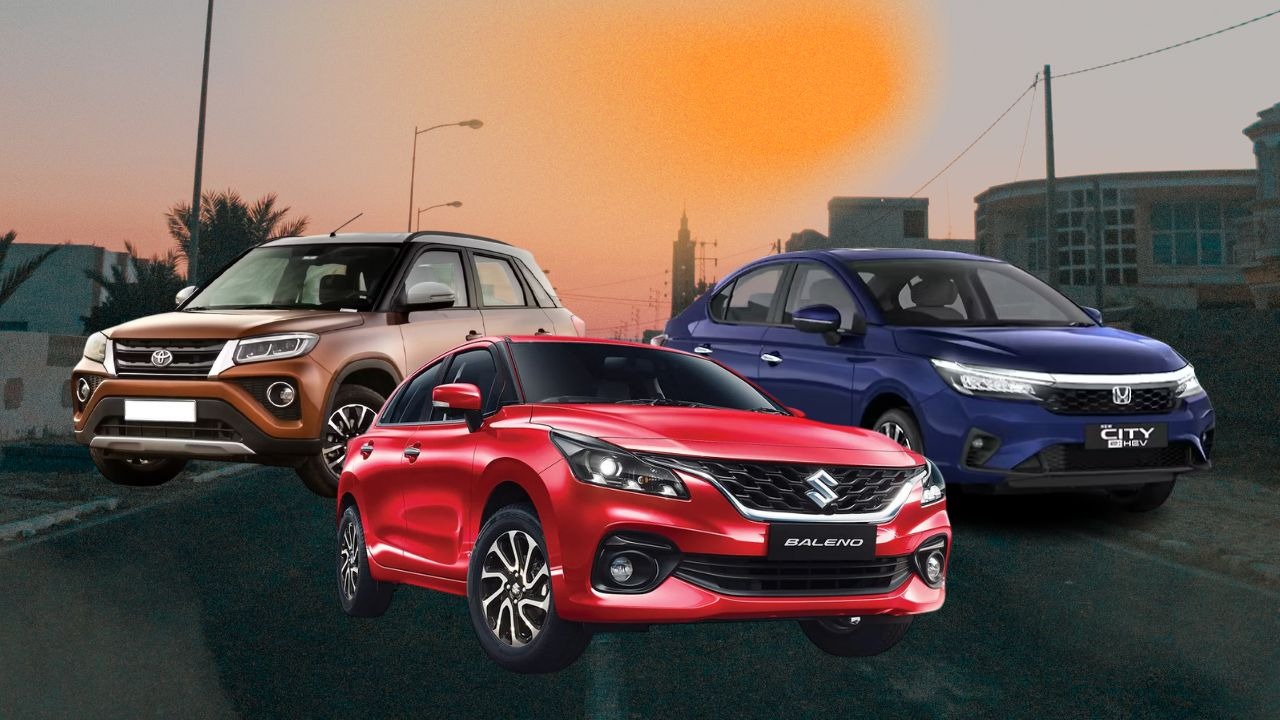
For Comfort-First City Driving: Maruti Suzuki Baleno

If you are interested in hybrid models then Baleno offers a more refined experience than any other hatchbacks. It delivers 18 km/l mileage on petrol in real-world driving, with excellent insulation, built with high-quality materials, and flexible seats. 

It’s consistently among the top five best-selling cars in India, so you don’t have to worry about its resale value and maintenance. If your daily commute is a mix of city roads with the occasional longer weekend drive, the Baleno provides an excellent balance of efficiency, comfort, and long-term ownership costs. 

Read More :- What Is ADAS? A Complete Guide to Advanced Driver Assistance Systems

For Sedan Comfort With Hatchback Efficiency: Maruti Suzuki Dzire

If you don’t want to compromise on boot space without sacrificing mileage because longer journeys are a part of your daily life, the Maruti Suzuki Dzire is the best option. The Dzire remains one of India’s most trusted commuter sedans with a mileage of 26 km/l on petrol in the ARAI chart but it works better on the CNG. 

It is a very comfortable sedan with Hatchback efficiency to handle both city-highway commute. The resale value is also higher since it offers low running cost making a practical long-term choice rather than just a cheap one.

For Longer, Mixed Commutes: Honda City e:HEV

The Honda City e:HEV is a self-charging strong hybrid which is best for your daily longer commutes. It combines a 1.5-litre petrol engine with two electric motors and a bigger advantage is it runs everyday traffic without burning a lot of fuel. It gives ARAI-certified fuel efficiency of 27.26 km/l, and 23–25 km/l in real-world running with AC on since e:HEV is able to run on electric power during low-speed, stop-and-go driving.

Priced around ₹19 – 20 lakh ex-showroom, if you are going to buy a car then its a right time to shift from petrol-only into e:HEV hybrid for long daily commuters. The fuel savings take time to justify the extra cost. However, a hybrid is best if you are covering 50 km or more with noticeably quieter cabin, smoother acceleration, and a more relaxed driving experience.

Best SUV Seating Experience: Toyota Urban Cruiser Hyryder Hybrid / Maruti Grand Vitara Hybrid

These SUVs use Toyota’s proven strong-hybrid system which makes it a more excellent choice for buyers who are looking for Best Cars for Daily Office Commute. They deliver everyday drivability and mileage of around 27–28 km/l in real world conditions. The SUVs which you can drive comfortably in city traffic with higher ground clearance, and commanding driving position.

They offer great value in both city and longer journeys with spacious cabins and comfortable experience. For someone whose commute includes patchy roads or minor flooding during monsoon season, they need these kinds of cars with higher stance as these hybrids are a practical choice which handles challenging road conditions while still delivering low running costs. 

For Budget-Conscious SUV Buyers: Tata Punch

If safety ratings matter to you as much as running cost, then Tata Punch is a great option for you as it receives a higher Global NCAP crash rating. You can buy it for around ₹7.1 lakh for experiencing a SUV-like driving position and automatic transmission.

So Tata Punch is a reliable and safe option for people who have a low budget and expect good mileage. This petrol compact SUV offers remarkable features and sleek design to mark your presence on the road in daily city traffic.

The Honest Way to Choose Between Them

Work out your daily one-way distance first, then multiply by your actual working days, not an assumed 30. If that number stays under 500 kilometres a month and most of it is stop-start traffic, a CNG hatchback like the WagonR will save you more money than any hybrid ever will, because the hybrid’s price premium simply won’t get paid back in that few kilometres. 

If you’re crossing 1,200–1,500 kilometres a month with a real mix of traffic and open stretches, that’s the zone where a strong hybrid like the City e:HEV or Hyryder starts to genuinely pay for itself within a reasonable ownership period. 

And if comfort and cabin refinement matter more to you than shaving the last rupee off your running cost, weigh that into the decision honestly — a car you enjoy sitting in for an hour a day is worth something that doesn’t show up on a mileage chart.

Read More :- Monsoon Car Care Tips: Keep Your Car Safe During the Rainy Season

Conclusion

These cars are proven outcomes of good fuel economy so if you are looking for best cars for daily office commute to buy then this will help you understand what each one offers. Whether you are looking for daily city commutes for shorter distances or a strong car which handles longer distance and daily traffic, these models offer great mileage with a comfortable driving experience.

0

Best Dash Cam for Cars | Top Features, Reviews & Buying Guide

Best Dash Cam for Cars

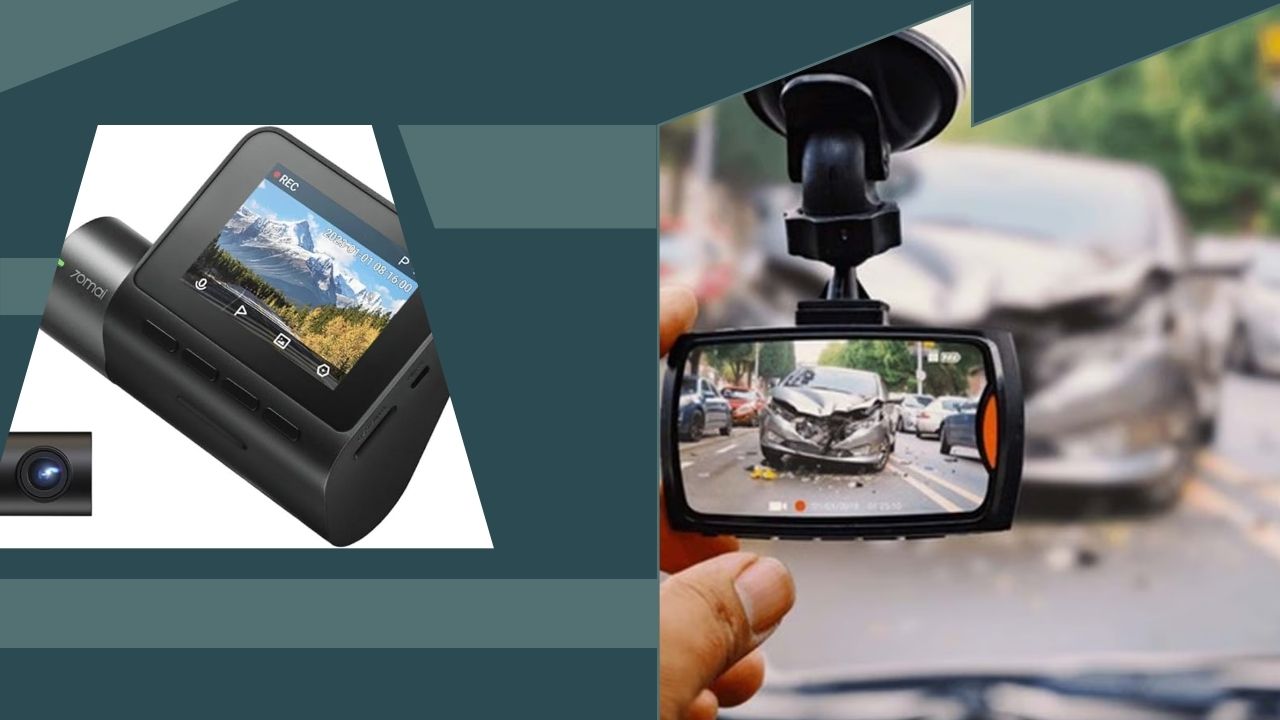
Your claim is denied because you can’t prove the other driver ran the red light. It happens more than most people think and it is the largest reason why Indian car owners are now actually considering dash cams rather than treating them as an accessory-store impulse buy. So if you’re looking for the Best Sash Cam for Cars in India today, then you must have to know that it depends on where you park, how much footage quality do you really need and if you’re buying for evidence or because you want real 24/7 security. 

Why a Dash Cam Matters More in India Than It Used To

There is no provision in the Motor Vehicles Act, 1988 or the Central Motor Vehicles Rules, 1989 which prohibits use of dash cam in private vehicles. What has changed is what the footage means in the eyes of the law. Section 63, Full text of Bharatiya Sakshya Adhiniyam, 2023 Electronic records (such as dash cam video) are now admissible in court provided the device was operating properly and the recording was made in the normal course of business. That is a radical change from a few years ago, when video was considered a luxury and not something an insurance company or a traffic court would actually look at. 

Add that up to increasing hit-and-run incidents and chaotic lane discipline in cities such as Bengaluru, Mumbai, Uttar Pradesh and Delhi, and a dash cam is no longer optional. A handful of newer cars — the Hyundai Exter and Venue among them, now come factory-fitted with one, which tells you where the industry is heading even for owners who have to retrofit.

What Actually Determines the Best Dash Cam for Cars

Before comparing models, three things separate a dash cam that survives an Indian summer from one that dies in a year.

  1. Supercapacitor over battery. A dashboard behind glass can cross 70°C in peak May heat. Lithium-battery dash cams swell and fail under that kind of sustained heat; capacitor-based units don’t have that failure mode and handle parking mode far more reliably.
  2. Sensor quality beats raw resolution. A 4K camera with a weak sensor can produce inferior night footage to a well-designed 1080p or 2.5K camera. Sony’s STARVIS 2 sensor can be found on almost all the best-rated units in 2026 and is the one spec that you should be prioritizing over megapixels.
    Best Dash Cam for Cars
  3. Parking mode isn’t automatic. Almost every model needs a separate hardwire kit, typically ₹1,500–2,500, to monitor your car while it’s off. Without it, most dash cams only record while the ignition is on.
  4. One more line item people under-budget for: the memory card. A dash cam writing continuous loop footage needs a high-endurance card, not a standard one — Kingston Canvas Go Plus (₹600–900) or SanDisk High Endurance (₹700–1,200), 128GB minimum if you want more than 3–4 hours before overwriting. Format it monthly through the camera’s menu, or you risk corrupted files exactly when you need them.

Top Dash Cam Picks in India, by Budget

Model Price (approx.) What it’s for
70mai A200 ₹4,999 First-time buyers; voice control, 1080p single-channel
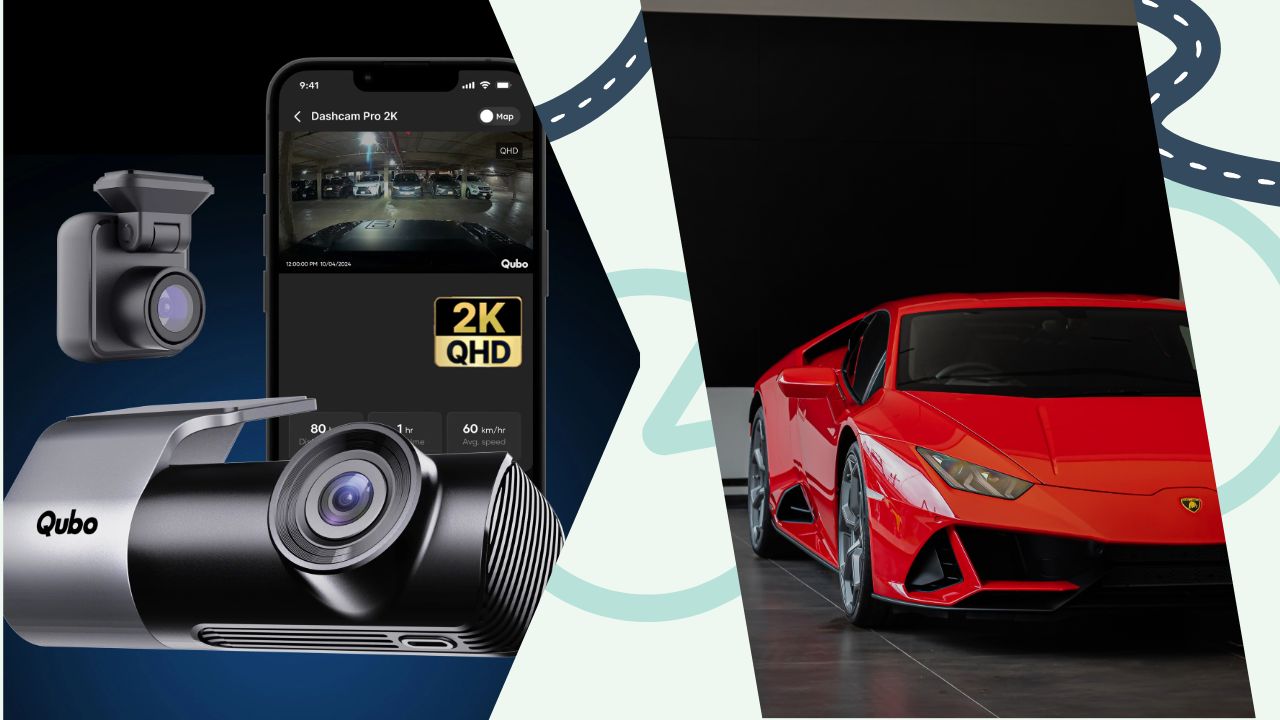
Qubo Dashcam Pro 3K STARVIS 2 Dual ₹4,499–₹12,990 Best overall value; 3K front + 1080p rear, built-in GPS
70mai A510 HDR 3K Dual ₹11,439 Tightest budget for dual-channel with STARVIS 2
REDTIGER F7NT 4K Dual ₹12,990–₹13,550 True 4K front, WiFi + GPS, 64GB card included
Viofo A229 Plus Price varies by retailer — check current listing Three-channel (front/rear/cabin), STARVIS 2, capacitor-based

Prices above are pulled from current Indian retail listings as of mid-2026 and shift with Amazon sales and festive discounting, so treat them as a range rather than a fixed number — check the best dash cam for cars listing before you decide.

70mai A200 — around ₹7,499

This is the one to buy if you’ve never owned a dash cam and don’t want to think too hard about it. Single-channel, 1080p, and honestly that’s plenty for reading a number plate within 10 metres in daylight. The party trick is voice control — say “Hey 70mai” and it starts recording or snaps a photo, which matters more than it sounds like it should when you’re stuck in Mumbai signal traffic and don’t want to take a hand off the wheel. It ships with a 32GB card, which is nowhere near enough — budget an extra ₹800 or so for a proper 64GB or 128GB card on day one, because 32GB gets overwritten in a few hours of driving.

Read More :-  How Often Should You Service Your Car? | Complete Maintenance Guide

Qubo Dashcam Pro 3K STARVIS 2 Dual — ₹4,499 to ₹12,990 

Qubo (Hero Group’s electronics arm) sells this at a few different tiers, which is why the range is wide — check which configuration you’re actually looking at before comparing it to anything else. At the upper end you get 2.7–3K front resolution paired with a 1080p rear camera, a Sony STARVIS 2 sensor for low light, built-in GPS logging, and a small onboard display so you can review footage without pulling out your phone. It’s the pick that shows up most often as “best overall” in Indian buying guides this year, mainly because the night footage holds up on the kind of unlit stretches you get on Bengaluru’s outer ring roads.

70mai A510 HDR 3K Dual — around ₹11,439

The tightest dual-channel option under ₹12,000, and it carries the same STARVIS 2 sensor as the pricier picks on this list. Where it seems to fall a little short, based on how it’s reviewed, is heat resilience — it reads as a better fit for someone who parks in a garage or covered spot than someone leaving a car in direct sun all day, so if you’re in that second category, weigh it against the REDTIGER below before deciding.

REDTIGER F7NT 4K Dual — ₹12,990 to ₹13,550

True 4K on the front camera (not upscaled), 1080p on the rear, and it uses a supercapacitor instead of a battery — which is the detail that actually matters if your car bakes on a Delhi or Chennai street through May and June. Batteries swell and die under that kind of sustained heat; capacitors don’t. It also comes with WiFi, built-in GPS, and a 64GB card already in the box, so there’s no immediate add-on cost like there is with the 70mai A200.

Viofo A229 Plus  

Price isn’t stable enough across retailers to quote a single number, so check the current listing before you commit. This is the outlier on the list because it adds a third channel: front, rear, and cabin-facing, all recording at once. Sony STARVIS 2 sensor, capacitor-based, GPS with a speed overlay baked into the footage. The cabin channel is the reason to consider it at all — if you drive for a ride-hailing platform or just want a record of what happened inside the car during a dispute, none of the other four models on this list cover that angle.

70mai A200 vs Qubo Dashcam Pro 3K

The A200 wins on simplicity and price — 1080p footage is enough to read a number plate within 10 metres in daylight, and “Hey 70mai” voice commands are genuinely useful in heavy traffic where you don’t want to touch a screen. The Qubo pulls ahead the moment you care about night driving or rear coverage: its 3K front feed and dual-channel setup handle Bengaluru’s poorly lit ring roads noticeably better, and the built-in display lets you review footage without pulling out your phone.

REDTIGER F7NT 4K vs Viofo A229 Plus

The REDTIGER is the better pick if front-camera sharpness is your priority — true 4K with a supercapacitor means it survives a car parked in direct sun without the battery swelling. The Viofo A229 Plus goes a step further with a third, cabin-facing channel, which matters if you drive for a ride-hailing platform or want a passenger-side record for disputes. It costs more and is harder to find at a stable price point, so it’s the enthusiast pick rather than the default recommendation.

Installation and the Costs Nobody Mentions Upfront

Mount it behind the rearview mirror. That’s not just a preference — it’s the placement least likely to obstruct your view or run into any ambiguity if footage is ever questioned. Most dash cams ship with a cigarette-lighter adapter for basic operation, but hardwiring to the fuse box is what actually gives you parking mode and low-voltage cutoff protection, so the camera stops drawing power before your battery drains. 

Best Dash Cam for Cars

Professional installation runs ₹1,000–1,500 in Delhi and Mumbai, and ₹500–800 in smaller cities like Indore or Kochi. Budget for the hardwire kit and the card separately — they rarely come bundled, and skipping them is how people end up with a dash cam that only half-works.

Which Dash Cam for Cars Should You Actually Buy?

If you drive daily in city traffic and just want proof when something goes wrong, the 70mai A200 or Qubo Dashcam Pro covers it without overspending. If you park on the street or in a public lot overnight, don’t skip the supercapacitor models with parking mode — the REDTIGER F7NT 4K is the stronger buy here. 

And if you’re driving for hire, ferrying passengers, or simply want the most complete legal record possible, the three-channel Viofo A229 Plus is the only option on this list built for that specific job. Match the camera to how you actually park and drive, not to whichever spec sheet has the biggest number on it.

Read More:-   How Often Should You Change Oil in Your Car? What Actually Matters in India

Conclusion 

The Best Sash Cam for Cars in India is not necessarily the one with the best resolution but the one that fits your driving habits, the place where you park and of course your budget. A good sensor, supercapacitor design, proper parking mode and a high-endurance memory card will make a bigger impact on your daily life than just picking the 4K tag. 

A dual-channel dash cam provides most private car owners with an adequate balance of cost and car insurance protection. If you park your car outside regularly, a supercapacitor unit with hardwired parking mode is definitely worth the extra money. 

For commercial drivers or those who desire the most complete evidence, a three channel system offers the best coverage. Consider a dash cam a safety and evidence tool, rather than just an accessory — it can save you much more than its purchase price when an accident or insurance claim gets complicated. 

0

Toyota LC FJ vs Toyota Fortuner: The Shared DNA That Makes Them Siblings

Toyota LC FJ vs Toyota Fortuner

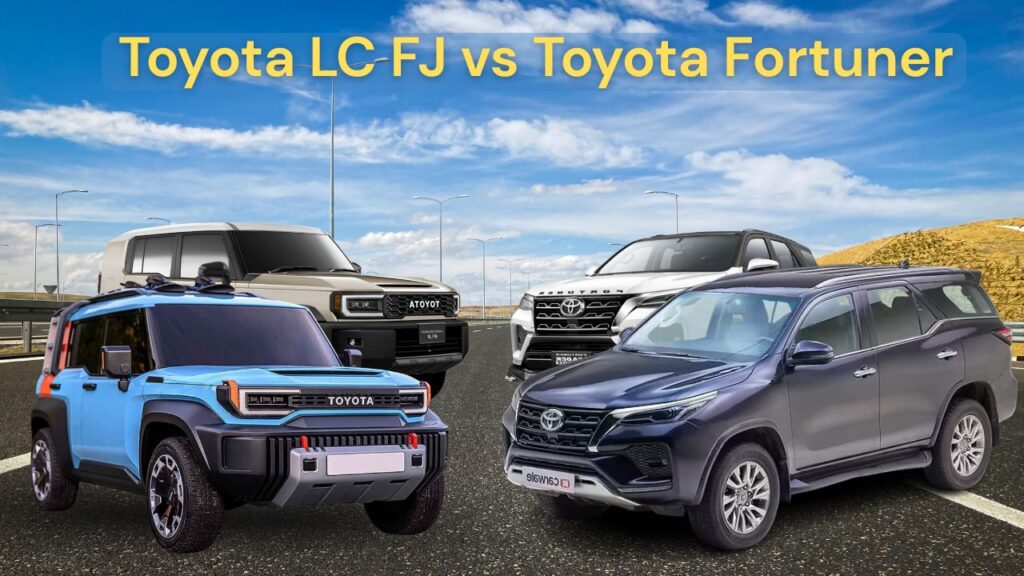
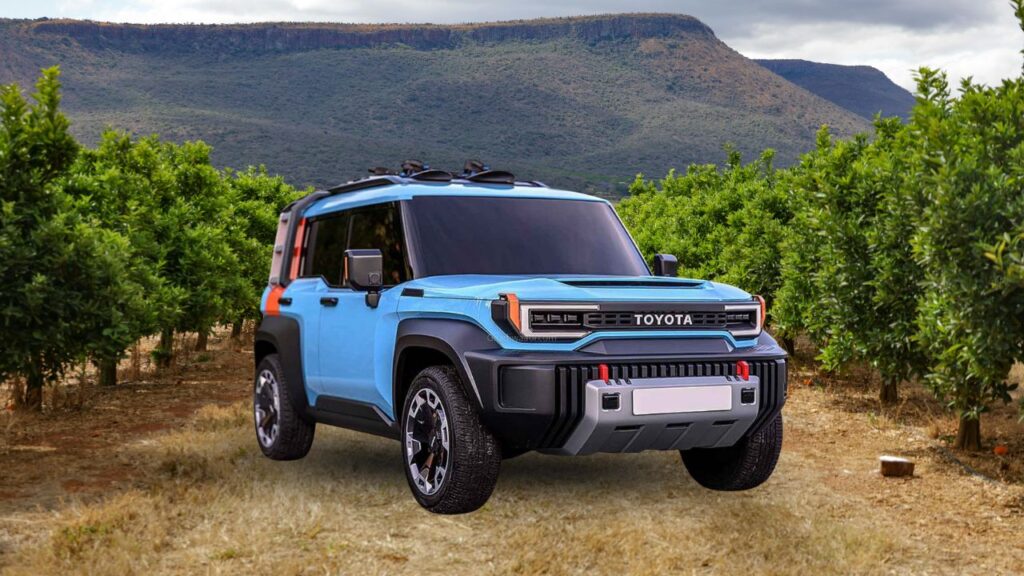
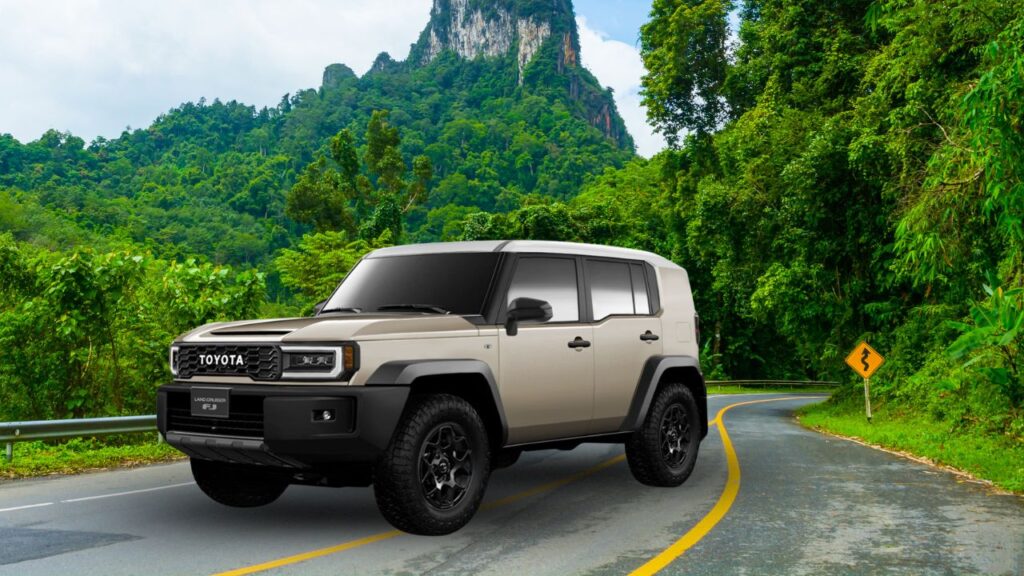
The automotive world was recently electrified when Toyota brought back the Land Cruiser FJ, fondly known as the “Baby Land Cruiser.” What is so interesting about this announcement is that the LC FJ is built on the same basic engine and platform as the popular Toyota Fortuner – essentially making them automotive siblings with a different attitude. But there are some features that are different from each other that make them stand in a different perspective. Buyers can check every detail through this article before buying it.

The Common Foundation: More Than Just Shared Parts

The Toyota LC FJ and Fortuner connection is far deeper than just a parts-bin-sharing exercise. Both are based on Toyota’s tried and tested IMV (Innovative International Multipurpose Vehicle) platform, a hardy ladder-frame chassis that has underpinned Toyota’s global pickup and SUV strategy since 2004. This platform has already been proven with more than 5 million vehicles worldwide with not only the Fortuner, but also the Hilux pickup and Innova minivan. 

The LC FJ employs in particular a modified version of the IMV platform, known as IMV 0, that Toyota designed to produce cheaper but just as capable vehicles for developing markets. Preserving the shape and off-road capabilities of the original IMV platform, the IMV 0 version utilizes cost-effective materials and production techniques. 

The Heart of the Matter: The 2TR-FE Engine

Perhaps the biggest similarity between these two SUVs lies under the bonnet. The Toyota LC FJ and Fortuner petrol variant comes with the same 2TR-FE 2.7 litre four-cylinder naturally aspirated petrol engine. This is not just similar spec – it’s the same engine code, same displacement and same core architecture. 

The Heart of the Matter The 2TR-FE Engine

The 2TR-FE produces 163 PS (160 hp) at 5,200 rpm and 246 Nm of torque in the LC FJ while the Fortuner petrol version produces almost the same numbers: 163 PS at 5,220 rpm and 245 N⋅m at 4,020 rpm. This is the first Toyota engine to employ its Dual VVT-i (Variable Valve Timing with intelligence) technology on the intake and exhaust camshafts which enables the engine to achieve maximum performance at any engine speed. 

The 2TR-FE is based on a cast-iron block with an aluminum cylinder head and features double overhead camshafts (DOHC) with 16 valves. The engine uses a timing chain instead of a belt, which has added to its reputation for reliability and low maintenance. 

Platform Similarities

Both vehicles are built on the IMV platform with a ladder frame chassis, which ensures high levels of structural rigidity and makes them exceptionally capable off road. This body-on-frame construction has several advantages. 

Shared Structural Elements:

  • Two wishbone front suspension for handling and off-road articulation superiority with an articulating rear suspension
  • Multi-link rear suspension engineered to deliver the right balance of comfort and capability
  • Engines mounted in-line for best weight distribution
  • 4WD power, with part-time systems available on the two vehicles. 

The LC FJ can provide a wheelbase of 2,580 mm as against 2,745 mm for the Fortuner, but both the vehicles boast nearly identical ride qualities and off-road capabilities. 

Read More :- What’s The Safest Family Car You Should Buy

Where They Diverge: Different Missions, Different Personalities

Yet, there are two entirely different markets and purposes for the LC FJ versus the Fortuner. 

Where They Diverge Different Missions, Different Personalities

Size and Dimension

The first big gap is the size difference. The Toyota LC FJ is 4,575 mm long, which is 220 mm less than the length of the Fortuner of 4,795 mm. The Fortuner and LC FJ have the same width of 1,855 mm, but the LC FJ is taller at 1,960 mm compared to the Fortuner’s 1,835 mm height. 

Seating and Practicality

The LC FJ is available with five seats and two rows which makes it a more intimate, adventure-oriented vehicle. By comparison, the Fortuner has three rows and seven seats, making it the family-friendly option for those requiring the most passenger space. 

Engine Options: Choice vs. Simplicity

Both cars are available with the 2TR-FE petrol engine, but the Fortuner has more options with the 2.8-liter 1GD-FTV turbocharged diesel engine. The diesel version is every bit more powerful and torquey: 201 PS and 500 N⋅m , and it is the performance option for those who care most about towing pack and mileage. 

Contrarily, the LC FJ is all about simplicity, being petrol-only, which I suspect points to a Toyota strategy to keep the price down and the reliability up in those markets where the quality of diesel fuel can be suspect. 

Transmission and Drivetrain: Refined vs. Flexible

Both cars use 6-speed automatics, but different philosophies. The LC FJ uses Toyota’s 6-speed Super ECT automatic transmission in conjunction with part-time 4WD. It’s a simple system that focuses on ease of use and reliability for those who want to keep things basic. 

Transmission and Drivetrain Refined vs. Flexible

The Fortuner has more flexibility with manual and automatic transmission options across the engine range as well as 2WD and 4WD variants to suit the pockets and requirements of different customers. This flexibility allows the Fortuner to attract both city commuters and hardcore off-roaders. 

Design Philosophy: Heritage vs. Contemporary

The styling treatments illustrate different positioning of the brands. The LC FJ is inspired by Land Cruiser heritage, especially the legendary FJ40, with its boxy shape, round headlights and utilitarian look.This aesthetic resonates with enthusiasts that appreciate the Land Cruiser’s famous off-road heritage. 

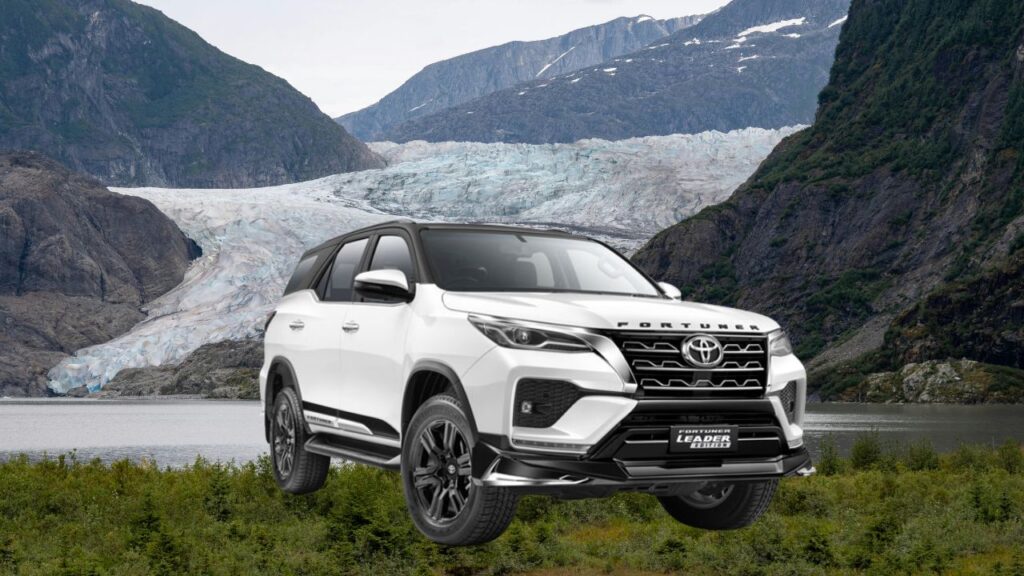
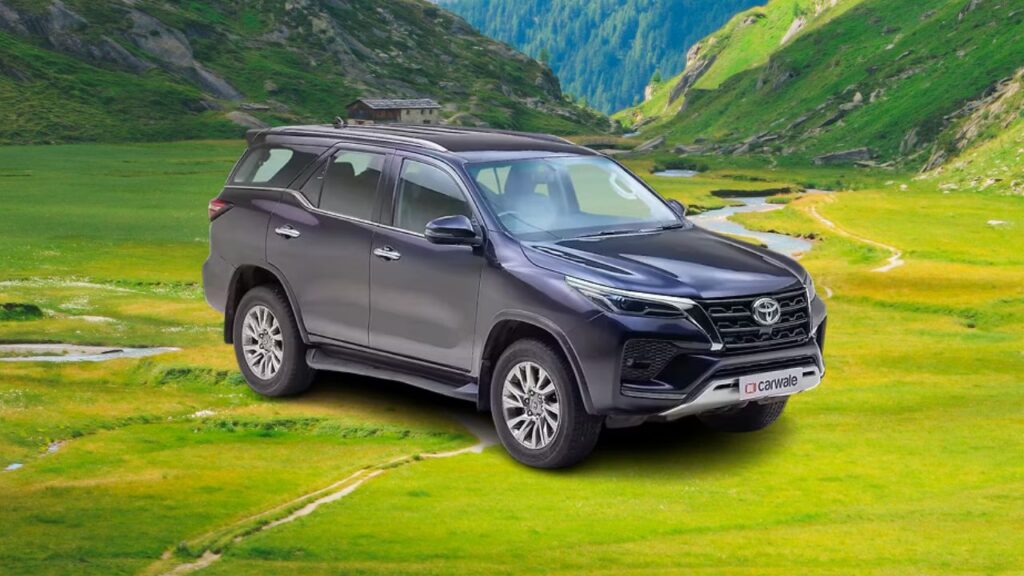
The Fortuner gets a more contemporary SUV look, which is a perfect blend of ruggedness and modern sophistication.Its styling is aimed at buyers who want utility, but who don’t want their utility vehicle to look out of place on city streets. 

Market Positioning: Specialized vs. Mainstream

The LC FJ is aimed at adventure seekers and Land Cruiser fans who crave real off-road ability in a package that is more attainable and affordable. With its streamlined spec sheet and retro styling, it appeals to buyers for whom substance matters more than features. 

Market Positioning Specialized vs. Mainstream

Apart from the of Fortuner caters to the mass premium SUV segment with the comfort of choice across multiple engine options, seating configurations, and trim levels. It strikes the perfect balance between off-road prowess and refined on-road performance to make it your daily driver or weekend adventurer for the off-road trails. 

The Reliability Factor of The Proven Technology

Arguably the most exciting part about both products is that they are based on thoroughly proven designs. Since 2004, the 2TR-FE engine has covered millions of miles in various global markets and has a great reliability record. The IMV platform also has proven itself with over 5 million units produced with no major structural faults.This common technical baseline gives both vehicles the Toyota’s renowned durability and low cost of maintenance. 

Conclusion

The Toyota LC FJ and Fortuner are excellent examples of platform engineering – where common platform underpinnings are used to create completely different vehicles that cater to individual market needs. They have the same heart and bones, but different souls, and those different souls give each one a reason to exist in Toyota’s ever-growing SUV family. 

Be it the LC FJ’s genuine roots and stripped-back purpose, or the Fortuner’s flexible family-friendly angle, both promise the same dependable and capable ethos that has made Toyota’s IMV platform one of the most successful automotive architectures ever. 

0

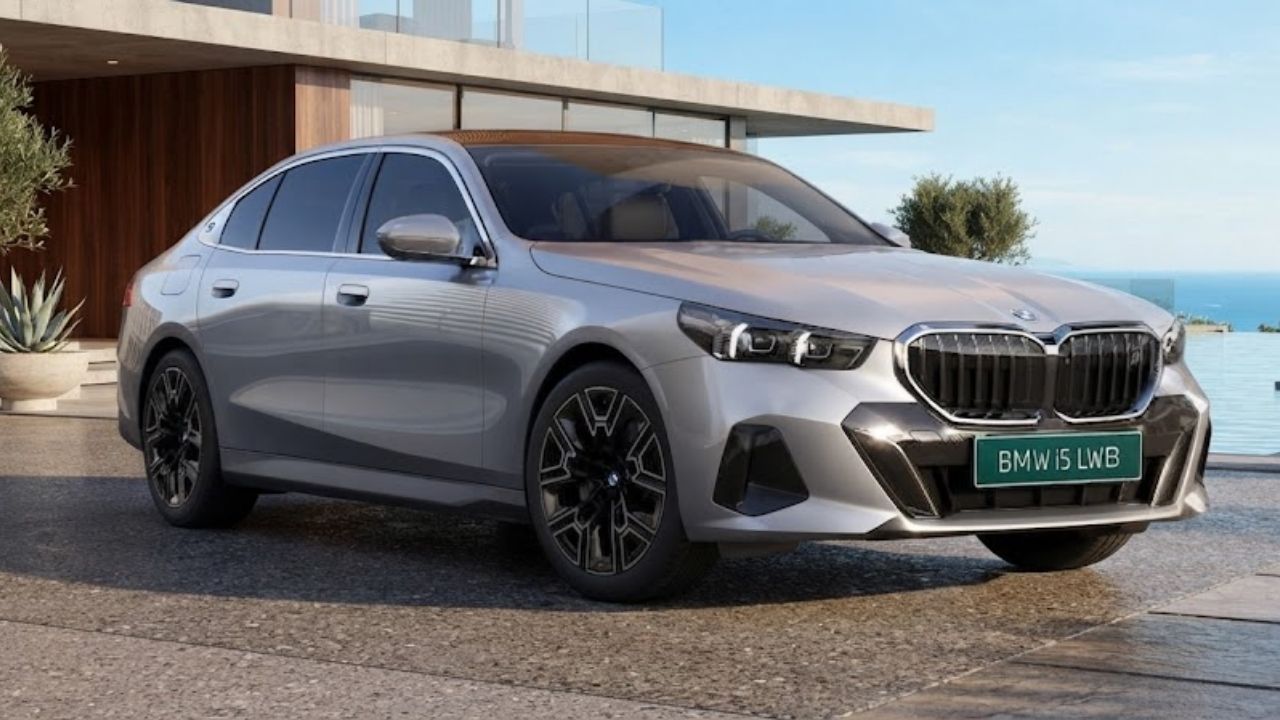
BMW i5 LWB On Road Price Is Lower Than What Buyers Expected

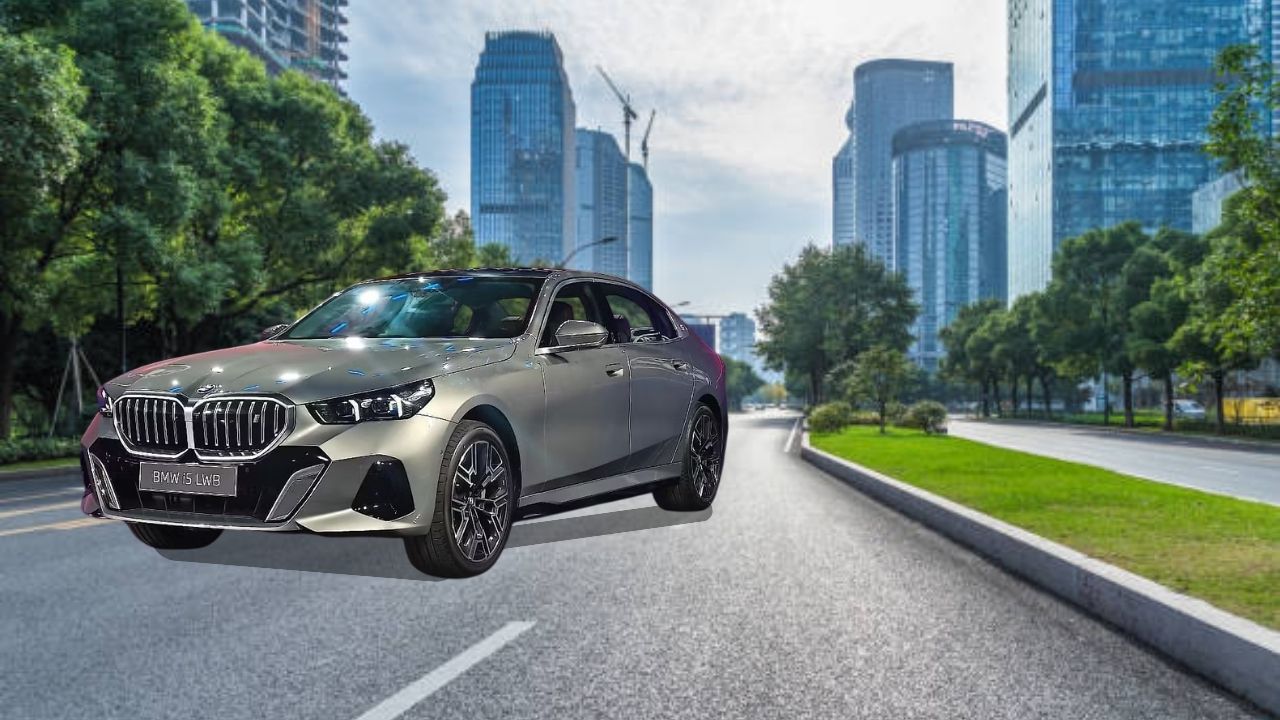
BMW i5 LWB

The BMW i5 LWB carries a nameplate that makes most buyers assume a crushing monthly payment before they’ve even asked for a quote. Rs 79.60 lakh ex-showroom does that to people but runs the actual BMW i5 LWB on-road price and it goes up higher immediately by adding RTO charges and taxes of the individual’s state. 

BMW sold every single First Edition unit of the i5 LWB before the car was officially available to walk-in buyers. That’s not a BMW sales strategy but it’s what happened with all 99 cars allocated to the launch batch. For a Rs 79.60 lakh electric sedan nobody outside BMW’s product team had driven yet, that’s a strange thing to see sell out on reputation and a spec sheet alone. 

Why is the wait list expanding and what BMW i5 LWB offers at this price. Once you get the spec sheet, you’ll know the worth.

BMW i5 LWB On-Road Price Is Not That Higher Than Ex-Showroom As Buyer Expected

The i5 LWB is priced at Rs 79.60 lakh, ex-showroom, sold in a single configuration for now — the eDrive35L M Sport. On-road, in Mumbai, that works out to roughly Rs 84 lakh, a gap of under Rs 4.5 lakh over ex-showroom. 

That’s a noticeably smaller markup than you’d see on a comparable petrol or diesel luxury sedan, where GST 2.0’s 40% “de-merit” slab plus compensation cess typically pushes the on-road price 12-14% above ex-showroom. 

EVs sit at a flat 5% GST with no cess, and several states also cut or waive road tax and registration fees for electric cars — which is most of the reason the i5 LWB’s on-road number stays this close to its sticker price. 

Your exact figure will move depending on your state’s registration and insurance costs, so treat Rs 84 lakh as a Mumbai reference point rather than a fixed number.

Read More 👉 BMW X1 LWB vs Audi Q3 vs Mercedes GLA: Which Entry-Luxury SUV Actually Makes Sense in 2026?

Why 99 First Editions Disappeared Before Launch

Limited-run “First Edition” badging on a new BMW nameplate tends to do two things: it signals the car is worth owning before reviewers have weighed in, and it caps supply on purpose, which pushes early buyers to commit rather than wait and compare. 

First Edition BMW i5 LWB

Both were clearly in play here — dealerships had commitments on all 99 units before the car was formally launched in September 2026. Whether that pace holds once regular (non-First Edition) stock starts arriving is a separate question, but the initial demand tells you BMW’s electric 5 Series has more buyer pull in India than a first-of-its-kind, single-variant EV usually gets.

Futuristic Features Packed Into the LWB Cabin

The BMW i5 LWB redefines a luxury electric sedan segment forever with 669 km of range. It allows the owner to experience futuristic technology in a spacious cabin. Driving to get effortless electric performance. 

BMW i5 LWB Body Design

BMW i5 LWB is built at a 5,175mm long with a 3,105mm wheelbase which is specifically stretched for Indian models. This is reasonable for Indian buyers because they want more space in the rear-seat, so the extra length is consumable. 

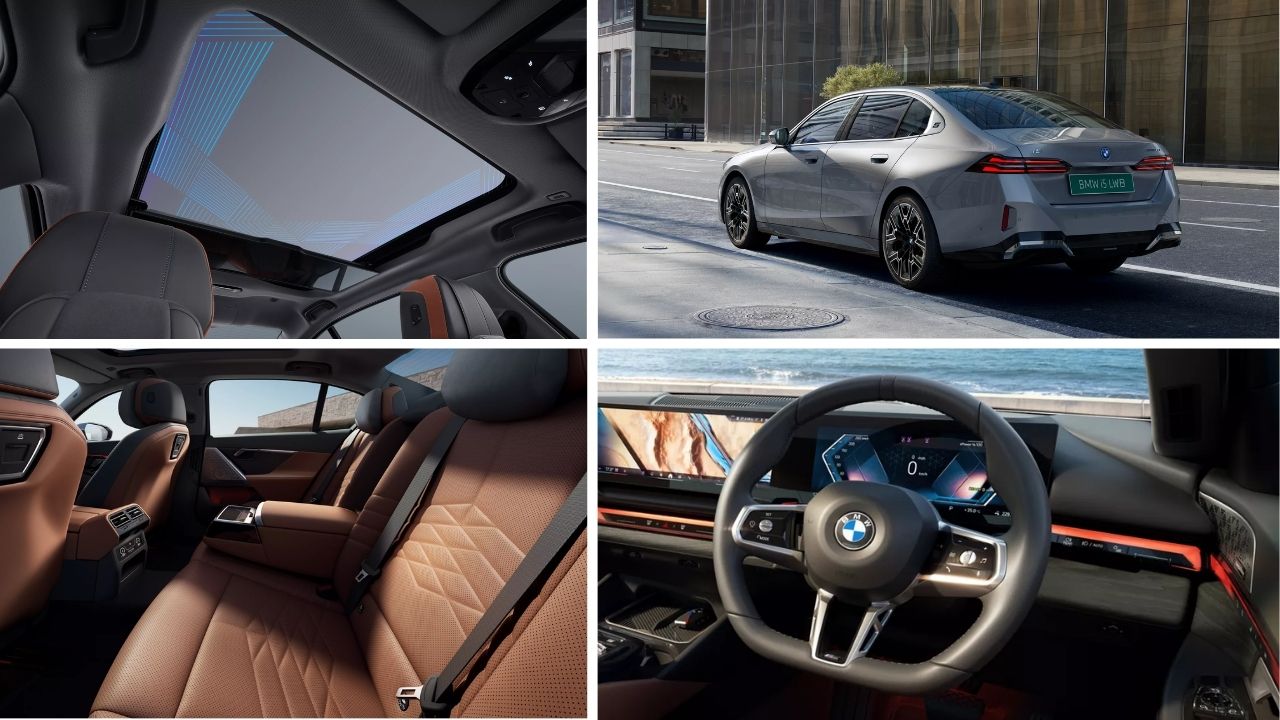
It also provides extra comfort with additional cushioning, side support, comfort headrests which is amazingly perfect for long rides and family trips. BMW has not just launched a new sedan, it proves that the brand knows what their buyers want. A claimed 31-degree rear-seat torso angle for a more reclined allows this generation to forget about how rough roads India has. The elegance speaks with a limousine-style seating position.

Cabin Features For True Comfort

Up front, the cabin runs on a 14.9-inch curved touchscreen infotainment display paired with a 12.3-inch digital instrument cluster, both running Android Auto and Apple CarPlay. Audio comes from a 17-speaker Bowers & Wilkins system — a genuinely premium setup rather than a badge-only “premium sound” claim. 

Rear passengers get their own 4-zone climate control, wireless phone charging built into the centre armrest, and their own AC and panoramic glass roof controls. Elsewhere in the cabin: powered and ventilated front seats, customisable ambient lighting, adaptive LED headlights, and connected-car features accessible through BMW’s app.

BMW i5 LWB Body Design

Safety Functions Power Up Reliability

On safety and driver assistance, the i5 LWB comes with 8 airbags, ABS with EBD, electronic stability control, rain-sensing wipers, a tyre-pressure monitoring system, an electronic parking brake, ISOFIX child-seat mounts, and Level 2 ADAS. 

The standard (non-LWB) i5 has been crash-tested by Euro NCAP at 5 stars; the LWB itself hadn’t been independently tested as of launch, so treat that rating as indicative of the platform rather than a confirmed score for this exact body.

The Presence Holds Elegance

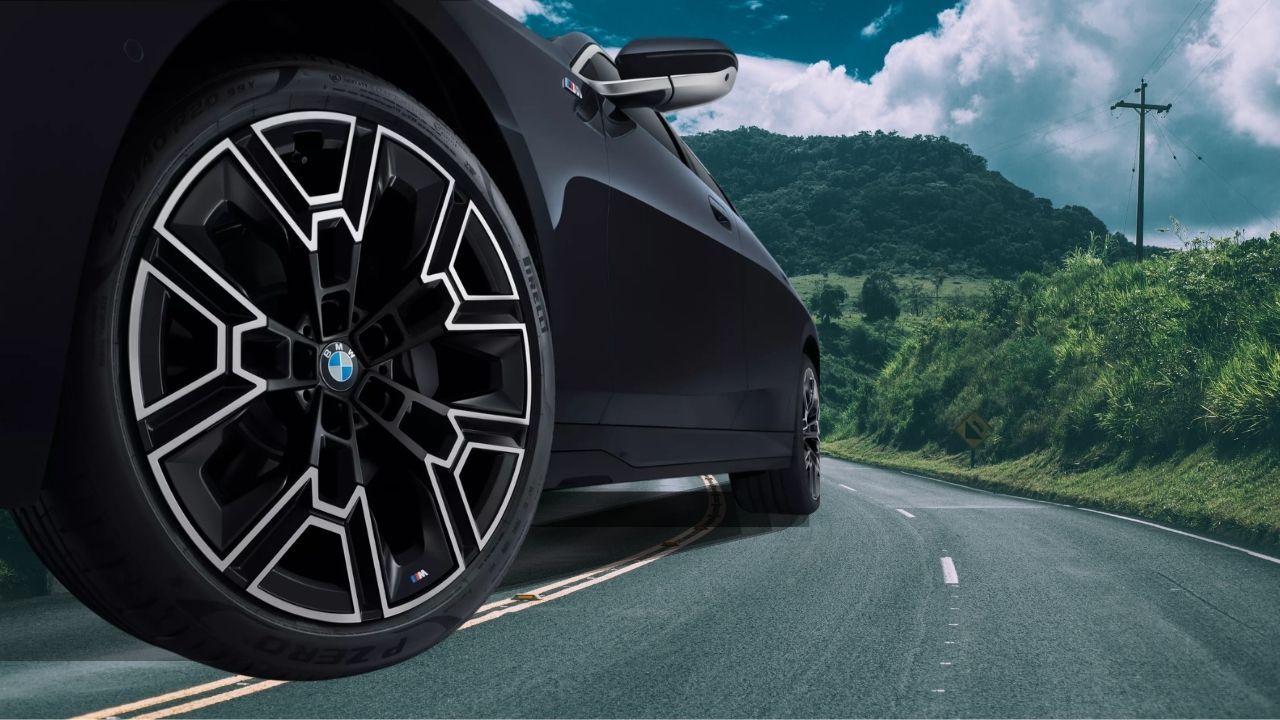
The BMW i5 LWB combines modern luxury and electric innovation. Absolute detailing on a design gives confidence in its presence. It moves on 20-inch alloy wheels with a glowing kidney grille. To assess the weather experience on a drive is amazing with a panorama glass roof skylounge. 

Electrification Gives Exceptional Power

The LWB changed the luxury electric sedan power segment by giving instant torque and seamless acceleration, redefining the electric era with stunning driving experience. With more range, it also provides more stability with rear-axle air suspension.

The i5 LWB Specs at a Glance

Spec Detail
Ex-showroom price Rs 79.60 lakh
Battery 81.6 kWh
Power Approx. 265-270 bhp (rear-wheel drive)
Range (MIDC) 669 km
Fast charging 160 kW DC, 10-80% in ~33 minutes
Home charging 11 kW wallbox included
Length / wheelbase 5,175 mm / 3,105 mm
Top speed 195 kmph
Battery warranty 8 years / 1.6 lakh km

How i5 LWB Stacks Up Against Rivals

The BMW i5 LWB’s closest fight in India is the Mercedes-Benz E-Class, which is priced from around Rs 80 lakh ex-showroom but runs on petrol and diesel rather than a full EV drivetrain — meaning it doesn’t get the same GST treatment, and BMW i5 LWB on-road price in Delhi starts closer to Rs 93.81 lakh. 

Lexus’s ES Electric and ES 350h hybrid are the other names cross-shopped against it, positioned similarly on price but without BMW’s badge pull or the LWB’s rear-seat-first design brief. None of the three currently match the i5 LWB on charging speed or claimed range in this segment.

Read More 👉  BMW 5 Series Price in India: Latest Cost, Features & Buying Guide

Is It Worth Buying BMW i5 LWB?

At this on-road price, EMIs on the i5 LWB start in the region of Rs 1.5-1.6 lakh a month on a standard 5-year loan — noticeably lower than what the full-size BMW i5 M60 xDrive commands at nearly double the on-road price. 

If the First Edition’s sellout pattern repeats once regular units open up for booking, the smarter move is to lock in your finance pre-approval now rather than after you’ve found a dealer with stock, since waitlists on a car this specced tend to move faster than buyers expect.

Which Finance Option Is Best for the i5 LWB?

If you hold the loan amount constant at Rs 71.4 lakh over 60 months, moving from a 9.9% dealership loan to an 8.5% bank loan drops your EMI by about Rs 4,865 a month — and saves you close to Rs 2.92 lakh in total interest over the five years. 

BMW Financial Services gets you out of the showroom in one sitting with financing already arranged, but a pre-approved bank loan shopped in advance is very likely to be the cheaper way to own this car.

The exception is cash flow, not cost. If your income comes in irregular chunks — commission, bonuses, business income — the Bullet or Balloon plans through BMW’s own financier solve a real problem that a standard bank EMI doesn’t, and that flexibility can be worth more to you than the interest saved.

BMW i5 M60 xDrive

However, the standard-wheelbase BMW i5 M60 xDrive costs roughly Rs 1.20 crore ex-showroom and around Rs 1.37-1.42 crore on-road, with EMIs quoted between Rs 2.26 lakh and Rs 2.62 lakh a month at similar rates and tenure. 

The BMW i5 LWB gets you the same badge and largely the same electric drivetrain for an EMI that’s 35-40% lower. Against its closest ICE rival, the Mercedes-Benz E-Class — on-road from roughly Rs 93.81 lakh in Delhi with a base EMI near Rs 1.79 lakh/month — the i5 LWB is also the cheaper monthly commitment by a wide margin.

Read More 👉 Get New Maruti Premium Hatchback at Lower Price

Conclusion

The new BMW is making a position in one of the best luxury sedan segments. BMW i5 LWB on-road price is not higher than other models of the same brand tag. The reason is – you are not paying for the petrol car, you are paying for the EV. 

Before you sign anything. You must get a written quote from the BMW dealership’s desk on the, and if you are financing then compare total interest over the full tenure rather than just the EMI figure, and confirm your city’s exact on-road price with the dealer since RTO and insurance costs shift from state to state.