0

How to Check Tire Pressure Correctly: Guide For Car Owners

  How to Check Tire Pressure

Most drivers check tire pressure only when a tire already looks flat — which is exactly the wrong time to check it. By then you’ve likely been driving on underinflated rubber for weeks, burning extra fuel and wearing the edges of your tread down faster than the center. Understanding how to check tire pressure correctly can save your fuel.

What makes it tricky is that you can’t tell if a tire is under-inflated by simply looking at it. It changes with temperature and must be measured with a gauge. It’s a quick check that only takes a few minutes, and it can increase your gas mileage and tire life. 

Why Correct Tire Pressure Is Essential for Better Mileage 

A tire that is only 15% underinflated can reduce its life by thousands of kilometers and increase fuel consumption by 3 to 4%, the U.S. The Department of Transportation’s NHTSA quotes this data. Overinflated tires aren’t better as they shrink the contact patch with the road, which reduces grip and makes the ride harsher when you run over potholes. 

There’s a tight range that’s actually correct for your car and that size isn’t the number that’s printed on the sidewall of the tire. That figure is the tire’s maximum pressure rating, not the recommended one for your vehicle. 

The correct number resides in two places: a label inside the driver’s door jamb and the owner’s manual. Splitting the number is often given as two numbers – one for the front axle and one for the rear, as the rear often carries a different load. A normal Sedan tyre is inflated to around 30-35 PSI (approx. 2.1-2.4 bar) and for SUV/4X4 or heavier vehicles are usually recommended to be inflated 2-4 PSI more. 

When to Check Tire Pressure for the Best Results 

Tire pressure needs to be measured when they are “cold” — when the car has been stationary for at least three hours or if you haven’t driven more than two miles. Driving causes the air in the tire to heat up, and heat causes air to expand, which reads higher by 4-5 PSI or more depending on how long you’ve been driving. Check pressure immediately after a long drive and you’ll get a number that looks fine but isn’t — the tire will read low again once it cools overnight. 

The best time is early morning, before the car has moved, and before the sun has had a chance to warm the tires either.

Read More :-  How to Improve Gas Mileage: 15 Proven Tips That Actually Save Fuel

Accuracy Starts With the Right Gauge

Gas station pressure gauges on the air pump are well known for being inaccurate — they can be off by 3-5 PSI or more in either direction. A simple digital tire pressure gauge is very inexpensive and well worth having on hand; it eliminates guesswork and provides a consistent reading every time. Pencil-style gauges work too and are cheap and pocket-sized, but they’re harder to read precisely and tend to drift out of calibration faster than digital ones.

If your vehicle comes equipped with a Tire Pressure Monitoring System (TPMS), don’t use it as your sole check. In fact, the warning levels for TPMS are set to announce a single drop of approximately 25% from the recommended tire pressure – meaning that a tire can already be very under-inflated when the dashboard says something. 

Checking Tire Pressure Step by Step

  1. Take off the tire valve cap and place it in a safe place where you won’t lose it. 
  2. Press the gauge down on the valve stem until the hissing stops and you get a steady reading — a brief, uneven press results in an inaccurate reading. 
  3. Compare the reading with the number on the door jamb label for that particular axle (front and rear boots can be different). 
  4. If it’s low, pump in air in short bursts, checking between each — it’s easy to go too far. 
  5. If the pressure is too high, briefly press the small pin inside the valve stem to let some air out, then check again.
  6. Replace the valve cap. It’s not just cosmetic — it keeps out dirt and moisture that can lead to slow leaks, over time. 

Do this for all of the regular tires, and the spare if you have one. The spare is perpetually neglected and often the flattest tire in the vehicle when you actually require it. 

Temperature Changes Pressure More Than People Expect

Tire pressure drops roughly 1 PSI for every 10°F (about 5.5°C) drop in outside temperature. This matters a lot for drivers in North India or anywhere with a real winter — a tire set correctly in October can be noticeably underinflated by December without a single leak involved. 

The reverse happens in peak summer heat, especially in places like Dubai, where tires can run several PSI higher on hot asphalt purely from ambient heat, not overinflation. Checking pressure with the seasons, not just when something feels off, catches both problems before they become a blowout risk or an uneven wear pattern.

Signs You’ve Been Ignoring the Problem

Uneven wear on the outer edges of the tread usually points to underinflation; wear concentrated in the center strip points to overinflation. A car that pulls slightly to one side, feels softer than usual in corners, or seems to be drinking more fuel than it used to are all pressure symptoms before they’re anything else. None of these show up overnight — the build slowly enough that most drivers adjust to the change without noticing it.

The Habit That Actually Works

Checking tire pressure once a month, and always before a long highway trip, catches almost every problem before it becomes expensive. It takes less time than filling a fuel tank and costs nothing beyond the gauge sitting in your glovebox. 

The number on the door jamb is correct for a reason — trust that over the sidewall, over the gas station gauge, and over how the tire happens to look.

Read More :- How to Transfer Car Ownership in India: A Step-by-Step RTO Guide (2026)

Conclusion 

Properly checking tire pressure is one of the simplest and most beneficial maintenance routines. Among other things, it improves gas mileage, prolongs tire life, increases braking and handling, and minimizes the chance of an unplanned tire failure on the road. 

The trick is to measure the pressure when the tires are cold; use a good-quality gauge; and go by the PSI value on your car’s door jamb , not the number on the sidewall of the tire. 

Three minutes once a month can save your money on gas, extend the life of your tires and make every trip safer. For the typical car owner, it’s a small habit that can prevent a lot of bigger expenses down the road, not just something to think about when a warning light comes on. 

Keep a tire-pressure gauge in your glovebox, check all four tires and the spare on the reg, and make correcting tire pressure a normal step in your car-care routine. 

Alok Kabir

Alok is an experienced SEO Specialist skilled in blogging and SEO-friendly content creation. He also specializes in Content Optimization and Technical SEO, including website optimization, crawlability, indexing, site speed, and on-page improvements to enhance search rankings and online visibility.

Leave a Reply

Your email address will not be published. Required fields are marked *

0

Steve Hamilton Car Collection: Inside The Hamilton Collection’s $30 Million Hypercar Empire

Steve Hamilton Car Collection

If you’ve spent any time in the auto section of YouTube, you’ve probably seen a garage that appears more like a cathedral of carbon than a parking garage. This is Steve Hamilton Car Collection and The Hamilton Collection.

But he’s not your run of the mill billionaire heir Steve. His tale is one of the most ‘down-to-earth’ rags-to-riches stories in the automotive realm. Steve, who grew up on welfare, built an empire from the ground up – founding SD Wheel and Fitment Industries – long before turning his childhood dreams into a reality. 

Today, the value of his collection exceeds $30 million but it is his “Driven to Giving Back” spirit that makes this collection truly human. So let’s lift the lid on the top dogs, the hypercars, and the mind-boggling price tags of one of the world’s most renowned garages. 

The Bugatti Duo

The centerpiece of the range is always the Bugatti Chiron Super Sport. It’s a 1,500+ horsepower masterpiece that Steve famously borrowed to keep his money tied up in sky high valuations for other ventures. Sitting next to it is the Bugatti Veyron, the car that reignited the hyper car battles in the early 2000s. These two together are like two different eras of physics-defying speed smiling at each other. 

The Bugatti Chiron Super Sport: The $4 Million Masterpiece 

This is without question the crown jewel of Steve’s current collection. Not like his old Bugattis, this one Steve had a hand in spec’ing right from the factory. He selected Grigio Telesto, a well known Lamborghini grey, which makes the car a “stealth bomber.”

The Bugatti Chiron Super Sport

Power: It’s got the mythical 8.0L Quad-turbocharged W16 engine churning out a mind-boggling 1,578 horsepower.

Speed: It has an electronic speed limit of 273 mph. It is more than a car, it’s a land-based jet aircraft. 

Bugatti Veyron: the father of hypercars 

The “Veyron” name is now synonymous with hypercars. Prior to the Chiron reigning supreme on the streets, the Veyron turned the supercar playbook on its head in 2005. Steve keeps this one around just for the raw, unadulterated driving fun.

Why it’s iconic: It was the first production car to go over 400 km/h. 

Why Steve loves it: With 1,001 horsepower, it might be “slower” than the Chiron on paper, but it’s a more visceral experience and comes with a history you can actually feel behind the wheel. 

The Hybrid Icons

Steve’s garage is packed with the “Holy Trinity” of the 2010 titans. The Ferrari LaFerrari is probably the most emotional car in his stable, sporting a monthly finance payment of nearly $39,000 — more than most people’s yearly mortgage. Joining the Ferrari is the Porsche 918 Spyder, a blind engineering masterpiece that Steve loves for being able to drive on a daily basis despite its million-dollar price tag. 

Ferrari LaFerrari: The Hybrid Royalty

Part of the “Holy Trinity”, the LaFerrari is hands down the best looking car Steve owns. It has also been one of his most discussed financial moves.

Ferrari LaFerrari

The Tech: It has a 6.3 L V12 coupled with an electric KERS system (Formula 1 tech) with a combined output of 950 horsepower.

The Price: With only 499 units produced, it’s extremely rare. Steve famously said his finance payment on the car is over $39,000 a month – the price of a new sedan every 30 days!

Porsche 918 Spyder: The Best Daily Hypercar 

LaFerrari is like the drama queen, 918 Spyder is the somewhat nerdy dependable genius.

Versatility: Steve feels this is the most “under appreciated” vehicle in his garage. You can drive it silently in pure electric mode, or fire up the V8 to go from 0 to 60 miles per hour in 2.2 seconds.

Porsche 918 Spyder

The Reason: They’re reliable and comfortable, and are probably the most “usable” million-dollar car you can buy. 

The Koenigsegg and Rimac New Wave

Steve isn’t just guzzling the “old guard.” He’s embraced the bleeding edge with the Rimac Nevera, the quickest-accelerating production electric car on Earth. He also has considerable stake in the Swedish firm, cocking a Koenigsegg Jesko and Gemera, the absolute ceiling of internal combustion and hybrid technology. 

Rimac Nevera: The Silent Assassin

Steve’s foray into all-electric hypercars arrived with the Nevera.

Rimac Nevera

Electric Fury: 914 horsepower from 4 electric motors.

The goods: 0-60 mph in 1.85 seconds Steve spec’d his with a neon green and black theme, which makes it look futuristic outside as the technology inside it. 

Koenigsegg Jesko & Gemera: The Swedish Physics-Defying Supercar

Steve has a very large soft spot for the builds of Christian von Koenigsegg. 

The Jesko: A track demon punching out to 1,600 horsepower (E85 fuel). It chases the 300 mph world record. 

The Gemera: This is the world’s first “Mega-GT.” It’s a four-seat hypercar with a 3-cylinder engine and electric motors that produce over 1,700 horsepower. Steve is able to bring three friends along for an outrageously fast ride. 

McLaren Senna: Track-Focused

Named for the legendary Ayrton Senna, this one is all about aerodynamics.

Design: It’s not “pretty” in the normal sense – every vent and wing exists to generate downforce.

The Drive: With a weight of barely 1,200kg, it’s extraordinarily light. Steve frequently touts this as the most aggressive, “race car for the road” in his stable. 

Read More:-  Brezza vs Nexon 2026: Battle of the Compact SUVs in 2026

Lamborghini Urus: Ultimate Support Vehicle

Every collector has to buy a car for the “boring” stuff — getting coffee, hauling camera gear, etc.

Performance SUV: Urus is no slouch with a twin-turbo V8. It’s a super-car in an SUV.

Role: This is Steve’s “Daily Driver.” It’s the beat stick of the Hamilton Collection, showing that a hypercar collector can occasionally require just a smidge of trunk space. 

A Collection Built for Every Mood

Car Category Key Models in the Collection
Hypercars Bugatti Chiron SS, Rimac Nevera
Track Monsters McLaren Senna, McLaren 765LT, Ford GT
Daily Luxury Lamborghini Urus, Tesla Model X, Mercedes-Benz S-Class
The Fun Stuff Hennessey Venom F5 Revolution

The Realities of Owning a $30M Collection

Steve Hamilton is exceptional in his frankness. But he doesn’t only show the glamour, he also shows the real costs.

Steve Hamilton Car Collection is about $800,000 a year to maintain, including insurance, climate-controlled storage and expert technicians. He’s transparent about borrowing, too. Rather than paying cash, he keeps his money tied up in businesses and real estate where he makes more than the loan interest. 

Conclusion

The most human element about Steve Hamilton Car Collection isn’t the leather and horsepower — it’s the mission. Through The Hamilton Collection, Steve leverages these cars as “tools for good.” Be it by giving fans rides in a Bugatti, mounting giant charity events, or donating proceeds to local causes, the mission is to share the joy of the machines rather than hoard them in a dark vault.

Steve’s progression from a kid who couldn’t afford school field trips to the owner of a Pagani Utopia is a testament to what can be. He shares them: He treats customers, family members and the public as pit crews, so you feel like you’re all in the garage. 

0

Volkswagen Confirms Plans to Launch New Sub-4-metre SUV by 2027

Volkswagen

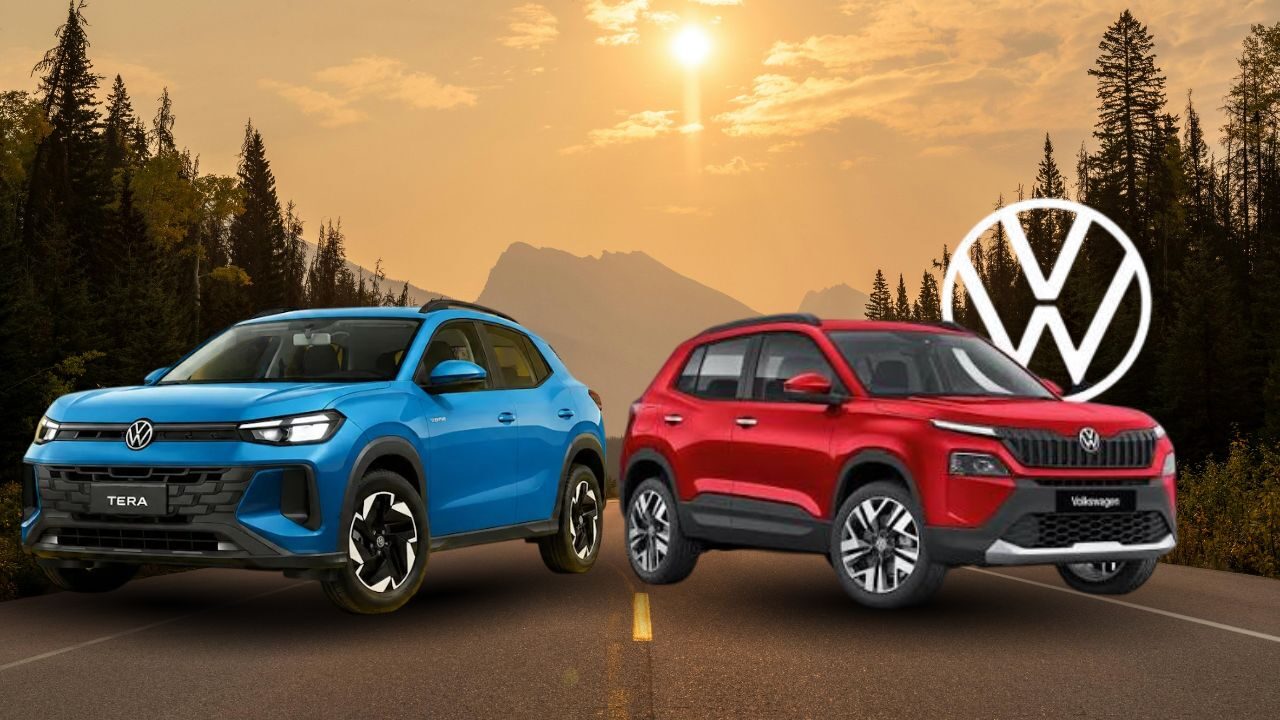
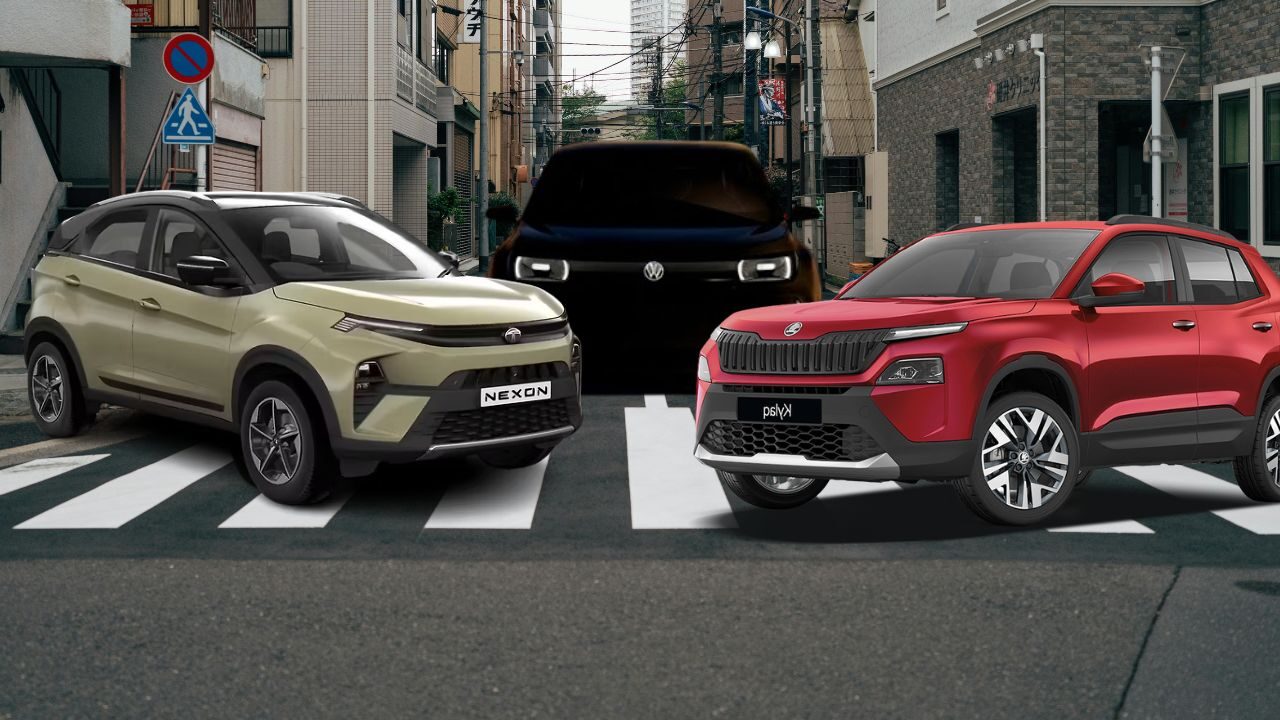
Volkswagen confirms plans to launch a new sub-4-metre SUV for India in 2027 and it is the first b-segment SUV of the brand. It will be placed below the Taigun, beginning at approximately ₹12 lakh. This new model of VW is a direct competitor of Tata Nexon, Maruti Brezza, Hyundai Venue and Kia Sonet, while avoiding a segment that ‘actually moves volume’. It will share most of its mechanical components with the Skoda Kyiaq, but Volkswagen might equip it with a different bodywork, interior and driving feel.  

Scheduled to be launched in November 2024 and opened for bookings that December, Skoda’s Kyla crossed 10,000 bookings within its first ten days on sale. That figure is a strong response that changed Volkswagen Group India’s approach. After discontinuation of Polo and Ameo, VW retreated from the sub-4-metre segment. 

This is what we currently know about the next compact VW SUV – powertrain, size, features and where it will fit within the VW lineup. 

Why Volkswagen Is Finally Entering the Sub-4-Metre Race

The sub-4-metre SUV segment is where the volume is in India. The tax regime keeps these compact SUVs more affordable than their larger counterparts, and vehicles such as Tata Nexon, Maruti Brezza, Hyundai Venue, Kia Sonet and Mahindra XUV 3O off these have been topping the monthly sales charts consistently.Volkswagen had this one idled for years, with the Taigun and Virtus serving as its points of entry instead and both clocking in way above what most first-time SUV buyers in India actually pay. 

Volkswagen Is Finally

That strategy capped how many people could realistically consider a Volkswagen. The new SUV changes that by sitting below the Taigun, giving VW its first genuine mass-market play in the country since the Polo era. It also allows the Skoda Auto Volkswagen India plant in Chakan to run at a higher capacity as the car will share tooling and components with the Kylacq and will not require a separate production line. 

Read More:-  Personal Loan vs Car Loan: What is the Better Choice for Buying a Car? 

Volkswagen Expected Engine, Dimensions and Performance 

Volkswagen has yet to announce a name, styling images or a final spec sheet, so consider some of this an educated guess as to what’s confirmed versus what’s probable. 

The SUV is based on the MQB-A0-IN platform, and will be produced in India. It targets its launch in 2027, with most reports indicating a mid-year launch rather than a January or Q1 date. It’s also confirmed to sit below the Taigun as VW’s new entry-level SUV in India. 

Power will come from the familiar 1.0-litre TSI turbo-petrol three-cylinder engine, producing 115 PS and 178 Nm of torque — the same unit working in the Kylaq, Kushaq, and Taigun today. A 6-speed manual gearbox is the expected base option. Volkswagen may fit an 8-speed torque converter automatic rather than carrying over the Kylaq’s 6-speed unit, which would be a genuine point of differentiation. 

Volkswagen Expected Engine

Dimensions should land close to the Kylaq’s 3,995mm length and 2,566mm wheelbase, since staying under 4 metres is the entire point of the tax bracket this car is built for. The design is rather than a straight Kylaq clone, Volkswagen is expected to give the car a distinct front and rear, inspired from the Volkswagen Tera, a related model already sold in Brazil. 

Expect a new grille, revised bumpers, and a different lighting signature, following the same playbook VW used to differentiate the Taigun from the Kushaq. 

Pricing is expected in the range between ₹9-16 lakh on-road Mumbai range, but that’s a media estimate, not a Volkswagen number, and on-road figures swing by state due to registration and road tax. Don’t plan a budget around it yet.

How It Stacks Up Against the Competition

Volkswagen SUV vs Skoda Kylaq 

Since both share the MQB-A0-IN platform and, in all likelihood, the same 1.0-litre TSI engine, the Kylaq is your clearest preview of what VW’s new SUV will feel like to drive. The Kylaq measures 3,995 mm in length with a 2,566 mm wheelbase, and its adult occupant safety score of 30.88 out of 32 in Bharat NCAP testing gives an early indication of the safety baseline the VW version should meet or beat. 

Where the two are expected to differ is transmission choice and cabin finish, with Volkswagen typically pitching its Group cars as the sportier-driving option compared to Skoda’s more feature-loaded value pitch.

Volkswagen SUV vs Tata Nexon 

The Nexon continues to be the benchmark in the segment, based on Tata’s tried and tested X1 platform powered by a 1.2-litre turbo petrol producing 120 PS and a 1.5-litre diesel variant that VW’s petrol-only line-up won’t get. Tata is also selling an electric Nexon, which Volkswagen’s ICE-centric entry couldn’t compete with directly.

What VW brings instead is badge value and a European driving character that Nexon buyers moving up from a hatchback often say they want but can’t get at this price point today. 

Read More:-  BMW X1 LWB vs Audi Q3 vs Mercedes GLA: Which Entry-Luxury SUV Actually Makes Sense in 2026?

Conclusion 

Volkswagen’s new sub-4-metre SUV might also enable the brand to tap into India’s largest SUV segment more effectively. With Kylaq already showcasing what the platform can offer, a Volkswagen variant with the familiar TSI engine, unique styling and competitive pricing could possibly pose a real threat to the Nexon, Brezza, Venue and Sonet. 

Let’s wait and see how aggressively will VW price and position it when the SUV hits the market in 2027. 

0

Inside Daniel Craig’s Garage: A Breathtaking Collection of High-End Automobiles

Published Oct 13, 2025, 6:33 AM
Last Updated Apr 9, 2026, 11:21 AM

Daniel Craig's Garage

Look inside Daniel Craig’s garage and know what astonishing cars he has, it looked like ripped right from a James Bond film. Daniel Craig the handsome British star known for his role as James Bond has made a lot of his fortune estimated at $160 million. Along with the amazing net worth, Craig has a luxury car collection that is worth approximately $625,000. Instead of many celebrities who show off their luxurious lifestyles via social media, Craig keeps the low-profile and private, which makes his car collection a little mysterious. Fans are left to wonder what fat cats he might have tucked away in his garage. Whether a classic Aston Martin or something less expected, Craig’s desire to keep his personal life under wraps makes his choice of wheels that much more interesting.  

The Aston Martin Vantage Roadster: A British Icon Reborn

The crown jewel of Craig’s car collection must be the Aston Martin Vantage Roadster, a sleek beauty with $194,500 price tag. This convertible supercar shouts James Bond vibes, ticking all of the boxes for the classy style Craig exuded on screen. Under the bonnet it’s got a monstrous 6.0-litre V12 delivering 510 bhp and 420 lb ft. This car is engineered for some serious fun, with its seven-speed automated manual transmission.

Aston Martin Vantage Roadster

And it’s no slouch either—0 to 60 miles per hour in 3.5 seconds, 190 miles per hour top speed. Let’s be honest, this isn’t your everyday grocery-getter — it’s a ride for someone who adores speed and elegance. The execution is equally exhilarating, boasting the British marque’s signature ‘Z-fold’ convertible system, which they describe as not only faster to retract but lighter than conventional systems. It’s the ideal combination of power, performance and style, and ready to turn heads wherever it goes. 

This two-seater offered the best of British automotive engineering, stunning speed matched with open-air refinement that gave Craig access to the entire soundscape of the V12. 

Audi R8: Precision Redefined

Craig’s Audi R8 brings German engineering to the forefront, a supercar known for combining performance with everyday usability. This thing has a 5.2-liter V10 engine that produces 562 horsepower, which allows it to sprint from zero to sixty in a little more than three seconds.

Audi R8

The R8’s fluid bodywork and technology-packed interior demonstrate that it loves driving purity. From Craig navigating London traffic to Hill driving mountain roads, this Audi delivers thrill and assurance in a sleek, under-stated modern face. 

A Touch of Nostalgia: Aston Martin Vanquish and DBS

Other than Daniel Craig on-screen performance with Aston Martin Vanquish but he once had this beautiful car in his own garage. While the car has been sold, rumors say Craig had a soft spot for the 5.9-liter V12 beast. Once the Vanquish was bespoke as a Centenary Edition for Craig as the highest grossing actor for Aston Martin, it achieved a mind blowing $468,500 at auction.

Aston Martin Vanquish

The collection also boasts the stunning Aston Martin DBS, which starred in “Casino Royale” – making Craig one of the rare Bond actors who has owned his character’s signature car off the big screen. 

Jaguar XJ: British Luxury With Attitude

A bond collection is nothing without a Jaguar, and Craig’s Jaguar XJ is suave and strong. Included in Skyfall, this sedan packs a 5.0-liter V8 and can take Craig from zero to sixty in a bit more than four seconds.

Jaguar XJ

With its plush seating and cockpit that’s as high-tech as the XJ’s comes, it’s the perfect chariot for city-slicking with serene regality. 

Range Rover Sport: Utility Meets Style

Amid the supercars and saloons, Craig’s Range Rover Sport injects flexibility and rugged appeal into his stable of vehicles. It’s not a display vehicle, this $81,100 Sport is engineered to take a beating on rugged country roads as well as city streets.

Range Rover Sport

With a turbocharged, inline-six engine, off-road systems and luxury features, the Range Rover allows Craig to travel in comfort, regardless of the location. 

Reliving Bond’s Legacy: Aston Martin DB5

The legendary Aston Martin DB5 is particularly close to Craig’s heart. Although it’s unclear whether it has any Q-style gadgetry, the car itself is worth $3,195,000, it gets higher depending on condition.

Aston Martin DB5

The DB5’s classic British lines and straight-six engine remind us all why it’s the most iconic Bond car of all time. 

The Everyday Choice: Ford Mondeo

Bond also owns a Ford Mondeo – the same vehicle he drove in “Casino Royale.” The Mondeo gave Craig a way to fly under the radar, with its practicality and 2.5-litre engine.

Ford Mondeo

This saloon serves to remind us that not every day is spent in the thick of high-octane action – a bit of anonymity is sometimes just what the secret agent needs. 

Car Model Engine / Power 0-60 mph Top Speed Key Features Price (USD)
Aston Martin Vantage Roadster 6.0L V12, 510 hp, 420 lb-ft 3.5 seconds 190 mph Z-fold roof, 7-spd automated manual, British style $194,500 ​
Audi R8 5.2L V10, 562 hp, 406 lb-ft 3.2 seconds 205 mph 7-spd auto, quattro AWD, modern design $161,395 ​
Aston Martin Vanquish 5.9L V12, 565 hp, 457 lb-ft 4 seconds 183 mph Lux interior, 6-spd auto manual, rare model $450,000 ​
Jaguar XJ 5.0L V8, 385 hp, 460 lb-ft 4 seconds 115 mph Lux sedan, plush interior, 6-spd auto $76,000 ​
Range Rover Sport 3.0L Turbo I6, 355 hp, 365 lb-ft 6 seconds 130 mph Premium SUV, tech features, 8-spd auto $81,100 ​
Aston Martin DBS V12, manual, (Bond film) 4 seconds 190+ mph Bond car, gifted after Casino Royale $300,000+ ​
Aston Martin DB5 4.0L inline-6, 282 hp 7.1 seconds 142 mph Classic Bond car, legendary design $3,195,000+ ​
Ford Mondeo 2.5L, 220 hp 7.3 seconds 152 mph Practical, HMI display, Bond “Casino Royale” car $30,000-$55,000

Read More :-  The 2025 Toyota Camry: Performance, Features, and Safety

Conclusion

Craig’s cars aren’t just costlier but they’re selected for emotional value and connection to his legacy as Bond. Although a few of the vehicles were provided as gifts from movie deals, the majority represent a true love of craftsmanship, performance and style. He’s a leading man who actually drove many of the cars that audiences saw him commandeer as 007, straddling the line between “Bond” fantasy and automotive actuality. 

What makes Daniel Craig’s garage so incredible is not just the price (an estimated $625,000 all in) but it’s the story behind each vehicle, the mix of cinematic history and personal taste. To Craig, cars are not simply things. They’re memories, milestones and homages to the driving experience. 

0

Kia Carens CNG, Clavis CNG & Carnival Hybrid Pre-Bookings Open In India

Kia Carens CNG

Kia has opened pre-bookings for three new powertrain options in India — the Carnival Hybrid, Carens CNG and Carens Clavis CNG but none has an official price yet. The Carnival Hybrid pre-bookings create excitement among buyers because it brings electrification to Kia’s flagship MPV, while the two Carens variants finally offer a factory-fitted CNG setup instead of a dealer-installed kit. 

If you’ve been waiting for a factory-fitted CNG Kia or a hybrid alternative to the diesel Carnival, here’s what you’re actually signing up for before you hand over a booking amount.

Carnival Hybrid Pre-Bookings Are Open, But The Price Isn’t Announced

The Carnival Hybrid pre-bookings went live days after Kia showcased the model at its Inspiration Day event in early September 2026 — the same event where the new three-row Kia Sorento was unveiled. 

The Sorento launched on September 4 at Rs 27.99 lakh ex-showroom with diesel, hybrid and AWD options, and the Carnival Hybrid borrows the underlying idea: a strong-hybrid setup built around a 1.6-litre G1.6T turbo-petrol engine, paired here with a 6-speed automatic gearbox.

Carnival Hybrid

Kia is offering the hybrid only on the Carnival’s Limousine+ trim, which today is sold exclusively with a diesel engine at Rs 59.65 lakh ex-showroom. That number is the one to anchor your expectations to. The hybrid isn’t replacing the diesel — it’s slotting in alongside it as a premium alternative, expecting it to land above that Rs 59.65 lakh mark rather than undercut it. Kia hasn’t confirmed a figure yet.

What Changes Over The Diesel Limousine+ 

Design and Exterior

A 18-inch Crystal Cut dual-tone aero alloy wheels, Active Air Flaps for better aerodynamics, and a Virtual Engine Sound System that generates an audible warning when the Carnival is crawling on electric power alone. 

That last one isn’t a gimmick — strong hybrids can be silent enough at parking-lot speeds to genuinely surprise pedestrians, so the artificial sound is a real safety addition, not badge dressing. 

Interior Features & Functions

Inside, Kia has added a Smart Pure Air Purifier with an AQI readout, retractable height-adjustable seat-back tables with wireless charging built in, monotone ambient lighting, and leatherette-wrapped door trims. 

Everything that already worked on the Limousine+ carries over unchanged: dual 12.3-inch displays, three-zone climate control, a 12-speaker Bose system, eight airbags, Level 2 ADAS, and a 360-degree camera.

Kia Hybrid Discount Rate

Under India’s GST 2.0 structure, in effect since September 2025, hybrids don’t get the same tax break as pure EVs — only battery electric vehicles sit at the concessional 5% rate. A large hybrid like the Carnival, well over 4 metres long and running a 1.6-litre engine, falls into the same 40% GST slab as any other big diesel or petrol SUV in that size class. 

Whatever premium the Carnival Hybrid ends up carrying over the diesel Limousine+ will come entirely from Kia’s own component and engineering costs, not from any tax advantage passed on to buyers — worth knowing if you were assuming “hybrid” automatically means a lighter tax bill in India the way it does with EVs.

Kia Hybrid Rivals in The Market

The awkward part for anyone trying to cross-shop Carnival Hybrid against India’s other hybrid MPV. The Toyota Innova Hycross tops out around Rs 32.95 lakh ex-showroom for its fully loaded ZX(O) hybrid variant and returns an ARAI-claimed 23.24 kmpl. 

Kia Hybrid and Toyota Innova

The Carnival Hybrid will likely launch at close to double that price. These two aren’t really fighting for the same buyer — the Hycross is the practical, efficiency-first hybrid MPV; the Carnival Hybrid is Kia betting that a narrower slice of luxury-MPV buyers wants electrification without giving up the Limousine+ badge and its chauffeur-driven positioning. 

If you’re putting the two on a spreadsheet expecting a like-for-like fight, you’re comparing the wrong cars — the Carnival Hybrid’s real rival is arguably its own diesel sibling, not anything wearing a Toyota badge.

Read More 👉 Tata Nexon On-Road Price Lucknow — Best Compact SUV At This Price Point


Carens CNG And Clavis CNG Finally Give Kia A Factory-Fitted Option

The second half of Carnival Hybrid pre-bookings announcement matters more for volume, because it fixes something Kia has never offered in India. Every CNG Carens on the road today runs on a government-approved dealer-fitted kit sourced from Lovato — bolted on after the car leaves the factory, tuned around an engine that was never designed to run on gas. 

Kia Hybrid

The Carens CNG and Carens Clavis CNG change that by moving CNG integration onto the assembly line itself, which means the engine calibration, fuel delivery, and even the suspension tuning are built around dual-fuel operation from day one instead of retrofitted around it.

Power and Transmission Performance

Both use Kia’s G1.5 naturally aspirated 1.5-litre petrol engine, paired exclusively with a 6-speed manual gearbox — there’s no automatic CNG option at launch, so buyers who want a slushbox will have to stick with petrol or diesel. The tank is a 60-litre unit mounted under the boot floor, and Kia claims usable boot space still comes in around 116 litres, which will matter to anyone who has watched an aftermarket CNG kit swallow an entire trunk. 

Running on gas, the engine makes 93hp and 123Nm, down from 115hp and 144Nm on petrol. That drop is normal for factory CNG tuning, but it’s worth knowing going in if you’re used to how the regular Carens drives and expect the CNG version to feel identical under load.

Kia has also revised the suspension tuning and switched to 16-inch wheels with 16-inch disc brakes, specifically to handle the extra weight the tank and hardware add over the rear axle. Inside, there’s a dedicated CNG Fuel Change Switch and a 4.2-inch colour TFT instrument cluster that shows CNG Distance-to-Empty — a small thing, but a genuine upgrade if you’ve ever driven a retrofitted CNG car with no real idea how many kilometres of gas are left in the tank.

Trim availability is where the two models split. The standard Carens CNG is expected to be limited to the Premium trim, plus a dedicated M-Drive trim built for commercial and fleet buyers — cab operators, essentially. 

The Carens Clavis CNG, positioned as the more premium option, gets its own HTM trim for the same commercial use case, alongside CNG on regular passenger trims. If you’re buying for a fleet specifically, ask your dealer directly about what the M-Drive and HTM trims strip out, since fleet-spec variants often drop features you’d expect on a personal-use car.

Read More 👉 Hyundai Creta On-Road Price In Lucknow: Get Details Before Entering Into a Showroom

How Kia’s Numbers Stack Up Against Ertiga, XL6 And Rumion

Kia isn’t creating a new segment here — it’s entering one Maruti Suzuki has quietly dominated for years, with Toyota’s badge-engineered version riding along. 

Model Engine CNG Output Claimed Mileage Ex-showroom Price
Kia Carens CNG 1.5L NA petrol 93hp / 123Nm Not yet disclosed Not yet announced
Kia Carens Clavis CNG 1.5L NA petrol 93hp / 123Nm Not yet disclosed Not yet announced
Maruti Ertiga CNG 1.5L K15C petrol ~87hp / 121.5Nm 26.11 km/kg ~Rs 10.9–12 lakh
Maruti XL6 CNG 1.5L K15C petrol ~87hp / 121.5Nm 26.11–26.3 km/kg ~Rs 12.28–12.43 lakh
Toyota Rumion CNG 1.5L petrol ~86hp / 121.5Nm 26.11 km/kg ~Rs 11.4 lakh

Kia hasn’t disclosed a CNG mileage figure for either model, and that’s a real gap, not a footnote — mileage is the entire reason someone chooses a CNG MPV over petrol or diesel, and until Kia publishes an ARAI number there’s no way to know if the Carens CNG actually beats the Ertiga’s proven 26.11 km/kg or just matches it with a nicer cabin around it. 

For a rough price anchor, Kia’s existing dealer-fitted Carens Premium CNG kit currently sells for around Rs 11.77 lakh ex-showroom — useful context, but not a preview of what the new factory-fitted variant will cost, since factory integration typically carries its own premium over a retrofit. 

Should You Put Down A Booking Amount?

Booking amounts in India are typically refundable — but “typically” is doing a lot of work in that sentence, and refund terms vary by dealer, so read the booking form before you pay, not after. 

Beyond that, the real question is what a Carnival Hybrid pre-bookings buys you right now: a place in the queue, not a locked-in price. 

Carnival Hybrid

If Kia’s own timeline holds and pricing lands by “end of September or early October 2026,” per its dealer network, you’re looking at a wait measured in weeks, not months — short enough that booking early mostly secures faster delivery once prices are announced, rather than protecting you from a price hike between now and launch.

Where Carnival Hybrid pre-bookings gets genuinely tactical is the CNG decision. If lower running costs are your only reason for wanting a Carens or Clavis, don’t book blind — wait a few weeks it’ll take Kia to publish an ARAI mileage figure. 

A CNG MPV returning 22 km/kg instead of the Ertiga’s 26 km/kg changes five-year ownership economics by a meaningful amount, and right now nobody outside Kia knows which side of that gap the Carens CNG lands on. 

For the Carnival Hybrid, the calculation runs differently — buyers at that price point aren’t shopping on running costs, they’re deciding whether the added kit and the hybrid badge justify a premium over a diesel Limousine+ that already does the job well.

Fleet and commercial buyers eyeing the M-Drive or HTM trims. Commercial variants tend to sell out of early production allocations fast because operators buy in volume, and waiting for a finalised spec sheet rarely changes the math the way it might for a private, feature-conscious buyer.

Read More 👉  Maruti Suzuki September 2026 Offers: Save Money On Your New Car

Conclusion

Kia’s three pre-bookings are aimed at very different buyers. The Carnival Hybrid is a premium alternative to the diesel Limousine+, while the Carens and Clavis CNG are more practical attempts to take on the factory-CNG MPVs that Maruti and Toyota have dominated for years.

For private buyers, there’s little reason to rush for Carnival Hybrid pre-bookings before the missing numbers arrive. The Carnival Hybrid needs an official price to show whether its premium over the diesel makes sense, while the Carens CNG needs its ARAI mileage figure to prove that it can compete with the Ertiga, XL6 and Rumion on running costs. 

If you’re a fleet buyer targeting the M-Drive or HTM trims, booking early makes more sense. For everyone else, waiting a few weeks for Kia’s final pricing and mileage figures could make the decision much easier.

0

Lionel Messi Car Collection 2025: Price, Models & Exclusive Photos

Lionel Messi

When you think about Lionel Messi, you think about the quick dribbles, excellently timed free-kicks and trophies that he has won in his career. But off the field, the Argentine star leads a life of extreme opulence — one he displays most dramatically in his incredible collection of cars. With a net worth of $600 million, Messi hasn’t just invested in homes and businesses – he’s now curated a garage that reads like a luxury automotive hall of fame. 

Ferrari 335 S Spider Scaglietti

Messi’s place in the world of football is fully encapsulated in one car, the Ferrari 335 S Spider Scaglietti, worth a mind-boggling $36million. This is not just any Ferrari-it’s iconic 1957 model that has charmed collectors around the globe. What makes this purchase all the more memorable was the bidding war. 

Lionel Messi Ferrari 335 S Spider Scaglietti

Messi actually outbid Cristiano Ronaldo to snag this ultra-rare gem, writing yet another chapter in the so-famed rivalry between the two football titans. The Scaglietti isn’t just a car line, it’s a part of automotive history, a classic vintage elegance and stunning engineering brilliance. 

Pagani Zonda Tricolore

The bespoke Italian supercar is the ultimate expression of performance engineering. Powered by a 7.3-litre V12 engine that makes 670bhp, the Zonda Tricolore can achieve a top speed of 350 km/h. Its unique design and artificial intelligence driven optimization make the lightweight carbon fiber body more like a work of art than a vehicle. 

Lionel Messi Pagani Zonda Tricolore

When Messi commands this one-of-a-kind beauty, he’s not merely driving a car — he’s flying a rare masterpiece that only a select few will ever possess. It cost about $2 million.

The German Luxury Statement: Mercedes SLS AMG

Elegance and raw power come together in the Mercedes SLS AMG, which Messi was the owner of for $642,490. This luxury sports coupe is also immediately distinguishable by its breathtaking gull-wing doors – a design element that’s much more functional than it seems. Powering it all is a 6.2-liter V8 that produces 583 horsepower, which helps the car go from 0 to 60 miles per hour in 3.7 seconds. 

Lionel Messi Mercedes SLS AMG

It’s no surprise that the SLS AMG epitomizes the fine line between Mercedes’ luxurious brand and high performance engineering, and can be seen at Messi’s homes in Argentina and Miami. 

The Audi Trinity: A Barcelona Legacy

Considering the FC Barcelona during his golden years Messi had a special tie with Audi, as the club was sponsored by the automobile company. As a result, he owns three Audis: the RS6 ($108,000), the A7 ($69,200), and the Q7 ($54,590).

The Audi Trinity A Barcelona Legacy

These German vehicles are more than just cars — They’re physical mementos of his glory days at Camp Nou, each one is symbolic of trophies, titles, and unforgettable moments he won and created in Barcelona. 

Maserati Gran Turismo MC Stradale

Lionel Messi si avecina Argentina a menudo conduce su Maserati GranTurismo MC Stradale, superdeportivo cuyo precio ronda los $242.100. This is what makes this powerful 4.7 litre V8 engine producing 444 bhp which can reach from 0 to 60 mph on the speedometer in 4.5 seconds.

Maserati Gran Turismo MC Stradale

From its Italian styling and racing heritage, the Maserati portrays Messi’s attributes in speed, control, and precision on the field and off.  

The Luxury SUV Duo: Range Rovers

The $200,000 Range Rover Vogue and the $69,500 Range Rover Sport are the two tigers running on road. The Vogue, seen regularly in his Barcelona days, is powered by a supercharged 5.0-liter V8 engine and is the ultimate in luxury. 

Lionel Messi Range Rovers

With the 3.0-liter V6 Range Rover Sport delivers a driving experience more engaging than ever, while upholding the brand’s renowned comfort and refinement. These SUVs are great for a family man – Messi – they’re roomy, powerful and dripping in luxury so there’s no mistaking them. 

Read More:- Hyundai Alcazar 2025: Latest Price, Specifications, Features, Mileage and Engine Details

Cadillac Escalade

He owns a Cadillac Escalade and he mostly visits his home in the car. This one gives a luxurious vibe as it is worth $242,100. This high-performance car has a 4.7-liter V8 producing 444 horsepower, which can go from 0 to 60 in only 4.5 seconds.

Lionel Messi Cadillac Escalade

With its clean Italian design, racing background and, let’s face it, quite common (in a good way) association with football through brand partnerships, the Maserati encapsulates Messi’s traits — speed, control and precision, both on and off the pitch. 

Lexus RX 450h & Mini Cooper

Lionel Messi Lexus RX 450h and Mini Cooper

For all his exotic supercars, Messi also values practicality. He has a Lexus RX 450h ($46,800), which is known for its good gas mileage and reliability, and a cute Mini Cooper ($19,733) for driving around town. These cars demonstrate even a soccer god knows how to credit – mix exotica with day to day usability. 

Conclusion

The global superstar has an incredible car collection that totals about $3.6 Million but don’t let this fool you, it is the story of a man that has done it all in football. It’s not all about horsepower and price tags; it’s about passion, legacy and a life lived at full throttle. From the ultra-rare Ferrari that was once part of a museum exhibition to the modest Mini Cooper ideal for a quick city getaway, Messi’s garage is a reflection of the many sides of the greatest footballer of our time.