
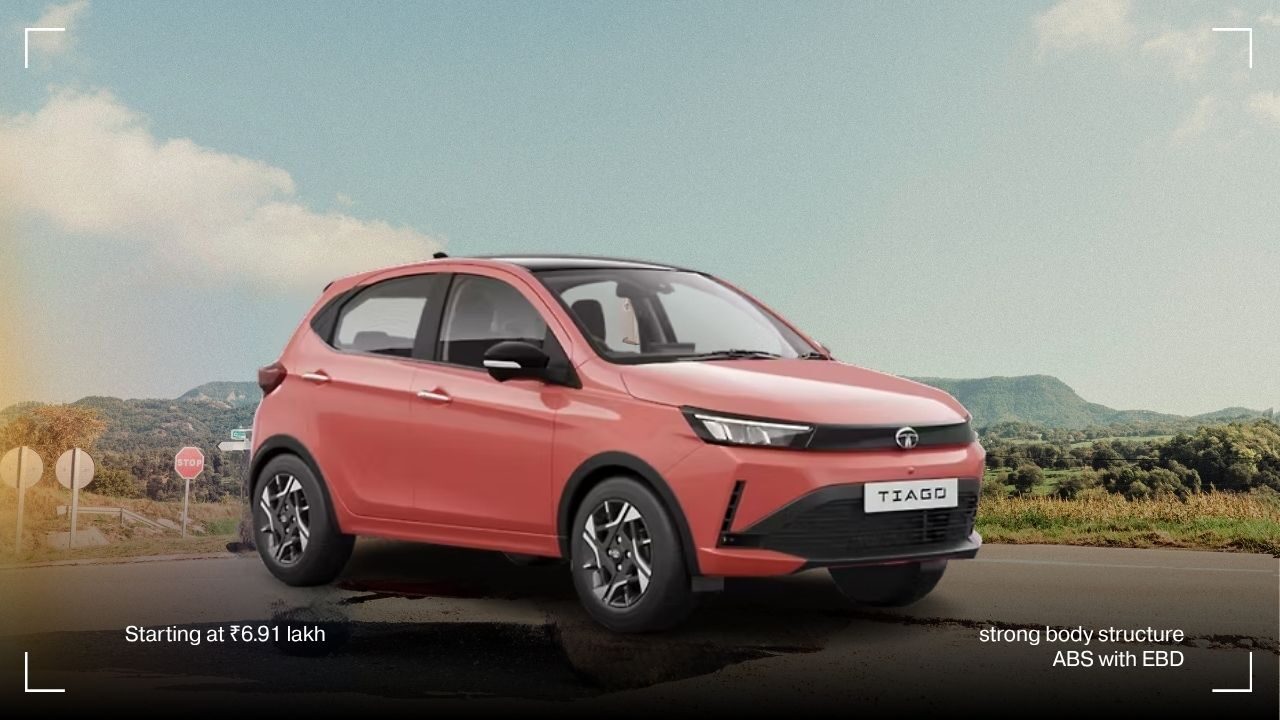
Whenever you are going to buy a car you can get confused because of the sheer volume of choices. Don’t let your excitement make your wallet empty, carefully check the prices of the car then calculate them by adding RTO charges, insurance add-ons, etc. that surely seems hard to buy a new car in India. You will feel the sudden joy of owning a new car and getting buried under a pile of paperwork and pressure tactics.
If you’re planning to Buy a New Car in India, you should know your budget for driving the car home so you don’t end up overpaying. You can’t just go and buy a car from your neighbourhood showroom, choosing the right body style and brand to fit specific lifestyle needs is also important.
This Car Buying Guide will help you understand what you should look for before buying a new car for yourself or your family member.
Why Buying a New Car is Hard?
There are tons of choices that attract you first but you get confused and never able to choose one right car for you. The fear that you might regret later so you are going to ask your friends and family members.
What’s the catch? Car makers are upgrading features and variants each year so your friend who knows about the car which launched last year, but doesn’t know the latest launch of another car with the same price. The value of a car depreciates after one year, but if you want the right one which helps you commute places without burning your fuel and cause you expensive maintenance then look closely on the Car Buying Guide.
Why You Can’t Trust Car Dealership
Sales staff have pressure enough that they want to sell off the models which maximize profit. They know inside details from invoice pricing to backend profit margins but there are platforms like CarDekho that calculate it for you.
Dealerships often disguise the real amount of a car and often try to shift the focus to the monthly payment which costs you more than the total price of the car. This is a tactic to disguise inflated interest rates or extended loan terms.
Financial Structure is Rarely Straightforward
One thing you must understand is that a car price is just an approx amount, when you end up in a showroom then there are other charges that add-on and increase its value. Buyers have to account for taxes, registration fees of a car, dealership documentation fees along with add-ons charges.
Read More:- Best Automatic Cars in India Under 10 Lakhs – Easy Driving Options
How to Buy a New Car in India With Complete Car Buying Guide
Step 1: Decide Your Budget
Most people start by falling in love with a car model and then trying to “make the budget work.” Flip that approach.
Calculate your other commitments like mobile EMI, house rent, school fees and saving goals. After you put them aside, what’s your monthly take-home income will decide which car you can afford. A safe rule of thumb is to keep your total car-related EMI under 15-20% of your monthly income. Just make sure that those 15% includes the insurance, maintenance, and fuel cost too.
Don’t depend on the ex-showroom price that you see in ads. Search for on-road price of the car or calculate them with your state, RTO registration, road tax, and insurance. Overall, these charges are different across India but likely it’s somewhere between ₹80,000 to over ₹2 lakh.
Step 2: Decide Between Petrol, Diesel, CNG, Hybrid, or Electric
Where you wanna drive your car and upfront cost is a factor to decide which variant is best for you. It also matters on what purpose you are buying a car for:
Petrol cars are good for those who drive less than 1,000-1,200 km a month which means you wanna drive in a city. Maintenance cost is lower but fuel expenses can be higher over time. While diesel cars are good for drivers who run on highways because it can give you better fuel efficiency only at higher usage.
CNG cars are a strong choice for those who want to switch from petrol or diesel cars. CNG cars offer great fuel efficiency but boot space and access to CNG stations are still a major problem. Hybrid cars offer both— better fuel efficiency and no worries on charging access but they are expensive.
Electric vehicles are best for those who have charging access at their home. City commuters can buy EV for their daily use within a predictable range. But if you live outside metro cities then it is still an issue for charging.
There’s no single car that comes as the best fuel type, only the one that matches your actual driving pattern.
Step 3: Shortlist 3-4 Cars, Not 1
It’s easy to get attached to a particular car after seeing an advertisement but make a decision after you’ve driven it yourself. It’s totally a different experience once you’re behind the wheel.
Take a three–four cars test drive within the same budget and segment. Then compare their features to decide which one fits you. If the roads are rough, check if the car offers enough ground clearance. If you are looking for a car for your family then boot space and rear-seat comfort matters.
If you prefer CNG or electric cars then the service network in your city must be wider. It’s also wise to consider resale value trends and independent safety ratings since these can have a significant impact on long-term satisfaction.
Spend time reading real owner reviews, not just marketing brochures. Forums and YouTube long-term review videos often reveal issues that don’t show up in a 15-minute test drive.
Step 4: Take a Proper Test Drive
Many buyers take a decision right after a 5-minute spin around the showroom parking lot which is just a waste of time. Real test driving must be performed in everyday conditions like rough roads, and traffic jams.
It will let you know ride comfort and suspension quality. Try reverse parking as well to assess visibility, turning radius, and the effectiveness of parking sensors or cameras. Also check features, air conditioning and cabin. Give a few minutes to check the comfort from every seat. Since the person who drives isn’t always the only person who matters in that car.
Step 5: Compare On-Road Prices Across Dealerships
Compare offers from multiple dealerships is the easiest way to stop overpaying. Many buyers think that there is a fixed price on a car but dealership margin, discount, and monthly sales targets can all influence the final amount you pay.
Check out 3–4 dealerships and collect written on-road quotations. Don’t trust on words, just research about the RTO charges, Insurance deals, Add-ons, Accessories and warranty. Then add to the Ex-showroom price to get the actual price of the car.
This single step alone can save you anywhere from ₹10,000 to ₹50,000, especially toward the end of a sales quarter when dealers are more flexible on discounts.
Step 6: Decide How You’ll Pay — Cash, Loan, or Lease
The way you finance your car can also affect the total cost of the car, buying at once can eliminate interest expenses. In the case of a car loan, choose the best offer among two–three lenders.
If you’re paying upfront, you skip a lot of paperwork and interest cost — but make sure you’re not draining your emergency savings to do it. Dealership financing is convenient but they aren’t always the most cost-effective option.
A few things to check before signing any loan agreement:
- Processing fees and foreclosure charges
- Whether the interest rate is fixed or floating
- Loan tenure (shorter tenure means higher EMI but lower total interest)
- Down payment requirement (usually 10-20% of on-road price)
If you change cars frequently or want lower monthly outflow without ownership hassles, a car lease through your employer (if available) is worth exploring too.
Read More:- How Electric Cars Are Changing the Future of Transportation
Step 7: Choose the Right Insurance — Don’t Just Take What the Dealer Offers
Dealers often bundle insurance into the on-road price, and it’s rarely the cheapest option available. You’re free to buy insurance from any insurer, not just the one the dealer pushes.
Compare:
- Comprehensive vs. third-party-only cover (comprehensive is strongly recommended for a new car)
- Zero depreciation add-on (almost essential for the first 3-5 years)
- If you live in a city where roads are getting floody then engine protection is useful for you.
- Engine protection cover can also be beneficial, especially in cities that frequently experience flooding or waterlogging
- Other features such as No Claim Bonus protection and Roadside assistance can take away the financial burden of unexpected repairs or emergency assistance.
Step 8: Understand the Paperwork Before You Sign
This is where most first-time buyers get rushed. Take your time and check:
- Booking receipt – confirms variant, color, and price locked in
- Sales invoice – should match the agreed on-road price exactly
- RC (Registration Certificate) application – usually handled by the dealer, but confirm the timeline
- Verify that the policy details, coverage, and Insured Declared Value (IDV) are correct and match what was promised.
Take care of document verification by yourself and never sign incomplete or blank forms.
Step 9: Do a Thorough Pre-Delivery Inspection (PDI)
Check everything before the car officially becomes yours. A final check is always a smart move even if the dealer has completed an inspection. Examine exterior and interior of the car, look for paint, panel gaps, tyres manufacturing dates, read odometer, and all the inside features and sensors.
Confirm that all promised items have been delivered including extra tyre, manual and toolkit that listed in the invoice. Any missing item, tell the dealer before confirming the delivery. Solve every issue before the paperwork is completed so there is no headache after you completely own the car.
Step 10: Register the Car and Get RTO Formalities Done
You must know what’s happening even if the dealer is handling all the RTO registration for you. So there are no surprises after delivery.
- Temporary registration is usually valid for 30 days
- Permanent registration and the RC book typically follow within a few weeks
- HSRP (High Security Registration Plate) is mandatory and should be fitted before or shortly after delivery
- FASTag activation is required before you take the car on toll roads
Organizing and keeping physical copies of key records such as the invoice, insurance policy, registration documents is necessary when roadside checks happen or during insurance.
A Few Things People Often Overlook
- Resale value matters even on day one. Some brands and colors tend to retain their value better. If you might sell within 3-5 years, it can help you recover more of your investment.
- Maintenance cost over 5 years, It’s also important to look beyond the sticker price, determining the real cost of ownership. A cheaper car with expensive spare parts can cost more in the long run.
- Festive season discounts Dealerships often offer their most attractive discounts during festive season (Navratri, Diwali, year-end) are often the best time to buy.
- GST and cess on cars in India are already baked into the ex-showroom price, so don’t expect any further reduction there — buyers can often secure better deals through dealer discounts, complimentary accessories.
Conclusion of How to Buy a New Car in India
When there are a lot of cars around you that capture your eyes, how to Buy a New Car in India is the question that gets stuck into your mind. Why is it so hard and a Car Buying Guide will help you understand which car is right for you to buy.
There are reasons such as your budget, finance, variant, and design that reflects your decision. So choose 3–4 cars and compare them to buy a car, who rushed through one of these steps because they got excited or got pressured by a sales pitch regret later.
Take your time, ask for everything in writing, and remember that the dealer’s job is to sell you a car — your job is to make sure it’s the right car, at the right price, with the right paperwork. Do that, and buying your new car in India can actually be the smooth, satisfying experience it’s supposed to be.
