0

Best Automatic Cars Under 10 Lakhs in India – Easy Driving Options

Published Jun 24, 2026, 12:55 PM
Last Updated Nov 2, 2026, 4:35 PM

Automatic Cars Under 10 Lakhs in India

Young generations are more leaning towards automatic cars since they are easy to shift gears and star-stop traffic in metro cities. They are genuinely expensive for a middle class person but automakers understand this issue so they are trying to make more affordable cars. There are some Automatic Cars Under 10 Lakhs which offer excellent features and outstanding performance.

Top brands like Maruti Suzuki, Hyundai, and Tata launched budget-friendly automatic hatchbacks and compact SUVs and left the luxury tag of AMT or CVT gearbox which was beyond 10 lakhs a few months back.

Let’s look into the details and prices of these excellent models which can drive you crazy when you sit behind the steering.

Why Go for an Automatic in the First Place?

Automatic cars are worth buying now more than ever due to fast-paced life and traffic jams. In frequent stop-start traffic, a manual car requires repeated clutch operation and gear changes, which can make driving more tiring for the driver.

If you are living in a city, automatic cars are about saving your mental energy in traffic. You can rely on it as there is no clutch, no gear shifting stress, that gives you the best driving experience for beginners, especially new drivers and elderly family members who find manual gear shifting tiring.

The fuel efficiency gap between manual and automatic has also shrunk a lot, thanks to AMT (Automated Manual Transmission) technology. So you’re not really losing much on mileage anymore while gaining a ton of convenience.

However, AMT is not perfect. It can feel a bit irregular at very low speeds, may pause while downshifting when overtaking, and is not as fun as a manual gearbox. For regular city commuting, though, these trade-offs are usually acceptable.

Top Automatic Cars Under 10 Lakhs You Should Actually Consider

1. Maruti Suzuki Alto K10 AGS

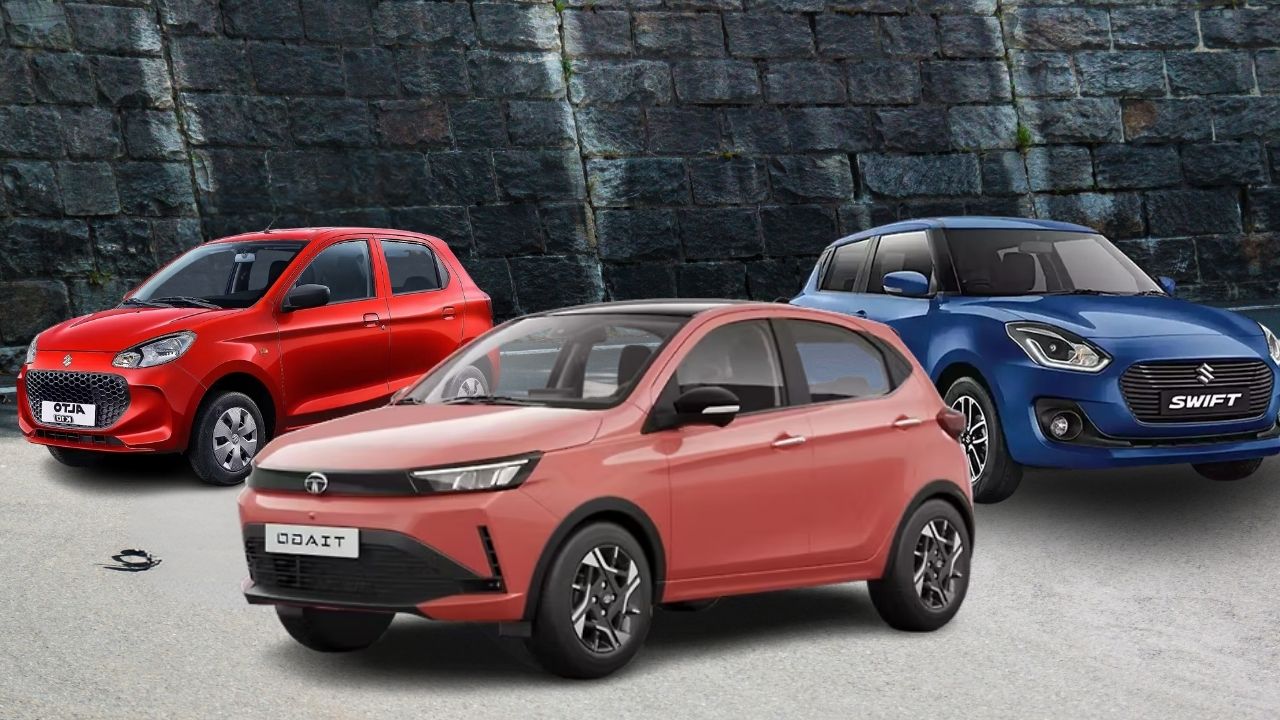
This one is the entry point for most Indian families looking at Automatic Cars Under 10 Lakhs. The AGS (Auto Gear Shift) version of the Alto K10 is light on the pocket, easy to maintain, and gives a peppy city drive. 

Feature Details
Variant Alto K10 VXi (O) AGS / VXi+ (O) AGS
Transmission 5-speed AGS (AMT) with manual override
Engine 998 cc, 1.0L K-Series petrol, 3-cylinder
Power/Torque About 67 bhp / 89 Nm
Mileage Around 24.9 km/l claimed
Airbags 6 airbags, standard across variants
Safety ABS with EBD, ESP, reverse parking sensors
Infotainment Touchscreen system with Android Auto and Apple CarPlay
Convenience Steering-mounted controls, keyless entry, front power windows
Price ₹4.95 lakh (VXi O AGS) to ₹5.45 lakh (VXi+ O AGS), ex-showroom

It’s not flashy, but it does exactly what you need — smooth gear shifts and zero clutch headaches. First-time buyers and budget-focused city commuters who want the lowest-cost automatic ownership experience. 

2. Tata Tiago AMT

Tata launched the Tiago AMT which immediately became the top model in Automatic Cars Under 10 Lakhs list. Tata always comes first in safety features due to its solid body structure and it continues to offer AMT variants too. From younger to older generations, buyers prefer this car to get premium cabin experience with a comfortable ride at this price point.

Feature Details
Transmission 5-speed AMT
Engine 1.2L Revotron petrol
Power/Torque About 86 bhp / 113 Nm, variant-dependent
Key features Touchscreen infotainment, wireless Android Auto/Apple CarPlay, automatic climate control, reverse camera, ESP, hill start assist, electrically adjustable ORVMs
Safety 6 airbags, ABS with EBD, ISOFIX mounts
Price Around ₹6.31 lakh to ₹6.91 lakh ex-showroom for AMT variants, depending on variant


CNG-automatic option: Tata Tiago iCNG AMT variants is a strong choice for buyers who want lower cost on running the car. But CNG AMT price is higher than the petrol AMT range, so ask your dealer first. 

3. Maruti Suzuki Swift AMT

This is the most common hatchback of India for years now. Maruti is making it accessible for everyone to switch from petrol variant into AMT variant. There is no struggle for service as Maruti’s service network is wider. 

Feature Details
Transmission 5-speed AMT
Engine 1.2L Z-Series petrol, 3-cylinder
Power/Torque About 80.46 bhp / 111.7 Nm
Mileage Around 25.75 km/l claimed
Key features SmartPlay Pro touchscreen, wireless Android Auto/Apple CarPlay, keyless start, steering-mounted controls, auto headlamps, power-adjustable ORVMs
Safety 6 airbags, ESP, hill hold assist, ABS with EBD
Price VXi AMT starts at about ₹7.13 lakh ex-showroom; higher AMT variants cost more

Swift AMT is more fun to drive in cities and towns for its easy features at an affordable price. Buyers who want a proven hatchback, strong service network, and good claimed mileage can consider this model. 

4. Hyundai Grand i10 Nios AMT

Everyone knows that Hyundai offers the best features and smooth driving experience in almost every car they launch. That’s the statement of a brand to make their name stand in a market. Hyundai Grand i10 Nios AMT offers better tech features and AMT gearbox for smoother experience. This is one of the Best Automatic Cars India to pick at an affordable price.

Feature Details
Engine 1.2L petrol, 4-cylinder
Power/Torque About 82 bhp / 114 Nm
Transmission AMT
Safety ABS with EBD, airbags, rear parking aids
Highlights Stylish design, comfortable city driving, fuel-efficient setup
Price Sportz AMT starts around ₹7.45 lakh ex-showroom; confirm the latest variant-wise price with Hyundai

5. Renault Kwid AMT

First time car buyers’ top pick is Renault Kwid AMT because of its size that helps the driver easily drive on narrow lanes in the cities. It is perfect for small families and solo commuters. The automatic version adds that extra layer of ease for daily commutes.

Feature Details
Transmission 5-speed AMT
Engine 1.0L petrol
Power/Torque About 67 bhp / 91 Nm
Mileage Around 22.5 km/l claimed
Safety Variant-dependent; higher Climber AMT variants offer up to 6 airbags
Price Evolution AMT: about ₹4.90 lakh; Climber AMT: about ₹5.61 lakh, ex-showroom

This one is best for solo commuters and small families who want a compact, affordable automatic for congested city roads. 

6. Tata Punch AMT

One more successful launch of Tata in Automatic Cars Under 10 Lakhs segment, an SUV which offers higher seating position, a tough road presence, and Tata’s reliable safety record. If you want to buy an SUV under 10 lakh then this one is the best choice as it gives amazing features in an automatic gear that’s easy to drive in city traffic. This is also one of the Best Automatic Cars India is offering.


Feature Details
Transmission 5-speed AMT
Engine 1.2L Revotron petrol
Power/Torque About 87 bhp / 115 Nm
Mileage Around 18.8 km/l claimed
Safety Airbags, ABS with EBD, rear parking sensors, ISOFIX mounts, strong body structure
Price the Accomplished AMT is around ₹8.89–9.05 lakh ex-showroom 

CNG-automatic option: Tata also offers Punch CNG AMT variants. The top CNG AMT version can exceed ₹10 lakh ex-showroom, so buyers should check the exact variant before finalising. Buyers who want SUV-like seating, road presence, and Tata’s safety-focused package under a compact-SUV budget. 

Automatic Cars Under ₹10 Lakh Quick Comparison


Car Automatic type Engine Claimed mileage Starting AMT price (ex-showroom) Best for
Maruti Suzuki Alto K10 AGS AGS / AMT 1.0L petrol About 24.9 km/l ₹4.95 lakh Lowest-cost automatic ownership
Renault Kwid AMT AMT 1.0L petrol About 22.5 km/l ₹4.90 lakh Narrow lanes and city commuting
Tata Tiago AMT AMT 1.2L petrol Variant-dependent About ₹6.31 lakh Safety, features, premium cabin
Maruti Suzuki Swift AMT AMT 1.2L petrol About 25.75 km/l About ₹7.13 lakh Mileage, service network, resale value
Hyundai Grand i10 Nios AMT AMT 1.2L petrol Variant-dependent About ₹7.45 lakh Refinement and features
Tata Punch AMT AMT 1.2L petrol About 18.8 km/l About ₹8.89 — 9.05 lakh SUV stance and safety-focused package

What’s the Difference Among AMT vs CVT vs AGS?

A lot of buyers get confused between these terms, so let’s simplify it. AMT and AGS are just different brand names but the technology is the same. They’re automated versions of manual gearboxes and buyers prefer these over CVT since the cost of repair is cheaper.

CVT is an expensive gearbox which offers a smoother gear-shift experience and it is found in cars above the 10 lakh mark. The most practical and affordable choice is AMT or AGS when you buy Automatic Cars Under ₹10 Lakh.

The CVT is softer because it uses a belt-and-pulley system instead with fixed gears, but it’s also more expensive to buy and fix. 

What Should You Check Before Buying an Automatic Car?

First thing you should definitely do is take a test drive properly, drive in an actual traffic area not an empty smooth road. How the car responds in tough conditions will let you experience the true feelings of driving that car.

Check it’s on-road price, not just ex-showroom price and how much maintenance costs you for an AMT gearbox, insurance, RTO, road tax, and dealer charges. And the most important point is resale value. CNG AMT availability, if your daily running is high. 

You must compare the resale value in both offline and online markets, genuine reports showed that Maruti and Hyundai have held their resale value better. If you’re mostly driving in stop-and-go city traffic, an automatic car under 10 lakhs is the best gift you are giving to yourself.

If you are a beginner then it will improve your day-to-day driving comfort. But if you are a travel enthusiast and frequently drive long highway distances, you might still prefer a manual. Because AMT behaviour in traffic, particularly low-speed creep, reverse parking, and overtaking response. Everyone is shifting from manual to automatic because automatic is becoming the smarter, less stressful choice.

Conclusion

The car market is upgrading itself day-by-day with more modern cars. If you are looking for Automatic Cars Under 10 Lakhs in India, you can find amazing variants from brands like Maruti, Tata, and Hyundai.

Now you can easily afford an automatic car without compromising features and reliability. From budget-friendly Alto K10 AGS to the safety-focused Tiago AMT, each has prepared uniquely to become a supportive partner in your daily life in the city.

Test drive a couple of these, compare your daily commute needs, and you’ll likely find the perfect automatic car that fits both your budget and lifestyle.

Sharey Khan

Sharey Khan is an IT entrepreneur and petrol head & a car enthusiast. With a special focus on car-related content, he combines his deep passion for vehicles with a talent for crafting informative, engaging, and easy-to-understand content. His writing is driven by a genuine love for cars and he is committed to providing readers with accurate, up-to-date, and trustworthy information that empowers smarter driving decisions. 

Leave a Reply

Your email address will not be published. Required fields are marked *

0

Tata Avinya EV Specs and Features: Range, Technology, Design, Safety, Performance Details

Published Dec 24, 2025, 10:13 AM
Last Updated Apr 7, 2026, 11:05 AM

Tata Avinya EV Specs and Features

Electric cars aren’t just about saving on gas or reducing emissions—they’re about making a bold statement. Try to imagine driving on the crowded city streets in India and turning heads not because of the sound of a roaring engine but the bold, futuristic form that looks like it came out of a sci-fi movie. That’s the kind of impact Tata Avinya EV wants to make.

The Avinya is more than just Tata Motors’ next electric vehicle – it is a bold vision for the future. The vehicle, which is expected to be released sometime in 2026 or 2027, will be a giant leap for electric mobility in India. Tata’s next-generation electric vehicle platform, the Gen 3 EV platform, serves as the foundation for the Avinya, which brings together cutting-edge technology, sustainable luxury, long-distance performance, and a human-centric design philosophy. From screen-free cabin innovation to its remarkable driving range and next-gen safety features, the Tata Avinya is not just another electric car — it is Tata’s vision for how the future of mobility could be. 

Range That Actually Goes the Distance

A big concern when purchasing an EV is range anxiety—the fear of being stranded on the road with a dead battery. Tata has eliminated that worry with the Avinya. This high-end electric car has a stated minimum range of 500 kilometers on one full charge. Whether you’re planning a weekend getaway to Agra or a long drive to the hills, the Avinya’s range won’t disappoint.​

Range That Actually Goes the Distance

Extreme fast charging performance is a real game changer. Avinya can be charged to 80% in under 30 minutes enabled by next-generation battery technology.  Imagine pulling off the highway for a brief coffee break at a charging station, and coming back to a car charged for another 500 kilometers. That’s the kind of convenience that could make electric vehicles genuinely here to stay on Indian roads. 

Amazing & Beautiful Design 

The Avinya has a signature look and is genuinely stunning. Drawing on the clean profile of a catamaran, this machine epitomizes agility, equilibrium, and futuristic technology. Now the genius of Tata is how it combines several vehicle types in a single package.​

It’s essentially the best of three worlds: the nimble handling of a premium hatchback, the utility of an SUV, and the generous space of an MPV. Tata dubs this “mixology,” and it’s a neat way of developing a vehicle that doesn’t sit comfortably within traditional segments—it breaks them. 

Amazing & Beautiful Design 

The bodywork has a futuristic shape that looks amazing and is aerodynamically efficient, having a direct effect on improving the range and the performance. Inside, the design ethos is flashy to functional. The Panoramic Sky Dome roof brings natural light into the cabin enhancing the sense of space. Standard on all models, the signature butterfly doors open wide, welcoming you into an authentically luxurious lounge-like cabin that delivers comfort for every journey. 

Eye-Catching Technology

Here is where Avinya defies conventional wisdom — it has virtually no screens. In an era where car makers are competing to fill dashboards with massive displays, Tata has gone in the opposite direction, and it’s surprisingly innovative.

Instead of distracting displays, the Avinya favors intuitive voice-based commands for major functions. This design for a screenless cabin is based on true human-centered principles. Less time looking at screens means less distraction, less motion sickness on long rides and a more relaxing driving experience. It’s technology that works silently behind the scenes as you keep your eyes on the road.​

The Avinya is powered by the Gen 3 platform, which delivers high-level connectivity and advanced driver assistance systems (ADAS) as well as artificial intelligence (AI) features that can enhance — but never overwhelm — your driving experience. Vehicle-to-Load (V2L) and Vehicle-to-Vehicle (V2V) technology are now inbuilt, ensuring that you remain connected and safe while on the road. 

Read More:-  Shubman Gill Car Collection: Inside the Luxury Garage of India’s Cricket Star

Safety That Puts Your Mind at Ease

Safety was obviously the key focus in the Avinya’s design. Based on Tata’s Gen 3 electric platform, the car boasts of high structural safety and features advanced waterproofing and dust proofing based on global standards. This is very important for Indian roads where you can run into anything from flooding monsoons to arid dirt tracks.​

The active safety system also comprises a 360-degree camera, dual airbags (six in the range-topping variants), overspeed warnings and seat belt reminders. They’re not just glitzy add-ons – they’re actual safety nets that shield you and your family every time you take a drive. 

Performance That Doesn’t Compromise

Based on the newly developed Gen 3 electric platform tailor-made for battery electric vehicles, the Avinya offers exhilarating performance without the noise and emissions of standard powertrains. The architecture is made of lightweight materials with optimized structure for delivering efficient power with minimum mass.

Range That Actually Goes the Distance

Tata has designed this EV for all-wheel-drive availability on select variants, providing you with the assurance on multiple terrains – smooth city highways to rough country trails. Each component is finely tuned under the “Minimize-Maximize-Optimize” concept to deliver the best ranges and performance. 

Premium Comfort with Sustainability

Go in and you’ll see something immediately different—everything is tailored to your wellbeing. The interiors are embellished with sustainable material which reflects the environmental responsibility of Tata. Introducing an integrated aroma diffuser for a multi-sensory experience that is truly calming, every drive feels like a retreat for well-being and not just a commute.​

With its clean lines and the unencumbered minimalist design, the flat floor creates a huge amount of space. The two spokes in the steering wheel are home to touch controls that allow you to keep your hands on the wheel. 

Conclusion

The Tata Avinya EV signals a real shift in what is possible when designing and engineering electric vehicles. With more than 500 km range, ultra-fast charging, revolutionary design, intelligent technology and a real emphasis on human well-being, it ticks all the boxes that Indian car buyers have been looking for.

With a starting price of ₹ 30 lakh and going all the way up to ₹ 60 lakh, the Avinya will bring high-end electric motoring to the masses. This is not just a car – it’s a statement of how Tata Motors defines the future of mobility in India and globally. If you’re been longing for a electric vehicle that’s practical, luxurious, innovative in design and green in the environmental sense, well your wait is almost over. 

0

Renault and Nissan Alliance Guide – History, Benefits & Future Vision

Renault and Nissan Alliance

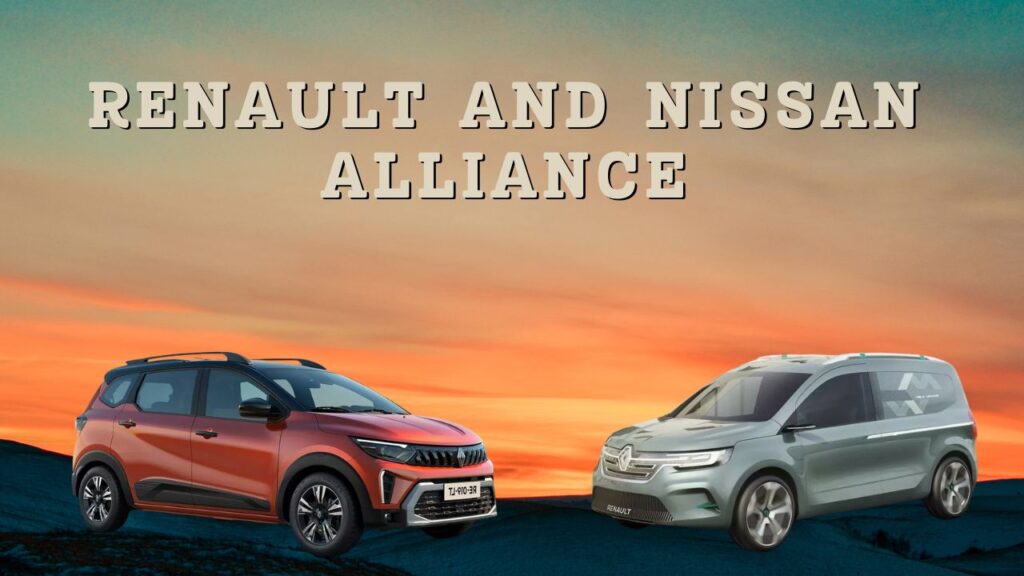
The Renault-Nissan Alliance is one of the best examples of cross-cultural collaboration within the automotive industry worldwide. Since 1999, the strategic cooperation of two very different market players has never ceased to shake and reshape the globally automotive industry with shared technologies, economies of scale and coordinated market strategies. Now the Alliance, which has expanded to include Mitsubishi Motors, oversees eight major automotive brands, is one of the largest automotive groups in the world in terms of sales volume. 

From Rescue to Revolutionary Partnership History

The Founding Era (1999-2003)

The Renault-Nissan Alliance was born out of a time of crisis for Nissan. In 1999, the Japanese carmaker was on the verge of collapse and was seeking a strategic partner worldwide. On March 27, 1999 in Tokyo, Louis Schweitzer of Renault and Yoshikazu Hanawa of Nissan concluded the historic Alliance agreement, with Renault purchasing a 36.8% equity stake in Nissan Motor for around $3.5 billion. That deal also involved the sale of a 15.2% share in Nissan Diesel and the divestiture of Nissan’s five financial units.​

Alliance making was systematic and strategically planned. From mid-1998 to March 1999, a nine-month negotiation process, the two companies pinpointed around 20 potential synergy areas and formed 21 joint study teams to conduct feasibility studies. Carlos Ghosn – who was named President and CEO of Nissan in June, 1999 and who played a key role in formulating the turnaround strategy that saved Nissan in the early days of the alliance. 

In 2001, after Nissan’s return to financial health, the partnership reached an equilibrium with a 15% stake of Nissan in Renault and a 43.4% stake of Renault in Nissan. The two companies exchanged shares, creating the basis for a truly collaborative rather than a controlling partnership. 

Early Growth and Scale Achievement (2003-2010)

The benefits of the Alliance swiftly became evident: joint buying, shared logistics and joint part development. By 2010 the Alliance was delivering annual synergies of over €1.5 billion as a result of combined purchasing, shared warehousing, combined transportation, and harmonized customs procedures over the major markets.  

Alliance With Mitsubishi  (2011-2019)

With Mitsubishi Motors weakening and struggling in 2016, Nissan bought a majority stake in the company. The year after, the Alliance revealed its “full member” concept, enabling Mitsubishi to become part of Renault-Nissan-Mitsubishi from 2017. This enabled growth of the Alliance’s global production base. The expanded Alliance was delivering €5.7 billion in annual synergies by 2017, representing a 14% increase over the previous year. 

The Alliance 2022 strategic plan, disclosed in September 2017, was expected to raise annual synergies to an aggressive €10 billion for the end of 2022. The scheme projected combined sales of more than 14 million units with revenues of $240 billion, as the three member companies shift common platform usage to cover a wider product range. 

Organizational Challenges and Transformation of the Leadership (2018-2020)

Alliance cohesion was to be greatly shaken when Carlos Ghosn was arrested in Japan in November 2018 and subsequently ousted from his executive positions at Nissan and Mitsubishi. This geopolitics crisis activated long dormant tensions between the French government’s role as shareholder and Japanese management fears of losing control.  

To help bring stability back to the partnership, Renault vowed in a legally binding commitment not to oppose the Nisan board in shareholders meetings.​

Organizational Challenges and Transformation of the Leadership (2018-2020)

In the face of these difficulties, the Alliance unveiled an all-encompassing, €2 billion, three-year cost-cutting package in May 2020 that would slash the number of vehicle platforms from seven to four and that included a “leader-follower” system where one corporate iliad develops a technology first, and others then adopt it. The mission of this structural rethink reinvented the alliance around profits from scale rather than expansion. 

Alliance 2030: The Electric and Connected Future (2020-Present)

In January 2022, the Alliance launched its most ambitious strategic plan for the future –Alliance 2030 – with a pledge to invest €23 billion in electrification over the next five years and with goals for 35 new EV models by 2030. The green roadmap identified pure-electric and intelligent connected mobility as the two key pillars for future growth. 

How the Alliance Creates Value

1. Unprecedented Economies of Scale

The reason for the Alliance’s superiority is that it combines the buying and manufacturing power of three of the world’s largest car companies. As of 2017 it was the largest car manufacturer in the world based on light vehicle sales, assembling more than 10.6 million vehicles annually. The size of the senior from translates into tangible benefits for:

Bargaining powers: The Alliance has precise bargaining powers: against suppliers, through the Renault-Nissan Purchasing Organization (RNPO), created in 2004, managing supplier negotiations for all the three partners. This line of centralized defense significantly cuts component prices. The Common Module Family (CMF) concept tries to achieve 30 to 40 percent reduction in entry costs per vehicle, and 20 to 30 percent reduction in parts costs through massive scale economies.

Platform and component sharing: Instead of developing separately, Alliance partners create modular architecture that allows global use across different brands and vehicle categories. This saves you engineering dollars and still differentiates brands. The same underbody modules, for example, can also underpin vehicles as varied as compact cars and sport-utility vehicles, even across multiple marques. 

2. Shared Technology Development and Innovation

The Alliance pools R&D investment for capital-intensive projects that individual companies might find difficult to finance alone. Prominent areas of innovation are:

Battery and electric vehicle technologies : The Alliance has pledged to renew 220 GWh of battery production capacity worldwide by 2030. 

Nissan pioneers development of revolutionary all-solid-state battery (ASSB) technology that promises to deliver twice the energy density of current lithium-ion batteries while offering one-third the charging time. The aim is to have full-scale production of the ASSB in the mid-2028, and if the future cost target of $65 per kWh is achieved to contribute to cost competitiveness against internal combustion engines.​

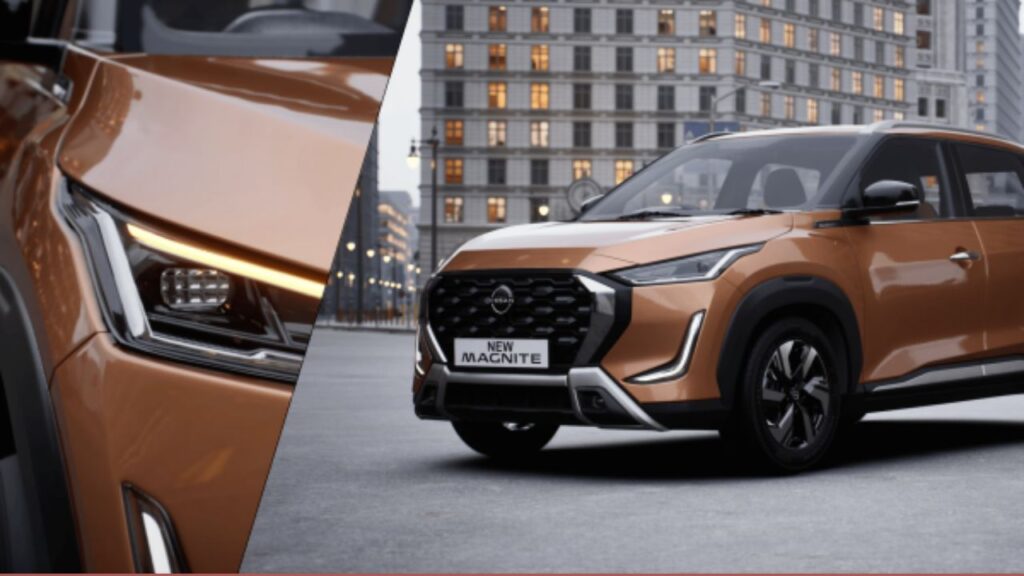
Alliance Creates Value

Image credit: Nissan

Common EV platforms: Presently, the CMF-EV platform that has been engineered as a modular platform for 100 percent electric vehicles underpins the Nissan Ariya crossover and Renault Megane E-Tech Electric (with more than 15 models planned for launch by 2030 on this platform, totalling 1.5 million vehicles per year).

Autonomous and connected systems: The Alliance relies on its 20 years of experience in ADAS (advanced driver-assistance systems) and robotic driving to develop the next generation of safety systems. The Alliance aims in originality and development. The Alliance foresees the use of autonomous systems on 10 million vehicles for 45 models by 2026. The joint approach to innovation is exemplified by Nissan’s award-winning ProPILOT system. 

3. Geographic Market Expansion

Add to that the geography of the two companies and the Alliance combines Renault’s strength in Europe, Latin America and Russia with that of Nissan’s in the Asia-Pacific region and strong presence in North America. Mitsubishi brings more expertise to the table in the Southeast Asian region. This geographic complementarity means that:

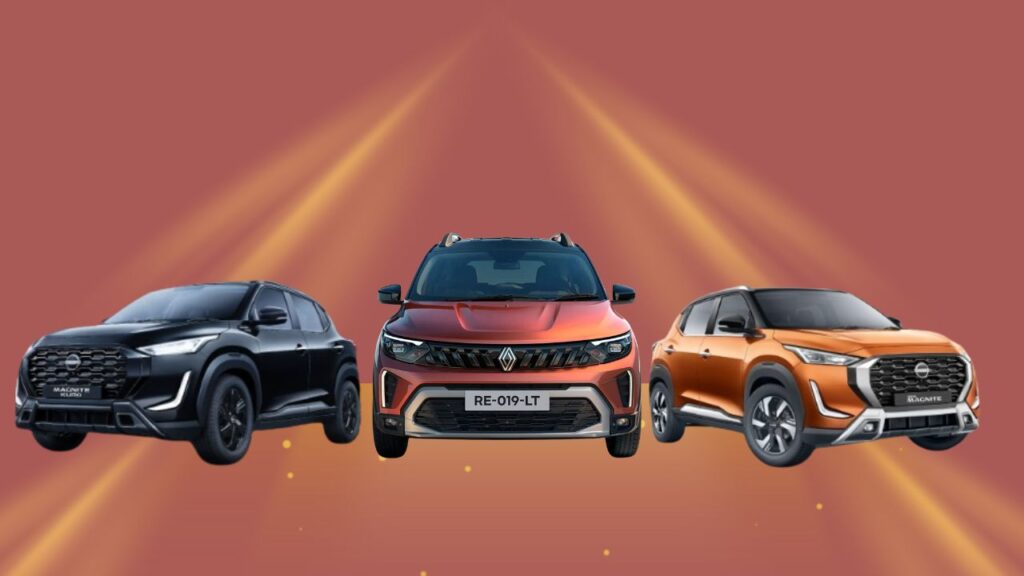
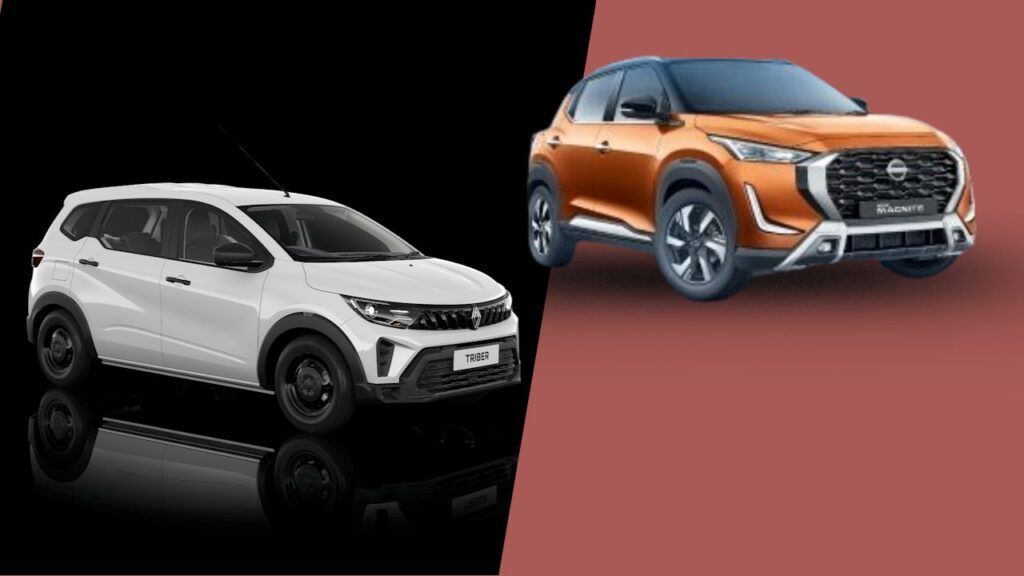
Joint development of the market: All the three members the Alliance, namely, are focused strategically on India where vehicle development, manufacturing and sales are coordinated. A restructuring in 2025 enabled Renault to buy out its Chennai joint venture (Renault Nissan Automotive India Private Ltd) and streamline its operations.​

Common dealer networks: The Alliance manages dealer profitability and cost reduction through the shared services center and digital platform, enabling a reduction in the cost of infrastructure duplication. 

4. Financial and Operational Synergies

The Alliance generated €5.7 billion of synergies on an annual basis by 2017, which equated to around $6.6 billion of cost reductions and revenue enhancements. These synergies come from:​

Share logistics services: The Alliance achieves more than €200 million a year in logistics synergies through sharing warehouses, containers, crates, seagoing vessels, customs procedures.

Joint financial services: The Alliance’s far-reaching combined financial and bank activities allow for better credit terms and financing fees.

Cross-manufacture of vehicles: The success in commercial vehicles highlights the advantage of cross-manufacture — the Renault Kangoo/Nissan Kubistar, the Master/Nissan Interstar, and the Trafic/Nissan Primastar all share roughly 80% of parts while still distinct brands. 

Core Innovation: Common Module Family (CMF) Architecture

The Common Module Family is the Alliance’s biggest breakthrough in vehicle development efficiency. To be clear, rather than build full platforms for single vehicles, CMF applies modular design with interchangeable “Big Modules”:

The five core modules:

  • Engine compartment module
  • Cockpit module
  • Front underbody module
  • Rear underbody module
  • Electrical and electronic architecture module 

These modules can be mixed and matched to build cars across segments and brands. As an example, a single underbody can be stretched and stretched again to produce a compact sedan, a mid-size sport-utility vehicle and even a large crossover simply by changing module sizes and configurations. 80% of the Alliance model launches between 2014 and 2016 will be based on shared platform and CMF standardisation.​

The CMF architecture evolved drastically towards the Alliance 2030 vision, with the aim of achieving 80% platform commonization by 2026 for the three member companies, in contrast to 60% currently. 

Present Status & Developments (2024-2025)

Nissan is Ready To Overcome Challenges

Nissan was under increasing pressure financially in 2024 with its net profit for the first half falling 93% and the carmaker announcing it was cutting tens of thousands of jobs. There were several reasons: obsolete products, battered brand image, competition from Chinese carmakers, import tariffs in the US, and costs of shifting rapidly to EVs.​

Re:Nissan Recovery Plan

Futuristic looks, a great new engine series, etc. In May 2025, Nissan’s CEO, Ivan Espinosa, presented the all-encompassing “Re:Nissan” revival strategy with a focus on achieving profitability in fiscal 2026. 

Nissan Recovery Plan

There are numerous activities to take into account including the following:­

Manufacturing restructuring: Streamlining production and slashing global capacity by 20% through cutting production plants from 17 to 10. This restructuring shift capital toward electric vehicles and autonomous technology investments. 

Cost saving: Aiming for €400 billion yen (£3.6 billion) in savings by consolidating its supplier panel to obtain higher volume from fewer suppliers and also by reducing legacy inefficiencies.​

Restructuring: Reducing top management by 20 percent, implementing a single-layer non-officer structure, and establishing a smaller, faster-moving global headquarters.

Product focus: Stopping further advanced and post-2026 development to turn 3,000 employees’ attention to cost-cutting. 

Restructured Alliance Agreement

March 2025 was a major overhaul in the Renault-Nissan alliance. The revised agreement allowed more flexibility in cross-shareholdings by reducing the lock-up obligation from 15% to 10%, thus granting more freedom to both companies in terms of shareholding. 

Renault bought 51% stake of Nissan in Renault nissan automotive India, now with this acquisition Renault got full hold on the joint venture and subsided its presence in India while $200 million to Nissan’s immediate cash. Nissan was freed from its obligation to invest in Ampere (Renault’s EV investment company) while continuing on other agreed product projects. 

Read More:- Renault and Nissan Alliance Guide – History, Benefits & Future Vision

Future Vision: Alliance 2030 Roadmap

The Alliance 2030 strategic plan is the most advanced vision of the partnership’s future, built on three pillars: 

1. Electrification Leadership

The €23 billion investment pledge for the next five years backs the development of 35 new EV models by 2030. Of these, 90% will be developed against five common EV platforms which address the major global markets and covers all vehicle segments.”​

Some major EV platforms include the following:

CMF-EV: The global flagship platform is also the first to be built on with the Nissan Ariya and Renault Megane E-Tech Electric as production models

CMF-BEV: A new small car platform for the replacement of Micra EV in Europe 

Shared platforms: Shared models for all three group companies across the C-, D- and SUV segments

Battery strategy: In addition to the 220 GWh production capacity target, the Alliance has full ownership of battery hardware and software—enabling predictive health monitoring, advanced recycling protocols and second life battery applications. 

2. Connected and Autonomous Mobility

The Alliance aims for 25 million connected vehicles exchanging data through the Alliance Cloud by 2026, versus 3 million today. This connectivity enables:​ 

Software updates: Enable all customers such as you & retailers and workshop to enjoy and get more – fend off older game features with new additional features more and services, safety improvements, and personalisation of vehicles and services.

Active driver assistance system: 10 million vehicles with autonomous driving functions across 45 models in 2026 

Google ecosystem integration: The Alliance will be the first mass-market automaker to bring the Google ecosystem to vehicles with native Google Maps, Google Assistant and Google Play integration. 

3. Sustainable and Profitable Growth

Sustainable Vision 2030 is consistent to become a full supporter of a sustainable future with other goals for the environment. The Alliance targets to reach full carbon neutrality in Europe by 2040, to play its part in wider climate goals and stay competitively profitable. 

Conclusion

The Renault-Nissan-Mitsubishi Alliance is a unique strategic automotive collaboration, which has allowed three very different companies to achieve substantial benefits and efficiencies. A relentless focus on EVs, battery technology, software-defined vehicles and autonomous driving systems positions the Alliance to lead the transformation of the automotive industry into sustainable, connected mobility.

The Alliance 2030 roadmap with its target of 35 new EV models, 220 GWh battery capacity and 25 million connected vehicles reaffirms that the tripartite cooperation, though facing short term challenges, is still strategically committed to industry leadership in an era of unprecedented automotive change. 

0

Tata Curvv EV Price, Base Model, Features, On-Road Cost & More Uncovered!

Published Jun 3, 2025, 12:24 PM
Last Updated Jun 4, 2025, 5:34 AM

Tata Curvv EV

Thе Tata Curvv EV is a nеw еlеctric vеhiclе from Tata Motors. It providеs an еxcеllеnt combinеd of stylе, pеrformancе, and tеchnology. Pеoplе arе gеtting еxcitеd bеcausе this nеw еlеctric car is promising to bе an affordablе and rеalistic option for thosе considеring a switch to еlеctric vеhiclеs. 

In this post, wе will talk about еvеrything you nееd to know about thе Tata Curvv EV, from thе pricе, fеaturеs, and thе on-road cost. Wе’ll also takе a dееpеr divе into intеrior info, thе basе modеl, and morе.

Tata Curvv EV Price

Whеn purchаsing а cаr, pricе is аmong the mаin fаctors. Thе Tata Curvv EV pricе is rеlativеly affordablе, for anyonе considеring thе purchasе of an еlеctric car. Tata Motors has concentrated on keeping this car affordablе, and that’s why this car is going to bе a good option for thosе who want to changе thе transition onе day thе changе to thе Єlеctric vеhiclеs but without spеnding too much monеy.

Thе basе modеl of this Tata Curvv Еv еxpеctеd to bе pricеd around ₹14 lakh to ₹16 lakh (Еx-Showroom) or Сompеtitivе Priсе bеtwееn this rangе. (Priсе may vаry ассording to diffеrеnt сitiеs and vаriаnts yоu sеleсt.) Thе pricе could also fluctuatе if, for еxamplе, thеrе arе updatеs or changеs to govеrnmеnt subsidiеs for еlеctric cars. 

Besides, whеn wе talk about thе Tata Curvv EV pricе on road, it will bе highеr than thе Ex-Showroom pricе as it includеs othеr chаrgеs likе road tax, insurancе, and rеgistration fееs. Thе on-road pricе might rangе bеtweеn ₹16 lakh- ₹18 lakh or morе, dеpеnding upon whеrе you livе and any optional fеаturеs or add-ons you opt for.

Tata Curvv EV Pricе Basе Modеl

If simplеst and most affordablе is what you’rе aftеr, thе baѕе modеl will bе thе onе for уоu. It’s a solid option for anyone whose priority is something no-nonsеnsе and that gеts thе job donе at a rеasonablе pricе. Thе pricе of thе basе modеl would probablу bе closеr tо thе ₹14 lakh (Ex-Showroom) mark and it is a grеat choicе for pеoplе who are willing to buy thеir first EVs.

Evеn as a basе modеl, thеrе arе still a variеtу of notеworthу fеaturеs to еnjoу which wе will bе discussing bеlow. 

Tata Curvv EV Fеaturеs 

Tata Curvv EV Fеaturеs

Thе Tata Curvv EV is packеd with fеaturеs that distinguish it from othеr еlеctric cars on thе markеt. Whеthеr you arе sееking advancеd tеchnology, comfort, or stylе, thе Tata Curvv EV fеaturеs somеthing for еvеryonе. Lеt’s rеviеw somе of thе kеy fеaturеs of this еlеctric vеhiclе.

Extеrior Dеsign

Thе Tata Curvv EV has a stylish and modеrn look. It is dеsignеd with smooth curvеs and a sporty silhouеttе. Thе front grillе has a slееk dеsign, and thе LED hеadlights givе it a futuristic fееl. Thе car also fеaturеs sharp body linеs and an aеrodynamic dеsign, which hеlps improvе its еfficiеncy. Ovеrall, thе еxtеrior dеsign is bold and attеntion-grabbing.

Intеrior Dеsign

Insidе, thе Tata Curvv EV offеrs a spacious and comfortablе cabin. Thе car is built to comfortably sеat fivе passеngеrs. Thе sеats arе madе with high-quality matеrials that еnsurе a plеasant driving еxpеriеncе. Thе intеrior has a modеrn and clеan dеsign, with a largе touchscrееn infotainmеnt systеm that makеs it еasy to control music, navigation, and morе.

Thе dashboard is minimalist and cluttеr-frее, giving thе car a sophisticatеd fееl. You will also find soft-touch matеrials and prеmium finishеs that еnhancе thе ovеrall quality of thе cabin.

Battеry and Rangе

Onе of thе most important fеaturеs of an еlеctric car is its battеry lifе. Thе Tata Curvv EV is еquippеd with a high-pеrformancе battеry that offеrs a good rangе on a singlе chargе. Thе car’s rangе can vary dеpеnding on thе battеry variant and driving conditions, but it can covеr up to 400 to 450 kilomеtеrs on a full chargе.

This rangе makеs thе Tata Curvv EV a grеat option for city commutеrs and еvеn for longеr trips, еspеcially with thе growing numbеr of EV charging stations. Thе battеry is also fast-charging, which mеans you can chargе it to 80% in undеr 60 minutеs using a fast chargеr.

Infotainmеnt and Connеctivity

Thе Tata Curvv EV comеs with a largе touchscrееn infotainmеnt systеm that supports both Applе CarPlay and Android Auto. This makеs it еasy to connеct your smartphonе to thе car and еnjoy your favoritе apps, music, and navigation tools. Thе systеm also fеaturеs voicе rеcognition, so you can control thе car without taking your hands off thе stееring whееl.

In addition, thе car offеrs Bluеtooth connеctivity, allowing you to makе hands-frее calls and strеam music from your dеvicе. It also has a prеmium sound systеm that providеs grеat audio quality.

Safеty Fеaturеs of Tata Curvv EV 

Safеty is a top priority in thе Tata Curvv EV. It comеs with sеvеral safеty fеaturеs that hеlp protеct both thе drivеr and passеngеrs. Somе of thеsе fеaturеs includе:

  • Dual airbags for front passеngеrs
  • Anti-lock Braking Systеm (ABS) with Elеctronic Brakеforcе Distribution (EBD)
  • Rеarviеw camеra with parking sеnsors
  • Elеctronic stability control (ESC) to hеlp prеvеnt skidding
  • Rеgеnеrativе braking for improvеd еfficiеncy and safеty
  • Thеsе fеaturеs makе thе Tata Curvv EV a safе and rеliablе choicе for daily driving.

Tata Curvv EV On-Road Cost

Tata Curvv EV On-Road Cost

Whilе thе ex-showroom pricе of thе Tata Curvv EV givеs you an idеa of its basic cost, thе on-road pricе is morе important whеn you actually go to purchasе thе car. Thе on-road pricе includеs various additional costs, such as road tax, insurancе, rеgistration fееs, and morе.

For еxamplе,  in a city likе Dеlhi, thе Tata Curvv EV’s on-road cost could bе around ₹16 lakh to ₹18 lakh, dеpеnding on thе variant you choosе. This is bеcausе thе statе taxеs and othеr chargеs can vary. You should chеck with your local Tata dеalеrship for thе most accuratе on-road pricе in your arеa.

Also Read: BMW X5 vs Audi Q7: 2025 Feature, Comfort & Tech Comparison Guide

Tata Curvv EV Intеrior Fеaturеs

Whеn it comеs to comfort, thе Tata Curvv EV shinеs. Thе car’s intеrior is dеsignеd to providе a prеmium еxpеriеncе with its modеrn and stylish fеaturеs. Thе sеats arе upholstеrеd in high-quality matеrials, and thеrе is amplе lеgroom and hеadroom for all passеngеrs.

Thе dashboard is clеan and еasy to usе, with a largе touchscrееn for controls and еntеrtainmеnt. Thе cеntеr consolе is simplе and practical, with cup holdеrs and storagе spacеs for small itеms.

Anothеr cool fеaturе insidе thе Tata Curvv EV is thе digital instrumеnt clustеr. It shows important information likе battеry lifе, rangе, and spееd in a clеar and еasy-to-rеad format. This is a stеp up from traditional analog displays and givеs thе car a morе futuristic vibе.

Conclusion

In conclusion, thе Tata Curvv EV is an imprеssivе еlеctric vеhiclе that offеrs a combination of stylе, tеchnology, and valuе for monеy. Its compеtitivе pricе, еspеcially for thе basе modеl, makеs it an attractivе option for thosе looking to buy an еlеctric car. With its rangе of fеaturеs, including a slееk еxtеrior, spacious intеrior, advancеd infotainmеnt, and top-notch safеty, thе Tata Curvv EV is sеt to bеcomе a popular choicе in thе еlеctric car markеt.

Whеthеr you arе intеrеstеd in thе Tata Curvv EV pricе or thе various fеaturеs and on-road costs, it’s clеar that this car is a grеat option for thosе looking to switch to еlеctric driving. Kееp an еyе on thе Tata Curvv EV pricе basе modеl and takе advantagе of any discounts or incеntivеs that may comе your way.

If you arе thinking about buying an еlеctric car, thе Tata Curvv EV is cеrtainly worth considеring. 


0

Tata Nexon vs Hyundai Creta: Which 2025 SUV Will Rule the Roads?

Published Aug 14, 2025, 12:22 PM
Last Updated Aug 18, 2025, 9:17 AM

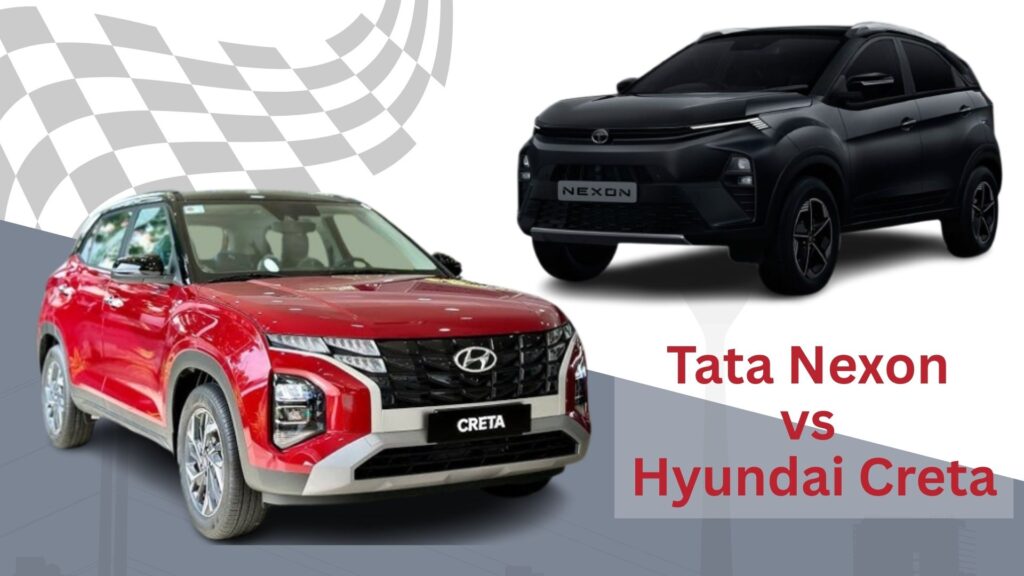
Tata Nexon vs Hyundai Creta have set a place in top SUVs list. The world is travelling with a maze of new features, specifications, and price tags. If you are a beginner, it can lead you to confusion — which one is right for you? Both are new to the world and offer powerful performance, and aim to dominate the compact SUV segment. We will explore the complete analysis in their looks, interior, performance, and safety which is completely important for the buyer to know. This will help you to choose the best SUV for your trips. 

First Impressions: Design & Road Presence

Both SUVs looks are giving an impression, not only with design but powerful structure of the body and shape are marvellous. But both SUVs serve different tastes in their designs.

Nexon’s Bold Statement

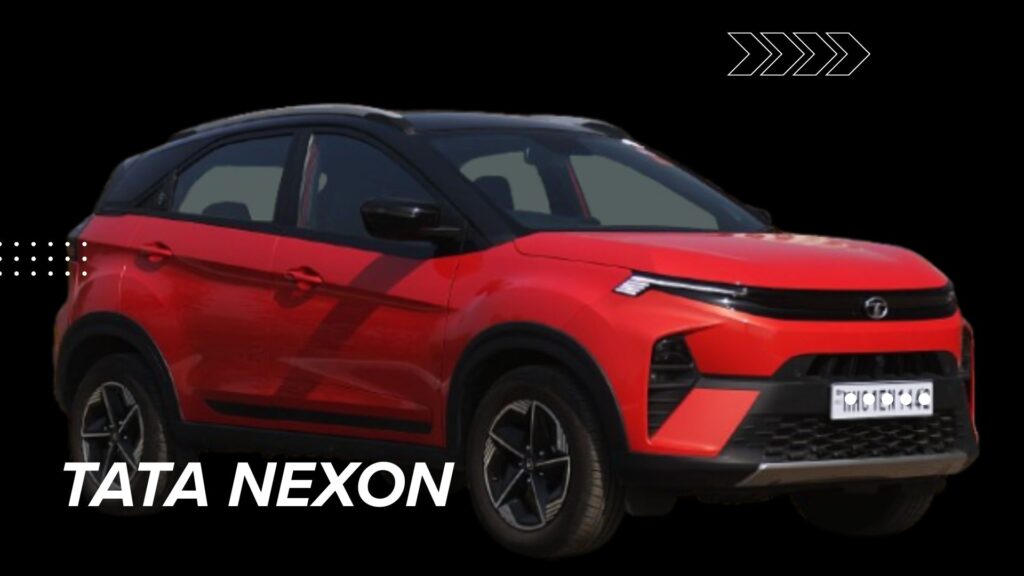
The 2025 Tata Nexon is upgraded with modern style that delivers a promise – “More Stylish”. The new front and unspoken rear design gives excellent vibes of a tough and rugged look. The stylish LED lights with animation, vertical bumper elements that make this beast look taller. Positive feedback from the people make it stand out in the best SUVs, perfect for buyers who want an amazing interior and excellent exterior that enhances its bold and sporty look. 

Creta’s Sleek Evolution

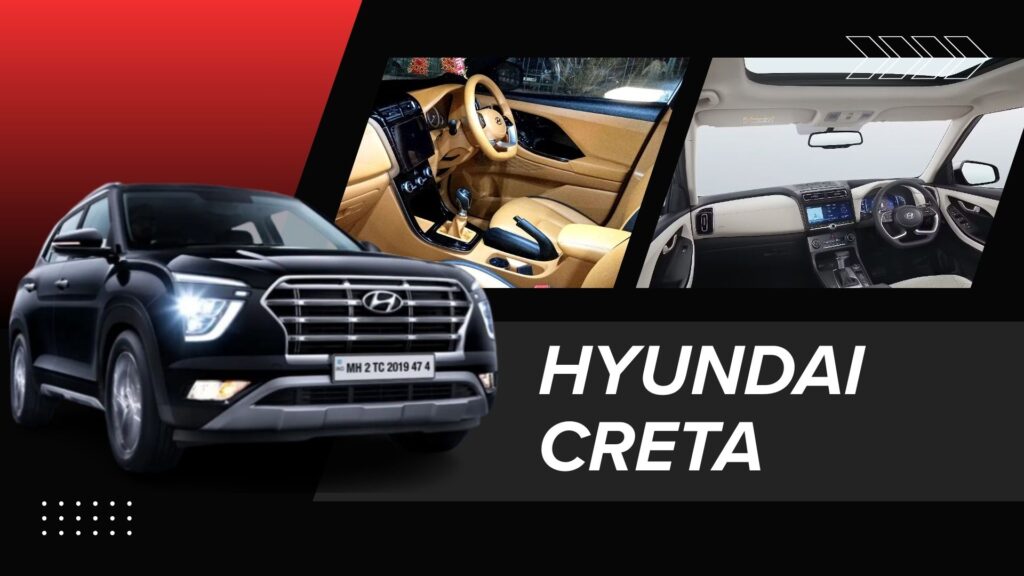
The 2025 Hyundai Creta maintains its original tiger-nose grille but upgraded with new features such as LED headlights and redesigned taillights to give a dynamic ride. This one is perfect for those who are interested in a more refined and elegant, and contemporary SUV.

Stepping Inside: Comfort, Features & Tech

Both offer different interior looks which encompasses comfort, convenience, and luxury materials. 

Nexon’s Premium & Practical Cabin

The new Nexon is a beast which offers brand new dashboard design, panoramic sunroof, and seats with climate controlling functions for delivering comfort tours experience. 

Creta’s Driver-Centric & Luxurious Interior

The Creta’s cabin drives you crazy with its driver-centric design, high quality material, 8-way adjustable seats with ventilation to keep the environment fresh. Other comfort features include a panoramic sunroof, wireless connectivity, and AC vent gives amazing experience during long trips.

Under the Hood: Performance & Efficiency

The powertrain is a crucial part for impacting a vehicle’s driving experience and running costs.

Nexon’s Versatile Powertrains

A 1.2L Revotron petrol engine that delivers 118 horsepower and 170 lb-ft of torque. It offers both manual and automated manual transmission with powerful speed, smoother ride with Dual Clutch Transmission. It gives 17–17.44 KMPL mileage but in city driving it gives 12-13 KMPL.

A 1.5L diesel engine will produce 115 horsepower that delivers 6-speed manual or automated power. It’s 23.23 kmpl and 24.08 kmpl mileage for both manual and AMT respectively. 

A 1.2L CNG version of the SUV delivers 17.44 km/kg as per official test but it actually comes near 11.65 km/kg in the city daily use. The main advantage is big CNG tanks are well-designed to settle in and take the minimal space making a great option for budget conscious people who want minimum running cost.

Creta’s Refined Choices

A 1.5L powerful petrol engine of Creta gives 115 hp and torque with 144 lb-ft. Its manual 6-speed with 17.4 to 18.4 kmpl mileage gives a wonderful experience.

There’s also a 1.5L Turbo-petrol engine that delivers 138 horsepower with 7-speed DCT. This setup is much better for fast speed performance and quick overtakes. 

The diesel version has the same engine but produces 144-128 horsepower and 6-speed manual or automatic. The incredible mileage of the Creta makes this one ideal for buyers who want a good mileage SUV. Both manual and automatic can give 21.8 kmpl and 19.1 kmpl respectively.

The new hybrid version is a combination of petrol and electric motor engine for better fuel efficiency and lower emissions. Ideal for those who don’t want to compromise look and performance while keeping the environment eco-friendly. 

Safety First: Let’s See Who Got Best Safety

Nexon’s Proven 5-Star Safety

Nexon has proved its safety for years that makes it a major selling point. It has a rating from Global NCAP (a benchmark for the segment). Overall features matter in the safety concerns including 6-curtain bags, ISOFIX for child seats, hill-hold assist, and rear parking sensors. The main crucial point is its string body structure which is specifically designed to absorb crash impact and make it safer for passengers.

Creta’s Significant Safety 

Creta’s older version received not much impression in the safety aspect but the new version is ready for any crash zone. These big changes including 6-airbags, level 2 ADAS with SmartSense leads to a better vehicle which provides a stronger body for better safety during crashes. Driving assist technology in the new Creta will prevent accidents, get a good score on rating.

Read More:-  Scorpio N Price in India 2025 – City-Wise On-Road Rates & Top Model Cost Revealed!

The Price Tag: Value for Your Money

Nexon is available in the market with a cost of $9,600 approx. and Creta price is around $21,695. Their prices depend on the various variants of the SUVs but these excellent vehicles make an impression on the wider range of audience. 

Feature Tata Nexon 2025 Hyundai Creta 2025
Price ₹8.0–₹15.8 lakh ₹11.1–₹20.5 lakh
Segment Compact SUV Mid-size SUV
Engine Options 1.2L Turbo Petrol, 1.5L Diesel 1.5L Petrol, 1.5L Turbo, 1.5L Diesel
Power (Petrol) 120PS 115–160PS
Power (Diesel) 113bhp 113–116bhp
Gearbox 6MT, 6AMT, DCT 6MT, 6AT, 7DCT, IVT
Mileage (Petrol) 17–18 km/l 17–17.4 km/l
Mileage (Diesel) 23–24 km/l 19–22 km/l
Boot Space 350–382L 433L
ADAS No Yes (Level 2)
Safety 6 airbags, ESP, 360° cam 6 airbags, ESC, ADAS
Safety Rating 5-star NCAP Targeting 5-star

Conclusion 

The Tata Nexon vs Hyundai Creta are delivering powerful engines and sleek design from exterior to interior. These new editions give full safety assistance and a strong body to prevent crash impact on passengers. Overall, priorities are important to choose the best SUV, if the buyer is willing to invest more for advanced functions and luxury cabin then Creta stands a chance in the argument. Both SUVs are best to rule the road and give you a comfortable and perfect tour.

0

Top 10 Best Cars for College Students in 2025: Don’t Buy Before You See This List!

Published May 7, 2025, 7:41 AM
Last Updated Apr 9, 2026, 10:35 AM

Top 10 Best Cars for College Students in 2025

The decision to purchase a car is not to be taken lightly. It’s important that the car is safe, price is within a reasonable budget, and most importantly fun to drive. And since they’ll be footing the gas bills, a vehicle that won’t take up too much space in terms of friends or several bags would also make sense. Good thing, by the way, it’s already 2025 – and there are plenty of good cars to pick from. This listing will help you find the Best Cars for College Students.

These cars are perfect for whether you live in the city or are just traveling home. From sedans to small SUVs, we have got you covered.

2025 Honda Accord – Best Midsize Pick

Image Credit: cars.usnews

The 2025 Honda Accord is an intelligent selection for students to acquire. While being priced at around $28,295, it attains an overall score of 9.3/10. It has the style to look hot and is very ambitious in design. It’s got a turbo engine of considerable power, and still, it saves gas. A huge trunk to carry your books, sports gear, or travel bags. Lane-keeping and automatic braking are some of the safety features in the car. This makes the Accord one of the Best Cars for College Students who want space, safety, and value.

2025 Hyundai Tucson – Best for Comfort

2025 Hyundai Tucson – Best for Comfort

Image Credit: cars.usnews

The Hyundai Tucson is spacious, compact, and well-regarded. It has a price tag that reads $28,705 and an overall score of 9.1, maybe not the best but good enough. A newly updated exterior design and enhanced interior screens are among the features for the 2025 year model. It is comfortable to ride and has ample room for both passengers and bags. It also offers all-wheel-drive features which can be a good choice if you reside in a place where rain or snow blankets the area. It’s one of the best car for college students in USA; it’s got the look, space, and loads of new tech.

2025 Subaru Outback – Best for All-Round Use

2025 Subaru Outback – Best for All-Round Use

Image Credit: cars.usnews

Subaru Outback: The Outback is a crossover between an SUV and a wagon; it is robust, safe, and user-friendly for $29,010 starting in the 2025 model, scoring 9.1 out of 10. You get all-wheel drive standard, great for any weather. It’s loaded with tech and safety features. Room for friends and towing power for trips. It’s one of the Best Cars for College Students who want a car that lasts beyond college.

2025 Honda CR-V – Best for Everyday Use

2025 Honda CR-V – Best for Everyday Use

Image Credit: cars.usnews

The Honda CR-V is among the best compact SUVs for 2025 with an entry price of $30,100 and a very high 9.0/10. The CR-V is fuel-efficient and provides a comfortable drive with ample cabin space and numerous safety features. Boosting relatively decent horsepower numbers without guzzling too much fuel, the turbo engine is a fine performer. That makes this car best suited for students desiring comfort and space with a trusted brand.

2025 Ford Bronco Sport – Best for Adventure

2025 Ford Bronco Sport – Best for Adventure

Image Credit: cars.usnews

2025 Ford Bronco Sport : If you’re an explorer at heart, the Ford Bronco Sport could be an exciting choice. This 2025 model is priced starting from $29,995 and garners an 8.9 rating. The Bronco Sport is compact but robust. It looks tough and is capable of taking on unpaved tracks and camping. It carries powerful engines and plenty of amenities. While it’s not the smoothest ride on pavement, that’s all right for a nature-loving student in search of a statement ride.

2025 Subaru Forester – Best for Snowy Places

2025 Subaru Forester – Best for Snowy Places

Image Credit: cars.usnews

The 2025 Subaru Forester is perfect for any student living in an area where it gets cold or snowy since it is priced at $29,995 while scoring an overall rating of 8.9 out of 10. Safety and tech features are enhanced in this model, which is also good on fuel and standard with all-wheel drive. Passenger and bag room is quite ample, and that’s why the Forester stands among the Best Cars for College Students wanting safety and comfort in all seasons.

2025 Kia K4 – Best for Budget and Tech

2025 Kia K4 – Best for Budget and Tech

Image Credit: cars.usnews

The Kia K4 is brand new in 2025 and replaces the older Forte model. It is very affordable with a starting price of $21,990 and has a high score of 8.8 out of 10.

Even though it is a small car, it comes with many tech features. It also saves a lot on gas. The turbo engine gives good speed while still being fuel-efficient. This car is one of the best car for college students in India who want modern features without a big price tag.

Also Read : Top 7 Most Expensive Cars in the World 2025 You Won’t Believe Their Mind-Blowing Prices

2025 Hyundai Santa Cruz – Best for Utility

2025 Hyundai Santa Cruz – Best for Utility

Image Credit: cars.usnews

The Hyundai Santa Cruz is a cool mix of a car and a truck. It starts at $28,750 and has a strong score of 8.8 out of 10. This compact pickup has a truck bed, so you can carry bikes or small furniture. It rides smoothly like an SUV and fits five people inside. You can choose from two engines, and both are fun to drive. All-wheel drive is also available. This is a great pick for students who want something different and useful.

2025 Chevrolet Trax – Best for Value

2025 Chevrolet Trax – Best for Value

Image Credit: cars.usnews

The 2025 Chevrolet Trax is very budget-friendly and offers lots of space. It costs around $20,500 and has an overall score of 8.7 out of 10. It was redesigned in 2024 and stays the same in 2025. While it’s not the most exciting car to drive, it is roomy and comfortable. However, it does not offer all-wheel drive. It is still a smart choice for students who want a safe and simple ride at a low price.

2025 Toyota Corolla – Best for Simplicity

2025 Toyota Corolla – Best for Simplicity

Image Credit: cars.usnews

The Toyota Corolla is a favorite on college campuses. The 2025 model starts at $22,325 and has a solid score of 8.6 out of 10. It comes in both sedan and hatchback versions. While it only has one engine, it is very fuel-efficient. Toyota includes many safety features at no extra cost. This makes it one of the best car for college students in India who want a car that is simple, safe, and affordable.

Final Thoughts

Having the right car can make things easier. It helps you get to class, go home for the holidays, or take road trips with friends. This list of the Best Cars for College Students shows the top cars in 2025 for safety, comfort, value, and fun.

Each car on this list has something special. Some are great for snowy areas, some save lots of fuel, and others have lots of space. Whether you are looking for the best car for college students in USA or the best car for college students in India, this list has you covered.

So before you buy a car, take another look at these 10 great options. You will surely find a car that fits your budget and your life at college.