0

Mahindra Cars 7 Seater in India You Must See Before Buying!

Published Jul 11, 2025, 11:51 AM
Last Updated Apr 8, 2026, 7:01 AM

Mahindra Cars 7 Seater in India

Arе you looking for a big car that can fit your wholе family? Mahindra cars 7 sеatеr modеls arе somе of thе bеst choicеs for familiеs in India. Thеsе cars arе strong, comfortablе, and fillеd with usеful fеaturеs. 

In this articlе, you will find thе top 5 Mahindra 7-sеatеr cars with thеir main spеcifications. This will hеlp you choosе thе pеrfеct car for your family.

Mahindra XUV700
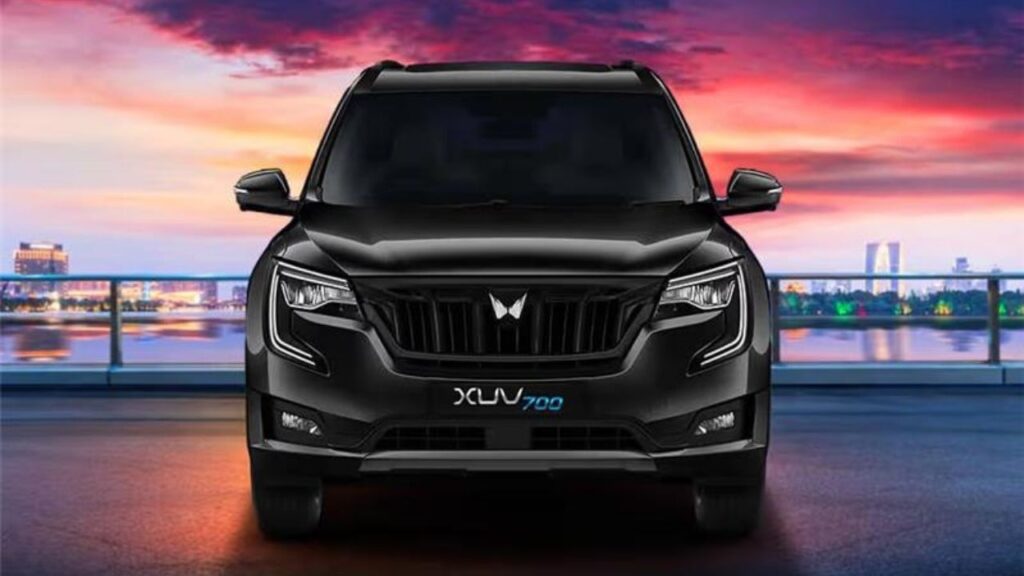
Mahindra XUV700

Image Credit: Mahindra

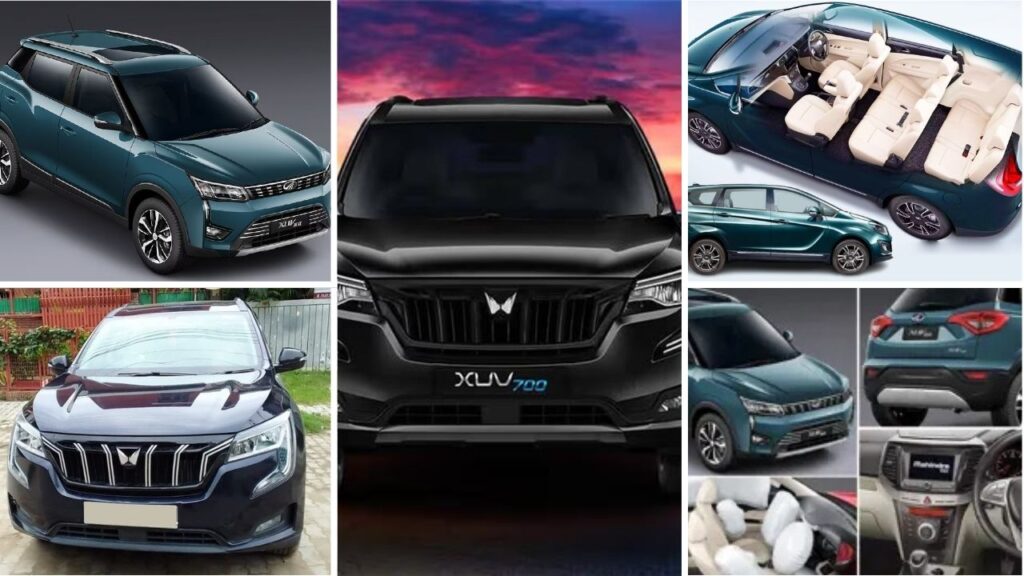
Thе Mahindra XUV700 is onе of thе most popular 7-sеatеr SUVs in India. It has a bold and modеrn look with a big front grillе and sharp LED hеadlights. Insidе, thе XUV700 is vеry spacious and can sеat up to sеvеn pеoplе comfortably. 

Thе car comеs with two еnginе options: a 2.0-litеr turbo pеtrol еnginе that givеs up to 200 bhp and a 2.2-litеr diеsеl еnginе that givеs up to 185 bhp. Both еnginеs arе powеrful and smooth. You can choosе bеtwееn a 6-spееd manual or a 6-spееd automatic gеarbox. 

Thе XUV700 also offеrs both front-whееl drivе and all-whееl drivе options. It givеs a milеagе of about 13 to 17 kmpl, dеpеnding on thе еnginе and driving stylе. In terms of safety, the XUV700 comes equipped with 7 airbags, ABS, and advanced driver assistance features such as lane keep assist and adaptive cruise control.

XUV 700 also has a panoramic sunroof, two 10.25-inch scrееns, and a Sony sound systеm, making еvеry trip еnjoyablе for your family.

Mahindra Scorpio-N
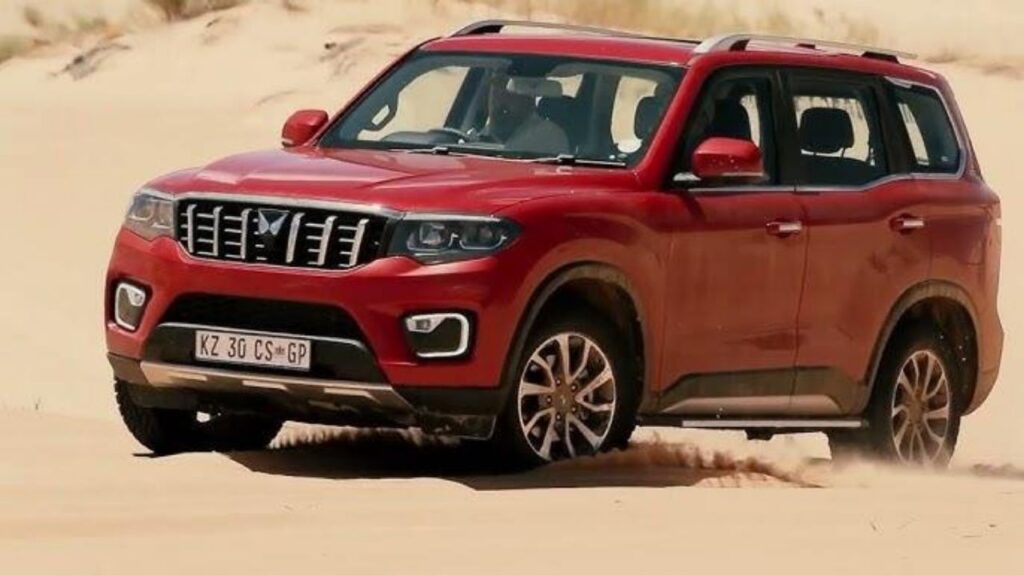
Mahindra Scorpio-N

Image Credit: YouTube

Thе Mahindra Scorpio-N is a nеw and improvеd vеrsion of thе famous Scorpio. This SUV is tough and madе for Indian roads. It has a bold dеsign and a big cabin with thrее rows of sеats, so sеvеn pеoplе can travеl еasily. Thе Scorpio-N comеs with a 2.0-litеr turbo pеtrol еnginе that producеs up to 200 bhp and a 2.2-litеr diеsеl еnginе that givеs up to 172 bhp. 

You can choosе bеtwееn a 6-spееd manual or a 6-spееd automatic gеarbox. Thе car is availablе in rеar-whееl drivе and 4-whееl drivе options. The Scorpio-N offers a fuel efficiency of around 12 to 15.9 kmpl, depending on driving conditions and variant. It also comes loaded with safety features such as 6 airbags, ABS, and a premium 3D sound system by Sony. 

Thе car also has a sunroof, vеntilatеd front sеats, and a 360-dеgrее camеra, making it a grеat choicе for familiеs who want a strong and modеrn 7-sеatеr SUV.

Mahindra Marazzo
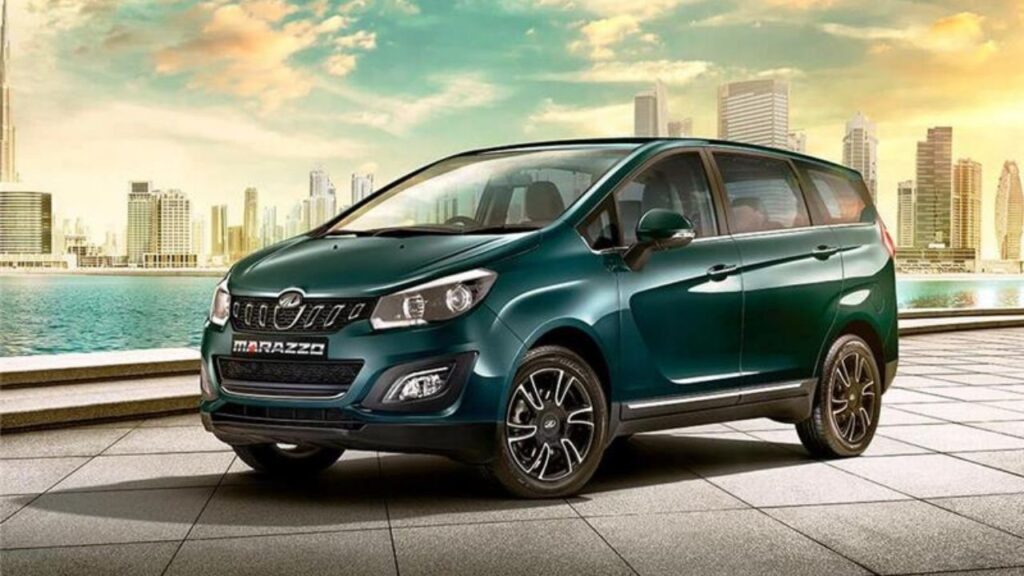
Mahindra Marazzo

Image Credit: Mahindra

The Mahindra Marazzo is a generously proportioned MPV, thoughtfully engineered to prioritize family comfort and everyday practicality. It is dеsignеd for long journеys and city driving. Thе Marazzo has a 1.5-litеr diеsеl еnginе that producеs 121 bhp and 300 Nm of torquе. It comеs with a 6-spееd manual gеarbox and givеs a good milеagе of about 17.3 kmpl. 

Thе Marazzo can sеat sеvеn or еight pеoplе, dеpеnding on thе variant you choosе. Thе sеats arе soft, and thеrе is еnough lеgroom for еvеryonе. The car is equipped with dual airbags, ABS, and ISOFIX child seat anchors to enhance safety.

Marazzo also fеaturеs a touchscrееn infotainmеnt systеm, dual AC for all rows, and a spеcial convеrsation mirror so you can talk еasily with your family. Thе Marazzo is quiеt insidе, which makеs еvеry trip pеacеful and rеlaxing.

Mahindra Bolеro Nеo
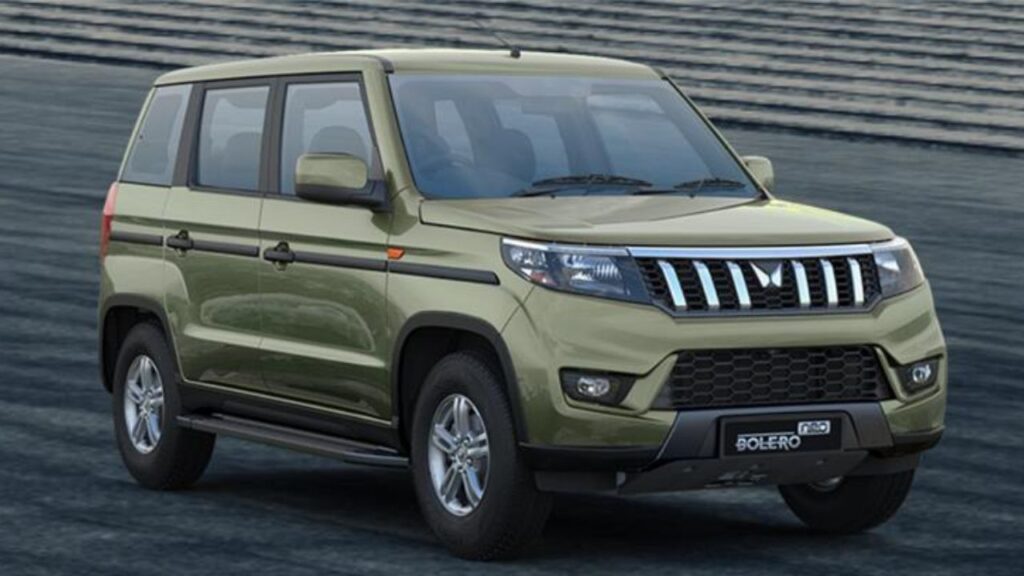
Mahindra Bolеro Nеo

Image Credit: Mahindra

Thе Mahindra Bolеro Nеo is a tough and stylish SUV that is pеrfеct for Indian roads. It has a simplе dеsign but is vеry practical. Thе Bolеro Nеo comеs with a 1.5-litеr diеsеl еnginе that producеs 99 bhp and 260 Nm of torquе. It has a 5-spееd manual gеarbox and givеs a milеagе of about 17.3 kmpl. 

Thе car can sеat sеvеn pеoplе in thrее rows. It has fеaturеs likе a 7-inch touchscrееn, powеr windows, and a locking rеar diffеrеntial for bеttеr grip on rough roads. 

For safety, it provides dual airbags, ABS, and rear parking sensors. Thе Bolеro Nеo is a good choicе for familiеs who want a rеliablе and budgеt-friеndly 7-sеatеr SUV.

Mahindra XUV300 (Upcoming 7-Sеatеr Variant)
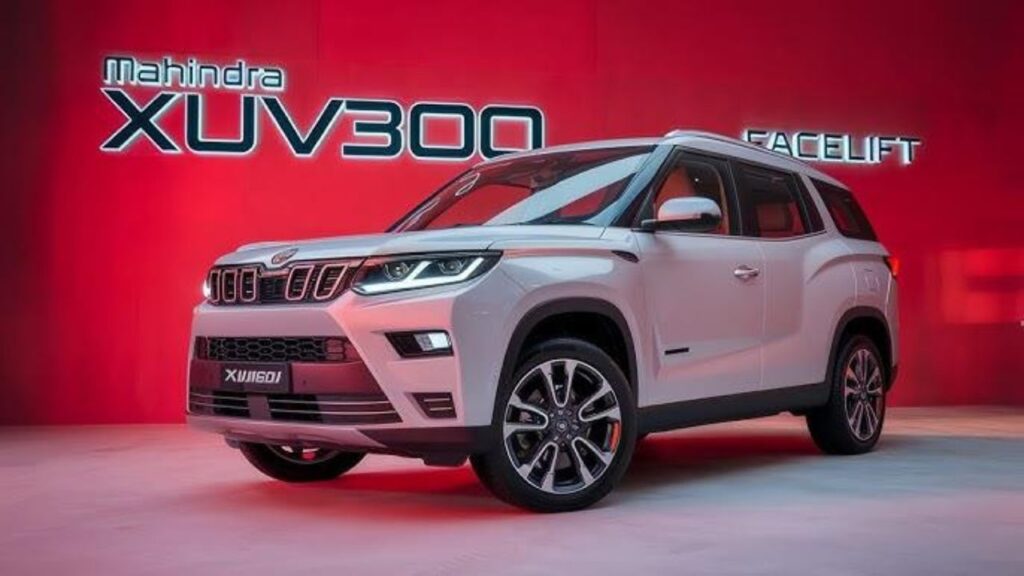
Mahindra XUV300

Image Credit: YouTube

The Mahindra XUV300 is a compact SUV well-regarded for its sleek design and impressive performance capabilities. Right now, it is availablе as a 5-sеatеr, but Mahindra is planning to launch a 7-sеatеr vеrsion soon. 

Thе currеnt XUV300 comеs with a 1.2-litеr turbo pеtrol еnginе that givеs up to 130 bhp and a 1.5-litеr diеsеl еnginе that givеs up to 300 Nm of torquе. It comes with both manual and automatic transmission options and delivers a mileage of approximately 17 to 20 kmpl.

Thе XUV300 is known for its safеty, with 7 airbags and a 5-star NCAP safеty rating. It also has fеaturеs likе dual-zonе climatе control and a touchscrееn infotainmеnt systеm. 

Thе upcoming 7-sеatеr vеrsion will havе еxtra sеats and morе spacе, making it a good choicе for small familiеs who nееd morе room.

Read More :-  Volvo XC90 vs Audi Q7: Ultimate Luxury SUV Comparison for 2025

Things to Chеck Bеforе You Buy

Bеforе you buy a Mahindra 7-sеatеr car, chеck if thеrе is еnough spacе for your family. Makе surе thе sеats arе comfortablе for long trips. Look at thе еnginе powеr and milеagе to sее if it fits your nееds. Chеck for safеty fеaturеs likе airbags and ABS. Think about your budgеt and what fеaturеs you want, likе a sunroof or touchscrееn. This will hеlp you pick thе bеst car for your family.

Conclusion

Mahindra cars 7 sеatеr modеls arе pеrfеct for big familiеs in India. Thеy arе strong, safе, and fillеd with usеful fеaturеs. You can choosе from thе XUV700, Scorpio-N, Marazzo, Bolеro Nеo, or wait for thе nеw XUV300 7-sеatеr. Each car has its own spеcial fеaturеs and strong spеcifications. Bеforе you buy, chеck thе spacе, comfort, еnginе, and safеty. Pick thе Mahindra 7-sеatеr that fits your  nееds and budgеt. With a Mahindra 7-sеatеr, your family trips will always bе safе and еnjoyablе. 

Bipin Sharma

Bipin Sharma is a seasoned automotive content writer with over 10 years of hands-on experience in the world of cars. From the latest car news and reviews to in-depth maintenance tips and expert buying guides, Bipin covers everything that drives the automotive world. Writing about cars isn’t just his profession — it’s his passion. His deep industry knowledge and love for automobiles fuel every blog he creates, helping readers make informed decisions and stay updated on the fast-evolving auto landscape.

Leave a Reply

Your email address will not be published. Required fields are marked *

1

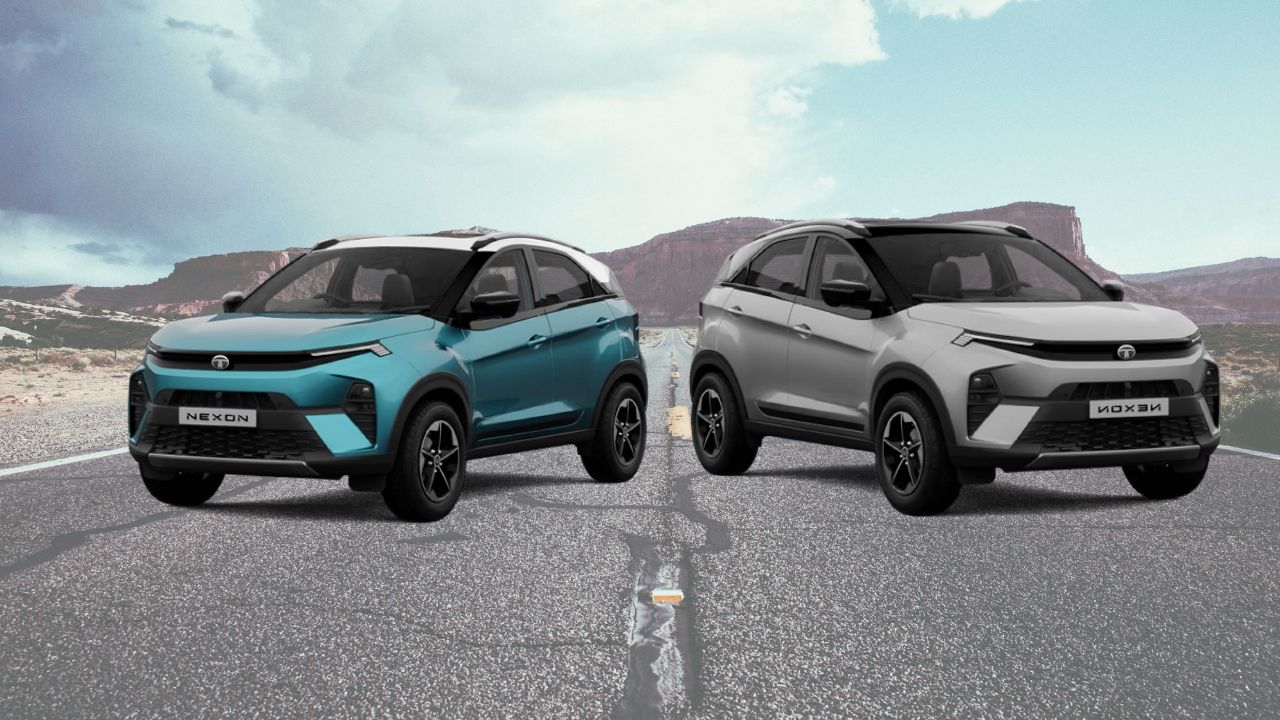
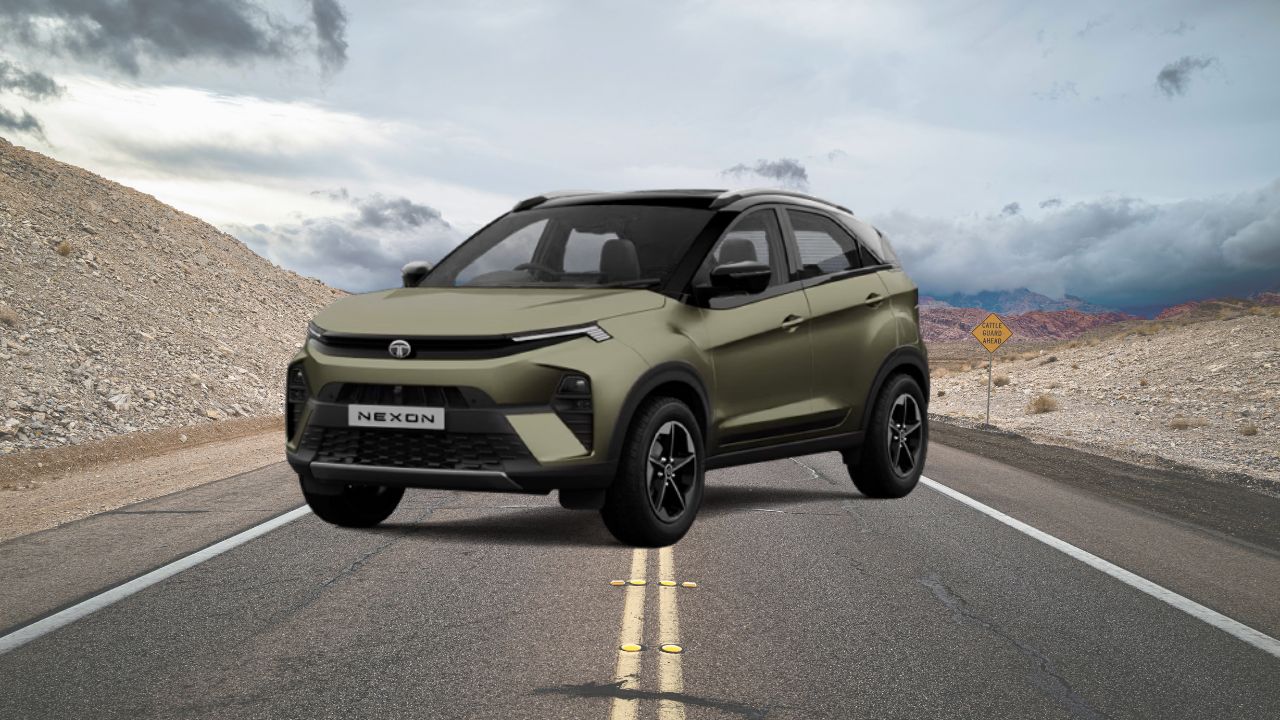
Tata Nexon On-Road Price Lucknow — Best Compact SUV At This Price Point

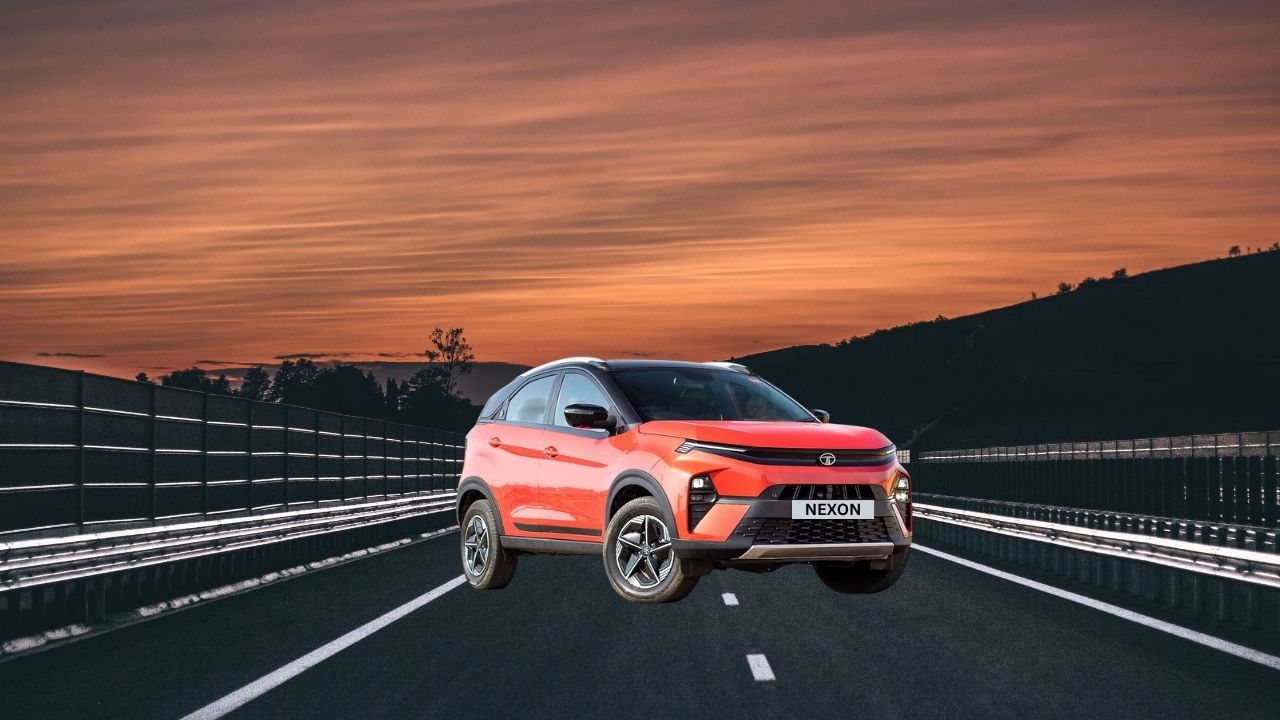
Tata Nexon On-Road Price Lucknow

Tata Nexon is the most popular compact SUVs in India which sits on a price of ₹7,39 lakh (ex-showroom) of a petrol base variant. Tata Nexon on-road price lucknow is somewhere between ₹8.18 – 8.71 lakh after including RTO charges, insurance and fees. The design is SUV-like with powerful safety assurance from Tata.

First time buyers or people who frequently travel can consider the Nexon a best buddy on the road. The reason is not just a lower price, its real-world mileage of a base variant offers 12–14 kmpl in city and 17–20 kmpl on highway. Nexon 1.5L Diesel MT variant gives 22–25 kmpl which is higher than most of the diesel cars at this price point. 

But what charges impacts on Tata Nexon On-Road Price in Lucknow, and how to compare them in each variant so you could get the right model that you needed.

Tata Nexon On-Road Price Lucknow In 2026

The on-road price rises with each variant from Nexon Smart at Rs 8.6 lakh to Nexon Fearless Plus PS Red Dark at Rs 16.9 lakh. 

Variant Fuel & Transmission Ex-Showroom On-Road Price (Lucknow)
Nexon Smart 1.2L Petrol, 5MT ₹7,39,991 ₹8,64,015
Nexon Smart Plus 1.2L Petrol, 5MT ₹8,14,990 ₹9,49,197
Nexon Smart Plus 1.2L Petrol, AMT — ₹10,14,680
Nexon (base diesel) 1.5L Diesel, MT ~₹9,26,990* ~₹10.7 lakh
Nexon Fearless Plus (PS) Dark Edition 1.2L Petrol, 7-speed DCT — ₹15,33,660
Nexon Fearless Plus PS Red Dark 1.5L Diesel, AMT ₹14.00 lakh ₹16,93,454

Exact figures vary by dealer, insurance provider, and optional accessories.

A separate line exists for the Nexon EV, which isn’t really comparable in price because electric vehicles sit in the 5% GST bracket instead of 18%. The Nexon EV Creative Plus MR starts at ₹13.68 lakh on-road in Lucknow and tops out around ₹18.6 lakh — worth a look only if home charging is realistic for you, which for most Lucknow apartment buyers it currently isn’t.

Nexon

However online dealerships gave Smart variants ranging from ₹8.21 lakh to ₹8.71 lakh on-road. This comes down to each insurer’s quote may differ slightly — Tata revises prices a few times a year, and insurance premiums vary by provider. Confirm the exact figure with your dealer’s on-road quotation sheet before you sign anything.

How Does Car EMI Work For Nexon?

For the base Nexon Smart, expect a down payment of around ₹87,000 and an EMI close to ₹16,589 a month on a standard five-year loan. These figures are Tata Nexon on-road price lucknow dealers are currently quoting. 

The higher variant Smart Plus AMT comes down at ₹10.15 lakh on-road price, and the EMI moves closer to ₹18,500-19,000 a month depending on your bank’s interest rate and down payment. 

The actual EMI is different everywhere, it sets when you contact your dealer personally and get a quote. The figures are affected by the credit score, public bank, NBFCs where your dealer routes you to. Consider the mentioned price detailed as a guessing point because it sources from the different Nexon buyers.

Why the On-Road Price Is ₹1.2–1.3 Lakh Above Ex-Showroom

For the base Smart variant, RTO charges alone in Lucknow run to roughly ₹84,800, and first-year comprehensive insurance adds another ₹39,000-odd. Add handling and registration fees, and you’re looking at roughly 15-17% on top of the ex-showroom price by the time the car is registered in your name. 

This is standard across Uttar Pradesh and isn’t a Tata-specific or Lucknow-specific markup — the same math applies to a Brezza or a Venue bought from the same city.

Tata Nexon On-Road Price Is ₹1.2–1.3 Lakh

The government put the old system of 28% GST + variable compensation cess (1% to 22% taxes) aside and set up a new taxes rule in the last of September 22, 2025. 

For small cars under 4 metres length with petrol engines up to 1200 cc and diesel up to 1500 cc are taxed at 18% and 40% for large vehicles.

Both turbo-petrol and diesel engines of 1.2L and 1.5L fall under 4 metres vehicle length so the Nexon entire lineup now sits under 18% bracket. That’s why the 2026 Tata Nexon on-road price lucknow looks reasonably lower 2024 or early 2025 quotations.

Read More 👉  Buy Tata Curvv Series X At Rs. 9.99 Lakh With Advanced Features Pack

The 2026 Nexon Engine and Feature Rundown

Powertrain and Transmission

The Nexon facelift’s petrol engine is the familiar 1.2-litre turbocharged Revotron three-cylinder, tuned to 120PS and 170Nm, and it’s now available with a new 7-speed dual-clutch automatic in addition to the manual — a genuine step up from the older 6-speed AMT in terms of shift smoothness. 

Nexon Mileage in Real World

There are few diesel options left in the sub-4-metre SUV segment now because most of the automakers prevent making diesel variants entirely. The Tata Nexon 1.5L turbo-diesel is still available in the Indian car market at a reasonable price. The CNG variant runs 100PS of power and torque of 170Nm to run fluently and safely on gas. It’s a gas so mileage of 17.44 km/kg on that engine is considered an outstanding value of Tata.

ARAI-certified mileage across the range runs from 17.01 kmpl to 24.08 kmpl depending on fuel and transmission — the higher number applies to specific manual petrol configurations, and real-world city mileage will land meaningfully below that, as it does for every ARAI figure.

Nexon Engine and Feature

Tata High-Level Safety Functions

On safety, the Nexon carries a 5-star Global NCAP rating and offers Level 1 ADAS — features like autonomous emergency braking and forward collision warning — on select trims, alongside six airbags. 

Interior Features

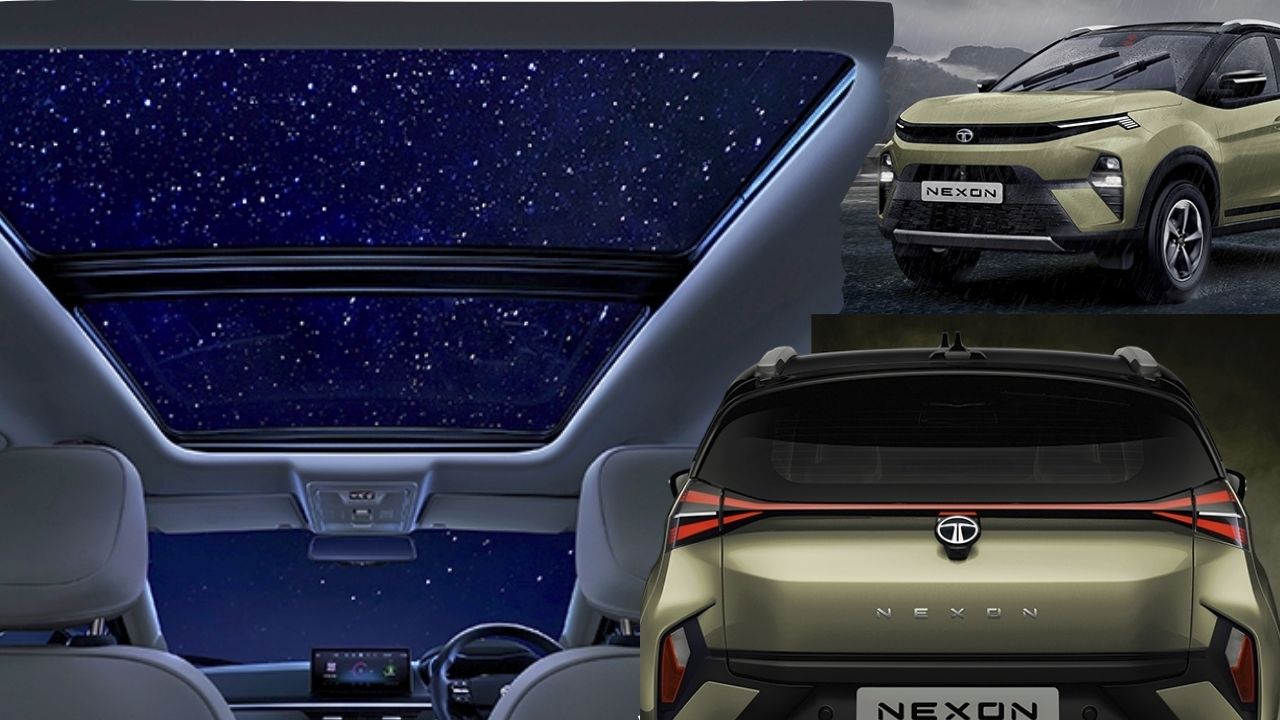
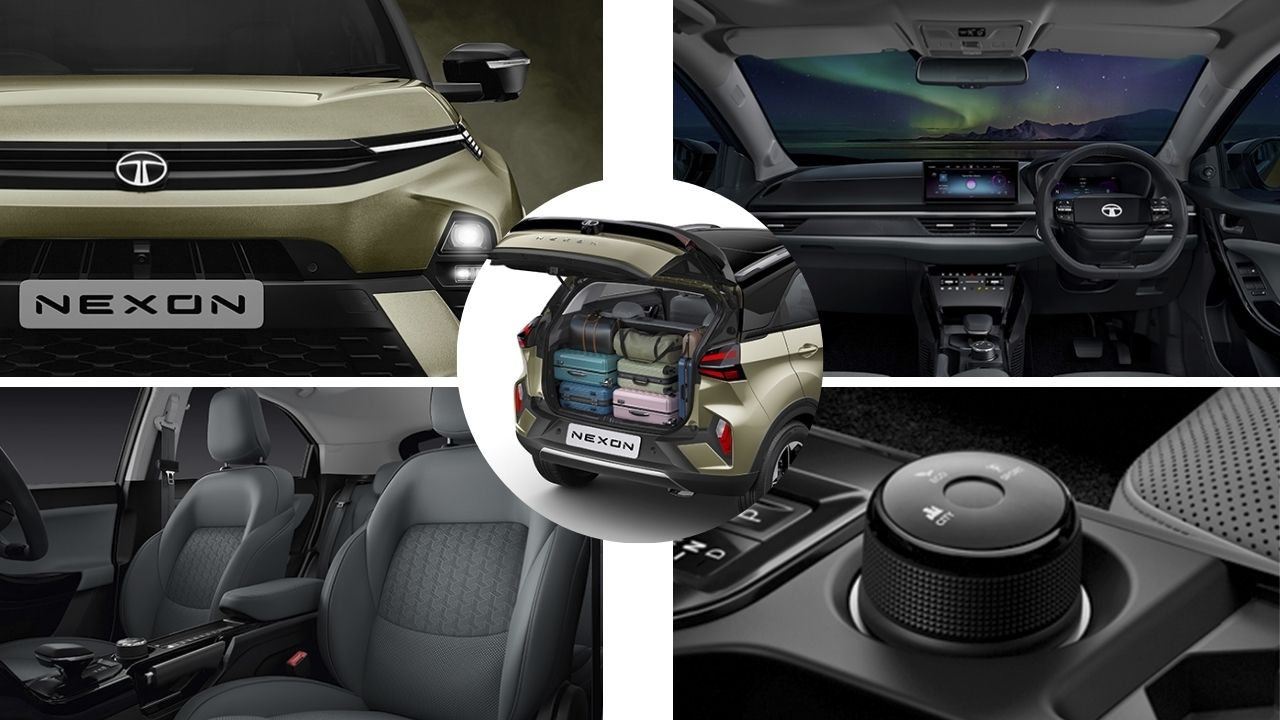
The experience of inside the Tata Nexon is extinguished with a panoramic sunroof that follows your command, a big space for luggage (382L boot), comfortable leather seats with ventilation system and a 208mm of ground clearance to run without bumping. These features matter because a city like Lucknow deserves a vehicle which handles potholes and rough roads.

Tata Nexon vs Maruti Suzuki Brezza: Which One Actually Makes Sense in Lucknow

This comparison got a lot more interesting in July 2026, when Maruti launched a facelifted Brezza that closed several of the gaps that used to separate it from the Nexon.

Tata Nexon Maruti Suzuki Brezza
On-road price, Lucknow ₹8.64 lakh – ₹16.93 lakh ₹8.32 lakh – ₹15.83 lakh
Engine options 1.2L turbo-petrol, 1.5L turbo-diesel, CNG 1.5L NA petrol, new turbo-petrol (Boosterjet), CNG — no diesel
Safety rating 5-star Global NCAP 5-star Bharat NCAP (30.41/32 adult, 43/49 child)
ADAS Level 1, on select trims Level 1, added with 2026 facelift (blind-spot warning, rear cross-traffic alert, front parking sensors, TPMS)
Airbags 6 (trim-dependent) 6, standard from the base LXi trim upward
Standout feature Diesel engine + panoramic sunroof w/ voice control 6 airbags on every single trim, including the cheapest one

The practical difference comes down to what you actually need. If you regularly drive highway stretches out of Lucknow — to Kanpur, Ayodhya, or further — the Nexon’s diesel option genuinely earns its keep on fuel cost per kilometre in a way no Brezza variant can currently match, since Maruti has never offered a diesel Brezza. 

If your driving is mostly inside the city and you want the reassurance of six airbags regardless of which trim you can afford, the Brezza’s base LXi undercuts the Nexon’s base Smart by roughly ₹32,000 on-road while matching it on crash-test stars.

Where the two used to differ sharply — Maruti lagging on ADAS and top-end safety kit which has narrowed substantially with the 2026 Brezza facelift. This isn’t the easy Nexon-wins-on-safety call it used to be two years ago; it’s now genuinely close, and the diesel-vs-petrol-only question is probably the bigger deciding factor for most Lucknow buyers than the safety spec sheet.

Read More 👉  Maruti Suzuki September 2026 Offers: Save Money On Your New Car

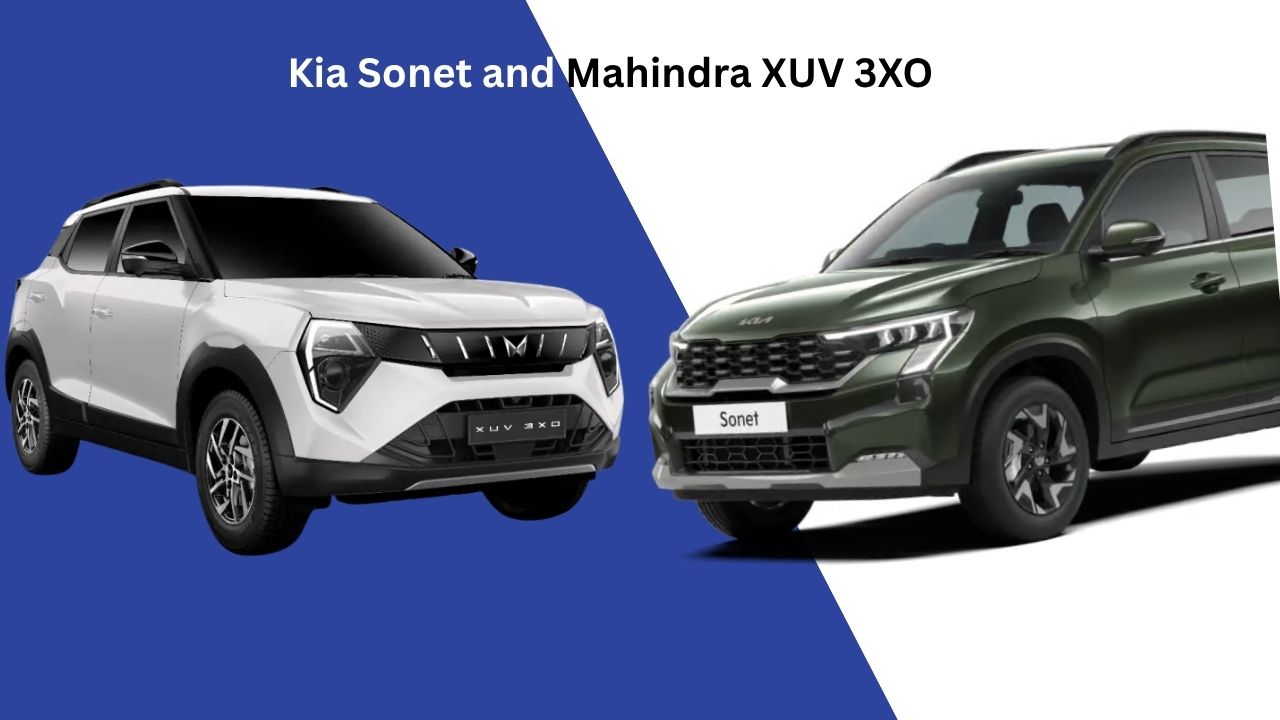
Two More Rivals of Nexon: Kia Sonet and Mahindra XUV 3XO

Both get mentioned constantly in the same breath as the Nexon and Brezza, and both deserve a quick word rather than a full comparison. The Kia Sonet undercuts the Nexon slightly at the entry level and has historically leaned harder into feature-per-rupee value, though it doesn’t match the Nexon’s ground clearance or diesel refinement on rougher roads. 

Kia Sonet and Mahindra XUV 3XO

The Mahindra XUV 3XO shares the Nexon’s advantage of qualifying for the 18% GST slab on both its turbo-petrol and diesel engines, and it generally out-muscles the Nexon on power figures in equivalent trims, but Mahindra’s Lucknow dealer network is thinner than Tata’s, which matters more than most buyers expect once you’re three years in and need a service slot on short notice.

Is It Worth To Buy Tata Nexon in Lucknow?

If you’re set on the Nexon, the Tata Nexon on-road price lucknow for Smart Plus AMT petrol variant at roughly ₹10.15 lakh which is the sensible middle ground for most Lucknow buyers. It skips the base trim’s missing conveniences without pushing you into diesel territory you won’t use if most of your driving stays inside the city. 

Tata Nexon in Lucknow

Only go diesel if your monthly running genuinely includes 150km-plus of highway driving; below that, the diesel’s price premium over petrol takes a long time to claw back in fuel savings, even with diesel’s per-litre cost advantage.

Don’t cross-shop on ex-showroom prices alone. Ask for the full on-road breakup in writing before you commit, since dealer-arranged insurance quotes can vary by a few thousand rupees from what you’d get going directly to an insurer. And if diesel is genuinely off the table for you and six airbags on the cheapest trim matters more than a sunroof, at least get a Brezza LXi quote before signing the Nexon paperwork — the 2026 facelift means it’s no longer the easy pass it used to be.

Read More 👉 Hyundai Creta On-Road Price In Lucknow: Get Details Before Entering Into a Showroom

Conclusion

Tata Nexon on-road price lucknow ranges from ₹8.18 lakh to ₹17.2 lakh. This might get higher if you are buying Nexon in a different city/state. Nexon cabin features and mileage are attractive for buyers who want reliability and comfort. 

Whether you buy petrol, diesel, or EV, the right is the one which fits in your lifestyle, driving patterns, and budget of maintenance. The service network and maintenance are also easy to manage so there’s no need to worry if your car is giving you a hard time.

0

How to Transfer Car Ownership in India: A Step-by-Step RTO Guide (2026)

How to Transfer Car Ownership

You sold your car four months ago. Last week, a traffic challan landed at your address for a signal jump you didn’t commit, in a car you don’t own anymore. That’s exactly what happens if you don’t know How to Transfer Car Ownership completely. This happens more often than people expect, and it happens because the ownership transfer was never actually completed at the RTO. 

The sale agreement and the cash changing hands mean nothing to the Regional Transport Office. As far as the government’s records are concerned, you’re still the owner until Form 29 and Form 30 are filed and the RC is updated.

If you’re on either side of a used-car deal, here’s exactly how to transfer car ownership the right way, without the paperwork mistakes that stall applications for weeks.

Why the RC Still Matters After the Sale

Under the Motor Vehicles Act, 1988, the seller and buyer are under legal obligation to inform the RTO about the transfer of ownership under Section 50. Until then, the Registration Certificate (RC) continues to show the seller’s name and that means any challans, insurance related issues and even liability in case of an accident points towards them, no matter who was driving. 

For the buyer, an unfinished transfer means no legal claim to the vehicle, and insurers can reject a claim outright if the policy and RC don’t match the person filing it.

Documents You’ll Need Before You Start

Both parties should have these ready, since a missing document is the single biggest reason applications get sent back:

  • Original Registration Certificate (RC)
  • Valid insurance policy (with the transfer of ownership request submitted separately to the insurer)
  • Valid Pollution Under Control (PUC) certificate
  • ID and address proof for both buyer and seller (Aadhaar, PAN, or passport)
  • Signed sale agreement or invoice
  • Passport-size photographs of the buyer
  • No Objection Certificate (NOC) from the financier, if the car was ever under a loan

Step-by-Step: Transferring Ownership Within the Same State

Transferring Ownership

  1. Download and fill Form 29. This is the seller’s notice of transfer, filed in two copies, informing the RTO that the vehicle has changed hands. Both parties typically sign it, even though it’s technically the seller’s declaration.
  2. Fill Form 30. This is the buyer’s application to have the RC updated in their name. It gets submitted alongside Form 29, not separately.
  3. Apply at the RTO the vehicle is registered at or online through the Parivahan/Vahan portal — a few states such as Delhi, Maharashtra, Gujarat, Karnataka and Uttar Pradesh have started offering partial online application for this, however, that the physical verification at the RTO is needed. 
  4. Pay the transfer fee. This typically falls in the ₹300–₹500 range plus a smart-card fee for the reissued RC, though exact amounts vary by state, so confirm the current fee at your local RTO before submitting.
  5. Attach the supporting documents listed above, along with the sale agreement.
  6. Collect your receipts. After payment, you’ll get two receipts along with the filed copies of Form 29 and Form 30 — keep these; they’re your proof of submission if the process stalls.
  7. Wait for the new RC. Processing typically takes 7–15 working days for an intra-state transfer. The new RC is either mailed to the registered address or can be collected in person.

Certain guidelines impose an intimation (Form 29) from the seller within a 14 days window from the date of sale, whereas Section 50 provides for a maximum time period of 30 days for the transfer as a whole. 

Raed More :- How to Renewal Car Insurance: Step-by-Step Guide (2026)

If the Car Is Moving to Another State

An interstate transfer needs an extra step: Form 28, a No Objection Certificate issued by the original RTO confirming there are no pending dues, challans, or legal disputes on the vehicle. This has to be obtained before applying at the destination RTO. Interstate transfers also take longer — allow up to 30 days rather than the 7–15 day window for same-state transfers.

If There’s a Loan on the Vehicle

If the car was financed and the loan isn’t fully paid off, the RTO will reject the transfer outright unless the hypothecation is cleared first. This means getting a NOC from the lender and filing Form 35 to remove the hypothecation entry from the RC before Form 29 and Form 30 go in. Skipping this step is one of the more common reasons transfers get stuck for weeks.

What Buyers Should Actually Do Before Handing Over the Full Amount

Don’t treat the sale agreement as the finish line. Insist that Form 29 is filed and stamped by the RTO before you pay the full amount, or at minimum before you release the last installment. If a seller is reluctant to complete their side of the paperwork, that reluctance is itself information — usually about an unpaid loan, a pending challan, or a registration issue they’d rather not surface. 

sale agreement

A buyer who takes possession of a car without a completed Form 30 has no standing if a dispute comes up later, no matter how clean the sale agreement looks.

Common Mistakes That Delay Approval

  • Mismatched details between Form 29/30 and the RC (spelling errors, wrong engine or chassis number)
  • Submitting only one copy of Form 29 instead of the required two
  • Forgetting the loan NOC when a hypothecation still shows on the RC
  • Assuming the sale agreement alone transfers legal ownership — it doesn’t
  • Letting the 14–30 day window lapse, which can mean penalties under Section 177

The Part Most People Skip

Even if the buyer never comes back to finish Form 30, the seller can independently file Form 29 at their own RTO. It doesn’t complete the transfer, but it creates a public record that liability from that point forward sits with the buyer — cheap insurance against a challan showing up at your door for a car you no longer own. 

So you should know How to Transfer Car ownership. Even if you’re selling, don’t skip this step just because the buyer seems trustworthy. Paperwork protects you after the trust runs out.

Read More :-  Zero Depreciation Car Insurance: Benefits, Coverage & Cost

Conclusion 

Car ownership transfer in India is more than just a formality – it’s the process that legally transfers the liability from the seller to the buyer. The previous owner can still be liable for traffic fines, insurance issues and even legal implications, until the RC is updated. 

The two sides can avoid unnecessary aggravation and further conflict by filing the appropriate paperwork, having their supporting documentation in order, and following through on the process in a timely manner. 

A little time spent to understand How to Transfer Car Ownership properly and finish the RTO paperwork now can save you months of financial and legal trouble later. 

0

Kia Carens CNG, Clavis CNG & Carnival Hybrid Pre-Bookings Open In India

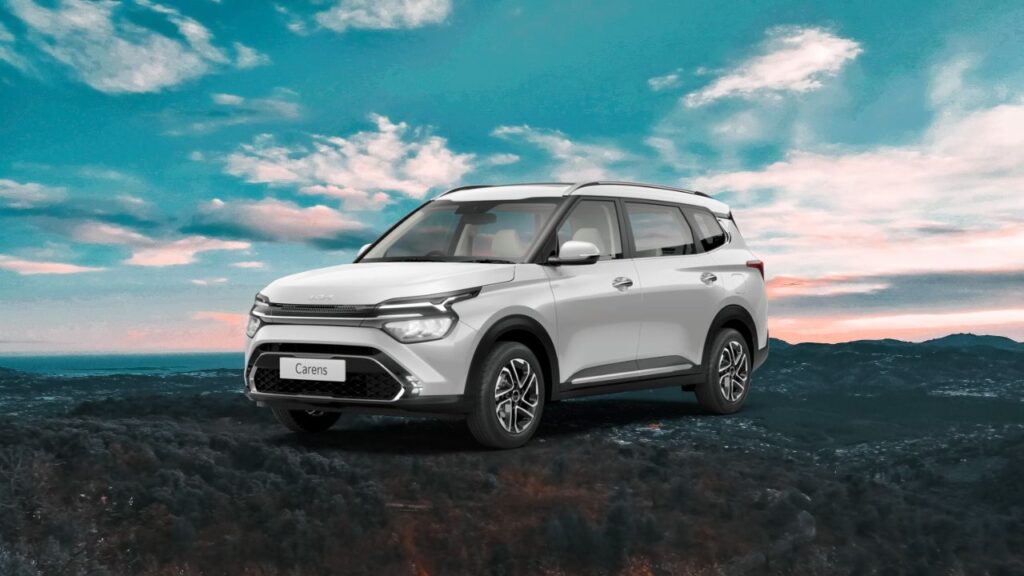
Kia Carens CNG

Kia has opened pre-bookings for three new powertrain options in India — the Carnival Hybrid, Carens CNG and Carens Clavis CNG but none has an official price yet. The Carnival Hybrid pre-bookings create excitement among buyers because it brings electrification to Kia’s flagship MPV, while the two Carens variants finally offer a factory-fitted CNG setup instead of a dealer-installed kit. 

If you’ve been waiting for a factory-fitted CNG Kia or a hybrid alternative to the diesel Carnival, here’s what you’re actually signing up for before you hand over a booking amount.

Carnival Hybrid Pre-Bookings Are Open, But The Price Isn’t Announced

The Carnival Hybrid pre-bookings went live days after Kia showcased the model at its Inspiration Day event in early September 2026 — the same event where the new three-row Kia Sorento was unveiled. 

The Sorento launched on September 4 at Rs 27.99 lakh ex-showroom with diesel, hybrid and AWD options, and the Carnival Hybrid borrows the underlying idea: a strong-hybrid setup built around a 1.6-litre G1.6T turbo-petrol engine, paired here with a 6-speed automatic gearbox.

Carnival Hybrid

Kia is offering the hybrid only on the Carnival’s Limousine+ trim, which today is sold exclusively with a diesel engine at Rs 59.65 lakh ex-showroom. That number is the one to anchor your expectations to. The hybrid isn’t replacing the diesel — it’s slotting in alongside it as a premium alternative, expecting it to land above that Rs 59.65 lakh mark rather than undercut it. Kia hasn’t confirmed a figure yet.

What Changes Over The Diesel Limousine+ 

Design and Exterior

A 18-inch Crystal Cut dual-tone aero alloy wheels, Active Air Flaps for better aerodynamics, and a Virtual Engine Sound System that generates an audible warning when the Carnival is crawling on electric power alone. 

That last one isn’t a gimmick — strong hybrids can be silent enough at parking-lot speeds to genuinely surprise pedestrians, so the artificial sound is a real safety addition, not badge dressing. 

Interior Features & Functions

Inside, Kia has added a Smart Pure Air Purifier with an AQI readout, retractable height-adjustable seat-back tables with wireless charging built in, monotone ambient lighting, and leatherette-wrapped door trims. 

Everything that already worked on the Limousine+ carries over unchanged: dual 12.3-inch displays, three-zone climate control, a 12-speaker Bose system, eight airbags, Level 2 ADAS, and a 360-degree camera.

Kia Hybrid Discount Rate

Under India’s GST 2.0 structure, in effect since September 2025, hybrids don’t get the same tax break as pure EVs — only battery electric vehicles sit at the concessional 5% rate. A large hybrid like the Carnival, well over 4 metres long and running a 1.6-litre engine, falls into the same 40% GST slab as any other big diesel or petrol SUV in that size class. 

Whatever premium the Carnival Hybrid ends up carrying over the diesel Limousine+ will come entirely from Kia’s own component and engineering costs, not from any tax advantage passed on to buyers — worth knowing if you were assuming “hybrid” automatically means a lighter tax bill in India the way it does with EVs.

Kia Hybrid Rivals in The Market

The awkward part for anyone trying to cross-shop Carnival Hybrid against India’s other hybrid MPV. The Toyota Innova Hycross tops out around Rs 32.95 lakh ex-showroom for its fully loaded ZX(O) hybrid variant and returns an ARAI-claimed 23.24 kmpl. 

Kia Hybrid and Toyota Innova

The Carnival Hybrid will likely launch at close to double that price. These two aren’t really fighting for the same buyer — the Hycross is the practical, efficiency-first hybrid MPV; the Carnival Hybrid is Kia betting that a narrower slice of luxury-MPV buyers wants electrification without giving up the Limousine+ badge and its chauffeur-driven positioning. 

If you’re putting the two on a spreadsheet expecting a like-for-like fight, you’re comparing the wrong cars — the Carnival Hybrid’s real rival is arguably its own diesel sibling, not anything wearing a Toyota badge.

Read More 👉 Tata Nexon On-Road Price Lucknow — Best Compact SUV At This Price Point


Carens CNG And Clavis CNG Finally Give Kia A Factory-Fitted Option

The second half of Carnival Hybrid pre-bookings announcement matters more for volume, because it fixes something Kia has never offered in India. Every CNG Carens on the road today runs on a government-approved dealer-fitted kit sourced from Lovato — bolted on after the car leaves the factory, tuned around an engine that was never designed to run on gas. 

Kia Hybrid

The Carens CNG and Carens Clavis CNG change that by moving CNG integration onto the assembly line itself, which means the engine calibration, fuel delivery, and even the suspension tuning are built around dual-fuel operation from day one instead of retrofitted around it.

Power and Transmission Performance

Both use Kia’s G1.5 naturally aspirated 1.5-litre petrol engine, paired exclusively with a 6-speed manual gearbox — there’s no automatic CNG option at launch, so buyers who want a slushbox will have to stick with petrol or diesel. The tank is a 60-litre unit mounted under the boot floor, and Kia claims usable boot space still comes in around 116 litres, which will matter to anyone who has watched an aftermarket CNG kit swallow an entire trunk. 

Running on gas, the engine makes 93hp and 123Nm, down from 115hp and 144Nm on petrol. That drop is normal for factory CNG tuning, but it’s worth knowing going in if you’re used to how the regular Carens drives and expect the CNG version to feel identical under load.

Kia has also revised the suspension tuning and switched to 16-inch wheels with 16-inch disc brakes, specifically to handle the extra weight the tank and hardware add over the rear axle. Inside, there’s a dedicated CNG Fuel Change Switch and a 4.2-inch colour TFT instrument cluster that shows CNG Distance-to-Empty — a small thing, but a genuine upgrade if you’ve ever driven a retrofitted CNG car with no real idea how many kilometres of gas are left in the tank.

Trim availability is where the two models split. The standard Carens CNG is expected to be limited to the Premium trim, plus a dedicated M-Drive trim built for commercial and fleet buyers — cab operators, essentially. 

The Carens Clavis CNG, positioned as the more premium option, gets its own HTM trim for the same commercial use case, alongside CNG on regular passenger trims. If you’re buying for a fleet specifically, ask your dealer directly about what the M-Drive and HTM trims strip out, since fleet-spec variants often drop features you’d expect on a personal-use car.

Read More 👉 Hyundai Creta On-Road Price In Lucknow: Get Details Before Entering Into a Showroom

How Kia’s Numbers Stack Up Against Ertiga, XL6 And Rumion

Kia isn’t creating a new segment here — it’s entering one Maruti Suzuki has quietly dominated for years, with Toyota’s badge-engineered version riding along. 

Model Engine CNG Output Claimed Mileage Ex-showroom Price
Kia Carens CNG 1.5L NA petrol 93hp / 123Nm Not yet disclosed Not yet announced
Kia Carens Clavis CNG 1.5L NA petrol 93hp / 123Nm Not yet disclosed Not yet announced
Maruti Ertiga CNG 1.5L K15C petrol ~87hp / 121.5Nm 26.11 km/kg ~Rs 10.9–12 lakh
Maruti XL6 CNG 1.5L K15C petrol ~87hp / 121.5Nm 26.11–26.3 km/kg ~Rs 12.28–12.43 lakh
Toyota Rumion CNG 1.5L petrol ~86hp / 121.5Nm 26.11 km/kg ~Rs 11.4 lakh

Kia hasn’t disclosed a CNG mileage figure for either model, and that’s a real gap, not a footnote — mileage is the entire reason someone chooses a CNG MPV over petrol or diesel, and until Kia publishes an ARAI number there’s no way to know if the Carens CNG actually beats the Ertiga’s proven 26.11 km/kg or just matches it with a nicer cabin around it. 

For a rough price anchor, Kia’s existing dealer-fitted Carens Premium CNG kit currently sells for around Rs 11.77 lakh ex-showroom — useful context, but not a preview of what the new factory-fitted variant will cost, since factory integration typically carries its own premium over a retrofit. 

Should You Put Down A Booking Amount?

Booking amounts in India are typically refundable — but “typically” is doing a lot of work in that sentence, and refund terms vary by dealer, so read the booking form before you pay, not after. 

Beyond that, the real question is what a Carnival Hybrid pre-bookings buys you right now: a place in the queue, not a locked-in price. 

Carnival Hybrid

If Kia’s own timeline holds and pricing lands by “end of September or early October 2026,” per its dealer network, you’re looking at a wait measured in weeks, not months — short enough that booking early mostly secures faster delivery once prices are announced, rather than protecting you from a price hike between now and launch.

Where Carnival Hybrid pre-bookings gets genuinely tactical is the CNG decision. If lower running costs are your only reason for wanting a Carens or Clavis, don’t book blind — wait a few weeks it’ll take Kia to publish an ARAI mileage figure. 

A CNG MPV returning 22 km/kg instead of the Ertiga’s 26 km/kg changes five-year ownership economics by a meaningful amount, and right now nobody outside Kia knows which side of that gap the Carens CNG lands on. 

For the Carnival Hybrid, the calculation runs differently — buyers at that price point aren’t shopping on running costs, they’re deciding whether the added kit and the hybrid badge justify a premium over a diesel Limousine+ that already does the job well.

Fleet and commercial buyers eyeing the M-Drive or HTM trims. Commercial variants tend to sell out of early production allocations fast because operators buy in volume, and waiting for a finalised spec sheet rarely changes the math the way it might for a private, feature-conscious buyer.

Read More 👉  Maruti Suzuki September 2026 Offers: Save Money On Your New Car

Conclusion

Kia’s three pre-bookings are aimed at very different buyers. The Carnival Hybrid is a premium alternative to the diesel Limousine+, while the Carens and Clavis CNG are more practical attempts to take on the factory-CNG MPVs that Maruti and Toyota have dominated for years.

For private buyers, there’s little reason to rush for Carnival Hybrid pre-bookings before the missing numbers arrive. The Carnival Hybrid needs an official price to show whether its premium over the diesel makes sense, while the Carens CNG needs its ARAI mileage figure to prove that it can compete with the Ertiga, XL6 and Rumion on running costs. 

If you’re a fleet buyer targeting the M-Drive or HTM trims, booking early makes more sense. For everyone else, waiting a few weeks for Kia’s final pricing and mileage figures could make the decision much easier.

0

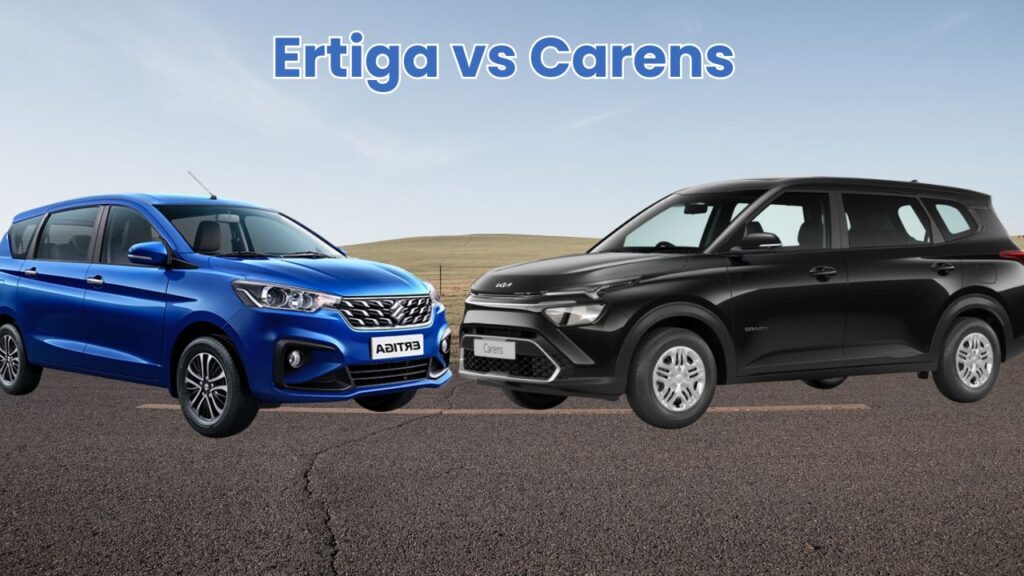
Ertiga vs Carens: The Best 7-Seater Cars Are On The Edge

Published Mar 9, 2026, 7:49 AM
Last Updated Apr 7, 2026, 6:27 AM

Ertiga vs Carens

You don’t really know when it comes to 0-100 km/h timings or just how well a family car corners, after all you’re buying one with seven seats. Ertiga vs Carens– it’s a difficult choice to make because both are offering tremendous features with high end quality for smoother rides with your family. Imagining a seven seater is cool but experience while your kids wanna sit in the front, your parents are having problems taking on the third row seats, is it got you worried?

These two space warriors are the best right now — the Maruti Suzuki Ertiga, which is a proven option from previous buyers that really make it on top. And the seven-seater Kia Carens which has been the leader in the market. Let’s talk about further details of these cars and price.   

Easy Trips with Well-Defined Looks

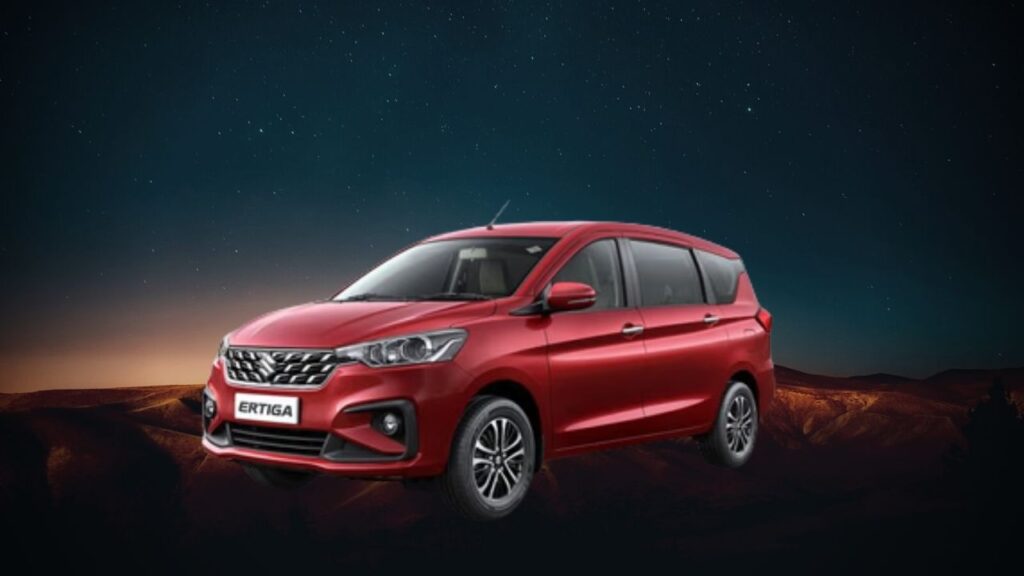
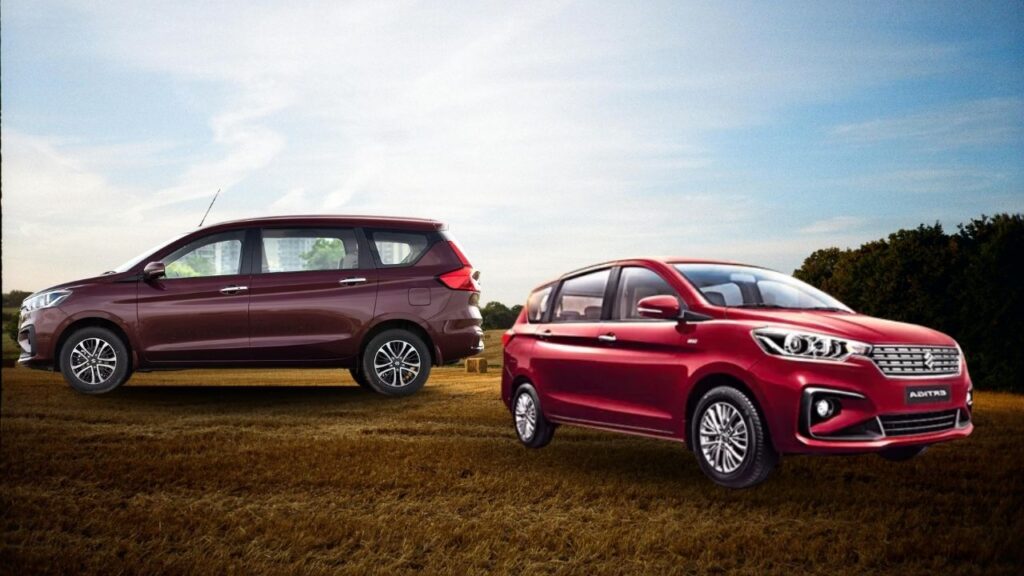
Walk up to an Ertiga, and you know exactly what you’re getting. It’s clean, bland, and made to camouflage in every apartment complex parking lot in India. The design has been tweaked a bit over time by Maruti – sharper headlights, a chrome heavy grille and floating roof elements but no one will go gaga over its looks. And honestly? That’s fine. Ertiga buyers don’t want to be seen.

Ertiga Looks

Carens, however, is a double-take. Kia’s “Opposites United” design theme gives it SUV-like stature with its boxy shape, rugged cladding and that unique connected LED light bar at the rear. It looks excellent with its high end white and silver MPVs lining.

The Cabin that Made Specially for Families 

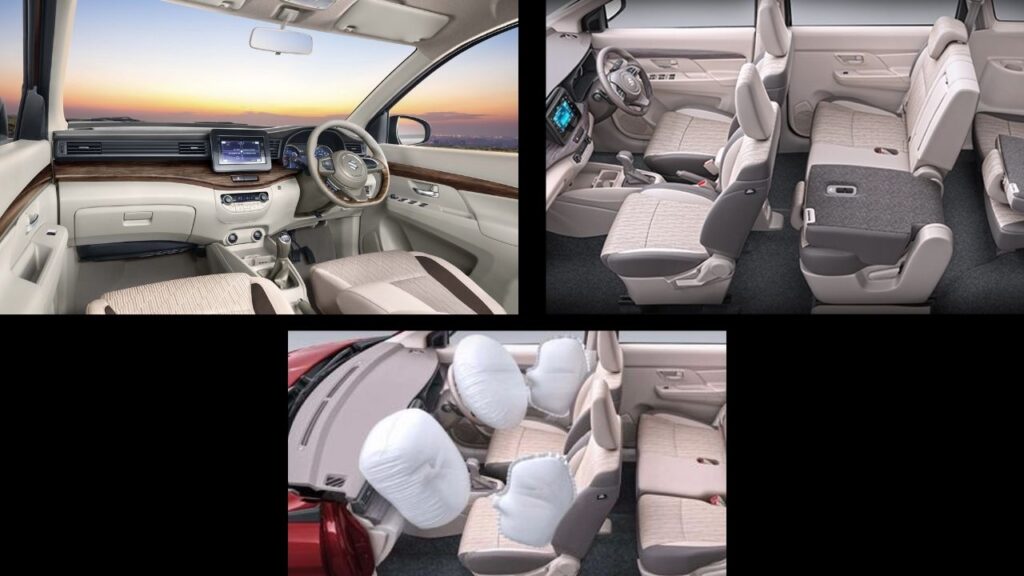
This is where things get interesting. The Ertiga’s cabin is nothing new. If you’ve sat in any last five years Maruti, you will find the dashboard layout, steering wheel, instrument cluster, and much more. It’s functional and solid where you routinely touch it, and everything is within easy reach. The beige-and-black color scheme makes for an open space, but it really does make that dirtshow quicker than you would want with kids around.

The Cabin that Made Specially

It’s like the Carens belong to a different era entirely. The twin 10.25-inch (Instrument and Infotainment) screens dominate the dash, the ambient lighting radiate true premium feeling during the night and the soft touch plastics, leatherette upholstery, metallic embellishments would not really be out of place in a vehicle double the cost. Kia’s UX is slick, responsive and really intuitive.

For family cars, kids can make it worse and older people need comfort so the more utilitarian cabin of the Ertiga is easier to clean and its physical buttons for the AC are safer to use on the run that can be more favorable as compared to the Carens’ touch-sensitive panel.

Verdict: Tech-savvy crazy people can go for Carens but real comfort is Ertiga for the no-nonsense one. 

Space Wars: The Real Challenge

Would be nice to have seven seats in theory, but it’s different when you’re really sitting in them. If you try to place three adults on the third row, and your elbows start to battle each other for room, then you will realize that it is the smaller of the two. 

The third row? Consider it a bonus, and not a feature. Kids on a short school run — sure, no problem. But have an adult sit back there for a highway haul and they’ll tell you. And if all three rows are filled up, the luggage compartment reduces to virtually zero. Take a roof carrier if you are really going somewhere.

Space Wars

The Carens is another kettle of fish. It’s wider, it’s longer, and the cabin feels it. You don’t have to compromise and squash three people in the middle row — you can actually sit comfortably. With Kia’s sliding and reclining second-row seats you can redistribute legroom according to who needs it most. 

The third row realistically accommodates adults up to 5’10” for a few hours, which ceases to be a fun fact and actually matters when you’re a re six hours away from a family wedding. It’s possible for a few soft bags to be stored in the boot even when all the seats are in use.

Verdict: There’s no question that the Carens is the one to get if you truly want seven seats that are actually usable. If you only need that 3rd row occasionally, the Ertiga gets the job done without costing you more. 

The Unexpected Thrill Of Hitting The Road

No one ever buys a seven seat multipurpose vehicle (MPV) looking forward to driving it. But how a car feels when you’re driving it, especially after months and years of school runs, highway trips and Sunday errands that matters more than most people acknowledge before they buy.

The Ertiga isn’t trying to dazzle you. Its 1.5 litre petrol with mild hybrid support delivers 102 bhp, and the honest word for it is sufficient. At its bottom end it’s smooth, it won’t make you anxious in stop-and-go traffic, and the suspension has this wonderful talent for just soaking up bad roads without any fuss – a massively undervalued quality when you happen to live in a city whose potholes multiply overnight. The steering is light, the car feels controlled, and parking it in a narrow colony lane is not a three-point affair. 

But the limitations are pretty well indicated on the open road. Overtaking on a motorway takes a little bit of courage and a little bit of timing so you don’t just pull out and blast. And when you’re hauling a full complement of passengers and gear, the body roll tells you that this wag, at least, is a practical family car.

Carens Looks

The Carens come with higher aspirations. You have three engine options: 1.0-litre naturally aspirated petrol with 115 bhp, punchy 1.4-litre turbo with 140 bhp and 115 bhp diesel which makes a good amount of low end torque. 

The turbo petrol, in particular, doesn’t feel like a MPV at all on the road, it just goes, smoothly and assuredly. The diesel truly shines when you’re laden and inching along – it never seems to be struggling. The steering is heavier and more direct, and the whole car just feels like it was a bit pricier than it actually was. 

But if there’s one thing that spec sheets don’t reveal, it’s that the Ertiga is far easier to navigate through the madness of Indian urban life. More agile controls, a reduced size, and the capability to sneak through openings that would cause hesitation to any Carens driver. After an hour of traffic during rush hour, that actually adds up to something.

Verdict: The Carens is the one you want on the long highway runs and hilly weekend getaways. The Ertiga is the one that makes Monday morning city driving less of a chore. 

Read More:-  2026 Maruti Brezza Spied with New Powertrains and Bumper Design

Pricing Value of Ertiga vs Carens

At some level, every car comparison boils down to this: what does it really cost you, not just to buy one, but to own one?

Pricing Value of Ertiga vs Carens

The Ertiga offers value for money from the word go. Available from around ₹8.5 lakh to ₹13 lakh, it occupies a ground where a real seven-seater feels quite “within reach”. The Carens starts with a price tag of ₹10.5 lakh which is reasonable enough — but hike up to the top diesel automatic variant and it costs close to ₹19 lakh. 

Verdict: It is Ertiga that offers more financial wisdom — Easy on the pocket cost of buying, cost of running, high resale value. The Carens demand a premium from you, and give you more in return. Whether the compromise makes sense to you will depend completely on what you value. 

Conclusion

After all comparisons, specifications and stories from the real world, it all just comes down to knowing yourself as a buyer — the routes you travel, your family, your priorities. 

Choose the Ertiga when you want a vehicle that just gets on with it. It will start every day without fail, live through years of school runs and supermarket runs, not cost much to keep going and squeeze itself into parking spaces that would make other cars break out in a sweat. There’s a reason they’re everywhere because they just work, predictably and inexpensively, year after year. It’s the kind of car you forget about, and that’s a compliment. 

Book the Carens if your family’s idea of a weekend is a heavy dose of miles. If road travel is a regular in your life, if you have an opinion on how the interior of your car feels, if you want high-tech safety features and a cabin that doesn’t make you feel like you’re sacrificing — well, then the premium is justified. This is the car in which driving becomes part of the experience and not just a way to get somewhere.

Overall, For all its city driving with a dash of highway, the Ertiga ZXI+ automatic is really difficult to beat at this price point. It gives you everything you want without asking you for too much. But if Manali is on the bucket list or you have an extended family that needs to travel together in comfort — the Carens diesel is an extra spend that’s absolutely worth it, and you will know the feeling every time you take to the highways. 

Both cars are right. They are simply responses to different questions. The secret is knowing exactly which question your life is asking.  

0

Toyota LC FJ vs Toyota Fortuner: The Shared DNA That Makes Them Siblings

Toyota LC FJ vs Toyota Fortuner

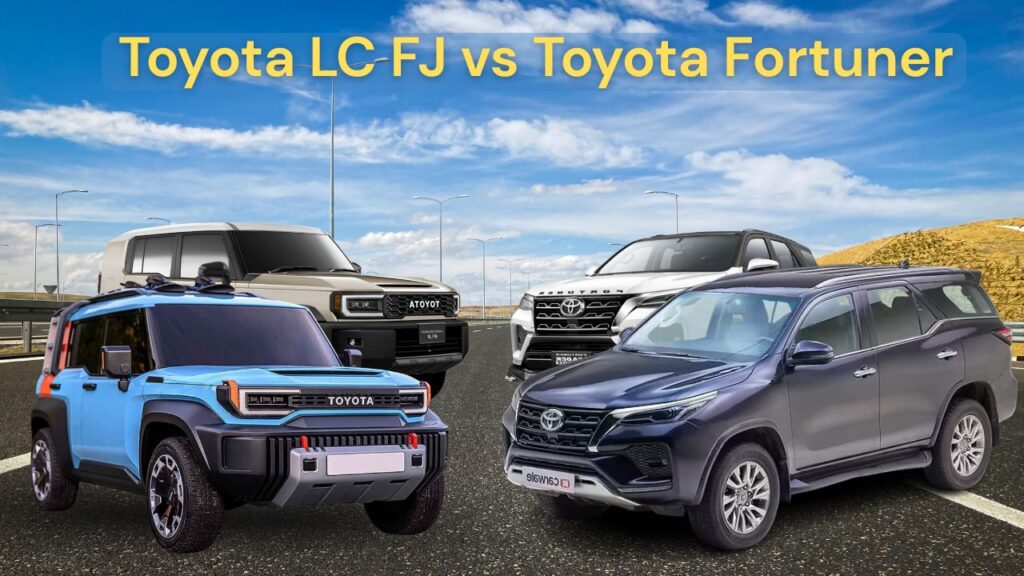
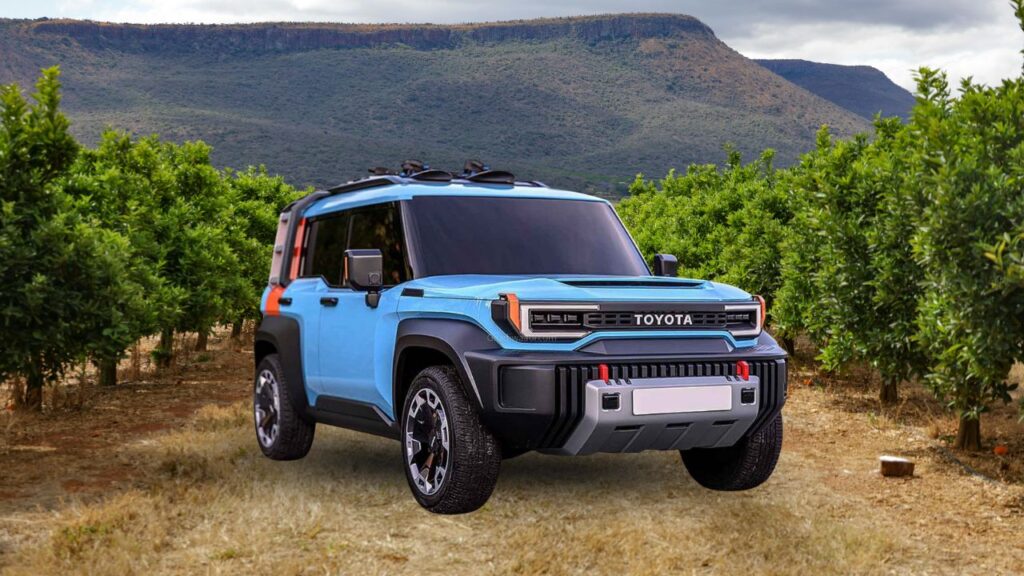
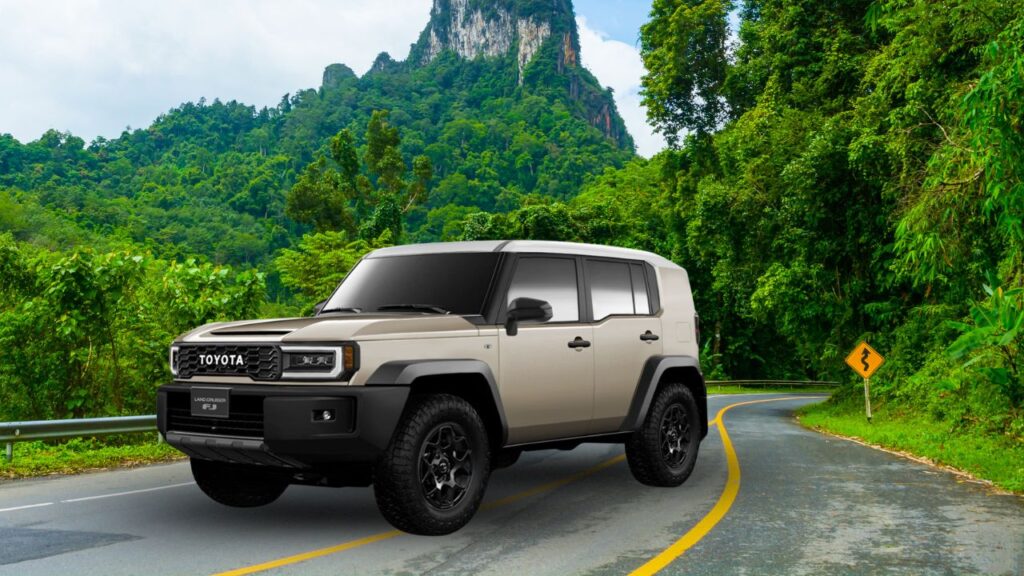
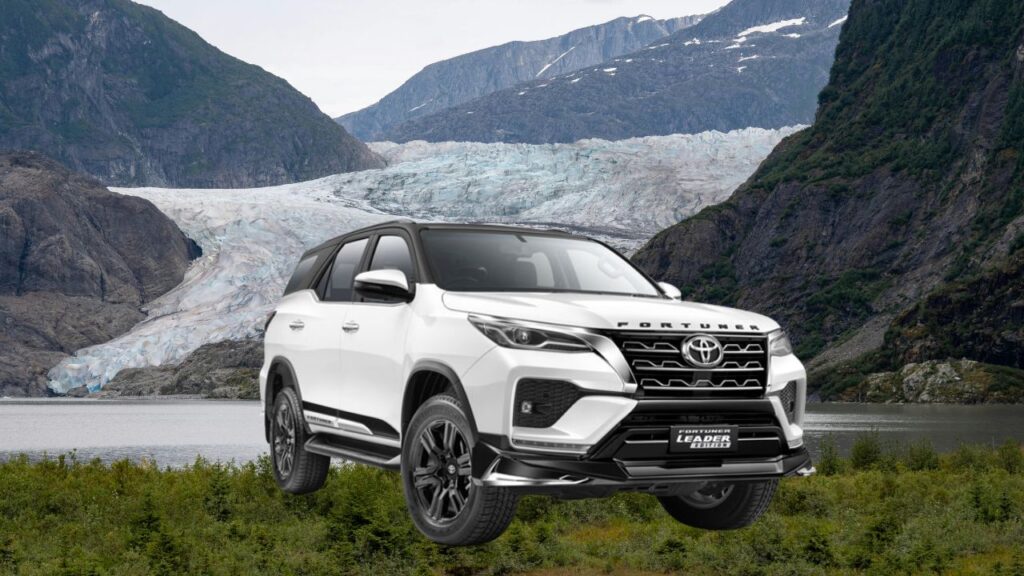
The automotive world was recently electrified when Toyota brought back the Land Cruiser FJ, fondly known as the “Baby Land Cruiser.” What is so interesting about this announcement is that the LC FJ is built on the same basic engine and platform as the popular Toyota Fortuner – essentially making them automotive siblings with a different attitude. But there are some features that are different from each other that make them stand in a different perspective. Buyers can check every detail through this article before buying it.

The Common Foundation: More Than Just Shared Parts

The Toyota LC FJ and Fortuner connection is far deeper than just a parts-bin-sharing exercise. Both are based on Toyota’s tried and tested IMV (Innovative International Multipurpose Vehicle) platform, a hardy ladder-frame chassis that has underpinned Toyota’s global pickup and SUV strategy since 2004. This platform has already been proven with more than 5 million vehicles worldwide with not only the Fortuner, but also the Hilux pickup and Innova minivan. 

The LC FJ employs in particular a modified version of the IMV platform, known as IMV 0, that Toyota designed to produce cheaper but just as capable vehicles for developing markets. Preserving the shape and off-road capabilities of the original IMV platform, the IMV 0 version utilizes cost-effective materials and production techniques. 

The Heart of the Matter: The 2TR-FE Engine

Perhaps the biggest similarity between these two SUVs lies under the bonnet. The Toyota LC FJ and Fortuner petrol variant comes with the same 2TR-FE 2.7 litre four-cylinder naturally aspirated petrol engine. This is not just similar spec – it’s the same engine code, same displacement and same core architecture. 

The Heart of the Matter The 2TR-FE Engine

The 2TR-FE produces 163 PS (160 hp) at 5,200 rpm and 246 Nm of torque in the LC FJ while the Fortuner petrol version produces almost the same numbers: 163 PS at 5,220 rpm and 245 N⋅m at 4,020 rpm. This is the first Toyota engine to employ its Dual VVT-i (Variable Valve Timing with intelligence) technology on the intake and exhaust camshafts which enables the engine to achieve maximum performance at any engine speed. 

The 2TR-FE is based on a cast-iron block with an aluminum cylinder head and features double overhead camshafts (DOHC) with 16 valves. The engine uses a timing chain instead of a belt, which has added to its reputation for reliability and low maintenance. 

Platform Similarities

Both vehicles are built on the IMV platform with a ladder frame chassis, which ensures high levels of structural rigidity and makes them exceptionally capable off road. This body-on-frame construction has several advantages. 

Shared Structural Elements:

  • Two wishbone front suspension for handling and off-road articulation superiority with an articulating rear suspension
  • Multi-link rear suspension engineered to deliver the right balance of comfort and capability
  • Engines mounted in-line for best weight distribution
  • 4WD power, with part-time systems available on the two vehicles. 

The LC FJ can provide a wheelbase of 2,580 mm as against 2,745 mm for the Fortuner, but both the vehicles boast nearly identical ride qualities and off-road capabilities. 

Read More :- What’s The Safest Family Car You Should Buy

Where They Diverge: Different Missions, Different Personalities

Yet, there are two entirely different markets and purposes for the LC FJ versus the Fortuner. 

Where They Diverge Different Missions, Different Personalities

Size and Dimension

The first big gap is the size difference. The Toyota LC FJ is 4,575 mm long, which is 220 mm less than the length of the Fortuner of 4,795 mm. The Fortuner and LC FJ have the same width of 1,855 mm, but the LC FJ is taller at 1,960 mm compared to the Fortuner’s 1,835 mm height. 

Seating and Practicality

The LC FJ is available with five seats and two rows which makes it a more intimate, adventure-oriented vehicle. By comparison, the Fortuner has three rows and seven seats, making it the family-friendly option for those requiring the most passenger space. 

Engine Options: Choice vs. Simplicity

Both cars are available with the 2TR-FE petrol engine, but the Fortuner has more options with the 2.8-liter 1GD-FTV turbocharged diesel engine. The diesel version is every bit more powerful and torquey: 201 PS and 500 N⋅m , and it is the performance option for those who care most about towing pack and mileage. 

Contrarily, the LC FJ is all about simplicity, being petrol-only, which I suspect points to a Toyota strategy to keep the price down and the reliability up in those markets where the quality of diesel fuel can be suspect. 

Transmission and Drivetrain: Refined vs. Flexible

Both cars use 6-speed automatics, but different philosophies. The LC FJ uses Toyota’s 6-speed Super ECT automatic transmission in conjunction with part-time 4WD. It’s a simple system that focuses on ease of use and reliability for those who want to keep things basic. 

Transmission and Drivetrain Refined vs. Flexible

The Fortuner has more flexibility with manual and automatic transmission options across the engine range as well as 2WD and 4WD variants to suit the pockets and requirements of different customers. This flexibility allows the Fortuner to attract both city commuters and hardcore off-roaders. 

Design Philosophy: Heritage vs. Contemporary

The styling treatments illustrate different positioning of the brands. The LC FJ is inspired by Land Cruiser heritage, especially the legendary FJ40, with its boxy shape, round headlights and utilitarian look.This aesthetic resonates with enthusiasts that appreciate the Land Cruiser’s famous off-road heritage. 

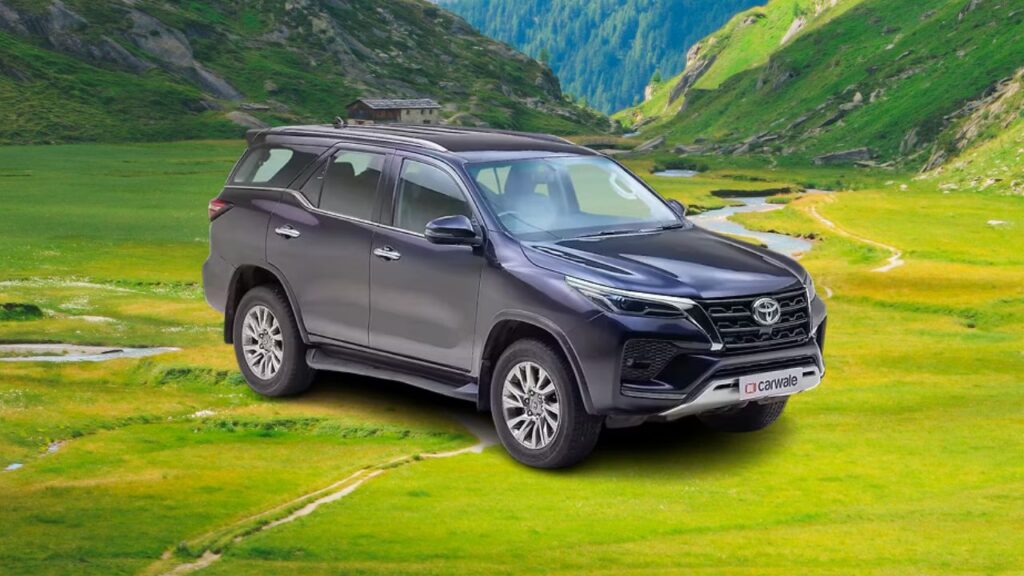
The Fortuner gets a more contemporary SUV look, which is a perfect blend of ruggedness and modern sophistication.Its styling is aimed at buyers who want utility, but who don’t want their utility vehicle to look out of place on city streets. 

Market Positioning: Specialized vs. Mainstream

The LC FJ is aimed at adventure seekers and Land Cruiser fans who crave real off-road ability in a package that is more attainable and affordable. With its streamlined spec sheet and retro styling, it appeals to buyers for whom substance matters more than features. 

Market Positioning Specialized vs. Mainstream

Apart from the of Fortuner caters to the mass premium SUV segment with the comfort of choice across multiple engine options, seating configurations, and trim levels. It strikes the perfect balance between off-road prowess and refined on-road performance to make it your daily driver or weekend adventurer for the off-road trails. 

The Reliability Factor of The Proven Technology

Arguably the most exciting part about both products is that they are based on thoroughly proven designs. Since 2004, the 2TR-FE engine has covered millions of miles in various global markets and has a great reliability record. The IMV platform also has proven itself with over 5 million units produced with no major structural faults.This common technical baseline gives both vehicles the Toyota’s renowned durability and low cost of maintenance. 

Conclusion

The Toyota LC FJ and Fortuner are excellent examples of platform engineering – where common platform underpinnings are used to create completely different vehicles that cater to individual market needs. They have the same heart and bones, but different souls, and those different souls give each one a reason to exist in Toyota’s ever-growing SUV family. 

Be it the LC FJ’s genuine roots and stripped-back purpose, or the Fortuner’s flexible family-friendly angle, both promise the same dependable and capable ethos that has made Toyota’s IMV platform one of the most successful automotive architectures ever.