0

Honda Alpha Electric SUV: Expected Price, Range & Features

Honda New SUV Alpha Electric

Honda is getting ready to strengthen its presence in the electric SUV market, and the upcoming Honda Alpha Electric SUV could be an interesting addition for buyers looking for a modern, stylish and practical electric vehicle. With the growing demand for EVs in India, Honda New SUV into this segment could bring a fresh alternative to existing electric SUVs.

The Honda Alpha Electric is anticipated to have good looks, innovative features and a pleasant cabin. Even though customers are now commonly considering electric cars for their affordability, good style and specification are still key factors in a customer’s decision process.

Honda Alpha Electric SUV: Futuristic Exterior Design

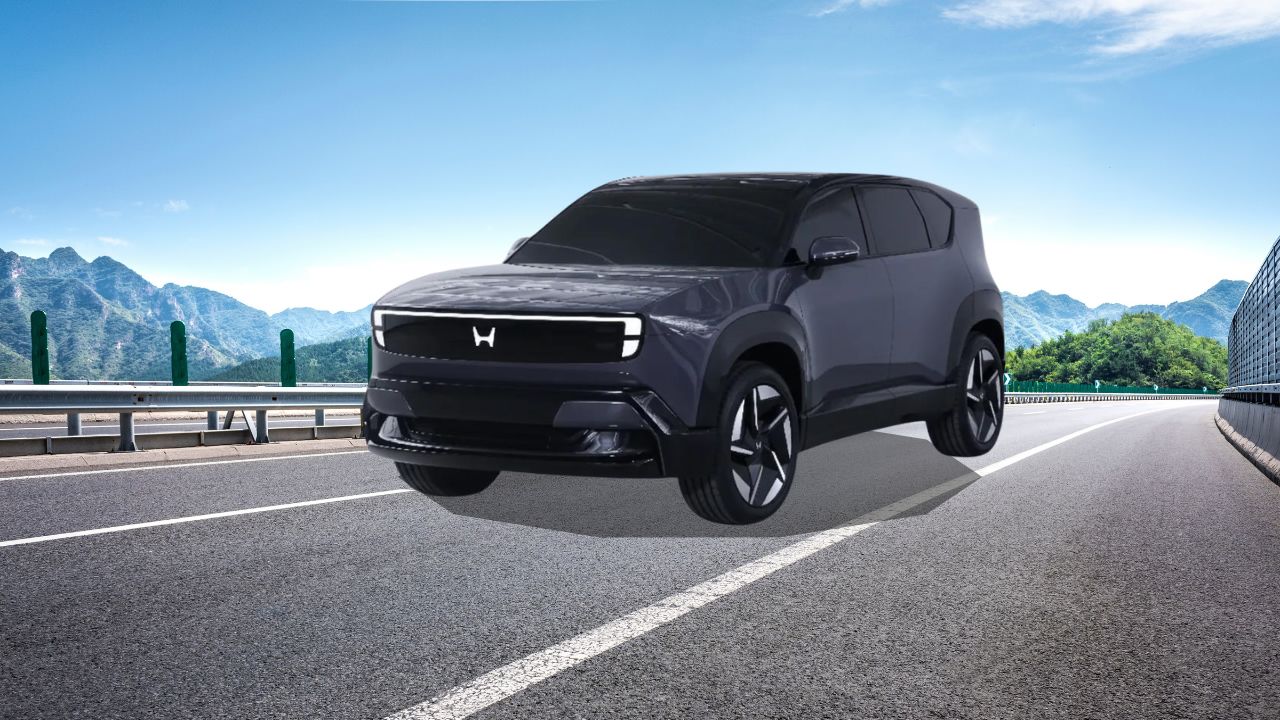
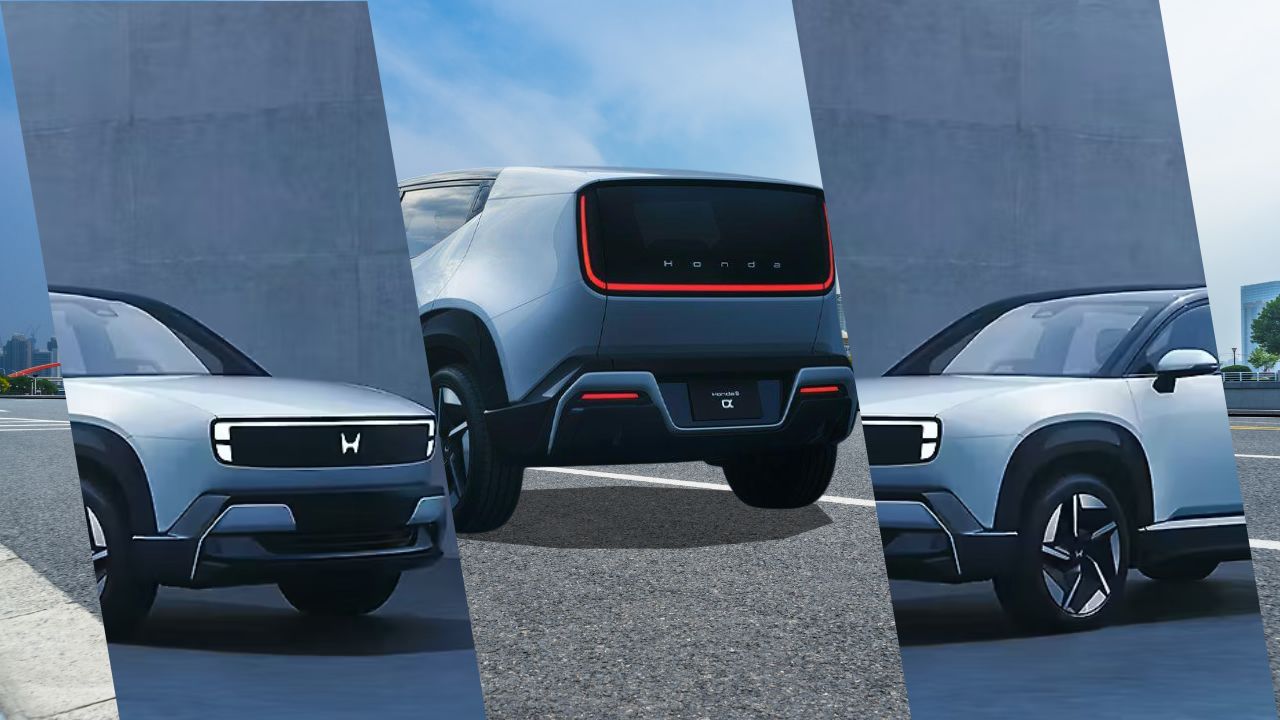
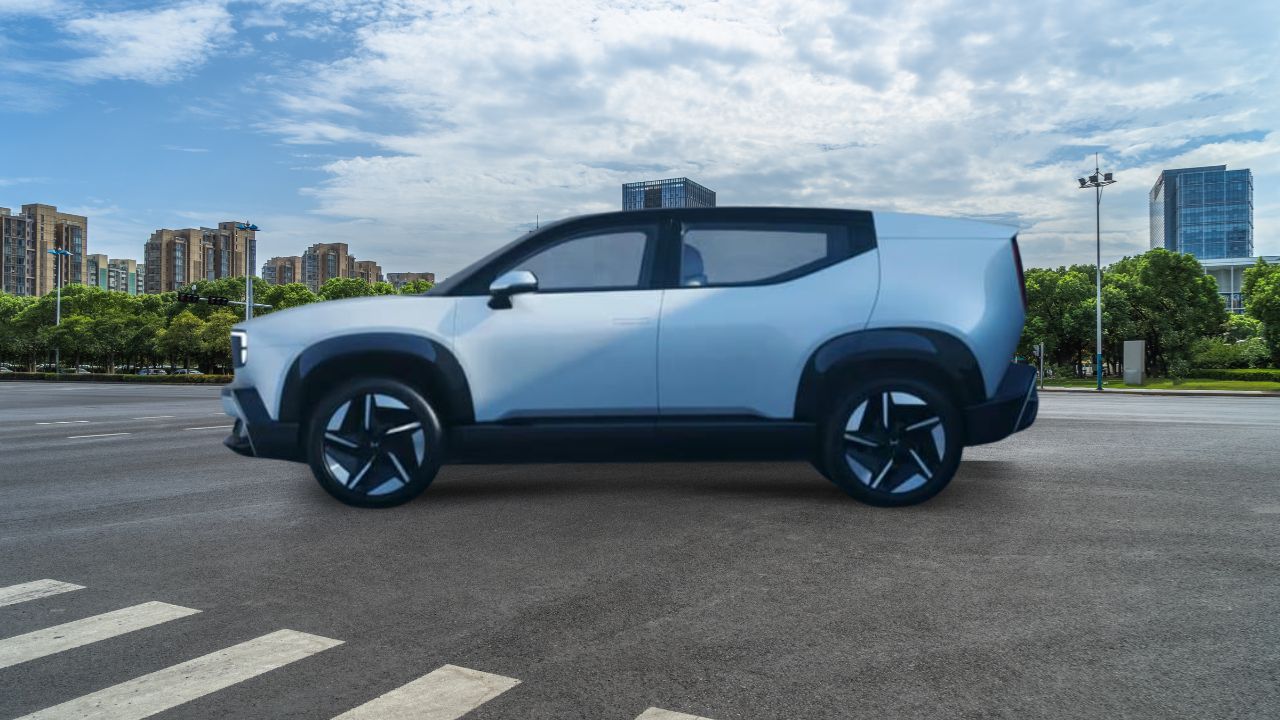
The Honda Alpha’s exterior design is one of its biggest talking points. The recently released design sketches suggest that Honda is going for a futuristic appearance rather than following the conventional SUV styling seen on many current models.

Honda Alpha Electric SUV

Its build appears to be broad with a smooth exterior. It has a fairly upright posture. The front section has a contemporary look and striking light features to produce a confident visage. Overall it is anticipated that the car will offer both the functionality of an SUV and the stylishness of a new-age electric vehicle.

The Honda Alpha Electric SUV was developed at Honda’s Japan based Design Centre with a contemporary and high quality focus. Honda New SUV also demonstrates the company’s desire to offer something new to the Indian market which is becoming ever more focussed on electric SUVs.

Get All the Details  👉 2027 MG Windsor Facelift: 500+ km Range, Premium Features and Expected Price

Honda Alpha Interior and Smart Features

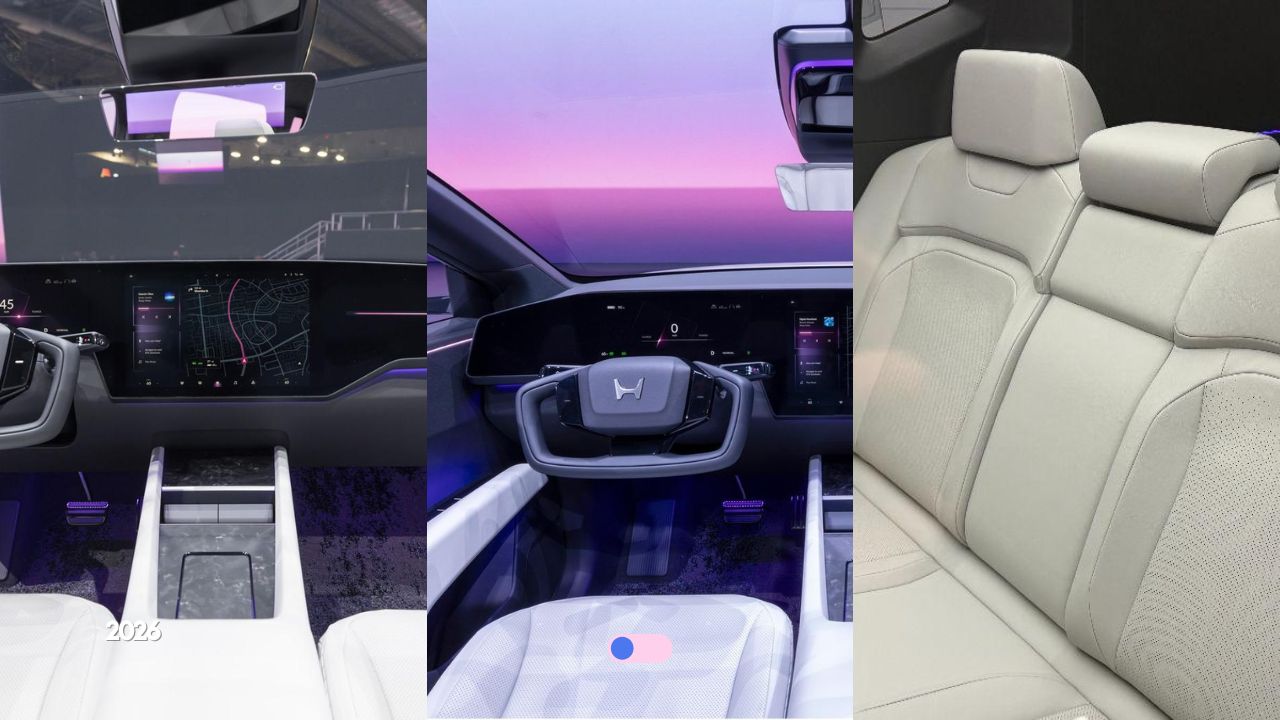
The interior of the Honda New SUV also looks promising. A simple dashboard can be seen in the design and the car seems to have been designed with comfort, room and ease of use in mind. Honda is concentrating on designing a light and friendly interior, and is not overcomplicating the dashboard.

Honda Alpha Interior and Smart Features

The cabin preview suggests a touchscreen-based infotainment system, a digital display for the driver and a modern steering wheel design. The overall layout looks minimalistic, with a focus on making the cabin feel contemporary and easy to use.

As well as emphasising the extra legroom and stylish design, Honda has also mentioned a number of additional features. Details of Honda New SUV on features such as the in-car entertainment system, vehicle connectivity, safety, charging facilities and further amenities have yet to be disclosed.

Comfort and Everyday Practicality

The Honda Alpha Electric SUV is expected to appeal to buyers who want an electric SUV for daily commuting as well as longer journeys. Its SUV proportions and spacious cabin design could make it suitable for families, while the electric powertrain should offer a quieter driving experience compared with conventional petrol-powered vehicles.

Honda Alpha Electric SUV

Honda is also aiming to make the Alpha a global product, with India playing an important role in its development and production plans. This makes the upcoming Honda New SUV an important model for the company as it expands its electric vehicle portfolio.

Discover More 👉 JSW Motors: Can a Steel Major Succeed in India’s New-Energy Vehicle Market?

Conclusion

The Honda Alpha Electric SUV will make its global debut in India on December 2, 2026. It will be Honda’s first Made-in-India electric SUV and is expected to enter the market in 2027. The company will reveal its complete specifications, features and other details during the premiere.

The upcoming Honda New SUV could compete with several electric SUVs in the Indian market, but its success will depend on its pricing, driving range, charging performance and equipment. For now, the design sketches have created a positive first impression, and the Honda Alpha looks like a promising addition to the brand’s lineup.

With its futuristic styling, modern cabin and focus on everyday comfort, the Honda Alpha Electric SUV could attract buyers looking for something fresh in the EV segment.

Bipin Sharma

Bipin Sharma is a seasoned automotive content writer with over 10 years of hands-on experience in the world of cars. From the latest car news and reviews to in-depth maintenance tips and expert buying guides, Bipin covers everything that drives the automotive world. Writing about cars isn’t just his profession — it’s his passion. His deep industry knowledge and love for automobiles fuel every blog he creates, helping readers make informed decisions and stay updated on the fast-evolving auto landscape.

Leave a Reply

Your email address will not be published. Required fields are marked *

0

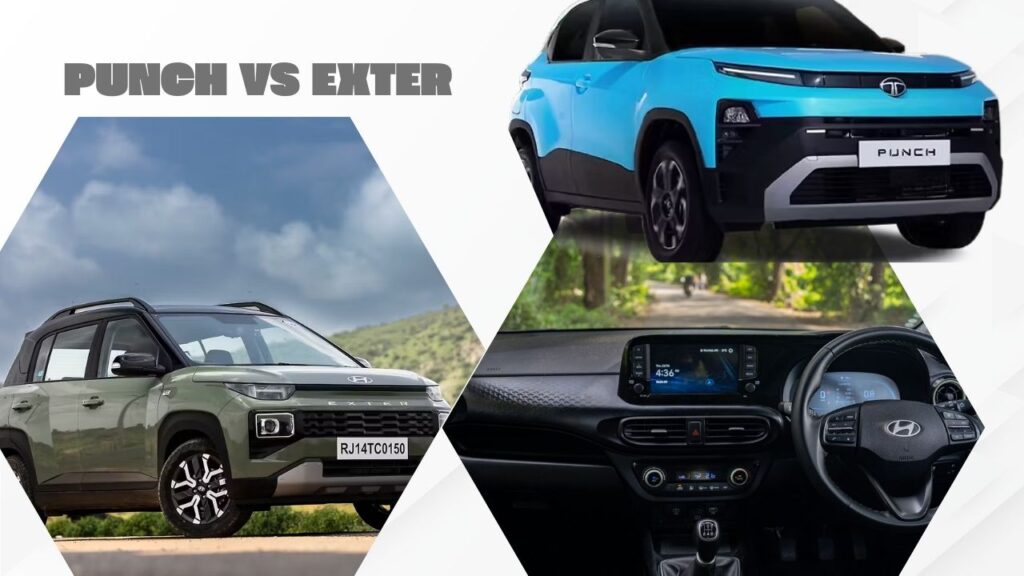
Punch vs Exter: Best Budget Micro-SUV for First-Time Car Buyers

Punch vs Exter

Buying your first car is a little like selecting a long-term roommate. You want it to be reliable and comfortable to live with every day, and cheap enough that the payments don’t make you sweat. That’s precisely why the Tata Punch vs Hyundai Exter comparison has turned out to be a big talking point. For a lot of first-time buyers, this micro-SUV war can confuse them enough to make them go weak in the knees. 

In the 2026 Indian market, two names have turned out to be the de-facto choices for every first-time buyer — Tata Punch & Hyundai Exter. Both the new models are “Micro-SUVs,” which means you get a commanding high-seating position and the “big car” feel without the hassle of parking a tank in a small city space.

But which one should you actually buy? Let’s take a look at the Punch vs Exter comparison to see which one suits you better. 

The First Impression: Design and Presence

For a lot of first-time buyers, the word “SUV” is minimalistic enough.

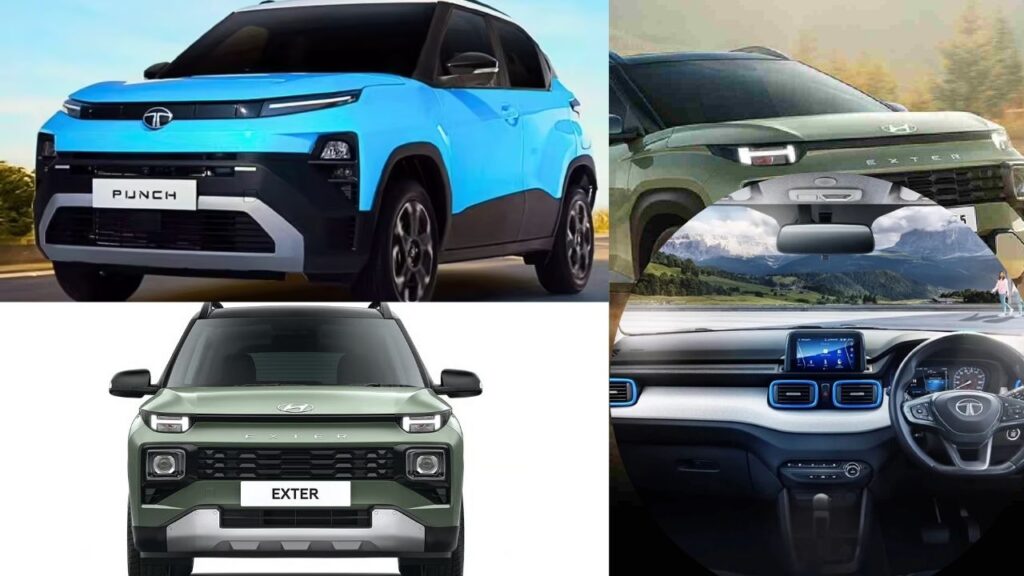
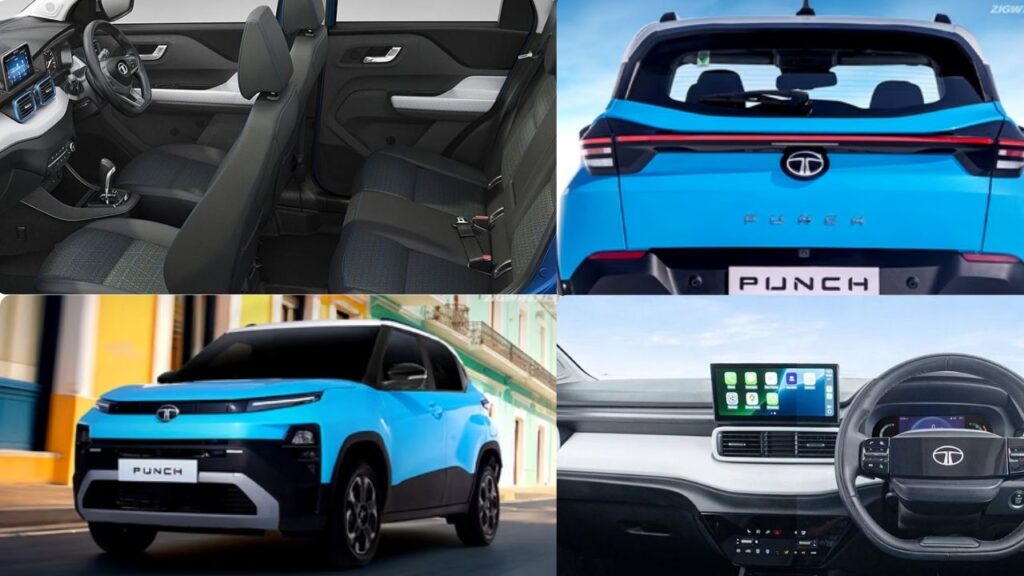
At first look the Punch 2026 facelift appears robust and sturdy, with the presence and stance of a compact SUV that can take on anything. Its good ground clearance of 193 mm is one of the best in the segment and helps a lot on Indian roads. If your route to work has potholes, patches of rough pavement, or water-filled streets in the monsoon, the Punch is a vehicle that looks like it can take those pummellings and keep going without a second thought.

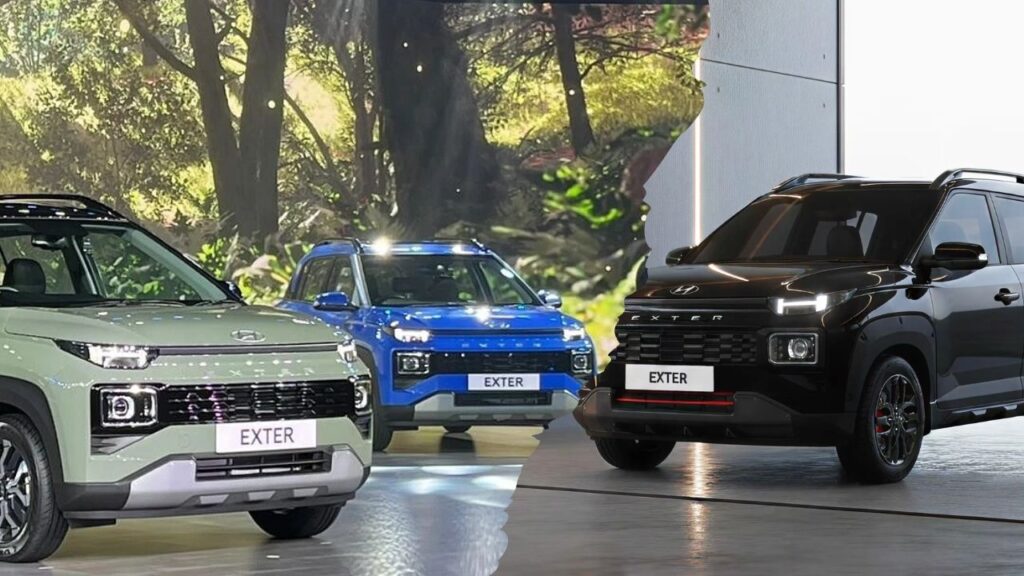
Hyundai Exter: The Exter taps into a “funky-urban” theme. It’s a little more boxy and “tall-boy” in shape. The H-formed LED lights spark conversation, and it looks like a high-tech gadget on wheels. Though it isn’t as “rugged” looking as the Punch, it does have a polished look that would feel right at home in the parking lot of a corporate headquarters. 

Performance: City Zipping vs. Highway Cruising

Since this is maybe your first car ever, you probably want an easy, no-stress driving experience, particularly when you’re inching along in city traffic.

The Smooth Operator – Hyundai Exter:

The Exter buit on a comfort and refinement that was given by a 1.2-litre 4-cylinder engine. You can sneak in and out from anywhere without making a huge noise when your car goes on. This poise makes for a lot more relaxing, especially in stop-and-go city traffic and what seems like an endless daily grind. And light steering and a quiet cabin also make new drivers feel comfortable behind the wheel. 

City Zipping vs. Highway Cruising

Highway Titan Power Punch

The Power Punch (Tata): The Punch also packs in a 1.2L engine, but it is a 3-cylinder unit, which can seem a bit “vocal” when compared to the Hyundai. But for 2026 Tata has launched a Turbo-Petrol variant for all those who want this car to have a little more “oomph.” For weekend jaunts up the mountains or long hauls on the highway, the Punch’s beefier steering and solid platform seem more grounded and “unstoppable” at speed. 

The “Tech” Factor: What’s Inside?

This is where the fight gets fierce. Features have always been Hyundai’s forte, but Tata has got there fast. 

Feature Tata Punch (Facelift) Hyundai Exter
Infotainment 10.25-inch (Huge & Crisp) 8-inch (User-friendly)
Connectivity Wireless Android Auto/Apple CarPlay Mostly Wired (needs adapter)
Sunroof Yes (Voice Assisted) Yes (Voice Assisted)
Cameras 360-degree camera Rear Camera only
Special Bits Ventilated Seats, Air Purifier Dashcam with Dual Camera

The Punch’s 360-degree camera is a huge boon for a first-time driver. It’s like parking in a video game and not a nerve-racking task. Flip side, the Exter’s factory-fitted dashcam is a great safety feature to record your drives. 

Safety: The Peace of Mind

Tata is inextricable from safety.

Tata Punch – It boasts of 5-star safety rating (Bharat NCAP). The doors close with a satisfying “thud” that makes you feel secure. If safety is the number 1 priority in your life because you have to haul around family, then the Punch is the undisputed reigning heavyweight champion of that category.

Safety The Peace of Mind

Hyundai Exter: Six Airbags are now standard on all variants and that is great. While it’s not yet crash-tested officially, it does bring electronic safety aids such as Stability Control (ESC), and Hill Start Assist so you don’t lose grip on slopes. 

Mileage and Price Matters the Most

As a budget SUV, running cost matters.

  • Fuel efficiency: The Exter manages to fetch a little bit more mileage in the city drive, that too on the CNG variants, which happen to be one of the most polished variants in India.
  • Pricing: Both the cars are priced from around ₹6 lakh (ex-showroom) to ₹10.5 lakh for the top-end variants.

Pro Tip: The Punch CNG is now offered with “Twin Cylinder” technology, which means you get the economy of CNG without the space of your boot for luggage. It’s a game-changer for small families.” 

Which one should you buy?

If you are torn between Tata Punch and Hyundai Exter, have a look at the following points:

Choose the Tata Punch for safety especially in this segment If you want to prioritize safety. You Should Get It Also If You Drive On Rough Roads Or If You Bump Up High Often. For those who love to go spirited driving on the highway, the Turbo engine would be great in this case. 

Punch vs Exter buy

Hyundai Exter giving you quiet engine to drive smoothly on city roads. Its high-end interior quality aside, a better fit and finish also enhances its appeal. The jolt-free, dependable AMT ensures smooth driving and with a wide service network of Hyundai, ownership will be taken care of without any hassles. 

Read More :-  Jeff Bezos’ Insane Car Collection: From Humble Hyundais to Hypercar Royalty

Conclusion

Tata Punch, Hyundai Exter both are great options for a first-time vehicle buyer in the budget micro-SUV segment.

Tata Punch is the safer choice, is more robustly built and can handle rough roads better. If you want a more refined engine, better city ride quality and more refined cabins, Hyundai Exter is the way to go. 

In short, Punch is ideal for durability and safety, while Exter is great for city-friendly comfort and features. 

0

Rinku Singh Car Collection: From Maruti Swift to Fortuner Legender

Published Dec 31, 2025, 6:54 AM
Last Updated Apr 6, 2026, 12:30 PM

Rinku Singh Car Collection

Rinku Singh car collection is not about the cars, but a reflection of his journey, who he is as a person and where he comes from. Riding a bicycle on the roads of Aligarh city, peddling cooking gas cylinders, to emerging as one of his country’s most dependable and thrilling finishers, his journey has been one of sweat and humility. That same grounded mentality is evident in the cars he owns. Rather than flashy supercars, Rinku has opted for sensible, reliable vehicles – vehicles that align with his values and priorities in life.  

Rinku Singh Car Collection at a Glance

Car Model Approx Price (₹) Segment What It Reflects
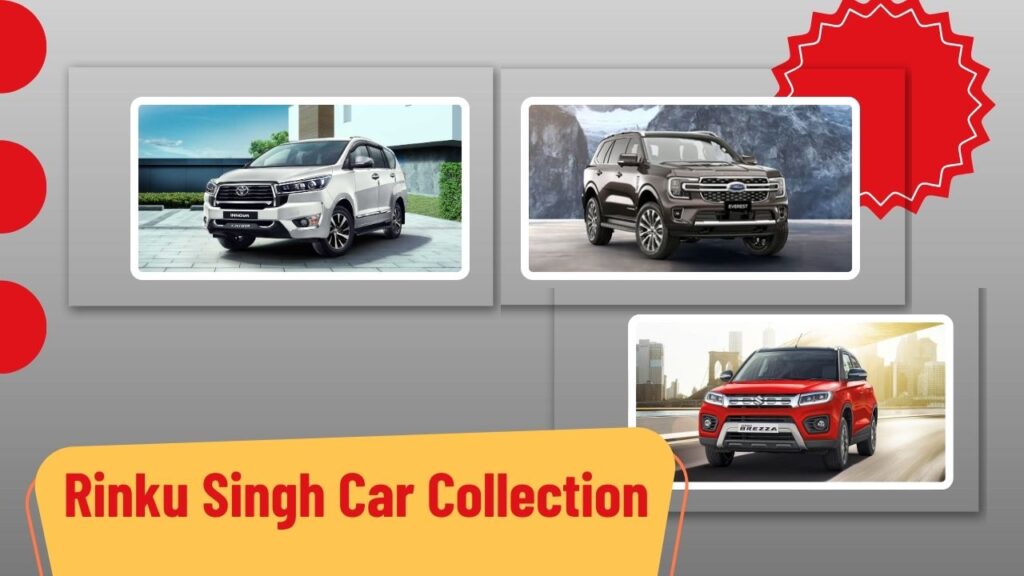
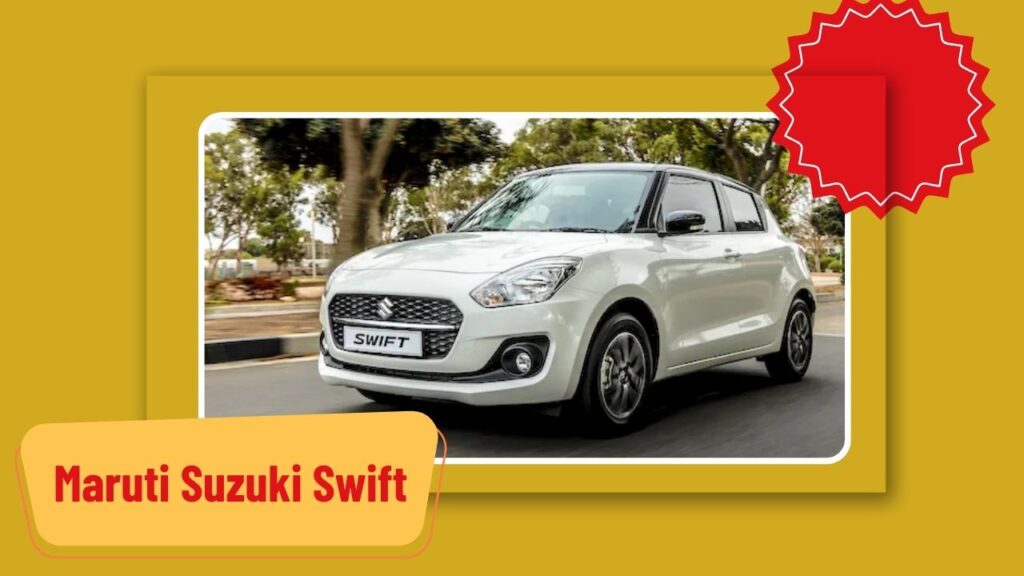
Maruti Suzuki Swift 7–8 lakh Hatchback Simplicity and first success
Maruti Suzuki Brezza 12–14 lakh Compact SUV Practical daily usability
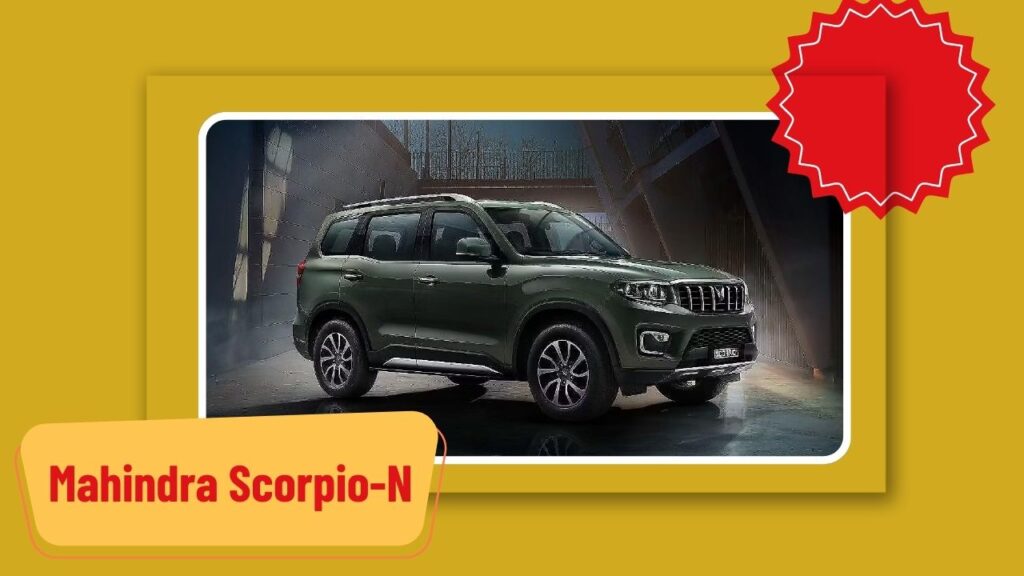
Mahindra Scorpio-N ~15 lakh SUV Power and toughness
Toyota Innova Crysta ~25 lakh MPV Family-first mindset
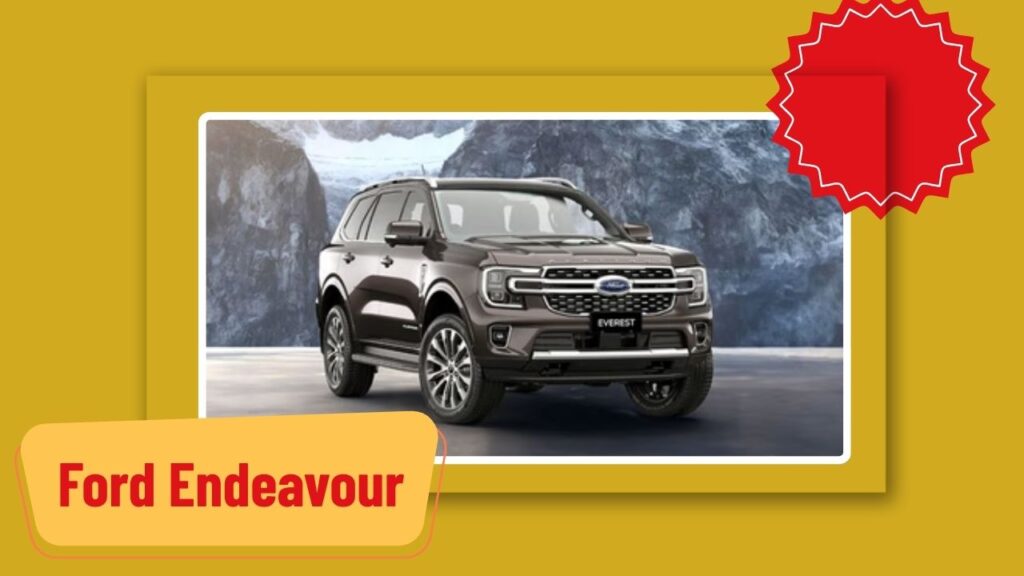
Ford Endeavour ~40 lakh Premium SUV Strength and adventure
Toyota Fortuner Legender ~60 lakh Luxury SUV Career peak and confidence

The Maruti Swift: His First Four Wheels

Fast forward to a few more years of unrelenting toil and sacrifice.. After playing his first game in the Ranji Trophy and confirming his place among India’s best cricketers, Rinku at last made the jump into four wheels. His very first car was a Maruti Suzuki Swift—practical, affordable, and insanely popular among young professionals in India.

The Maruti Swift

It’s somehow beautifully poetic to make this choice. While other cricketers might have jumped to luxury imports, Rinku went for a car that mirrored what he values in life – dependable, efficient, and understated elegance. 

The IPL Boom: When the Garage Expanded

His power-hitting late in the innings and that unforgettable 2023 game where he hit back-to-back sixes to snatch victory from the jaws of defeat made him a household name. Suddenly, the sponsorships started flowing, the match fees increased and KKR went all out to value his services at ₹13 crore for the ipl 2026. Now with their new found financial freedom, Rinku’s garage expanded its horizons.

​He also added the Maruti Suzuki Brezza, a compact SUV that has emerged the most popular Indian brand in the budget SUV space. Closely followed was the Toyota Fortuner Legender, a performer that outshines the ordinary with its 2.8-litre diesel engine producing 201 horses. The Fortuner was more than just an upgrade, it was proof that Rinku was a force to be reckoned with! At a price of around ₹60 lakh, this SUV plays the holder of his garage as the crown jewel—competent, powerful, and tellingly premium.​ 

A Collection That Reflects Character

What makes Rinku’s car collection interesting is not the price tags but the personality that emerges from the collection. His garage is a lesson in how a grounded man views success — pragmatism and purpose.

Ford Endeavour

Among his vehicles is the Ford Endeavour that costs around ₹40 lakh, which also happens to be his priciest car. A tough, adventure-ready SUV, dependable and unafraid of the outdoors, the Endeavour is much like Rinku – rugged, dependable and made for the challenges of the world outside.

​The Toyota Innova Crysta, priced at around ₹25 lakh is a reflection of his family-centric values. This is someone who wants to be comfortable and have space — maybe parents, to whom he dedicates his journey, maybe teammates and friends who accompanied him on his cricket journey. 

Mahindra Scorpio-N

At around the ₹15 lakh mark, the Mahindra Scorpio-N is the final piece in his SUV puzzle. Like the man himself, it’s built for brute power, off-road ability and no-nonsense motoring. 

More Than Metal and Horsepower

This is what really differentiates Rinku Singh’s collection: it’s not for showing off. A multi-crore cricketer could easily own a Ferrari or a Lamborghini. Rather, Rinku selected cars that addressed actual needs: safe family transportation, comfortable long-distance travel, and dependable daily commuting. His priciest vehicle, the Ford Endeavour at ₹40 lakh, would not even dent the paint of what some Bollywood stars shell out on single cars. 

Read More:-  Nissan Cars Launching Two Titans Together in India: Nissan Gravity MPV and Tekton SUV

Conclusion

Rinku Singh car collection sends a message: success doesn’t always need to shout. Though he earns multi-crore contracts, he has deliberately refrained from ultra-luxury show-stone vehicles that are unpredictable, but.vignal vehicles that was aregeatt n.r families needs—comfort, long-distance reliability, and everyday practicality. SUVs like the Ford Endeavour and Toyota Fortuner have become a sign of how far he has moved on, while cars such as the Swift and Innova Crysta keep him anchored to his roots. Much like his batting technique, Rinku’s garage is simple, efficient, and ruthlessly effective when he needs it to be. 

0

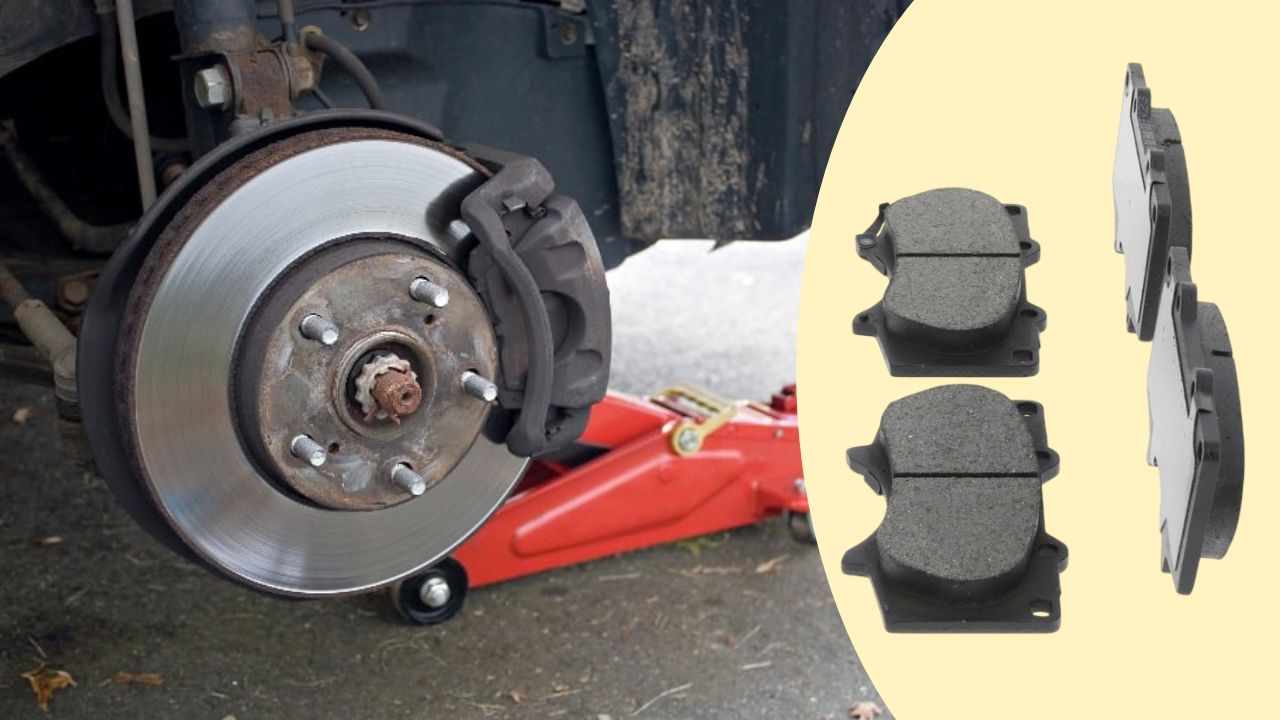
Best Brake Pads for Cars: Top Options for Safe Driving

Brake Pads

If you are wondering that buying premium brake pads will not get loosened up quickly and save you by kicking on the car that is just next to you, then you are wrong. The best brake pads for cars are actually the ones that fit and are durable on the road. Brands are making specific types of brake pads so they can handle the Indian roads and traffic area when you have to push your foot on the brake pedal every five-minutes.

Most car owners in India replace pads only when a mechanic points at worn friction material or the dashboard warning light comes on. That’s late. Pads typically wear down to replacement thickness around 30,000–35,000 km in Indian city conditions, where stop-and-go traffic and frequent braking put more cycles on the pad than steady highway driving would. Waiting for a screech means you’ve likely already scored the rotor, which turns a ₹2,000 pad job into a ₹6,000–₹8,000 pad-and-disc job.

Let’s look into a breakdown of what makes one brake pad different from others, which offers the quality that you need for your car and where you should buy it.

What Actually Separates One Brake Pad from Another

There are three friction categories which define the quality of brake pad and make one different from another. Understand these categories before buying it because that matters more than the brand name on it.

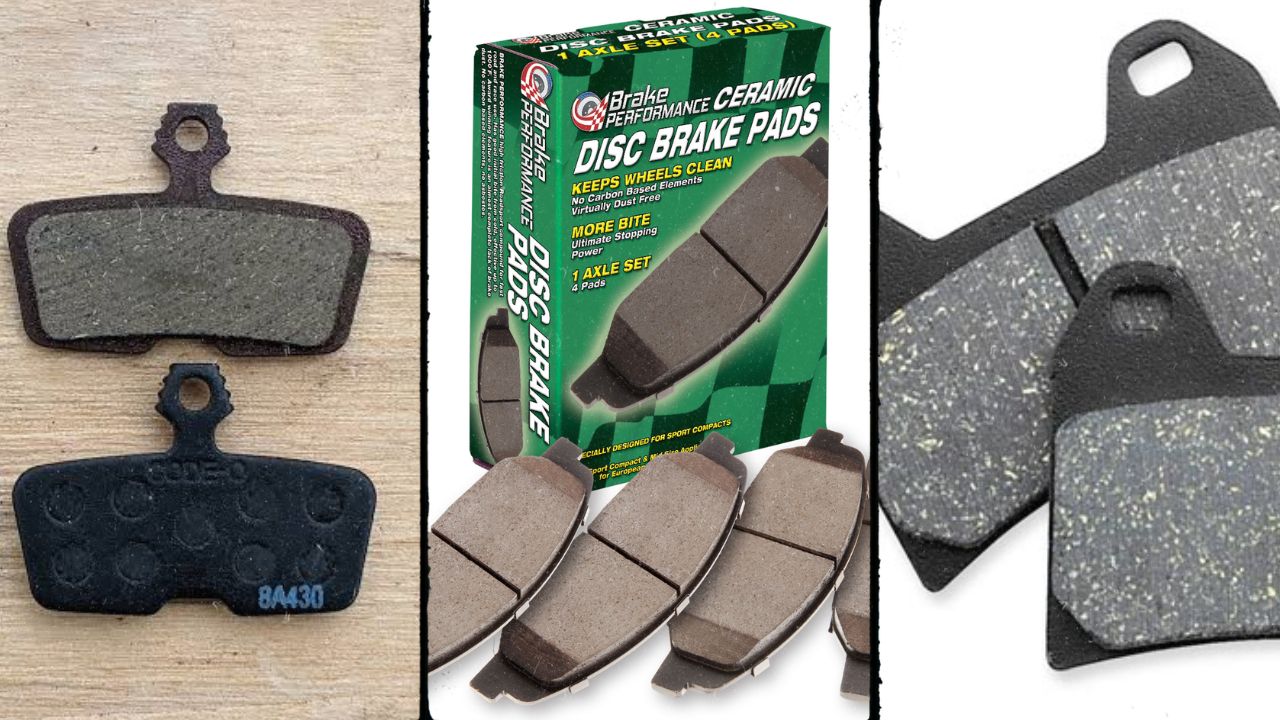
Semi-metallic pads mix steel wool, copper, or iron with friction material. They handle heat well — Indian summers and hill-descent braking can push disc temperatures past 500–600°C — and they bite harder under sudden braking. The real drawback is its increased noise and quicker rotor wear.

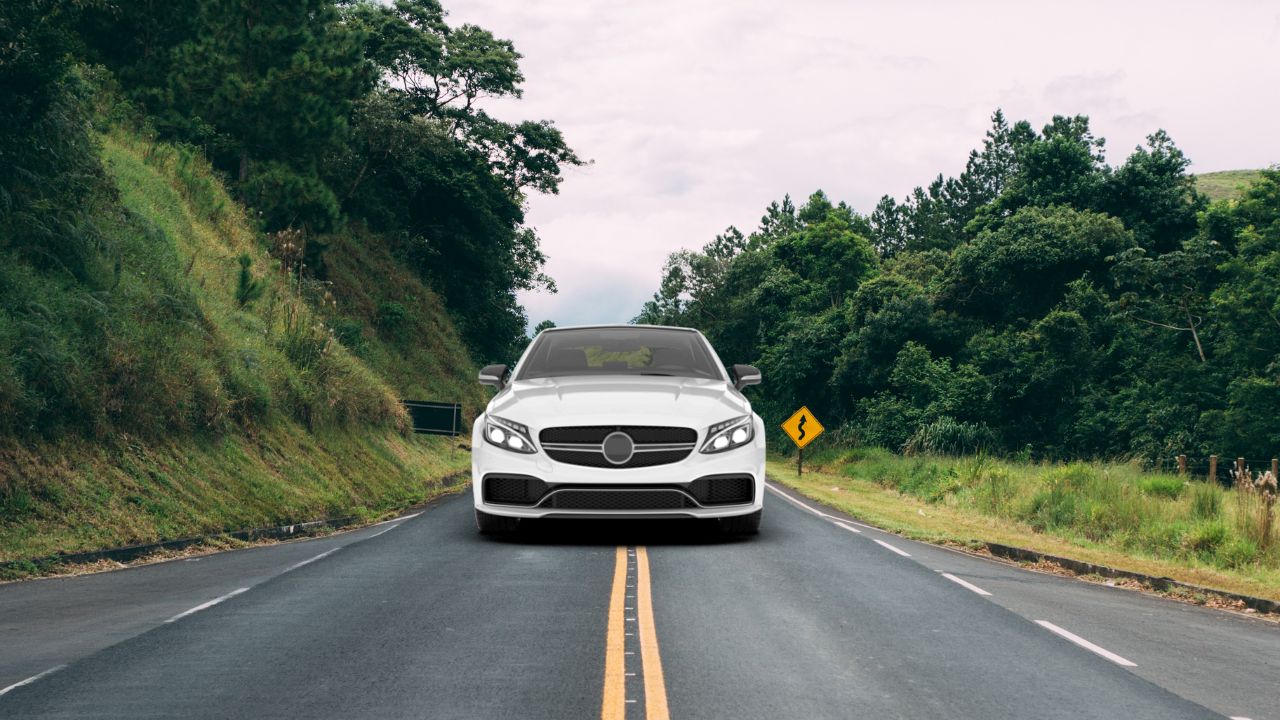
Ceramic pads make no noise and produce less brake dust which make the wheels alloy cleaner and run last longer under normal city driving. They are also expensive because they are made up of clay-and-fiber compounds reinforced with copper or metal fibers. But they’re not good in hot areas as semi-metallic pads so it makes them effective for hatchbacks and sedans running in cities and highways rather than mountain driving or heavy towing. 
Brake Pads

Non-asbestos organic (NAO) pads are the softest and quietest option, common on entry-level OEM fitments. They’re gentle on rotors but wear out faster and lose bite when hot, so they’re a budget-daily-commute choice rather than a performance one.

Fitment matters as much as compound. A pad that’s a perfect metallurgical match for a Honda City won’t necessarily exist in the same part number for a Hyundai Creta, even if both are C-segment cars. Always cross-check the pad against your car’s exact variant and manufacturing year before ordering — a wrong-fit pad can affect ABS calibration on newer cars with electronic brake-force distribution.

Best Brake Pads for Cars in India: Top Picks

1. Bosch QuietCast / Bosch DoubleTec

Compound: Semi-metallic and ceramic variants | Indicative price: ₹2,000–₹4,000 per axle set

Bosch supplies brake components directly to several OEMs in India, which means their aftermarket pads are built to the same tolerances as what left the factory on many Maruti Suzuki and Hyundai models. The QuietCast line uses a rubber-core shim under the backing plate specifically to cut down pad squeal, which is the most common owner complaint with cheaper aftermarket pads. This is the pick for someone who wants a known-quantity daily driver pad without shopping by price alone.

2. TVS Girling

Compound: Semi-metallic, OEM-spec | Indicative price: ₹1,200–₹2,500 per axle set

TVS Girling is an original-equipment supplier for a wide range of Indian passenger cars, so buying their aftermarket pad is close to buying a factory-spec replacement rather than a third-party approximation. It’s not a performance pad — don’t expect Brembo-level bite — but for a hatchback or compact sedan doing standard city driving, it’s the pad most Indian service centers will already stock and recommend.

3. Rane Brake Lining (RBL)

Compound: Semi-metallic and NAO variants | Indicative price: ₹1,000–₹2,200 per axle set

Old car or second hand car owners mostly prefer Rane Brake Lining because they are the most budget-friendly and well-established brand here. RBL brake pads are reliable and durable, serving excellent stopping power without paying for a premium badge. That’s why it becomes one of India’s largest domestic manufacturers of brake friction material.

4. Brembo

Compound: Semi-metallic, performance-oriented | Indicative price: ₹6,000–₹10,000+ per axle set

Brembo is an expensive brand serving premium OEM braking systems for components for luxury SUVs and well-performing cars. Its aftermarket pads are designed for providing consistent stopping power in a high-rise temperature, it is a strong choice for hill drivers and cars taking trips on Manali–Leh or Munnar routes, and for cars that see spirited driving. For flat-city commuting, this is more pad than most drivers need — the price reflects performance headroom, not a proportionally better daily-driving experience.

5. ADR

Compound: Ceramic and semi-metallic | Indicative price: ₹1,500–₹3,000 per axle set

ADR has built a presence in the Indian aftermarket as a mid-tier option — priced above the budget domestic brands but below Bosch and Brembo. It is worth checking for hatchback and compact-SUV applications where ADR’s Ceramic line is marketed as a quieter replacement to semi-metallic OEM pads at the same price. 

6. Workshop-brand ceramic pads (e.g., GoMechanic Safetec+, Ceradrive)

Compound: Ceramic | Indicative price: ₹1,500–₹3,500 per axle set

Among some of the new-age options is the emergence of house-brand ceramic brake pads by some workshop chains and online retailers for popular cars such as the Alto, WagonR and Celerio. They can be quieter, produce less dust and cost less, making them ideal for everyday city driving. However, they don’t have the history of established manufacturers, so definitely look at the warranty coverage and recent reviews for your particular car before opting for one over a name brand. 

Bosch vs. TVS Girling: The Two Most Common Choices

These two come up most often when Indian owners ask a mechanic “which pad should I actually buy,” so a direct comparison is more useful here than a generic spec table.

Bosch QuietCast/DoubleTec TVS Girling
Compound Semi-metallic / ceramic Semi-metallic
Indicative price ₹2,000–₹4,000 ₹1,200–₹2,500
Noise level Low (shim-damped) Moderate
Workshop availability Wide, including multi-brand service chains Very wide, especially at authorized dealer network garages
Best for Daily driving where quiet operation matters Budget-conscious daily driving, factory-spec replacement

If your priority is matching exactly what the manufacturer intended and paying the least for it, TVS Girling is the more defensible choice. If you’ve noticed brake noise with your current pads and want that fixed on the next replacement, Bosch’s shim design specifically targets that problem.

OEM Dealer vs. Aftermarket: What You’re Actually Paying For

At a Maruti Suzuki authorized workshop, front pad replacement typically runs ₹1,800–₹2,500 including fitting. Hyundai dealer pricing tends to sit around ₹2,000–₹3,500. For Honda, Toyota, Renault, and Nissan, OEM pad-and-labor costs commonly start from ₹3,500 and climb depending on the model. These figures move with your city and specific service center, so treat them as a planning range rather than a quote.
Brake Pads

When you buy manufacture approved brake pads at a dealer price for your exact car with warranty linked to your service, you pay an extra ₹500–₹1,500 if the same compound is available in the aftermarket. The catch is as long as you confirm they fit your car and have them installed by a trusted mechanic. 

Both options are not always perfect if you have a warranty for your car then OEM pads may be a safer choice. These aftermarket pads from a trusted brand are good for old and second cars, as it can save money without sacrificing safety. 

Things to Review Before Making a Decision

A couple of things are always worth confirming before you buy, no matter which brand you’re considering: see if the listing is for your exact variant and year of car, not just the model name because brake systems change across facelifts. 

Look for a friction material certification (ECE R90 is the relevant European homologation standard many Indian aftermarket brands now reference) rather than relying on marketing copy alone. And if a listing price looks unusually low for a named brand like Bosch or Brembo, treat it as a counterfeit-risk signal — India’s aftermarket brake market has a known problem with pads sold under premium branding that aren’t genuine, and a pad that’s dimensionally wrong or metallurgically inconsistent is not somewhere to save ₹500.
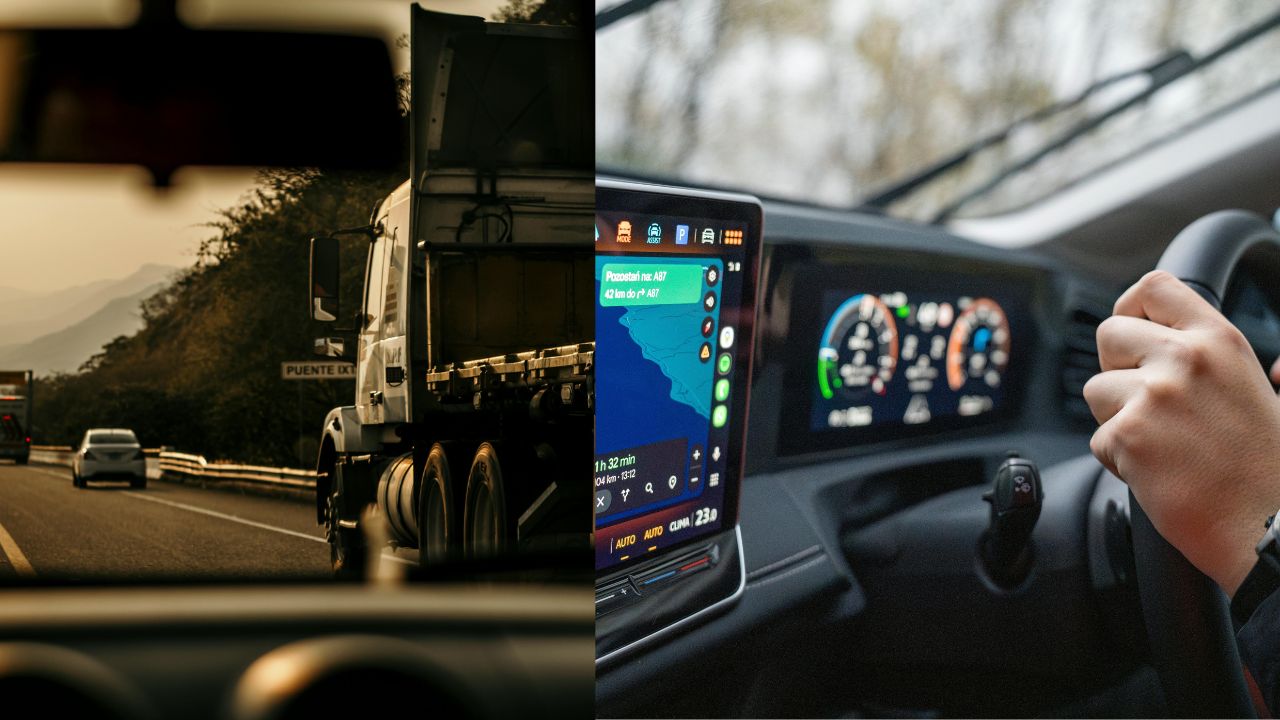
Brake Pads

None of the brands above is the universally “right” answer — a Brembo pad on a city-only hatchback is over-spec’d the same way a budget NAO pad on a hill-route SUV is under-spec’d. Match the compound to how and where you actually drive, confirm fitment against your specific variant, and the rest of the decision mostly makes itself.

Conclusion

The best brake pads for your car aren’t necessarily the most expensive ones but the ones which fit your car, depending upon driving conditions and braking needs. Bosch, TVS Girling, or Rane Brake Lining are best fit for cars running in the city everyday as they offer a good performance on stopping, long-lasting, and price. Heavy-performance brake pads like Brembo are best matched for cars running on hills, carrying heavy loads, and pushing harder but the cost is little expensive.

Whatever you choose, don’t ignore the quality product over cheap products which your seller recommended, trust yourself. Check closely exact variant and model-year fitment, trust reliable source, and let the competent mechanic install the pads and inspect discs. The best brake pad is an essential part of the brake system because when stopping matters so the reliability is worth far more than saving a few hundred rupees.

0

How to Calculate Average of Car With Explained Methods and Formula

Published Jun 9, 2026, 1:14 PM
Last Updated Jun 10, 2026, 4:21 AM

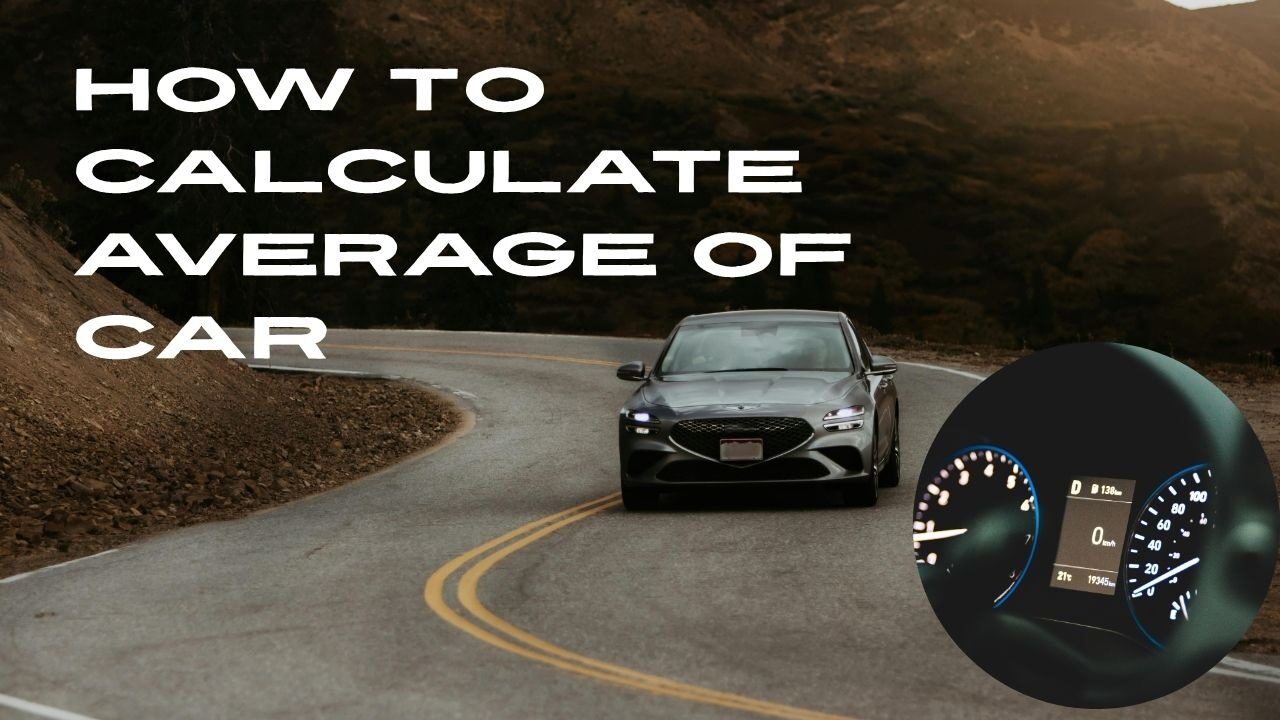
Knowing How to Calculate Average of Car will help you figure out why your car seems to gulp fuel way too fast or just wanted to know if your car provides good value or not. You don’t need a special divide or tool to calculate that, just follow easy steps with patience to find the exact car average. 

What Does “Car Average” Actually Mean?

Car Average means fuel efficiency, how many kilometres your car travels on 1 litre of petrol or diesel. So, here is an example, if your car gives 15 km/l, it means 1 litre of fuel lets you drive 15 kilometres. 

If the number is getting higher then your car is giving you great mileage and saving your money on fuel. Every car brand shows an “official” mileage figure but real-world average can be different because of your driving style and road conditions. That’s why calculating the average of a car by yourself is a good idea.

See Also: How to Remove Scratches from Car

How to Calculate Average of Car — The Formula


Mileage (km/l) = Distance Travelled ÷ Fuel Used

Example: You drove 450 km and used 9 litres → Average = 450 ÷ 9 = 50 km/l


A simple How to Calculate Average of Car Formula is enough to find the right numbers your car makes using distance and fuel used.

Tank-to-Tank Method 

1.Fill Your Tank Completely

Fill the tank to the top when you go to the petrol pump. Don’t let them stop filling until the nozzle clicks and stops automatically. 

2.Note Your Odometer Reading

Check your dashboard, it shows the total distance, write it down somewhere. For example: 12,500 km.

3.Drive Normally

Use your car as you did before whether city driving, highway, office trips. Let the fuel drop to lower before you return to the pump.

4.Fill Up Again Completely

Again fill the tank to the top with fuel at the petrol pump and note exactly how many litres were put in. For example: 9.5 litres.

5.Note the New Odometer Reading

Check the total distance on the dashboard (odometer) again. If it shows 12,950 km. subtract the first reading to the current reading and you get the travel distance to put into the formula.

6.Apply the Formula

Mileage = 450 km ÷ 9.5 litres = 47.4 km/l — that’s your real-world car average!

Useful: DIY Car Care Tips

Other Ways to Calculate Car Average

Trip Meter Method

Reset the trip meter to zero after a full tank fill. After refueling next time, divide the trip meter reading by litres added. Same formula, less maths.

Mileage Tracking Apps

Apps like Fuelio, Drivvo, and Road Trip track every fill-up and calculate your rolling average automatically over weeks and months.

Car’s MID Display

Maruti, Hyundai, Tata cars have a Multi-Information Display (MID) that shows mileage of the car. But it’s not an exact average number. 

Pro tip: For finding the most reliable results of the car’s average, calculate over 2-3 full tanks. A single tank result can give you wrong numbers because of unusual driving. One long highway trip or a week of only short city rides will give you totally different numbers.

What Affects Your Car’s Average?

You might calculate 17 km/l one month and only 12 km/l the next — without changing anything obvious. Here are the main factors that affect how to calculate average of car in real conditions:

Factor What Happens Impact
City vs Highway Stop-and-go city traffic burns more fuel than smooth highway driving High
AC Usage Running AC constantly can reduce mileage by 10–20% High
Tyre Pressure Under-inflated tyres burn more fuel to move forward while creating high resistance. Medium
Driving Speed Best efficiency is usually between 60 ⁣− ⁣80 km/h. It drops the mileage point after surpassing the 100 km/h. High
Engine Health Dirty air filter, old spark plugs, or low engine oil all reduce mileage Medium
Car Load More passengers or heavy luggage means the engine works harder Low–Mid
Gear Usage Driving in the wrong gear wastes fuel Medium
Fuel Quality Low-quality fuel reduces efficiency and can damage the engine Medium

How to Improve Your Car’s Average

Once you understand How to Calculate Average of Car then the next obvious thing you do is improve it. And these tips will help you to do that.

  • Service on Time: You can follow the regular check ups tips by yourself to keep the engine running efficiently.
  • Check Tyre Pressure: Your tyre pressure must meet the mentioned manufacturer’s recommended level (usually printed on the door frame).
  • Avoid Sudden Braking: Rapid acceleration and brake will cause more fuel to burn while the machine works hard to give sudden output. So, slow down gradually.
  • Use AC Wisely: Turn off AC when parked. At speeds below 40 km/h, opening windows is more efficient than AC. 
  • Constant Speed on Roadway: If your car gives cruise control, use it or keep at 70-80 km/h of speed on roadways. 
  • Remove Extra Weight: Don’t put unused items in a boot because every extra 50 kg reduces mileage slightly.

The City Mileage vs Highway Mileage

When you calculate the mileage of a car, it makes a huge difference from where you’re driving. The most popular car averages be like: 

Standard cars like Maruti Swift or Hyundai Grand i10 should give a mileage of 16 km/l in city and 22 km/l on highway. However, real mileage varies with driving style and road conditions. 

If your numbers are lower than the ARAI figure advertised by the company then it’s not a big surprise because it was tested in lab conditions. Real world driving always provides 20–30% lower than the official figure due to roads, traffic, and AC usage.

Conclusion of How to Calculate Average of Car

Understanding How to Calculate Average of Car is one of the simplest and most useful things you can do as a car owner. It takes less than 5 minutes and tells you a lot about your car’s health, your driving habits, and how much money you’re spending on fuel every month. Try it on your next full tank and see how your car is really doing.

0

Kamala Harris Car Collection: Luxury, Style and Classic Explanation

Kamla Harris Car Collection

The Kamala Harris Car Collection is not filled with flashy supercars or weekend cruisers, but for a very different tale. But as former Vice President of the United States, her connection to cars is defined by more security and official duties than personal indulgence. 

Kamala Harris’ automotive history differs from classic car enthusiasts’ as it combines her staunch environmental convictions with the relentless realities of high-level government protection to offer a uniquely insightful look into her car profile. 

The Secret Service in the United States enforce very strict rules about how the President and Vice President can move. Because of their safety, they aren’t allowed to drive on road by themselves. For Harris, her time as Vice President meant her own garage found itself turned into a museum, while her daily commute was provided by a fleet of specialized, government-owned behemoths. 

As a result, her ‘collection’ can be seen as two distinct halves: personal cars she opted for as a private citizen and rising politician, and the official state vehicles she depended on as a member of the administration. 

See Also: Elon Musk Car Collection and His Net Worth

The Personal Anchor: The Chevrolet Bolt EV

Before the limitations of running an executive office began to consume her daily life, and occasionally in tightly controlled private moments, Harris was seen most often in a car that perfectly reflected her public policy platform: the Chevrolet Bolt EV. 

You’re more likely to see politicians choose high-end luxury SUVs or classic muscle cars when it comes to their personal rides if Harris apparently wants to look utilitarian and future-oriented. Chevrolet Bolt is the face of the mainstream of America’s electric vehicle revolution. 

Harris has been fighting for environmental changes more to green as a vocal advocate. Switching to an all-electric hatchback is a way to support her ambition. 

Specification

Unlike the six-figure luxury EV, the Bolt is a car for the everyday person. It is driven by a 149 kW electric motor coupled with a 66 kWh battery which provides a no-nonsense everyday range without the pretension of a premium badge.

Bolton’s attendance was also a quiet signal that isn’t just right-wing abstraction at play in her campaign. By choosing the America-built, General Motors-built Bolt, she indicated support for U.S. manufacturing and gained direct appeal to major union voters, a key part of her political base. 

Feature Personal: Chevrolet Bolt EV Official: Armored Chevrolet Suburban
Powertrain 149kW Electric Motor (Zero Emissions) 5.3L or 6.2L V8 Engine (Heavy fuel consumption)
Primary Purpose Personal, eco-friendly commuting Maximum security, armored transport
Size Compact Hatchback (approx. 4.1 meters) Extended Heavy-Duty SUV (approx. 5.7 meters)
Weight Roughly 3,600 lbs Estimated 10,000+ lbs (with armor plating)
Driver Kamala Harris Highly trained Secret Service Agent

Official Armored Chevrolet Suburban 

But while Bolt embodied her own personal ethos, official travel necessitated a very different approach. Kamala Harris’s motorcade during her tenure in office was a mechanical display of abundance, built upon a fleet of custom-built Chevrolet Suburbans. 

They were not the typical SUVs that you would see at a car lot. The Secret Service uses highly customized Suburbans, which take an already enormous family vehicle and turn it into a rolling stronghold. This is where the true “luxury” of her time in politics resided — not in soft leather or massaging seats, but in the luxury of being completely untouchable. 

Specification

The official vice presidential Suburban is a rolling fortress. It looks down on a normal line of traffic, at a length of 5.7 meters. To carry the enormous weight of military-grade armor, bullet resistant glass, and sophisticated communication systems, it’s almost always constructed on a heavy-duty truck chassis rather than a standard consumer frame. 

Defensive Capabilities 

Its exact details are classified, but these vehicles are known to have:

  • Run-flat tires: the vehicle can run at highway speeds with shredded tires.Sealed cabs that protect against biochemical attacks and have their own oxygen supplies. .
  • Electronic countermeasures: Devices which jam around them frequencies that can be used to remotely detonate IEDs.

Did You Know: Who is Yusuf Ali and what is his car collection? 

Powerful Honda Civic

Honda Civic is one of Kamala Harris’ first cars which she has bought most probably to commute to the courthouse. It is built on a powerful engine with impressive features that makes it one of the legendary vehicles in the 4th-gen model. Harris has had specific choices like Honda Civic since her early career. 

Honda Civic: Features and Specifications 

Specification Details
Engine 1.5-liter, 16-valve Inline-4 (D15B)
Power Output 92 horsepower and 86 lb-ft of torque (The high-performance ‘Si’ trim pushed this to 108 hp)
Transmission 5-speed manual or a 4-speed automatic
Drivetrain Front-Wheel Drive (FWD)
Curb Weight A remarkably light 2,000 to 2,200 lbs, making it incredibly nimble
Fuel Economy Outstanding for the era, easily hitting 30+ MPG in the city and close to 40 MPG on the highway

Conclusion

The Kamala Harris car collection is not easily pigeonholed. It’s not a million-dollar suite of LA Lakers memorabilia, it has just a touch of classic gearhead simplicity. It is, rather, a formal, stylized narrative about obligation, ideology and the realities of power. 

Chevrolet Bolt EV and the armored Chevrolet Suburban—her vehicles narrate the tale of a contemporary head of state balancing personal beliefs with her role as leader of a nation. It is a collection where real style is dictated by message rather than chrome and where luxury is a function of the safety and security necessary to make one’s way through the chaos of the 21st century.