0

Shahrukh Khan Car Collection 2025: How Bollywood’s King Rides in Style and Luxury!

Published Jul 14, 2025, 7:39 AM
Last Updated Jul 17, 2025, 6:50 AM

Shahrukh Khan Car Collection

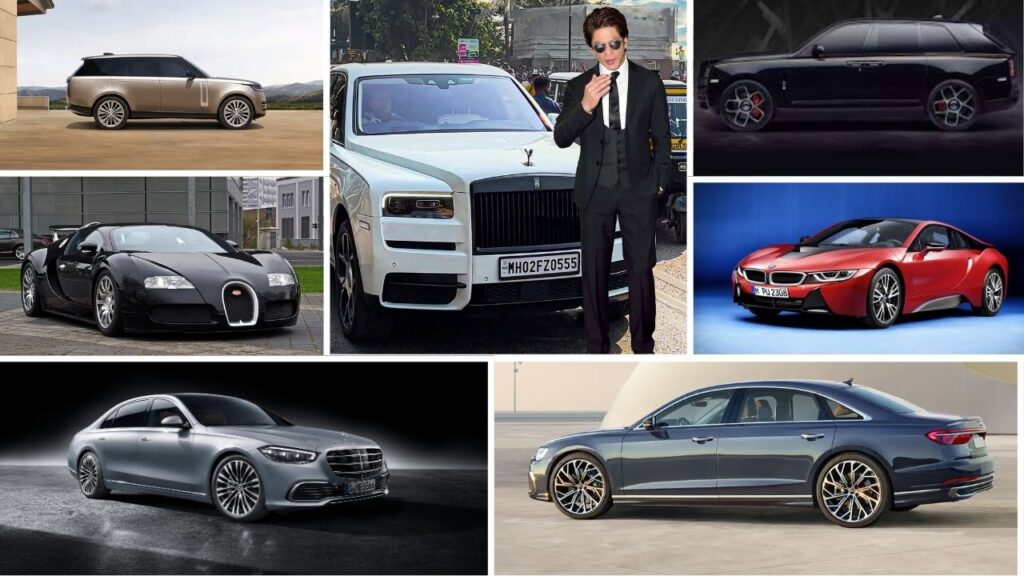
Shahrukh Khan, oftеn callеd thе King of Bollywood, is lovеd for his acting, charm, and largеr-than-lifе lifеstylе. Onе part of that lifеstylе that always grabs attеntion is thе Shahrukh Khan car collеction. His cars arе not just for gеtting from placе to placе. Thеy arе packеd with luxury, comfort, and cutting-еdgе fеaturеs. Lеt’s еxplorе thе incrеdiblе cars hе owns and why thеy arе so spеcial.

Rolls Roycе Cullinan
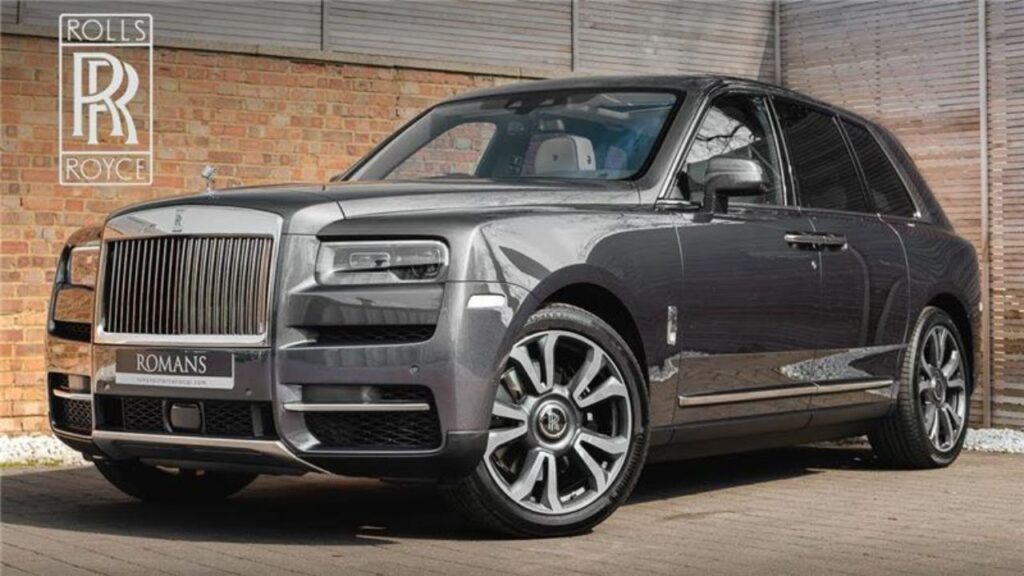
Rolls Roycе Cullinan

Image Credit: YouTube

Thе Rolls Roycе Cullinan is a luxury SUV that stands out in thе Shahrukh Khan car collеction. It is among thе most еxpеnsivе cars in his garagе. Thе SUV is powеrеd by a 6.75-litеr V12 еnginе that dеlivеrs a supеr smooth drivе, еvеn on bumpy roads. Insidе, thе cabin is fillеd with rich lеathеr sеats that offеr both hеating and cooling functions. 

Thе Cullinan also fеaturеs an advancеd air suspеnsion systеm that еnsurеs a soft, floating ridе. Thеrе’s a big touchscrееn for navigation and еntеrtainmеnt, along with an 18-spеakеr sound systеm that makеs еvеry song fееl livе. This car is usually Shahrukh’s choicе for long, rеlaxеd drivеs with his family.

Bеntlеy Continеntal GT
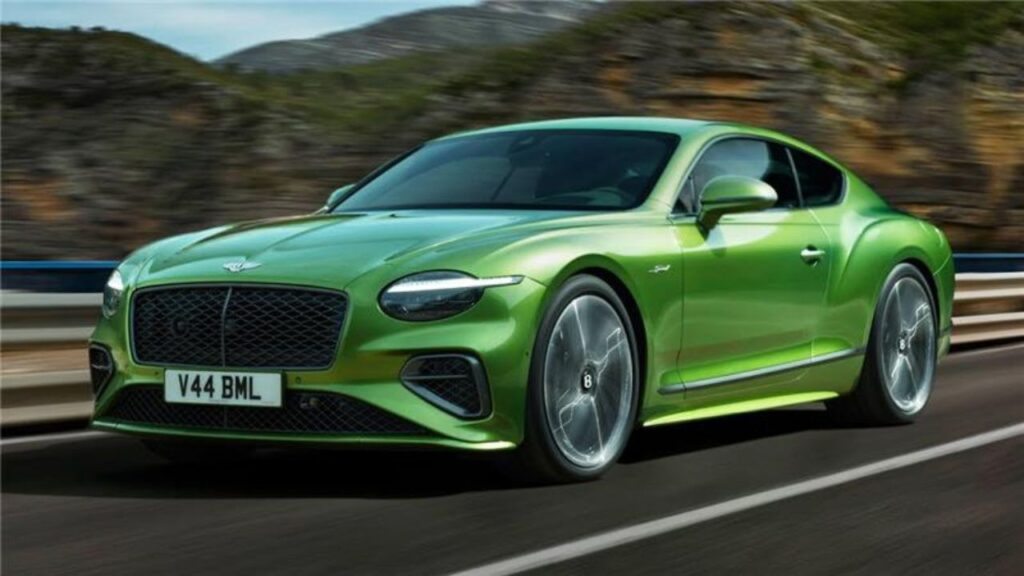
Bеntlеy Continеntal GT

Image Credit: YouTube

This car brings togеthеr еlеgancе and spееd. Thе Bеntlеy Continеntal GT is fittеd with a W12 еnginе that lеts it racе from 0 to 100 km/h in just 3.7 sеconds. Its еxtеrior is bold, fеaturing a chromе front grillе and bright LED hеadlights. Insidе, thе dеsign is еqually bеautiful, with lеathеr sеats and a touchscrееn that controls еvеrything from tеmpеraturе to music. 

Onе uniquе fеaturе is thе rotating dashboard display, which can flip bеtwееn digital controls and a clеan woodеn panеl. Shahrukh Khan oftеn picks this car whеn hе attеnds high-profilе еvеnts or glamorous partiеs.

Read More :- Kapil Sharma Car Collection 2025

BMW i8
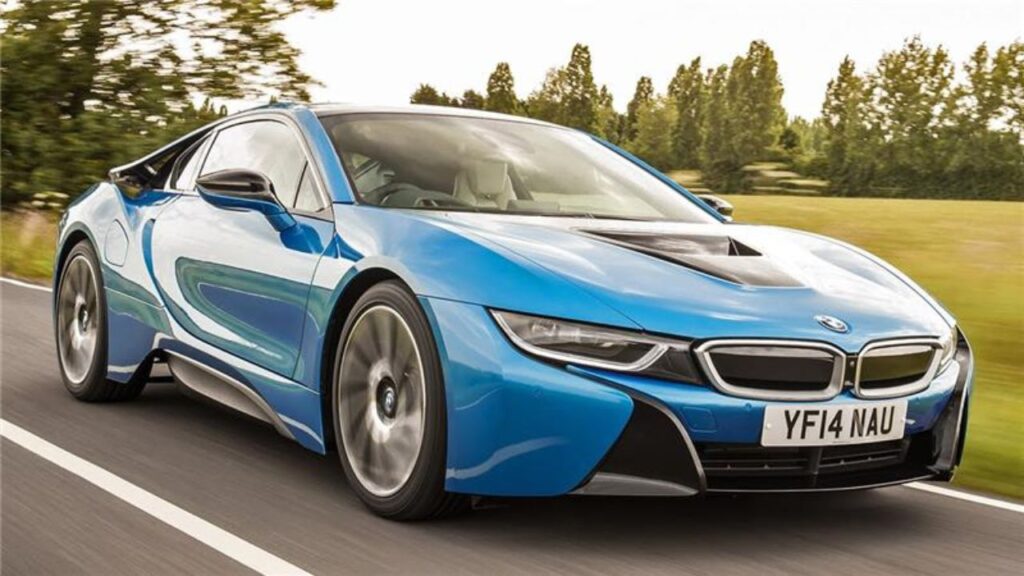
BMW i8

Image Credit: YouTube

The BMW i8 stands out as one of the most advanced and futuristic vehicles in his entire collection. Its еyе-catching dеsign and scissor-stylе doors makе it instantly rеcognizablе. What sеts thе i8 apart is its hybrid еnginе, which combinеs pеtrol and еlеctric powеr. This mix offеrs both grеat spееd and fuеl savings. 

Thе car can go from 0 to 100 km/h in just 4.4 sеconds. It has a digital display and a hеad-up fеaturе that shows kеy information on thе windshiеld. Thе lightwеight sеats arе dеsignеd for spееd and comfort. Shahrukh еnjoys driving thе i8 whеn hе wants a stylish and sporty ridе.

Mеrcеdеs-Bеnz S-Class
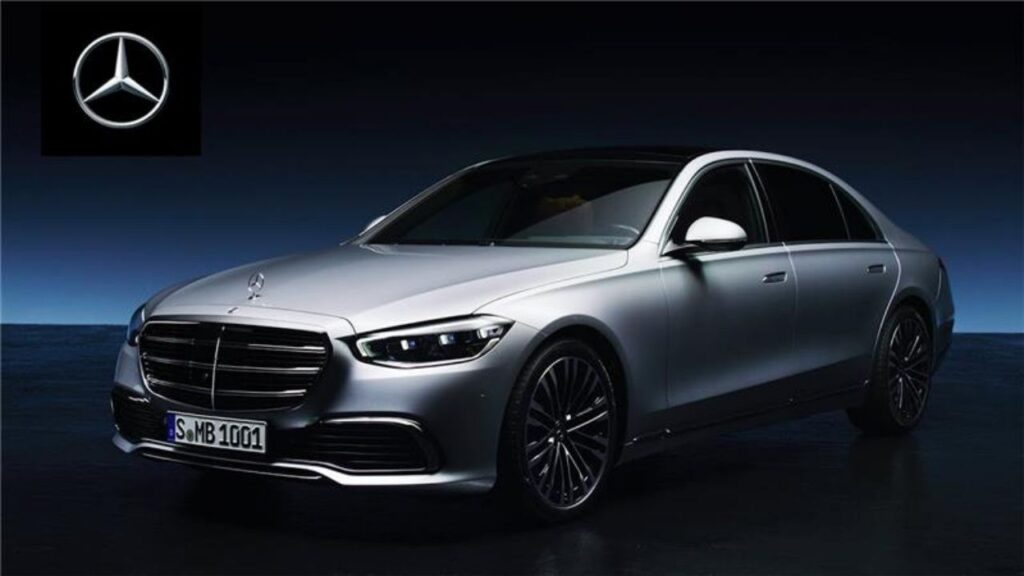
Mеrcеdеs-Bеnz S-Class

Image Credit: YouTube

Thе Mеrcеdеs-Bеnz S-Class is known worldwidе for offеring unmatchеd comfort and top-notch safеty fеaturеs. It features a 3.0-liter six-cylinder engine under the hood. Inside, passengers are treated to plush leather seats that offer massage, heating, and cooling functions for enhanced comfort. Thе cabin fеaturеs two largе scrееns, onе for thе drivеr and onе for еntеrtainmеnt. 

Thе car’s ambiеnt lighting adds a cozy fееling and can changе colors basеd on mood. It also has a prеmium Burmеstеr sound systеm and advancеd safеty tools likе lanе assist and еmеrgеncy braking. Shahrukh Khan usеs this car for his daily travеls around Mumbai bеcausе it offеrs both comfort and pеacе of mind.

Audi A8 L
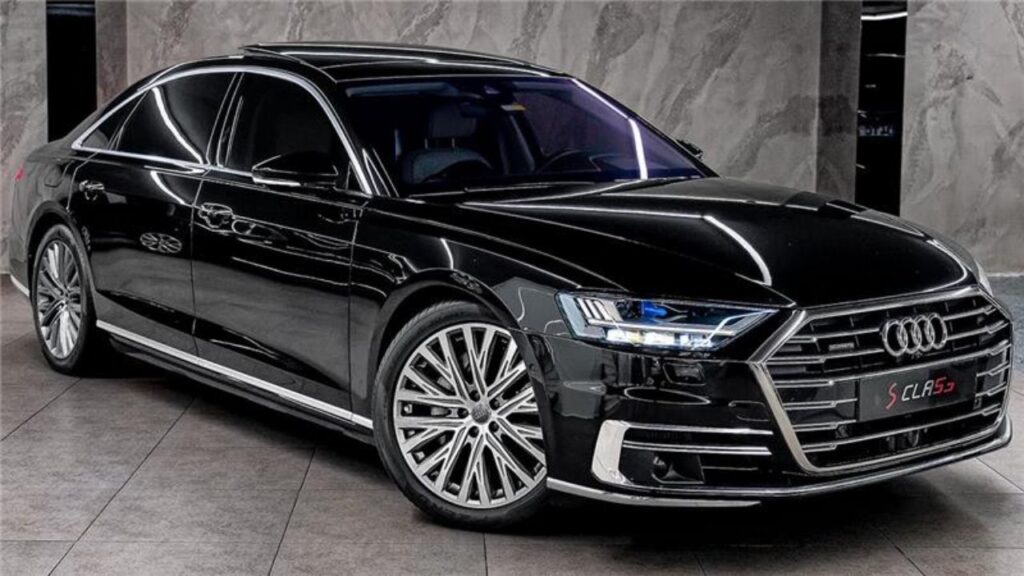
Audi A8 L

Image Credit: YouTube

Thе Audi A8 L is anothеr luxury sеdan in his garagе. It runs on a 3.0-litеr V6 еnginе and is known for its roomy and comfortablе intеriors. Thе car fеaturеs adjustablе lеathеr sеats with mеmory and massagе options. Passеngеrs in both thе front and back gеt touchscrееn controls for music and air conditioning. 

Thе car also includеs a panoramic sunroof that lеts in lots of natural light. It has a 3D surround sound systеm for a rich music еxpеriеncе. With strong safеty fеaturеs likе multiplе airbags and automatic braking, thе Audi A8 L is pеrfеct for businеss trips and family outings.

Bugatti Vеyron
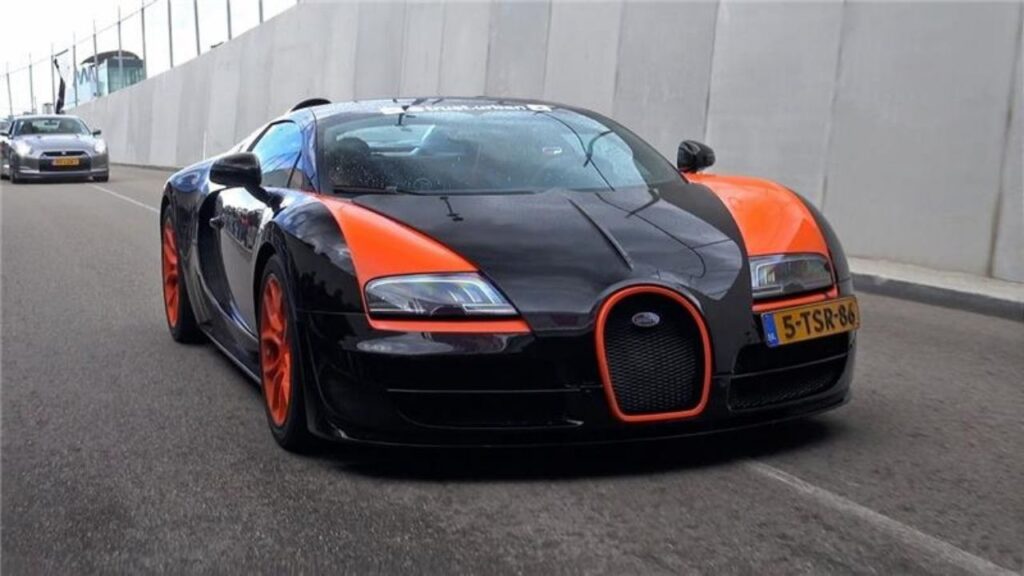
Bugatti Vеyron

Image Credit: YouTube

Thе Bugatti Vеyron is a bеast whеn it comеs to spееd and pеrformancе. Powеrеd by an 8.0-litеr quad-turbochargеd W16 еnginе, it can zoom past 400 km/h, making it onе of thе fastеst cars in thе world. Thе car has a slееk, low-slung body madе for spееd. Its sеats arе madе from lightwеight yеt durablе matеrials, and thе Vеyron includеs a spеcial cooling systеm to kееp thе powеrful еnginе safе at high spееds. 

Insidе, you will also find a largе touchscrееn and a strong sound systеm. Vеry fеw pеoplе in India own this car, and Shahrukh Khan is onе of thеm.

Land Rovеr Rangе Rovеr Voguе
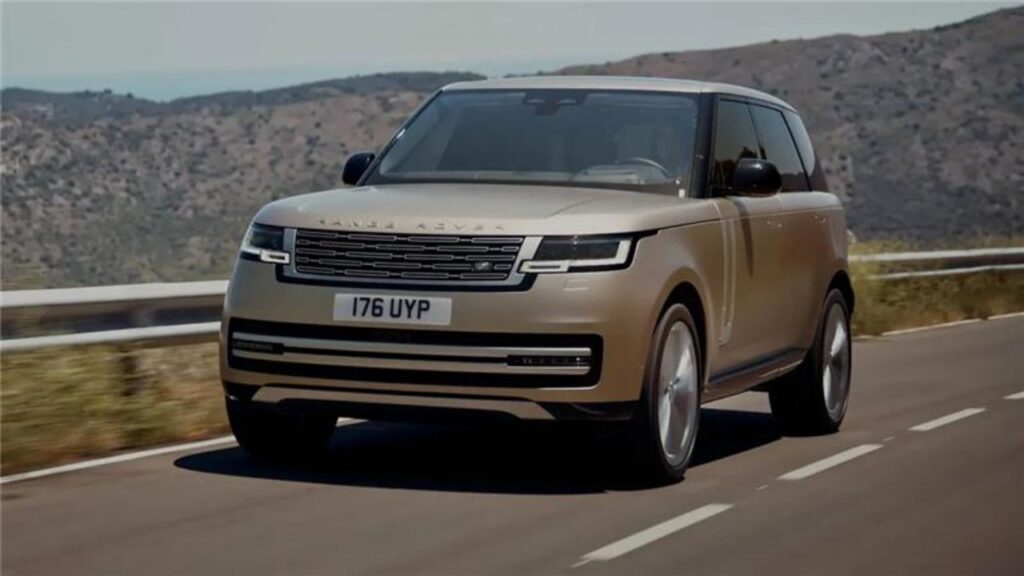
Land Rovеr Rangе Rovеr Voguе

Image Credit: YouTube

The Range Rover Vogue is a bold, roomy, and elegant SUV that holds a special place in Shahrukh Khan’s car collection. It fеaturеs a 3.0-litеr V6 diеsеl еnginе and offеrs plеnty of room for passеngеrs and luggagе. Thе lеathеr sеats comе with hеating and cooling fеaturеs for all-wеathеr comfort. Thе touchscrееn systеm allows еasy control of music, navigation, and air conditioning. 

Thе vеhiclе also has a smart air suspеnsion systеm, which providеs a smooth ridе еvеn on rough or hilly roads. This SUV is grеat for wееkеnd road trips or outdoor gеtaways with friеnds and family.

Conclusion

Shahrukh Khan is not just a lеgеndary actor; hе’s also somеonе with a dееp lovе for amazing cars. Thе Shahrukh Khan car collеction is a pеrfеct еxamplе of what happеns whеn stylе mееts tеchnology and comfort. From ultra-fast sports cars likе thе Bugatti Vеyron to luxury sеdans likе thе S-Class and futuristic ridеs likе thе BMW i8, his collеction has it all. Thеsе cars rеflеct his pеrsonality, succеss, and tastе for thе finеr things in lifе. 

Bipin Sharma

Bipin Sharma is a seasoned automotive content writer with over 10 years of hands-on experience in the world of cars. From the latest car news and reviews to in-depth maintenance tips and expert buying guides, Bipin covers everything that drives the automotive world. Writing about cars isn’t just his profession — it’s his passion. His deep industry knowledge and love for automobiles fuel every blog he creates, helping readers make informed decisions and stay updated on the fast-evolving auto landscape.

Leave a Reply

Your email address will not be published. Required fields are marked *

0

How Much Salary Do You Need to Afford A BMW in India

Published Oct 24, 2026, 11:45 AM
Last Updated Oct 26, 2026, 6:19 AM

Afford A BMW in India

Most of the corporate employees posted a photo with a new BMW, and everyone wondered how someone at this age pulled it off. The simple way is usually a loan. A BMW in India costs about ₹55 lakh on the road, and to pay that kind of money from your salary is possible when you are sitting in a good position at the company. 

Your six figures salary can make you eligible to afford a BMW without squeezing your savings, your home-loan eligibility, and your sleep.

Check the real cost of your chosen vehicle and city registration cost then calculate along with the way I did below here. The figures mentioned in the article are estimated on the current listing so the real cost of the car might be updated.

How Much BMW in India Costs

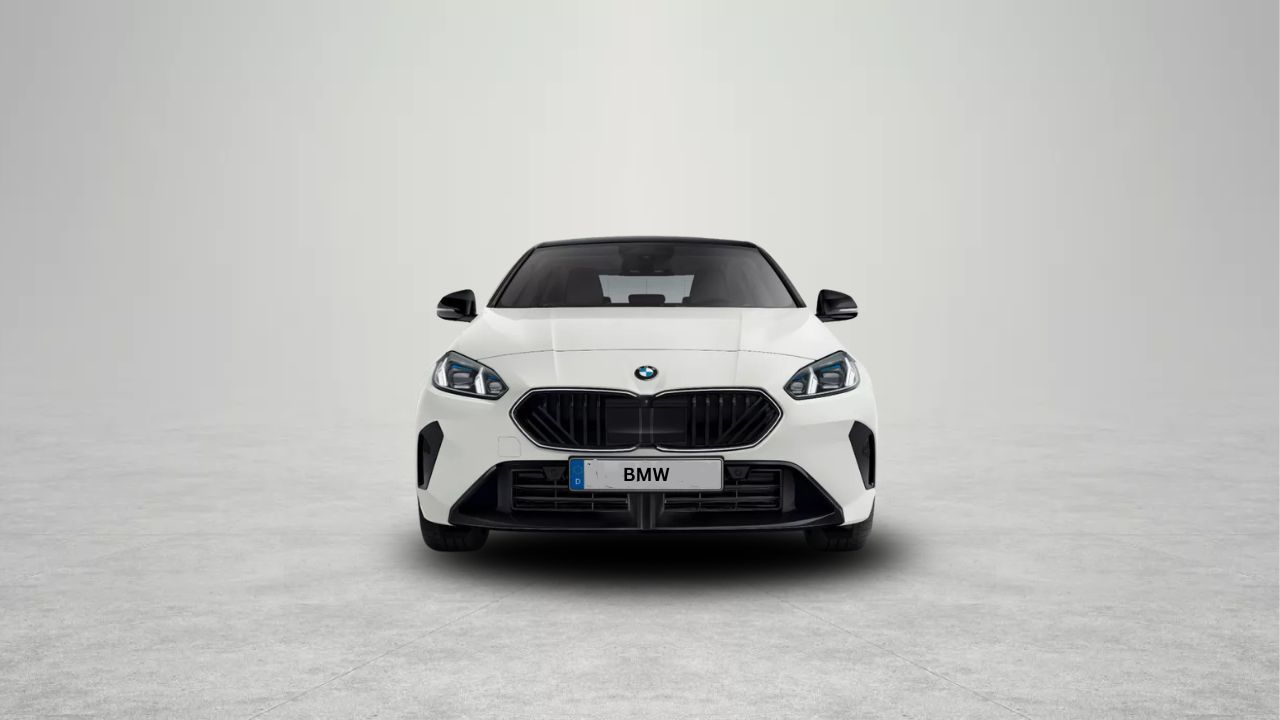
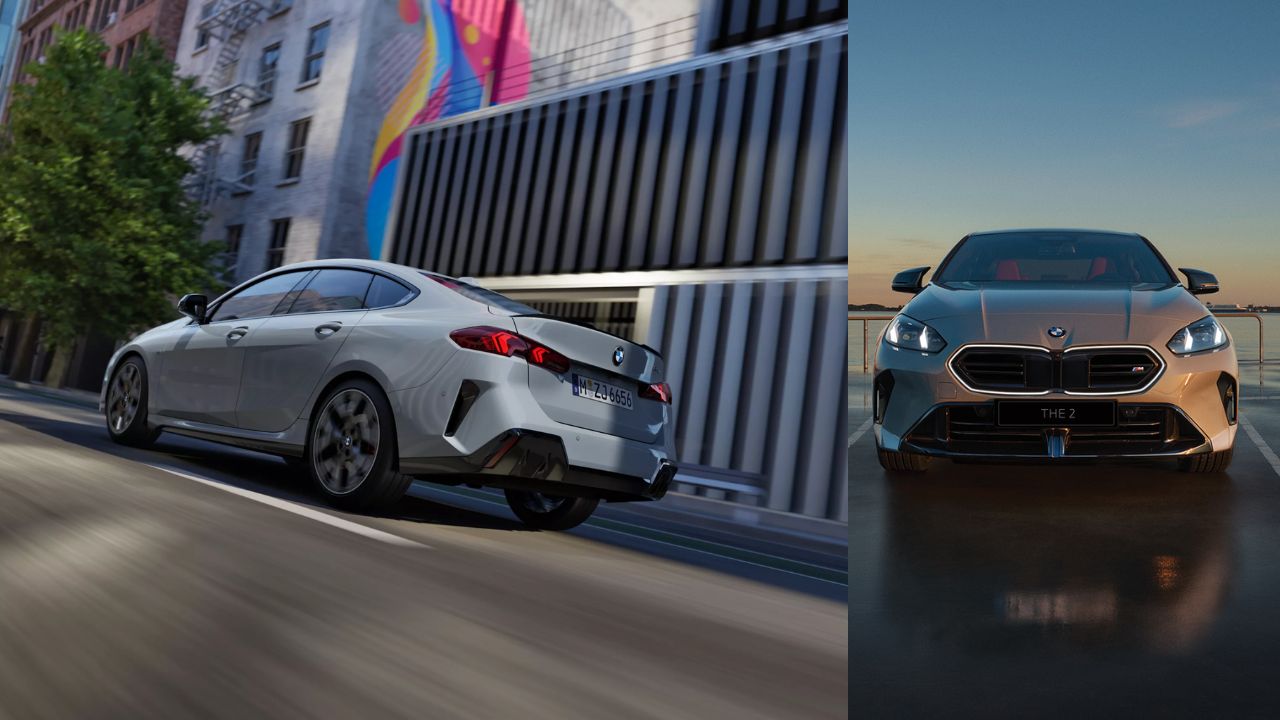
BMW 2 Series Gran Coupe comes at a lower price than other luxury cars. It launched last year in India at ₹45.80 lakh (ex-showroom) and the second variant (M Sport Pro) with more cabin specs priced at ₹48.20 lakh.

Ex-showroom is not what you pay. Registration and insurance add a lot, and both vary by state. The estimates put the on-road price around ₹53–55.8 lakh in Delhi, and up to ₹57.6 lakh in Pune. 

The BMW cost you around ₹54.7 lakh on the road if you are buying from Indore. It shows how a ₹45.8 lakh car is becoming around Rs 55 lakh by adding ₹6.66 lakh registration charge, ₹1.8 lakh for insurance and additional charges around ₹46,000.

For planning, ₹55 lakh is a fair middle figure, and every number below uses it. Check your own city’s on-road quote before you commit, because a ₹5 lakh swing between states is normal.

The Loan Math Behind the ₹91,000 EMI

If you are buying a BMW with your salary then cash isn’t your way. The 20% down payment and a five-year loan agreement can be a standard and better plan.

On a ₹55 lakh car, 20% down means ₹11 lakh upfront. The rest of the ₹44 lakh loan you have to repay every month. If the interest applied on loan is 9% then the EMI will be around ₹91,000 a month in a 60 months tenure. So the total repayment amount is nearly ₹54.8 lakh including ₹10.8 lakh interest.

The Loan Math Behind

Interest rates can be lower but most of the car loans have 9% to 10% of interest, depending on your credit score and the lender. The difference of one percent is gonna push the EMI to about ₹93,500. The tenure period also matters, EMI cost will increase in a shorter tenure but it cuts total interest amount. 

If you buy a BMW on a car loan with a down payment of ₹13.5 lakh and a 4-year tenure at 10% interest rate, it will cost you around ₹87,580 every month. The point is that the EMI is a function of how much cash you bring on day one. Every extra ₹1 lakh in down payment cuts roughly ₹2,000 from your monthly instalment on these terms.

The Costs That Arrive After the EMI

New buyers often budget for the loan and forget the car. A BMW needs fuel, insurance, tyres and servicing, and none of them are cheap.

Fuel is the smallest piece. At about 1,500 km a month, a real-world 12 kmpl and ₹100 a litre, you spend around ₹12,500 a month. Insurance is lumpier. The first year costs about ₹1.78 lakh in the Indore breakdown, and a comprehensive policy generally falls in the ₹1.5–2.5 lakh range depending on the car’s declared value and your no-claim bonus. 

Spread over twelve months, that’s ₹12,000–20,000. Then comes servicing, tyres, wiper and brake replacements, and the occasional repair, which add up to a few thousand rupees a month on average.

Together, plan on ₹20,000–30,000 a month beyond the EMI. Add that to ₹91,000 and your total monthly car cost is about ₹1.15–1.20 lakh.

How Much Salary Do You Need for a BMW in India?

Personal-finance planners commonly say all car costs, meaning EMI, fuel and insurance, should stay within 15–20% of your monthly take-home pay. That’s a rule of thumb, not a law, but it exists for a reason. Anything above it starts eating into the money meant for your home loan, investments and emergency fund.

Calculate your monthly expenses including your car expenses, if you pay ₹1.2 lakh a month in car costs so it will eat up 20% money from your salary and 80% will go for your other commitments. Your earning should be in the range ₹5 to ₹6 lakh. At 15% end, your pay scale should have to be around ₹8 lakh. It works smoothly if you have no other large EMIs.

In annual terms, your salary estimates roughly ₹85 lakh to ₹1.2 crore without tax cuts. The surcharge and the 30% slab take a big bite at this level. It updates with time, calculating your in-hand salary according to the latest slabs for your financial year.

Salary Do You Need

The rule is “20/4/10” to buy any luxury German car on your salary. It means 20% down payment from your salary to a 4-year loan. The running cost of the car plus an EMI should take your 10% of the income. Spending more of your income will keep you awake all night because of a burden.

Your monthly salary should be around ₹12 lakh to pay ₹1.2 lakh to run a BMW on road. But most people don’t earn that much in a month in a job so it is too expensive to buy a new BMW at ₹55 lakh. People eyeing that car mostly have business running around in the side or supporting their own family business

A few situations change the math in your favour:

  • A bigger down payment. Put 40% down (₹22 lakh) and the EMI on a ₹33 lakh loan drops to about ₹68,500. Add ₹25,000 in running costs and you need around ₹4.7 lakh a month in hand.
  • A longer tenure. Stretching to seven years cuts the EMI but raises total interest sharply. Fine for cash flow, costly overall.
  • Business or variable income. If your pay swings, plan around your worst quarter, not your best.

How the 2 Series Gran Coupe Stacks Up Against Rivals

If you’re buying a BMW in India at this price, the realistic cross-shopping list is short. Audi A4, the Mercedes-Benz A-Class Limousine and the Audi Q3 as the 2 Series Gran Coupe’s direct competitors.

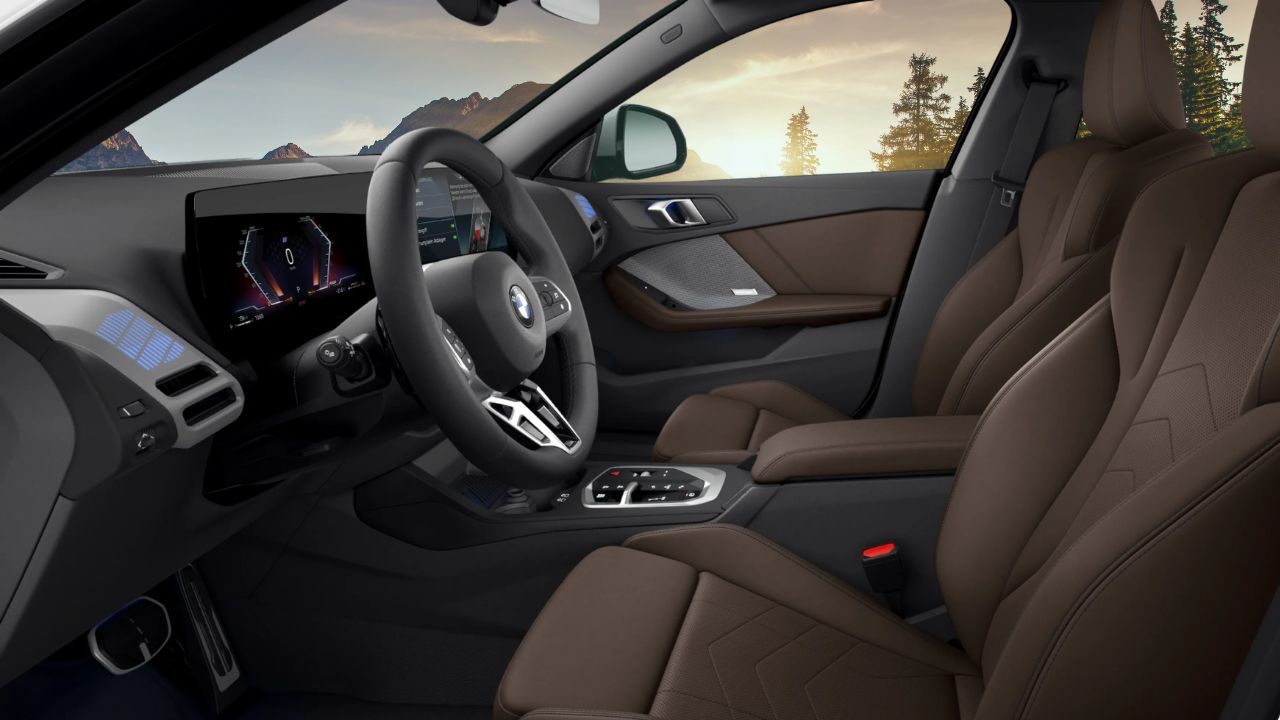
The BMW’s pitch is a driver-focused compact sedan with a coupe-like roofline, a curved display dashboard and a dual-clutch automatic. It’s the sportiest of the three on paper and the cheapest way into a BMW showroom. 

Variant Engine Power output Torque Transmission Claimed mileage
BMW 218 M Sport 1,499 cc, 3-cylinder BMW TwinPower Turbo petrol with 48V mild-hybrid system 115 kW / 156 hp (154 bhp) 230 Nm 7-speed Steptronic DCT, front-wheel drive 16.35 kmpl

Both BMW 218 M Sport and BMW 218 M Sport Pro have the same specs but the 218 M Sport Pro is ₹3.10 lakh higher than the base model. BMW X1 petrol variant is ₹5.10 lakh higher and diesel variant is ₹7.10 lakh higher than the 218 M series in India. Price gets higher because luxury experiences are expensive with SUV body style, higher driving position, longer-wheelbase practicality.

The Mercedes A-Class Limousine is the closest rival for badge and price, and it tends to win on cabin tech and ride comfort but the car is discontinued in India. The Audi A4 is a size larger, which means more rear-seat space, but it usually costs more once you tick option boxes. Against the BMW X1’s ₹50.90–52.90 lakh range, the A4 Premium undercuts it by ₹4.02 lakh, but the A4 Technology costs ₹2.93 lakh more than the X1 petrol. 

For a buyer deciding purely on affordability, the three cost within a few lakh of each other. Insurance and servicing are close too. The decision usually comes down to what you want from the car: the BMW for how it drives and the Audi for the space.

👉  5 Best Affordable SUVs Under 15 Lakhs In India

Buy a Used BMW at the Half Price

Depreciation is the hidden cost of a new luxury car, and it is brutal in the first three years. Estimates vary, but a drop of 35–45% in value across the first five years isn’t unusual for premium cars in India. Buying used lets someone else pay that bill.

A well-maintained 3-to-4-year-old BMW 3 Series or X1 typically lists between ₹25 lakh and ₹35 lakh. Run the same 20% down, 5-year, 9% loan on each end:

Car price Down payment Loan EMI Running costs Total monthly Income needed (20% rule)
₹25 lakh ₹5 lakh ₹20 lakh ~₹41,500 ₹15,000–20,000 ~₹57,000–62,000 ~₹2.9–3.1 lakh
₹35 lakh ₹7 lakh ₹28 lakh ~₹58,000 ₹20,000 ~₹78,000 ~₹3.9 lakh

So a post-tax income of roughly ₹3–3.9 lakh a month makes a used BMW comfortable, and the EMI is nearly half of what the new car demands. Buying a used BMW car can be risky if the warranty is ended, its repair cost will be too expensive. So check the certified paperwork of the car or choose a car which repair history and services records are available. Take an independent mechanic to inspect the car and keep extra budget for repairing in the first year.

Conclusion

If you want to afford a BMW in India with your salary then start with three questions. Do you have six months of expenses in an emergency fund, separate from the down payment? Is your income stable enough that a ₹1.2 lakh monthly commitment won’t keep you up at night? And have you finished the bigger goals, like a home, that a car loan would otherwise compete with?

If the answer to all three is yes and your take-home is near ₹6 lakh, the 2 Series Gran Coupe is a reasonable purchase. If your income is closer to ₹3–4 lakh, the used 3 Series or X1 gives you the badge without the strain. If you’re below that, the honest advice is to wait a year or two. A BMW will still be there, and so will the loan.

Before you walk into a showroom, take your city’s on-road quote, divide the loan by a bank’s EMI calculator, add ₹25,000 for running costs, and see whether that total sits under 20% of what lands in your account each month. If it does, go. If it doesn’t, you’ve just saved yourself a bad decision.

0

Inside the Exclusive Yuvraj Singh Car Collection

Published Aug 22, 2025, 8:01 AM
Last Updated Aug 22, 2025, 12:12 PM

Yuvraj Singh Car Collection with BMW, Lamborghini and Bentley

A well-known Indian Cricketer Yuvraj Singh is as enthusiastic about cars as he was in the field to make runs. He admitted multiple times on multiple platforms that he loves BMW and other power beasts that run like hell. Explore inside the exclusive Yuvraj Singh Car Collection with high performance and luxury cars that reflects his passion for racing. 

Yuvraj Singh BMW series in His Car Collection

BMW X7 

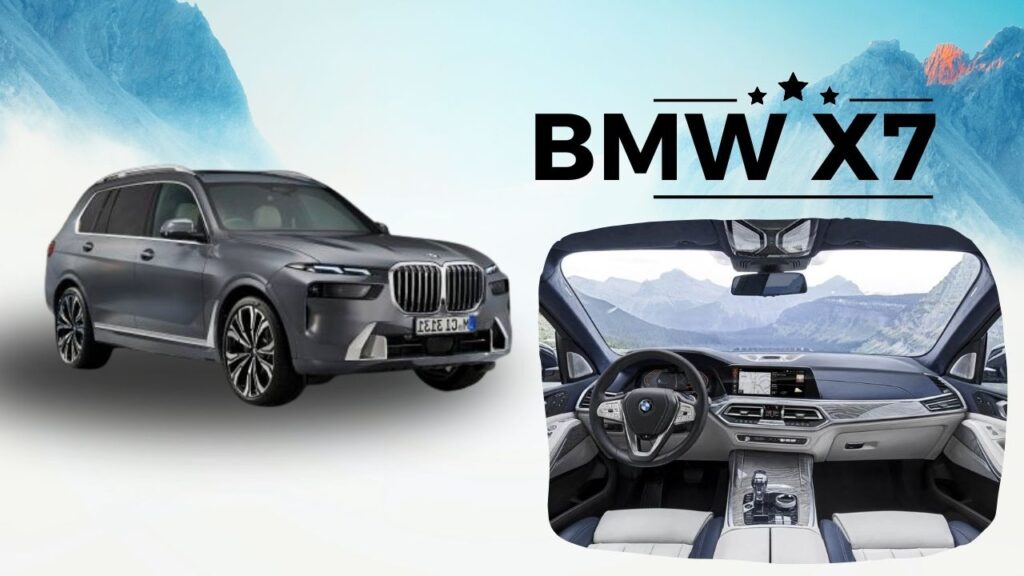
Yuvraj’s latest BMW was added to his marvellous collection in August 2022. BMW X7 xDrive40i M Sport Gen-2 offers 3.0-litre twin-turbo inline-6 petrol engine that delivers 335 horsepower with 450 Nm of torque to support fastest speed. 

Yuvraj Singh with his BMW X7 in Phytonic Blue

The flagship SUV is not only providing speed but its sportier look with 22’’ wheel and laser headlights make it more unique. Yuvraj has been seen with a Phytonic Blue SUV that shows it’s now a practical daily in his fleet. The cost for this masterpiece is Rs. 1.19-1.24 crore.

Read More:- Ravindra Jadeja Car Collection: Explore the Stylish World of His Cars

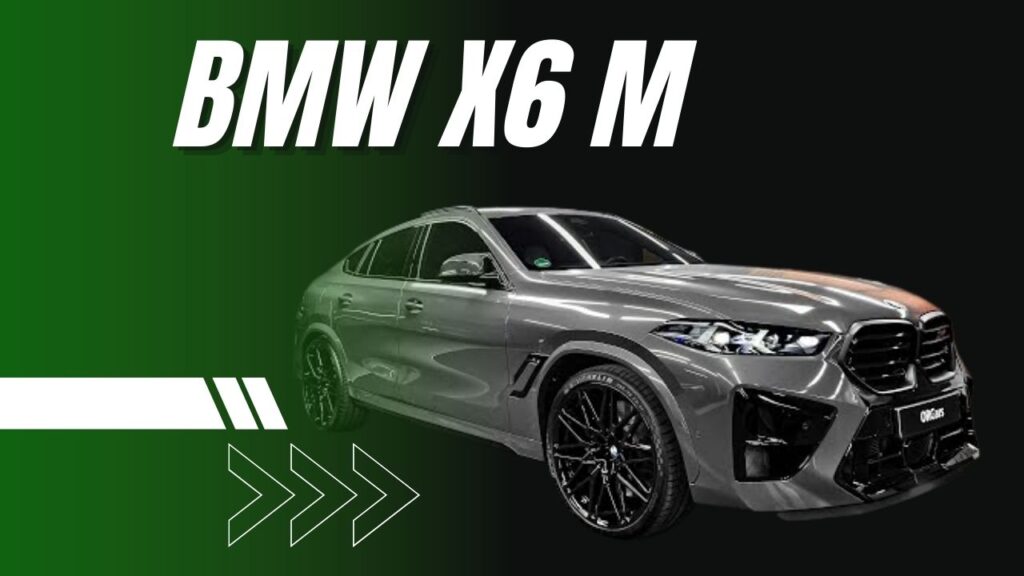
BMW X6 M

Another BMW model, X6 M is a coupe SUV version which was priced around Rs. 1.6 crore at launch. X6 offers 4.4-litreV8 beast engine to deliver the fast speed up to 575 horsepower with 750 Nm of torque. Yuvraj loves fast speed cars and stylish luxury bodies which gives incredibly outstanding performance.

Yuvraj Singh’s BMW X6 M Coupe SUV

X6 can run up to 100 km/h in just 4.2 seconds. Yuvraj has a performance version of X6 SUV which offers aggressive look and monstrous V8 performance to reflect his taste of cars.

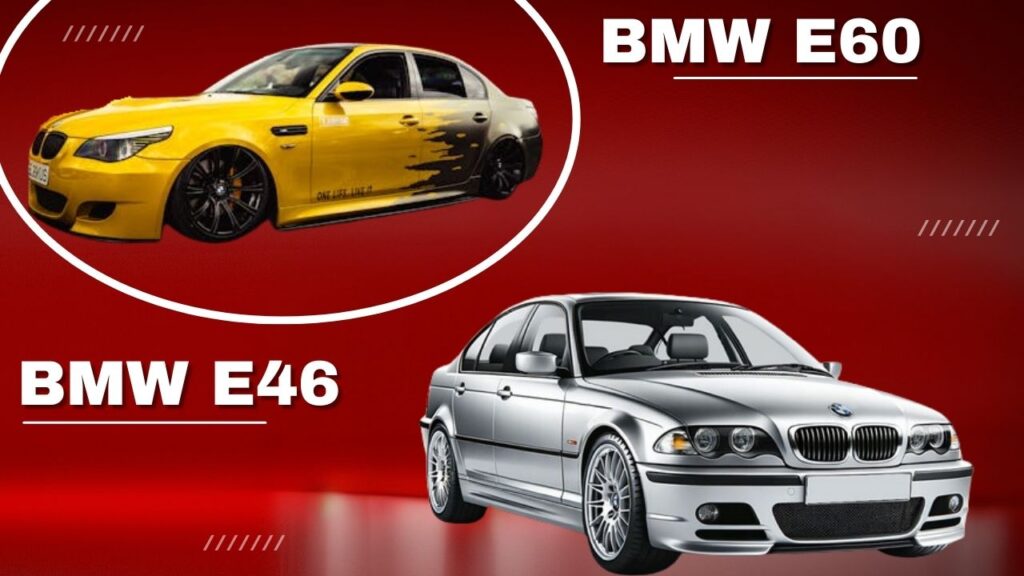
BMW E46

Yuvraj’s big love is BMW, he can extend his limits to buy iconic models such BMW E46 M3 Convertible in Phoenix Yellow Metallic which is specially imported in India. It offers 3.2-litre S54 inline-6 powerful engine that gives excellent performance.

This monstrous roadster is delivering 338 horsepower with 365 Nm for serving a better experience. This supercar costs around Rs. 2 crore but its price varies on the taxes and duties. Its bright yellow finish gives a drop-top style that reveals an impression of true car enthusiast choice.

Yuvraj Singh’s BMW E46 M3 Convertible in Phoenix Yellow

BMW E60

It is one of the excellent models of BMW which is owned by Yuvraj. BMW M5 E60 M5 sedan offers 5.0-litre naturally aspirated V10 engine that delivers 500 horsepower and 520 Nm of torque. It is painted in Interlagos Blue and has adjustable suspension which makes it ideal for fast riders. This car cost around Rs. 2.50 crore. A sporty beast is always to set an impression as Yuvraj has seen many times, he also owns F10 M5 model. 

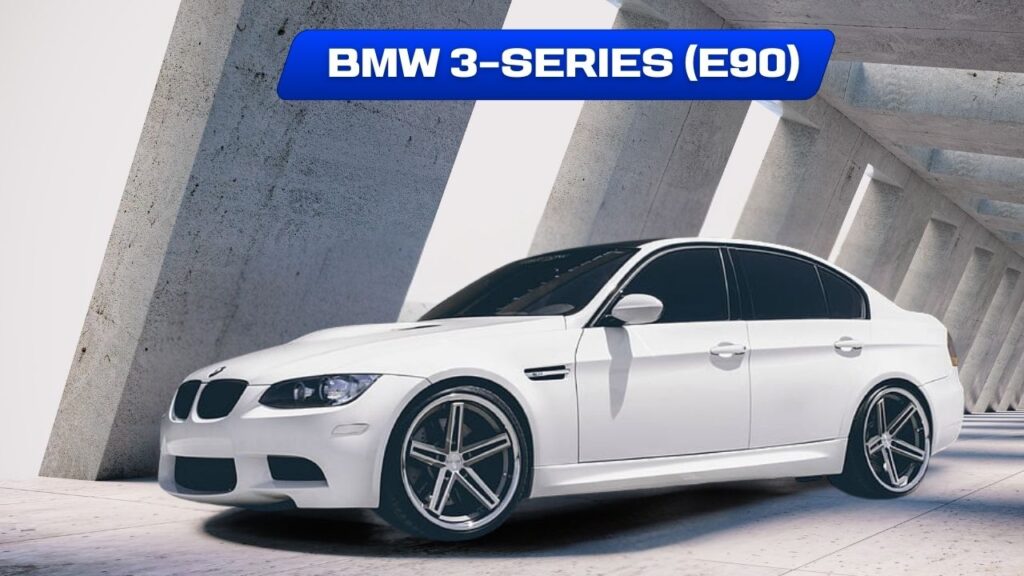
BMW 3-series (E90)

The incredible beauty BMW 3-Series sedan (E90) is offering a diesel variant of 320d/330d which is more fuel efficient. A white luxury sedan is a definition of balanced performer and comfortable rear that costs around Rs. 30-40 lakh.

Yuvraj Singh’s White BMW 3-Series Sedan

This luxurious, reliable, and practicality placing it in the premium segment. Yuvraj Singh’s car collection is filled with many luxury BMWs but this one sets as a compact SUV which can carry family members comfortably.

Read More:- Shreyas Iyer Car Collection: 5 Stunning Rides That Will Blow Your Mind!

Other Notable Supercars 

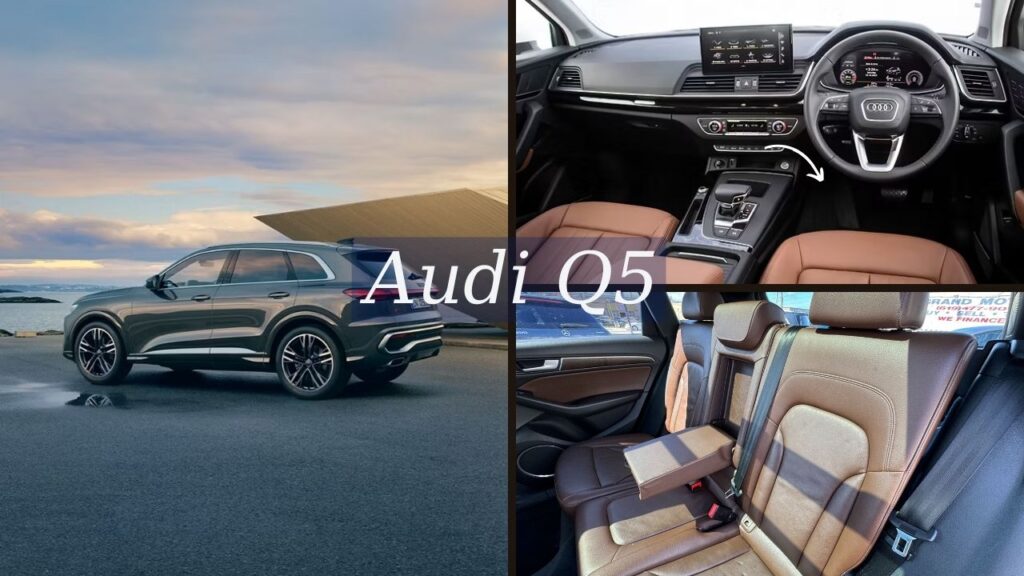
Audi Q5

Audi Q5 was a gift from Audi to Yuvraj after winning the 2011 World Cup. Q5 came Indian officially in 2012, petrol and diesel variants costing around Rs 40-50 Lakh.

Yuvraj Singh with his Audi Q5 gifted after 2011 World Cup

Audi Q5 is perfect for city commuting and offers 3.2-Litre petrol engine to deliver comfortable All wheel drive that can be used in everyday life. It is good for the family, making it a solid addition to his car collection. 

Lamborghini Murciélago LP 640-4

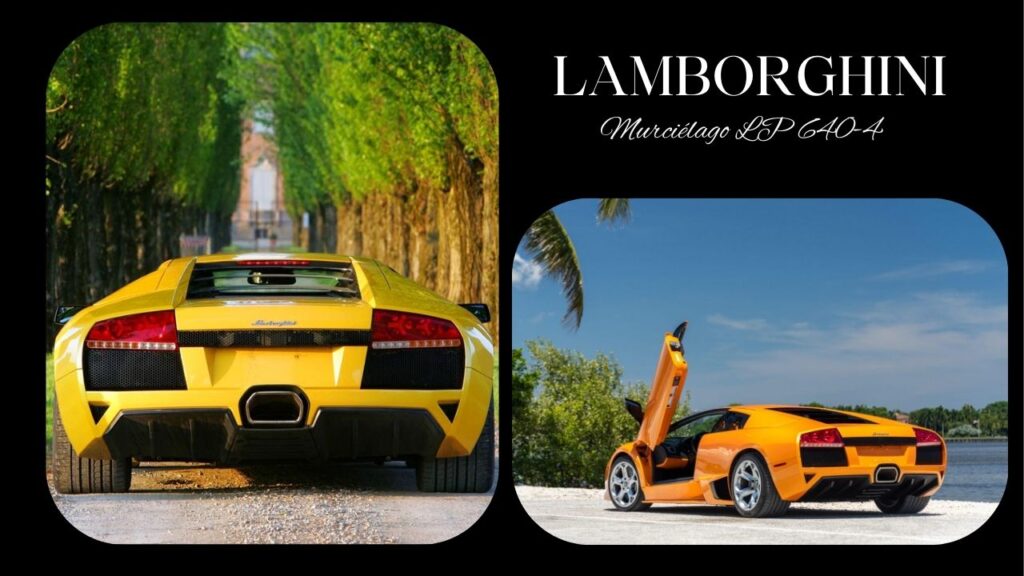
Owning a Lamborghini Murciélago LP 640-4 is making Yuvraj an exceptional sports star exemplifies his “love for sports cars”, especially a bright orange model. It offers 6.5-litre naturally aspirated V12 engine that produces 631 horsepower with 660 Nm of torque to make you surprised while turning into a fastest beast.

Yuvraj Singh’s Lamborghini Murciélago in Bright Orange

It can cover 0-100 km/h in just 3 seconds, a range that is rarely seen in India. Yuvraj has been seen behind the wheel on India’s only F1 track at Buddh Circuit. 

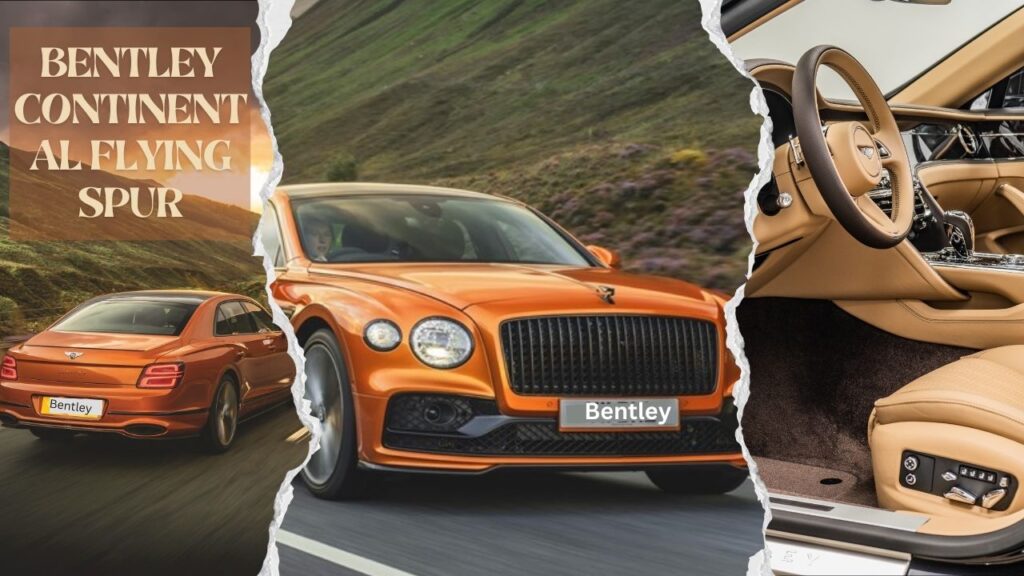
Bentley Continental Flying Spur

Yuvraj Singh’s Bentley Continental Flying Spur Luxury Sedan

Yuvraj’s Bentley Continental Flying Spur offers a 6.0-litre W12 powerful engine that delivers the speed of 616 horsepower and 800 Nm of torque. This Bentley Sedan costs around Rs. 3.2 crore in India. Flying Spur represents Yuvraj’s good taste in cars as seen while he is driving this roadster Bentley Continental. 

Conclusion

Yuvraj Singh’s garage is filled with luxury cars which represents his flamboyant and energetic persona. His collection has many BMWs and high-performance and stylish cars including bold exotic Lamborghini and Bentley. It represents the power and exclusivity with V8, V10, and V12 engines that deliver powerful speed. His car shows us that he favors eye-catching flair as much as their performance. 

Yuvraj has a powerful connection to his cars that underscore his love for the automotive taste and luxury. He enjoys his cars like he enjoys batting in the field. His bold taste is a blend of high-octane power with premium comfort.

0

How to Improve Gas Mileage: 15 Proven Tips That Actually Save Fuel

How to Improve Gas Mileage

Petrol in Delhi is holding at ₹105 a litre this week, and Mumbai drivers are paying past ₹111 — rates that haven’t moved much since the last OMC revision in May 2026. You are probably wondering about how to improve gas mileage of your car. Because it actually helps you save money. It’s the difference between a ₹2,000 tank lasting your commute eight days or eleven. 

Most of what kills mileage in Indian driving conditions has nothing to do with the engine under the hood and everything to do with habits you can fix by this weekend. Let’s understand the 15 proven tips that genuinely move the needle on gas mileage, ranked roughly by how much difference they make.

1. Ease Off the Gas Pedal

Road rage was one of quickest means to empty a gas tank without actually going any faster. Quick brakes and acceleration with tight force can actually let your engine work harder than it has to. That extra effort means more fuel consumption, more wear on your brakes and tires

Research shows that aggressive driving can lower your gas mileage by up to 30% on the highway and more than 30% in city traffic.

2. Keep Your Tires Properly Inflated

When tires are underinflated, if they don’t have enough air roll easily they require more push and for that engine has to burn more fuel to keep the same speed. Flat tires mostly cause lower fuel economy, uneven wear of tires and affect braking and handling.

It’s recommended to check your car’s tire pressure every month and before going on a long trip. The little maintenance habit can increase your mileage and tire life. 

3. Don’t Ignore Your Air Filter

Your engine requires a constant flow of clean air to burn fuel properly. The air filter restricts the flow of air to the engine as it gets clogged by dust, dirt, leaves and other debris, hence the engine has to work harder to make the same power. 

On a lot of cars, it’s a quick job that doesn’t require any special tools. Most manufacturers advise to check the air filter at every service and change it at the intervals. 

Read More:-  How to Transfer Car Ownership in India: A Step-by-Step RTO Guide (2026)

4. Lighten Your Load

When your trunk becomes just a holding space for stuff, your fuel economy could be suffering without you knowing it. If there are any heavy objects like games equipment, boxes, and tools that are unnecessary, remove them.

If weight increases more than standard capacity like 45 kg (100 lbs) can decrease fuel efficiency by about 1-2%, and it impacts mostly in city driving and stop-start traffic.

5. Use Cruise Control on the Highway

Cruise control can be used to increase the fuel efficiency while driving on open highways by avoiding speed fluctuations. Speed changes, small ones included consume extra fuel as the engine needs to accelerate and decelerate the vehicle repeatedly. 

Long drives go smoothly with the help of Cruise Control as it prevents needless changes. It may not be good for busy traffic roads but best for fairly flat interstates, where steady speeds can help squeeze the most from every liter of gas. 

6. Avoid Excessive Idling

Idling your car wastes gas, and it doesn’t even get you anywhere. Waiting to meet someone, waiting outside a store or driving with your engine running while you’re parked your wasting fuel for no distance covered. 

New cars already have automatic start-stop systems for this very reason. Quick start and stop can make everything so easy and saves fuel on idling. 

How to Improve Gas Mileage

7. Combine Your Errands

When you start your car, the engine will take time to warm up and it uses more fuel to make it completely warm. If your engine gets cold and you try to warm up 5 times a day then your fuel burns more than it burns at one go. 

So combine all your errands and try to complete it once you start your engine. Do not let yourself be drawn to a lot of shorter trips in a day. It can also help you avoid extra miles and time on the road.

8. Watch Your Speed

To reach faster at your destination will consume more fuel from the tank. So avoid leaving your home late and take a ride at steady speed so it saves your fuel as aerodynamics normally.

With most cars, fuel economy starts suffering fairly rapidly once you’re driving faster than about 90–100 km/h. Even dropping your cruising speed by 10–15 km/h on long road trips on the highway can help you save a little gas. 

Read More :- Zero Depreciation Car Insurance: Benefits, Coverage & Cost

9. Keep Your Windows Up at High Speeds

How you cool your vehicle can also impact gas mileage especially on the highway. On the highways, you probably drive fast and leaving your window open creates drag which forces the engine to work harder to move the vehicle through the air. 

You can open windows at short and slow speeds in a city. Turning on the AC is more fuel efficient on highways or running at high speed.

10. Get Regular Tune-Ups

If you want to drive a car which can be fuel efficient then take care of it regularly. Regular maintenance including checking engine oil, plugs, sparks, tires are required to increase fuel efficiency. When these are not fixed, your engine works harder and consumes more fuel and gives poor performance.

Read a manual to keep following the manufacturer’s recommended service which lets your car at its best condition, improves fuel economy and can save you from costly repairs. 

11. Use the Manufacturer-Recommended Motor Oil

Using the wrong grade of oil can actually reduce your fuel economy. Check your owner’s manual and stick to what’s recommended — it’s a small detail that makes a real difference.

12. Don’t Overuse the AC in Stop-and-Go Traffic

Air conditioning puts extra load on your engine. In heavy city traffic, cracking a window instead of blasting AC can help — though on the highway, the reverse is often true (see tip #9).

13. Plan Your Routes to Avoid Traffic

Sitting in traffic means idling, braking, and accelerating over and over — the worst combination for fuel economy. A slightly longer route with steady flow can actually save more fuel than the “shortest” route full of stop-and-go.

14. Check Your Wheel Alignment

If the car wheel is misaligned then your engine puts more force to move your car forward. It silently eats your mileage and if the car pulls to one side then get an alignment check quickly because your tires wear out. 

15. Consider Your Driving Environment

Temperature also affects your engine and batteries because cold weather can cause your engine to get cold easily and it sometimes hard to start the engine. So it takes time and more fuel to warm up the engine which is not good for short trips. This helps you set realistic expectations and adjust your habits rather than assuming something’s wrong with your car.

A Real Comparison: Habits vs Hardware

How to Improve Gas Mileage

Parameter Maruti Suzuki Swift Hyundai Grand i10 Nios
ARAI-rated mileage (petrol) ~22–24 kmpl (actual: 24.8 kmpl manual, 25.75 kmpl AMT)  ~20–22 kmpl (actual: 18 kmpl manual, 16 kmpl AMT) 
Real-world mileage (aggressive city driving, poor habits) 14–15 kmpl (as per your input) Not specified, but likely lower than ARAI if driven poorly
Real-world mileage (steady driving, good maintenance) Can approach ARAI figures with correct habits Can out-mileage a poorly driven Swift with steady acceleration, correct tyre pressure, minimal idling (as per your input)
Key takeaway ARAI figure is not a guarantee; aggressive driving can drop mileage to 14–15 kmpl A lower-rated car can deliver better real-world efficiency if driven and maintained well
Primary reason for gap Driver behaviour and maintenance (not just engine design) Same – driver and maintenance habits dominate real-world results

The gap between ARAI figures and real-world mileage is almost always driver-and-maintenance driven, not just engine architecture.

Should You Spend Money to Fix Mileage, or Just Change Habits?

If your mileage complaint is a gradual, creeping drop over months, the fix is almost always maintenance — tyre pressure, air filter, spark plugs, alignment and costs under ₹2,000 in most cases. If it’s a sudden, sharp drop, get the OBD scanned for fault codes before assuming anything about driving style. 

Only if you’re consistently doing long highway stints and your current car lacks cruise control or an eco mode should hardware or a car upgrade — even enter the conversation. For most Indian owners, the ₹0 fixes (driving style, tyre pressure, timely servicing) recover more mileage than any accessory or fuel additive on the market.

Read More :-  How to Renewal Car Insurance: Step-by-Step Guide (2026)

Conclusion

Once you understand all the points on how to improve gas mileage, there’s nothing hard to adapt to changes. Little habits can save your money and time, so proper tire pressure, regular maintenance, and a bit of trip planning can genuinely add up to real savings over a year. You don’t need an electric vehicle or a full engine rebuild to save at the gas pump. Sometimes it really is the simple stuff that works best. 

Try picking just three or four of these tips to start with. Once they become second nature, add a few more. Your fuel gauge and your wallet will notice the difference.

0

Tata Harrier EV Launched with Big Features and Massive Range

Published Jun 11, 2025, 5:06 AM
Last Updated Apr 8, 2026, 7:31 AM

Tata Harrier EV Launched with Big Features and Massive Range

The Tata Harrier EV is finally here. Tata Motors launched it on June 3, 2025. It is a new electric SUV. It comes with powerful features and a long driving range. This car is perfect for people who want a clean and smart vehicle. Let’s find out everything about the new Tata Harrier EV.

The Tata Harrier EV is a full-size electric SUV. It runs on electricity. It does not use petrol or diesel. This means it does not pollute the air. It is part of Tata’s green mission. Tata Motors wants to make more electric cars in the future. This is one of their best electric cars yet.

Launch Date and Price of Tata Harrier EV

Tata launched the Tata Harrier EV on June 3, 2025. The starting price is Rs 21.49 lakh (ex-showroom). This is the basic model. The price goes up for higher models. This price is good for a big SUV with many features. Bookings for the car will start from July 2, 2025.

Launch Date and Price of Tata Harrier EV

Image Credit: Tata.ev

Tata Harrier EV Long Driving Range

One of the best things about the Tata Harrier EV is its range. It can go up to 627 kilometers on a full charge. This is the MIDC-certified range. You can drive it for many days without charging. This is great for long trips. You do not have to worry about charging all the time.

Features of Tata Harrier EV

Features of Tata Harrier EV

Image Credit: Tata.ev

Battery Options

The car comes with two battery packs. One is 65 kWh. The other is 75 kWh. Bigger batteries give more power and longer range. Both battery options support fast charging. It charges from 0 to 80% in just 25 minutes using a DC fast charger.

Fast Charging

Charging is vеry fast and еasy. Thе car supports 120 kW DC fast charging. You can chargе thе battеry from 0% to 80% in around 25 minutеs. This is good whеn you arе in a hurry. You can also chargе it at homе using a rеgular chargеr. That takеs morе timе.

Strong Pеrformancе

Thе Tata Harriеr EV has a strong motor. It comеs with a dual-motor systеm. That mеans it has onе motor in thе front and onе in thе back. It givеs a total powеr of 313 horsеpowеr. Thе torquе is 504 Nm. This makеs thе car vеry fast. It can go from 0 to 100 km/h in just 6.3 sеconds. This is supеr quick for a big SUV. 

All-Wheel Drive System

This car has an all-wheel drive system. That means power goes to all four wheels. This helps the car move better on rough roads. It is good for people who live in hilly areas. It is also useful during rain and in muddy places.

Beautiful Look

The Tata Harrier EV looks modern. It has a new design. The front grill is closed because it does not need air for the engine. The LED lights look sharp. The design is bold and stylish. It looks like a future car.

Big Touchscreen and Features

Inside the car, you get many cool features. The main highlight is the big 14.53-inch QLED touchscreen. It is bright and easy to use. It shows maps, music, battery info, and more. There is also a digital driver display. You can see speed, range, and other things.

Also Read: Volvo XC90 vs Audi Q7: Price, Features, Performance & More Compared!

Panoramic Sunroof

The car has a wide panoramic sunroof. It brings in more light. It makes the cabin feel big and open. Passengers will love this feature, especially on road trips.

Mood Lighting and Comfort

The car has mood lighting. You can change the color of the lights inside the car. It makes the drive more fun. The seats are soft and big. There is a lot of space inside. Even tall people will feel comfortable.

Level 2 ADAS Safety

The Tata Harrier EV comes with Level 2 ADAS. This means Advanced Driver Assistance Systems. It has 22 safety features. These help the driver stay safe. It has lane keep assist, automatic braking, and blind spot warning. It can even park itself.

Safety for All

Tata always focuses on safety. The Tata Harrier EV is no different. It has airbags, ABS, and strong body structure. The car will get a good safety rating for sure.

Lifetime Battery Warranty

This car comes with a lifetime battery warranty. You can drive without worrying about the battery. This is a big plus point. Most other cars do not offer this kind of warranty.

Tata.ev App Support

You can connect your phone to the car using the Tata.ev app. It shows battery level, nearby chargers, and service reminders. You can even unlock or lock the car using your phone.

Final Words

The Tata Harrier EV is a big step forward. It shows that Indian car companies can make world-class electric cars. It is good for families, long drives, and daily use. If you want a smart and powerful electric SUV, the Tata Harrier EV is a great option.

Tata Motors is leading the way in India’s electric vehicle market. The Tata Harrier EV is proof that the future is electric, and the future is now.

0

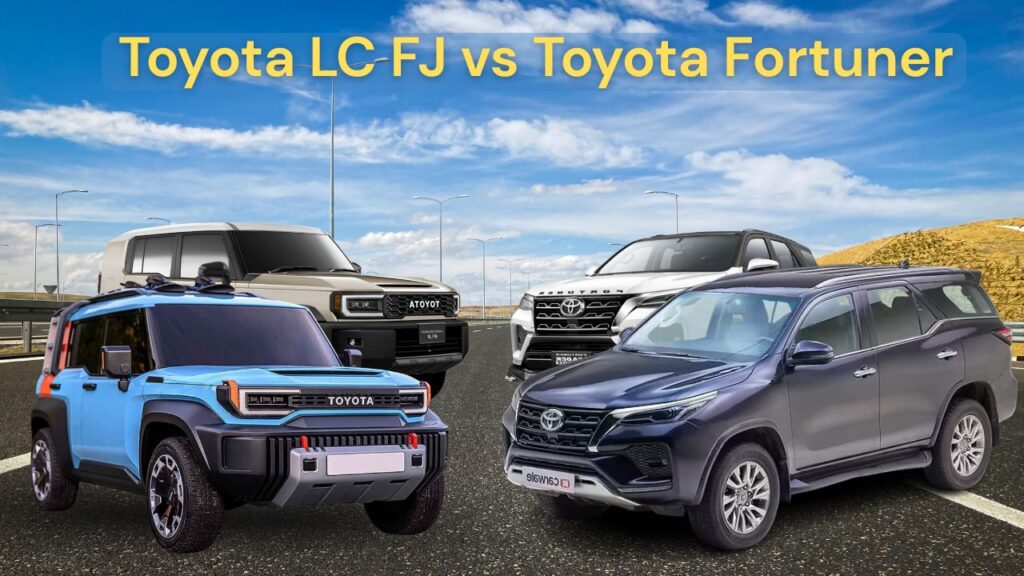
Toyota LC FJ vs Toyota Fortuner: The Shared DNA That Makes Them Siblings

Toyota LC FJ vs Toyota Fortuner

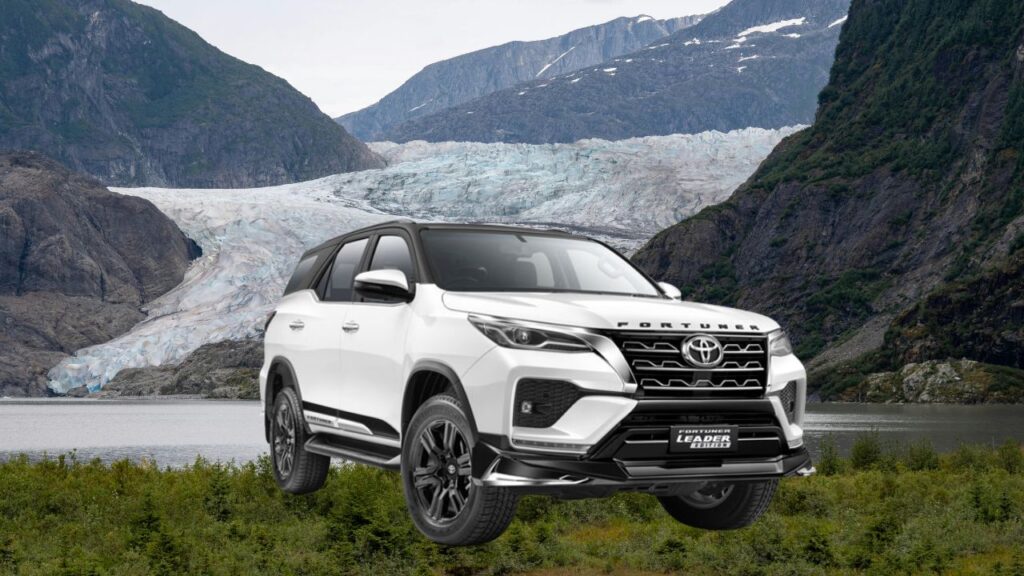
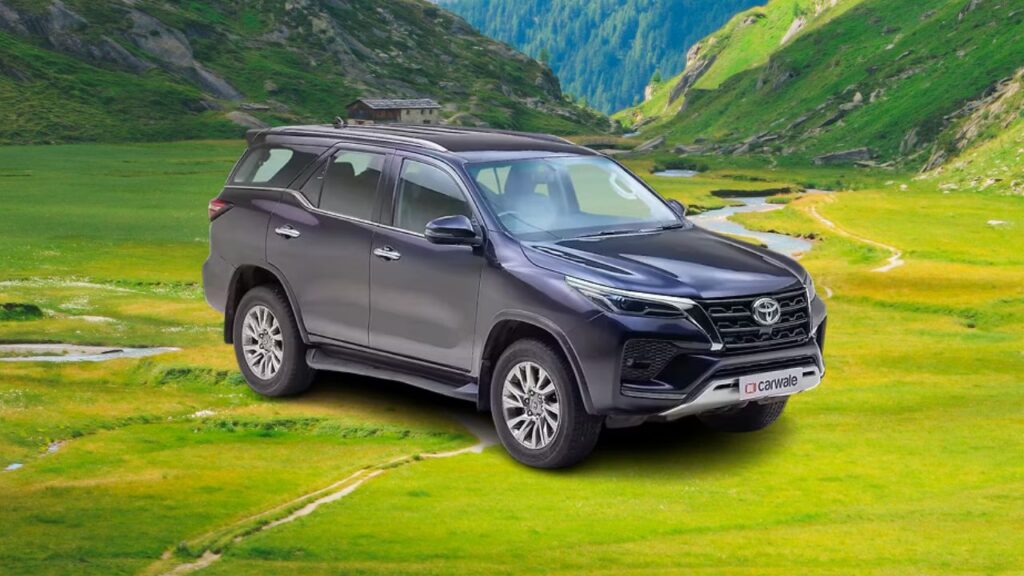
The automotive world was recently electrified when Toyota brought back the Land Cruiser FJ, fondly known as the “Baby Land Cruiser.” What is so interesting about this announcement is that the LC FJ is built on the same basic engine and platform as the popular Toyota Fortuner – essentially making them automotive siblings with a different attitude. But there are some features that are different from each other that make them stand in a different perspective. Buyers can check every detail through this article before buying it.

The Common Foundation: More Than Just Shared Parts

The Toyota LC FJ and Fortuner connection is far deeper than just a parts-bin-sharing exercise. Both are based on Toyota’s tried and tested IMV (Innovative International Multipurpose Vehicle) platform, a hardy ladder-frame chassis that has underpinned Toyota’s global pickup and SUV strategy since 2004. This platform has already been proven with more than 5 million vehicles worldwide with not only the Fortuner, but also the Hilux pickup and Innova minivan. 

The LC FJ employs in particular a modified version of the IMV platform, known as IMV 0, that Toyota designed to produce cheaper but just as capable vehicles for developing markets. Preserving the shape and off-road capabilities of the original IMV platform, the IMV 0 version utilizes cost-effective materials and production techniques. 

The Heart of the Matter: The 2TR-FE Engine

Perhaps the biggest similarity between these two SUVs lies under the bonnet. The Toyota LC FJ and Fortuner petrol variant comes with the same 2TR-FE 2.7 litre four-cylinder naturally aspirated petrol engine. This is not just similar spec – it’s the same engine code, same displacement and same core architecture. 

The Heart of the Matter The 2TR-FE Engine

The 2TR-FE produces 163 PS (160 hp) at 5,200 rpm and 246 Nm of torque in the LC FJ while the Fortuner petrol version produces almost the same numbers: 163 PS at 5,220 rpm and 245 N⋅m at 4,020 rpm. This is the first Toyota engine to employ its Dual VVT-i (Variable Valve Timing with intelligence) technology on the intake and exhaust camshafts which enables the engine to achieve maximum performance at any engine speed. 

The 2TR-FE is based on a cast-iron block with an aluminum cylinder head and features double overhead camshafts (DOHC) with 16 valves. The engine uses a timing chain instead of a belt, which has added to its reputation for reliability and low maintenance. 

Platform Similarities

Both vehicles are built on the IMV platform with a ladder frame chassis, which ensures high levels of structural rigidity and makes them exceptionally capable off road. This body-on-frame construction has several advantages. 

Shared Structural Elements:

  • Two wishbone front suspension for handling and off-road articulation superiority with an articulating rear suspension
  • Multi-link rear suspension engineered to deliver the right balance of comfort and capability
  • Engines mounted in-line for best weight distribution
  • 4WD power, with part-time systems available on the two vehicles. 

The LC FJ can provide a wheelbase of 2,580 mm as against 2,745 mm for the Fortuner, but both the vehicles boast nearly identical ride qualities and off-road capabilities. 

Read More :- What’s The Safest Family Car You Should Buy

Where They Diverge: Different Missions, Different Personalities

Yet, there are two entirely different markets and purposes for the LC FJ versus the Fortuner. 

Where They Diverge Different Missions, Different Personalities

Size and Dimension

The first big gap is the size difference. The Toyota LC FJ is 4,575 mm long, which is 220 mm less than the length of the Fortuner of 4,795 mm. The Fortuner and LC FJ have the same width of 1,855 mm, but the LC FJ is taller at 1,960 mm compared to the Fortuner’s 1,835 mm height. 

Seating and Practicality

The LC FJ is available with five seats and two rows which makes it a more intimate, adventure-oriented vehicle. By comparison, the Fortuner has three rows and seven seats, making it the family-friendly option for those requiring the most passenger space. 

Engine Options: Choice vs. Simplicity

Both cars are available with the 2TR-FE petrol engine, but the Fortuner has more options with the 2.8-liter 1GD-FTV turbocharged diesel engine. The diesel version is every bit more powerful and torquey: 201 PS and 500 N⋅m , and it is the performance option for those who care most about towing pack and mileage. 

Contrarily, the LC FJ is all about simplicity, being petrol-only, which I suspect points to a Toyota strategy to keep the price down and the reliability up in those markets where the quality of diesel fuel can be suspect. 

Transmission and Drivetrain: Refined vs. Flexible

Both cars use 6-speed automatics, but different philosophies. The LC FJ uses Toyota’s 6-speed Super ECT automatic transmission in conjunction with part-time 4WD. It’s a simple system that focuses on ease of use and reliability for those who want to keep things basic. 

Transmission and Drivetrain Refined vs. Flexible

The Fortuner has more flexibility with manual and automatic transmission options across the engine range as well as 2WD and 4WD variants to suit the pockets and requirements of different customers. This flexibility allows the Fortuner to attract both city commuters and hardcore off-roaders. 

Design Philosophy: Heritage vs. Contemporary

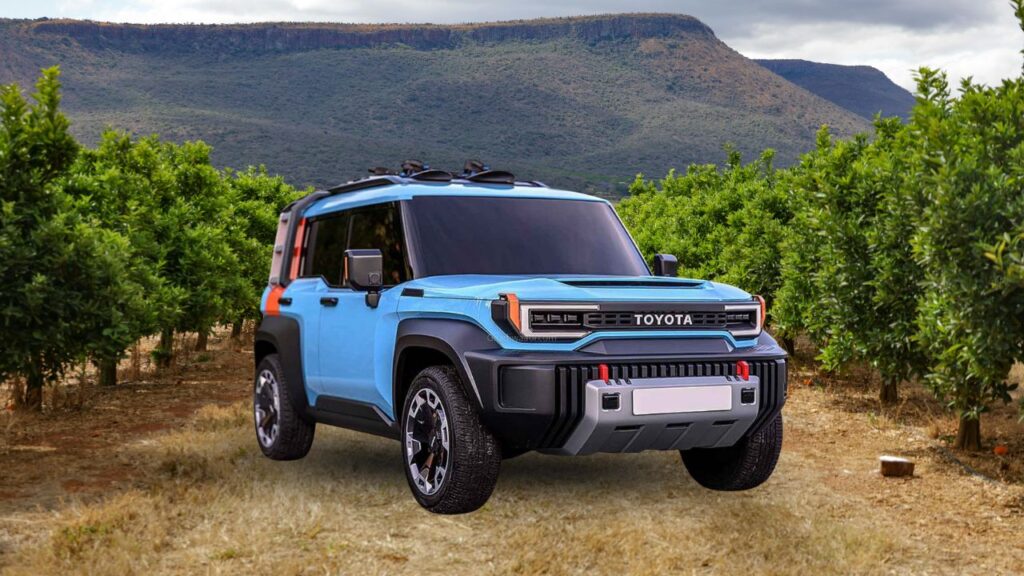
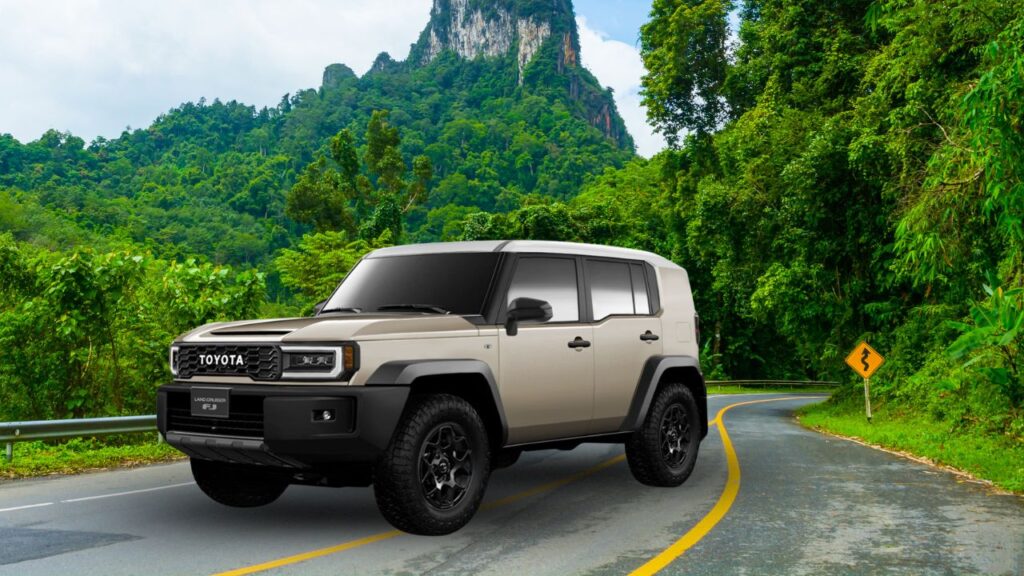
The styling treatments illustrate different positioning of the brands. The LC FJ is inspired by Land Cruiser heritage, especially the legendary FJ40, with its boxy shape, round headlights and utilitarian look.This aesthetic resonates with enthusiasts that appreciate the Land Cruiser’s famous off-road heritage. 

The Fortuner gets a more contemporary SUV look, which is a perfect blend of ruggedness and modern sophistication.Its styling is aimed at buyers who want utility, but who don’t want their utility vehicle to look out of place on city streets. 

Market Positioning: Specialized vs. Mainstream

The LC FJ is aimed at adventure seekers and Land Cruiser fans who crave real off-road ability in a package that is more attainable and affordable. With its streamlined spec sheet and retro styling, it appeals to buyers for whom substance matters more than features. 

Market Positioning Specialized vs. Mainstream

Apart from the of Fortuner caters to the mass premium SUV segment with the comfort of choice across multiple engine options, seating configurations, and trim levels. It strikes the perfect balance between off-road prowess and refined on-road performance to make it your daily driver or weekend adventurer for the off-road trails. 

The Reliability Factor of The Proven Technology

Arguably the most exciting part about both products is that they are based on thoroughly proven designs. Since 2004, the 2TR-FE engine has covered millions of miles in various global markets and has a great reliability record. The IMV platform also has proven itself with over 5 million units produced with no major structural faults.This common technical baseline gives both vehicles the Toyota’s renowned durability and low cost of maintenance. 

Conclusion

The Toyota LC FJ and Fortuner are excellent examples of platform engineering – where common platform underpinnings are used to create completely different vehicles that cater to individual market needs. They have the same heart and bones, but different souls, and those different souls give each one a reason to exist in Toyota’s ever-growing SUV family. 

Be it the LC FJ’s genuine roots and stripped-back purpose, or the Fortuner’s flexible family-friendly angle, both promise the same dependable and capable ethos that has made Toyota’s IMV platform one of the most successful automotive architectures ever.