0

How Much Salary Do You Need to Afford A BMW in India

Published Oct 24, 2026, 11:45 AM
Last Updated Oct 26, 2026, 6:19 AM

Afford A BMW in India

Most of the corporate employees posted a photo with a new BMW, and everyone wondered how someone at this age pulled it off. The simple way is usually a loan. A BMW in India costs about ₹55 lakh on the road, and to pay that kind of money from your salary is possible when you are sitting in a good position at the company. 

Your six figures salary can make you eligible to afford a BMW without squeezing your savings, your home-loan eligibility, and your sleep.

Check the real cost of your chosen vehicle and city registration cost then calculate along with the way I did below here. The figures mentioned in the article are estimated on the current listing so the real cost of the car might be updated.

How Much BMW in India Costs

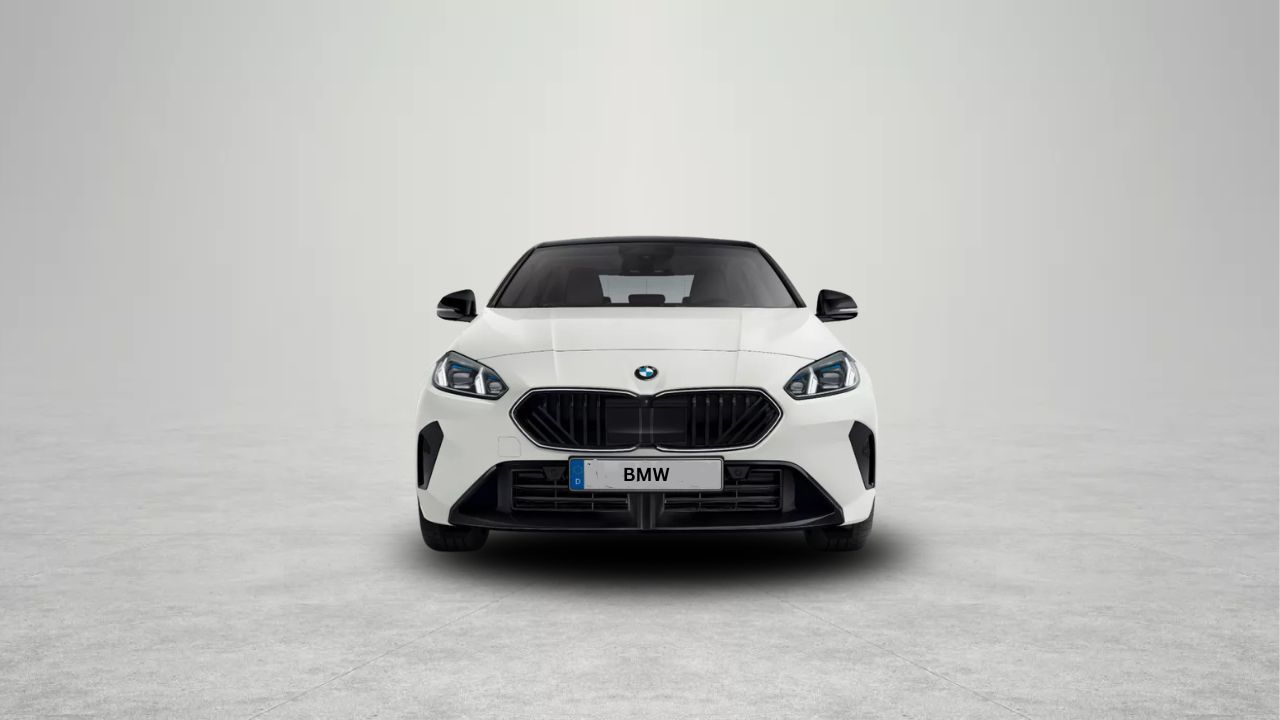
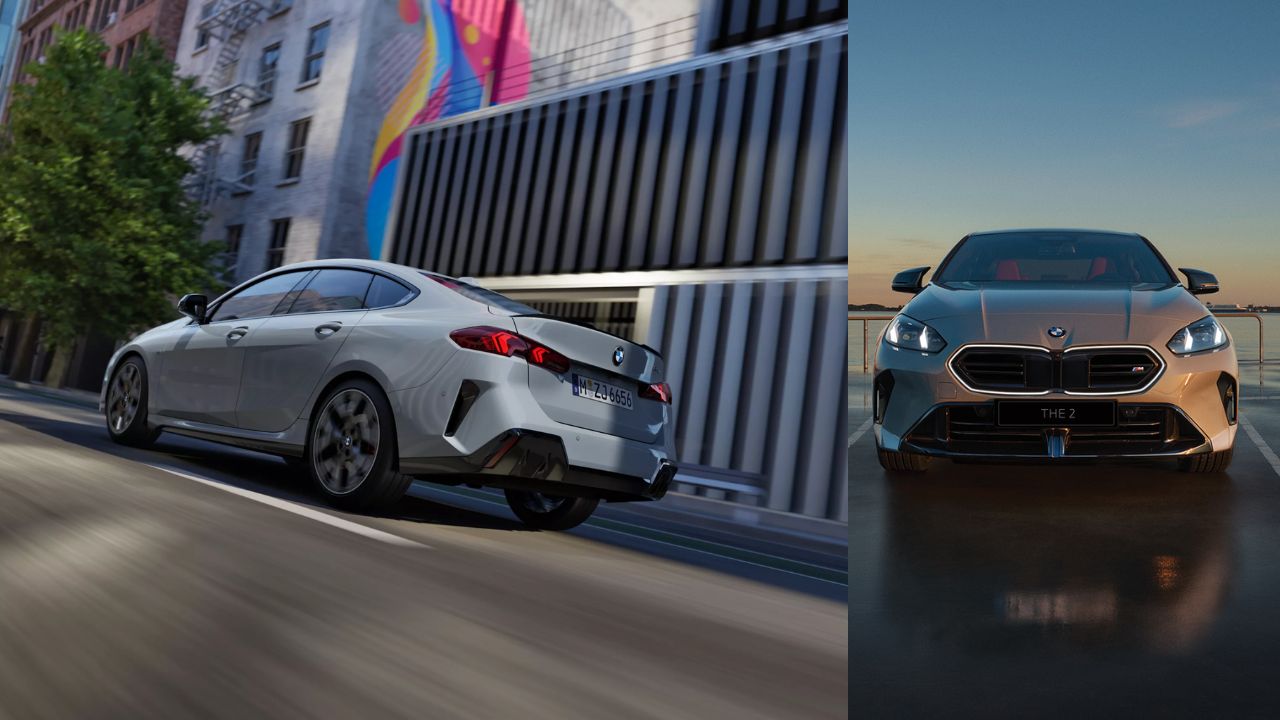
BMW 2 Series Gran Coupe comes at a lower price than other luxury cars. It launched last year in India at ₹45.80 lakh (ex-showroom) and the second variant (M Sport Pro) with more cabin specs priced at ₹48.20 lakh.

Ex-showroom is not what you pay. Registration and insurance add a lot, and both vary by state. The estimates put the on-road price around ₹53–55.8 lakh in Delhi, and up to ₹57.6 lakh in Pune. 

The BMW cost you around ₹54.7 lakh on the road if you are buying from Indore. It shows how a ₹45.8 lakh car is becoming around Rs 55 lakh by adding ₹6.66 lakh registration charge, ₹1.8 lakh for insurance and additional charges around ₹46,000.

For planning, ₹55 lakh is a fair middle figure, and every number below uses it. Check your own city’s on-road quote before you commit, because a ₹5 lakh swing between states is normal.

The Loan Math Behind the ₹91,000 EMI

If you are buying a BMW with your salary then cash isn’t your way. The 20% down payment and a five-year loan agreement can be a standard and better plan.

On a ₹55 lakh car, 20% down means ₹11 lakh upfront. The rest of the ₹44 lakh loan you have to repay every month. If the interest applied on loan is 9% then the EMI will be around ₹91,000 a month in a 60 months tenure. So the total repayment amount is nearly ₹54.8 lakh including ₹10.8 lakh interest.
The Loan Math Behind

Interest rates can be lower but most of the car loans have 9% to 10% of interest, depending on your credit score and the lender. The difference of one percent is gonna push the EMI to about ₹93,500. The tenure period also matters, EMI cost will increase in a shorter tenure but it cuts total interest amount. 

If you buy a BMW on a car loan with a down payment of ₹13.5 lakh and a 4-year tenure at 10% interest rate, it will cost you around ₹87,580 every month. The point is that the EMI is a function of how much cash you bring on day one. Every extra ₹1 lakh in down payment cuts roughly ₹2,000 from your monthly instalment on these terms.

The Costs That Arrive After the EMI

New buyers often budget for the loan and forget the car. A BMW needs fuel, insurance, tyres and servicing, and none of them are cheap.

Fuel is the smallest piece. At about 1,500 km a month, a real-world 12 kmpl and ₹100 a litre, you spend around ₹12,500 a month. Insurance is lumpier. The first year costs about ₹1.78 lakh in the Indore breakdown, and a comprehensive policy generally falls in the ₹1.5–2.5 lakh range depending on the car’s declared value and your no-claim bonus. 

Spread over twelve months, that’s ₹12,000–20,000. Then comes servicing, tyres, wiper and brake replacements, and the occasional repair, which add up to a few thousand rupees a month on average.

Together, plan on ₹20,000–30,000 a month beyond the EMI. Add that to ₹91,000 and your total monthly car cost is about ₹1.15–1.20 lakh.

How Much Salary Do You Need for a BMW in India?

Personal-finance planners commonly say all car costs, meaning EMI, fuel and insurance, should stay within 15–20% of your monthly take-home pay. That’s a rule of thumb, not a law, but it exists for a reason. Anything above it starts eating into the money meant for your home loan, investments and emergency fund.

Calculate your monthly expenses including your car expenses, if you pay ₹1.2 lakh a month in car costs so it will eat up 20% money from your salary and 80% will go for your other commitments. Your earning should be in the range ₹5 to ₹6 lakh. At 15% end, your pay scale should have to be around ₹8 lakh. It works smoothly if you have no other large EMIs.

In annual terms, your salary estimates roughly ₹85 lakh to ₹1.2 crore without tax cuts. The surcharge and the 30% slab take a big bite at this level. It updates with time, calculating your in-hand salary according to the latest slabs for your financial year.
Salary Do You Need

The rule is “20/4/10” to buy any luxury German car on your salary. It means 20% down payment from your salary to a 4-year loan. The running cost of the car plus an EMI should take your 10% of the income. Spending more of your income will keep you awake all night because of a burden.

Your monthly salary should be around ₹12 lakh to pay ₹1.2 lakh to run a BMW on road. But most people don’t earn that much in a month in a job so it is too expensive to buy a new BMW at ₹55 lakh. People eyeing that car mostly have business running around in the side or supporting their own family business

A few situations change the math in your favour:

  • A bigger down payment. Put 40% down (₹22 lakh) and the EMI on a ₹33 lakh loan drops to about ₹68,500. Add ₹25,000 in running costs and you need around ₹4.7 lakh a month in hand.
  • A longer tenure. Stretching to seven years cuts the EMI but raises total interest sharply. Fine for cash flow, costly overall.
  • Business or variable income. If your pay swings, plan around your worst quarter, not your best.

How the 2 Series Gran Coupe Stacks Up Against Rivals

If you’re buying a BMW in India at this price, the realistic cross-shopping list is short. Audi A4, the Mercedes-Benz A-Class Limousine and the Audi Q3 as the 2 Series Gran Coupe’s direct competitors.

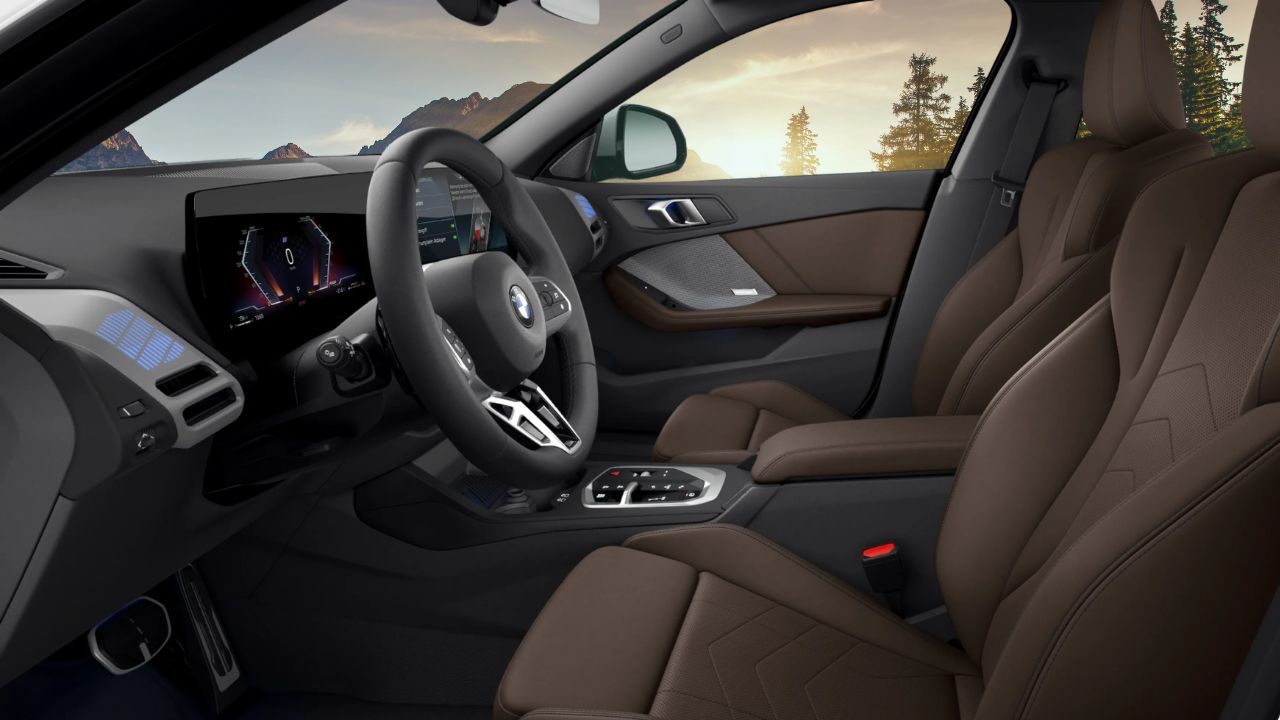
The BMW’s pitch is a driver-focused compact sedan with a coupe-like roofline, a curved display dashboard and a dual-clutch automatic. It’s the sportiest of the three on paper and the cheapest way into a BMW showroom. 

Variant Engine Power output Torque Transmission Claimed mileage
BMW 218 M Sport 1,499 cc, 3-cylinder BMW TwinPower Turbo petrol with 48V mild-hybrid system 115 kW / 156 hp (154 bhp) 230 Nm 7-speed Steptronic DCT, front-wheel drive 16.35 kmpl

Both BMW 218 M Sport and BMW 218 M Sport Pro have the same specs but the 218 M Sport Pro is ₹3.10 lakh higher than the base model. BMW X1 petrol variant is ₹5.10 lakh higher and diesel variant is ₹7.10 lakh higher than the 218 M series in India. Price gets higher because luxury experiences are expensive with SUV body style, higher driving position, longer-wheelbase practicality.

The Mercedes A-Class Limousine is the closest rival for badge and price, and it tends to win on cabin tech and ride comfort but the car is discontinued in India. The Audi A4 is a size larger, which means more rear-seat space, but it usually costs more once you tick option boxes. Against the BMW X1’s ₹50.90–52.90 lakh range, the A4 Premium undercuts it by ₹4.02 lakh, but the A4 Technology costs ₹2.93 lakh more than the X1 petrol. 

For a buyer deciding purely on affordability, the three cost within a few lakh of each other. Insurance and servicing are close too. The decision usually comes down to what you want from the car: the BMW for how it drives and the Audi for the space.

👉  5 Best Affordable SUVs Under 15 Lakhs In India

Buy a Used BMW at the Half Price

Depreciation is the hidden cost of a new luxury car, and it is brutal in the first three years. Estimates vary, but a drop of 35–45% in value across the first five years isn’t unusual for premium cars in India. Buying used lets someone else pay that bill.

A well-maintained 3-to-4-year-old BMW 3 Series or X1 typically lists between ₹25 lakh and ₹35 lakh. Run the same 20% down, 5-year, 9% loan on each end:

Car price Down payment Loan EMI Running costs Total monthly Income needed (20% rule)
₹25 lakh ₹5 lakh ₹20 lakh ~₹41,500 ₹15,000–20,000 ~₹57,000–62,000 ~₹2.9–3.1 lakh
₹35 lakh ₹7 lakh ₹28 lakh ~₹58,000 ₹20,000 ~₹78,000 ~₹3.9 lakh

So a post-tax income of roughly ₹3–3.9 lakh a month makes a used BMW comfortable, and the EMI is nearly half of what the new car demands. Buying a used BMW car can be risky if the warranty is ended, its repair cost will be too expensive. So check the certified paperwork of the car or choose a car which repair history and services records are available. Take an independent mechanic to inspect the car and keep extra budget for repairing in the first year.

Conclusion

If you want to afford a BMW in India with your salary then start with three questions. Do you have six months of expenses in an emergency fund, separate from the down payment? Is your income stable enough that a ₹1.2 lakh monthly commitment won’t keep you up at night? And have you finished the bigger goals, like a home, that a car loan would otherwise compete with?

If the answer to all three is yes and your take-home is near ₹6 lakh, the 2 Series Gran Coupe is a reasonable purchase. If your income is closer to ₹3–4 lakh, the used 3 Series or X1 gives you the badge without the strain. If you’re below that, the honest advice is to wait a year or two. A BMW will still be there, and so will the loan.

Before you walk into a showroom, take your city’s on-road quote, divide the loan by a bank’s EMI calculator, add ₹25,000 for running costs, and see whether that total sits under 20% of what lands in your account each month. If it does, go. If it doesn’t, you’ve just saved yourself a bad decision.

Alok Kabir

Alok is an experienced SEO Specialist skilled in blogging and SEO-friendly content creation. He also specializes in Content Optimization and Technical SEO, including website optimization, crawlability, indexing, site speed, and on-page improvements to enhance search rankings and online visibility.

Leave a Reply

Your email address will not be published. Required fields are marked *

1

Why Automakers Are Investing Billions in Electric Vehicles (EVs)

Investing Billions in Electric Vehicles

The shift to Electric Vehicles (EVs) in India is no longer just about reducing pollution or offering buyers an alternative to petrol and diesel cars. You are probably watching growing numbers of green number plates which are seen on family SUVs and everyday hatchbacks.

Behind this showroom shift is an unprecedented financial war chest. Homegrown giants like Tata Motors, Mahindra & Mahindra, and Maruti Suzuki are investing billions into Electric Vehicles (EVs), transforming Indian manufacturing from the ground up.

Why are India’s most trusted carmakers betting their futures on battery power right now? Because the conversation in Indian boardrooms has shifted from creating demand to desperately trying to keep up with it.

Tata Motors: Defending the Crown with Smart Economics

Tata Motors took the early gamble when everyone else was hesitant, and today it commands roughly 40% of India’s electric passenger vehicle market. Electric Vehicles (EVs) now make up nearly a quarter of Tata’s total passenger vehicle sales, with buyer demand running nearly three times higher than current factory supply.

By investing large sums to expand capacity and rework ownership math, Tata is at war with Punch EV, Nexon EV, Curvv EV, and the Harrier and Sierra. With the launch of Battery-as-a-Service (BaaS) in its entire product line, Tata will allow Indian buyers to pay for the car up front and rent the battery on a per-kilometre basis, cutting the initial price to match the cost of petrol cars. 

Mahindra: Making Electric Aspirational

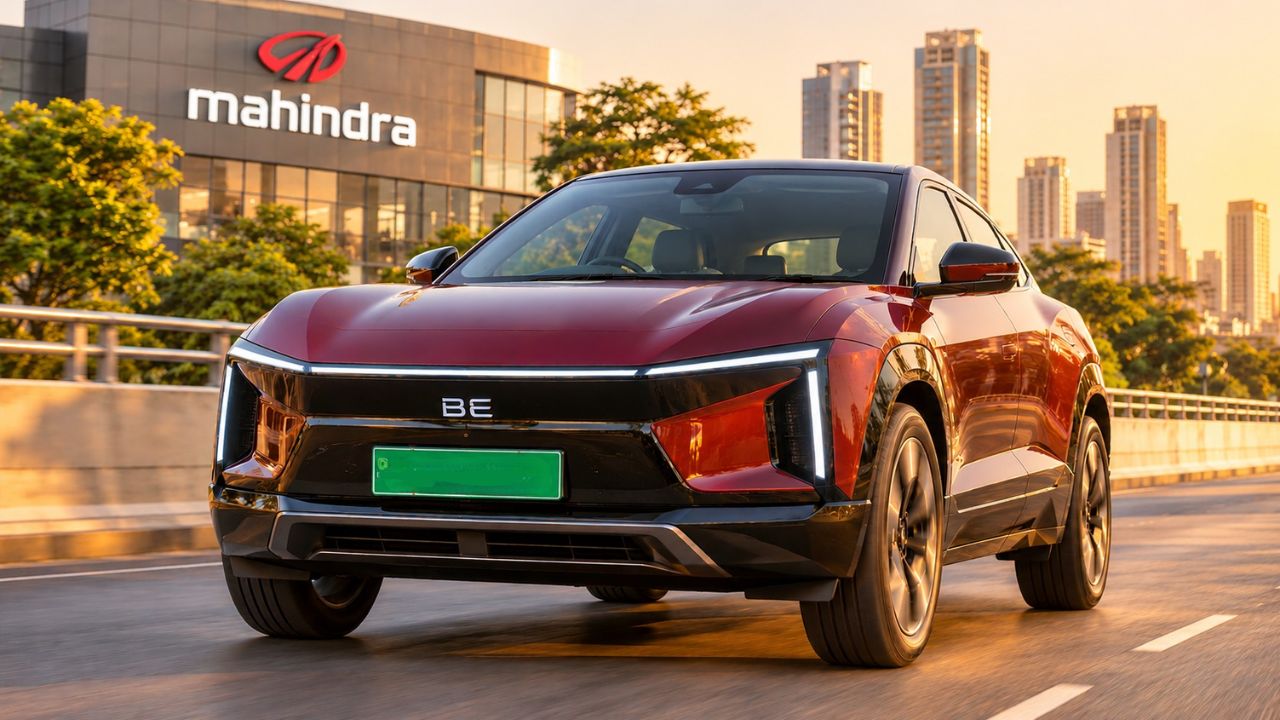
While Tata captured the practical family buyer, Mahindra is pouring billions into making electric SUVs objects of pure desire. With its dedicated born-electric INGLO platform and models like the BE 6, XEV 9e, and the three-row XEV 9S, Mahindra has quickly captured a 23% share of the electric car market.

Investing Billions in Electric Vehicles

Mahindra’s factories are already running at a structural capacity of 8,000 EVs a month, and the company is investing rapidly to push that run rate to 12,000 units a month. For Mahindra, heavy investment in EVs—and adopting BaaS models of its own—is how it leapfrogs global rivals without waiting on legacy engine tech.

Maruti Suzuki: Turning India into a Global Export Hub

India’s largest carmaker took its time entering the Electric Vehicles (EVs) race, waiting for battery economics and charging infrastructure to mature. 

Maruti Suzuki

Now, with the e-Vitara, Maruti Suzuki is playing a colossal volume game. By setting up a new dedicated manufacturing line at its Hansalpur plant in Gujarat, Maruti is investing not just for Indian buyers, but to make India a global export hub for Suzuki’s electric cars worldwide.

The Real Cost Advantage of Electric Vehicles 

Ultimately, Indian carmakers know their customer better than anyone else. When an everyday commuter realizes an Electric Vehicles (EVs) costs roughly ₹1 to ₹1.50 per kilometre to run compared to ₹7 or ₹8 for a petrol car, the showroom pitch sells itself. 

Backed by Production Linked Incentive (PLI) schemes and local battery gigafactories, Tata, Mahindra, and Maruti are not just building green cars—they are securing India’s automotive independence for the next fifty years.

👉  Self-Driving Cars in 2026: What Can They Really Do?

Conclusion

India’s shift towards electric vehicles is creating a new race among automakers, now big Automakers Are Investing Billions in Electric Vehicles (EVs). Tata Motor is leading the market with its BaaS service, Mahindra is making electric SUVs more aspirational, and Maruti Suzuki is covering both the global and Indian market.

This suggests Indian buyers will have many choices before buying an EV with better technology and lower running cost. Automakers are preparing for what India’s automobile industry will look like over the next decade.

0

Best Hybrid Cars Under 20 Lakhs: Stylish, Efficient & Affordable

Published Nov 28, 2025, 12:05 PM
Last Updated Apr 10, 2026, 7:14 AM

Best Hybrid Cars Under 20 Lakhs Stylish, Efficient & Affordable

Tired of seeing your fuel gauge plummet faster than your bank account balance? This is what life is like with hybrid cars: thoughtful design applied to everyday necessity. If you have been on the fence about hybrid vehicles, now is the time to jump in. And don’t we all want a little more money? And it’s the best part! You don’t have to break the bank to get one.

Fuel prices are on the up, the environment matters more, and quietly, hybrid cars have become the practical choice for millions. They’re not just about saving money at the pump (though you will — a lot); they’re also about having a car that’s genuinely fun to drive while being good to your wallet and the planet. The good news is the Indian market is flooded with some really good options under 20 lakhs which not just look sharp but drive smooth and sip fuel like they mean business. 

Why Go Hybrid?

Before we get to the best picks, let’s discuss why hybrid cars are worth considering. A regular hybrid car gives 20-28 kmpl mileage — that’s as good as the mileage of a fuel-efficient hatchback, but in this case, you’re riding in a full-fledged SUV or sedan with more space and comfort. ​

Hybrids operate on a smart combination of a petrol engine and an electric motor. When you’re inching along in city traffic, the electric motor takes care of that, whispering away with alacrity. On the highway, the gas engine turns on. The best part? Regenerative braking means that every time you slam on the brakes, energy that would have been wasted is recaptured back into the battery.It’s technology that actually makes sense 

The Top Contenders: Your Best Bets Under 20 Lakhs

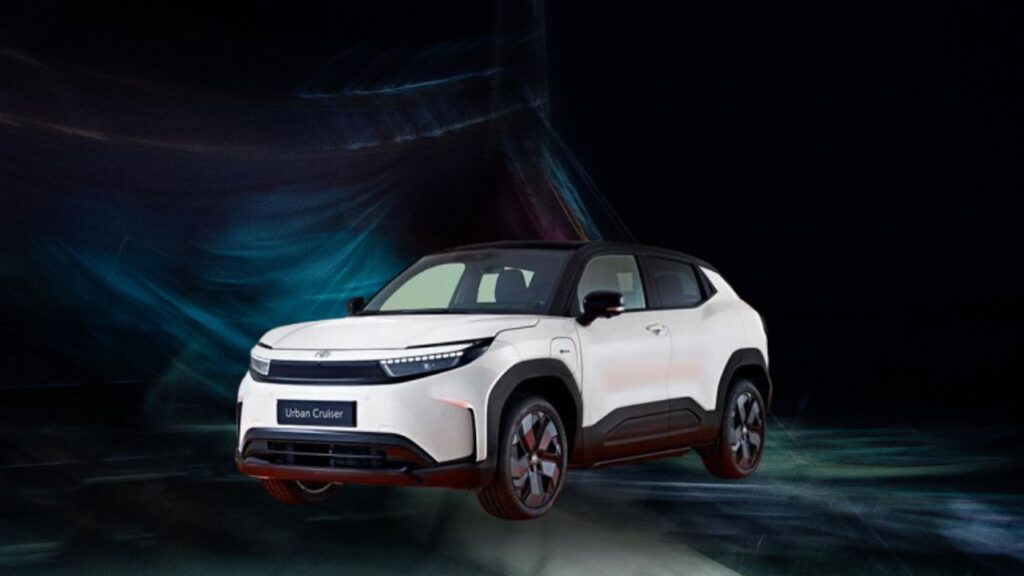
1. Toyota Urban Cruiser Hyryder: The Efficient Charmer

Starting from just ₹11.34 lakh, the Toyota Urban Cruiser Hyryder is making it clear that hybrid tech need not be costly. This compact SUV is Toyota’s solution for bringing the dream of owning a hybrid car to the masses, and they have really nailed it.​

Hyryder claimed mileage is 27.9 kmpl, which is one of the best mileage for SUVs in its class. The interior is roomy and well thought out with features such as vented seats, 8-way power-adjustable driver seat on higher trims, wireless charging for phones, and a 360-degree camera. Safety-wise, the 2025 update gets six airbags as standard on all variants—a welcome addition. 

Toyota Urban Cruiser Hyryder

The driving dynamics are fluid and polished, with the hybrid system guaranteeing that in city traffic you’re treated to silent electric-only driving and a shove when you need it. If you’re in the market for a sensible, practical hybrid that just gets you from A to B without eating too much into your wallet, this is it. 

2. Maruti Suzuki Grand Vitara

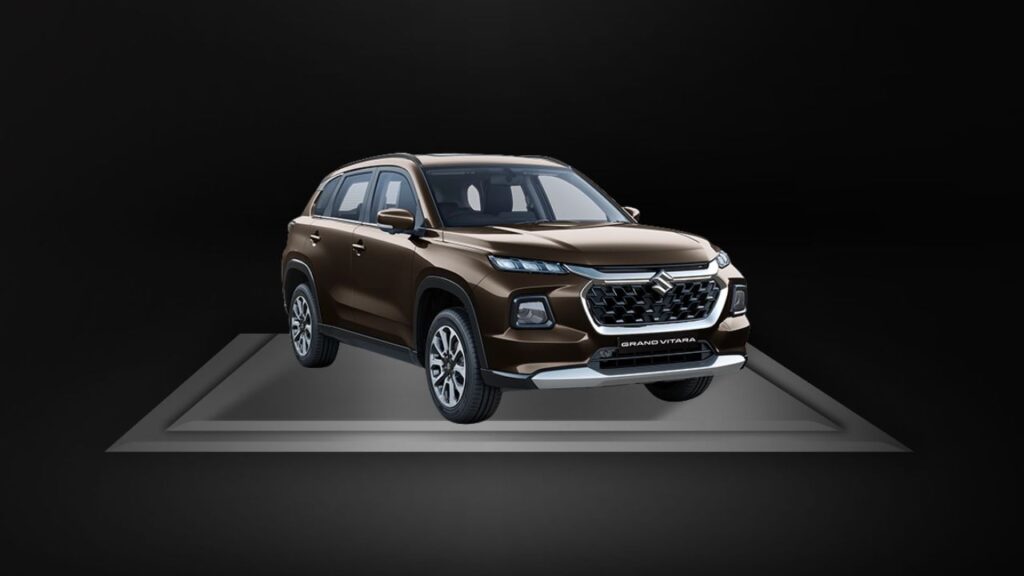
Maruti’s answer to the Hyryder, the Grand Vitara is frankly exceptional rival and makes a strong case for itself at ₹16.99 lakh onwards. Developed in partnership with Toyota and sharing the same hybrid engine, this is tried and tested technology that is backed by Maruti’s extensive service network in India.  

Maruti Suzuki Grand Vitara

What sets the Grand Vitara apart is the combination of efficiency and everyday useability. The hybrid version returns a stellar 27.97 kmpl. Inside, there’s a panoramic sunroof, ventilated seats, a panoramic display, wireless phone charging and an interior so comfortable that longer drives seem less like punishment.​

The best part? Maruti’s track record for easy, wallet-friendly ownership means servicing and maintenance won’t decimate your bank account. Long-term write-ups tend to rave about this car getting sedan mileage in an SUV shape. 

3. Honda City e:HEV: The Tech-Forward Sedan

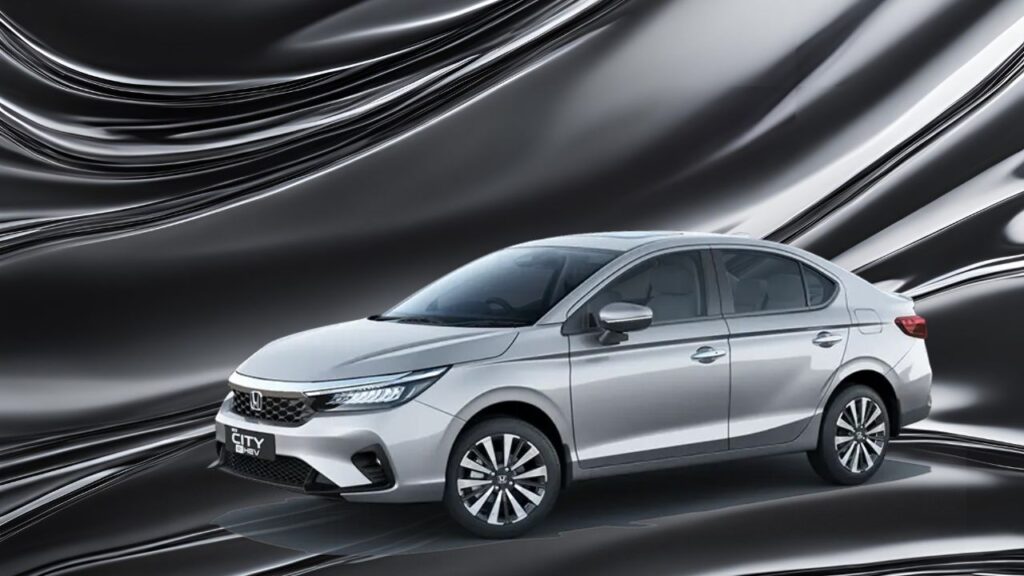
If you’re a sedan person, then the Honda City e:HEV is a gamechanger. Honda City E:HEV ex-sh ₹19-20 85 lakh, upper end of budget, but gets you unique sophisticated hybrid experience in our book.​

Honda City eHEV

Honda’s e:HEV system is brilliant using a petrol engine and two electric motors, a system that is unique to everything else in the Indian market. The result is a claimed 27.1 kmpl and a driving experience that is almost glassy-smooth. The City moves intelligently between three driving modes (EV, hybrid and engine), and adjusts to the flow of traffic without you having to do anything.​

The interiors are dual-tone and the cabin feels premium for the price. And no compromise on the sedan experience if you want hybrid efficiency. 

Which One Should You Pick?

Each of these vehicles serves a slightly different purpose. Deciding which one right for you is just a matter of asked three simple questions:

  • Max value, max service network everywhere? Take the Maruti Grand Vitara.
  • Like the bass (reputation for reliability) of Toyota but don’t want a sedan? Then the Hyryder is your match.
  • Ready to shell out a little more for sedan comfort and extra tech? The Honda City e:HEV is value for your every rupee. 
Model Starting Price (₹ Lakh) Mileage (kmpl) Key Features Best For
Toyota Urban Cruiser Hyryder 11.34 27.9 Ventilated seats, 8-way power driver seat, wireless charging, 360° camera, 6 airbags  Reliable SUV efficiency 
Maruti Suzuki Grand Vitara 16.99  27.97  Panoramic sunroof, ventilated seats, panoramic display, wireless charging, extensive service network  Value & service coverage 
Honda City e:HEV 19.00 27.1  e:HEV system with 2 motors, 3 driving modes (EV/Hybrid/Engine), premium dual-tone interiors, ADAS  Tech-savvy sedan drivers

Read More :-  Mahindra XEV 9e Specs and Features: Complete Details & Latest Updates

Conclusion

Hybrid cars under 20 lakhs are no longer a compromise, but they are a wise choice. Stylish and comfortable cars that give mileage figures which would make conventional petrol cars jealous – and without the range anxiety of electric cars. Be it the Toyota Hyryder, Maruti Grand Vitara, or Honda City e:HEV, you’re buying into efficiency, reliability and a driving experience that really feels like the future – today. 

0

New BMW M4 2028 Coupe Digitally Enters The BMW Neue Klasse M4 Era

BMW M4

The new BMW M4 2028 is feeling the heat more than ever during a time when the automotive industry is in the throes of a major transformation. High-performance coupe has been judged for many years with the M3 and now the M4 which offers both track-ready handling and the ability to be used every day. 

And now, the BMW M4 Coupe 2028 has been brought to life digitally, giving us a first glimpse of what the future of M Division performance could look like as it explores the futuristic BMW Neue Klasse M4 architecture in great detail. 

Recently, a digital artist and automotive visionary have collaborated and combined leaked design patents, rumors, and BMW’s own concept vehicles to visualize the new BMW M4 2028. What these HD CGI mods show us is a car that honours its high-octane history but is not afraid to go full throttle into a radical new age in car design and engineering. When it comes to the Ultimate Driving Machine, this is more than a refresh, it’s a complete rethinking of what the Ultimate Driving Machine can be in the late 2020s. 

Demystifying the BMW Neue Klasse M4

Before getting behind the digital wheels of the BMW Neue Klasse M4, we need to know what it is based on. The phrase “Neue Klasse” (New Class) is a wink to BMW’s past. The 1960s original Neue Klasse midsize sedans not only bankrupted and then saved the company and its hardcore, driver focused identity that BMW is known for today. 

With the new BMW Neue Klasse M4 today, this amounts to a similar resurrection. It is a purpose-built highly adaptable vehicle architecture engineered from the ground up for electric drivetrains, advanced digital connectivity, and circular sustainability. This new era’s design language features: 

Monolithic Minimalism: a radical change from the complex, heavily folded designs that have defined the past ten years. The surfaces are flush, generous, and duct-taped-smoothed.

The Reimagined Kidney Grille: Ditching the divisive vertical “bucktooth” grilles from the current G82 M4, the BMW Neue Klasse M4 design merges the grille with the headlights as a singular, coherent, horizontal digital band.

The Shark Nose Revival makes the car look fierce and hungry like a shark even when it is not moving via its forward-leaning front end, a design cue borrowed from classic BMWs from the 70’s and 80’s. 

Looking at the BMW M4 Coupe 2028 CGI images reveals that the artists managed to combine the clean retro-futuristic Neuen Klasse design language with the muscular, flared-arch aggression of a M car. 

New BMW M4 2028 At a Glance

Aspect Details
Platform Neue Klasse (electric-focused, dedicated EV architecture)
Launch Year 2028 (ZA2 iM4 Coupe; current G82 production may extend to 2029) 
Body Style 2-door Coupe (convertible uncertain; lower, tighter profile with flared arches) 
Powertrain All-electric quad-motor AWD (>1,000 hp possible; Gen6 batteries for 20% more density, 30% faster charging); no confirmed ICE/hybrid for M4 (unlike M3) 
Transmission/Drivetrain 8-speed automatic AWD standard; manual likely retired
Performance Tech “Heart of Joy” control unit (10x faster integration of motors, suspension, traction; enables torque vectoring for superior handling)
0-100 km/h ~3s estimated (based on current M4 Competition at 3.5s; EV torque advantage)

Decoding the Digital Bodywork

What, then, is the new BMW M4 2028 looking like in these virtual worlds? The digital versions that are driving automotive forums crazy depict a very interesting view.

The renderings show a wide, angry-looking front end. The digital grille is more than just an air intake — though cooling is still critical for battery thermal management and high-performance braking, it is an interactive digital canvas. The headlights are pierced into this far reaching bar and they include the renowned double-halo design, but with a sharper look composed by glowing LED slashes. 

As we progress along the side, the traditional coupe profile remains, but it is lower and tighter. 

  • The classic Hofmeister neck at the C-pillar is more aggressive and pronounced. 
  • Digital artists have added flush door handles, aero-optimized carbon fiber side sills and aggressive, deep concave Y-spoke wheels cradling large carbon-ceramic brake rotors. 
  • The backside is perhaps the most eye-catching digital make over. 
  • The taillight is designed as ultra slim 3D sculptured OLED modules, and stretches across the full width of the rear, highlighting the wide stance of the vehicle. 
  • A substantial ducktail spoiler – a tribute to the iconic E46 M3 CSL – is integrated into the trunk lid. 
  • The conventional quad exhausts are gone from the electric variant, instead there is a large, menacing rear diffuser meant to direct air efficiently and pull the car to the ground. 

However, for potential hybrid ICE versions artists have still drawn the beloved quad tailpipes, showing that the M community holds on to the old ways. 

The Powertrain Paradigm: Electrons, Inline-Sixes, or Both?

The BMW Neue Klasse M4’s aesthetic modifications are only half the story. The true revolution lies in the beating heart of this machine. Industry insiders and digital forecasters are split on what exactly will propel the BMW M4 Coupe 2028, indicating an interesting period of transition for the M Division. 

The Ultimate Electric Machine

The most extensive revision will be an all-electric M4, probably built on a clean sheet Neue Klasse platform. For future M vehicles, BMW has spoken openly about a quad-motor electric powertrain that could produce well over 1,000 horsepower. No I.C. engine would be able to match the immediate, neck-snapping torque that the dual-motor version of the BMW Neue Klasse M4, if we can call it that so early in the game, would be able to deliver at over 600 horsepower. 

BMW’s new Gen6 round cells should deliver 20% more energy density and 30% faster charging. So the electric M4 won’t be just a drag strip bruiser, it should deliver for sustained track use without falling victim to the rapid thermal degradation that seeps through earlier generations of EVs. 

The Last Stand of the Inline-Six

After the electric push, “there are strong rumours that the internal combustion engine is not quite dead yet.” The new BMW M4 2028 could be based on a dual-platform strategy. In addition to the electric version, it is likely that we will get a version of the current S58 3.0-liter twin-turbo inline-six. 

But the technology engine is not about to stop running. It is very likely that the BMW M4 Coupe 2028 ICE variant would come equipped with mild hybrid technology to comply with the strict emissions norms. This may send the power figure soaring to 560 horsepower. 

Unfortunately for the purists, this digital age also spells the probable demise of the manual transmission. With power levels scaling ever higher, hybridization becoming mandatory and the classic six-speed stick likely being retired in favor of lightning-fast 8-speed automatics, the rear-biased all-wheel-drive system is going to be standard across the board. 

Inside the new BMW M4 2028: A Panoramic Vision

BMW Neue Klasse M4 exterior is something truly a revolution then its interior is more than that. You can say that is an utter revelation. Digital images of the interior portray a setting that seems more at home on a spacecraft than a conventional sports coupe. 

To help the driver stay focused on the road, the new BMW M4 2028 offers Panoramic Vision which shows navigation, speed, and lap time which is vital when driving a vehicle capable of supercar-level performance. 

  • The traditional, button-filled center stack will be greatly simplified. 
  • A central touchscreen, tilted sharply towards the driver, will be the focal point for most infotainment and climate functions, running on the next generation of BMW’s operating system. 
  • Interestingly, the much loved iDrive rotary controller is said to be on its way out in the Neue Klasse era, a decision that already has people debating furiously, digitally and journalistically speaking on both sides of the camp. 

This new BMW M4 2028 interior’s covered with unlacquered carbon fiber, sustainable plant-based leather, and recovered fishing nets. This indicates that it follows sustainability without losing a luxury touch. 

Don’t Miss:  Lexus RX vs BMW X5: Which Luxury SUV Dominates 2025?

Driving Dynamics: The “Heart of Joy”

Concern for the soul of the BMW M4 Coupe 2028 has long been the thing to worry about among fans, now especially the electric versions. What’s the way for a chunky, quiet EV to re-create the visceral excitement of a screaming inline-six?

BMW’s answer is software, in the form of a revolutionary control unit codenamed the “Heart of Joy.” This one, ultra-intelligent super-brain combines powertrain software and vehicle dynamics in a single, centralized solution. It runs up to 10x faster than existing separate systems. 

When it comes to the BMW Neue Klasse M4, the Heart of Joy will seamlessly harmonize the electric motors, adaptive suspension, active roll stabilization, and traction control like never before. If it has a quad-motor setup, the car could spin its outside wheels faster than the inside wheels through a corner, effectively turning the car around the apex with no understeer. 

It spells a level of nimbleness and chassis command that you just can’t get with a normal combustion engine and mechanical diff. It may not say old M4, but it will turn out like nothing you’ve ever seen before. 

The BMW M4 Coupe 2028 Competitors 

The new BMW M4 2028 is entering a far more challenging and competitive sport coupe market, as rival manufacturers are quickly moving up on a world scale.

  • Porsche is readying an all-electric 718 Cayman replacement that will demonstrate EVs can still be lightweight, high performance fun to drive. 
  • Meanwhile, Audi has its own electrified performance coupe lineup in the works.
  • Mercedes-AMG is placing greater emphasis on advanced plug-in hybrid technology to reshape its performance line. 

For BMW, getting the BMW M4 Coupe 2028 right is going to be tricky. It has to adapt to the intricate digital and electrical system of the Neue Klasse platform, and at the same time it must not compromise the raw, pulse-racing driving experience that an M car is. 

Rival Key Traits Differentiation
Porsche 718 Cayman EV Lightweight EV fun, mid-engine layout BMW emphasizes AWD torque and “Heart of Joy” software edge
Audi Performance Coupe Electrified AWD lineup BMW’s quad-motor >1,000 hp potential outpowers
Mercedes-AMG Hybrids Plug-in tech focus Fully electric Neue Klasse vs. hybrid transition

Featuring next-generation battery technology, the new “Heart of Joy” software, and a design that fuses heritage with a futuristic vibe, BMW is setting the M4 up to spearhead this new generation of performance. 

The Role of Digital Art in Automotive Evolution

Where we get our automotive news now is interesting to think about. Cars are “digitally born” years before they are officially introduced to the public. Skilled CGI artists utilizing CAD programs and extensive knowledge of brand design languages, develop the new BMW M4 2028 long before the first test mule hits. 

These digital representations allowed enthusiasts to dream, argue and ultimately help define that shows how designs are radically changed just like BMW Neue Klasse M4 design language to a classic coupe silhouette. This is a modern strategy for these automotive manufacturers.

Conclusion

The Neue Klasse coming is the most pivotal moment for BMW M history. The digital images of the BMW M4 Coupe 2028 gives an amazing insight into what happens when Bavarian engineering skill combines with unrestricted digital creativity. 

It’s powered by a heavily electrified inline-six or a physics-defying quad-motor electric setup, the BMW Neue Klasse M4 is set to raise the bar for the high-performance coupe segment. Rumours suggest that it offers incredible features such as more faster, smarter, and more capable than any M car before it. May we miss its manual transmission but the new BMW M4 2028 looks set to deliver a thrilling, tech-forward future. 

0

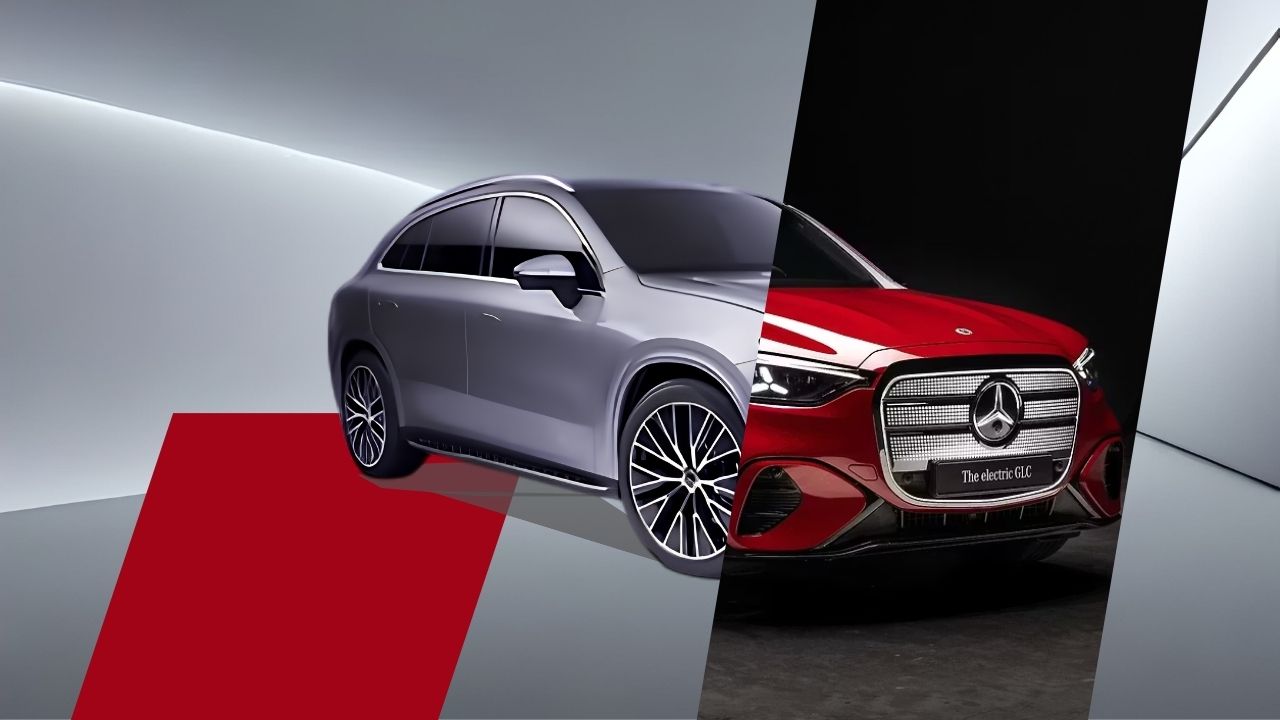
Mercedes-Benz GLC Electric Comes With 715 km Range 

Mercedes-Benz GLC Electric

The Mercedes-Benz GLC Electric coming to India on 4 November 2026, it reaches faster than usual right after six months of its European debut. Bookings are expected to open in the first week of October, with local assembly at its Chakan plant in Pune. If you’re weighing a ₹80-lakh-plus electric SUV, first understand a few factors. Does it look like it’s worth the money, does it go far enough, and is it better than what BMW is about to bring?

Mercedes-Benz GLC Electric Design: A German Luxury Car Rethought

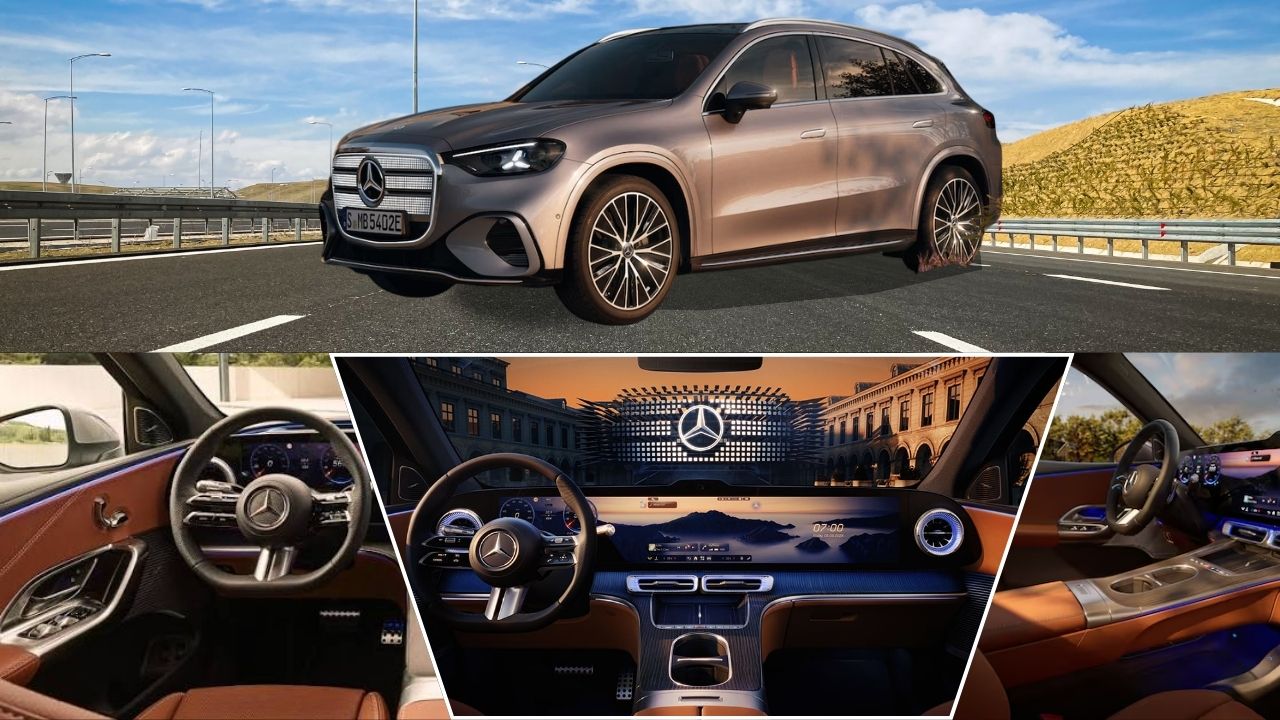
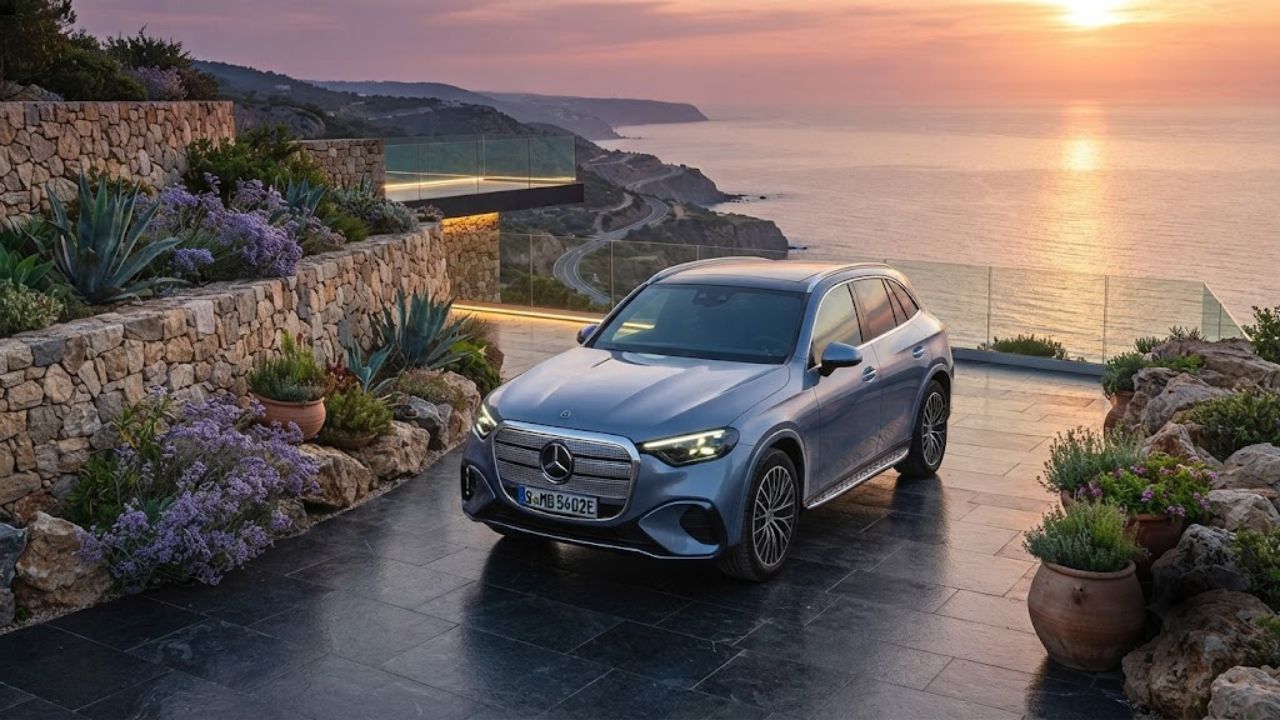
The GLC Electric carries Mercedes’ newest design language. The front gets a reworked grille and the rear gets a full-width light bar. The proportions stay familiar for an SUV, which matters commercially: this is a stylish car that still reads as a GLC from 50 metres away. It measures 4,845 mm long, 1,913 mm wide and 1,644 mm tall. India gets the standard-wheelbase version, with a 2,972 mm wheelbase.

The cabin leans hard on screens. A MBUX Hyperscreen spans the dashboard, though sources disagree on its size. It is somewhere between 33.1—39 inches, so check Mercedes’ India brochure. The India-bound variant listing shows a Burmester sound system, front-only massage seats, a fixed glass sunroof, over-the-air updates and blind spot monitoring. Treat that as the expected equipment list until Mercedes publishes the final one.

Electric Performance: Power, Range and Charging

The GLC 400 4Matic version is coming to India which runs on all-wheel drive and two motors. This Mercedes luxury vehicle delivers 483 hp of power and 800 Nm of torque, reaching over a 100 km/h time of 4.3 seconds. It offers a 360 kW with two-speed transmission sitting on the rear axle only.

A 4.3-second sprint puts an SUV of this size in performance-car territory, and it is quicker than any petrol GLC below the AMG versions.

Mercedes-Benz GLC Electric Design

The battery is 94 kWh, good for a claimed 715 km on the WLTP cycle. Two caveats apply. That is a European test figure, and the US EPA rating is a lower 300 miles (about 480 km). India’s ARAI number, which we don’t have yet, will be what Mercedes advertises locally. Real highway range with the AC on will be lower still.

Charging is where the 800-volt architecture pays off. Peak DC charging is 330 kW, and Mercedes quotes 10 to 80 percent in about 22 minutes on a compatible 800V charger. On a 400V charger, speed is capped at around 100 kW. Most Indian public fast chargers won’t deliver anything close to 330 kW, so in practice you’ll charge slower than the headline. At home, the 11 kW AC onboard charger takes roughly 8.5 hours for a full charge. That suits overnight charging in a house or society with a dedicated point.

Read More 👉  Renault Duster Hybrid Launches in India on 17 October 

Mercedes-Benz GLC Electric Price in India

Mercedes has not announced a price. Most outlets expect ₹80 to ₹90 lakh ex-showroom, while Autocar India’s estimate runs higher, at ₹87 to ₹95 lakh. Local assembly should help. For reference, European pricing starts at €71,281. The final figure will be confirmed on 4 November, so treat everything above as an estimate.

GLC Electric vs BMW iX3: The Rival That Matters

GLC Electric vs BMW iX3

The BMW iX3 is the obvious comparison, and on paper it is the stronger EV. It has a 108.7 kWh battery and up to 805 km of WLTP range with 400 kW charging. The GLC counters with more power and a quicker sprint. The iX3 50 xDrive makes 469 bhp and 645 Nm and reaches 100 km/h in 4.9 seconds.

GLC 400 4Matic iX3 50 xDrive
Power / torque 483 hp / 800 Nm 469 hp / 645 Nm
0-100 km/h 4.3 s 4.9 s
Battery 94 kWh 108.7 kWh
WLTP range 715 km up to 805 km
Peak DC charging 330 kW 400 kW
India status Launch 4 Nov 2026 Expected 2027

The iX3’s India timing and price are unclear. Expected for a February 2027 launch at ₹65 to ₹70 lakh, the long-wheelbase version arrives in 2027. The BMW may end up cheaper and longer-legged, but Mercedes will have a few months on sale before it arrives.

Read More 👉  Tata Launches BaaS Across Its Whole EV Range: Is the Lower Price Real?

Conclusion 

If you are planning to book a Mercedes-Benz GLC Electric in early October, and the price announcement is on 4 November. Book only after you’ve seen the ARAI range figure and the final variant equipment list.

You’ll get a Mercedes badge and cabin, have a reliable home charger, and mostly drive in and around a city. The GLC Electric is more of a family SUV than a luxury sedan. If a sedan was on your shortlist, its extra ride height and boot space are the trade.

Wait if you regularly do long highway runs. The 330 kW peak charging speed is unlikely to be usable on most Indian routes, and the iX3 may offer more range for less money.

0

Buying a Used Car? Don’t Get Cheated! Must-Know Precautions & Tips

Published May 21, 2025, 12:16 PM
Last Updated Nov 5, 2026, 4:18 PM

Chosen to purchase a trade-in vehicle? Indeed, you are not by any means the only one, a great many Indians are currently picking utilized vehicles and on the off chance that we take a gander at measurements the most recent two years have seen a flood in the trade-in vehicle market as an ever increasing number of individuals are presently deciding on private vehicle. Whatever your explanation be, we need you to realize that you’ve settled on the right decision.

In any case, on the lookout, not all things are what it is by all accounts and you ought to consistently have a watchful eye to spot which vehicle vender is a cheat and which isn’t. On those lines we need you to be advised about a couple of insurances that you ought to embrace when purchasing a pre-owned vehicle.

Let a car mechanic accompany you

Unless you are an expert evaluator yourself, it would be wise to take an experienced car mechanic with you to know the nitty-gritty details of the vehicle. Although you might have to pay him for his services, it would be better than buying the wrong car and feeling remorseful afterward.

Check the car thoroughly

Try not to depend on what the merchant claims about the vehicle, check the vehicle for yourself. You can relinquish minor scratches and marks yet be careful about the greater ones, vehicles with body rust are a major no. Check for paint surface contrasts. These will assist you with understanding the circumstance the vehicle might’ve been in. Likewise, watch out for the electricals, everything ought to be in working condition, in case anything is awkward, deal. The tires ought to be in acceptable condition, in case they’re thinning up top, you ought to have the option to set aside more cash.

Test Drive

A very important aspect of buying a car is the test drive. Starting the car should be a very smooth process. There shouldn’t be any untoward noises, hop out of the car with the engine running and open the bonnet to check weird noises. Check the tailpipe, there shouldn’t be any smoke or oil spouts.

Gear shifting should be effortless, you should not apply any extra pressure on the stick. Engage the clutch and when you release it, the vehicle should move forward in a gentle manner without jerks or vibrations.

Take the car out for a ride, feel the suspension, no squeaking or odd vibrations should be felt. Another way to test the suspension is to tackle corners with a little more speed than you usually drive at. Sharp turns put the suspension into action and if you feel anything is out of place, take the call.

Document verification

Check documents when buying a used car

So, the car is good, but don’t move ahead until you’ve verified the documents and the information on them. A few pointers:

  • Registration Certificate is a crucial document that confirms the legality of the vehicle and ownership. Make sure that the certificate is not a duplicate one  – Duplicate Registration Certificate. If you are buying from a dealer check if the RC has the name of the dealer, this would mean that you would be the third buyer, which should not be the case as the market value will be low for a third-hand car.
  • VIN and Engine no. should be the same everywhere i.e., on the Registration Certificate and the car. A few places where you can find the VIN no.
  • Insurance is another important vehicle document without which a car cannot ply on the roads. Make sure that the insurance is also transferred in your name and has a validity of at least three weeks post purchase. If it doesn’t you can bargain and buy new insurance which is much more beneficial.
  • A vehicle service book tells a lot about the car, for example if the servicings are consistent then you know that the car was cared for and maintained to the highest standards. But, on the flip side it can be forged as well. If it is too good to be true then maybe it is not true. Be sure to ask as many questions to the owner. Like the dents and major scratches.
  • Road tax certificate is another important document that certifies that no taxes are due. Although it is a one time payment that is paid at the time of purchase of the car. In any case if it isn’t, there is something fishy.
  • Pollution under control certificate shows the emission levels of the car, via which you can ascertain the condition the engine is in.
  • A Loan NOC is something that you should be aware of in case the vehicle was purchased on a loan, this confirms that all loan dues have been paid and the financier has no claim on the vehicle.

Vehicle modifications

Many people opt for vehicle modifications to make their car look a certain way, and any part of the vehicle can be modified, that is, as long as it is legal. Certain changes like car color, engine tweaking are illegal. So are installation of tyres bigger than what the manufacturer recommends.

Here’s a list of car modifications that are considered illegal in India.

  • Fancy number plates
  • Loud exhausts
  • Roof modifications
  • Engine mods
  • Wide tyres
  • Body lifting kits
  • Car color

Make sure that the car you are going to buy doesn’t have the above modifications, if it has then it would be best to look out for another vehicle.

Get an idea of the price online

Image depicting a search for a used car online

Before you go out hunting for a used car, select the car that you think is the right choice for you, this includes the no. of kilometers it has run and its age. Check these details online to get an idea of the price, compare it, and bargain accordingly.

Know when to pay

At times delay is not denial, this also holds true when you buy a car. Take into account all your options, go through them again and again, and make the decision only when you deem it is right.

If all of this overwhelms you and makes you think twice about buying a used car, don’t give up as we have got a better alternative for you, Badicar.com .

Buying a used car on Badicar.com  is the easiest thing and the most hassle-free thing you will ever do.