0

2026 Tata Punch Facelift – New Design, Interior, Features & Variants

Published Jan 10, 2026, 11:23 AM
Last Updated Apr 11, 2026, 11:05 AM

2026 Tata Punch Facelift

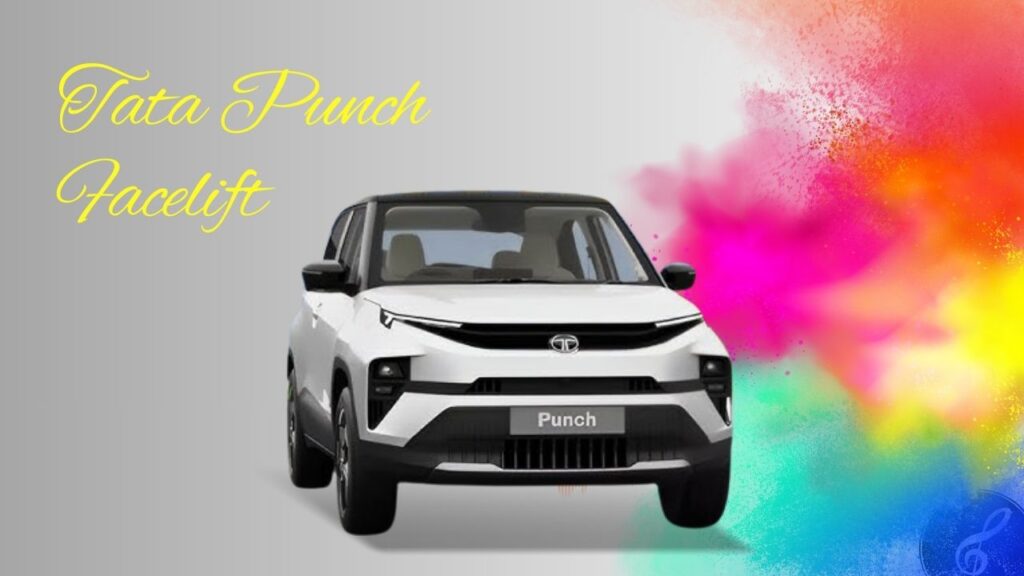
If you’re thinking of getting into the micro-SUV game, then January 13, 2026 will be a date you want to mark on your calendar. Tata Motors is introducing a few major upgrades to the people’s favourite Punch, and the 2026 Tata Punch Facelift is meant to make it even more alluring than before. Let’s take a look at why this new generation is a breakthrough in the cheap SUV segment. 

A Fresh Look of 2026 Tata Punch Facelift

The 2026 Tata Punch Facelift isn’t just a few tweaks here and there refresh―it’s an evolution in an unignorable way. The exterior is inspired by the Punch EV, lending it a futuristic and sophisticated look. Once again, you’ll notice the new LED DRLs (Daytime Running Lights) with stylish and minimalistic black surroundings that look premium without making your wallet cry. The front fascia gets a new bumper with attractive dual-tone finish and split headlamp layout that is really sharp.
A Fresh Look of 2026 Tata Punch Facelift

​Now on to the rear and the Punch offers a very cool connected LED tail-light design that visually links both ends of the car. There is also a black trim across the tailgate, which lends the SUV a more unified and premium look. The revised alloy wheel designs complete the exterior makeover with its rugged micro-SUV feel, but with a contemporary taste, nevertheless. 

Tata Really Impressed Everyone with it’s Upgraded Interior

Step inside the Tata Punch, the cabin still manages to feel spacious, but it does so with a cleaner, more contemporary design language that is used in other Tata products. You will be surprised by the new 2−spoke steering wheel which is more premium to touch and the HVAC controls which have been repositioned and are now touch activated—taking design cues from the more upscale Tata products.

The seats are upholstered now in a fashionable dual-tone black & blue colour theme instead of the single-tone of the previous model. It may be a small thing, but it really makes the cabin look better. Its everything nicer, more premium materials and better seat fabric which helps the Punch feel like it punches above its weight. 

Read More:- Manny Khoshbin Car Collection: Luxury & Hypercars Garage

Modern Features of New Tata Punch Facelift

A highlight is the new infotainment system. You get an 8-inch or the larger 10.25-inch screen with updated graphics and a more user-friendly UI depending on which version you’re taking. The top-tier model takes an additional step forward with a 7-inch digital instrument cluster, delivering a connected and technology-focused driving experience for drivers. 

​Wireless Apple CarPlay and Android Auto are now standard from the Pure+ trim and above, which is fantastic if you’re the type who likes to have your phone integrated with your car. The Pure+ variant also brings in a 8-inch touchscreen, USB Type-C fast charging (at a mind-boggling 65W of power), and even a height-adjustable driver’s seat for those long hauls. 

The Adventure model introduces some pretty amazing technology such as the 360-degree surround- view camera system—a feature that was not available before, and makes parking in tight spaces easier than ever. You’ll also get a blind-spot monitor, perfect for those times when you could use a little extra confidence on busy city streets.

​Top-spec Helps+ S version dazzles with voice-assisted power sunroof, wireless smartphone charger and an auto-dimming interior rear-view mirror. But perhaps the best part is that it features iRA connected car technology, which enables you to remotely lock/unlock your car, keep track of vehicle diagnostics, set up geo-fencing alerts and even call for roadside assistance through your smartphone.

New Punch Facelift Really Stands Out in Safety Technology

For the first time in the sub-4m micro-SUV segment, it comes equipped with ADAS (Advanced Driver Assistance Systems). This isn’t just a marketing hype — ADAS can really help reduce accidents with features like collision warnings and emergency braking assistance.

The Punch already has a door-busting 5-star Global NCAP rating from its predecessor, and Tata has further strengthened this with six airbags as standard across all variants. This is a big deal because you get real protection right from the base Smart variant, not just the top trims. 

In addition, the SUV is equipped with modern safety features including Electronic Stability Control (ESC) and Tyre Pressure Monitoring System (TPMS). At the higher end, the variants get LED fog lamps with cornering function that automatically turn to illuminate the road as they take a turn. From Adventure variant upwards, a 360-degree camera and blind-spot monitoring system boosts driver confidence, more so in jam-packed traffic scenarios. 

Six Beautiful Colors to Choose From
Six Beautiful Colors to Choose From

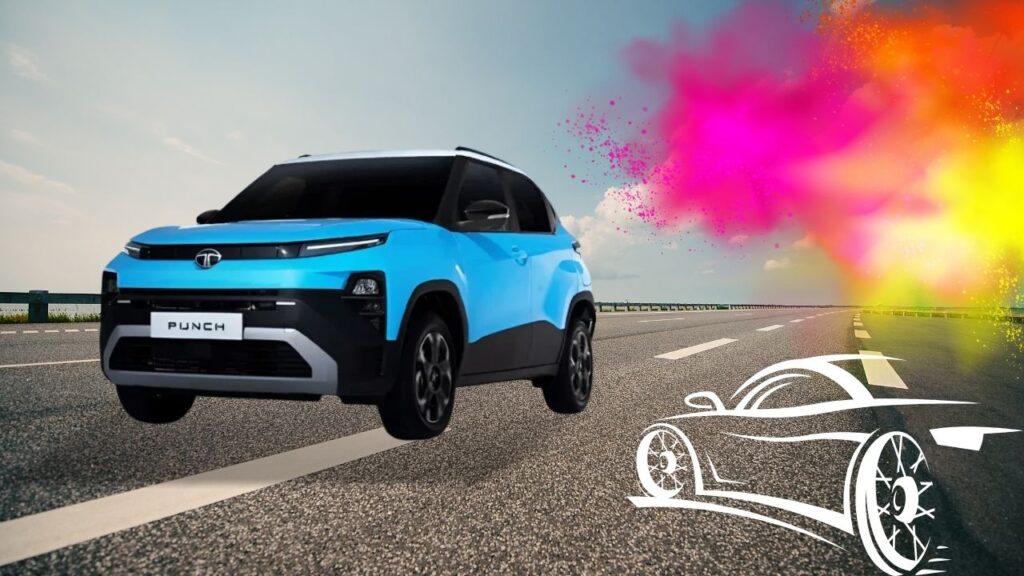
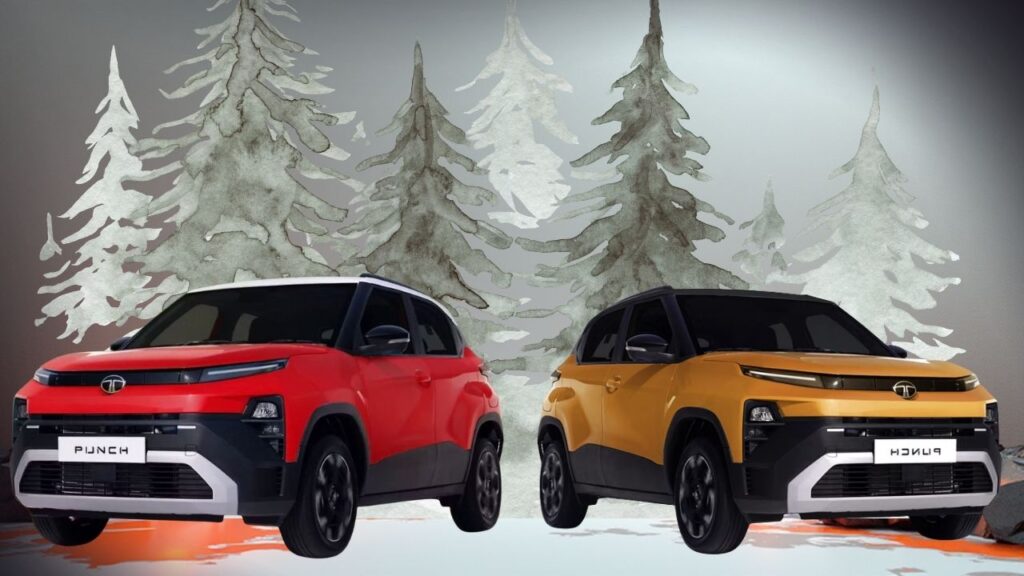
Tata has provided you with a few fantastic options in conceivable Punches to choose from. The six color palette includes Cyantific (a vibrant cyan blue), Bengal Rouge(the eye-opening red), Caramel (rich and refined), Daytona Grey (sleek and modern), Coorg Clouds (elegant beige) and Pristine White. A few of them are shared with the newly introduced Tata Sierra, so you know they’re premium offerings. 

Multiple Variants to Fit Every Budget

The Tata Punch is intelligently offered in six variants : Smart, Pure, Pure+, Adventure, Accomplished, and Accomplished+ S. If you want bare‐minimum features or want everything including the kitchen sink, there is a Punch for you.
Multiple Variants to Fit Every Budget

​The entry level Smart variant is packed with the essentials to keep you and your loved ones safe in six airbags, LED headlamps, drive modes, and remote keyless entry. Each step up you get real features, nothing fluffy. The step-up philosophy means you’re paying for features you really use, and really want. 

Engine Options: Power and Efficiency

The trusted 1.2-litre Revotron NA Revotron naturally aspirated petrol engine (88PS, 115Nm) is retained with both 5-speed manual and 5-speed AMT options, so if you loved the previous Punch’s performance, this is still your old companion.

​However, this is the exciting part: Tata has introduced a 1.2-litre turbo-petrol engine option which could produce close to 120PS and 170Nm of peak torque, mated to a 6-speed manual transmission. That delivers a modest bump in performance for those wanting a little more zip out of their Punch. Also, the CNG variant retains its 73.5PS and 103Nm tune for cost-conscious buyers. 

Conclusion

2026 Tata Punch Facelift is what you expect from a mid-cycle refresh: well-thought-out updates to design, useful features added, more advanced safety technology and the same bang-for-your-buck that we’ve grown to expect. Whether you’re an existing Punch owner looking to move up, or a first-time SUV buyer, this facelift certainly makes a strong case for this micro-SUV.

Segment-first ADAS technology, spacious cabin, six beautiful colour options, smart variant distribution across multiple price points, the new Punch makes a smart choice in a highly competitive market. 

Sharey Khan

Sharey Khan is an IT entrepreneur and petrol head & a car enthusiast. With a special focus on car-related content, he combines his deep passion for vehicles with a talent for crafting informative, engaging, and easy-to-understand content. His writing is driven by a genuine love for cars and he is committed to providing readers with accurate, up-to-date, and trustworthy information that empowers smarter driving decisions. 

Leave a Reply

Your email address will not be published. Required fields are marked *

0

Top 7 Upcoming Compact Electric Cars You Can’t Miss in 2026

Published Jun 23, 2025, 8:34 AM
Last Updated Nov 5, 2026, 3:48 PM

Top 7 Upcoming Compact Electric Cars You Can’t Miss in 2025

Elеctric cars arе gеtting morе popular еvеry yеar. Many pеoplе want cars that arе small, еasy to drivе, and good for thе planеt. If you arе looking for nеw, еxciting cars, you should watch for thе Upcoming Compact Elеctric Cars. Thеsе cars arе not just grееn, but also havе cool tеch and fun fеaturеs. Hеrе arе thе top 7 upcoming compact еlеctric cars that you should not miss in 2026.

1. Chеvrolеt Bolt EV (2026)

Chеvrolеt Bolt EV (2025)

Image Credit: YouTube

Thе Chеvrolеt Bolt EV is coming back in a nеw and improvеd way. It will usе GM’s latеst Ultium battеry. This battеry givеs thе car a rangе of morе than 300 milеs on a singlе chargе. Thе Bolt is small and еasy to park. It is pеrfеct for city driving. The new Bolt will come with improved safety features compared to earlier models. It will havе things likе automatic еmеrgеncy braking and lanе kееp assist. Thе pricе is not sеt yеt, but it will bе affordablе. Thе Bolt is a grеat choicе if you want a simplе, rеliablе еlеctric car.

2. Chryslеr Airflow (2026)

Chryslеr Airflow (2025)

Image Credit: Chrysler

Thе Chryslеr Airflow is a nеw еlеctric crossovеr. It is not so big & not so small. Thе dеsign is smooth and modеrn. It has up to 400 milеs in range. Thе Airflow has two еlеctric motors and all-whееl drivе. Insidе, it fееls likе a luxury car. It has a large scrееn & a voicе assistant. Thе car can drivе itsеlf a littlе bit, which is callеd Lеvеl 3 autonomous driving. Thе Airflow is for pеoplе who want stylе, comfort, and long rangе in onе car.

3. Kia EV4 (2026)

Kia EV4 (2026)

Image Credit: Kia

Thе Kia EV4 is a nеw еlеctric sеdan. It is sеt to arrivе in еarly 2026, but you can sее it in 2026. It has a cool, modеrn look. Thе EV4 is built for good rangе. Thе top trim can go up to 330 milеs on onе chargе. It has a big scrееn insidе and lots of spacе. You can chargе it fast—from 10% to 80% in about 30 minutеs. Thе EV4 is for pеoplе who want a stylish, practical, and quick-charging car.

4. Mеrcеdеs-Bеnz CLA with EQ Tеchnology (2026)

Mеrcеdеs-Bеnz CLA with EQ Tеchnology (2025)

Image Credit: Mercedes

Thе nеw Mеrcеdеs-Bеnz CLA is gеtting an еlеctric vеrsion. It is small and sporty. The electric CLA can travel up to 492 miles on a single charge, according to the WLTP rating. It usеs an 800-volt battеry. This mеans it can chargе vеry fast. Thе car is fast and fun to drivе. It has a modеrn intеrior with lots of tеch. Thе CLA with EQ Tеchnology is for pеoplе who want luxury, spееd, and a long rangе in a compact car.

5. Polеstar 3 (2026)

Polеstar 3 (2025)

Image Credit: YouTube

Thе Polеstar 3 is a bit biggеr, but it is still еasy to drivе and park. It’s a sporty-looking electric SUV designed for both style and performance. It has two еlеctric motors and all-whееl drivе. Thе Polеstar 3 can go up to 510 horsеpowеr. Thе battеry is big—107 kWh. Thе car is fast and has a nicе, quiеt ridе. It is for pеoplе who want a sporty еlеctric car with lots of powеr and comfort.

6. Rivian R2 (2026)

Rivian R2 (2026)

Image Credit: YouTube

Thе Rivian R2 is a nеw еlеctric SUV. It is similar in sizе to thе Ford Mustang Mach-E. It is smallеr than thе big Rivian R1 modеls. Thе R2 will bе chеapеr and еasiеr to drivе in thе city. It will havе a rangе of ovеr 300 milеs. You can choosе bеtwееn onе, two, or thrее motors. Thе insidе is simplе and modеrn. The R2 is made for people who want an electric SUV that’s tough, stylish, and practical.

7. Afееla 1 (2026)

Afееla 1 (2026)

Image Credit: Afeela

Thе Afееla 1 is a nеw еlеctric sеdan from Sony and Honda. It is full of high-tеch fеaturеs. Thе car has 40 sеnsors for safеty and smart driving. It usеs AI to hеlp you drivе. Thе Afееla 1 is not just a car—it is also an еntеrtainmеnt cеntеr. You can watch moviеs and play gamеs insidе. Thе Afееla 1 is for pеoplе who lovе tеch and want a car that is fun and safе.

Why Thеsе Upcoming Compact Elеctric Cars Mattеr?

Thеsе Upcoming Compact Elеctric Cars arе important bеcausе thеy show how cars arе changing. Thеy arе small, еasy to drivе, and good for thе еnvironmеnt. Thеy havе nеw tеch that makеs driving safеr and morе fun. Many pеoplе want cars likе thеsе bеcausе thеy savе monеy on gas and hеlp thе planеt.

What Makеs a Good Compact Elеctric Car?

A good compact electric car is simple to park and fits easily into tight spaces. It has a good rangе so you do not havе to chargе it all thе timе. It is safе and has modеrn fеaturеs. It is also affordablе for most pеoplе. Thе cars on this list havе all thеsе things. They are ideal for city driving and everyday use.

Conclusion

Thе world of еlеctric cars is growing fast. Thе Upcoming Compact Elеctric Cars for 2026 and 2027 arе еxciting and full of nеw idеas. They’re perfect for anyone looking for a small, eco-friendly, and smart car. Whеthеr you want luxury, sportinеss, or tеch, thеrе is a compact еlеctric car for you. Kееp an еyе out for thеsе sеvеn cars—thеy arе thе onеs you can’t miss. 

0

Hyundai Cars See Major Price Reductions Under GST 2.0 Reform

Published Sep 24, 2025, 11:28 AM
Last Updated Apr 22, 2026, 11:35 AM

Hyundai Motor India has significantly benefited from the GST 2.0 reforms that took effect on September 22, 2025. The company passes all the perks of lower taxes right away with buyers. The updates rates of GST cuts down the real price of Hyundai Cars, buyers can save from ₹60,640 up to ₹2.40 lakh. GST 2.0 changes mark India’s biggest tax update since the 2017 GST launch. The government has simplified the complex four-tier structure (5%, 12%, 18%, 28%) into simplified form (5% on basics and 18% on regular items). And the luxury rate with 40%, let’s look what it means to Hyundai cars:

Small cars with 1200cc petrol, 1500cc diesel, and ≤4m length get a reduction from 28% to 18% GST.

Larger Cars and SUVs get down to 50% including cess, now GST rate set at 40%

Electric vehicles continues at 5% GST rate

Model-wise Price Reductions

Hyundai’s price cuts in different ways for various vehicle types with SUVs receiving the most substantial reductions. 

Premium SUVs

Tucson Up to ₹2.40 lakh reduction (highest across the lineup)
Alcazar Up to ₹75,376 cheaper
Creta Up to ₹72,145 reduction
Venue Up to ₹1.24 lakh lower
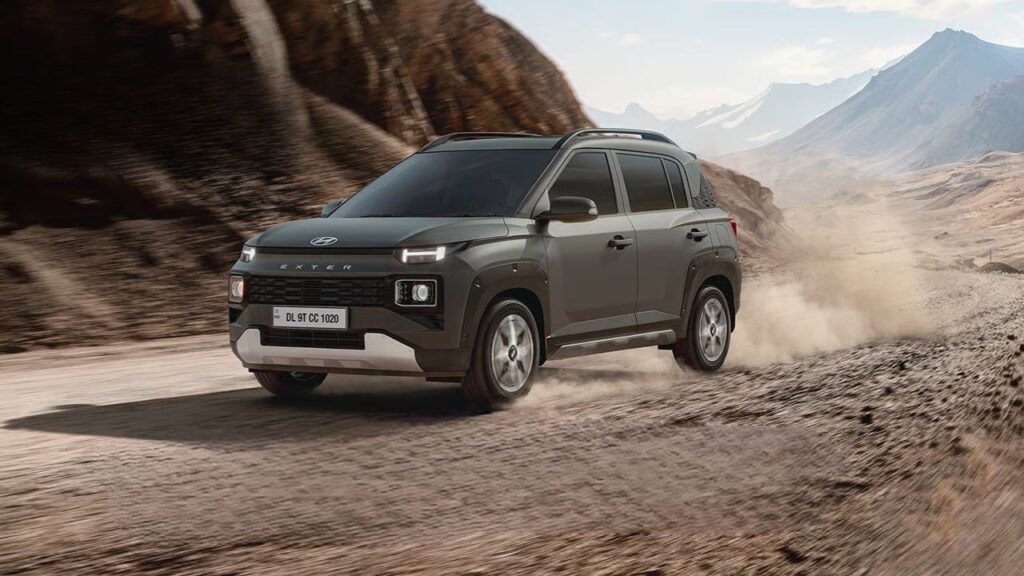
Exter Up to ₹89,209 price drop

Sedans

Verna Up to ₹60,640 reduction
Aura Up to ₹78,465 cheaper

Hatchbacks

i20 Up to ₹98,053 reduction
Grand i10 Nios Up to ₹73,808 price cut

Market Impact and Sales Performance

Image credit hyundai

GST 2.0’s launch during the festive period sparked huge market energy. Hyundai recorded 11,000 dealer billings on September 22, 2025 making a huge single-day performance than the five years of sales. This remarkable hit emphasizes how price cuts boosted buyer interest towards Hyundai cars. 

Tarun Garg, Whole-Time Director and COO at Hyundai Motor India welcoming the positive market response. “Navaratri’s lucky beginning, boosted by GST 2.0, changed the company’s sales growth and brought real energy to the market.

GST Rate Categories for Hyundai Models

The rates are decreased as per the new GST structures, there are several Hyundai Models which are represented here with saving percentage that applied on it.

Image credit: hyundai

Vehicle Category Savings GST rate cuts
Sub-4 meter petrol vehicles 11% savings from 29% to 18%
Sub-4 meter diesel vehicles 13% savings from 31% to 18%
Larger cars with engines up to 1,500cc 5% savings from 45% to 40%
SUVs above 4m with engines 1,500cc 10% savings from 50% to 40%

From Old Price To New Price After Reduction + Festive Offer

Models Old Ex-Showroom Price GST Reduction New Ex-Showroom Price Additional Offer Up To
VENUE ₹7,94,100 ₹67,719 ₹7,26,381 ₹50,000
EXTER ₹6,20,990 ₹52,957 ₹5,68,033 ₹70,000
i20 ₹7,50,900 ₹64,035 ₹6,86,865 ₹50,000
AURA ₹6,54,100 ₹55,780 ₹5,98,320 ₹40,000
Grand i10 NIOS ₹5,98,300 ₹51,022 ₹5,47,278 ₹55,000
ALCAZAR ₹14,99,000 ₹51,695 ₹14,47,305 ₹65,000

Industry-wide Transformation

Image credit: hyundai

The GST 2.0 changes have wider impacts through India’s car sector. All the big companies—car manufactures offer huge price cuts as Hyundai gives to its customers. Dropping the compensation cess cuts rates. The new GST structures simplified things and made it clear for the buyers.

Read More:-  Maruti Suzuki Victoris: The Family SUV Everyone’s Waiting for in 2025

Effective Date and Implementation

All revised prices became effective from 22 September 2025, clashing into the festive season in India. This combination boosts the sales for all the vehicle manufacturers.The holiday time has always been prime for buying cars.

Conclusion

This comprehensive price reduction across Hyundai’s lineups combined with additional festive offers, making its brand compete better in India. The GST 2.0 changes bring big benefits to buyers and let more people afford cars. Those buyers who are interested in basic and mid-range models become more happy because the price reductions are most substantial in that segment.

0

Monsoon Car Care Tips: Keep Your Car Safe During the Rainy Season

Published Jul 9, 2026, 12:40 PM
Last Updated Jul 22, 2026, 12:07 PM

Car Care Tips

Monsoon can give a hard time to your car while you’re sitting inside and taking short trips. Your car is dealing with water, mud, and humidity altogether but with right Monsoon Car Care Tips before the season starts can save unexpected breakdowns of a car, rusted parts, and also save your money which can cost you dearly.

Monsoon isn’t just rainy weather for your car. It’s a stress test on the engine, electricals, brakes, tyres, and body — all at once, every single day for weeks.

Why Monsoon Car Care Actually Matters

Monsoon brings not just water but that rain carries road grime, salt, and pollutants that speed up corrosion. Indian roads also have poor drainage systems that cause heavy flow and slippery surfaces and if you neglect Monsoon Car Care Tips that turn into major failures fast.

A car that runs fine in the summer can start misbehaving during the monsoon if you don’t get basics like wipers, battery terminals, and tyre tread checked up on. Some preventive maintenance before the rainy season can really save money on unexpected breakdowns or costly repairs down the road. 

Read Also: Which Engine Oil is best for your Car?

The Real Damage Rain Can Cause

Before getting into tips, it’s helpful to know what your car is actually being protected from: 

Indian roads become a pool in the rainy season and that causes rust and corrosion in metal parts of the car. Wiring malfunctioned due to moisture which made it difficult to generate spark.

The most risky part is the engine if water flows into the air intake when driving through flooded areas, be ready for engine damage. Moisture negatively affects the brake performance by reducing friction between the brake pads and the disc. Old cars with manual gear can suffer from clutch slipping if the clutch plate area becomes wet from water ingress, leading to loss of control over the car.

Car Care Tips

Early Maintenance: What to Check Before the Rains Start

It makes all the difference to do this a few weeks before monsoon hits, and not when the first floodwaters arrive. 

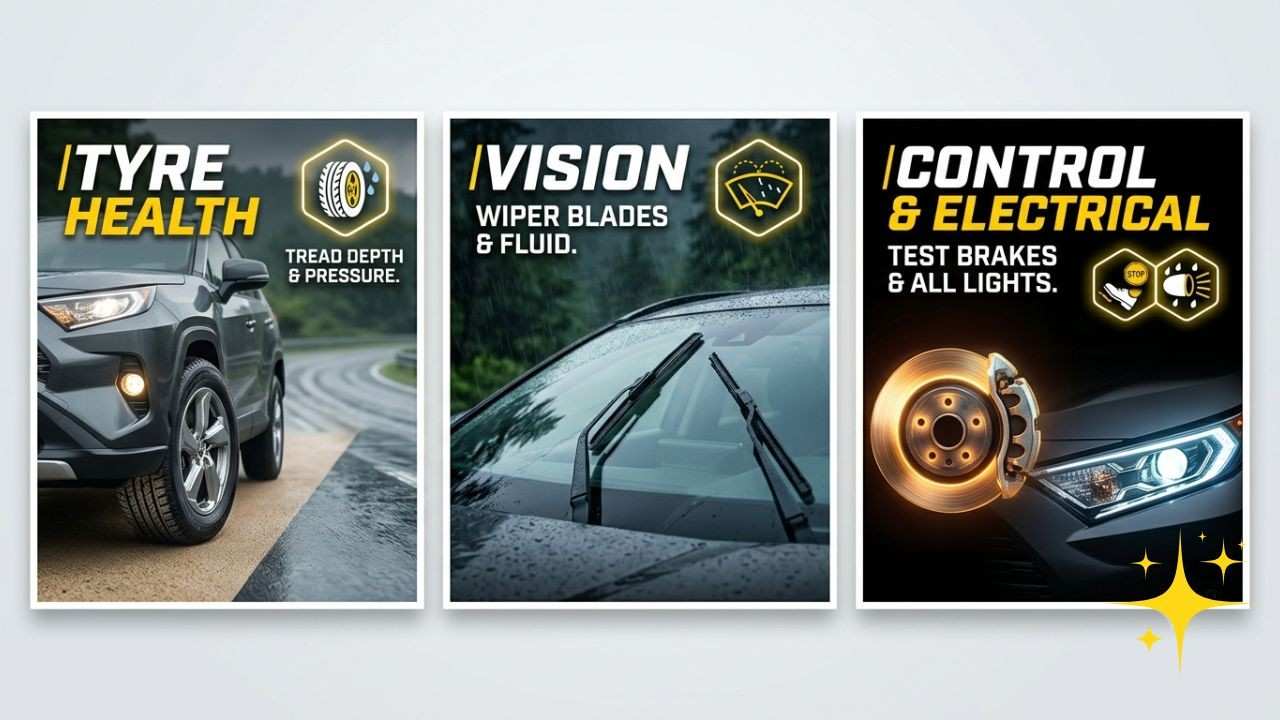
Tyres: 

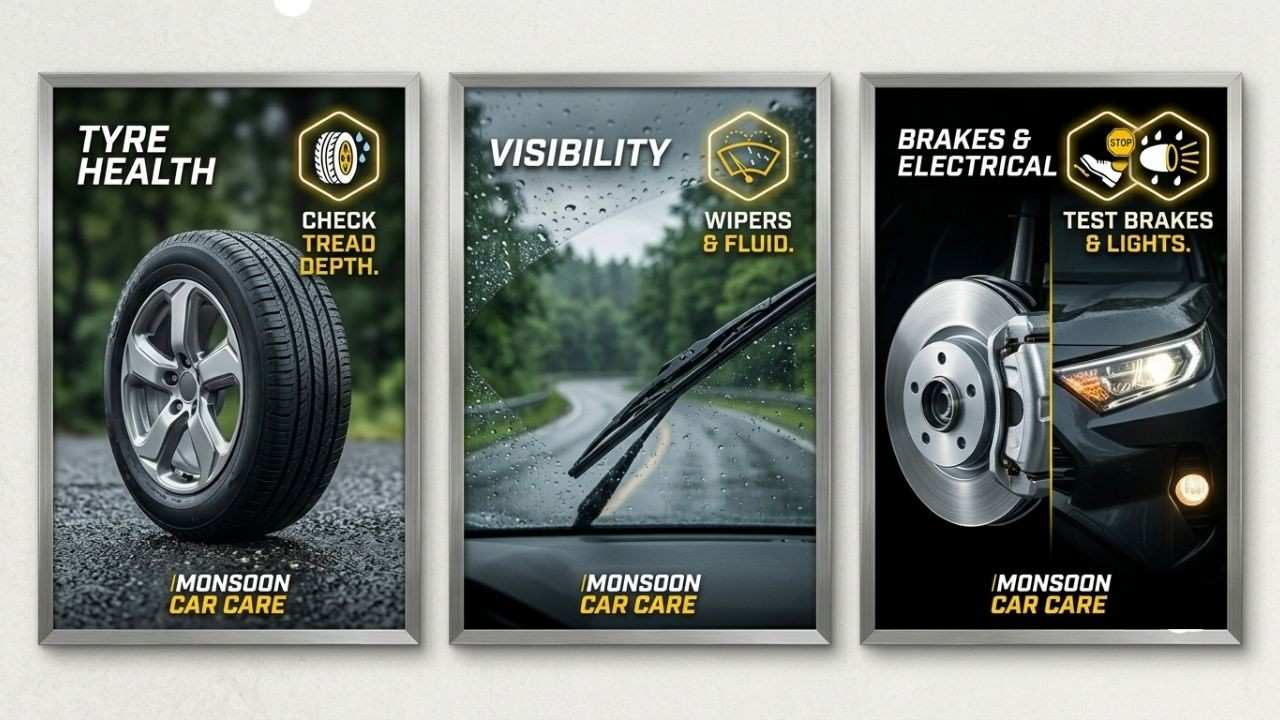
You should be very diligent about checking tread depth. Bald or worn tyres lose grip virtually immediately on rain-slicked roads. Keep tyres at the right pressure – underinflated ones are more likely to go into a spin. 

Brakes: 

Have the brake pads and discs checked along with the brake fluid level. Wet roads require brakes that deliver the right response immediately, not brakes that have already given their all. 

Wipers: Replace the wiper blades if they streak or make noise (such as squeaking). This is the cheapest upgrade that does the most to visibility in a rainstorm.  

Battery and electricals: Clean your battery terminals and look for signs of buildup. Have exposed wires inspected, that is if your car is not brand new. 

Underbody coating: A rust-proof underbody salt-spray or wax treatment before the monsoon protects from continuous splattering of dirty water.  

Door and window seals: Worn rubber seals allow water to enter into the cabin resulting in musty odors, electrical shorts and mold. Replace them if they have hardened or split.  

Air filter and engine air intake: Ensure the air intake is not too low as to draw in water when waterlogging. If you’re in a flood-prone area, this is one to talk over with your mechanic. 

Car Care Tips

Monsoon Car Care Tips By Car Type

Hatchbacks and Small Cars

They’re also lower to the ground, so a flooded road is more hazardous. Don’t drive through water above the lower door sill. Maintain your tyre pressure a little higher than normal for extra grip and have your underbody checked for rust a little more often with reduced ground clearance. 

Sedans 

Sedans typically have acceptable clearance but they also have a longer body, which exposes more surface area to splashing and rusting. Have a close look at the boot and rear wheel arches where moisture lingers. Wax the exterior before the season to shield the paint. 

SUVs 

SUVs benefit from greater ground clearance when in flooded conditions, but don’t get too big for your britches — even SUVs can stall if water gets into the air intake. Inspect for rust on four-wheel-drive components and undercarriage, as SUVs tend to be driven on rougher, muddier ground in the monsoon. 

Electric Vehicles

EVs are typically well sealed from water with IP rated battery packs, but charging ports and connectors still need to be kept dry. Don’t charge in the open in heavy rain, have the battery compartment seals checked. Never take for granted that “electric” means “waterproof all the time.” 

Driving Tips That Matter As Much As Maintenance

  • Slow down in plenty of time before you drive into standing water, since you can hydroplane at relatively low speeds. 
  • Allow more space between your car and the car in front as wet roads can add up to 15 percent to stopping distances. 
  • Turn on your headlights while driving in heavy rain so that you can see and be seen by other drivers. Don’t just use the tail or parking lights. 
  • Never drive on flooded roads unless you’re certain of the water depth. A puddle that looks shallow could hide a deep hole, an open sewer or other dangers. 
  • If your vehicle dies after you drive it into water, do not try to restart it. Trying that can squeeze water further into the engine and cause expensive repairs. 

After the Rain: Don’t Skip This Step

After driving in a heavy rain you should probably clean your car or mud, dirt and road grime will get stuck inside the parts of your car if you just parked it. Dry the cabin quickly if you get any water inside as it generates foul smell and damages the fabrics. Check features if they are working properly like turning on your AC. 

If you schedule a professional inspection and cleaning once a month during the rainy season, you can catch problems early and avoid having to make expensive repairs later on. 

One Thing Most People Forget: The Emergency Kit

A monsoon emergency kit doesn’t need to be fancy — a flashlight, an extra wiper blade, jumper cables, a tow rope and a rain poncho can cover it. If you ever find yourself stranded in flooded traffic or your car breaks down, this kit makes an overwhelming situation a controllable one. 

Conclusion

Monsoon does not destroy cars in a single day, it deteriorates them with small exposure after multiple exposures. A little pre-monsoon prep, a bit of driving caution and a post-rain cleaning is honestly all you need to get through the season without any unplanned garage visits. View these Monsoon Car Care Tips as a checklist instead of once-off information and your car will take care of the rains just fine.

0

How Often Should You Change Oil in Your Car? What Actually Matters in India

Change Oil in Your Car

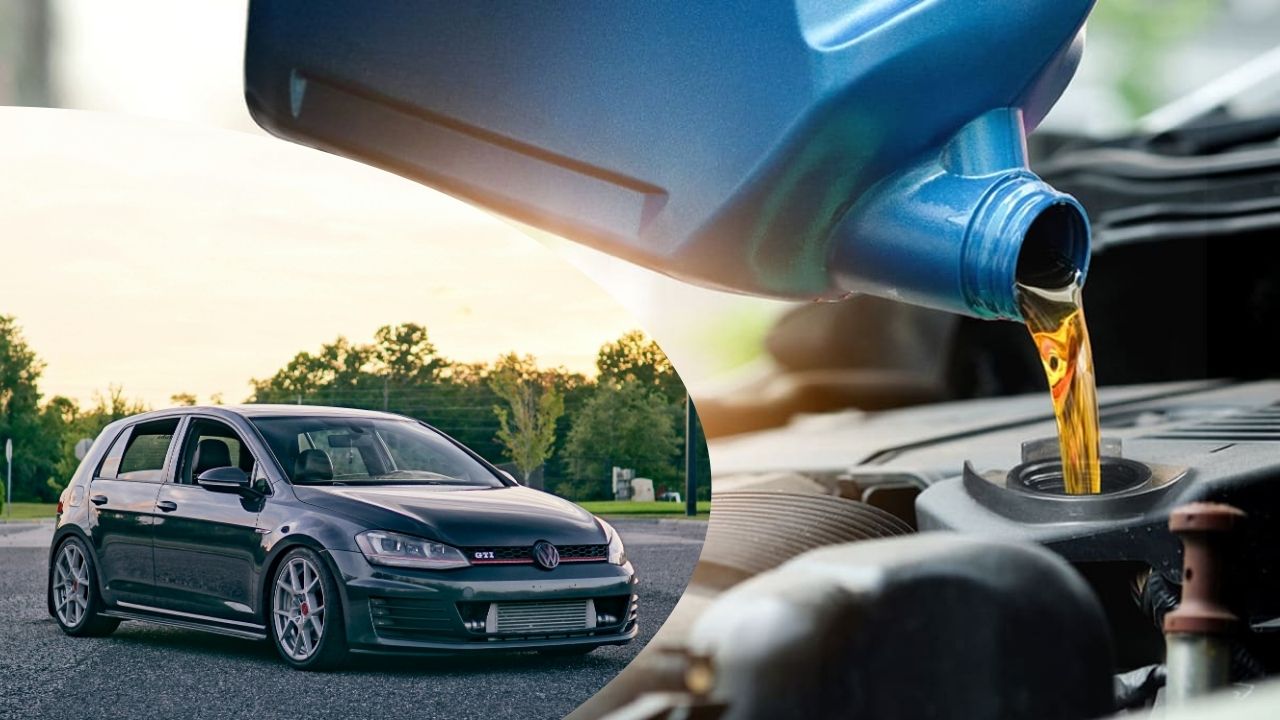
Your Swift covers 9,000 km and the service centre calls. Your neighbour is a strong believer in the “every 5,000 km no exceptions” rule as his father has been following since 1998. Your mechanic insists on seeing you every three months no matter what your owner’s manual says. None of the three are infallible, and How Often Should You Change Oil in Your Car is determined less by a fixed number and more by three things: what oil is currently in your engine, what kind of driving you really do, and how honest you’re willing to be about both. 

The Manufacturer’s Number Is a Starting Point, Not the Answer

Every car sold in India comes with a service booklet that lists an interval — usually tied to kilometres or months, whichever arrives first. That number assumes “normal” driving conditions as defined in a lab, not a Bengaluru signal-to-signal commute or a Delhi summer where cabin AC runs eight hours a day. 

Here Major brands currently stand On How Often Should You Change Oil in Your Car:

Brand / Segment Standard Interval
Maruti Suzuki (most models) 10,000 km or 12 months
Hyundai, Kia, Honda, Toyota, Mahindra 10,000 km or 12 months
Tata Motors (Punch, Nexon, Altroz) 15,000 km or 12 months
Volkswagen, Skoda 15,000 km or 12 months

If your vehicle is more than ten years old and it’s still on the old mineral oil era schedule, don’t assume it followed the newer 10,000 km norm, check your actual booklet for the year of your model. Take the precedent of the old Maruti 800s and early Zens, they used to get 5,000 km services because that’s all the mineral oil of that time could take before breaking down. 

The Oil Grade Changes the Number More Than the Car Does

This is the part that most owners skip over. The interval on your service sticker assumes a particular oil grade, and changing that grade alters the actual oil life: 

Change Oil in Your Car

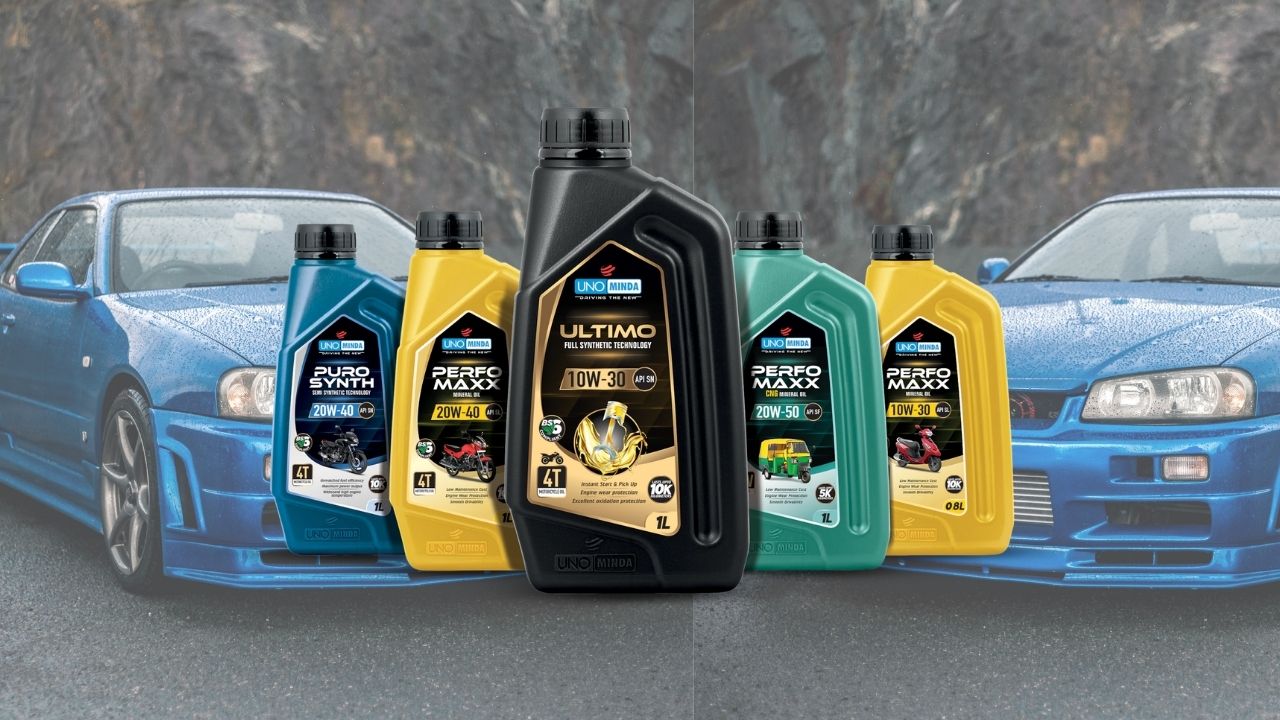
  • The mineral oil is the most economical, priced around ₹280–380 per litre, and it also oxidises the fastest — most mechanics will still tell you to change it every 5,000–8,000 km no matter what a new manual says, because the base stock just doesn’t hold up longer than that. 
  • The semi-synthetic oil, available at a price of ₹420-550 per litre, splits the difference and can be used for 8,000-10,000 km. 
  • Full synthetic, which costs ₹650-900 a litre, is undoubtedly what allows modern engines to go 10,000-15,000 km between oil changes – the additive package survives thermal breakdown long enough to justify the premium cost. 

So if your car’s manual says 15,000 km but your mechanic filled your car up with a mineral oil last visit because that was the cheapest or is the one he has in stock, you are not really on a 15,000 km schedule anymore. You’re on whatever that oil can last, which is more like one third that distance. 

Why Indian Roads Push Every Interval Downward

Manufacturer intervals are written for “normal” use. Most Indian driving qualifies as “severe” use without the owner realising it — and severe-use schedules are usually 20–30% shorter than the standard ones printed in bold on the first page of the manual. 

Three conditions push you into that category almost automatically here: stop-and-go traffic in cities like Mumbai, Bengaluru, and Delhi NCR, where the engine idles more than it cruises; sustained heat above 40°C through summer months, which accelerates oil oxidation; and short trips under 15–20 minutes that never let the engine reach full operating temperature, so moisture and fuel residue never burn off properly. 

If two or more of these describe your daily driving, treat the printed interval as an outer limit, not a target — and lean toward the shorter end of whatever range your oil grade allows.

Read More:-  How Often Should You Service Your Car? | Complete Maintenance Guide

What Skipping a Change Actually Costs

A straightforward, on-schedule oil change in India runs about ₹2,500–4,500, oil and labour included. That number looks easy to postpone when the car “feels fine.” 

It stops looking easy once you see the other side of the ledger: a Swift owner who pushed one scheduled change from 30,000 km out to 45,000 km ended up facing ₹8,000–18,000 in cleaning and repair work from the sludge that built up in the meantime. Push it further and you’re looking at ₹15,000–40,000 in ring wear, bearing damage, or worse — four to nine times what the change itself would have cost. 

Engine oil in an Indian car is doing three jobs at once: lubricating, cooling, and carrying away contamination. Once it’s saturated with carbon and moisture, it stops doing all three, and the damage compounds quietly until something expensive fails.

Signs Your Oil Needs Changing Before the Odometer Tells You

Kilometres aren’t the only trigger if you are looking for How Often Should You Change Oil in Your Car. A car that’s driven rarely, under 3,000–4,000 km a year still needs an annual oil change even if it never comes close to the km limit, because oil oxidises with time and moisture exposure regardless of use. 

Change Oil in Your Car

Watch for oil that’s gone dark and gritty rather than amber and clear on the dipstick, a burnt smell inside the cabin, a noticeably rougher idle, or the oil warning light itself — none of these should be treated as optional information to act on “next weekend.”

The Practical Rule On How Often Should You Change Oil in Your Car?

Follow your manual’s kilometre or month interval, whichever comes first — but only if you’re certain the oil in your engine matches the grade that interval was written for. If you’re not sure what’s currently in the sump, or your driving is mostly city stop-and-go, shave 15–20% off the printed number and go with full synthetic if your budget allows it; the extra ₹1,000–1,500 per change is cheaper than one skipped interval turning into a repair bill. 

When in doubt, ask your service centre to show you the actual oil grade on the invoice, not just tick a box that says “oil changed.”

Read More:- How to Check Tire Pressure Correctly: Guide For Car Owners

Conclusion 

How Often Should You Change Oil in Your Car, depends on many factors, so there is no single perfect answer. The appropriate interval will vary based on the oil being used, how you drive and the conditions to which your vehicle is subjected daily. Although the owner’s manual is the best place to start, stop-and-go city traffic, short trips, extreme heat and using a lesser-quality oil can all shorten the life of the oil. 

The best policy is to follow the recommended service intervals, use the right oil grade, and adjust the interval if your driving conditions are “severe”. Spending a few thousand on timely oil changes is way cheaper than spending big money on engine repairs later. 

A modest routine of checking your oil level, verifying the oil grade at each service, and not putting off scheduled changes will help ensure a long-running, happy engine. 

0

Maruti Suzuki Invicto Gets Perfect 5-Star Bharat NCAP Rating — Safety Redefined!

Published Sep 27, 2025, 9:27 AM
Last Updated Apr 8, 2026, 7:15 AM

Maruti Suzuki Invicto Scores 5 Stars in Bharat NCAP Crash Test. Maruti Suzuki Invicto body is built from “robust structural stability” which is intended to protect occupants in front, side and pedestrian crashes. During testing it recorded 30.43/32 points for adult occupant protection and 45/49 for child occupant. 

This shining success evidenced an all-inclusive protection package. It offers six airbags (front, side and curtain), ABS with EBD, Electronic Stability Program (ESP) with hill-hold assist, an electronic parking brake (with auto-hold), tyre-pressure monitoring, ISOFIX child‐seat anchors and a 360° surround-view camera with dynamic guidelines. 

These technologies – as Maruti’s NEXA Safety Shield, helping the Invicto to score high in crash tests and keep all occupants safe.

Ready-to-Road Engineers: Clearances and Handling

The chassis of the Invicto is appropriate for India’s varying roads. It’s placed on a platform of Toyota (similar to the Innova Hycross) with an extended wheelbase (2850 mm) and 185 mm high ground clearance, broad enough to easily tackle speed breakers and potholed country roads. Front suspension is through MacPherson struts and a torsion-beam rear arrangement.

Its outstanding tune makes the ride smooth and stable, the cabin comes to rest swiftly even at moderate speeds and bumps are absorbed elegantly

While big, the Invicto does not ride anxiously; it steers lightly enough to accommodate urban use and “high-speed stability is tremendous”, providing a boost of confidence on highways.

In short, the chassis and brakes are capable of handling India’s uneven roads with the necessary comfort and strength demanded of a big MPV.

Family-Friendly Space and Comfort

From the inside, the Invicto is certainly spacious. Maruti offers it in Zeta+ (base) and top versions of Alpha+. There is a 7- or 8-seat version of the Zeta+, with textile upholstery, while the Alpha+ has a 6-seat version with leatherette finish.

Second-row captains (Alpha+) recline and move without restriction – many former buyers praise the abundant second-row legroom and headroom

Even the third row has space for adults, there are accommodations here for two passengers to seat abreast comfortably thanks to wide shoulder spacing, a relatively upright backrest and under-thigh support like large MPVs

All seats upright, luggage capacity is around 289 litres, enough for several weekend cases. Folding the third row away opens up 690 litres for enormous loads. Comfort and convenience amenities are plentiful, particularly in the high end Alpha+trim.


It comes with a panoramic sunroof, a three-zone automatic climate system with individual vents for peaceful ride. Maruti Suzuki Invicto delivers a comfortable ride for the drivers too with a power-adjustable driver’s seat, a power tailgate, and second-row sunshades. It also equipped with advanced tech like Infotainment with a 10.1‑inch touchscreen (with wireless Apple CarPlay/Android Auto)

There isn’t an elaborate JBL sound setup (Maruti has gone in for a 6-speaker setup, instead), but basics – like USB-C charging points and good storage – are covered. Child protection receives due attention: in addition to the full 5-star child occupant crash test score, the Invicto comes standard with ISOFIX anchor points and a 360° camera to aid parking with children safely on board.

Performance, Powertrain and Variants

Under the bonnet, the Invicto inherits Toyota’s 2.0‑litre petrol strong-hybrid powerplant. There’s a 4‑cylinder petrol engine with an electric motor and battery together to provide an approximate combined output of 184 bhp. All of this power is transmitted to the front wheels through a smooth e-CVT automatic transmission. 

There’s no diesel variant from Maruti in this trim – efficiency is what’s focused here. The setup has an estimated efficiency of approximately 23.2 km/l (ARAI), but in actual use the hybrid setup excels in city roads while providing stable, instantaneous power during high-speed acceleration on the highway.

Read More:- Lexus RX vs BMW X5: Which Luxury SUV Dominates 2025?

Maruti provides the Invicto in two main versions: Zeta+ and Alpha+

Base trim is the Zeta+. It gets 17-inch alloy wheels with LED headlight clusters and exterior chrome trim. It gets cloth upholstery (with center fold-down armrest), an 8-inch touchscreen (with wire-connected smartphone mirroring), a 7-inch digital driver’s instrument cluster, cruise control, and safety features like 6 airbags, 360° camera and all-disc brakes. 

The Alpha+ is the flagship: it receives leatherette trim (6-seat format with fold-down middle seat), ventilated front chairs, dual-zone air conditioning, panoramic roof, power tailgate, and tire-pressure monitoring and 360° camera too.

Such high-level placement is justified through pricing. After the September 2025 GST cut, the ex-showroom Delhi price of the Invicto starts from about ₹24.97 lakh with the 7-seater Zeta+, and goes all the way to about ₹28.61 lakh with the Alpha+ all-loaded. (An 8-seater version of the Zeta+ is only marginally more expensive.) 

These rates put the Invicto Maruti’s most expensive model ever on the table but competitively positioned alongside its Innova Hycross sibling via Maruti’s value propositions. For the money, patrons take home an Innova-sized MPV with a good safety history, hybrid fuel economy and an assortment of modern amenities.

Conclusion

The Maruti Suzuki Invicto delivers on the promise of a safe and convenient family hauler. It comes with a 5‑star Bharat NCAP rating and six-airbag safety package offers assurance for all rides. Riding is stable and smooth over rough roads, and high ground clearance and strong suspensions also suit Indian roads perfectly. Inside, the interior is roomy and well-equipped – from sliding captain chairs and big sunroof to tri-zone AC and big infotainment screen.

With a hybrid powertrain providing great mileage and ~184 bhp available, efficiency and outright performance are both better than adequate for this sector. 

In short, the Invicto is “a very well-rounded MPV, delivering a big punch on space, practicality, features, comfort and fuel-economy”. For Indian customers who want an Innova-like utility with the latest safety and comfort features, there’s a compelling proposition in the Invicto but be prepared to pay a sub-₹30 lakh price tag to get the full-safety peace of mind.