0

Monsoon Car Care Tips: Keep Your Car Safe During the Rainy Season

Published Jul 9, 2026, 12:40 PM
Last Updated Jul 22, 2026, 12:07 PM

Car Care Tips

Monsoon can give a hard time to your car while you’re sitting inside and taking short trips. Your car is dealing with water, mud, and humidity altogether but with right Monsoon Car Care Tips before the season starts can save unexpected breakdowns of a car, rusted parts, and also save your money which can cost you dearly.

Monsoon isn’t just rainy weather for your car. It’s a stress test on the engine, electricals, brakes, tyres, and body — all at once, every single day for weeks.

Why Monsoon Car Care Actually Matters

Monsoon brings not just water but that rain carries road grime, salt, and pollutants that speed up corrosion. Indian roads also have poor drainage systems that cause heavy flow and slippery surfaces and if you neglect Monsoon Car Care Tips that turn into major failures fast.

A car that runs fine in the summer can start misbehaving during the monsoon if you don’t get basics like wipers, battery terminals, and tyre tread checked up on. Some preventive maintenance before the rainy season can really save money on unexpected breakdowns or costly repairs down the road. 

Read Also: Which Engine Oil is best for your Car?

The Real Damage Rain Can Cause

Before getting into tips, it’s helpful to know what your car is actually being protected from: 

Indian roads become a pool in the rainy season and that causes rust and corrosion in metal parts of the car. Wiring malfunctioned due to moisture which made it difficult to generate spark.

The most risky part is the engine if water flows into the air intake when driving through flooded areas, be ready for engine damage. Moisture negatively affects the brake performance by reducing friction between the brake pads and the disc. Old cars with manual gear can suffer from clutch slipping if the clutch plate area becomes wet from water ingress, leading to loss of control over the car.
Car Care Tips

Early Maintenance: What to Check Before the Rains Start

It makes all the difference to do this a few weeks before monsoon hits, and not when the first floodwaters arrive. 

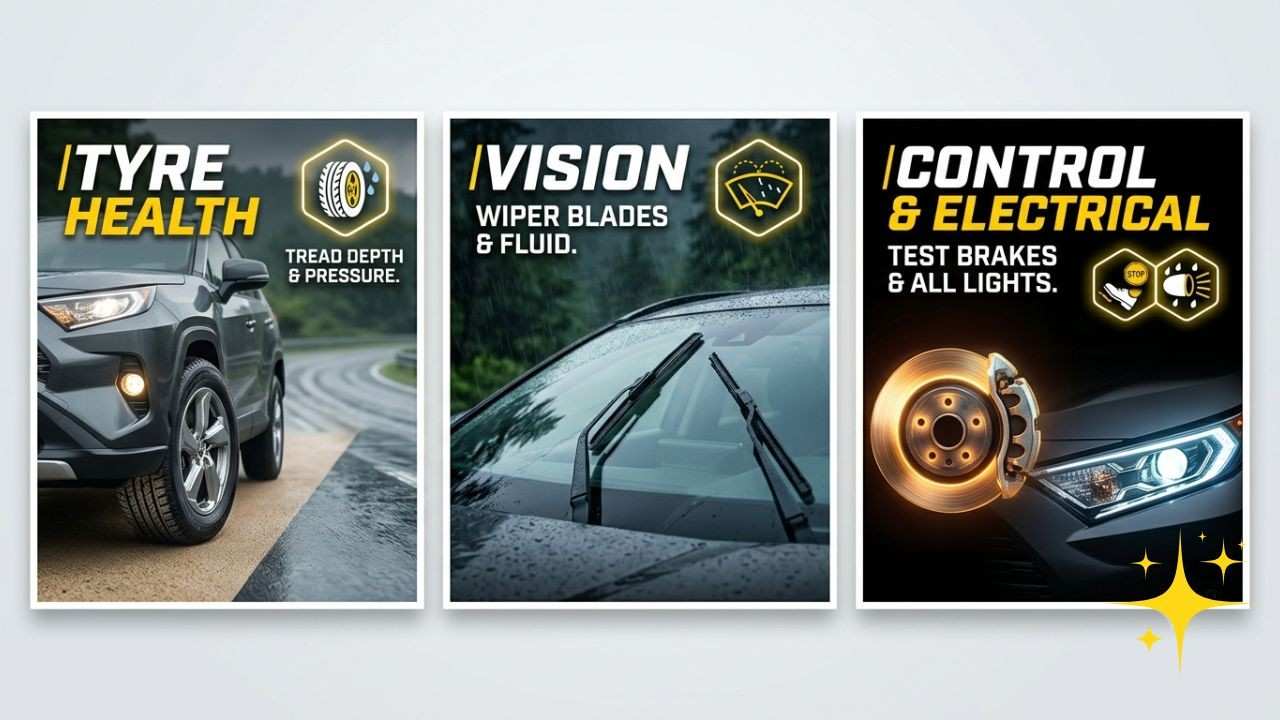
Tyres: 

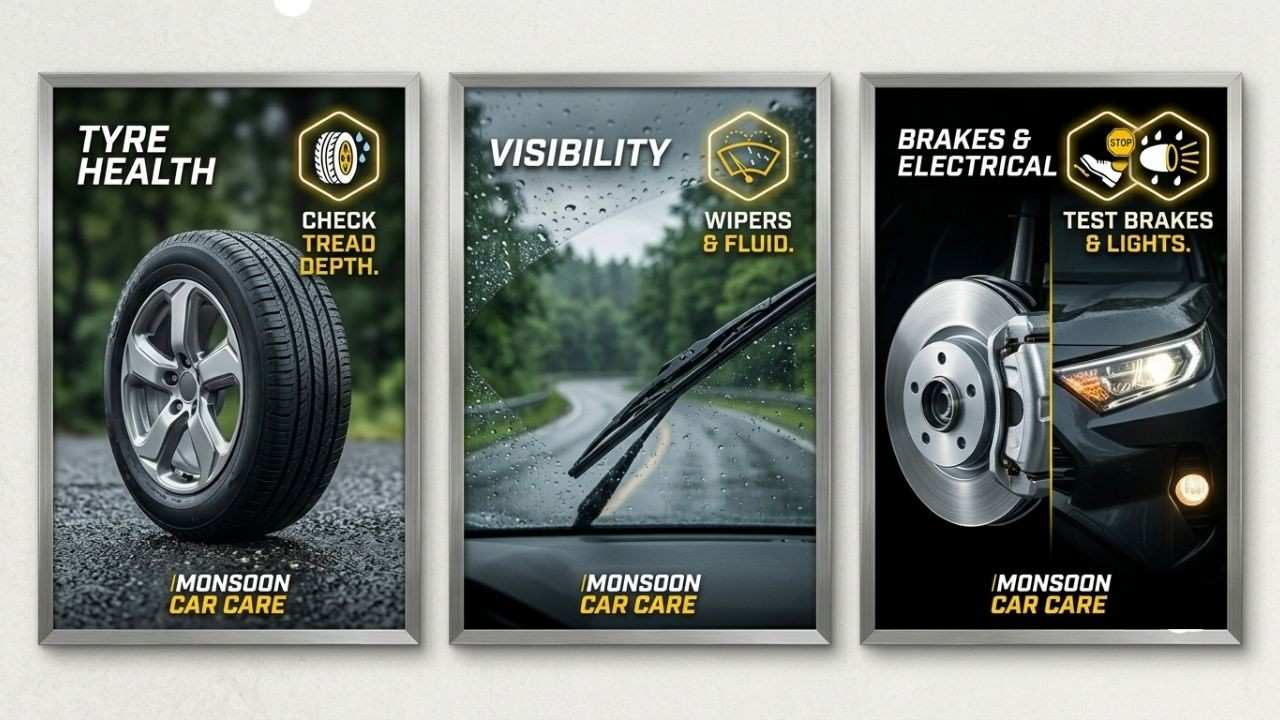
You should be very diligent about checking tread depth. Bald or worn tyres lose grip virtually immediately on rain-slicked roads. Keep tyres at the right pressure – underinflated ones are more likely to go into a spin. 

Brakes: 

Have the brake pads and discs checked along with the brake fluid level. Wet roads require brakes that deliver the right response immediately, not brakes that have already given their all. 

Wipers: Replace the wiper blades if they streak or make noise (such as squeaking). This is the cheapest upgrade that does the most to visibility in a rainstorm.  

Battery and electricals: Clean your battery terminals and look for signs of buildup. Have exposed wires inspected, that is if your car is not brand new. 

Underbody coating: A rust-proof underbody salt-spray or wax treatment before the monsoon protects from continuous splattering of dirty water.  

Door and window seals: Worn rubber seals allow water to enter into the cabin resulting in musty odors, electrical shorts and mold. Replace them if they have hardened or split.  

Air filter and engine air intake: Ensure the air intake is not too low as to draw in water when waterlogging. If you’re in a flood-prone area, this is one to talk over with your mechanic. 
Car Care Tips

Monsoon Car Care Tips By Car Type

Hatchbacks and Small Cars

They’re also lower to the ground, so a flooded road is more hazardous. Don’t drive through water above the lower door sill. Maintain your tyre pressure a little higher than normal for extra grip and have your underbody checked for rust a little more often with reduced ground clearance. 

Sedans 

Sedans typically have acceptable clearance but they also have a longer body, which exposes more surface area to splashing and rusting. Have a close look at the boot and rear wheel arches where moisture lingers. Wax the exterior before the season to shield the paint. 

SUVs 

SUVs benefit from greater ground clearance when in flooded conditions, but don’t get too big for your britches — even SUVs can stall if water gets into the air intake. Inspect for rust on four-wheel-drive components and undercarriage, as SUVs tend to be driven on rougher, muddier ground in the monsoon. 

Electric Vehicles

EVs are typically well sealed from water with IP rated battery packs, but charging ports and connectors still need to be kept dry. Don’t charge in the open in heavy rain, have the battery compartment seals checked. Never take for granted that “electric” means “waterproof all the time.” 

Driving Tips That Matter As Much As Maintenance

  • Slow down in plenty of time before you drive into standing water, since you can hydroplane at relatively low speeds. 
  • Allow more space between your car and the car in front as wet roads can add up to 15 percent to stopping distances. 
  • Turn on your headlights while driving in heavy rain so that you can see and be seen by other drivers. Don’t just use the tail or parking lights. 
  • Never drive on flooded roads unless you’re certain of the water depth. A puddle that looks shallow could hide a deep hole, an open sewer or other dangers. 
  • If your vehicle dies after you drive it into water, do not try to restart it. Trying that can squeeze water further into the engine and cause expensive repairs. 

After the Rain: Don’t Skip This Step

After driving in a heavy rain you should probably clean your car or mud, dirt and road grime will get stuck inside the parts of your car if you just parked it. Dry the cabin quickly if you get any water inside as it generates foul smell and damages the fabrics. Check features if they are working properly like turning on your AC. 

If you schedule a professional inspection and cleaning once a month during the rainy season, you can catch problems early and avoid having to make expensive repairs later on. 

One Thing Most People Forget: The Emergency Kit

A monsoon emergency kit doesn’t need to be fancy — a flashlight, an extra wiper blade, jumper cables, a tow rope and a rain poncho can cover it. If you ever find yourself stranded in flooded traffic or your car breaks down, this kit makes an overwhelming situation a controllable one. 

Conclusion

Monsoon does not destroy cars in a single day, it deteriorates them with small exposure after multiple exposures. A little pre-monsoon prep, a bit of driving caution and a post-rain cleaning is honestly all you need to get through the season without any unplanned garage visits. View these Monsoon Car Care Tips as a checklist instead of once-off information and your car will take care of the rains just fine.

Alok Kabir

Alok is an experienced SEO Specialist skilled in blogging and SEO-friendly content creation. He also specializes in Content Optimization and Technical SEO, including website optimization, crawlability, indexing, site speed, and on-page improvements to enhance search rankings and online visibility.

Leave a Reply

Your email address will not be published. Required fields are marked *

0

Subaru Forester vs Honda CR-V 2025: Which SUV Is the Real Champion?

Published Jul 31, 2025, 5:52 AM
Last Updated Apr 11, 2026, 11:08 AM

 Subaru Forester vs Honda CR-V 2025 Which SUV Is the Real Champion

When you are going to buy a SUV, you must get confused about which SUV is the real champ — Subaru Forester vs Honda CR-V. Here you can explore their full details of engine, performance, speed, and design of the two most amazing SUVs. Subaru Forester has unveiled its incredible redesign while Honda CR-V continues to ride high on its latest generation. This isn’t just a battle of features and specs but it’s about both car philosophies. 

Both cars are giving utterly experience to their owners, Forester is made for adventurous-ready partners that are always ready for the rough roads and comes with all-wheel drive. On the other hand, Honda CR-V is smooth, fuel-efficient, and comfortable for running around the city with elegance. Let’s look deeper into the comparison of Subaru Forester vs Honda CR-V for making it easier to choose for you.

Performance: A Tale of Two Drivetrains

The biggest difference between these two SUVs lies right under the hood and in the wheels that put the power down.

Subaru Forester: If you are a person who likes to go on adventure trips or rough roads, the Forester is your champion. All new Forester’s provide AWD which is impressive if we look into the best SUV, Subaru’s legendary Symmetrical All-Wheel Drive as standard. It is ready for rain, snow, or on that gravel road to the trailhead. The powerful system is built on the 2.5-liter with 180 horsepower. It provides a four-cylinder to make it unstoppable but it won’t win many drag races, it’s smooth, capable, and gets the job done.

There is big news for Forester lovers — a Forester Hybrid is coming soon which offers the fuel efficiency that means buyers will get a well-performed SUV with no worries for fuel.  

Honda CR-V: Honda CR-V powerful engine of 1.5-litre will give wonderful performance with its quick speed and extensive high brakes. The turbo engine with 190 horsepower, delivers incredible smooth running on road with its elegant look. The highlight is hybrid powertrain — CR-V Hybrid, stronger with 204 horsepower that can give you the thrill and deliver the purpose of fuel saving — we’re talking up to an EPA-estimated 40 MPG combined.

Who Wins? CR-V is good in saving fuel and sticking to city roads but for all-wheel drive, you have to pay extra. While Subaru gives you for free and supports you totally on your off-road adventure.

Performance Verdict: The Forester is the best choice if you want go-anywhere capabilities because it offers. The CR-V is an ideal SUV for those who want an SUV for daily on-road efficiency, especially in its hybrid form which is more powerful.

Read More :- Jeep Wrangler vs Ford Bronco 2025: Full Comparison of Specs, Style & Performance

Interior and Practicality: The Space Race

Both have amazing style but practically different in cargo space, windows, and door. 

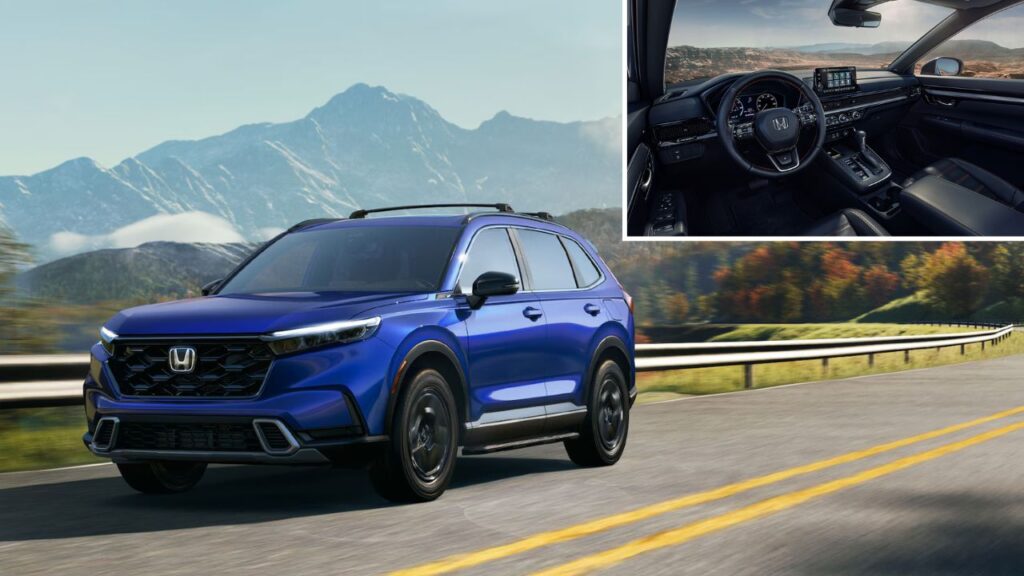
Honda CR-V: The wide interior view and well shaped design is delivering a cool experience to the families traveling or friends enjoying in the SUV. The CR-V is delivering not just a car but total flexibility to their passengers with cargo space of 76.5 cubic feet.

Honda CR-V Interior and Practicality

Honda CR-V Interior and Practicality

The space for the rear seat makes everyone comfortably sit and drive for long hours. Honda has already made the name in fancier cars all over the world.

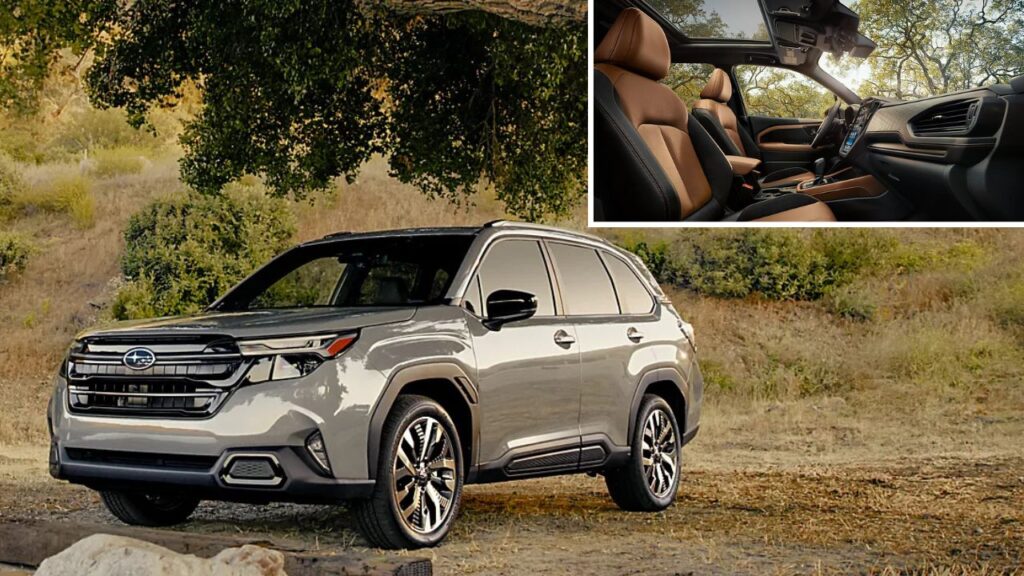
Subaru Forester: The redesigned 2025 Forester offering a cargo space of 74.4 cubic feet with hands-free liftgate for making packing easy. It also offers a wide back opening, no problem with a trip ready mood.

Subaru Forester Interior and Practicality

Subaru Forester Interior and Practicality

You can have a fully functional and modernized interior in one SUV. It has great visibility from the upright windows and thin pillars which is fantastic for navigating tight parking lots or scenic byways. 

Who Wins? Almost a tie because CR-V has a high-end functional and sleek design with more space whereas Forester gives great view and practicality.

Interior Verdict: If you want to feel classic era and a slightly more cargo space then CR-V is might be the best option but If you want good visibility, rugged, and user-friendly design then Forester is a good option. Both are marvelous companions in your driving with a slight difference which will give you incredible experience.

Tech and Infotainment: Screen Time

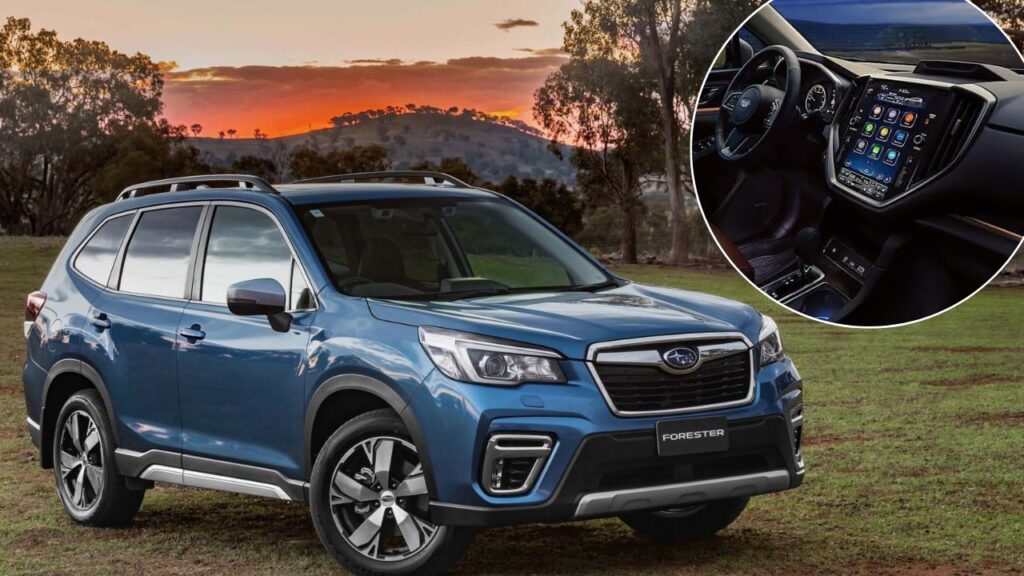
Subaru Forester: The Forester’s new 11.6-inch vertical touchscreen is best for perfect display of the infotainment. Apple Car Play and Android Auto supported infotainment system helps you connect in quick with any device.

Subaru Forester Tech and Infotainment

Subaru Forester Tech and Infotainment

This new tech used in the Forester made it more unique and modern through this upgraded system. 

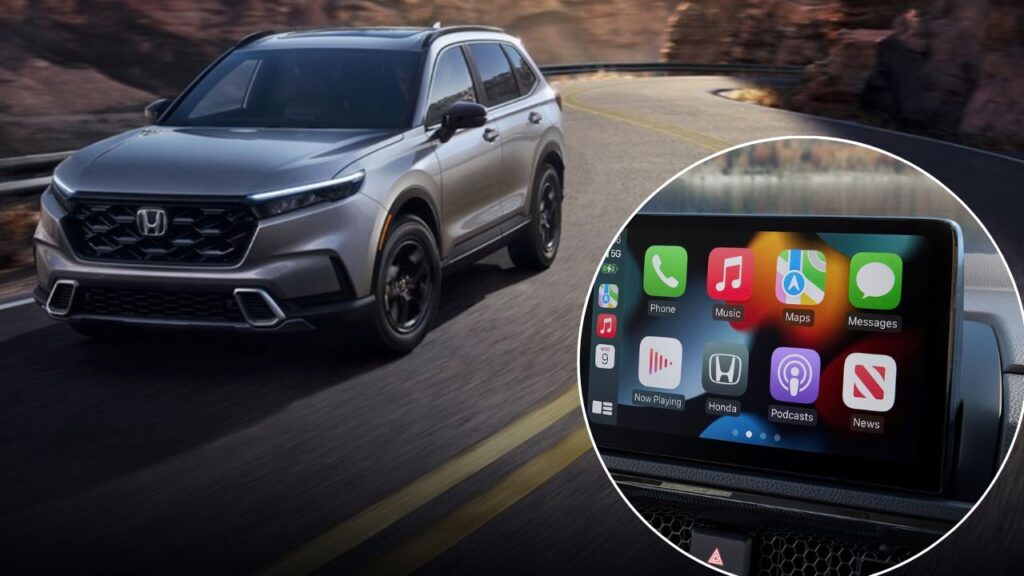
Honda CR-V: People who are comfortable with a 7-inch touchscreen, with a larger 9-inch screen available on higher trims, CR-V is delivering your desire.

Honda CR-V Tech and Infotainment

Honda CR-V Tech and Infotainment

The system is simple and intuitive, but you only get wireless Apple Car Play and Android Auto with the larger 9-inch screen. Tech Verdict: The Forester takes a slight upscale in its tech with a modern big screen with high-end infotainment system for 2025. 

Safety: A Clear Winner Emerges

The SUV will have an advanced tech system, high performance engine, and comfortable interior but safety concerns come first for many buyers. I think it’s important for every person because accidents can take your loved ones away and it’s the main point that makes them two apart from each other. 

Honda CR-V: The CR-V offers a safety system like adaptive cruise control, lane-keeping assist, and automatic emergency braking but it didn’t get IIHS safety ranking for this model. When it comes to safety there is no option in looking for an alternate choice. 

Subaru Forester vs Honda CR-V 2025

Subaru Forester vs Honda CR-V

Subaru Forester: The Forester has a clean role in the Safety section, it delivers you the latest version of its EyeSight driver-assist technology, which now scans wider areas and reacts more quickly. The upgraded system is more advanced in the safety rules. A new Emergency Stop Assist feature can even be tested, bringing the car to halt for safety after a while it senses you become unresponsive.

Safety Verdict: It is clear that Foster is winning here because of its powerful safety measures for passengers and it also got IIHS ranking for its upgraded system. 

The Final Verdict: Which Champion Is Yours?

Both have won on each stage with their powerful performance, design and features but there is a slight difference which makes you choose any one. If you want an SUV for long tour rides then the Forester is a winning trophy because it gives full support for the safety of the passenger. The cargo automatic features are easy to handle by anyone. If you value these things then buying the Forester is worth your money.

CR-V will give you reputation and efficiency for more fields, if you are satisfied with Honda cars before then this might be the best option. If you want an SUV then be sure to take a test-drive for both. And choose what will suit your life journey. 

Choose the 2025 Subaru Forester if:

  • You want full AWD in your SUV with all the weather security support.
  • You want a top safety rated SUV because Safety is your number one priority.
  • You value the best interior and outside view is one of the priorities.
  • You travel more and most likely onto dirt roads, snowy paths, or always ready for adventures.

Choose the 2025 Honda CR-V if:

  • You want a fuel efficient SUV which makes you not worry while spinning around the city.
  • You want more cargo area than Forester to adjust more things, with a good interior look.
  • Spinning around on paving roads is your thing.
  • You believe in Honda’s reputation and flexibility of the quality features, and trust on history of delivering satisfaction.

Ultimately the Subaru Forester vs Honda CR-V, the Forester is the champion of SUV when it comes to adventure and safety, meanwhile the CR-V is the champion of efficiency and refinement. Test drive both, list what you can do with your SUV and which one will help you best in your life and you’ll find your perfect champion.

0

Citroen Basalt X 1.2 Turbo Specs and Price Details Guide

Published Dec 6, 2025, 4:55 AM
Last Updated Dec 5, 2025, 10:16 AM

Citroen Basalt X

There have been great launches in the Indian automotive world this year and the Citroën Basalt X 1.2 Turbo is one of the best-suited options in the compact SUV-coupe segment. If you were wondering if this turbocharged beauty might be deserving of your gaze, we’ve got the details on everything you need to know – specs, pricing and what makes it special from the pack. 

Understanding the Citroën Basalt X

When Citroën revealed the Basalt X in September 2025, they didn’t just throw on an ‘X’ badge and call it a day. This is a carefully cultivated special edition that combines premium design, leading-edge technology and high-caliber performance all in one package. The Basalt X is essentially a higher-spec version of the regular Basalt, catering for buyers who want that little bit extra in life without selling a kidney to afford it.​

the Citroën Basalt X

So consider it Citroën’s response to the burgeoning market for stylish, feature-packed small SUVs that don’t make practical or performance compromises. The real star here is the 1.2-liter turbocharged petrol engine, and we will tell you why it is so important. 

Powerful Engine and Powertrain:

The 1.2-liter turbo petrol engine that lies under the bonnet of the Basalt X is truly awe-inspiring. It develops a decent 108 horsepower at 6000 RPM and the torque ranges from 190-205 Nm based on which transmission you select. For perspective, that’s just enough punch to make city driving feel spirited and to ensure you’re never underpowered on highways.​

the Citroën Basalt X

You have a choice of two transmissions to suit your driving style - a 6 speed manual for those who want the traditional driving involvement, or a 6 speed torque converter automatic for easy urban living. The torque converter automatic deserves special mention as it strikes a happy medium between fuel efficiency and convenience — a combination that a lot of compact SUVs fail to achieve. 

Mileage That Really Matters to Buyers

Now that we have given you the overview, let’s talk about what really matters when you’re at the gas pump. The Basalt X 1.2 Turbo offers 18.7 to 19.5 km/l based on the transmission. Yes, you did read that right. A twin-scroll turbocharged engine with around 20 kilometers per liter is really praiseworthy. The manual is a bit more fuel efficient, which makes it the ideal choice if you do a lot of highway driving. 

Read More :- Lexus RX 350h Exquisite Grade: Price, Features & Specifications

The Basalt X Pricing

That’s where the Basalt X makes a great argument. The 1.2 Turbo variants are available at a starting price of ₹10.82 lakh and the top- end price is ₹13.11 lakh (ex-showroom).

Let’s go through each variant to know where each price point is: 

Variant Transmission Price Mileage
Plus 1.2 Turbo Manual ₹10.82 Lakhcartrade​ 19.5 km/lcartrade​
Max 1.2 Turbo (MT) Manual ₹11.63 Lakhcartrade​ 19.5 km/lcartrade​
Max 1.2 Turbo (MT) Dual Tone Manual ₹11.84 Lakhcartrade​ 19.5 km/lcartrade​
Plus 1.2 Turbo Automatic (TC) ₹12.07 Lakhcartrade​ 18.7 km/lcartrade​
Max 1.2 Turbo (AT) Automatic (TC) ₹12.90 Lakhcartrade​ 18.7 km/lcartrade​
Max 1.2 Turbo (AT) Dual Tone Automatic (TC) ₹13.11 Lakhcartrade​ 18.7 km/l

Features That Make a Difference

Why the Basalt X truly stands out is not only on account of the engine. That list of features looks like a who’s who of modern-day conveniences. There’s a 10.2-inch floating touchscreen infotainment system with wireless Android Auto and Apple CarPlay, a 7-inch digital instrument cluster, and automatic climate control with rear AC vents.​

the Citroën Basalt X

The luxury Max variants add ventilated front seats, cruise control, wireless phone charging and a 360-degree camera system, the best in its class. A stylish black and tan color scheme with bronze trim accents makes the interior look more upscale compared to the regular Basalt. 

Safety: Because Comfort Means Nothing Without Security

Citroën has bundled the Basalt X with a robust safety suite that includes 6 airbags, hill-hold assist, rear parking camera with sensors, TPMS, and ISOFIX child seat anchorages.

the Citroën Basalt X

It may not yet have been NCAP tested, but these features ensure a rounded safety package when out on the road each day. 

Physical Dimensions and Tank Capacity

With a length of 4352mm, width of 1765mm and height of 1593mm, the Basalt X stretches solid road presence. The fuel tank holds 45 liters, which provides an impressive range between fill-ups, particularly with the turbo engine that is so efficient. 

Conclusion

The turbocharged performance, modern technology, thoughtful design and good value are all wrapped up in one package. The Manual or the Automatic, whichever you elect to use to engage the gears, it warrants to provide you a premium ownership experience that you notice without breaking your wallet. 

But if you’re in the market for a turbocharged compact SUV that’s fun to drive without sacrificing daily utility, the Citroën Basalt X 1.2 Turbo is definitely one to keep an eye on. 

0

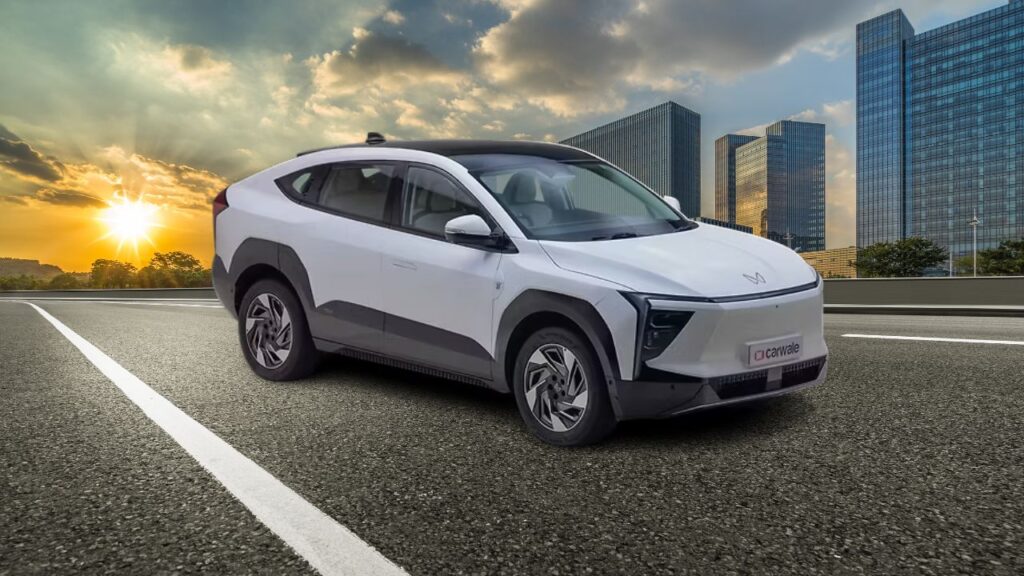
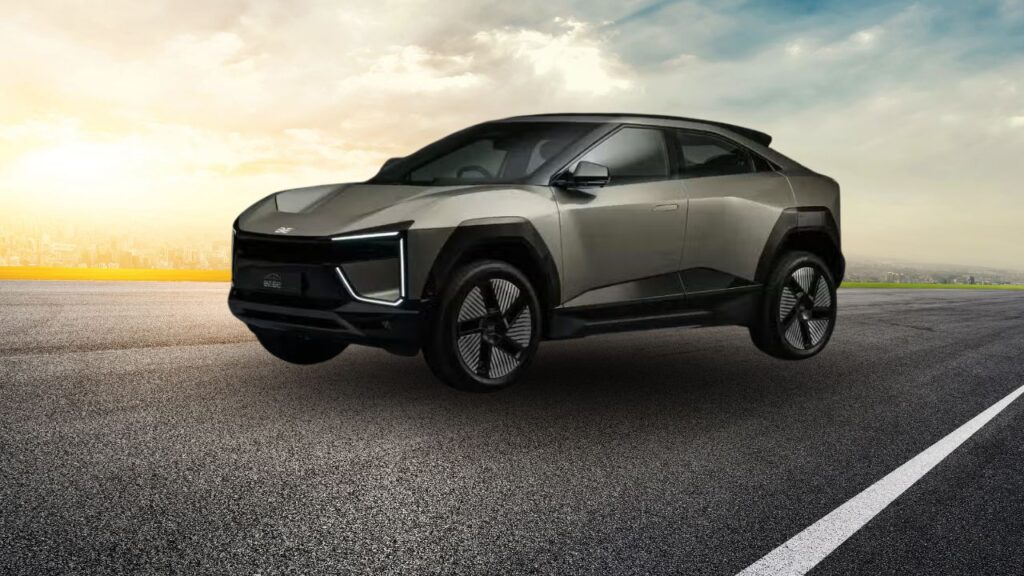
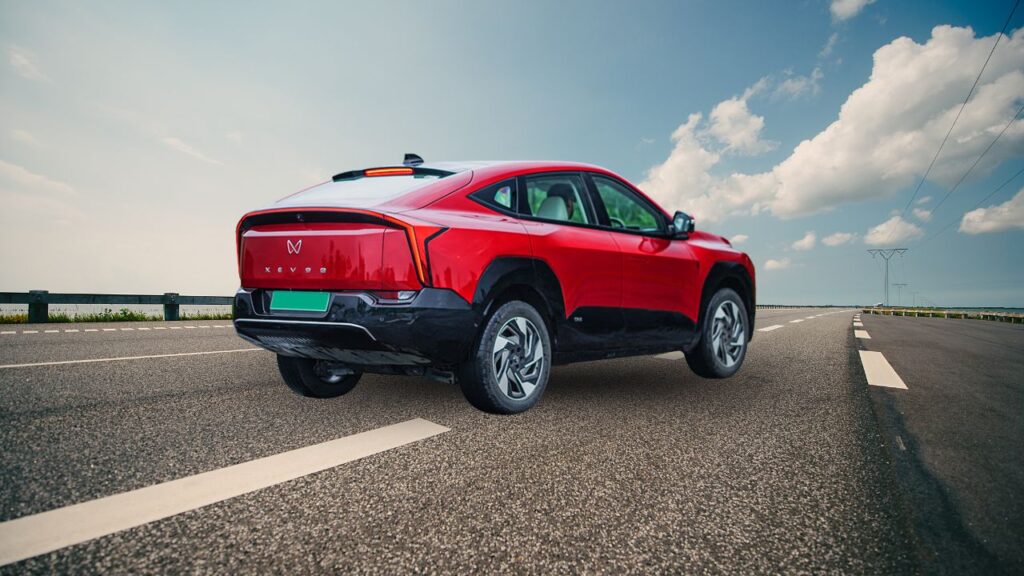
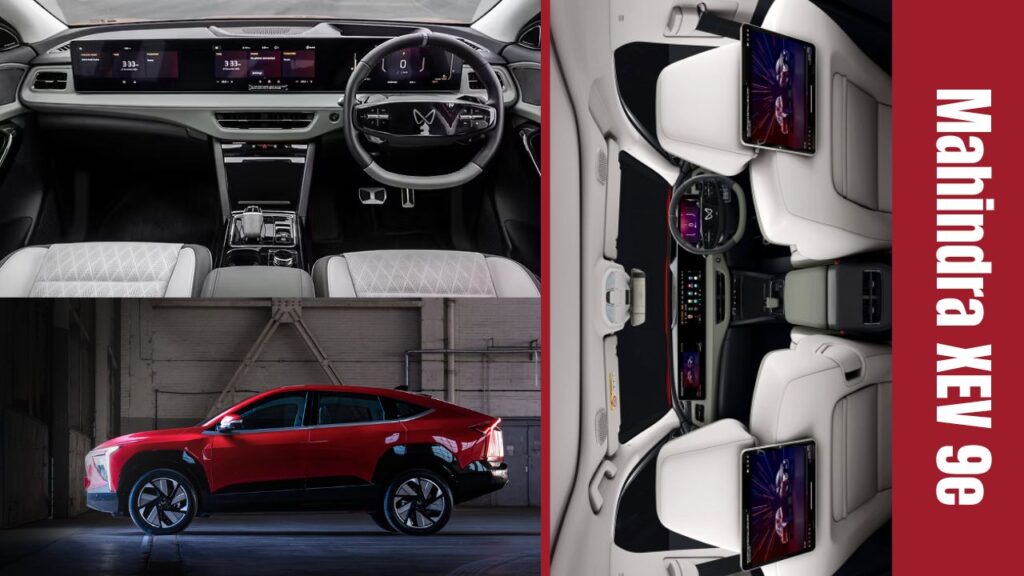
Mahindra XEV 9e Specs and Features: Complete Details & Latest Updates

Mahindra XEV 9e Specs and Features

In 2024, Mahindra brought the XEV 9e to the fore in November, this marked a phenomenal shift in India toward top quality electric cars. This is a coupe-style electric crossover on Mahindra’s new INGLO platform, which was engineered from the ground up for EVs. It’s more than just another electric suv. If you’re curious as to why this vehicle is so hyped up, here’s everything you need to know about the Mahindra XEV 9e. 

The Price That Makes Sense

Starting at ₹21.90 lakh (ex-showroom), the XEV 9e is well-presented in the Indian EV space. The pricing is well thought-out with the variants going all the way up to ₹30.50 lakh for the top end Pack Three variant with the bigger battery. What you need to know is the charger is sold separately, so plan your budget accordingly. Deliveries started in February 2025 and the reception has been overwhelming—more than 10,000 units of the XEV 9e and its sibling BE 6 were sold within 70 days after launch. 

Battery and Range: The Heart of the Matter

It is also in such areas that the XEV 9e really happens to excel. Two versions of LFP battery packs are available for you: 59 kWh and 79 kWh, built on BYD’s dependable Blade Battery technology. The 59 kWh version offers a strong 542 km range while the larger 79 kWh battery takes it up to 656 km that’s sufficient to do most of your daily travel and weekend driving with no range anxiety.

Battery and Range

On the European WLTP cycle, the 79 kWh model achieves approximately 533 km, which could be considered a more realistic number for everyday driving.

Charging time? The 11.2 kW onboard charger can charge your 59 kWh battery in 6 hours and the 79 kWh model in 8 hours. If you’re in a rush, the 180 kW DC fast charger will get you from 20 to 80 percent in just 20 minutes, great for highway stops. 

Performance That Punches Above Its Weight

The XEV 9e is not just a matter of necessity; it is really good fun to drive. The 228 hp and 380 Nm the 59 kWh version, while the more powerful 79 kWh variant produces 282 hp with the same 380 Nm. Each car can be had with the 6.8-second 0–100 km/h sprint time, which is not bad for a midsize SUV. You can also recapture energy and extend your range with the regenerative braking system with three levels of adjustability including one-pedal driving.​

The car has several drive settings – Default, Range, Everyday, Race and Snow – which allow you a bit of versatility whether you are getting through traffic in the city or up a mountain road. 

Read More :- Best Sunroof Cars Under 12 Lakh: Affordable Models With Premium Features

Design That Turns Heads

This is where the collaboration of Mahindra and Pininfarina flourishes. The XEV 9e features a closed-off grille as many modern EVs do and a stunning coupe-SUV form with edgy lines. There are connected LED DRLs, a light bar running across the fascia and triangular LED headlights with a creative design up front. The package is rounded out with 19-inch alloy wheels (20-inch units are available) and a connected LED taillight design with an integrated spoiler at the rear. 

Design That Turns Heads

It’s a technological tour de force inside the cabin. The instrument cluster displays three 12.3-inch screen areas: the one for the front passenger, the infotainment, and the one for the driver. The panoramic sunroof lets in an ample amount of natural light and the two-spoke multifunction steering wheel is very elegant. 

Technology and Features 

The XEV 9e is crammed with modern features. A Harman Kardon 16-speaker, 1400W system delivers incredible sound. Standard features include a 360-degree camera, dual-zone automatic climate control and wireless phone charging. The car also features Level 2 ADAS (Advanced Driver Assistance Systems) including adaptive cruise control, lane keep assist and emergency braking tailored to Indian road condition. 

Technology and Features

One distinctive feature that owners absolutely love, With the key fob, the car can be driven forward and backward — it’s a showoff feature that actually comes in handy in cramped parking lots. 

Safety: A Five-Star Fortress

Safety is no exception, and the XEV 9e doesn’t disappoint. It got a 5-star rating in the Bharat NCAP crash test, scoring high in adult and child occupant protection. The vehicle comes with up to 9 airbags (variant specific), electronic stability control, hill hold assist and ISOFIX child seat anchors. 

Conclusion

The Mahindra XEV 9e is a new frontier for Indian electric mobility. It’s the practical-range, premium-feature, middle-class-acceptable-performance, thoughtful-design all rolled up into one, and at a price that doesn’t involve selling your soul. If you are a tech nerd, environmental advocate, or just a person who likes really well made cars, the XEV 9e is worth a look. It’s more than a car— it’s a sign of how Indian automotive engineering will evolve in the future. 

0

How to Improve Gas Mileage: 15 Proven Tips That Actually Save Fuel

Published Jul 30, 2026, 12:34 PM
Last Updated Jul 30, 2026, 12:47 PM

How to Improve Gas Mileage

Petrol in Delhi is holding at ₹105 a litre this week, and Mumbai drivers are paying past ₹111 — rates that haven’t moved much since the last OMC revision in May 2026. You are probably wondering about how to improve gas mileage of your car. Because it actually helps you save money. It’s the difference between a ₹2,000 tank lasting your commute eight days or eleven. 

Most of what kills mileage in Indian driving conditions has nothing to do with the engine under the hood and everything to do with habits you can fix by this weekend. Let’s understand the 15 proven tips that genuinely move the needle on gas mileage, ranked roughly by how much difference they make.

1. Ease Off the Gas Pedal

Road rage was one of quickest means to empty a gas tank without actually going any faster. Quick brakes and acceleration with tight force can actually let your engine work harder than it has to. That extra effort means more fuel consumption, more wear on your brakes and tires

Research shows that aggressive driving can lower your gas mileage by up to 30% on the highway and more than 30% in city traffic.

2. Keep Your Tires Properly Inflated

When tires are underinflated, if they don’t have enough air roll easily they require more push and for that engine has to burn more fuel to keep the same speed. Flat tires mostly cause lower fuel economy, uneven wear of tires and affect braking and handling.

It’s recommended to check your car’s tire pressure every month and before going on a long trip. The little maintenance habit can increase your mileage and tire life. 

3. Don’t Ignore Your Air Filter

Your engine requires a constant flow of clean air to burn fuel properly. The air filter restricts the flow of air to the engine as it gets clogged by dust, dirt, leaves and other debris, hence the engine has to work harder to make the same power. 

On a lot of cars, it’s a quick job that doesn’t require any special tools. Most manufacturers advise to check the air filter at every service and change it at the intervals. 

Read More:-  How to Transfer Car Ownership in India: A Step-by-Step RTO Guide (2026)

4. Lighten Your Load

When your trunk becomes just a holding space for stuff, your fuel economy could be suffering without you knowing it. If there are any heavy objects like games equipment, boxes, and tools that are unnecessary, remove them.

If weight increases more than standard capacity like 45 kg (100 lbs) can decrease fuel efficiency by about 1-2%, and it impacts mostly in city driving and stop-start traffic.

5. Use Cruise Control on the Highway

Cruise control can be used to increase the fuel efficiency while driving on open highways by avoiding speed fluctuations. Speed changes, small ones included consume extra fuel as the engine needs to accelerate and decelerate the vehicle repeatedly. 

Long drives go smoothly with the help of Cruise Control as it prevents needless changes. It may not be good for busy traffic roads but best for fairly flat interstates, where steady speeds can help squeeze the most from every liter of gas. 

6. Avoid Excessive Idling

Idling your car wastes gas, and it doesn’t even get you anywhere. Waiting to meet someone, waiting outside a store or driving with your engine running while you’re parked your wasting fuel for no distance covered. 

New cars already have automatic start-stop systems for this very reason. Quick start and stop can make everything so easy and saves fuel on idling. 

How to Improve Gas Mileage

7. Combine Your Errands

When you start your car, the engine will take time to warm up and it uses more fuel to make it completely warm. If your engine gets cold and you try to warm up 5 times a day then your fuel burns more than it burns at one go. 

So combine all your errands and try to complete it once you start your engine. Do not let yourself be drawn to a lot of shorter trips in a day. It can also help you avoid extra miles and time on the road.

8. Watch Your Speed

To reach faster at your destination will consume more fuel from the tank. So avoid leaving your home late and take a ride at steady speed so it saves your fuel as aerodynamics normally.

With most cars, fuel economy starts suffering fairly rapidly once you’re driving faster than about 90–100 km/h. Even dropping your cruising speed by 10–15 km/h on long road trips on the highway can help you save a little gas. 

Read More :- Zero Depreciation Car Insurance: Benefits, Coverage & Cost

9. Keep Your Windows Up at High Speeds

How you cool your vehicle can also impact gas mileage especially on the highway. On the highways, you probably drive fast and leaving your window open creates drag which forces the engine to work harder to move the vehicle through the air. 

You can open windows at short and slow speeds in a city. Turning on the AC is more fuel efficient on highways or running at high speed.

10. Get Regular Tune-Ups

If you want to drive a car which can be fuel efficient then take care of it regularly. Regular maintenance including checking engine oil, plugs, sparks, tires are required to increase fuel efficiency. When these are not fixed, your engine works harder and consumes more fuel and gives poor performance.

Read a manual to keep following the manufacturer’s recommended service which lets your car at its best condition, improves fuel economy and can save you from costly repairs. 

11. Use the Manufacturer-Recommended Motor Oil

Using the wrong grade of oil can actually reduce your fuel economy. Check your owner’s manual and stick to what’s recommended — it’s a small detail that makes a real difference.

12. Don’t Overuse the AC in Stop-and-Go Traffic

Air conditioning puts extra load on your engine. In heavy city traffic, cracking a window instead of blasting AC can help — though on the highway, the reverse is often true (see tip #9).

13. Plan Your Routes to Avoid Traffic

Sitting in traffic means idling, braking, and accelerating over and over — the worst combination for fuel economy. A slightly longer route with steady flow can actually save more fuel than the “shortest” route full of stop-and-go.

14. Check Your Wheel Alignment

If the car wheel is misaligned then your engine puts more force to move your car forward. It silently eats your mileage and if the car pulls to one side then get an alignment check quickly because your tires wear out. 

15. Consider Your Driving Environment

Temperature also affects your engine and batteries because cold weather can cause your engine to get cold easily and it sometimes hard to start the engine. So it takes time and more fuel to warm up the engine which is not good for short trips. This helps you set realistic expectations and adjust your habits rather than assuming something’s wrong with your car.

A Real Comparison: Habits vs Hardware

How to Improve Gas Mileage

Parameter Maruti Suzuki Swift Hyundai Grand i10 Nios
ARAI-rated mileage (petrol) ~22–24 kmpl (actual: 24.8 kmpl manual, 25.75 kmpl AMT)  ~20–22 kmpl (actual: 18 kmpl manual, 16 kmpl AMT) 
Real-world mileage (aggressive city driving, poor habits) 14–15 kmpl (as per your input) Not specified, but likely lower than ARAI if driven poorly
Real-world mileage (steady driving, good maintenance) Can approach ARAI figures with correct habits Can out-mileage a poorly driven Swift with steady acceleration, correct tyre pressure, minimal idling (as per your input)
Key takeaway ARAI figure is not a guarantee; aggressive driving can drop mileage to 14–15 kmpl A lower-rated car can deliver better real-world efficiency if driven and maintained well
Primary reason for gap Driver behaviour and maintenance (not just engine design) Same – driver and maintenance habits dominate real-world results

The gap between ARAI figures and real-world mileage is almost always driver-and-maintenance driven, not just engine architecture.

Should You Spend Money to Fix Mileage, or Just Change Habits?

If your mileage complaint is a gradual, creeping drop over months, the fix is almost always maintenance — tyre pressure, air filter, spark plugs, alignment and costs under ₹2,000 in most cases. If it’s a sudden, sharp drop, get the OBD scanned for fault codes before assuming anything about driving style. 

Only if you’re consistently doing long highway stints and your current car lacks cruise control or an eco mode should hardware or a car upgrade — even enter the conversation. For most Indian owners, the ₹0 fixes (driving style, tyre pressure, timely servicing) recover more mileage than any accessory or fuel additive on the market.

Read More :-  How to Renewal Car Insurance: Step-by-Step Guide (2026)

Conclusion

Once you understand all the points on how to improve gas mileage, there’s nothing hard to adapt to changes. Little habits can save your money and time, so proper tire pressure, regular maintenance, and a bit of trip planning can genuinely add up to real savings over a year. You don’t need an electric vehicle or a full engine rebuild to save at the gas pump. Sometimes it really is the simple stuff that works best. 

Try picking just three or four of these tips to start with. Once they become second nature, add a few more. Your fuel gauge and your wallet will notice the difference.

0

MS Dhoni Car Collection: 7 Best Cars You Must See in 2026

Published May 23, 2025, 1:03 PM
Last Updated Apr 2, 2026, 8:16 AM

MS Dhoni Car Collection

MS Dhoni, one of the best cricketers in the world, thanks to his on-field prowess, is also known for his passion for luxury cars. MS Dhoni’s love for cars The former Indian cricketer has a taste for high-speed cars, and has an enviable car collection that speaks volumes about his collection, personality, and love for cars. Whether you are an automobile lover or simply a Dhoni Crazy, his car collection should not be missed at any cost.

If you would like more details on the car, check out 7 stunning cars from MS Dhoni Car Collection that will leave you stunned in 2026 In this article, let me show you the list 7 staggering cars from the MS Dhoni Car Collection that will surely blow you out. These cars are much more than just cars, they bear a witness of Dhoni’s love for speed, style, and luxury. Let’s dive right in!

Jeep Grand Cherokee Trackhawk – The Beast of the Road

Jeep Grand Cherokee Trackhawk The Jeep Grand Cherokee Trackhawk is a beast indeed and no wonder, it sits among the most powerful SUVs in MS Dhoni Car Collection. Costing approximately Rs 1.2 crore, this monster is powered by a supercharged 6.2-litre V8 motor. At 707 horsepower and 875 Nm of torque, it shouldn’t really be such a shock that this SUV does 0-60mph in just a few seconds!

Jeep Grand Cherokee Trackhawk – The Beast of the Road

Image Credit: Smartprix

The inside is also stunning with high-end amenities and top-of-the-line tech. The Jeep Grand Cherokee Trackhawk is the ride of a lifetime. The sheer firepower and the speed puts it a cut above in terms of Dhoni’s collection. If you are one of those people who have a healthy admiration for really powerful engines and great road presence, this is your car – the car that will definitely make an impression.

Rolls-Royce Silver Wraith – The Enduring Refinement by a Iconic Brand

Following we have the Rolls-Royce Silver Wraith. This vehicle is brilliantly packed with luxury. The Silver Wreath costs Rs50 lakh and is a veritable work of art. It is driven by a 6.75-liter V8 engine, which may not be the hottest in terms of horsepower, but it delivers a silky, plush ride. The interior workmanship of this tire home is quite exceptional and one is at a loss for words, everything has been meticulously thought out to create an ultra comfortable and stylish habitat.

Rolls-Royce Silver Wraith – The Enduring Refinement by a Iconic Brand

Image Credit: Smartprix

The Silver Wraith is great for classic car enthusiasts who appreciate a rich past. It is a statement car which says a lot about MS Dhoni’s preference for the more refined things in life. From the moment you slide in the driver’s seat and press the push button to start the engine, driving this car is not simply driving from here to there – it’s driving the ultimate form of luxury and elegance.

Ferrari 599 GTO – The Fastest of Them All

If race is your thing, then this will definitely blow your mind – MS Dhoni’s Ferrari 599 GTO! This supercar is one of the speediest cars in Dhoni’s garage. Pricing around Rs 3 crore, the 599 GTO is powered by a 6.0-liter V12 motor producing 661bhp. It hits speeds of up to 208 mph: The car is one of the most exciting to drive.

Ferrari 599 GTO – The Fastest of Them All

Image Credit: Management Panditz

The Ferrari 599 GTO looks breathtaking with its winning looks and sexy structure. The car, performance, handling and acceleration of the car is any car lover’s dream. Dhoni’s Ferrari is enough for us to see his passion for speed and glamour.

Mitsubishi Pajero SFX – The Off-Road Legend

Another standout in the MS Dhoni Car Collection is the Mitsubishi Pajero SFX. Priced at Rs 18.81 lakh, this SUV is a legend in the world of off-roading. With a 2.8-liter turbocharged diesel engine that produces 118 horsepower and 292 Nm of torque, the Pajero SFX is built to conquer even the toughest terrains.

Mitsubishi Pajero SFX – The Off-Road Legend

Image Credit: Smartprix

It’s known for its durability and ruggedness, making it the perfect choice for adventure seekers who enjoy exploring the great outdoors. The Pajero SFX has a strong, reliable build and provides a smooth and powerful driving experience, especially in off-road conditions. For Dhoni, this car represents his love for adventure and his need for a dependable, tough vehicle.

Hummer H2 – The King of SUVs

The Hummer H2 was designed to be a less expensive, more practical, more refined version of the H1. Costing Rs 75 lakh, this beast is equipped with a 6.2-litre V8 engine churning out 398hp and 574 Nm of peak torque. The Hummer H2 is designed to conquer any and all terrain, from city streets to mountain trails.

Hummer H2 – The King of SUVs

Image Credit: Smartprix

Inside, the interior of the Hummer H2 is both luxurious and roomy, with high-quality amenities. It represents the ideal blend of power, luxury and off-road potential. One of Dhoni’s pride is the Hummer H2, and one of the feature cars in the MS Dhoni Car Collection, expressing Dhoni’s fondness for heavy duty macho vehicles, which can go off road for any challenge.

Audi Q7 – The Finally Family Luxury SUV

If you are searching for a luxurious SUV with a mix of comfort, technology and performance you’re searching for, then you’re unlikely to go wrong with the Audi Q7, priced from Rs 84 lakh, it gets a 2.0-liter turbocharged four-cylinder engine and a 3.0-liter V6 to pick from. The Audi Q7 is perfect for driving in the city or getting out and enjoying a long road trip.

Audi Q7 – The Finally Family Luxury SUV

Image Credit: Audi

Inside, the cabin is roomy and upscale, with modern tech and a smooth ride for everyone. Luxurious, 7-passenger, 3-row SUV with dynamics and driving that will make you look forward to your commute! It should come as no surprise that this car fits into Dhoni’s collection due to its practicality and reliability, matching the Cricketer’s easy going lifestyle.

Kia EV6 – The Electric Future Simplified

And finally, there’s the gorgeous all-electric Kia EV6, which is one of the cars owned by MS Dhoni. Priced at Rs 61 lakh, this car, is the future of sustainable mobility. The EV6 has 58 kWh and 77.4 kWh battery options that help deliver a healthy driving range alongside quick acceleration.

Kia EV6 – The Electric Future Simplified

Image Credit: Smartprix

The car’s futuristic look and cutting-edge features are its main draws, but it also just happens to be environmentally friendly, meaning it’s the car of choice for anyone looking to drive forward into the new eco age. Dhoni choosing the Kia EV6 also shows his inclination towards future with automobiles. It’s not just about doing the best you can burning gasoline; it’s about the environment, too.

Conclusion

The MS Dhoni Car Collection is really something to admire. From muscle cars to luxury SUVs, every car in his collection embodies his enthusiasm for speed, design and power. Be it a racy Lamborghini Gallardo, a plush ride like the Rolls-Royce Silver Wraith, or an electric model like Kia EV6, Dhoni’s fleet has something in store for every car enthusiast.

Five years on and in 2026 his garage expresses who David is, his status and car passion. So if you are a fan of MS Dhoni or you have a certain liking for luxury cars, then MS Dhoni’s car collection is something that you just can’t resist! There will be no arguing that these cars sound distinct out on the road.

Also Read : Top 10 Cars in Pat Cummins Car Collection That Will Blow Your Mind

FAQs (Frequently Asked Questions)

Doеs MS Dhoni own a Fеrrari in his car collеction?

Yеs, MS Dhoni owns a Fеrrari 599 GTO, a high-pеrformancе supеrcar with a 6.0-litеr V12 еnginе, producing 661 horsеpowеr.

What is thе latеst car addеd to MS Dhoni’s car collеction?

Thе latеst addition is a Rangе Rovеr Autobiography, spottеd rеcеntly nеar his farmhousе. 

Arе thеrе any vintagе cars in MS Dhoni’s car collеction?

Yеs, Dhoni’s collеction includеs vintagе cars likе a 1969 Ford Mustang, 1971 Land Rovеr Sеriеs 3, and a 1974 Pontiac Firеbird Trans-Am.

How much is MS Dhoni’s car collеction worth?

Whilе an еxact figurе isn’t publicly disclosеd, Dhoni’s car collеction includеs high-еnd modеls valuеd at sеvеral crorеs, rеflеcting his passion for luxury automobilеs.