0

Get the Best Value for Used Car

Selling your vehicle through the online system may be the easiest and most profitable option. The process of your work is almost the same as that of the traditional medium, and you will never get confused. However, the most important point is that there are many websites that will allow you to sell your used car online  free. Therefore, you can run your ad without investing any money. But the time it takes to sell a car privately varies from a few hours to never. It is because of the innumerable factors that influence the decision-making process. However, if you start with the right price and expectations, it will be easier for you to sell your used car for free. Therefore, the Internet is the most user-friendly option that can give you the best car sales experience.

Before the introduction of the Internet, people used to sell their cars through local newspapers or magazines. Although the mainstream medium was easy to understand, the seller used to have a very limited audience. Now online used car buying and selling websites Badicar.com help you reach a large number of potential customers.

However, getting the best price for your used car is a tedious process. With Badicar.com, you have the ability to post your car details on the website and get the best value from the car instantly. Your automobile deal closes in very less time. Isn’t it easy and time efficient? With no expense, you get the best value for your car! Happy car sales!

Bipin Sharma

Bipin Sharma is a seasoned automotive content writer with over 10 years of hands-on experience in the world of cars. From the latest car news and reviews to in-depth maintenance tips and expert buying guides, Bipin covers everything that drives the automotive world. Writing about cars isn’t just his profession — it’s his passion. His deep industry knowledge and love for automobiles fuel every blog he creates, helping readers make informed decisions and stay updated on the fast-evolving auto landscape.

Leave a Reply

Your email address will not be published. Required fields are marked *

1

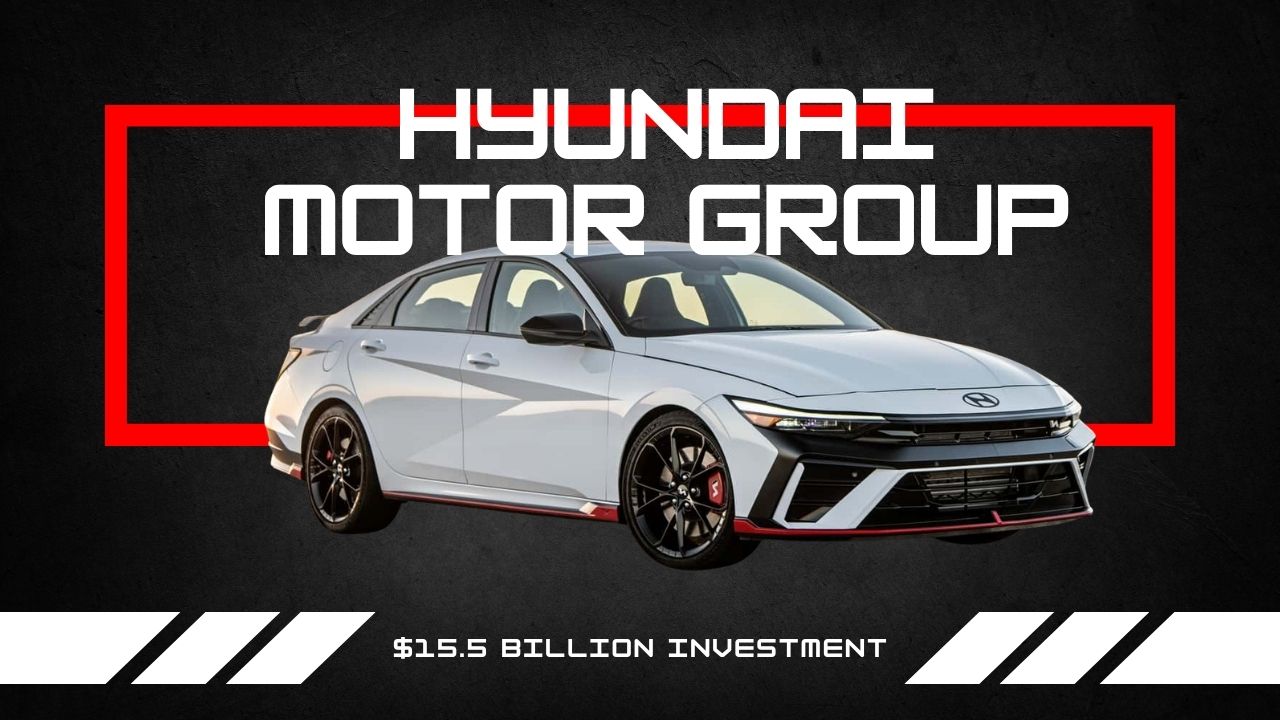
Hyundai Motor Group Announced $15.5 Billion Investment In India From 2026 to 2032

Hyundai Motor GroupHyundai Motor Group has announced a $15.5 billion investment commitment between 2026 and 2032 to India. In Indian rupee, it is about ₹1.4 lakh crore which is one of the biggest long-term deals. If we turn back, Hyundai Motor India had earlier announced plans to invest Rs. 32,000 crore between 2023 and 2032, mainly for capacity and new models. 

However, it’s not about building more cars anymore, it is the strategic plan of the company to strengthen manufacturing, technology, and expand future-mobility areas such as EV infrastructure, recycling and financing. 

Why Hyundai is Betting Big On India

India is still the cheapest country for manufacturing which attracts global automakers more than its huge domestic demand. Hyundai targets low-cost manufacturing and export base which is why the company sees India as a core strategic market for its future growth. Committing such a large amount over seven years is a first step toward that future. 

Since the investment expanded production at Hyundai Motor India and Kia India along with making a deeper roots on domestic sales. It also helps build stronger research capabilities in the country which means India is giving Hyundai two bigger assets: global supply chain and export strategy.

How The $15.5 Billion Invest In Hyundai and Kia Production

Hyundai’s plan not only focuses on vehicle assembly but also covers the entire automotive ecosystem. The new technology and EV infrastructure will grow rapidly and it impacts the buyers choices about cars and its rivals. 

Area What it means
Manufacturing Expanded production capacity at Hyundai Motor India and Kia India.
R&D Around $700 million is planned for an Indian R&D centre, including a vehicle testing track.
Local suppliers Stronger domestic supply chains and higher localisation of components.
EV ecosystem Investment in EV charging, battery recycling and sustainable mobility.
Future mobility Work on autonomous technology, software, financing and new mobility services.

On Indian roads, every second car you see belongs to Hyundai Motor Group. Statistically, 1.4 million vehicles are prepared for India every year which includes 824,000 units at Chennai, 170,000 units at Pune and 431,000 units at Kia’s Anantapur plant. 

And now Hyundai is trying to scale up the units with this investment. When new models are going to launch faster, it improves localisation and a stronger pipeline of Hyundai and Kia vehicles for both Indian buyers and export markets.

What Indian Car Buyers Can Expect 

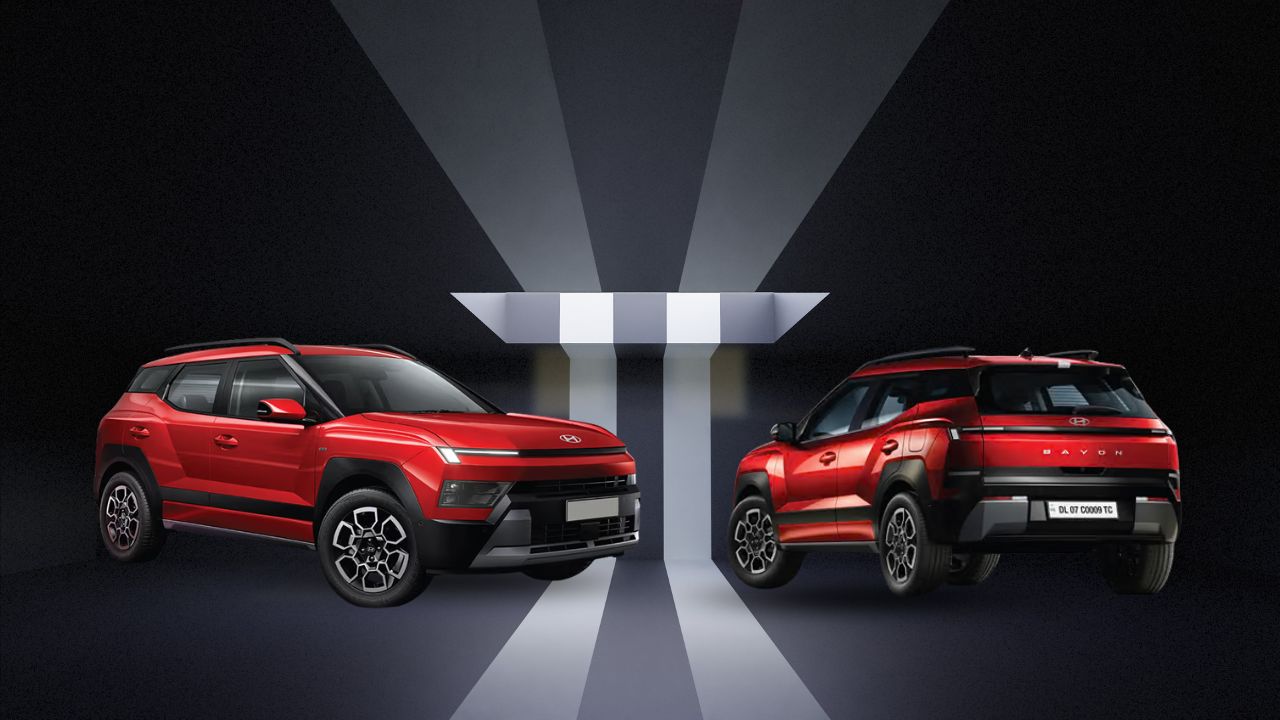
For Indian car buyers, the biggest benefit could be more choice and better-equipped cars. Hyundai has reportedly planned 26 model launches or updates in India by 2030, which could make the market far more competitive.

Hyundai Motor Group

Buyers may see:

  • Fresh models in both petrol and EV powertrain, more SUVs in affordable prices, and premium models.
  • More options given to car buyers means people visit Hyundai and Kia showrooms first that increase localisation and keep prices competitive.
  • Technology development offers more safety features, comfort and connectivity.
  • EV infrastructure increases the support and servicing options which makes buyers not to think twice before buying an EV car.

Hyundai Motor Group Investment Impact On Maruti Suzuki, Tata Motors and Mahindra

Hyundai’s move will likely raise the competitive pressure across the Indian passenger-vehicle market. Roads are mostly filled with Maruti Suzuki, Tata, and Mahindra vehicles more than Hyundai. They probably respond with stronger manufacturing capacity, better localisation, and EV environment, not just with new models.

Maruti will get a bigger hit from this announcement because it loses its wider market of SUVs and export-oriented models which Hyundai is taking over with its production and export capabilities. Tata Motors EV space got affected from Hyundai’s charging infrastructure expansion. 

Mahindra may need to accelerate its SUV and EV strategy, as Hyundai’s growing R&D base and product pipeline could challenge its position in premium and technology-focused segments.

Maruti Suzuki, Tata Motors and Mahindra

This is the major strategic shift for Hyundai with its investment of $15.5 billion in India. It is the  company’s largest-ever commitment to an emerging market which is not going to just introduce new cars but also change the car industry forever. The company chooses India because it is a key global manufacturing and export hub. 

Forbes India describes this investment as the company’s strategic move to regain the market in a new way. Car launches will not make a territory simply so they expand manufacturing capacity, strengthen R&D and build a deeper local supply chain. The company’s India plans were also framed as a political and strategic move because the announcement broke after a meeting between Hyundai Executive Chair Euisun Chung and Prime Minister Narendra Modi.

Explore Now :-   October Car Offers: Which Discounts Save You Money

Conclusion

In the coming years, Hyundai and Kia are expected to announce more launches, dealerships, and growing EV charging networks. Hyundai’s Indian R&D operations are also going to cover the Indian market. It is becoming an investment entity in India to coordinate capital deployment and strategic partnerships.

Overall, this is much more than a routine Hyundai Motor Group investment announcement. If executed well, Hyundai’s $15.5 billion plan could reshape competition in India, benefit buyers with more advanced vehicles and further establish India as a major global automotive hub by 2032.


0

Get New Maruti Premium Hatchback at Lower Price

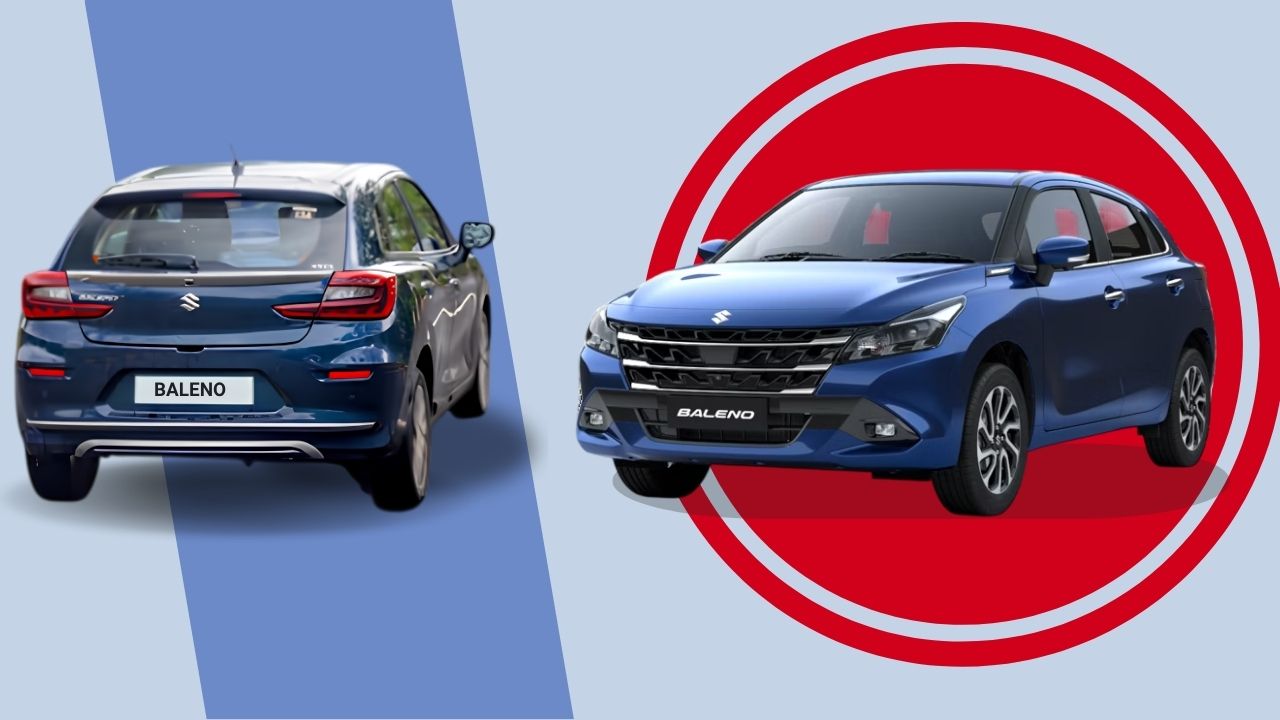
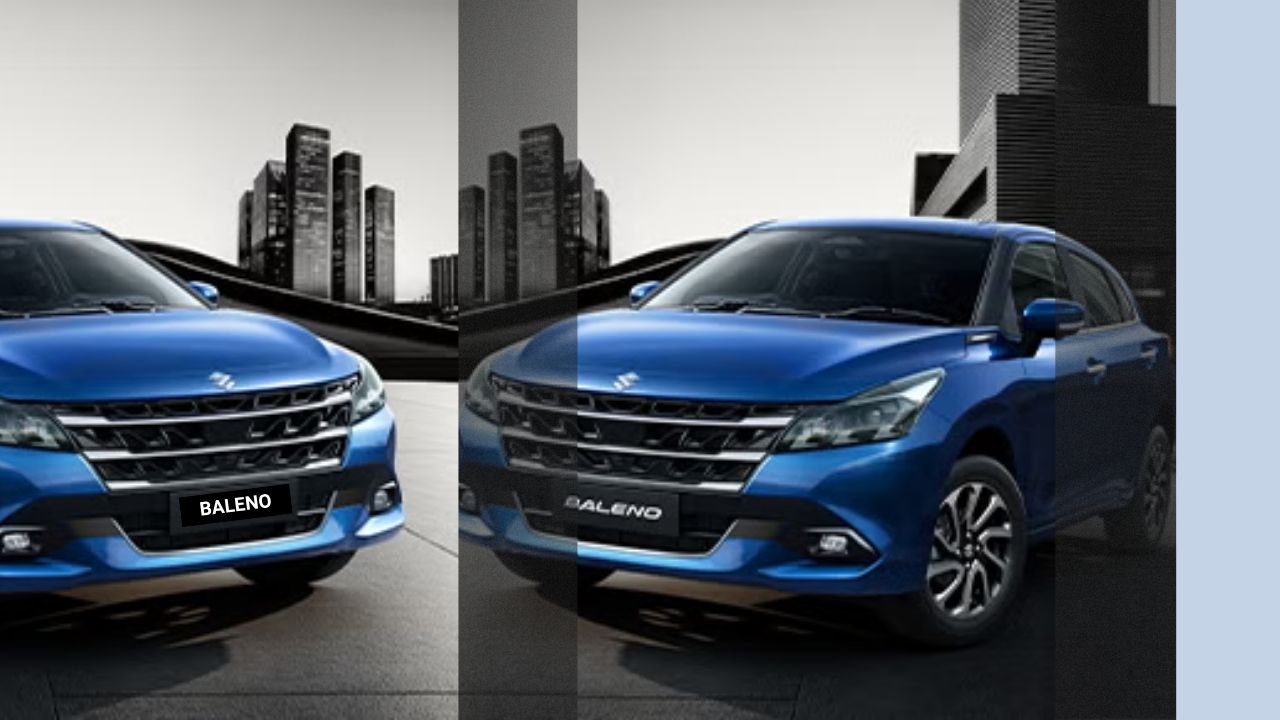
Maruti Baleno

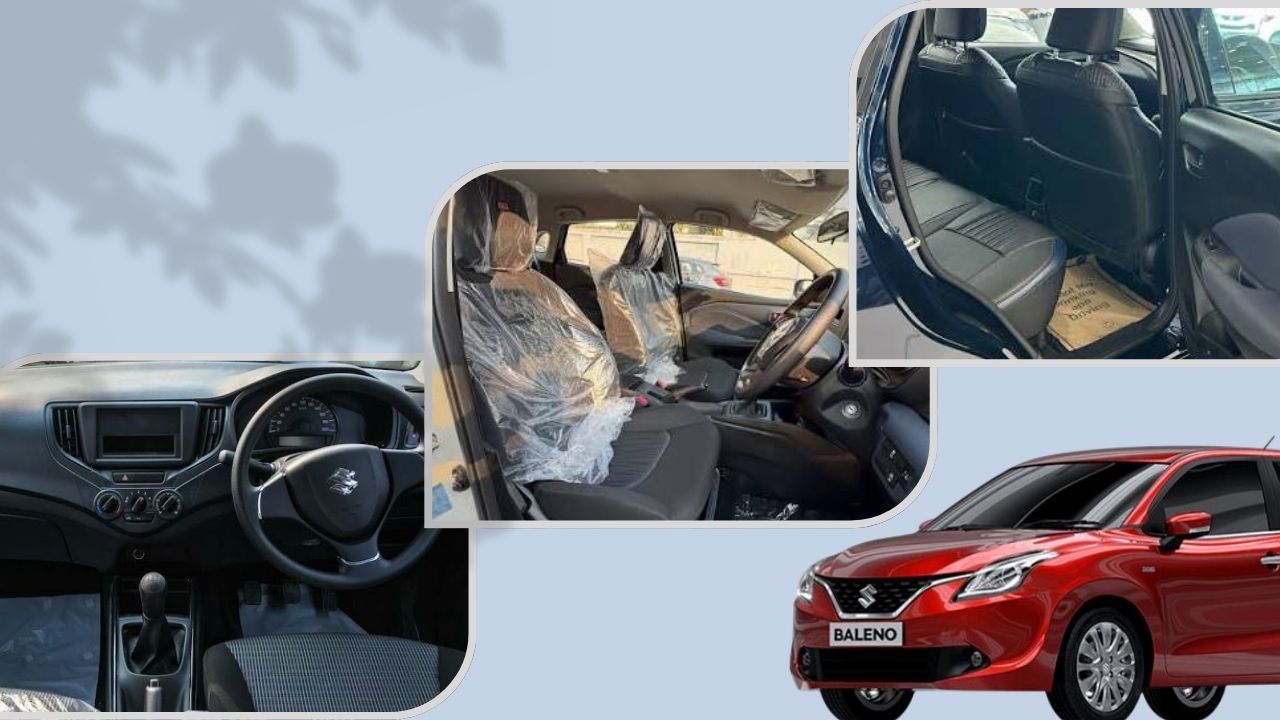
The new Maruti Baleno Sigma enters with a price little harder to ignore. Get new Maruti Premium Hatchback at roughly ₹6 lakh ex-showroom powered with 3-cylinder petrol engine, 6-airbags for safety, and electronic stability control in lower trims. However, touchscreen, alloy wheels, and a few other features buyers will not get into this car.

Most car buyers can get confused whether the deal is good or just another car into the market. It’s the biggest start of evolution in facelifts brand new engine without touching the price marker.

The new Maruti Baleno base Sigma variant has quietly become the most talked-about trim in the lineup, not because it’s loaded, but because of what Maruti chose to cut and what it chose to keep.

What New Maruti Baleno Base Sigma Variant Offers

Maruti updates its engine with Z12E, a 3-cylinder from old 1.2-litre K12N 4-cylinder engine in Sigma paired with a 5-speed manual, no automatic. Sigma offers a power of 83 PS and 112.4 Nm of torque which is lower by about 7 PS and 1 Nm than the outgoing engine. But this new Maruti Premium Hatchback claimed 23.8 kmpl on the ARAI cycle, more mileage of around 1.45 kmpl.

Buyers who are used to the smoother 4-cylinder engine can be comfortable with 3-cylinder setup. The reviews are mixed on refinement from the owners, so leave this experience on your test drive rather than a specs sheet.

New Maruti Baleno Base Sigma Variant: Price and Features

Maruti announced the new Baleno Base Sigma Variant on September 5, 2026 at a starting price of ₹6.10 lakh (ex-showroom). After a few days, the price of the New Maruti Premium Hatchback falls to ₹5.98 lakh, which is ₹11,000 cheaper than the launch-day figure.

This is not a second price cut, this is a routine post-launch correction so check out and book your new facelift on the live Nexa website or a dealer.

Maruti Baleno Base Sigma Variant

For that money, the Sigma gets:

Feature Specification 
Engine 1.2L Z12E petrol
Transmission 5-speed manual only (no AMT; CNG not available — CNG starts from Delta variant onwards)
Wheels & Lighting 15-inch steel wheels with covers; LED C-shaped lamps; halogen projector headlamps
Exterior Styling Simple matte-black grille and bumper; black ORVMs and door handles; body-colored A & B pillars
Interior Theme Blue-and-grey dual-tone cabin with aluminium-finish dashboard inserts
Seats & Instrumentation Fabric seats; analogue instrument cluster with small MID
Safety Features 6 airbags; ABS with EBD; Electronic Stability Control (ESC); Hill-Hold Assist; ISOFIX child-seat mounts; reverse parking sensors
Convenience All-four power windows with driver-side auto up/down and anti-pinch
Fuel Tank Capacity 37 litres
Boot Space 318 litres (family-friendly luggage capacity)

That safety kit is the genuine surprise. Six airbags and ESC on a sub-₹6-lakh hatchback wasn’t standard even two years ago, and it’s the strongest argument for buying the Sigma instead of stretching to a mid-trim on a different brand.

Read More 👉  Tata Nexon On-Road Price Lucknow — Best Compact SUV At This Price Point

What You Don’t Get in New Maruti Premium Hatchback

No fog lamps despite bumper cutouts for them, no touchscreen infotainment, no alloy wheels, and no tyre pressure monitoring system, which only appears from higher trims. 

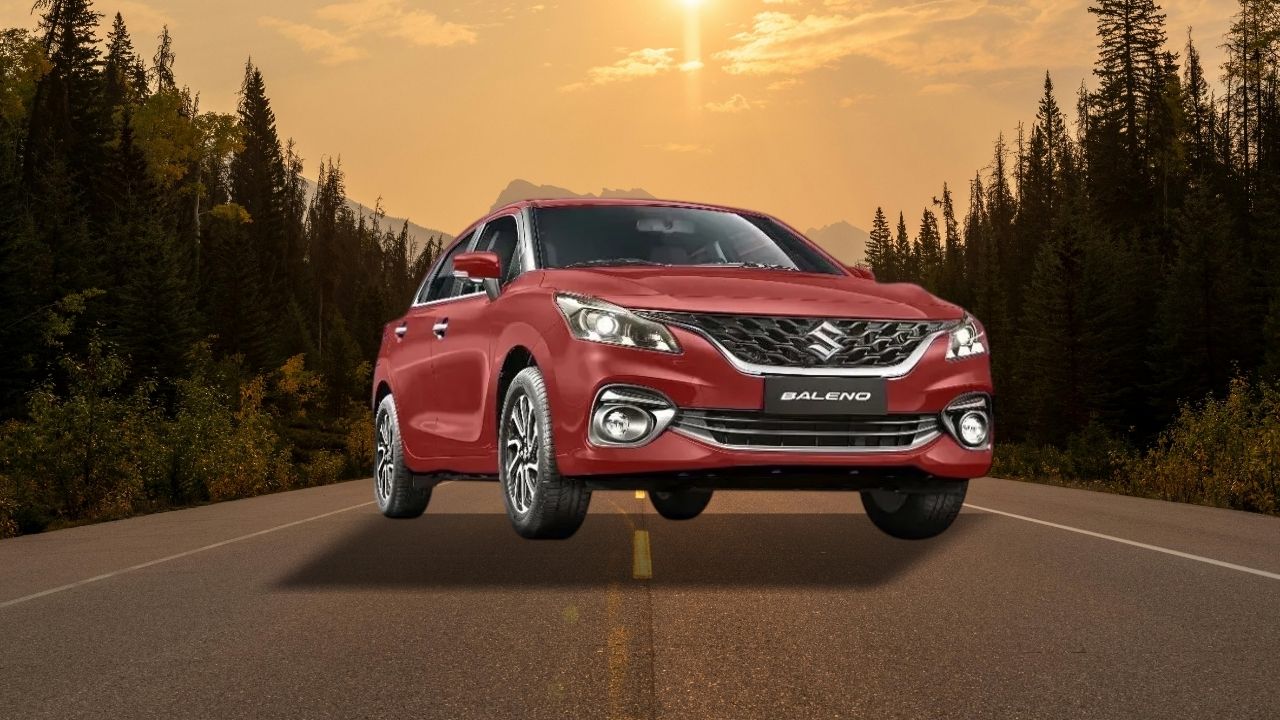
New Maruti Premium Hatchback

If you road-trip often or care about resale shine, the jump to the Delta trim is where CNG and a few creature comforts start appearing — but that pushes the price meaningfully higher, so it’s a separate buying decision, not a rounding error.

Baleno Sigma vs Hyundai i20 Era vs Tata Altroz Smart

The Sigma doesn’t have the entry-price hatchback space to itself. Hyundai reintroduced its own stripped-down i20 Era variant earlier in 2026 at ₹5.99 lakh, and Tata’s Altroz Smart trim floats between ₹6.00 lakh and ₹6.30 lakh depending on ongoing GST-linked offers — so treat that Altroz figure as approximate until you check a live quote.

Baleno Sigma Hyundai i20 Era Tata Altroz Smart
Price (ex-showroom) ₹5.98–5.99 lakh ₹5.99 lakh ~₹6.00–6.30 lakh
Engine 1.2L, 3-cyl, 83 PS/112.4 Nm 1.2L Kappa, 4-cyl, 83 PS/114.7 Nm 1.2L petrol, ~87 bhp
Mileage (ARAI) 23.8 kmpl ~19 kmpl 19.3 kmpl
Wheels 15″ steel + covers 14″ wheel covers, no alloys Steel, base trim
Standout 6 airbags + ESC standard Proven 4-cylinder smoothness 5-star Global NCAP heritage (older gen)

The Baleno’s mileage claim is the clearest number on this table, and if fuel spend is your main filter, it’s a meaningful gap over both rivals. 

The i20 counters with a four-cylinder engine that’s still, by most driver accounts, smoother at idle and under load — a genuine reason some buyers will pay the same money for less claimed efficiency. 

The Altroz’s pricing is the least stable of the three right now because of festival-season offers. So before signing anything, compare the actual pricing from 2-3 dealers.

Read More 👉  Kia Carens CNG, Clavis CNG & Carnival Hybrid Pre-Bookings Open In India

Should You Buy This New Maruti Premium Hatchback?

If your budget is hard-stops under ₹6 lakh and you drive mostly in the city, yes — the safety kit alone (six airbags, ESC, hill-hold) makes the Sigma a stronger buy than most base-trim hatchbacks have ever been at this price, three-cylinder concerns aside. 

New Maruti

Sigma’s features that make a hatchback feel modern day-to-day start one trim up, not at the bottom of the range. So the new Maruti Baleno base Sigma variant is the best choice for you right now.

Read More 👉   This Used Luxury Car Costs the Same as a Top-Spec Maruti Fronx

Conclusion

The new Maruti Baleno Sigma enters with a new variant without changing its value proposition with new engine. It still offers what buyers need on Indian roads and cuts off what can be compromised. The other features like display, automatic gear are not found in this car. 

But at the price of ₹6 lakh, the new Maruti Premium Hatchback offers a great mileage up to 23.8 kmpl and safety kit. That makes it the genuine option for buyers who want straightforward and efficient city cars.  If you want the lowest possible price, this Sigma is worth a serious look.

0

Hyundai Verna Facelift: New Features, Design, Interior, Safety, Engine, Mileage Updates Details

Published Dec 18, 2025, 10:33 AM
Last Updated Apr 24, 2026, 11:22 AM

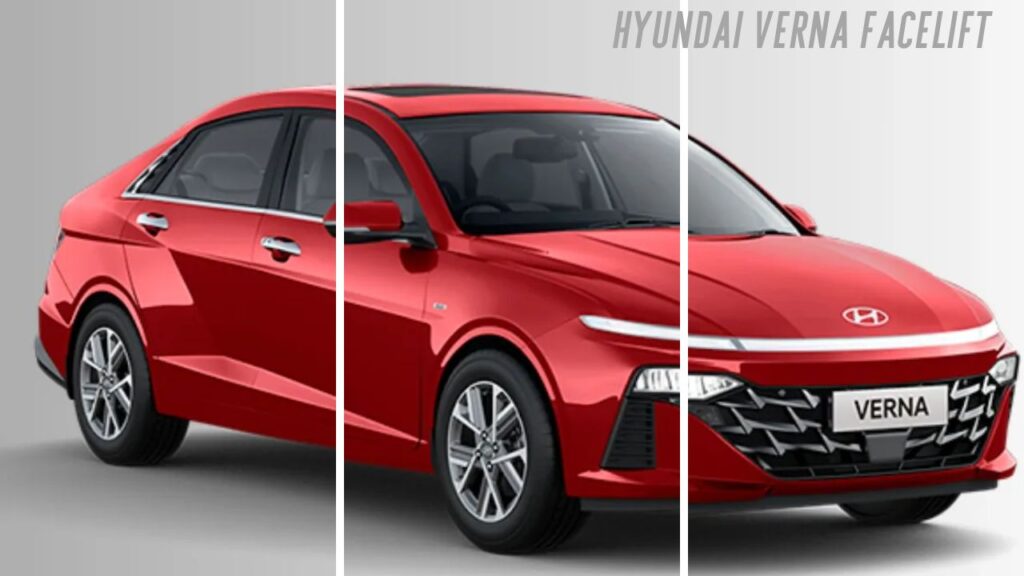
Hyundai Verna Facelift

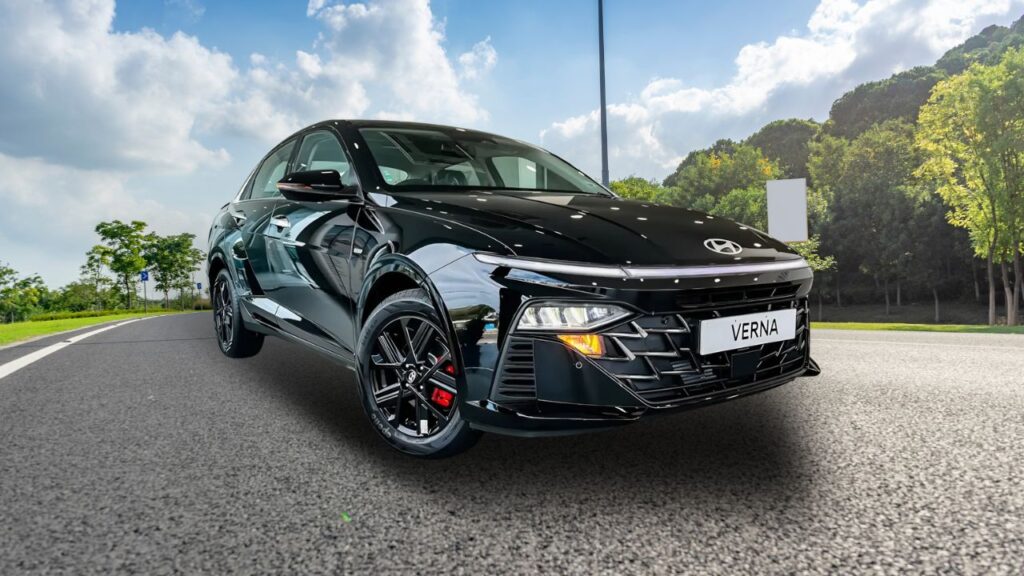
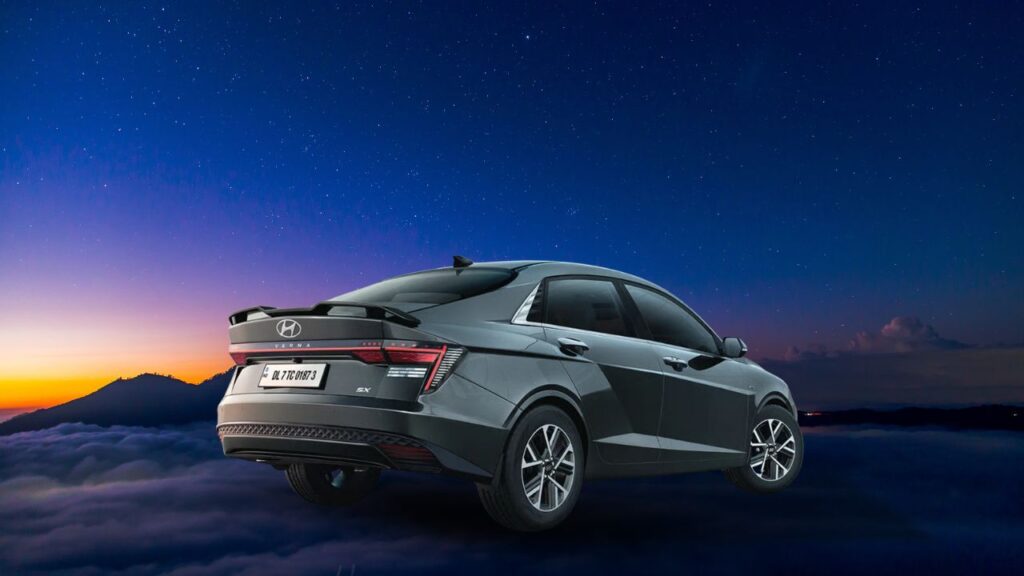
Hyundai Verna Facelift is debuting during midsize sedan segment decline as the SUVs take majority of sales. Reinventing the wheel didn’t really seem to be on Hyundai’s agenda this time around, and that’s a good thing — the Korean marque is simply evolving what already works, adding some fresh design cues, some new technology and new safety features. The end result is a sedan that is not only more modern, progressive and premium than ever, but also delivers an excellent balance of comfort, performance and reliability that made the Verna one of the best-selling cars in India.  

With crisper styling, upgraded interiors, new ADAS technology, powerful yet fuel-efficient engine choices, the Verna Facelift is all set to rekindle the faith of buyers that sedans still are a very solid proposition. 

A Fresh Face for the Modern Era

Hyundai Verna Facelift isn’t meant to be a reimagining of the entire car, rather it’s about smart updates and enhancements. A basketball hoop design replaces the previous horizontal slat grille now seen in Hyundai’s luxury designs such as the Sonata that inspires the new look. The LED light bar which has been a distinctive element for Verna is retained and revamped with upgraded lighting signatures resulting in a crisper and bolder look.​

A Fresh Face for the Modern Era

Coming to the sedan, the bonnet line has been reworked, and it adds to the overall cleaner-looking unified front-end. The bumper lines have been sharpened as well, making it look even sportier without losing none of its recognizable body. 

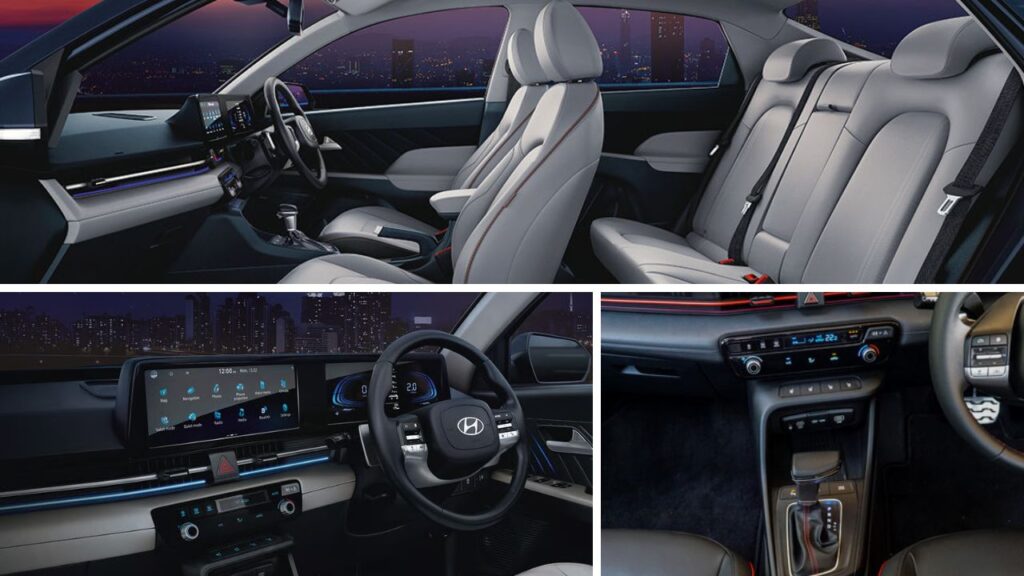
Inside, the Verna is treated to a new multi-layer dashboard and a revised center console that run the entire length of the cabin for a refreshed look from front to rear. New diamond-cut 16-inch alloys complete off the exterior transformation, a few variants with sleek blacked-out finishes options to add a little more sport. 

Impressive Interior That Meets Your Standards

Step into the revamped Verna and you will see that the cabin offers a good blend of upmarket features with day to day practicality. The overall design is still faithful to the winning formula of the present model, but Hyundai has added some meaningful enhancements. The infotainment system has been updated with a new touchscreen display, and there’s talk of dual 12.3-inch screens from the Venue. This would be a big boost for those who want to be connected and live the modern tech life.​

Impressive Interior That Meets Your Standards

The cabin now receives upgraded trim finishes and new colour schemes that further enhance the overall sense of luxury. Hyundai has updated the well-known beige and black dual-tone interior design with a more modern look without compromising the open and airy feel making the Verna suitable for daily drives as well as long highway drives. Comfort is still the name of the game, with ventilated and heated front seats providing convenience all year long, and the power-adjustable driver’s seat making it easy for drivers of all sizes to find a perfectly ergonomic driving position.  

Connectivity features have Verna strength from the beginning, and the facelift echoes this tradition. Over 65 intelligent services, such as remote start of the engine, climate control and car diagnostics are part of the package BlueLink connected features that you can access through your smartphone or voice assistants as Alexa and Google. That is the kind of technology that turns your car into a truly smart car instead of merely a way to get around. 

Safety That Keeps a Protection Promise 

Safety is not a bargainable parameter in automotive space these days, and the Verna Facelift reaffirms Hyundai’s adherence to this ideology. The sedan still has comprehensive airbag coverage with as many as six airbags for all-round protection – driver, passenger, sides, and curtains. Higher variants also receive optional seventh airbag arrangements.­

But what really makes the Verna stand out is its Level 2 ADAS technology – Hyundai SmartSense. The system features forward collision avoidance assist which brakes for you to avoid a crash, blind-spot collision warning, which notifies you of vehicles in your blind spots, and lane keeping assistance, which assists in staying centered in your lane on the highway. These are not gimmicks — these are real security blankets that could have a genuine impact on accident prevention. 

Other safety features available are all-wheel disc brakes on turbo models, electronic stability control, hill-start assist control, ABS with brake-force distribution, and a rear parking camera with dynamic guidelines. The rigid safety structure shows that Hyundai is serious about safeguarding its passengers. 

Read More:- Lionel Messi Car Collection 2025: Price, Models & Exclusive Photos

Engine Performance That Shouts

As for the mechanics, Verna Facelift is no different from what we know and it still sticks to the tried and tested formula. The Verna runs on a tried 1.5-litre naturally aspirated MPI petrol engine, offered in 6-speed manual and 6-speed Intelligent Variable Transmission (IVT) options and it produces 115 PS power and 144 Nm torque. Those looking for a livelier drive can opt for the sportier 1.5-liter turbo-GDI petrol, which makes a strong 160 PS and 253 Nm, available with either the 6-speed manual or an 8-speed dual-clutch automatic gearbox.  ​

Engine Performance That Shouts

The interesting speculation is that Hyundai will offer a 1.5-litre petrol-hybrid powertrain as part of their plan to roll out eight hybrid models in various segments by 2030 or oil price dependent world market demand)~ like Toyota? This could make the Verna a rival for the Honda City e:HEV and give the drivers a greener choice without compromising on power. 

Mileage Efficiency For Unstoppable Rides

Towing capacity is important for practical purposes. Interestingly, the 1.5L MPI petrol engine bodies 18.6 kmpl in MT and 19.6 kmpl in IVT auto. The turbocharged one bumps that up to 20.0 kmpl (stick) and 20.6 kmpl (DCT automatic), so it is also a fuel efficient option for those who can pay a bit more for performance. These numbers are a good compromise of power and fuel economy, which is essential for the common Joes on the road. 

Conclusion

The Hyundai Verna Facelift is more of an evolution rather than revolution. With understated styling updates, new technology, additional safety and tried and trusted mechanical dependability, Hyundai has created a saloon that feels up to date without giving up on its practical merits. Be you daily commuter, weekend warrior or intrepid family hauler, the Verna refreshed continues to defy its obsolescence and remains among the most sensible sedan options in India.  

0

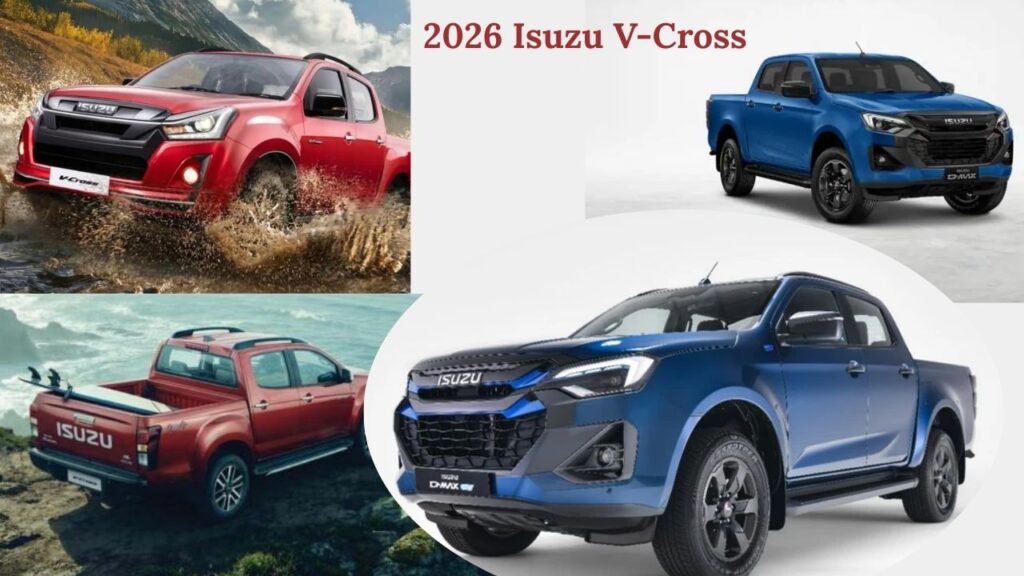
2026 Isuzu V-Cross Launched at ₹25.50 Lakh, 4×2 Trims Discontinued

Published Feb 25, 2026, 12:27 PM
Last Updated Apr 8, 2026, 7:22 AM

2026 Isuzu V-Cross

Isuzu eyes off-road supremacy with 2026 Isuzu V-Cross in India but offers it only in a four-wheel-drive avatar. Priced from ₹25.50 lakh (ex-showroom), the revised V-Cross is now available in 4×4 only, signifying Isuzu’s belief that customers in this segment prefer authentic off-road capabilities to superficial ruggedness. 

The Big Move: Standard 4×4 Across the Board

The 2026 change is a little more dramatic: no more two-wheel-drive options at all. Earlier, the 2026 Isuzu V-Cross range had 4×2 variants which catered to city dwellers enamoured by the road presence of the pickup, but had little need for mountain-conquering hardware. Isuzu has evidently decided that the V-Cross nameplate is too inextricably linked with adventure to bastardise it with front-wheel-drive models.
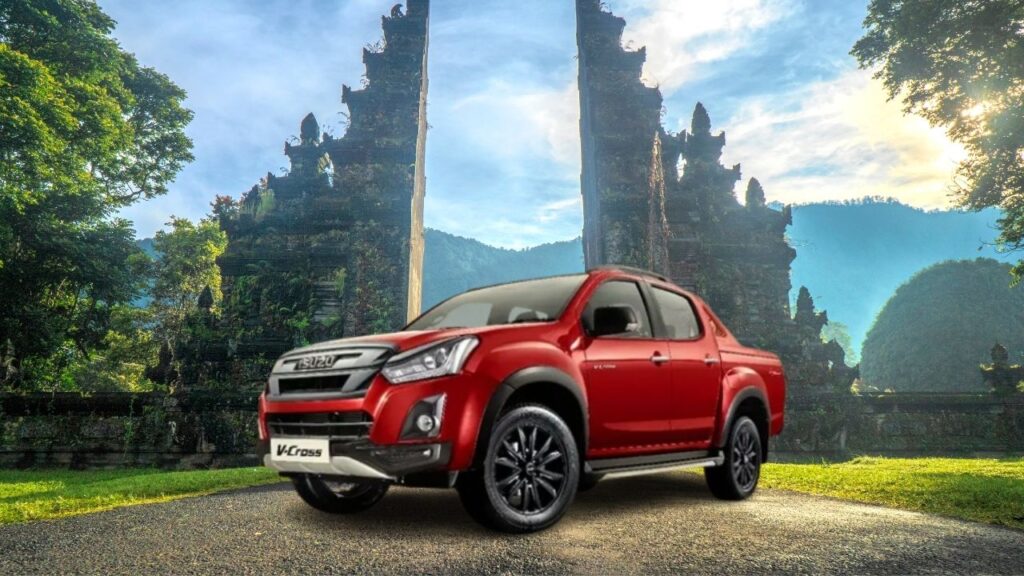
The Big Move: Standard 4×4 Across the Board

This shift-on-the-fly 4WD system is not an over-badged engineered gimmick. It comes with high-torque mode, hill descent control, and an auto-locking differential that is now standard fitment. For anyone who actually took a 2026 Isuzu V-Cross off the beaten path, this is not advertising fluff—it’s the difference between making it up a slippery incline and calling for a tow truck.

Features and Specification

Design & Exterior 

The 2026 brings major progress beyond just the powertrain switch, with far more meaningful changes and innovations on and off the road. The exterior gets a darker and bolder treatment with grey finishes on the grille, the fender lips, ORVMs and rear bumpers. The Z Prestige variants take it even further with very dark grey accents on the hood garnish and uniquely designed matt black alloy wheels.It’s a subtle evolution, but one that helps the V-Cross look more purposeful and brings less chrome in its rearview mirror. 
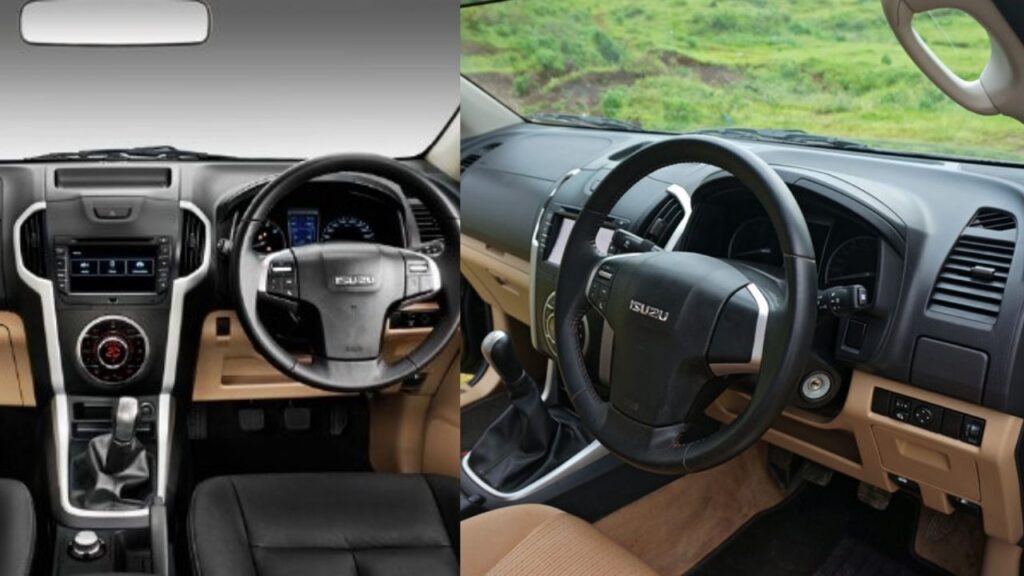
Isuzu V-Cross Features and Specification

Interior and Tech Build

Inside, the tech is the most significant upgrade in years. The old 9-inch touchscreen has been substituted with a bigger 10.3-inch unit and Isuzu is at last offering the D-Max with a 360-degree camera — a system that makes parking this 5.3-metre monster in tight city spaces just a little bit less soul-destroying. 

Wireless Android Auto and Apple CarPlay are now available for all models, as well as tire pressure monitoring, and six airbags on upper trims. 

Space and Comfort

The back seats have an improved recline angle too, which solves one of the very few real issues with cabin comfort on the 2026 Isuzu V-Cross. For a machine that is famously put through long highway jaunts to the middle of nowhere, this is more important than it sounds. 

Powerful Engine with AMT Transmission

The 2026 Isuzu V-Cross offers a 1.9L 4-cylinder diesel engine that generates 163 hp, with 360 Nm of torque. These figures are not really going to make people say ‘performance monster’ in this day and age of 200+ horsepower pickups stealing the limelight, but that’s really not the point here. The Isuzu engine is a reliable workhorse – and real buyers in the real world will take dependability over shiny spec sheet numbers anyday.

You’ll have a choice of a 6-speed manual or 6-speed automatic transmission, and power will be sent to all four wheels by default, ensuring that the V-Cross is a reliable travel mate whether it is highways, rugged terrain, or the mundane city roads. 

To the point of the flat torque characteristic, a peak torque is already on hand at 2000 rpm and it is sustained until 2500 rpm. What that means in the real world is effortless, no-hassle highway driving, and plenty of low-end grunt for crawling over rough off-road obstacles without needing to rev your heart out. 

Pricing and Variants

2026 V-Cross prices start from ₹25.50 lakh for the Z 4×4 Manual and go up to ₹30.96 lakh for the fully loaded Z Prestige automatic. This is a rise in price over the 4×2 base model of the outgoing model but Isuzu is making the case that four-wheel-drive is now standard and buyers are getting more for their money.
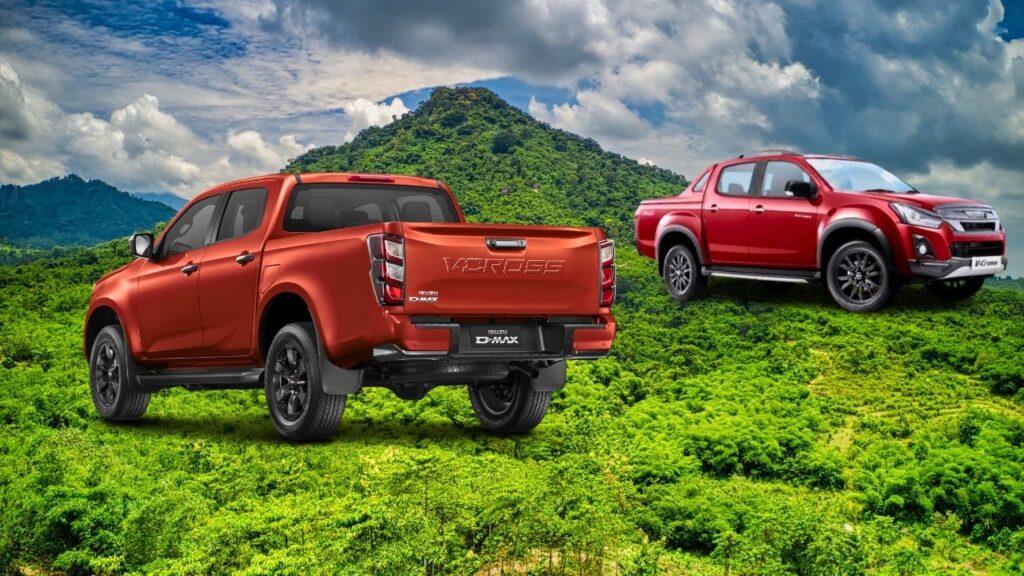
Isuzu V-Cross Pricing and Variants

The revised range now includes two models – Z and Z Prestige, each available in manual and automatic transmissions. The Z Prestige adds quite a few extra features, including some dark-inspired styling, leather trim, six airbags instead of the Z’s two, and a beefed-up, 8-speaker, roof-mounted sound system. 

Read More:-  Fortuner vs Gloster: Which Full-Size SUV is Much Better

Who Is This For?

The 2026 Isuzu V-Cross is unparalleled when it comes to the dual purpose vehicle in the Indian market. As opposed to the regular D-Max, which is more commercial vehicle or luxury SUV, the V-Cross is sort of utility and comfort. It is designed for people who need a pickup truck’s practicality to perform work-related tasks such as hauling equipment or outdoor gear, but end their days in a safe, comfortable place. 

Discontinuation of the 4×2 variants The changes point towards Isuzu having studied its customers and having found that the majority of V-Cross buyers were already asking for four-wheel-drive. With the option of 4×4 becoming standard, Isuzu not only simplifies production but it also positions the V-Cross more directly against its sole real rival, the Toyota Hilux, which also commands a premium cost for its 4×4 models albeit from a larger vehicle. 

Conclusion

The 2026 Isuzu V-Cross isn’t reinventing the wheel, but is confidently refining it. By going all-in on four-wheel-drive, Isuzu is betting it can make this pickup stand out for real off-road prowess in a package that’s comfortable enough for daily use. These new features tackle pain points experienced by owners, and the darker styling gives the vehicle a more modern attitude.

It is not cheap at ₹25.50 lakh, but then nothing is when you have this mix of versatility, off-road kit and cabin polish. For those few who know why a real 4×4 pickup matters, the 2026 V-Cross is not only the obvious choice – it is the only choice. 

0

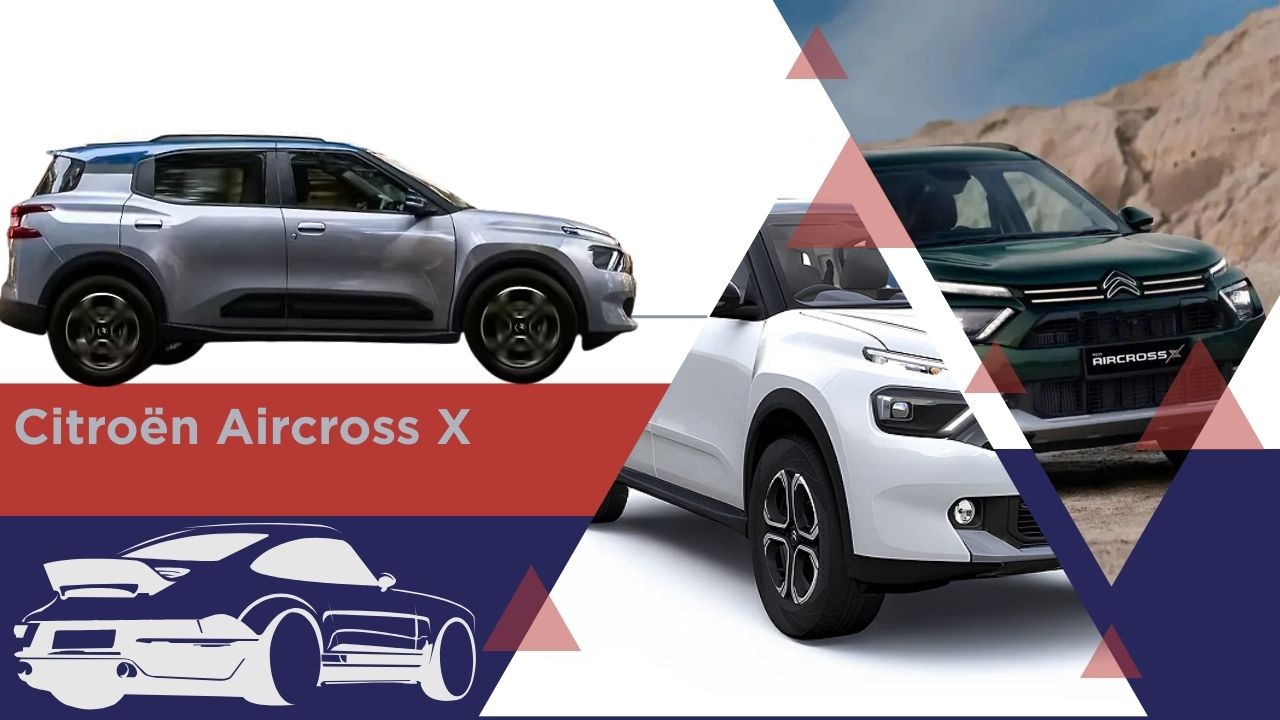
Citroën Aircross X Max Turbo 5S: 5-Seater Max Trim Launching For Better Comfort

Published Jan 27, 2026, 10:12 AM
Last Updated Apr 24, 2026, 11:24 AM

Citroën Aircross X Max Turbo 5S

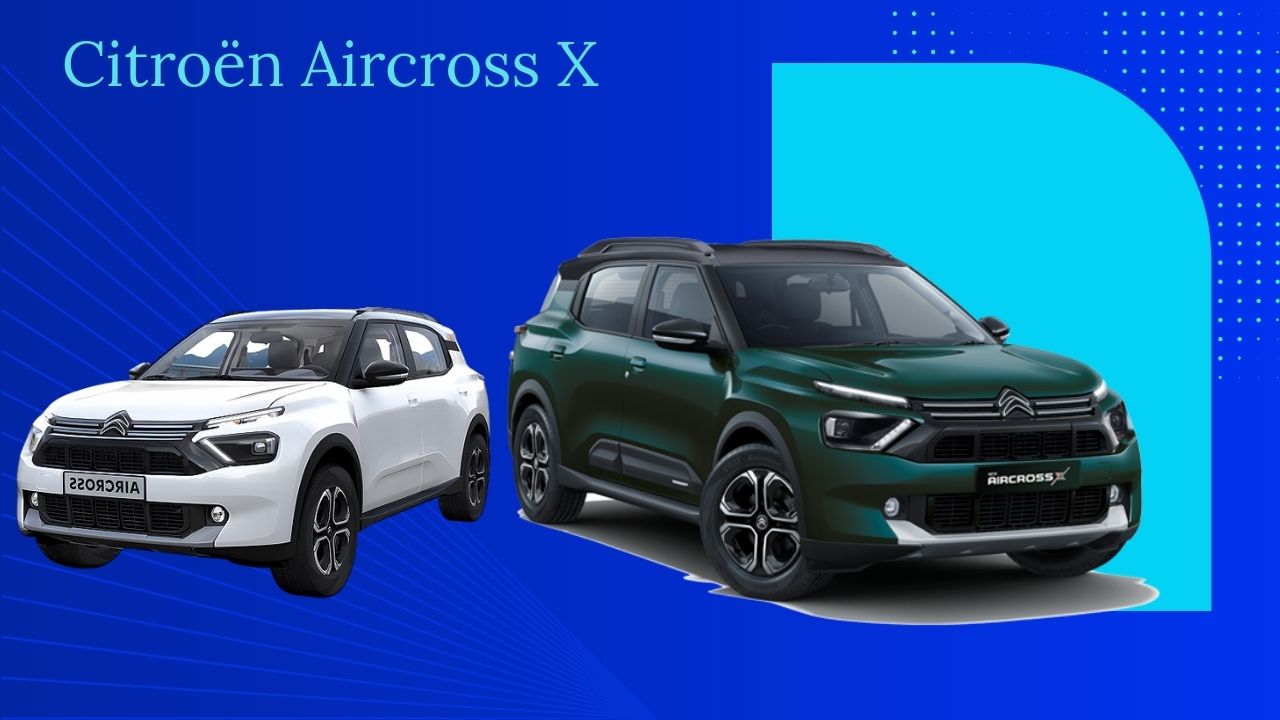
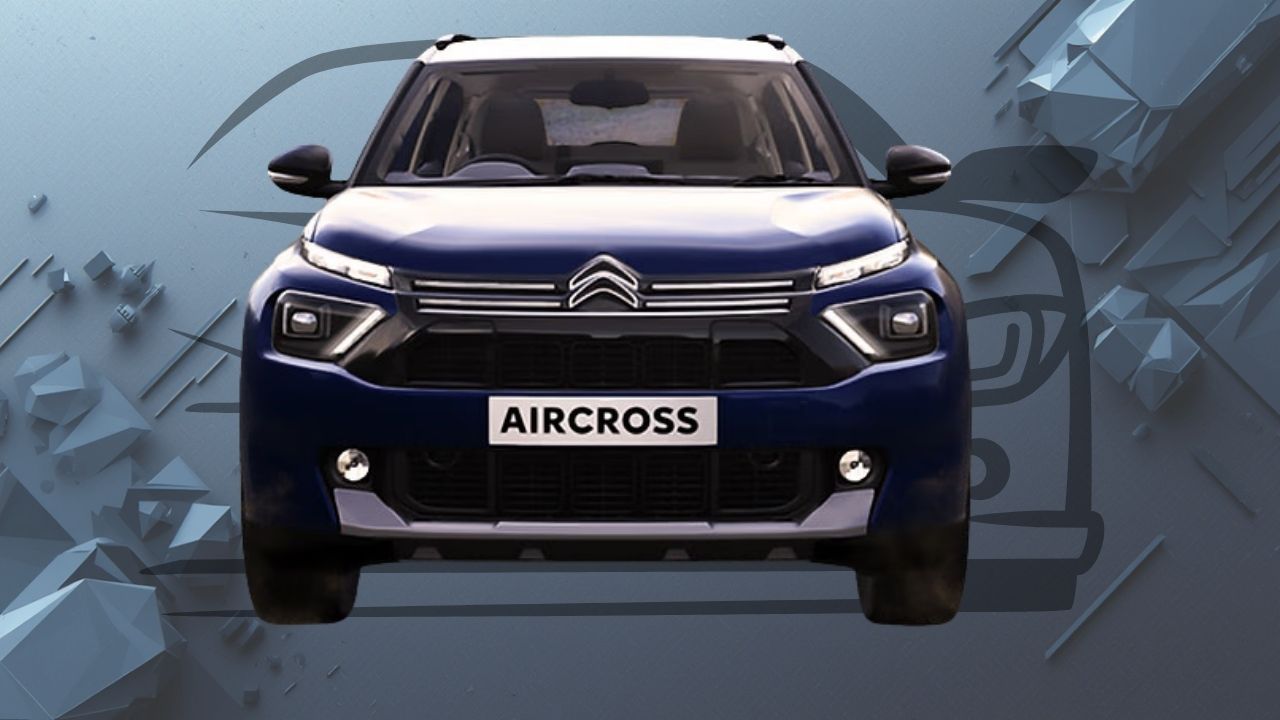
Citroën is now silently tweaking its India play, the Aircross X Max Turbo 5S launching in the first half of 2022 is a manifestation of that. Revealed in January 2026, this new 5-seat version of the Aircross in the top-spec “Max” configuration is designed specifically for those who appreciate comfort and practicality rather than the highest number of seats. 

After discarding the seldom used third row, Citroën reworked the interior to accommodate more second row legroom, a much larger boot, and a slightly friendlier price tag. To sum up, the Aircross X Max Turbo 5S isn’t about cramming in more, it’s about making the most of space. 

Built-to-Order, Not Built-on-Hope

Built-to-Order, Not Built-on-Hope

This launch is a step towards transforming Citroën’s India rollout into a production following bookings model. Rather than filling dealer floors with speculative inventory, the Aircross X Max Turbo 5S is produced once a solid customer booking is received. That “demand-sensing” strategy enables the brand to match production availability with real market trends. 

Price and Positioning

The manual transmission version of Aircross X Max Turbo 5S costs ₹12.41 lakh (ex-showroom). This makes it around ₹39,000 cheaper than the Max Turbo 7-seater manual variant, making it more affordable for those who don’t need a third-row. 

Feature Citroën Aircross X Max Turbo 5S
Price (Ex-showroom) ₹12.41 Lakh
Engine 1.2L PureTech 110 Turbo-Petrol
Performance 110 PS / 190 Nm (MT)
Transmission 6-speed Manual
Seating Layout 5-seater with improved 2nd row
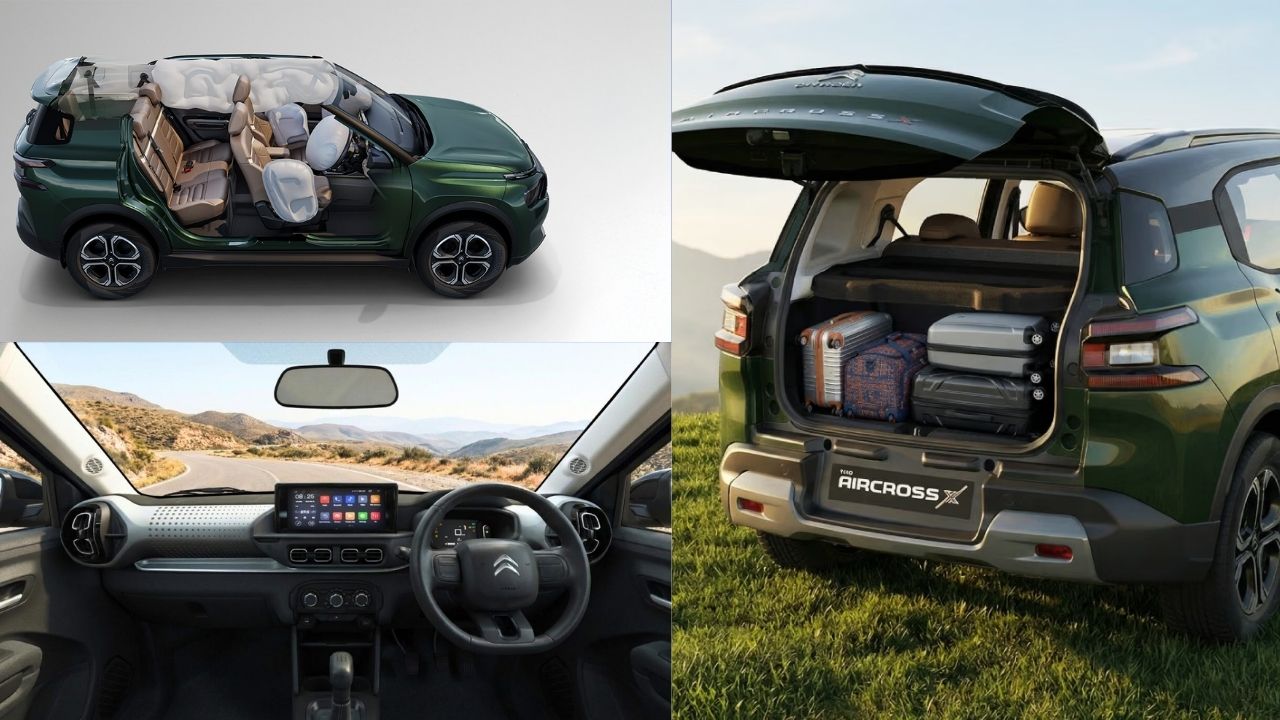
Boot Space 444–511 Liters
Key Safety 6 Airbags (Standard), ESP, Hill Hold

Key Features of the 5S Variant

The big change for this edition is the second row passengers are more comfortable. By dropping the third-row jump seats, Citroën has reshaped the cabin for:

Key Features of the 5S Variant

  • More Legroom: Although the second row passengers receive an extra 60 mm of space for their knees.
  • Second-Row Seating Flexibility: The second-row seats can now recline in three steps.
  • Convenience: There’s a new ‘rear center armrest with cup holder’ in the back.
  • Premium Interior: It has the premium Fauve Dark Brown leatherette upholstery along with the new dual-tone dashboard theme. 

Modern Technology and Safety

Even though it is now a single-seat configuration the Max Turbo 5S does not lose any of the tech of the top-tier trim with a 10.25-inch bezel-less touchscreen with wireless Android Auto and Apple CarPlay. It even boasts the CARA voice assistant that can speak in 52 languages.

Modern Technology and Safety

Safety continues to be a concern and 6 airbags, ESC and TPMS are now standard. In addition, the Aircross X has also been awarded a 5-star safety rating in the recently conducted Bharat NCAP crash tests. 

Its Competitor in the Market

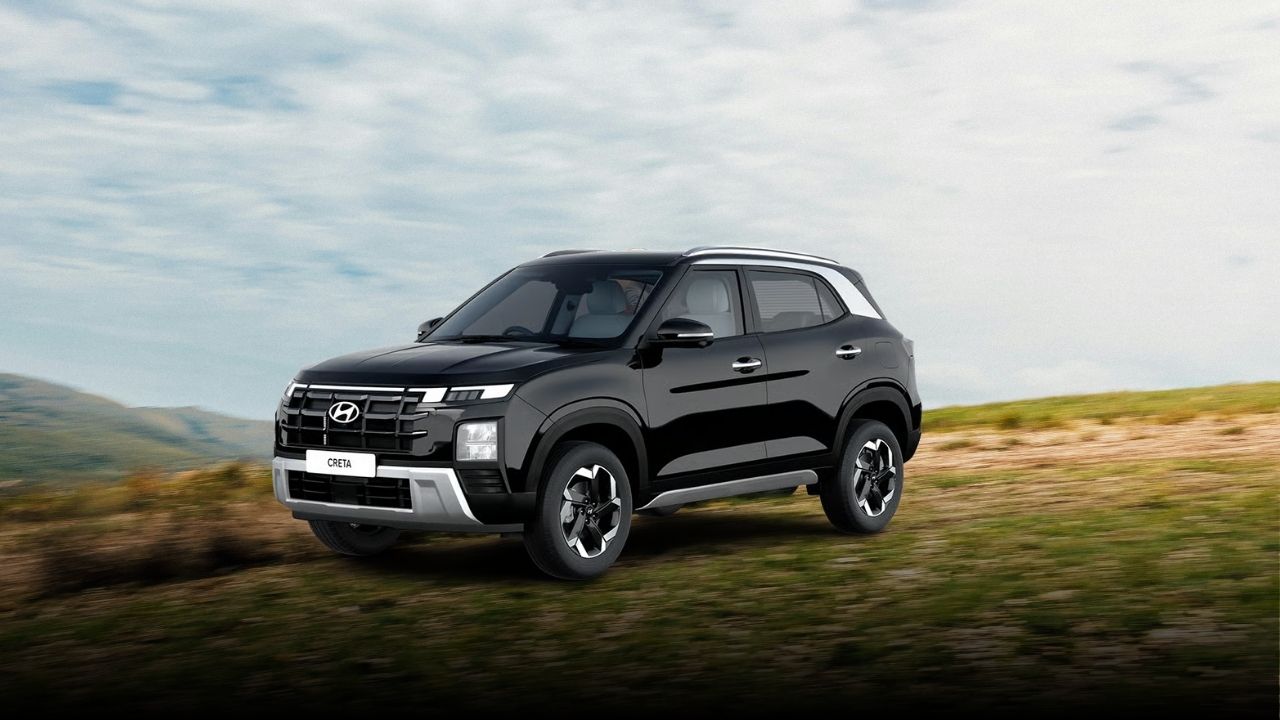
For those families or travelers that hardly use seven seats, the Aircross X Max Turbo 5S is a more rational offer. It gives up the cramped “+2″ seating arrangement for a massive 444-litre boot and better comfort at the rear, making it a viable option for mid-sized SUVs such as the Hyundai Creta or Maruti Grand Vitara. 

Read More:- Maruti Fronx vs Baleno: See What’s The Right Choice For You in 2026 

Conclusion

Aircross X Max Turbo 5S is a welcome common-sense offering from Citroën for the Indian consumers. The brand has removed the infrequently used third row and focused more on what the majority of consumers really need–rear-seat comfort, a usable boot space, and top-trim-specs at a slightly lower price. Couple this with a demand driven ‘built to order’ business model , high levels of safety and a tried and tested turbo-petrol engine and you have a strong case for the 5S being the most sensible Aircross yet. 

For those who are undecided between mid-size SUVs such as the Creta and the Grand Vitara, but are more inclined towards space and comfort, rather than seat count, this variant finally gives Citroën an answer that can be called truly compelling.