0

Mahindra Announces Global SUV Branding and Logo; XUV700 – Arrival in 2022!

Published Apr 13, 2021, 1:26 PM
Last Updated Aug 13, 2025, 5:29 AM

Mahindra and Mahindra, one of the most successful local automakers in the automotive industry worldwide, have announced where they see the future of the brand. It has unveiled the logo for its highly anticipated and anticipated SUV, the XUV700. Mahindra remains true to its legacy of developing tough, rugged and modern SUVs with the latest generation of internal powertrains. It has changed the game before with the XUV500 and then with the XUV300. Both SUVs have enjoyed great success in our market and continue to do so month after month. In fact, there has been a lot of speculation and excitement regarding the next next-gen Mahindra XUV500, which will be released in the coming months. Now, Mahindra wants to push its limits even further with the introduction of the XUV700, which is currently in development. Let’s take a look at what to expect from it.

Mahindra’s passionate engineers and staff have been working on the new global platform on which future Mahindra SUVs will be based. They have named the platform as W601. The W601 will be a completely new platform for Mahindra’s upcoming global SUVs, focusing on cutting edge technology in terms of multiple powertrains and transmission configurations, all-wheel drive systems, high levels of safety features along with many functions. connected car technology. . This platform also aims to create an SUV that will combine off-road capabilities with energetic and comfortable driving dynamics. That is exactly what Mahindra has been able to achieve even with its other offerings in the XUV family that have attracted a lot of customer attention in the past. The arrival of the XUV700 will be somewhere in the second quarter of fiscal 2022, as announced by Mahindra.

Mahindra – March Sales Report

Sitting comfortably in fifth place in our auto industry, Mahindra enjoys a healthy 5.2% market share with an almost exclusively SUV fleet. The automaker has grown 8% month-on-month from February to March. In March, Mahindra had overall sales of just over 16,600 units compared to just over 15,300 in February. Mahindra’s volume rivers remain its rugged and rugged SUV with a lot of utility in its DNA, the Bolero (8,905) units, followed by another SUV proven in the country for nearly two decades, the Scorpio (2,331 units). From then on, products such as XUV300 (2,587 units), Thar (1,912 units), XUV500 (603), Marazzo (255 units) and Alturas G4 (49 units) come

Mahindra – Upcoming SUVs in 2021

Mahindra already has its plate full with the high demand for its recently updated lifestyle SUV, Thar. The other most anticipated products from the house of Mahindra include a brand new Scorpio and a brand new XUV500. The launches of these two SUVs have been delayed due to a semiconductor shortage that has affected the entire industry and is affecting production. Mahindra had already announced that the supply of semiconductors is affected due to the pandemic and this, in turn, will affect the production not only of its next SUV but also of its current models, including that of Thar, which is one of the reasons. for your long waiting time at this time. It’s an exciting year for Mahindra nonetheless, two of its favorite SUVs are making a comeback, and the news of the XUV700 certainly draws a lot of interest from the brand’s loyal customers.


Bipin Sharma

Bipin Sharma is a seasoned automotive content writer with over 10 years of hands-on experience in the world of cars. From the latest car news and reviews to in-depth maintenance tips and expert buying guides, Bipin covers everything that drives the automotive world. Writing about cars isn’t just his profession — it’s his passion. His deep industry knowledge and love for automobiles fuel every blog he creates, helping readers make informed decisions and stay updated on the fast-evolving auto landscape.

Leave a Reply

Your email address will not be published. Required fields are marked *

0

Hatchbacks Make a Comeback as GST 2.0 Tax Relief Boosts Demand in India

Hatchbacks Make a Comeback

Hatchbacks Make a Comeback due to drastic policy change in late 2025 which turned around the Indian auto industry. With the changed GST rules alleviating the tax on small cars, affordability once again took centre stage, especially for middle class buyers. With the prices settling and the value for money improving, these small, functional cars again became the go-to cars for first time car lovers and city commuters in the whole nation. 

A Major Tax Reform

The industry’s moment of truth came on September 22, 2025. The Indian GST Council announced a big tax slash to make small cars more affordable to middle class. 

Key Changes in Taxation

Earlier, small cars were weighed down by a complicated tax regime. The new regime simplified this to a great extent:

  • Old Tax Rate: Shipment of goods was 28% GST and additional 1% to 2% cess which took the total tax burden to about 30%. 
  • New Tax Rate: 18% GST fixed rate with no additional cess.
  • The car should be under 4 metres in length and must have an engine capacity of not more than 1200cc in the case of petrol models or 1500cc for the diesel variants. 

Direct Impact on Car Prices

The cut in tax resulted in a nearly instantaneous fall in prices at the showroom. For a lot of families, that just made owning a car went from a distant dream to something they could really afford.

Hatchbacks Make a Comeback

Price Comparison of Popular Models

The tabulation below shows how some of India’s favourite hatchbacks were impacted on-road by the tax reduction: 

Car Model Previous Price (Approx.) New Price (Approx.) Total Savings
Maruti Suzuki Swift ₹8.44 Lakh ₹7.66 Lakh ₹78,000
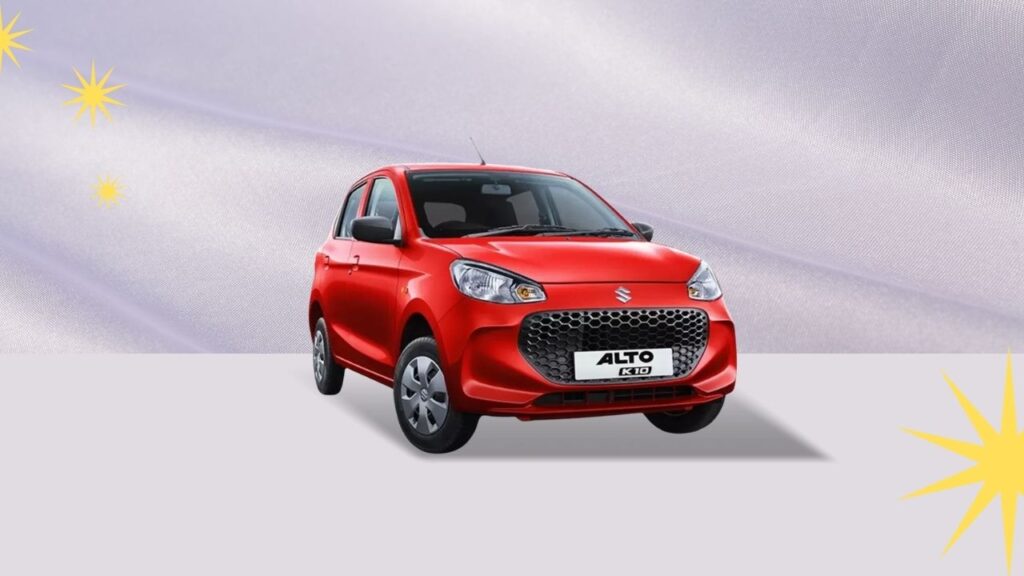
Maruti Alto 25-30% Reduction ₹3.70 Lakh Significant
Maruti S-Presso 25-30% Reduction  ₹3.50 Lakh Significant

Market Performance and Sales Growth

The post-reform numbers tell of a swift turnaround. Fourth Quarter (oz 2025 Nail Hatch) Hatchbacks recorded a significant rise in market share.

  • Market Share Gain: Hatchbacks accounted for 24.4% of total vehicle sales, up from 23.5% earlier this year.
  • Growth on the year-over-year basis remained robust with the top-selling models Hyundai i20 and Tata Altroz witnessing sales growth of 20% over the same period last year. 
  • New Buyers: First-time buyers have risen by 5% at Maruti Suzuki, indicating that the tax relief was well targeted at those graduating from two-wheels. 

The Maruti Suzuki Success Story

Maruti Suzuki which is the undisputed leader in the small car segment witnessed the most dramatic results. In December 2025, these entry level models alone saw a growth of 91.8% year-on-year. The surge was so high that the waiting period for new cars reached up to six weeks in a few cities. 

The Maruti Suzuki Success Story

Why the Resurgence Matters

It is a retaliation that is more than just about slashing prices and it is in fact addressing the basic Indian consumer psyche. With stringent safety and emission norms pushing up car prices, the middle class had started worrying if it would be able to afford one, and the tax relief significantly brought back these and other consumers. 

At the same time, removing the cascading tax—tax on tax—allowed the entire production line to become more efficient and less costly. But more than anything, it revived the long-nurtured “first car” dream since hatchbacks are the most viable and easiest means to become a four-wheeler owner for lakhs of two-wheeler users across the country. 

Is the Comeback Sustainable?

Although the pace of growth is impressive now, experts are cautiously optimistic. The biggest challenge continues to be the long-term change in consumer taste away from cars and towards SUVs, which a large number of customers consider to be safer or more upscale. 

Outlook for 2026:

  • Tata Motors anticipates its hatchback portfolio to grow in the range of high-teens to 20% in the next few months.
  • Market Correction: analysts are keenly eyeing the January–March 2026 quarter to determine whether this represents the start of a permanent correction in the market or just an over-reaction to the price declines. 

Read More:-  Sultan Hassanal Bolkiah Car Collection: Inside the World’s Largest Garage

Conclusion

The GST 2.0 clarification has breathed new life into the hatchback segment. After killing the small car segment in the navy, the government has stimulated the engine of the Indian car industry by making small cars accessible once again. Can hatchbacks make a full comeback and retake the title from SUVs is yet to be seen, but they are definitely back in the race, for now. 

0

How to Maintain Your Car Engine Properly

Published May 30, 2026, 11:33 AM
Last Updated Jun 1, 2026, 4:58 AM

Maintain Your Car Engine Properly

Knowing about How to Maintain Your Car Engine Properly is making you a smart person. While driving a car, your engine fires tiny explosions every single minute. Whether it’s frequently overheating, making noise while spins metal against metal, and circulates fluids, Neglect costs you thousands. It’s one of the most complex mechanical systems humans have ever put into everyday use. 

Change the Oil When Its Needed

You should change engine oil every week for smooth working. It lubricates the parts of your machine so it would generate friction that can destroy a block worth several thousand. Over time, that oil degrades, oxidizes, picks up contaminants, and loses its ability to protect.

The latest cars can run 5,000 to 7,500 miles until they need regular oil change but cars which use synthetic oil can stretch to 10,000–15,000 miles. But the most common mistake people make is that they forget to check their oil level regularly, only  remember to track mileage. The engine could be damaged if the oil gets too low, even for a few meters of driving on that low oil can cause damage that no oil change will fix. 

Which car is best for you—manual or automatic—and which one should you buy?

Coolant: The Reason Your Engine Doesn’t Melt

A running engine produces heat in quantities that would destroy it without help. To avoid engine overheat, the cooling system uses coolant, radiator, thermostat. And if it stops working, an overheated engine can warp parts, crack the engine block, or damage the head gasket. If any of these problems occur, repair costs will be too high.

Check your coolant level when the engine is cold — never open a hot radiator cap — and look at the reservoir tank. The fluid should be between the min and max markings. Coolant also needs to be flushed and replaced periodically; most manufacturers recommend every 2–5 years. Old coolant becomes acidic and actually starts corroding the very system it’s meant to protect.

Service item Recommended interval Notes
Oil change Every 5,000–10,000  Depends on oil type (conventional vs synthetic) and driving conditions
Coolant flush Every 2–5 years Or follow manufacturer specification; check level and concentration annually
Air filter Every 15,000–30,000 mi Replace sooner in dusty conditions
Spark plugs Every 30,000–100,000 mi Iridium/platinum plugs last toward upper range

Air Filters: Let It Breathe

Air filters are needed to provide engine clean air to burn fuel efficiently. It acts like a gatekeeper to stop the dust, pollen and debris entering the engine. A dirty air filter starves your engine of air, hurts fuel economy, reduces power, and in bad cases can even pull contaminants into the engine itself.  

Changing the air filter is the cheapest and five-minute task without using any tools. If you can’t see light through the pleats when you pull it out then it’s time to change. It needed more frequent change if you drive on dusty rides mostly.

Spark Plugs and the Art of Clean Combustion

Sparks plugs work when fuel-air mixture ignites at the right time that starts your engine run. If they wear out, they won’t work and cause engine misfires. It also causes problems while driving, taking acceleration and giving rough performance. Old spark plugs can also damage the ignition coils over time. 

The good news: modern iridium and platinum spark plugs can last up to 60,000–100,000 miles. The old copper plugs need replacement around 30,000. Check your owner’s manual for the spec, and if your car is misfiring or unusually thirsty for fuel, plugs are one of the first things to check.

Do you know how to get vehicle insurance?

Read the Warning Signs — Your Car Is Communicating

Modern cars are extraordinarily good at telling you when something is wrong. The check engine light isn’t your car being dramatic — it’s a sensor somewhere in the system flagging a deviation from normal. Don’t put tape over it and hope for the best. A quick diagnostic scan at most auto parts stores is free, and the trouble code it reads out tells you exactly where to look.

Too much noise or knocking sounds while driving can mean the fuel is burning at the wrong time which can damage cylinders and pistons. Don’t just rely on warning lights, if you hear unusual noises then it may be a sign of low oil pressure or a timing chain problem. The proper engine works smoothly and quietly.

Timing Belt or Chain: The Hidden Clock Inside Your Engine

A timing belt or timing chain keeps the parts together of your engine and works synchronously. It keeps the engine’s valves open and closed at the right time in each cycle. If the problem occurs in this system then they need full replacement, so check your car’s timing belt changes intervals. Usually it is between 60,000 and 100,000 miles. If your mechanic asks to replace it, do it without negotiation.

Read Also: Learn about the most common car problems and how to fix them yourself.

Conclusion 

The car’s life depends on owner habits if it runs for 200,000 miles from those who can run for just 80,000 miles. You can set reminders to change oil, notice unusual sounds, and check fluids level regularly. Taking a smooth driving experience from your car needs attention and care with just these simple habits.  

Your car is a mechanical system subject not a static appliance which means it also has the same laws of wear, heat, and entropy as everything else in the physical world. But the difference is it will tell you through sound, warning, and rough performance when something is required for the maintenance.

0

New Kia Niro EV Price 2025 – Full Details, Features & Latest Updates

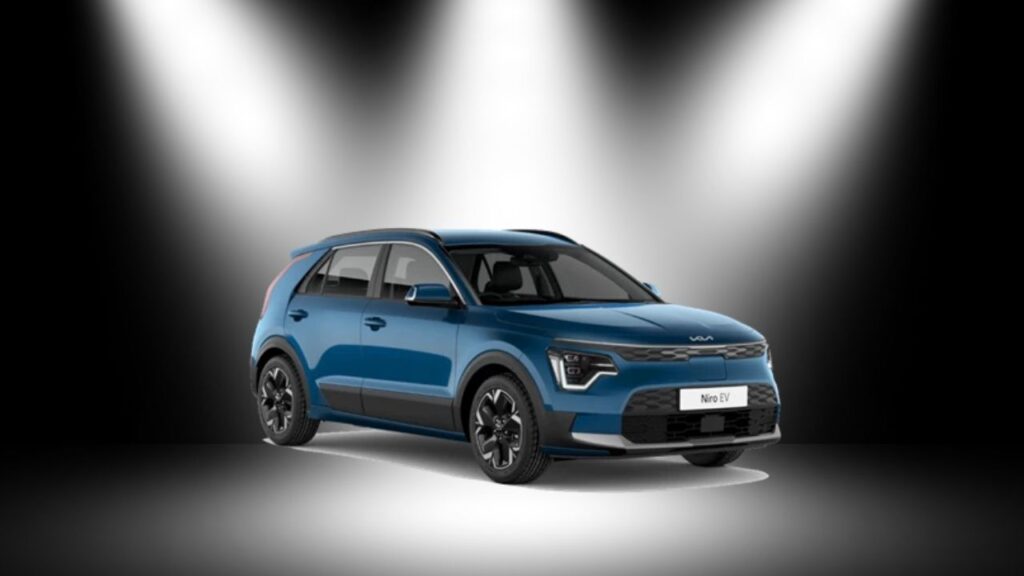
New Kia Niro EV

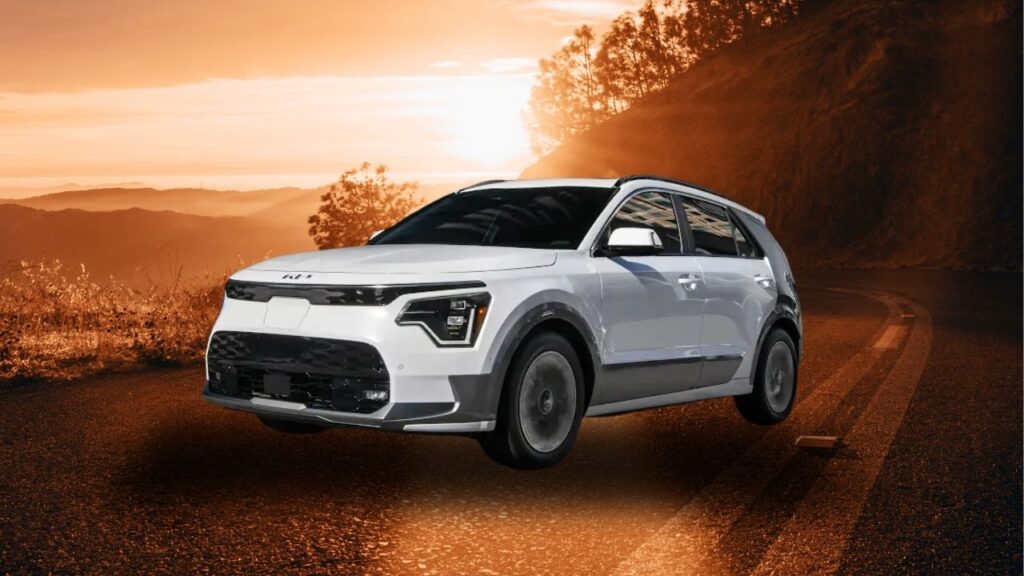
The 2025 Kia Niro EV is a total game-changer in the electric SUV class. If you’re considering an electric move without sacrificing comfort, style or practicality, this might just be the car you’ve been waiting for. So let’s take a closer look at what makes this little crossover such a thrilling proposition for green-minded drivers and adventure seekers alike. 

Niro EV Pricing Details

As far as the 2025 Kia Niro EV price is concerned, Kia offers an astonishingly good value-for-money package. The electric version begins at $40,995 for the Wind trim, which is quite affordable for a compact electric SUV. If you go for Wave trim, the price increases slowly, but the extra miles are worth it.​

To those in India curious about any possible pricing, the speculation is that if the Niro EV were to make a debut here, it could be priced in the region of ₹35 to ₹40 lakh, which would make it a really attractive premium cable option in the electric SUV segment. The recent penchant for EVs in India makes this a possibility to keep an eye out for. 

Niro’s Impressive Range That Won’t Let You Stop

Range anxiety is few and far between for the 2025 Kia Niro EV. With 253 miles of EPA-estimated range on one charge, this SUV will get you through your daily commute and weekend adventures. The car contains a 64.8 kWh battery pack that provides such excellent performance yet manages to be so efficient at 113 MPGe combined.​

Niro’s Impressive Range That Won’t Let You Stop

Everything is better charged and flexible. With a 240V home charger, you can charge the Niro EV from empty to full in about 7.5 hours. For those grab-and-go road trips, DC fast charging increases the battery from 10% to 80% in 45 minutes, long enough for a coffee break while your car is fuelled up. 

Unbeatable Design That Attracts Many Eyes

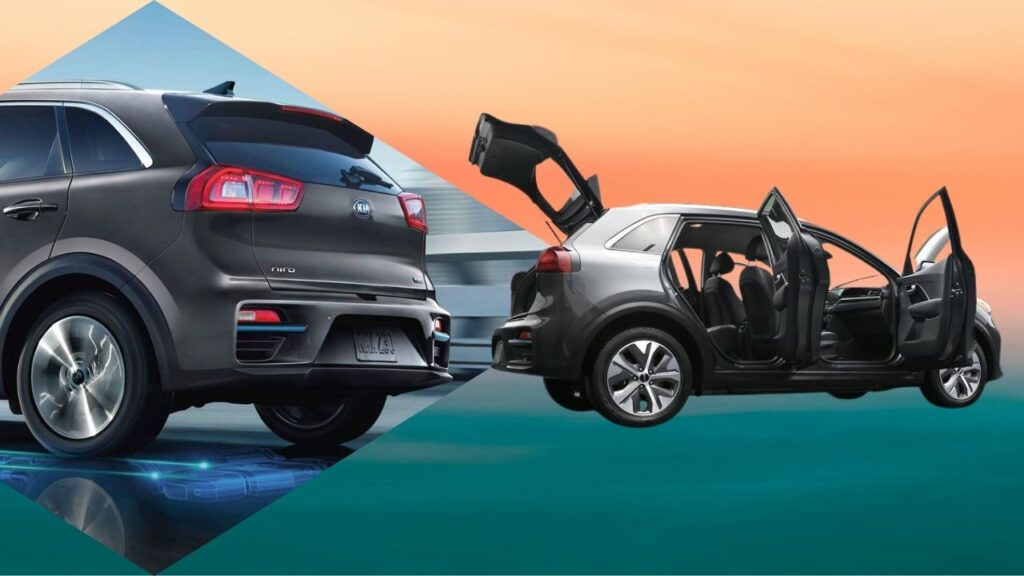
Kia’s design language has always been bold, and the 2025 Niro EV is no exception. The car comes with the signature ‘tiger face’ design at the front with eye-catching LED headlamps that makes it look clearly upscale. The body lines and the aerodynamic shape accompanied by the unique boomerang shaped LED rear lamps give the car a well-balanced modern and elegant look from every point of view.​

Unbeatable Design That Attracts Many Eyes

Its dynamic dimensions let you have an experience to drive comfortably in rush cities and perfect for road trips as it is large enough to carry everything so far. It offers 22.8 cubic feet of cargo capacity that can carry everything essential for the family trip including luggage, food or sporting equipment. 

Interior Experience That Feels Premium

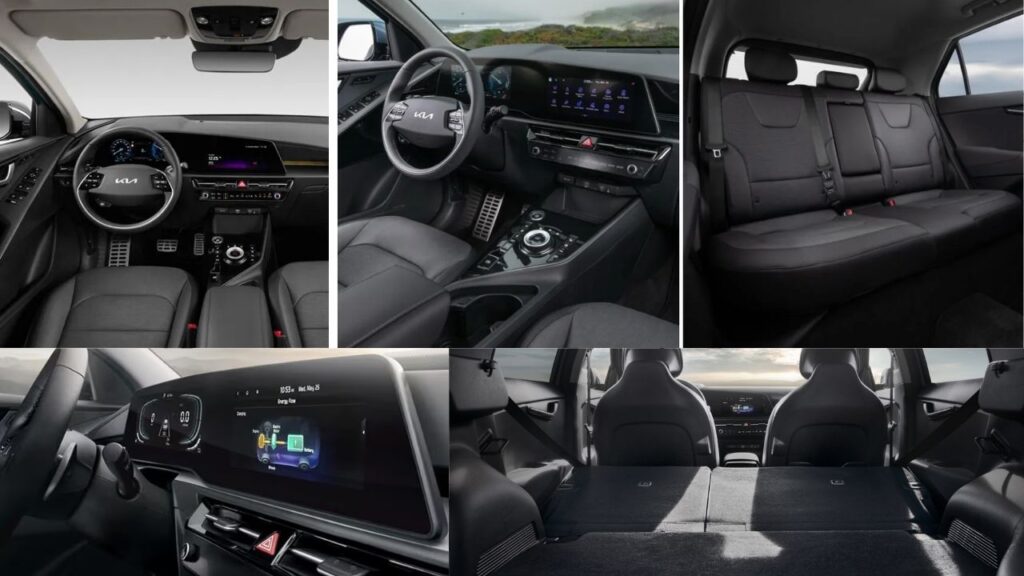
Step inside the 2025 Niro EV and the Kia Electrified philosophy of placing sustainability at the convenience-first focal point of the cabin is immediately clear. The two-screen setup features a 10.25-inch digital instrument cluster, 10.25-inch touchscreen infotainment system, and includes mirroring support for wireless Android Auto and Apple CarPlay. It allows you to keep your eyes on the road when using the maps or music, or when making calls.​

New Kia Niro EV Interior Experience That Feels Premium

What really sets the cabin apart is Kia’s commitment to sustainable materials.The interior features vegan leather seats and is lined with bio-based materials, demonstrating a genuine pursuit of sustainability in manufacturing. The 8-way power driver seat with lumbar support and heated seats for the front and rear passengers guarantee that comfort isn’t an afterthought. 

It provides a complete luxurious ride with amazing comfort features like dual-zone air conditioning, wireless charging and ambient lighting, a combination of fully premium vehicles. 

Powerful Performance of Niro EV 

Niro EV has 201 horsepower and 188 lb-ft of torque, enabling it to offer a responsive performance without sacrificing efficiency. The motor ’s instant torque also contributes to a smooth, quiet ride that makes driving in the city enjoyable.​ 

The suspension tuning is make-or-break – and it’s perfect. Niro EV Takes both a fine job of smoothing out bumps and potholes without becoming floaty, so it’s at home on both finely polished freeway lanes and rough-and-tumble city streets. The front-wheel-drive system delivers sufficient grip and stability on different terrains. 

Read More:- Nissan Leaf Expected ₹30 Lakh Price With Detailed Guide on Features and Range

Safety and Technology Features

Kia didn’t hold back with the safety equipment. The 2025 Niro EV includes the full DriveWise suite of safety features, with forward collision-avoidance assist, lane-keep assist, adaptive cruise control, and blind-spot detection. Features like automated emergency braking, lane-departure warning, and lane-centering assistance come as standard.​

Other safety features are a series of airbags and a high-strength body structure, which protect passengers in all kinds of situations. 

Conclusion

The 2025 Kia Niro EV is a well-rounded electric SUV that doesn’t makes any compromises when it comes to practicality, comfort, or style. Whether you’re a city dweller, a weekend adventurer, or just someone who’s excited to make the jump into electric mobility, this car makes a strong case. Thanks to its excellent range, stylish cabin, safety-first philosophy and reasonable price, Niro EV has the potential to be the best selling green car for convoying drivers who don’t want their green dreams to come at the expense of everyday living. 

0

Hyundai Creta On-Road Price In Lucknow: Get Details Before Entering Into a Showroom

Published Sep 9, 2026, 12:56 PM
Last Updated Sep 11, 2026, 10:42 AM

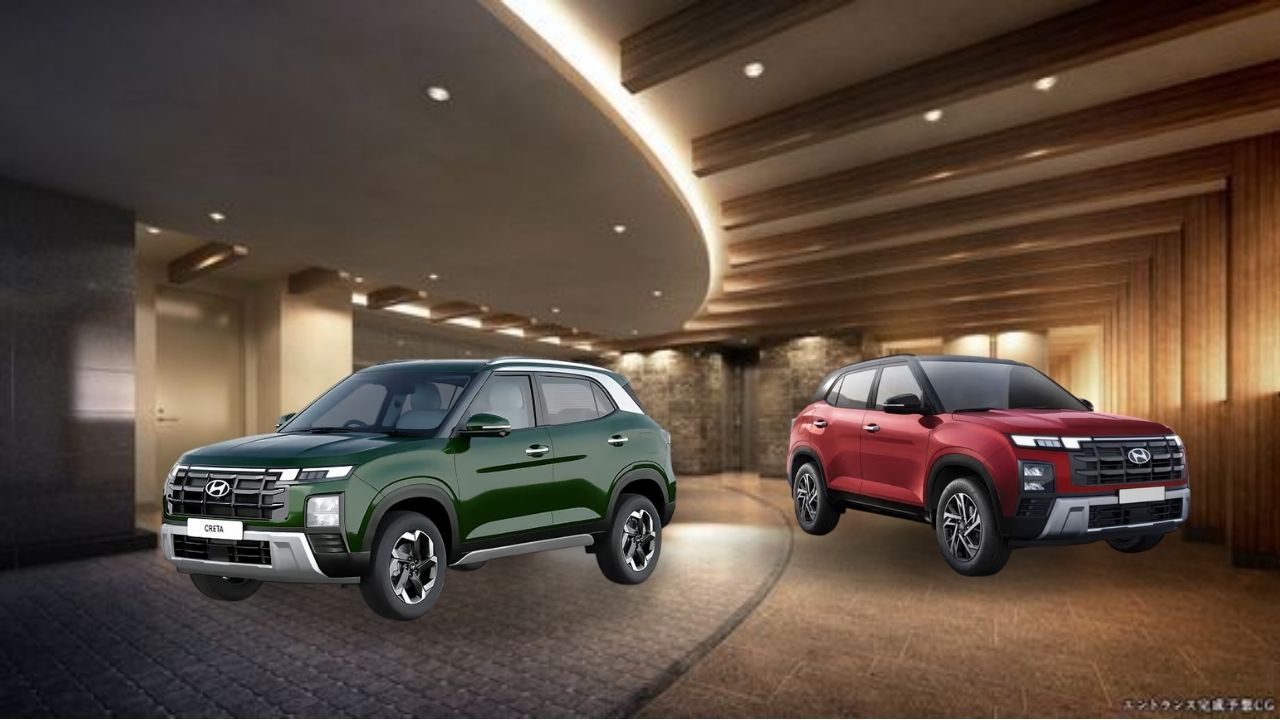
Hyundai Creta

Creta sits in a Hyundai’s showroom at a price ₹10.91 lakh, that’s the manufacturer rate. The Hyundai Creta On-Road Price in Lucknow for the base petrol variant currently sits between roughly ₹12.4 lakh and ₹12.9 lakh, depending on which dealer’s insurance quote you’re comparing, and it climbs past ₹23 lakh for the fully loaded King Knight diesel automatic.

Creta has become the biggest selling model at this price point. The starting price of petrol base variant can go high by including your location’s RTO, other statutory charges, Insurance and FASTag/accessories cost. If you’re considering the Creta N Line, price starts at ₹16.93 lakh that goes up to ~₹24.11 lakh.

Here’s the breakdown that actually matters if you’re deciding whether to book one this month.

Hyundai Creta On-Road Price in Lucknow

The Creta’s ex-showroom range in September 2026 runs from ₹10.91 lakh for the base Petrol E manual to ₹20.11 lakh for the top-spec Diesel King Knight automatic. Add Uttar Pradesh’s road tax, insurance, and registration charges, and the on-road numbers land like this for the base E variant, according to dealer-aggregator listings pulled this month:

  • Ex-showroom price: ₹10,90,700
  • RTO and road tax: ₹1.09 lakh to ₹1.45 lakh
  • Insurance: roughly ₹51,700 to ₹52,400
  • Final on-road price: ₹12.44 lakh to ₹12.88 lakh

That’s a wider spread than you’d expect for the same car in the same city. As it comes down to how each platform calculates UP’s road tax slab and whether the quote includes optional add-ons like a dashcam accessory or an extended warranty bundled in by the dealer. Treat every online on-road calculator as a starting estimate, not a final number — the only figure that matters is the one on your actual invoice from a Lucknow dealership.

At the top end, the King Knight Diesel AT ranges from about ₹22.4 lakh to ₹23.4 lakh on-road, again depending on the aggregator and the exact insurance IDV selected.

Why UP’s RTO Charges Add So Much to the Sticker Price

Uttar Pradesh applies road tax as a percentage of the ex-showroom price, and that percentage rises in slabs as the car gets more expensive — which is why the RTO component isn’t a flat add-on. For the base Creta E, dealers report RTO charges anywhere from ₹1.09 lakh to ₹1.45 lakh; for pricier variants like the diesel Sierra-rivalling trims, the RTO line alone can cross ₹1.7 lakh.
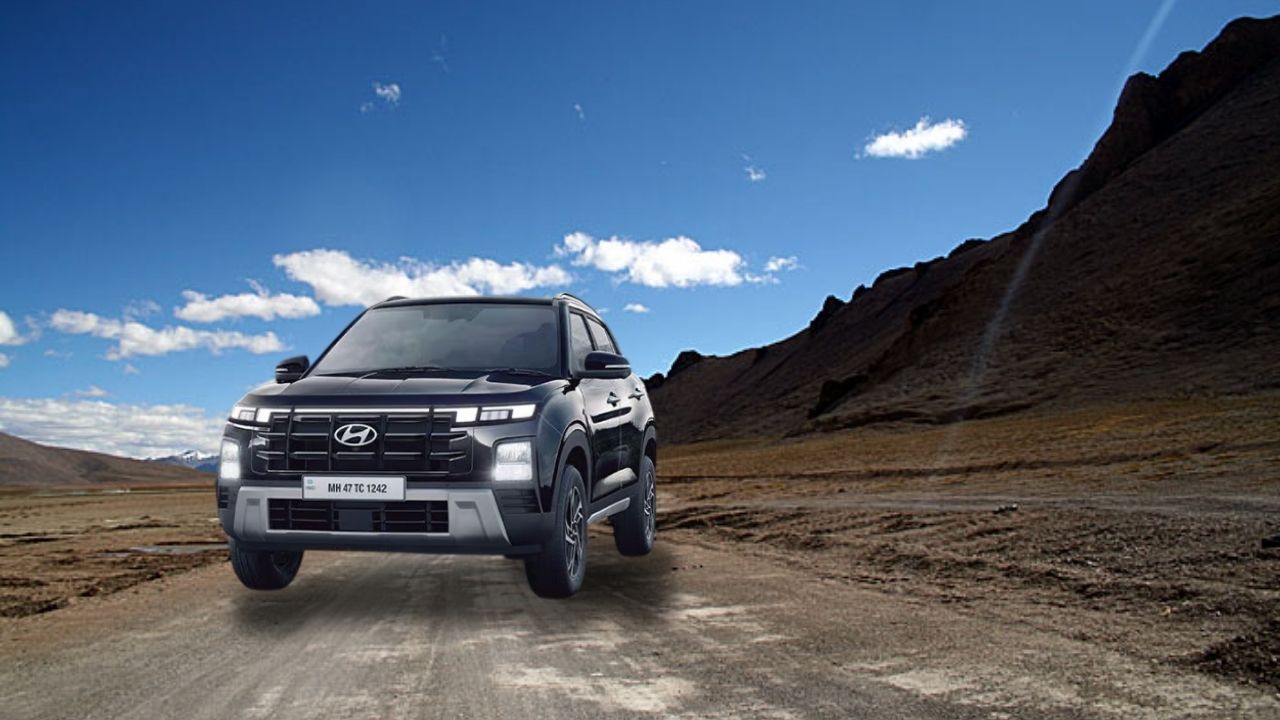
Creta E

First-time SUV buyers can get confused easily from the charges: Tax Collected at Source (TCS). Under Section 206C(1F) of the Income Tax Act, any motor vehicle priced above ₹10 lakh attracts 1% TCS, collected upfront by the dealer and adjustable against your income tax later. On a ₹11.49 lakh car, that’s roughly ₹11,490 added purely because the ex-showroom price crossed the ₹10 lakh threshold — and since every Creta variant sits above that line, every single Creta buyer in Lucknow pays this. 

Add FASTag issuance (around ₹600), hypothecation charges if you’re financing (₹1,500 or so), and a registration smart-card fee, and you can see why the gap between showroom quote and final on-road number feels so large.

Read More 👉  Maruti Suzuki September 2026 Offers: Save Money On Your New Car

Creta Variant-Wise Price Breakdown 

The Creta lineup has grown to many variants but most of the special editions narrow it down depending on the availability and most buyers choices:

Variant (Fuel / Transmission) Ex‑Showroom (₹) RTO + Others (₹) Insurance (₹) On‑Road Lucknow (₹) Approx.
E 1.5 Petrol MT 10,79,000 ~1,45,000 ~50,000 12.74 lakh 
EX 1.5 Petrol MT 11,90,000 ~1,55,000 ~55,000 14.00 lakh
EX (O) 1.5 Petrol MT 12,70,000 ~1,65,000 ~58,000 14.93 lakh
EX(O) Diesel AT  ₹16.08 lakh  ~1.9–2.0 lakh  ~0.55–0.65 lakh  ₹18.3 lakh 
S 1.5 Petrol MT 13,50,000 ~1,75,000 ~60,000 15.85 lakh 
S 1.5 Diesel MT 14,00,000 ~1,80,000 ~62,000 16.42 lakh 
S (O) 1.5 Petrol MT 14,40,000 ~1,85,000 ~64,000 16.89 lakh 
S (O) 1.5 Diesel MT 14,90,000 ~1,90,000 ~66,000 17.46 lakh 
S (O) 1.5 Petrol CVT 15,30,000 ~1,95,000 ~68,000 17.93 lakh
S (O) 1.5 Diesel AT 15,80,000 ~2,00,000 ~70,000 18.50 lakh
SX 1.5 Turbo Petrol MT 16,20,000 ~2,05,000 ~72,000 18.97 lakh
SX 1.5 Turbo Petrol DCT 16,80,000 ~2,10,000 ~74,000 19.64 lakh
SX (O) 1.5 Turbo Petrol DCT 17,40,000 ~2,15,000 ~76,000 20.31 lakh
King 1.5 Diesel AT 19,78,000 ~2,40,000 ~85,000 23.03 lakh
King 1.5 Diesel AT DT (dual‑tone) 19,93,000 ~2,42,000 ~86,000 23.21 lakh
King Knight Edition 1.5 Diesel AT 20,11,000 ~2,45,000 ~87,000 23.43 lakh

The EX(O) diesel automatic is where most serious buyers end up — it’s the point where you get the automatic gearbox and diesel refinement without stepping into King-edition territory, and 

The Creta Specs & Features That Matter Before You Sign

Creta offers three engine types — petrol, diesel, and turbo-petrol GDI. A 1.5L engine of  turbo-petrol GDI pairs with 7-speed DCT in the higher trims that gives a better mileage on off-road driving. While ARAI-claimed mileage ranges from 17.4 to 21.8 kmpl depending on engine and gearbox. So both diesel and petrol engines offer good efficiency.
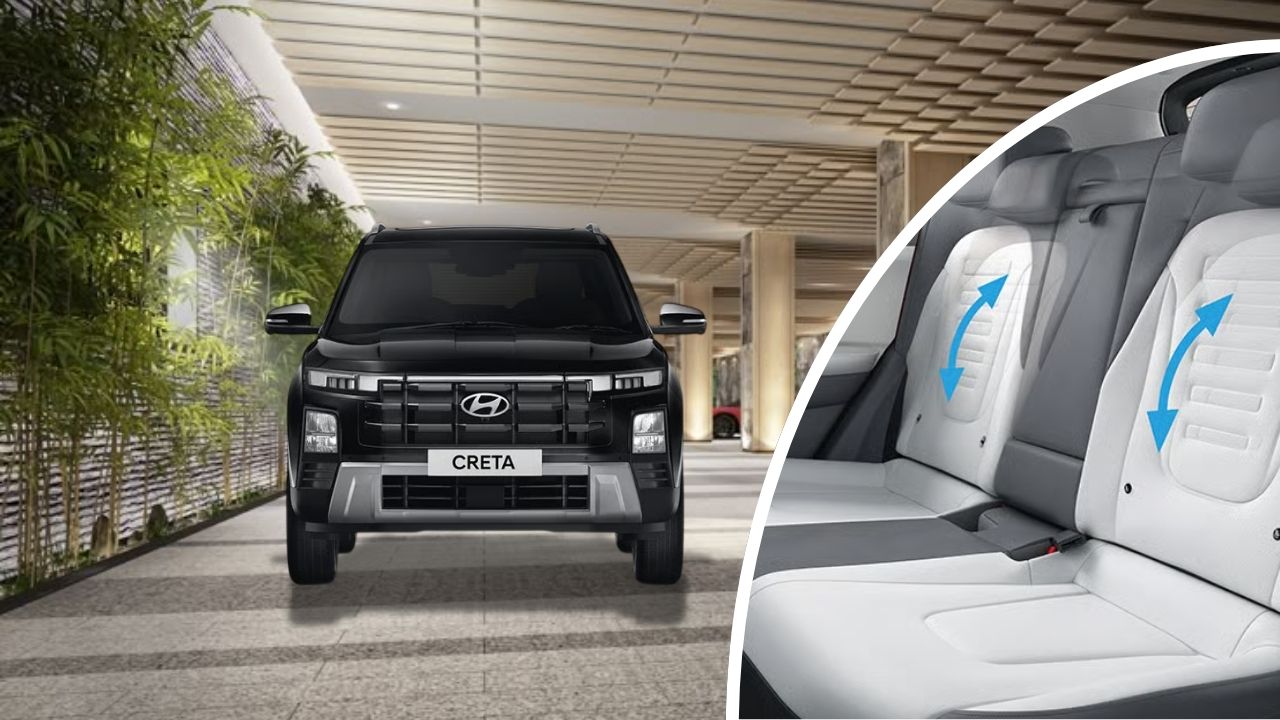
Creta Specs & Features

Exterior of Creta’s Body And Space

The body size of Creta is fit and comfy for family trips, not just from the inside but from the outside it could smoothly run, turn and be parked in rush places. The measurements are:

Length 4,300mm
Width 1,790mm
Height 1,635mm
Wheelbase  2,610mm

Numbers that translate into a genuinely usable 433-litre boot, enough for a family’s weekend luggage without folding the rear seats. 

Safety Features of Creta

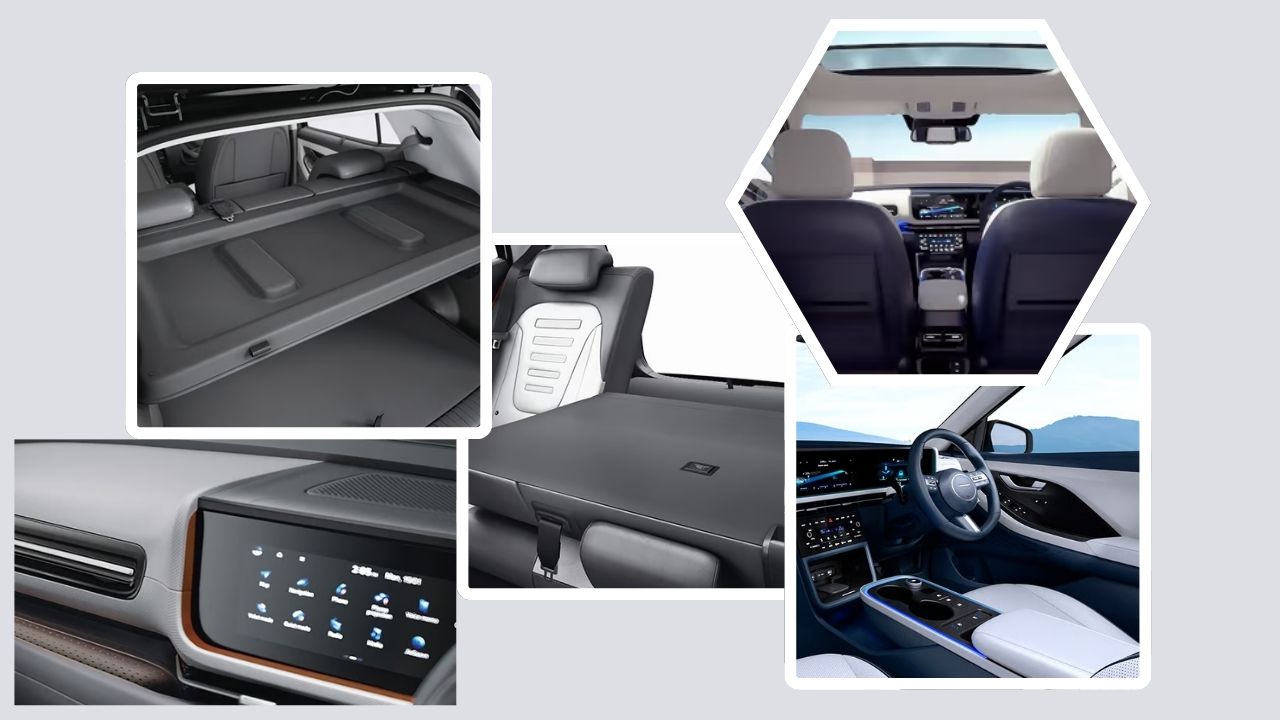
Standard safety functions like airbags, ABS with EBD, and cam are always given in SUVs. Creta base E variant carrying these safety features but the higher trims of Creta offers more than this. It offers Hyundai’s Level 2 ADAS suite which includes blind-spot collision warning, smart cruise control, lane-keeping assist, and alerts along with panoramic sunroof for instrument cluster, and dual 10.25-inch display for infotainment.

Revised Price Change 

Hyundai revised Creta pricing multiple times through late 2025 and into 2026, first cutting prices by up to ₹72,145 following a GST rate change, then raising select variant prices again early in the year. Confirm the exact ex-showroom figure with your Lucknow dealer before budgeting — these numbers move.

Read More 👉 Buy Tata Curvv Series X At Rs. 9.99 Lakh With Advanced Features Pack

Creta Rivals In The Same On-Road Price Range 

The Creta doesn’t have the segment to itself anymore. Kia’s Seltos and Tata’s newly relaunched Sierra are the two cars Lucknow buyers cross-shop it against most.

Model Ex-showroom (base) On-Road in Lucknow (base) On-Road (top variant)
Hyundai Creta E ₹10.91 lakh ₹12.44 – 12.88 lakh ₹22.4 – 23.4 lakh
Kia Seltos HTE ₹10.99 – 11.00 lakh ₹12.54 – 13.25 lakh ₹25.1 – 25.2 lakh
Tata Sierra Smart+ ₹11.49 lakh ₹13.17 – 13.52 lakh ₹24.3 – 24.8 lakh

The Creta comes in cheapest at the entry level by a meaningful margin — roughly ₹40,000 to ₹80,000 less than the Seltos and Sierra on-road. But that gap narrows sharply once you move up the range, and by the time you’re comparing top-spec diesel automatics, the Seltos and Sierra actually list higher purely because they offer trims Hyundai doesn’t match feature-for-feature at the same price point. 

The current-generation Creta honest review notes it’s starting to feel dated next to newer rivals like the Seltos and Sierra, which now offer more contemporary feature packages at similar money — a point worth weighing if you’re deciding between “cheapest to buy” and “best value at the top of the range.”

What you actually experience inside the cabin of Creta, Kia Seltos, and Tata Sierra is shared in a competitive manner below:

Feature Hyundai Creta (top trims) Kia Seltos 2026 (mid–top) Tata Sierra 2026 (mid–top)
Screens Dual 10.25″ (cluster + infotainment) Large “Trinity” panoramic display (digital cluster + big screen) Triple‑screen concept (digital cluster + big screen + passenger display on top)
Infotainment 10.25″, wireless AA/CarPlay, connected car Large screen, wireless AA/CarPlay, connected car, ambient lighting integration Big screen, wireless AA/CarPlay, iRA 5G (EV), in‑car UPI, gaming on some variants
Seats Leatherette, ventilated front, 6‑way driver adjust Semi‑leatherette to leatherette, ventilated front, 8–10‑way powered driver (GTX/X‑Line) Leatherette (top), ventilated front, 6‑way powered driver, reclining rear + Boss Mode
Sunroof / roof Single‑pane sunroof (top), dual‑tone options Large panoramic sunroof (higher variants), dual‑tone themes Panoramic glass roof (top), “lounge‑like” glassy cabin
AC Dual‑zone auto, rear AC vents Dual‑zone auto, rear AC vents Dual‑zone auto (top), rear AC vents
Audio Multi‑speaker, Bose on top Multi‑speaker, upgraded audio on higher trims Up to 12‑speaker JBL + Dolby Atmos (top)
Ambient lighting Multi‑colour (top trims) 64‑colour, multiple interior themes Ambient lighting, premium cabin themes
Key convenience Wireless charger, 360° cam, ADAS (top) Wireless charger, 360° cam, ADAS L2+, memory seats (GTX/X‑Line) Wireless charger, 360° cam, ADAS L2+, HUD (top), Boss Mode
Rear seat Split‑fold, adjustable headrests, rear AC Split‑fold, armrest + cupholders, good recline Reclining rear, Boss Mode for extra legroom, big boot (622 L)

The Sierra also throws in a detail the Creta doesn’t disclose as transparently: some dealer quotes bundle in an accessories package (around ₹28,000) into the on-road figure by default. Always ask your Creta dealer whether their on-road quote includes any mandatory accessory bundle — if it doesn’t, budget separately for basics like mud flaps, seat covers, and a dashcam if you want them.

Is Creta Worth Buying Right Now?

If you need a mid-size SUV in Lucknow this month and want the lowest possible entry price with Hyundai’s wide service network — 12 dealerships in the city, more than either Kia or Tata currently run — the Creta E or EX Summer Edition makes practical sense. It undercuts the Seltos and Sierra at the bottom of the range, and Hyundai’s resale value in this segment has historically held up well across UP’s used-car market.

However, if the budget reaches up to ₹18-20 lakh for a loaded automatic, you could consider Seltos and Sierra because the price gap is scattered. These two come in newer tech and styling than Creta’s. 
Creta Worth

Hyundai’s third-generation Creta with a redesigned body and a hybrid powertrain is confirmed to launch in 2027, but if someone is buying right now, they get Creta’s old model rather than the start of a new one.

Still want to buy Hyundai Creta then buy the EX(O) diesel automatic now while GST-linked pricing still holds, get on-road quote from multiple dealers before booking, and separately check TCS and RTO pricing — a ₹20,000-30,000 discrepancy in that breakdown is common enough to be worth catching before you sign.

Read More 👉  Kia Carnival Hybrid Price In India And Additional Cost For Accessories

Conclusion

Hyundai Creta On-Road Price In Lucknow starting at ₹12.4 lakh including taxes charges according to city, insurance, and other charges or accessory cost can increase the actual amount in which you can own Creta.

Find a Hyundai dealer and get an exact quote for a car before signing anything. Choose the color and variant of a car then find 2-3 dealership quotes to confirm. As the highest variant can cost you around 24 lakh.

0

New Hyundai Flagship Models Arriving Soon to Dominate Indian SUV Market

Published Sep 25, 2026, 11:10 AM
Last Updated Sep 26, 2026, 8:03 AM


New Hyundai Flagship Models

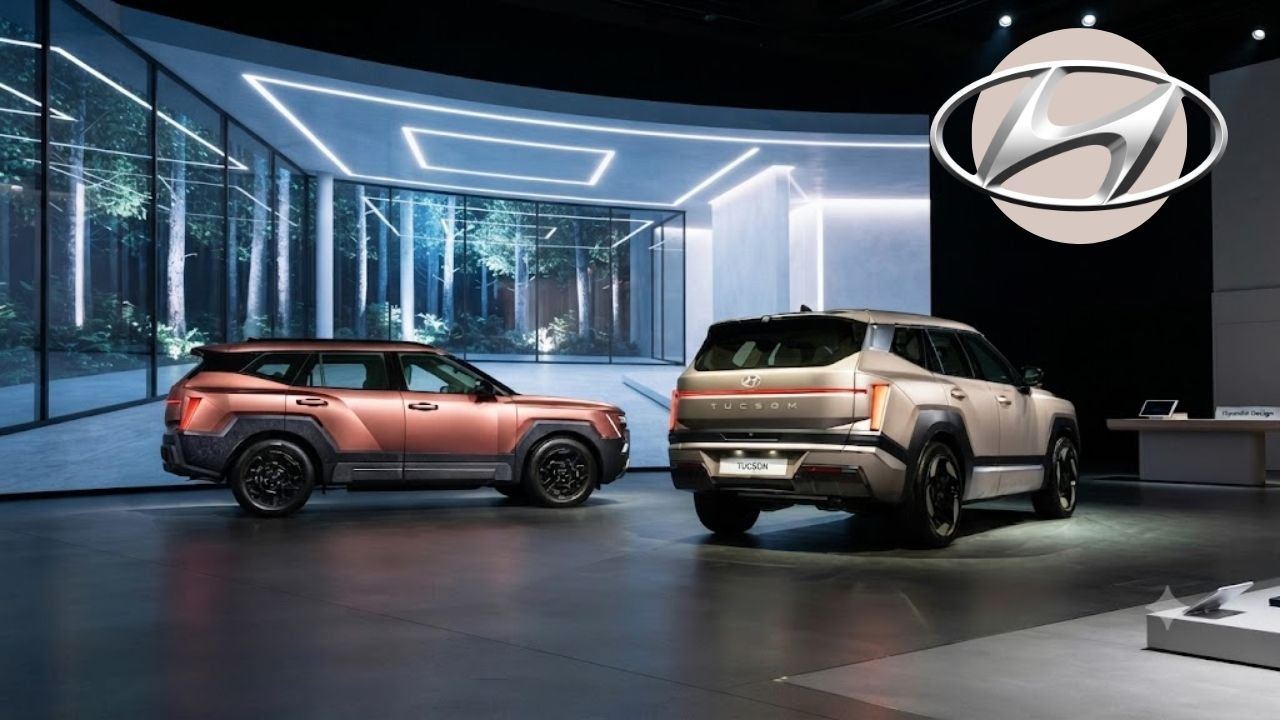
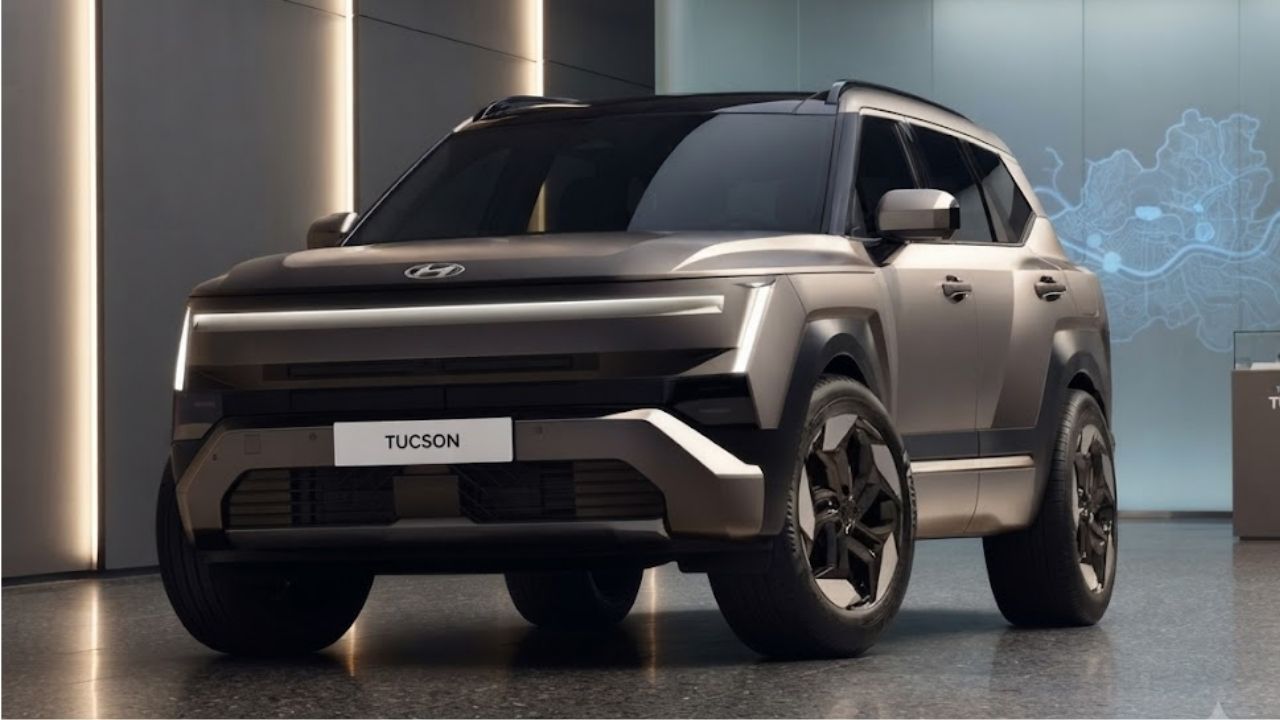
The New Hyundai Flagship Models are preparing to dominate the Indian SUV market. The 2026 end and 2027 is holding off the new vehicle purchase for both cars. The New 2027 Hyundai Tucson and Hyundai Bayon are going to be in every car buyer’s radar. However, Tucson lunch date is unconfirmed so early buyers should reconsider it.

One is a massive generational shift for Hyundai’s premium offering, pushing hard into luxury territory. The other is a compact crossover meant to bring European styling to the sub-15 lakh bracket. Here is exactly what you get with both models, how they stack up against the competition, and whether you should actually wait for them.

Why the Tucson Is Coming Back at All

The current Tucson stopped coming in the market in 2025 because it doesn’t hold its foot against premium D-segment rivals. It seems like a second chance for the model to return rather than a routine update. Hyundai clearly thinks the formula needs to change, because what it has revealed globally is not a mild facelift — it’s a full fifth-generation redesign.

The new-gen Tucson has been revealed with a radical boxy design, larger dimensions and Hyundai’s new Pleos infotainment system, and it could also preview future India-bound models. That last part matters for Indian buyers specifically, because Hyundai has a habit of trickling design language down from global flagships into mass-market SUVs — the current Creta’s styling cues borrowed heavily from the previous Tucson and Santa Fe, and this cycle looks set to repeat.

Read Also 👉  Maruti Suzuki Cars Are Coming To India by 2027 

2027 Hyundai Tucson: Boxier, Bigger, & Hybrid-Powered

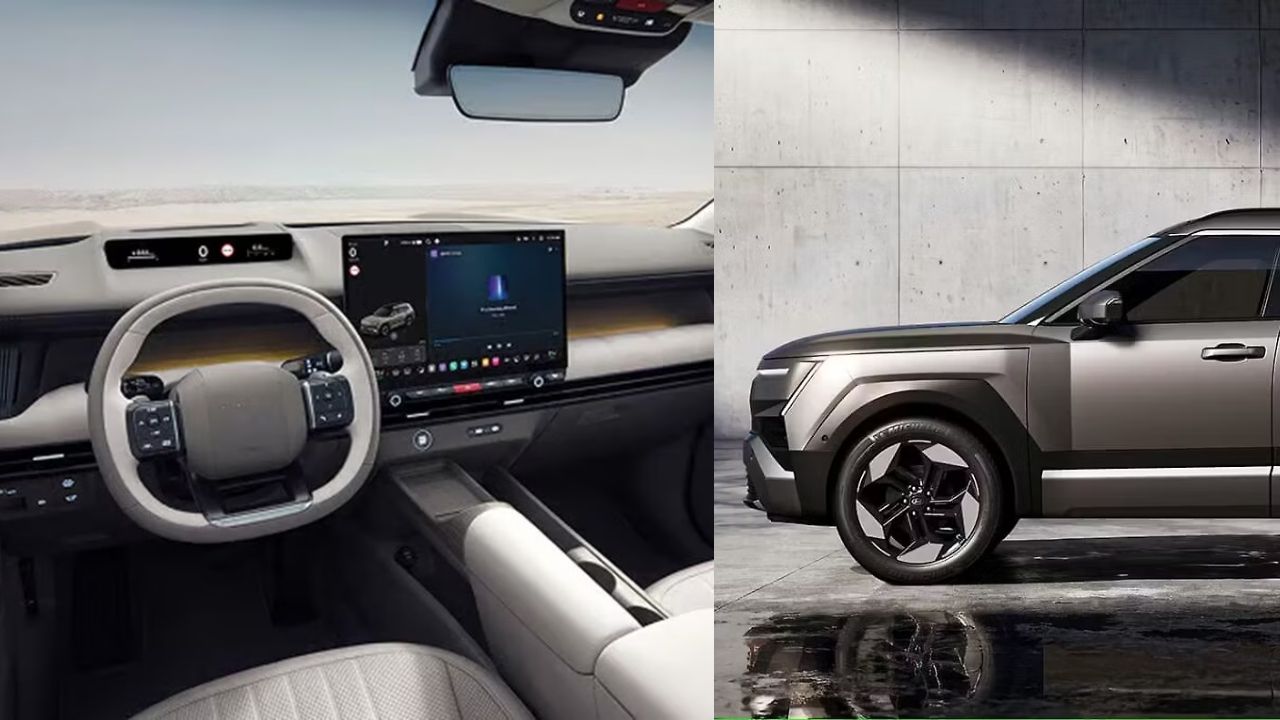
The confirmed specification of the fifth-generation Tucson is revealed in South Korea but Hyundai hasn’t announced India specific technical details yet. Current model has sharp flowing lines but 2027 Tucson adopts the “Art of Steel” design language. The design is boxy, upright, and rugged more like a scaled-down Palisade.

2027 Hyundai Tucson

Tucson Dimensions: Growing in Every Direction

The 2027 Hyundai Tucson model is significantly larger, up to 4.7 meters long, 40mm wider and 20mm taller than the outgoing model. It’s coming with more wheelbase — 30mm to 2,785mm.

So it resolves the current model rear-seat space problem with extra 29mm of height which gives more headroom to sit in the back seat comfortably. The rear doors are now changed with an 83-degree angle to provide easier access. Tucson is behaving like a full-size SUV lion who accomplished its territory. 

Powertrain: The Hybrid Push

The specifications are still unconfirm for the Indian model but global model reveal highlights a major shift toward hybridization. Its petrol engine of 1.6L is producing 193 bph of power and 265 Nm of torque. It runs on an 8-speed automatic transmission which combined with a next-generation hybrid system for a total output of 245hp. 

For a Hybrid set up, a 1.6-litre turbo-petrol combined with a next-generation hybrid system for a total output of 245hp on a 8-speed automatic transmission. The power like this in a hybrid is absolute engineering. Hyundai claims an impressive fuel efficiency figure of 17.4kpl for this setup.

Tucson Dimensions

Tech and Cabin Upgrades

The cabin receives a massive overhaul, centered around the new Pleos Connect infotainment system running built-in Gleo AI. The central touchscreen will be available in massive 12.9-inch or 17-inch sizes depending on the trim. Hyundai smartly retains physical controls for essential functions, avoiding the trap of hiding climate settings in endless touchscreen menus.

Safety gets a boost with 9 airbags as standard, an updated navigation-based adaptive cruise control, and a memory-based reverse assist that can automatically steer the car backward along its previous path.

Read Also 👉 Why Salaried Indians Are Buying Mercedes Cars

Tucson Competitor Comparison: The Luxury SUV Battle

The current Tucson rivals in the Indian markets are Jeep Compass and VW Tiguan but the new model is extended its size and hybrid powertrain which also raises the price and pushes it into entry-level luxury SUVs.

Feature 2027 Hyundai Tucson (Global Spec) Jeep Compass Volkswagen Tiguan
Engine 1.6L Turbo / 1.6L Hybrid 2.0L Diesel 2.0L Turbo Petrol
Power 193hp / 245hp 170hp 190hp
Dimensions (LxWxH) 4700 x 1905 x 1685 mm 4405 x 1818 x 1640 mm 4509 x 1839 x 1665 mm
Key Tech 17-inch screen, Reverse Assist 10.1-inch screen 8-inch screen

Hyundai Bayon: The Premium Compact Crossover

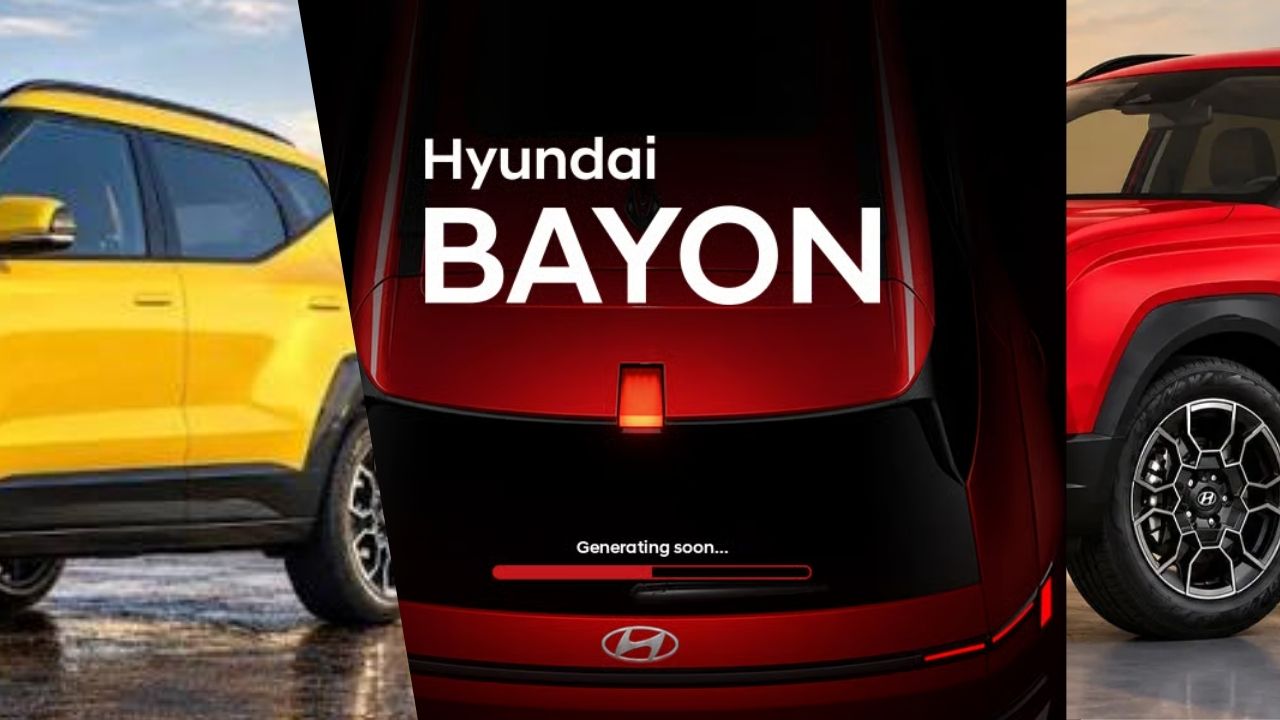
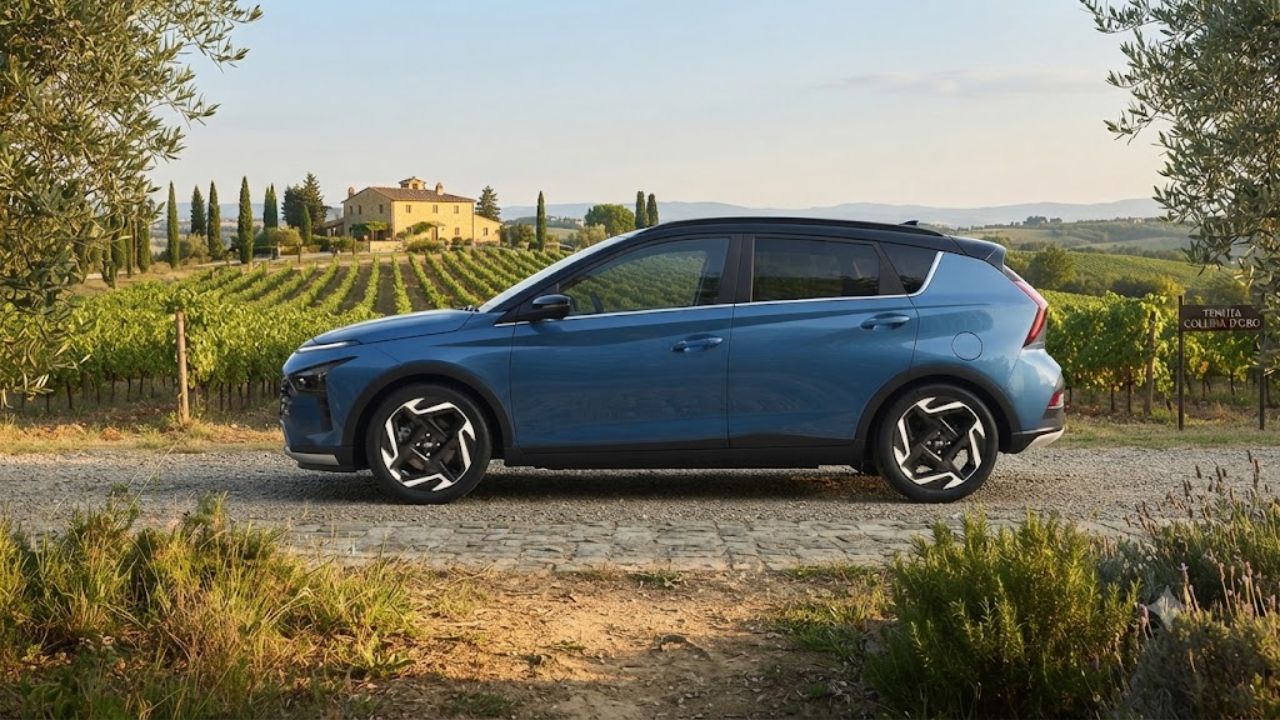
While the Tucson goes upmarket, the Hyundai Bayon aims to fill a gap in the highly competitive compact SUV segment. Bayon will arrive in the festive season of 2026 at a price range of ₹10 lakh — ₹15 lakh (ex-showroom). It is basically a crossover version of the i20 platform designed specifically for the European market.

The Hyundai Bayon specifications for the Indian model is based on the international Bayon’s underpinnings. It is a compact SUV positioned between Venue and the next-generation Creta, not too small, not too expensive. Hyundai opened bookings across dealerships and its website on September 23, 2026. 

Hyundai Bayon

Bayon’s Engine That Aim High

The current model carries a 1.0L petrol engine which gives 90 bhp of power and 172 Nm of torque. The transmission is up to 7-speed DCT automatic while the upcoming model brings 6-speed manual and CVT automatic options. It extended the engine to 1.5L 4-cylinder petrol producing 115PS of power and 144Nm of torque. This is the same engine set up that Creta and Verna uses.

But Bayon is the first Hyundai model engineered with a factory-fitted CNG option in a 4.3 metres long vehicle. It expects to use a 1.5L Hy-CNG dual-cylinder setup.

Features That Sets Hyundai Bayon Apart

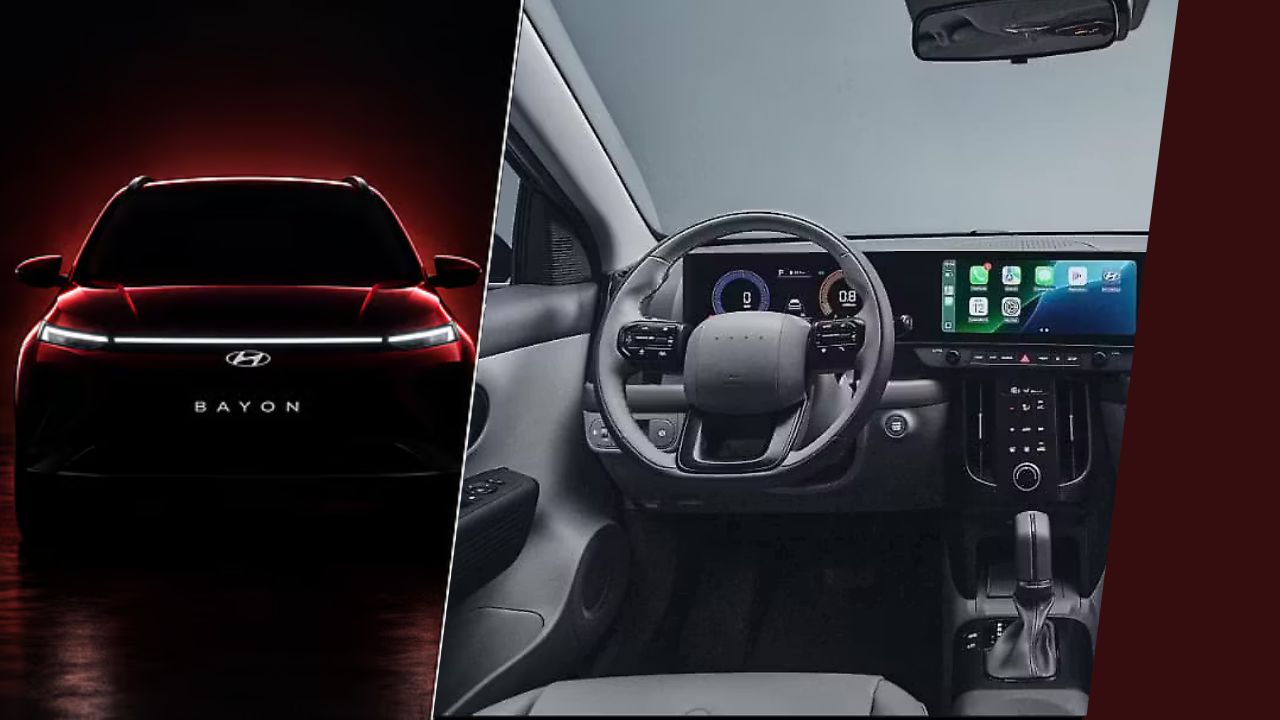
Hyundai is known for packing its cars with features, and the Bayon is no exception. It brings a full convenient setup — a dual 10.25-inch screen for infotainment and digital cluster. It offers full experience to admire nature with a panoramic sunroof, and ventilated seats. The connectivity is reliable, providing wireless Android Auto/Apple CarPlay. View all corners outside the car with a 360-degree camera. The Bayon is a full-packed flagship segment that offers a premium experience.

Features That Sets Hyundai Bayon Apart

With advanced features, Hyundai never compromising on the safety of their customers. Expect a Level 2 ADAS suite and 6 airbags as standard, meeting the growing demand for safety tech in the Indian market. 

Hyundai has confirmed the Bayon uses the Art of Steel language featuring sculpted surfaces and sharp character lines. Inside, the cabin takes heavy inspiration from the Brazil-spec fourth-generation i20. Hyundai also teased the Wheel specifics, it offers 17-inch dual-tone machine-cut alloy wheels wrapped in 215/55-section tyres.

Hyundai Bayon Rivals: The Crowded Compact Segment

The Bayon will battle the Maruti Suzuki Fronx, Tata Nexon, and even its sibling, the Venue.

Feature Hyundai Bayon (Expected) Maruti Suzuki Fronx Tata Nexon
Engine 1.0L Turbo Petrol 1.0L Turbo / 1.2L NA 1.2L Turbo / 1.5L Diesel
Max Power ~88.5 bhp 100 bhp / 89 bhp 118 bhp / 113 bhp
Price (Estimated/Current) ₹10 – 15 Lakh ₹7.51 – 13.04 Lakh ₹8.00 – 15.50 Lakh
ADAS Yes (Level 2 Expected) No No (Only basic features)

How the Hyundai Bayon Stacks Up Against the Victoris

The most bigger rival is Maruti Suzuki Victoris since it already occupies the space the Bayon is aiming for and uses the same powertrain strategy. Victoris mild-hybrid petrol price starts at Rs 10.50 lakh for base variant and goes up at Rs 19.22 lakh for the top AWD automatic variant.

While the pricing for CNG and strong Hybrid variants can rise up to Rs 14.57 lakh and Rs 19.99 lakh respectively. Check the dealership price at your location because the total price depends on the additional charges of your city. 

Hyundai Bayon Stacks Up Against the Victoris

If the Bayon really does launch at Rs 9–14 lakh, its top-spec CNG or automatic variant would undercut the Victoris’s equivalent trims by a meaningful margin, while offering a smaller footprint. The trade-off is obvious: the Victoris gets a strong-hybrid option and AWD, neither of which the Bayon is expected to offer at launch. 

If fuel efficiency and hybrid tech matter more to you than price, the Victoris still has the edge on paper — but if you want CNG practicality in a package smaller and cheaper than a full-size Creta rival, the Bayon is shaping up to be the more sensible buy.

Should You Wait for the Tucson or Buy Now?

This is really two different buyer conversations, because the Tucson and Bayon aren’t competing for the same money.

Hyundai has not announced the new 2027 Hyundai Tucson price and specification details for India. Nobody knows the actual launch date yet so treating any number online is a guess. Wait for this boxier Art of Steel design and the promise of a proper generational leap in refinement and tech, if you are not in a hurry to buy a vehicle this year. Buying any — a Skoda Kodiaq, Tata Harrier, the same segment makes more sense.

If you’re shopping in the Rs 10–15 lakh compact SUV space, the Hyundai Bayon is a much more actionable wait. Bookings have already opened, the festive-season launch window is real and near-term, and the CNG option addresses a genuine gap that the Victoris and Kushaq don’t fully cover at this price point. Unless you need a car immediately, holding off a few weeks to see final Bayon pricing and variant specifics is a low-risk decision — you’re not waiting on a car that might slip by a year, you’re waiting on one that’s already taking bookings.

Read Also 👉  Rolls Royce Unveils Custom Car Using Sea Snail Shells 

Conclusion 

These New Hyundai Flagship Models are expanding the company’s territory in the powerful SUV segment. The new 2027 Hyundai Tucson is coming back with refined components to deliver an excellent driving experience. On the other hand, Hyundai Bayon is launching in this year’s festive season with a CNG option, a direct rival to Victoris, Fronx, Nexon. Indian buyers who are looking for a new vehicle in a range of Rs 10 lakh can consider this flagship model to buy.