
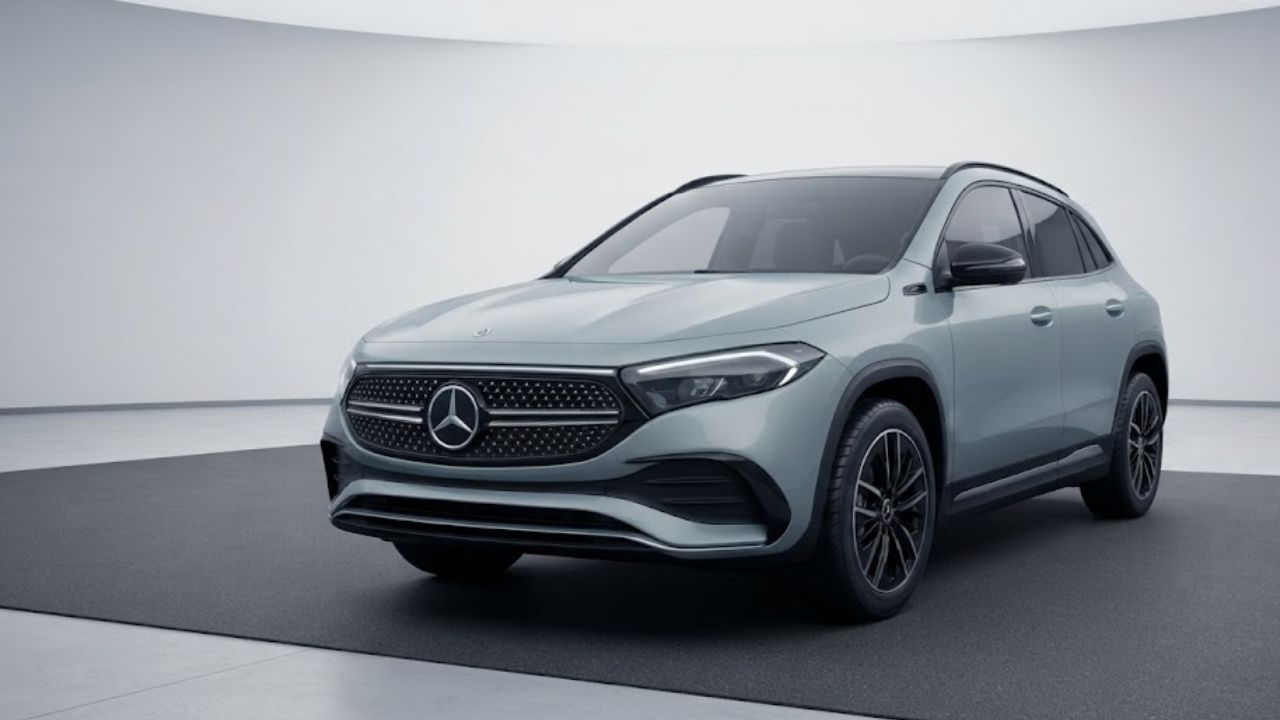
A decade ago, a Mercedes in the driveway usually meant that the owner ran a business, inherited one, or both. Now all you get to see Mercedes Cars is driven out from the showroom by the 34-year-old product manager or a bank VP drawing a fixed monthly salary.
That’s because the financing options are making things easier for the corporate employees. Salaried Indians buying Mercedes Cars isn’t an aspirational fantasy anymore — it’s one of the fastest-growing customer segments the brand has in the country, and the company is restructuring its own sales strategy around it.
If you are also curious about how they are buying on their 25–30 LPA salary then know about EMI strategy and real prices before thinking about it.
Sales Numbers Behind the Shift of Mercedes Cars
Mercedes-Benz India retailed 9,768 vehicles between January and June 2026, a 9% year-on-year jump and its best-ever first half in the country. The second quarter alone brought 4,637 units, its highest-ever quarterly number, up 10% year-on-year. Zoom out to the full financial year, Mercedes-Benz retailed 19,363 cars in India between April 2025 and March 2026, up from 18,928 the year before.
What’s telling is where that growth is coming from. Mercedes-AMG performance cars grew 50% in H1 2026, and battery-electric vehicles doubled their share to 14% of total sales. At the same time, the Top-End Luxury segment — S-Class, Maybach, EQS SUV, AMG — grew 25% in Q1 2026 and made up 27% of everything the brand sold, with wait times running 4 months to a full year on flagship models like the AMG G 63.
So the story isn’t “Mercedes is selling more entry cars to salaried buyers” in isolation — it’s happening while the brand simultaneously pushes upmarket. Both ends of the business are growing at once, which only works if the customer base is genuinely widening.
Mercedes itself confirms this isn’t accidental. Brendon Sissing, VP of Marketing and Sales at Mercedes-Benz India, has said salaried professionals are becoming an increasingly important customer group, pushing the company to actively court large corporates and their workforces rather than waiting for word-of-mouth.
He specifically named the CLA and GLA as the models built to convert these first-time premium buyers. Mercedes isn’t reacting to a trend, it’s engineering its India strategy around it.
It’s worth noting BMW isn’t standing still either — in calendar 2025, Mercedes Cars are sold up to 19,007 units against BMW’s 18,000, a gap that’s narrowed as BMW leaned harder into the entry-luxury segment, while Mercedes’ own entry-segment sales actually fell 23% that year even as its top-end and AMG lines grew 12% and 34% respectively.
So salaried buyers are the battleground both brands are fighting over, and the fight is being won largely on financing, not just badge value.
How a ₹20-25 LPA Salaried Indian Affords a Mercedes Cars
A Mercedes GLA doesn’t require business-owner-level liquidity — it requires a salaried job, a decent CIBIL score, and a willingness to structure the loan smartly.
Three things are doing the heavy lifting for Mercedes Cars:
Mercedes-Benz Financial Services (MBFS) has financed the actual product. MBFS now finances close to half of every Mercedes sold in India — roughly four out of every ten cars. That’s the primary sales channel. Its flagship offering, the Star Agility programme, guarantees a buyback price on the car upfront, which removes the single biggest fear a salaried buyer has: “what if this thing craters in resale value the moment I drive it out?”
Step-up and balloon EMIs lower the entry bar. Rather than one flat EMI for five years, MBFS structures loans where you pay less in years one and two — when a young professional’s salary is lower and more later as increments kick in, with a lump-sum balloon payment or a buyback option at the end of the term. This is standard in developed luxury markets and Mercedes Cars has essentially imported it wholesale into India.
The company has said the quiet part out loud. Santosh Iyer previously said the company was working to bring the minimum down payment down to around ₹10 lakh, letting a buyer enter luxury ownership with an EMI in the ₹60,000-a-month range, explicitly betting that low EMIs — not lower sticker prices — would be what pulls more Indians into the segment.
Prices have moved up since then, but the underlying strategy hasn’t changed: Sissing frames it as breaking the assumption “I can’t afford a Mercedes” through EMI structuring rather than discounting. As a live reference point, Autocar India currently lists the GLA’s on-road EMI starting around ₹89,600 a month in Mumbai — a real number you can check against today’s rates rather than a 2023 quote.
Practically, this means a household with a combined salaried income of roughly ₹20-25 lakh a year, no existing high-value EMIs, and a 15-20% down payment can realistically finance a GLA or entry C-Class without touching savings meant for anything else. That’s a very different bar than “own a company.”
Read More 👉 Rolls Royce Unveils Custom Car Using Sea Snail Shells
The Two Models of Mercedes Salaried Buyers Can Buy
Mercedes-Benz GLA — the default first Mercedes
The Mercedes-Benz GLA is the cheapest way into the brand with ₹51.80 lakh ex-showroom. With a petrol engine of 1.3-L with mild-hybrid, GLA produces a power of 163PS and 250Nm where a buyer can get 192PS and 400Nm in a diesel engine. But both engines run on automatic gearboxes.
The cabin has a 10.25-inch display paired with a 10.25-inch digital instrument cluster to make everything flawlessly comfortable. The connectivity including wireless Apple CarPlay and Android Auto gives you access to more features.
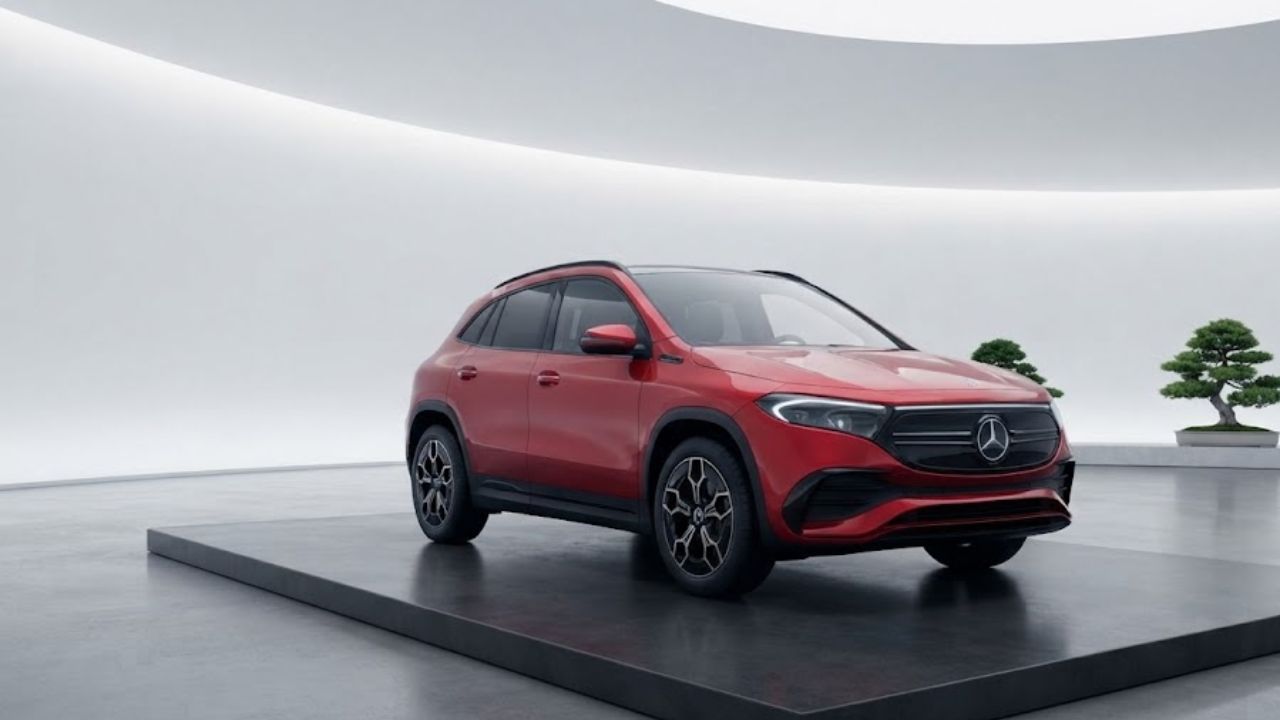
Monsoon and night view will be more beautiful with a panoramic sunroof, 360-degree camera, and a full ADAS suite, and it carries a 5-star Euro NCAP safety rating with 7 airbags standard.
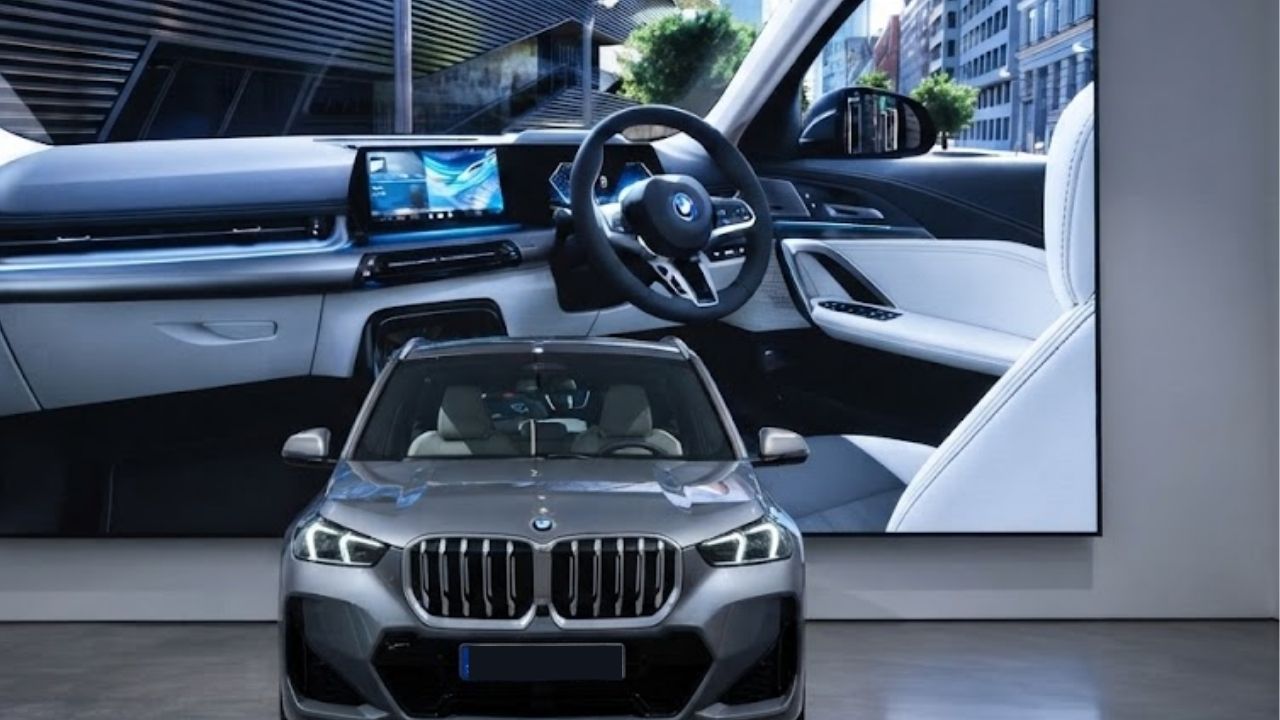
Its direct rival, the BMW X1, starts close by at roughly ₹50.9-54.3 lakh depending on variant — this is genuinely a head-to-head fight, not a Mercedes-only lane.
Mercedes-Benz C-Class — the step-up once the promotion lands
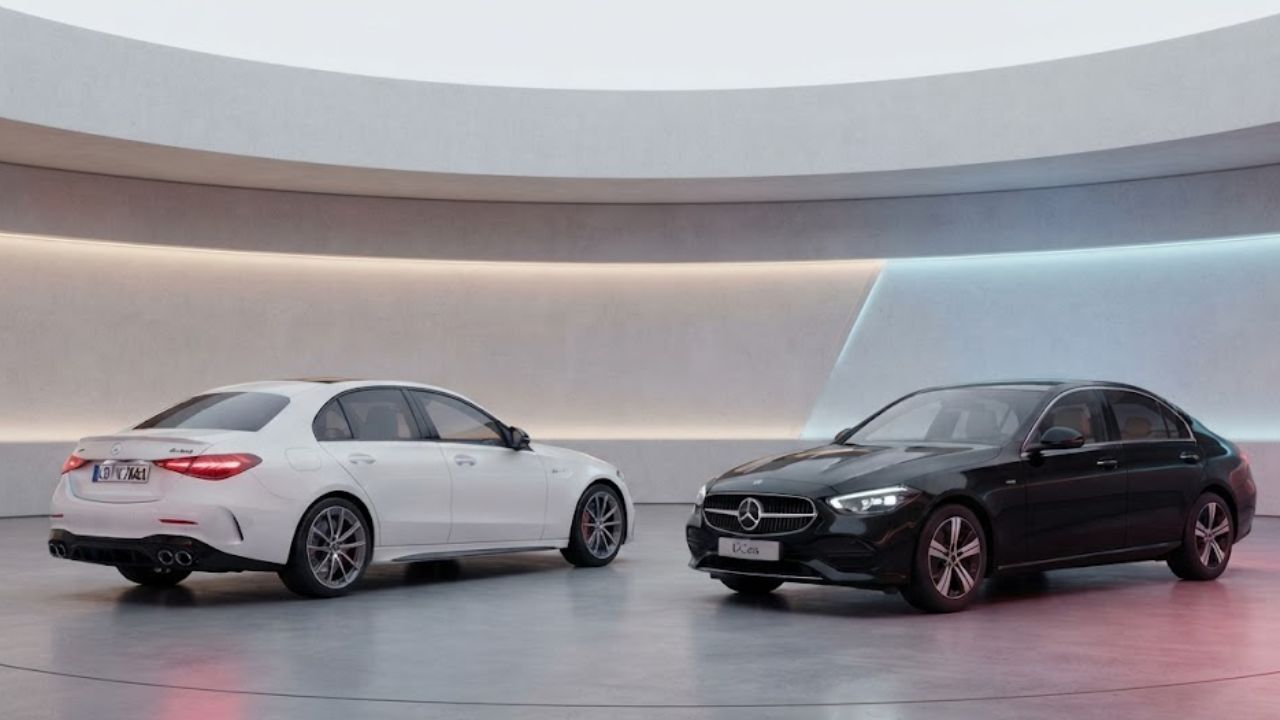
After the entry level GLA, Mercedes-Benz C-Class comes at a slightly higher price with ₹61—₹67 lakh ex-showroom. It offers 0.2L more litres to the petrol engine to give 201bhp and 300Nm of powerful performance.
The other variant — C220d gets a 2.0-litre turbo-diesel which produces less power (197bhp) but giving more torque of 440Nm. This is something else entirely of C-Class C220d, making it the most selected variant in the showroom. Both with a 48V mild-hybrid boost and a 9-speed automatic.
Inside, it gets an 11.9-inch vertical MBUX touchscreen, a 12.3-inch digital driver display with a fingerprint scanner, a Burmester sound system, augmented-reality navigation, and the same ADAS suite as the larger cars.
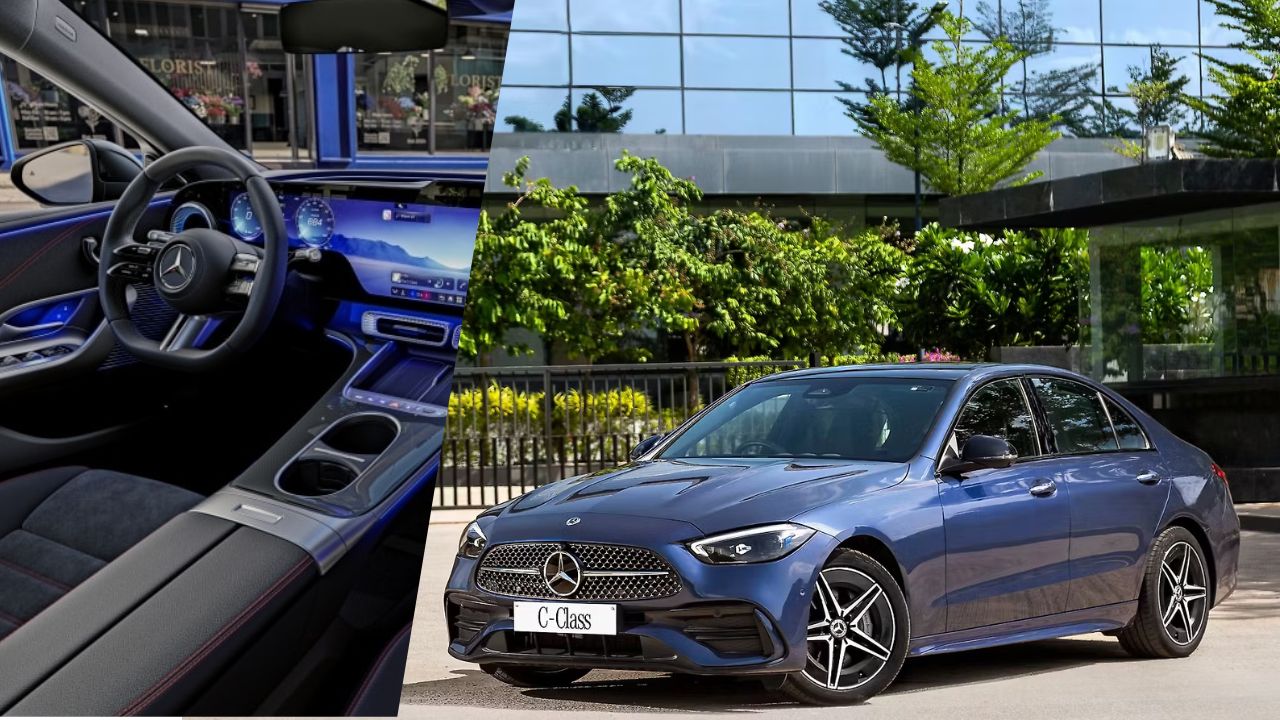
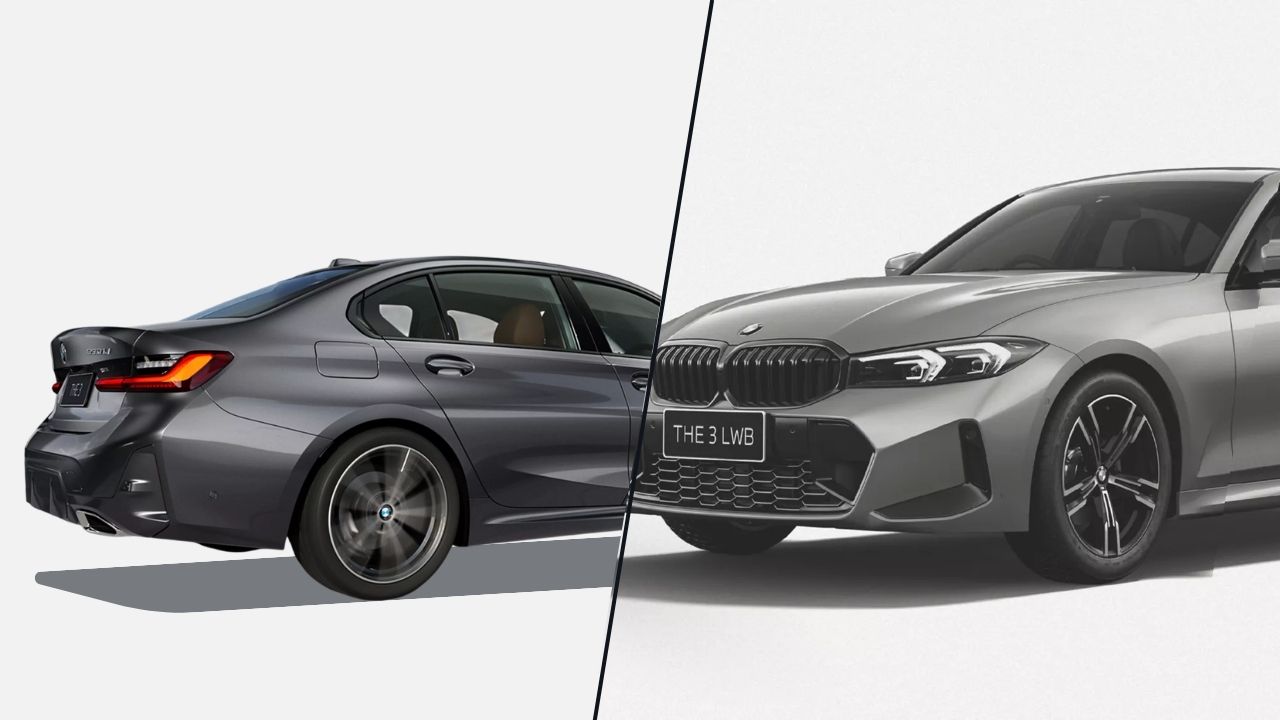
Its natural rival, the BMW 3 Series Gran Limousine (LWB), sits close at ₹62-63.5 lakh — again, a genuine cross-shop rather than a runaway win for either brand.
For buyers who cross into the ₹80 lakh-plus band, the E-Class (from roughly ₹80 lakh) and the newly launched all-electric CLA — which reportedly sold out within days of its India launch are where the conversation shifts next, but the GLA and C-Class remain the two Mercedes Cars actually closing deals with salaried, first-time luxury buyers.
Read More 👉 New Tata Safari EV Triple Screen Dashboard Spied – Launch Soon
Mercedes vs BMW: The Comparison That Matters
| Mercedes GLA | BMW X1 | Mercedes C-Class | BMW 3 Series LWB | |
| Ex-showroom price | ₹51.80 lakh | ~₹50.90 lakh | ₹61.20 lakh | ₹62-63.50 lakh |
| Entry engine | 1.3L turbo-petrol, 163PS | 2.0L turbo-petrol/diesel | 1.5L turbo-petrol, 201bhp | 2.0L petrol/diesel |
| Positioning | Entry SUV, first Mercedes | Entry SUV, first BMW | Core sedan | Core sedan |
| Standout strength | MBUX tech, brand pull | Sharper driving dynamics | Rear-seat comfort, S-Class styling | Driver-focused handling |
Neither brand wins outright at this price point — it comes down to whether you want Mercedes’ comfort-and-prestige lean or BMW’s sportier calibration, and increasingly, whichever dealer offers the better finance package on the day you’re ready to sign.
Run The Numbers Before You Buy Any Car
Mercedes Cars on EMI is a lifestyle decision disguised as a purchase decision, and it’s worth treating it that way. Run the numbers before the showroom visit, not after — a ₹51.80 lakh GLA at 15% down and a 6-7 year loan puts you in the ₹75,000-90,000 monthly EMI range depending on your bank’s rate, which only makes sense if that’s comfortably under 25-30% of your take-home pay, not a stretch to the edge of it.
The Star Agility buyback scheme is genuinely useful insurance against depreciation, but read the buyback terms on kilometres and condition before you count on that number.
And if your job security is anything less than rock-solid, a step-up EMI that gets more expensive in years three and four is a bet on your own career trajectory — a reasonable bet for many people in this income bracket, but a bet all the same, not a guarantee.
Read More 👉 Top 10 MUVs in India: August 2026 Sales, Waiting Period and Easy Finance Option
Conclusion
The Mercedes Cars — GLA and C-Class are genuinely well-built, well-equipped cars at their price points — that part isn’t hype. Whether they’re the right call for a salaried Indians comes down to whether the EMI is funding a want you’ve priced honestly, or a status purchase you’re rationalizing with a spreadsheet.
