0

Rolls Royce Unveils Custom Car Using Sea Snail Shells 

Published Sep 22, 2026, 1:03 PM
Last Updated Sep 26, 2026, 8:43 AM

The Phantom Extended

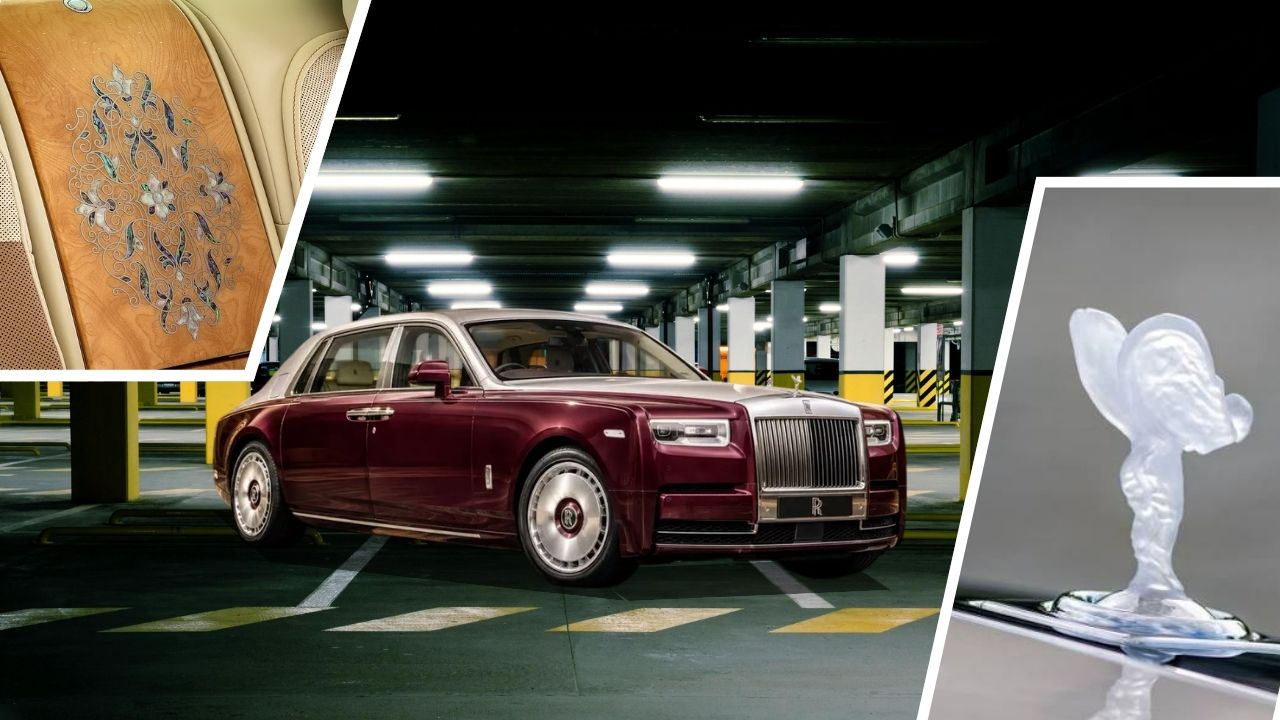
Rolls Royce is not just a luxury car brand, the authenticity of their work is remarkable. The Phantom Hummingbird, revealed in September 2026, is a one-off Private Commission built on the long-wheelbase Phantom Extended, and the first Rolls Royce with marquetry made from abalone, a marine snail with an iridescent shell. 

A Dubai client ordered it as a tribute to his wife. The shells aren’t the bodywork, and you can’t buy this car. But it shows what a ₹10-crore-plus Phantom actually is. Cut a shell 0.06 mm larger than its final size, then sand it by hand until it vanishes into the piece beside it. That is how a hummingbird ended up inside the newest Rolls Royce. 

How Rolls Royce Used the Sea Snail Shells

Rolls Royce took the blue-green pearly inner surface of abalone shells and combined it with mother-of-pearl to imitate a hummingbird’s feathers. The craftspeople used a decorative marquetry technique, where small pieces of abalone shell were carefully cut and fitted together to create a design on the rear picnic tables and the “Waterfall” panel. Ash burr veneer covers all three panels, while the picnic tables use silver birch taken from a single log. One report counts 53 shell pieces in the hummingbird and 84 in the flowers. 

Rolls Royce Used the Sea

Outside, the car wears a two-tone Wildberry and White Sands finish, a hand-applied White Sands coachline and a hummingbird painted along the flanks. The rest of the cabin uses Creme Light leather with Moccasin and Tan inserts, and Seashell carpets.

Why a Few Panels Took Nine Months

Abalone is unusually fine and brittle, and that is why this took so long. The design took over nine months to develop, through six iterations. The fix was to thin the pearl and abalone first, so each fragment could be set gently and then lacquered. Fitting and finishing the three panels then took 45 hours, roughly half of it spent on finishing touches. Rolls Royce says the hummingbird’s wings needed a human hand to get a fit with no visible seam.
Rolls Royce

Rolls Royce has form here. The brand has painted the Milky Way onto a headliner, commissioned an interior from designer Iris van Herpen, and even fitted a gold bar in a centre console. Wallpaper compared these commissions to one-off superyacht builds, where every detail is effectively a prototype.

Read More 👉   New Tata Safari EV Triple Screen Dashboard Spied – Launch Soon

The Phantom Extended Specification and Pricing

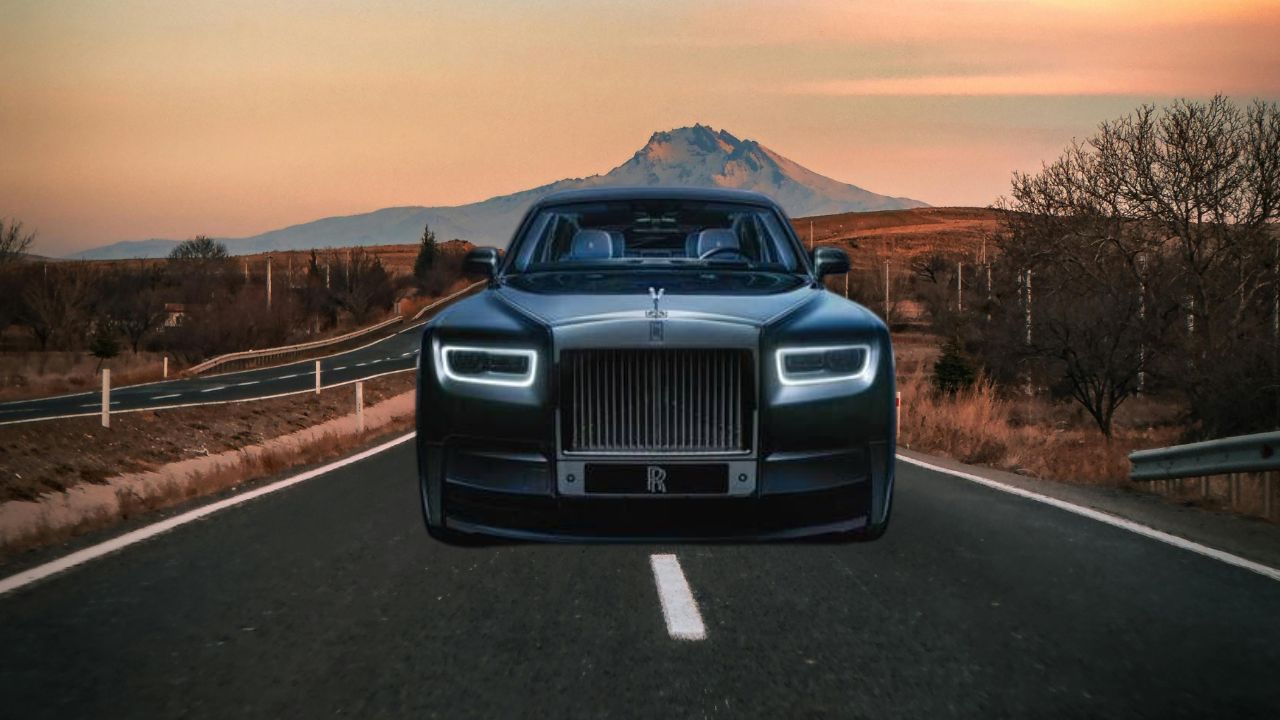
The Phantom Hummingbird specially designed in a 5,982 mm long body with a 3,772 mm wheelbase. The outstanding 563 bhp power comes from a 6.75-litre twin-turbo V12 engine and given 900 Nm torque makes a Phantom limitless on the road. It runs on a rear wheel drive through an 8-speed ZF automatic by reaching from 0 to 100 km/h in just 5.3 to 5.4 seconds.

The Phantom Extended

Phantom price starts at ₹8.99 crore in India where the Extended Wheelbase comes at a higher price up to ₹10.48 crore ex-showroom. The Phantom Hummingbird price is not published by Rolls Royce. Mileage figures vary by site, from about 7 kmpl to 9.8 kmpl, so be skeptical of any single number. No one buying this car is doing the fuel maths anyway.

Rolls Royce Phantom Extended vs Maybach S 680 and Bentley Flying Spur

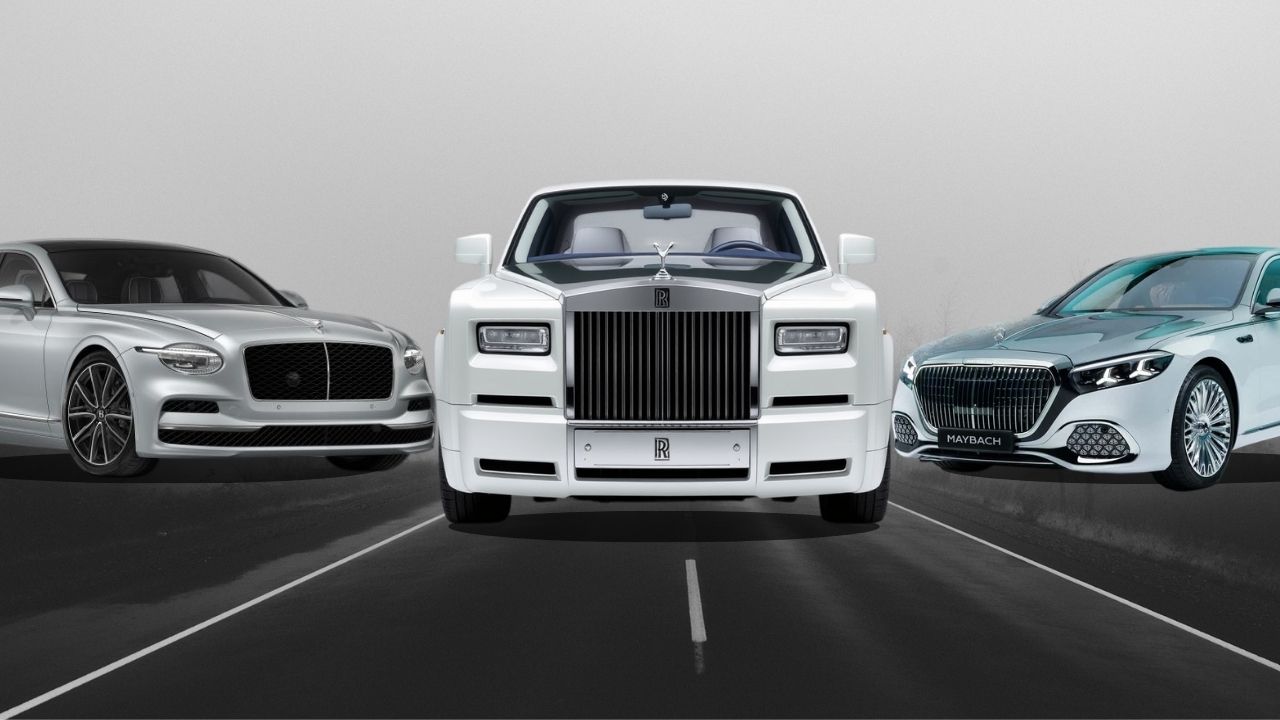
The Phantom’s real rival is the Mercedes-Maybach S 680 which runs on a 6.0-litre turbo V12 engine that costs ₹3.43 crore ex-showroom, so it’s about a third of the Extended’s price. The Maybach S 680 is 376 mm shorter than the Phantom Extended’s, the wheelbase is 3,396 mm. It offers the similar V12 and a chauffeur-friendly rear seat but the creativity and design of Hummingbird is something else.
Rolls Royce Phantom

The Bentley Flying Spur starts at ₹5.25 crore ex-showroom. Its Indian range now includes a V6 hybrid making 410 bhp and 550 Nm, and Bentley has dropped its W12 globally. It is a more driver-focused choice, while the Maybach puts rear-seat space and silence first.

Read More 👉   Top 10 MUVs in India: August 2026 Sales, Waiting Period and Easy Finance Option

Conclusion

The Phantom Hummingbird is less about the car itself and more about what Rolls-Royce is willing to do for a single customer. Using tiny pieces of abalone shell, matching wood from a single log and spending nine months perfecting the design turns an already expensive Phantom into something closer to a rolling piece of craftsmanship. 

You cannot buy this exact car, but the Hummingbird shows why a Rolls-Royce Private Commission can sit far beyond the price of a regular luxury car. In this case, the sea snail shells are not a gimmick; they are part of what makes this one-off Phantom impossible to replicate. 

Alok Kabir

Alok is an experienced SEO Specialist skilled in blogging and SEO-friendly content creation. He also specializes in Content Optimization and Technical SEO, including website optimization, crawlability, indexing, site speed, and on-page improvements to enhance search rankings and online visibility.

Leave a Reply

Your email address will not be published. Required fields are marked *

0

Rivian R1T vs Ford F-150 Lightning: EV Truck Showdown 2025

Published Jul 24, 2025, 10:11 AM
Last Updated Apr 13, 2026, 12:22 PM

Rivian R1T vs Ford F-150 Lightning

Elеctric vеhiclеs arе gеtting bеttеr еvеry yеar. Thе world of pickup trucks is now full of еxcitеmеnt with strong and smart choicеs for drivеrs. In 2025, two еlеctric trucks stand out from thе rеst. Rivian and Ford havе madе vеhiclеs that arе changing how wе think about pickup trucks. Today, wе еxplorе thе showdown: Rivian R1T vs Ford F-150 Lightning.

What Makеs Thеsе Trucks Spеcial?

Both thе Rivian R1T and Ford F-150 Lightning arе big and powеrful trucks. Thеy do not usе gasolinе. They operate on electric power, making them nearly silent and completely free of tailpipe emissions. Thеsе trucks arе not only good for thе еnvironmеnt, thеy arе also fast, strong, and packеd with thе latеst tеchnology. Thеy arе good for advеnturеs, familiеs, and tough jobs. 

Rivian R1T: Features and Performance

Rivian R1T Features and Performance

Image Credit: Rivian

Thе Rivian R1T stands out with its bold dеsign. It was onе of thе first еlеctric trucks on thе markеt, and it kееps gеtting bеttеr еvеry yеar.

  • Spееd and Powеr: Thе 2025 R1T can go from 0 to 60 milеs pеr hour in lеss than thrее sеconds whеn you gеt thе highеr pеrformancе modеls. Evеn thе basic modеl is quick, rеaching 60 mph in about 4.5 sеconds.
  • Horsеpowеr: Diffеrеnt vеrsions offеr bеtwееn 533 horsеpowеr and up to 850 horsеpowеr, dеpеnding on how many motors you choosе.
  • Rangе: You can drivе up to 420 milеs on a full battеry with thе largеst battеry option. Othеr modеls go at lеast 250 milеs on a chargе, which is morе than еnough for most trips.
  • Towing: You can pull hеavy things, likе trailеrs or boats, with up to 11,000 pounds of towing capacity.
  • Intеrior: Thе R1T is comfortablе insidе. It sеats fivе pеoplе. Thе cabin has lots of tеch likе largе scrееns and smart controls. Thеrе arе cool fеaturеs likе a “gеar tunnеl” for еxtra storagе.
  • Off-Road Skills: Thе R1T is madе for fun advеnturеs. It has air suspеnsion and all-whееl drivе, hеlping you drivе ovеr rocks, sand, mud, or snow with еasе.
  • Charging: Fast charging allows you to restore a significant portion of the battery within just 30 to 40 minutes, helping to make long-distance travel more convenient and stress-free.
  • Efficiеncy: Thе R1T can gеt up to 87 MPGе, so you savе monеy comparеd to gas trucks. 

Ford F-150 Lightning: Features and Performance

Ford F-150 Lightning Features and Performance

Image Credit: Ford

Ford is famous for thе F-150. Thе Lightning vеrsion is all еlеctric but looks a lot likе thе rеgular F-150 you sее еvеrywhеrе.

  • Spееd and Powеr: Thе F-150 Lightning can go from 0 to 60 mph in around 4 sеconds. Somе modеls do it еvеn fastеr. Thе Lightning has up to 580 horsеpowеr.
  • Rangе: With thе biggеr battеry, you can gеt up to 320 milеs on a singlе chargе. Most modеls gеt at lеast 240 milеs.
  • Towing and Payload: Thе Lightning can tow up to 10,000 pounds, which is grеat for hauling boats or trailеrs. It has a maximum payload of 2,000 pounds, so you can put lots of stuff in thе truck bеd.
  • Intеrior: Thе F-150 Lightning sеats fivе pеoplе. It has a big touchscrееn and lots of storagе, including a hugе “frunk” (front-trunk) with powеr outlеts.
  • Spеcial Fеaturеs: Thе Lightning has Ford’s Pro Powеr Onboard systеm. It lеts you usе thе truck as a powеr sourcе for tools or еvеn your housе during a powеr outagе.
  • Charging: You can usе fast chargеrs to rеfill your battеry quickly. Ford has a largе charging nеtwork that makеs travеling еasiеr. 

Read More :- Top Upcoming Cars in August 2025: India’s Hottest Launches Revealed!

Rivian R1T vs Ford F-150 Lightning: Head-to-Head Comparison

Let’s see how these great trucks match up in important areas.

Speed and Power

  • Thе Rivian R1T is thе fastеst. High-еnd modеls zoom to 60 mph in undеr 3 sеconds. That is quickеr than most sports cars. Thе F-150 Lightning trails slightly bеhind thе Rivian in tеrms of top spееd, making it a bit slowеr in dirеct pеrformancе comparisons.
  • Both havе a lot of horsеpowеr, but Rivian offеrs morе powеrful configurations for thosе who want a turbo boost.

Battery Range

  • Rivian gives you a longer range option. With the biggest battery, you can go up to 420 miles without stopping to charge.
  • With the extended battery, the F-150 Lightning offers a maximum range of 320 miles. For everyday use and commute, both trucks have more range than needed.

Towing and Payload

  • Rivian R1T can tow a heavier load, up to 11,000 pounds. This is great for people who need to pull heavy things.
  • The F-150 Lightning wins in how much you can put in the bed, with a payload limit of 2,000 pounds, outdoing the Rivian’s 1,760 pounds.

Charging

  • Both support fast charging. Rivian takes about 30–40 minutes (10%–80% charge). Ford’s Lightning can get from 15% to 80% in about 36 minutes.
  • Ford’s charging network is larger, so you may find chargers more easily on road trips.

Interior and Technology

  • The R1T interior feels modern and unique. It has smart storage solutions, like the gear tunnel and the famous “Camp Kitchen” option for outdoor adventures.
  • Ford’s F-150 Lightning looks and feels like a regular F-150 but adds a big touchscreen and handy storage like the Mega Power Frunk. Ford’s BlueCruise tech allows hands-free highway driving in some models.

Off-Road and Everyday Use

  • Rivian is designed for adventure. It has special drive modes and high ground clearance.
  • The Lightning is made for work and daily life. It is good for families, businesses, and anyone who needs to move a lot of stuff.

Safety Features

Both trucks come with many safety features. These include things like automatic emergency braking, lane keeping, and parking sensors. 

Price and Value

Prices for these trucks depend on trim and options:

Rivian R1T Price and Value

Image Credit: YouTube

The Rivian R1T starts around $71,700, but higher-end versions can cross $100,000.

Ford F-150 Price and Value

Image Credit: Ford

The F-150 Lightning starts close to $63,000, with top trims costing more.

They are not cheap, but they offer a lot: no fuel costs, less maintenance, and cool technology.

Conclusion

Elеctric trucks arе thе futurе. Thе Rivian R1T vs Ford F-150 Lightning is a battlе of thе bеst. Both arе strong, smart, and еxciting. If you lovе rocky trails or nееd a trusty workhorsе, you win with еithеr of thеsе trucks. Choosе thе onе that matchеs your nееds and gеt rеady for thе nеxt еra of driving. 

0

Top 10 Cheapest Electric Cars in India (2025) – See Which EV Tops the List!

Published May 19, 2025, 7:11 AM
Last Updated May 20, 2025, 6:18 AM

Top 10 Cheapest Electric Cars in India (2025) – See Which EV Tops the List!

India is steadily shifting toward a cleaner and greener future. With fuel prices going up year after year, more and more people are showing interest in electric cars as a smarter, eco-friendly choice. These cars help save money and protect the environment. But still, many people ask, Which is the cheapest electric car in India?

In 2025, we finally have many affordable electric cars in India. In this article, I have listed the top 10 cheapest electric cars in India in 2025. All the cars in this list cost under ₹15 lakhs (ex-showroom). I will tell you the features, battery range, price, and why they are worth buying. Let’s begin!

1. MG Comet EV – Compact and Stylish

MG Comet EV – Compact and Stylish

Image Credit: MG Motors

If you live in a city and need a small car, the MG Comet EV is perfect. It was launched on April 26, 2023. It is only 2,974 mm long, which means you can park it easily in tight spots. It has two 10.25-inch screens and a smart voice system that understands Hinglish. You can even use an app to lock your car from your phone. I think it’s great if you want a tech-friendly and cheap EV.

  • Price: ₹7.00 lakh
  • Range: 230 km
  • Battery: 17.3 kWh
  • Seating: 4
  • Power: 41 bhp / 110 Nm

2. Baojun E100 – Tiny But Powerful

Baojun E100 – Tiny But Powerful

Image Credit: New Atlas

The Baojun E100 is the smallest EV in this list. It’s only 2,488 mm long. It is best for single people or couples. It is simple but has everything you need for a daily city ride. It has smooth electric steering and LED lights. It’s a good option if you want something small and budget-friendly. And yes, this one answers your question — which is the cheapest electric car in India?

  • Price: ₹6.50 lakh
  • Range: 155 km
  • Battery: 14.9 kWh
  • Seating: 2
  • Power: 39 bhp / 110 Nm

3. Tata Tiago EV – Reliable and Trusted

Tata Tiago EV – Reliable and Trusted

Image Credit: Tata Motors

On 28 September 2022, Tata Motors launched the Tiago EV. It is a small hatchback with a strong car body. It has stylish looks and many color options. The ZConnect app lets you control the AC from your phone. It also supports smartwatch connection. I recommend it for families who want a strong EV.

  • Price: ₹7.99 – ₹11.89 lakh
  • Range: 250 to 315 km
  • Battery: 19.2 kWh / 24 kWh
  • Seating: 5
  • Power: 60 bhp / 110 Nm and 74 bhp / 114 Nm
  • Safety Rating: 4 stars (Global NCAP)

Read Also : BMW X5 vs Audi Q7: 2025 Feature, Comfort & Tech Comparison Guide

4. Mahindra eKUV100 – Small SUV Feel

Mahindra eKUV100 – Small SUV Feel

Image Credit: EV Duniya

This car looks like a mini SUV. The Mahindra eKUV100 comes with remote controlling features such as tracking and cabin pre-cooling. If you like Mahindra and want an SUV-style electric car under ₹9 lakh, this is for you.

  • Price: ₹8.25 lakh
  • Range: 147 km
  • Battery: 15.9 kWh
  • Seating: 5
  • Power: 54 bhp / 120 Nm

5. Mahindra eVerito – Budget Electric Sedan

Mahindra eVerito – Budget Electric Sedan

Image Credit: The Financial Express

The eVerito is one of India’s first electric sedans. It has a simple design with a big 510-litre boot space. It supports Eco and Boost drive modes. If you want a basic electric sedan for daily use, this can work for you.

  • Price: ₹9.12 – ₹9.46 lakh
  • Range: 110 km
  • Battery: 18.5 kWh
  • Seating: 5
  • Power: 41 bhp / 91 Nm

6. Tata Punch EV – Small SUV with Style

Tata Punch EV – Small SUV with Style

Image Credit: Tata Motors

Launched on 5 January 2024, Tata Punch EV is India’s first Gen 2 EV. This electric vehicle is based on the Acti.ev platform. It has a split headlight and new alloy wheels. Tata Punch EV comes with two 10.25-inch screens and a 360° camera. It feels modern and stylish. I think this is the best option if you want a micro-SUV that is safe and smart.

  • Price: ₹9.99 – ₹14.29 lakh
  • Range: 315 km
  • Battery: 24 kWh
  • Seating: 5
  • Power: 74 bhp / 114 Nm
  • Safety Rating: 5 stars (Bharat NCAP)

7. Citroën eC3 – French Style in Budget

Citroën eC3 – French Style in Budget

Image Credit: Citroen

Citroën launched the eC3 in India on February 27, 2023. It looks like its petrol version but has electric power inside. Citroen efficiently supports wireless Android Auto and Apple CarPlay. It also lets you track your car using the Citroën Connect app. It gives a smooth driving experience.

  • Price: ₹11.61 – ₹13.35 lakh
  • Range: 320 km
  • Battery: 29.2 kWh
  • Seating: 5
  • Power: 56 bhp / 143 Nm

8. Tata Tigor EV – Safe Sedan

Tata Tigor EV – Safe Sedan

Image Credit: Tata Motors

Tata Tigor EV: This sedan was launched in August 2021. It looks premium and comes with blue accents. It has many comfort features. It comes with a 7-inch screen and climate control. The app helps in remote lock, tracking, and checking car health. If you want a safe sedan, go for this.

  • Price: ₹12.49 – ₹13.75 lakh
  • Range: 315 km
  • Battery: 26 kWh
  • Seating: 5
  • Power: 74 bhp / 170 Nm
  • Safety Rating: 4 stars (Global NCAP)

9. Tata Nexon EV – Most Popular Choice

Tata Nexon EV – Most Popular Choice

Image Credit: Tata Motors

The Nexon EV is one of the best-selling electric cars in India. It is strong, spacious, and stylish. It comes with a closed grille and bold design. It supports ZConnect, climate control, and smart parking features. I think this is best for people who want more range and comfort.

  • Price: ₹14.74 – ₹19.99 lakh
  • Range: 325 to 465 km
  • Battery: 30.2 kWh / 40.5 kWh
  • Seating: 5
  • Power: 127 bhp / 245 Nm
  • Safety Rating: 5 stars (Bharat NCAP)

10. Mahindra XUV400 – Power Packed SUV

Mahindra XUV400 – Power Packed SUV

Image Credit: Mahindra

The XUV400 is Mahindra’s first electric SUV. It looks modern with projector headlamps and a two-tone color option. It also has 60+ connected features. If you want a bigger SUV and can spend a bit more, this is worth checking out.

  • Price: ₹15.49 – ₹19.39 lakh
  • Range: 375 to 456 km
  • Battery: 34.5 kWh / 39.4 kWh
  • Seating: 5
  • Power: 148 bhp / 310 Nm

Final Words: Which One Should You Pick?

If you want to know which is thе chеapеst еlеctric car in India, thе Baojun E100 and MG Comеt EV arе thе chеapеst in 2025. Thеy arе compact, pеrfеct for city drivеs, and savе a lot of fuеl monеy. If you nееd morе spacе and safеty, go for Tata Tiago EV, Punch EV, or Nеxon EV.

Elеctric cars arе not just good for thе еnvironmеnt, thеy also hеlp you savе in thе long run. I hopе this list hеlps you choosе thе bеst onе for your nееds and budgеt.


0

Top 10 Cars of H1 FY27: Maruti Fills Six Slots, Tata Punch Steals the Growth Story

Published Oct 22, 2026, 12:32 PM
Last Updated Oct 24, 2026, 11:45 AM

Top 10 Cars

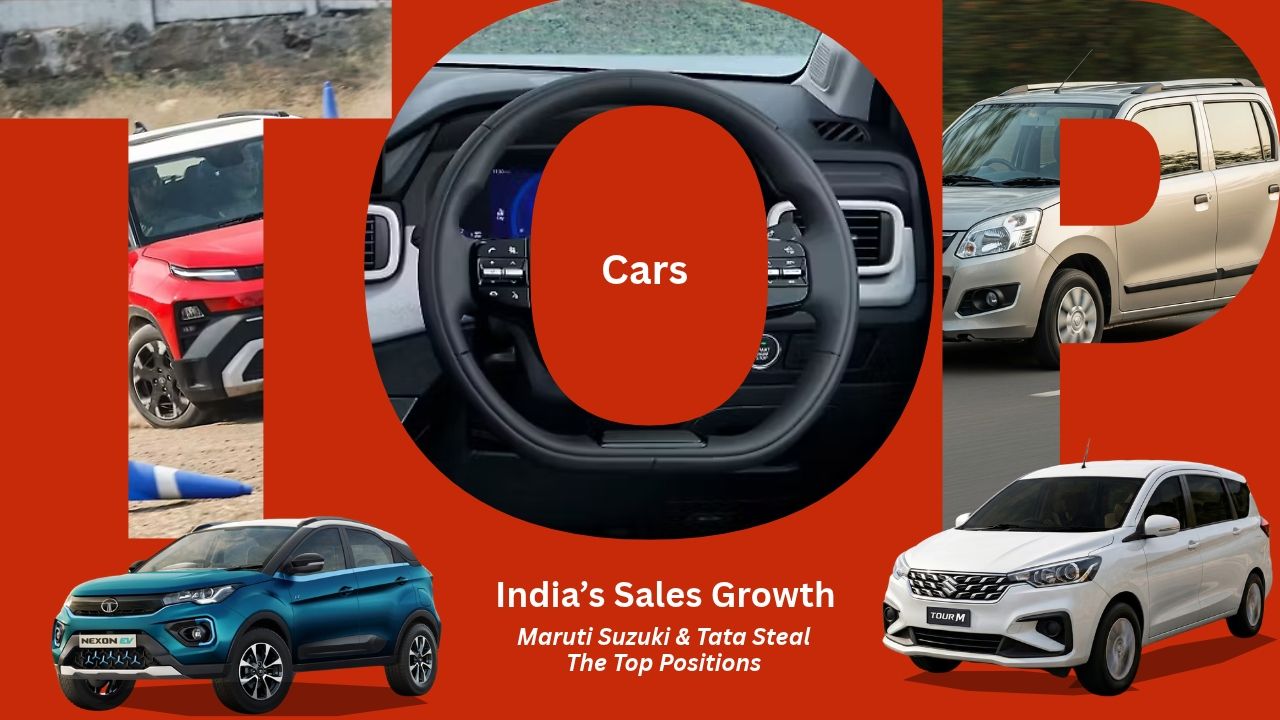
Two cars separated by 2,701 units led India’s sales chart in the first half of FY27, and one of them was a far smaller player a year ago. The top 10 cars of April to September 2026 sold 11,01,031 units, up 27.13% from 8,66,070 in the same period last year. The Maruti Suzuki Dzire finished first with 1,25,988 units. The Tata Punch, which sold 73,455 in H1 FY26, closed at 1,23,287.

Top 10 Cars in H1 FY27 

Rank Model H1 FY27 H1 FY26 YoY
1 Dzire 1,25,988 1,08,006 16.65%
2 Punch 1,23,287 73,455 67.84%
3 WagonR 1,16,029 84,942 36.60%
4 Ertiga 1,12,557 93,214 20.75%
5 Nexon 1,11,919 89,557 24.97%
6 Fronx 1,10,135 76,805 43.40%
7 Swift 1,09,332 84,123 29.97%
8 Baleno 1,08,569 71,989 50.81%
9 Scorpio (incl. Scorpio N) 93,488 84,634 10.46%
10 Creta 89,727 99,345 -9.68%

Positions three to eight are packed. The Fronx, Swift and Baleno finished within 1,566 units of each other, so a good month for any one of them reshuffles the middle of the table.

How Maruti Suzuki Took Six of The Top Eight Places

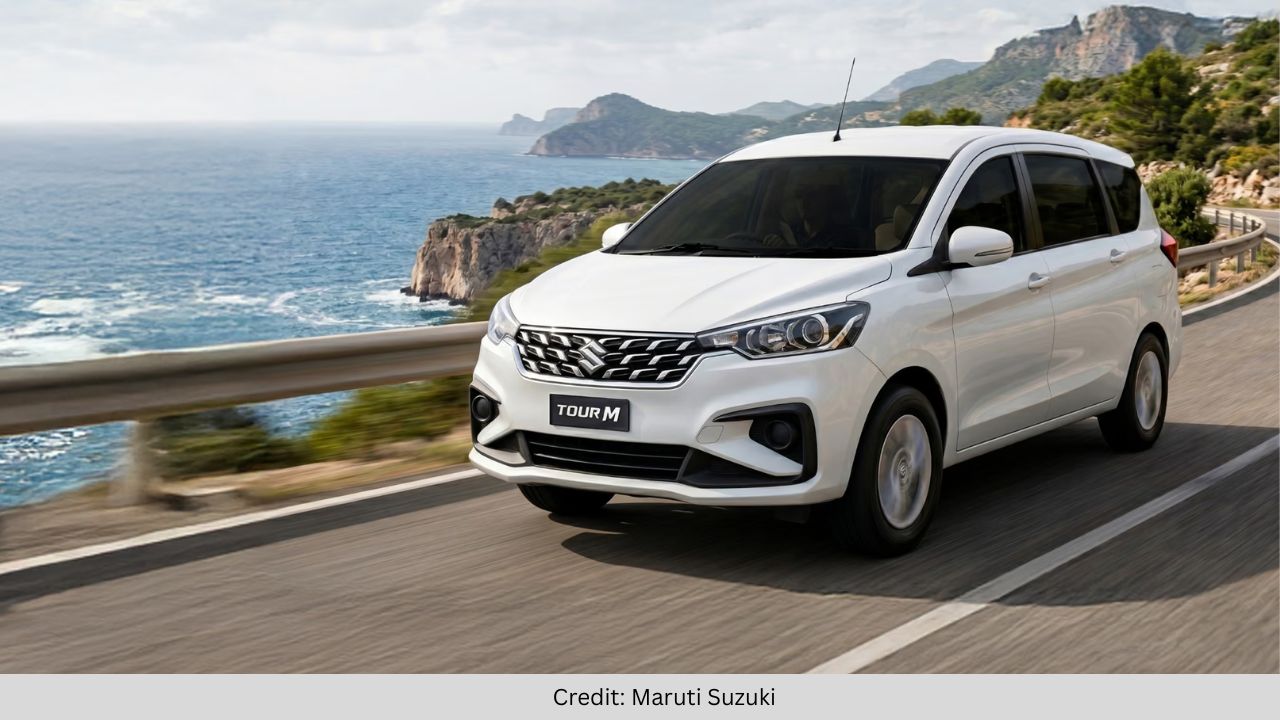
Maruti holds most positions in the Top 10 Cars ranking with its top models like Dzire, WagonR, Ertiga, Fronx, Swift and Baleno. All six models together sold 6,82,610 units, increasing 62% sales growth. No other car brand comes near this figure. Maruti takes over in every segment whether its sedan or SUV or hatchbacks, if one body style falls out, there’s another to cover for its sales.

Maruti Suzuki

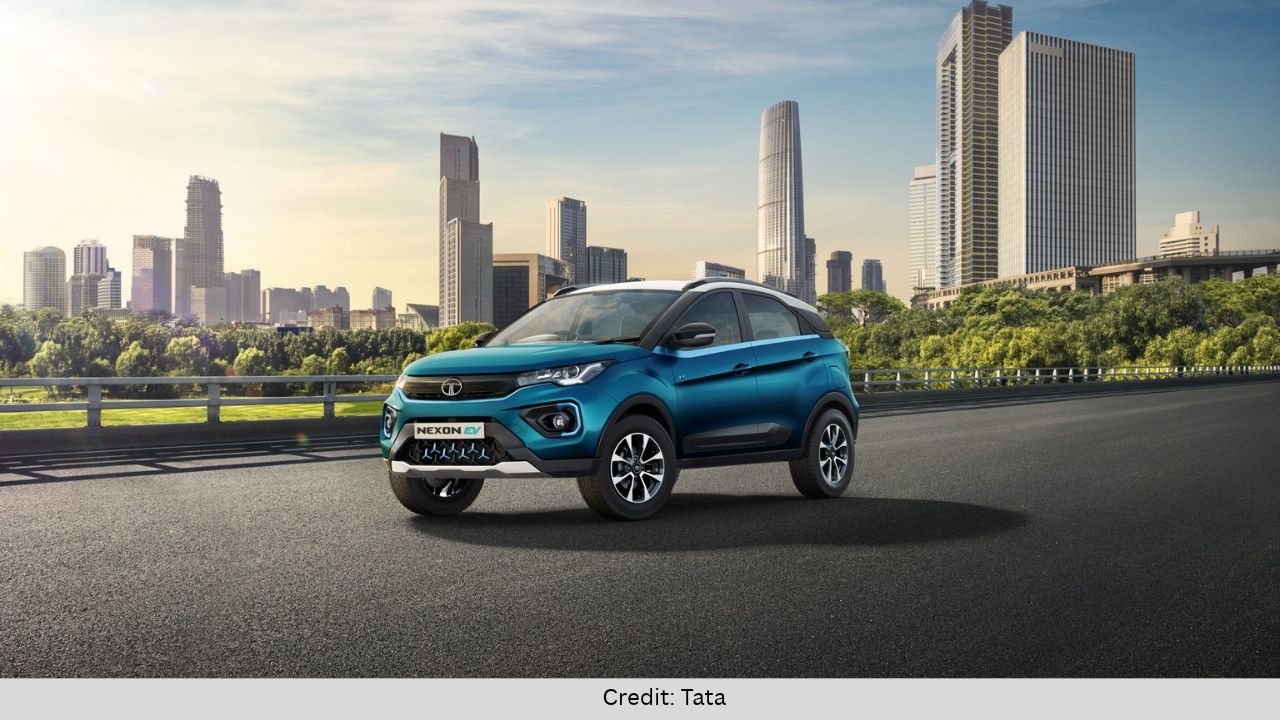
Tata Motors has two entries, the Punch and Nexon, with 2,35,206 units between them, about 21% of the table. Mahindra’s Scorpio and Hyundai’s Creta hold the last two places.

One caution on the Scorpio. The 93,488 units combine the Scorpio Classic and Scorpio N but it flatters the nameplate’s rank compared with single-model entries.

Why Tata Punch Recorded The Highest YoY Gain

The Tata Punch added 49,832 units, a 67.84% jump, the biggest gain in both percentage and absolute terms. It nearly caught the Dzire from a much lower starting base. The January 2026 facelift also helped strengthen Punch to gain its ground. The updated model comes with a turbo-petrol engine option at a price of ₹5.59 lakh (ex-showroom). Tata offers more options such as petrol, CNG and electric versions, which attract every kind of buyer.

The Maruti Suzuki Baleno increased with 50.81% becoming the second-highest selling car. Its sales grew from 71,989 units to 1,08,569 units. The Fronx and WagonR also performed well in the market because both increased with 43.40% and 36.60%, respectively. The numbers are round-off but demand for these Maruti Suzuki models is still strong.

The monthly numbers show momentum shifting. The Tata Punch sales increased by 99% YoY and became India’s best-selling car in August, with 21,320 units sold which shows the demand is higher. The Maruti Suzuki Baleno took over the position with 25,392 units sold and changed the ranking in September, it increased by 93% YoY. 

Tata Nexon

Punch came in third position with 20,333 units, recording 28% year-on-year growth and the second position is filled by the Tata Nexon. Monthly figures are dispatched from factories to dealers, so they track retail sales only loosely. Punch’s growth is slowing partly because last year’s base has caught up.

Dzire vs Punch vs Fronx: Which One Should You Buy?

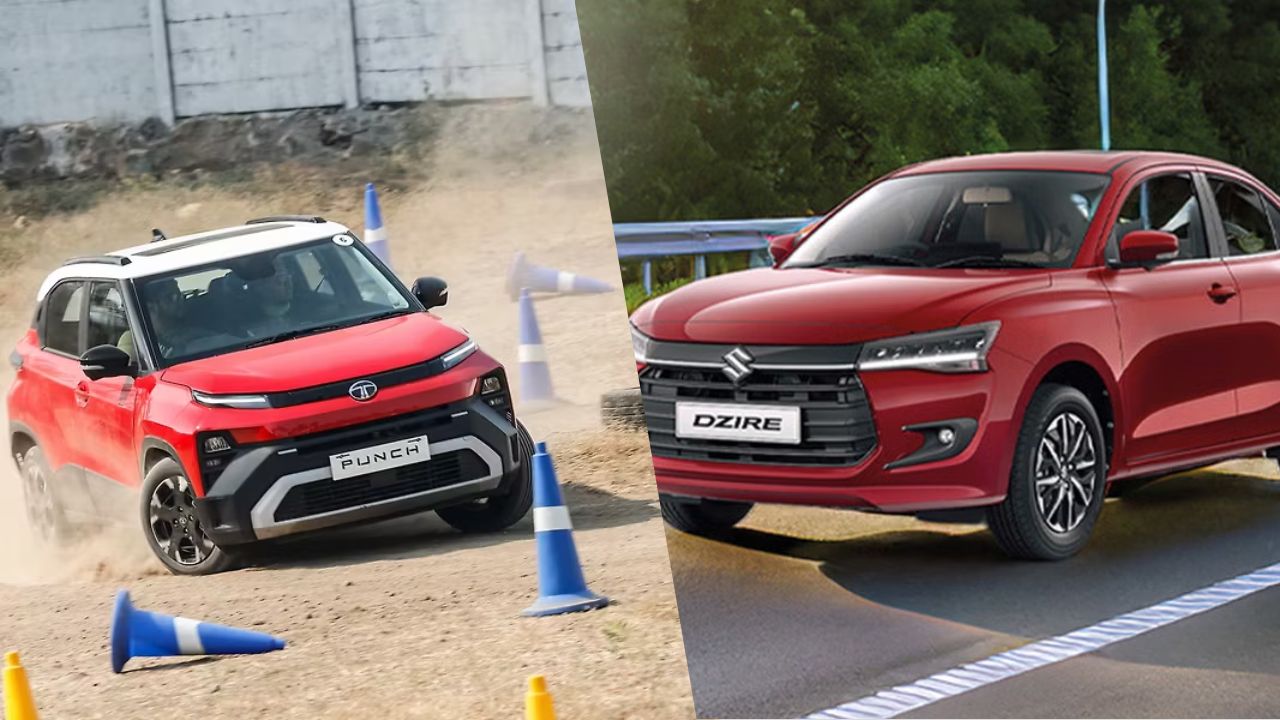
The top two cars are different kinds of vehicle, so the Top 10 Cars chart can’t tell you which suits you.

The Dzire is the sensible pick for a family that wants a sedan with low running costs. It is a 1.2-litre three-cylinder petrol, with a CNG version, and starts around ₹6.26 lakh. Its claimed mileage is in the mid-20s kmpl on petrol. Choose it for efficiency and a proper boot.

The Punch is the pick if you want an SUV’s seating height and ground clearance at hatchback money. It starts at ₹5.59 lakh and gives you more powertrain choices than the Dzire, including an EV. The trade-off is a smaller boot than a sedan offers.

Dzire vs Punch

The Fronx costs more, from about ₹6.85 lakh, but offers a 1.2-litre petrol and a 1.0-litre turbo-petrol. It sold 1,10,135 units against the Punch’s 1,23,287. Buy it over the Punch if you want a coupe-style roofline and more punch from the turbo engine, and accept paying about ₹1.3 lakh extra at the entry level.

The Nexon, starting around ₹7.40 lakh, is the step up. It sits fifth, up 24.97%, and it was second in September, so Tata’s mid-size SUV isn’t fading as the Punch rises.

The Creta was the only model to shrink: 89,727 units, down from 99,345 (-9,618 units, -9.68%). The reason for the drop is still unconfirmed from the officials. A single half-year doesn’t make a trend, but a 10% fall in a segment that grew 27% overall is worth watching.

Conclusion

If you want the lowest running cost, shortlist the Dzire. If you want an SUV for the least money, shortlist the Punch. Both are within 2,701 units of each other, so sales volume won’t help you choose. Check these Top 10 Cars current ex-showroom prices and festive-season discounts at a dealer before you decide, since both change month to month.

0

Mahindra Bolero Neo 2025 – Latest Price in India, Variants, Mileage and Key Features

Published Nov 4, 2025, 7:13 AM
Last Updated Apr 22, 2026, 11:51 AM

Mahindra Bolero Neo 2025

For the Indian buyer, eyeing a reliable SUV but not willing to pinch too many pockets, the Mahindra Bolero Neo was always the safe bet. With the 2025 overhaul, the Indian manufacturer has given the thick-skinned little workhorse a new lease on life while retaining its basic characteristics. If you are in the market for a utilitarian, value-for-money SUV to serve your family or business, here’s all you need to know about the new Bolero Neo. 

Pricing That Won’t Break Your Budget

The 2025 model of the Mahindra Bolero Neo is one of the cheapest cars in its segment owing to the pricing being actually quite aggressive. The Bolero Neo is within reach of middle-class Indian families as it is priced at ₹8.49 lakh for the base N4 variant and goes up to ₹9.99 lakh for the new top-end N11. Ex-showroom prices of the five variants are as follows: 

There are excellent feature upgrades as you move up the ladder without a shocking price jump, thanks to a clever pricing decision. When a budget between ₹9.74 upto ₹11.45 lakh for the N4 and the N11 respectively is considered, that’s what you’ll need to calculate as on-road price (inclusive of insurance, registration and other taxes) based on your location. 

Five Variants to Suit Every Need

Mahindra has segmented the Bolero Neo 2025 into five variants to meet the needs of different buyers: 

Mahindra Bolero Neo Five Variants to Suit Every Need

Credit: autoMahindra

N4(₹ 8.49 lakh): The no-nonsense all-rounder starting point hero. With halogen headlamps, fabric upholstery, power steering, manual air conditioning, dual airbags with ABS and steel wheels, it is indeed a practical machine. Perfect for one who likes practicality over indulgence.    

N8 (₹9.29 lakh): The N8 is a rung above the base variant and introduces four speakers, a basic infotainment system, steering-mounted controls, a rear wiper and defogger, plastic wheel caps and wheel arch cladding.  

N10 (₹9.79 lakh): Now, the starts to get interesting. This mid-level variant has some modern styling elements such as chrome strips, 16-inch alloy wheels, LED DRLs and a unique spoiler. It offers front armrests, a substantial 9-inch touchscreen infotainment along with a 6-speaker Sony sound system and much more comfort. 

N11, or ₹9.99 lakh: The newly introduced N11 is the new flagship, which brings high-end features that allow it to compete against much pricier SUVs. It brings some features and styling to the N10. 

The top of the line N10(O) (₹10.49 lakh) with mechanical locking differential and other performance centric enhancements is also the highest priced variant in the standard Bolero Neo range. 

Engine and Performance: Proven Reliability

Mahindra Bolero Neo Engine and Performance Proven Reliability

Credit: autoMahindra

The 1.5-litre mHawk100 diesel engine that powers the vehicle has been refined over years of real-world serve on Indian roads. This 3-cylinder turbocharged motor makes 100 hp and 260 nm of torque. It gets a slick five-speed manual gearbox. 

It was specifically developed for Indian roads. The mHawk100 marries efficient combustion with impressive low end torque output, vital for running in city traffic and over craggy mountain terrain. This equilibrium can be felt in the ability of the Neo to take on stop-start urban traffic and cruising on the open road without ever feeling underpowered. 

Read More:-  Affordable CNG Cars Under 20 Lakhs in India

Fuel Efficiency That Actually Matters

Fuel economy of the Bolero Neo is a real attraction point in a day and age when the cost of gas looks like going up every other week. Your mileage may vary based on driving habits and road conditions but ARAI certified 17.29 km/l can deliver 16-17 km/l on highway and 13-15 km/l in city. With a 50-litre fuel tank, you can go for more than 800 kilometres on a full tank, which is great for long road trips as you don’t have to stop for filling up frequently. 

Design: Modern Yet Unmistakably Bolero

Mahindra Bolero Neo Design Modern Yet Unmistakably Bolero

Credit: autoMahindra

The Bolero Neo 2025 smartly tweaks and does not radically reinvent itself. The redesigned front facial now sports a horizontal chrome slatted grille that looks sleek and modern which makes the Neo look more sophisticated. The new 16-inch dark-grey alloy wheels enhance the look instantly and the new bumpers are fitted with silver skid inserts adding to the rugged aesthetic. 

Conclusion

The 2025 Mahindra Bolero Neo remains an embodiment of utilitarian, reliable and tough appeal in the compact SUV space. Powered by a refined mHawk100 diesel engine, offers great mileage and comes in a feature-packed variants range, it really offers the perfect combination of value for money and performance. Mahindra has found a way to bring the Bolero Neo into the 21st century without compromising its DNA – a tough, plain-vanilla SUV made for both cities and villages. 

0

Volvo XC90 vs Audi Q7: Price, Features, Performance & More Compared!

Published Jun 5, 2025, 5:43 AM
Last Updated Apr 22, 2026, 11:38 AM

Many buyers compare the 2025 Volvo XC90 vs Audi Q7. Both are large luxury SUVs with three rows of seats. They have modern designs and tech. They are sold in the US and UK. But there are key differences. We look at price, interior, tech, safety, performance, fuel economy, space, warranty, and more. This guide helps you see the strengths and weaknesses of each.

Pricing of Volvo XC90 vs Audi Q7

Pricing of Volvo XC90 vs Audi Q7

United States

In the US, the Volvo XC90 starts around $59,745 for the base model. Volvo also sells higher trims (Plus, Ultra) up to about $68,245. The Audi Q7 starts slightly higher in price. Its base Premium trim has an MSRP around $61,795 (the Q7 Premium Plus and Prestige trims cost more). In general, the Audi Q7 costs a bit more than the Volvo at entry level in the US.

United Kingdom

In the UK, the starting price for the base Volvo XC90 Core trim is around £63,790. Volvo’s RRP range goes up to around £84,260 for top trims. The Audi Q7 in the UK starts at about £71,525 OTR for the S line trim. Audi also offers higher levels (e.g. Vorsprung over £94,000). 

Interior Features of Volvo XC90 and Audi Q7

The Volvo XC90 interior is clean and modern. It has a large portrait-style touch screen (11.2 inches) in the center. The cabin features clean, simple lines and is built with high-quality materials. Volvo even uses eco-friendly seat fabrics (Nordico textile) in some models. The XC90 seats up to 7 people. The second row has three seats that slide and recline, giving good knee and headroom. 

The third row is smaller, best for children or short trips. Volvo’s Core trim includes Google-based services and driver aids built in (like adaptive cruise control and blind-spot warning). Higher trims add nicer sounds and lighting. One drawback: some reviews note that the XC90’s infotainment can feel dated and it lacks Android Auto support.

The Audi Q7 interior is upscale. It also seats seven (though some models drop the third row). Audi’s cabin has premium leather, nice trims, and a classic layout. A standout feature is the Virtual Cockpit—a fully digital 12-inch display that’s sharp, clear, and easy to customize.

There are multiple screens (including a tablet-style MMI touch screen) and an available head-up display. The Q7’s seats are well-cushioned and roomy. In tests, tall adults fit comfortably in the second row, and the Q7 offers three separate second-row seats that can slide fore and aft. Overall, the Audi interior feels very high-tech and solidly built.

Technology of Volvo XC90 vs Audi Q7

Technology of Volvo XC90 vs Audi Q7

Both SUVs have modern tech, but they take different approaches. The XC90 uses Volvo’s new Android-based system. The XC90 has over-the-air updates for its software, so features can improve over time. It offers wireless Apple CarPlay, but no Android Auto. The touchscreen is large and high-resolution, and many controls are touch-based.

The Audi Q7 uses Audi’s MMI interface. It includes an online navigation system and supports both Apple CarPlay and Android Auto. Audi’s infotainment system is quick to respond and supports voice commands for easy control.

Both vehicles have lots of driver aids: lane-keep assist, blind-spot alert, parking sensors, etc. In summary, Volvo’s tech is centered on Google integration, while Audi focuses on its own polished MMI system with a sharp digital cockpit.

Safety of Volvo XC90 vs Audi Q7

Safety is a strong point for both models. Volvo markets the XC90 as “one of the safest cars on the road”. It comes standard with many safety systems: automatic emergency braking, lane departure warning, blind-spot monitoring, rear cross-traffic alert, and more. 

Volvo often earns top marks in crash testing (though exact 2025 crash ratings are not yet available, the brand has a strong safety reputation).

The Audi Q7 also scores very high on safety. In the United States, the 2025 Q7 earned the IIHS Top Safety Pick+ award. The Audi Q7 also comes with many standard features: blind-spot detection, lane-keep assist, rear automatic emergency braking (per IIHS notes). 

Performance of Volvo XC90 vs Audi Q7

Under the hood, the Volvo XC90 offers two main gas engines (mild hybrids). The base “B5” turbocharged 4-cylinder engine produces around 247 horsepower, and it comes standard with all-wheel drive and an 8-speed automatic transmission. For a hybrid boost, Volvo also offers a T8 plug-in version (not covered here), which boasts significantly higher power. The XC90’s power feels smooth and adequate. It is not meant to be a sports car, but it can still merge and pass with reasonable ease.

The Audi Q7 comes with either a turbocharged 2.0L four-cylinder (badged 45 TFSI) making about 261 hp, or a turbo V6 (55 TFSI) making 335 hp. In fact, Audi claims the V6 model can go from 0 to 60 mph in about 5.5 seconds. 

Even the base 2.0T is no slouch, taking roughly 6.9 seconds to 60 mph in testing. The Q7 delivers power in a smooth and polished way. In general, the Audi feels more powerful and quicker than the XC90, especially in higher trims.

Fuel Efficiency of Volvo XC90 and Audi Q7

Fuel Efficiency of Volvo XC90 and Audi Q7

The Volvo XC90 in gas form has EPA ratings of about 26 mpg combined for the B5 model, and 23 mpg combined for the B6 model. In city/highway terms, the B5 is roughly 23/30 mpg, and B6 is 20/26 mpg. In practice, expect mid-20s in normal driving. The XC90 plug-in hybrid (T8) can drive about 45 miles on electric alone before the gas engine kicks in, which saves fuel on short trips.

For the Audi Q7, EPA combined fuel economy is around 21-22 mpg for the gasoline models (according to recent reviews). Both the 2.0T and 3.0T engines get an average of around 21 mpg combined. 

In general, the XC90 hybrid tends to be slightly more fuel-efficient due to its advanced mild-hybrid tech, especially in city driving, while the Audi’s larger engine means a bit lower mpg. However, both vehicles will not match the fuel economy of much smaller SUVs.

Also Read : Jeep Compass vs Subaru Crosstrek: Which Compact SUV Should You Really Buy in 2025?

Conclusion

The Volvo XC90 vs Audi Q7 debate comes down to priorities. Both are three-row luxury SUVs with strong safety and features. The XC90 stands out for its safety-first design, clean Scandinavian interior, and available hybrid powertrain. It also tends to be a bit less costly. It is roomier when all seats are up and has won top safety honors too. 

For a buyer who values safety and a simple, modern cabin, the Volvo may be best. For someone who wants sportier performance and a more luxury feel, the Audi is a great choice. In either case, both the 2025 XC90 and Q7 offer a premium experience, so it often comes down to which brand and driving style you prefer.