0

Mahindra Announces Global SUV Branding and Logo; XUV700 – Arrival in 2022!

Published Apr 13, 2021, 1:26 PM
Last Updated Aug 13, 2025, 5:29 AM

Mahindra and Mahindra, one of the most successful local automakers in the automotive industry worldwide, have announced where they see the future of the brand. It has unveiled the logo for its highly anticipated and anticipated SUV, the XUV700. Mahindra remains true to its legacy of developing tough, rugged and modern SUVs with the latest generation of internal powertrains. It has changed the game before with the XUV500 and then with the XUV300. Both SUVs have enjoyed great success in our market and continue to do so month after month. In fact, there has been a lot of speculation and excitement regarding the next next-gen Mahindra XUV500, which will be released in the coming months. Now, Mahindra wants to push its limits even further with the introduction of the XUV700, which is currently in development. Let’s take a look at what to expect from it.

Mahindra’s passionate engineers and staff have been working on the new global platform on which future Mahindra SUVs will be based. They have named the platform as W601. The W601 will be a completely new platform for Mahindra’s upcoming global SUVs, focusing on cutting edge technology in terms of multiple powertrains and transmission configurations, all-wheel drive systems, high levels of safety features along with many functions. connected car technology. . This platform also aims to create an SUV that will combine off-road capabilities with energetic and comfortable driving dynamics. That is exactly what Mahindra has been able to achieve even with its other offerings in the XUV family that have attracted a lot of customer attention in the past. The arrival of the XUV700 will be somewhere in the second quarter of fiscal 2022, as announced by Mahindra.

Mahindra – March Sales Report

Sitting comfortably in fifth place in our auto industry, Mahindra enjoys a healthy 5.2% market share with an almost exclusively SUV fleet. The automaker has grown 8% month-on-month from February to March. In March, Mahindra had overall sales of just over 16,600 units compared to just over 15,300 in February. Mahindra’s volume rivers remain its rugged and rugged SUV with a lot of utility in its DNA, the Bolero (8,905) units, followed by another SUV proven in the country for nearly two decades, the Scorpio (2,331 units). From then on, products such as XUV300 (2,587 units), Thar (1,912 units), XUV500 (603), Marazzo (255 units) and Alturas G4 (49 units) come

Mahindra – Upcoming SUVs in 2021

Mahindra already has its plate full with the high demand for its recently updated lifestyle SUV, Thar. The other most anticipated products from the house of Mahindra include a brand new Scorpio and a brand new XUV500. The launches of these two SUVs have been delayed due to a semiconductor shortage that has affected the entire industry and is affecting production. Mahindra had already announced that the supply of semiconductors is affected due to the pandemic and this, in turn, will affect the production not only of its next SUV but also of its current models, including that of Thar, which is one of the reasons. for your long waiting time at this time. It’s an exciting year for Mahindra nonetheless, two of its favorite SUVs are making a comeback, and the news of the XUV700 certainly draws a lot of interest from the brand’s loyal customers.


Bipin Sharma

Bipin Sharma is a seasoned automotive content writer with over 10 years of hands-on experience in the world of cars. From the latest car news and reviews to in-depth maintenance tips and expert buying guides, Bipin covers everything that drives the automotive world. Writing about cars isn’t just his profession — it’s his passion. His deep industry knowledge and love for automobiles fuel every blog he creates, helping readers make informed decisions and stay updated on the fast-evolving auto landscape.

Leave a Reply

Your email address will not be published. Required fields are marked *

0

Yusuff Ali Car Collection : Take a Look at Billionaire’s Insane Garage of Luxury and Rare Machines

Published Apr 1, 2026, 12:53 PM
Last Updated Apr 3, 2026, 9:04 AM

When the name M.A Yusuff Ali rings a bell, the first thought which likely flashes through your mind is that of the colossal LuLu Group International conglomerate. He’s the Middle East’s retail king and one of India’s richest and most successful billionaires. But if you’re a car freak, you know him for another reason entirely. Yusuff Ali Car Collection draws you closer as it is one of the most jaw-dropping, ridiculously expensive, and perfectly edited collections in the world.

Many billionaires just get the most expensive car on the market, hire a driver, and sit in the back. But the moment you open Yusuff Ali’s garage you realize this guy really knows cars. He doesn’t just buy for the badge — he buys for the engine, the heritage, and the sheer thrill of driving. It is spread across Dubai and Kerala, and is loaded with bespoke luxury tanks and rare track-focused exotics.

Let’s grab some keys and take a stroll through a few of the very best machines that live there, full of specs and crazy price tags. 

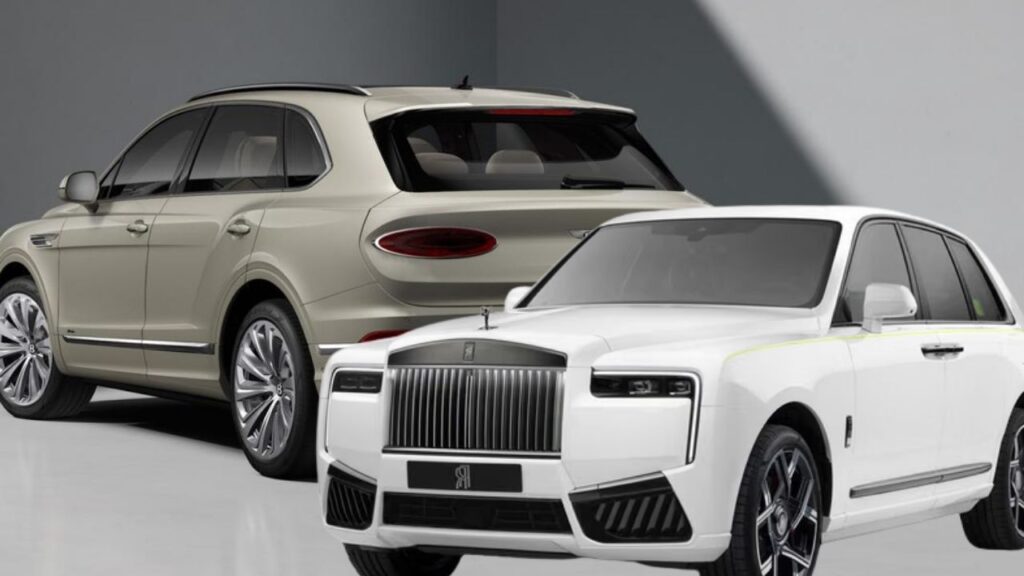
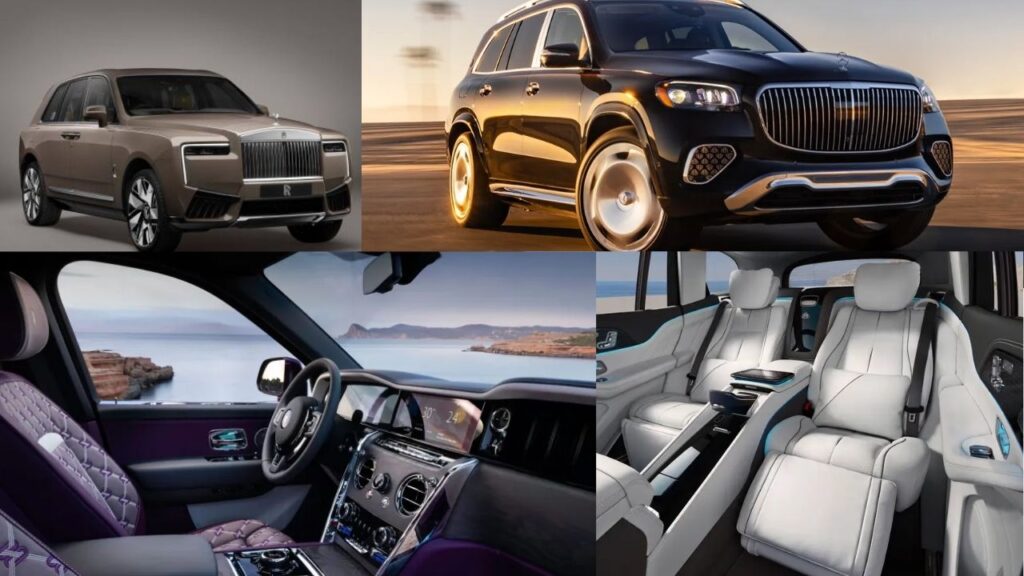
Rolls-Royce Cullinan Series II Worth of 27 Crore

Rolls-Royces is owned by most of the billionaire but few have Cullinan Series II with customization. Yusuff Ali was telling the news a few days back that he had got himself a customized Rolls-Royce Cullinan Series II in the price of Rs 27 Crore.

Why does an SUV cost 27 Crores? It is all about the crazy degree of customization. This particular Cullinan has a bi-tone red and silver paint sauce, but the paint actually has real gold flakes. If this weren’t enough, the famous Spirit of Ecstasy bonnet mascot is made from solid gold. 

Mechanically the Cullinan is an absolute beast. It offered a powerful 6.75-liter twin-turbo V12 with 563 brake horsepower under that silver hood. It provides a monstrous 850 nm of torque. Running from 0 to 100 km/hr in 5 seconds on this engine despite its weight. 

He also has a prior-generation blue Cullinan and a “Govt of Kerala” tag – the latter honours his appointment as Vice-Chairman of NORKA. 

The W12 Monster: Bentley Bentayga

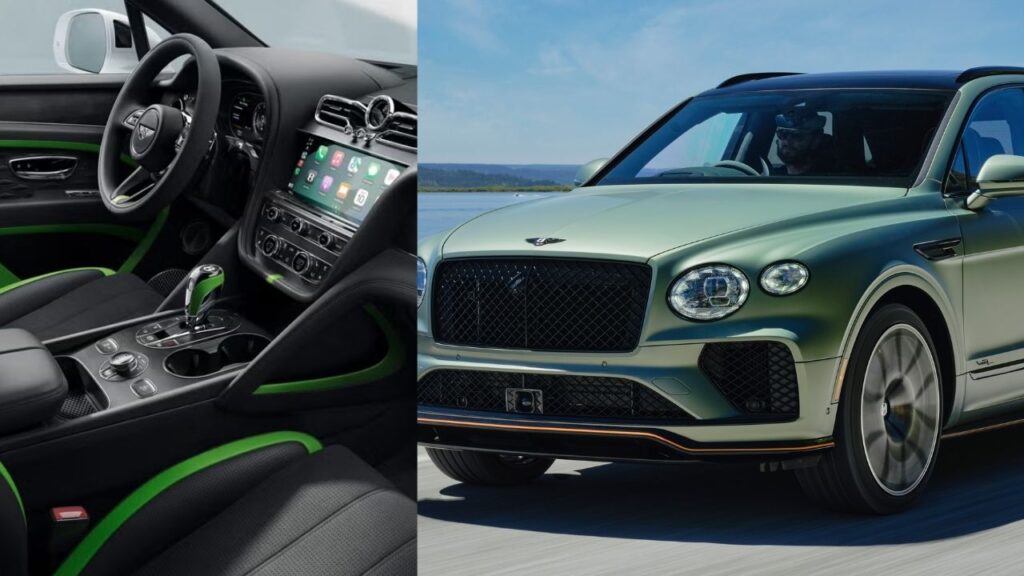
Yusuff Ali, chairman of the Lulu Group was the first to get his hands on the Bentayga in the Indian market. But he didn’t stop there for the plain vanilla V8. He went straight for the big boy – the Bentley Bentayga W12. 

Bentley Bentayga

Yusuff Ali got his hands on the Bentayga as soon as it arrived but he chose the Bentley Bentayga W12 model rather than vanilla V8. He owned it at Rs 4.10 Crores in Indian Market price which offers 6.0-liter twin-turbocharged engine to boost 635 bhp and gives 900 Nm of torque. This W12 engine roars on a classy white SUV.

Upon pressure on the pedal, this ultra-luxurious living space can then hit a top speed of 301 km/h. It’s the perfect combination of raw, throat-closing power, and British sophistication. 

The Maybach Twins: GLS 600 and S600

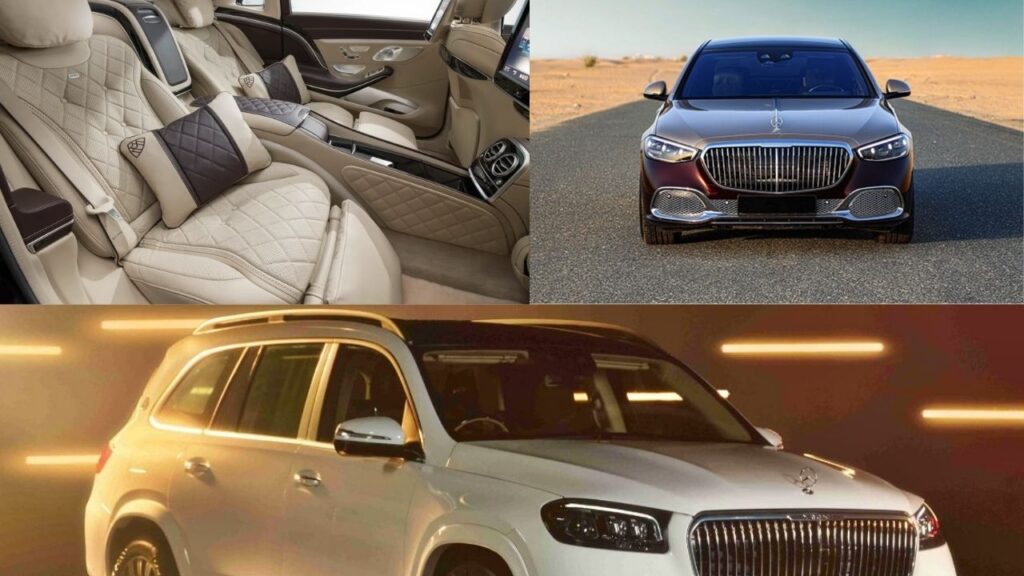
You cannot speak of luxury without the Maybach being the centerpiece, and Yusuff Ali owns not one but two of their masterpieces, in a glossy Obsidian Black. First is the Mercedes-Maybach GLS 600 SUV which is priced at approximately Rs 3.5 Crore. 

This is basically a private jet for the road. This car runs on a 4.0-litre V8 bi-turbo petrol engine to provide hell of a power of about 557 bhp with 730 Nm of torque. It has a mild-hybrid system. You don’t even feel the road roughness and potholes with the car’s suspension as it scans the road before and handles it accordingly with the shock absorbers before you’re even over a bump.

The Maybach Twins GLS 600 and S600

Mercedes-Maybach S600 sedan, the other powerful vehicle in his garage that costs around Rs 2.5 to 3 Crore. It runs with 523 bhp and 830 Nm of torque on the road very smoothly with a horn-blowing 6.0-liter V12 bi-turbo engine. 

Its interior carried premium hand-stitched leather recliners, comforting your ride with massage. handcrafted wooden trim gives more relaxing features like you can resting your feet. It’s the ultimate highway cruiser for after hours of closing billion dollar deals.  

Lexus LX and Range Rover Vogue (Bulletproof)

He drives his white Lexus LX (also referred to as the LX 750 or the LX 600 series) when he needs an off-road ride that’s at once reliable and breathtakingly powerful. Lexus LX is a luxury vehicle which is priced at around Rs 3 crore. It’s virtually indestructible because it has the DNA of the legendary Toyota Land Cruiser. 

Lexus LX and Range Rover Vogue

He also owns a few Land Rover Range Rover Vogues, one is a dungy white coloured and the other is black and sleek. The Range Rover is the car of choice among the super-rich for good reason. The opulent, Rs 2.39 crore SUV’s V8 engine delivers 523 horsepower and 750 nm of torque. He says it’s a combination of the comfort of a limo and the menacing driving position of a truck. 

The Track Weapons: Ferraris, Lambos, and a GT-R

This is the point where the collection moves “rich guy garage” up a notch and enters “serious car enthusiast territory.” Yusuff Ali isn’t just a fan of comfy rides but also a fan of speed. 

He owns the first Ferrari Purosangue in India, the brand’s first-ever V12 four-door vehicle. However, his supercars include some genuinely weird cars. His family has christened his Lamborghini Aventador SVJ “Brentador.” With a bespoke exhaust that literally spits fire, this V12 monster is a full-on, hardcore, track machine.  

Ferraris, Lambos, and a GT-R

Ferraris is also one of his favorite cars and he owns a 488 Pista Spider model and naturally aspirated V8 engine Ferrari 458 Speciale Aperta. It was apparent that he was a fan of Japanese tuning culture when he appeared in early 2026 driving a brand-new Nissan GT-R NISMO in stealth grey.  

Yusuff Ali Car Collection at a Glance

Car Model Approx Price (INR) Engine & Power Key Highlight
Rolls-Royce Cullinan Series II ₹27 Crore 6.75L Twin-Turbo V12, 563 bhp Gold customization, ultra-luxury SUV
Bentley Bentayga W12 ₹4.10 Crore 6.0L Twin-Turbo W12, 635 bhp Top speed 301 km/h, powerful luxury SUV
Mercedes-Maybach GLS 600 ₹3.5 Crore 4.0L V8 Bi-Turbo, 557 bhp Road-scanning suspension, ultimate comfort
Mercedes-Maybach S600 ₹2.5–3 Crore 6.0L V12 Bi-Turbo, 523 bhp Luxury sedan with massage seats
Lexus LX 600 ₹3 Crore 3.5L Twin-Turbo V6 Off-road capability + reliability
Range Rover Vogue ₹2.39 Crore V8 Engine, 523 bhp Bulletproof luxury SUV
Ferrari Purosangue ₹10+ Crore 6.5L V12 First Ferrari 4-door SUV
Lamborghini Aventador SVJ ₹8+ Crore 6.5L V12 Track-focused, fire-spitting exhaust
Ferrari 488 Pista Spider ₹5+ Crore 3.9L Twin-Turbo V8 Lightweight performance beast
Ferrari 458 Speciale Aperta ₹4.5+ Crore 4.5L NA V8 Rare collector’s Ferrari
Nissan GT-R NISMO ₹2.5+ Crore 3.8L Twin-Turbo V6 Japanese performance icon

Read More:- Pagani Utopia, Hypercar, Luxury Cars, Supercars 2025, V12 Engine, Pagani Cars, Exotic Cars

Conclusion

From a modest Mini Cooper Countryman for quick city runs to a ultra-rare 1955 Mercedes-Benz 180 T presented by the late Maharaja of Travancore, Yusuff Ali car collection is an epic bundle of luxury and speed. It strikes an ideal balance between the heritage of classic old school motoring and the cutting edge technology of today’s hypercars.

It is a bit over easy to look at a 27 Crore Rolls-Royce, then just see the price tag. But, when you take into account the full fleet, the high pitched V12 Ferrari screaming its way down the road, the flame spitting Lamborghini, the W12 Bentley, and the bespoke luxury yacht on wheels. M.A. Yusuff Ali is a hardcore car lover who just happened to acquire a very large budget to play with. 

0

Best Car Accessories for Thar Roxx You Should Buy in 2026

Published Aug 12, 2026, 11:43 AM
Last Updated Aug 12, 2026, 1:03 PM

Best Car Accessories for Thar Roxx

Three weeks into owning a Thar Roxx, most buyers notice the same two things: the beige or tan seat trim already has a water-bottle ring on it, and the floor mat that came in the box is doing nothing against monsoon mud. That’s usually the moment people start searching for the best car accessories for Thar Roxx — and there are only a handful of them worth buying before anything else.

Accessory prices for the Roxx swing a lot depending on brand, material and whether you’re buying genuine Mahindra parts or aftermarket. What’s below is priced from current listings across a mix of sellers, so treat these as representative ranges rather than fixed numbers — always check the live price before checkout, especially on anything leather or electronic.

What You Car Needs Protecting First

The Thar Roxx has two known weak points for new owners: the factory floor carpet, which isn’t built for Indian monsoons, and the seat upholstery, especially on lighter interior colours. Everything else — paint protection, dash cams, trackers matters, but it’s a second-wave purchase once the interior is covered.

So buying these best car accessories for Thar Roxx is not only for maintaining an interior look but also to protect before anything running it.

Best Car Accessories for Thar Roxx: Worth Buying Picks

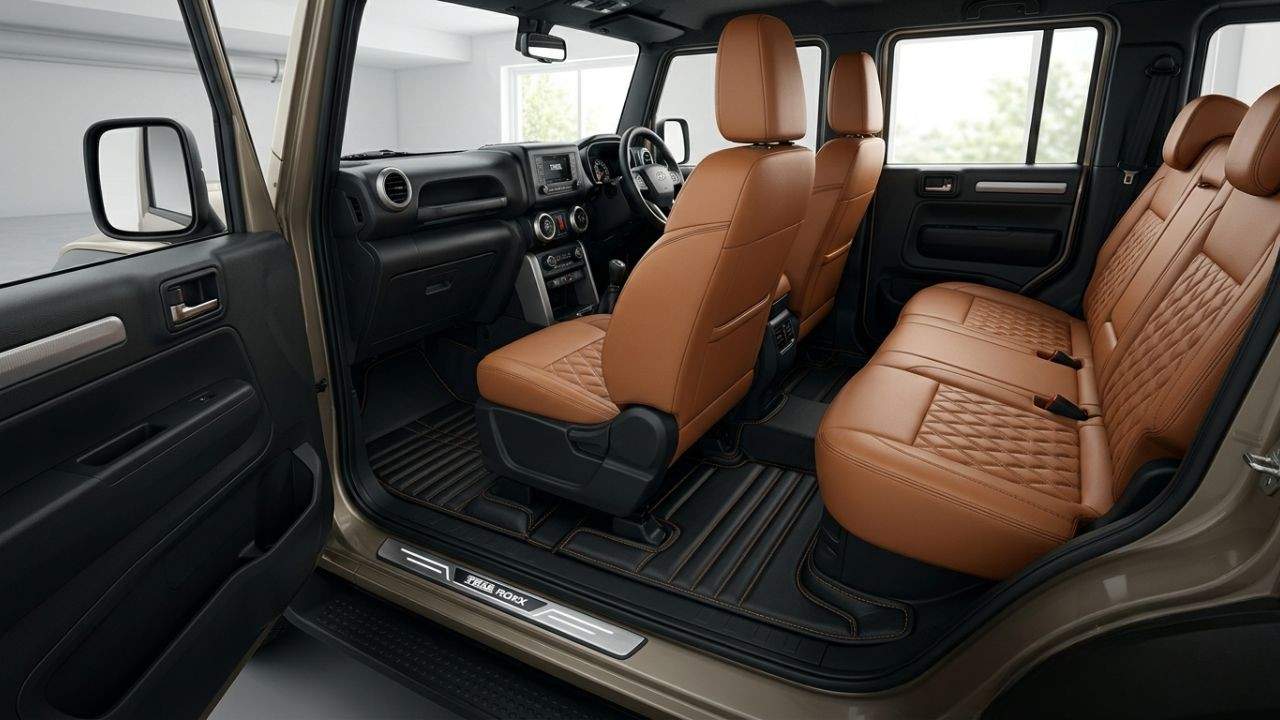
1. 7D Leather-Luxury Floor Mats — ₹4,999–₹9,999 

Custom-molded for the Roxx’s floor pan (manual and automatic get different mat shapes), with a detachable leatherette base and a grass-mat top layer, Velcro-backed to stay put. KVD’s version runs close to ₹4,999 on marketplaces like Autoclint; heavier 9D versions from AutoFurnish or Neodrift push toward ₹9,999. 
best car accessories for thar roxx

Full sidewall coverage means mud and spills never touch the actual carpet underneath. The trade-off: the grass-mat top needs regular vacuuming, or it starts trapping dust instead of catching it. 

Best for: buying in the first month of ownership, before daily grime sets in.

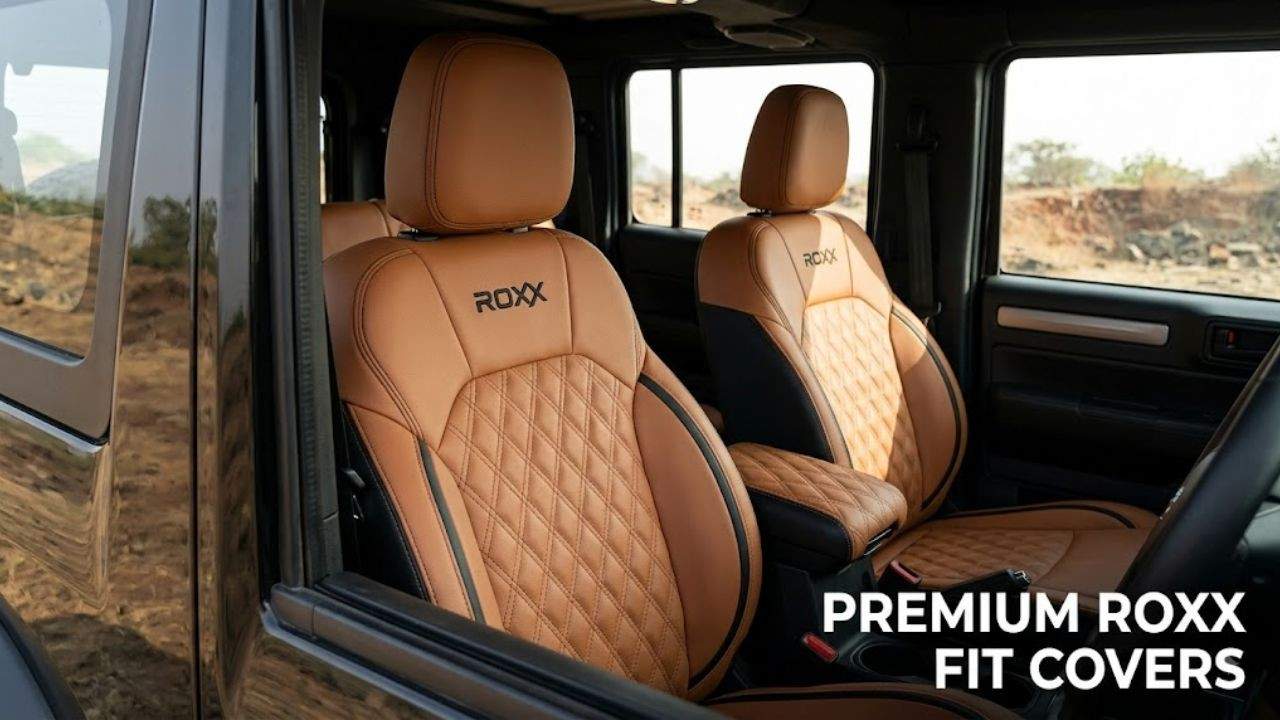
2. Seat Covers — ₹7,399–₹18,999 (Depending on Tier) 

Budget PU/art-leather covers (KVD Superior Leather and similar) sit around ₹7,399–₹8,399. Custom Nappa leather from boutique fitters like Jackspeed runs ₹18,360–₹18,999. Both are cut for the Roxx’s front captain-seat shape. The budget tier protects the factory seats for roughly a third of the premium price, but PU covers get noticeably hotter and stiffer under direct sun than real Nappa. 
Thar Roxx

Best for: anyone with the lighter (beige/tan) interior option, since it shows stains first.

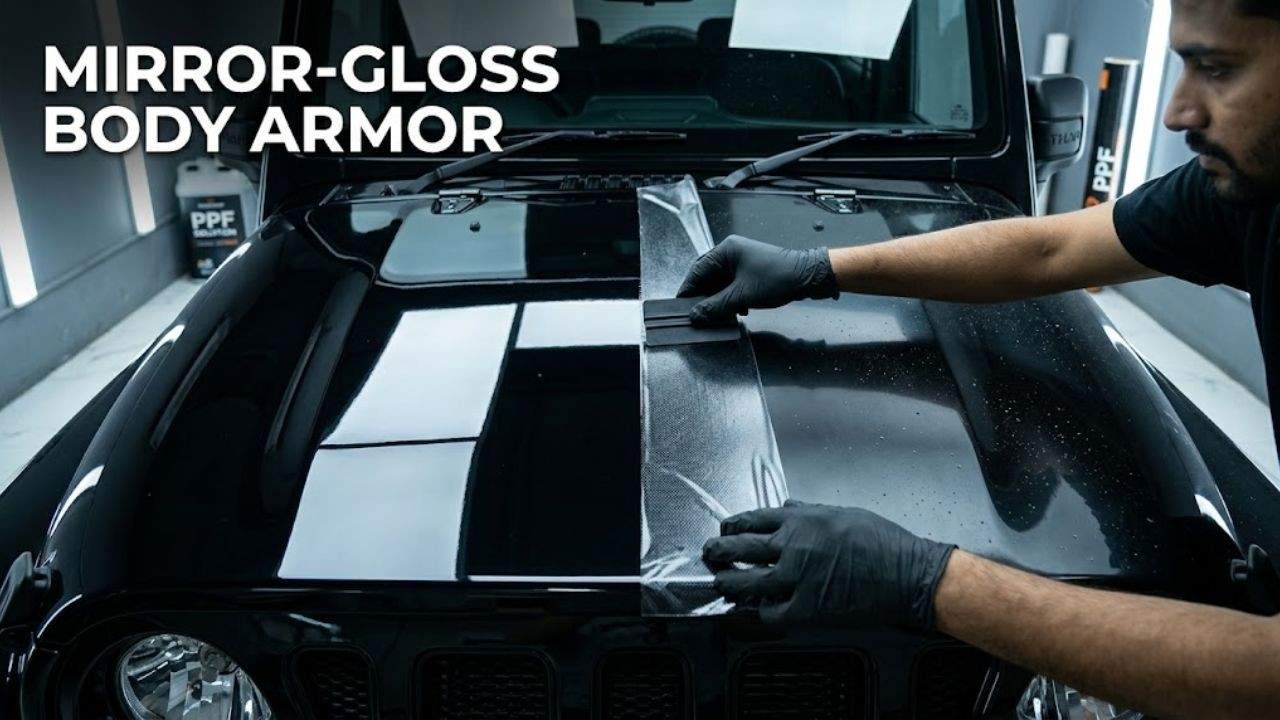
3. Paint Protection Film (8-year warranty) — ₹1.35 lakh 

Self-healing top coat, UV-stable, applied either to high-chip zones (bonnet, bumper, mirror caps) or the full body depending on the package. It protects resale value on a vehicle whose flat, boxy panels chip easily on highway drives. But the spend only makes sense if you’re keeping the car five-plus years — a short-term owner won’t recover the cost at resale. Shorter-warranty PPF packages exist for less, though exact current pricing on those wasn’t confirmed here. 
Thar Roxx

Best for: long-term owners prioritising resale value over upfront savings.

Read More:-  Top Car Insurance Plans to Buy in August 2026

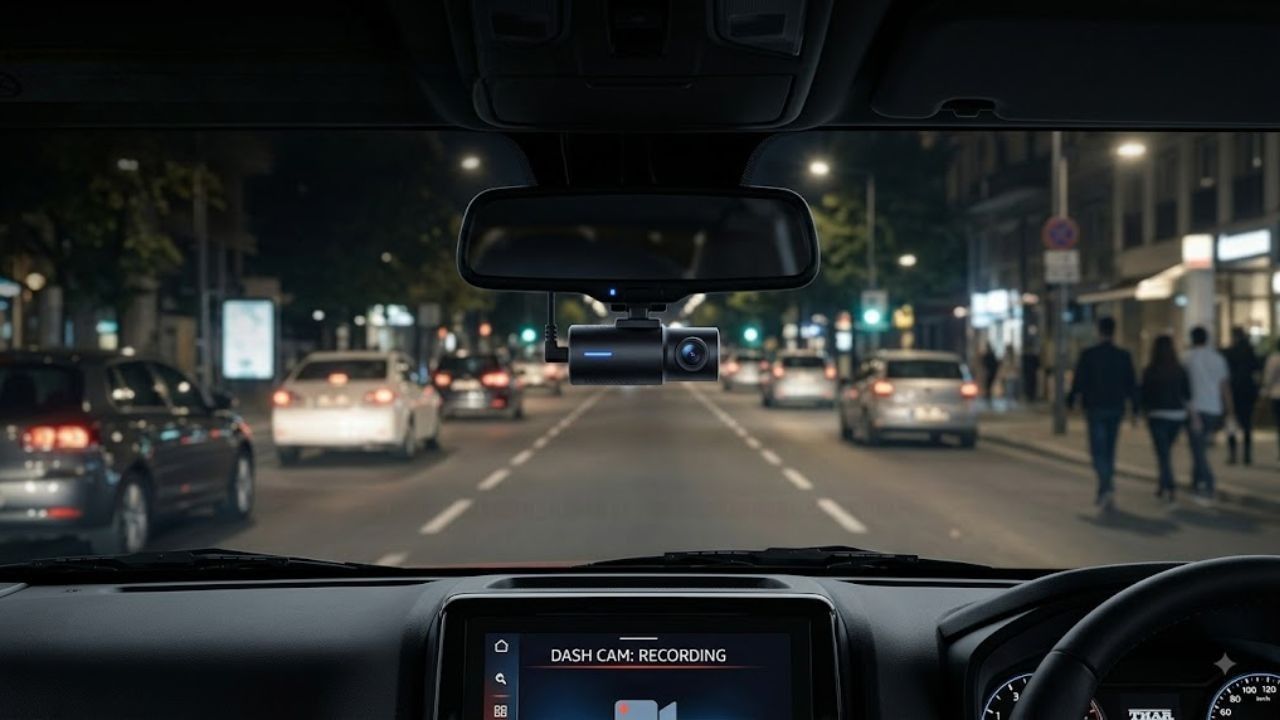
4. Dash Camera — approx. ₹25,000 

Front-and-rear dual-channel units with night vision, parking mode and loop recording land around this figure; front-only units cost meaningfully less. Treat ₹25,000 as a ceiling for a full dual-channel setup, not a fixed price. Real footage matters in hit-and-run or insurance disputes, and more Indian insurers are asking for it. Cheaper units without proper heat-resistant sensors tend to fail after a few summers parked in direct sun. 
Thar Roxx

Best for: daily commuters and highway drivers who want insurance-grade footage on file. This is one of the essential and best car accessories for Thar Roxx.

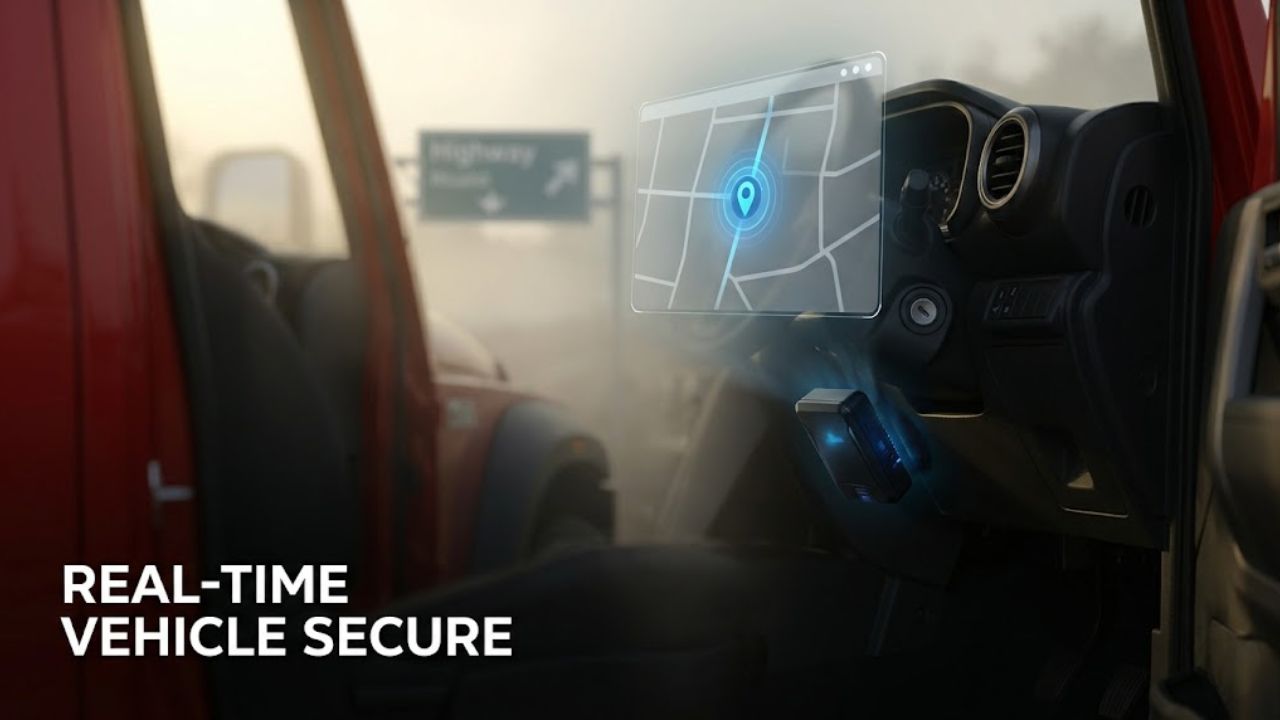
5. GPS Tracking Device — ₹12,499 

Real-time location via app, geofencing alerts, and ignition on/off tracking. It doubles as anti-theft and peace of mind if more than one person drives the car. The catch: most trackers need an active SIM or data plan, so the ₹12,499 hardware cost isn’t the full cost of ownership. 
Thar Roxx

This is the best car accessories for Thar Roxx because it’s good for multi-driver households, or parking regularly in high-theft areas.

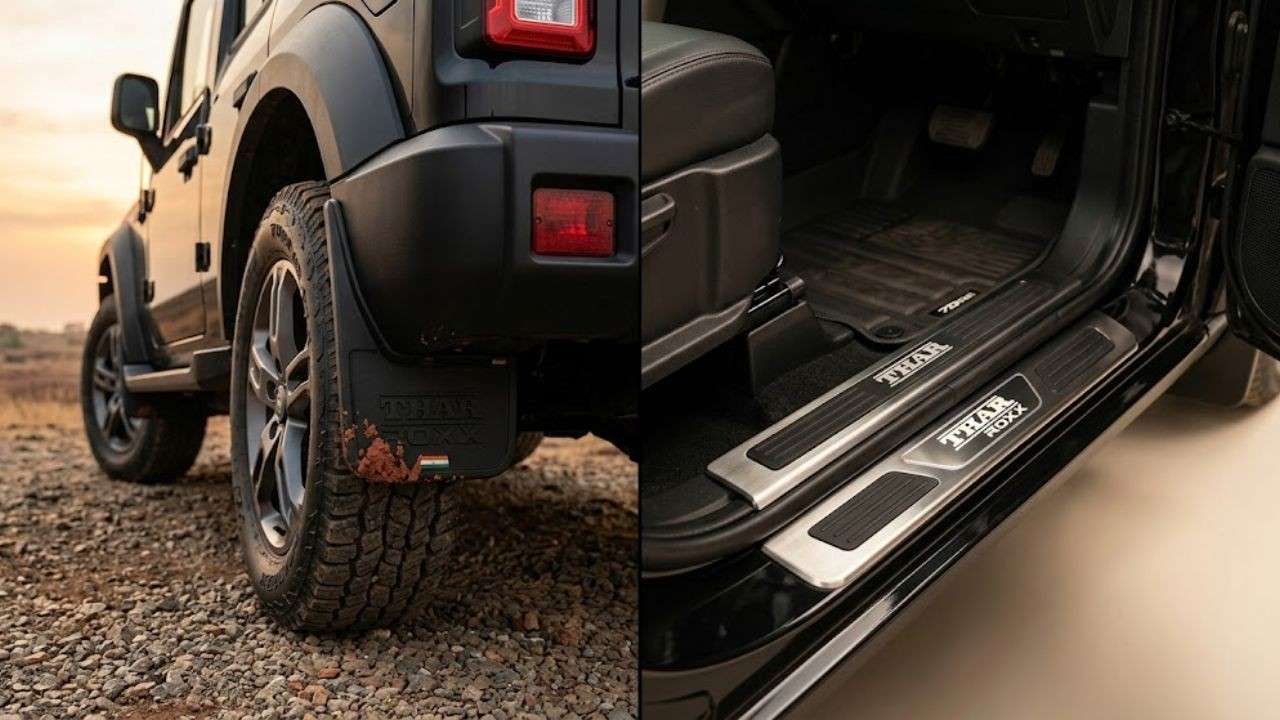
6. Door Sill Guards — ₹1,175 

Stainless steel or ABS plates covering the door sill/entry step, some with blue LED accents. It’s the cheapest item on this list solving a guaranteed problem — every passenger’s shoe scuffs that still eventually. It’s purely cosmetic and protective, with no functional upside beyond that. 
Thar Roxx

Read More :-  Best Car Battery for Your Vehicle: Top Picks & Buying Guide 

The best car accessories for Thar Roxx to one easy, low-cost win before committing to bigger purchases.

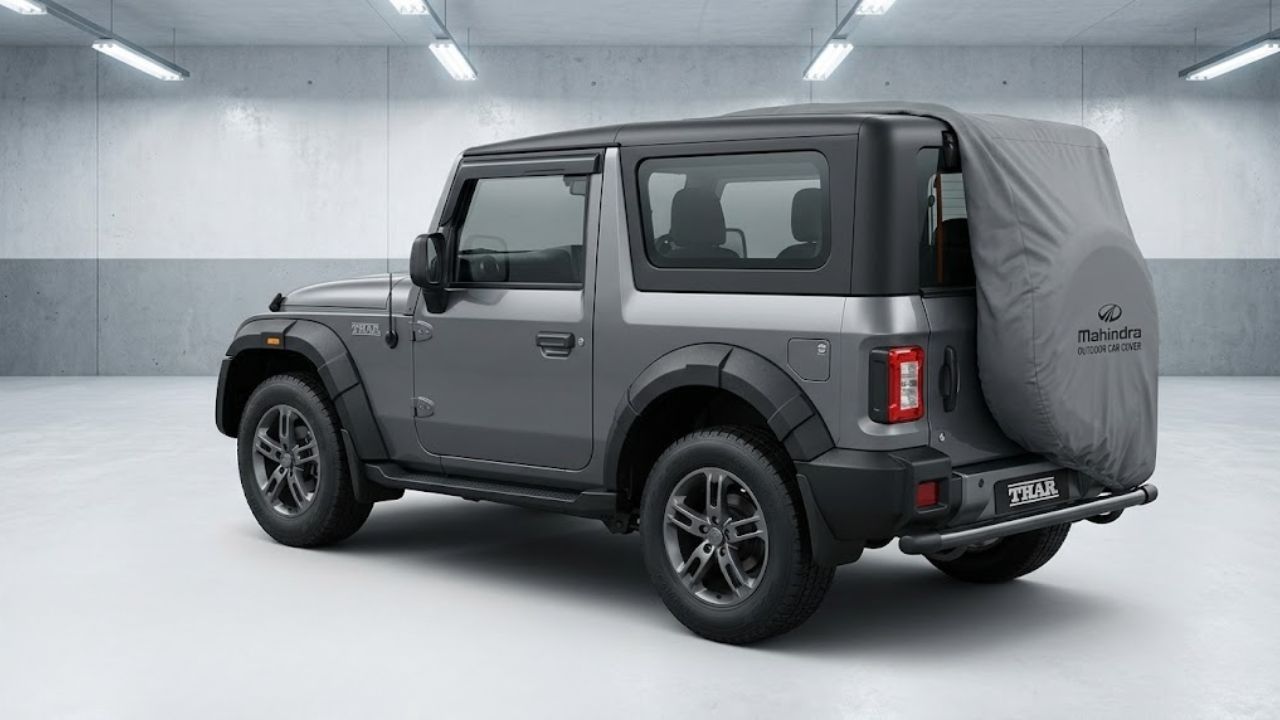
7. Waterproof Body Cover — ₹1,895–₹2,150

Triple-stitched, mirror-and-antenna-pocket covers built to fit the Roxx exactly (Kingsway, Autofurnish, and Drivestylish all sell versions in this range; MRP is usually listed near ₹4,400 but the real transaction price is the ₹1,895–2,150 band). Blocks UV, bird droppings, and tree sap for anyone parking outdoors without covered parking. This is one of the best car accessories for Thar Roxx but cheap covers trap moisture instead of shedding it, which can leave swirl marks if you don’t let the paint dry first.
Thar Roxx

Best for: owners without a garage or covered parking spot.

8. Mud Flaps (Set of 4) — ₹499–₹999

ABS plastic, OEM-fit, screw-in installation with no drilling. Autofurnish sells at the low end (₹499), RideoFrenzy and Techo sit closer to ₹990–999. Cheapest functional accessory on the whole list — stops mud and road spray from hitting the lower doors and undercarriage. Limitation is that the budget PP versions get brittle and crack in a couple of Indian summers, so this is one spot where paying slightly more (ABS over PP) actually matters.

Thar Roxx

Best for: anyone who drives on unpaved or waterlogged roads regularly.

Floor Mats vs. Seat Covers: Which Comes First?

7D Floor Mats Seat Covers
Starting price ₹4,999 ₹7,399
Protects against Daily, guaranteed damage — mud, water, spills Slower-building damage — stains, wear
Urgency Needed from week one, especially in monsoon states Matters most on light-colour interiors

Floor mats protect against damage that happens on day one of ownership; seat covers guard against wear that accumulates over months. If the budget only stretches to one, the mats come first — they cost less and cover the area that takes damage every single drive, rain or not.

Read More :-   Best Brake Pads for Cars: Top Options for Safe Driving

Conclusion 

These best car accessories for Thar Roxx comes under ₹6,200 combined, floor mats plus a sill guard cover the two spots on a Thar Roxx that show wear fastest. Once the budget clears ₹20,000, budget-tier seat covers close the interior-protection loop entirely. PPF and a dash cam are worth holding off on until two questions are answered: how long you’re actually keeping the car, and whether your insurer asks for dash-cam footage in the first place. Let those answers decide the spend — not the order on this list.

0

Hyundai’s Compact Electric SUV for India: What We Know About the HE1i

Published Oct 21, 2026, 1:02 PM
Last Updated Nov 5, 2026, 5:11 PM

Compact Electric SUV

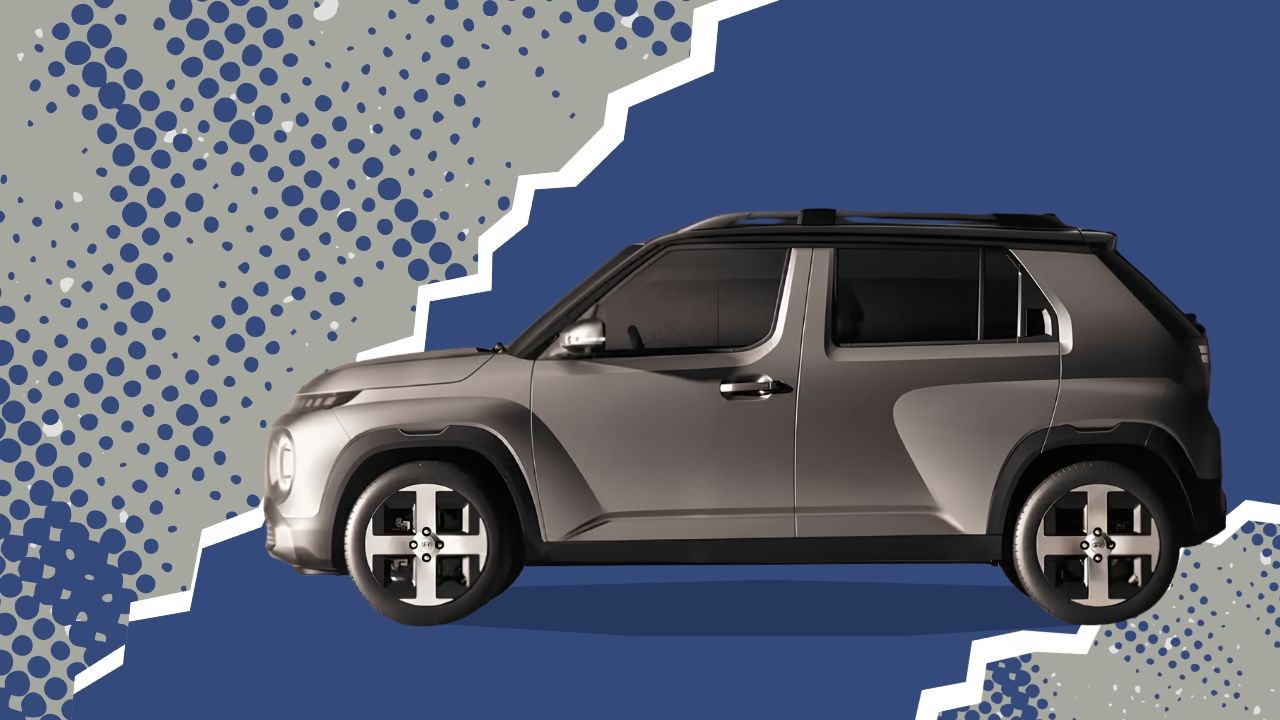
The EV segment is filled with outstanding performances from the Tata Punch EV, Mahindra XUV 3XO EV and Kia Syros EV. Hyundai India has confirmed a new compact electric SUV to join them with a brand-new design. Codenamed HE1i, the upcoming electric SUV is now likely to be called the Hyundai Ioniq P following company’s recent trademark filing in India.

Over the past couple of years, the electric segment has taken over showroom space which is hard to ignore. But premium electric crossovers are hard to get for most buyers, who want an affordable and reliable compact electric SUV from a brand they already trust.

The SUV will be made for India, measure under four metres, and feature India-specific design changes. The Ioniq P name has recently appeared in Hyundai’s trademark filing under Class 12, which covers automobiles and related components. However, the company has not officially confirmed the production name yet.

The launch timing is still unconfirmed, but expect to arrive in FY2026-27. Get more details from the new Hyundai’s compact electric SUV.

HE1i Expected Features & Specs: Battery, Range and Charging

For most Indians buying a car is an emotion and a vehicle for family road trips, the daily battle armor against chaotic office traffic, and a proud parking spot accomplishment. 

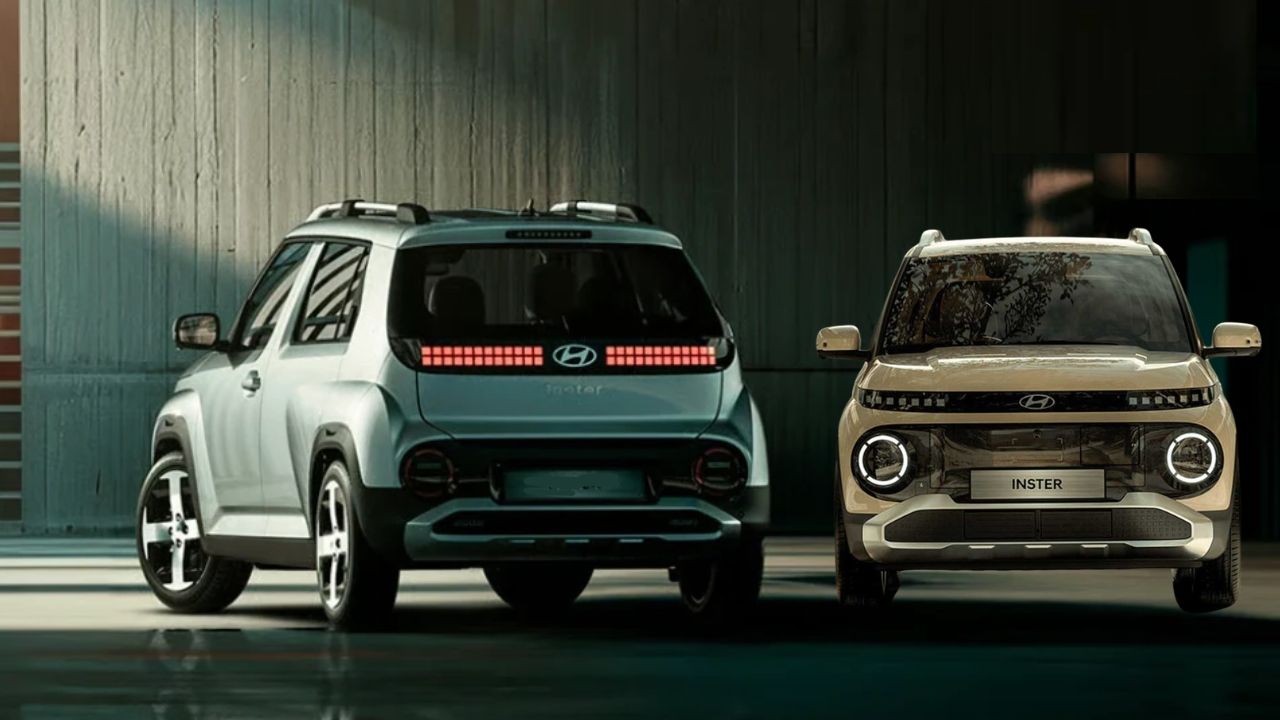
The Hyundai Ioniq P is expected to arrive in Standard Range and Long Range variants, giving buyers different battery options depending on their driving requirements. The electric SUV is expected to use the E-GMP (K) platform, which also underpins the Hyundai Inster sold in international markets.

While the exact battery capacities and driving range for the India-spec model remain unconfirmed, reports suggest that Hyundai is considering two battery configurations. The overseas Inster offers 42 kWh and 49 kWh battery options, while the recently introduced Kia Syros EV also provides a reference for the possible battery setup.

Hyundai is expected to use imported battery cells for the initial production batches following delays in its domestic battery cell programme with Exide Industries. Local battery cell sourcing is planned for a later stage.

HE1i Expected Features & Specs

Hyundai has confirmed that the upcoming electric SUV will get Level 2 ADAS and a next-generation infotainment system. These features could make the Ioniq P a strong option in the affordable electric SUV segment. The cabin is also expected to feature a large touchscreen infotainment system and digital instrumentation, although the complete equipment list is yet to be revealed.

The Hyundai Ioniq P is being developed as a standalone electric SUV rather than an electric version of an existing petrol-powered model. It will use the E-GMP (K) architecture and feature India-specific styling and engineering.

The design is specifically prepared for Indian style and roads. Expect an upright stance, high ground clearance, skid plates, and robust body cladding designed to handle monsoon potholes and unexpected speed breakers.

Taking cues from Hyundai’s global EV lineup, expect futuristic pixelated LED DRLs and bold light bars that give it an unmistakable street presence. It will offer more legroom and elbow room and connectivity support with intuitive Android Automotive-based software. So expect a comfort and smoother driving experience.

 Tesla Flying Car Mechanics Make The Flight Possible

Price Expectations For the Compact Electric SUV

Estimates cluster around Rs 10 lakh at the entry end. Expects Rs 10-16 lakh ex-showroom for Hyundai’s compact electric SUV. That spread is wide enough to put the top trim near Nexon EV territory, so the real question is how Hyundai prices the 49 kWh-class variant, not the base car.

Hyundai Ionic P vs Tata Punch EV vs Nexon EV

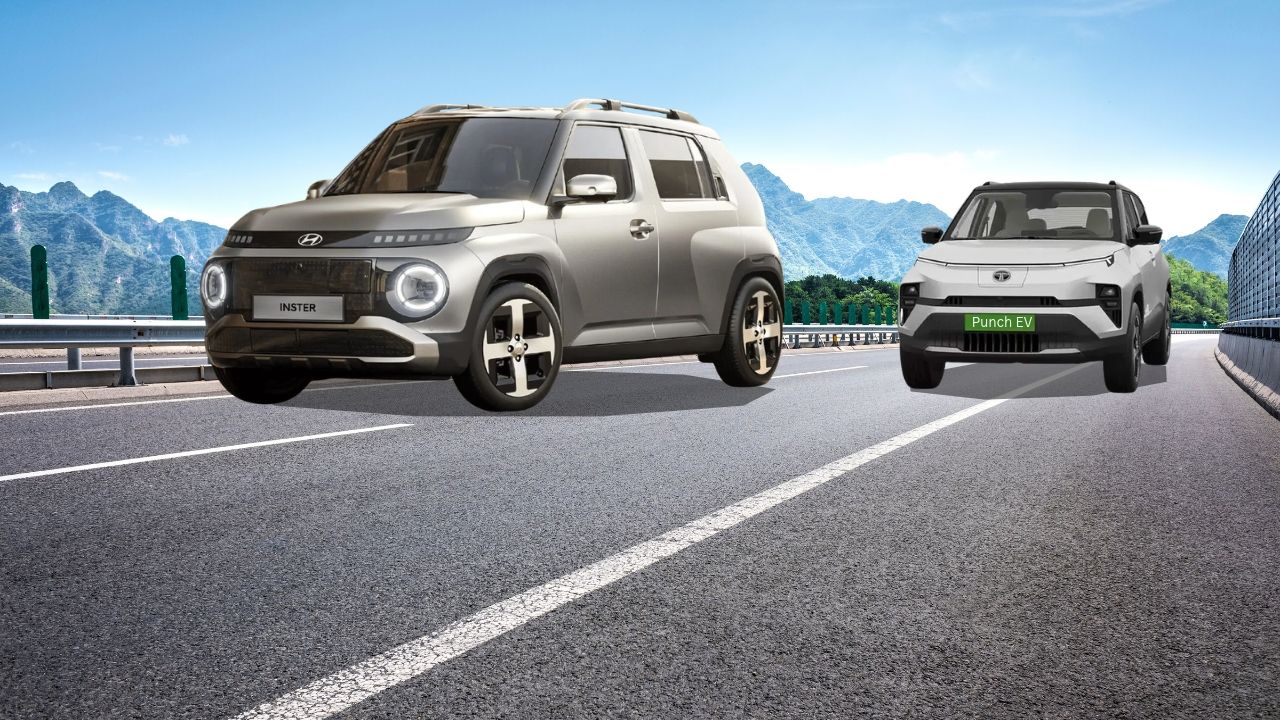
Until now, manufacturers like Tata and Mahindra have dominated the affordable and mid-tier electric SUV market. Hyundai is now preparing to enter this segment with the Ioniq P, an India-focused compact electric SUV designed for everyday use and urban commuting.

Hyundai Ionic P(expected) Tata Punch EV Tata Nexon EV
Price (ex-showroom) Rs 10-16 lakh (estimate) Rs 9.69–12.59 lakh Rs 12.49–17.49 lakh
Battery 42 / 45 kWh 30 / 40 kWh 30 / 45 kWh
Claimed range 400 km  468 km ARAI (40 kWh) 489 km MIDC (45 kWh)

The Punch EV is one of the key models the Ioniq P will have to compete with. Tata quotes a claimed range of up to 468 km for the 40 kWh version, while its estimated real-world range is around 335–355 km. Tata also offers a battery-as-a-service (BaaS) option, with prices starting at Rs 6.49 lakh plus a battery rental of Rs 2.6 per km. This gives buyers a lower upfront purchase option and could make pricing a major challenge for Hyundai.

HE1i vs Tata Punch EV

For context, the car above it in Hyundai’s range launched at Rs 17.99 lakh ex-showroom as the Creta Electric, so the HE1i has room to sit well below it.

  Hyundai Bayon Bookings Open at ₹11,000 With a 1.5L Petrol Engine

Conclusion

There’s no confirmed price yet, but Hyundai’s upcoming Ioniq P could become an interesting option in the affordable electric SUV segment. With its India-specific development, two expected battery options, Level 2 ADAS and next-generation infotainment system, it has the potential to compete strongly against established rivals.

0

Personal Loan vs Car Loan: What is the Better Choice for Buying a Car? 

Published Aug 18, 2026, 11:48 AM
Last Updated Aug 31, 2026, 7:00 AM

Personal loan vs Car Loan

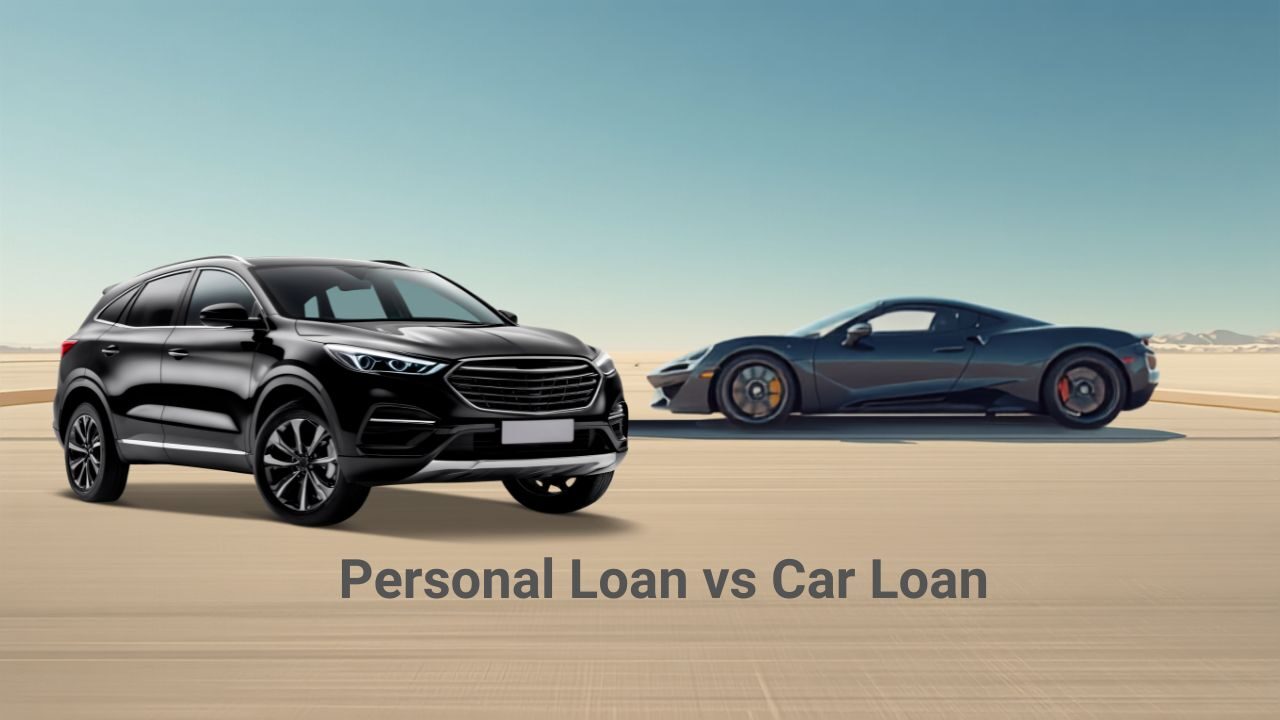
You decided the car model and color to buy, now negotiating its on-road price and decided to take a car loan. There’s two options for you — Personal Loan vs Car Loan, one from the dealership’s tie-up bank, another a pre-approved personal loan sitting in your net banking app. They just seem to be two versions of the same product until you see the fine print, and that is generally where people get it wrong. 

Car loans and personal loans are two very different types of products, structurally, and the distinction reflects in your EMI calculation, not just in the fine print. Your car serves as a collateral for the car loan – the bank holds hypothecation on the vehicle until you repay the loan, which is why the risk for the lender is lower and the interest rate is lower. A personal loan is unsecured. Nothing backs it except your income and credit score, so the bank prices that extra risk, and you pay for it every month.

Personal Loan vs Car Loan: The Interest Rate Gap Is Bigger Than Most People Assume

The new car loan rate for Indian banks as on August 2026 stands at 7.45 — 7.85% p.a. from the likes of UCO Bank, Canara Bank, and Punjab National Bank, with the majority of PSU banks bunching between 7.6% – 9.7% based on your CIBIL score. Private banks such as HDFC and ICICI charge marginally higher, usually 8.15 – 9.75% for new cars. Rates are reviewed monthly and are dependent on the loan scheme, so consider these as August 2026 rates and not a permanent rate. 

Personal loans start meaningfully higher. The bottom rates of top private banks — HDFC, ICICI, Axis, IndusInd hover around 9.99% p.a. for borrowers having outstanding credit (CIBIL 750+) and belonging to the preferred employer category. Most of the salaried individuals are approved around 11% to 16% and NBFCs that sanction loans more quickly and require lesser paperwork charge is 14% to 16% and at times it reaches up to 20% to 22% for weak credit files. 

Personal Loan vs Car Loan

That 2–3 percentage point gap sounds small until you run it through an EMI calculator. On a ₹5 lakh loan over 5 years, an 8% car loan works out to roughly ₹10,140 a month. The same amount as a personal loan at 12% comes to around ₹11,120 — nearly ₹1,000 more every month, and over ₹58,000 more in total interest by the time you’re done. Scale that to a ₹10 lakh loan and the interest gap widens to well over a lakh rupees. If the goal is purely to minimize what you pay for the car, the car loan usually wins on cost, and it’s not close.

Aspect Car Loan Personal Loan
Interest Rate Range 7.45% – 9.75% p.a. (PSU banks: 7.6%–9.7%; Private: 8.15%–9.75%) 9.99% – 22% p.a. (Top private banks: ~9.99% for CIBIL 750+; NBFCs: 14%–22%)
Typical Approved Rate (Salaried) ~8% – 9% ~11% – 16%
Rate Review Frequency Monthly Monthly
Dependency Loan scheme, CIBIL score, bank type CIBIL score, employer category, lender type
EMI on ₹5 Lakh (5 years) ~₹10,140 at 8% ~₹11,120 at 12%
Total Interest on ₹5 Lakh (5 years) ~₹1.08 lakh at 8% ~₹1.67 lakh at 12%
Total Interest on ₹10 Lakh (5 years) ~₹2.17 lakh at 8% ~₹3.35 lakh at 12%
Best For Minimizing cost when buying a car Flexibility (no end-use restriction), faster disbursal

Read More:-  How to Get a Car Loan in 2026: Know Everything Before Purchasing

Where a Personal Loan Makes Sense in Buying a Car

None of this means the car loan is automatically the right call. A personal loan earns its place in a few specific situations, and it’s worth being honest about them rather than defaulting to “cheaper interest rate always wins.”

Buying a used car older than what your lender’s car loan policy allows is one. Most banks cap car loans on vehicles that are 3–8 years old depending on the lender, and beyond that window, financing options dry up fast. A personal loan doesn’t care how old the car is.

Personal Loan

Buying from a private seller with incomplete paperwork is another. Car loans require the vehicle to be registered as collateral, which means clean ownership documents, a valuation, sometimes an RC transfer before disbursement. A personal loan skips all of that — the money lands in your account and what you do with it is your business.

There’s also the ownership angle. With a car loan, the bank’s name sits on the RC as a financier until the loan closes, and selling or modifying the car before that requires a No Objection Certificate. A personal loan gives you the car free and clear from day one, which matters if you plan to sell, swap, or modify it sooner than the loan term would normally allow.

And if you’re topping up a car loan that only covers 80–90% of the on-road price — many lenders cap the loan-to-value ratio, especially on used cars — a smaller personal loan to bridge the down payment can sometimes work out cheaper than stretching a used-car loan at 11–16% for the whole amount.

The Down Payment and Loan-to-Value Difference

Car loans can fund up to 100% of the on-road price for new vehicles from some lenders, though a 10–20% down payment usually gets you a better rate, since a lower loan-to-value ratio means less risk for the bank. Used car loans are stingier — most banks finance only 70–75% of the vehicle’s assessed valuation, not what you actually agreed to pay the seller, so budget for a bigger chunk from your own pocket if you’re buying second-hand.

Personal loans don’t tie themselves to the vehicle’s value at all. The amount you qualify for depends on your income and existing obligations, which gives you flexibility car loans don’t — useful if you’re also covering insurance, accessories, or extended warranty costs that a car loan wouldn’t typically finance.

Read More:- Best Car Air Filters for Better Engine Performance & Save Your Repair Cost

Conclusion

If you have good credit on Personal Loan vs Car Loan, the car is new or within your lender’s used-car age limit, and your only aim is to pay the least each month, the car loan is the best option for you  — the rate gap is too large to ignore for most buyers. Get a personal loan when the vehicle doesn’t fit a car loan’s criteria, when you want to be free and clear from day one, or when you need a little extra to fill a gap a car loan won’t fill by itself. 

Either way, get actual quotes from three or more lenders before you sign on anything. A 1.5% rate difference on two car loan offers can be just as important as the type of loan itself, and rates fluctuate frequently, so what was competitive last quarter may not be this one. 

0

The Future of Electric Vehicles: What Drivers Need to Know

Published Jun 12, 2026, 1:03 PM
Last Updated Jun 19, 2026, 9:46 AM

The Future of Electric Vehicles What Drivers Need to Know

The car market is shifting rapidly from petrol or diesel to Electric Vehicles. It directs us to the conversation around the future of electric vehicles which everyone thinks is far away in the future. But not anymore, auto-driving features and zero emission cars are now here in the market and anyone can buy them.

Electric Vehicles are no longer a niche product for eco-conscious early adopters. In a recent report, over 116 million electric vehicles produced and landed in the market globally by 2026, the numbers EVs are increasing on the road day-by-day – they’re on highways, in parking lots, outside schools, and probably in your neighbor’s driveway right now.

But for millions of everyday drivers, the big questions remain. Is now the right time to switch? What is actually changing in the EV space? And what do you, as a driver, really need to know before you make a decision? Let’s break it all down — no jargon, no fluff.

40% of new cars sold globally expected to be electric by 2030
700 km single-charge range on next-gen EV batteries
15 min target fast-charge time for 80% battery in new models

The Range Problem Is Getting Solved

The number one worry drivers have about EVs is range anxiety — the fear of running out of charge in the middle of nowhere. And honestly, it was a legitimate concern a few years ago. Early EVs could barely do 200–250 kilometres on a full charge. But things have changed dramatically.

Standard EVs deliver around 500 kilometres in one charge. Automakers are continuously working to generate solid-state batteries to launch commercially that could push that number past 700 kilometres. This is real-world performance. The future of electric vehicles is one where range anxiety becomes as outdated as particularly the shift toward more energy-dense solid-state batteries and cost-effective lithium iron phosphate (LFP) cells, so you don’t have to worry about charging.

The future of electric vehicles is basically opting for a green environment, but it isn’t stopped there. The way they are exercising to make smarter, cheaper, more connected EVs in 2026. It suggests that Modern EVs retain an impressive 95% of their original range even after five years. 

Charging Infrastructure Is Growing Fast

One of the real bottlenecks for EV adoption has always been the charging network. The entire world class Electric Car will break down if there’s nowhere to charge it. Now the charging stations are growing rapidly so there won’t be any problem anymore for the EV owners. 

India’s EV charging infrastructure is rapidly growing under national programmes, with thousands of fast-charging stations being installed along highways and in urban centres. Globally, there are malls, offices, and highway stops where charging stations are integrated. 

Ultra-fast chargers that can deliver 200–350 kW of power will charge in 15-20 minutes and provide you thousands of kilometers, that’s why they are becoming more common. The goal, increasingly, is to make charging as unremarkable as stopping at a petrol station — something you do without planning your entire day around it.

The Cost Equation Is Shifting in Your Favour

If you’ve looked at EV price tags and walked away, you’re not alone. The buying cost is so expensive that a middle-class man won’t be able to afford it. But that gap is closing faster than most people realise.

Battery costs have fallen by over 90% in the last decade, and they continue to drop year on year. This will make Electric Vehicles cars affordable in the ₹10–15 lakh range and are becoming genuinely viable options in car markets. Once you invest in an Electric Vehicles, you won’t have to worry about later expenses as fuel costs are lower, cheaper servicing, and government subsidies under schemes like FAME II, the total cost of ownership over five years often comes out lower than a traditional ICE vehicle.

Key Cost Advantages for EV Drivers

  • Electricity costs roughly 60–70% less than petrol per kilometre driven
  • No oil changes, fewer brake replacements, simpler drivetrain
  • Government subsidies and tax benefits available in most states
  • Lower insurance premiums trending in the EV segment
  • Higher resale value as ICE vehicle demand declines

EVs Are Getting Smarter, Not Just Greener

The future of Electric Vehicles is not just about the motor replacing the engine. It’s about software, connectivity, and intelligence becoming core parts of the car experience. Exploring modern EVs like a computer with advanced tech and they are getting faster, safer, and more efficient without you ever visiting a service centre.

Features like regenerative braking, predictive route planning that factors in charging stops, smart home energy integration, and even vehicle-to-grid technology — where your car battery feeds power back to your home during peak hours — are not distant possibilities. They’re available today and will become standard across most models in the coming years.

What Should Drivers Do Right Now?

In the future, there will be fewer petrol or diesel cars left on the road because the current global situation of fuel has highly impacted on automotive industries. You don’t have to rush out and buy an EV today. But dismissing it entirely would also be a mistake. 

  • If you drive mostly within a city and have access to home charging, an EV makes financial and practical sense right now. The math works in your favour even at current prices. 
  • If you’re a long-distance driver or live in an area with limited charging infrastructure, waiting another two to three years might be the smarter move — the network will be much stronger by then.
  • Either way, start learning. Test drive an EV, understand your electricity tariff, check your state’s subsidy policy. The transition is coming, and informed drivers always make better decisions than rushed ones.

The Road Ahead Is Electric

There’s a moment in every technological shift when what felt futuristic suddenly feels inevitable. Electric Vehicles have crossed that line. The debate is no longer whether EVs will dominate — it’s how quickly and whether you’ll be ready when they do.

The future of electric vehicles is one of greater range, smarter charging, lower costs, and a driving experience that most petrol car owners would genuinely prefer once they try it. The road ahead is electric — and for drivers who do their homework now, it’s also a very smooth one.

Conclusion

Electric Vehicles are no longer just a glimpse of the future—they are becoming a practical choice for everyday drivers. In the car market, the future of electric vehicles is growing with longer range, low fuel cost, faster charging and expanding charging infrastructure. EVs are becoming more convenient and affordable with continued development and government support.

Whether you switch today or a few years from now, understanding the EV landscape will help you make a smarter decision. The future of mobility is clearly electric, and being prepared for that change can save money, reduce emissions, and offer a more advanced driving experience.