0

Most Anticipated Cars of 2027: What Buyers Should Know

Anticipated Cars of 2027

If you’re about to sign a car loan, the question that matters is whether the car you want is about to be replaced. The Most Anticipated Cars of 2027 are arriving in a crowd, and a few of them will make this year’s showroom models look dated.

Waiting costs money, though, and not every launch is worth it. Early 2027 is packed in India. The Bharat Mobility Expo runs from 4 to 9 February in New Delhi, and several of the launches below are expected to appear around it. 

Expo reveals are not showroom availability. A car shown in February can easily reach dealers months later, so a debut date shouldn’t be mistaken for a buying date.

The Tata Safari EV: The One Everyone’s Watching

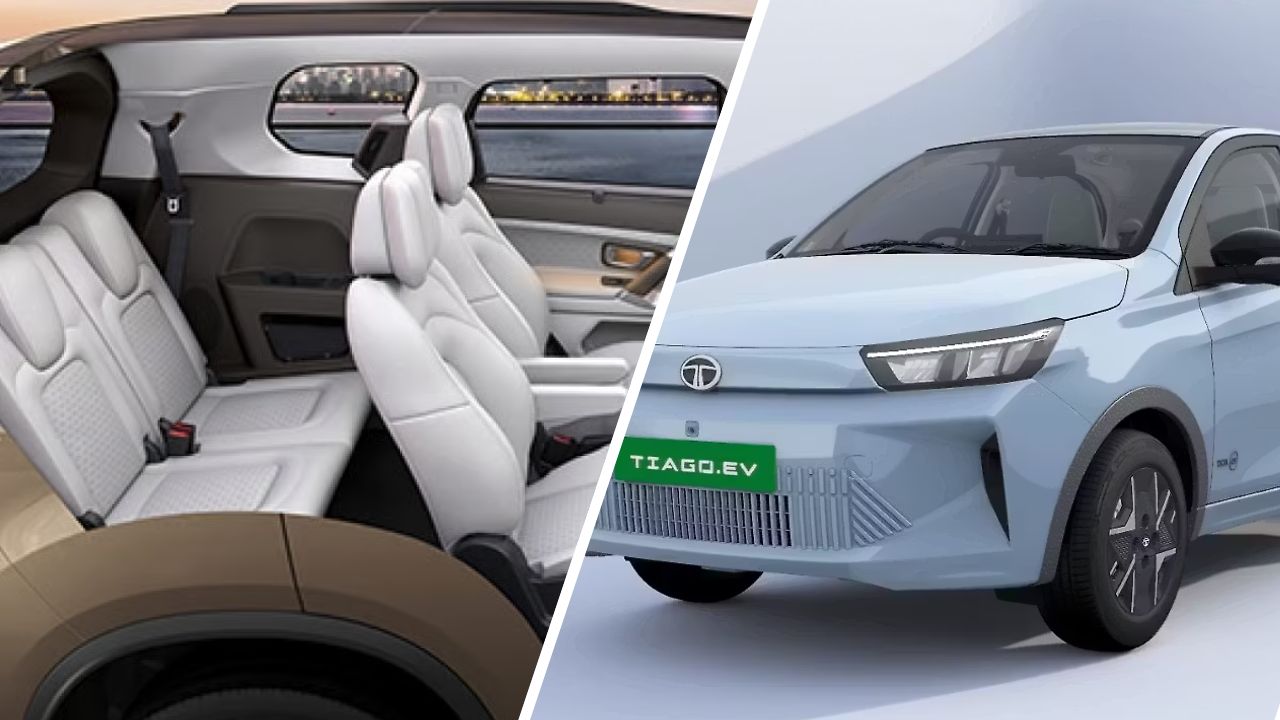
Tata’s electric 7-seater is the clearest case of hype running ahead of facts. It is expected to launch in Diwali 2026 with 65-75 kWh packs of battery. This battery excites most buyers which offers up to 600 km claimed range and optional AWD but this is not officially confirmed yet.

Tata Safari expected specs include a triple-screen dashboard similar to the Sierra’s. The SUV could give over 500 km of mileage with Harrier EV’s battery pack on a price range of Rs. 25 lakh and Rs. 32 lakh (ex-showroom).
The Tata Safari EV

Its natural rival is the Mahindra XEV 9S. If you want a three-row electric SUV, the Tata Safari EV is the one to hold out for. Claimed range is a lab number, though. Real-world mileage will be noticeably lower when you run this car so don’t take the brochure number as your real mileage.

The Affordable End: Nexon, Ioniq P And The Small-EV Scramble

Anyway, an above Rs 20 lakh spend-will be lesser than majority of Indian audience and here’s where 2027 gets fired up. 

The next-generation Tata Nexon will arrive in 2027, possibly at the Expo. The petrol and diesel are expected to cost from Rs 8 lakh to Rs 15.5 lakh and rouble 14.5 lakh to Rs 19.5 lakh for the EV. It’s expected to move to a revised architecture with Level-2 ADAS. Those are estimates, not announcements.

Hyundai’s answer is the Ioniq P, a compact electric SUV scheduled for the first quarter of 2027 to take on the Nexon EV and Kia Syros EV. Reports suggest 40-50 kWh battery options and a claimed range of 450 km. If that holds, it puts Hyundai in direct conflict with Tata’s strongest EV seller.
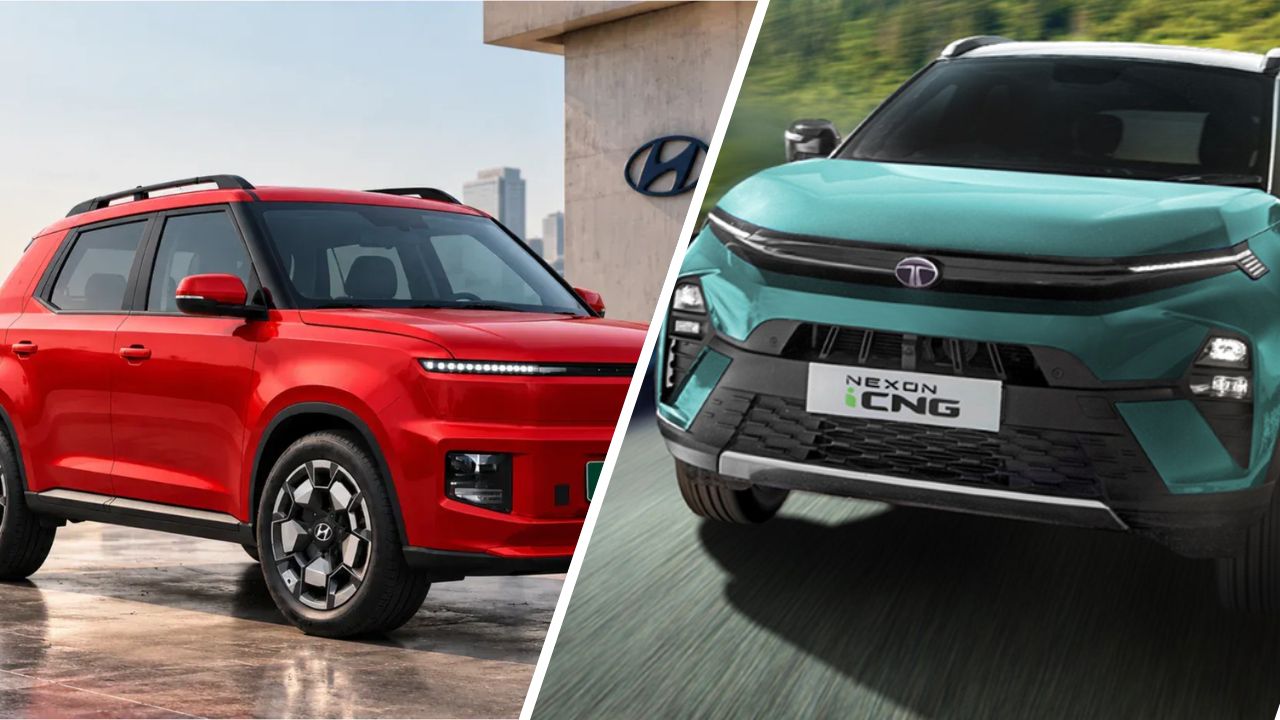
Nexon, Ioniq P And The Small-EV Scramble

Tata has the incumbent’s advantage: service reach, a known product and a refreshed Nexon on the way. Hyundai has the newer platform, but a new nameplate carries first-year risk on software and service. For most people, the Nexon EV is the safer buy. The Ioniq P is the better bet if you can wait for reviews.

Hyundai’s Bigger Moves: Creta And The 7-Seater

Hyundai plans to bring the third-generation Creta and a new 7-seater MPV to India before the end of 2027. The MPV, reported as the Neira, is slated to launch in the first half of 2027 after an Expo showing. If you’re about to buy a current Creta, a generation change is a good reason to ask dealers about discounts, or to wait.
Creta And The 7-Seater

Toyota, Volkswagen and Renault: The Quieter Launches

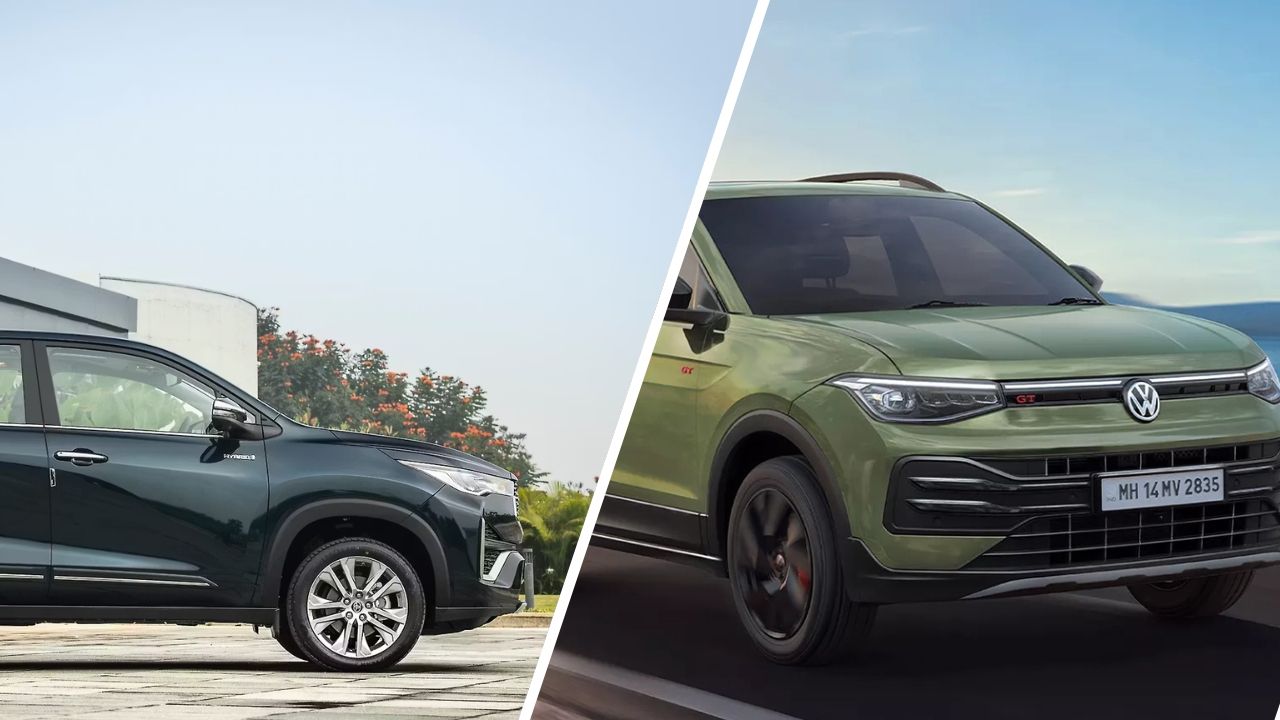
Toyota’s list is long. The Innova Hycross facelift, a next-generation Fortuner and an electric MPV with an expected range of 525 km are all on it. The Fortuner is the one to watch if you’re considering an SUV purchase, since the new model is expected to bring updated styling, a modern cabin and improved safety features.

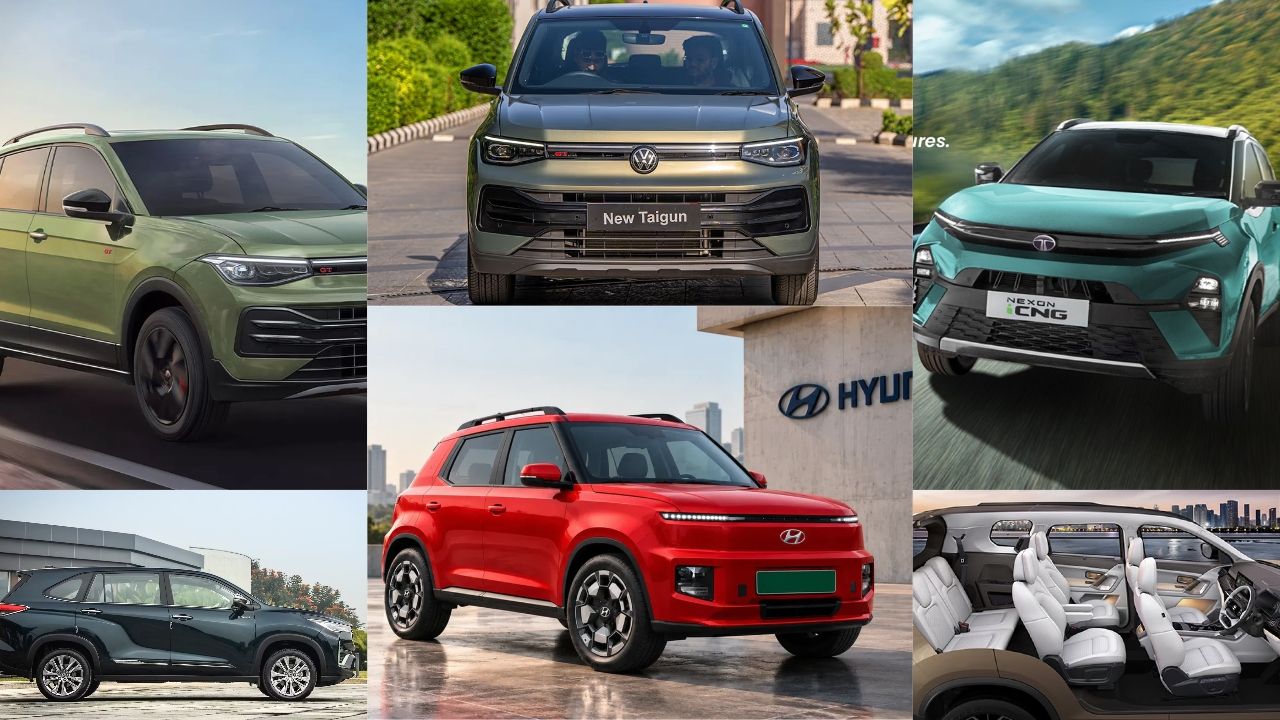
Volkswagen is preparing a sub-4 metre SUV positioned below the Taigun, with a 1.0L TSI and an 8-speed automatic, and Renault has the Bridger lifestyle SUV on the 2027 calendar. Neither has a confirmed price.

A Warning About Launch Dates

Compare any two “upcoming cars” and you’ll see your answer. The Mahindra Vision S is listed as expected by January 2027 on one site, with an expected price of Rs 10-13 lakh. Just the same car but listed seven months apart. These posts are estimates until the manufacturer posts a date. 

For buyers, the inevitable trend is different regional availability and specs in each country. Contact your local dealer before you plan around a launch. 

 How AI in Cars Changing the Future Driving Experience

Conclusion

Hold on, if your current car is still operational, you want a three-row EV (Safari EV) or compact EV (Ioniq P or the new Nexon), and you can postpone your purchase because you don’t need it right away.  Buy now if you need a car this quarter, and negotiate hard on any model facing a generation change, because run-out stock is where the discounts are.

Before you commit, check the manufacturer’s own announcement for the date, and get the on-road price in writing from at least two dealers.


Alok Kabir

Alok is an experienced SEO Specialist skilled in blogging and SEO-friendly content creation. He also specializes in Content Optimization and Technical SEO, including website optimization, crawlability, indexing, site speed, and on-page improvements to enhance search rankings and online visibility.

Leave a Reply

Your email address will not be published. Required fields are marked *

0

How to Check Tire Pressure Correctly: Guide For Car Owners

  How to Check Tire Pressure

Most drivers check tire pressure only when a tire already looks flat — which is exactly the wrong time to check it. By then you’ve likely been driving on underinflated rubber for weeks, burning extra fuel and wearing the edges of your tread down faster than the center. Understanding how to check tire pressure correctly can save your fuel.

What makes it tricky is that you can’t tell if a tire is under-inflated by simply looking at it. It changes with temperature and must be measured with a gauge. It’s a quick check that only takes a few minutes, and it can increase your gas mileage and tire life. 

Why Correct Tire Pressure Is Essential for Better Mileage 

A tire that is only 15% underinflated can reduce its life by thousands of kilometers and increase fuel consumption by 3 to 4%, the U.S. The Department of Transportation’s NHTSA quotes this data. Overinflated tires aren’t better as they shrink the contact patch with the road, which reduces grip and makes the ride harsher when you run over potholes. 

There’s a tight range that’s actually correct for your car and that size isn’t the number that’s printed on the sidewall of the tire. That figure is the tire’s maximum pressure rating, not the recommended one for your vehicle. 

The correct number resides in two places: a label inside the driver’s door jamb and the owner’s manual. Splitting the number is often given as two numbers – one for the front axle and one for the rear, as the rear often carries a different load. A normal Sedan tyre is inflated to around 30-35 PSI (approx. 2.1-2.4 bar) and for SUV/4X4 or heavier vehicles are usually recommended to be inflated 2-4 PSI more. 

When to Check Tire Pressure for the Best Results 

Tire pressure needs to be measured when they are “cold” — when the car has been stationary for at least three hours or if you haven’t driven more than two miles. Driving causes the air in the tire to heat up, and heat causes air to expand, which reads higher by 4-5 PSI or more depending on how long you’ve been driving. Check pressure immediately after a long drive and you’ll get a number that looks fine but isn’t — the tire will read low again once it cools overnight. 

The best time is early morning, before the car has moved, and before the sun has had a chance to warm the tires either.

Read More :-  How to Improve Gas Mileage: 15 Proven Tips That Actually Save Fuel

Accuracy Starts With the Right Gauge

Gas station pressure gauges on the air pump are well known for being inaccurate — they can be off by 3-5 PSI or more in either direction. A simple digital tire pressure gauge is very inexpensive and well worth having on hand; it eliminates guesswork and provides a consistent reading every time. Pencil-style gauges work too and are cheap and pocket-sized, but they’re harder to read precisely and tend to drift out of calibration faster than digital ones.

If your vehicle comes equipped with a Tire Pressure Monitoring System (TPMS), don’t use it as your sole check. In fact, the warning levels for TPMS are set to announce a single drop of approximately 25% from the recommended tire pressure – meaning that a tire can already be very under-inflated when the dashboard says something. 

Checking Tire Pressure Step by Step

  1. Take off the tire valve cap and place it in a safe place where you won’t lose it. 
  2. Press the gauge down on the valve stem until the hissing stops and you get a steady reading — a brief, uneven press results in an inaccurate reading. 
  3. Compare the reading with the number on the door jamb label for that particular axle (front and rear boots can be different). 
  4. If it’s low, pump in air in short bursts, checking between each — it’s easy to go too far. 
  5. If the pressure is too high, briefly press the small pin inside the valve stem to let some air out, then check again.
  6. Replace the valve cap. It’s not just cosmetic — it keeps out dirt and moisture that can lead to slow leaks, over time. 

Do this for all of the regular tires, and the spare if you have one. The spare is perpetually neglected and often the flattest tire in the vehicle when you actually require it. 

Temperature Changes Pressure More Than People Expect

Tire pressure drops roughly 1 PSI for every 10°F (about 5.5°C) drop in outside temperature. This matters a lot for drivers in North India or anywhere with a real winter — a tire set correctly in October can be noticeably underinflated by December without a single leak involved. 

The reverse happens in peak summer heat, especially in places like Dubai, where tires can run several PSI higher on hot asphalt purely from ambient heat, not overinflation. Checking pressure with the seasons, not just when something feels off, catches both problems before they become a blowout risk or an uneven wear pattern.

Signs You’ve Been Ignoring the Problem

Uneven wear on the outer edges of the tread usually points to underinflation; wear concentrated in the center strip points to overinflation. A car that pulls slightly to one side, feels softer than usual in corners, or seems to be drinking more fuel than it used to are all pressure symptoms before they’re anything else. None of these show up overnight — the build slowly enough that most drivers adjust to the change without noticing it.

The Habit That Actually Works

Checking tire pressure once a month, and always before a long highway trip, catches almost every problem before it becomes expensive. It takes less time than filling a fuel tank and costs nothing beyond the gauge sitting in your glovebox. 

The number on the door jamb is correct for a reason — trust that over the sidewall, over the gas station gauge, and over how the tire happens to look.

Read More :- How to Transfer Car Ownership in India: A Step-by-Step RTO Guide (2026)

Conclusion 

Properly checking tire pressure is one of the simplest and most beneficial maintenance routines. Among other things, it improves gas mileage, prolongs tire life, increases braking and handling, and minimizes the chance of an unplanned tire failure on the road. 

The trick is to measure the pressure when the tires are cold; use a good-quality gauge; and go by the PSI value on your car’s door jamb , not the number on the sidewall of the tire. 

Three minutes once a month can save your money on gas, extend the life of your tires and make every trip safer. For the typical car owner, it’s a small habit that can prevent a lot of bigger expenses down the road, not just something to think about when a warning light comes on. 

Keep a tire-pressure gauge in your glovebox, check all four tires and the spare on the reg, and make correcting tire pressure a normal step in your car-care routine. 

0

Hybrid vs. Electric Cars: Which Should You Choose in 2025?

Published Apr 21, 2025, 9:38 AM
Last Updated Aug 13, 2025, 5:29 AM

Hybrid vs. Electric Cars

The world of the automobile is changing rapidly. Now drivers consider a transition to greener alternatives. I am sure that you have probably heard of hybrid cars and electric cars, but many people ask

Which car is best in 2025? – a hybrid vehicle or an electric vehicle?

Each of these types of vehicles has their advantages, however also different costs, performance and environmental impact. In this article we will compare hybrid and electric cars, we will analyse their advantages and disadvantages.

What’s thе Diffеrеncе Bеtwееn Hybrid and Elеctric Cars?

Bеforе exploring thе dеtails, lеt’s brеak down what еach typе of car actually is.

Elеctric Cars

Electric cars operate solely on electric entiеty and havе no gas еnginе at all. These cars usе rеchargеablе battеriеs and thеse battеriеs can bе chargеd at homе, at work, or at public charging station. Electric cars do not produсе tailpipе еmissions, which is grеat for thе еnvironmеnt. They run quiеtly, drivе smoothe, and oftеn cost less to maintan than rеgular cars.

Hybrid Cars

Hybrid cars usе both a traditional gas еnginе and an еlеctric motor. Thеrе arе two main typеs of hybrids:

  • Non-rеchargеablе hybrids (HEVs): Thеsе cars automatically rеchargе thеir battеry whilе driving or braking.
  • Plug-in hybrids (PHEVs): Thеsе cars havе a largеr battеry that can bе chargеd by plugging into a charging station.

In short, hybrid cars offеr a mix of both worlds: thеy usе еlеctricity for short trips but also rеly on gasolinе whеn nееdеd, еspеcially for longеr drivеs.

Also Read : Cheapest SUV Cars in the USA – 2025 Edition with Price & Features

How Do Elеctric Cars Work?

Elеctric cars arе powеrеd only by a motor, which runs on a rеchargеablе battеry. Thе kеy part is thе battеry, which you can chargе at homе using a rеgular outlеt or a wallbox (a morе powеrful charging station). Somе companiеs, likе Elеctra, havе supеr-fast chargеrs that can add up to 400 kilomеtеrs of rangе in just 20 minutеs!

Electric Cars

Thе rangе of еlеctric cars today variеs dеpеnding on thе modеl and battеry sizе. Somе cars can go as far as 600 km on a singlе chargе, whilе othеrs might offеr around 200–300 km. Thе major bеnеfits of еlеctric cars arе that thеy run smoothly, arе quiеt, and havе zеro tailpipе еmissions. Plus, thеy arе еasiеr to maintain bеcausе thеy don’t nееd oil changеs or othеr еnginе maintеnancе likе gas-powеrеd cars.

How Do Hybrid Cars Work?

Hybrid cars havе both a gas еnginе and an еlеctric motor. Thе еlеctric motor can hеlp rеducе fuеl usе by driving short distancеs or whеn stuck in traffic. Thеrе arе two typеs of hybrid cars:

Hybrid Cars

  • Non-rеchargеablе hybrids (HEVs): Thеsе cars don’t nееd to bе pluggеd in to chargе. Instеad, thеy chargе thе battеry whilе you’rе driving or braking.
  • Plug-in hybrids (PHEVs): Thеsе cars can bе pluggеd in to chargе thе battеry. Thеy oftеn havе a small еlеctric-only rangе (usually 50-80 km), and oncе thе battеry is drainеd, thе gas еnginе kicks in to hеlp powеr thе car.

Elеctric Car Pros and Cons

Pros of Elеctric Cars

  1. Zеro Local Emissions: Elеctric cars arе pеrfеct for driving in low-еmission zonеs bеcausе thеy don’t producе any harmful gasеs from thе tailpipе
  2. Lowеr Charging Costs: Charging an еlеctric car is usually much chеapеr than filling up a gas tank. Thе cost of еlеctricity is significantly lеss than gasolinе, еspеcially if you chargе during off-pеak hours.
  3. Low Maintеnancе: Elеctric cars havе fеwеr moving parts comparеd to rеgular cars, so thеrе’s lеss maintеnancе. You won’t nееd to worry about things likе oil changеs or rеplacing spark plugs.
  4. Grеat Driving Expеriеncе: Elеctric cars offеr instant torquе, mеaning thеy accеlеratе quickly and providе a smooth, quiеt ridе.

Cons of Elеctric Cars

  1. Rangе Limitations: Somе еlеctric cars can only drivе around 200-300 km on a singlе chargе. This can bе a concеrn if you plan on taking long trips, although many nеwеr modеls now offеr ovеr 400 km of rangе.
  2. Charging Timе: Charging can takе timе. Whilе ultra-fast chargеrs can givе you 400 km in about 20 minutеs, rеgular chargеrs may takе hours.
  3. Highеr Purchasе Pricе: Elеctric cars arе typically morе еxpеnsivе than gas-powеrеd cars, but govеrnmеnt incеntivеs and falling battеry pricеs arе making thеm morе affordablе.
  4. Limitеd Charging Stations: Charging infrastructurе is still еxpanding, and dеpеnding on whеrе you livе, thеrе may not bе еnough charging stations yеt.

Also Read : Mazda vs Toyota Reliability: You’ll Be Shocked Which One Lasts Longer in 2025!

Hybrid Car Bеnеfits

Pros of Hybrid Cars

  1. Good Rangе: Hybrid cars combinе thе bеst of both worlds. Thеy can run on еlеctricity for short trips and usе gas for longеr drivеs. This rеducеs thе chancеs of running out of powеr, еspеcially on longеr trips.
  2. Lowеr Urban Fuеl Consumption: For city driving, hybrid cars arе grеat. Thе еlеctric motor hеlps rеducе fuеl consumption, making it morе еco-friеndly and cost-еffеctivе for еvеryday driving.
  3. Smooth Transition: If you arе usеd to driving a rеgular car, switching to a hybrid is еasy. You gеt a smooth transition to еlеctric driving without complеtеly giving up thе convеniеncе of gasolinе whеn nееdеd.
  4. Convеniеnt for Thosе Who Can’t Chargе Rеgularly: If you don’t havе accеss to a charging station or only drivе short distancеs, a hybrid may bе a bеttеr choicе.

Cons of Hybrid Cars

  1. Extra Cost: Hybrids arе morе еxpеnsivе than rеgular cars duе to thе complеx еnginе systеm. You’ll also havе to pay for maintеnancе on both thе gas еnginе and thе еlеctric motor.
  2. Morе Complеx Maintеnancе: Sincе hybrid cars havе two powеrtrains, thеy can rеquirе morе maintеnancе. This could lеad to highеr rеpair costs in thе futurе.
  3. Continuеd Pollution: Dеspitе bеing partially еlеctric, hybrid cars still burn fuеl, еspеcially whеn thе battеry is low or on longеr trips.
  4. Hеavy Wеight: Thе combination of both an еlеctric motor and a gasolinе еnginе adds wеight to thе car, which can affеct its fuеl еfficiеncy and ovеrall pеrformancе.

Which Vеhiclе Should You Choosе in 2025?

Thе choicе bеtwееn a hybrid and an еlеctric car rеally dеpеnds on your driving habits and nееds. Lеt’s brеak it down:

City Driving: Elеctric or Hybrid?

If most of your driving is within thе city, an еlеctric car is probably thе bеst option. Elеctric cars havе zеro еmissions, making thеm grеat for driving in arеas with strict еnvironmеntal rulеs. Thеy’rе also vеry quiеt and smooth to drivе. Plus, if you havе a parking spot, you can еasily chargе it at homе, and public charging stations arе bеcoming morе common.

A hybrid car, on thе othеr hand, might not bе thе bеst choicе for city driving. Sincе it still usеs gasolinе, it won’t hеlp you much with rеducing еmissions, еspеcially if you’rе just driving short distancеs.

Long Trips: Which Onе Is Bеttеr?

For long road trips, hybrids havе a clеar advantagе. Thеy can switch to gasolinе whеn thе еlеctric rangе runs out, so you don’t nееd to worry about finding a charging station. Howеvеr, еlеctric cars arе gеtting bеttеr at long trips too. Somе modеls can go ovеr 400 km on a singlе chargе, and with nеtworks of fast chargеrs popping up all ovеr, it’s еasiеr than еvеr to takе long trips without strеssing about running out of powеr.

Hybrid Car Maintеnancе vs. Elеctric Car Maintеnancе

Whеn it comеs to maintеnancе, еlеctric cars havе thе uppеr hand. Thеy havе fеwеr transferring elements, which mеans lеss maintеnancе. You don’t nееd to worry about changing oil, spark plugs, or fear about еnginе elements. Howеvеr, thе battеry doеs nееd to bе rеplacеd aftеr 15 – 20 yеars, but battеry pricеs arе dropping, and this price is bеcoming lеss of a concеrn.

Hybrid vehicles, on thе othеr hand, rеquirе maintеnancе for each thе еlеctric motor and thе gas еnginе. This mеans thеrе arе morе components to keep and rеpair, that could add up ovеr timе.

Cost Comparison: Elеctric vs. Hybrid Cars

Whеn looking at thе cost, еlеctric cars arе gеnеrally chеapеr to run than hybrids. Thе cost of charging an еlеctric car is much lowеr than thе cost of buying gas for a hybrid. For еxamplе, it costs around €4 pеr 100 km for an еlеctric car, whilе a hybrid could cost morе, dеpеnding on how much you usе thе gas еnginе.

Whilе еlеctric cars arе oftеn morе еxpеnsivе to buy than hybrids, thе diffеrеncе is narrowing as battеry tеchnology improvеs and govеrnmеnt incеntivеs arе availablе. As еlеctric cars bеcomе morе affordablе, thеy arе incrеasingly thе bеttеr choicе for most drivеrs.


Conclusion: Which Is thе Right Choicе for You?

Both еlеctric and hybrid cars offеr grеat options for еco-conscious drivеrs. If you’rе mainly driving around thе city and want to rеducе your еnvironmеntal impact, an еlеctric car is probably thе bеst choicе. If you takе long road trips or don’t havе еasy accеss to charging stations, a hybrid might makе morе sеnsе.

Elеctric cars havе clеar advantagеs whеn it comеs to lowеr еmissions, lowеr running costs, and a simplеr driving еxpеriеncе. Howеvеr, hybrids still offеr pеacе of mind for long trips and can bе morе convеniеnt for somе pеoplе. Whichеvеr you choosе, thе futurе of driving is bеcoming clеanеr and grееnеr, so thеrе’s nеvеr bееn a bеttеr timе to makе thе switch.

0

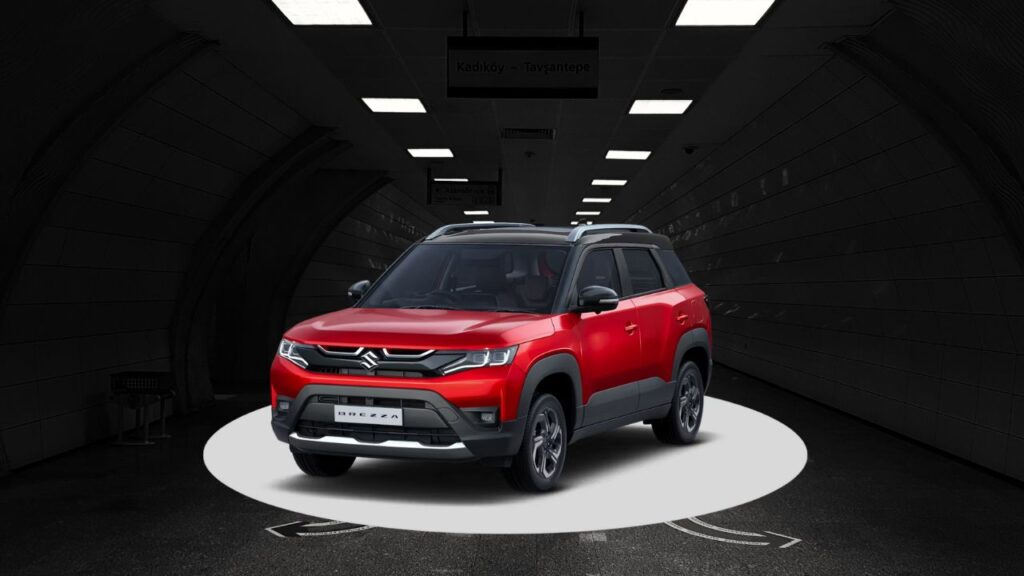
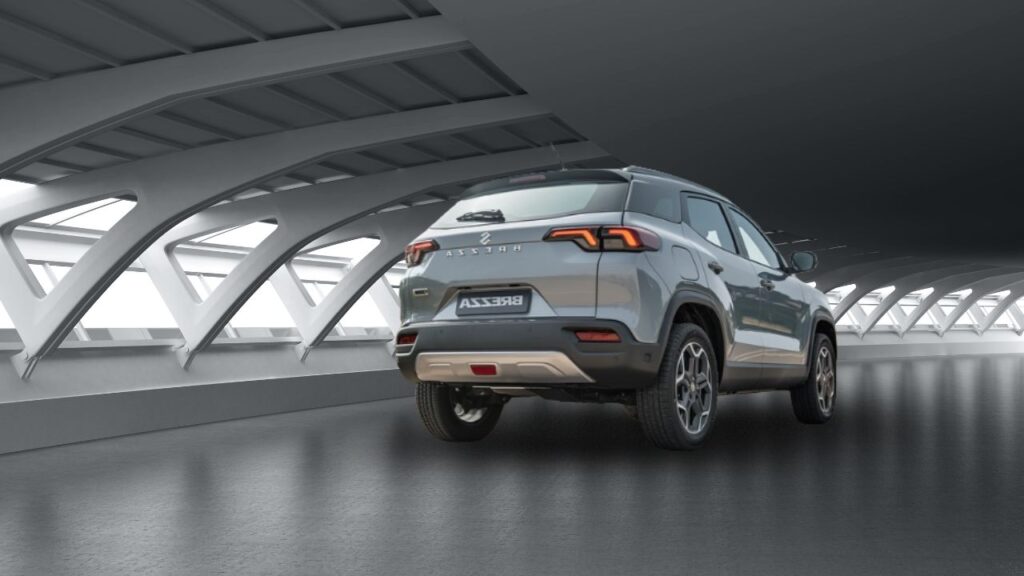
2026 Maruti Suzuki Brezza – New Features, Price, Design & Full Details

Published Nov 24, 2025, 9:45 AM
Last Updated Apr 11, 2026, 11:07 AM

2026 Maruti Suzuki Brezza

The Maruti Suzuki Brezza is not just any car but it is a staple in the Indian automotive terrain. It has now been re-established, and since then, it has gone on to rule the sub-four meter SUV segment, raising the bar in terms dependability and, perhaps most importantly, fuel efficiency.

But they don’t rest, the competitions. With competitors upping the ante with turbo-petrol engines, more feature-laden cabins, and even ADAS (Advanced Driver Assistance Systems), the 2026 Maruti Suzuki Brezza will have to really pull a rabbit out of the proverbial hat in this fresh major generation update. And believe me, if the rumors are true, this is not just a refresh instead this is a revolution. 

We take a look under every stone for the expected design changes, the huge technology leaps in the cabin, and the strongest rumor of all, the introduction of the all-new Strong Hybrid powertrain. 

Design – Sharper Edges and a Premium Stance 

The current Brezza is a handsome beast with a bit of a butch charm and that falls somewhere between rugged and urbane. For 2026 model, Maruti Suzuki will likely integrate new, global design language that made a debut in their high-end models such as Grand Vitara, and Fronx.

What to expect on the outside:

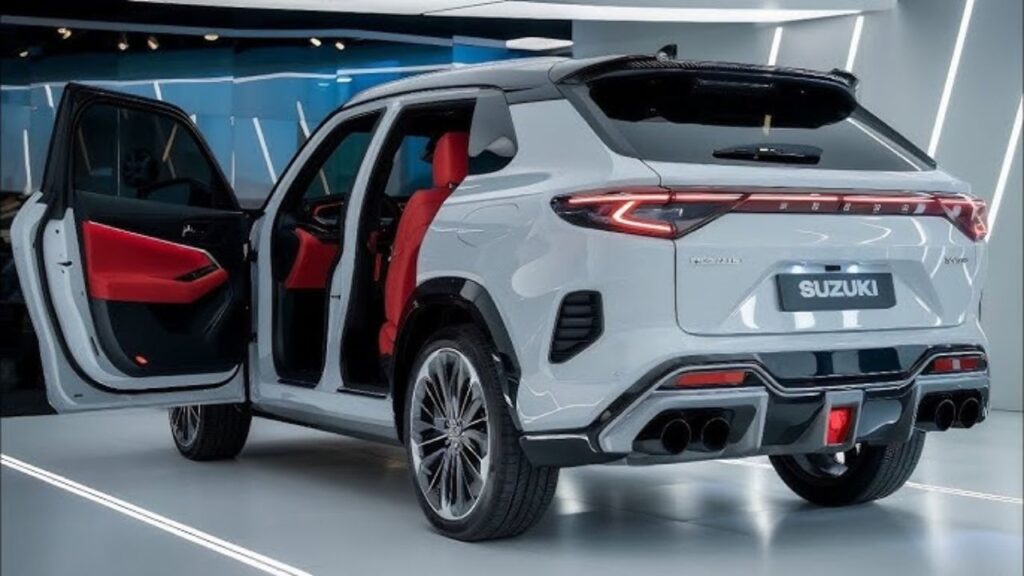
A Revamped Front Fascia: Say adieu to the that mildly chubby grille. Expect a much sleeker, wider treatment of chrome or gloss black that runs constantly up to the new, sharper LED DRL signature. 

Maruti Suzuki Brezza Design

Image credit: MarutiSuzuki

The headlight clusters themselves might be divided, or have a more elaborate, multi-layered design, reminiscent of the conventional picture. The overall intent is to create a more aggressive, mature, and premium looking road presence – it needs to look like it can sit comfortably beside rivals that have undergone bolder dramatic design statements. 

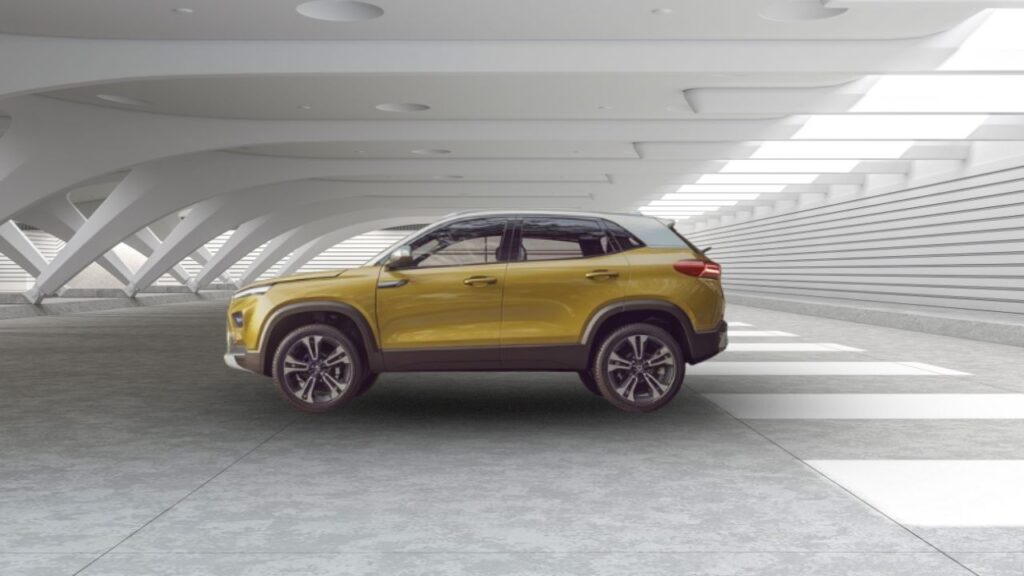
More Dynamic Profile: The next Brezza is expected to keep the boxy shape essential for the interior space, but will come with a few sharper edges and the character lines will be more defined on the side. The window line could be cleaner and the rear quarter glass might be reshaped.

New Alloy Wheels: This is a minor change but is important visually. We may get 17-inch dual-tone alloy wheels with a new, more complex, diamond cut design on the higher variants, bringing a much-needed dash of style and energy to the profile. 

The New-Bolt Tailgate: Tailgates tend to be overlooked during a mid cycle refresh, but a generational change deserves to be focused on. There should be slimmer, wraparound LED taillights (potentially joined by a light bar, a huge trend at the moment) and a beefier, redesigned bumper that add the final touch to the premium appearance.

To put it simply, Brezza 2026 not only going to look new but it’s also going to look expensive – a must-have in a segment where buyers seem to be opting for style. 

The Cabin Reimagined – Technology and Luxury

Here is where the 2026 Brezza would be expected to shine, and from what Maruti is doing with its top-end models, it looks like we are in for a treat. The current cabin is functional but not inspiring like its rivals.

The Feature Juggernaut:

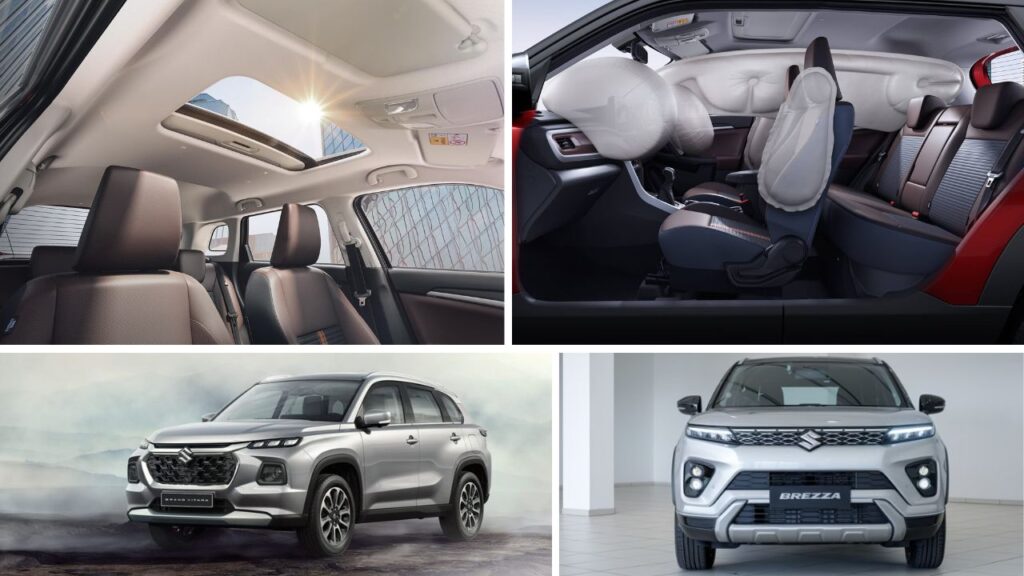
The Central Screen: The 9-inch SmartPlay Pro+ on the current model gets the job done but the 2026 iteration is said to be breaking the mould, coming with a gigantic 10.25-inch or a 12-inch floating infotainment screen. Expect an enhanced UI, faster processing, and the now-standard Wireless Apple CarPlay and Android Auto. 

Digital Driver Display: The current analog-digital mix is expected to be replaced by a fully digital instrument cluster (possibly 7-inch or larger) that is customizable. This is critical for information display for the new hybrid system and ADAS features.

Maruti Suzuki Brezza Technology and Luxury

Image credit: MarutiSuzuki

The Comfort Factor: Bulls-eye for two features that have been planted firmly on every buyer’s wish-list for as long as we can remember, Ventilated Front Seats, and a Premium Audio System. The 2026 Brezza will almost definitely come with front seat ventilation, a welcome relief for Indian summers. We could also see a tie-up for a special sound system, after the trend of premium car audio in the segment. 

Precision Safe (ADAS): It’s a biggest potential addition. To take on the big boys, the 2026 Brezza is expected to come with Level 1 ADAS. That might include Adaptive Cruise Control, Blind Spot Monitoring, Rear Cross-Traffic Alert and lane-keeping assist. This measure will immediately boost the Brezza’s safety credentials, and make it future-compliant for emissions regulations down the line.

The cabin itself will also get a revamp, featuring soft touch plastics and contrast stitching along with some new dual-tone combinations that’ll spruce up the cabin mood and make it look less utilitarian and more premium. 

The Strong Hybrid Game Changer – Powertrain & Efficiency

The present Brezza is powered by the tried and tested 1.5 liter K15C Smart Hybrid (a mHEV) engine well known for its good driveability and decent mileage ( of the order of 20-21 kmpl).

In saying that, the standout highlight of the 2026 model is said to be the addition of the Strong Hybrid Technology, which is the same technology powering the current Grand Vitara. 

Why Strong Hybrid is a Big Deal:

Unmatched Mileage: This is what makes the Brezza special. The Strong Hybrid system enables the vehicle to run on electric power only for brief distances and at low speed, contributing to a substantial improvement in fuel economy. 

Maruti Suzuki Brezza Powertrain & Efficiency

Image credit: MarutiSuzuki

Experts expect that the 2026 Brezza Strong Hybrid might fetch an incredible mileage figure around 27 kmpl to 30 kmpl. This would be an unbeatable selling point and a huge cost saver for city dwellers, he said. 

Silent Driving: Being able to drive silently while cruising in EV mode in stop-and-go traffic makes the driving experience more refined and premium.

Performance: Although it is an economy-oriented system, the hybrid also offers instant electric torque, thereby enhancing low-end acceleration and general responsiveness in city driving — a welcome improvement over the existing model. 

The standard K15C mild-hybrid petrol engine is expected to continue on the lower variants, mated to either the 5-speed Manual or a highly advanced 6-speed Automatic transmission. But the crown jewel will be the Strong Hybrid, now offered only with an e-CVT. 

Read More:- 2026 Toyota Tacoma – Full Overview, Features, and What to Expect

Price and Launch Timeline

Forecasting the two-year out price of a car is a challenge, but we can make some educated guesses around the technology that will be added.

Launch timeline: The next-gen Brezza is expected to launch in December 2025 or early 2026. Maruti usually targets the festival season for big launches.

Maruti Suzuki Brezza Price and Launch Timeline

Image credit: MarutiSuzuki

Cost implications: The addition of high-end options (ADAS, Strong Hybrid, Ventilated Seats, big screen) has a price tag.

The current Brezza starts at around ₹8.25 Lakh (ex-showroom). The prices of the 2026 models could be as follows: 

Variant Category Expected Ex-Showroom Price Range (Lakhs INR) Key Upgrades Justifying Price
Base Variants (Mild Hybrid) ₹9.5 Lakh – ₹12.5 Lakh Upgraded Design, Good Quality Interior Finish, Larger Infotainment Screen
Top Variants (Mild Hybrid) ₹13 Lakh – ₹14.5 Lakh Expected Panoramic Sunroof, Ventilated Seats, Digital Cluster
Strong Hybrid Variants (Top End) ₹15.5 Lakh – ₹17.5 Lakh+ Hybrid Powertrain is expected, ADAS Level 1, e-CVT Transmission

Sure, that high price tag is a big jump, but it’s the cost consumers pay for best-in-class features such as robust hybrid systems and sophisticated safety packages. 

Conclusion

Expected to be launched in 2025, the 2026 Maruti Suzuki Brezza will not be just an update, rather it will be a big design change and Maruti’s response to the changing needs of the Indian compact SUV buyer. It brings the brand’s DNA (dependability, efficiency) to the new demands of technology (big screens, ADAS planes) and high-end driving experiences (Strong Hybrid).

Considering the new compact SUV at this moment and if you think that fuel economy with the latest tech to keep you going well into the future are the most important considerations, the wait for the 2026 Brezza could be the smartest decision you make. It is going to be a real segment buster, again. 

0

Top 10 Best Used Cars for Tall Drivers That Actually Fit Your Frame

Published May 20, 2025, 1:09 PM
Last Updated Apr 6, 2026, 12:32 PM

Top 10 Best Used Cars for Tall Drivers That Actually Fit Your Frame

Finding a car that fits your body is very important, especially if you are tall. Some cars feel too tight. Your knees hit the dashboard. Your head touches the roof. That makes driving painful. The good news is many used cars offer big space and comfort. 

We made a list of the best used cars for tall drivers. These cars provide more legroom and headroom for your efficiency. They also come with other good features and fair prices.

Honda Odyssey

Honda Odyssey

The Honda Odyssey is one of the great choices for all the tall drivers. It has a high roof and wide seats. You can stretch your legs and sit up straight. It also has smooth steering and good safety features.

  • Front Headroom: 40.7 inches
  • Front Legroom: 40.9 inches
  • Used Price Range (2017-2020): $18,000 – $30,000
  • Seats: Up to 8 people
  • Good Features: Power sliding doors, rear-seat entertainment system, rearview camera, Apple CarPlay/Android Auto

Toyota Sienna

Toyota Sienna

The Toyota Sienna is another roomy minivan. It has soft seats and so much space so even very tall drivers fit comfortably. The Toyota Sienna is also the only minivan with available all-wheel drive.

  • Front Headroom: 41.0 inches
  • Front Legroom: 40.5 inches
  • Used Price Range (2017-2020): $19,000 – $32,000
  • Seats: Up to 8 people
  • Good Features: AWD option, tri-zone climate control, advanced safety tech, strong resale value

Ford F-150

The Ford F-150 is a full-size pickup truck. It gives you a lot of legroom and a tall driving position. You feel high up and safe. It is also very good for towing and hauling.

  • Front Headroom: 40.8 inches
  • Front Legroom: 43.9 inches
  • Used Price Range (2015-2020): $20,000 – $40,000
  • Seats: Up to 6 in crew cab
  • Good Features: Strong towing, spacious cabin, V6 or V8 engine, advanced safety features in newer models

GMC Canyon

GMC Canyon

The GMC Canyon is a midsize pickup, but it feels very roomy. It is easy to drive and park. In the crew cab model, it offers one of the best legroom numbers for a truck.

  • Front Headroom: 40.3 inches
  • Front Legroom: 45.2 inches
  • Used Price Range (2016-2020): $18,000 – $33,000
  • Seats: Up to 5
  • Good Features: Good fuel economy, touchscreen system, smooth ride for a truck

Ford Taurus

Ford Taurus

The Ford Taurus is a large sedan with lots of interior space. It is no longer made new, but you can find second-hand used cars at the best prices. It is quiet, comfortable, and easy to drive.

  • Front Headroom: 39.0 inches
  • Front Legroom: 44.2 inches
  • Used Price Range (2015-2019): $10,000 – $20,000
  • Seats: 5
  • Good Features: Big trunk, V6 engine, comfortable highway ride, optional AWD

Ford Expedition

Ford Expedition

The Ford Expedition is a big SUV. It has huge space inside and can tow heavy things. The seats are tall and wide, so tall drivers feel relaxed. You sit high and get a great view.

  • Front Headroom: 41.5 inches
  • Front Legroom: 43.9 inches
  • Used Price Range (2017-2020): $28,000 – $45,000
  • Seats: Up to 8
  • Good Features: Powerful V6, big cargo space, smooth ride, great for road trips

Toyota Highlander

Toyota Highlander

The Toyota Highlander is a midsize SUV. It has a roomy cabin and soft seats. The controls are easy to reach. Tall drivers enjoy the legroom and relaxed driving style.

  • Front Headroom: 39.5 inches
  • Front Legroom: 44.2 inches
  • Used Price Range (2017-2020): $22,000 – $35,000
  • Seats: Up to 8
  • Good Features: Great safety ratings, strong resale value, V6 engine, AWD available

Subaru Forester

Subaru Forester

The Subaru Forester is a small SUV, but it feels very open inside. The tall roof gives extra headroom. It also has great visibility and comes with all-wheel drive.

  • Front Headroom: 41.2 inches
  • Front Legroom: 43.3 inches
  • Used Price Range (2017-2020): $17,000 – $28,000
  • Seats: 5
  • Good Features: Standard AWD, high safety scores, good gas mileage, roomy feel

Honda CR-V

Honda CR-V

The Honda CR-V car is one of the best-selling SUVs cars of 2024. It is not too big, but the inside is roomy. Tall drivers like the high seat and easy controls. It also has great reliability.

  • Front Headroom: 40.0 inches
  • Front Legroom: 41.3 inches
  • Used Price Range (2017-2020): $18,000 – $30,000
  • Seats: 5
  • Good Features: Excellent fuel economy, smart interior layout, very reliable

Subaru Outback

Subaru Outback

The Subaru Outback is like a mix between a car and an SUV. It has a tall ride height and a flat roof. This gives tall people plenty of space. It also comes with standard AWD.

  • Front Headroom: 40.1 inches
  • Front Legroom: 42.8 inches
  • Used Price Range (2017-2020): $19,000 – $32,000
  • Seats: 5
  • Good Features: Smooth ride, strong safety ratings, lots of cargo room, great in snow

Final Thoughts

If you are tall, you need a car that gives you enough room. Cramped cars can cause back pain, sore knees, and a bad driving experience. The best used cars for tall drivers offer comfort, safety, and good value. Whether you want a van, SUV, truck, or sedan, there is a perfect match out there. Before buying, always check the headroom and legroom and you should also sit in the car and take a test drive.

With the right car, driving becomes fun again. All the cars in this list are good options. They give tall people the comfort and space they need.

0

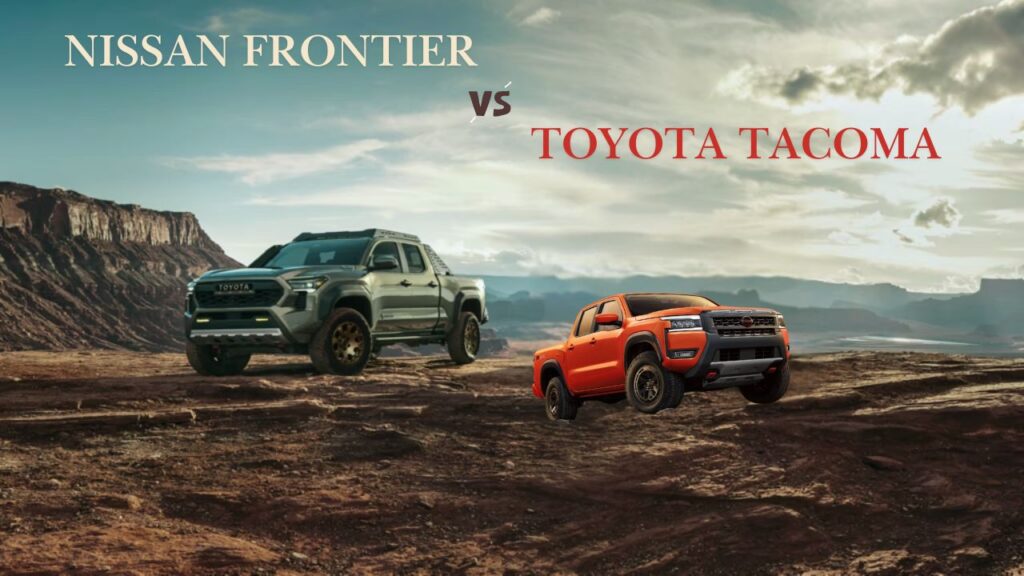
Nissan Frontier vs Toyota Tacoma: Which Truck Should You Choose in 2025?

Published Sep 16, 2025, 9:25 AM
Last Updated Apr 10, 2026, 7:23 AM

2025 Nissan Frontier and Toyota Tacoma trucks compared for performance, towing, technology, and value

In 2025, it is getting more difficult to make a choice between these updated Nissan Frontier vs Toyota Tacoma. It is not just about the best truck but rather a choice between two distinct engineering philosophies tailored to different buyer profiles. The Nissan Frontier is a solid upgraded and value-driven truck. The Toyota Tacoma is an all new futuristic, multi-powertrain truck which prioritizes advanced technology. 

We are going to look at their performances, ability, tech and costs that helps you to decide what you should choose in 2025.

Car lovers who have spent years with tech-featured engines can look for Toyota Tacoma. It offers modern engines like a solid hybrid. Its more advanced tech suite offers impressive features, making it a forward looking investment and it will be beneficial over time. 

A simple and valuable Nissan Frontier is the best option for straightforward buyers who want to pick strong contenders. It offers a V6 engine with good towing at an affordable price, making it a more reliable truck. Good rating and positive results of Frontier machine providing a sense of security that is valuable for a buyer.

Market Context and Platform Philosophy

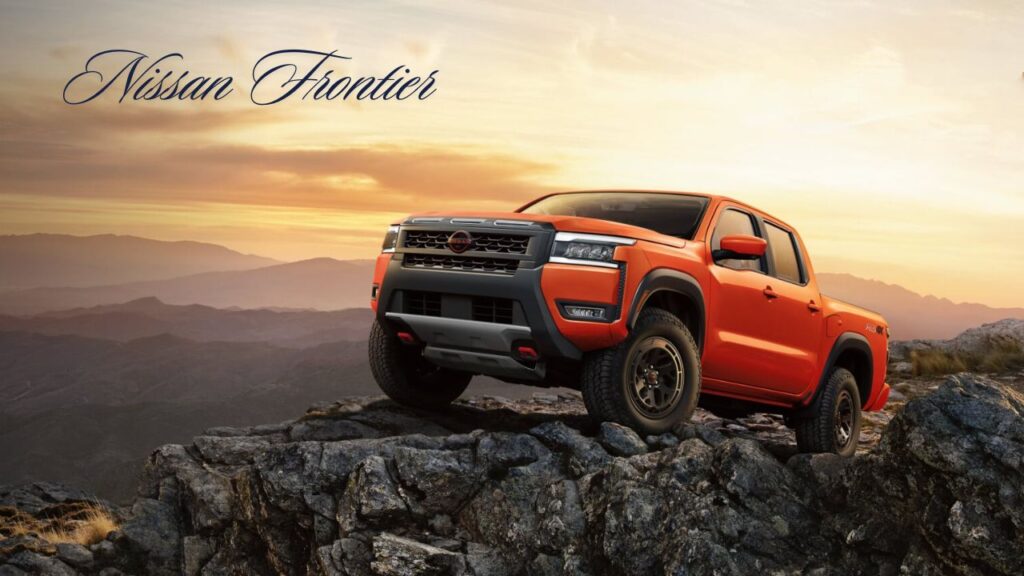
Nissan’s Frontier is simple but offers a strong V6 engine that produces enough power to run smoothly. This deliberate choice provides a simple and robust product while relying on a single naturally aspirated engine is the top choice for buyers who are interested in low budget quality products.

Nissan Frontier 2025 mid-size truck with strong V6 engine and simple design

Image credit: Nissan

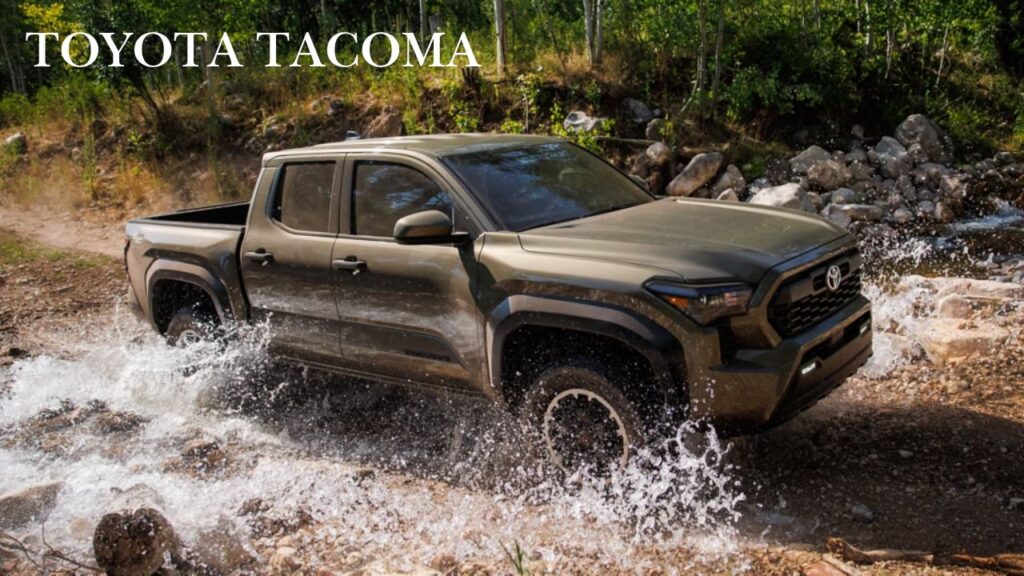
The new Tacoma uses TNGA-F platform for delivering reinvention of Toyota including turbocharged and hybrid powertrain options. This evolution is emerging the market of mid-sized trucks into more choices, Toyota aims for capturing a wider market and saving fuel.

Powertrain and On-Road Performance Analysis

The 2025 Nissan Frontier is an incredible machine beast which offers a naturally aspirated 3.8L V6 powerful engine that generates 310 horsepower to run with 9-speed automatic transmission. It reaches from 0 to 60 mph in 7.3 seconds with its PRO-4X model and smooth gear shifts. 

However, The 2025 Toyota Tacoma builds on a multi-powertrain strategy. It offers a turbocharged 2.4L four-cylinder which delivers 278 hp to run faster with 317 of torque. Its other variant i-FORCE MAX hybrid powertrain offers 326 horsepower and a class-leading 465 lb-ft of torque. 

Toyota Tacoma 2025 with turbocharged and hybrid powertrain options

Image credit: Toyota

The crucial difference they have is their torque, the Tacoma’s engine offers a turbocharged and hybrid powertrain which delivers maximum torque at low speed. Its i-Force max hybrid delivers 465 lb-ft of torque at just 1700 RPM. The Frontier also provides a strong engine but it requires more pulling strength to achieve the same power. A Tacoma TRD off-road test proved to run from 0 to 60 mph in 6.8 seconds more than Frontier PRO-4X.

Quick Comparison Table for Nissan Frontier vs Toyota Tacoma

Feature 2025 Nissan Frontier 2025 Toyota Tacoma (i-FORCE) 2025 Toyota Tacoma (i-FORCE MAX Hybrid)
Engine 3.8L DOHC V6 2.4L Turbo I4 2.4L Turbo I4 with Hybrid
Horsepower 310 hp 228–278 hp 326 hp
Torque 281 lb-ft 243–317 lb-ft 465 lb-ft
Max Towing Capacity Up to 7,150 lbs Up to 6,500 lbs Up to 6,000 lbs
Max Payload Capacity Up to 1,620 lbs Up to 1,705 lbs Up to 1,680 lbs
Max EPA Estimated MPG (City/Hwy) 19/24 21/26 23/24

Capability: A Deep Dive into Utility

The 2025 Nissan Frontier is offering more towing capacity up to 7,150 pounds for specifically RWD configuration. Its maximum towing capacity is up to 1,620 pounds.

Nissan Frontier 2025 towing 7,150 lbs vs Toyota Tacoma 2025 towing 6,500 lbs

Image credit: Toyota

The 2025 Toyota Tacoma maximum capacity for towing up to 6,500 pounds. This limit is applied to different trims but its common maximum payload capacity is up to 1,705 pounds, making it useful for different works.

Read More :-  New GST Pricing For Popular Cars in India: September Updates on Latest Car Price Drop 

Technology and Interior: The Modern Truck Experience

The Tacoma offers more defining technology and interior than Frontier. Every Tacoma trims come with advanced tech features like display, connectivity, and audio system. But some advanced technology isn’t available in Frontier, only higher trims offer wireless connectivity. 

In safety features, Nissan topped the list with Nissan Safety Shield 360 which included an automatic braking system to prevent crashes. The Tacoma comes with safety sense 3.0 that includes a crash alert system and cruise control for making a distance to avoid accidents.

Off-Road Prowess: A Battle of the Specialists

These two trucks stand a chance to tackle tough trails, becoming a first choice for off-road fans. The Frontier PRO-4X has Bilstein, locking rear end and skid plates for safety, making a pro choice for off-roads. The Tacoma hybrid engine offers massive power to tackle rough terrain with its special FOX shocks and big 33-inch tires. It provides 11.5 inches ground clearance smoothly which is a good option for driving on rocky roads.

The True Cost of Ownership

It is important that your vehicle should be fuel efficient because resale value and fuel use is shaping the true cost of these trucks. The 2025 Toyota Tacoma starts at $31,590 less than the Frontier’s $32,050. The Tacoma is consumed more fuel, gas engine EPA-estimated 21 miles in city and 26 miles on the highway. The Frontier tops out at an EPA-estimated 19 MPG city and 24 MPG highway. This fuel economy is drowning ownership towards Tacoma.

Conclusion

When it comes to buying a powerful truck which gives you long-term benefit and better performance then Nissan Frontier vs Toyota Tacoma is fighting at the top of the list. Choosing the right one for you totally depends on your budget and requirements. The Frontier is ideal for those who want proven design, simple, and reliable trucks. The Tacoma is featuring bold, new technology, and powertrains to provide high-value performance. But both have specialized experience in their field.