2

How AI in Cars Changing the Future Driving Experience

Published Oct 30, 2026, 1:48 PM
Last Updated Nov 5, 2026, 3:27 PM

AI in Cars

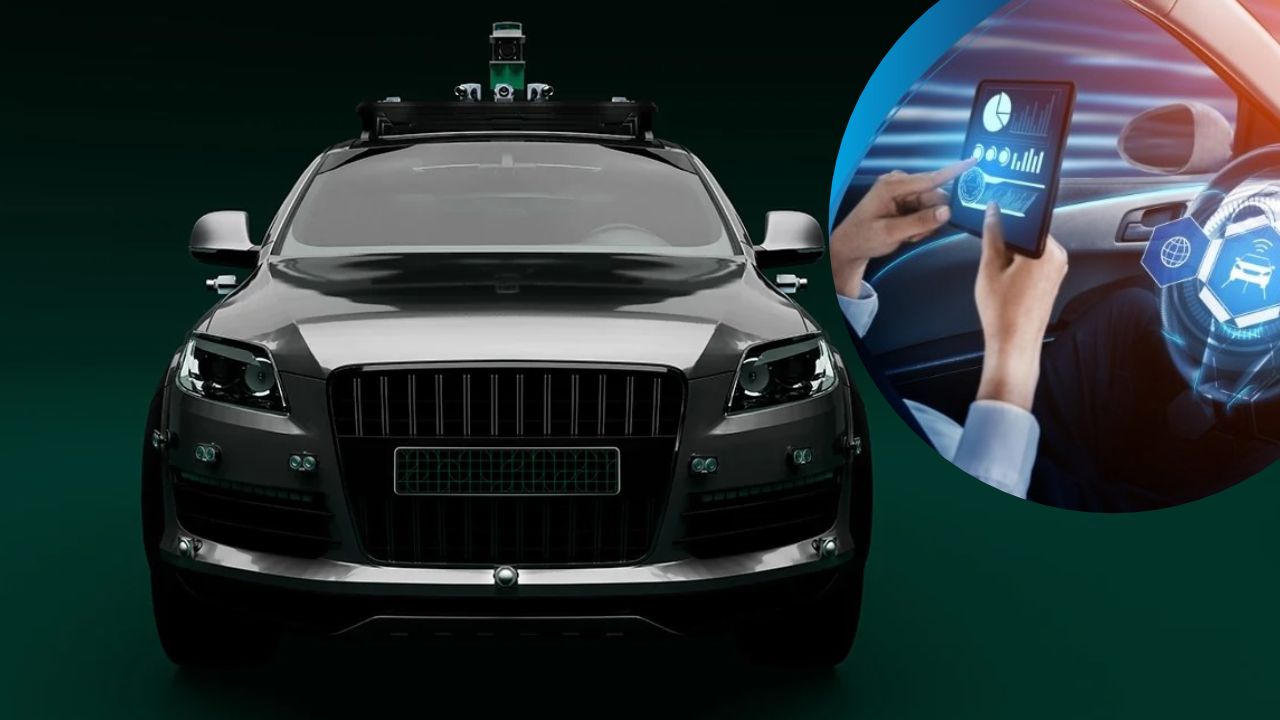
Driverless cars are really attractive and seeing them in real life is really exciting for anyone who gets to drive 80 km a day but total driverless is still a dream. AI in cars exists to assist only, it will detect the closing gap between your car and truck on the expressway through radar and a camera that triggers the brakes.

It is driver assistance, voice control and connected features, not a car that drives itself. Here is what you actually can buy, how much the extra trim costs, and where the headline claims still apply to overseas. 

What AI in Cars Actually Means in India Today

Three things sit under the label. Where it matters most is advanced driver assistance (ADAS), a combination of radar and camera data feeding software that can trigger the brakes, maintain speed and even correct steering. Next come in-car Assistants, like voice commands and Alexa home to car control on the Hyundai Creta. The third is connectivity, for example over-the-air (OTA) updates. 

Branding varies. Mahindra markets the electronics in its XEV 9e as MAIA, the Mahindra Artificial Intelligence Architecture, built on a Qualcomm Snapdragon 8295 with 24 GB of RAM. Maruti calls its system Level 2 ADAS, and the Hyundai brochure uses the same term. The official documents reviewed here do not use “AI” for those features, though the assistance they offer is broadly similar.

The limit is the same everywhere. At Level 2, the human stays responsible for driving and must monitor the system. Hyundai’s brochure also says ADAS is not a substitute for attentive driving.

How AI Is Changing the Future of Cars and Driving

AI in cars is making the driving experience better, there are limitations that a driver should understand. Hyundai, Kia, Maruti, and Honda offer designs with advanced safety features (level 2 ADAS) which detect and warn in many complex situations. The foreign countries offering higher level AI in cars to make it driverless which has not arrived in India yet. 

There are claims that should get you confused before buying a new car — How AI in cars changes the driving environment? 

“Your next car will fully drive itself anywhere” 

Level 5 autonomy—no driver, no restrictions—is not currently in sight; experts often place broad personal availability around 2035–2040 or later. 

“AI can handle every road situation” 

AI still struggles with rare, ambiguous, or unusual events that are poorly represented in training data—construction, erratic pedestrians, extreme weather, unclear road markings. 

“Everyone trusts self-driving cars” 

Only 36% of consumers worldwide consider self-driving cars safe, and 38% are genuinely interested in owning one. 

“The hype is global” 

Trust varies sharply: Hong Kong and the UAE are relatively optimistic, while only 20% of people in Great Britain and 15% of Americans think AI will improve driving. 

“AI will replace drivers immediately” 

Countries like India having a mixed traffic and unpredicted roads, potholes, inconsistent behaviour and infrastructure makes it much harder for AI to drive a car than in selected U.S. regions and China.

AI-powered Cars You Can Buy in India, By Budget

Maruti Baleno (2026) Hyundai Creta Mahindra XEV 9e
Starting ex-showroom ₹6,09,900 (Bengaluru) ₹10,90,700 ₹21.90 lakh (launch price)
ADAS found on Top Alpha (O) trim, per third-party reports King-level trims Higher packs; hardware varies
What it offers Eight functions, radar + camera About 18 functions 5 radars + 1 camera (Level 2+)
Claimed efficiency / range 23.80 km/l (MT), 24.77 km/l (AGS) 17.4 to 21.8 kmpl  656 km (MIDC) 

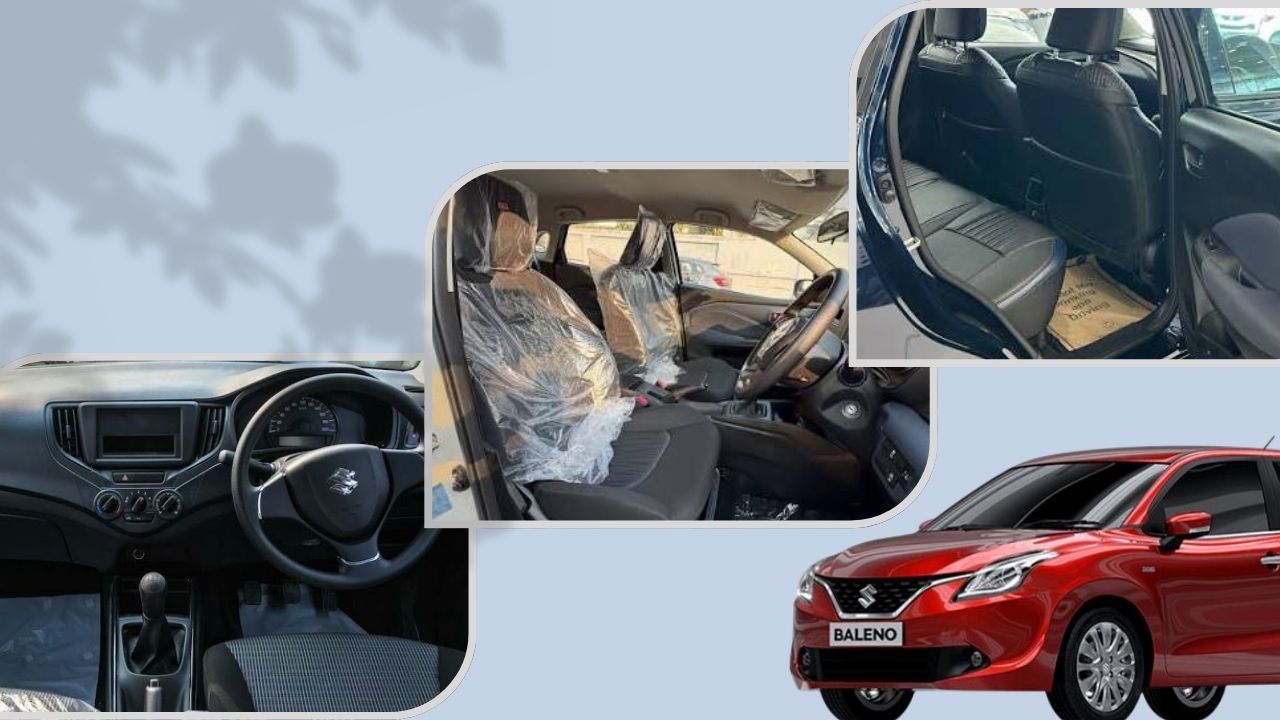
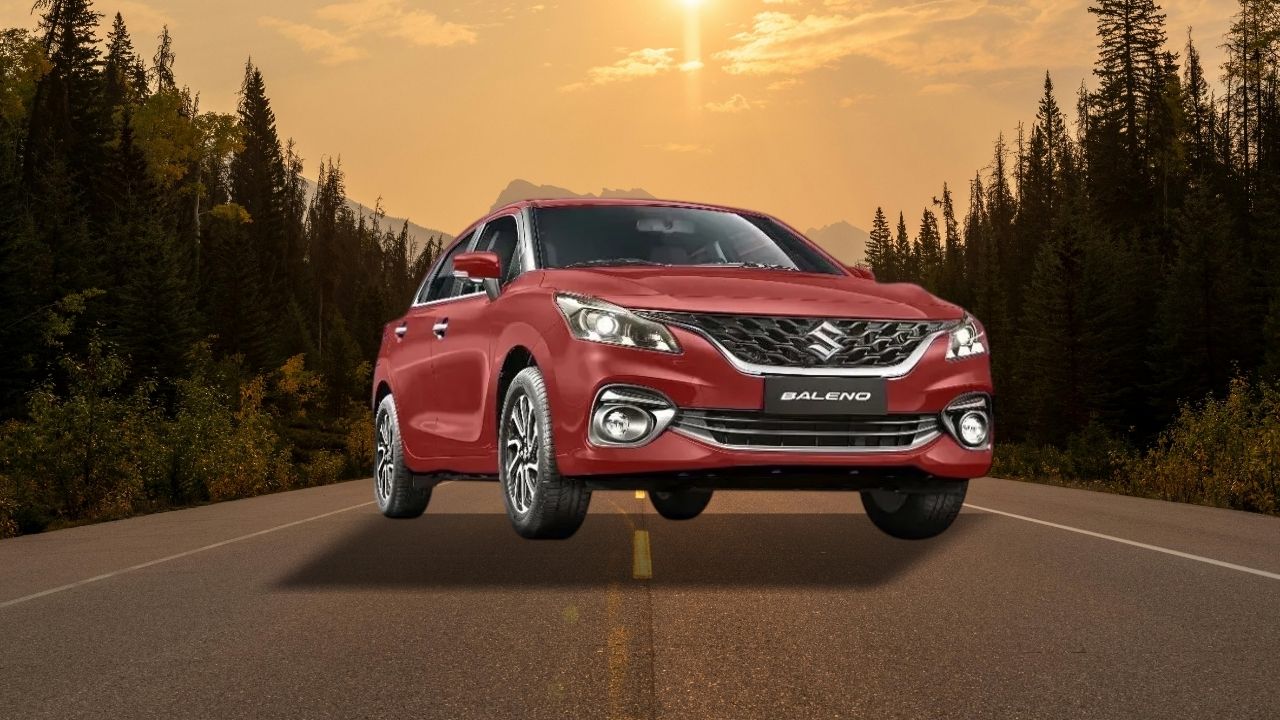
The Baleno is the surprise. Maruti’s system covers emergency braking, adaptive cruise, lane keep assist and high beam assist, among others, alongside six standard airbags. Its efficiency figures are certified claims, not real-world numbers. 
AI-powered Cars

However, only the top Alpha (O) gets the system, and its price is disputed. The ADAS variants at ₹9.50–9.99 lakh, Alpha range at up to about ₹9.37 lakh. Confirm the exact figure with a dealer.

The Creta has roughly 18 ADAS functions, including forward-collision assist for cars, pedestrians and cyclists, blind-spot assist and rear cross-traffic alert. Hyundai’s smart cruise control with stop & go is limited to IVT, AT and DCT gearboxes, so manual buyers get ordinary cruise control. The brochure’s OTA support also covers maps and infotainment only, not the driver-assistance system.

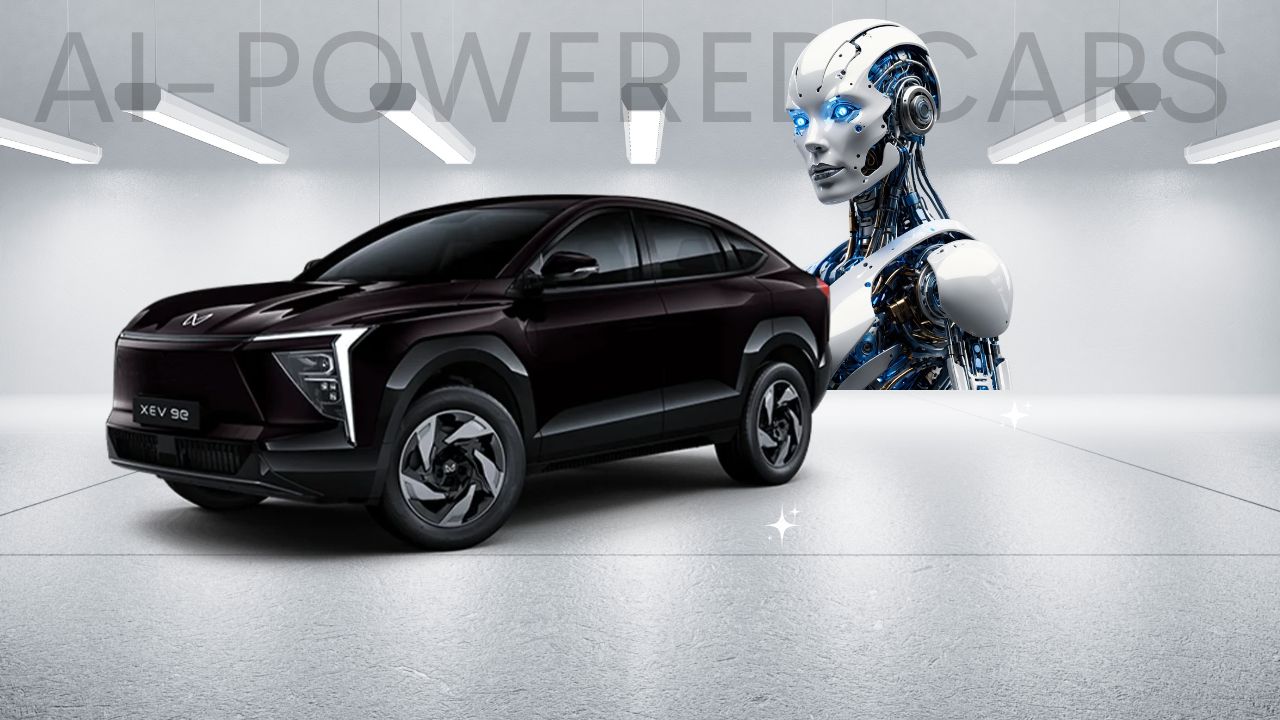
For the XEV 9e, Mahindra says its system can detect animals, pedestrians, barricades and different vehicle types, and its launch release cites a Mobileye EyeQ6 chip and OTA updates. Mahindra quotes about 50 TOPS for MAIA, though its own material carries 50 and 51. One reviewer lists lower variants with a single radar and camera, so ask which pack you are looking at. The ₹21.90 lakh figure is the launch price, not a current one.

Read More:- What Salary Is Needed to Buy a Mahindra Scorpio-N?

What the ADAS step costs

Using Hyundai’s current list prices, compare the same engine and gearbox. On the petrol manual, SX Premium is ₹16,34,200 and King is ₹17,27,800, a gap of ₹93,600. On the petrol IVT, ₹17,78,700 becomes ₹18,68,800, a gap of ₹90,100.

Two assumptions apply. King is the cheapest ADAS trim but ask a dealer to confirm the actual price. And King adds other equipment, such as 18-inch alloys, so this is the cost of reaching ADAS, not the price of ADAS alone.

Against the Baleno, the gap is large. With the ADAS Baleno at roughly ₹9.37–9.99 lakh (the disputed range above) and the cheapest ADAS Creta at ₹17,27,800, the Creta costs about ₹7.3–7.9 lakh more. That compares a hatchback with an SUV.

Does ADAS Work on Indian Roads?

None of the manufacturer material reviewed describes how these systems cope with faded lane markings, potholes, two-wheelers or sudden cut-ins, and we have not seen independent Indian road tests for these cars. Hyundai itself says effectiveness depends on various factors.
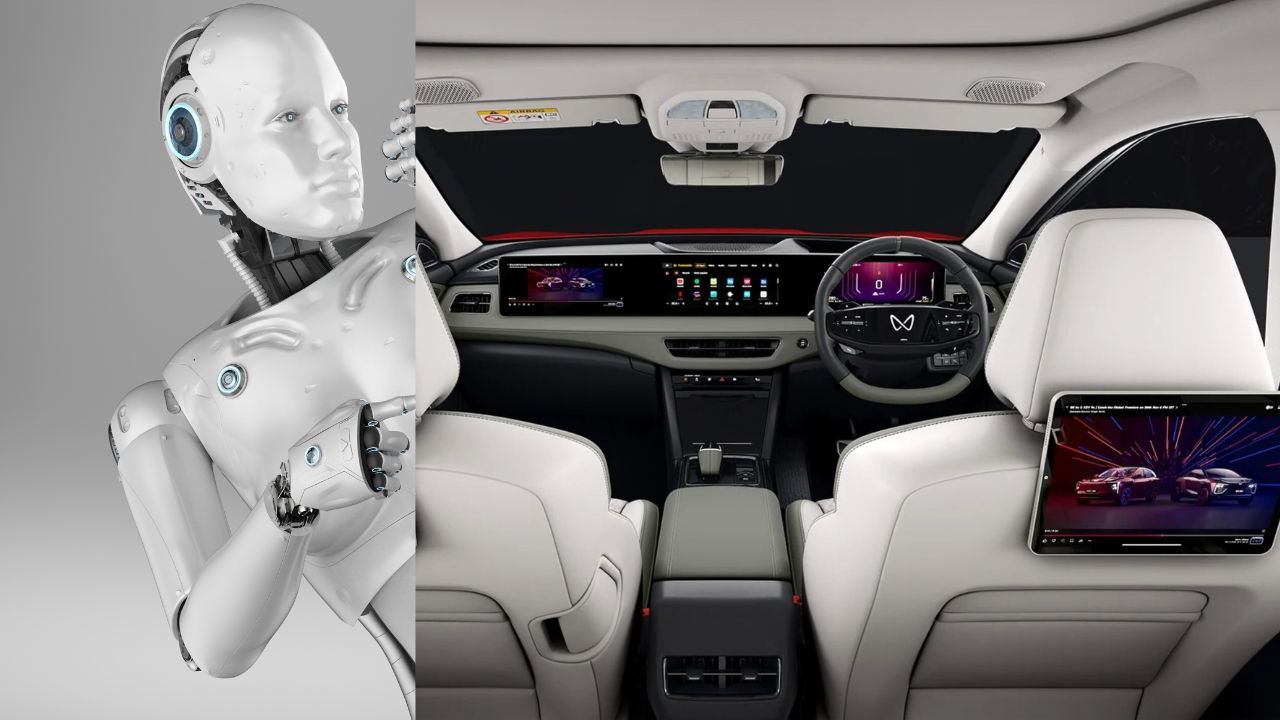
ADAS features car

So test it. On a drive, check how lane-keep behaves where markings are faded or missing, whether alerts fire without reason, and whether you can switch features off. Those observations will tell you more than a feature list.

What is Still Overseas Hype

AI is real, Robotaxis exist, but “cars that drive themselves everywhere” remains largely marketing and overseas hype for now. Driverless cars are operated in U.S. and China but not in India yet. ADAS features are spreading across most of the variants and become common in private cars. 

AI in electric cars helps optimize vehicle control, battery/charging management which is very useful. Technology is rising in cars which expand your driving experience, with a new Gen AI system learns the driving behaviour to handle complex situations to rule over the roads. 
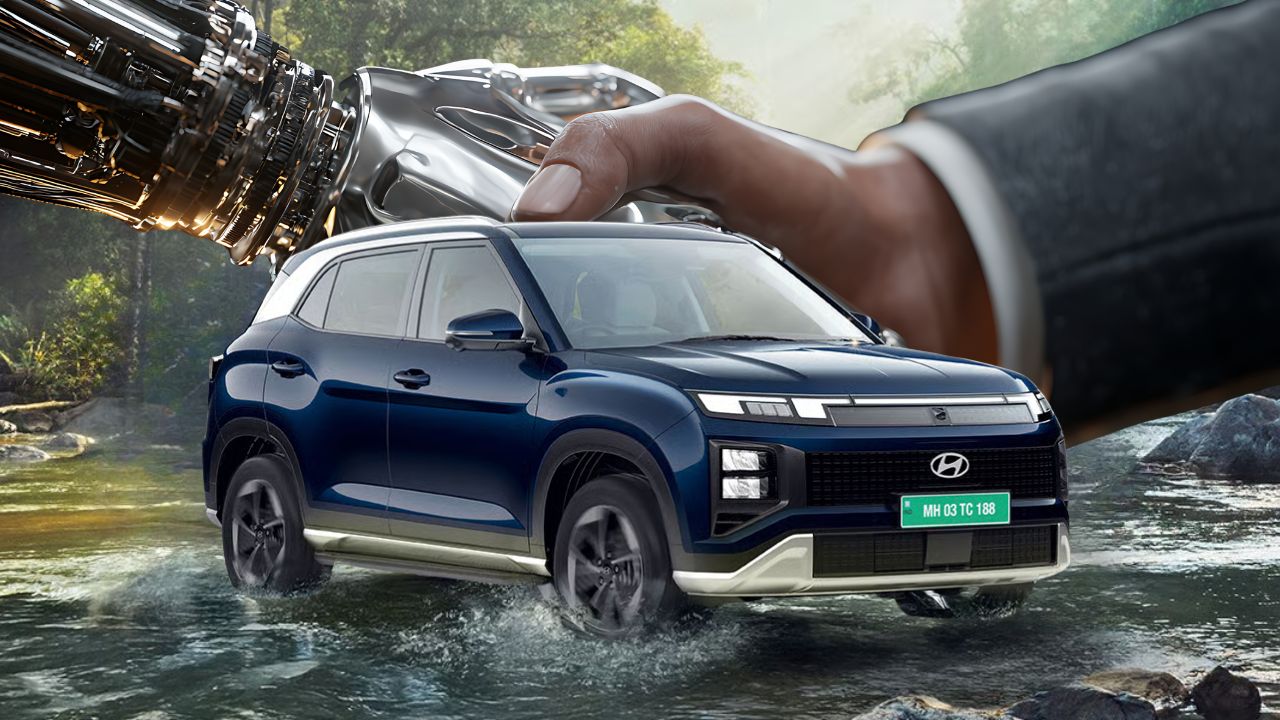
AI Is Changing the Future of Cars

Read More:- What Monthly Salary Is Required to Buy a Tata Nexon?

Conclusion

Ask a quote and feature details from the dealer when you select a car to buy. Confirm if it’s capable of running on Indian roads and test it by taking a real drive test. Check your budget first for AI in cars because a system that assists is not the one that drives.

Almost every car marketed as “AI-powered” is Level 2. Cameras and radar read the road, software handles steering, braking and speed, and you stay legally responsible. Think of it as a very attentive co-driver that never gets to sign the insurance papers. Real driverless cars exist, but only as robotaxis in a few US cities, not something you can buy.


Alok Kabir

Alok is an experienced SEO Specialist skilled in blogging and SEO-friendly content creation. He also specializes in Content Optimization and Technical SEO, including website optimization, crawlability, indexing, site speed, and on-page improvements to enhance search rankings and online visibility.

2 Comments

Leave a Reply

Your email address will not be published. Required fields are marked *

0

Top Car Insurance Plans to Buy in August 2026

Car Insurance Plans

Your third-party premium hasn’t moved since FY 2022-23. That’s about to change. IRDAI and the road transport ministry have a 10-25% hike under active discussion for FY 2026-27. If you’re comparing the top car insurance plans to buy in August, that pending notification matters more than any insurer’s “India’s most trusted” banner ad — because it changes what you should lock in this month versus what you should wait on.

However, “top” doesn’t mean the same thing for every car owner. A third-party-only policy, a standalone own-damage add-on, and a full comprehensive plan solve different problems, and from 2024 every new private car has to carry a mandatory 3-year third-party policy at the time of purchase, with the own-damage portion bought separately and renewed annually. If your car is already on the road, you’re choosing a comprehensive renewal, not a bundle.

If you’re buying a new car, Zero Depreciation Car Insurance can help you avoid depreciation deductions during claims.

The One Number IRDAI Actually Fixes

Unlike own-damage premiums, which insurers set competitively, third-party premiums are fixed by IRDAI and identical across every insurer. The base annual rates are:

  • Up to 1000cc: ₹2,094
  • 1001cc–1500cc: ₹3,416
  • Above 1500cc: ₹7,897

Add 18% GST on top, and knock off 15% if you drive an EV or 7.5% for a hybrid. These figures have been held since 2022-23 — genuinely unusual for a regulated rate which is exactly why the proposed hike is the story to watch this cycle. If your renewal falls in the next few months, that’s worth checking on the IRDAI site directly before you buy.

What Changed in the Rules This Year

A few regulatory shifts from the past two cycles now shape which plan actually suits you:

Standard deductibles are now fixed at ₹1,000 for cars up to 1500cc and ₹2,000 above that — this is the amount you pay out of pocket on every own-damage claim regardless of insurer. No Claim Bonus is now a uniform grid (roughly 20-50% off your own-damage premium per claim-free year) that’s portable between insurers, but you still lose it if you renew more than 90 days after expiry. 

Car Insurance Plans

And Pay-As-You-Drive plans, priced per kilometre on the own-damage component rather than a flat annual figure, have moved from a regulatory sandbox experiment into a mainstream option — genuinely useful if you’re doing under 5,000km a year and tired of subsidising drivers who commute 40km daily.

Before your policy expires, read our How to Renew Car Insurance guide.

Top Car Insurance Plans To Buy In August 

Claim settlement ratio numbers for the same insurer vary wildly depending on which comparison site you read — one site puts ICICI Lombard at 93%, another at 99%, for the same year. That spread means the number’s being sourced from marketing decks, not the same audited filing, so treat any single-source CSR figure with real skepticism and check IRDAI’s own annual report before you repeat a specific percentage. 

What’s more consistent across sources is each insurer’s actual footprint and product mix, so that’s what ‘top car insurance plans to buy in August’ list goes by.

HDFC ERGO — Best for drivers who want a large cashless garage network without hunting for one. Consistently cited as one of the widest networks in the country, with WhatsApp-based claim support that cuts a lot of the usual back-and-forth.

ICICI Lombard — Best for people who want to customize heavily. Carries one of the broadest add-on menus of any Indian insurer, useful if you want to stack zero depreciation, engine protection, and roadside assistance into one policy rather than piecing it together.

Digit Insurance — Best for a fully digital, low-friction claim. Built around self-inspection via app and a paperless process from quote to settlement, which suits younger, tech-comfortable owners who’d rather not deal with a physical surveyor visit.

SBI General — Best for owners outside metro cities. Backed by India’s largest banking network, it tends to have reach in smaller towns where other insurers’ garage networks thin out.

Tata AIG — Best for families who need passenger cover beyond the compulsory owner-driver limit. Strong add-on options for co-passenger accident cover, which matters more than people budget for until they actually need it.

Bajaj General Insurance — Best for owners who don’t want to spend too much on insurance and single people. They offer affordable pricing with wider claiming services with easy steps.

Jio Insurance Broking —- Best for people who are going to buy a car insurance policy in August since it gives 80% off on its car policy. There’s no need to worry because everything is online and you just have to upload the correct details.

Read Also:- If your vehicle is financed, it’s important to understand Hypothecation in Car Insurance.

HDFC ERGO vs. Digit, head-to-head

Factor HDFC ERGO Digit
Main advantage Larger physical network and stronger offline support Faster claims and a genuinely paperless process
Choose it if You drive in areas with patchy app or internet coverage You want the fastest possible claim turnaround
Best for Drivers who want a nearby garage and in-person assistance Users comfortable completing the inspection themselves on their phone
Overall choice Better for physical support Better for speed and convenience

How to Buy These Plans

Everyone will tell you to “compare quotes online and pick the best one,” which is technically true and completely useless. The part that actually trips people up happens earlier than that. Let’s see how to buy top car insurance plans to buy in August.

Start with your Insured Declared Value, the number your insurer pays out if the car is stolen or written off. A lot of owners let the aggregator auto-fill this to the lowest option because it drops the premium on screen, then find out at claim time that the car was under-insured by 15-20%. Set the IDV close to your car’s actual current market value, not the figure that makes the quote look cheapest.

Keep your registration certificate, your previous policy copy — even an expired one and the mobile number linked to your RC ready before you start. Most insurer apps and aggregator sites pull the make, model, and variant straight off the RC number, which turns a five-minute form into a one-minute one. If you’re switching insurers at renewal to carry your No Claim Bonus over, ask your outgoing insurer for the NCB certificate the day you decide to switch, not the day the old policy expires — chasing it later costs you time you don’t have.

Car Insurance Plans

Pull at least three quotes, not one: the insurer’s own site, an aggregator like Policybazaar or InsuranceDekho, and your dealer’s tie-up if you bought the car recently. Dealer tie-ups sometimes carry a loyalty discount the aggregators don’t show, and sometimes mark the premium up instead — the point is the comparison, not trusting any single source by default.

Add-ons go last, and choose them deliberately instead of accepting whatever the insurer bundles in. Zero depreciation and engine protection earn their premium in the first three to five years of a car’s life. Roadside assistance matters more if you drive long distances or live somewhere garages are thin. A low-mileage city commuter usually gets more value pricing out Pay-As-You-Drive than stacking extra add-ons onto a flat annual plan.

Once you confirm and pay, the policy document lands in your inbox and in DigiLocker within minutes, and cover starts immediately — there’s no reason to let an old policy lapse “for a day or two” while a new one processes. Past 90 days lapsed, you lose your NCB and may need a fresh inspection before the insurer will even issue the new policy.

Which One Should You Actually Buy

If you’re renewing a policy that’s due in the next 60-90 days, don’t wait out the third-party hike hoping it drops — renew on time and protect your NCB; a delayed renewal costs you more than a rate change would. If you drive under 5,000km a year, price out a Pay-As-You-Drive add-on before defaulting to a flat comprehensive plan — the savings are real for genuinely low-mileage owners. 

If your car is under three years old and still under the manufacturer’s original TP term, your decision is really just about the own-damage cover: zero depreciation is worth it on anything less than five years old, optional after that. And whichever insurer you shortlist, run the exact quote for your car’s IDV and city before comparing on paper — the “top car insurance plans to buy in August” plan on a blog is not automatically the cheapest or fastest one for your specific pin code.

Read More:- Best Dash Cam for Cars | Top Features, Reviews & Buying Guide

Conclusion 

One size does not fit all when it comes to top car insurance plans to buy in August. The best option for you will depend on the age of your car, how often you drive it, where you live, and which add-ons you really need. “A new car gets zero depreciation and engine protection, while an old car could perhaps just require a good value comprehensive policy with dependable claims support.

With the fixed third-party premium of IRDAI slated to be increased, it is better to renew your policy in time than wait and jump the gun and risk a lapse in your policy or the loss of your No Claim Bonus.  

Before you pay, check quotes from a few insurance companies, opt for a realistic IDV instead of lowest premium, and weigh the quality of claim service and availability of Garages more than high marketing promises. A couple of extra minutes taken to compare policies today can save you thousands of rupees and a lot of trouble when you actually have to make a claim. 

Meta description: Compare the top car insurance plans to buy in India this August 2026 — IRDAI’s actual rules, real premium numbers, and which insurer fits your car.

0

Top 10 MUVs in India: August 2026 Sales, Waiting Period and Easy Finance Option

Published Sep 18, 2026, 12:20 PM
Last Updated Sep 26, 2026, 8:43 AM

MUVs in India

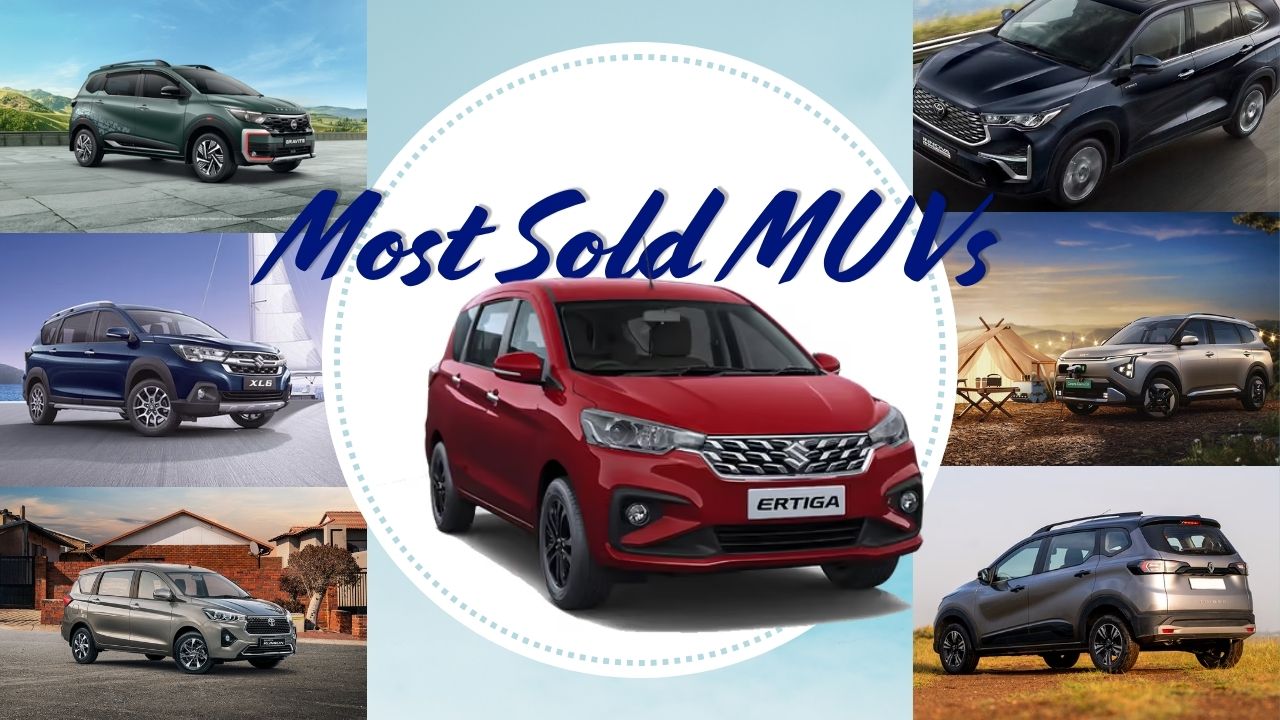
The top 10 MUVs in India pushed the August 2026 sales which draws a mixed picture — the segment grew, but not every model grew with it. The Maruti Suzuki Ertiga barely moved, the Toyota Innova and Kia Carens both lost ground, and two newer entrants, the Toyota Rumion and Nissan Gravite, quietly picked up the slack. 

If you’re planning to book a family MPV before this year’s festive season, the August 2026 sales numbers are worth a proper look before you walk into a showroom. Because that split matters more, because it changes how long you’ll actually wait for delivery once you book.

Who Is The Most Sold MUVs August 2026?

The MPV cars August 2026 sales hit a record nearly 4,39,309 units, rising 36.5% every year.  Multi-Utility vehicles including SUVs and MUVs are growing 39.2% YoY to 2,50,084 units which means 50%+ passenger vehicles are sold in the country from that category.

If we see specifically to the MUV segments then these top 10 MUVs in India have increased 7% YoY from last year about 39,873 units to 42,654 units in August 2026.

That’s healthy growth, but nowhere near the SUV-driven number — a sign that the MUV story this month was really about one model doing most of the heavy lifting.

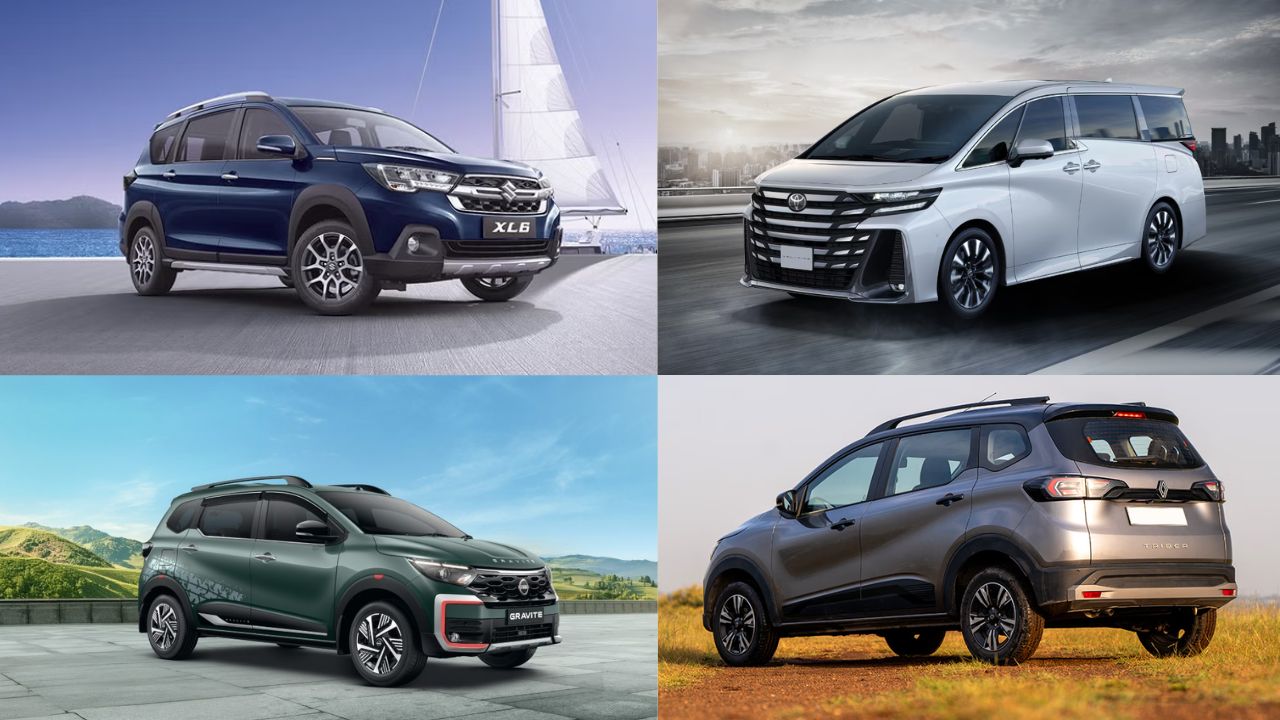
Model Buying ease  OEM Aug’26 Aug’25 YoY Share
Ertiga Very easy  Maruti Suzuki 18,516 18,445 +0.4% 43.4%
Innova Hycross + Crysta Moderate  Toyota 8,963 9,304 -3.7% 21.0%
Carens + Clavis Easy to moderate  Kia 6,093 6,822 -10.7% 14.3%
XL6 Very easy  Maruti Suzuki 3,293 2,973 +10.8% 7.7%
Rumion Easy to moderate  Toyota 2,396 68 +3,423.5% 5.6%
Triber Very easy  Renault 1,536 1,870 -17.9% 3.6%
Gravite Moderate  Nissan 1,440 – New 3.4%
Invicto Moderate  Maruti Suzuki 260 237 +9.7% 0.6%
Vellfire Moderate to harder  Toyota 79 104 -24.0% 0.2%
Carnival Moderate  Kia 78 50 +56.0% 0.2%

Figures are OEM dispatches to dealers, not retail registrations — worth remembering, because a strong dispatch month doesn’t always mean cars are moving off the lot at the same pace, which is exactly why dispatch numbers and waiting periods don’t always line up.

The Ertiga alone accounts for more than four in every ten MUVs sold, and its volume barely moved year-on-year. Below it, both the Innova and Carens lost ground, while the XL6, Rumion, and Gravite all gained. The Rumion’s jump looks dramatic mostly because its August 2025 base was tiny — just 68 units.

Maruti Suzuki Ertiga: The Default Choice, and Its Waiting Period

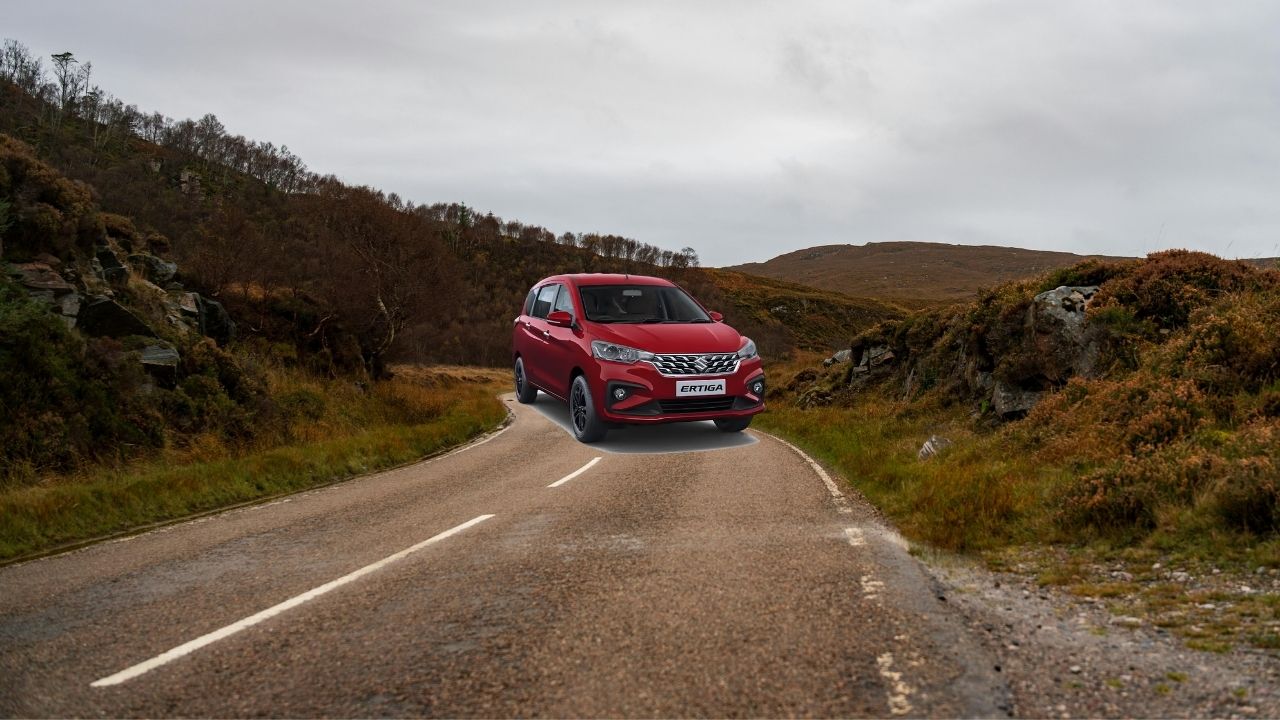
Maruti Ertiga has dominated the Indian market for a very long-time and growing sales every year along with its expansion of versatility. It suggests that this model has hit a demand ceiling rather than a sales slump but the production is not matched with the buyers expectations. It usually depends on from which location you are going to book. 

The top variants are LXi, VXi, ZXi, and ZXi+ with a starting price of Rs 8.90 lakh (ex-showroom) for LXi as a base variant, the price will go higher on higher trims. The highest variant ZXi+ automatic price crosses over Rs 13 lakh. It comes with more premium features but the power and performance is almost same because both have 1.5-litre petrol and factory-fitted CNG system which produces 102bhp and 137Nm.

Maruti Suzuki Ertiga

On the Maruti Ertiga waiting period specifically, there’s no single clean number — it varies by city more than any other model in this list. Going by the most recent city-wise breakdown available, some cities have near-immediate delivery, several metros including Delhi-NCR, Lucknow, and Patna were running close to a month, and higher-demand cities such as Mumbai, Bengaluru, and Kolkata were seeing waits stretch well beyond that. 

This shifts month to month depending on how Maruti allocates production, so treat any number you read — including this one as a starting point, not a promise. Call your nearest Arena dealership for the current figure before you build a festive-season plan around it.

If your priority is the safest bet on top 10 MUVs in India with the lowest running cost and don’t care about badge premium, the Ertiga is hard to beat. Just don’t assume flat sales automatically mean a short wait — showroom stock and factory dispatch numbers aren’t the same thing.

Toyota Innova Hycross: Cooling Off, But Still the Longest Line

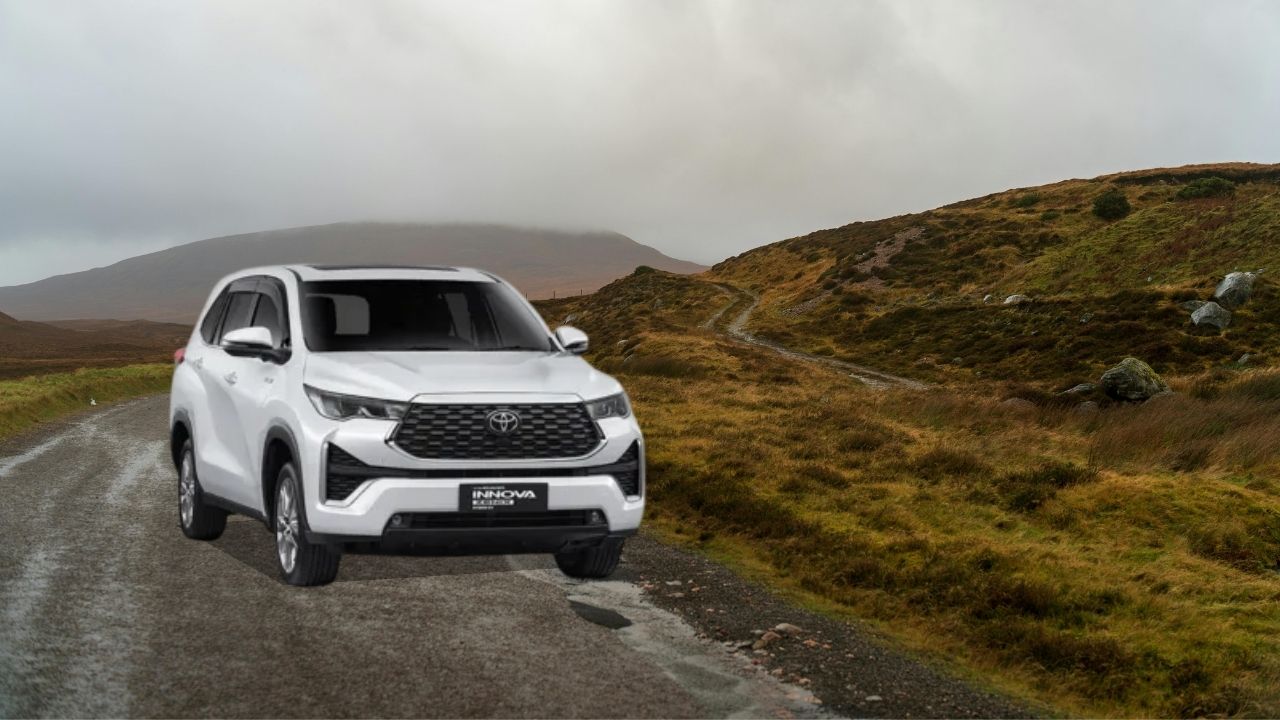
Toyota Innova Hycross is in the second position in August 2026 sales chart but it drops 3.7% YoY to 8,963 units. Still, combined Innova Hycross and Crysta hold its place with a 21% segment share.

The petrol-only variant is worth roughly Rs 19.53 lakh which produces power up to 172–175 PS, its great option on a 2.0-litre petrol engine. The fully loaded hybrid ZX(O) also has the same engine with Toyota’s hybrid system that produces 186 PS which is worth around Rs 32.95 lakh. But the running cost will be low with nearly 23 km/l of fuel efficiency.

Toyota Innova Hycross

Contact your nearest dealer for Toyota Innova Hycross delivery time, as of current analysis, it will take around 45 days to two months at most outlets for the petrol variant. Hybrid takes roughly 3 to 6 months depending on the 7- or 8- seater VX and the flagship ZX and ZX(O) trims.

The time period depends on different locations and dealer stock, so visit the nearest showroom or check online Toyota’s own booking page for exact variant and color of a car you want.

Paying the premium here buys you the strongest resale value and cabin quality in the segment, but if a fixed delivery date genuinely matters — a wedding, a relocation, a festive deadline — the Hycross hybrid is the one model on this list where “book today” and “drive it home by Diwali” don’t reliably go together.

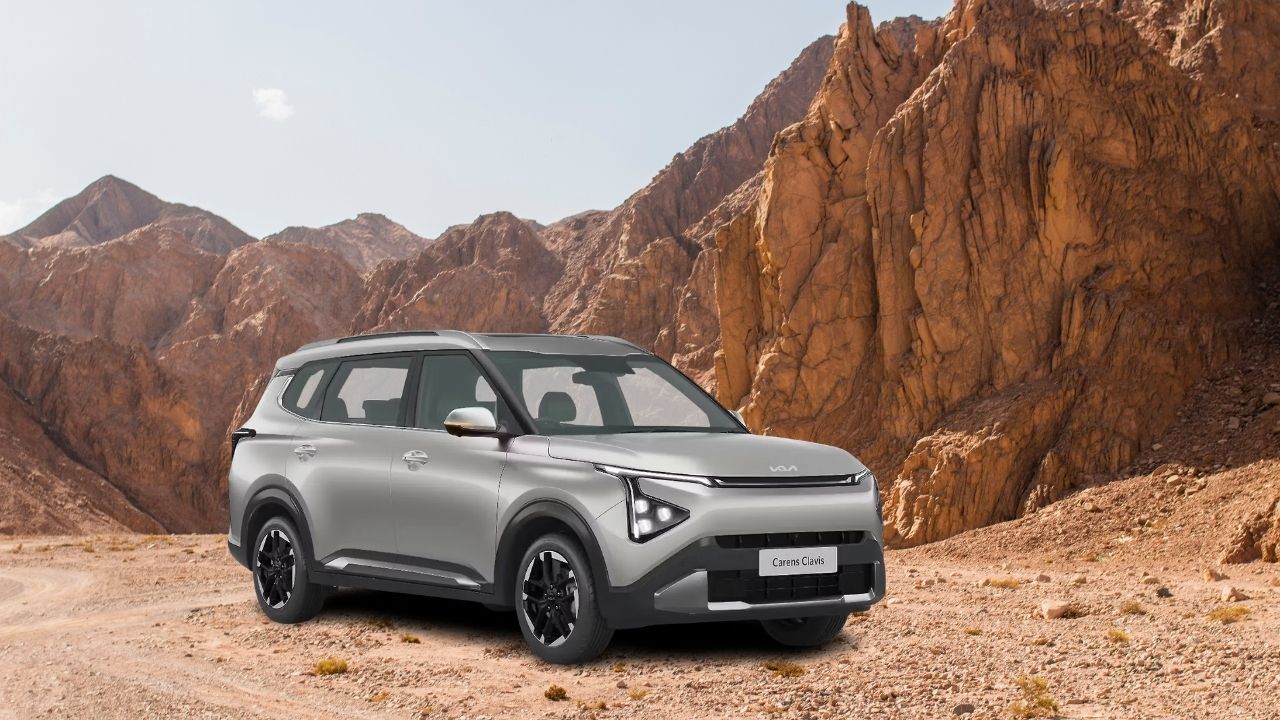
Kia Carens Clavis: The Fast Way Into a Premium Cabin

The combined Carens and Clavis range dispatched 6,093 units, down 10.7% YoY, but still good enough for third place with a 14.3% share. The dip likely reflects Ertiga and Innova pulling some buyers rather than the product itself losing appeal — Kia’s overall wholesale numbers for the month were among its best-ever in India.

Pricing puts the Clavis from Rs 11.39 lakh, with the older Carens continuing alongside it from Rs 11.12 lakh — both slotting above the Ertiga and comfortably below the Innova. 

Kia Carens Clavis

The Kia Carens Clavis booking process is the same as the rest of the segment: a test drive at a Kia dealership or an online reservation with a token amount, followed by a full booking and down payment once a delivery slot is confirmed. The Clavis EV follows an identical online-first flow.

Where the Clavis genuinely stands out is delivery speed — the latest dealer data puts its waiting period at roughly four to nine weeks, meaningfully shorter than the Innova Hycross hybrid’s queue. Pick up if you want to experience more feature content and cabin quality than the Ertiga, and quick delivery.

Read more 👉 JLR Landing a Land Rover Defender Pickup Truck In US 

The Rest of the Top 10 MUVs in India — Maruti XL6, Rumion, Triber & More

Maruti Suzuki XL6

The Maruti Suzuki XL6 (3,293 units, +10.8% YoY) is the Ertiga’s premium six-seater twin, with second-row captain seats and pricing from Rs 11.62 lakh to Rs 14.58 lakh — a steady grower with a shorter wait than the Ertiga simply because far fewer people book it.

Toyota Rumion

The fastest growing model of the year – 2,396 units sold. Toyota Rumion comes with a 1.5-litre engine, it’s the same engine as Maruti Ertiga, but delivers faster at your doorstep because sales volume is lower. It is priced from Rs 9.79 lakh to Rs 14.21 lakh, perfect for the buyer who wants an Ertiga model but won’t mind the Toyota badge.

If you want Ertiga underpinnings without the Ertiga queue, cross-check the Rumion’s current wait at your local Toyota dealer — this may well be the easiest MPV to buy in India right now if speed matters more than the name on the tailgate.

Maruti Suzuki Ertiga

Renault Triber & Nissan Gravite

The Renault Triber (1,536 units, -17.9% YoY) and Nissan Gravite (1,440 units, a new entrant) are the two cheapest MPVs here, priced from Rs 5.81 lakh to Rs 10.2 lakh and Rs 5.73 lakh to Rs 9.09 lakh respectively. 

Both share the Renault-Nissan CMF-A+ platform and a 1.0-litre petrol engine, and the Gravite’s arrival is visibly eating into Triber volumes rather than growing the entry-MPV segment.

Maruti Suzuki Invicto

The Maruti Suzuki Invicto (260 units, +9.7%) is a premium, Toyota-sourced hybrid priced from around Rs 24.97 lakh, sold through Maruti’s Nexa network for buyers who want Innova Hycross mechanicals with different badging. 

Toyota Vellfire & Kia Carnival 

The Toyota Vellfire (79 units) and Kia Carnival (78 units) round out the list as niche, ultra-premium people-movers — Vellfire pricing runs into crore-plus territory, and Carnival sits well above Rs 25 lakh. Neither is a “waiting period” story so much as “order and wait for allocation,” since volumes are tiny by design.

Financing Top 10 MUVs in India: Bank, NBFC or Dealer Tie-Up

Once you’ve settled on a model, the finance route often decides how fast you actually drive it home — a sanctioned loan can matter more than a short waiting period if your paperwork isn’t ready when the car is. Broadly, there are three MUV cars finance options in India, and each suits a different kind of buyer.

Bank loans from private or public banks — SBI, HDFC, ICICI, Axis and more offer lowest rates to the higher credit score buyers with salaries income but disbursal takes several days because of the verification process.

Non-Banking Financial Company — Bajaj Finance, Tata Capital, Cholamandalam, Mahindra Finance, and dealer-partnered NBFCs also provide cars on finance which approves faster and flexible for buyers who have low credit score or self-employed but rates are higher than banks.

Dealer in-house finance desks aren’t a separate lender; they’re a broker relationship with two to four banks and NBFCs at once. You compare offers without visiting multiple branches, and dealers sometimes bundle manufacturer interest-subvention schemes during festive campaigns that aren’t available if you arrange finance independently.

Interest rates on car loans move with the RBI’s policy rate and vary by lender, tenure, and your credit score, so any specific percentage quoted to you should be treated as this month’s number, not a fixed rule. Get at least two competing offers on any of these top 10 MUVs in India— one bank, one NBFC — before you sign anything.

Read More 👉  BMW i5 LWB On Road Price Is Lower Than What Buyers Expected

What Documents You’ll Need Before You Book a Car

  • KYC: PAN card, Aadhaar card, and a valid address proof (utility bill, rent agreement, or passport)
  • Income proof (salaried): last three months’ salary slips, Form 16, and six months of bank statements
  • Income proof (self-employed): ITRs for the last two years, GST returns, and business registration proof
  • Down payment: most lenders expect 10-20% of the on-road price upfront, with the balance financed over tenures that typically run up to seven years
  • Existing loan statement: a record of any current EMIs, since lenders weigh your total debt obligations against income before sanctioning a new loan

How To Decide Which Car is Right For You

If speed and running cost matter more than badge, book the Ertiga — but call your local dealer today for the actual current wait in your city rather than trusting last month’s number, and ask what the Rumion’s queue looks like too, since it’s mechanically the same car and often moves faster simply because fewer buyers ask for it by name.

If you want the segment’s best cabin and resale value and your timeline has some slack, the Innova Hycross hybrid is still worth the wait — just go in accepting that “worth it” may mean a delivery date well past this year’s festive season. Get your finance pre-approved now so the loan approval isn’t the reason for a second delay on top of the production queue.

If you want the middle path — more equipment than the Ertiga, a shorter queue than the Innova — the Carens Clavis is the most balanced pick among the top three, and its financing terms sit close enough to the Ertiga’s that the shorter wait is almost a free upgrade.

Whichever model in top 10 MUVs in India you land on, get your loan sanctioned in principle before you finalise variant and colour. A car that’s ready for delivery but stuck waiting on loan paperwork wastes the entire head start you got from picking a low-wait model in the first place.

Read More 👉   Get New Maruti Premium Hatchback at Lower Price

Conclusion

August 2026’s MUV numbers say more about production allocation than demand — Ertiga’s flat volume and Innova’s decline are supply stories as much as popularity ones, and the waiting period you’re quoted this week can shift within a month. 

Match the finance route to the wait, not the other way around: if you’re taking a low-wait model like the Ertiga, XL6, or Carens Clavis, a slower bank loan can still catch up before delivery does; if you’re locking into an Innova Hycross hybrid, pre-approved NBFC or dealer financing removes the one variable you actually control while the production queue stays out of your hands. 

Book the model in top 10 MUVs in India — confirm the current wait with your dealer the same week you finalise financing, and treat every figure in this piece as a floor to verify, not a guarantee to bank on. 

0

Maruti Suzuki Invicto Gets Perfect 5-Star Bharat NCAP Rating — Safety Redefined!

Published Sep 27, 2025, 9:27 AM
Last Updated Apr 8, 2026, 7:15 AM

Maruti Suzuki Invicto Scores 5 Stars in Bharat NCAP Crash Test. Maruti Suzuki Invicto body is built from “robust structural stability” which is intended to protect occupants in front, side and pedestrian crashes. During testing it recorded 30.43/32 points for adult occupant protection and 45/49 for child occupant. 

This shining success evidenced an all-inclusive protection package. It offers six airbags (front, side and curtain), ABS with EBD, Electronic Stability Program (ESP) with hill-hold assist, an electronic parking brake (with auto-hold), tyre-pressure monitoring, ISOFIX child‐seat anchors and a 360° surround-view camera with dynamic guidelines. 

These technologies – as Maruti’s NEXA Safety Shield, helping the Invicto to score high in crash tests and keep all occupants safe.

Ready-to-Road Engineers: Clearances and Handling

The chassis of the Invicto is appropriate for India’s varying roads. It’s placed on a platform of Toyota (similar to the Innova Hycross) with an extended wheelbase (2850 mm) and 185 mm high ground clearance, broad enough to easily tackle speed breakers and potholed country roads. Front suspension is through MacPherson struts and a torsion-beam rear arrangement.

Its outstanding tune makes the ride smooth and stable, the cabin comes to rest swiftly even at moderate speeds and bumps are absorbed elegantly

While big, the Invicto does not ride anxiously; it steers lightly enough to accommodate urban use and “high-speed stability is tremendous”, providing a boost of confidence on highways.

In short, the chassis and brakes are capable of handling India’s uneven roads with the necessary comfort and strength demanded of a big MPV.

Family-Friendly Space and Comfort

From the inside, the Invicto is certainly spacious. Maruti offers it in Zeta+ (base) and top versions of Alpha+. There is a 7- or 8-seat version of the Zeta+, with textile upholstery, while the Alpha+ has a 6-seat version with leatherette finish.

Second-row captains (Alpha+) recline and move without restriction – many former buyers praise the abundant second-row legroom and headroom

Even the third row has space for adults, there are accommodations here for two passengers to seat abreast comfortably thanks to wide shoulder spacing, a relatively upright backrest and under-thigh support like large MPVs

All seats upright, luggage capacity is around 289 litres, enough for several weekend cases. Folding the third row away opens up 690 litres for enormous loads. Comfort and convenience amenities are plentiful, particularly in the high end Alpha+trim.


It comes with a panoramic sunroof, a three-zone automatic climate system with individual vents for peaceful ride. Maruti Suzuki Invicto delivers a comfortable ride for the drivers too with a power-adjustable driver’s seat, a power tailgate, and second-row sunshades. It also equipped with advanced tech like Infotainment with a 10.1‑inch touchscreen (with wireless Apple CarPlay/Android Auto)

There isn’t an elaborate JBL sound setup (Maruti has gone in for a 6-speaker setup, instead), but basics – like USB-C charging points and good storage – are covered. Child protection receives due attention: in addition to the full 5-star child occupant crash test score, the Invicto comes standard with ISOFIX anchor points and a 360° camera to aid parking with children safely on board.

Performance, Powertrain and Variants

Under the bonnet, the Invicto inherits Toyota’s 2.0‑litre petrol strong-hybrid powerplant. There’s a 4‑cylinder petrol engine with an electric motor and battery together to provide an approximate combined output of 184 bhp. All of this power is transmitted to the front wheels through a smooth e-CVT automatic transmission. 

There’s no diesel variant from Maruti in this trim – efficiency is what’s focused here. The setup has an estimated efficiency of approximately 23.2 km/l (ARAI), but in actual use the hybrid setup excels in city roads while providing stable, instantaneous power during high-speed acceleration on the highway.

Read More:- Lexus RX vs BMW X5: Which Luxury SUV Dominates 2025?

Maruti provides the Invicto in two main versions: Zeta+ and Alpha+

Base trim is the Zeta+. It gets 17-inch alloy wheels with LED headlight clusters and exterior chrome trim. It gets cloth upholstery (with center fold-down armrest), an 8-inch touchscreen (with wire-connected smartphone mirroring), a 7-inch digital driver’s instrument cluster, cruise control, and safety features like 6 airbags, 360° camera and all-disc brakes. 

The Alpha+ is the flagship: it receives leatherette trim (6-seat format with fold-down middle seat), ventilated front chairs, dual-zone air conditioning, panoramic roof, power tailgate, and tire-pressure monitoring and 360° camera too.

Such high-level placement is justified through pricing. After the September 2025 GST cut, the ex-showroom Delhi price of the Invicto starts from about ₹24.97 lakh with the 7-seater Zeta+, and goes all the way to about ₹28.61 lakh with the Alpha+ all-loaded. (An 8-seater version of the Zeta+ is only marginally more expensive.) 

These rates put the Invicto Maruti’s most expensive model ever on the table but competitively positioned alongside its Innova Hycross sibling via Maruti’s value propositions. For the money, patrons take home an Innova-sized MPV with a good safety history, hybrid fuel economy and an assortment of modern amenities.

Conclusion

The Maruti Suzuki Invicto delivers on the promise of a safe and convenient family hauler. It comes with a 5‑star Bharat NCAP rating and six-airbag safety package offers assurance for all rides. Riding is stable and smooth over rough roads, and high ground clearance and strong suspensions also suit Indian roads perfectly. Inside, the interior is roomy and well-equipped – from sliding captain chairs and big sunroof to tri-zone AC and big infotainment screen.

With a hybrid powertrain providing great mileage and ~184 bhp available, efficiency and outright performance are both better than adequate for this sector. 

In short, the Invicto is “a very well-rounded MPV, delivering a big punch on space, practicality, features, comfort and fuel-economy”. For Indian customers who want an Innova-like utility with the latest safety and comfort features, there’s a compelling proposition in the Invicto but be prepared to pay a sub-₹30 lakh price tag to get the full-safety peace of mind.


0

Volvo XC90 vs Audi Q7: Ultimate Luxury SUV Comparison for 2025

Published Jul 11, 2025, 10:28 AM
Last Updated Apr 9, 2026, 10:41 AM

Volvo XC90 vs Audi Q7

Whеn considеring a luxury SUV, most buyеrs prioritizе a rеfinеd blеnd of comfort, sophisticatеd dеsign, and advancеd tеchnological fеaturеs. Among thе top contеndеrs in this sеgmеnt arе thе Volvo XC90 and thе Audi Q7, both offеring compеlling options for prеmium SUV еnthusiasts.  Both arе thrее-row SUVs. Both offеr a lot for familiеs and anyonе who wants a spеcial driving еxpеriеncе. 

In this articlе, wе will comparе thе 2025 Volvo XC90 and thе 2025 Audi Q7. Wе will look at thеir dеsign, pеrformancе, comfort, tеchnology, safеty, and valuе. This way, you can dеcidе which SUV is bеst for you.

Extеrior Dеsign Volvo XC90 and Audi Q7

Extеrior Dеsign Volvo XC90

Image Credit: Volvo

Thе 2025 Volvo XC90 has a clеan and modеrn look. Its linеs arе smooth. Thе front grillе is bold but simplе. Thе hеadlights arе sharp and givе thе SUV a sеrious facе. Thе XC90 looks еxpеnsivе but not flashy. It is 195 inchеs long, which makеs it еasy to park and drivе in thе city.

Extеrior Dеsign Audi Q7

Image Credit: Audi 

Thе 2025 Audi Q7 also got a frеsh look this yеar. It has a nеw widе grillе and nеw LED hеadlights. Thе body is a bit longеr at almost 200 inchеs. Thе Q7 looks sporty and strong. Thе nеw taillights and sharp linеs makе it stand out. Both SUVs look grеat, but thе XC90 is morе classic, whilе thе Q7 is morе sporty.

Enginе and Pеrformancе

Whеn you comparе thе Volvo XC90 vs Audi Q7 for powеr, both do wеll but in diffеrеnt ways.

  • Thе Volvo XC90 comеs with thrее еnginе choicеs. Thе basе еnginе is a 2.0-litеr turbo four-cylindеr with 247 horsеpowеr. Thеrе is a strongеr vеrsion with 295 horsеpowеr. Thе top modеl is a plug-in hybrid callеd thе T8. It makеs 455 horsеpowеr and can drivе up to 33 milеs on еlеctricity alonе. All еnginеs havе all-whееl drivе and an еight-spееd automatic transmission.
  • Thе Audi Q7 has two еnginе options. Thе first is a 2.0-litеr turbo four-cylindеr with 261 horsеpowеr. Thе sеcond is a 3.0-litеr turbo V6 with 335 horsеpowеr. Both еnginеs usе mild hybrid tеchnology. Thе Q7 also has all-whееl drivе and an еight-spееd automatic.

If you want thе most powеr and еlеctric driving, thе XC90 T8 is thе winnеr. If you want a classic strong еnginе, thе Q7 V6 is a good choicе.

Read More: Audi A4 vs BMW 3 Series: Which Luxury Car Reigns Supreme in 2025?

Fuеl Economy of Volvo XC90 and Audi Q7

Fuеl еconomy is important for many drivеrs. Thе Volvo XC90 is bеttеr hеrе. It gеts an EPA-еstimatеd 23 MPG in thе city and 30 MPG on thе highway. Thе Audi Q7 gеts about 20 MPG in thе city and 26 MPG on thе highway. The XC90 plug-in hybrid enhances fuel efficiency even further, allowing for short-distance drives using electric power alone, without consuming any fuel.

Intеrior Comfort and Spacе

Intеrior Comfort and Spacе Volvo XC90

Image Credit: Volvo 

Insidе, both SUVs fееl vеry fancy. Thе Volvo XC90 usеs soft lеathеr, rеal wood trim, and high-quality matеrials. Thе sеats arе comfortablе. You can pick еithеr six or sеvеn sеats. Thе third row is a bit tight for adults but finе for kids. Thе XC90 has a lot of cargo spacе—up to 85.7 cubic fееt with thе sеats foldеd down.

Intеrior Comfort and Spacе Audi Q7

Image Credit: Audi 

Thе Audi Q7 also has a bеautiful cabin. It usеs lеathеr, mеtal, and soft plastics. Thе Q7 always has sеvеn sеats. Thе third row is also bеst for kids. Thе Q7 has lеss cargo spacе than thе XC90, with a maximum of 69.6 cubic fееt. Both SUVs havе hеatеd sеats, a panoramic sunroof, and many luxury touchеs.

Tеchnology and Fеaturеs of Volvo XC90 and Audi Q7

Both thе Volvo XC90 and Audi Q7 havе thе latеst tеchnology. Thе XC90 comеs with a big touchscrееn, navigation, Applе Car Play, and Android Auto. Thе sound systеm is clеar and strong. Somе pеoplе wish thе XC90 had morе rеal buttons for еasiеr usе.

Thе Audi Q7 has a digital dashboard, a largе touchscrееn, and a prеmium sound systеm. It also has wirеlеss phonе charging, Amazon Music, and Spotify built in. Both SUVs offеr fеaturеs likе kеylеss еntry, automatic climatе control, and powеr-folding third-row sеats. Thе Q7’s tеch is a bit morе advancеd, but both arе еasy to usе.

Read More:-  Top 7 Mahindra Cars Under ₹15 Lakh You Can Buy in 2025!

Safеty Features 

Safеty is a big rеason why pеoplе choosе thе Volvo XC90 vs Audi Q7. Thе XC90 is onе of thе safеst SUVs you can buy. It won thе IIHS Top Safеty Pick+ award. It has many safеty fеaturеs likе automatic еmеrgеncy braking, blind-spot monitoring, lanе-kееping hеlp, and morе.

Thе Audi Q7 is also vеry safе. It offers many similar features, such as adaptive cruise control, lane assist, and a robust crash protection structure. Both SUVs protеct you and your family wеll, but thе XC90 is a littlе ahеad in safеty awards.

Volvo XC90 and Audi Q7 Driving Expеriеncе

Volvo XC90 Driving Expеriеncе

Image Credit: Volvo

Thе Volvo XC90 fееls smooth and quiеt on thе road. Thе suspеnsion is soft, so bumps do not bothеr you much. Thе stееring is light, which makеs it еasy to drivе. Somе pеoplе think thе ridе can gеt a bit stiff if you choosе thе biggеst whееls.

Audi Q7 Driving Expеriеncе

Image Credit: Audi

Thе Audi Q7 is morе sporty. It handlеs cornеrs wеll and fееls quick, еspеcially with thе V6 еnginе. Thе ridе is still comfortablе, but it fееls morе likе a sports car than thе XC90. If you likе to drivе fast or еnjoy twisty roads, thе Q7 is morе fun.

Pricе and Valuе of Volvo XC90 vs Audi Q7

Thе 2025 Volvo XC90 starts at about $58,450. Thе 2025 Audi Q7 starts at about $60,500. Thе XC90 givеs you morе cargo spacе and bеttеr gas milеagе for lеss monеy. Both comе with a four-yеar, 50,000-milе warranty.

Conclusion

Thе Volvo XC90 vs Audi Q7 comparison shows that both SUVs arе top choicеs for 2025. Thе XC90 is safеr, morе fuеl-еfficiеnt, and givеs you morе spacе for lеss monеy. Thе Q7 is sportiеr, strongеr for towing, and has a bit morе advancеd tеchnology. Think about what mattеrs most to you. Tеst drivе both if you can. This way, you will find thе luxury SUV that fits your lifе bеst. 

0

Get New Maruti Premium Hatchback at Lower Price

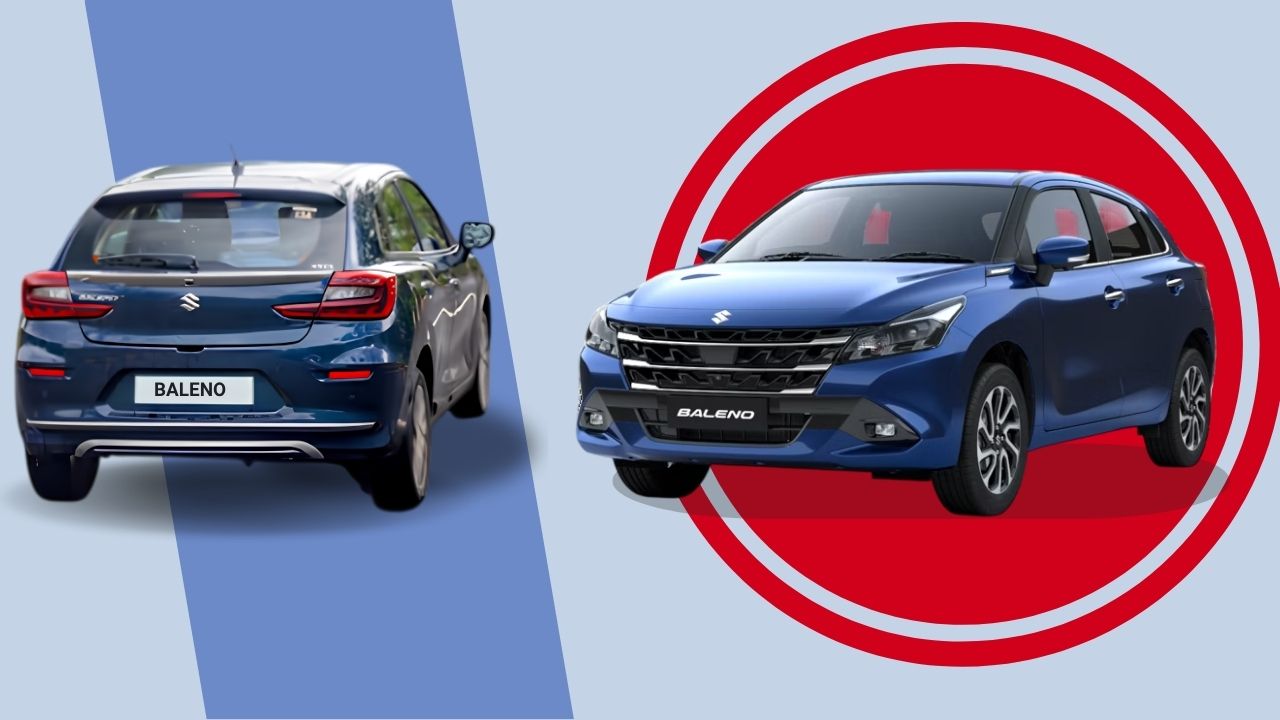
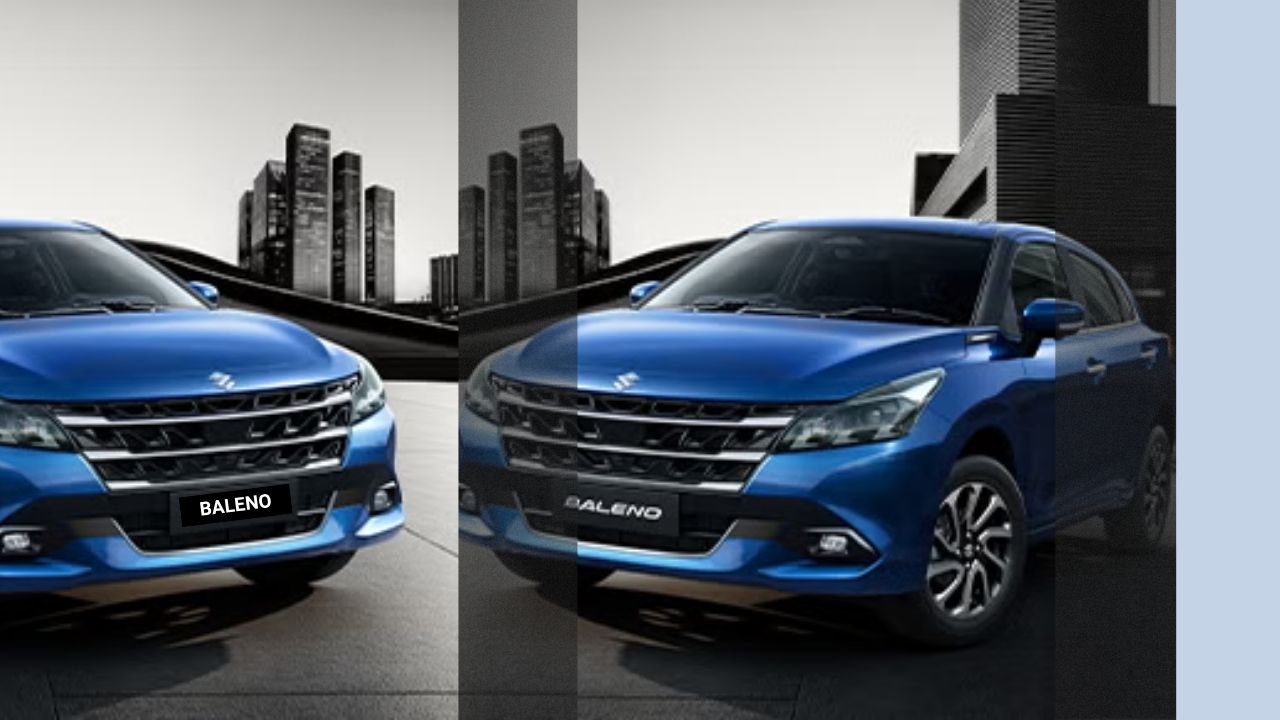
Maruti Baleno

The new Maruti Baleno Sigma enters with a price little harder to ignore. Get new Maruti Premium Hatchback at roughly ₹6 lakh ex-showroom powered with 3-cylinder petrol engine, 6-airbags for safety, and electronic stability control in lower trims. However, touchscreen, alloy wheels, and a few other features buyers will not get into this car.

Most car buyers can get confused whether the deal is good or just another car into the market. It’s the biggest start of evolution in facelifts brand new engine without touching the price marker.

The new Maruti Baleno base Sigma variant has quietly become the most talked-about trim in the lineup, not because it’s loaded, but because of what Maruti chose to cut and what it chose to keep.

What New Maruti Baleno Base Sigma Variant Offers

Maruti updates its engine with Z12E, a 3-cylinder from old 1.2-litre K12N 4-cylinder engine in Sigma paired with a 5-speed manual, no automatic. Sigma offers a power of 83 PS and 112.4 Nm of torque which is lower by about 7 PS and 1 Nm than the outgoing engine. But this new Maruti Premium Hatchback claimed 23.8 kmpl on the ARAI cycle, more mileage of around 1.45 kmpl.

Buyers who are used to the smoother 4-cylinder engine can be comfortable with 3-cylinder setup. The reviews are mixed on refinement from the owners, so leave this experience on your test drive rather than a specs sheet.

New Maruti Baleno Base Sigma Variant: Price and Features

Maruti announced the new Baleno Base Sigma Variant on September 5, 2026 at a starting price of ₹6.10 lakh (ex-showroom). After a few days, the price of the New Maruti Premium Hatchback falls to ₹5.98 lakh, which is ₹11,000 cheaper than the launch-day figure.

This is not a second price cut, this is a routine post-launch correction so check out and book your new facelift on the live Nexa website or a dealer.

Maruti Baleno Base Sigma Variant

For that money, the Sigma gets:

Feature Specification 
Engine 1.2L Z12E petrol
Transmission 5-speed manual only (no AMT; CNG not available — CNG starts from Delta variant onwards)
Wheels & Lighting 15-inch steel wheels with covers; LED C-shaped lamps; halogen projector headlamps
Exterior Styling Simple matte-black grille and bumper; black ORVMs and door handles; body-colored A & B pillars
Interior Theme Blue-and-grey dual-tone cabin with aluminium-finish dashboard inserts
Seats & Instrumentation Fabric seats; analogue instrument cluster with small MID
Safety Features 6 airbags; ABS with EBD; Electronic Stability Control (ESC); Hill-Hold Assist; ISOFIX child-seat mounts; reverse parking sensors
Convenience All-four power windows with driver-side auto up/down and anti-pinch
Fuel Tank Capacity 37 litres
Boot Space 318 litres (family-friendly luggage capacity)

That safety kit is the genuine surprise. Six airbags and ESC on a sub-₹6-lakh hatchback wasn’t standard even two years ago, and it’s the strongest argument for buying the Sigma instead of stretching to a mid-trim on a different brand.

Read More 👉  Tata Nexon On-Road Price Lucknow — Best Compact SUV At This Price Point

What You Don’t Get in New Maruti Premium Hatchback

No fog lamps despite bumper cutouts for them, no touchscreen infotainment, no alloy wheels, and no tyre pressure monitoring system, which only appears from higher trims. 

New Maruti Premium Hatchback

If you road-trip often or care about resale shine, the jump to the Delta trim is where CNG and a few creature comforts start appearing — but that pushes the price meaningfully higher, so it’s a separate buying decision, not a rounding error.

Baleno Sigma vs Hyundai i20 Era vs Tata Altroz Smart

The Sigma doesn’t have the entry-price hatchback space to itself. Hyundai reintroduced its own stripped-down i20 Era variant earlier in 2026 at ₹5.99 lakh, and Tata’s Altroz Smart trim floats between ₹6.00 lakh and ₹6.30 lakh depending on ongoing GST-linked offers — so treat that Altroz figure as approximate until you check a live quote.

Baleno Sigma Hyundai i20 Era Tata Altroz Smart
Price (ex-showroom) ₹5.98–5.99 lakh ₹5.99 lakh ~₹6.00–6.30 lakh
Engine 1.2L, 3-cyl, 83 PS/112.4 Nm 1.2L Kappa, 4-cyl, 83 PS/114.7 Nm 1.2L petrol, ~87 bhp
Mileage (ARAI) 23.8 kmpl ~19 kmpl 19.3 kmpl
Wheels 15″ steel + covers 14″ wheel covers, no alloys Steel, base trim
Standout 6 airbags + ESC standard Proven 4-cylinder smoothness 5-star Global NCAP heritage (older gen)

The Baleno’s mileage claim is the clearest number on this table, and if fuel spend is your main filter, it’s a meaningful gap over both rivals. 

The i20 counters with a four-cylinder engine that’s still, by most driver accounts, smoother at idle and under load — a genuine reason some buyers will pay the same money for less claimed efficiency. 

The Altroz’s pricing is the least stable of the three right now because of festival-season offers. So before signing anything, compare the actual pricing from 2-3 dealers.

Read More 👉  Kia Carens CNG, Clavis CNG & Carnival Hybrid Pre-Bookings Open In India

Should You Buy This New Maruti Premium Hatchback?

If your budget is hard-stops under ₹6 lakh and you drive mostly in the city, yes — the safety kit alone (six airbags, ESC, hill-hold) makes the Sigma a stronger buy than most base-trim hatchbacks have ever been at this price, three-cylinder concerns aside. 

New Maruti

Sigma’s features that make a hatchback feel modern day-to-day start one trim up, not at the bottom of the range. So the new Maruti Baleno base Sigma variant is the best choice for you right now.

Read More 👉   This Used Luxury Car Costs the Same as a Top-Spec Maruti Fronx

Conclusion

The new Maruti Baleno Sigma enters with a new variant without changing its value proposition with new engine. It still offers what buyers need on Indian roads and cuts off what can be compromised. The other features like display, automatic gear are not found in this car. 

But at the price of ₹6 lakh, the new Maruti Premium Hatchback offers a great mileage up to 23.8 kmpl and safety kit. That makes it the genuine option for buyers who want straightforward and efficient city cars.  If you want the lowest possible price, this Sigma is worth a serious look.