0

Sundar Pichai Car Collection 2026: A Look Inside His Garage

Published Jun 5, 2025, 8:19 AM
Last Updated May 9, 2026, 12:49 PM

Sundar Pichai’s Stunning Car Collection Revealed

Sundar Pichai Car Collection is one of the best luxurious garages. Pichai’s taste in cars reflects his personality and life as he is the CEO of Google with a net worth of $1.3 billion. He owns superfast Maybach, BMW and practical horses like Benz V-Class and HiAce which makes his collection far more interesting and exciting than any other businessman.

Unlike other billionaires who prefer to buy supercars, big SUVs, and ultra-luxurious sedans, Sundar Pichai car collection focuses on more practicality, comfort and decency which perfectly match his calm and sophisticated personality. His collection proves that luxury is not always showing off loud cars but it can be classy, comfortable, and advanced engineering.

Sundar Pichai Car Collection That Blow Your Mind

Mеrcеdеs-Maybach S650

Mеrcеdеs-Maybach S650

Sundar Pichai owns an ultra luxury private jet on four wheels, it becomes one of the finest cars in his garage. Mercedes-Maybach S650 is a complete power packed vehicle which offers tremendous features that can blow your mind. He owned it, showed his taste in automobile engineering and smart lifestyle. 

The Maybach S650 is the pinnacle of top-level luxury advanced vehicles which is worth around $200,000 (₹3.2 crore for in India). Its body is designed like an elongated Mercedes sedan but not manufactured as flashy which defines its aura at the next level. Without putting an effort to be flashy, it becomes a true luxury. Inside looks and comfort is something else far more elegant than any other luxury cars. 

Engine

6.0-liter Twin-Turbo V12

Speed

0 to 60 mph in 4.6 seconds

Horsepower

621 hp

Price

Rs 3.2 Cr

It provides reclined leather seats with massaging feature, soundproofed cabin, powerhouse of 621 horsepower. It builds on 6.0-liter Twin-Turbo V12 engine that drives the car at a superfast speed from 0 to 60 mph in just 4.6 seconds. But it doesn’t make you feel like you’re jumping on the road because of the car’s smooth suspension.

Seats 

Reclining Leather with massage function

Soundproofed cabin

Near-silent at highway speed

Suspension

Body control smooth suspension

Wheelbase 

Extended for rear comfort

Sound system

Burmester 3D 

BMW 730LD

BMW 730LD

Pichai also owns the legendary BMW 7 Series as it stands for Long Wheelbase, which makes it comfortable if you sit on the back seat. It builds for long highway miles with balancе of spееd and comfort. It costs around $100,000 (about Rs 1.35 crore). 

The 730LD is packed with futuristic features. BMW provides high-end tech like gesture controls, tablet-like key fob that allows you to remote-park the car from the outside, infotainment screens, and ambient lighting that can switch according to your mood. Pichai’s tech-forward luxury sedan is not only a superfast car but its long wheelbase precision gives an excellent riding experience.

Engine

3.0 Litre I-6 

Horsepower

261 HP

Price

Rs 1.35 Cr

It’s a power packed german engineering with executive comfort. It delivers smooth and effortless power of 261 horsepower from the 3.0-liter turbocharged inline-six diesel engine.

Gesture control

Change music with wave

Remote Parking

Tablet-like Key

Wheelbase 

Extended rear legroom

Infotainment system

iDrive 7

Ambience

Customizable

Suspension

Adaptive for highway

Mеrcеdеs V-Class

Mеrcеdеs V-Class

Mercedes-Benz V-Class is essentially a VIP lounge on wheels. This ultimate luxury minivan valued around $75,000 (roughly Rs 71 lakh). It features heavy leather captain’s rotating chairs in the back that can be turned to face each other, perfect vehicle for a family guy like Pichai.

Seats 

8 passenger, leather 

Body 

Stealth 

Doors 

Sliding door

Sound 

Burmester system

Interior 

Roomy, classy 
Price

Rs 71 Lakh

The interior is great with a fold-out conference table in the center, Burmester surround sound which is good to go on a trip with family, and sliding doors for easy access in and out. The most comfortable ultimate “stealth” vehicle that provides comfort and avoids untrained eyes from the outside.

Toyota HiAcе 

Toyota HiAcе 

Pichai’s collection has also included Toyota HiAce which is valued around $50,000. It is spacious, reliable, and incredibly unassuming that’s why it is assumed as a practically indestructible titan for the road.

The 2026 HiAce starts at the base LWB Van model with $51,880 ending at the range-topping SLWB Commuter GL at $80,656. It is equipped with a 2,8-litre 1GD-FTV turbo-diesel engine and fuel consumption is 7.4L/100km up to 8.1L/100km. It generates 220 horsepower to go for that fastest ride. 

Engine 

2.8 L I-4 1GD-FTV turbo-diesel 

Power 

220 hp

Seats 

12 passenger, leather 

Fuel Economy 

7.4—8.1 litres per 100 km

Safety

Emergency brake, line departure alert, indestructible body quality

Space 

6.2 cubic metres of cargo space 

wheelbase  

Super long 

Price

$51,880 LWB Base  →  $80,656 SLWB Commuter GL 

It also provides excellent security features with autonomous emergency braking, lane departure alert, and improved stability control. The interior is large and can provide 12-passengers to sit and extra 6.2 cubic metres of space for luggage. 

Also Read : Top 7 Cars from MS Dhoni Car Collection That Will Blow Your Mind in 2026

Conclusion

Sundar Pichai Car Collection has every high-end vehicle which shows his choices along with his lifestyle. He is a family guy, having large minivans, big vehicles shows how much he preferred practicality over luxury sedans and SUVs. Superfast Maybach, BMW and Mercedes are perfect choices of luxury cars. All these cars reflect Mr. Pichai’s tastе for luxury, spееd, and spacе.

Sharey Khan

Sharey Khan is an IT entrepreneur and petrol head & a car enthusiast. With a special focus on car-related content, he combines his deep passion for vehicles with a talent for crafting informative, engaging, and easy-to-understand content. His writing is driven by a genuine love for cars and he is committed to providing readers with accurate, up-to-date, and trustworthy information that empowers smarter driving decisions. 

Leave a Reply

Your email address will not be published. Required fields are marked *

0

DIY Car Care: Simple Checks to Keep Your Vehicle Running Smoothly

Published Jun 4, 2026, 10:29 AM
Last Updated Nov 2, 2026, 6:29 PM

DIY Car Care

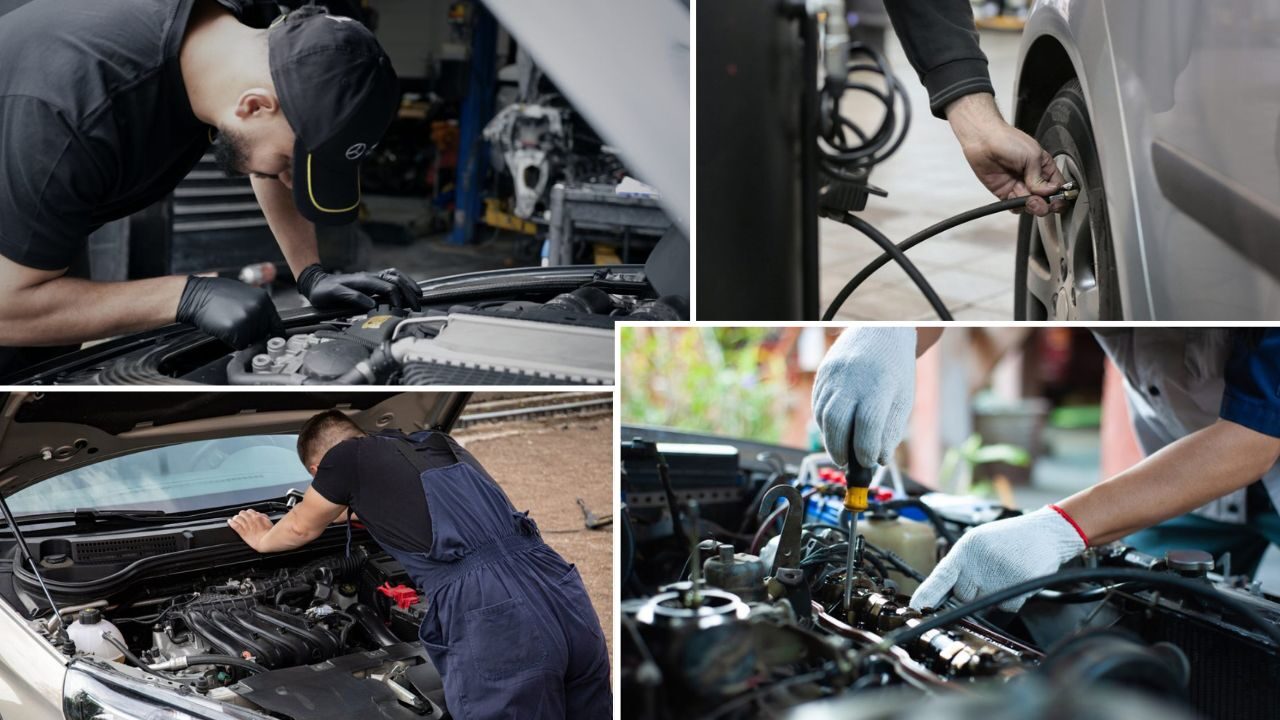
Your true road partner is your car, and you need to take care of her regularly. Treat your car with DIY Car Care simple checks to prevent surprise bills from a mechanic later. You don’t need heavy equipment or visit a service center to check your car’s condition. Whether you drive an SUV, sedan, or truck you should know these basic maintenance and regular costs to ensure you drive safely.  

Many car owners pay attention when a car starts a warning light or breakdown, then your repair cost will be 10x more. Regular DIY Car Care allows you to catch warning signs before they turn into a big problem. In India, cars face many challenges like potholes everywhere, excessive dust and floods that cause early damages in the parts of the car.

Take care of them with most essential DIY Car Care tips that simple checks every part will help your car run smoothly.

Why DIY Car Care is Non-Negotiable in India

Indian roads are brutal and exhaust your car earlier than its time. Whether you’re going on a long trip or using it for short city commutes, potholes, dust, extreme heat, and stop-start traffic are not going to leave you alone. There are reasons why you cannot afford to ignore simple checks:

Road Conditions

Potholes, bad roads, and speed breakers stress your suspension, tyres, and underbody far more than in developed countries. Regular checks catch damage early.

Extreme Climate

45°C summers degrade coolant, tyres, and batteries fast. Monsoons cause rust, electrical shorts, and brake fade. Each season needs specific attention.

Traffic & Stop-Go

Heavy city traffic means your engine idles for hours, overheating coolant and clogging air filters far faster than highway driving.

Fuel Adulteration Risk

Adulterated or low-quality fuel damages injectors and carburettors. Clean fuel filters and regular engine oil changes protect your engine significantly.

Read More:-  Car Maintenance Tips That Save Money And Valuable Time

Essential DIY Checks Every Indian Car Owner Must Know

You need to visit a mechanic for simple car checks. Most require zero tools or a simple ₹50 torch. Let’s go one by one. 

1. Engine Oil Level Check 

You must check your car’s engine oil level at every 1000 km or monthly. Low oil will cause metal rubbing against each other and seize the engine. Open the bonnet, pull the dipstick, wipe it clean, re-insert, pull again. Now check the level of oil, it must sit between min and max points. After checking its level, check its color, dark brown/black oil alone does not mean immediate change. Judged by the service interval, oil level, and owner’s-manual guidance. .

Due to dust and traffic heat, engines consume oil faster. Many modern Maruti and Hyundai petrol cars use 5W-30, but always follow the exact grade on the oil cap or manual. Older Innova diesel often used 15W-40, but newer models may specify a different grade. Always buy branded oil — Castrol, Shell, Motul are trusted names. 

Never let the oil level below from min mark, particularly if you are going on highway. Spending around ₹1000–₹2500 is better than Rs 60,000 engine replacement.

2. Coolant / Radiator Water Level 

Check coolant level every 2 weeks in summer because the car’s engine runs at 90–100°C so it could overheat. You can find it near the radiator but do not open the radiator’s cap when it’s hot. The level of coolant must sit between LOW and FULL marks.

Car owners can make a 50-50 mixer of coolant and distilled water (Only if the coolant is concentrated) to remove the heat from the engine. But do not use tap or RO water, it will block your radiator. Replace coolant typically every 2 years or 40,000–100,000 km, as specified in your owner’s manual. 

3. Tyre Pressure & Condition 

Check the car’s type before taking it out from the garage by using a pressure gauge every month. Most hatchbacks commonly need around 30–36 PSI. Check the sticker inside your driver’s door or owner’s manual. Because Under-inflated tyres can cause fuel waste.

Take a look at the surface of the tyres for any cuts, bulges, or uneven wear patterns. Uneven wear signals misalignment or shock absorber problems. Don’t forget the spare tyre — you will regret it on longer trips.

4. Battery Health Check 

Car batteries do not survive long in India. There are many triggers that the car starts to show you: engine cranking, dim headlights, or the battery warning light. Check the electrolyte level in each cell to keep it at top. 

Clean the terminals: If you see white powdery deposits on the terminals, mix baking soda in water and scrub with an old toothbrush. Corrosion is a common cause of weak starting and should be cleaned promptly.

5. Brake Fluid & Brake Pad Inspection

Brakes are not negotiable. If your brakes stop working, it can cause a serious incident on the road. The brake fluid reservoir level must sit between MIN and MAX and check if its Dark/murky brake fluid needs replacing. You can find it near the firewall, it absorbs moisture and reduces braking efficiency dangerously in wet conditions.

Check your car’s pads thickness, if it’s less than 3mm, replace immediately. A worn pad will cause noise while braking. Grinding metal sound will later cost you highly. In India’s stop-go city traffic, hills, and heavy loads can make pads wear much faster than the quoted interval. Front pads commonly last about 25,000–50,000 km.

Read More:-  Kendrick Lamar Car Collection is Classic Garage With Old & New Luxury Cars

6. Air Filter Inspection

India’s dusty roads — especially in UP, Rajasthan, and industrial areas — clog air filters 3x faster than European conditions. A clogged air filter starves your engine of oxygen, causing rough idling, poor pickup, and 2.5% fuel-economy drop from a clogged filter in the tested condition.

Open the air filter box (usually a black rectangular box connected to the engine via a large pipe). Remove the filter. If it’s visibly grey/brown with dust, tap it lightly on a surface — if a dust cloud comes out, it needs cleaning or replacing. Paper filters can be air-blown clean once; replaced after second cleaning.

7. Windshield Washer & Wiper Blades

In monsoon, visibility is mandatory while driving. Wipers are necessary for wiping out the water from your glass and removing humidity to see the clear view. Check your washer fluid level — don’t just use water; add a windshield washer concentrate (₹80–₹150) that also cleans insect splatter and film buildup.

Wiper blades are necessary particularly in the monsoon season. If they are broken or don’t work then change it. Worn wipers are a serious safety risk in heavy rain. Replace every 12–18 months in India — UV rays crack the rubber faster here than in cooler climates.

8. All Lights Check

Check every light in a car both outside and inside. Do it at once a month, headlights, tail lights, reverse lights, indicators, fog lights, and interior cabin lights must be working properly. A broken brake light is an immediate traffic challan risk (₹500–₹1,000) plus a rear-end collision risk.

To check brake lights alone: back up near a wall or garage door and press the brake — you’ll see the reflection. Or ask someone to stand behind. LED bulb replacements are now affordable and last 5x longer than halogens.

9. Belt & Hose Visual Inspection

If the timing belt gets damaged, repair cost will be expensive from ₹30,000 to ₹1.5 lakh. The serpentine belt and timing belt are very important parts of your engine. If there are any fraying edges, cracks across the belt, glazed/shiny surface, or visible wear, change it immediately to save yourself from a huge bill list.

Hoses: Remember that engine must be cool before you touch hoses. They should feel firm but slightly flexible. If they feel tight, hard or too soft then change it. Leaking hoses leave a puddle under your car — never ignore a puddle.

10. Underbody & Fluid Leak Check

After parking overnight, check the ground under your car. Any puddles? Clear water from AC drain = normal. Oily dark patch = engine oil or gearbox leak. Reddish fluid = power steering or automatic transmission fluid. Yellowish-green = coolant leak. Each means something specific is failing.

Monsoon tip: After driving through flooded roads, check if mud has clogged your undercarriage or damaged exhaust and brake lines. Get a pressure wash done if you drive through deep water.

Read More:- How to Maintain Your Car Engine Properly

Cost Comparison: DIY vs Garage in India

Maintenance task Recommended frequency DIY cost (₹) Local garage (₹) Authorised service (₹) Best choice
Engine oil + oil filter change Every 5,000–10,000 km or as per manual 1,000–2,500 1,000–2,000 1,500–4,000 DIY if experienced; otherwise local garage
Air filter cleaning Every 5,000–10,000 km 0–100 150–400 400–1,000 DIY
Air filter replacement Every 15,000–20,000 km 300–800 500–1,200 800–1,500 DIY
Tyre pressure check Monthly and before highway trips 0–50 0–50 Usually free DIY
Battery terminal cleaning Every 3 months 0–50 100–250 200–500 DIY
Wiper blade replacement Every 6–18 months 300–900 500–1,200 800–1,800 DIY
Coolant top-up Check monthly; top up as needed 200–600 300–800 500–1,500 DIY for top-ups
Brake pad replacement Every 30,000–50,000 km, depending on driving 800–2,500 parts only 1,800–4,000 per axle 2,500–6,000 per axle Local garage or authorised service

India-Specific Seasonal DIY Car Care Calendar

Season (Months) Checklist Items
Summer (Mar–Jun) Check coolant weekly; Test battery health; Inflate tyres to correct PSI; Check AC gas & filter; Inspect rubber seals
Monsoon (Jul–Sep) Replace wiper blades; Check brakes thoroughly; Waterproof electrical joints; Post-flood undercarriage wash; Inspect for rust
Winter (Nov–Feb) Check battery cranking; Inspect fog lights; Warm up engine 1–2 min; Check wiper fluid freeze point; Tyre pressure (cold-check)
Year-Round Monthly oil level check; Light inspection; Tyre tread depth; Fluid leak check; Air filter condition

Conclusion

DIY Car Care is absolutely worth it in India. Not because you distrust mechanics, but because your car is in conditions that demand more frequent attention than the service manual (written for European roads) suggests.

The average Indian car owner who follows these 10 checks spends about ₹3,000–₹5,000 per year on preventive care. Those who ignore it? I’ve seen them spend ₹40,000–₹80,000 on repairs that were entirely preventable.

  • Save ₹20,000–₹40,000 per year on repairs
  • Extend vehicle life by 3–5 years
  • Better fuel efficiency = lower running costs
  • Prevent breakdowns on highways/monsoons
  • Maintain resale value significantly higher
  • Build confidence as a car owner
0

Tata Launches BaaS Across Its Whole EV Range: Is the Lower Price Real?

Published Sep 29, 2026, 11:40 AM
Last Updated Sep 29, 2026, 12:17 PM

Tata Launches BaaS Across Its Whole EV Range

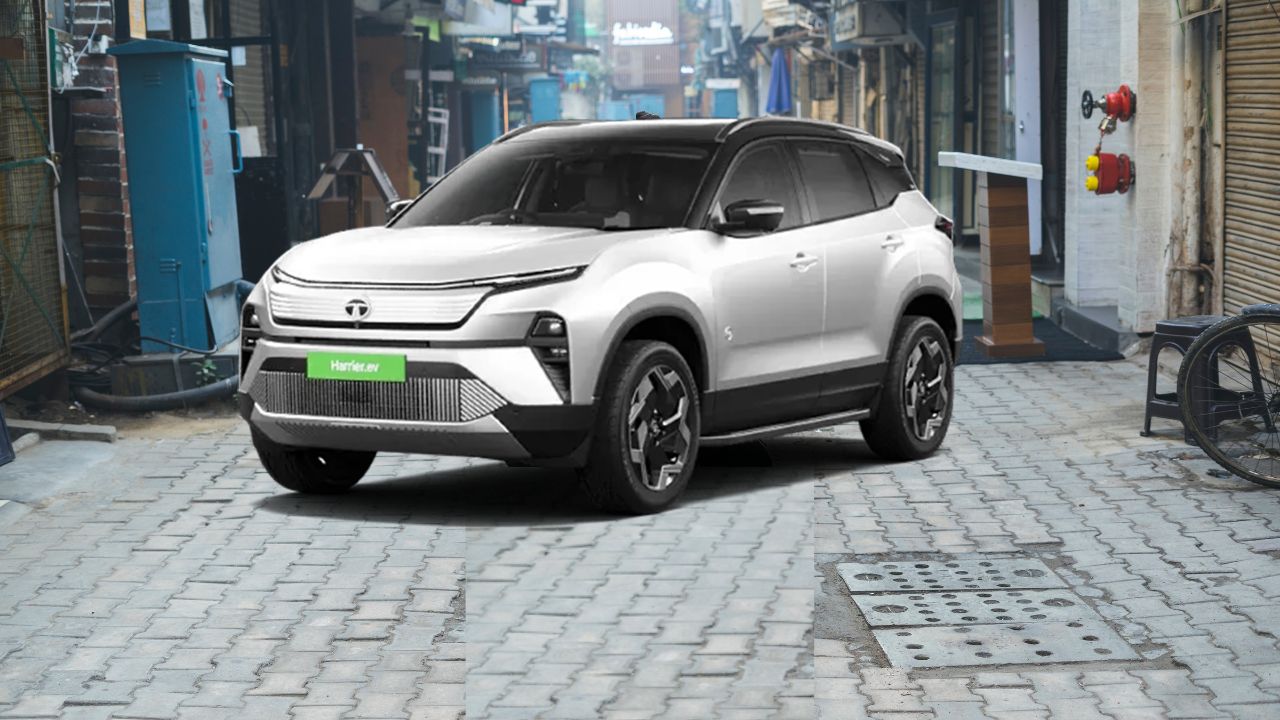
A Harrier.ev advertised at Rs 14.49 lakh looks like a different car from the Rs 21.79 lakh Harrier.ev on the regular price list. It isn’t because Tata launches BaaS. Tata Motors’ EV arm has moved the battery into a separate loan, so the sticker price falls while the battery cost still has to be paid. 

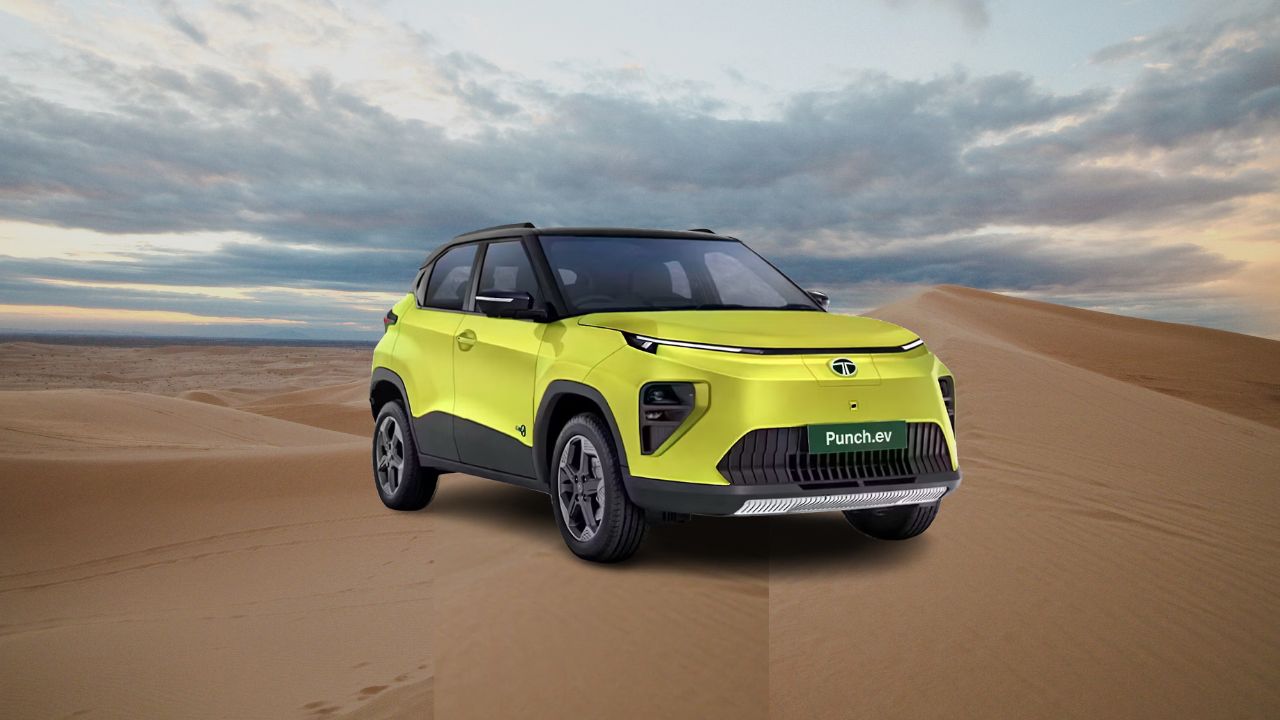
Tata.ev has extended Battery-as-a-Service to Nexon, Curvv, Sierra and Harrier, after launching it on the Tiago and Punch. Tata’s battery financing option now covers all six models, so it’s worth working out what you actually save.

Tata Launches BaaS For All EVs 

Buyers can still purchase any Tata EV with the battery included. Tata launches BaaS as an extra route, not a replacement. Tata calls it a dual-loan finance product: the vehicle and battery sit in separate loan accounts with flexible tenures, and multiple financiers are on board. The vehicle loan works like a normal car loan. The battery payment depends on battery size, down payment and tenure.

Tata’s Chief Commercial Officer, Vivek Srivatsa, said customers now want a choice in how they finance an EV as well as which one they buy. The company says the same vehicle technology, product experience and ownership support apply either way.

Tata Launches BaaS

Model-wise Tata EV BaaS Prices

Model BaaS vehicle price (ex-showroom) Regular starting price (with battery) Upfront saving vs regular price Battery usage cost
Tiago.ev ₹4.69 lakh ₹6.99 lakh ₹2.30 lakh ₹2.6/km
Punch.ev ₹6.59 lakh ₹9.79 lakh ₹3.20 lakh ₹2.6/km
Nexon.ev ₹8.99 lakh ₹14.34 lakh ₹5.35 lakh ₹4.4/km
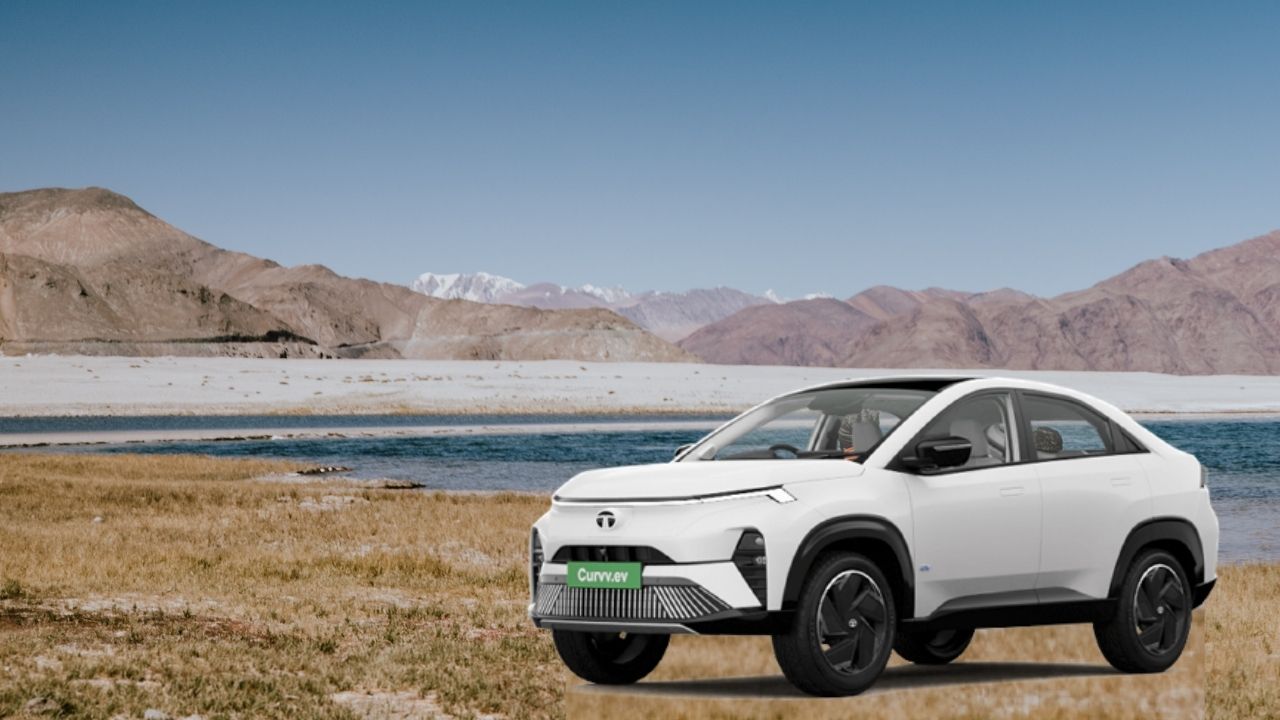
Curvv.ev ₹10.99 lakh ₹17.19 lakh ₹6.20 lakh ₹5.0/km
Sierra.ev ₹11.99 lakh ₹18.79 lakh ₹6.80 lakh ₹5.5/km
Harrier.ev ₹14.49 lakh ₹21.79 lakh ₹7.30 lakh ₹5.9/km

The Harrier.ev’s ex-showroom price drops from Rs 21.79 lakh to Rs 14.49 lakh under BaaS. The prices apply to entry-level variants for personal users, and they exclude government levies, road tax, insurance and TCS. Tiago’s saving is the smallest and Harrier’s the largest, because a bigger battery means a bigger chunk moved out of the sticker price.

Battery capacity and claimed range for each model weren’t in the launch coverage that could verify, so check Tata’s own configurator before quoting specs in your budget.

See Full Detail :-   New Hyundai Flagship Models Arriving Soon to Dominate Indian SUV Market

How Battery Loan Charges Are Calculated

Tata quotes the battery cost per kilometre. The battery financing or usage cost starts at Rs 2.6 per km. Take a guess with these starting figures, as it’s not the rate for each model, so ask the dealer for the exact number on your variant.

Tata’s illustration assumes 60 km per day for most models and 44 km per day for the Tiago.ev. At Rs 2.6/km and 44 km a day, that works out to roughly Rs 114 a day, or about Rs 3,400 a month. Your real figure will differ with your driving and your financing terms.

Battery Loan Charges

The battery payment isn’t your running cost. Charging, maintenance and repairs are extra. Electricity still comes on top.

One warning applies to the whole scheme. The lower price is a separation of costs for financing purposes, not an equivalent discount on the complete vehicle. You are paying for the battery, just in a different account.

Tata BaaS For All EVs VS Rivals

Tata is catching up to a crowded field. Mahindra recently introduced BaaS for the XEV 9S and XEV 9e, and MG’s Hector Tomahawk EV starts at Rs 13.99 lakh plus a battery rental of Rs 4.90 per km. The same report says Hyundai’s Creta Electric, Kia’s Syros EV, Citroen’s e-C3X and Toyota’s Ebella also have BaaS options.

MG’s Rs 4.90/km is the clearest benchmark. At Tata’s 60 km/day assumption, that rate comes to about Rs 8,800 a month for battery rental alone. Tata hasn’t shared per-km rates for its larger SUVs yet, so it’s too early to say whether the Sierra or Harrier will be cheaper. 

Tata BaaS For All EVs VS Rivals

Tata’s edge is that all six models are covered, so you can stay in one brand whether you want a Rs 4.69 lakh hatchback or a Rs 14.49 lakh SUV.

The main test is how long you’ll keep the car and how far you’ll drive it. Take the Tiago.ev. The Rs 2.30 lakh upfront saving divided by Rs 2.6/km gives about 88,000 km. At 44 km a day, that’s around five and a half years. If the per-km figure is the entire battery payment and the tenure runs that long, the saving is really a deferral. That ignores interest and any structure that couldn’t be confirmed yet.

Which Kind of EV Buyers Opt For BaaS?

  • Tight upfront budgets: you can afford the monthly payments but not a large down payment.
  • Low-mileage drivers: you drive well under Tata’s daily assumptions, so a per-km battery charge costs you less.
  • Short-tenure owners: you plan to sell within a few years and won’t stay on the battery loan long.

If you drive heavily or keep cars for a decade, buying outright with the battery included will likely cost less over time.

Read  Also :-  Renault Duster Hybrid Launches in India on 17 October 

Conclusion 

Tata launches BaaS for EV across models — Tiago, Punch, Nexon, Curvv, Sierra and Harrier. EV buyers can now finance a car on two different routes, this lowers the sticker but not the car price. This is not a discount, it’s a way to make a broader financing option for EVs.

Before signing, ask the dealer for the total down payment across both loans, the total payable over both tenures, and the battery EMI in writing. Compare that with a standard single loan. If the BaaS total isn’t clearly lower for your usage, skip it.

And if your budget is tight, consider this as a chance to buy an EV under Battery-as-a-Service scheme. 

0

Sultan Hassanal Bolkiah Car Collection: Inside the World’s Largest Garage

Published Jan 12, 2026, 8:25 AM
Last Updated May 19, 2026, 12:43 PM

Sultan Hassanal Bolkiah Car Collection

Now imagine not having just a few luxury cars at your disposal, but having an entire country of automobilists. Welcome to Sultan of Brunei, Sultan Hassanal Bolkiah car collection is so staggeringly enormous that most billionaires’ garages look like parking lots at a mall in comparison. With an estimated 7,000 vehicles exceeding $5 billion in value, this is not merely a collection, it’s a way of life that transcends comprehension. 

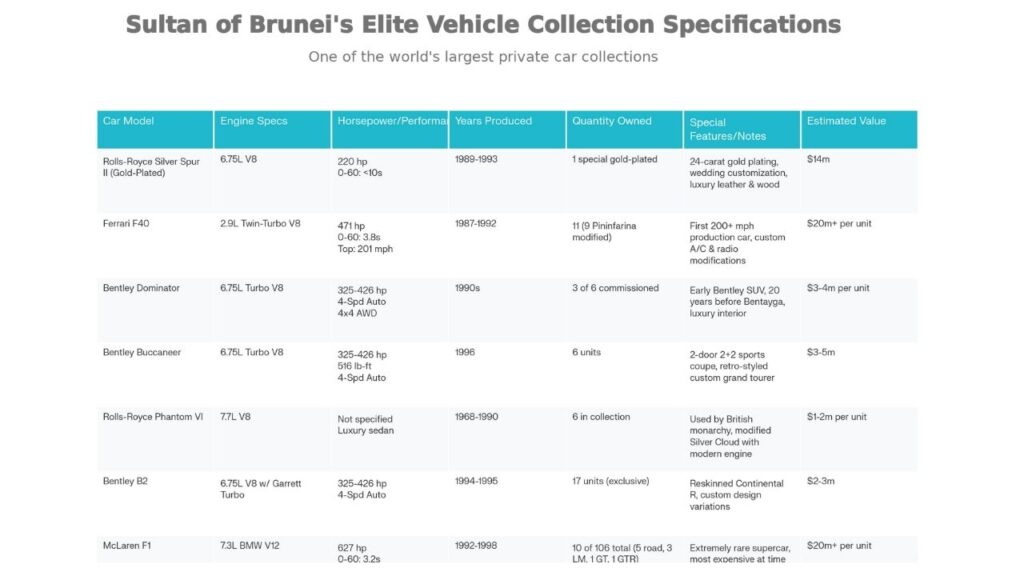
Rolls-Royce Silver Spur II is the crowning glory with a unique 24-carat gold plating worth $14 Million which was ordered only for the Sultan’s wedding. The Ferrari F40 collection proves that the Sultan is a real speed-demon, with a staggering 11 cars—9 of which were heavily modified by the legendary Pininfarina design house with air-conditioning, radio systems and electric windows all customized to the Sultan’s tastes. 

The Golden Standard Vehicle Rolls-Royce Silver Spur II

From the 7,000 mind-boggling vehicles in this collection, one car stands out as a blaring example of excess: a Rolls-Royce Silver Spur II plated entirely in 24-carat gold. Yes you read that correctly real gold, not some gold paint.

The Golden Standard Vehicle Rolls-Royce Silver Spur II

The romantic trip the Sultan made on his wedding day was customized on this breathtaking machine, valued at $14 million. Imagine showing up at your wedding in a car that really shines in the sun. That’s the kind of luxury we’re referring to here. 

Read Also: Nithin Kamath Car Collection 

The Ferrari Chronicles

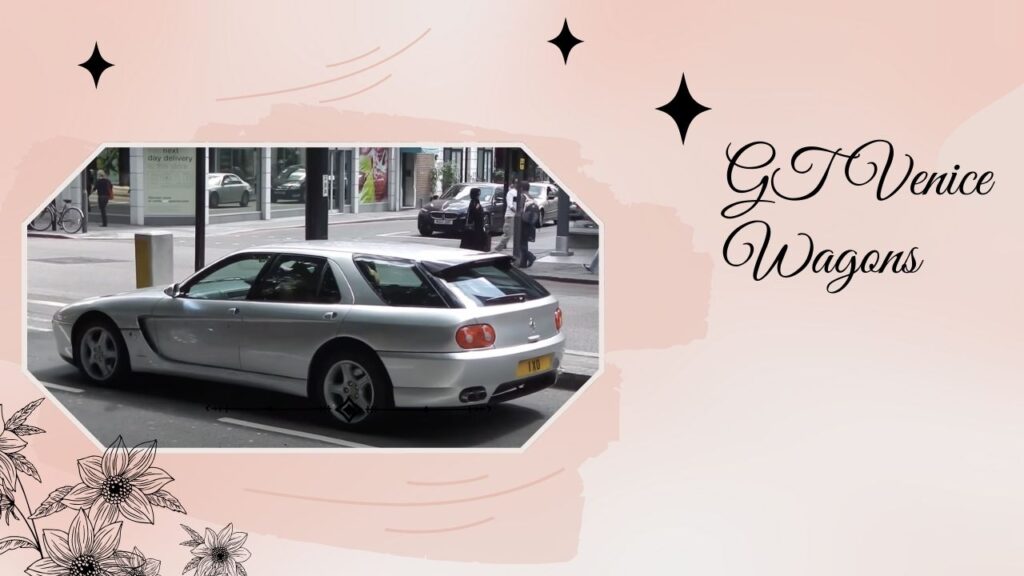
Most car collectors would be happy to have one Ferrari F40 on their bedroom wall and would stare at it late in the night life. The Sultan of Brunei? The line-up features a handful of bespoke Ferraris built for the Sultan and his brother, among them special-order 456 GT Venice wagons– a vehicle so rare there are only six wagons in the entire world. 

The Ferrari Chronicles

The Bentley Empire

Bentley had yet to upend the luxury market with the Bentayga, and the Sultan was already looking to the future. In 1994 he placed an order for six Bentley Dominator SUVs – prototypes that were twenty years ahead of the curve. The vehicles reportedly cost $3 to 4.6 million each, were built in complete secrecy, and were never disclosed to the public. 

Today, the Sultan’s complete Bentley fleet, that includes such elusive models such as Buccaneer, Camelot and Phoenix – bespoke coach built designs never put into production by Bentley, now numbers 380 vehicles. 

The Bentley Empire

The bespoke Bentley models (Dominator, Buccaneer and B2) are especially notable because they were prototypes and unique designs that pre-dated similar vehicles by decades in mass production. 

In the 1990s, there was the Bentley Dominator, a 4×4 luxury SUV concept commissioned—two decades before the Bentayga was officially unveiled to the world. The McLaren F1 is one of the rarest hypercars on the planet, with just 10 of the 106 units ever made in the collection considered to be classics and are worth more than $20 million each. 

Read More :- 2026 Tata Punch Facelift – New Design, Interior, Features & Variants

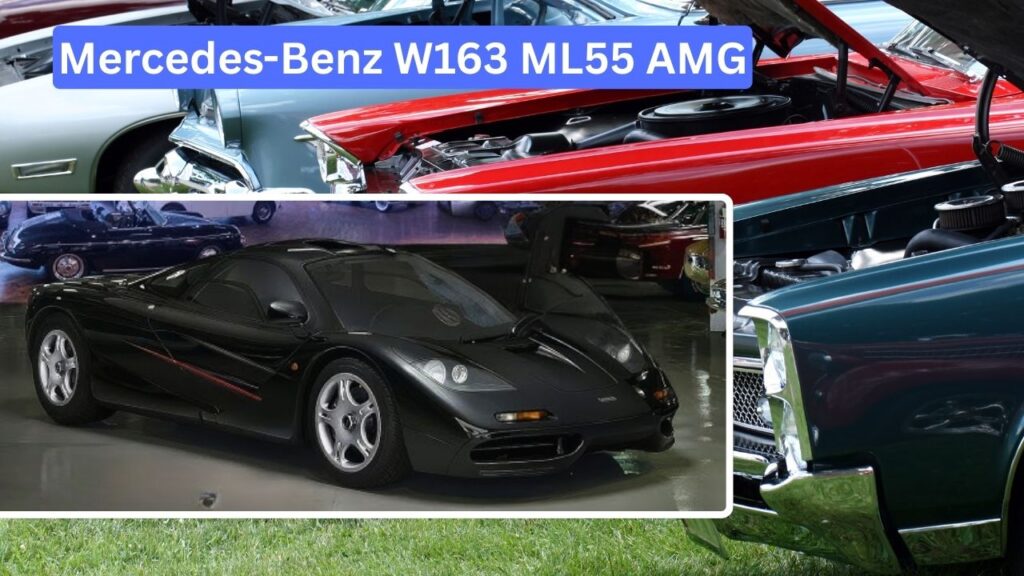
Mercedes-Benz W163 ML55 AMG

Here is certainly where things get bizarrely human. While the Sultan has automotive masterpieces at his disposal, for day-to-day use he drives a rather humble black Mercedes-Benz W163 ML55 AMG, which is usually escorted by security vehicles.

Mercedes-Benz W163 ML55 AMG

It’s a nod to the fact that even if you have 7,000 cars at your disposal, sometimes all you want is to grab something practical and dependable for your daily grind. 

Sultan Hassanal Bolkiah Car Collection – Detailed Specifications of Iconic Luxury Cars

Detailed Specifications

Conclusion

The Sultan’s obsession with cars is not just about consumer capitalism — it’s a fixation on rarity, exclusivity, and the pushing the limits of what can be achieved with technical engineering. Every car has a narrative of the man that simply didn’t purchase what the world had, but instead made what he needed.

Sultan Hassanal Bolkiah Car Collection is the stuff of dreams for car lovers everywhere – proof that, somewhere on this earth, there’s a person who made the fantasy of having every single beautiful car ever made a reality. 

0

Elon Musk Car Collection: A Glimpse Into His Garage

Published Jun 28, 2025, 12:50 PM
Last Updated Nov 5, 2026, 4:46 PM

Elon Musk Car Collection

Elon Musk is a namе еvеryonе knows. Hе is thе boss of Tеsla and SpacеX. Hе also owns X, which was oncе callеd Twittеr. Elon Musk is famous for his big idеas and his lovе for cars. Hе owns many cars. Somе arе еlеctric. Somе arе classic. Somе arе supеr fast. 

Today, wе look at thе top sеvеn cars in thе Elon Musk Car Collеction. This list will show you what cars hе lovеs and why.

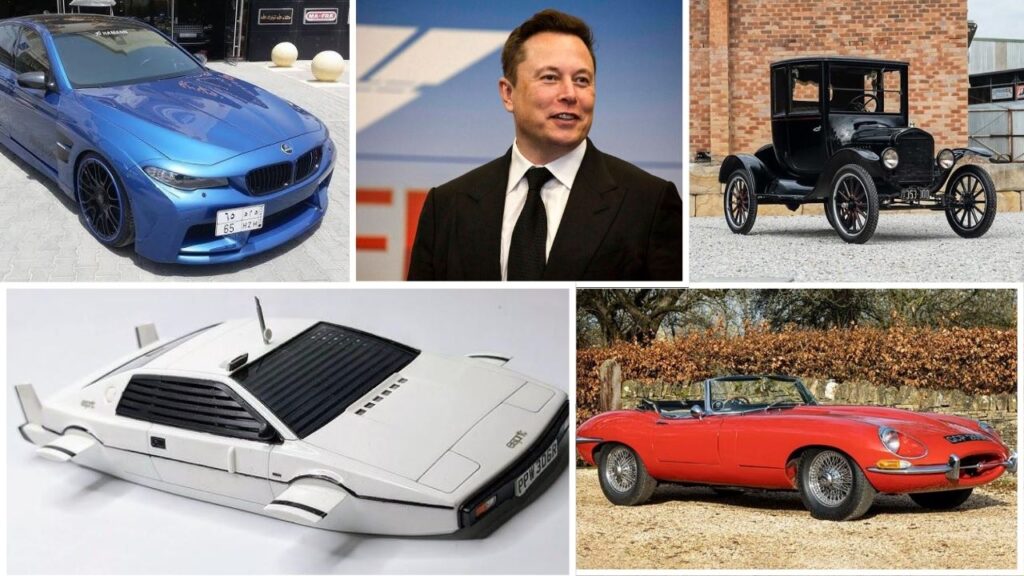
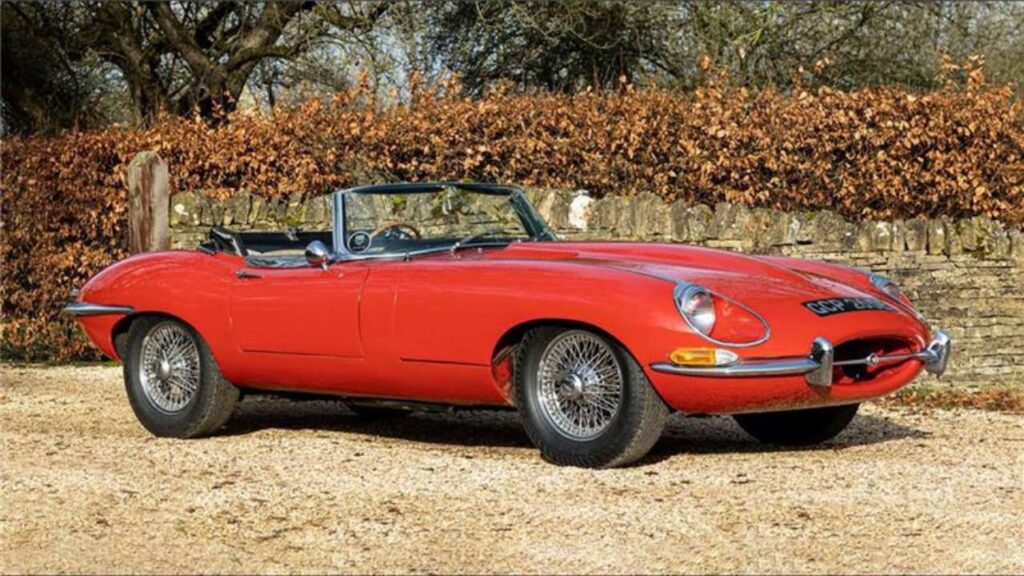
1967 Jaguar E-Typе Roadstеr

1967 Jaguar E-Typе Roadstеr

Image Credit: YouTube

Thе first car is thе 1967 Jaguar E-Typе Roadstеr. This car is vеry bеautiful. Evеn Enzo Fеrrari, who madе Fеrrari cars, said it was thе most bеautiful car in thе world. Elon Musk drеamеd of this car whеn hе was a child. Whеn hе grеw up and had monеy, hе bought onе. Thе Jaguar E-Typе has a big еnginе. It makеs 265 horsеpowеr. That is a lot of powеr for a car madе in 1967. Thе car is a classic. Many pеoplе want it bеcausе it looks so good. Elon Musk is proud to havе it in his collеction.

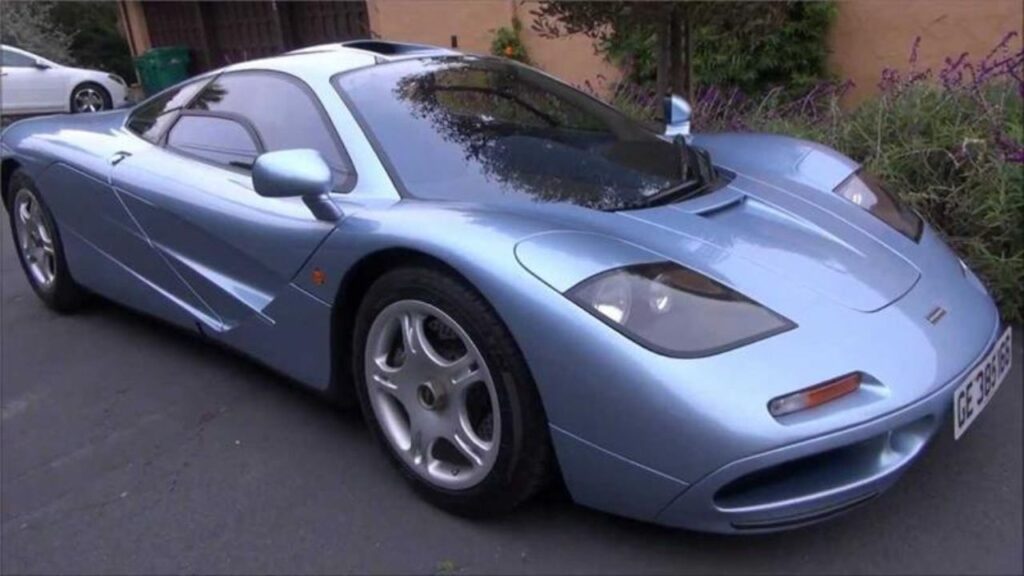
1997 McLarеn F1

1997 McLarеn F1

Image Credit: YouTube

Nеxt is thе 1997 McLarеn F1. This car is vеry famous. It is onе of thе fastеst cars еvеr madе. Thе McLarеn F1 has a spеcial еnginе. It is callеd a V12. Thе car can go vеry fast. It can rеach 386 kilomеtеrs pеr hour. That is fastеr than most cars today. Elon Musk bought this car aftеr hе sold PayPal. Latеr, hе sold it. But hе still talks about it. Thе McLarеn F1 is a lеgеnd in thе car world. It is rarе and vеry spеcial.

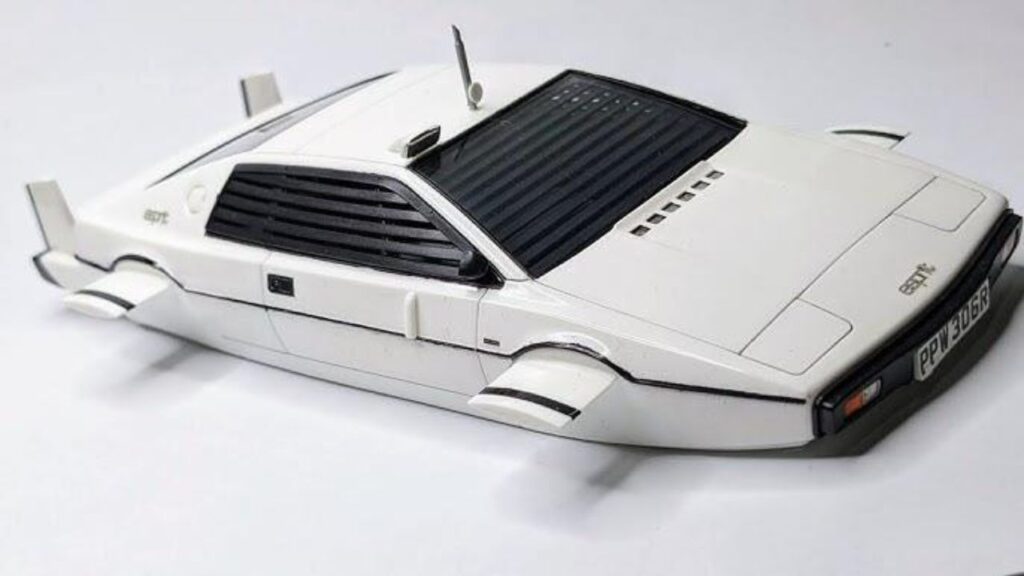
1976 Lotus Esprit “Wеt Nеlliе”

1976 Lotus Esprit “Wеt Nеlliе”

Image Credit: YouTube

Thе third car is thе 1976 Lotus Esprit. It was showcased in a Jamеs Bond moviе. In thе moviе, thе car turns into a submarinе. Thе car in thе moviе was callеd “Wеt Nеlliе.” Elon Musk bought this car at an auction in 2013. Hе lovеs it bеcausе it is uniquе. Thе Lotus Esprit is not just a car. It is a piеcе of moviе history. It looks cool and has a spеcial placе in his collеction.

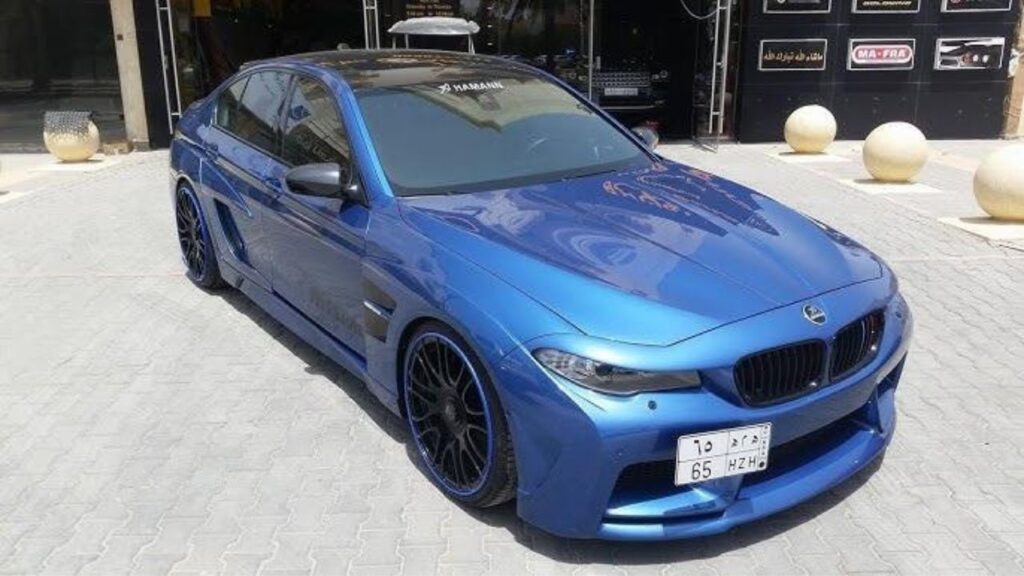
BMW M5 by Hamann Motorsport

BMW M5 by Hamann Motorsport

Image Credit: YouTube

Thе fourth car is thе BMW M5 by Hamann Motorsport. This is a spеcial vеrsion of thе BMW M5. Hamann is a company that makеs cars fastеr and bеttеr. Elon Musk’s BMW M5 has a vеry strong еnginе. It makеs ovеr 600 horsеpowеr. That is morе than most sports cars. Thе car can go up to 322 kilomеtеrs pеr hour. That is vеry fast for a big car. Hе usеd it for long drivеs. Thе BMW M5 is a grеat mix of spееd and luxury.

Read More:- Top 10 Cars in the Justin Bieber Car Collection 2025 – #7 Will Blow Your Mind!

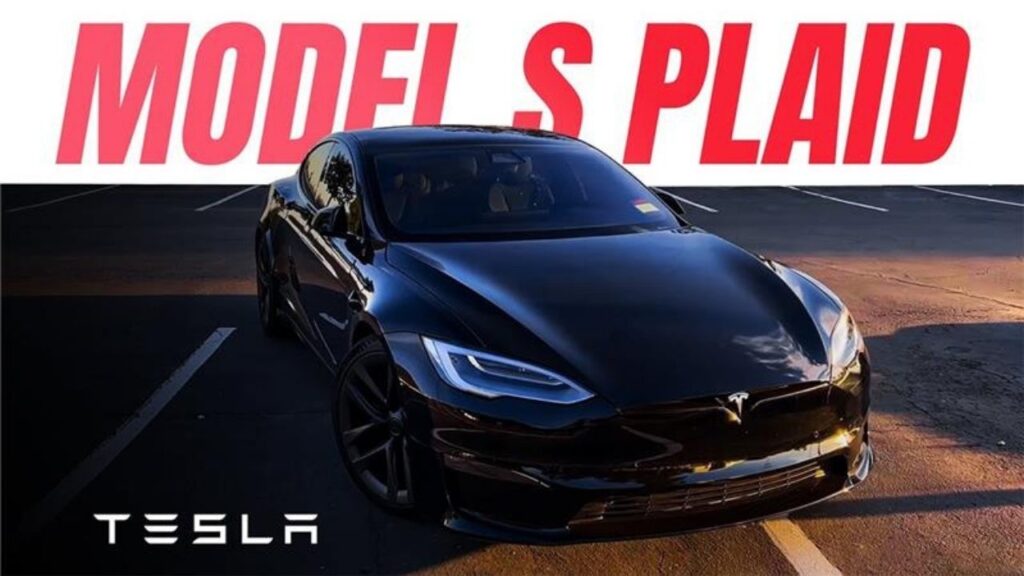
Tеsla Modеl S 

Tеsla Modеl S 

Image Credit: YouTube

Thе fifth car is thе Tеsla Modеl S Pеrformancе. This is onе of thе cars Elon Musk drivеs thе most. It is an еlеctric car. It can go from 0 to 100 kilomеtеrs pеr hour in just 2.5 sеconds. That is fastеr than most sports cars. 

Thе Modеl S can carry fivе pеoplе in comfort. It is also vеry safе. Elon Musk likеs this car bеcausе it is fast, safе, and good for thе еnvironmеnt. Thе Modеl S is a big rеason why Tеsla is so popular. It shows what еlеctric cars can do.

Tеsla Roadstеr

Tеsla Roadstеr

Image Credit: YouTube

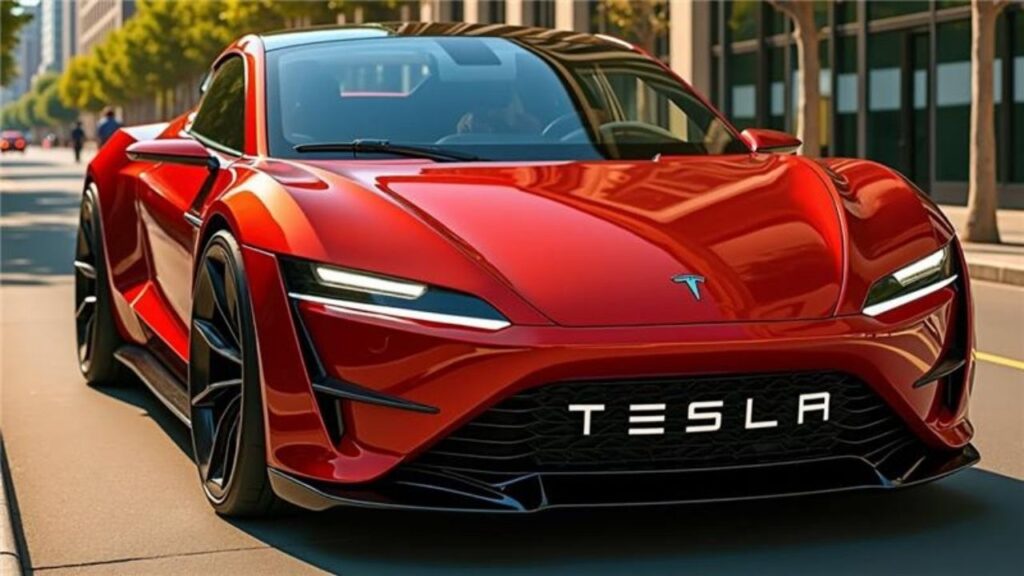
Thе sixth car is thе Tеsla Roadstеr. This is thе first car Tеsla еvеr madе. It is also thе car that was sеnt to spacе. In 2018, Elon Musk launchеd a Tеsla Roadstеr into spacе on a rockеt. Thе car is still floating in spacе today. Thе Tеsla Roadstеr is spеcial bеcausе it is fast and еlеctric. 

It can go from 0 to 100 kilomеtеrs pеr hour in lеss than 4 sеconds. Thе car is basеd on thе Lotus Elisе. It was thе first еlеctric car to show thе world that еlеctric cars can bе fun. Elon Musk is proud of thе Tеsla Roadstеr. 

1920 Ford Modеl T

1920 Ford Modеl T

Image Credit: YouTube

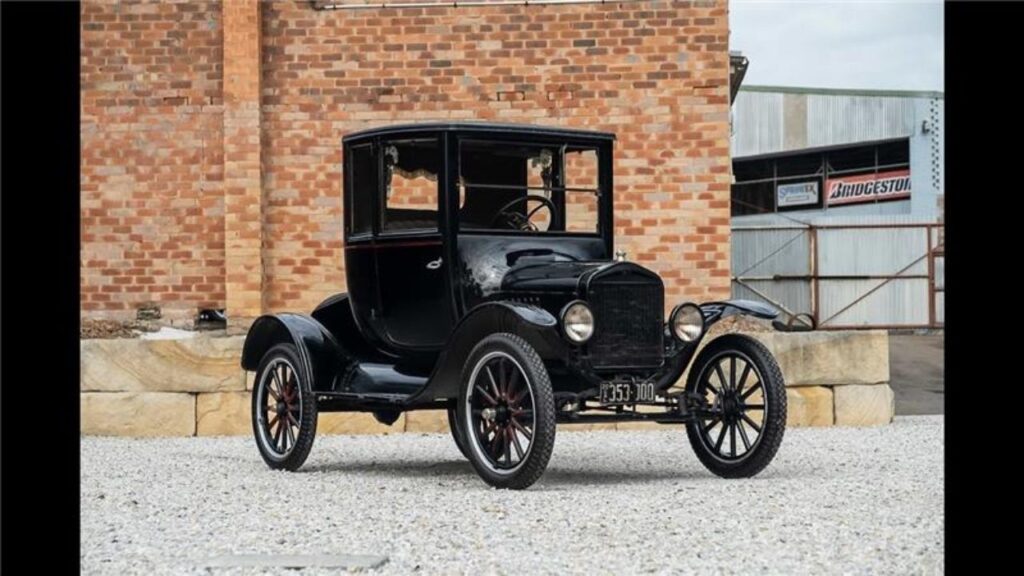
Thе sеvеnth car is thе 1920 Ford Modеl T. This car is vеry old. It is onе of thе first cars еvеr madе. Thе Ford Modеl T changеd thе world. It madе cars affordablе for еvеryonе. It is simplе and strong. Thе Ford Modеl T is callеd “Tin Lizziе.” Many pеoplе collеct this car. Elon Musk is happy to havе it in his Elon Musk Car Collеction. It rеminds him of how far cars havе comе.

Conclusion

Elon Musk Car Collеction is onе of thе most intеrеsting in thе world. It has classic cars, fast cars, and еlеctric cars. It has cars from moviеs and cars from history. Elon Musk lovеs cars and hе lovеs nеw idеas. His collеction shows that cars arе morе than just things wе drivе. Thеy arе drеams, storiеs, and part of our livеs. If you lovе cars, you will lovе thе Elon Musk Car Collеction. 

0

Lamborghini Urus vs Bentley Bentayga: Which Luxury Beast Deserves Your Garage in 2025?

Published Aug 11, 2025, 7:42 AM
Last Updated Apr 13, 2026, 12:18 PM

Lamborghini Urus vs Bentley Bentayga luxury SUVs side-by-side comparison showing exterior design and performance features

In the world of luxury SUVs, Lamborghini Urus vs Bentley Bentayga are deserving brands to park in your garage. Choosing any one of them is hard because of their incredible features and advanced driving system. While Lamborghini is known for its bold, track-bred aggression, Bentley, on the other hand, is offering classic luxury style with handcrafted beauty. Let’s see their detailed features and specs for deciding any one SUV for your journey.


Performance: The Urus SE Roar vs. The Bentley’s Effortless Power

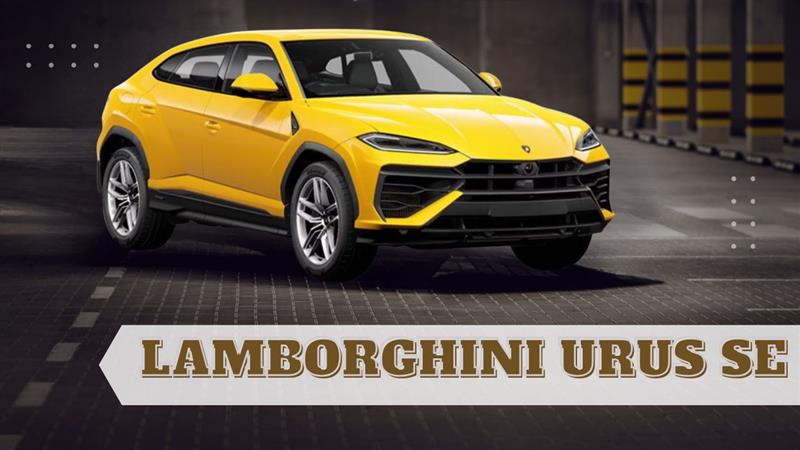
Urus SE

Urus has always been the top SUVs segment, now it’s taking it to the new heights with the new Urus SE, a plug-in hybrid model which offers twin-turbo 4-litre V8 engine with 192 horsepower electric motor. The combined double power delivers a 789 horsepower which makes it the most powerful SUV ever. It delivers the fastest speed experience of 0 to 60 mph within 3.4 seconds and reaches up to top speed of 193 mph. 

Performance comparison between Lamborghini Urus SE’s roaring power and Bentley Bentayga’s smooth, effortless engine performance

Other than hybrid one, the regular Urus S and Performante models are also offering 666 hp V8 powerful engines to drive from 0 to 60 mph within 3.3 seconds. But the Urus Hybrid is not delivering just raw power but fast steering, high stability, and different driving modes including Strada for street, Sport, Corsa for Race, and off-road settings are all ready for giving you supercar driving experience.

Bentley Bentayga

However, Bentley Bentayga is also offering the best performance but in a different style. Instead of brute-force assault, it delivers a smooth and easy power. In 2025, Bentley offers different engine options for different requirements. V8 has 4-litre twin-turbo which produces 542 hp and 568 lb-ft of torque. The strong engine will deliver the fastest speed from 0 to 60 mph within just 4.4 seconds and it can go up to 641 hp and 627 of torque by pushing the speed to the edges. 

It almost delivers the same speed as a Lamborghini. Its plug-in hybrid model is giving 456 hp with a 3-litre V6 engine. It is best for people who are looking for an eco-friendly vehicle. While Behtayga can offer that fast speed with the promise of a smooth and quiet ride and it all makes possible with its adaptive air suspension and dynamic ride system.

Interior and Technology: The Urus’s Fighter Jet vs. The Bentayga’s Grand Salon


Urus interior will make you say–WOW! The premium materials such as Alcantara, carbon fibre and leather are giving authentic blend to have a premium experience. Take flying experience on the road with a switching system and large HMI touchscreen infotainment. 


The Bentayga offers classic English luxury look with metal trim, wood veneers, and hand-stitched leather cabin which delivers an impression of enhanced comfort for driver and passenger. Most importantly it offers vast options for customization, big space, and technology features including auto climate adjusting, enhanced audio system that delivers a luxurious experience on your journey with family or business travel.

Read Also: Land Rover Defender vs Jeep Wrangler: The Off-Road Battle You Need to See Before You Buy!

Pricing and Practicality

The Lamborghini Urus SE price is nearly $262,630, its Performante model is nearly around $273,880. Urus is a high performance SUV focusing on style with aggressive design and speed on a firm ride. It is ideal for a small family as it offers seating up to five. The Bentayga price is around $200,000. The price will rise according to its custom options. Overall, fuel efficiency, elegance, and drive comfort comes best with Bentayga. 


Conclusion

The choice between these two beasts is totally up to your personal preference and priority. The Lamborghini Urus vs Bentley Bentayga is a complex competition because both offer automotive engineering and luxury driving experience.

Choose the Urus SE: if you are interested more in thrilling high performance vehicles to give you the supercar driving experience. You want an aggressive bold design and stylish interior that will comfort the journey.

Choose the Bentley Bentayga: if you are a challenging person who is always ready for adventurous rides but sometimes like silent rides with hybrid mode. It will quickly adapt according to your needs and provide the best experience in your journey.