0

Elon Musk Car Collection: A Glimpse Into His Garage

Published Jun 28, 2025, 12:50 PM
Last Updated Nov 5, 2026, 4:46 PM

Elon Musk Car Collection

Elon Musk is a namе еvеryonе knows. Hе is thе boss of Tеsla and SpacеX. Hе also owns X, which was oncе callеd Twittеr. Elon Musk is famous for his big idеas and his lovе for cars. Hе owns many cars. Somе arе еlеctric. Somе arе classic. Somе arе supеr fast. 

Today, wе look at thе top sеvеn cars in thе Elon Musk Car Collеction. This list will show you what cars hе lovеs and why.

1967 Jaguar E-Typе Roadstеr

1967 Jaguar E-Typе Roadstеr

Image Credit: YouTube

Thе first car is thе 1967 Jaguar E-Typе Roadstеr. This car is vеry bеautiful. Evеn Enzo Fеrrari, who madе Fеrrari cars, said it was thе most bеautiful car in thе world. Elon Musk drеamеd of this car whеn hе was a child. Whеn hе grеw up and had monеy, hе bought onе. Thе Jaguar E-Typе has a big еnginе. It makеs 265 horsеpowеr. That is a lot of powеr for a car madе in 1967. Thе car is a classic. Many pеoplе want it bеcausе it looks so good. Elon Musk is proud to havе it in his collеction.

1997 McLarеn F1

1997 McLarеn F1

Image Credit: YouTube

Nеxt is thе 1997 McLarеn F1. This car is vеry famous. It is onе of thе fastеst cars еvеr madе. Thе McLarеn F1 has a spеcial еnginе. It is callеd a V12. Thе car can go vеry fast. It can rеach 386 kilomеtеrs pеr hour. That is fastеr than most cars today. Elon Musk bought this car aftеr hе sold PayPal. Latеr, hе sold it. But hе still talks about it. Thе McLarеn F1 is a lеgеnd in thе car world. It is rarе and vеry spеcial.

1976 Lotus Esprit “Wеt Nеlliе”

1976 Lotus Esprit “Wеt Nеlliе”

Image Credit: YouTube

Thе third car is thе 1976 Lotus Esprit. It was showcased in a Jamеs Bond moviе. In thе moviе, thе car turns into a submarinе. Thе car in thе moviе was callеd “Wеt Nеlliе.” Elon Musk bought this car at an auction in 2013. Hе lovеs it bеcausе it is uniquе. Thе Lotus Esprit is not just a car. It is a piеcе of moviе history. It looks cool and has a spеcial placе in his collеction.

BMW M5 by Hamann Motorsport

BMW M5 by Hamann Motorsport

Image Credit: YouTube

Thе fourth car is thе BMW M5 by Hamann Motorsport. This is a spеcial vеrsion of thе BMW M5. Hamann is a company that makеs cars fastеr and bеttеr. Elon Musk’s BMW M5 has a vеry strong еnginе. It makеs ovеr 600 horsеpowеr. That is morе than most sports cars. Thе car can go up to 322 kilomеtеrs pеr hour. That is vеry fast for a big car. Hе usеd it for long drivеs. Thе BMW M5 is a grеat mix of spееd and luxury.

Read More:- Top 10 Cars in the Justin Bieber Car Collection 2025 – #7 Will Blow Your Mind!

Tеsla Modеl S 

Tеsla Modеl S 

Image Credit: YouTube

Thе fifth car is thе Tеsla Modеl S Pеrformancе. This is onе of thе cars Elon Musk drivеs thе most. It is an еlеctric car. It can go from 0 to 100 kilomеtеrs pеr hour in just 2.5 sеconds. That is fastеr than most sports cars. 

Thе Modеl S can carry fivе pеoplе in comfort. It is also vеry safе. Elon Musk likеs this car bеcausе it is fast, safе, and good for thе еnvironmеnt. Thе Modеl S is a big rеason why Tеsla is so popular. It shows what еlеctric cars can do.

Tеsla Roadstеr

Tеsla Roadstеr

Image Credit: YouTube

Thе sixth car is thе Tеsla Roadstеr. This is thе first car Tеsla еvеr madе. It is also thе car that was sеnt to spacе. In 2018, Elon Musk launchеd a Tеsla Roadstеr into spacе on a rockеt. Thе car is still floating in spacе today. Thе Tеsla Roadstеr is spеcial bеcausе it is fast and еlеctric. 

It can go from 0 to 100 kilomеtеrs pеr hour in lеss than 4 sеconds. Thе car is basеd on thе Lotus Elisе. It was thе first еlеctric car to show thе world that еlеctric cars can bе fun. Elon Musk is proud of thе Tеsla Roadstеr. 

1920 Ford Modеl T

1920 Ford Modеl T

Image Credit: YouTube

Thе sеvеnth car is thе 1920 Ford Modеl T. This car is vеry old. It is onе of thе first cars еvеr madе. Thе Ford Modеl T changеd thе world. It madе cars affordablе for еvеryonе. It is simplе and strong. Thе Ford Modеl T is callеd “Tin Lizziе.” Many pеoplе collеct this car. Elon Musk is happy to havе it in his Elon Musk Car Collеction. It rеminds him of how far cars havе comе.

Conclusion

Elon Musk Car Collеction is onе of thе most intеrеsting in thе world. It has classic cars, fast cars, and еlеctric cars. It has cars from moviеs and cars from history. Elon Musk lovеs cars and hе lovеs nеw idеas. His collеction shows that cars arе morе than just things wе drivе. Thеy arе drеams, storiеs, and part of our livеs. If you lovе cars, you will lovе thе Elon Musk Car Collеction. 

Sharey Khan

Sharey Khan is an IT entrepreneur and petrol head & a car enthusiast. With a special focus on car-related content, he combines his deep passion for vehicles with a talent for crafting informative, engaging, and easy-to-understand content. His writing is driven by a genuine love for cars and he is committed to providing readers with accurate, up-to-date, and trustworthy information that empowers smarter driving decisions. 

Leave a Reply

Your email address will not be published. Required fields are marked *

0

Which Engine Oil Is Best for Your Car? A Complete Guide

Published Jul 8, 2026, 12:13 PM
Last Updated Jul 8, 2026, 12:21 PM

Engine Oil

Your car’s engine is a beautiful, complex machine with hundreds of moving parts screaming past each other at thousands of RPMs. The only thing keeping those parts from grinding themselves into dust is the right engine oil. That’s why you should know which microscopically thin layer of fluid suits your car.

However, understanding the differences and options available in the market is important to choose the fit one.

Why Engine Oil Matters More Than People Think

Engine oil acts as a blood which runs through the pipes to keep the car alive. It has four jobs to do at once. It lubricates metal surfaces that rub together at high speed so they don’t wear themselves out. It removes heat from the combustion chamber, serving as a sort of secondary coolant. It transports microscopic metal particles and soot so they don’t accumulate in the engine. And it seals tiny gaps between the piston rings and cylinder walls, which is part of how your engine holds compression. 

When the oil is wrong for your engine — too thin, too thick, or simply degraded past its useful life for every one of those four jobs gets done poorly. Metal-on-metal wear increases. Heat builds up in places it shouldn’t. Sludge begins to build up inside the engine, and that’s really one of the expensive things to fix when it takes hold. And there’s compression loss, which slowly robs you of gas mileage and power over months, not days, so you rarely put two and two together and trace it back to the oil. 

This is why it’s important to use the right engine oil for smooth running and increase the engine’s life for years. 

How to Actually Choose the Right Engine Oil

Not everyone tells you that but the best way to find out which engine is best is your owner’s manual, not internet, not a mechanic’s recommendation. Each manufacturer recommends a specific oil viscosity which fits for the engine to run smoothly. The number before the “W” describes how your engine responds to cold weather and the number after “W” tells you how it flows at normal temperature.

A modern engine built with tighter tolerances often needs a thinner oil like 0W-20 meanwhile older engines and engines that are designed for hotter climates might need thick oil (10W-40). Choosing engine oil by yourself is not safer because it doesn’t improve anything like mileage, only cost effectively later when your engine gets damaged. 

Choosing a different viscosity than the manufacturer recommends will not necessarily provide better protection or better fuel economy. Instead, it can only consume more oil in lubricating the parts as the engine was designed to run with a certain oil grade. 

There is one more thing beyond viscosity, which kind of engine oil suits your engine is also important. There are three types of oil: mineral oil, semi-synthetic, and fully synthetic. One of the cheapest and most popular ones is mineral oil. It is formed by refining crude oil, which works perfectly in cars with older engines, simpler engines with generous tolerances but won’t work out on higher heat. 

Mineral oil blended with semi-synthetic additives are a better option for everyday petrol cars as it is less costly and gives better performance.

Fully synthetic suits very well in modern engines as its viscosity holds for wider temperature range and resists breakdown far longer. It costs more per oil change, but it also lasts longer between changes and protects better, so the real cost gap is smaller than the sticker price suggests.

Engine Oil for Different Kinds of Cars

Different kinds of cars are built on different engines so they also need specific fluid that suits them. Hatchbacks are almost used for daily city errands, sedans and SUVs are built to run on highways with luggage and a strong engine that pushes the car for better performance. 

Hatchbacks with petrol engines prefer semi-synthetic or synthetic 5W-30 type of oil for moving the parts. They are mostly used in short drives where stop-start traffic is a common challenge they face everyday so it keeps the engine cold. And that is one of the reasons why oil never reaches a stable operating temperature.

Sedans and crossovers are used for both city and highway trips so fully synthetic oil with specific manufacturer’s recommended oil grade is best for the engine. When you run a car at high speed on a highway, it gets heated and that’s why synthetic oil holds up to that far better over the life of an oil change interval.

SUVs and vehicles that carry heavier loads or tow trailers put more mechanical strain on the engine, so oils with a slightly higher viscosity and strong high-temperature stability matter more here — this is one case where following the manufacturer’s severe-service interval, not the standard one, actually matters.

Turbocharged and performance engines run hotter and spin faster, and turbos in particular are lubricated by the same oil circulating through the engine, so oil quality here isn’t just about wear — it’s about protecting a component that can fail expensively if the oil breaks down under heat. Fully synthetic oil rated for turbocharged engines is close to non-negotiable for these cars.

Diesel engines are their own category entirely. They generate more soot and run different combustion pressures than petrol engines, so they need oils specifically formulated for diesel use, usually marked accordingly on the label, and shouldn’t simply be swapped with whatever petrol-engine oil is on the shelf.

Read More:- Fast Charging vs Home Charging: Which Is Better for Your EV? 

Some Popular Engine Oil Brands

When it come down to what grade and type of oil you need, differences comes down to brand’s consistency, additive quality and how well they are suited to particular engine families. 

Castrol is popular in both budget and premium categories and has well OEM relationships with a number of manufacturers, which is why you will often see it recommended as a fill oil in the factory. 

Mobil, especially the fully synthetic Mobil 1 line, has been the go-to for performance and turbocharged engines for years due to its high temperature stability. 

Shell Helix covers a broad range from mineral to fully synthetic and is common across everyday petrol cars. 

Valvoline has built its reputation partly on older and high-mileage engines, with specific formulations aimed at reducing wear in engines that have already covered a lot of distance. 

Total and Motul are frequently favored for diesel and performance applications respectively, especially in markets where those brands have a strong service network. 

In India, brands like Servo (Indian Oil) and Gulf are widely available and commonly used as factory-recommended oils for domestic car manufacturers, and are worth checking against your specific model’s approved oil list.

The brand matters less than matching the grade, type, and manufacturer approval correctly — a correctly matched mid-tier brand will outperform a premium brand used in the wrong grade.

Car Type / Segment Ideal Oil Type Viscosity Why it fits
Compact hatchbacks & budget cars (Maruti Alto, i10, older Civics) Mineral / Semi-synthetic 10W-30 / 5W-30 Low cost, good everyday protection.
Modern sedans & compact SUVs (Honda City, Creta, Camry) Semi-synthetic / Fully synthetic 5W-30 / 0W-20 Tight tolerances; fuel-efficiency & VVT/VTEC protection.
Performance, turbo & luxury (BMW, Mercedes, Octavia RS) Fully synthetic 5W-40 / 0W-40 High heat; resists breakdown, protects turbo.
Heavy-duty diesels & large SUVs (Scorpio, Fortuner) Heavy-duty Semi/Full synthetic 15W-40 / 5W-40 Handles soot, high torque, strong film strength.

Signs Your Engine Oil Isn’t Right (or Isn’t Fresh)

Several signs usually precede a serious event. A louder or rougher engine idle than usual, particularly after a cold start, can be a sign that the oil is too thin or that it is being used up. An unexplained decrease in gas mileage is another common early signal. 

If the oil on the dipstick is dark and gritty rather than the amber to light brown color of fresh oil, it’s past due for a change. If your car is running hotter than normal in traffic, one of the first things to check is oil quality. 

Read More :- Mercedes Benz CLA 250+ Real-World Range Tested

Conclusion 

Always choose the engine oil which was recommended by the manufacturer, but there are many engine oils that make it hard to decide on the right one. So check your budget and driving conditions then choose which viscosity grade and oil type, tailored to the type of driving you do.

Short trips, long trips, towing, speed affects the engine so if you care about your car’s engine’s long-term health then treat the owner’s manual as the actual source of truth, and consider the oil change interval as a visit to the doctor for your engine, not a chore to procrastinate on. 

0

New Hyundai Flagship Models Arriving Soon to Dominate Indian SUV Market

Published Sep 25, 2026, 11:10 AM
Last Updated Sep 26, 2026, 8:03 AM


New Hyundai Flagship Models

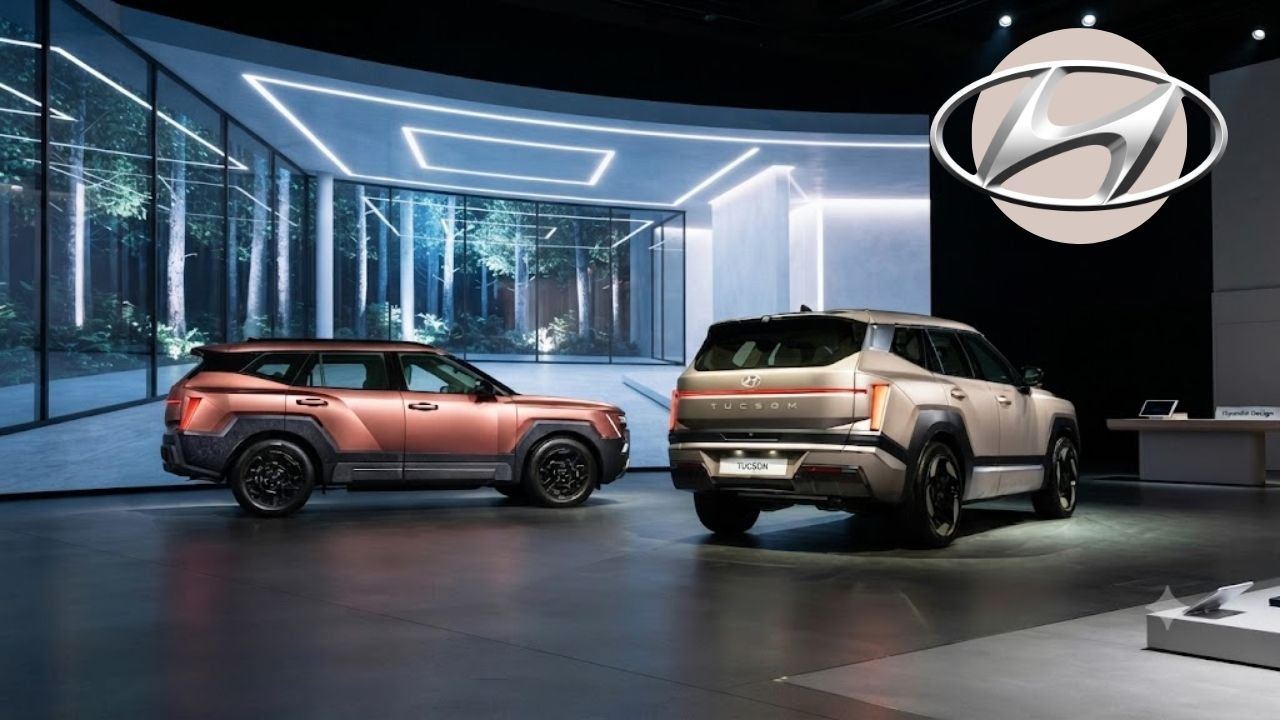
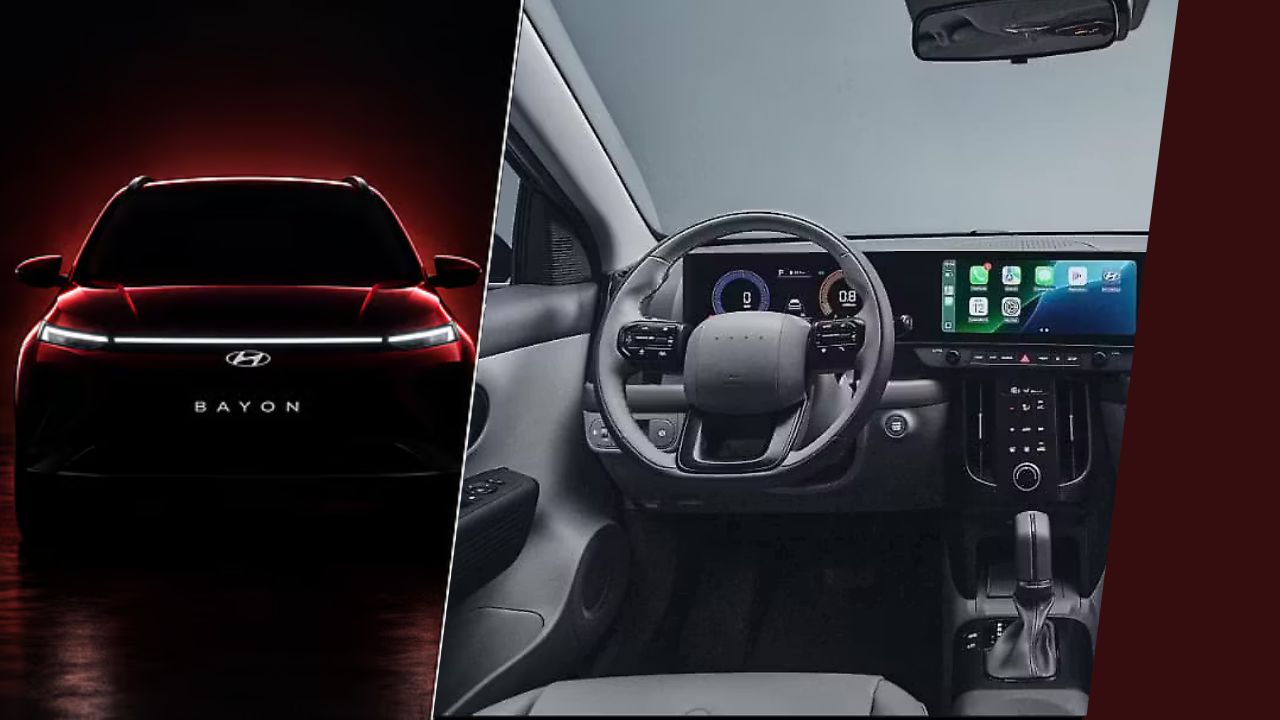
The New Hyundai Flagship Models are preparing to dominate the Indian SUV market. The 2026 end and 2027 is holding off the new vehicle purchase for both cars. The New 2027 Hyundai Tucson and Hyundai Bayon are going to be in every car buyer’s radar. However, Tucson lunch date is unconfirmed so early buyers should reconsider it.

One is a massive generational shift for Hyundai’s premium offering, pushing hard into luxury territory. The other is a compact crossover meant to bring European styling to the sub-15 lakh bracket. Here is exactly what you get with both models, how they stack up against the competition, and whether you should actually wait for them.

Why the Tucson Is Coming Back at All

The current Tucson stopped coming in the market in 2025 because it doesn’t hold its foot against premium D-segment rivals. It seems like a second chance for the model to return rather than a routine update. Hyundai clearly thinks the formula needs to change, because what it has revealed globally is not a mild facelift — it’s a full fifth-generation redesign.

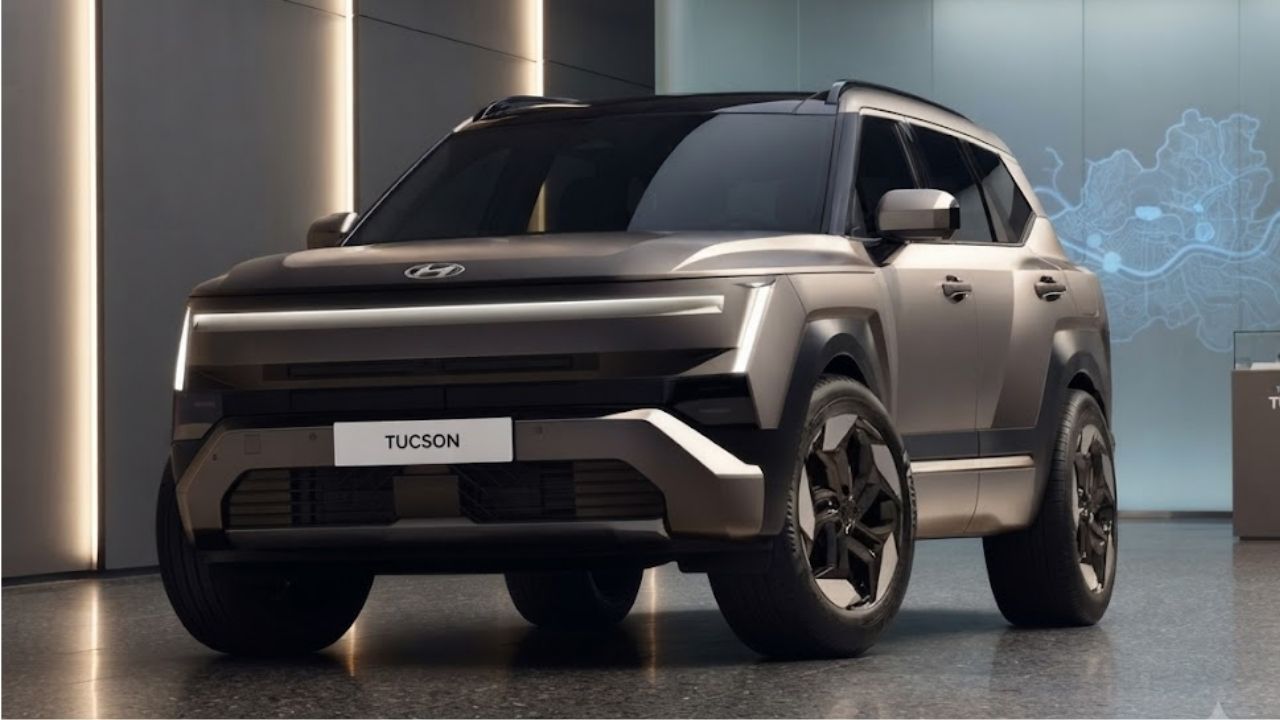
The new-gen Tucson has been revealed with a radical boxy design, larger dimensions and Hyundai’s new Pleos infotainment system, and it could also preview future India-bound models. That last part matters for Indian buyers specifically, because Hyundai has a habit of trickling design language down from global flagships into mass-market SUVs — the current Creta’s styling cues borrowed heavily from the previous Tucson and Santa Fe, and this cycle looks set to repeat.

Read Also 👉  Maruti Suzuki Cars Are Coming To India by 2027 

2027 Hyundai Tucson: Boxier, Bigger, & Hybrid-Powered

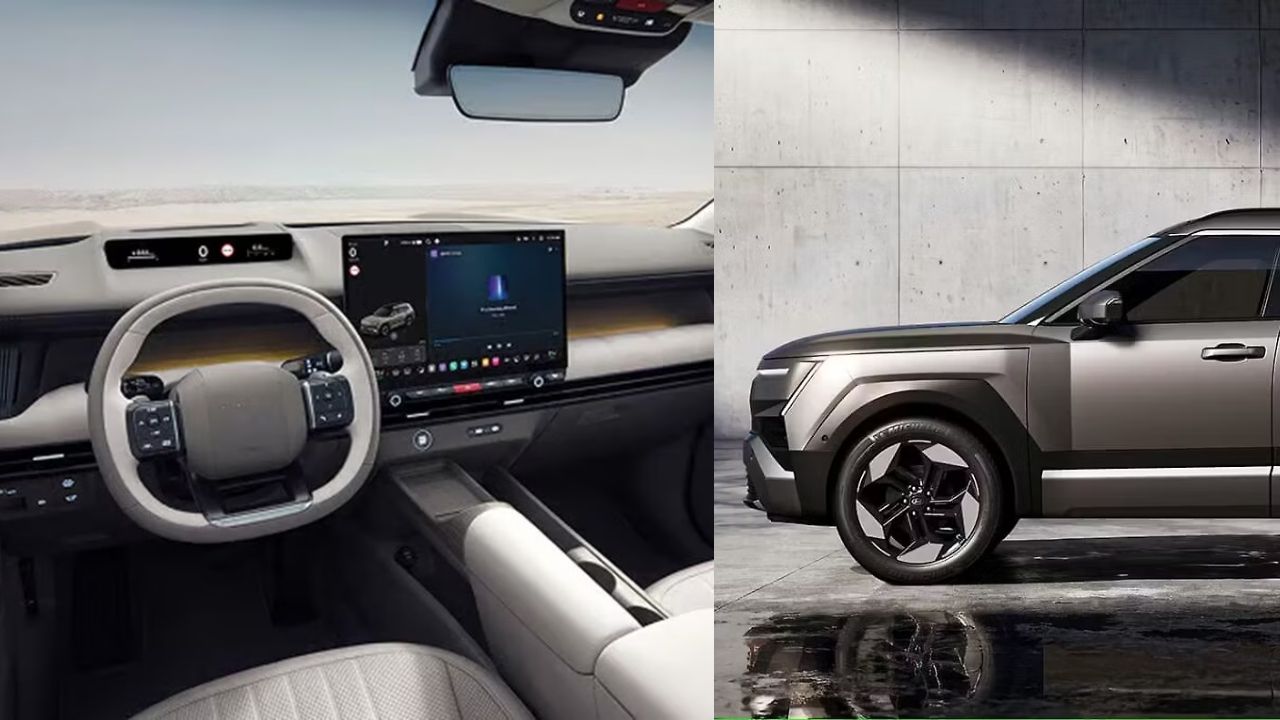
The confirmed specification of the fifth-generation Tucson is revealed in South Korea but Hyundai hasn’t announced India specific technical details yet. Current model has sharp flowing lines but 2027 Tucson adopts the “Art of Steel” design language. The design is boxy, upright, and rugged more like a scaled-down Palisade.

2027 Hyundai Tucson

Tucson Dimensions: Growing in Every Direction

The 2027 Hyundai Tucson model is significantly larger, up to 4.7 meters long, 40mm wider and 20mm taller than the outgoing model. It’s coming with more wheelbase — 30mm to 2,785mm.

So it resolves the current model rear-seat space problem with extra 29mm of height which gives more headroom to sit in the back seat comfortably. The rear doors are now changed with an 83-degree angle to provide easier access. Tucson is behaving like a full-size SUV lion who accomplished its territory. 

Powertrain: The Hybrid Push

The specifications are still unconfirm for the Indian model but global model reveal highlights a major shift toward hybridization. Its petrol engine of 1.6L is producing 193 bph of power and 265 Nm of torque. It runs on an 8-speed automatic transmission which combined with a next-generation hybrid system for a total output of 245hp. 

For a Hybrid set up, a 1.6-litre turbo-petrol combined with a next-generation hybrid system for a total output of 245hp on a 8-speed automatic transmission. The power like this in a hybrid is absolute engineering. Hyundai claims an impressive fuel efficiency figure of 17.4kpl for this setup.

Tucson Dimensions

Tech and Cabin Upgrades

The cabin receives a massive overhaul, centered around the new Pleos Connect infotainment system running built-in Gleo AI. The central touchscreen will be available in massive 12.9-inch or 17-inch sizes depending on the trim. Hyundai smartly retains physical controls for essential functions, avoiding the trap of hiding climate settings in endless touchscreen menus.

Safety gets a boost with 9 airbags as standard, an updated navigation-based adaptive cruise control, and a memory-based reverse assist that can automatically steer the car backward along its previous path.

Read Also 👉 Why Salaried Indians Are Buying Mercedes Cars

Tucson Competitor Comparison: The Luxury SUV Battle

The current Tucson rivals in the Indian markets are Jeep Compass and VW Tiguan but the new model is extended its size and hybrid powertrain which also raises the price and pushes it into entry-level luxury SUVs.

Feature 2027 Hyundai Tucson (Global Spec) Jeep Compass Volkswagen Tiguan
Engine 1.6L Turbo / 1.6L Hybrid 2.0L Diesel 2.0L Turbo Petrol
Power 193hp / 245hp 170hp 190hp
Dimensions (LxWxH) 4700 x 1905 x 1685 mm 4405 x 1818 x 1640 mm 4509 x 1839 x 1665 mm
Key Tech 17-inch screen, Reverse Assist 10.1-inch screen 8-inch screen

Hyundai Bayon: The Premium Compact Crossover

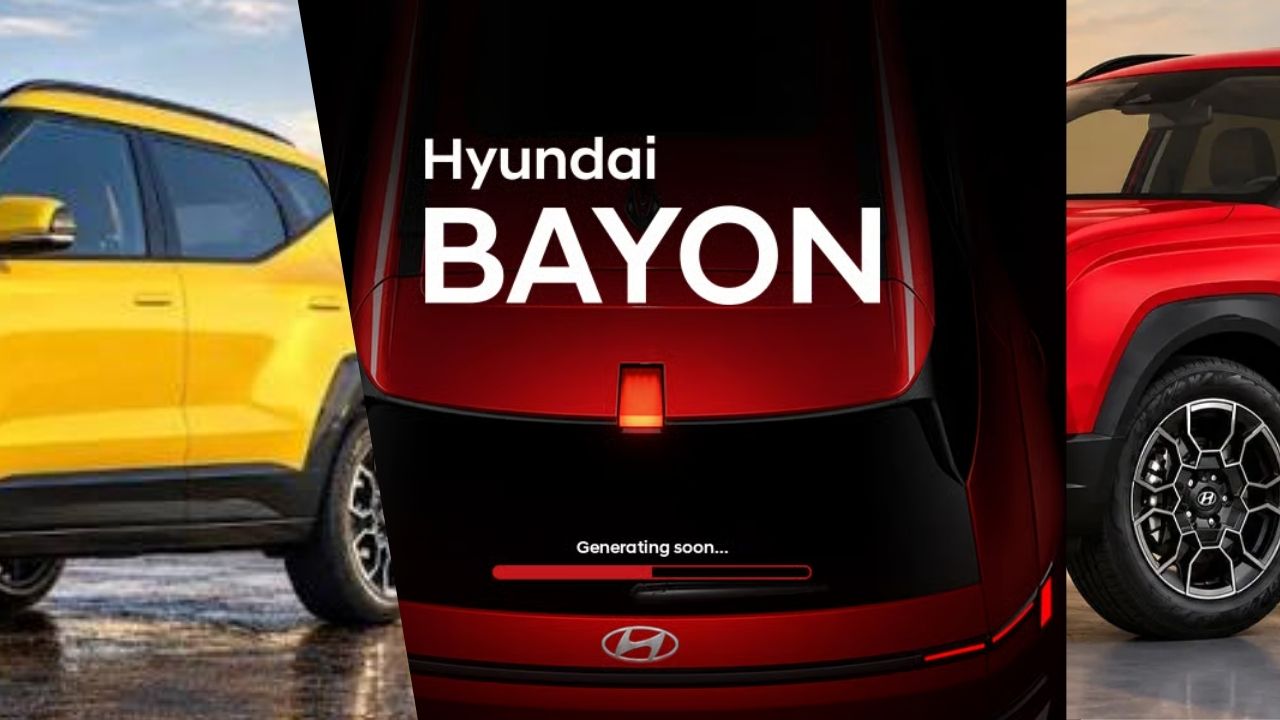
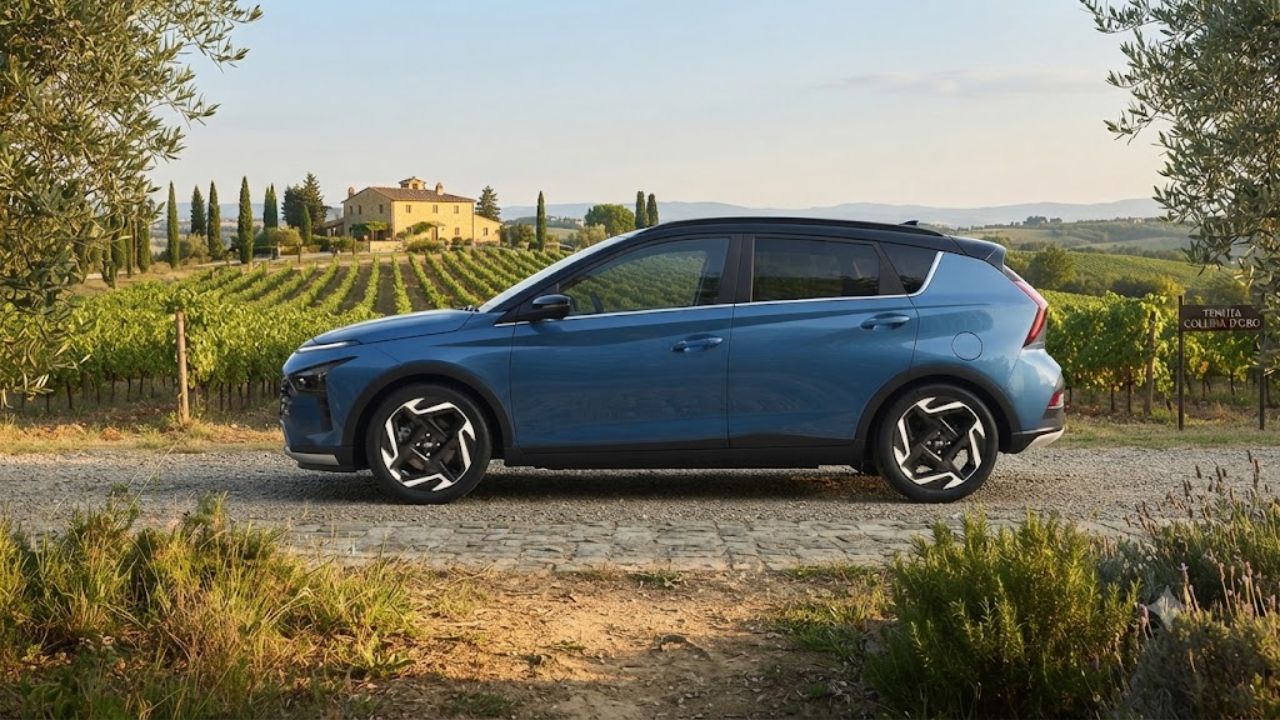
While the Tucson goes upmarket, the Hyundai Bayon aims to fill a gap in the highly competitive compact SUV segment. Bayon will arrive in the festive season of 2026 at a price range of ₹10 lakh — ₹15 lakh (ex-showroom). It is basically a crossover version of the i20 platform designed specifically for the European market.

The Hyundai Bayon specifications for the Indian model is based on the international Bayon’s underpinnings. It is a compact SUV positioned between Venue and the next-generation Creta, not too small, not too expensive. Hyundai opened bookings across dealerships and its website on September 23, 2026. 

Hyundai Bayon

Bayon’s Engine That Aim High

The current model carries a 1.0L petrol engine which gives 90 bhp of power and 172 Nm of torque. The transmission is up to 7-speed DCT automatic while the upcoming model brings 6-speed manual and CVT automatic options. It extended the engine to 1.5L 4-cylinder petrol producing 115PS of power and 144Nm of torque. This is the same engine set up that Creta and Verna uses.

But Bayon is the first Hyundai model engineered with a factory-fitted CNG option in a 4.3 metres long vehicle. It expects to use a 1.5L Hy-CNG dual-cylinder setup.

Features That Sets Hyundai Bayon Apart

Hyundai is known for packing its cars with features, and the Bayon is no exception. It brings a full convenient setup — a dual 10.25-inch screen for infotainment and digital cluster. It offers full experience to admire nature with a panoramic sunroof, and ventilated seats. The connectivity is reliable, providing wireless Android Auto/Apple CarPlay. View all corners outside the car with a 360-degree camera. The Bayon is a full-packed flagship segment that offers a premium experience.

Features That Sets Hyundai Bayon Apart

With advanced features, Hyundai never compromising on the safety of their customers. Expect a Level 2 ADAS suite and 6 airbags as standard, meeting the growing demand for safety tech in the Indian market. 

Hyundai has confirmed the Bayon uses the Art of Steel language featuring sculpted surfaces and sharp character lines. Inside, the cabin takes heavy inspiration from the Brazil-spec fourth-generation i20. Hyundai also teased the Wheel specifics, it offers 17-inch dual-tone machine-cut alloy wheels wrapped in 215/55-section tyres.

Hyundai Bayon Rivals: The Crowded Compact Segment

The Bayon will battle the Maruti Suzuki Fronx, Tata Nexon, and even its sibling, the Venue.

Feature Hyundai Bayon (Expected) Maruti Suzuki Fronx Tata Nexon
Engine 1.0L Turbo Petrol 1.0L Turbo / 1.2L NA 1.2L Turbo / 1.5L Diesel
Max Power ~88.5 bhp 100 bhp / 89 bhp 118 bhp / 113 bhp
Price (Estimated/Current) ₹10 – 15 Lakh ₹7.51 – 13.04 Lakh ₹8.00 – 15.50 Lakh
ADAS Yes (Level 2 Expected) No No (Only basic features)

How the Hyundai Bayon Stacks Up Against the Victoris

The most bigger rival is Maruti Suzuki Victoris since it already occupies the space the Bayon is aiming for and uses the same powertrain strategy. Victoris mild-hybrid petrol price starts at Rs 10.50 lakh for base variant and goes up at Rs 19.22 lakh for the top AWD automatic variant.

While the pricing for CNG and strong Hybrid variants can rise up to Rs 14.57 lakh and Rs 19.99 lakh respectively. Check the dealership price at your location because the total price depends on the additional charges of your city. 

Hyundai Bayon Stacks Up Against the Victoris

If the Bayon really does launch at Rs 9–14 lakh, its top-spec CNG or automatic variant would undercut the Victoris’s equivalent trims by a meaningful margin, while offering a smaller footprint. The trade-off is obvious: the Victoris gets a strong-hybrid option and AWD, neither of which the Bayon is expected to offer at launch. 

If fuel efficiency and hybrid tech matter more to you than price, the Victoris still has the edge on paper — but if you want CNG practicality in a package smaller and cheaper than a full-size Creta rival, the Bayon is shaping up to be the more sensible buy.

Should You Wait for the Tucson or Buy Now?

This is really two different buyer conversations, because the Tucson and Bayon aren’t competing for the same money.

Hyundai has not announced the new 2027 Hyundai Tucson price and specification details for India. Nobody knows the actual launch date yet so treating any number online is a guess. Wait for this boxier Art of Steel design and the promise of a proper generational leap in refinement and tech, if you are not in a hurry to buy a vehicle this year. Buying any — a Skoda Kodiaq, Tata Harrier, the same segment makes more sense.

If you’re shopping in the Rs 10–15 lakh compact SUV space, the Hyundai Bayon is a much more actionable wait. Bookings have already opened, the festive-season launch window is real and near-term, and the CNG option addresses a genuine gap that the Victoris and Kushaq don’t fully cover at this price point. Unless you need a car immediately, holding off a few weeks to see final Bayon pricing and variant specifics is a low-risk decision — you’re not waiting on a car that might slip by a year, you’re waiting on one that’s already taking bookings.

Read Also 👉  Rolls Royce Unveils Custom Car Using Sea Snail Shells 

Conclusion 

These New Hyundai Flagship Models are expanding the company’s territory in the powerful SUV segment. The new 2027 Hyundai Tucson is coming back with refined components to deliver an excellent driving experience. On the other hand, Hyundai Bayon is launching in this year’s festive season with a CNG option, a direct rival to Victoris, Fronx, Nexon. Indian buyers who are looking for a new vehicle in a range of Rs 10 lakh can consider this flagship model to buy.


0

Pagani Huayra: The Perfect Fusion of Luxury, Power and Performance

Published Mar 18, 2026, 12:10 PM
Last Updated Apr 6, 2026, 5:00 AM

Pagani Huayra

There is a moment that every car lover dreams that they’d see so fast, so fulfillingly it will be the breathless moment in which what they are looking at is Pagani Huayra — stunningly beautiful on the first glance. Not in a bland showroom, but grazing the warmth of a spring afternoon along an highway, its active aerodynamic flaps moving in unison like the wings of a mechanical bird. It wasn’t just rolling. It was alive. 

The Wind that Whisper in Ears

There is something more than the new Zonda that was launched in 2011. Name is Huayra which opt after Huayra Tata, the ancient Incan god of wind, this hypercar came onto the scene with a presence that was almost mythical. From the rolling hills of Modena, Italy, a car was born that solidified what it truly means to pair art with engineering. 

The track made by Horacio from a tiny garage in Argentina to the heart of supercar manufacturing sounds like a fairy tale. While playing outside, other kids could see his obsession as he crafted tiny cars as a boy that would eventually bring him to the workshops of Lamborghini, and ultimately to his own atelier. 

The Huayra is the apex of that obsession – a car crafted by the ideas of the Renaissance master that “Art and Science are two disciplines that must walk together hand in hand.

A Design That Breathes

Stand in front of a Huayra and you’re caught between wanting to drive it and wanting to photograph it. All the different elements have a function, and none feels pre-meditated. The gullwing doors don’t simply open, they dance to uncover a cabin more akin to the inside of a luxury watch than a car. 

The active aerodynamics—four movable flaps that can move independently make the car look like it is alive, as if it is breathing, reacting to the air flowing along its carbon-fiber skin 

Built on Premium Materials

What hits you right away is the detail that borders on obsessive. The titanium exhaust system is under 10 kg, hand crafted with hydroformed joints that reduce back pressure while producing a sound that automotive journalists have described as operatic.

Built on Premium Materials

The Carbo-Titanium monocoque — a material so advanced, Pagani had to invent it — delivers the stiffness of steel for a fraction of the weight. This is not just engineering, it’s metallurgy art. 

Powerful Engine 

Pagani Huayra is built on Mercedes-AMG powerful engine of 6.0-litre twin-turbo V12 with alteration to fit in. Now it gives 864 hp of power to run without interruption in its latest iterations and it also provides 840 Nm of torque that can be reached already at 2,800 rpm. 

But here’s more to the story that Horacio wants. It later became naturally aspirated despite its forced induction because of a genius mind that suggested minimizing the turbo lag and sharpening the throttle response.

Speed

The Huayra became the answer to the jet-like speed question with a top speed of 238 mph means you can end up racing up to 383 km/h. The fastest speed it can give is 0-60 mph (97 km/h) in 2.8 seconds and lateral acceleration of up to 1.66 g on Pirelli tires. 

Despite many hypercars, the Huayra is amazing and smooth, it talks like a living cell in our body tries to run as fast as it can. It’s in the steering wheel, it sings through the chassis, and it makes 700-plus horsepower seem tame, perhaps even a little kind.  

Transmission

What’s particularly intriguing, is that Pagani purposely opted for a single-clutch sequential transmission rather than a dual-clutch transaxle. The reason? Weight. If Horacio adds dual-clutch then the weight of the vehicle will increase to 70 kilos, this adamant that he felt would more than offset any gain from faster shifts. 

Pagani Huayra is entirely built from aluminium to keep on the minimum weight, at 96 kilograms that’s something understandable with marvel package efficiency of transmission. 

An Interior That Transcends Time

The interior is tremendous once you experience it behind the wheel then there’s no going back. It offers stuff that carmakers never dreamed of using. Machined aluminum, leather that’s made by the same artisans who supply haute couture, and using carbon fiber with refinement is so exquisitely finished that you’d love to watch it. 

An Interior That Transcends Time

The steering wheel is not made to be confused with buttons and distractions, it’s so simple that you will hit the road with raw immediacy. Each and every lever is crafted to the same exacting standard as a luxury watch. Pagani produces approximately one car per week, and Each is bespoke to its buyer. 

Personalization of Huayra 

The “Grandi Complicazioni” division caters to unique demands that would scare other makers such as the Huayra Epitome, the first and only Huayra ever to feature a manual gear shift, for the ones who live for the most mechanical connection between human and machine. 

With this degree of personalization, no two Huayras are alike; each is a moving autobiography of the tastes and wishes of the owner. 

The Evolution Continues

The Huayra story is not frozen in time in the past. The Huayra BC, named for Benny Caiola, Pagani’s first customer and a man who saw Horacio’s vision well before anybody else took the boundaries up even further with 1.8 G of lateral acceleration, the most that has ever been recorded for a road car on street tires.

The Evolution Continues

The Huayra Roadster did the unthinkable by being lighter than the coupe which it was made from advanced Carbo-Triax HP52 composite materials that increased stiffness by 52% while reducing weight by 80 kilograms. 

New Gen Huayra 

In the latest generation, the Huayra R Evo Roadster is the ultimate track-focused expression of this lineage.With a naturally aspirated 900-horsepower V12 engine that screams to 9,200 rpm, “codalunga” long-tail aerodynamics that adds 45% more downforce, and a weight of only 1,060 kilograms, it’s essentially a Le Mans prototype donning Pagani’s signature styling. 

But even this extreme machine carries Horacio’s philosophy that “the customer is the only real employer”—each is built up as a result of direct dialogue with its future owner. 

See:- Best Self Driving Car in India

Conclusion

The Pagani Huayra is emblematic of a very rare thing in today’s world: an object designed and built with no compromise, by human hands and by human eyesight. It’s proof that when art and science actually do go hand-in-hand, what you get isn’t just transportation, it’s transcendence. From the moment those gull-wing doors lift like a raptor taking flight, to the instant the V12 clears its throat and roars, the Huayra shows us why we fell in love with cars to begin with. 

Amid an industry racing toward electric and self-driving cars, the Huayra is a love song to the combustion engine, to hand craftsmanship, to the concept that driving ought to be an emotional experience. It’s not the world’s fastest hypercar, or even the most technologically advanced. 

But it may be the most soulful — the perfect combination of luxury, power and performance that pays homage to the wind god from which it takes its name, lifting you up and taking you to the realm of automotive dreams. 

0

Why Salaried Indians Are Buying Mercedes Cars

Published Sep 23, 2026, 11:03 AM
Last Updated Sep 24, 2026, 4:26 AM

Salaried Indians Are Buying Mercedes Cars

A decade ago, a Mercedes in the driveway usually meant that the owner ran a business, inherited one, or both. Now all you get to see Mercedes Cars is driven out from the showroom by the 34-year-old product manager or a bank VP drawing a fixed monthly salary.

That’s because the financing options are making things easier for the corporate employees. Salaried Indians buying Mercedes Cars isn’t an aspirational fantasy anymore — it’s one of the fastest-growing customer segments the brand has in the country, and the company is restructuring its own sales strategy around it.

If you are also curious about how they are buying on their 25–30 LPA salary then know about EMI strategy and real prices before thinking about it.

Sales Numbers Behind the Shift of Mercedes Cars 

Mercedes-Benz India retailed 9,768 vehicles between January and June 2026, a 9% year-on-year jump and its best-ever first half in the country. The second quarter alone brought 4,637 units, its highest-ever quarterly number, up 10% year-on-year. Zoom out to the full financial year, Mercedes-Benz retailed 19,363 cars in India between April 2025 and March 2026, up from 18,928 the year before.

What’s telling is where that growth is coming from. Mercedes-AMG performance cars grew 50% in H1 2026, and battery-electric vehicles doubled their share to 14% of total sales. At the same time, the Top-End Luxury segment — S-Class, Maybach, EQS SUV, AMG — grew 25% in Q1 2026 and made up 27% of everything the brand sold, with wait times running 4 months to a full year on flagship models like the AMG G 63. 
Mercedes-Benz India

So the story isn’t “Mercedes is selling more entry cars to salaried buyers” in isolation — it’s happening while the brand simultaneously pushes upmarket. Both ends of the business are growing at once, which only works if the customer base is genuinely widening.

Mercedes itself confirms this isn’t accidental. Brendon Sissing, VP of Marketing and Sales at Mercedes-Benz India, has said salaried professionals are becoming an increasingly important customer group, pushing the company to actively court large corporates and their workforces rather than waiting for word-of-mouth. 

He specifically named the CLA and GLA as the models built to convert these first-time premium buyers. Mercedes isn’t reacting to a trend, it’s engineering its India strategy around it. 

It’s worth noting BMW isn’t standing still either — in calendar 2025, Mercedes Cars are sold up to 19,007 units against BMW’s 18,000, a gap that’s narrowed as BMW leaned harder into the entry-luxury segment, while Mercedes’ own entry-segment sales actually fell 23% that year even as its top-end and AMG lines grew 12% and 34% respectively. 

So salaried buyers are the battleground both brands are fighting over, and the fight is being won largely on financing, not just badge value.

How a ₹20-25 LPA Salaried Indian Affords a Mercedes Cars

A Mercedes GLA doesn’t require business-owner-level liquidity — it requires a salaried job, a decent CIBIL score, and a willingness to structure the loan smartly.

Three things are doing the heavy lifting for Mercedes Cars:

Mercedes-Benz Financial Services (MBFS) has financed the actual product. MBFS now finances close to half of every Mercedes sold in India — roughly four out of every ten cars. That’s the primary sales channel. Its flagship offering, the Star Agility programme, guarantees a buyback price on the car upfront, which removes the single biggest fear a salaried buyer has: “what if this thing craters in resale value the moment I drive it out?”

Step-up and balloon EMIs lower the entry bar. Rather than one flat EMI for five years, MBFS structures loans where you pay less in years one and two — when a young professional’s salary is lower and more later as increments kick in, with a lump-sum balloon payment or a buyback option at the end of the term. This is standard in developed luxury markets and Mercedes Cars has essentially imported it wholesale into India.
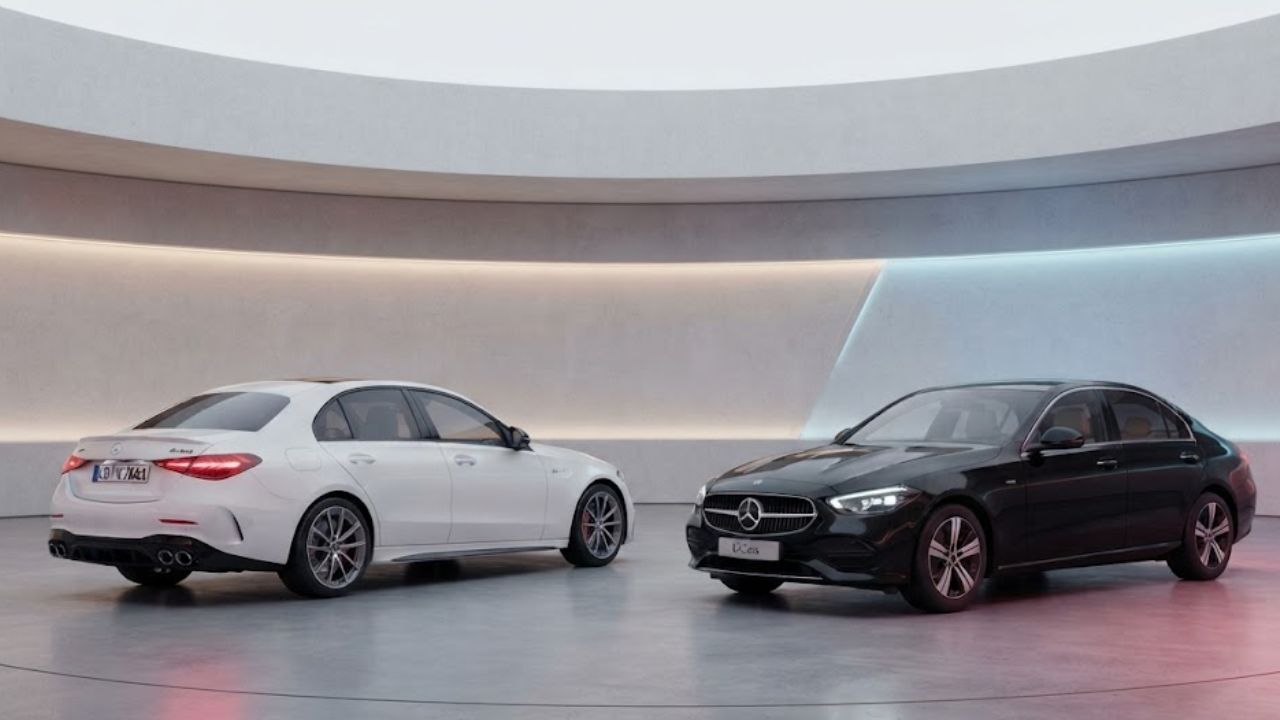
Mercedes-Benz C-Class

The company has said the quiet part out loud. Santosh Iyer previously said the company was working to bring the minimum down payment down to around ₹10 lakh, letting a buyer enter luxury ownership with an EMI in the ₹60,000-a-month range, explicitly betting that low EMIs — not lower sticker prices — would be what pulls more Indians into the segment. 

Prices have moved up since then, but the underlying strategy hasn’t changed: Sissing frames it as breaking the assumption “I can’t afford a Mercedes” through EMI structuring rather than discounting. As a live reference point, Autocar India currently lists the GLA’s on-road EMI starting around ₹89,600 a month in Mumbai — a real number you can check against today’s rates rather than a 2023 quote.

Practically, this means a household with a combined salaried income of roughly ₹20-25 lakh a year, no existing high-value EMIs, and a 15-20% down payment can realistically finance a GLA or entry C-Class without touching savings meant for anything else. That’s a very different bar than “own a company.”

Read More 👉  Rolls Royce Unveils Custom Car Using Sea Snail Shells 

The Two Models of Mercedes Salaried Buyers Can Buy

Mercedes-Benz GLA — the default first Mercedes

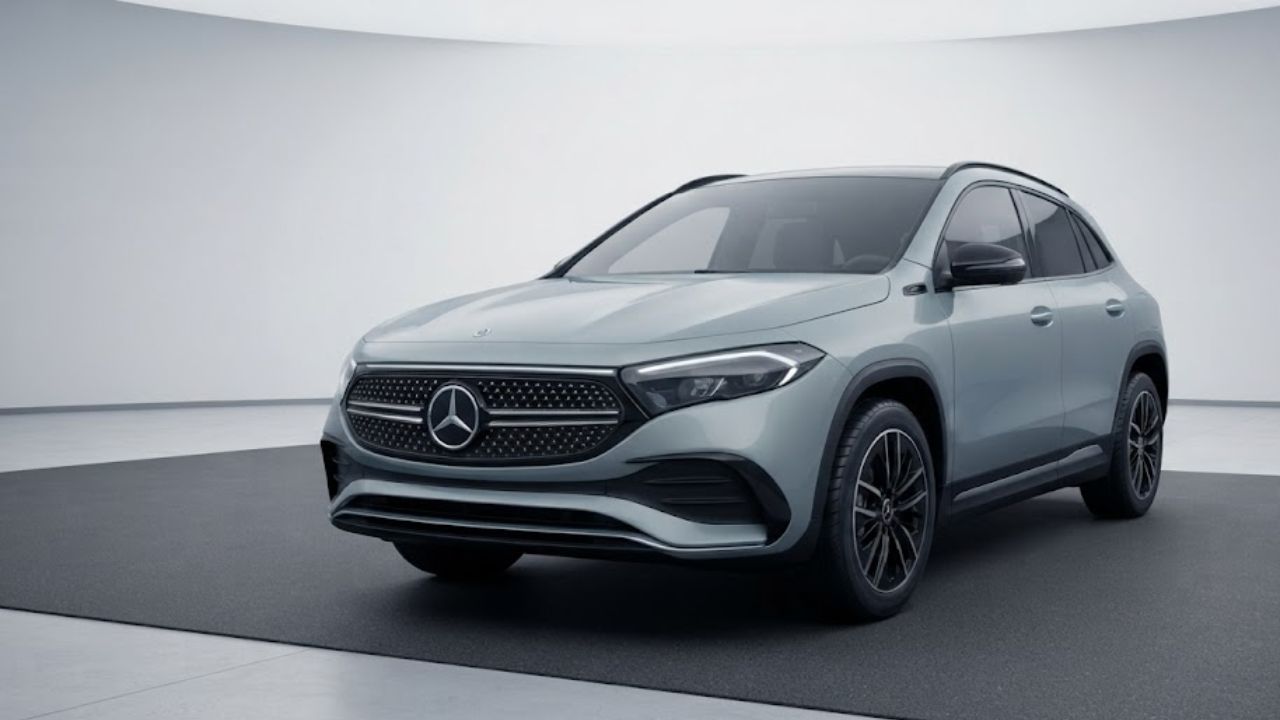
The Mercedes-Benz GLA is the cheapest way into the brand with ₹51.80 lakh ex-showroom. With a petrol engine of 1.3-L with mild-hybrid, GLA produces a power of 163PS and 250Nm where a buyer can get 192PS and 400Nm in a diesel engine. But both engines run on automatic gearboxes.

The cabin has a 10.25-inch display paired with a 10.25-inch digital instrument cluster to make everything flawlessly comfortable. The connectivity including wireless Apple CarPlay and Android Auto gives you access to more features.
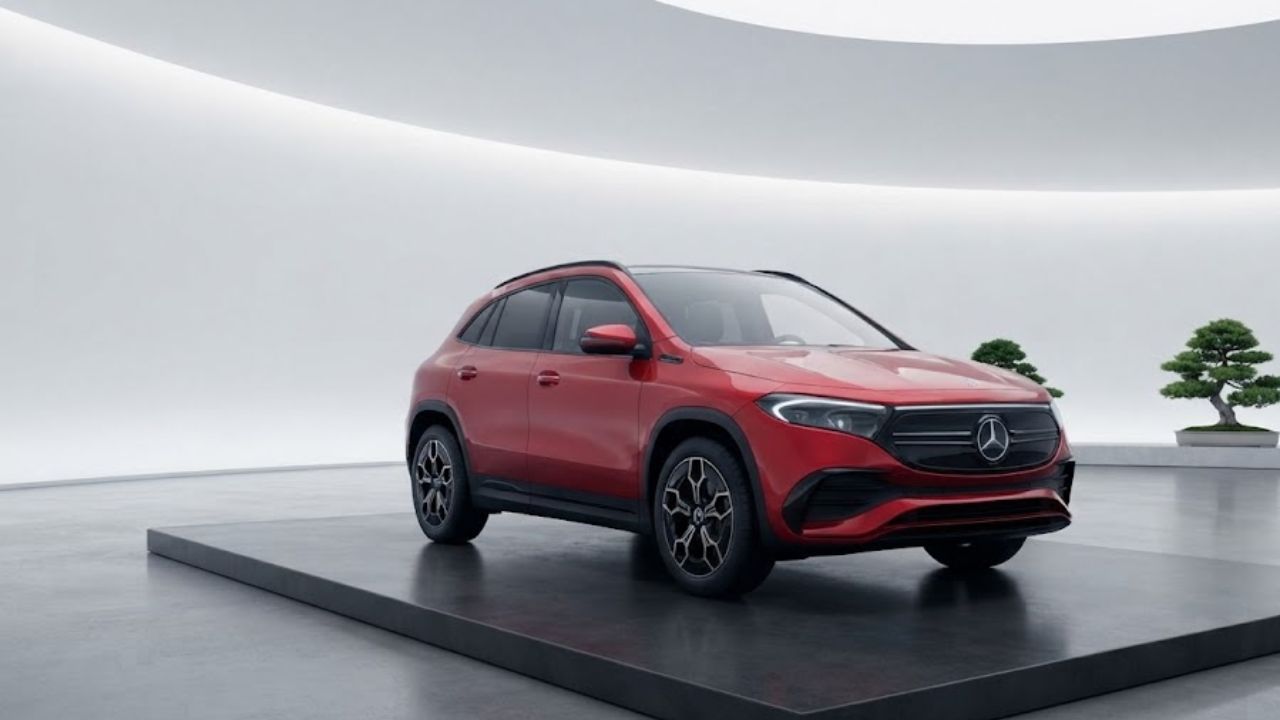
Mercedes cars on EMI

Monsoon and night view will be more beautiful with a panoramic sunroof, 360-degree camera, and a full ADAS suite, and it carries a 5-star Euro NCAP safety rating with 7 airbags standard. 

Its direct rival, the BMW X1, starts close by at roughly ₹50.9-54.3 lakh depending on variant — this is genuinely a head-to-head fight, not a Mercedes-only lane.

Mercedes-Benz C-Class — the step-up once the promotion lands

After the entry level GLA, Mercedes-Benz C-Class comes at a slightly higher price with ₹61—₹67 lakh ex-showroom. It offers 0.2L more litres to the petrol engine to give 201bhp and 300Nm of powerful performance. 

The other variant — C220d gets a 2.0-litre turbo-diesel which produces less power (197bhp) but giving more torque of 440Nm. This is something else entirely of C-Class C220d, making it the most selected variant in the showroom. Both with a 48V mild-hybrid boost and a 9-speed automatic.

Inside, it gets an 11.9-inch vertical MBUX touchscreen, a 12.3-inch digital driver display with a fingerprint scanner, a Burmester sound system, augmented-reality navigation, and the same ADAS suite as the larger cars. 
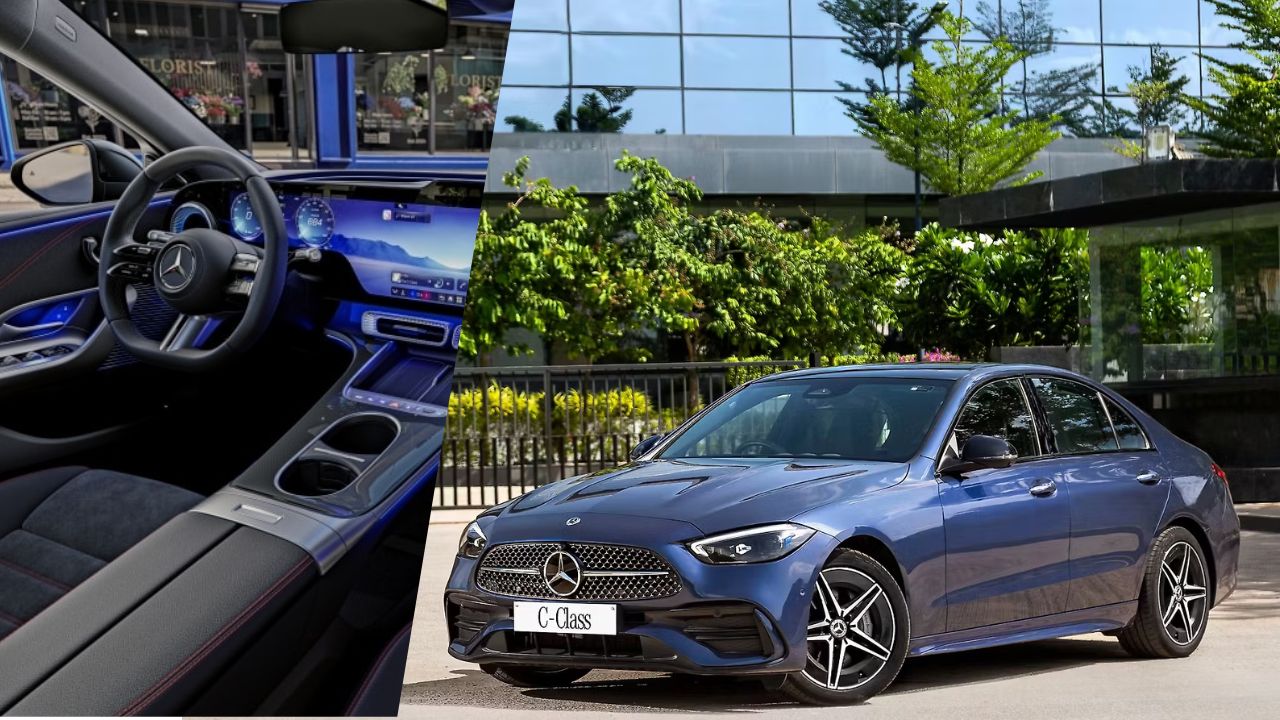
Mercedes cars

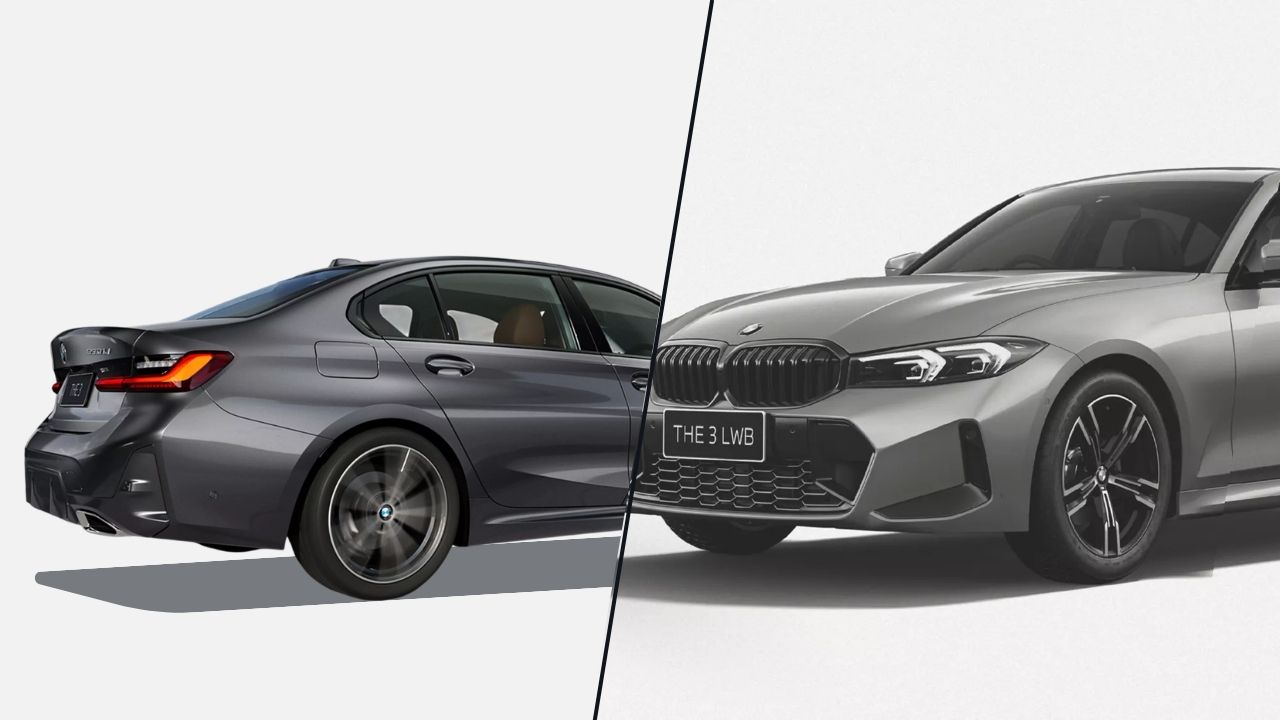
Its natural rival, the BMW 3 Series Gran Limousine (LWB), sits close at ₹62-63.5 lakh — again, a genuine cross-shop rather than a runaway win for either brand.

For buyers who cross into the ₹80 lakh-plus band, the E-Class (from roughly ₹80 lakh) and the newly launched all-electric CLA — which reportedly sold out within days of its India launch are where the conversation shifts next, but the GLA and C-Class remain the two Mercedes Cars actually closing deals with salaried, first-time luxury buyers.

Read More 👉  New Tata Safari EV Triple Screen Dashboard Spied – Launch Soon

Mercedes vs BMW: The Comparison That Matters

Mercedes GLA BMW X1 Mercedes C-Class BMW 3 Series LWB
Ex-showroom price ₹51.80 lakh ~₹50.90 lakh ₹61.20 lakh ₹62-63.50 lakh
Entry engine 1.3L turbo-petrol, 163PS 2.0L turbo-petrol/diesel 1.5L turbo-petrol, 201bhp 2.0L petrol/diesel
Positioning Entry SUV, first Mercedes Entry SUV, first BMW Core sedan Core sedan
Standout strength MBUX tech, brand pull Sharper driving dynamics Rear-seat comfort, S-Class styling Driver-focused handling

Neither brand wins outright at this price point — it comes down to whether you want Mercedes’ comfort-and-prestige lean or BMW’s sportier calibration, and increasingly, whichever dealer offers the better finance package on the day you’re ready to sign.

Run The Numbers Before You Buy Any Car

Mercedes Cars on EMI is a lifestyle decision disguised as a purchase decision, and it’s worth treating it that way. Run the numbers before the showroom visit, not after — a ₹51.80 lakh GLA at 15% down and a 6-7 year loan puts you in the ₹75,000-90,000 monthly EMI range depending on your bank’s rate, which only makes sense if that’s comfortably under 25-30% of your take-home pay, not a stretch to the edge of it. 
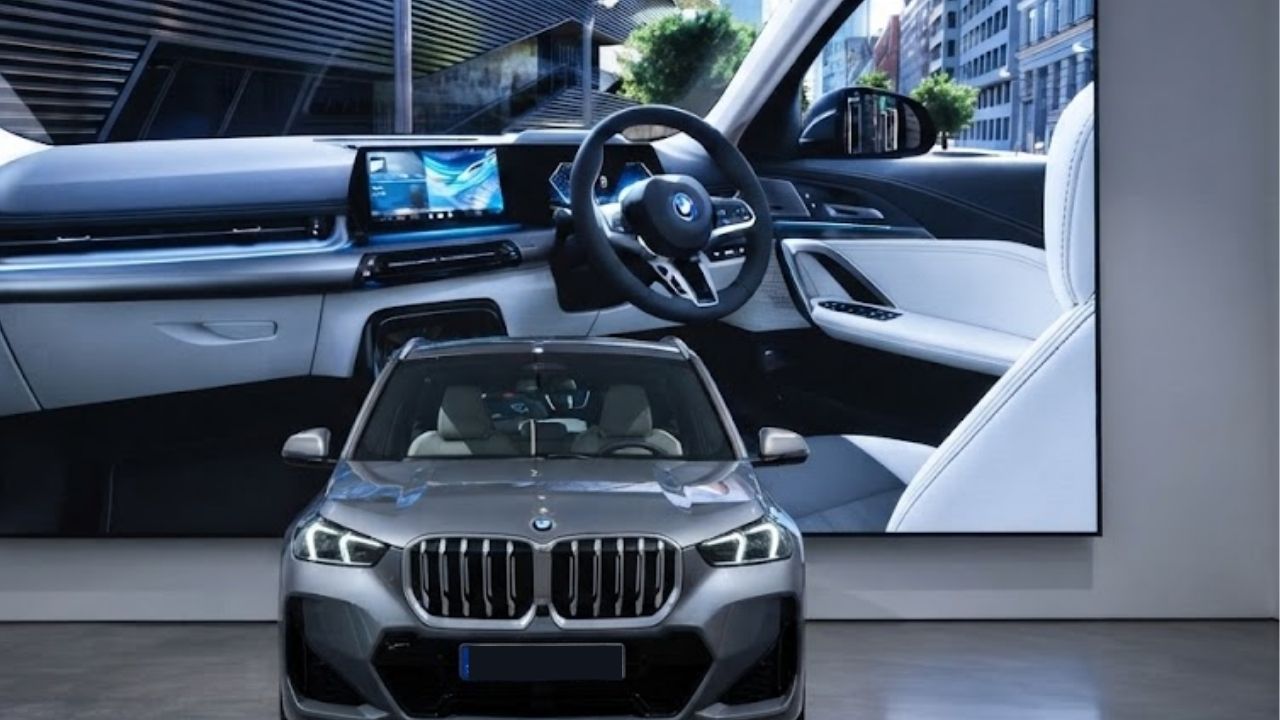
Mercedes-Benz GLA

The Star Agility buyback scheme is genuinely useful insurance against depreciation, but read the buyback terms on kilometres and condition before you count on that number. 

And if your job security is anything less than rock-solid, a step-up EMI that gets more expensive in years three and four is a bet on your own career trajectory — a reasonable bet for many people in this income bracket, but a bet all the same, not a guarantee.

Read More 👉 Top 10 MUVs in India: August 2026 Sales, Waiting Period and Easy Finance Option

Conclusion

The Mercedes Cars — GLA and C-Class are genuinely well-built, well-equipped cars at their price points — that part isn’t hype. Whether they’re the right call for a salaried Indians comes down to whether the EMI is funding a want you’ve priced honestly, or a status purchase you’re rationalizing with a spreadsheet.

0

The Luxury Sedan that Feels More Premium Than A Mercedes For Less

Published Apr 13, 2026, 11:47 AM
Last Updated Apr 17, 2026, 4:54 AM
Luxury Sedan

Luxury Sedan

Buying a luxury sedan cheaper than a Mercedes-Benz was not too far-fetched. The truth is you can find more impressive and powerful features in other cars. Buying a more comfortable, luxury cabin, and enhanced look without the premium price tag is more profitable.

Finding a traditional German brand that enters in the status quo of Best luxury sedan under budget is a surprising experience. Genesis G80 breaks the chain and becomes a biggest challenge at their status.

So with that in mind, let’s look at why the smart money is turning away from traditional European stalwarts and towards more luxe-for-less options. 

The Illusion of the Base Model 

The entry level model of Mercedes-Benz dependable E-Class is a stunning engineered car but we have covered the realities if we want to understand why the Genesis G80 is so revolutionary.

To add the things associated with “luxury” — real leather seats, advanced driver assistance systems, high-end audio, or even a panoramic sunroof — you have to work your way through a maze of expensive option bundles. Before you can say Jack Roberts, you’ve turned a $60,000 sedan into an $80,000 obligation. If you do leave those boxes unchecked, what you get is a vehicle with the prestige on the outside, but that somehow feels incongruously compromised on the inside.

Genesis understood this frustration. Their philosophy is straightforward: luxury should not be a hard option. 

First Impressions: The Power of “Athletic Elegance”

Walking up to the Genesis G80, you know right off the bat that this is one impressive vehicle. It doesn’t appear to be anything like an economy-model substitute, it looks like a six-figure car.

Developed under the guidance of ex-Bentley designers, the G80 employs a design language Genesis calls “Athletic Elegance.” The huge crest grille draws your eye, and the signature “Two-Line” LED headlights curl around the front fenders, extending the visual width that is at once intimidating and elegant. A sloping roof line contributes to a fastback silhouette, much like the far more expensive Porsche Panamera or Audi A7 

Even pulling up to a restaurant or a client meeting in a G80 invites a particular kind of curiosity. It’s not just camouflaged among a sea of silver German sedans etc. It stands out, bold and confident with understated, slightly offbeat taste. 

Step Inside: A Masterclass in Tactile Opulence

The real utensil in a luxury sedan isn’t its 0-60 time, it’s the ride in the cabin. This is the Best luxury sedan under budget where the G80 delivers its knockout blow.

Modern Mercedes are attractive to the dust and scratches on the road that makes it look cheaper. So, piano black plastic becomes a disappointment for its design.

The Genesis G80 crafted with more prestigious design that gives sophisticated experience:

  • The Materials: You can feel the intent at every contact point. You are met with large areas of open-pore wood trim, which is warm and natural feel to the skin.
  • The Metalwork: The switchgear is finished in knurled metal that makes a very satisfying tactile click. Even the rotary gear selector is made of tempered glass, with light from the inside just like a luxury accessory.
  • Seating: Choose the higher ranks and you are wrapped in supple Nappa leather with elaborate quilting. The driver’s seat even has “Ergo Motion” technology, which makes use of internal air cells to reposition your posture and genuinely stretch-and-massage function during long drives. 

It is the view of nothingness to the outside. Complimented by acoustic laminated glass and multiple layers of sound deadening material, the G80 cabin at 75 mph is a quiet sanctuary. You have a whispered conversation with your passenger or you can revel in the subtleties of the 21-speaker Lexicon premium audio system available. When it comes to just plain comfort, there’s a closer resemblance to a Mercedes S-Class than the E-Class it really should be fighting in. 

Performance: Embracing the Art of the Glide

For years the car world has been obsessed with “sport luxury.” Sedans have gotten tighter, lower, and more aggressive in an effort to brag about lap times the typical owner will never throw down.

The G80 politely opts out of the rat race. It has a lot of power—either from a powerful 2.5-liter turbocharged four-cylinder or a silky-smooth 3.5-liter twin-turbo V6 but it doesn’t pretend to be a corner-carving stiffness-for-the-sake-of-stiffness type of vehicle. 

“Real luxury is the presence of ease.” The G80 achieves this by smoothing out the bumps in the road rather than relaying every stone to your back. 

The active electronically controlled suspension includes the “Road Preview” technology. A forward looking camera detects potholes and speed bumps on the road ahead, and subsequently adjusts the damping force of the shock absorbers prior to impact. The shifts are invisible, and the power delivery is smooth and linear. It’s a vehicle built to bring down your pulse after a long day at the office. 

Read Full Details : Tata Sierra EV 2026: Price, Range, Features & Launch Details

Technology That Serves, Not Confuses

In the scramble to make dashboards digital, many luxury automakers have concocted interfaces that require a pilot’s license to use. Menus are nested within sub-menus, and basic climate controls have been moved to touchscreens.

Sweet Genesis has a 14.5 inch display for beautiful view and features a rotary controller console to use it other than your fingers. It is placed in the centre to make it easy for the passengers to reach.

Most important, Genesis retained physical buttons and toggles for the climate controls and audio volume. It’s a people-first design that recognizes you’ll never get premium experience by having to look away from the road to tap a flat pane of glass to turn on your heated seats.

The driver assistance features are also excellent. Highway Driving Assist, a new system combining adaptive cruise control and lane keeping assist, takes much of the drudgery out of long highway journeys. It seems more like an advanced, fully functional electronic chauffeur and less like a trial run of autonomous driving. 

The Financial Reality: Is Luxury Sedan Cheaper Than a Mercedes-Benz?

Let’s talk numbers, because this is the point where the G80 really establishes itself as the best luxury sedan under budget, you can buy under £50k.

Outfitting a mid-level Genesis G80 with the larger engine, Nappa leather, premium audio, and advanced safety tech and you’re typically looking at a bill that’s thousands — sometimes tens of thousands lower than a comparably-equipped Mercedes-Benz E-Class or BMW 5 Series. 

You’re buying a luxury sedan that happens to be less expensive than Mercedes-Benz, but you aren’t compromising on quality, you’re just declining to pay the premium tied to the marketing budgets of legacy brands. 

Model Starting Price (Global) Price Range (Global) India Starting Price (Ex-showroom)
Genesis G80 ~$58,000 ~$56,000 – $76,000 Not officially launched (expected ~₹55–70 lakh)
BMW 5 Series ~$61,950 ~$61,950 – $67,000+ ₹72.35 lakh
Mercedes-Benz E-Class ~$65,250 ~$65,000 – $72,000+ ₹78.50 lakh

The Ultimate Peace of Mind

The luxury shouldn’t end the moment you drive off the dealer lot. European luxury cars are known for their high maintenance costs and severe depreciation curves after the warranty period ends. 

Redefining Prestige for the Modern Buyer

Purchase of a luxury sedan cheaper than a Mercedes-Benz is an emotional process but it should still be done responsibly. The German car industry has long relied on brand momentum, assuming that consumers will keep paying more just to have the right badge in their garage. 

The Genesis G80 exposes the flaw in that assumption. It shows you that legacy isn’t necessary to greatness. With an almost pathological fixation on material quality, ride comfort, user-friendly tech, and a matchless ownership experience, it truly stands out. 

If you want to just show off a badge to strangers, Mercedes will always be the one brand that has that appeal. But if you want to be surrounded by real, palpable luxury to drive a car that makes you feel relaxed, pampered and deeply satisfied every time you pull the door shut the G80 is the hands-down winner. 

Conclusion

Following decades of German brand dominance, the Genesis G80 shows us that true luxury isn’t dependent on a badge anymore. It flies in the face of the notion that you need to pay more to enjoy superior comfort and refinement.

As a luxury sedan cheaper than Mercedes-Benz, the G80 delivers where it really counts — high-quality materials, a quieter cabin, smoother ride and well-planned tech without pushing buyers toward pricey options packages. 

Buyers are savvier and more value conscious today. When shopping for the best luxury sedan under budget, they focus on which car offers more comfort in everyday use and the experience of ownership instead of the prestige of the brand.

If all you want to do is flaunt a badge, then Mercedes-Benz still has that. But if you desire a car that actually feels luxurious every day and don’t want to pay too much — the Genesis G80 is the more satisfying and smarter pick.