0

Discover The Stylish And Powerful Chery Arrizo 8 – Redefining The Modern Sedan

Chery Arrizo 8

The Chery Arrizo 8 has appeared as a strong player in the 2025 compact / midsize sedan segment. Known for combining innovative technology, dynamic performance and high-quality design in a cost-effective way, the Arrizo 8 is particularly appealing to buyers who are value-conscious yet want a more premium experience in life. This comprehensive review contains everything about the model, from the technical specs, prices and features to useful advice on the buying process for potential customers. 

Chery Arrizo 8 Features & Specification

The Arrizo 8 welcomes you with two turbocharged options: a zippy 1.6L, ideal for daily requirements, and a more powerful 2.0L for the thrill seekers. Both engines, coupled with smooth automatics, take the hassle out of city and highway driving. Whether you’re weaving in and out traffic or on a long haul, the suspension is refined enough to deliver a good compromise between sporty and comfortable. 

This is further complemented by fuel efficiency numbers that let you travel more for less, making sure your long-distance jaunts or daily commute won’t put a strain on your finances. Owners frequently mention how responsive and fun to drive the Arrizo 8 is, and that it is more than just another mid-size sedan – it’s a thrill ride tailored to the real-world challenges of every day driving. 

Features 1.6L Turbocharged Inline-4 2.0L Turbocharged Inline-4
Power 194–197 hp 241–254 hp
Torque 290 Nm 390 Nm
Transmission 7-speed dual-clutch automatic  7-speed dual-clutch automatic
Acceleration (0–100 km/h) in 8.5 sec in 7.0 sec

Chery Arrizo 8 Price & Value

Chery Arrizo 8 base pricing is between USD 16,500–19,300 and it can raise up to USD 21,000 for its luxury trim. The more quantity you want the more expensive it can get.

Chery Arrizo 8 Price & Value

Image credit: Chery

What sets the Arrizo 8 apart is the value it offers. For a starting price that’s below a lot of mainstream competitors, you get a combination of technology, performance and comfort that really impresses. Maintenance costs are low and the strong warranty makes the deal even sweeter. It’s a best-in-class value sedan for the intelligent, modern driver.

The Refining Style of Chery Arrizo 8 

Exterior That Gives Style

All you have to do is open the door and see it for yourself when you sit in the Arrizo 8. The large grille at the front, slim LED headlamps, and smooth lines contribute to the modern look while little details like 18-inch alloys and wheelbase of 2790 mm, a subtle rear spoiler, and dynamic light signatures indicate sporty and classy attitude. It offers a length of 4780 mm, width of 1843 mm and height of 1469 mm to give its user a comfort and shape that makes it a versatile car. 

This is not like any other city car: Chery’s stylists have given its exterior design a look that is both aggressive and elegant, with flaring wheel arches and a rising waist line. 

Read More:-  2025 Rivian R1S: The Electric Adventure SUV That Delivers Powerful Features

Chery Arrizo 8 Interior

Inside the Chery Arrizo 8 is a perfect combination of luxury and practicality. You are presented with a curved 24.6-inch digital display—combining the instrument cluster and infotainment into one futuristic strip. The use of upscale materials, ventilated and heated leather chairs, a panoramic sunroof raise comfort levels to new highs. Don’t be shocked to see high-end touches like customizable mood lighting and wireless phone charging, features frequently found on vehicles that cost a lot more. 

Chery Arrizo 8 Interior

Image credit: Chery

The space is not a last thing to think of, either. The long wheelbase contributes to genuine comfort for all five occupants, while plenty of room in the luggage compartment and cleverly position storage compartments make travelling easier. For family needs, better rear air flow enjoyed via vents, more cup holders and best sound deadening make the car kid- and parent-friendly. 

Cutting-Edge Technology

Based on its name, you might expect the Chery Arrizo 8 to come with a couple of 24.6-inch screens for infotainment and driver info, but the dual displays are integrated into one. It is easy to open the trunk of the car with a single voice command and 50W Wireless charging ensures the gadgets remain charged, while your ride becomes more fun with the panoramic sunroof. The leather seats are ventilated and heated, giving you comfort for all age passengers and there’s ambient lighting in 64 colors to suit your mood. The sound system is better, with 8–10 speakers for better immersion. Smart keyless entry and engine start add convenience and dual-zone automatic climate control keeps everyone comfortable. Rear-seat air vents, ample storage space and plenty of legroom complete this great package. 

Safety & Driver Assistance

Arrizo 8 brimming with great safety features and intelligent technology to enhance the safety and convenience of your drives. It is equipped with 10 airbags (front, side and curtain view airbags), which offer you strong protection from all directions. It offers adaptive cruise control, lane keep assist, and blind spot monitoring to stay in control and aware of any sudden situations.

It also has a 540-degree surround camera and a rearview camera for easy parking and handling. And with that, there’s a DMS Driver Monitoring System that leverages facial recognition to monitor the driver’s attentiveness. 

Above and beyond all that, it obviously comes with the delightful revelation of an L2.5 intelligent driving suite with more than 18 driver assistance features covering automatic emergency braking, lane keep help. 

Who Should Pick the Chery Arrizo 8?

Pick the Chery Arrizo 8

Image credit: Chery

Are you a city dweller bored with the humdrum rides? A family that needs space and peace of mind? A young professional seeking the latest tech without the premium branding? Or maybe you’re an enthusiast who just wants to throw some power in the air and look good doing it? The Arrizo 8 can cater to all of these groups, and more. 

Conclusion

The 2025 Chery Arrizo 8 is more than a car — it’s an experience, crafted for those who demand more from every ride. With striking styling inside and out, a technology-filled interior, a strong safety package and unbeatable value, it’s the sedan that keeps on giving, no matter where your road takes you. For contemporary luxury at a non-premium price, the Arrizo 8 should be at the top of your list. 

Sharey Khan

Sharey Khan is an IT entrepreneur and petrol head & a car enthusiast. With a special focus on car-related content, he combines his deep passion for vehicles with a talent for crafting informative, engaging, and easy-to-understand content. His writing is driven by a genuine love for cars and he is committed to providing readers with accurate, up-to-date, and trustworthy information that empowers smarter driving decisions. 

Leave a Reply

Your email address will not be published. Required fields are marked *

0

Verna vs Slavia vs Virtus: Which Midsize Sedan Should You Buy in 2026?

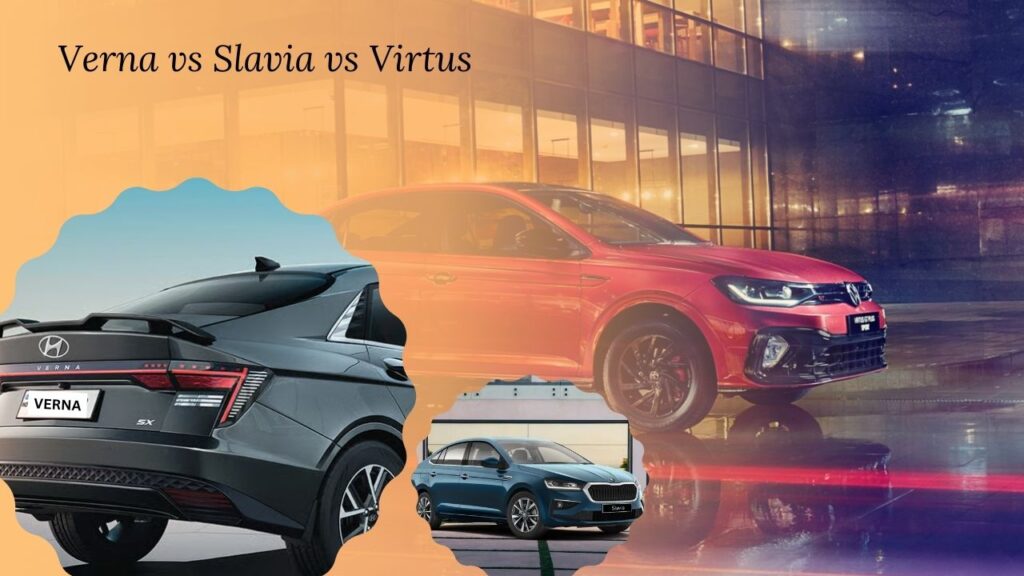
Verna vs Slavia vs Virtus

The Indian auto sector in 2026 is a study in contradictions. “SUV-ification” of the market looked absolute just a few years ago, but now we are seeing a refined “Sedan Renaissance.” This is not a comeback to the budget in Verna vs Slavia vs Virtus, it’s a tactical move by a discriminating band of buyers becoming fatigued with the sacrifices required by high-riding crossovers, the “boaty” body roll and aerodynamic drag.

The C-segment is now a bitter triangular war between the Hyundai Verna, the Skoda Slavia, and the Volkswagen Virtus. They each represent a different view on what a modern car must be. 

The Contenders: A High-Speed Comparison

As we move into early 2026, the market matured. Buyers in hubs like Delhi, Mumbai and Uttarpradesh, where one requires a vehicle that can effortlessly run on the Smooth streets but also negotiate the narrow lanes of India, want more than just ground clearance. They want engineering purity. Let’s see what we can get from Verna vs Slavia vs Virtus.

Feature Hyundai Verna Skoda Slavia VW Virtus
Vibe The Radical Technocrat The Bohemian Traditionalist The Teutonic Titan
Top Engine 1.5L Turbo GDi (160 PS) 1.5L TSI EVO (150 PS) 1.5L TSI EVO (150 PS)
Best For Tech & Features Elegant Comfort Driving Dynamics
Safety 5-Star GNCAP + ADAS 5-Star GNCAP 5-Star GNCAP

Hyundai Verna: The Digital Disruptor

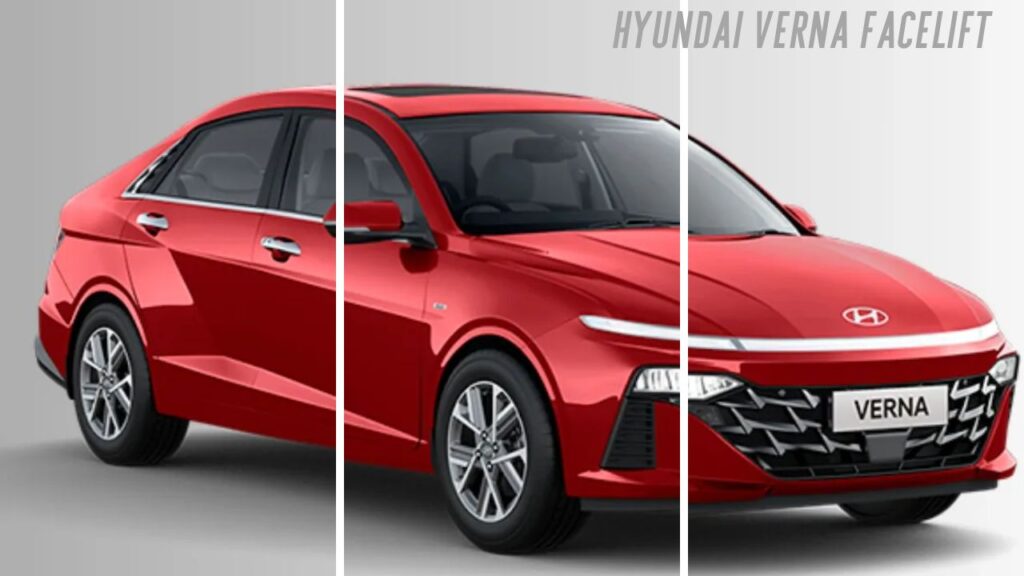
The BN7 Verna is the segment agitator. Its “Sensuous Sportiness” design language with that iconic horizon LED bar – makes it look like an alien from outer space. On the inside, the cabin is like a digital temple.

Hyundai Verna Facelift

Tech Edge: With Level 2 ADAS (Advanced Driver Assistant Systems), the Verna is currently the “brains” in the segment. For a driver in India battling thick winter fog, alerts such as collision warnings aren’t gadgets—they are safety essentials.

Too bad it’s so thick: The 1.5L Turbo GDi is a beast, cranking out 160 PS. It’s the king of the drag-strip, although its DCT (Dual Clutch Transmission) needs a light foot during stop-and-go traffic to keep from overheating.

The European Twins: Slavia & Virtus 

While the Verna talks about the “wow, I want to buy this car” as the Volkswagen Group siblings talk about “feel.” Based on the MQB-A0-IN platform, these vehicles deliver a tank-like structure to make an undeniable performance. 

Skoda Slavia: Elegant Yet Functional

Slavia is the “mini-Octavia.” It’s wider than its competitors, with more shoulder room. Skoda’s “Simply Clever” features — smart-phone pockets, a dedicated recess on the dashboard for a deity — reflect that it deeply understands the Indian consumer. 179 mm of ground clearance settles the SUV advantage for majority of buyers.

Volkswagen Virtus: The Driver’s Choice

The Virtus, especially in the GT Plus Sport trim, is for the enthusiast. It has a “chrome-delete” theme, red brake calipers and is aimed at a younger, performance-focused audience. On the Highways & Expressway, the low-slung Virtus feels surprisingly planted as it crosses the hundred mark. 

When is The Right Time to Buy?

February 2026 is when the big overhauls are scheduled to begin. 

Buy Now: If you want a deal. Verna dealerships (such as SAS or Beeaar Hyundai) are giving out close to ₹1 Lakh worth of benefits to make space for the 2026 refresh. Likewise, purchasing a “MY25” Slavia at Speedworks Skoda will save you a lot.

Wait: If you want ADAS on European cars. By late 2026, the Slavia and Virtus facelift is due with Level 2 ADAS and 360-degree cameras. 

Read More:-  5 Upcoming compact SUVs in India 2026-27 – Hyundai to Renault

Which One You Should Buy?

Deciding among Verna vs Slavia vs Virtus is difficult when you want the best, you can buy:

The tech-savvy family: Go for the Hyundai Verna. It’s the most comfortable three adults in the back, seats are the best ventilated, and the Bose sound system is unparalleled for those long drives.

The Purist: Go for the VW Virtus. Its better steering feedback and composure at high speed make it the best driver’s car under ₹25 Lakh.

The Pragmatic Professional: Go for the Skoda Slavia. It trades prestige and space for a design that’s more classic, and which will still look good five years from now.

Not only is the sedan making it out to 2026, it’s the best-selling passenger car in America by a longshot. 

Conclusion

A clear transition is taking place in 2026, though SUVs still hog the limelight and headlines, sedans are quietly making a comeback. The Verna vs Slavia vs Virtus are more than just competitors, they are three different outlooks on contemporary car production – technology-fueled opulence, engineering purity, and balanced sophistication. This “Sedan Renaissance” feel is not one of nostalgia being driven by aging buyers, but rather they are now mature buyers who value comfort, control, refinement and driving feel rather than just sheer ride height. 

0

BMW X5 vs Audi Q7: 2026 Feature, Comfort & Tech Comparison Guide

Published May 14, 2025, 5:21 AM
Last Updated Nov 5, 2026, 4:31 PM

BMW X5 vs Audi Q7 2025 Feature, Comfort & Tech Comparison Guide

Choosing between two luxury SUVs like the BMW X5 vs Audi Q7 can be tough. Both are stylish, powerful, and packed with features. They are perfect for families or individuals who want comfort, speed, and smart technology. In 2025, both brands have updated their SUVs with better performance, new tech, and more comfort than ever before.

This blog will help you compare the BMW X5 vs Audi Q7 based on engine performance, comfort, technology, and features. We will also look at pricing and space. If you’re planning to buy a luxury SUV this year, this guide is just for you. The keyword BMW X5 vs Audi Q7 will help you search and understand more about these models.

Let’s begin by comparing how both these SUVs drive.

Engine and Performance Comparison of BMW X5 vs Audi Q7

When we compare the BMW X5 vs Audi Q7, the first thing most people want to know is which one is more powerful? In 2025, BMW has given the X5 three main engine options:

  • A turbocharged 3.0-liter 6-cylinder engine that produces 375 horsepower.
  • A plug-in hybrid version (xDrive50e) that makes 483 horsepower and runs up to 40 miles on electric power.
  • A powerful 4.4-liter V8 engine in the M60i trim that gives 523 horsepower.
  • And finally, the X5 M Competition delivers 617 horsepower — made for those who love speed.

Now let’s talk about the Audi Q7. The Q7 starts with a smaller 2.0-liter turbo engine that gives 261 horsepower. A stronger 3.0-liter V6 engine is also available with 335 horsepower. If you choose the SQ7 version, you get a 4.0-liter V8 with 500 horsepower. It’s fast and fun to drive.

BMW X5 vs Audi Q7

When we look at speed, the BMW X5 vs Audi Q7 comparison shows that the X5 is faster, especially in its V8 models. It even goes from 0 to 60 mph in just 3.7 seconds with the M trim. The Audi Q7 is strong, but it’s slightly slower in comparison. If you love performance, BMW wins here.

BMW X5 vs Audi Q7 Interior and Comfort

The next thing to consider in the BMW X5 vs Audi Q7 debate is interior comfort. Luxury buyers expect high-quality cabins and soft seats. And both SUVs do a great job here.

The BMW X5 has a modern and clean cabin. It comes with high-end materials like soft synthetic leather or real leather on higher trims. The front seats are heated as standard, and you can also choose cooling and massaging seats in upper trims. It uses a large curved display that combines two screens….one for your speed and the other for infotainment.

BMW X5 vs Audi Q7 Interior and Comfort

On the other hand, the Audi Q7 comes with a three-row setup. That means it can carry seven people, while the X5 seats five (or seven with an optional third row). The Q7 gives you leather seating, a classy layout, and lots of space. It also offers heated, ventilated, and massaging seats in the higher models.

If you want to compare comfort in the BMW X5 vs Audi Q7, then Audi gets a small win for bigger seating capacity. But BMW gives you a slightly more modern and tech-filled cabin. Choose Audi for more seats, but pick BMW for a cleaner and more futuristic interior.

BMW X5 vs Audi Q7 Technology and Infotainment

Now lеt’s movе on to smart fеaturеs. Today, tеch plays a big rolе in choosing a car. Whеn wе look at thе BMW X5 vs Audi Q7 tеch sеtup, both vеhiclеs imprеss.

Thе 2025 BMW X5 comеs with thе latеst iDrivе 8.5 systеm. This systеm usеs a 12.3-inch digital drivеr scrееn and a 14.9-inch touchscrееn. It includеs wirеlеss Applе CarPlay, Android Auto, navigation, voicе commands, and еvеn gеsturе control in somе trims. You can also gеt a hеad-up display, a prеmium Bowеrs & Wilkins sound systеm, and advancеd safеty tools likе lanе kееping assist and adaptivе cruisе control.

Thе Audi Q7 usеs thе Virtual Cockpit Plus, which is a 12.3-inch scrееn bеhind thе stееring whееl. It also has a dual-scrееn sеtup in thе cеntеr: onе scrееn for mеdia, and anothеr for climatе control. It includеs wirеlеss Applе CarPlay, Android Auto, and a Bang & Olufsеn sound systеm for clеar audio. Safеty fеaturеs includе adaptivе cruisе assist and a top-viеw camеra.

If wе comparе thе tеch in BMW X5 vs Audi Q7, BMW has thе еdgе with its smoothеr usеr еxpеriеncе and nеwеr infotainmеnt. Audi is also strong but usеs two touchscrееns, which somе pеoplе may find hardеr to usе.

Cargo Space and Practical Features of BMW X5 vs Audi Q7

Spacе is anothеr arеa whеrе buyеrs want valuе. Lеt’s comparе how much еach SUV can carry.

Thе BMW X5 givеs you 33.9 cubic fееt of cargo spacе bеhind thе sеcond row and up to 72.3 cubic fееt whеn you fold thе rеar sеats. It also offеrs an optional third row, though it’s small and bеst for kids.

Cargo Space and Practical Features of BMW X5 vs Audi Q7

Thе Audi Q7 comеs with standard third-row sеating. Bеhind thе third row, it givеs you 14.2 cubic fееt of cargo spacе. If you fold thе third row, you gеt 35.7 cubic fееt. With all thе back sеats foldеd, it givеs up to 69.6 cubic fееt of spacе.

So in thе BMW X5 vs Audi Q7 cargo spacе comparison, BMW offеrs morе room if you don’t nееd thе third row. Audi givеs you morе sеating but lеss spacе whеn all sеats arе in usе. Choosе basеd on whеthеr you nееd cargo or еxtra sеats.

Read Also : Kia Telluride vs Hyundai Palisade: Price, Performance & Value Compared

Pricing Comparison of BMW X5 vs Audi Q7

One of the biggest questions people ask when comparing the BMW X5 vs Audi Q7 is about price. Let’s look at the base and high-end prices for 2026 models.

  • The BMW X5 starts at around $66,300. The price goes higher if you choose the hybrid or V8 trims.
  • The Audi Q7 starts at $60,500. The SQ7, with a V8 engine, starts at over $90,000.

So, Audi is more affordable at the start, but higher trims can be just as expensive as BMW. In the BMW X5 vs Audi Q7 price comparison, Audi wins if you want to spend less. But BMW offers more engine choices and premium tech at higher levels.

Final Verdict

Now that we’ve covered every area, let’s sum up the BMW X5 vs Audi Q7 2026 comparison.

  • Engine and Speed: BMW X5 wins with more powerful engines and faster acceleration.
  • Interior and Comfort: Audi Q7 wins with more seating; BMW wins with a modern layout.
  • Technology: BMW’s iDrive system is newer and easier to use. Audi is still very good.
  • Cargo and Space: BMW X5 gives you more cargo space if you skip the third row.
  • Price: Audi Q7 is cheaper at entry level, but BMW gives more performance options.

So, who should buy the X5? If you want speed, better tech, and don’t need a full third row, the BMW X5 is the better choice. But if you want three rows, classy interiors, and a smoother price tag, the Audi Q7 is great.

In the end, the BMW X5 vs Audi Q7 decision depends on what you value more…speed and tech, or space and price. Either way, you’ll be driving one of the best luxury SUVs of 2026.

Frequently Asked Questions

Q.1. How many sеats in a BMW X5?

Thе BMW X5 comеs standard with fivе sеats. Howеvеr, it offеrs an optional third-row packagе, which incrеasеs sеating capacity to sеvеn for addеd flеxibility and family usе.

Q.2. What is the BMW Exеcutivе Packagе?

Thе BMW Executive Package includes luxury upgradеs likе soft-closе doors, heated and ventilated seats, hеad-up display, gеsturе control, and prеmium intеrior fеaturеs, enhancing comfort and convenience for drivers and passеngеrs.

Q.3. What is the BMW Executive Package?

Thе BMW Executive Package is a premium option that adds advanced features such as adaptivе LED lights, ambiеnt lighting, upgradеd matеrials, and drivеr-assistancе tools to crеatе a first-class driving еxpеriеncе.

Q.4. Doеs a BMW X5 havе a third row?

Yеs, thе BMW X5 offеrs an optional third-row sеat, expanding total station to sеvеn. It’s ideal for families nееding extra passеngеr space, although it’s bеst suitеd for childrеn.

Q.5. Does BMW X5 have adaptive cruise control?

Yеs, thе BMW X5 offеrs adaptivе cruisе control as part of thе available Driving Assistance Professional Package. It adjusts spееd automatically to maintain distancе from vеhiclеs ahеad during driving.

0

Toyota Overtakes Honda Why It Matters Most Right Now: Toyota vs Honda Affordable Cars

Published Apr 23, 2026, 6:05 AM
Last Updated Apr 23, 2026, 6:08 AM

Toyota Vs Honda

Deciding the right car for you is more  between The battle between Toyota vs Honda for the auto crown is renowned. For the better part of a century, these two Japanese behemoths have been fighting for supremacy in garage floors worldwide. Consumers have long seen them as interchangeable titans of reliability, fuel efficiency and value. But the car world is changing. If you want to know which is the best cheap car Toyota vs Honda for you then the answer is not so clear cut. 

Recent figures show a big change in the market. Toyota is no longer just challenging, it is actively surpassing Honda in the one thing that matters most to today’s buyer: price. In an era when car prices have ballooned, Toyota has kept its entry-level models aggressively priced, and the sales figures tell a depressing tale for Honda. 

So let’s take a closer look at the Toyota vs Honda sales by 2026, compare their best-selling budget cars and determine which firm really has your back-pocket cash this year. 

Toyota vs Honda Sales 2026

If we look at past number shifts, both Toyota and Honda stand firmly in the market. Honda Civic and Toyota Corolla have traded the number one spot in the compact car segment.

The first quarter of 2025 showed that Honda became reliable and the best car because of its sales by 20,344 but after one year, in 2026’s first quarter Toyota beat it up with its sales and kicked Honda out of its position. 

Toyota didn’t just close the gap in Q1 2026, they rocketed past Honda by 4,050 units.

It’s quite a turnaround. The change is mostly attributed to bulls on their flagship affordable cars. The Toyota Corolla experienced a healthy increase in sales of 12.8% in light of sales in the first quarter of 2026, moving it up to 9th position across the best-selling cars. In doing so, it passed the Honda Civic, which fell to 13th place. 

Why is Toyota Winning the Numbers Game?

The explanation for Toyota’s rise isn’t necessarily a flashy redesign or some new technology but an economic reason. In 2026, everything changes and people are squeezed by rising interest. That’s become an advantage of Toyota, they provide good vehicles at an affordable price.

Read Also: 2026 Honda Accord Vs. Toyota Camry Hybrid

The Price War: Toyota vs Honda Affordable Cars

As we review Toyota vs Honda affordable cars, the price is the final deciding factor for most families and first time buyers. This is where Toyota is knocking it out of the park.

The 2026 Toyota Corolla is an unbelievably good value at just $23,125 (₹18.5 lakh to ₹25.5 lakh). By comparison, the base Honda Civic listed at more. The Corolla is Rs. 1.46 lakh less than the base Civic. In the realm of affordable cars, a Rs. 1.39 lakh gap is not merely pocket change; it’s usually what determines whether a buyer can stretch to make their monthly financing or lease payments. 

The Massive Hybrid Gap

Though the base gas models are somewhat more expensive, it’s really in the hybrid market that Toyota is well ahead of Honda.

With fuel costs still up in the air, more consumers are turning to hybrids. Each brand has great hybrid engines, however pricing strategies couldn’t be more different. The price difference between the Corolla Hybrid and the Civic Hybrid has reportedly soared to a massive Rs. 4.61 lakh. 

Market Insight: A difference of nearly Rs. 4,66,387 in the compact hybrid class is huge. At the cost of a base Civic Hybrid, a buyer can get a fully loaded Corolla Hybrid or that money can be saved to cover years of insurance and fuel costs. Toyota’s scale, which allows it to produce hybrid technology at a cost far below its competitors, is reaping huge rewards in 2026. 

Head-to-Head Comparison: Price and Features

For a clearer view of the best value cars Toyota vs Honda, here is a comparison of their best selling affordable models in 2026. 

Category Toyota Model & Starting Price Key Toyota Features Honda Model & Starting Price Key Honda Features
Compact Sedan Corolla (Rs 21.5 lakh) Standard Toyota Safety Sense 3.0, 8-inch touchscreen, excellent fuel economy, unmatched base value. Civic (Rs 22.9 lakh) Premium interior materials, engaging driving dynamics, standard Apple CarPlay/Android Auto.
Compact Hybrid Corolla Hybrid (Rs 23.1 lakh) Astounding 50+ MPG, AWD option available, incredible value-to-price ratio. Civic Hybrid (Rs 27.7 lakh) 200 horsepower, seamless power delivery, refined and quiet cabin experience.
Subcompact SUV Corolla Cross (Rs 22.7 lakh) Spacious cargo area, practical design, very affordable entry into the crossover market. HR-V (Rs 23.7 lakh) Magic Seat flexibility (in spirit), upscale cabin design, superior handling for an SUV.

Where Honda Still Wins: The Balanced View

If you glance at sales numbers and price tags, Toyota has made Honda a has-been in the affordable car world. But experts understand the lowest-price vehicle isn’t necessarily the best vehicle for everybody.

So in an attempt to be fair, Honda still destroys Toyota with Driving Dynamics and Interior Quality. 

1. The Joy of Driving

You can enjoy driving a Honda Civic as it builds as a regular commuting vehicle with Sports features. So, if you are more crazier about riding the best car then Honda Civic is a lot better than the Toyota Corolla. With completely sharper steering, rigid chassis, and suspension tuning for smooth rides that makes sense of bending a Sports DNA. It handles like a nailed-down and assured Civic. It may makes your dull with its appliance-like appearance which left Corolla more adequate for daily commuting. 

2. Premium Interior Feel

The 2026 Honda Civic or HR-V interior is an exceptional design which might introduce you to the new look honeycomb mesh dashboard accent, high-resolution digital displays, and tactile climate control knobs which are so easy to use. All these features make you feel the expensive ride.

Whereas the Toyota Corolla interior is fully functional with advanced tech and durable as it uses hard plastic. Honda Civic premium provides a comfortable ride in daily traffic with an airy cabin which is good for adults, you just have to add an extra $1,570.

Read Also:   New BMW M4 2028 Coupe Digitally Enters The BMW Neue Klasse M4 Era

Which Brand Should You Choose in 2026?

It depends on your choice and preferences to buy a car in 2026, because both Toyota and Honda are affordable cars which really become your buddy in rides. 

If you’re looking to save money on purchase price and over the long term Toyota is just a good bet. It is particularly difficult to look past their hybrids, which can save you nearly ₹462,000. Toyota cars are designed for people who just want their vehicle to be a dependable, straightforward means of getting from point a to point b without a lot of fuss and bother.

Conversely, if you actually like driving, Honda is the superior choice. Their cars usually feel a little bit more responsive and fun to drive. And they place a lot more focus on interior styling, comfort, and general cab quality. 

Conclusion

The 2026 Toyota vs Honda sales data makes for an interesting tale in shifting automotive economics. Toyota has expertly read the audience. With the combination of reliability and hard-to-beat prices that Honda simply can’t compete with at the moment in the hybrid market in particular Toyota has earned its turnaround in sales. 

Honda, however, never lost its soul. They’re still the best-driving, best-looking, best-value cars you can buy. The line between the two has become more than a simple heads or tails, rather it depends on what matters most to you, greatest dollars saved or driving enjoyment. Either way, you’re still driving home a winner.

0

Personal Loan vs Car Loan: What is the Better Choice for Buying a Car? 

Published Aug 18, 2026, 11:48 AM
Last Updated Aug 31, 2026, 7:00 AM

Personal loan vs Car Loan

You decided the car model and color to buy, now negotiating its on-road price and decided to take a car loan. There’s two options for you — Personal Loan vs Car Loan, one from the dealership’s tie-up bank, another a pre-approved personal loan sitting in your net banking app. They just seem to be two versions of the same product until you see the fine print, and that is generally where people get it wrong. 

Car loans and personal loans are two very different types of products, structurally, and the distinction reflects in your EMI calculation, not just in the fine print. Your car serves as a collateral for the car loan – the bank holds hypothecation on the vehicle until you repay the loan, which is why the risk for the lender is lower and the interest rate is lower. A personal loan is unsecured. Nothing backs it except your income and credit score, so the bank prices that extra risk, and you pay for it every month.

Personal Loan vs Car Loan: The Interest Rate Gap Is Bigger Than Most People Assume

The new car loan rate for Indian banks as on August 2026 stands at 7.45 — 7.85% p.a. from the likes of UCO Bank, Canara Bank, and Punjab National Bank, with the majority of PSU banks bunching between 7.6% – 9.7% based on your CIBIL score. Private banks such as HDFC and ICICI charge marginally higher, usually 8.15 – 9.75% for new cars. Rates are reviewed monthly and are dependent on the loan scheme, so consider these as August 2026 rates and not a permanent rate. 

Personal loans start meaningfully higher. The bottom rates of top private banks — HDFC, ICICI, Axis, IndusInd hover around 9.99% p.a. for borrowers having outstanding credit (CIBIL 750+) and belonging to the preferred employer category. Most of the salaried individuals are approved around 11% to 16% and NBFCs that sanction loans more quickly and require lesser paperwork charge is 14% to 16% and at times it reaches up to 20% to 22% for weak credit files. 

Personal Loan vs Car Loan

That 2–3 percentage point gap sounds small until you run it through an EMI calculator. On a ₹5 lakh loan over 5 years, an 8% car loan works out to roughly ₹10,140 a month. The same amount as a personal loan at 12% comes to around ₹11,120 — nearly ₹1,000 more every month, and over ₹58,000 more in total interest by the time you’re done. Scale that to a ₹10 lakh loan and the interest gap widens to well over a lakh rupees. If the goal is purely to minimize what you pay for the car, the car loan usually wins on cost, and it’s not close.

Aspect Car Loan Personal Loan
Interest Rate Range 7.45% – 9.75% p.a. (PSU banks: 7.6%–9.7%; Private: 8.15%–9.75%) 9.99% – 22% p.a. (Top private banks: ~9.99% for CIBIL 750+; NBFCs: 14%–22%)
Typical Approved Rate (Salaried) ~8% – 9% ~11% – 16%
Rate Review Frequency Monthly Monthly
Dependency Loan scheme, CIBIL score, bank type CIBIL score, employer category, lender type
EMI on ₹5 Lakh (5 years) ~₹10,140 at 8% ~₹11,120 at 12%
Total Interest on ₹5 Lakh (5 years) ~₹1.08 lakh at 8% ~₹1.67 lakh at 12%
Total Interest on ₹10 Lakh (5 years) ~₹2.17 lakh at 8% ~₹3.35 lakh at 12%
Best For Minimizing cost when buying a car Flexibility (no end-use restriction), faster disbursal

Read More:-  How to Get a Car Loan in 2026: Know Everything Before Purchasing

Where a Personal Loan Makes Sense in Buying a Car

None of this means the car loan is automatically the right call. A personal loan earns its place in a few specific situations, and it’s worth being honest about them rather than defaulting to “cheaper interest rate always wins.”

Buying a used car older than what your lender’s car loan policy allows is one. Most banks cap car loans on vehicles that are 3–8 years old depending on the lender, and beyond that window, financing options dry up fast. A personal loan doesn’t care how old the car is.

Personal Loan

Buying from a private seller with incomplete paperwork is another. Car loans require the vehicle to be registered as collateral, which means clean ownership documents, a valuation, sometimes an RC transfer before disbursement. A personal loan skips all of that — the money lands in your account and what you do with it is your business.

There’s also the ownership angle. With a car loan, the bank’s name sits on the RC as a financier until the loan closes, and selling or modifying the car before that requires a No Objection Certificate. A personal loan gives you the car free and clear from day one, which matters if you plan to sell, swap, or modify it sooner than the loan term would normally allow.

And if you’re topping up a car loan that only covers 80–90% of the on-road price — many lenders cap the loan-to-value ratio, especially on used cars — a smaller personal loan to bridge the down payment can sometimes work out cheaper than stretching a used-car loan at 11–16% for the whole amount.

The Down Payment and Loan-to-Value Difference

Car loans can fund up to 100% of the on-road price for new vehicles from some lenders, though a 10–20% down payment usually gets you a better rate, since a lower loan-to-value ratio means less risk for the bank. Used car loans are stingier — most banks finance only 70–75% of the vehicle’s assessed valuation, not what you actually agreed to pay the seller, so budget for a bigger chunk from your own pocket if you’re buying second-hand.

Personal loans don’t tie themselves to the vehicle’s value at all. The amount you qualify for depends on your income and existing obligations, which gives you flexibility car loans don’t — useful if you’re also covering insurance, accessories, or extended warranty costs that a car loan wouldn’t typically finance.

Read More:- Best Car Air Filters for Better Engine Performance & Save Your Repair Cost

Conclusion

If you have good credit on Personal Loan vs Car Loan, the car is new or within your lender’s used-car age limit, and your only aim is to pay the least each month, the car loan is the best option for you  — the rate gap is too large to ignore for most buyers. Get a personal loan when the vehicle doesn’t fit a car loan’s criteria, when you want to be free and clear from day one, or when you need a little extra to fill a gap a car loan won’t fill by itself. 

Either way, get actual quotes from three or more lenders before you sign on anything. A 1.5% rate difference on two car loan offers can be just as important as the type of loan itself, and rates fluctuate frequently, so what was competitive last quarter may not be this one. 

0

EMI vs Lease: Which Is Better If You Plan to Upgrade Your Car Every 3 Years 

Published Sep 1, 2026, 12:25 PM
Last Updated Sep 1, 2026, 12:26 PM

EMI vs Lease

Car enthusiasts love to upgrade their cars frequently just like people upgrade their iPhone every year. The real difference is the money. EMI vs Lease are two very different versions of car loan, which one is better for you to take a car loan for actually buying a car is hard to understand. That’s why many people get confused and make the wrong decision.

So if you want to make the right choice for your car loan then read the full article to understand where each one fits. 

When you buy a car by taking a car loan, you have to pay the fixed amount monthly (principal + interest) over a tenure which is usually 3-7 years. When it’s fully repaid, you own the car outright. Until the loan closes, the bank holds a hypothecation on the vehicle but legally the car is yours from day one. This is Equated Monthly Installment (EMI). Higher monthly outgo because you’re paying off 100% of the car’s value plus interest. 

In Lease, however, you never own the car. You pay a rent to use it for a set amount of time then give it back, pay a residual value to buy it, or get into a new lease. The difference is the monthly fixed amount is lower than EMI because you don’t own it, you are just paying for depreciation for a period + interest + fees. There’s one catch – overage charges hit hard and sometimes bundle maintenance. So you have to be careful with mileage and maintenance.

Which Is Better in EMI vs Lease If You Plan to Upgrade Your Car Every 3 Year

In the EMI vs Lease option for buying a car, there’s no single answer yet. As it depends on your choice and income, here’s the thing to consider before making any decision.

Car Loan’s Core Problem With EMI on a 3-Year Cycle

Most car loans are structured for 5 to 7 years. The calculation behind them assumes you’ll hold onto the car long enough for the interest-heavy early payments to even out, and long enough for depreciation to slow down.

When you sell or trade in at year 3, you’re stepping out mid-loan. That means:

  • You’re still carrying a decent chunk of outstanding principal
  • You’ve paid a disproportionate amount of interest relative to how much of the car you actually “own”
  • The car’s resale value has already taken its steepest depreciation hit (new cars lose the most value in the first 2-3 years)

Put these together and you often end up underwater — owing more than the car is worth, or barely breaking even after resale. You then roll whatever gap exists into your next purchase, and the cycle repeats, sometimes getting worse each time.

Leasing Is a Good Option If You Upgrade Car in 3 Year

Leasing was built for exactly this kind of usage pattern. You’re not paying for the whole car — you’re paying for the depreciation that happens during the years you use it, plus interest on that portion, plus fees.

For someone upgrading every 3 years, this lines up almost perfectly with typical lease terms (24-36 months). A few real advantages:

Lower monthly payments than an EMI on the same car, since you’re not financing the full price. For example, if the car is worth ₹12 lakh today and is expected to be worth ₹7 lakh after 3 years, the lease payment is broadly based on the ₹5 lakh depreciation over those three years. 

When three years are completed, you can return the car to the leasing company and they’ll check mileage, damage and condition according to the contract. You don’t have to worry about negotiating a resale price. But if there’s any damage and higher mileage then you have to compensate for it. If you are eligible, the lease company can offer you a replacement/new-lease program. You still need to sign a new lease and meet the new contract’s approval and payment requirements. 

Lease is a good option if you are confused about EMI vs Lease if you are buying a new car. Many leases cover a new car while it’s still under the manufacturer’s warranty, which can reduce your exposure to unexpected repair bills for covered defects. 

The car resale value gets down right after it leaves the showroom. In one year, the retention by 60% is going to hit so if you don’t want to worry about car worth in three years, that risk is not on you anymore, its leasing company.

Probable Risk That You Must Know Before Considering Lease

There are some conditions that are set on the contract on lease while taking a car. Always remember that you never own a car. For example, you rent an apartment and the owner takes a security deposit. If you damage it, they won’t return it. Same happens with leasing, if mileage limits hit, damage that can cost much, you have to pay extra for it and in the end return it back.

If you drive over your allotted kilometers, you’ll pay a penalty per extra km so this adds up fast if you drive a lot. If you are buying it to travel out of the city then there’s no benefit in it.

Wear-and-tear charges always happen when you drive in rush areas or in traffic. Scratches, interior damage, anything beyond “normal use” can cost you at lease-end.

You build zero equity. As you give a rent every month. At the end of three years, you own nothing — not even a trade-in value to offset your next vehicle.

Long-term cost. If you ever decide to stop upgrading and just keep a car for 6-7 years, leasing back-to-back will almost always cost more than one EMI held to term.

Which One Saves Money If You Swap Cars in Few Years

Don’t just start comparing EMI vs Leasing on monthly payments. That’s a trap, use calculation and figure out the total cost for a confirmed set of periods. Let’s say you are buying a car for 3 years and then want to change it, total payment made over these years, lease end-fees if any, regular maintenance cost, driving habits are the effective majors that hit your total cost. 

Whichever number is lower for your driving habits and your market’s resale trends is your answer — not a generic rule of thumb.

Here’s a Maruti Suzuki Victoris LXI petrol example to calculate the total cost of your car by taking both EMI and Lease. Its current ex-showroom price is ₹15.13 lakh, while the estimated on-road price is around ₹17,50,000 (assume). 

EMI (5-year loan, 20% down, 9.5% interest)  Lease (3-year operating lease, bundled) 
Down payment  ₹3,50,000  No large down payment, security deposit which often refundable
Tenure  5 years = 60 months  60 months  
Monthly Pay ₹29,500  ₹32,700  
Total Cost ₹21.2L (include downpayment) ₹19,62L  
Ownership  Yes, you own the car after 5 years  No, unless you pay a separate buyout near residual value. 

If you want to buy Maruti Suzuki Victoris LXI petrol car on lease and later buyout then:

Option Monthly outflow Total paid (5 yrs) Ownership at end
EMI (loan) ~₹29,500 EMI + ₹3.5L down ~₹21.2L (down + EMI) Yes (you own; can resell)
Lease (no buyout) ~₹32,700 rental ~₹19.62L (rentals only) No (car returned)
Lease + buyout ~₹32,700 rental + buyout ~₹27.49L (rentals + buyout) Yes (after paying residual)

Buying An EV On Lease Is More Profitable Than EMI

A 3‑year total cost comparison for a Tata Tiago EV using loan as EMI vs Lease. Let’s look into quick comparison on assuming numbers but you can swap this with your exact dealer quote and calculate the actual total cost using EMI calculator: 

Tata Tiago EV EMI (loan, 3 yrs) Lease (operating, 3 yrs)
On-road price used ₹8,90,000 ₹8,90,000
Down payment / initial ₹1,78,000 ~₹0 (small fee possible)
Monthly payment ~₹22,800 EMI ~₹20,000 rental
Total paid over 3 yrs (cash out) ₹9,98,800 (down + EMI) ₹7,20,000 (rentals)
Ownership at end Yes (you own) No (car returned)
Approx. 3‑yr resale / residual ~₹4,89,500 (you keep) ~₹4,89,500 (goes to lessor)
Net 3‑yr cost (cash out − asset value) ~₹5,09,300 ~₹7,20,000
Typical inclusions Loan only; insurance & maintenance separate Often includes insurance + maintenance (check contract)

Note: any price and figures mentioned above is assumed by the current price provided, you must check the actual amount by calculating it with your own variant, tenure, mileage and other terms.

Read More:-  What Your Car Loan Covers Beyond the Ex-Showroom Price 

Conclusion

When it comes to EMI vs Lease, leasing can be worth considering when predictable monthly costs and, depending on the lease, maintenance and other expenses may be bundled in. No ownership equity can make it expensive if your driving habits don’t match the contract. An EMI makes more sense if you want to own the car, drive it for 5–7 years or longer.

Before signing either agreement, calculate the total price you pay and compare the complete three-year cost of both options including interest, insurance, maintenance, taxes, lease fees, penalties and the car’s expected resale.

You can choose a lease for flexibility and frequent upgrades; choose an EMI when long-term ownership and building resale value matter more.