0

Chevy Silverado vs Ford F-150: Which Pickup Rules 2025?

Published Sep 18, 2025, 1:01 PM
Last Updated Apr 22, 2026, 11:43 AM

The most powerful pickup trucks always end up in a debate – Chevy Silverado vs Ford F-150. These two are tough rivals Yet, they stand out in different ways, reflecting distinct design and market philosophies. The Ford F-150 wins as a versatility and performance leader, delivering more engine choices, can load more weight, and has a smart infotainment system. While the Chevrolet Silverado 1500 is positioned more fuel efficient, showing its features are all about use and saving cash.

Both trucks are attracting different kinds of buyers. There are several priorities which make them choose different kinds of powerful vehicles. It matters actually when the truck’s specific strengths align with your primary use case. 

Pricing and Value Proposition

When it comes to buying a truck, buyers want to buy the one that they see fit for their needs. These two trucks have very different starting prices.The Chevrolet Silverado 1500 offers a lower starting price, around $37,000. But it depends on your location and shipping charges that may vary up to $37,845.

Chevy Silverado, image credit: Chevrolet

The Ford F-150 costs higher than Chevy. The starting price for Ford is around $38,710. Ford offers a more tech optimized truck which has a 12-inch screen and 7–inch screen in its base model. Chevy aims for a lower price. Ford offers more tech upfront.

Both truck trim-wise prices:

Trim 2025 Chevy Silverado 1500 MSRP 2025 Ford F-150 MSRP
WT/XL $44,695 / $37,000 $38,810 / $39,645
Custom/STX $47,895 / $43,600 $42,015 / $44,210
LT/XLT $52,495 / $48,100 $45,695 / $47,890
RST/Lariat $53,495 / $51,500 $63,360 / $65,555
Custom Trail Boss $53,795 / $51,800 $64,915 / $67,110
LTZ/King Ranch $59,695 / $57,700 $74,905 / $77,405
LT Trail Boss/Platinum $60,795 / $58,800 $74,905 / $77,100
High Country/Raptor $64,695 / $62,700 $79,005 / $81,200
ZR2 $71,995 / $70,000

Powertrain and Drivetrain Analysis

The Silverado and F-150 have different engines, Ford gives 6 engine choices while Chevy sticks to four main engines. Ford provides Power Boost Hybrid V6 and 5.2L supercharged V8 engine, considered the best engines. The 3.0L Duramax diesel engine makes 305 HP and 495 lb-ft of torque. Ford’s Raptor engine makes 720 hp and 640 lb-ft of torque which beats Chevy in the battleground.

Ford F-150, image credit: Ford

Ford again wins in towing and hauling with its 13,500 pounds capacity to carry load on its back. But a slight difference with both trucks towing, Silverado’s 13,300 pounds shows great value. The payload capacity of Ford is a max of 2,440 pounds and Silverado maxes out at 2,280 pounds. The Silverado achieves a near-identical figure with a diesel engine as Ford. It depends on the buyer who aims to choose a more practical and cost-efficient truck, can buy Silverado. 

Fuel Economy and Real-World Range

Gas mileage is a crucial point for truck buyers. In 2025, the Chevy diesel engine will provide amazing EPA-estimated 23 mpg in the City and 29 mpg on the highway. Ford gives 22 mpg for city driving and 24 mpg for highway with its PowerBoost hybrid engine.

Ford F-150, image credit: Ford

However, the exact real world analysis can be checked while taking a drive with these beasts.  This overview hinted that Silvera wins at fuel efficiency but mileage also depends on how you drive your truck.

Exterior Design & Innovative Features

The exterior design of the Silverado and F-150 build on a strong body. The beast looking Silverado is way more practical with a focus on classic truck aesthetics. Ford F-150 has design to fulfil the requirements. It can become your off-road partner to give you fancy rides. This flexibility shows in its style that is more appealing. Silverado offers a Multi-Flex Tailgate with six ways to help with cargo. It simplifies loading heavy items. Ford is delivering smart functions like swings open for simple bed access. Onboard system, an impressive feature to help the driver on site.

Read More:- Toyota Vellfire Car Price 2025 – On-Road Cost, Interior & Features

Safety and Reliability 

Both trucks earned top NHTSA safety scores as they provide good safety. Well, Silverado has a past record of crash tests which is better but still got lower rating in some cases.

Chevy Silverado, image credit: Chevrolet

The Ford electric version gets a poor score for back seat riders. Which makes worry for families. Despite the back seat passengers safety, both got good reviews for their tech features and driver comfort.

Conclusion

The Chevy Silverado vs Ford F-150 is a complex comparison where both have a top-notch powerful engine. It gives outstanding performance on the road with heavy load, it masters your journey. Whether you drive on work purpose or just personal use these two trucks will make your life easy. Ford is a good option for tech enthusiasts who prefer to use a gas engine and Silverado is ideal for buyers who aim for a traditional style of truck.

Sharey Khan

Sharey Khan is an IT entrepreneur and petrol head & a car enthusiast. With a special focus on car-related content, he combines his deep passion for vehicles with a talent for crafting informative, engaging, and easy-to-understand content. His writing is driven by a genuine love for cars and he is committed to providing readers with accurate, up-to-date, and trustworthy information that empowers smarter driving decisions. 

Leave a Reply

Your email address will not be published. Required fields are marked *

0

Maruti Suzuki Discount Feb 2026: Swift, Fronx & Brezza Offers Explained

Maruti Suzuki Discount

Maruti Suzuki Discount, India’s largest carmaker, has planned its product strategy around this transition very carefully and has a vehicle for every niche segment of the market. The three protagonists —the 4th Gen Maruti Suzuki Swift, the Maruti Suzuki Discount Fronx and the Maruti Suzuki Brezza, form the crux of this strategy. Each caters to a particular customer requirement: hyper-efficiency, aspirational styling and utilitarian ruggedness, respectively. 

The February 2026 Opportunity Window

By February 2026, the manufacturers are offering heavy discounts to clear stocks before the end of the financial year and to accommodate new models, such as the much-awaited Brezza facelift. Let’s get more details about these cars and their prices. 

Maruti Suzuki Fronx The Push for Turbo

The cumulative benefits on the Fronx Turbo variants go up to up to ₹30,000 which includes cash discount, exchange bonus, and corporate offer. In contrast, the hot selling 1.2L NA variants have no cash discount, and only exchange offers are used to lure buyers. This gap indicates that 1.2L Fronx is selling organically on the basis of perceived reliability and cheaper maintenance, but Turbo need financial nudge to move away from showroom floors. 

Maruti Suzuki Swift Defending the Realm

Even though the Swift is a new generation model, the discounts are hefty of up to ₹48,000. This aggressive positioning is in response to the onslaught of “Micro-SUVs” from the likes of the Tata Punch and Hyundai Exter. Maruti wants to keep the first-time buyer, who can be tempted by the charm of an SUV body style, by providing a strong financial value proposition on the Swift. 

Maruti Suzuki Brezza The Facelift Paradox

The Brezza is a strange beast. With a full model change coming in mid March 2026, some hefty clearance discounts ($1,000 or more) would not be unexpected. However, the benefits are limited to a paltry ₹30,000. 

Which means two things: The current Brezza still sells in good numbers due to its tried and tested 1.5L engine; and Maruti is confident of a seamless transition to the facelift without having to slash the current model’s brand equity. 

On-Road Price of the Market

Model & Variant Ex-Showroom RTO & Taxes Insurance Other Charges On-Road Price
Swift LXi (Base) ₹5.79 Lakh ₹46,312 ~₹33,463 ~₹23k ₹6.82 Lakh
Swift ZXi+ AMT (Top) ₹8.80 Lakh ~₹70k ~₹44k ~₹30k ₹10.25 Lakh
Fronx Sigma (Base) ₹6.85 Lakh ~₹55k ~₹37k ~₹38k ₹8.15 Lakh
Fronx Alpha Turbo AT ₹11.98 Lakh ~₹1.20L ~₹50k ~₹50k ₹13.79 Lakh
Brezza LXi (Base) ₹8.26 Lakh ~₹66k ~₹42k ~₹31k ₹9.66 Lakh
Brezza ZXi+ AT (Top) ₹13.01 Lakh ~₹1.30L ~₹59k ~₹58k ₹15.48 Lakh

Design, Comfort, and Practicality Comparison

Exterior Dimensions Comparison and Road Presence

Dimension Swift Fronx Brezza
Length (mm) 3860 3995 3995
Width (mm) 1735 1765 1790
Height (mm) 1520 1550 1685
Ground Clearance 163 mm 190 mm 198 mm
Boot Space 265 L 308 L 328 L

The roads in India, especially in the budding suburbs or incessant monsoon waterlogging, need clearance. The Brezza (198mm) and Fronx (190mm) offer some peace of mind the Swift (163mm) can’t provide. 

Interior Ergonomics and Space

Maruti Brezza 

  • The tall ceiling and large glass windows make the cabin feel spacious. 
  • The seating is upright (Command Position), allowing for clear and wide visibility over the bonnet edges, which is very useful in traffic. 

Maruti Brezza

  • The back seat is wide, and the stiff H-point (hip point) means senior citizens can slide off rather than squat down, for this reason it’s the most “Senior Citizen Friendly” car of the three.

Maruti Fronx 

  • The interior styling is neuter, yet trendy, using the layered dashboard design adopted from the Baleno laden with rich textures. But the “Coupe” roofline is its achilles heel. 
  • Rear headroom is very limited and passengers who are taller than 6ft will literally be having their heads rubbed by the headliner. 

Maruti Fronx 

  • The rising window line, which becomes sharply upward slanting in the rear, is a bit claustrophobic in the back seat compared to the Brezza.

Maruti Swift

  • The cabin sports a black theme all around. 
  • The driver’s seat is low-slung and provides a «go-kart» driving experience that automotive enthusiasts love. But the back seat is only really usable for two adults and a kid. 

Maruti Swift

  • The narrow rear windows and dark color scheme can make the back seat seem tighter than it really is. 

Boot Utility

  • Brezza: 328 Liters. The shape is square and practical, accommodating two large suitcases along with two duffle bags. The lip of the loading is flat.
  • Fronx: 308 Liters. “This is unlike most boots which are difficult to load due to a high loading lip you have to lift heavy bags a long way up to put them inside.”
  • Swift: 265 Liters. Good just for weekend bags or a week’s worth of groceries. A lengthy airport run will mean folding down the back seats. 

Technology and Features

All three vehicles feature a sleek 9-inch HD touchscreen and wireless Apple CarPlay & Android Auto, making day-to-day connectivity effortless. 

  • HUD (Fronx & Brezza): This feature is especially useful to stay focused when driving at high speeds, for a safer and more convenient experience.
  • The 360° camera in the Fronx and Brezza, however, makes maneuvering in cramped parking spaces a breeze. 
  • Sunroof (Brezza only): A big emotional win for families – and a genuine purchase trigger in India. 

Brezza and Fronx seem much more premium with the Arkamys “Surround Sense” quiet number, clear vocals, better balance, and deeper richness of audio output. Swift does deliver plenty of bang for the buck, but its sound is drier and less enveloping. 

Safety Suite

Standard Safety: To its credit, Maruti Suzuki Discount has made 6 Airbags, ESP (Electronic Stability Program) and Hill Hold Assist a standard fitment in all variants of the 3 cars for 2026. This broadening of safety has made even the lowest-spec Swift LXi a lot safer than the previous model.

Platform Safety: The Brezza is based on the Global C platform, which has previously achieved 4stars in crash tests. The Swift and Fronx are manufactured on the Heartect platform which is designed for light-weighting (for better mileage) but is known to perform poorly in crash ratings (usually 1-2 stars in the earlier tests, with updated 2026 scores).

Future Sensors (ADAS): The imminent Brezza Facelift (March 2026) is speculated to bring Level 2 ADAS (Advanced Driver Assistance Systems), such as Blind Spot Monitoring and Autonomous Emergency Braking. At present, none of the three models is equipped with ADAS. 

Fuel Efficiency

The Maruti Suzuki Discount is the obvious winner when it comes to fuel efficiency — this is the car for people who drive a lot, day in, day out. For those with high usage such as sales professionals, office commuters, and daily highway travellers, the savings in fuel costs alone on a monthly basis make it the wisest financial choice.

The Fronx is just right — not too heavy, not too efficient. It’s for people who want SUV styling, good space and mileage, but who think most other options are just too unbalanced. A genuine “best of both worlds” solution.

The Brezza is for comfort-first shoppers. It eats up fuel, yes, but space, stability, features, and family comfort are what you get in return. It’s not about saving money here — it’s about living better inside the car.” 

Ride and Handling

Suspension Tuning

  • Fronx: Brightened up slightly on the stiff side in order to back its ‘sporty’ stance. It corners well with little body roll but in some situations could feel jittery, such as when driving over sharp potholes or expansion joints.
  • Brezza: Tuned with comfort in mind. It soaks up bad roads beautifully and shields occupants from every bump. But in high speed tight corners, entire body rolls because of its height. It’s not a car to be hustled around corners.
  • Swift: Suspension is soft, great for city speeds. However, at very high speeds on highway (100+ kmph) it has a “floaty” feeling and is not as planted as Brezza or Fronx. 

Read More:-  Latest Hyundai Cars Offers on Verna, Exter & i20 in India

Conclusion:- Maruti Suzuki Discount

The Maruti Suzuki Discount is your best buddy if you are a victim of the busy road on your daily commute. If you are a socialite and want to make an entry, the Fronx makes your look impressive! But for the weekend jaunts with the entire family, the Brezza is the only car that can cut the mustard. 

As of February 2026, the Brezza VXi is the best overall value as it delivers SUV qualities at a price, which cuts into the market of smaller premium hatchbacks. 

0

Hyundai Creta On-Road Price In Lucknow: Get Details Before Entering Into a Showroom

Published Sep 9, 2026, 12:56 PM
Last Updated Sep 11, 2026, 10:42 AM

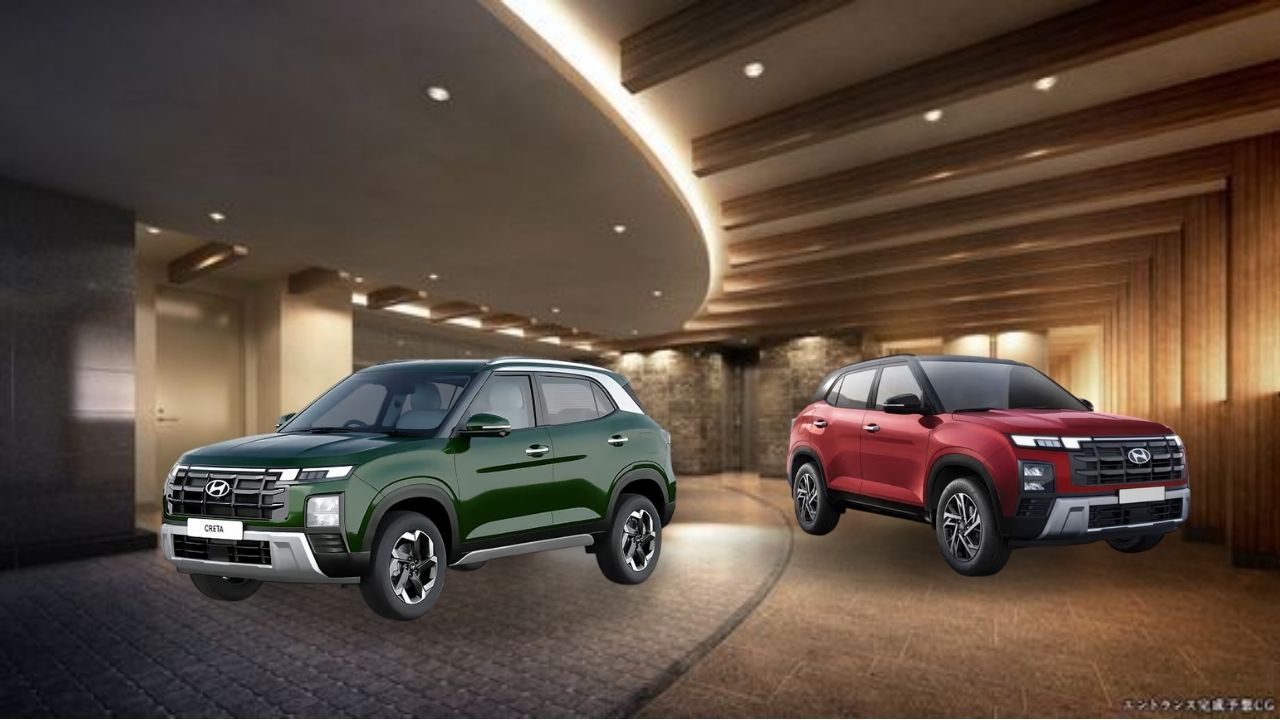
Hyundai Creta

Creta sits in a Hyundai’s showroom at a price ₹10.91 lakh, that’s the manufacturer rate. The Hyundai Creta On-Road Price in Lucknow for the base petrol variant currently sits between roughly ₹12.4 lakh and ₹12.9 lakh, depending on which dealer’s insurance quote you’re comparing, and it climbs past ₹23 lakh for the fully loaded King Knight diesel automatic.

Creta has become the biggest selling model at this price point. The starting price of petrol base variant can go high by including your location’s RTO, other statutory charges, Insurance and FASTag/accessories cost. If you’re considering the Creta N Line, price starts at ₹16.93 lakh that goes up to ~₹24.11 lakh.

Here’s the breakdown that actually matters if you’re deciding whether to book one this month.

Hyundai Creta On-Road Price in Lucknow

The Creta’s ex-showroom range in September 2026 runs from ₹10.91 lakh for the base Petrol E manual to ₹20.11 lakh for the top-spec Diesel King Knight automatic. Add Uttar Pradesh’s road tax, insurance, and registration charges, and the on-road numbers land like this for the base E variant, according to dealer-aggregator listings pulled this month:

  • Ex-showroom price: ₹10,90,700
  • RTO and road tax: ₹1.09 lakh to ₹1.45 lakh
  • Insurance: roughly ₹51,700 to ₹52,400
  • Final on-road price: ₹12.44 lakh to ₹12.88 lakh

That’s a wider spread than you’d expect for the same car in the same city. As it comes down to how each platform calculates UP’s road tax slab and whether the quote includes optional add-ons like a dashcam accessory or an extended warranty bundled in by the dealer. Treat every online on-road calculator as a starting estimate, not a final number — the only figure that matters is the one on your actual invoice from a Lucknow dealership.

At the top end, the King Knight Diesel AT ranges from about ₹22.4 lakh to ₹23.4 lakh on-road, again depending on the aggregator and the exact insurance IDV selected.

Why UP’s RTO Charges Add So Much to the Sticker Price

Uttar Pradesh applies road tax as a percentage of the ex-showroom price, and that percentage rises in slabs as the car gets more expensive — which is why the RTO component isn’t a flat add-on. For the base Creta E, dealers report RTO charges anywhere from ₹1.09 lakh to ₹1.45 lakh; for pricier variants like the diesel Sierra-rivalling trims, the RTO line alone can cross ₹1.7 lakh.
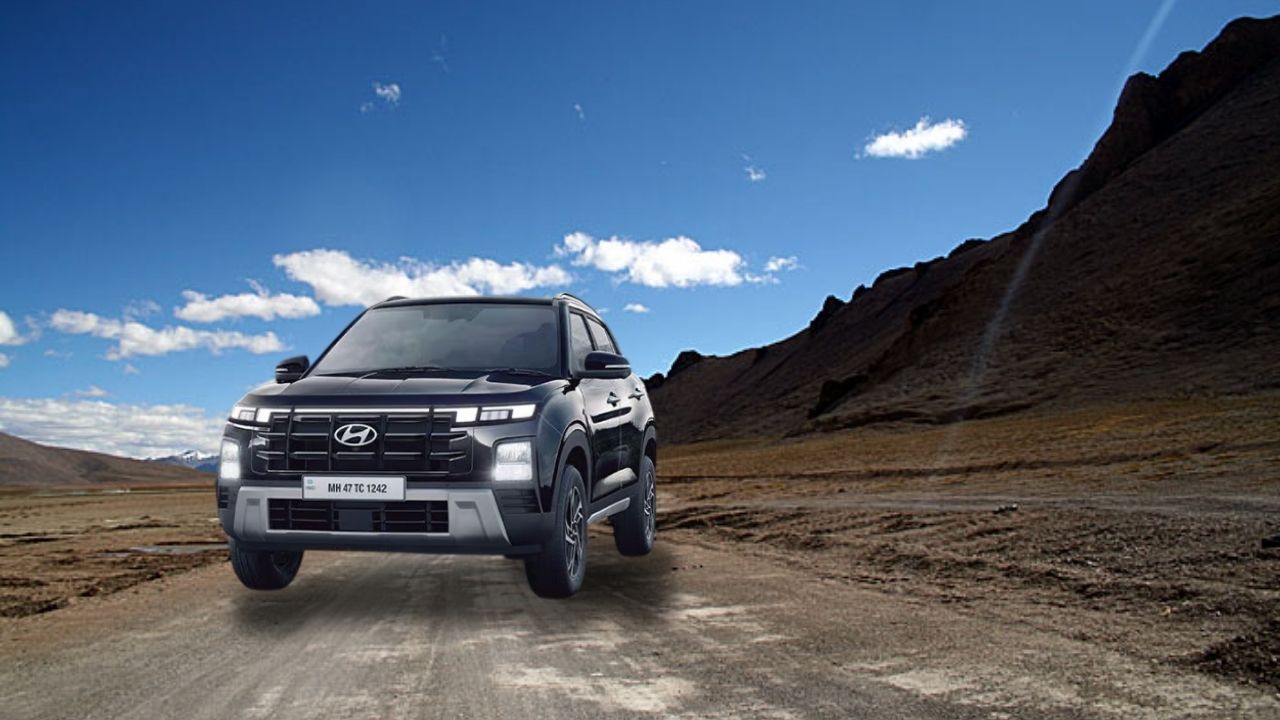
Creta E

First-time SUV buyers can get confused easily from the charges: Tax Collected at Source (TCS). Under Section 206C(1F) of the Income Tax Act, any motor vehicle priced above ₹10 lakh attracts 1% TCS, collected upfront by the dealer and adjustable against your income tax later. On a ₹11.49 lakh car, that’s roughly ₹11,490 added purely because the ex-showroom price crossed the ₹10 lakh threshold — and since every Creta variant sits above that line, every single Creta buyer in Lucknow pays this. 

Add FASTag issuance (around ₹600), hypothecation charges if you’re financing (₹1,500 or so), and a registration smart-card fee, and you can see why the gap between showroom quote and final on-road number feels so large.

Read More 👉  Maruti Suzuki September 2026 Offers: Save Money On Your New Car

Creta Variant-Wise Price Breakdown 

The Creta lineup has grown to many variants but most of the special editions narrow it down depending on the availability and most buyers choices:

Variant (Fuel / Transmission) Ex‑Showroom (₹) RTO + Others (₹) Insurance (₹) On‑Road Lucknow (₹) Approx.
E 1.5 Petrol MT 10,79,000 ~1,45,000 ~50,000 12.74 lakh 
EX 1.5 Petrol MT 11,90,000 ~1,55,000 ~55,000 14.00 lakh
EX (O) 1.5 Petrol MT 12,70,000 ~1,65,000 ~58,000 14.93 lakh
EX(O) Diesel AT  ₹16.08 lakh  ~1.9–2.0 lakh  ~0.55–0.65 lakh  ₹18.3 lakh 
S 1.5 Petrol MT 13,50,000 ~1,75,000 ~60,000 15.85 lakh 
S 1.5 Diesel MT 14,00,000 ~1,80,000 ~62,000 16.42 lakh 
S (O) 1.5 Petrol MT 14,40,000 ~1,85,000 ~64,000 16.89 lakh 
S (O) 1.5 Diesel MT 14,90,000 ~1,90,000 ~66,000 17.46 lakh 
S (O) 1.5 Petrol CVT 15,30,000 ~1,95,000 ~68,000 17.93 lakh
S (O) 1.5 Diesel AT 15,80,000 ~2,00,000 ~70,000 18.50 lakh
SX 1.5 Turbo Petrol MT 16,20,000 ~2,05,000 ~72,000 18.97 lakh
SX 1.5 Turbo Petrol DCT 16,80,000 ~2,10,000 ~74,000 19.64 lakh
SX (O) 1.5 Turbo Petrol DCT 17,40,000 ~2,15,000 ~76,000 20.31 lakh
King 1.5 Diesel AT 19,78,000 ~2,40,000 ~85,000 23.03 lakh
King 1.5 Diesel AT DT (dual‑tone) 19,93,000 ~2,42,000 ~86,000 23.21 lakh
King Knight Edition 1.5 Diesel AT 20,11,000 ~2,45,000 ~87,000 23.43 lakh

The EX(O) diesel automatic is where most serious buyers end up — it’s the point where you get the automatic gearbox and diesel refinement without stepping into King-edition territory, and 

The Creta Specs & Features That Matter Before You Sign

Creta offers three engine types — petrol, diesel, and turbo-petrol GDI. A 1.5L engine of  turbo-petrol GDI pairs with 7-speed DCT in the higher trims that gives a better mileage on off-road driving. While ARAI-claimed mileage ranges from 17.4 to 21.8 kmpl depending on engine and gearbox. So both diesel and petrol engines offer good efficiency.
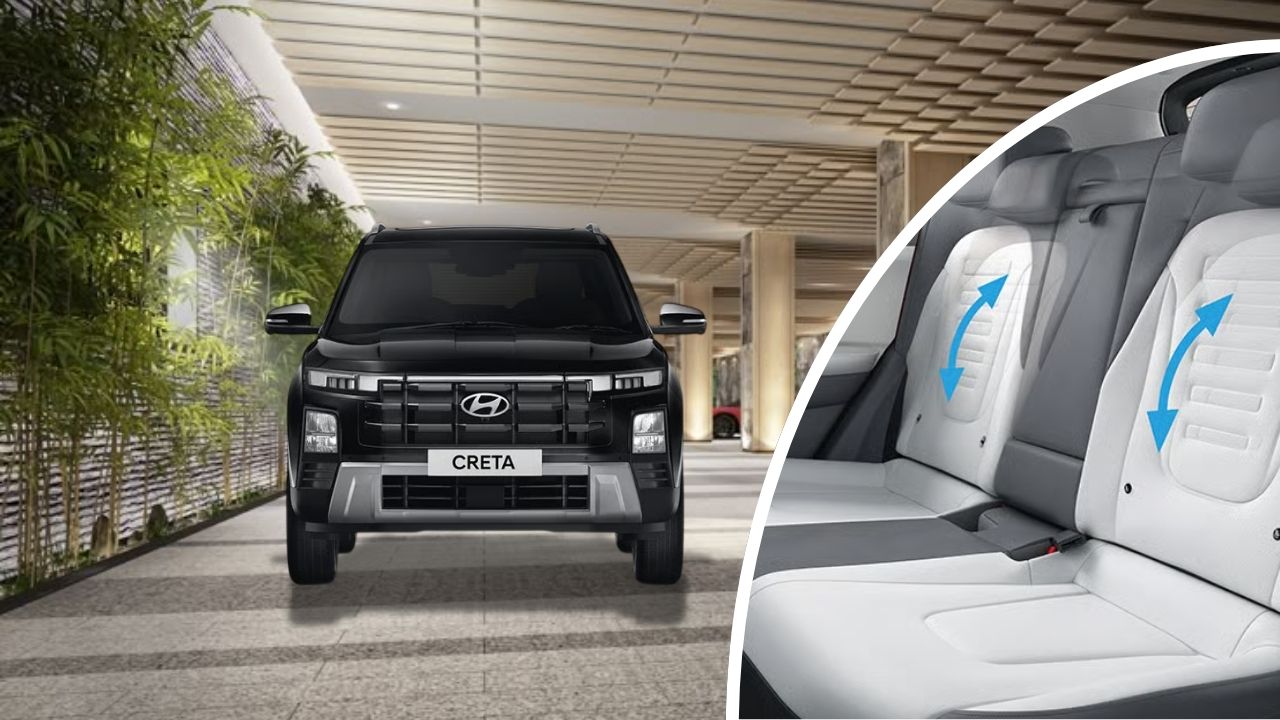
Creta Specs & Features

Exterior of Creta’s Body And Space

The body size of Creta is fit and comfy for family trips, not just from the inside but from the outside it could smoothly run, turn and be parked in rush places. The measurements are:

Length 4,300mm
Width 1,790mm
Height 1,635mm
Wheelbase  2,610mm

Numbers that translate into a genuinely usable 433-litre boot, enough for a family’s weekend luggage without folding the rear seats. 

Safety Features of Creta

Standard safety functions like airbags, ABS with EBD, and cam are always given in SUVs. Creta base E variant carrying these safety features but the higher trims of Creta offers more than this. It offers Hyundai’s Level 2 ADAS suite which includes blind-spot collision warning, smart cruise control, lane-keeping assist, and alerts along with panoramic sunroof for instrument cluster, and dual 10.25-inch display for infotainment.

Revised Price Change 

Hyundai revised Creta pricing multiple times through late 2025 and into 2026, first cutting prices by up to ₹72,145 following a GST rate change, then raising select variant prices again early in the year. Confirm the exact ex-showroom figure with your Lucknow dealer before budgeting — these numbers move.

Read More 👉 Buy Tata Curvv Series X At Rs. 9.99 Lakh With Advanced Features Pack

Creta Rivals In The Same On-Road Price Range 

The Creta doesn’t have the segment to itself anymore. Kia’s Seltos and Tata’s newly relaunched Sierra are the two cars Lucknow buyers cross-shop it against most.

Model Ex-showroom (base) On-Road in Lucknow (base) On-Road (top variant)
Hyundai Creta E ₹10.91 lakh ₹12.44 – 12.88 lakh ₹22.4 – 23.4 lakh
Kia Seltos HTE ₹10.99 – 11.00 lakh ₹12.54 – 13.25 lakh ₹25.1 – 25.2 lakh
Tata Sierra Smart+ ₹11.49 lakh ₹13.17 – 13.52 lakh ₹24.3 – 24.8 lakh

The Creta comes in cheapest at the entry level by a meaningful margin — roughly ₹40,000 to ₹80,000 less than the Seltos and Sierra on-road. But that gap narrows sharply once you move up the range, and by the time you’re comparing top-spec diesel automatics, the Seltos and Sierra actually list higher purely because they offer trims Hyundai doesn’t match feature-for-feature at the same price point. 

The current-generation Creta honest review notes it’s starting to feel dated next to newer rivals like the Seltos and Sierra, which now offer more contemporary feature packages at similar money — a point worth weighing if you’re deciding between “cheapest to buy” and “best value at the top of the range.”

What you actually experience inside the cabin of Creta, Kia Seltos, and Tata Sierra is shared in a competitive manner below:

Feature Hyundai Creta (top trims) Kia Seltos 2026 (mid–top) Tata Sierra 2026 (mid–top)
Screens Dual 10.25″ (cluster + infotainment) Large “Trinity” panoramic display (digital cluster + big screen) Triple‑screen concept (digital cluster + big screen + passenger display on top)
Infotainment 10.25″, wireless AA/CarPlay, connected car Large screen, wireless AA/CarPlay, connected car, ambient lighting integration Big screen, wireless AA/CarPlay, iRA 5G (EV), in‑car UPI, gaming on some variants
Seats Leatherette, ventilated front, 6‑way driver adjust Semi‑leatherette to leatherette, ventilated front, 8–10‑way powered driver (GTX/X‑Line) Leatherette (top), ventilated front, 6‑way powered driver, reclining rear + Boss Mode
Sunroof / roof Single‑pane sunroof (top), dual‑tone options Large panoramic sunroof (higher variants), dual‑tone themes Panoramic glass roof (top), “lounge‑like” glassy cabin
AC Dual‑zone auto, rear AC vents Dual‑zone auto, rear AC vents Dual‑zone auto (top), rear AC vents
Audio Multi‑speaker, Bose on top Multi‑speaker, upgraded audio on higher trims Up to 12‑speaker JBL + Dolby Atmos (top)
Ambient lighting Multi‑colour (top trims) 64‑colour, multiple interior themes Ambient lighting, premium cabin themes
Key convenience Wireless charger, 360° cam, ADAS (top) Wireless charger, 360° cam, ADAS L2+, memory seats (GTX/X‑Line) Wireless charger, 360° cam, ADAS L2+, HUD (top), Boss Mode
Rear seat Split‑fold, adjustable headrests, rear AC Split‑fold, armrest + cupholders, good recline Reclining rear, Boss Mode for extra legroom, big boot (622 L)

The Sierra also throws in a detail the Creta doesn’t disclose as transparently: some dealer quotes bundle in an accessories package (around ₹28,000) into the on-road figure by default. Always ask your Creta dealer whether their on-road quote includes any mandatory accessory bundle — if it doesn’t, budget separately for basics like mud flaps, seat covers, and a dashcam if you want them.

Is Creta Worth Buying Right Now?

If you need a mid-size SUV in Lucknow this month and want the lowest possible entry price with Hyundai’s wide service network — 12 dealerships in the city, more than either Kia or Tata currently run — the Creta E or EX Summer Edition makes practical sense. It undercuts the Seltos and Sierra at the bottom of the range, and Hyundai’s resale value in this segment has historically held up well across UP’s used-car market.

However, if the budget reaches up to ₹18-20 lakh for a loaded automatic, you could consider Seltos and Sierra because the price gap is scattered. These two come in newer tech and styling than Creta’s. 
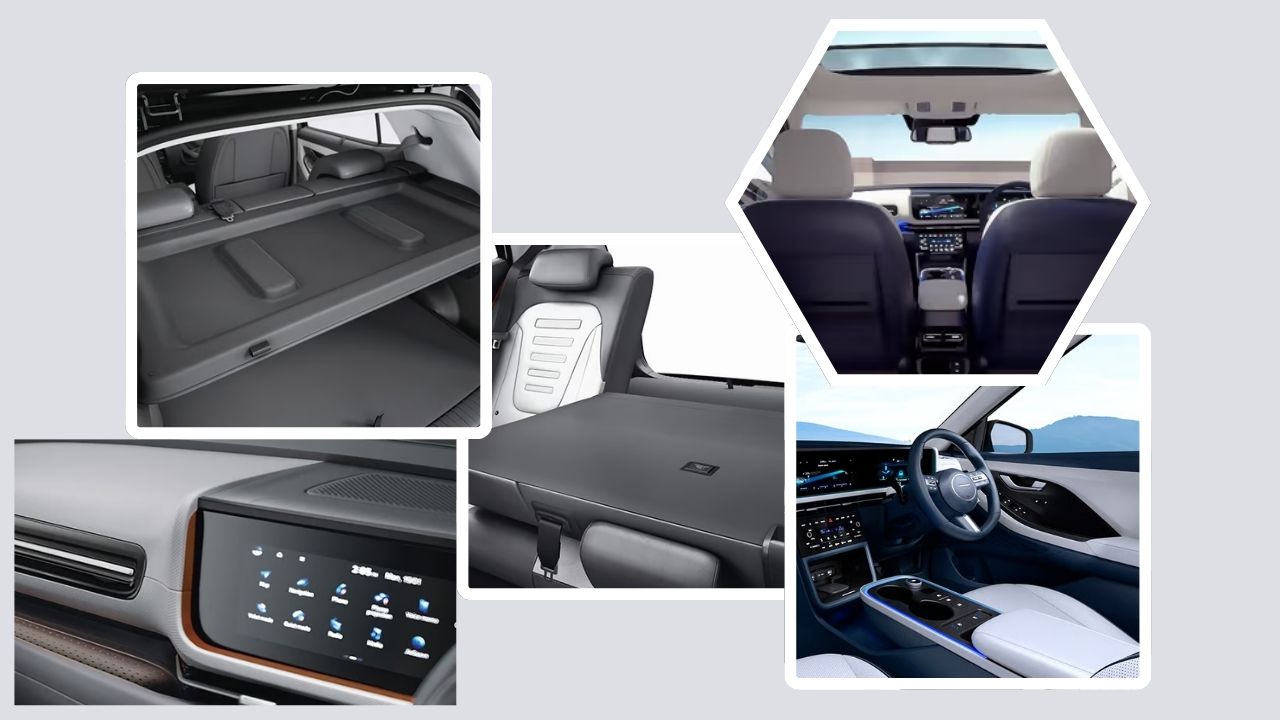
Creta Worth

Hyundai’s third-generation Creta with a redesigned body and a hybrid powertrain is confirmed to launch in 2027, but if someone is buying right now, they get Creta’s old model rather than the start of a new one.

Still want to buy Hyundai Creta then buy the EX(O) diesel automatic now while GST-linked pricing still holds, get on-road quote from multiple dealers before booking, and separately check TCS and RTO pricing — a ₹20,000-30,000 discrepancy in that breakdown is common enough to be worth catching before you sign.

Read More 👉  Kia Carnival Hybrid Price In India And Additional Cost For Accessories

Conclusion

Hyundai Creta On-Road Price In Lucknow starting at ₹12.4 lakh including taxes charges according to city, insurance, and other charges or accessory cost can increase the actual amount in which you can own Creta.

Find a Hyundai dealer and get an exact quote for a car before signing anything. Choose the color and variant of a car then find 2-3 dealership quotes to confirm. As the highest variant can cost you around 24 lakh.

0

Maruti Dzire ZXI+ Specs Overview with Features, Performance, Safety and Design

Published Dec 11, 2025, 12:39 PM
Last Updated Dec 11, 2025, 12:40 PM

Maruti Dzire ZXI+ Specs

If you thought compact sedans were being pushed out by SUVs, the all-new 4th Gen Maruti Dzire will make you think again. For years the Dzire has been the go-to option for Indian families – dependable, economical and practical. But with the new 2025 Maruti Dzire ZXI+ model specifically, the company has transformed from simply being “practical” to genuinely “desirable.”

Securing a 5-star safety rating, coming equipped with a sunroof (finally!) and a tech-packed cabin, the all-new Dzire ZXI+ isn’t just a commuter; it’s a statement. Let’s take a closer look at what makes this the talk of the town. 

Design: Sophistication Meets Sportiness

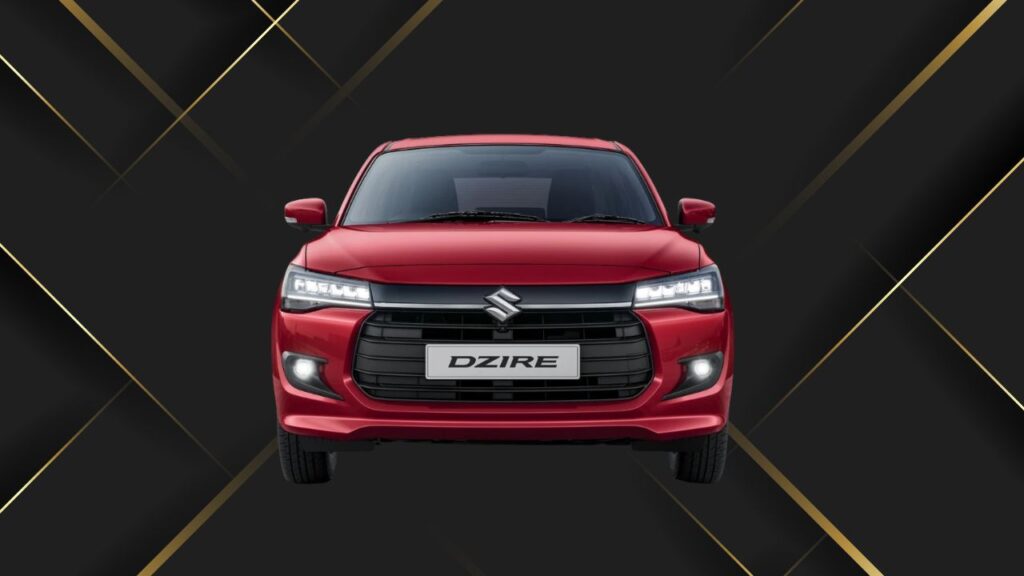
The first thing you will realize is that the “swift-with-a-boot” is no more. The new Dzire has its own unique character. The front end features a huge aggressive grille with what Maruti terms LED Crystal Vision Headlamps on either side. They’re not just bright – they make the car look like it’s standing tall with a premium wide stance that simply grabs attention.

Maruti Dzire ZXI+ Specs Design

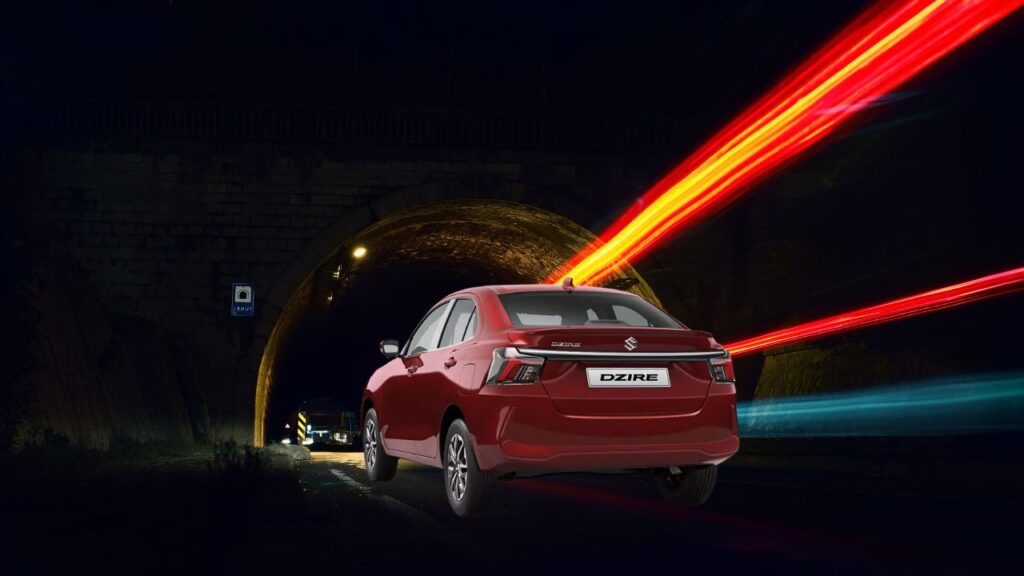
Now turn to the side and the two-tone, precision machined aluminum wheels bring a bit of flair. But where the real drama is at the back. 3D Trinity Rear Lamps. These lamps are a crucial design detail and appear contemporary & crisp particularly at night. And yes, there’s a shark-fin antenna on the roof to round out that sleek, sedan profile.  

Color Options:

Maruti hasn’t cut corners with the palette. Whether you are after the classy Splendid Silver, the striking Gallant Red or even the dark Bluish Black, there is a color for every character. Nutmeg Brown is my personal favorite – it screams luxury. 

Interior & Features: A Tech-Lover’s Paradise

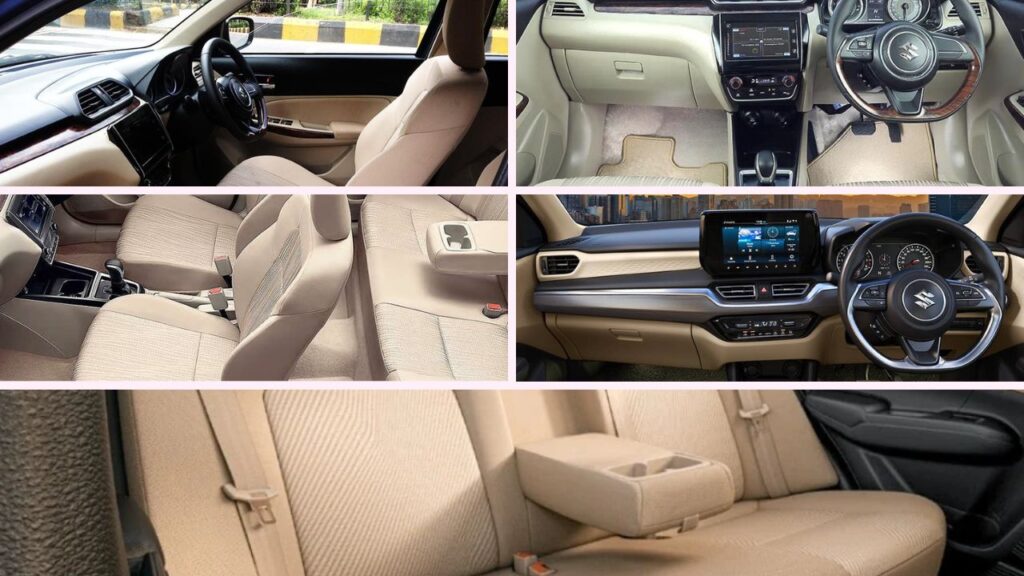
Step inside the ZXI+ variant and you are greeted by a cabin that feels light years above its price point. The beige and black, dual tone dashboard, with silver accents and a wood-finish insert, looks spacious and premium.

The Electric Sunroof is a segment-first for Dzire and truly revolutionizes the cabin experience, illuminating it with the sun.

Maruti Dzire ZXI+ Specs Interior & Features

The highlight is the floating 9-inch SmartPlay Pro+ Infotainment System. It’s buttery smooth and supports wireless Apple CarPlay and Android Auto. Coupled with the Arkamys Surround Sense sound system, your daily commute playlist just got a massive upgrade. 

Comfort highlights for the ZXI+ owner:

The convenience and usability of the Suzuki is modern. With the wireless charger you don’t need to deal with tangled cables and parking in tight spots is easier thanks to the 360-degree camera. The cruise control makes long highway drives comfortable. Moreover, Suzuki Connect puts you in the driver’s seat by enabling you to keep an eye on the fuel level, location and more from your smartphone.

Performance: The Efficiency Champion

Under the bodywork is what the car is really about the all new 1.2L Z-Series (Z12E) Petrol Engine. While it now has three cylinders, that shouldn’t scare you away. Maruti has tuned this engine for better low-end torque and driveability in city conditions.

Power: ~82 bhp

Torque: 112 Nm

The fuel economy is where the real magic lies. The AGS (Automatic) variant claims an impressive 24.79 kmpl which is further pushed to 25.71 kmpl by the AGS (Automatic). In an era of ever increasing fuel prices, these figures really are miraculous. The idle start-stop system engages effortlessly to preserve fuel at stoplights.

Maruti Dzire ZXI+ Performance

For city people, the AGS (Auto Gear Shift) in the ZXI+ is crisp and perfectly geared for stop-and-go traffic, so you don’t have to worry about clutch work sans the heavy fuel penalty of traditional automatics. 

Safety Features of Dzire ZXI+

The new Maruti Dzire is a 5-Star Global NCAP Safety Rating holder for adult occupants making it a strong safety contender. The remarkable feat dispels earlier worries about its body strength and makes it one of the toughest in its class.

The ZXI+ variant further adds to safety with the following features:

  • 6 Airbags: All variants of Kia Seltos come with 6 airbags as standard.
  • ESP (Electronic Stability Program) & Hill Hold Assist: Improves traction on slippery surfaces and stops you from rolling backward while moving up hill.
  • ISOFIX Child Seat Anchors: A safe way to securely attach child seats.
  • TPMS (Tyre Pressure Monitoring System): It alerts you in advance for any issues related to tyre pressure to help you prevent inconvenient interruptions.

Maruti Dzire is here with new features to provide you the most hassle-free driving. 

Dzire ZXI+ Specs Overview Table

Feature Specification
Engine 1.2L Z-Series 3-Cylinder Petrol
Transmission 5-Speed MT / 5-Speed AGS
Mileage (Claimed) 24.79 kmpl (MT) / 25.71 kmpl (AGS)
Boot Space 382 Liters
Ground Clearance 163 mm
Infotainment 9-inch SmartPlay Pro+
Airbags 6 (Standard)
Safety Rating 5-Star (Global NCAP)
Key Features Sunroof, 360° Cam, Wireless Charger

Read More:- Maruti Suzuki e-Vitara to Feature Advanced Safety and Premium Equipment

Conclusion

The Maruti Dzire ZXI+ is not just a “safe bet” and a “cab favourite” anymore. It is a refined, loaded family sedan which nowadays doesn’t even need compromising on safety or style. With the ZXI+, the best of both worlds are yours: the dependability of the Maruti efficiency and service network, in a package that looks premium and makes you feel secure.

So, if you intend to buy a sedan which checks all your boxes – mileage, features, safety and looks, the new Dzire ZXI+ is definitely the one to beat in 2025. It’s not just a want anymore; it’s a smart choice. 

0

2026 Tata Punch Facelift – New Design, Interior, Features & Variants

Published Jan 10, 2026, 11:23 AM
Last Updated Apr 11, 2026, 11:05 AM

2026 Tata Punch Facelift

If you’re thinking of getting into the micro-SUV game, then January 13, 2026 will be a date you want to mark on your calendar. Tata Motors is introducing a few major upgrades to the people’s favourite Punch, and the 2026 Tata Punch Facelift is meant to make it even more alluring than before. Let’s take a look at why this new generation is a breakthrough in the cheap SUV segment. 

A Fresh Look of 2026 Tata Punch Facelift

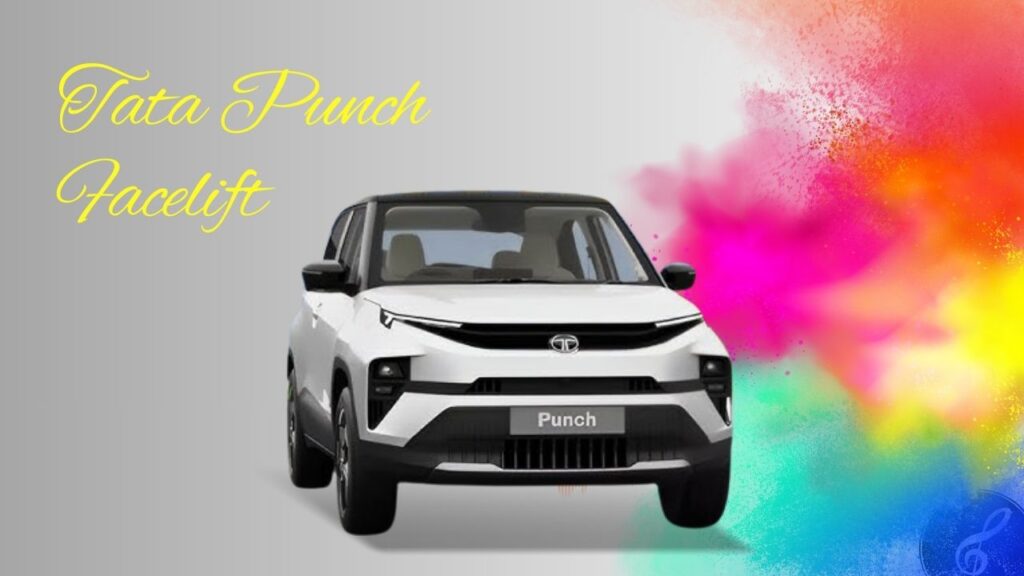
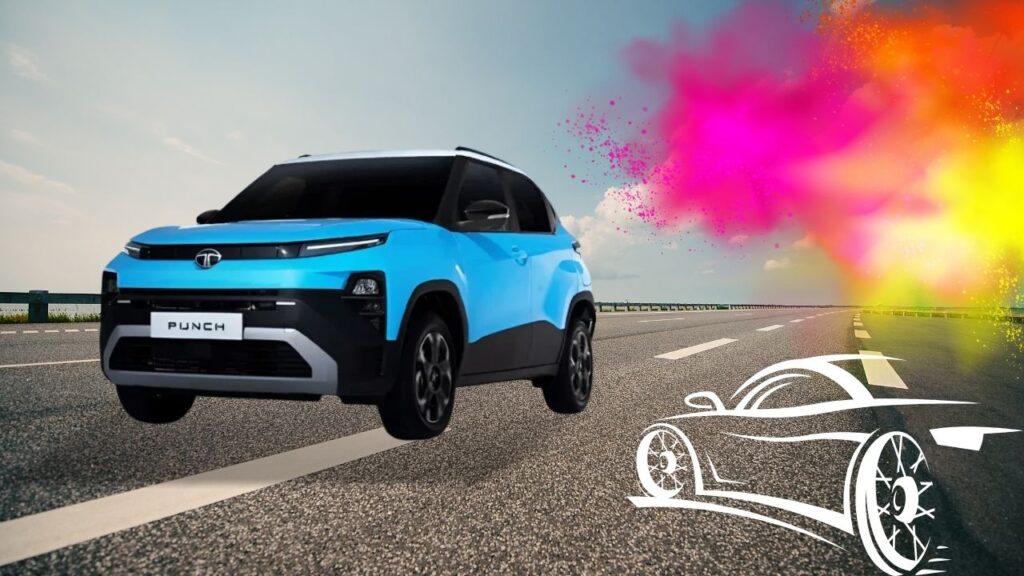
The 2026 Tata Punch Facelift isn’t just a few tweaks here and there refresh―it’s an evolution in an unignorable way. The exterior is inspired by the Punch EV, lending it a futuristic and sophisticated look. Once again, you’ll notice the new LED DRLs (Daytime Running Lights) with stylish and minimalistic black surroundings that look premium without making your wallet cry. The front fascia gets a new bumper with attractive dual-tone finish and split headlamp layout that is really sharp.

A Fresh Look of 2026 Tata Punch Facelift

​Now on to the rear and the Punch offers a very cool connected LED tail-light design that visually links both ends of the car. There is also a black trim across the tailgate, which lends the SUV a more unified and premium look. The revised alloy wheel designs complete the exterior makeover with its rugged micro-SUV feel, but with a contemporary taste, nevertheless. 

Tata Really Impressed Everyone with it’s Upgraded Interior

Step inside the Tata Punch, the cabin still manages to feel spacious, but it does so with a cleaner, more contemporary design language that is used in other Tata products. You will be surprised by the new 2−spoke steering wheel which is more premium to touch and the HVAC controls which have been repositioned and are now touch activated—taking design cues from the more upscale Tata products.

The seats are upholstered now in a fashionable dual-tone black & blue colour theme instead of the single-tone of the previous model. It may be a small thing, but it really makes the cabin look better. Its everything nicer, more premium materials and better seat fabric which helps the Punch feel like it punches above its weight. 

Read More:- Manny Khoshbin Car Collection: Luxury & Hypercars Garage

Modern Features of New Tata Punch Facelift

A highlight is the new infotainment system. You get an 8-inch or the larger 10.25-inch screen with updated graphics and a more user-friendly UI depending on which version you’re taking. The top-tier model takes an additional step forward with a 7-inch digital instrument cluster, delivering a connected and technology-focused driving experience for drivers. 

​Wireless Apple CarPlay and Android Auto are now standard from the Pure+ trim and above, which is fantastic if you’re the type who likes to have your phone integrated with your car. The Pure+ variant also brings in a 8-inch touchscreen, USB Type-C fast charging (at a mind-boggling 65W of power), and even a height-adjustable driver’s seat for those long hauls. 

The Adventure model introduces some pretty amazing technology such as the 360-degree surround- view camera system—a feature that was not available before, and makes parking in tight spaces easier than ever. You’ll also get a blind-spot monitor, perfect for those times when you could use a little extra confidence on busy city streets.

​Top-spec Helps+ S version dazzles with voice-assisted power sunroof, wireless smartphone charger and an auto-dimming interior rear-view mirror. But perhaps the best part is that it features iRA connected car technology, which enables you to remotely lock/unlock your car, keep track of vehicle diagnostics, set up geo-fencing alerts and even call for roadside assistance through your smartphone.

New Punch Facelift Really Stands Out in Safety Technology

For the first time in the sub-4m micro-SUV segment, it comes equipped with ADAS (Advanced Driver Assistance Systems). This isn’t just a marketing hype — ADAS can really help reduce accidents with features like collision warnings and emergency braking assistance.

The Punch already has a door-busting 5-star Global NCAP rating from its predecessor, and Tata has further strengthened this with six airbags as standard across all variants. This is a big deal because you get real protection right from the base Smart variant, not just the top trims. 

In addition, the SUV is equipped with modern safety features including Electronic Stability Control (ESC) and Tyre Pressure Monitoring System (TPMS). At the higher end, the variants get LED fog lamps with cornering function that automatically turn to illuminate the road as they take a turn. From Adventure variant upwards, a 360-degree camera and blind-spot monitoring system boosts driver confidence, more so in jam-packed traffic scenarios. 

Six Beautiful Colors to Choose From

Six Beautiful Colors to Choose From

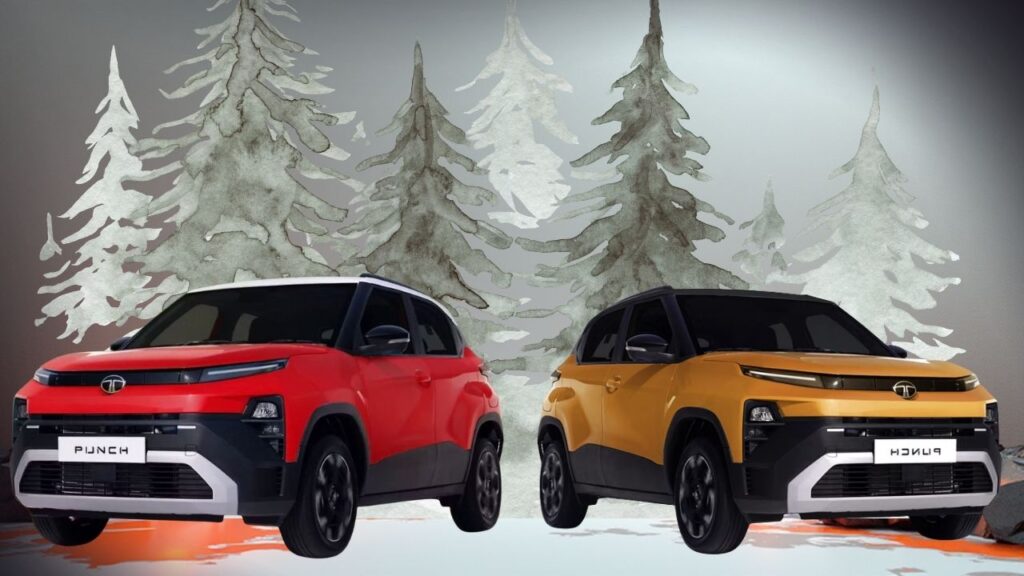
Tata has provided you with a few fantastic options in conceivable Punches to choose from. The six color palette includes Cyantific (a vibrant cyan blue), Bengal Rouge(the eye-opening red), Caramel (rich and refined), Daytona Grey (sleek and modern), Coorg Clouds (elegant beige) and Pristine White. A few of them are shared with the newly introduced Tata Sierra, so you know they’re premium offerings. 

Multiple Variants to Fit Every Budget

The Tata Punch is intelligently offered in six variants : Smart, Pure, Pure+, Adventure, Accomplished, and Accomplished+ S. If you want bare‐minimum features or want everything including the kitchen sink, there is a Punch for you.

Multiple Variants to Fit Every Budget

​The entry level Smart variant is packed with the essentials to keep you and your loved ones safe in six airbags, LED headlamps, drive modes, and remote keyless entry. Each step up you get real features, nothing fluffy. The step-up philosophy means you’re paying for features you really use, and really want. 

Engine Options: Power and Efficiency

The trusted 1.2-litre Revotron NA Revotron naturally aspirated petrol engine (88PS, 115Nm) is retained with both 5-speed manual and 5-speed AMT options, so if you loved the previous Punch’s performance, this is still your old companion.

​However, this is the exciting part: Tata has introduced a 1.2-litre turbo-petrol engine option which could produce close to 120PS and 170Nm of peak torque, mated to a 6-speed manual transmission. That delivers a modest bump in performance for those wanting a little more zip out of their Punch. Also, the CNG variant retains its 73.5PS and 103Nm tune for cost-conscious buyers. 

Conclusion

2026 Tata Punch Facelift is what you expect from a mid-cycle refresh: well-thought-out updates to design, useful features added, more advanced safety technology and the same bang-for-your-buck that we’ve grown to expect. Whether you’re an existing Punch owner looking to move up, or a first-time SUV buyer, this facelift certainly makes a strong case for this micro-SUV.

Segment-first ADAS technology, spacious cabin, six beautiful colour options, smart variant distribution across multiple price points, the new Punch makes a smart choice in a highly competitive market. 

0

Tata Launches BaaS Across Its Whole EV Range: Is the Lower Price Real?

Published Sep 29, 2026, 11:40 AM
Last Updated Sep 29, 2026, 12:17 PM

Tata Launches BaaS Across Its Whole EV Range

A Harrier.ev advertised at Rs 14.49 lakh looks like a different car from the Rs 21.79 lakh Harrier.ev on the regular price list. It isn’t because Tata launches BaaS. Tata Motors’ EV arm has moved the battery into a separate loan, so the sticker price falls while the battery cost still has to be paid. 

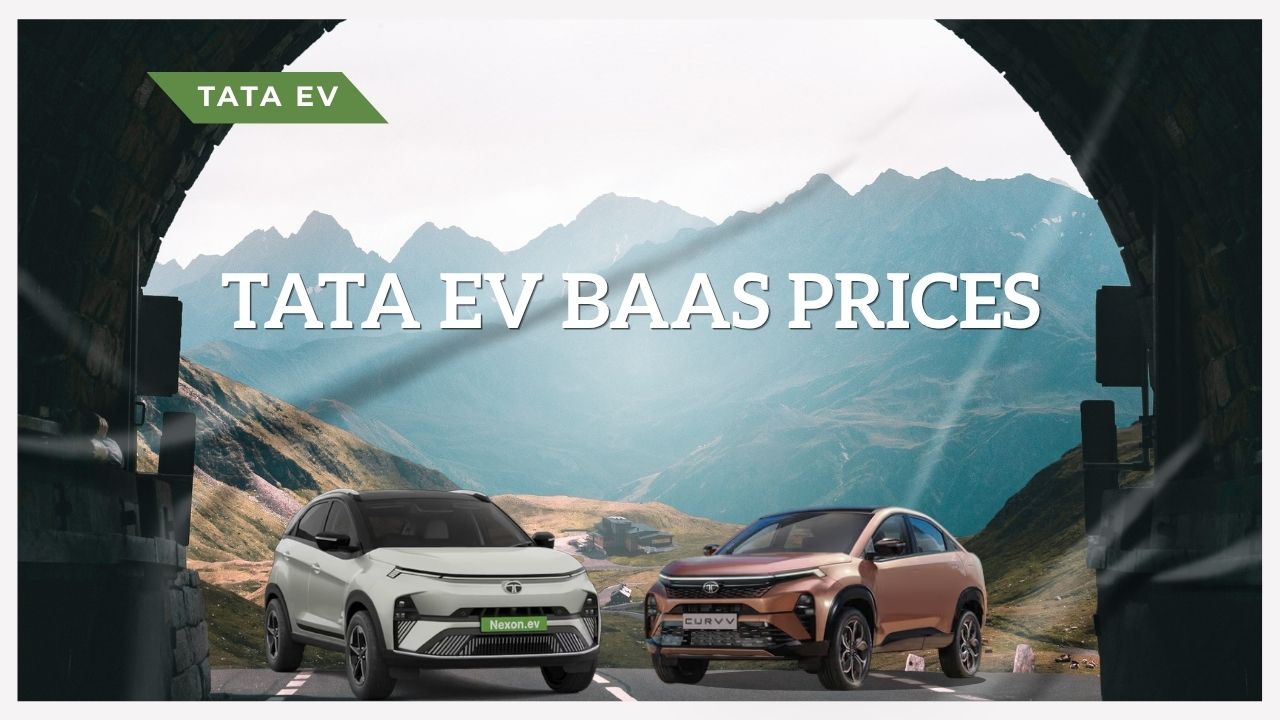
Tata.ev has extended Battery-as-a-Service to Nexon, Curvv, Sierra and Harrier, after launching it on the Tiago and Punch. Tata’s battery financing option now covers all six models, so it’s worth working out what you actually save.

Tata Launches BaaS For All EVs 

Buyers can still purchase any Tata EV with the battery included. Tata launches BaaS as an extra route, not a replacement. Tata calls it a dual-loan finance product: the vehicle and battery sit in separate loan accounts with flexible tenures, and multiple financiers are on board. The vehicle loan works like a normal car loan. The battery payment depends on battery size, down payment and tenure.

Tata’s Chief Commercial Officer, Vivek Srivatsa, said customers now want a choice in how they finance an EV as well as which one they buy. The company says the same vehicle technology, product experience and ownership support apply either way.

Tata Launches BaaS

Model-wise Tata EV BaaS Prices

Model BaaS vehicle price (ex-showroom) Regular starting price (with battery) Upfront saving vs regular price Battery usage cost
Tiago.ev ₹4.69 lakh ₹6.99 lakh ₹2.30 lakh ₹2.6/km
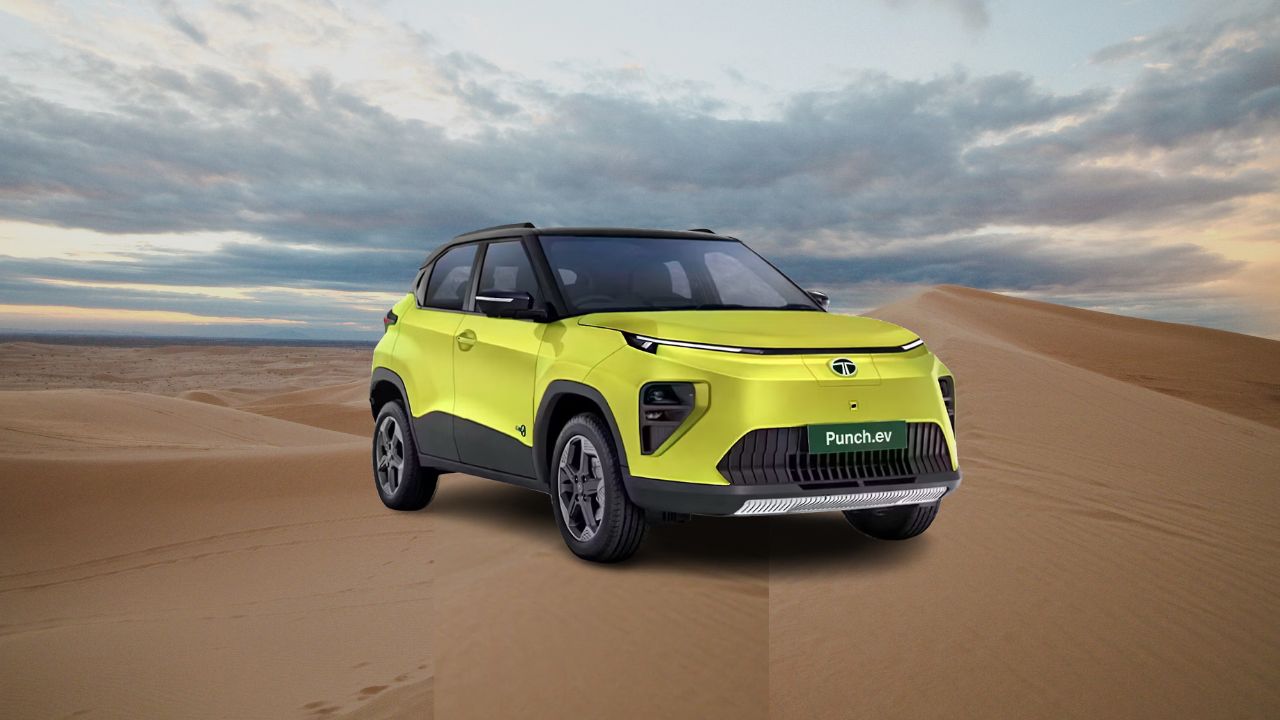
Punch.ev ₹6.59 lakh ₹9.79 lakh ₹3.20 lakh ₹2.6/km
Nexon.ev ₹8.99 lakh ₹14.34 lakh ₹5.35 lakh ₹4.4/km
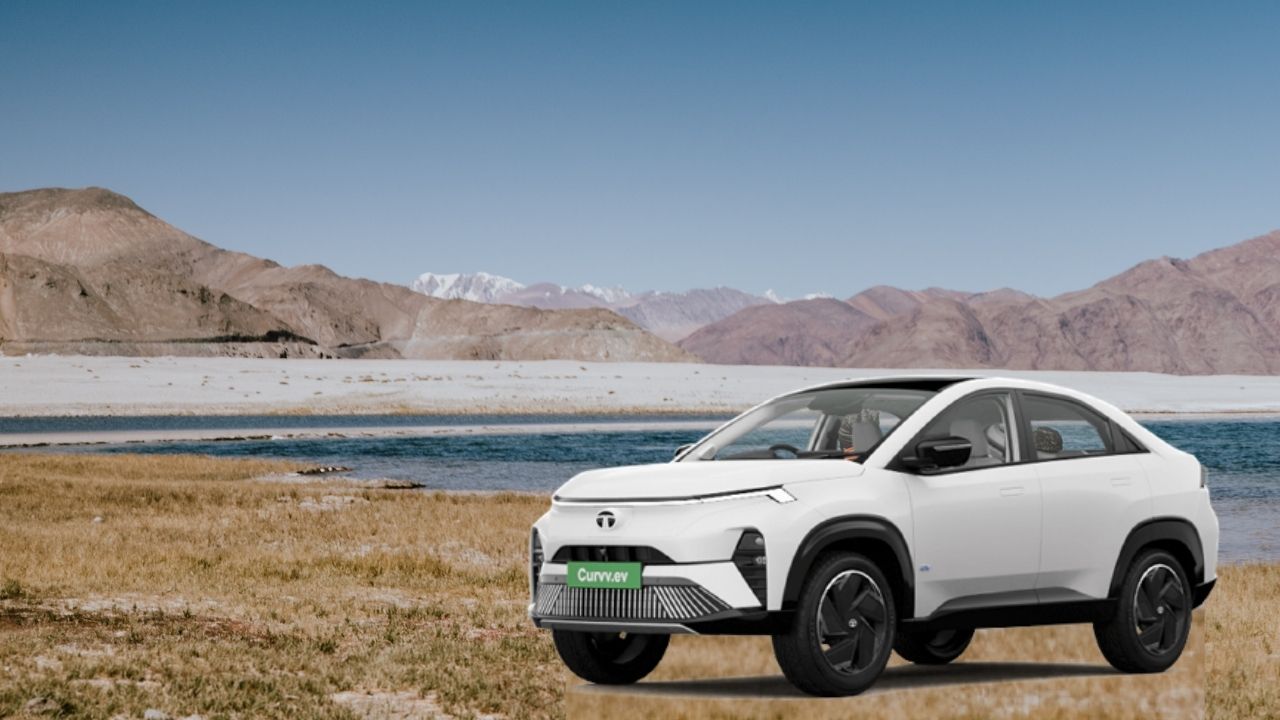
Curvv.ev ₹10.99 lakh ₹17.19 lakh ₹6.20 lakh ₹5.0/km
Sierra.ev ₹11.99 lakh ₹18.79 lakh ₹6.80 lakh ₹5.5/km
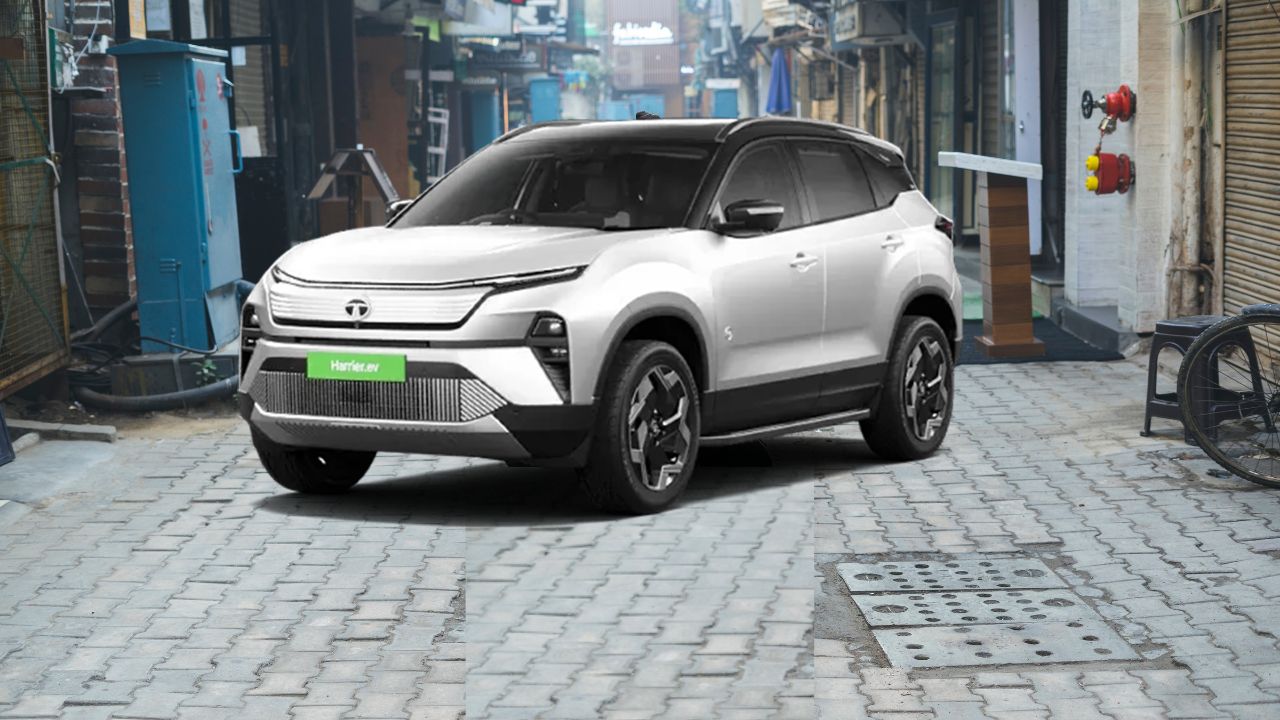
Harrier.ev ₹14.49 lakh ₹21.79 lakh ₹7.30 lakh ₹5.9/km

The Harrier.ev’s ex-showroom price drops from Rs 21.79 lakh to Rs 14.49 lakh under BaaS. The prices apply to entry-level variants for personal users, and they exclude government levies, road tax, insurance and TCS. Tiago’s saving is the smallest and Harrier’s the largest, because a bigger battery means a bigger chunk moved out of the sticker price.

Battery capacity and claimed range for each model weren’t in the launch coverage that could verify, so check Tata’s own configurator before quoting specs in your budget.

See Full Detail :-   New Hyundai Flagship Models Arriving Soon to Dominate Indian SUV Market

How Battery Loan Charges Are Calculated

Tata quotes the battery cost per kilometre. The battery financing or usage cost starts at Rs 2.6 per km. Take a guess with these starting figures, as it’s not the rate for each model, so ask the dealer for the exact number on your variant.

Tata’s illustration assumes 60 km per day for most models and 44 km per day for the Tiago.ev. At Rs 2.6/km and 44 km a day, that works out to roughly Rs 114 a day, or about Rs 3,400 a month. Your real figure will differ with your driving and your financing terms.

Battery Loan Charges

The battery payment isn’t your running cost. Charging, maintenance and repairs are extra. Electricity still comes on top.

One warning applies to the whole scheme. The lower price is a separation of costs for financing purposes, not an equivalent discount on the complete vehicle. You are paying for the battery, just in a different account.

Tata BaaS For All EVs VS Rivals

Tata is catching up to a crowded field. Mahindra recently introduced BaaS for the XEV 9S and XEV 9e, and MG’s Hector Tomahawk EV starts at Rs 13.99 lakh plus a battery rental of Rs 4.90 per km. The same report says Hyundai’s Creta Electric, Kia’s Syros EV, Citroen’s e-C3X and Toyota’s Ebella also have BaaS options.

MG’s Rs 4.90/km is the clearest benchmark. At Tata’s 60 km/day assumption, that rate comes to about Rs 8,800 a month for battery rental alone. Tata hasn’t shared per-km rates for its larger SUVs yet, so it’s too early to say whether the Sierra or Harrier will be cheaper. 

Tata BaaS For All EVs VS Rivals

Tata’s edge is that all six models are covered, so you can stay in one brand whether you want a Rs 4.69 lakh hatchback or a Rs 14.49 lakh SUV.

The main test is how long you’ll keep the car and how far you’ll drive it. Take the Tiago.ev. The Rs 2.30 lakh upfront saving divided by Rs 2.6/km gives about 88,000 km. At 44 km a day, that’s around five and a half years. If the per-km figure is the entire battery payment and the tenure runs that long, the saving is really a deferral. That ignores interest and any structure that couldn’t be confirmed yet.

Which Kind of EV Buyers Opt For BaaS?

  • Tight upfront budgets: you can afford the monthly payments but not a large down payment.
  • Low-mileage drivers: you drive well under Tata’s daily assumptions, so a per-km battery charge costs you less.
  • Short-tenure owners: you plan to sell within a few years and won’t stay on the battery loan long.

If you drive heavily or keep cars for a decade, buying outright with the battery included will likely cost less over time.

Read  Also :-  Renault Duster Hybrid Launches in India on 17 October 

Conclusion 

Tata launches BaaS for EV across models — Tiago, Punch, Nexon, Curvv, Sierra and Harrier. EV buyers can now finance a car on two different routes, this lowers the sticker but not the car price. This is not a discount, it’s a way to make a broader financing option for EVs.

Before signing, ask the dealer for the total down payment across both loans, the total payable over both tenures, and the battery EMI in writing. Compare that with a standard single loan. If the BaaS total isn’t clearly lower for your usage, skip it.

And if your budget is tight, consider this as a chance to buy an EV under Battery-as-a-Service scheme.