0

Best 7-Seater SUVs Launching in India: Tata Safari EV, Mahindra XEV 7e, Maruti Y17 & More 

Published Jan 23, 2026, 6:21 AM
Last Updated Nov 2, 2026, 11:41 AM

Best 7-Seater SUVs Launching in India

There is a tectonic shift underway in the Indian automotive terrain. As we head into 2026, the old budget hatchbacks are now replaced with a much more premium seven-seater SUV demand. This is not just a matter of inserting another seat row, it’s an industry-wide structural reshuffle in which electrification, high-end digital cockpits and global safety standards are the new normal.

For today’s Indian family, the car is no longer a mere means of transit, but a “mobile living space.” Here’s a tactical rundown on the headline-grabbing chassis and powertrains that are at the heart of the 2026 SUV segment. 

The “Born Electric” Pioneers: Tata and Mahindra

2026’s biggest moves are from leading Indian companies Tata and Mahindra, both of which are turning to dedicated electric architectures. 

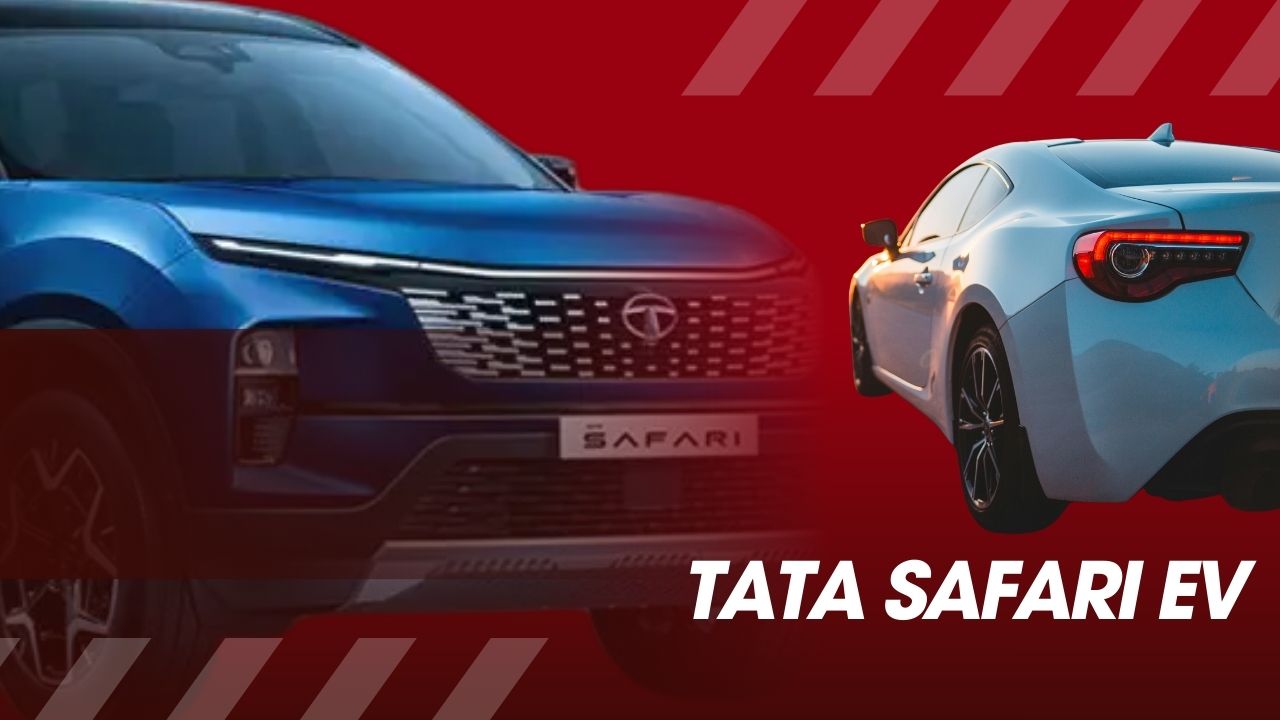
Tata Safari EV (Gen 2 Architecture)

Tata Motors has graduated from “converted” EVs. The 2026 Safari EV is based on the Gen 2 platform, which was designed to accommodate massive battery packs without eating into the space of the Safari silhouette or its off-road capabilities.

Tata Safari EV

Expected battery capacities are between 60 kWh and 80 kWh with a targeted real-world range of 500 km. This is an important psychological barrier for Indian consumers who are wary of highway charging infrastructure.

Higher trims are also expected to offer a dual-motor AWD system, giving it a strategic Edge in the “go-anywhere” family SUV bracket. 

Mahindra XEV 7e (INGLO Platform)

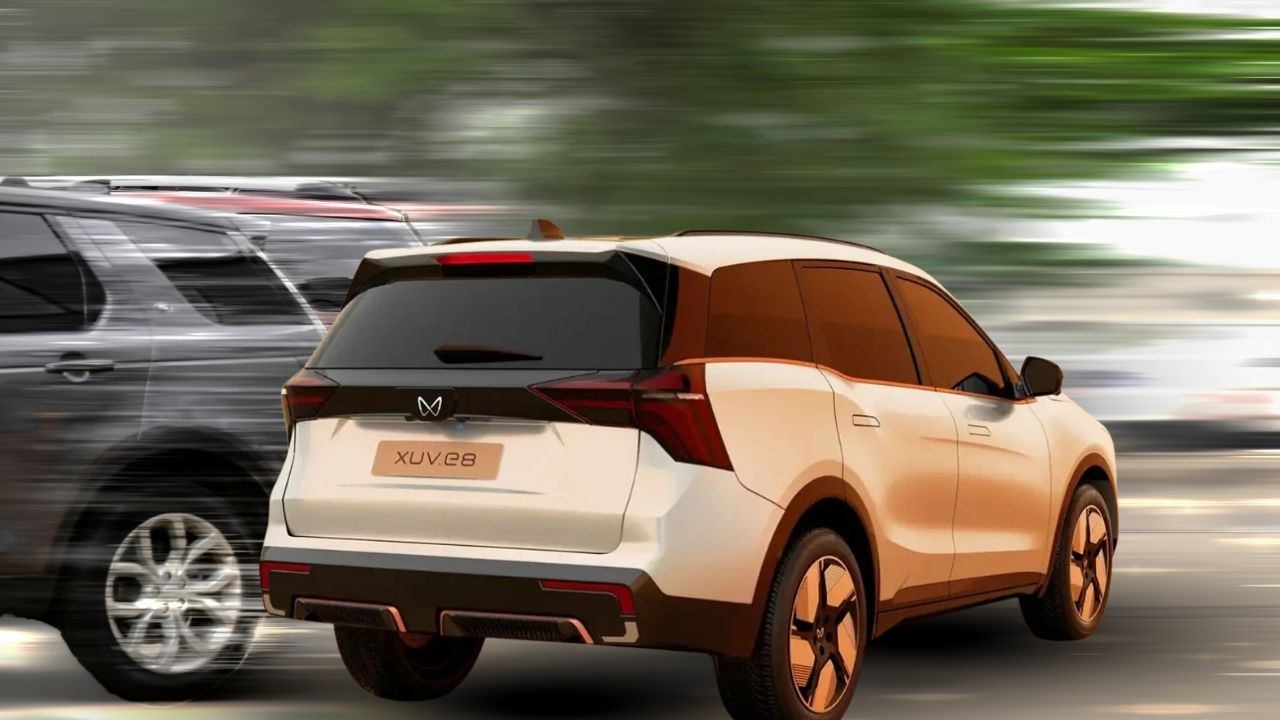
Mahindra’s answer to this is the XEV 7e (the production version of the XUV.e8), which is developed on the modular INGLO platform. “Traditional architecture have the INGLO Provide for a flat floor and must be a ‘cab-forward’ form that permits for maximum use of the interior. 

Mahindra XEV 7e

Software-Defined Environment: The interior is dominated by a three-screen configuration, comprising a 12.3-inch cluster, a 12.3-inch infotainment screen, and a separate third display for the front passenger.

Power: With a power of nearly 345 bhp, it wants to be the most powerful Indian SUV on the tarmac. 

The Efficiency Champions: Maruti Suzuki and Toyota

While a handful of brands are going “all in” on electric, the Indo-Japanese alliance is instead doubling down on Strong Hybrids. This strategy is aimed at mass-premium segment which wants high mileage without range anxiety.

Maruti Suzuki Y17 (Grand Vitara 7-Seater) 

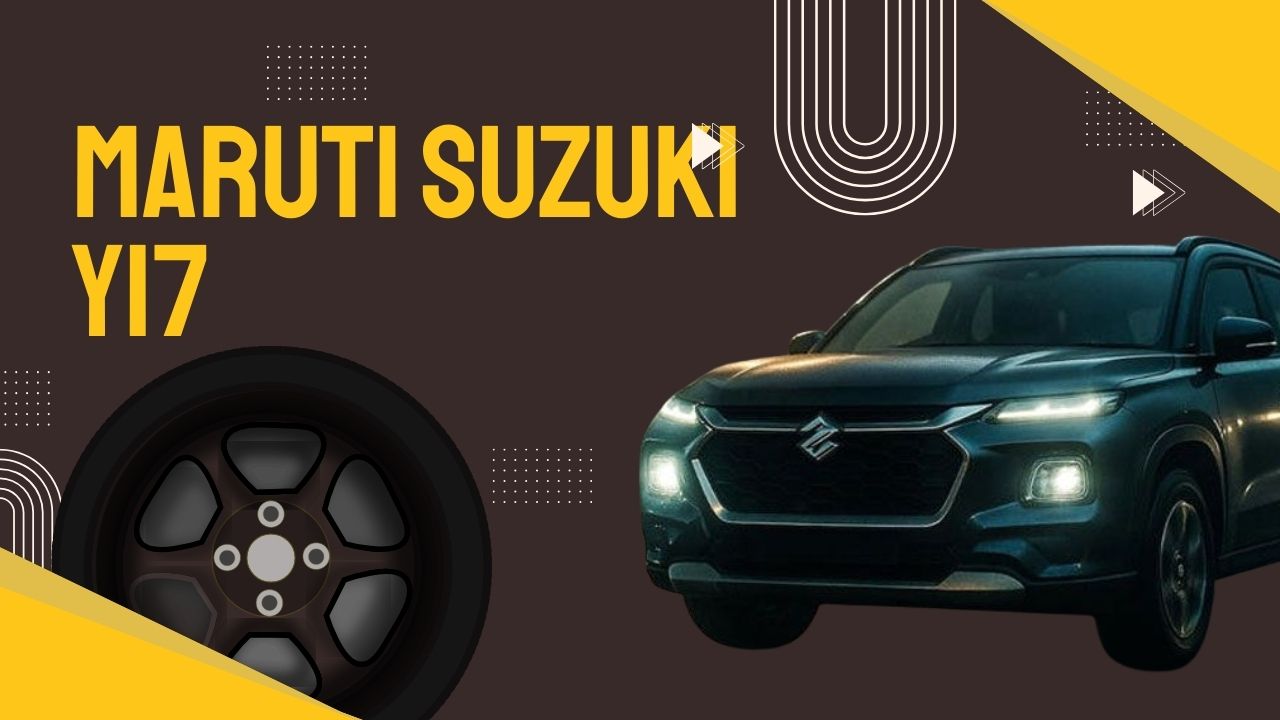
Codenamed Y17, this SUV (launching early 2026) is the elder sibling to the Grand Vitara.

Maruti Suzuki Y17

The “Diesel Killer”: By running a 1.5-litre strong-hybrid powertrain, the Y17 is targeting fuel efficiency numbers over 27 kmpl. In fact, with fuel expenses still a major worry in that market, it will make a strong contender against the traditional diesel SUV.

Platform: Developed on the Global C platform from Maruti’s new Kharkhoda plant, it focuses on city driving and crash safety. 

European Engineering: Volkswagen Tayron

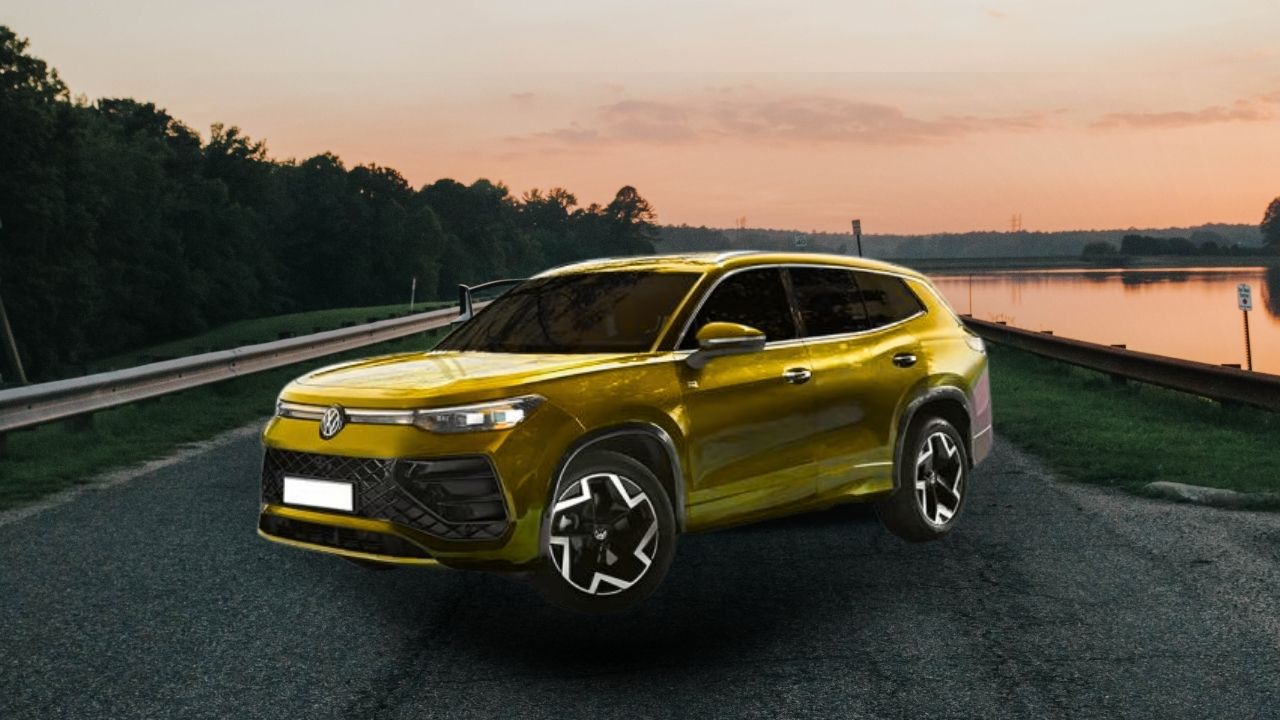
Volkswagen makes a return to premium three-row with the Tayron, the spiritual successor to the Tiguan Allspace.

MQB EVO Platform: Based on the latest iteration of the MQB platform, the Tayron measures in at 2,789 mm, in terms of wheelbase. This means the third row isn’t just for kids but a row that adult can sit on comfortably.

Volkswagen Tayron

Drivetrain: VW stays true to its performance heritage and offers a 2.0-litre TSI turbo petrol engine with 204 PS mated to the lightning-fast 7-speed DSG with 4MOTION all-wheel drive. It’s aimed at a buyer who appreciates ” German Build” and high-speed stability. 

The Boom in Value: Renault Bigster 

Renault and Nissan are making a return in 2026 with the CMF-B platform. The Renault Bigster (Boreal) is the company’s biggest bet in the “rugged value” segment.

Strategy: Bigster is a Safari and XUV700 direct competitor and built on a localised platform to help keep the entry-level price estimated to start from ₹13 lakh.

Hybrid Focus: It is also expected to debut a 1.6-liter strong-hybrid system for the Renault lineup, serving a mix of “tough” looks and “green” merits. 

Read More :- Nithin Kamath’s Car Collection: Inside Zerodha CEO’s Luxury Garage

Luxury Scaling: Hyundai Palisade

Hyundai is pushing the boundaries in “soft-roader” SUVs with the Palisade.

Lounge on Wheels: The Palisade, which is designed to challenge the Toyota Fortuner, is all about “atmospheric luxury” rather than rugged off-roading. The car also features dual-panel sunroofs, 12.3-inch displays, and a capacity for 8-seaters.

Upgrading for the Future: The addition of a 2.2-liter diesel is also in the offing; but then again, Hyundai is also considering a 2.5-liter turbo-petrol hybrid version as a safeguard against tightening emission regulations in major metro cities such as Delhi-NCR. 

Brand Model Platform Key Drivetrain Est. Price
Tata Safari EV Gen 2 EV 80 kWh / AWD ₹25–32 L
Mahindra XEV 7e INGLO 79 kWh / 345 bhp ₹21–35 L
Maruti Y17 Global C 1.5L Strong Hybrid ₹15–25 L
VW Tayron MQB EVO 2.0L TSI / 4MOTION ₹45–53 L
Renault Bigster CMF-B 1.6L Hybrid / 1.2L MH ₹13–18 L
Hyundai Palisade Monocoque 2.2L Diesel / 2.5L Hybrid ₹40–50 L

Conclusion

That the 2026 SUV boom is real in India is that a buyer here is no longer simply seeking “more seats.” They want advanced safety (Level 2 ADAS), software-integrated cabins and sustainable powertrains. Be it the instant torque of the Safari EV or the astounding efficiency of the Maruti Y17, the 2026 line-up will provide a stellar blueprint for the future of Indian mobility. 

Sharey Khan

Sharey Khan is an IT entrepreneur and petrol head & a car enthusiast. With a special focus on car-related content, he combines his deep passion for vehicles with a talent for crafting informative, engaging, and easy-to-understand content. His writing is driven by a genuine love for cars and he is committed to providing readers with accurate, up-to-date, and trustworthy information that empowers smarter driving decisions. 

Leave a Reply

Your email address will not be published. Required fields are marked *

0

This Used Luxury Car Costs the Same as a Top-Spec Maruti Fronx

Published Sep 12, 2026, 11:35 AM
Last Updated Sep 15, 2026, 6:22 AM

Used Luxury Car Costs

A luxury car usually comes with a luxury-sized price tag, but the used-car market can flip that equation pretty quickly. That same used luxury car price will depreciate 3x lower after a few years later. There are German luxury sedans that, after a few years of depreciation, can come within the same price territory as a new Maruti Fronx. 

You can drive home a Mercedes-Benz C 220d Edition C instead. Same budget as Maruti Fronx. A three-pointed star instead of an “S” badge. That’s not a hype — it’s what eight years of depreciation does to a German diesel sedan that once cost more than three Fronxes put together.

This isn’t an argument that the used luxury car automatically wins. It’s a look at what you’re actually trading and what nobody tells you about when you take that trade.

Why a ₹43 Lakh Luxury Car Now Sits Next to a ₹14 Lakh Hatchback-SUV

Like any German Luxury Cars, Mercedes-Benz price comes three times down from the original price of ₹43.54 lakh ex-showroom. It reached nearly a Fronx Alpha cost today, starting at 7.57 lakh ex-showroom when one of the first owner of Edition C advertised C 220d Edition C at ₹7.90 lakh in Chandigarh.

It came with the design Hyacinth Red paint option (a first for the C-Class in India), gloss-black five-twin-spoke alloys, a black front apron spoiler and rear spoiler, open-pore black ash wood trim inside, stainless-steel sports pedals, and a Garmin Map Pilot navigation system as standard — kit that, at the time, most rivals charged extra for.

Nine years later, that same car — now with a typical 50,000–75,000 km on the odometer — is listed on used-car platforms with the exact number swinging hard based on mileage, ownership history, and whether it’s the diesel Avantgarde or a lower petrol trim. 

The 220d Edition C which runs around 55,000–65,000 km in its life is priced the same as the Maruti Fronx. However, well-maintained used car prices can be negotiable so the mentioned price are starting price point not a fixed price from the owner

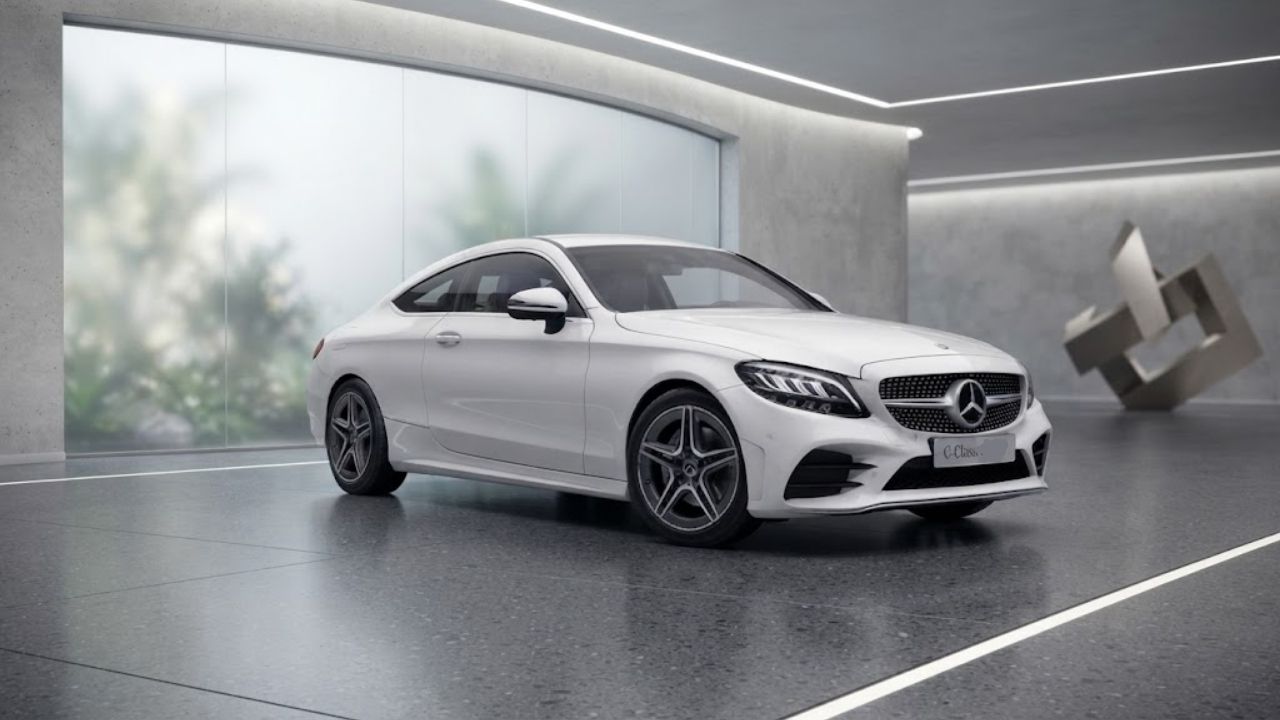
What the Mercedes-Benz C 220d Edition C Offers

C 220 d offers a 2.2-litre four-cylinder turbo-diesel engine which produces power of 170 bhp and 400 Nm of torque. The 2,143 cc diesel engine paired with 7G automatic transmission so inspect the exact gearbox generation before you commit to confirm.

What makes this edition rare is its styling features, the AMG-style body that represents an aura. It introduced a next level look and cabin comfort as it was made of sports seats with contrast stitching, ambient lighting, split-folding rear seats

It offers 170bhp of power and 400Nm of torque with a torque-converter automatic gearbox so it doesn’t run but roaring on the road.
Mercedes-Benz C 220d Edition C Offers

What 400 Nm torque figure means on the road?

The 400 Nm of torque in a diesel car is rarely seen on Indian roads, and it arrives low in the rev range. That’s the reason why W205 diesel earned a reputation as an effortless highway cruiser rather than a usual car which takes a lot to get moving.

Benz 220d Edition C offers enough boot space for trips to become possible —  close to 480 litres. This space is perfectly great for even a family luggage too so that makes it noticeably larger than a compact SUV at this price point.

Diesel Torque vs Turbo-Petrol Efficiency Comparison

Spec Mercedes-Benz C 220d Edition C (2017, used) Maruti Fronx Alpha Turbo DT AT (2026, new)
Engine 2.2L 4-cyl turbo-diesel (OM651) 998cc 3-cyl turbo-petrol (Boosterjet)
Power 170 bhp 99 bhp @ 5,500 rpm
Torque 400 Nm 147.6 Nm @ 2,000–4,500 rpm
Transmission Automatic (torque converter) 6-speed torque-converter automatic
Drivetrain Rear-wheel drive Front-wheel drive
Claimed mileage 23 kmpl (ARAI, when new) 20.01 kmpl (ARAI)
Ground clearance Sedan-standard, sub-150mm 190mm
Boot space ~480 litres 308 litres
Price bracket (India, 2026) ₹11–17 lakh (used, condition-dependent) ₹11.98 lakh (ex-showroom) / ₹14.24 lakh (on-road, Delhi)

The Fronx’s 1.0-litre Boosterjet turbo-petrol is not equally powerful as the 220d Edition of Mercedes because it roughly produces 20 bhp of power and 20+ Nm of torque, even though it’s a less powerful option in its own segment. So it’s just a lightweight compact SUV which is reasonably efficient, and supported by Maruti’s extensive service network.
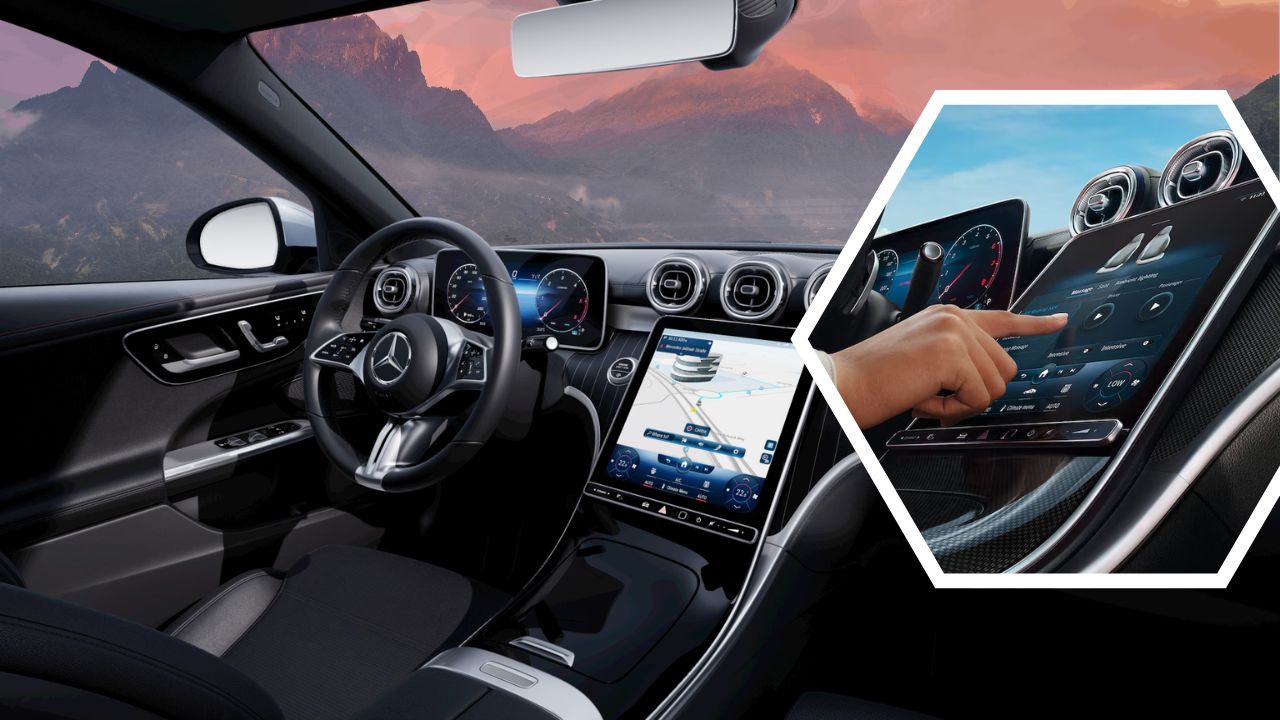
Diesel Torque vs Turbo-Petrol Efficiency Comparison

The C 220d, however, is running more than double the torque of the Fronx from an engine designed for autobahn cruising, wrapped in a body with genuine ground clearance and NVH refinement the Fronx simply can’t match. What the Fronx wins on is ground clearance for Indian roads, warranty backing, and a service bill you won’t flinch at.

Read More:-  Buy Tata Curvv Series X At Rs. 9.99 Lakh With Advanced Features Pack

What Is The Ownership Costs of German Luxury Car?

Every “buy a used luxury car for cheap” phrase doesn’t mean that the car has no value at all. This comparison will clarify that confusion without being more complex. 

A Mercedes-Benz authorized service visit on a W205 C-Class typically costs several times what a Fronx service costs at a Maruti dealership — parts like sensors, suspension bushes, and the diesel’s injectors are imported or semi-imported, and labour rates at luxury-brand service centres run considerably higher than mass-market ones. 

Based on many luxury used car services platforms for out-of-warranty annual running in India, one can expect the maintenance cost on the Mercedes-Benz C 220d Edition C is much higher than usual car services. 

Before buying any used Mercedes-Benz C 220d Edition C, insist on seeing recent oil-level and oil-condition checks, not just a service stamp. Insurance on a nine-year-old luxury sedan is also not cheap to insure comprehensively given the cost of replacement parts, even though the car’s depreciated value is low — get an actual quote before you commit.

German Luxury Car

Fuel Economy of Mercedes-Benz C 220d Edition C

The diesel engine favours the fuel bill, and it’s worth every ride. Since Diesel in Delhi is priced at ₹95.20 a litre against ₹102.12 for petrol as of early September 2026.

A used 220d realistically returning something like 16–18 kmpl in mixed real-world driving — down from its 23 kmpl ARAI-rated figure when new — works out to roughly ₹5,300–₹6,000 for 1,000 km. 

The Fronx Boosterjet AT, rated at 20.01 kmpl on paper but more realistically in the 14–16 kmpl range in everyday city-and-highway use, costs closer to ₹6,400–₹7,300 for the same 1,000 km at current petrol prices. 

Treat both real-world figures as estimates rather than guaranteed numbers — actual mileage depends heavily on driving style, AC use, and traffic conditions — but the direction is clear: the diesel’s torque advantage doesn’t come with a fuel-cost penalty here.

How to Buy on Finance

Not only new cars but used cars can also be bought on finance. But don’t take it blindly, see which benefits you the most. 

A new Fronx qualifies for a car loan with a 90% of loan value and 7-years of tenure. A 8 – 9% of interest rate applies depending on the lender and your credit score. 

While second hand Mercedes falls in a different lending category altogether because most banks and NBFCs cap used-car loan tenures at around five years, often giving only 70–80% of the car’s assessed value with a higher interest up to 14%.

Paying cash is the best option in buying a luxury used car but if you’re opting for financing then remember this factor in your head. The used luxury car’s lower purchase price doesn’t mean your EMI also gets lower. 

Resale is the other side of this. A Fronx has a well-understood depreciation curve and a large buyer pool. A nine-year-old luxury diesel sedan has a much smaller pool of buyers who want exactly this car, which means it can sit longer on used-cars platforms than a mass-market hatchback-SUV would.

How a Similarly-Priced Used BMW 320d Stacks Up

If the used luxury car route appeals to you, the C 220d Edition C isn’t the only option in this exact price band. A used 2016–2017 BMW 320d Sport Line or Luxury Line, with comparable 60,000–70,000 km on the clock, typically trades in a similar ₹12–17 lakh range on OLX and Cars24 listings. 

One of the sources documented buying an eight-year-old 320d with just 50,000 km for around ₹16 lakh — pointing out it undercut the on-road price of a Hyundai Creta or Kia Seltos at the time.
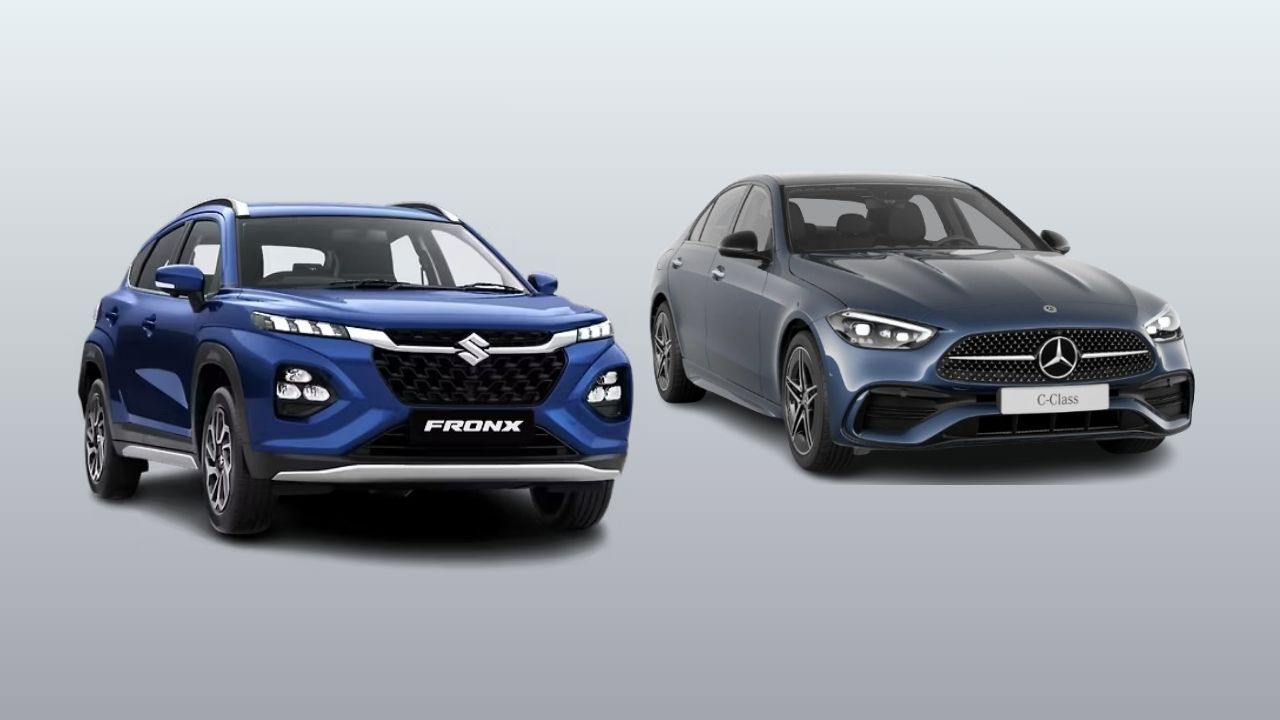
BMW 320d Stacks Up

The F30-generation 320d gets BMW’s 2.0-litre diesel, producing around 190 bhp in most Indian-spec versions — giving it a clear power advantage over the C 220d’s 170 bhp. It also brings the sharper steering and rear-wheel-drive setup that made this generation of the 3 Series particularly engaging to drive. 

Where the Mercedes tends to have an edge is outright cabin refinement and that Edition C’s extra kit list. If outright driving involvement matters more to you than plush cabin trim, the 320d deserves a test drive before you commit to the Mercedes on badge alone.

Read More:-   Tata Nexon On-Road Price Lucknow — Best Compact SUV At This Price Point

Should You Buy the Used Mercedes Over the New Fronx?

Buy the Mercedes-Benz C 220d Edition C if: you do most of your driving on highways rather than potholed city roads where ground clearance matters, you have a maintenance buffer set aside beyond the purchase price, you value cabin refinement and highway comfort over warranty peace of mind, and you’re buying from a verified seller with a complete, checkable service history.

Buy the Fronx instead if: this is your only car and you can’t absorb a large unplanned repair bill, you need Maruti’s service network because you’re outside a metro with easy access to Mercedes-authorized centres, you drive on broken or flooded roads where 190mm of ground clearance genuinely matters, or you want the safety net of a manufacturer warranty on a car that’s never had another owner’s driving habits baked into it.

There’s no wrong answer here — but there is a wrong way to make this decision, and that’s comparing only the purchase price. The Fronx’s ₹14.24 lakh is close to the entire cost of ownership for the next several years. The C 220d’s similar sticker price is closer to the entry fee.

Reliable Platforms to Buy Used Luxury Cars

There are verified platforms online like Spinny and Cars24 who sell German luxury cars after inspection and full history, which matters far more on a nine-year-old luxury diesel than it does on a new hatchback. Since they both run their own inspection and certification process, you don’t have to worry and run your inspection.

While OLX and CarDekho owners list their used cars and you have to deal with them directly. So, it’s hard to inspect a nine-year old diesel luxury car regardless of what the seller claims. 
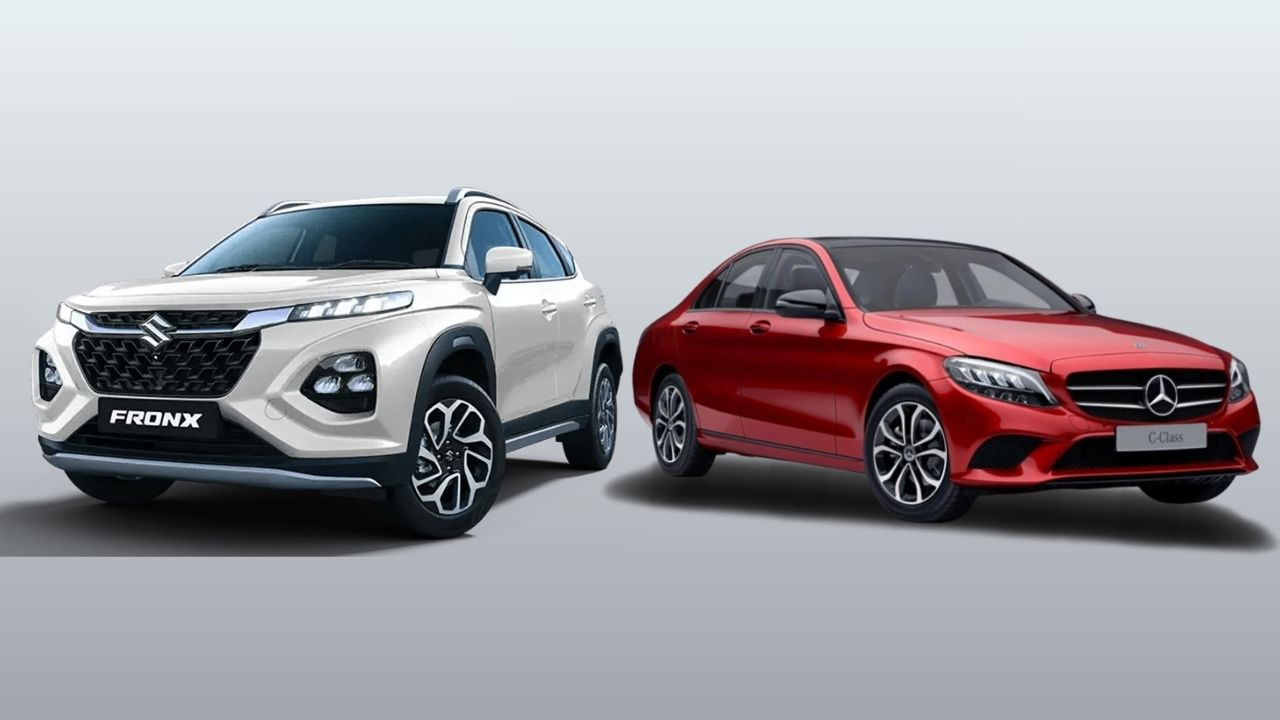
Luxury Cars

Ask specifically for: full service history from an authorized Mercedes-Benz workshop (not just a bill folder), confirmation of the exact transmission fitted, evidence of timely DPF and injector servicing, and a check on whether the car has ever been in an accident — a repainted panel on a nine-year-old car isn’t automatically a red flag, but undisclosed structural repair is.

Read More:-  Kia Carens CNG, Clavis CNG & Carnival Hybrid Pre-Bookings Open In India

Conclusion

If your comparison stops at “same price,” the Fronx and the Mercedes-Benz C 220d Edition C look like a toss-up. Run the comparison through five years of ownership instead, and the decision splits along one honest question: can you comfortably absorb a ₹40,000–₹80,000 repair bill if the Mercedes throws up a problem in year three of your ownership? 

If yes, the used luxury car is a genuinely compelling way to own a proper German sedan for hatchback-SUV money. If that number would hurt, the Fronx’s lower ceiling — even with its weaker engine and smaller boot — is the financially safer three-lakh-kilometre bet.

2

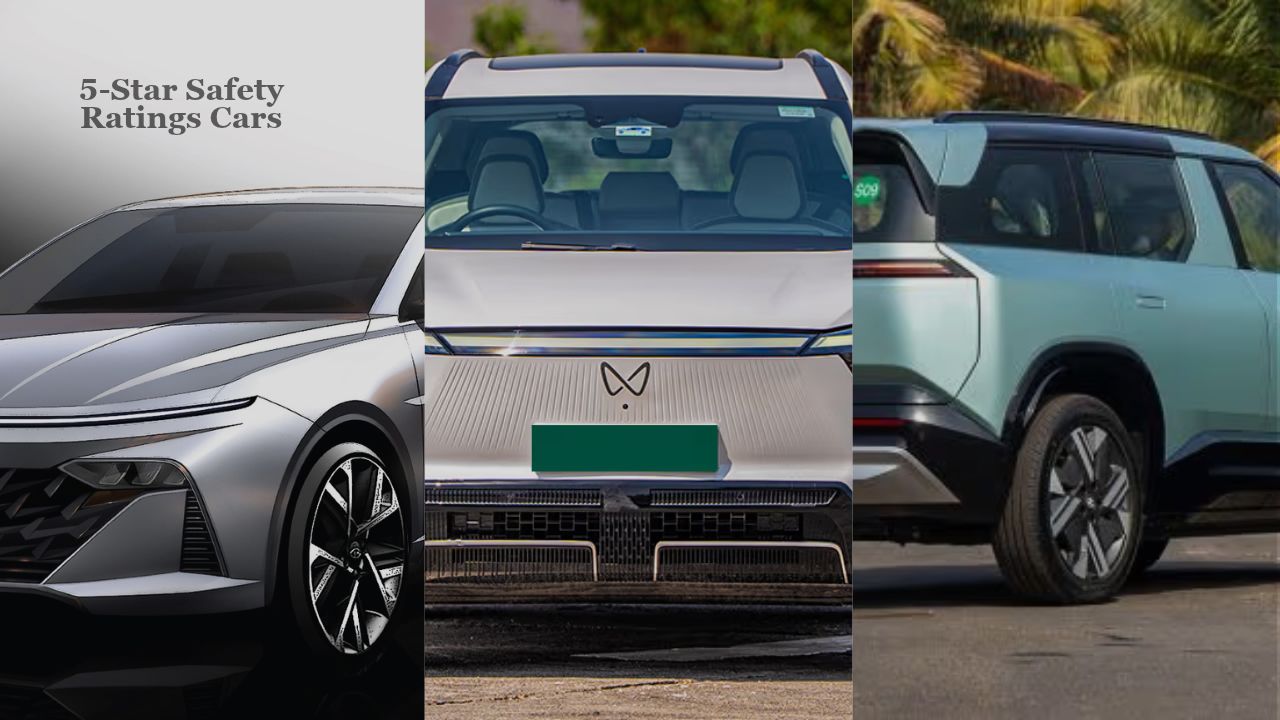
5-Star Safety Ratings Cars in India: What the 2026 Crash Tests Show

5-Star Safety Ratings Cars in India

Three crash-test results landed in the same week of November 2026, and none of them is identical. If you’re shopping for 5-Star Safety Ratings Cars in India, the scores behind the stars are the real comparison.

Bharat NCAP grades adults out of 32 and children out of 49. A car can sit anywhere in the top band and still carry the same badge.

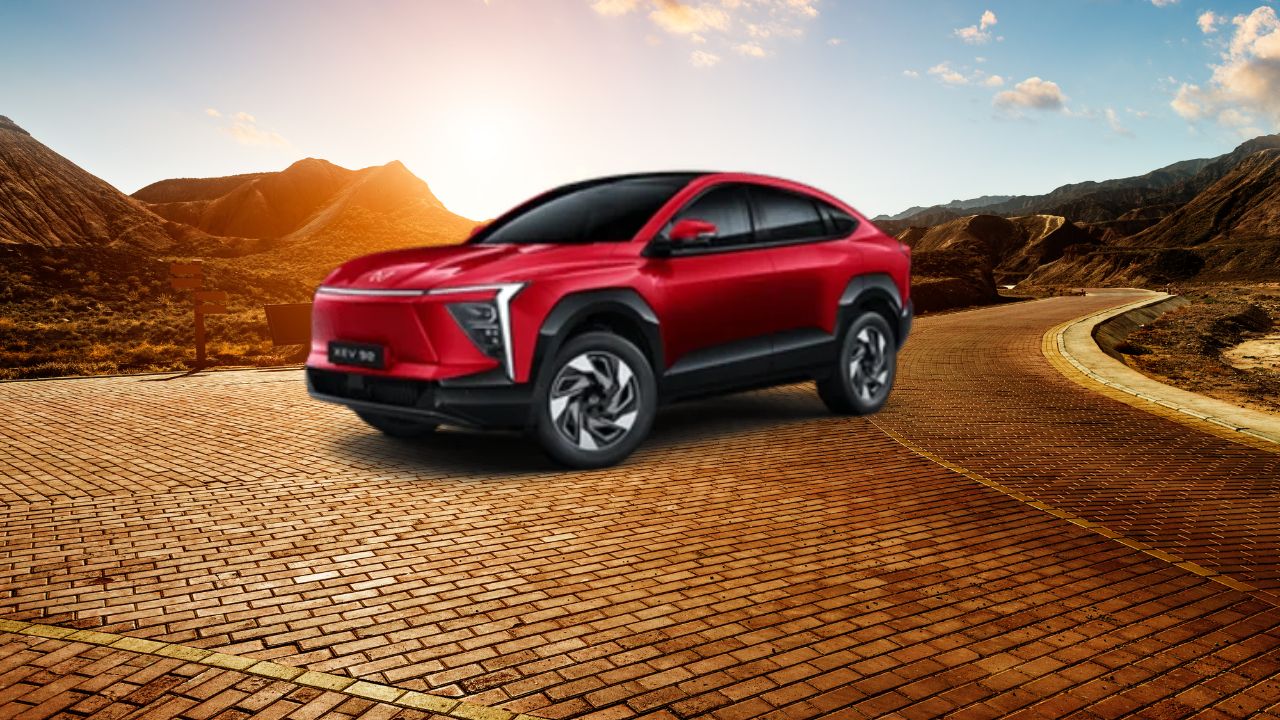
Mahindra XEV 9S: the Highest-Scoring Seven-Seater

The Mahindra XEV 9S has received a total score of 76.15 points (31.15 points for adult occupants and 45 points for children). It is India’s first 7-seater 5-star rated EV. This makes it the third vehicle on the INGLO platform to receive a 5-star rating, along with the XEV 9e and BE 6.

Mahindra XEV 9S

Bharat NCAP tested the six-seat Pack Two Above and seven-seat Pack Three Above, both with the 79 kWh battery. The rating covers all variants. 

See Also 👉   Kia Seltos Earns a 5-Star Crash-Test Rating: A Big Win for Safety

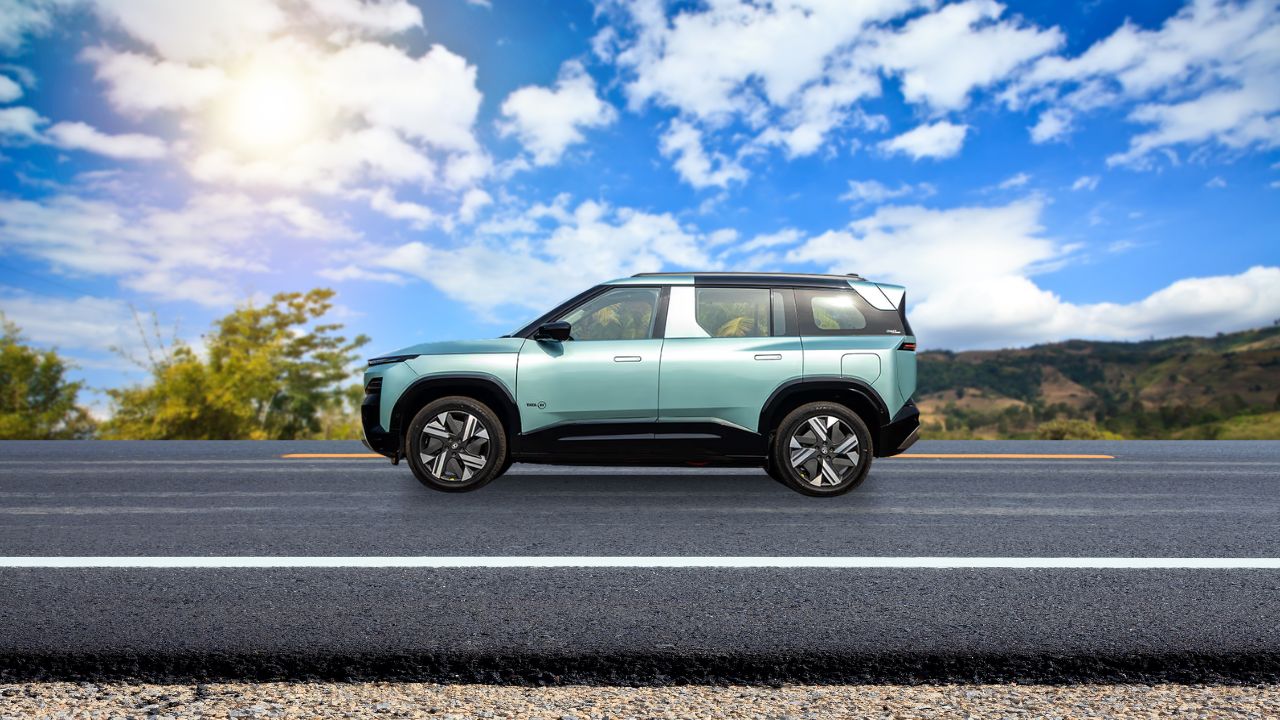
Tata Sierra EV: Five Stars, Slightly Behind its Petrol Sibling

This vehicle has a score of 30.62 for adults and 45 for children. It is all-wheel drive with a 75 kWh battery, and provides a claimed range of 624 km in MIDC conditions. Its price falls in between ₹18.79 and ₹25.99 lakh (ex-showroom).

Tata Sierra EV

Adult protection scores have dropped to 31.14 in the petrol/diesel version of this vehicle, so there has been some compromise in safety. Neither the EV nor XEV 9S stand out as particularly safe. Three-point belt restraints in the back row do not include pretensioners or load limiters. There is also no ISOFIX fitting in the middle seat. Five star EVs include the Mahindra BE 6, Maruti e Vitara and VinFast VF6.

Hyundai Verna: Five Stars With the Lowest Adult Score Here

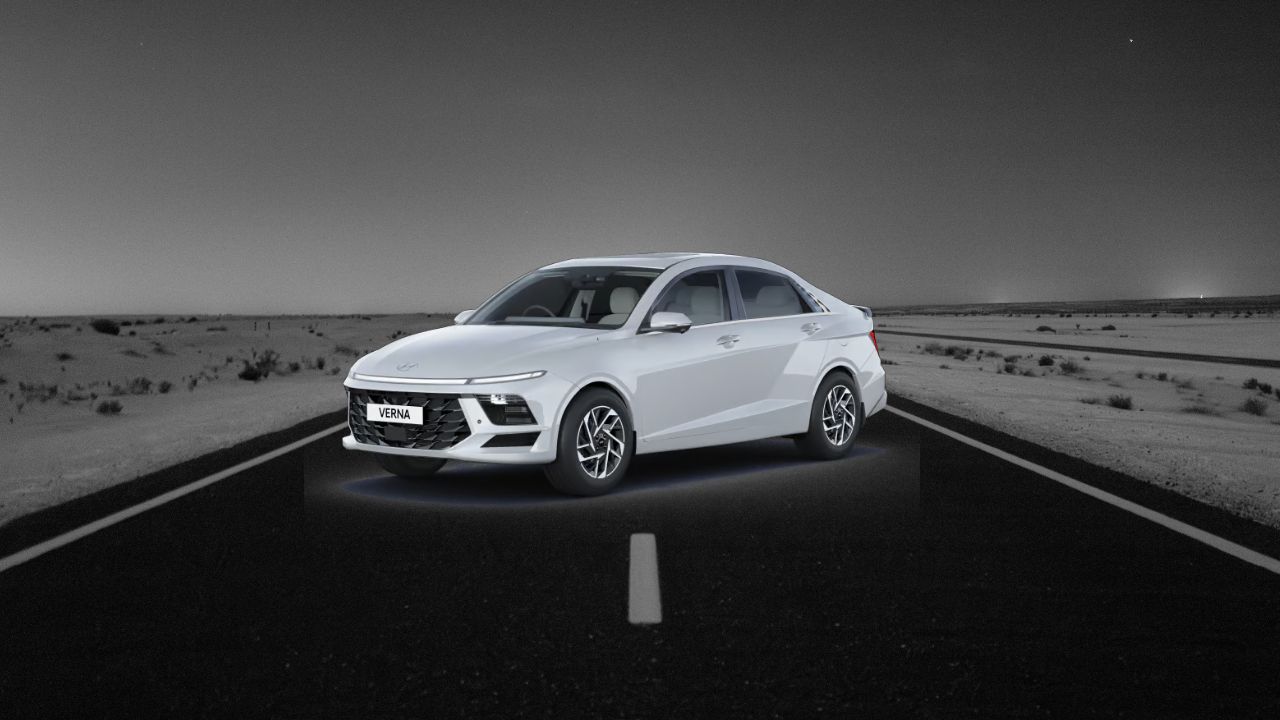
The Hyundai Verna scored 28.22 for adults and 44 for children. Bharat NCAP tested it in July 2026, using the 1.5 Turbo GDi DCT and 1.5 MPi iVT. The rating covers petrol variants from HX 2 to HX 10.

Hyundai Verna

Chest and lower leg protection is only adequate. While this car also received a 5-star rating from Global NCAP in 2023, it is not possible to compare the two as adult scores were out of 34. All variants offer 6 airbags and an ESC system. ISOFIX points are not available in the middle rear position.

Which 5-Star Safety Ratings Cars Should You Buy?

Match the car to what you carry and how you drive.

  • Seven-seat family: the XEV 9S has the highest combined score here.
  • Long-range electric with the rest of a Sierra’s strengths: the Sierra EV, with the range figure above.
  • Sedan buyer: the Verna, but expect a lower adult score than the SUVs.

Check for variant specifications by referring to Bharat NCAP official data sheet. Check the number of airbags and presence of ESC in your specification. Take a test drive.

See Also 👉   Tesla Cybercab: How Much Will the Driverless Robotaxi Cost?

Conclusion

The latest Bharat NCAP results show that a 5-Star Safety Ratings Cars is a good starting point, but it shouldn’t be the only reason to choose a car. The Mahindra XEV 9S has the highest total of protection for adults and children. For an electric SUV, you could also consider the Tata Sierra EV. If you are looking for a Sedan, the Hyundai Verna also provides a 5 star rated vehicle.

However, you might want to look at the specific scores in the tests, and the safety features in the model you are considering. The ideal car will be safe, practical and comfortable.

0

The Garage of Dreams: Inside C.J. Roy Car Collection

Published Mar 28, 2026, 12:50 PM
Last Updated Apr 2, 2026, 7:51 AM

C.J. Roy car collection

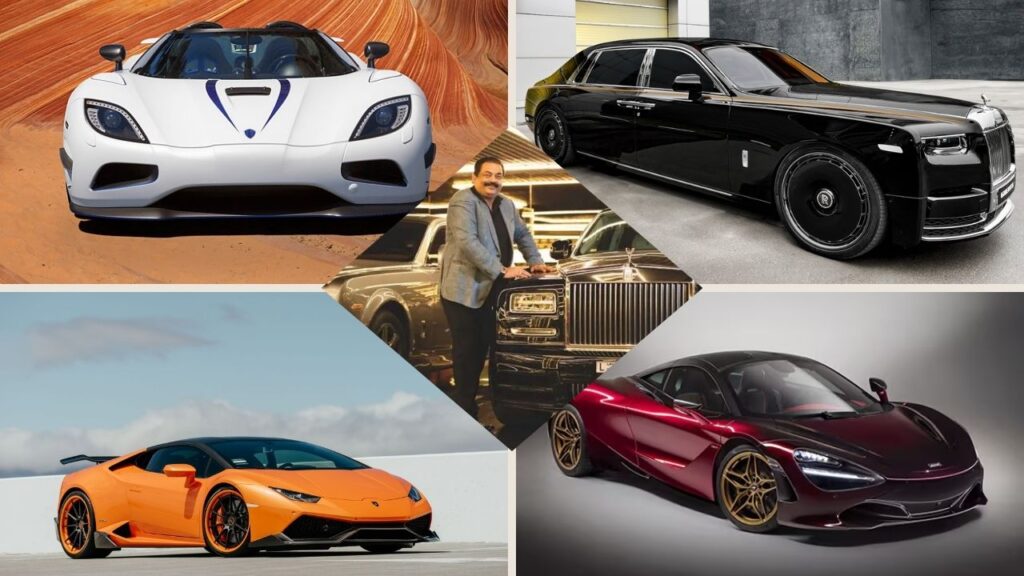
C.J. Roy car Collection was never a statement about expensive cars but it was a statement about his life, passion and success. From the ultra-luxe Rolls-Royce cars to the world-record shattering hypercar models like the Bugatti Veyron, his garage had it all. Each car had a particular story — of dreams realized, risks taken, and a love for driving that never grew old. 

Twelve Rolls-Royce Motor Cars

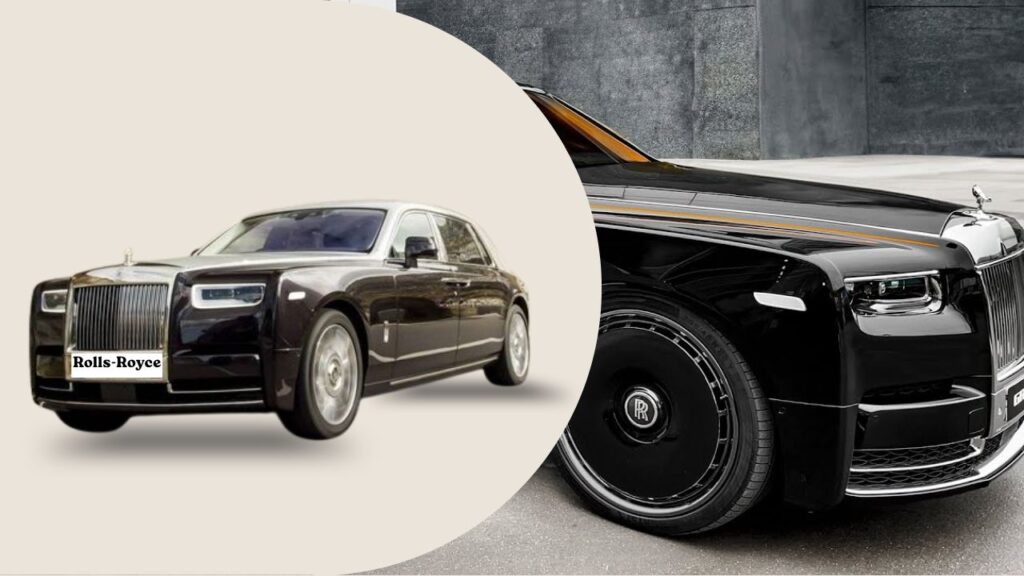
In his garage, Roy parked his twelve luxury and priciest Rolls-Royce. Roy’s passion for his cars is shown as he owns this Phantom VIII, which is the most luxurious automobile in existence.

Twelve Rolls-Royce Motor Cars

It’s more than just a car — it’s a status symbol and class statement. In fact, everything is handcrafted and the infamous Spirit of Ecstasy on the front give it more royal touch.

Owning a single Rolls-Royce may be special, but holding a collection of twelve really highlights his passion for the marque. “These aren’t just cars to me — they’re about comfort, style and the ultimate road experience.” 

The Speed Demon: Bugatti Veyron

C.J Roy’s Rolls-Royce cars showed his taste for luxury. The Bugatti Veyron was a statement of his need for speed. It was previously considered to be the fastest street-legal car in the world. Over 400 km/h which most cars can only dream to reach! 

He even greets people without any rush, with a friendly “Take care friends, have a beautiful evening,” before taking off with phenomenal speed. The shot, with his palatial home in the background, conveys both accomplishment and modesty.

Bugatti Veyron

The Veyron itself is a masterpiece. It has a 16 cylinder massive engine and generates more than 1,000 horsepower. It’s not just a car — it’s designed for extreme performance.

That he owns a Veyron makes his thinking crystal clear: he didn’t just buy ordinary cars, he purchased one of the truly extraordinary cars. 

The Swedish Interloper: Koenigsegg Agera

Roy wasn’t stopped with just one fast car, he had a Koenigsegg Agera too. This is an extremely rare hypercar created by a niche Swedish car manufacturer, which produces some the most technically progressive cars under the sun.

The Agera is ultralight, has insane power, and remains ultra-rare. There are just a handful. Have one and you’re instantly part of an elite club. What sets this car apart is how it bends limits. 

Having a Koenigsegg Agera in his garage collection demonstrates Roy wasn’t merely snapping up the popular luxury cars, he was hunting for the truly extraordinary and unique. 

The Italian Stallions: Lamborghini Fleet

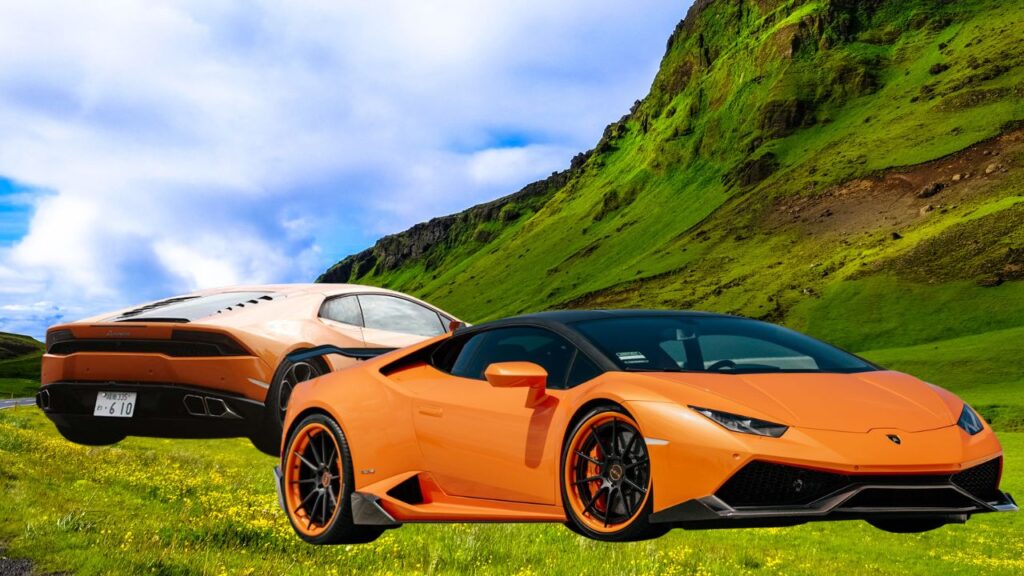
Every supercar collection needs a Lamborghini. That’s Roy, in a nutshell. He had various Lambo models under his roof. A car that really blew me away was the 2015 Huracán. Roy himself said it was his childhood dream.  

Lamborghini Fleet

Lamborghinis are raucous, extravagant, and brash with electric energy. They’re made to roar, not purr. The Huracán houses a potent V10 engine capable of high revs. It’s quick, but there’s the thrill of actually driving one. Roy craved that buzz. Driving beats just hauling on the road wherever you ride. He soaked up every moment behind the wheel.  

The British Precision: McLaren 720S

If you add a McLaren 720S to the equation, Roy has genuine engineering purity. Emotion is what makes Lamborghini spark. Physics, McLaren nails it. Carbon fiber expertise, aero tricks and the fact a road car lapped tracks at speeds quicker than race cars from decades ago is celebrated by the 720S. 

The Sentimental Journey

Maybe the most sentimental thing about C.J. Roy Car Collection was that he always bought back his first luxury car – a Mercedes-Benz S-Class. Most collectors pursue the new, the rare, the appreciating asset. Roy chased memories. 

That S-Class was the original and only beginning for him, the first station on a path that would someday take him to piloting the world’s most exclusive autos. Keeping it, or buying it back, was a statement about that man who never forgot where he came from even as he ascended to the stratosphere. 

The Legacy of C.J. Roy Car Collection

C.J. Roy died in early 2026, and he left not only a thriving business for his heirs but also an amazing car collection that reflected his life.

For him, these cars were more than just expensive assets — they had a place in his story. Each one of his cars reflected his personality, achievement and love for cars,” said Chandran.

From his homes in Dubai and Bengaluru, his fleet remains a beacon that can guide through any circumstances. Whether it was the luxury of Rolls-Royce, the speed of Bugatti, the rarity of Koenigsegg, or the thrill of Lamborghini – every car had a different meaning.

More than anything, C.J. Roy car Collection is a dream. Story of a boy from a normal middle class family in Kerala who made it big and cherished it to the fullest. And at the finish line, there was an uncomplicated satisfaction: driving, turning on a big motor and rattling around.  

Read More:-  Pagani Zonda: The Most Expensive and Powerful Supercar in Just Rs 120 Crores

Conclusion

C.J. Roy Car Collection isn’t just a boast of affluence, it’s a testament to his will and his passion. Every car — Rolls-Royce and Bugatti, Koenigsegg and Lamborghini and even his very first Mercedes, marks a turning point in his life. Originally from humble beginnings in Kerala, he progressed to possess some of the most uncommon cars in the world. 

That tale inspires me. Above all the drama and glamour, his passion for driving his own car was palpable. It makes his collection unique. It shapes his legacy.

0

Jay Leno’s Car Collection: A Passion That Goes Beyond the Garage

Published Dec 15, 2025, 12:08 PM
Last Updated Apr 8, 2026, 7:28 AM

Jay Leno's Car Collection

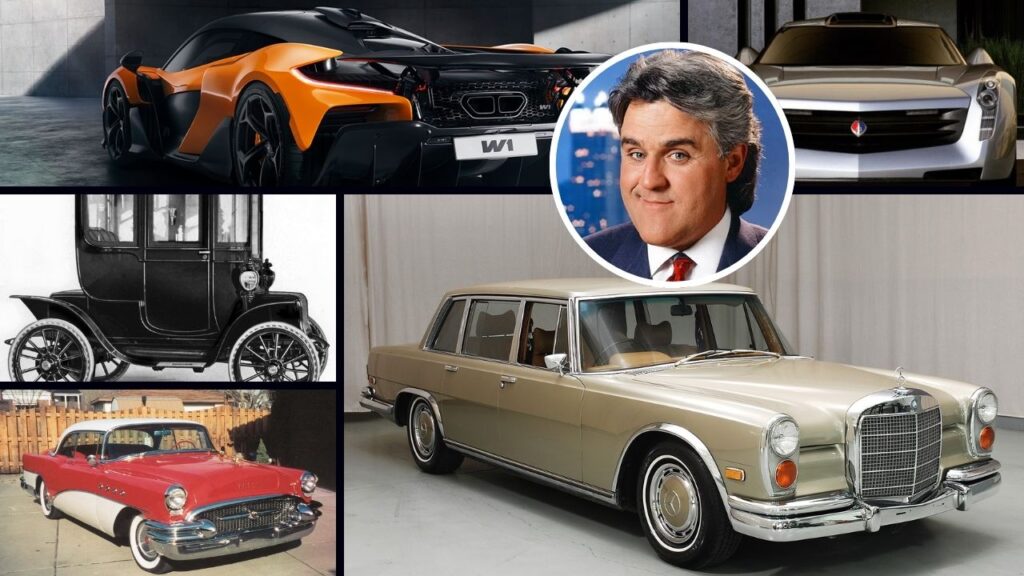
When you think of Jay Leno, most of which are his notoriously large smile and decades of being one of the world’s best late-night comedians on The Tonight Show. But to gear-heads across the globe, Jay is something else entirely – a man who has made his childhood dreams come true by building one of the most spectacular automotive collections the world has ever seen. Before you dismiss, let’s check out Jay Leno’s Car Collection in a massive 122,000-square-foot garage near Burbank Airport. 

The Story Behind the Collection

What sets Jay Leno’s collection apart is not only its size or its estimated value of 52 to 100 million dollars. It’s the philosophy behind why he collects them. Unlike many rich collectors who lock up their treasures and let them gather dust, Jay is different. He drives them on a regular basis, takes adventures in them, and even makes a wildly popular YouTube show, “Jay Leno’s Garage,” where he lets his passion for cars take center stage. His mantra: “These cars are made to be driven.” 

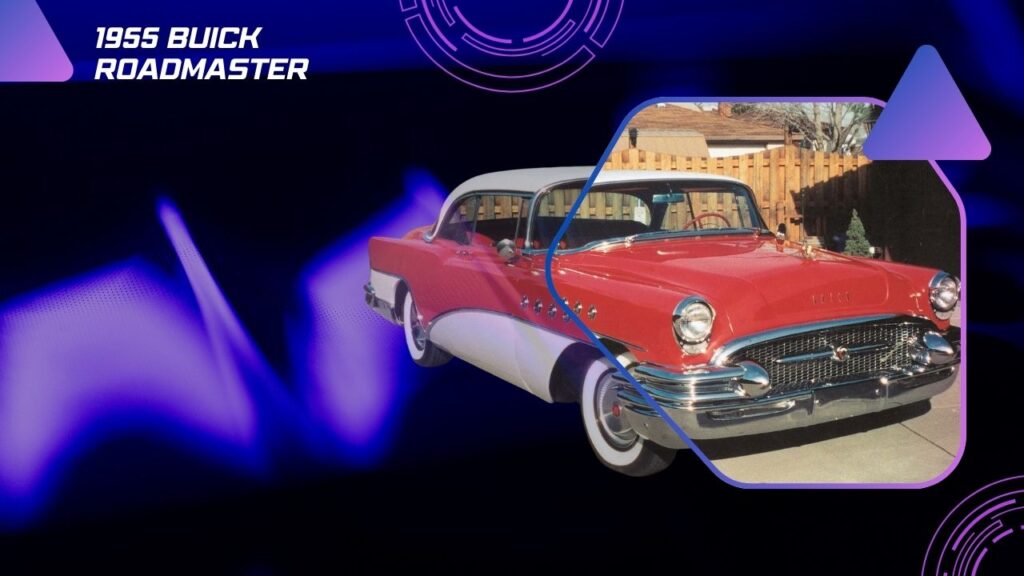
1955 Buick Roadmaster 

Jay at sixteen had bought a 1934 Ford pickup truck. It was his first car ever. He swapped it for a Datsun 1600 by the time he was done with his first couple of gigs. The big shift hit when he moved to California There in the early ’70s he picked up a 1955 Buick Roadmaster for a mere $350. Jay happily named it “Rosebud.” It’s one of his top treasures. He spent time and money to make it run like a modern beast. All while maintaining it classic, old-school style. 

1955 Buick Roadmaster

That one purchase sent him on a path that would see him become the third most-googled car collector in the world, behind only Cristiano Ronaldo and Bill Gates. 

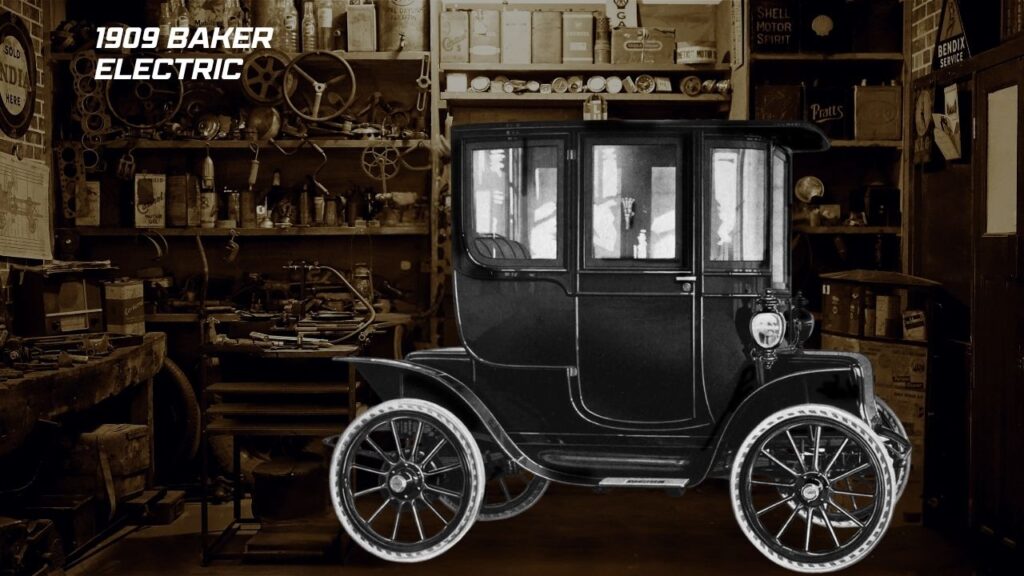
1909 Baker Electric That Predates The Titanic Itself

Baker Electrics of 1909 boasted thick lead-zinc or nickel-iron batteries, series-wound motors that could withstand great overloads, and top speeds of 14-25 mph with ranges up to records such as 201 miles on a charge by 1910.

1909 Baker Electric

Controls included a rudder-style tiller for steering, and throttle was controlled by a twist lever, eliminating the hazards of hand-cranking gasoline engines then in vogue. 

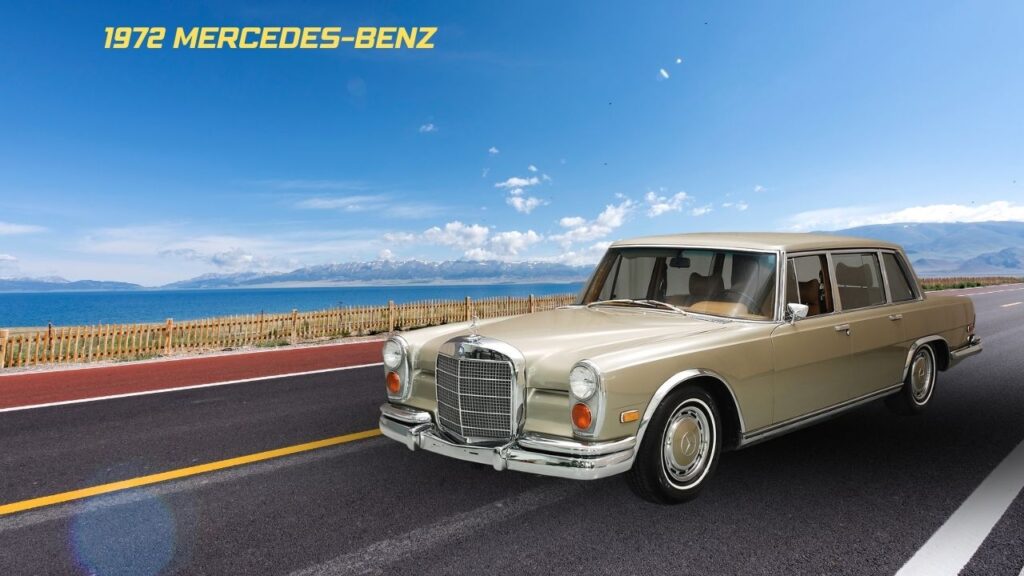
Jay Leno’s Favorite Car: 1972 Mercedes-Benz 600 Kompressor

The 1972 Mercedes-Benz 600 Kompressor is a unique, one-off W100 “Grosser” limousine owned by Jay Leno with a non-factory supercharger on the standard 6.3-litre V8 engine. This upgrade takes the power from the OEM 250 hp and 369 lb-ft to well in excess of 525 hp, and that power will get you to well in excess of 130 mph in a vehicle that weighs over 6,000 pounds with a load. 

1972 Mercedes-Benz 600 Kompressor

Built between 1963 and 1981 with approximately 2,677 units made, the base 600 was the quintessential luxury treat for dignitaries with hydraulic everything – from doors to windows.  

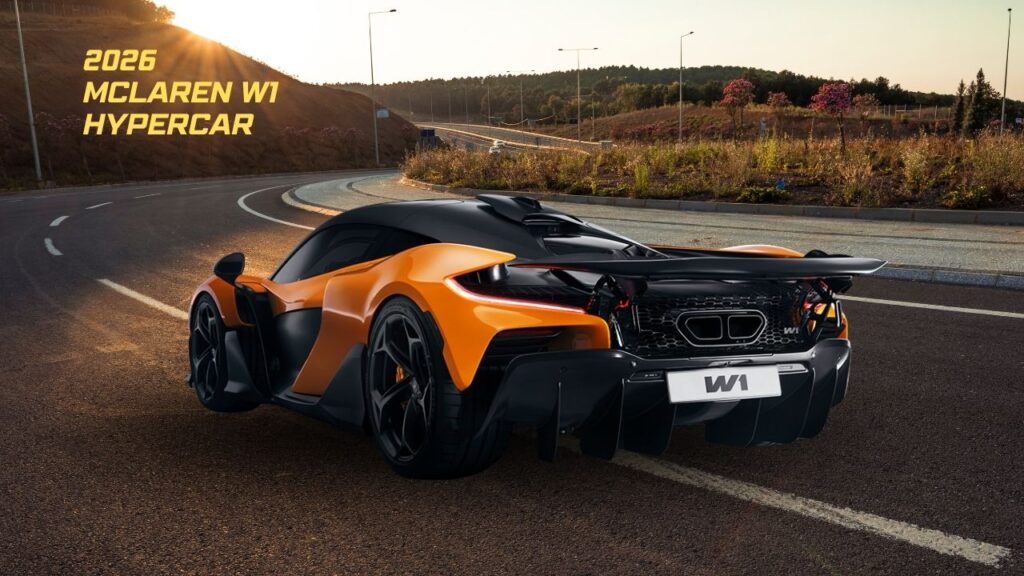
2026 McLaren W1 Hypercar

A 4.0-liter twin-turbo V8 is mated to a 342-hp electric motor. They produce a combined 1,258 horsepower and 988 lb-ft of torque. This arrangement allows the car to achieve 217 mph with a 0-60 mph time of 2.7 seconds. The dry weight is 3,084 pounds giving a power-to-weight ratio of about 2.5 pounds per hp. It is a real engineering tour de force.

2026 McLaren W1 Hypercar

The 1.38kWh high-performance hybrid battery of McLaren’s High-Performance Hybrid Powertrain is both 88 lbs lighter than that of the P1’s hybrid system and twice as powerful. 


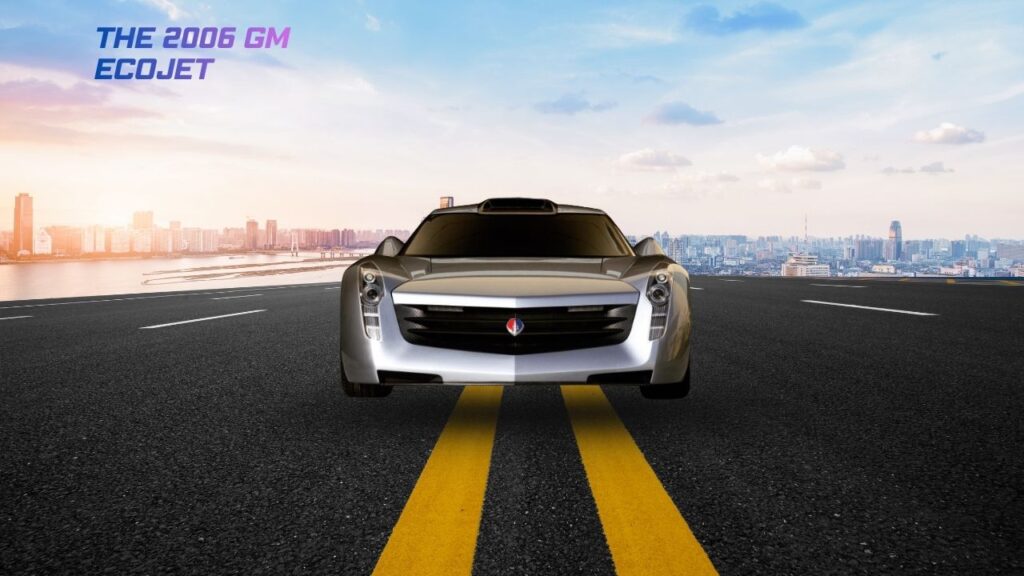
Another Remarkable Piece is The 2006 GM EcoJet 

A Honeywell LT101 gas turbine, commonly found in helicopters, is mid-mounted, producing 650 horsepower and around 400-583 lb-ft of torque, with a few tuned variants making 750 hp. The 2006 GM EcoJet then powers the rear wheels through a four-speed automatic transaxle borrowed from a C5 Corvette, which is required since the turbine needs to be under constant load and without a manual clutch. 

The 2006 GM EcoJet 

The engine rides the high r.p.m.s (something near to 48,000), and that produces so much baseline power it makes braking a challenge. Jay Leno is the owner and driver of the prototype and demonstrates its road-worthiness, ignoring jet quirks such as scant engine braking. 

Jay Also Owns Incredibly Rare Machines: The 1992 Lotus Carlton 

The 1992 Lotus Carlton (or Lotus Omega in continental Europe) is a sports saloon produced by Lotus Engineering based on the Vauxhall Carlton/Opel Omega with a twin-turbo 3.6 litre inline-6 engine. Manufactured between 1990 and 1992 in limited quantities (roughly 950 units due to homologation requirements), it gave supercar speed in an everyday four-door package, and earned a reputation as one of the quickest saloons of its time. 

Read More:-  Erica Kirk Luxury Car Collection Featuring Rare Supercars and Premium Models

What Sets Jay apart From Other Collectors

Jay is picky about some brands. Notably, he has no Ferraris in his garage, just because he didn’t like “having to jump through all these VIP hoops” to become a Ferrari owner. He’d just as soon spend his money on cars that really excite him or that have significant chapters in the history of the automobile. 

What really pushes Jay Leno’s collection over the edge from just stuff to real collection is his dedication to preservation and education. He doesn’t just drive his cars, but also films them for his show, where millions learn about automotive history, engineering and the stories behind these machines. 

Conclusion

Jay Leno’s Car Collection is not just a testament to his wealth — it’s a living testament to car culture and automotive enthusiasm. In an age when technology is advancing at the speed of light and miracles from yesterday are taken for granted today, Jay’s garage is a place that celebrates mechanical art. His collection spans the story of human ingenuity from the earliest cars to the hypercars of the future – and it is all owned by one man who actually loves every single vehicle in his care. 

0

Nissan Leaf Expected ₹30 Lakh Price With Detailed Guide on Features and Range

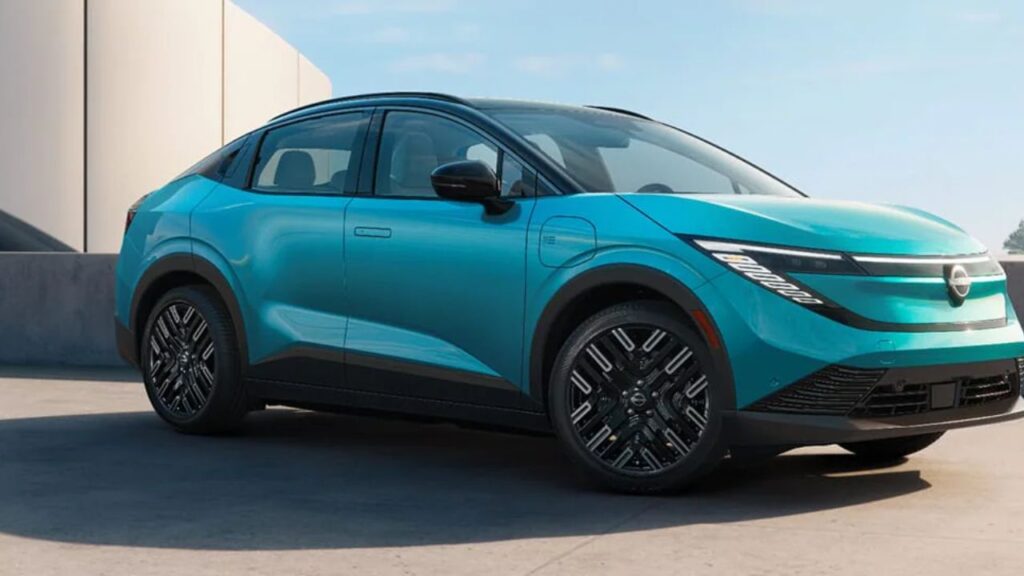
Nissan Leaf

If you’re one of those people who thinks the future of driving is electric but you just haven’t made the jump yet, the Nissan Leaf might be the car to change your mind. Carrying an expected price tag of ₹30 lakh, this revolutionary EV is designed to disrupt the EV market in India by offering global standards and tried & tested reliability to your garage without burning a hole in your pocket. 

Why the Nissan Leaf is Creating a Buzz

Electric cars have always felt like something only the very rich could afford. But that story is being rewritten, with the Nissan Leaf. With over a decade of global real-world success, the Nissan Leaf is widely recognized as the most dependable and practical electric vehicle in the world. It is also the best-selling electric car in the world – over 6 million units have been sold worldwide. Now, with its introduction in India at ₹30 lakh, it is making electric mobility open to all and that is a game-changer. 

Performance That Actually Delivers

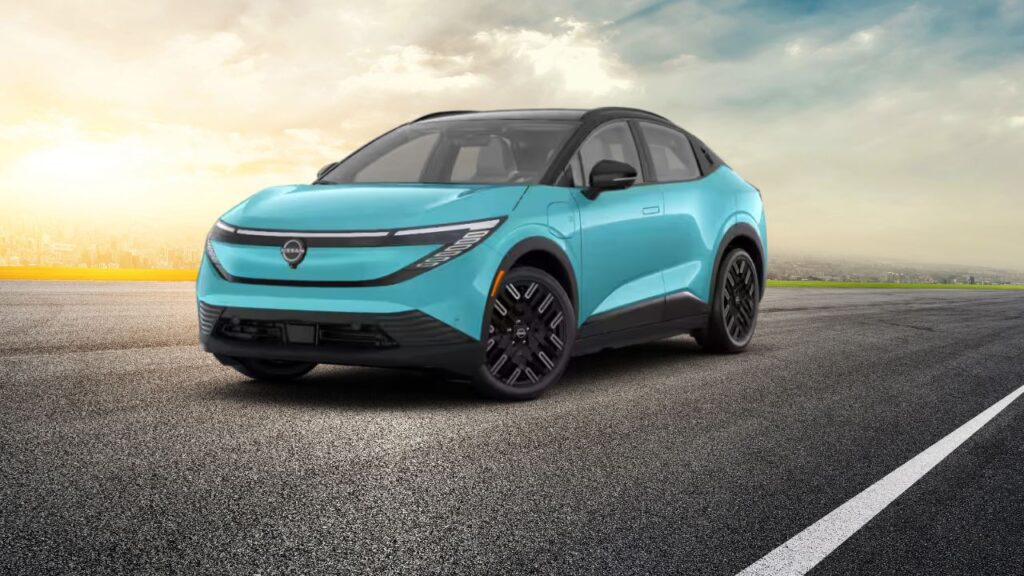
The Nissan Leaf’s Indian edition is powered by a 40 kWh battery pack that drives a 148 bhp electric motor which churns out 320 Nm of torque. Now if you’re not a number person, let’s talk about what that means: It’s more torque than a lot of run-of-the-mill petrol cars in the same price bracket, and it translates to acceleration that’s quick, smooth, and genuinely exciting. It goes from 0 to 100 km/h in less than 7.5 seconds – nothing supercar level, but not bad at all.

Performance Nissan Leaf

Image credit: Nissan

What makes this performance so special is the delivery of immediate torque. Unlike traditional engines that have to spin up, electric motors generate peak torque right away. This makes your daily city commute driving a breeze and highway overtaking a cinch. 

How Far Will It Really Go?

The Nissan Leaf goes some way to allay that worry with a single charge range of 195-240 km depending on the variant you choose and driving conditions. It’s not supposed to be your pick for a 500-km interstate road trip, but it is totally perfect for your daily commitment, your weekend runs or your jaunts around town.

Just think about your life on a standard day. Most Indians travel around 30-50 km daily. The Nissan Leaf does this with ease, and the ideal your everyday needs car needs to be able to do that. It’s also worth noting that in eco mode you can boost the range making it even better for those who mind How far they drive. 

Read More:-  Citroen Basalt X 1.2 Turbo Specs and Price Details Guide

Charging the Nissan Leaf is simpler than you might imagine

At a normal home charger a full charge takes around 7-8 hours. If you’re charging with a DC fast charger — which can be found at shopping malls, highways, and charging networks — you can go from 20% to 80% in just 40 to 60 minutes. That’s basically the amount of time you need for a coffee break.

The home charging cable is also supplied along with the intelligent charging management system of the vehicle, which allows you to set charging during the hours of low electricity rates, making it convenient and saving electricity bills. In addition, the charging port is waterproof and there is an advanced locking system, so you never have to worry about security or weather-proof! 

Features That Make It Feel Premium

Don’t let the ₹30 lakh price tag mislead you—there is an almond of salt that is packed with amenities found in cars costing much more than this. The car comes with 6 air bags, electronic stability control, hill start assist and advanced driver assistance systems (ADAS) that are comparable to vehicles three times its price. Automatic emergency braking with pedestrian detection, intelligent blind spot intervention all contribute to an even safer ride on JLR products.

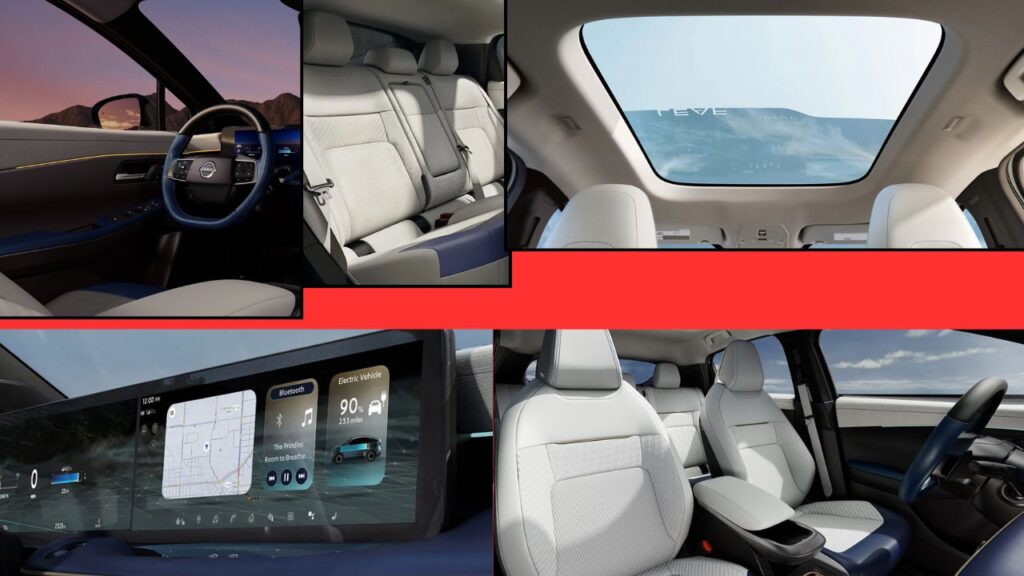
Nissan Leaf Features That Make It Feel Premium

There is a modern touchscreen interface, ample comfortable seating, and an unexpectedly roomy cargo area with rear seats that fold down. In addition to the ambient lighting and the serene cabin, you tend to forget that you are driving — thanks to the an almost imperceptibly quiet electric motor. 

Why Choose the Nissan Leaf Over Competitors?

In the Rs 30 lakh category, you are eyeballing rivals like the MG ZS EV and Tata Nexon EV MAX. While the MG provides a marginally bigger range (461 km), Nissan Leaf makes up for it with better torque delivery (340 Nm vs. 280 Nm), tried and tested reliability for 10 years of real world, and a brand backing that is trusted the world over. The Tata is cheaper but has less features and the driving experience is less amazing than Nissan. 

The Real Game-Changer

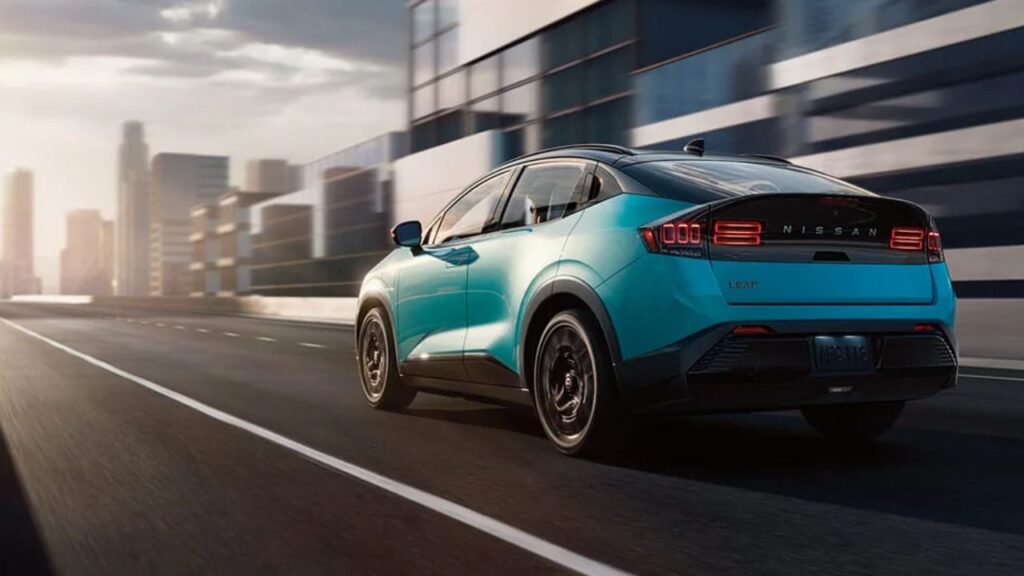
What makes the Nissan Leaf different is its fact-based history. This is not a science-fiction car or a technology still gaining market experience. The Leaf is the world’s most experienced and most thoroughly tested electric car, having been on sale since 2010. 

Nissan Leaf The Real Game-Changer

Image credit: Nissan

You’re not the guinea pig—you’re part of a community of millions of happy owners who have already discovered that electric driving isn’t just practical but it’s truly better. 

Conclusion

At ₹30 lakh, the Nissan Leaf is a step change in the way India looks at electric mobility. It’s practical for everyday use, easy to charge, packed with features, and supported by the reputation of a global brand. If you’re a green driver, fed up with rising fuel costs, or just curious about what the future holds for mobility, the Nissan Leaf deserves your attention. The electric revolution isn’t coming – it’s here, starting at ₹30 lakh.