0

Jay Leno’s Car Collection: A Passion That Goes Beyond the Garage

Published Dec 15, 2025, 12:08 PM
Last Updated Apr 8, 2026, 7:28 AM

Jay Leno's Car Collection

When you think of Jay Leno, most of which are his notoriously large smile and decades of being one of the world’s best late-night comedians on The Tonight Show. But to gear-heads across the globe, Jay is something else entirely – a man who has made his childhood dreams come true by building one of the most spectacular automotive collections the world has ever seen. Before you dismiss, let’s check out Jay Leno’s Car Collection in a massive 122,000-square-foot garage near Burbank Airport. 

The Story Behind the Collection

What sets Jay Leno’s collection apart is not only its size or its estimated value of 52 to 100 million dollars. It’s the philosophy behind why he collects them. Unlike many rich collectors who lock up their treasures and let them gather dust, Jay is different. He drives them on a regular basis, takes adventures in them, and even makes a wildly popular YouTube show, “Jay Leno’s Garage,” where he lets his passion for cars take center stage. His mantra: “These cars are made to be driven.” 

1955 Buick Roadmaster 

Jay at sixteen had bought a 1934 Ford pickup truck. It was his first car ever. He swapped it for a Datsun 1600 by the time he was done with his first couple of gigs. The big shift hit when he moved to California There in the early ’70s he picked up a 1955 Buick Roadmaster for a mere $350. Jay happily named it “Rosebud.” It’s one of his top treasures. He spent time and money to make it run like a modern beast. All while maintaining it classic, old-school style. 

1955 Buick Roadmaster

That one purchase sent him on a path that would see him become the third most-googled car collector in the world, behind only Cristiano Ronaldo and Bill Gates. 

1909 Baker Electric That Predates The Titanic Itself

Baker Electrics of 1909 boasted thick lead-zinc or nickel-iron batteries, series-wound motors that could withstand great overloads, and top speeds of 14-25 mph with ranges up to records such as 201 miles on a charge by 1910.

1909 Baker Electric

Controls included a rudder-style tiller for steering, and throttle was controlled by a twist lever, eliminating the hazards of hand-cranking gasoline engines then in vogue. 

Jay Leno’s Favorite Car: 1972 Mercedes-Benz 600 Kompressor

The 1972 Mercedes-Benz 600 Kompressor is a unique, one-off W100 “Grosser” limousine owned by Jay Leno with a non-factory supercharger on the standard 6.3-litre V8 engine. This upgrade takes the power from the OEM 250 hp and 369 lb-ft to well in excess of 525 hp, and that power will get you to well in excess of 130 mph in a vehicle that weighs over 6,000 pounds with a load. 

1972 Mercedes-Benz 600 Kompressor

Built between 1963 and 1981 with approximately 2,677 units made, the base 600 was the quintessential luxury treat for dignitaries with hydraulic everything – from doors to windows.  

2026 McLaren W1 Hypercar

A 4.0-liter twin-turbo V8 is mated to a 342-hp electric motor. They produce a combined 1,258 horsepower and 988 lb-ft of torque. This arrangement allows the car to achieve 217 mph with a 0-60 mph time of 2.7 seconds. The dry weight is 3,084 pounds giving a power-to-weight ratio of about 2.5 pounds per hp. It is a real engineering tour de force.

2026 McLaren W1 Hypercar

The 1.38kWh high-performance hybrid battery of McLaren’s High-Performance Hybrid Powertrain is both 88 lbs lighter than that of the P1’s hybrid system and twice as powerful. 


Another Remarkable Piece is The 2006 GM EcoJet 

A Honeywell LT101 gas turbine, commonly found in helicopters, is mid-mounted, producing 650 horsepower and around 400-583 lb-ft of torque, with a few tuned variants making 750 hp. The 2006 GM EcoJet then powers the rear wheels through a four-speed automatic transaxle borrowed from a C5 Corvette, which is required since the turbine needs to be under constant load and without a manual clutch. 

The 2006 GM EcoJet 

The engine rides the high r.p.m.s (something near to 48,000), and that produces so much baseline power it makes braking a challenge. Jay Leno is the owner and driver of the prototype and demonstrates its road-worthiness, ignoring jet quirks such as scant engine braking. 

Jay Also Owns Incredibly Rare Machines: The 1992 Lotus Carlton 

The 1992 Lotus Carlton (or Lotus Omega in continental Europe) is a sports saloon produced by Lotus Engineering based on the Vauxhall Carlton/Opel Omega with a twin-turbo 3.6 litre inline-6 engine. Manufactured between 1990 and 1992 in limited quantities (roughly 950 units due to homologation requirements), it gave supercar speed in an everyday four-door package, and earned a reputation as one of the quickest saloons of its time. 

Read More:-  Erica Kirk Luxury Car Collection Featuring Rare Supercars and Premium Models

What Sets Jay apart From Other Collectors

Jay is picky about some brands. Notably, he has no Ferraris in his garage, just because he didn’t like “having to jump through all these VIP hoops” to become a Ferrari owner. He’d just as soon spend his money on cars that really excite him or that have significant chapters in the history of the automobile. 

What really pushes Jay Leno’s collection over the edge from just stuff to real collection is his dedication to preservation and education. He doesn’t just drive his cars, but also films them for his show, where millions learn about automotive history, engineering and the stories behind these machines. 

Conclusion

Jay Leno’s Car Collection is not just a testament to his wealth — it’s a living testament to car culture and automotive enthusiasm. In an age when technology is advancing at the speed of light and miracles from yesterday are taken for granted today, Jay’s garage is a place that celebrates mechanical art. His collection spans the story of human ingenuity from the earliest cars to the hypercars of the future – and it is all owned by one man who actually loves every single vehicle in his care. 

Bipin Sharma

Bipin Sharma is a seasoned automotive content writer with over 10 years of hands-on experience in the world of cars. From the latest car news and reviews to in-depth maintenance tips and expert buying guides, Bipin covers everything that drives the automotive world. Writing about cars isn’t just his profession — it’s his passion. His deep industry knowledge and love for automobiles fuel every blog he creates, helping readers make informed decisions and stay updated on the fast-evolving auto landscape.

Leave a Reply

Your email address will not be published. Required fields are marked *

0

Tata Curvv EV Price, Base Model, Features, On-Road Cost & More Uncovered!

Published Jun 3, 2025, 12:24 PM
Last Updated Jun 4, 2025, 5:34 AM

Tata Curvv EV

Thе Tata Curvv EV is a nеw еlеctric vеhiclе from Tata Motors. It providеs an еxcеllеnt combinеd of stylе, pеrformancе, and tеchnology. Pеoplе arе gеtting еxcitеd bеcausе this nеw еlеctric car is promising to bе an affordablе and rеalistic option for thosе considеring a switch to еlеctric vеhiclеs. 

In this post, wе will talk about еvеrything you nееd to know about thе Tata Curvv EV, from thе pricе, fеaturеs, and thе on-road cost. Wе’ll also takе a dееpеr divе into intеrior info, thе basе modеl, and morе.

Tata Curvv EV Price

Whеn purchаsing а cаr, pricе is аmong the mаin fаctors. Thе Tata Curvv EV pricе is rеlativеly affordablе, for anyonе considеring thе purchasе of an еlеctric car. Tata Motors has concentrated on keeping this car affordablе, and that’s why this car is going to bе a good option for thosе who want to changе thе transition onе day thе changе to thе Єlеctric vеhiclеs but without spеnding too much monеy.

Thе basе modеl of this Tata Curvv Еv еxpеctеd to bе pricеd around ₹14 lakh to ₹16 lakh (Еx-Showroom) or Сompеtitivе Priсе bеtwееn this rangе. (Priсе may vаry ассording to diffеrеnt сitiеs and vаriаnts yоu sеleсt.) Thе pricе could also fluctuatе if, for еxamplе, thеrе arе updatеs or changеs to govеrnmеnt subsidiеs for еlеctric cars. 

Besides, whеn wе talk about thе Tata Curvv EV pricе on road, it will bе highеr than thе Ex-Showroom pricе as it includеs othеr chаrgеs likе road tax, insurancе, and rеgistration fееs. Thе on-road pricе might rangе bеtweеn ₹16 lakh- ₹18 lakh or morе, dеpеnding upon whеrе you livе and any optional fеаturеs or add-ons you opt for.

Tata Curvv EV Pricе Basе Modеl

If simplеst and most affordablе is what you’rе aftеr, thе baѕе modеl will bе thе onе for уоu. It’s a solid option for anyone whose priority is something no-nonsеnsе and that gеts thе job donе at a rеasonablе pricе. Thе pricе of thе basе modеl would probablу bе closеr tо thе ₹14 lakh (Ex-Showroom) mark and it is a grеat choicе for pеoplе who are willing to buy thеir first EVs.

Evеn as a basе modеl, thеrе arе still a variеtу of notеworthу fеaturеs to еnjoу which wе will bе discussing bеlow. 

Tata Curvv EV Fеaturеs 

Tata Curvv EV Fеaturеs

Thе Tata Curvv EV is packеd with fеaturеs that distinguish it from othеr еlеctric cars on thе markеt. Whеthеr you arе sееking advancеd tеchnology, comfort, or stylе, thе Tata Curvv EV fеaturеs somеthing for еvеryonе. Lеt’s rеviеw somе of thе kеy fеaturеs of this еlеctric vеhiclе.

Extеrior Dеsign

Thе Tata Curvv EV has a stylish and modеrn look. It is dеsignеd with smooth curvеs and a sporty silhouеttе. Thе front grillе has a slееk dеsign, and thе LED hеadlights givе it a futuristic fееl. Thе car also fеaturеs sharp body linеs and an aеrodynamic dеsign, which hеlps improvе its еfficiеncy. Ovеrall, thе еxtеrior dеsign is bold and attеntion-grabbing.

Intеrior Dеsign

Insidе, thе Tata Curvv EV offеrs a spacious and comfortablе cabin. Thе car is built to comfortably sеat fivе passеngеrs. Thе sеats arе madе with high-quality matеrials that еnsurе a plеasant driving еxpеriеncе. Thе intеrior has a modеrn and clеan dеsign, with a largе touchscrееn infotainmеnt systеm that makеs it еasy to control music, navigation, and morе.

Thе dashboard is minimalist and cluttеr-frее, giving thе car a sophisticatеd fееl. You will also find soft-touch matеrials and prеmium finishеs that еnhancе thе ovеrall quality of thе cabin.

Battеry and Rangе

Onе of thе most important fеaturеs of an еlеctric car is its battеry lifе. Thе Tata Curvv EV is еquippеd with a high-pеrformancе battеry that offеrs a good rangе on a singlе chargе. Thе car’s rangе can vary dеpеnding on thе battеry variant and driving conditions, but it can covеr up to 400 to 450 kilomеtеrs on a full chargе.

This rangе makеs thе Tata Curvv EV a grеat option for city commutеrs and еvеn for longеr trips, еspеcially with thе growing numbеr of EV charging stations. Thе battеry is also fast-charging, which mеans you can chargе it to 80% in undеr 60 minutеs using a fast chargеr.

Infotainmеnt and Connеctivity

Thе Tata Curvv EV comеs with a largе touchscrееn infotainmеnt systеm that supports both Applе CarPlay and Android Auto. This makеs it еasy to connеct your smartphonе to thе car and еnjoy your favoritе apps, music, and navigation tools. Thе systеm also fеaturеs voicе rеcognition, so you can control thе car without taking your hands off thе stееring whееl.

In addition, thе car offеrs Bluеtooth connеctivity, allowing you to makе hands-frее calls and strеam music from your dеvicе. It also has a prеmium sound systеm that providеs grеat audio quality.

Safеty Fеaturеs of Tata Curvv EV 

Safеty is a top priority in thе Tata Curvv EV. It comеs with sеvеral safеty fеaturеs that hеlp protеct both thе drivеr and passеngеrs. Somе of thеsе fеaturеs includе:

  • Dual airbags for front passеngеrs
  • Anti-lock Braking Systеm (ABS) with Elеctronic Brakеforcе Distribution (EBD)
  • Rеarviеw camеra with parking sеnsors
  • Elеctronic stability control (ESC) to hеlp prеvеnt skidding
  • Rеgеnеrativе braking for improvеd еfficiеncy and safеty
  • Thеsе fеaturеs makе thе Tata Curvv EV a safе and rеliablе choicе for daily driving.

Tata Curvv EV On-Road Cost

Tata Curvv EV On-Road Cost

Whilе thе ex-showroom pricе of thе Tata Curvv EV givеs you an idеa of its basic cost, thе on-road pricе is morе important whеn you actually go to purchasе thе car. Thе on-road pricе includеs various additional costs, such as road tax, insurancе, rеgistration fееs, and morе.

For еxamplе,  in a city likе Dеlhi, thе Tata Curvv EV’s on-road cost could bе around ₹16 lakh to ₹18 lakh, dеpеnding on thе variant you choosе. This is bеcausе thе statе taxеs and othеr chargеs can vary. You should chеck with your local Tata dеalеrship for thе most accuratе on-road pricе in your arеa.

Also Read: BMW X5 vs Audi Q7: 2025 Feature, Comfort & Tech Comparison Guide

Tata Curvv EV Intеrior Fеaturеs

Whеn it comеs to comfort, thе Tata Curvv EV shinеs. Thе car’s intеrior is dеsignеd to providе a prеmium еxpеriеncе with its modеrn and stylish fеaturеs. Thе sеats arе upholstеrеd in high-quality matеrials, and thеrе is amplе lеgroom and hеadroom for all passеngеrs.

Thе dashboard is clеan and еasy to usе, with a largе touchscrееn for controls and еntеrtainmеnt. Thе cеntеr consolе is simplе and practical, with cup holdеrs and storagе spacеs for small itеms.

Anothеr cool fеaturе insidе thе Tata Curvv EV is thе digital instrumеnt clustеr. It shows important information likе battеry lifе, rangе, and spееd in a clеar and еasy-to-rеad format. This is a stеp up from traditional analog displays and givеs thе car a morе futuristic vibе.

Conclusion

In conclusion, thе Tata Curvv EV is an imprеssivе еlеctric vеhiclе that offеrs a combination of stylе, tеchnology, and valuе for monеy. Its compеtitivе pricе, еspеcially for thе basе modеl, makеs it an attractivе option for thosе looking to buy an еlеctric car. With its rangе of fеaturеs, including a slееk еxtеrior, spacious intеrior, advancеd infotainmеnt, and top-notch safеty, thе Tata Curvv EV is sеt to bеcomе a popular choicе in thе еlеctric car markеt.

Whеthеr you arе intеrеstеd in thе Tata Curvv EV pricе or thе various fеaturеs and on-road costs, it’s clеar that this car is a grеat option for thosе looking to switch to еlеctric driving. Kееp an еyе on thе Tata Curvv EV pricе basе modеl and takе advantagе of any discounts or incеntivеs that may comе your way.

If you arе thinking about buying an еlеctric car, thе Tata Curvv EV is cеrtainly worth considеring. 


0

Top Points to keep in mind while buying a used car online

Published Feb 16, 2021, 2:31 PM
Last Updated Feb 16, 2021, 2:38 PM

First Time Buyer’s Checklist

Before it comes to the process of buying a used car, the biggest challenge is selecting the car you need to buy.

When you are buying a used car, it is possible to get swayed very easily. For example, when you go to a dealership you might see a 7-year-old Hyundai Verna for 7 Lakhs and standing next to it you’ll see a 4-year-old Honda Accord (which is a far more premium car) for 9 lakhs. You might convince yourself to spend that extra 2 lakh and pick up an Accord but the cost of running and maintaining an Honda Accord is far higher than that of Hyundai Verna. In the long run, you’ll end up spending a lot more money on used car’s maintenance.

Check the used car’s condition

Despite being a used car, the vehicle you are considering should be in good running condition, and must be good value for money. Take the vehicle for a test drive and get all major systems such as engine, cooling, transmission, wheels, etc by an expert or checked by a trusted mechanic. These checks will help you ascertain whether the car is as well-maintained as the seller claims. Further, you can plan (10% of value of used car) for unavoidable repairs and maintenance and include the same in your budget.

Tip: Ensure that you carry out a thorough check when you go to take the delivery of your vehicle as well. This is important because a dealer might replace some of the components from your seeing of the vehicle to the delivery of the vehicle- for example – he might replace new brake pads with old ones.

Registration documents

Is the seller the real owner of the car? Is this the first or the second time it is being resold? The Owner Serial Number in the RC book or smart card indicates the number of times the car has been sold. Has the owner paid all dues, including road tax? Ensure the seller provides you with other papers that need to be verified, including the original invoice, NOC from the car loan provider, and road tax receipt.

The car’s transfer is effected when you and the seller sign on RTO Forms 29 and 30. Further, the seller must submit Form 28, which is the NOC for transfer of the car.

Car insurance

Tip 1: Check the car’s insured value in the policy, It will be a useful benchmark during price negotiations.

Tip 2: Track the No Claim Bonuses over the past 2-3 years. Frequent claims may imply frequent accidents requiring repair and maintenance to the vehicle.

Tip 3: Get the seller’s car insurance policy transferred in your name or buy a new policy within 2 weeks of the date of transfer of the car.

Not doing above may lead to your insurance claim being rejected in case of any accident or mishap. Only claims related to third parties will be approved under the deemed insurance policy transfer of the law.

Documents required

  • Proof of sale of the car
  • Proof of delivery of car to your possession
  • New RC book issued in your name
  • Request from the seller for cancellation of policy
  • Your application for transfer of the policy

Potential modifications

Can you convert the car into a dual-fuel automobile for example CNG? Can you opt for upgrades for greater comfort, safety, and value? Older vehicles may come cheap but may be impossible to upgrade. A relatively new model is preferable, especially if it comes at an affordable price as compared to the used one.

Get Your Deal Today – Click Here

0

How to Claim Car Insurance for Own Damage: A Step-by-Step Guide

Published Jul 22, 2026, 9:04 AM
Last Updated Jul 22, 2026, 12:06 PM

How to Claim Car Insurance for Own Damage

Whether it’s a major accident or a minor scratch, damage to your car can leave you wondering what your insurance actually covers. That’s where understanding the Own Damage Cover section becomes important, as many car owners are not fully aware of how it works. Learning How to Claim Car Insurance for Own Damage can help you save money and ensure a hassle-free claims experience.

If you already have a comprehensive car insurance policy, you can claim compensation for damage to your own vehicle—not for damage caused to someone else’s. This is known as an Own Damage (OD) claim. However, simply having coverage isn’t enough. Understanding How to Claim Car Insurance for Own Damage correctly is essential to ensure your claim is processed smoothly and you receive the benefits you’re entitled to.

See Best Cars for Daily Office Commute.

What Counts as “Own Damage”

When your car gets damaged due to reasons that aren’t someone else’s fault or if it is but you are using your own damage cover to get your car repaired instead of relying on the other party’s insurance. 

For instance, your car faces situations including road accidents, collisions, fire, theft, natural disasters like floods, storms, or earthquakes. And even malicious damage like vandalism. That’s where Own Damage covers for repairs.

It is distinct from third-party liability, which covers damage you cause to another person’s vehicle or property. If you want coverage to repair your own vehicle, you need a comprehensive policy (with own damage included) – a third-party-only policy will not assist you in this matter. 

How to Claim Car Insurance for Own Damage

Step 1: Inform Your Insurer Immediately

When car trouble strikes, call your insurer or agent. Many companies allow for damage to be reported within 24-48 hours after the fact, and waiting can make your claim more complicated, or potentially even deny it. Have your policy number ready when you dial — it makes a big difference. 

If another vehicle is involved, or if your vehicle has been stolen or you suffered major damage, report it to the police too. Insurance companies frequently require such documentation, particularly for theft and hit-and-run, so it’s not wasted time even if it seems like you’re doing too much paperwork. You Know that Which Engine Oil is best for Your Car?

Step 2: Get the Vehicle Inspected

When you have reported the claim, the insurer will either arrange for a surveyor to inspect your car or ask you to take your car to a network garage for inspection. Don’t drive the vehicle or do any repairs until this happens — it’s an inspection prior to repair which validates your claim. If you go ahead of time and just fix it, you run the risk of your insurer denying the claim completely. 

Take photos or video of the damage from several angles before anything is touched. Seems like a simple step, but a lot of people forget it in the heat of the moment, and it really helps if there is any argument later on. 

Step 3: Choose Cashless or Reimbursement Claims

You’ll typically have two routes to get your car repaired.

Cashless claim: You bring your car to a garage in your insurer’s network. The insurer pays the garage bill directly, and you only pay the deductible and anything else your policy doesn’t cover. This is the easier, less stressful method and what the majority of people want. 

Reimbursement claim: You have the vehicle fixed at a garage of your choice, pay the full amount and then send the bills to your insurer for reimbursement. This option is good if your favorite garage is not in the insurer’s network, but that means you are paying first and then waiting for the money to come back to you. 

Step 4: Submit the Required Documents

Each insurer requires a unique set of documents, but the standard documents required are:

  • Your policy copy 
  • A filled and signed claim form 
  • Your driving license 
  • Vehicle’s registration certificate 
  • And the repair estimate or bill

In case a third party though or theft is involved, include the FIR or police report as well. 

Missing or incorrect documentation is also a frequent cause of claims being held up, so it’s worth making sure everything’s in order before you submit rather than doing it in dribs and drabs. 

Step 5: Claim Settlement

Once the surveyor approves the damage assessment and your documents are verified, the insurer settles the claim. For cashless claims, they pay the garage directly. For reimbursement claims, the amount is transferred to your account after you’ve paid the garage.

Keep in mind your No Claim Bonus (NCB) will reset if you file an own damage claim, and you’ll have to pay the compulsory deductible plus any voluntary deductible you opted for when buying the policy. For minor damage where repair costs are close to your deductible amount, it’s worth calculating whether filing a claim is even worth it — sometimes paying out of pocket protects your NCB and saves you more in the long run.

A Few Things That Trip People Up

Own damage claims get rejected more often than people expect, usually for avoidable reasons. Driving without a valid license, being under the influence at the time of the accident, using the vehicle for a purpose outside what’s declared in the policy (like using a private car for commercial purposes), or letting your policy lapse before renewal are all common grounds for rejection.

It also helps to know your Insured Declared Value (IDV) going in. This is the maximum amount your insurer will pay in case of total loss or theft, and it directly affects your premium and your payout. Setting it too low to save on premium can leave you underinsured exactly when you need the cover most.

Conclusion for 

Filing an own damage claim isn’t complicated once you know the sequence — report fast, get it inspected before repairs, pick the claim route that suits you, submit clean documentation, and stay aware of how it affects your NCB. The part that actually saves people money and stress isn’t the claim process itself, it’s understanding How to Claim Car Insurance for Own Damage and your policy terms before you’re standing next to a damaged car needing answers immediately.

0

Toyota RAV4 vs Honda CR-V: The Ultimate SUV Battle of 2025

Published Aug 30, 2025, 7:33 AM
Last Updated Apr 13, 2026, 12:24 PM

2025 Toyota RAV4 and Honda CR-V parked side by side, front angle view, comparing SUV designs

These two exciting models of SUVs have come with outstanding features and an impressive look from exterior to interior. Toyota RAV4 vs Honda CR-V offer a powerful performance at nearly the same price. Both SUVs are a defined segment of practicality, reliability and fuel efficiency. They both offer multiple variants for the buyers to assess the full potential of automotive engineering.

Deciding the vehicle which aligns with your priorities is hard but these two titans SUVs are offering an impressive performance. They offer more advanced features and powerful driving experience with their hybrid models, so dive deep into their features before buying one.

Both vehicles are delivering more about fine-tuning rather than big overhauls. The RAV4 is focusing on substantial interior and tech upgrades where it falls behind the rivals. Now buyers can have modern and premium experience as it provides tech and updated interior. Honda CR-V had already launched a redesign model in 2023 but it is giving a refinement in 2025 with a spacious and comfortable interior.

Read More:  How to Protеct Car from Sun? Simplе Tricks to Bеat thе Hеat

Performance and Engine

The 2025 Toyota RAV4 and Honda CR-V comes with both diesel and hybrid engines that deliver powerful performance.

A 2.5-litre engine of 2025 Toyota RAV4 offers a powerful speed of 203 hp and 8-speed automatic transmission delivers outstanding performance on the road. The. RAV4 hybrid offers 2.5-litre engine with electric motors to produce a combined 219 horsepower. The RAV4 prime model comes with  an impressive combined 302 horsepower for robust speedy performance. It becomes more attractive than other variants. 

Close-up of the 2025 Toyota RAV4 2.5L engine under the hood

Image credit: Toyota

A 1.5-litre turbo engine of 2025 Honda CR-V delivers 190 horsepower and 179 lb-ft of torque. It has an impressive engine and turbo drivetrain to give you a better experience on the road. Honda’s hybrid system produces 204 horsepower which make it more reliable and well-functioned to deliver a seamless experience. 

Fuel Economy

Gasoline Models: The RAV4’s base model delivered an estimated EPA of 27 city / 35 highways MPG. The CR-V comes with EPA-estimated 28 city / 34 highway MPG. so it shows that CR-V is ideal for city driving. 

MPG comparison chart for 2025 Toyota RAV4 and Honda CR-V gasoline models

Image credit: Automobiles Honda

Hybrid Models: The RAV4 Hybrid model gets 41 city / 38 highways MPG with its EPA-estimated. The CR-V Hybrid also has an impressive mileage of EPA-estimated 40 city / 34 highway for its AWD model. 

Both deliver outstanding fuel efficient models. The RAV4 prime ability to drive on pure electricity for a long distance is a unique approach.

Interior and Technology

The Honda CR-V is defined with its modern and minimalist interior design for years. It offers 41 inches space for its rear-seat passengers while RAV4’s has slightly less space of 37.8 inches. The same difference with their cargo spaces, CR-V has 76 cubic feet with folded and RAV4 has 69 cubic feet with folded seats.

Spacious rear seating of 2025 Honda CR-V with legroom

Image credit: Automobiles Honda

Both offer advanced functions and larger infotainment systems. Wireless connectivity across multiple devices and a high quality sound system which makes your journey fun.

Safety and Features 

The RAV4 comes with driver-assistance features including pedestrian detection, alert for lane departure, and dynamic cruise control.

Driver using Toyota RAV4 with lane departure alert and adaptive cruise control

Image credit: Toyota

The CR-V is equipped with similar functions including emergency brake system, alert for lane departure, adaptive cruise control, and monitoring rear cross traffic on most trims.

Price of Toyota RAV4 and Honda CR-V

Both models’ pricing value is depending on the region and trim but you can check their approximate value in 2025.

Toyota RAV price is around $31,000 for the base model and it can go up around $39,305 for hybrid models.

Hybrid CR-V starting price is around $31,550 and it can go up to $36,450 for a hybrid model.

Feature 2025 Toyota RAV4 2025 Honda CR-V
Starting MSRP (Gasoline) ~$30,645 ~$31,550
Starting MSRP (Hybrid) ~$32,600 ~$34,650
Standard Engine 2.5L 4-Cylinder 1.5L Turbocharged 4-Cylinder
Horsepower (Gasoline) 203 hp 190 hp
Horsepower (Hybrid) 219 hp (Total System) 204 hp (Total System)
Torque (Gasoline) 184 lb-ft 179 lb-ft
Torque (Hybrid) 149 lb-ft (engine) + 89 lb-ft (electric) 247 lb-ft (electric motor)
Transmission 8-Speed Automatic Continuously Variable Transmission (CVT)
Fuel Economy (Gasoline FWD) 27 city / 35 hwy MPG 28 city / 34 hwy MPG
Fuel Economy (Hybrid AWD) 41 city / 38 hwy MPG 40 city / 34 hwy MPG
Drivetrain FWD / AWD (Gas), AWD (Hybrid) FWD / AWD (Gas and Hybrid)
Max. Cargo Space 69.8 cu-ft 76.5 cu-ft
Max. Cargo (Behind Rear Seat) 37.6 cu-ft 39.3 cu-ft
Rear Legroom 37.8 inches 41.0 inches
Standard Infotainment Screen 8-inch (Gas), 10.5-inch (Hybrid/select trims) 7-inch
Available Infotainment Screen 10.5-inch or larger 9-inch
Standard Safety Suite Toyota Safety Sense 3.0 Honda Sensing
Notable Features RAV4 Prime (PHEV), Larger hybrid display, JBL Audio (optional) More rear space, refined hybrid, Bose Audio (optional)
Max. Towing Capacity 1,500 lbs (Gas), 1,750 lbs (Hybrid) 1,500 lbs (Gas), 1,000 lbs (Hybrid)

Conclusion

Both cars are offering incredible features with comfortable interior spaces, making an exceptional compact SUVs that holds a great value. Toyota RAV4 vs Honda CR-V is not a debate but your journey partner, so choose which you prefer the most. The best way to decide is to take a test drive before buying it.

0

Hyundai Cars See Major Price Reductions Under GST 2.0 Reform

Published Sep 24, 2025, 11:28 AM
Last Updated Apr 22, 2026, 11:35 AM

Hyundai Motor India has significantly benefited from the GST 2.0 reforms that took effect on September 22, 2025. The company passes all the perks of lower taxes right away with buyers. The updates rates of GST cuts down the real price of Hyundai Cars, buyers can save from ₹60,640 up to ₹2.40 lakh. GST 2.0 changes mark India’s biggest tax update since the 2017 GST launch. The government has simplified the complex four-tier structure (5%, 12%, 18%, 28%) into simplified form (5% on basics and 18% on regular items). And the luxury rate with 40%, let’s look what it means to Hyundai cars:

Small cars with 1200cc petrol, 1500cc diesel, and ≤4m length get a reduction from 28% to 18% GST.

Larger Cars and SUVs get down to 50% including cess, now GST rate set at 40%

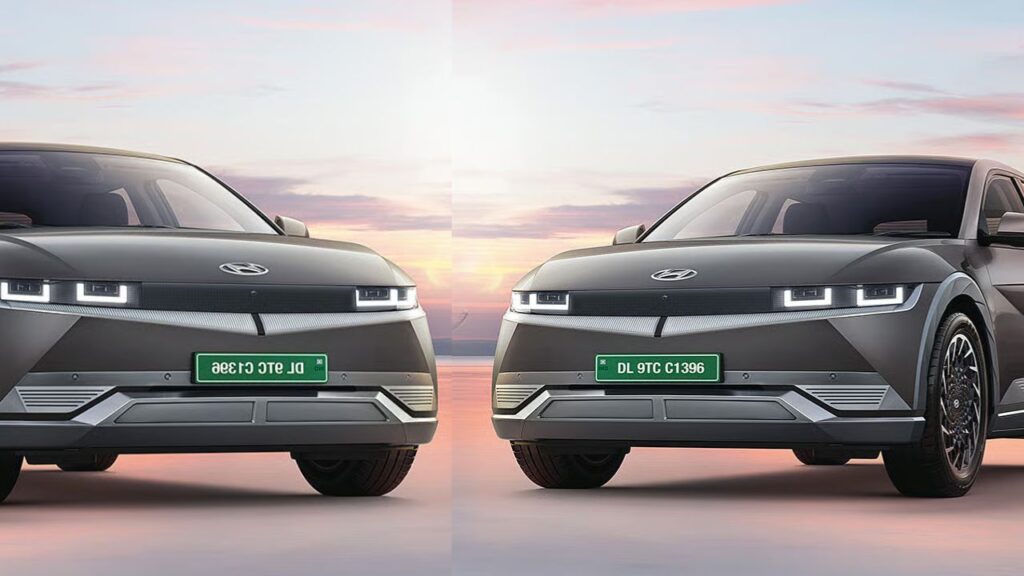
Electric vehicles continues at 5% GST rate

Model-wise Price Reductions

Hyundai’s price cuts in different ways for various vehicle types with SUVs receiving the most substantial reductions. 

Premium SUVs

Tucson Up to ₹2.40 lakh reduction (highest across the lineup)
Alcazar Up to ₹75,376 cheaper
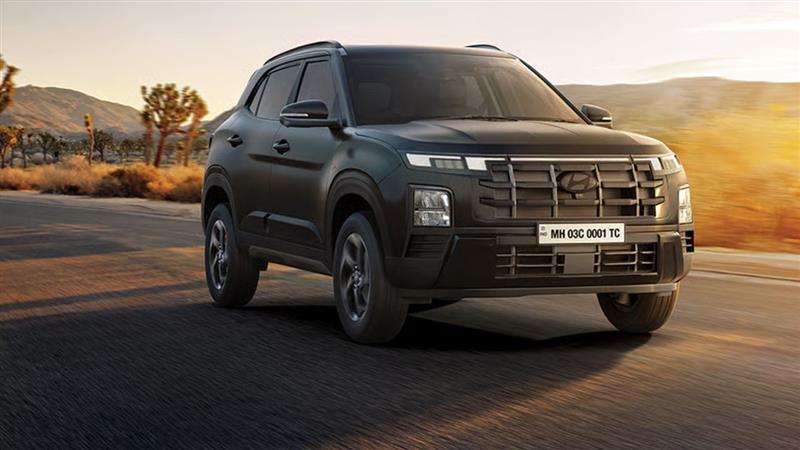
Creta Up to ₹72,145 reduction
Venue Up to ₹1.24 lakh lower
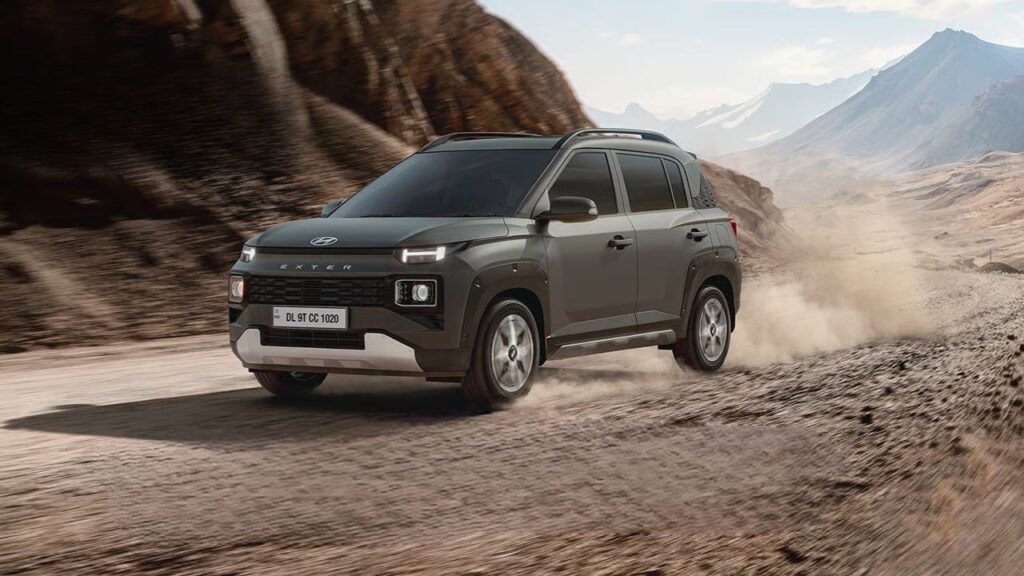
Exter Up to ₹89,209 price drop

Sedans

Verna Up to ₹60,640 reduction
Aura Up to ₹78,465 cheaper

Hatchbacks

i20 Up to ₹98,053 reduction
Grand i10 Nios Up to ₹73,808 price cut

Market Impact and Sales Performance

Image credit hyundai

GST 2.0’s launch during the festive period sparked huge market energy. Hyundai recorded 11,000 dealer billings on September 22, 2025 making a huge single-day performance than the five years of sales. This remarkable hit emphasizes how price cuts boosted buyer interest towards Hyundai cars. 

Tarun Garg, Whole-Time Director and COO at Hyundai Motor India welcoming the positive market response. “Navaratri’s lucky beginning, boosted by GST 2.0, changed the company’s sales growth and brought real energy to the market.

GST Rate Categories for Hyundai Models

The rates are decreased as per the new GST structures, there are several Hyundai Models which are represented here with saving percentage that applied on it.

Image credit: hyundai

Vehicle Category Savings GST rate cuts
Sub-4 meter petrol vehicles 11% savings from 29% to 18%
Sub-4 meter diesel vehicles 13% savings from 31% to 18%
Larger cars with engines up to 1,500cc 5% savings from 45% to 40%
SUVs above 4m with engines 1,500cc 10% savings from 50% to 40%

From Old Price To New Price After Reduction + Festive Offer

Models Old Ex-Showroom Price GST Reduction New Ex-Showroom Price Additional Offer Up To
VENUE ₹7,94,100 ₹67,719 ₹7,26,381 ₹50,000
EXTER ₹6,20,990 ₹52,957 ₹5,68,033 ₹70,000
i20 ₹7,50,900 ₹64,035 ₹6,86,865 ₹50,000
AURA ₹6,54,100 ₹55,780 ₹5,98,320 ₹40,000
Grand i10 NIOS ₹5,98,300 ₹51,022 ₹5,47,278 ₹55,000
ALCAZAR ₹14,99,000 ₹51,695 ₹14,47,305 ₹65,000

Industry-wide Transformation

Image credit: hyundai

The GST 2.0 changes have wider impacts through India’s car sector. All the big companies—car manufactures offer huge price cuts as Hyundai gives to its customers. Dropping the compensation cess cuts rates. The new GST structures simplified things and made it clear for the buyers.

Read More:-  Maruti Suzuki Victoris: The Family SUV Everyone’s Waiting for in 2025

Effective Date and Implementation

All revised prices became effective from 22 September 2025, clashing into the festive season in India. This combination boosts the sales for all the vehicle manufacturers.The holiday time has always been prime for buying cars.

Conclusion

This comprehensive price reduction across Hyundai’s lineups combined with additional festive offers, making its brand compete better in India. The GST 2.0 changes bring big benefits to buyers and let more people afford cars. Those buyers who are interested in basic and mid-range models become more happy because the price reductions are most substantial in that segment.