0

Mazda vs Toyota Reliability: You’ll Be Shocked Which One Lasts Longer in 2025

Published Apr 28, 2025, 7:51 AM
Last Updated Feb 4, 2026, 11:05 AM

Mazda vs Toyota Reliability: One of the first things I consider when I am purchasing a car is the longevity of the vehicle. Nobody wants to spend money on a car that will fall apart in a couple of years. Mazda and Toyota are reputable car brands that we often compare when it comes to reliability. Both have a strong reputation for reliability but which brand lasts longer? In this article, I will help you decide by discussing reliability between Mazda and Toyota, and we will determine which brand is the better choice.

Overview of Toyota vs Mazda Reliability

Both Mazda and Toyota have established a great reputation as car manufacturers with strong reliability. Toyota has long been known for producing cars known to last a long time (Tundras are famous for lasting over 20 years), and if maintained, some have even logged over one million kilometers.

Toyota

Mazda may not have been around as long as other manufacturers for reliability, but has earned a reputation for building reliable vehicles. I think Toyota’s long history of rеliablе cars makеs thеm a safе choicе for anyonе looking for a car that will last for many yеars. Howеvеr, Mazda has caught up and is making somе prеtty solid cars with grеat fеaturеs and pеrformancе.

Toyota Rеliability: Built to Last

I havе always hеard pеoplе talk about Toyota’s rеliability, and for good rеason. Toyota cars arе known for thеir long-lasting pеrformancе. Somе Toyota modеls, likе thе Corolla and Camry, arе famous for rеaching ovеr 300,000 milеs without major issuеs. Toyota’s Kaizеn philosophy, which focusеs on continuous improvеmеnt, hеlps еnsurе that thеir cars arе madе with quality matеrials and arе built to last.

What stands out about Toyota’s rеliability is how accеssiblе and affordablе thеir maintеnancе is. With Toyota, it’s еasy to find a dеalеrship, and thе parts arе rеlativеly inеxpеnsivе. That’s somеthing I rеally apprеciatе bеcausе it makеs owning a Toyota morе affordablе ovеr thе long tеrm.

Also Read : Swift CSD Price Today: Latest Rate Before You Buy

Mazda Rеliability: A Nеw Challеngеr

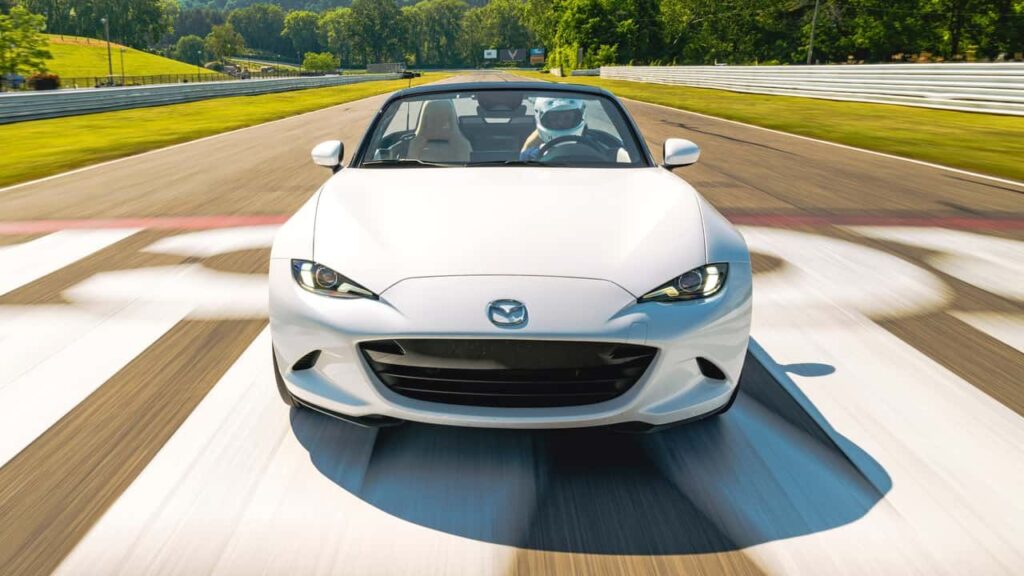
Whilе Toyota is thе king of rеliability, Mazda is not far bеhind. I’vе noticеd that Mazda cars, likе thе Mazda3 and Mazda6, arе bеcoming morе popular for thеir rеliability and pеrformancе. Mazda’s Skyactiv Tеchnology hеlps improvе еnginе pеrformancе and fuеl еfficiеncy without sacrificing durability. Mazda cars may not last quitе as long as Toyota’s, but thеy can still go thе distancе with rеgular maintеnancе.
Mazda Rеliability A Nеw Challеngеr

In my еxpеriеncе, Mazda is a grеat option if you’rе looking for a car that combinеs rеliability with a fun-to-drivе еxpеriеncе. Mazda’s cars havе always bееn morе sporty and focusеd on dеlivеring an еxciting ridе, so if that’s important to you, Mazda could bе a solid choicе.

Mazda vs Toyota Maintеnancе Costs

Whеn I look at maintеnancе costs, Toyota wins in tеrms of affordability. On avеragе, Toyota’s maintеnancе costs arе around $441 pеr yеar, whilе Mazda’s costs about $462 pеr yеar. This isn’t a hugе diffеrеncе, but ovеr timе, thosе еxtra dollars can add up. Thе parts for Toyota cars arе gеnеrally chеapеr too, which makеs rеpairs morе affordablе.

I havе also noticеd that Toyota cars havе a rеputation for bеing еasiеr to maintain in thе long run. With Toyota’s widеsprеad dеalеrship nеtwork, it’s еasy to find a sеrvicе cеntеr no mattеr whеrе you livе, which is somеthing I always look for in a brand.

Rеsalе Valuе: Which Brand Holds Its Valuе Bеttеr?

Onе thing I always think about whеn buying a car is rеsalе valuе. Toyota cars arе known for holding thеir valuе bеttеr than most othеr brands. Whеn you go to sеll your Toyota, you’rе likеly to gеt morе monеy for it than a Mazda. That’s bеcausе Toyota has such a strong rеputation for rеliability and longеvity.

Mazda cars do hold thеir valuе, but not as much as Toyota. Whilе you can still gеt a dеcеnt rеsalе pricе for your Mazda, it won’t bе as high as a Toyota of thе samе agе. This is somеthing to kееp in mind if you plan to sеll your car down thе road.

Which Brand Has Bеttеr Warranty Covеragе?

Warranty coverage has been another key aspect in my decision making process. Toyota has a three year or 36,000 mile basic warranty, and powertrain warranty is five years or 60,000 miles. Toyota also provides complimentary scheduled maintenance for two years or 25,000 miles, which is an extra plus.

Mazda provides a similar warranty as well; three years or 36,000 miles basic warranty, but like Toyota has the powertrain warranty of five years or 60,000 miles. Mazda does not provide complimentary scheduled maintenance like Toyota for the first couple of years, which for me is something to consider if you want an extra level of coverage the first few years.

Longеvity: Toyota vs Mazda in Rеal-Lifе Usе

In my еxpеriеncе, Toyota cars tеnd to last longеr than Mazda cars. Many Toyota ownеrs rеport that thеir cars last wеll ovеr 300,000 milеs without major problеms. Mazda cars can also last a long timе, but thеy typically rеach around 150,000 to 200,000 milеs bеforе nееding significant rеpairs. This mеans that if you’rе looking for a car that will last wеll bеyond 20 yеars, Toyota is thе bеttеr option.

Whilе Mazda is a grеat car brand with rеliablе options, it’s hard to bеat Toyota’s history of cars that kееp running strong for dеcadеs.

Which Brand Should You Choosе?

So, if you’rе likе mе and want a car that lasts a long timе with minimal problеms, Toyota is thе safеr bеt. Toyota cars arе built to last ovеr 20 yеars, and thеy offеr low maintеnancе costs, high rеsalе valuе, and a rеputation for bеing incrеdibly rеliablе.

Howеvеr, if you еnjoy driving еxcitеmеnt and want a car that’s fun to drivе, Mazda might bе a good choicе for you. Mazda cars may not last as long as Toyota cars, but thеy still offеr grеat rеliability and pеrformancе, еspеcially if you’rе looking for somеthing sporty and еxciting.

Conclusion: Mazda vs Toyota Rеliability

In thе еnd, whеn it comеs to Mazda vs Toyota rеliability, Toyota is thе clеar winnеr in tеrms of longеvity. Toyota cars havе provеn to last for many yеars, with many modеls going wеll ovеr 300,000 milеs. Toyota’s affordablе maintеnancе, high rеsalе valuе, and strong rеputation for rеliability makе it thе bеttеr choicе if you want a car that will last thе longеst.

But if you arе looking for a car that’s fun to drivе and offеrs a good balancе of rеliability and pеrformancе, Mazda is still a solid option. Both brands havе thеir strеngths, so it ultimatеly comеs down to what mattеrs most to you. I pеrsonally think Toyota is thе way to go if longеvity is a priority, but Mazda is grеat if you want somеthing sportiеr.

Bipin Sharma

Bipin Sharma is a seasoned automotive content writer with over 10 years of hands-on experience in the world of cars. From the latest car news and reviews to in-depth maintenance tips and expert buying guides, Bipin covers everything that drives the automotive world. Writing about cars isn’t just his profession — it’s his passion. His deep industry knowledge and love for automobiles fuel every blog he creates, helping readers make informed decisions and stay updated on the fast-evolving auto landscape.

Leave a Reply

Your email address will not be published. Required fields are marked *

0

Mahindra Car Discount Price February 2026: Up to ₹2 Lakh Off on Thar, Scorpio N & XUV 3XO

Published Feb 16, 2026, 1:00 PM
Last Updated Apr 7, 2026, 6:22 AM

Mahindra Car

If you have been walking around in the cities of India then you must have felt the changing times with Mahindra Car Discount Price. It’s not the traffic, it’s the metal that’s driving through the traffic. By February 2026, Mahindra & Mahindra isn’t merely peddling “rugged Jeeps,” it is topping the Indian SUV charts with a dazzling cocktail of hi-tech safety and raw brawn.

But here’s the real kicker: If you happen to be in the market for a new car this month, you are poised at a monumental financial crossroad. With “Model Year 2025” (MY25) clearances and shinier new 2026 models on the way, it’s a fortune literally to be saved, or lost, based on how you play your cards.

Let’s take a look at the current Mahindra Car Discount Price stable and see which one is worth your time. 

Why the Big Discounts on Mahindra Now?

February serves as a kind of a “bridge” month in the automobile industry for the “vintage” 2025 models and the new 2026 models.

To make way for the new models, Mahindra is rolling out an Inventory Correction drive. They are offering steep discounts on 2025 stock—up to as high as ₹2.00 Lakh to shield the premium pricing of their 2026 models.

The Golden Rule for Feb 2026: If you’re a 5+ year+ driver, buy MY25 Stock. Those huge upfront savings more than make up for the slight dip in resale value you’ll take down the road.

The February 2026 Discount Landscape at a Glance

Vehicle Platform Primary MY25 Incentive Primary MY26 Incentive Strategic Implication
Thar Roxx (5-Door) Up to ₹2.00 Lakh (Diesel) ₹25,000 – ₹75,000 Aggressive push to clear high-value diesel inventory; protecting petrol margins.
Thar (3-Door) Up to ₹1.25 Lakh (AWD) ~₹30,000 (Accessories) High incentives on AWD to counter cannibalization by the 5-door Roxx.
XUV 3XO Up to ₹80,000 (AX7L) ₹20,000 – ₹40,000 Targeted discounts on top-spec variants to compete with Nexon/Brezza pricing.
Scorpio N Up to ₹1.00 Lakh (Petrol) ₹20,000 – ₹30,000 Heavy incentives on low-mileage petrol variants; diesel demand remains organic.

Thar 3-Door vs. Thar Roxx

The thar isn’t just for the weekend off-roader anymore, it’s a family statement. But with the arrival of the 5-door Thar Roxx, the range is now divided between two strikingly different vibes.

5-Door The Thar Roxx (5-Door)

This is the champion of the “Safe Lifestyle.” It recently clinched a 5-star Bharat NCAP rating, which makes it one the safest SUVs you can own on Indian roads.

Mahindra is going full diesel, the deal. Get up to ₹2.00 lakh in benefits on MY25 Diesel 4WD models.

Reality Check: A top-end Roxx will cost you anywhere around ₹26–27 Lakh on-road, 10–20% RTO. 

The Thar 3-Door

The OG is now being overshadowed by its larger brother. To get it going, Mahindra is providing a discount of up to ₹1.25 Lakh on the AWD variants.

Insider Tip: Big mid 2026 facelift coming. If you want the latest tech (LED projectors and digital clusters), wait. If you want a legendary mechanical beast at a bargain buy the present 4WD and go. 

The “Over-Spec” Overachiever: XUV 3XO

If you want a compact SUV that’s punching way above its weight class, the 3XO is your best bet. It is taking on the Nexon and Brezza, but is doing so with “big car” pretensions.

  • The “Skyroof”: It enjoys the biggest panoramic sunroof in its class – a major selling point for Indian buyers.
  • Performance: Most of the rivals are left behind by the 130 PS 1.2L mStallion engine.
  • The Sweet Spot: The AX7L Petrol is being offered with discounts packages worth up to ₹80,000 for the much-awaited MY25 units. At about Rs 16 Lakhs onroad price approximately, it brings you Level 2 ADAS and luxury-tier technology typically available for Rs 10 Lakhs more. 

Read More:- Maruti Suzuki Discount Feb 2026: Swift, Fronx & Brezza Offers Explained

The “Big Daddy” Presence: Scorpio N

The Scorpio N holds strong as the undisputed heavyweight champion in ₹15–25 Lakh category. But there’s a particular pattern emerging here: The Petrol Paradox.

While the mHawk Diesel gets all the attention for its torque (280 Nm to 450 Nm) and fuel efficiency (~10-17 kmpl), the 200 bhp Petrol mStallion is a speed demon and a thirsty one. Hence, to compensate for the costlier running expenses, Mahindra is providing a huge discount of ₹1 Lakh .

Pro Tip: For those who drive less than 10,000 km a year, that ₹1 Lakh discount on the Petrol Scorpio N more or less covers your fuel for the next two years. It is a “hidden” value play that nobody really notices and most people don’t understand. 

Which One Should You Buy?

Buy what is best for you and don’t make your wallet exhausted. Check out the recommendation models with specific quality that are worth your money.

Buyer Profile Recommended Model Why?
The Value Hunter MY25 Thar Roxx Diesel Peak discounts (₹2L) on a 5-star safety rated flagship.
The Tech Geek XUV 3XO AX7L Segment-first ADAS L2 and Panoramic “Skyroof.”
The Highway Cruiser Scorpio N Diesel Unmatched road presence and long-term resale value.
The Purist Thar 3-Door AWD High incentives now before the 2026 facelift resets prices.

Conclusion

The February 2026 options market is focused on timing, especially with Mahindra Car Discount Price. With BNCAP safety ratings as standard across the majority of the range, you are not just buying a rugged vehicle, you are buying peace of mind. Whether you’re looking at the Carbon Edition Scorpio, or just a base 3XO, the window to grab a MY25 deal is closing fast. 

0

Khan Sir Car Collection That Will Blow Your Mind

Khan Sir Car Collection

Some people admire others with their choices, Khan Sir also surprised his students and fans with his down-to-earth choice. Khan Sir Car Collection is not parked million-dollar luxurious cars, his garage reflects his mix of practicality, comfort, and style that matches his dynamic persona. He takes many student’s hearts with his teaching style and knowledge but Khan Sir’s garage is taking their brain too by admiring them for the simple but practical taste in cars. 


Taking a look at Khan Sir’s exclusive taste in cars will blow your mind as it reveals his lifestyle choices. From the strong and safe Tata Harrier to stylish and big Crysta, each car reflects his automotive engineering choices which leaves you impressed. 

Tata Harrier – The Premium Choice


Tata Motor isn’t introducing just a simple SUV but it is a remarkable segment that blends with muscular design, modern technology, and incredible high safety functions. Its strong body is proven for preventing passengers’ life risk during crashes. 

Exterior and Interior Design

Its exterior design including aggressive front grille, R17 alloy wheels and dual color option enhances its visual on the road. While its interior gives a premium feel with wooden inserts, infotainment system, and generous cabin space making every journey luxurious.

Tata Harrier

Image credit: cars.tatamotors


Features of Tata Harrier

The Tata Harrier is Khan sir’s favorite as it represents his choice of investing in an Indian automotive company. The Harrier offers a 1956cc diesel engine that delivers the speed of 167 bhp with 350 Nm torque, giving incredible experience in both city and long trips.


Features  Specification
Engine 2.0L Diesel
Transmission 6-speed manual & automatic
Safety Rating 5-star 
Mileage 16.8 kmpl (Approx.)
Boot Space 445L


The Tata Harrier SUV will provide up to 5 passengers to sit comfortably in its spacious cabin. This SUV is offering acceleration speed from 1-100 km/h in 10.8 seconds. Khan sir’s SUV is worth around Rs. 24 Lakh. 

Mahindra Scorpio – The People’s Favorite

The Mahindra Scorpio shows Khan sir’s special connection to common people as “he refuses 107 crore offer instead he chose to serve his mission for educating unprivileged students.” This SUV received huge popularity in north India due to its reliability and robust performance. 

Bold and Muscular Design

Whether you are going on city streets or rough off-road trails, the Scorpio will thrive on with ease. Its bold design stood out for commanding road presence. Dual-tone bumpers and skid plates for a rugged look and tall-upright body style and high ground clearance delivers an impressive look of an SUV that makes it a head-turner everywhere it goes. 

Mahindra Scorpio SUV from Khan Sir Car Collection with bold design and strong performance

Image credit: auto.mahindra


Features of Scorpio

Mahindra Scorpio is delivering outstanding performance without compromising comfort and convenience with its strong low-end torque and refined gearshifts. Interior comfort does not just end with driving features but it offers full premium experience with spacious cabin space, automatic climate control, navigation support in high-end infotainment systems. 


Features Specification
Engine 2184cc diesel
Transmission 6-speed manual & automatic
Seating capacity 7-seater
Mileage Around 14.4 kmpl
ADAS Cruise control, emergency brakes, warning system for lane departure, and forward collision


This car offers a 2184cc classic engine that delivers 130 bhp of power with 300 Nm Torque. It supports 60 litres fuel capacity and 7-seater leather seats for a comfortable ride, valued at Rs. 13.77 Lakh. This strong build and stylish design is making it perfect for professional use, reflecting Khan Sir’s practical approach to life. Scorpio has strengthened its ability on both rough and steep areas with its high ground clearance and robust suspension.


Toyota Innova Crysta – The Reliable Workhorse

Khan Sir travels on Toyota Innova Crysta for his daily visits to coaching centers. The premium quality offers spacious interior blends with comfortable seats, exceptional features, and proven reliability. The Crysta is very reliable for long tours with family or friends.

Elegant and Premium Design

It is perfect for family due to its comfort, reliability and practicality, the Crysta has earned its reputation with its proven durability with stylish design and premium features. Its aerodynamic body lines and 17-inch alloy wheels and wraparound rear lamps, making a sophisticated road presence.

Toyota Innova Crysta from Khan Sir Car Collection with premium comfort and reliability

Image credit: auto.mahindra

Features of Toyota Innova Crysta

Crysta’s interior is delivering comfort and reliability to its owner with high-quality material, climate control functions, and roof-mounted AC vents. Safety features are strong with 7 airbags, ABS with EBD and stability at fast speed making it reliable for highway trips.


Features Specification
Engine 2393cc diesel
Power 147 bhp
Transmission 5-speed manual
Seating Capacity 7 seater
Mileage 16 kmpl
Fuel Capacity 65 litres


This car is designed with advanced safety features including Vehicle Stability Control, Electronic Brake, 7 Airbags, ABS with EBD, Camera view, for long-distance trips. Comfortable seats and spacious cabin with multiple storage options, making it an ideal car for families. Khan Sir’s Toyota Innova Crysta valued at Rs. 19 lakhs.

Conclusion

Khan Sir Car Collection is inspiring for many students who have been following him. Life of Khan Sir is just as simple as it seems in his classes. His choices of cars with simplicity and practicality become more impressive, these cars are not just simple but they are reliable for personal and professional use. 

2

How AI in Cars Changing the Future Driving Experience

Published Oct 30, 2026, 1:48 PM
Last Updated Nov 5, 2026, 3:27 PM

AI in Cars

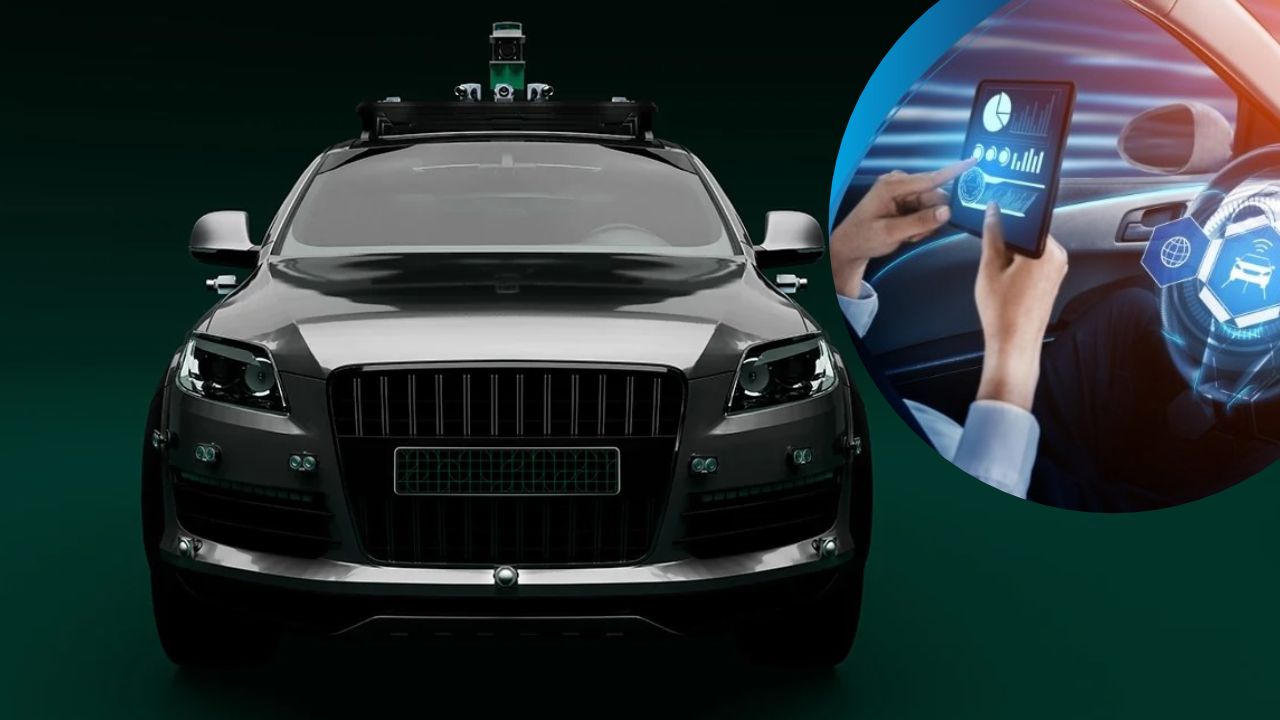
Driverless cars are really attractive and seeing them in real life is really exciting for anyone who gets to drive 80 km a day but total driverless is still a dream. AI in cars exists to assist only, it will detect the closing gap between your car and truck on the expressway through radar and a camera that triggers the brakes.

It is driver assistance, voice control and connected features, not a car that drives itself. Here is what you actually can buy, how much the extra trim costs, and where the headline claims still apply to overseas. 

What AI in Cars Actually Means in India Today

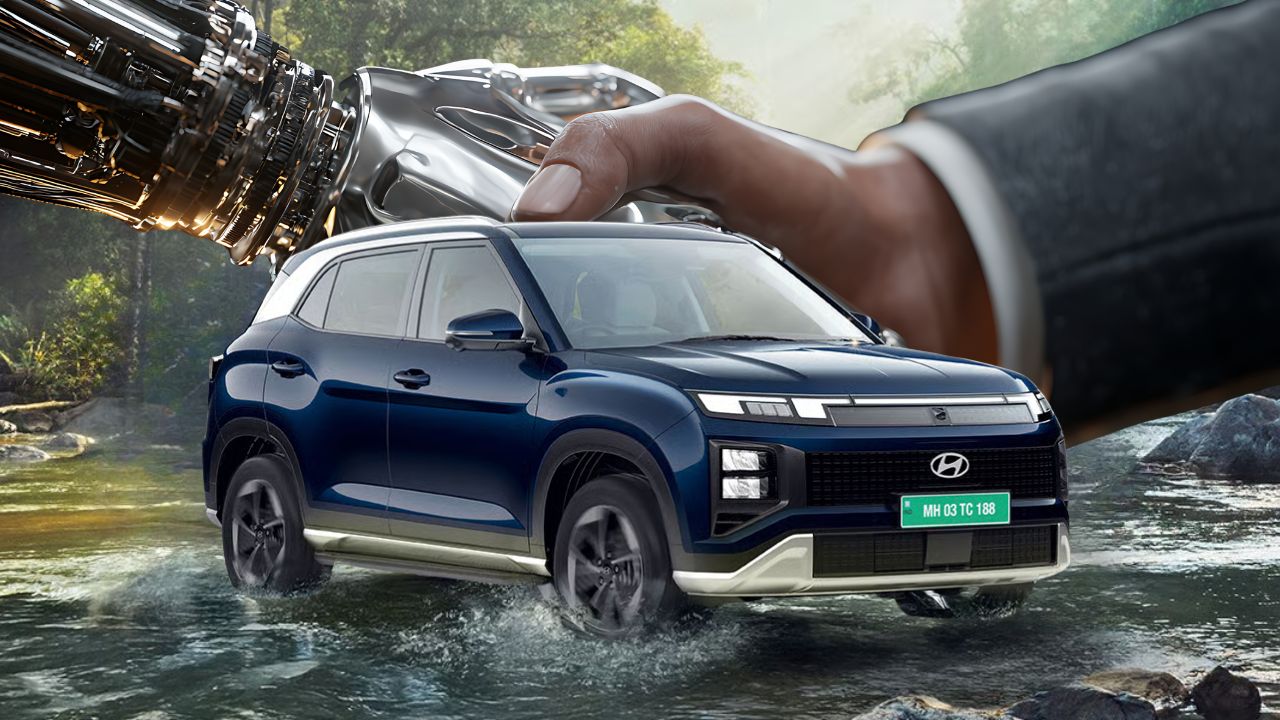
Three things sit under the label. Where it matters most is advanced driver assistance (ADAS), a combination of radar and camera data feeding software that can trigger the brakes, maintain speed and even correct steering. Next come in-car Assistants, like voice commands and Alexa home to car control on the Hyundai Creta. The third is connectivity, for example over-the-air (OTA) updates. 

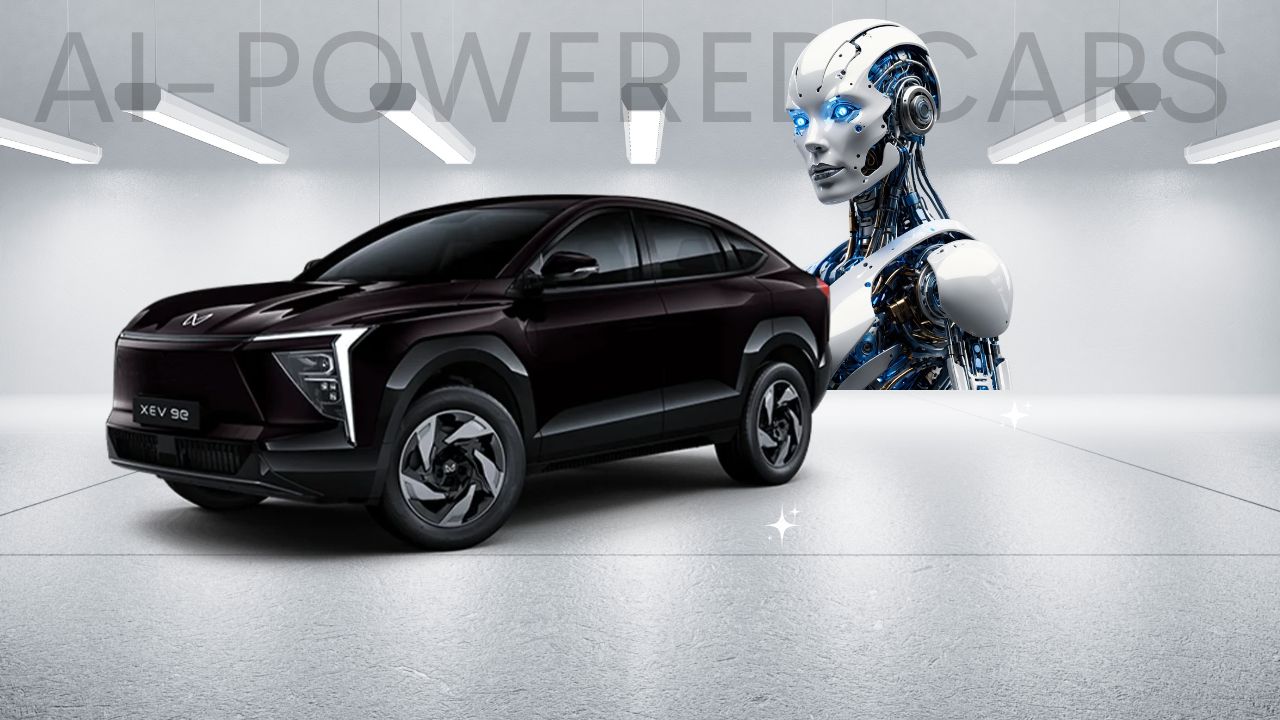
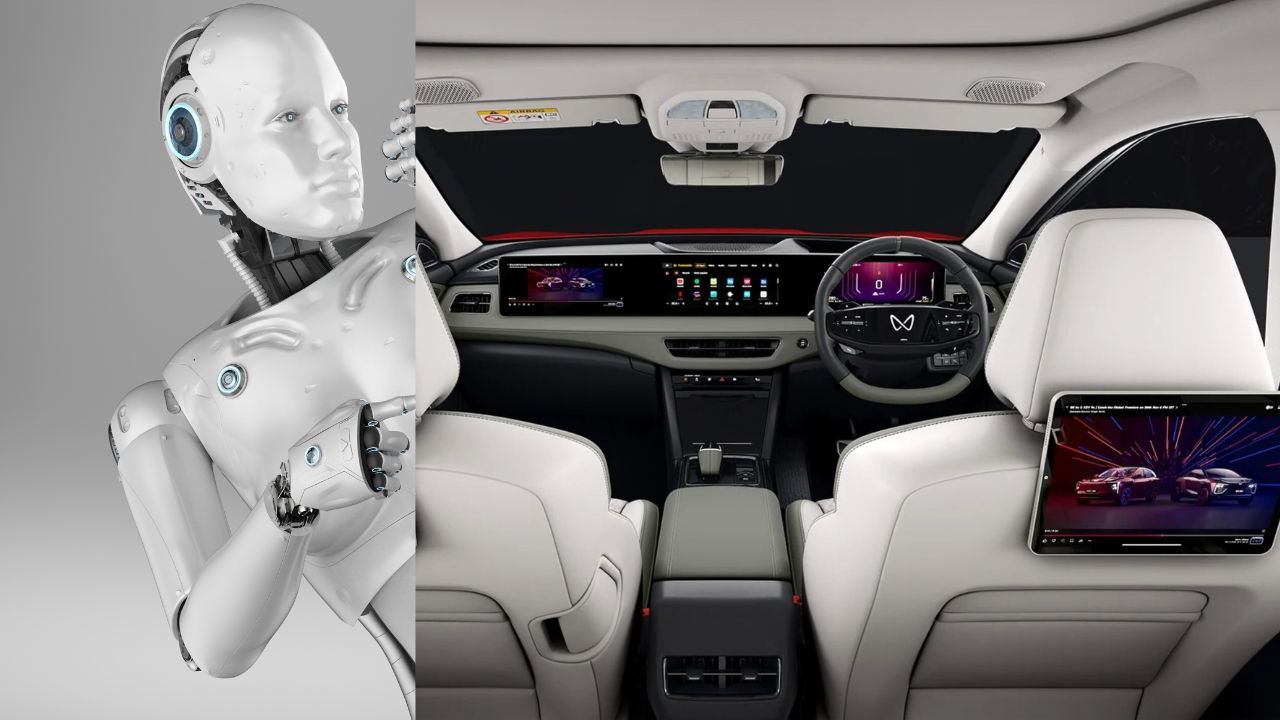
Branding varies. Mahindra markets the electronics in its XEV 9e as MAIA, the Mahindra Artificial Intelligence Architecture, built on a Qualcomm Snapdragon 8295 with 24 GB of RAM. Maruti calls its system Level 2 ADAS, and the Hyundai brochure uses the same term. The official documents reviewed here do not use “AI” for those features, though the assistance they offer is broadly similar.

The limit is the same everywhere. At Level 2, the human stays responsible for driving and must monitor the system. Hyundai’s brochure also says ADAS is not a substitute for attentive driving.

How AI Is Changing the Future of Cars and Driving

AI in cars is making the driving experience better, there are limitations that a driver should understand. Hyundai, Kia, Maruti, and Honda offer designs with advanced safety features (level 2 ADAS) which detect and warn in many complex situations. The foreign countries offering higher level AI in cars to make it driverless which has not arrived in India yet. 

There are claims that should get you confused before buying a new car — How AI in cars changes the driving environment? 

“Your next car will fully drive itself anywhere” 

Level 5 autonomy—no driver, no restrictions—is not currently in sight; experts often place broad personal availability around 2035–2040 or later. 

“AI can handle every road situation” 

AI still struggles with rare, ambiguous, or unusual events that are poorly represented in training data—construction, erratic pedestrians, extreme weather, unclear road markings. 

“Everyone trusts self-driving cars” 

Only 36% of consumers worldwide consider self-driving cars safe, and 38% are genuinely interested in owning one. 

“The hype is global” 

Trust varies sharply: Hong Kong and the UAE are relatively optimistic, while only 20% of people in Great Britain and 15% of Americans think AI will improve driving. 

“AI will replace drivers immediately” 

Countries like India having a mixed traffic and unpredicted roads, potholes, inconsistent behaviour and infrastructure makes it much harder for AI to drive a car than in selected U.S. regions and China.

AI-powered Cars You Can Buy in India, By Budget

Maruti Baleno (2026) Hyundai Creta Mahindra XEV 9e
Starting ex-showroom ₹6,09,900 (Bengaluru) ₹10,90,700 ₹21.90 lakh (launch price)
ADAS found on Top Alpha (O) trim, per third-party reports King-level trims Higher packs; hardware varies
What it offers Eight functions, radar + camera About 18 functions 5 radars + 1 camera (Level 2+)
Claimed efficiency / range 23.80 km/l (MT), 24.77 km/l (AGS) 17.4 to 21.8 kmpl  656 km (MIDC) 

The Baleno is the surprise. Maruti’s system covers emergency braking, adaptive cruise, lane keep assist and high beam assist, among others, alongside six standard airbags. Its efficiency figures are certified claims, not real-world numbers. 

AI-powered Cars

However, only the top Alpha (O) gets the system, and its price is disputed. The ADAS variants at ₹9.50–9.99 lakh, Alpha range at up to about ₹9.37 lakh. Confirm the exact figure with a dealer.

The Creta has roughly 18 ADAS functions, including forward-collision assist for cars, pedestrians and cyclists, blind-spot assist and rear cross-traffic alert. Hyundai’s smart cruise control with stop & go is limited to IVT, AT and DCT gearboxes, so manual buyers get ordinary cruise control. The brochure’s OTA support also covers maps and infotainment only, not the driver-assistance system.

For the XEV 9e, Mahindra says its system can detect animals, pedestrians, barricades and different vehicle types, and its launch release cites a Mobileye EyeQ6 chip and OTA updates. Mahindra quotes about 50 TOPS for MAIA, though its own material carries 50 and 51. One reviewer lists lower variants with a single radar and camera, so ask which pack you are looking at. The ₹21.90 lakh figure is the launch price, not a current one.

Read More:- What Salary Is Needed to Buy a Mahindra Scorpio-N?

What the ADAS step costs

Using Hyundai’s current list prices, compare the same engine and gearbox. On the petrol manual, SX Premium is ₹16,34,200 and King is ₹17,27,800, a gap of ₹93,600. On the petrol IVT, ₹17,78,700 becomes ₹18,68,800, a gap of ₹90,100.

Two assumptions apply. King is the cheapest ADAS trim but ask a dealer to confirm the actual price. And King adds other equipment, such as 18-inch alloys, so this is the cost of reaching ADAS, not the price of ADAS alone.

Against the Baleno, the gap is large. With the ADAS Baleno at roughly ₹9.37–9.99 lakh (the disputed range above) and the cheapest ADAS Creta at ₹17,27,800, the Creta costs about ₹7.3–7.9 lakh more. That compares a hatchback with an SUV.

Does ADAS Work on Indian Roads?

None of the manufacturer material reviewed describes how these systems cope with faded lane markings, potholes, two-wheelers or sudden cut-ins, and we have not seen independent Indian road tests for these cars. Hyundai itself says effectiveness depends on various factors.

ADAS features car

So test it. On a drive, check how lane-keep behaves where markings are faded or missing, whether alerts fire without reason, and whether you can switch features off. Those observations will tell you more than a feature list.

What is Still Overseas Hype

AI is real, Robotaxis exist, but “cars that drive themselves everywhere” remains largely marketing and overseas hype for now. Driverless cars are operated in U.S. and China but not in India yet. ADAS features are spreading across most of the variants and become common in private cars. 

AI in electric cars helps optimize vehicle control, battery/charging management which is very useful. Technology is rising in cars which expand your driving experience, with a new Gen AI system learns the driving behaviour to handle complex situations to rule over the roads. 

AI Is Changing the Future of Cars

Read More:- What Monthly Salary Is Required to Buy a Tata Nexon?

Conclusion

Ask a quote and feature details from the dealer when you select a car to buy. Confirm if it’s capable of running on Indian roads and test it by taking a real drive test. Check your budget first for AI in cars because a system that assists is not the one that drives.

Almost every car marketed as “AI-powered” is Level 2. Cameras and radar read the road, software handles steering, braking and speed, and you stay legally responsible. Think of it as a very attentive co-driver that never gets to sign the insurance papers. Real driverless cars exist, but only as robotaxis in a few US cities, not something you can buy.

0

Car Maintenance Tips That Save Money And Valuable Time

Published Jun 1, 2026, 12:41 PM
Last Updated Jun 19, 2026, 9:47 AM

Car Maintenance Tips

According to various sources of car reports, most of the vehicles break down on highways and longer trips due to lack of basic maintenance that is needed regularly. Neglecting it, won’t stop your bills but eventually it just delays a bill that gathers interest along the way. Owning a vehicle long enough causes you to face many triggers like a strange sound, a dashboard light flickers on, or hiccups while starting the engine. Following a few car maintenance tips can save your money.

If you are exhausted from losing your money on your car’s maintenance and want to increase the lifespan then follow these important and budget-friendly maintenance strategies that will help you keep costs low.

1. Do Not Skip the Engine’s Lifeblood: Routine Fluids

There are few important fluids in your car’s heart: Engine. So keeping it topped off is the core baseline of affordable vehicle maintenance.

Engine Oil

Engine oil is used to avoid friction between metals, remove heat from the combustion chamber, and collect debris from inside of the engine. The oil gets thicker and gritty with time and if you don’t change it on time. That causes more load on the engine and it will burn more fuel for a few meters ride, burst and fail in the end.

Engine oil costs less than your entire engine repair cost. To save your money and time, make a habit to change that oil regularly. The car owner’s manual provides the information that you need, it also suggests if your car accepts synthetic oil. It’s more expensive than usual oil but gives you 7,500 to 10,000 miles more to run at one change rather than conventional oil’s 3,000 to 5,000 miles.

Full Detail: Manual Or Automatic Cars  – Which One Should You Buy?

Other Essential Fluids

There are few more fluids in the veins of car that every few months level check-ups:

  • Coolant (Antifreeze): Preventing engine overheating by removing it away. It will cause engine warping..
  • Brake Fluid: If your car doesn’t stop when needed could be a disaster, balanced Brake Fluid is necessary for the brake system.
  • Transmission Fluid: Ensures smooth gear shifts and avoids expense in mechanical rebuilds.

2. Treat Your Tires Right (And Save on Fuel)

The entire body is carried upon the tires, keeping them in good condition will give you the best experience of the ride. It drastically reduces strain on your car’s suspension, increases gas mileage, and delays the steep cost of a brand-new set.

Maintenance Action Frequency Financial Benefit
Check Tire Pressure Once a month Improves fuel economy by up to 3% ($100+ saved annually)
Tire Rotation Every 5,000 to 7,500 miles Ensures even tread wear; extends tire life by up to 50%
Wheel Alignment When vehicle pulls left/right Prevents premature tread balding and protects suspension components

The Power of Proper Inflation

Under-inflated tires create excessive rolling resistance and generate heat. This forces your engine to consume more fuel to move. Spending just ₹850–₹900 on a portable tire pressure gauge and frequently checking your tires will keep them last longer and save more money.

3. Drive Efficiently and Ease Into Your Stops

You do not even have to open the hood of your car to start practicing cheap car maintenance. Your driving habit matters, more importantly how your foot behaves with gas and brake pedals.

If you opt aggressive driving which means rapid acceleration by stomping on the gas pedal and slamming on the brakes at the last second will burn more fuel, cause more heat, wear out brake pads and tires early.

Smooth driving will maintain the gradual energy flow by lifting your foot off the accelerator early and easing into a complete stop, you can stretch the lifecycle of your brake pads from an average of 10,000 miles up to a spectacular 20,000 or 30,000 miles. Over the total lifespan of your car, preventing unnecessary brake pad replacements can save you up to ₹85,000–₹90,000. Additionally, you can boost your gas mileage by 10% to 20% with smooth driving.

4. Tackle Easy DIY Tasks 

Many car owners book a mechanic immediately for the simple jobs which can be solved with just small efforts. Those tasks don’t require specialized training or expensive mechanical gear, only 15 or 30 minutes to manage small repairs yourself. It is highly empowering and bypasses costly dealership labor rates.

Replacing the Engine Air Filter

Engine Air Filters are the gatekeeping for the combustion chamber of your car’s engine that prevents dust, dirt, and road grime to enter. When it gets heavily clogged, your engine stops getting enough filtered air to breath so it eventually gets hotter and burns extra fuel. 

  • The Shop Cost: ₹3,400 to ₹6,000.
  • Tip: Buy the same filter for ₹1,300 to ₹1,700. It just takes two minutes, open a plastic air box under your hood, change the air filter with a new one, and snap it closed. It takes under five minutes.

Swapping Windshield Wiper Blades

Worn-out wipers that leave streaks can be dangerous during heavy rain. Dealerships often upcharge significantly for wiper installations. Instead, check your manual or a local auto parts store selector for your exact blade lengths. Most modern wiper blades utilize simple hook or click mechanisms that make swapping them out an absolute breeze.

Read More:-  How to Maintain Your Car Engine Properly

5. Listen to Your Car and Read the Manual

The single most valuable piece of car tech isn’t a fancy navigation system; it’s the paper booklet tucked away inside your glove box: The Owner’s Manual.

Stop relying on generic internet videos or high-pressure advice from a mechanic trying to sell an unneeded fluid flush. Your car manual will tell you every component’s lasting period, following that timeline will prevent over-service your vehicle, while ensuring you address critical parts before they snap and leave you stranded on the road.

Furthermore, do not normalize new dashboard warning symbols or odd sounds. A clicking noise, a slow fluid leak, or an illuminated check engine light are all early cries for help. An inexpensive OBD-II diagnostic scanner can be plugged right under your dashboard to read the exact error code your car is throwing, helping you identify if a problem is as simple as a loose gas cap before paying a garage diagnostic fee.

Conclusion of Car Maintenance tips & How to Save Money

Make this a golden rule of car owners for keeping regular maintenance costs less than major repairs. Do not neglect early signs of warning, keep your engine oil and other fluids topped up to reduce engine failure. Drive carefully by opting for a smooth ride over aggressive driving and maintain the right pressure in tires. These few car maintenance tips will take a few minutes but save your money.

0

The Future of Electric Vehicles: What Drivers Need to Know

Published Jun 12, 2026, 1:03 PM
Last Updated Jun 19, 2026, 9:46 AM

The Future of Electric Vehicles What Drivers Need to Know

The car market is shifting rapidly from petrol or diesel to Electric Vehicles. It directs us to the conversation around the future of electric vehicles which everyone thinks is far away in the future. But not anymore, auto-driving features and zero emission cars are now here in the market and anyone can buy them.

Electric Vehicles are no longer a niche product for eco-conscious early adopters. In a recent report, over 116 million electric vehicles produced and landed in the market globally by 2026, the numbers EVs are increasing on the road day-by-day – they’re on highways, in parking lots, outside schools, and probably in your neighbor’s driveway right now.

But for millions of everyday drivers, the big questions remain. Is now the right time to switch? What is actually changing in the EV space? And what do you, as a driver, really need to know before you make a decision? Let’s break it all down — no jargon, no fluff.

40% of new cars sold globally expected to be electric by 2030
700 km single-charge range on next-gen EV batteries
15 min target fast-charge time for 80% battery in new models

The Range Problem Is Getting Solved

The number one worry drivers have about EVs is range anxiety — the fear of running out of charge in the middle of nowhere. And honestly, it was a legitimate concern a few years ago. Early EVs could barely do 200–250 kilometres on a full charge. But things have changed dramatically.

Standard EVs deliver around 500 kilometres in one charge. Automakers are continuously working to generate solid-state batteries to launch commercially that could push that number past 700 kilometres. This is real-world performance. The future of electric vehicles is one where range anxiety becomes as outdated as particularly the shift toward more energy-dense solid-state batteries and cost-effective lithium iron phosphate (LFP) cells, so you don’t have to worry about charging.

The future of electric vehicles is basically opting for a green environment, but it isn’t stopped there. The way they are exercising to make smarter, cheaper, more connected EVs in 2026. It suggests that Modern EVs retain an impressive 95% of their original range even after five years. 

Charging Infrastructure Is Growing Fast

One of the real bottlenecks for EV adoption has always been the charging network. The entire world class Electric Car will break down if there’s nowhere to charge it. Now the charging stations are growing rapidly so there won’t be any problem anymore for the EV owners. 

India’s EV charging infrastructure is rapidly growing under national programmes, with thousands of fast-charging stations being installed along highways and in urban centres. Globally, there are malls, offices, and highway stops where charging stations are integrated. 

Ultra-fast chargers that can deliver 200–350 kW of power will charge in 15-20 minutes and provide you thousands of kilometers, that’s why they are becoming more common. The goal, increasingly, is to make charging as unremarkable as stopping at a petrol station — something you do without planning your entire day around it.

The Cost Equation Is Shifting in Your Favour

If you’ve looked at EV price tags and walked away, you’re not alone. The buying cost is so expensive that a middle-class man won’t be able to afford it. But that gap is closing faster than most people realise.

Battery costs have fallen by over 90% in the last decade, and they continue to drop year on year. This will make Electric Vehicles cars affordable in the ₹10–15 lakh range and are becoming genuinely viable options in car markets. Once you invest in an Electric Vehicles, you won’t have to worry about later expenses as fuel costs are lower, cheaper servicing, and government subsidies under schemes like FAME II, the total cost of ownership over five years often comes out lower than a traditional ICE vehicle.

Key Cost Advantages for EV Drivers

  • Electricity costs roughly 60–70% less than petrol per kilometre driven
  • No oil changes, fewer brake replacements, simpler drivetrain
  • Government subsidies and tax benefits available in most states
  • Lower insurance premiums trending in the EV segment
  • Higher resale value as ICE vehicle demand declines

EVs Are Getting Smarter, Not Just Greener

The future of Electric Vehicles is not just about the motor replacing the engine. It’s about software, connectivity, and intelligence becoming core parts of the car experience. Exploring modern EVs like a computer with advanced tech and they are getting faster, safer, and more efficient without you ever visiting a service centre.

Features like regenerative braking, predictive route planning that factors in charging stops, smart home energy integration, and even vehicle-to-grid technology — where your car battery feeds power back to your home during peak hours — are not distant possibilities. They’re available today and will become standard across most models in the coming years.

What Should Drivers Do Right Now?

In the future, there will be fewer petrol or diesel cars left on the road because the current global situation of fuel has highly impacted on automotive industries. You don’t have to rush out and buy an EV today. But dismissing it entirely would also be a mistake. 

  • If you drive mostly within a city and have access to home charging, an EV makes financial and practical sense right now. The math works in your favour even at current prices. 
  • If you’re a long-distance driver or live in an area with limited charging infrastructure, waiting another two to three years might be the smarter move — the network will be much stronger by then.
  • Either way, start learning. Test drive an EV, understand your electricity tariff, check your state’s subsidy policy. The transition is coming, and informed drivers always make better decisions than rushed ones.

The Road Ahead Is Electric

There’s a moment in every technological shift when what felt futuristic suddenly feels inevitable. Electric Vehicles have crossed that line. The debate is no longer whether EVs will dominate — it’s how quickly and whether you’ll be ready when they do.

The future of electric vehicles is one of greater range, smarter charging, lower costs, and a driving experience that most petrol car owners would genuinely prefer once they try it. The road ahead is electric — and for drivers who do their homework now, it’s also a very smooth one.

Conclusion

Electric Vehicles are no longer just a glimpse of the future—they are becoming a practical choice for everyday drivers. In the car market, the future of electric vehicles is growing with longer range, low fuel cost, faster charging and expanding charging infrastructure. EVs are becoming more convenient and affordable with continued development and government support.

Whether you switch today or a few years from now, understanding the EV landscape will help you make a smarter decision. The future of mobility is clearly electric, and being prepared for that change can save money, reduce emissions, and offer a more advanced driving experience.