0

Mahindra Car Discount Price February 2026: Up to ₹2 Lakh Off on Thar, Scorpio N & XUV 3XO

Published Feb 16, 2026, 1:00 PM
Last Updated Apr 7, 2026, 6:22 AM

Mahindra Car

If you have been walking around in the cities of India then you must have felt the changing times with Mahindra Car Discount Price. It’s not the traffic, it’s the metal that’s driving through the traffic. By February 2026, Mahindra & Mahindra isn’t merely peddling “rugged Jeeps,” it is topping the Indian SUV charts with a dazzling cocktail of hi-tech safety and raw brawn.

But here’s the real kicker: If you happen to be in the market for a new car this month, you are poised at a monumental financial crossroad. With “Model Year 2025” (MY25) clearances and shinier new 2026 models on the way, it’s a fortune literally to be saved, or lost, based on how you play your cards.

Let’s take a look at the current Mahindra Car Discount Price stable and see which one is worth your time. 

Why the Big Discounts on Mahindra Now?

February serves as a kind of a “bridge” month in the automobile industry for the “vintage” 2025 models and the new 2026 models.

To make way for the new models, Mahindra is rolling out an Inventory Correction drive. They are offering steep discounts on 2025 stock—up to as high as ₹2.00 Lakh to shield the premium pricing of their 2026 models.

The Golden Rule for Feb 2026: If you’re a 5+ year+ driver, buy MY25 Stock. Those huge upfront savings more than make up for the slight dip in resale value you’ll take down the road.

The February 2026 Discount Landscape at a Glance

Vehicle Platform Primary MY25 Incentive Primary MY26 Incentive Strategic Implication
Thar Roxx (5-Door) Up to ₹2.00 Lakh (Diesel) ₹25,000 – ₹75,000 Aggressive push to clear high-value diesel inventory; protecting petrol margins.
Thar (3-Door) Up to ₹1.25 Lakh (AWD) ~₹30,000 (Accessories) High incentives on AWD to counter cannibalization by the 5-door Roxx.
XUV 3XO Up to ₹80,000 (AX7L) ₹20,000 – ₹40,000 Targeted discounts on top-spec variants to compete with Nexon/Brezza pricing.
Scorpio N Up to ₹1.00 Lakh (Petrol) ₹20,000 – ₹30,000 Heavy incentives on low-mileage petrol variants; diesel demand remains organic.

Thar 3-Door vs. Thar Roxx

The thar isn’t just for the weekend off-roader anymore, it’s a family statement. But with the arrival of the 5-door Thar Roxx, the range is now divided between two strikingly different vibes.

5-Door The Thar Roxx (5-Door)

This is the champion of the “Safe Lifestyle.” It recently clinched a 5-star Bharat NCAP rating, which makes it one the safest SUVs you can own on Indian roads.

Mahindra is going full diesel, the deal. Get up to ₹2.00 lakh in benefits on MY25 Diesel 4WD models.

Reality Check: A top-end Roxx will cost you anywhere around ₹26–27 Lakh on-road, 10–20% RTO. 

The Thar 3-Door

The OG is now being overshadowed by its larger brother. To get it going, Mahindra is providing a discount of up to ₹1.25 Lakh on the AWD variants.

Insider Tip: Big mid 2026 facelift coming. If you want the latest tech (LED projectors and digital clusters), wait. If you want a legendary mechanical beast at a bargain buy the present 4WD and go. 

The “Over-Spec” Overachiever: XUV 3XO

If you want a compact SUV that’s punching way above its weight class, the 3XO is your best bet. It is taking on the Nexon and Brezza, but is doing so with “big car” pretensions.

  • The “Skyroof”: It enjoys the biggest panoramic sunroof in its class – a major selling point for Indian buyers.
  • Performance: Most of the rivals are left behind by the 130 PS 1.2L mStallion engine.
  • The Sweet Spot: The AX7L Petrol is being offered with discounts packages worth up to ₹80,000 for the much-awaited MY25 units. At about Rs 16 Lakhs onroad price approximately, it brings you Level 2 ADAS and luxury-tier technology typically available for Rs 10 Lakhs more. 

Read More:- Maruti Suzuki Discount Feb 2026: Swift, Fronx & Brezza Offers Explained

The “Big Daddy” Presence: Scorpio N

The Scorpio N holds strong as the undisputed heavyweight champion in ₹15–25 Lakh category. But there’s a particular pattern emerging here: The Petrol Paradox.

While the mHawk Diesel gets all the attention for its torque (280 Nm to 450 Nm) and fuel efficiency (~10-17 kmpl), the 200 bhp Petrol mStallion is a speed demon and a thirsty one. Hence, to compensate for the costlier running expenses, Mahindra is providing a huge discount of ₹1 Lakh .

Pro Tip: For those who drive less than 10,000 km a year, that ₹1 Lakh discount on the Petrol Scorpio N more or less covers your fuel for the next two years. It is a “hidden” value play that nobody really notices and most people don’t understand. 

Which One Should You Buy?

Buy what is best for you and don’t make your wallet exhausted. Check out the recommendation models with specific quality that are worth your money.

Buyer Profile Recommended Model Why?
The Value Hunter MY25 Thar Roxx Diesel Peak discounts (₹2L) on a 5-star safety rated flagship.
The Tech Geek XUV 3XO AX7L Segment-first ADAS L2 and Panoramic “Skyroof.”
The Highway Cruiser Scorpio N Diesel Unmatched road presence and long-term resale value.
The Purist Thar 3-Door AWD High incentives now before the 2026 facelift resets prices.

Conclusion

The February 2026 options market is focused on timing, especially with Mahindra Car Discount Price. With BNCAP safety ratings as standard across the majority of the range, you are not just buying a rugged vehicle, you are buying peace of mind. Whether you’re looking at the Carbon Edition Scorpio, or just a base 3XO, the window to grab a MY25 deal is closing fast. 

Sharey Khan

Sharey Khan is an IT entrepreneur and petrol head & a car enthusiast. With a special focus on car-related content, he combines his deep passion for vehicles with a talent for crafting informative, engaging, and easy-to-understand content. His writing is driven by a genuine love for cars and he is committed to providing readers with accurate, up-to-date, and trustworthy information that empowers smarter driving decisions. 

Leave a Reply

Your email address will not be published. Required fields are marked *

0

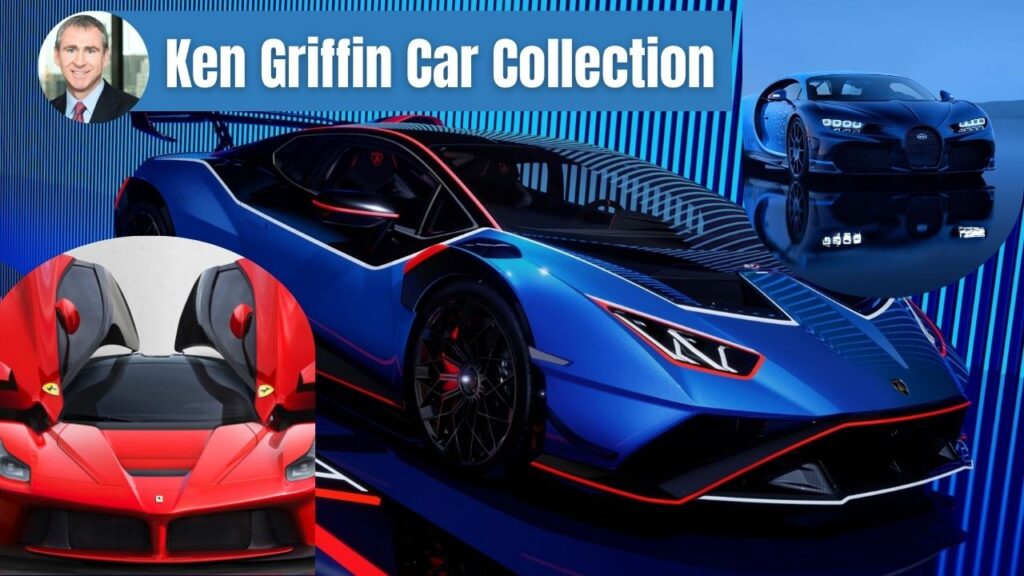
Ken Griffin Car Collection: The Man Behind the Hypercar Obsession 

Published Jan 6, 2026, 1:13 PM
Last Updated Jan 8, 2026, 7:25 AM

Ken Griffin Car Collection

When you think billionaire hedge fund executives such as Ken Griffin, you probably think of sprawling office buildings, high-stakes business transactions, and the $43.2 billion he oversees through his Citadel empire. Ken Griffin Car Collection is something else, perhaps just as exhilarating: a garage that reads like a love letter to automotive creativity and raw, unadulterated speed.

Ken Griffin isn’t just buying cars: he’s automotive royalty. And in stark contrast to scores of billionaires who appear to consider supercars nothing more than taxis to park and admire, Griffin drives these machines. He is a unique collector in that he thinks a hypercar’s real purpose in life is to drive it, to feel it under your wheels, to listen to that symphony of a screaming motor and racing wind, and to take it as far as you possibly can mechanically. 

The Crown Jewels Of Ken Griffin

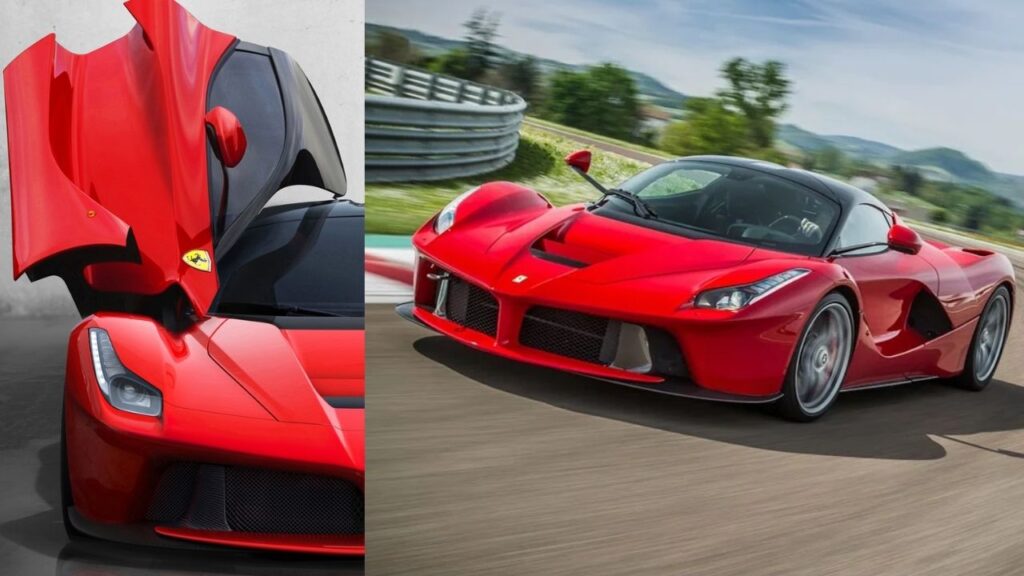
LaFerrari 

LaFerrari is the crowning glory of Griffin’s collection

The LaFerrari is the crowning glory of Griffin’s collection—and its name says it all. LaFerrari is written in Italian and means “the Ferrari”, a designation used because there is simply nothing else like it. It’s not an overstatement. The hypercar provides a 6.3-litre V12 with a Formula 1–inspired electric motor, producing an astonishing 950bhp. The end result is more explosive performance, sprinting from 0 to 62 mph in less than three seconds, which helped it become one of the most amazing Ferraris ever produced.  

Category Specification Details
Engine 6.3L F140 V12 + Electric Motor 800 PS (V12) + 163 PS (KERS); 6,262 cc
Power/Torque Combined Output 963 PS; >900 Nm
Transmission 7-speed Dual-Clutch Automatic
Dimensions Length/Width/Height/Wheelbase 4702 / 1992 / 1116/ 2650 (all in mm)
Weight (Dry) Kerb Weight 1,585 kg
Performance 0-100 km/h / Top Speed <2.6s / >350 km/h
Production Units (Coupé) 499 (2013-2016)
Price (Original) Base MSRP ~€1-1.5 million / $1.5M


The LaFerrari represents the ultimate expression in engineering at the moment of its creation. Combined with its KERS hybrid system, active aerodynamics and carbon-fibre skin, it seems less a car and more a racecar in a suit for the road. Now the cleanest examples can easily fetch $4 to $5 million or more, but for Griffin the value isn’t just financial. It’s about having something that fewer than 500 people in the entire world will get to experience. 

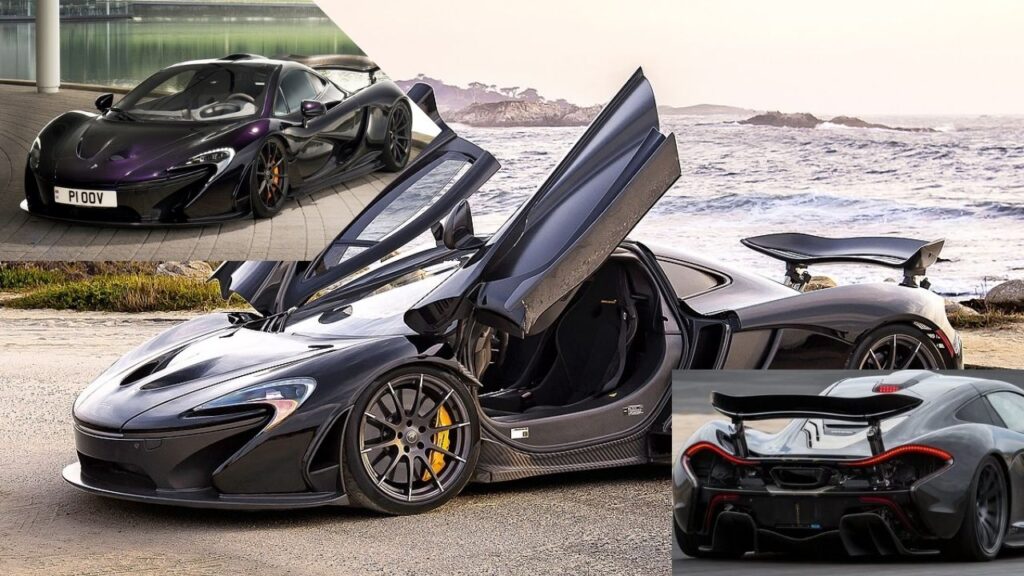
McLaren P1

McLaren P1

Then there is the McLaren P1 —McLaren’s audacious retort to Ferrari’s hypercar dominance. Boasting 903 horsepower and state-of-the-art F1-derived technologies such as an adjustable rear wing and active suspension, the P1 is McLaren’s love letter to innovation. Only 375 were manufactured. Griffin’s take comes in glossy black, a choice that allows the car to do the talking instead of shouting with color. At about $2 million in the collector’s market, it is a tour de force that captures the very moment when hybrid hypercars were redefining what was possible in the automotive world. 

Category Specification Details 
Engine 3.8L Twin-Turbo V8 + Electric Motor 727 PS (V8) + 179 PS (electric); 3,799 cc
Power/Torque Combined Output 916 PS; 900 Nm
Transmission 7-speed Dual-Clutch Rear-Wheel Drive
Dimensions Length/Width/Height/Wheelbase 4,595 / 2160 / 1199 / 2674 (all in mm)
Weight (Dry/Kerb) Dry Weight 1,395 kg / 1,547 kg
Performance 0-100 km/h  2.8s 
Production Units 375 (2013-2015)
Price (Original) Base MSRP Starts at $1.15 million 


Lamborghini Huracán

Lamborghini Huracán Performante – the adrenaline-fueled monster in an eye-watering shade of yellow that just wants you to stare at it. With its active aerodynamics system that adapts on the fly, 631 horsepower and sub-3-second 0-62 time, this is the ultimate animal in Griffin’s collection. Its stablemates at his garage are all about sophistication, technological refinement, but the Performante is pure aggression in a Lamborghini wedge. 

Category Specification Details
Engine 5.2L V10 Naturally Aspirated 640 PS, 600 Nm 
Transmission 7-Speed Dual-Clutch (LDF) AWD or RWD options
Dimensions Length/Width/Height/Wheelbase 4458 / 1924 / 1181 / 2620 (all in mm)
Weight (Dry/Kerb) Kerb Weight ~1,422-1,550 kg
Performance 0-100 km/h / Top Speed 2.9s / >325 km/h
Fuel Economy ARAI Combined 11.24 kmpl
Production Era Variants Overview 2014-present; EVO (2019+)
Price (India Ex.) Approximate Base ₹3-4.5 crore 


Beyond the Holy Trinity

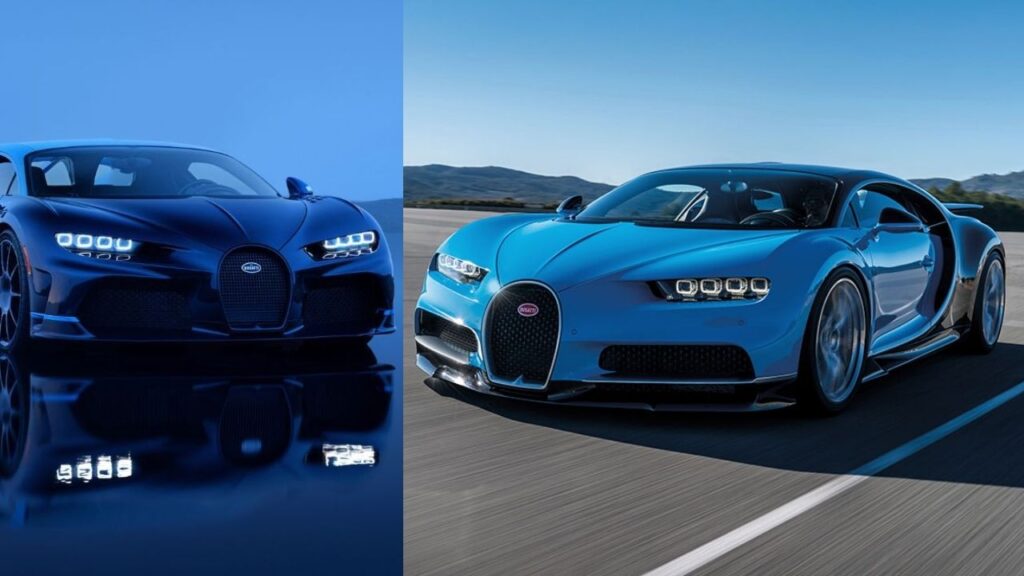
Bugatti Chiron

Bugatti Chiron

Griffin also has a Bugatti Chiron, it gives an insane 1,500 horsepower. With an electronically limited top speed of 261 mph, it is more than just a car. It’s not just fast—it’s rolling, pure insanity on wheels, this thing is.  

Category Specification Details
Engine 8.0L W16 Quad-Turbo 1,500 PS, 1,600 Nm, 7993 cc
Transmission 7-Speed Dual-Clutch All-Wheel Drive
Dimensions Length/Width/Height/Wheelbase 4,544 / 2038 / 1212 / 2711 (all in mm)
Weight (Kerb) Curb Weight 1,995 kg
Performance 0-100 km/h / Top Speed 2.5s / 420 km/h (electronically limited)
Fuel Capacity Tank 100 liters
Production Units 500 (2016-2022)
Price (Original) Base MSRP Starts at €2.5-3 million 


Pagani Huayra

There is also a Pagani Huayra among his collection, a $3.4 million sculpture of aluminum and carbon fiber that looks like it should be hanging in a museum. 

Category Specification Details​
Engine 6.0L V12 Twin-Turbo 720-791 PS; 1,000 Nm; 5,980 cc
Transmission 7-Speed Automated Sequential Manual RWD
Dimensions Length/Width/Height/Wheelbase 4,630/ 2036 / 1169/ 2795 (all in mm)
Weight (Dry) Dry Weight 1,350 kg
Performance 0-100 km/h / Top Speed 3.2s / >370 km/h
Production Units (Base) 100 (2012-2018); various limited editions
Price (Original) Base MSRP ~€2.5 million / ₹15-30 crore est.

The use of four flaps in active aerodynamics can generate as much as 700kg of downforce, as well as the carbo-titanium chassis providing the strength to weight ratio suitable for the hypercar classification. Editions like the BC (40 units, 791 PS), Imola (Codalunga), and track-only R accentuate bespoke customization and F1-inspired technology. The Cabin welcomes guests to unparalleled luxury with artisanal leather, carbon fiber and digital screens. 

The Griffin Philosophy

The way Ken Griffin goes about collecting cars is the way he goes about business: find the best, know how it works inside and out, and never settle for second place. Every one of the cars in his collection is the best of its time—be that time in cutting edge hybrid technology, earth-shattering horsepower, or engineering creativity that smash traditional norms. 

Griffin Car Collection Value

The ballpark value of his known collection sits in the $15-20 million range, pocket change relative to Griffin’s net worth. But the hours, research and emotional labor it takes to assemble a collection like that says as much about what he cares about beyond the hedge fund. 

Conclusion

The Ken Griffin Car Collection isn’t to flaunt that he’s rich — he just likes really well made cars. From the F1-derived hybrid powerplant of the Ferrari, LaFerrari to the active aerodynamics of the Lamborghini Performante, every car is a moment in time where human ingenuity reached new heights. For Griffin, driving is more than just transportation; it’s a look at the future, one hypercar at a time. 

1

How Electric Cars Are Changing the Future of Transportation

Published Jun 13, 2026, 12:16 PM
Last Updated Nov 2, 2026, 5:04 PM

Electric Cars

For years petrol or diesel cars have dominated on the road, but now the future of transportation is shifting to Electric Cars. They are already in the market and become a practical choice for millions of people worldwide. People prefer EVs to buy in 2026 as they offer low running cost, advanced technology, and less expensive maintenance.

However, car makers are still working on the batteries to provide more range. That future is near when average people can also afford Electric Cars. Governments and automakers invest heavily in electrification for making charging accessible easily.

The Transportation Shift is Already Happening

The smarter, faster, comfortable transport will become Electric Cars in the future. So choose wisely before you’re going to buy a new car. The resale value also dropped of petrol and diesel cars and EVs offer excellent technology with good range of driving. 

Global electric vehicle sales crossed 17 million units in 2024. China alone put more EVs on the road last year than the entire world did in 2021. India’s EV two-wheeler and three-wheeler market is exploding, with four-wheelers catching up fast. Tata Nexon EV is no longer a novelty on Indian roads — it’s traffic.

The question isn’t whether Electric Cars will change transportation. They already are. So are you going to be ahead of that change, or scrambling to catch up?

Read More:- The Future of Electric Vehicles: What Drivers Need to Know

What Actually Changes When a Car Runs on Electricity

The engine disappears. Not just physically — the entire relationship between a driver and maintenance changes. No oil changes. No coolant flushes. No timing belt anxiety. An electric motor has roughly 20 moving parts. A combustion engine has over 2,000. That’s not a small difference — that’s a different category of machine.

Refuelling becomes recharging — and that changes your whole routine. You stop thinking about fuel the way you think about groceries. Instead, you plug in at home overnight. Your car is full every morning. The “range anxiety” people talk about? It’s mostly psychological — the average Indian commuter travels under 40 km a day. Even entry-level EVs handle that with room to spare.

The car becomes a software device. This is the part that surprises people most. EVs aren’t just cars with batteries — they’re computers on wheels. They get over-the-air software updates. Their performance can literally improve after you buy them. Tesla has pushed updates that added features and improved range on cars already sitting in someone’s garage. That’s unprecedented in automotive history.

What This Means for Roads, Cities, and Air

If your city’s electricity is primarily coal-generated, an EV charged there is still indirectly burning fossil fuel — just upstream. India is working to fix this. Renewable energy capacity is growing rapidly, and as the grid gets cleaner, every EV on that grid gets cleaner automatically, without any change from the owner. That’s a compounding advantage no petrol car can ever have.

But air quality? That improvement is immediate and local. No tailpipe means no exhaust in city traffic. Anyone who’s sat in Delhi or Lucknow traffic in summer knows exactly how much that matters at street level.

Urban noise also drops. Electric motors are nearly silent. A city with predominantly electric vehicles would be a fundamentally quieter place — and that has real mental health implications that researchers are only beginning to document.

You Know That:- Which Car Is Best: Petrol or Diesel?

Pricing Structure For Electric Cars

Transportation isn’t just about getting from home to office or one city to another. It’s an enormous economic engine and Electric Cars are rewiring it.

The fuel economy argument alone is stark. Running an EV in India typically costs around ₹1–1.5 per km in electricity. A petrol car costs ₹6–8 per km at current fuel prices. For someone driving 15,000 km a year, that’s a saving of ₹67,500 to ₹1.05 lakh annually — every year. The higher upfront cost of an EV starts looking very different when you do that math over five years.

Then there’s what this does to jobs. Petrol stations, engine mechanics, spare parts manufacturers — entire ecosystems built around combustion are under slow pressure. New ecosystems are being built: charging infrastructure, battery manufacturing, software engineers for automotive systems. The jobs aren’t disappearing, they’re migrating. But migration is uncomfortable for the people in the middle of it.

EV Batteries Are Still a Problem

Batteries are still a big problem for EV cars and people hesitate while buying an electric car because of this.

Recent reporting of child labor in Africa raises concern as this happened in Cobalt mines. The material is used in batteries along with lithium and manganese. Recycling infrastructure isn’t completed properly yet. This doesn’t mean that EVs are harmful for our environment, instead it pushed manufacturers for stronger policies on battery sourcing.

The technology is improving. Solid-state batteries, sodium-ion alternatives, and better recycling processes are all in active development. But “it’ll be better later” isn’t the same as “it’s fully solved now.”

Where The Future of Transportation is Going?

The trajectory is clear, even if the timeline isn’t perfectly predictable.

Several countries have set deadlines to phase out new petrol and diesel car sales — Norway by 2025 (already there), UK by 2035, India pushing hard toward electrification targets under its FAME scheme. Automakers globally are retooling factories. Maruti Suzuki, which long resisted full electrification, is now accelerating its EV lineup. When the most conservative, mass-market carmaker in India pivots, the direction of travel is settled.

What remains uncertain is speed and equity. If charging infrastructure will expand fast to reach Tier 2 and Tier 3 cities and cut the manufacturing costs with time to make a car affordable for middle-income buyers. 

Read More:- Car Maintenance Tips That Save Money And Valuable Time

Conclusion 

In a changing world, people are choosing cars with batteries rather than petrol or diesel. Electric Cars support sustainability and reshaping transportation, cities, and the global automotive industry. Adaptation of EVs are growing faster, despite facing challenges like battery production, recycling, and charging infrastructure.

The future of transportation is not a petrol or diesel car anymore. But Electric Cars are leading that transformation to a greener world. Although, it’s not limited to it, it offers advanced tech in a car, speed and comfort too.

0

Tata Launches BaaS Across Its Whole EV Range: Is the Lower Price Real?

Tata Launches BaaS Across Its Whole EV Range

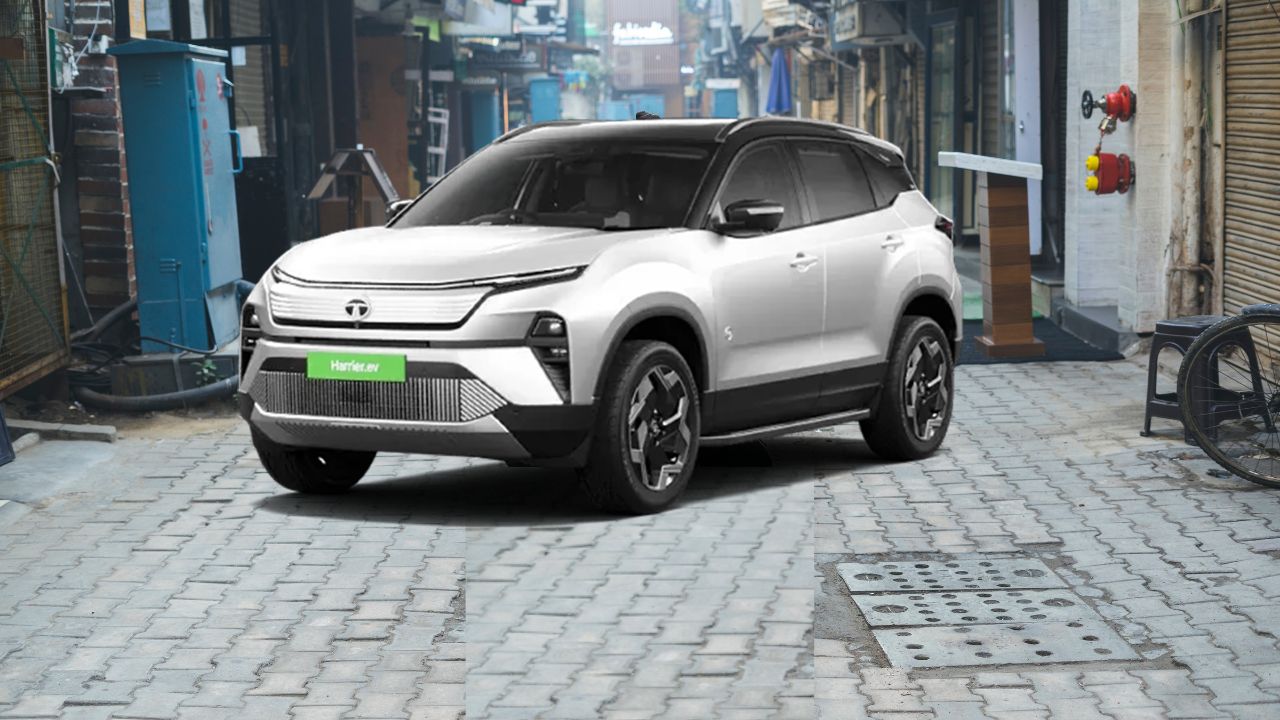
A Harrier.ev advertised at Rs 14.49 lakh looks like a different car from the Rs 21.79 lakh Harrier.ev on the regular price list. It isn’t because Tata launches BaaS. Tata Motors’ EV arm has moved the battery into a separate loan, so the sticker price falls while the battery cost still has to be paid. 

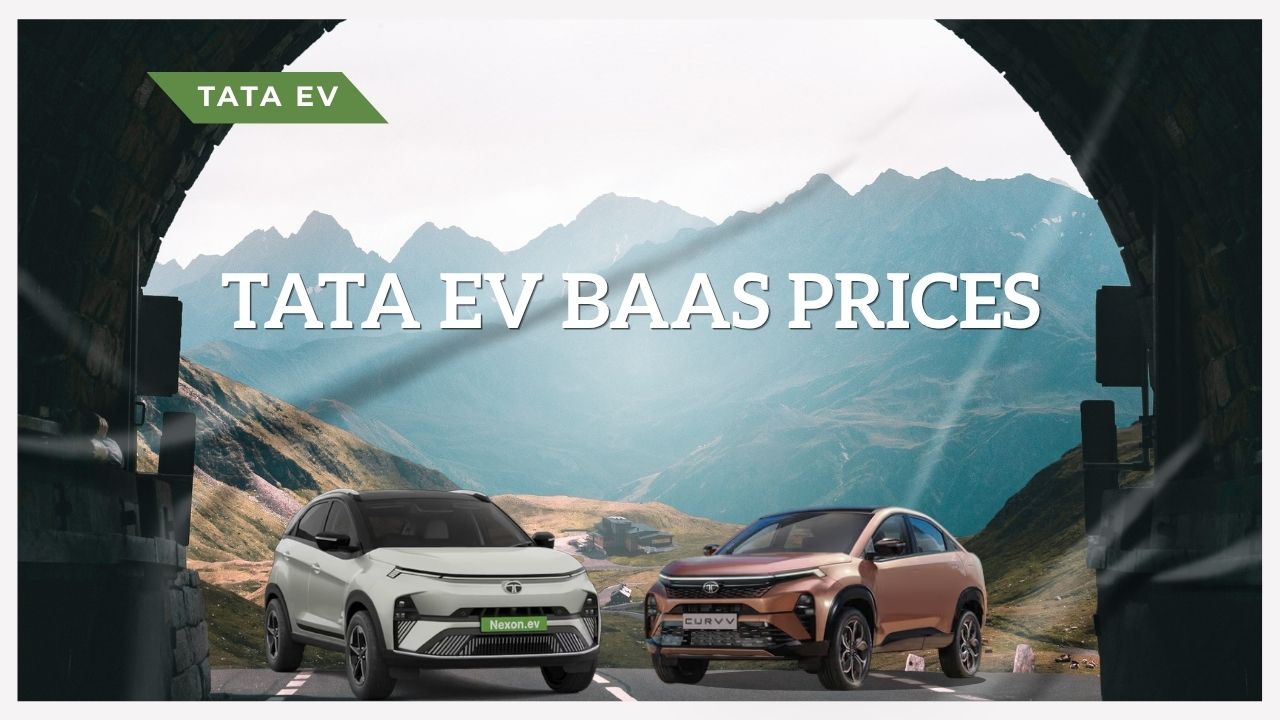
Tata.ev has extended Battery-as-a-Service to Nexon, Curvv, Sierra and Harrier, after launching it on the Tiago and Punch. Tata’s battery financing option now covers all six models, so it’s worth working out what you actually save.

Tata Launches BaaS For All EVs 

Buyers can still purchase any Tata EV with the battery included. Tata launches BaaS as an extra route, not a replacement. Tata calls it a dual-loan finance product: the vehicle and battery sit in separate loan accounts with flexible tenures, and multiple financiers are on board. The vehicle loan works like a normal car loan. The battery payment depends on battery size, down payment and tenure.

Tata’s Chief Commercial Officer, Vivek Srivatsa, said customers now want a choice in how they finance an EV as well as which one they buy. The company says the same vehicle technology, product experience and ownership support apply either way.

Tata Launches BaaS

Model-wise Tata EV BaaS Prices

Model BaaS vehicle price (ex-showroom) Regular starting price (with battery) Upfront saving vs regular price Battery usage cost
Tiago.ev ₹4.69 lakh ₹6.99 lakh ₹2.30 lakh ₹2.6/km
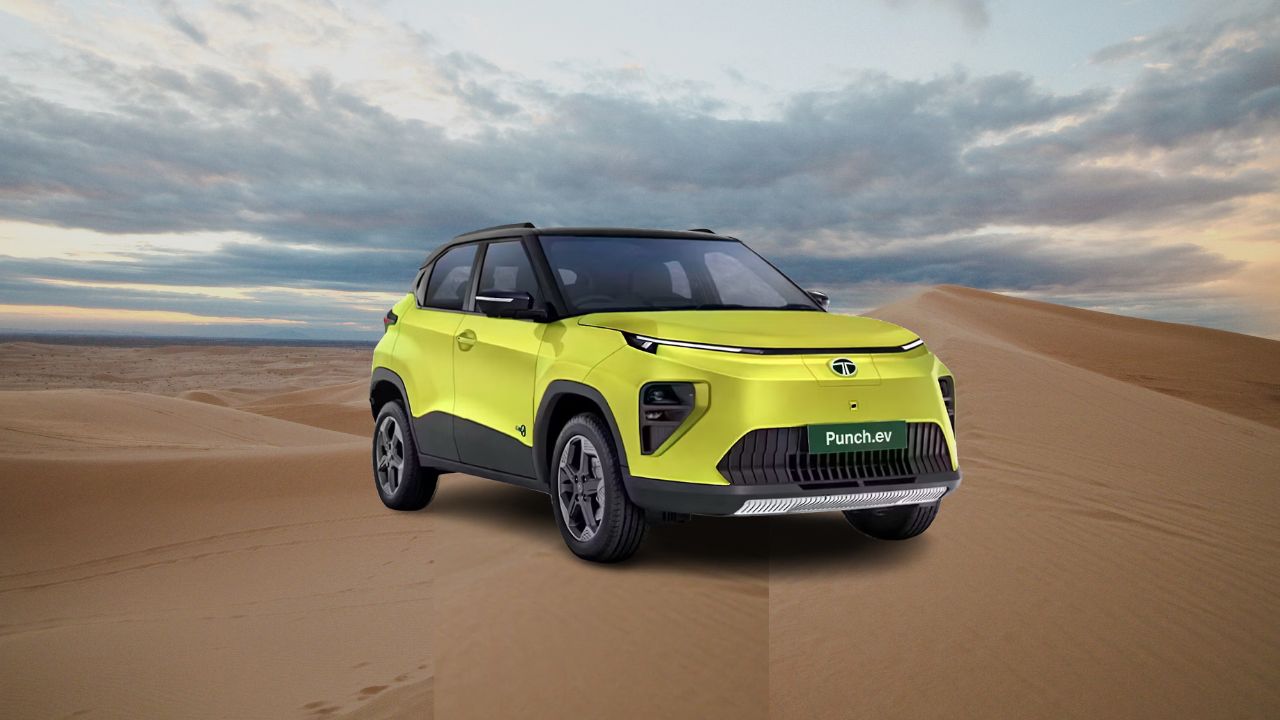
Punch.ev ₹6.59 lakh ₹9.79 lakh ₹3.20 lakh ₹2.6/km
Nexon.ev ₹8.99 lakh ₹14.34 lakh ₹5.35 lakh ₹4.4/km
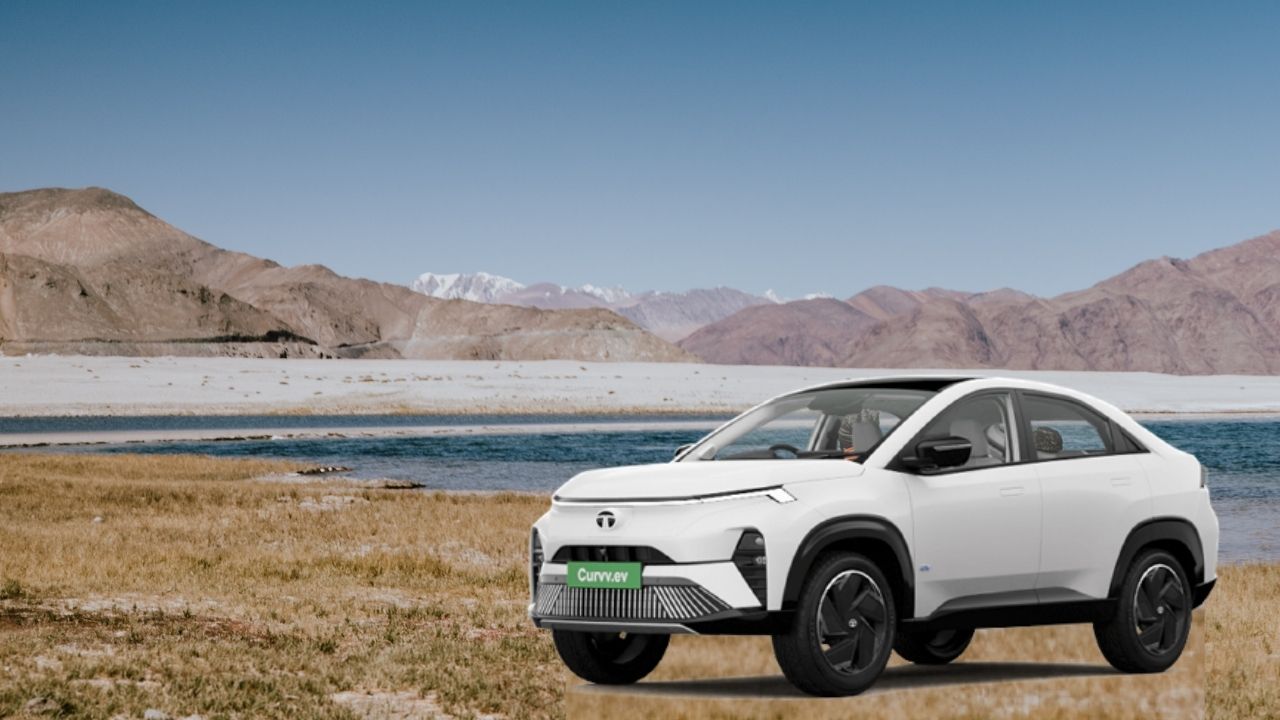
Curvv.ev ₹10.99 lakh ₹17.19 lakh ₹6.20 lakh ₹5.0/km
Sierra.ev ₹11.99 lakh ₹18.79 lakh ₹6.80 lakh ₹5.5/km
Harrier.ev ₹14.49 lakh ₹21.79 lakh ₹7.30 lakh ₹5.9/km

The Harrier.ev’s ex-showroom price drops from Rs 21.79 lakh to Rs 14.49 lakh under BaaS. The prices apply to entry-level variants for personal users, and they exclude government levies, road tax, insurance and TCS. Tiago’s saving is the smallest and Harrier’s the largest, because a bigger battery means a bigger chunk moved out of the sticker price.

Battery capacity and claimed range for each model weren’t in the launch coverage that could verify, so check Tata’s own configurator before quoting specs in your budget.

See Full Detail :-   New Hyundai Flagship Models Arriving Soon to Dominate Indian SUV Market

How Battery Loan Charges Are Calculated

Tata quotes the battery cost per kilometre. The battery financing or usage cost starts at Rs 2.6 per km. Take a guess with these starting figures, as it’s not the rate for each model, so ask the dealer for the exact number on your variant.

Tata’s illustration assumes 60 km per day for most models and 44 km per day for the Tiago.ev. At Rs 2.6/km and 44 km a day, that works out to roughly Rs 114 a day, or about Rs 3,400 a month. Your real figure will differ with your driving and your financing terms.

Battery Loan Charges

The battery payment isn’t your running cost. Charging, maintenance and repairs are extra. Electricity still comes on top.

One warning applies to the whole scheme. The lower price is a separation of costs for financing purposes, not an equivalent discount on the complete vehicle. You are paying for the battery, just in a different account.

Tata BaaS For All EVs VS Rivals

Tata is catching up to a crowded field. Mahindra recently introduced BaaS for the XEV 9S and XEV 9e, and MG’s Hector Tomahawk EV starts at Rs 13.99 lakh plus a battery rental of Rs 4.90 per km. The same report says Hyundai’s Creta Electric, Kia’s Syros EV, Citroen’s e-C3X and Toyota’s Ebella also have BaaS options.

MG’s Rs 4.90/km is the clearest benchmark. At Tata’s 60 km/day assumption, that rate comes to about Rs 8,800 a month for battery rental alone. Tata hasn’t shared per-km rates for its larger SUVs yet, so it’s too early to say whether the Sierra or Harrier will be cheaper. 

Tata BaaS For All EVs VS Rivals

Tata’s edge is that all six models are covered, so you can stay in one brand whether you want a Rs 4.69 lakh hatchback or a Rs 14.49 lakh SUV.

The main test is how long you’ll keep the car and how far you’ll drive it. Take the Tiago.ev. The Rs 2.30 lakh upfront saving divided by Rs 2.6/km gives about 88,000 km. At 44 km a day, that’s around five and a half years. If the per-km figure is the entire battery payment and the tenure runs that long, the saving is really a deferral. That ignores interest and any structure that couldn’t be confirmed yet.

Which Kind of EV Buyers Opt For BaaS?

  • Tight upfront budgets: you can afford the monthly payments but not a large down payment.
  • Low-mileage drivers: you drive well under Tata’s daily assumptions, so a per-km battery charge costs you less.
  • Short-tenure owners: you plan to sell within a few years and won’t stay on the battery loan long.

If you drive heavily or keep cars for a decade, buying outright with the battery included will likely cost less over time.

Read  Also :-  Renault Duster Hybrid Launches in India on 17 October 

Conclusion 

Tata launches BaaS for EV across models — Tiago, Punch, Nexon, Curvv, Sierra and Harrier. EV buyers can now finance a car on two different routes, this lowers the sticker but not the car price. This is not a discount, it’s a way to make a broader financing option for EVs.

Before signing, ask the dealer for the total down payment across both loans, the total payable over both tenures, and the battery EMI in writing. Compare that with a standard single loan. If the BaaS total isn’t clearly lower for your usage, skip it.

And if your budget is tight, consider this as a chance to buy an EV under Battery-as-a-Service scheme. 

0

New BMW M4 2028 Coupe Digitally Enters The BMW Neue Klasse M4 Era

BMW M4

The new BMW M4 2028 is feeling the heat more than ever during a time when the automotive industry is in the throes of a major transformation. High-performance coupe has been judged for many years with the M3 and now the M4 which offers both track-ready handling and the ability to be used every day. 

And now, the BMW M4 Coupe 2028 has been brought to life digitally, giving us a first glimpse of what the future of M Division performance could look like as it explores the futuristic BMW Neue Klasse M4 architecture in great detail. 

Recently, a digital artist and automotive visionary have collaborated and combined leaked design patents, rumors, and BMW’s own concept vehicles to visualize the new BMW M4 2028. What these HD CGI mods show us is a car that honours its high-octane history but is not afraid to go full throttle into a radical new age in car design and engineering. When it comes to the Ultimate Driving Machine, this is more than a refresh, it’s a complete rethinking of what the Ultimate Driving Machine can be in the late 2020s. 

Demystifying the BMW Neue Klasse M4

Before getting behind the digital wheels of the BMW Neue Klasse M4, we need to know what it is based on. The phrase “Neue Klasse” (New Class) is a wink to BMW’s past. The 1960s original Neue Klasse midsize sedans not only bankrupted and then saved the company and its hardcore, driver focused identity that BMW is known for today. 

With the new BMW Neue Klasse M4 today, this amounts to a similar resurrection. It is a purpose-built highly adaptable vehicle architecture engineered from the ground up for electric drivetrains, advanced digital connectivity, and circular sustainability. This new era’s design language features: 

Monolithic Minimalism: a radical change from the complex, heavily folded designs that have defined the past ten years. The surfaces are flush, generous, and duct-taped-smoothed.

The Reimagined Kidney Grille: Ditching the divisive vertical “bucktooth” grilles from the current G82 M4, the BMW Neue Klasse M4 design merges the grille with the headlights as a singular, coherent, horizontal digital band.

The Shark Nose Revival makes the car look fierce and hungry like a shark even when it is not moving via its forward-leaning front end, a design cue borrowed from classic BMWs from the 70’s and 80’s. 

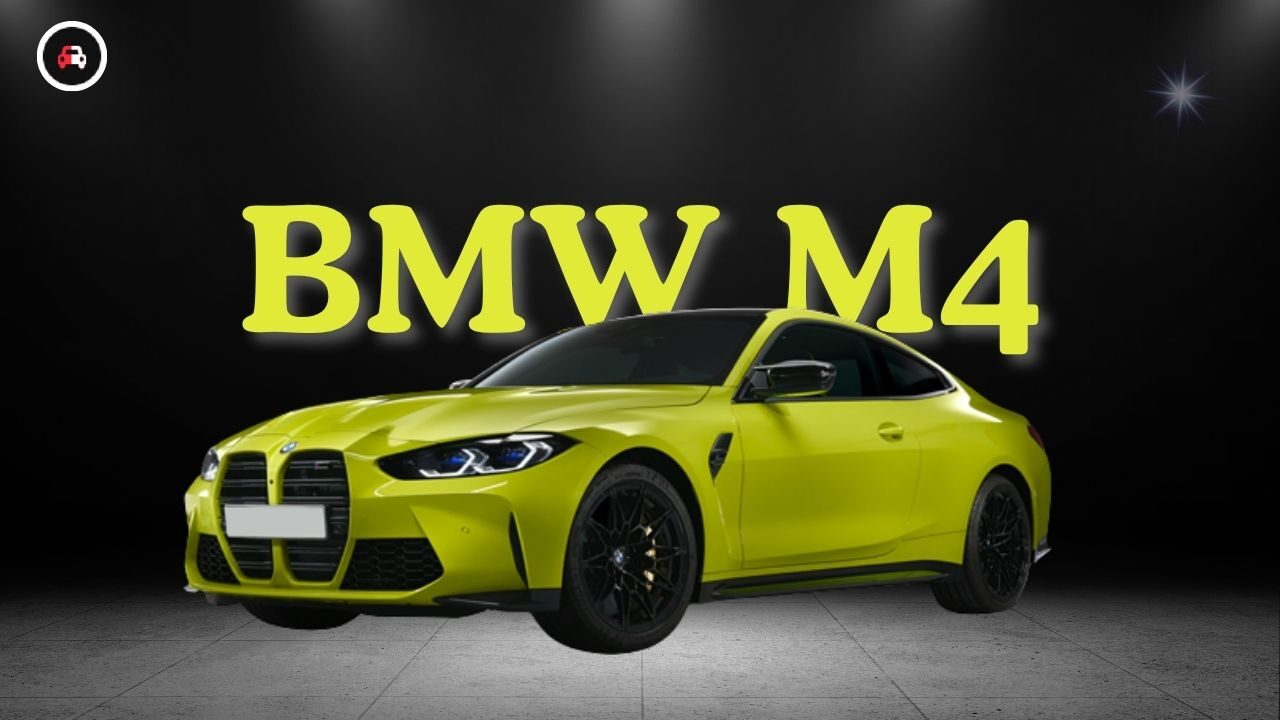
Looking at the BMW M4 Coupe 2028 CGI images reveals that the artists managed to combine the clean retro-futuristic Neuen Klasse design language with the muscular, flared-arch aggression of a M car. 

New BMW M4 2028 At a Glance

Aspect Details
Platform Neue Klasse (electric-focused, dedicated EV architecture)
Launch Year 2028 (ZA2 iM4 Coupe; current G82 production may extend to 2029) 
Body Style 2-door Coupe (convertible uncertain; lower, tighter profile with flared arches) 
Powertrain All-electric quad-motor AWD (>1,000 hp possible; Gen6 batteries for 20% more density, 30% faster charging); no confirmed ICE/hybrid for M4 (unlike M3) 
Transmission/Drivetrain 8-speed automatic AWD standard; manual likely retired
Performance Tech “Heart of Joy” control unit (10x faster integration of motors, suspension, traction; enables torque vectoring for superior handling)
0-100 km/h ~3s estimated (based on current M4 Competition at 3.5s; EV torque advantage)

Decoding the Digital Bodywork

What, then, is the new BMW M4 2028 looking like in these virtual worlds? The digital versions that are driving automotive forums crazy depict a very interesting view.

The renderings show a wide, angry-looking front end. The digital grille is more than just an air intake — though cooling is still critical for battery thermal management and high-performance braking, it is an interactive digital canvas. The headlights are pierced into this far reaching bar and they include the renowned double-halo design, but with a sharper look composed by glowing LED slashes. 

As we progress along the side, the traditional coupe profile remains, but it is lower and tighter. 

  • The classic Hofmeister neck at the C-pillar is more aggressive and pronounced. 
  • Digital artists have added flush door handles, aero-optimized carbon fiber side sills and aggressive, deep concave Y-spoke wheels cradling large carbon-ceramic brake rotors. 
  • The backside is perhaps the most eye-catching digital make over. 
  • The taillight is designed as ultra slim 3D sculptured OLED modules, and stretches across the full width of the rear, highlighting the wide stance of the vehicle. 
  • A substantial ducktail spoiler – a tribute to the iconic E46 M3 CSL – is integrated into the trunk lid. 
  • The conventional quad exhausts are gone from the electric variant, instead there is a large, menacing rear diffuser meant to direct air efficiently and pull the car to the ground. 

However, for potential hybrid ICE versions artists have still drawn the beloved quad tailpipes, showing that the M community holds on to the old ways. 

The Powertrain Paradigm: Electrons, Inline-Sixes, or Both?

The BMW Neue Klasse M4’s aesthetic modifications are only half the story. The true revolution lies in the beating heart of this machine. Industry insiders and digital forecasters are split on what exactly will propel the BMW M4 Coupe 2028, indicating an interesting period of transition for the M Division. 

The Ultimate Electric Machine

The most extensive revision will be an all-electric M4, probably built on a clean sheet Neue Klasse platform. For future M vehicles, BMW has spoken openly about a quad-motor electric powertrain that could produce well over 1,000 horsepower. No I.C. engine would be able to match the immediate, neck-snapping torque that the dual-motor version of the BMW Neue Klasse M4, if we can call it that so early in the game, would be able to deliver at over 600 horsepower. 

BMW’s new Gen6 round cells should deliver 20% more energy density and 30% faster charging. So the electric M4 won’t be just a drag strip bruiser, it should deliver for sustained track use without falling victim to the rapid thermal degradation that seeps through earlier generations of EVs. 

The Last Stand of the Inline-Six

After the electric push, “there are strong rumours that the internal combustion engine is not quite dead yet.” The new BMW M4 2028 could be based on a dual-platform strategy. In addition to the electric version, it is likely that we will get a version of the current S58 3.0-liter twin-turbo inline-six. 

But the technology engine is not about to stop running. It is very likely that the BMW M4 Coupe 2028 ICE variant would come equipped with mild hybrid technology to comply with the strict emissions norms. This may send the power figure soaring to 560 horsepower. 

Unfortunately for the purists, this digital age also spells the probable demise of the manual transmission. With power levels scaling ever higher, hybridization becoming mandatory and the classic six-speed stick likely being retired in favor of lightning-fast 8-speed automatics, the rear-biased all-wheel-drive system is going to be standard across the board. 

Inside the new BMW M4 2028: A Panoramic Vision

BMW Neue Klasse M4 exterior is something truly a revolution then its interior is more than that. You can say that is an utter revelation. Digital images of the interior portray a setting that seems more at home on a spacecraft than a conventional sports coupe. 

To help the driver stay focused on the road, the new BMW M4 2028 offers Panoramic Vision which shows navigation, speed, and lap time which is vital when driving a vehicle capable of supercar-level performance. 

  • The traditional, button-filled center stack will be greatly simplified. 
  • A central touchscreen, tilted sharply towards the driver, will be the focal point for most infotainment and climate functions, running on the next generation of BMW’s operating system. 
  • Interestingly, the much loved iDrive rotary controller is said to be on its way out in the Neue Klasse era, a decision that already has people debating furiously, digitally and journalistically speaking on both sides of the camp. 

This new BMW M4 2028 interior’s covered with unlacquered carbon fiber, sustainable plant-based leather, and recovered fishing nets. This indicates that it follows sustainability without losing a luxury touch. 

Don’t Miss:  Lexus RX vs BMW X5: Which Luxury SUV Dominates 2025?

Driving Dynamics: The “Heart of Joy”

Concern for the soul of the BMW M4 Coupe 2028 has long been the thing to worry about among fans, now especially the electric versions. What’s the way for a chunky, quiet EV to re-create the visceral excitement of a screaming inline-six?

BMW’s answer is software, in the form of a revolutionary control unit codenamed the “Heart of Joy.” This one, ultra-intelligent super-brain combines powertrain software and vehicle dynamics in a single, centralized solution. It runs up to 10x faster than existing separate systems. 

When it comes to the BMW Neue Klasse M4, the Heart of Joy will seamlessly harmonize the electric motors, adaptive suspension, active roll stabilization, and traction control like never before. If it has a quad-motor setup, the car could spin its outside wheels faster than the inside wheels through a corner, effectively turning the car around the apex with no understeer. 

It spells a level of nimbleness and chassis command that you just can’t get with a normal combustion engine and mechanical diff. It may not say old M4, but it will turn out like nothing you’ve ever seen before. 

The BMW M4 Coupe 2028 Competitors 

The new BMW M4 2028 is entering a far more challenging and competitive sport coupe market, as rival manufacturers are quickly moving up on a world scale.

  • Porsche is readying an all-electric 718 Cayman replacement that will demonstrate EVs can still be lightweight, high performance fun to drive. 
  • Meanwhile, Audi has its own electrified performance coupe lineup in the works.
  • Mercedes-AMG is placing greater emphasis on advanced plug-in hybrid technology to reshape its performance line. 

For BMW, getting the BMW M4 Coupe 2028 right is going to be tricky. It has to adapt to the intricate digital and electrical system of the Neue Klasse platform, and at the same time it must not compromise the raw, pulse-racing driving experience that an M car is. 

Rival Key Traits Differentiation
Porsche 718 Cayman EV Lightweight EV fun, mid-engine layout BMW emphasizes AWD torque and “Heart of Joy” software edge
Audi Performance Coupe Electrified AWD lineup BMW’s quad-motor >1,000 hp potential outpowers
Mercedes-AMG Hybrids Plug-in tech focus Fully electric Neue Klasse vs. hybrid transition

Featuring next-generation battery technology, the new “Heart of Joy” software, and a design that fuses heritage with a futuristic vibe, BMW is setting the M4 up to spearhead this new generation of performance. 

The Role of Digital Art in Automotive Evolution

Where we get our automotive news now is interesting to think about. Cars are “digitally born” years before they are officially introduced to the public. Skilled CGI artists utilizing CAD programs and extensive knowledge of brand design languages, develop the new BMW M4 2028 long before the first test mule hits. 

These digital representations allowed enthusiasts to dream, argue and ultimately help define that shows how designs are radically changed just like BMW Neue Klasse M4 design language to a classic coupe silhouette. This is a modern strategy for these automotive manufacturers.

Conclusion

The Neue Klasse coming is the most pivotal moment for BMW M history. The digital images of the BMW M4 Coupe 2028 gives an amazing insight into what happens when Bavarian engineering skill combines with unrestricted digital creativity. 

It’s powered by a heavily electrified inline-six or a physics-defying quad-motor electric setup, the BMW Neue Klasse M4 is set to raise the bar for the high-performance coupe segment. Rumours suggest that it offers incredible features such as more faster, smarter, and more capable than any M car before it. May we miss its manual transmission but the new BMW M4 2028 looks set to deliver a thrilling, tech-forward future. 

0

Buying a Used Car? Don’t Get Cheated! Must-Know Precautions & Tips

Published May 21, 2025, 12:16 PM
Last Updated Nov 5, 2026, 4:18 PM

Chosen to purchase a trade-in vehicle? Indeed, you are not by any means the only one, a great many Indians are currently picking utilized vehicles and on the off chance that we take a gander at measurements the most recent two years have seen a flood in the trade-in vehicle market as an ever increasing number of individuals are presently deciding on private vehicle. Whatever your explanation be, we need you to realize that you’ve settled on the right decision.

In any case, on the lookout, not all things are what it is by all accounts and you ought to consistently have a watchful eye to spot which vehicle vender is a cheat and which isn’t. On those lines we need you to be advised about a couple of insurances that you ought to embrace when purchasing a pre-owned vehicle.

Let a car mechanic accompany you

Unless you are an expert evaluator yourself, it would be wise to take an experienced car mechanic with you to know the nitty-gritty details of the vehicle. Although you might have to pay him for his services, it would be better than buying the wrong car and feeling remorseful afterward.

Check the car thoroughly

Try not to depend on what the merchant claims about the vehicle, check the vehicle for yourself. You can relinquish minor scratches and marks yet be careful about the greater ones, vehicles with body rust are a major no. Check for paint surface contrasts. These will assist you with understanding the circumstance the vehicle might’ve been in. Likewise, watch out for the electricals, everything ought to be in working condition, in case anything is awkward, deal. The tires ought to be in acceptable condition, in case they’re thinning up top, you ought to have the option to set aside more cash.

Test Drive

A very important aspect of buying a car is the test drive. Starting the car should be a very smooth process. There shouldn’t be any untoward noises, hop out of the car with the engine running and open the bonnet to check weird noises. Check the tailpipe, there shouldn’t be any smoke or oil spouts.

Gear shifting should be effortless, you should not apply any extra pressure on the stick. Engage the clutch and when you release it, the vehicle should move forward in a gentle manner without jerks or vibrations.

Take the car out for a ride, feel the suspension, no squeaking or odd vibrations should be felt. Another way to test the suspension is to tackle corners with a little more speed than you usually drive at. Sharp turns put the suspension into action and if you feel anything is out of place, take the call.

Document verification

Check documents when buying a used car

So, the car is good, but don’t move ahead until you’ve verified the documents and the information on them. A few pointers:

  • Registration Certificate is a crucial document that confirms the legality of the vehicle and ownership. Make sure that the certificate is not a duplicate one  – Duplicate Registration Certificate. If you are buying from a dealer check if the RC has the name of the dealer, this would mean that you would be the third buyer, which should not be the case as the market value will be low for a third-hand car.
  • VIN and Engine no. should be the same everywhere i.e., on the Registration Certificate and the car. A few places where you can find the VIN no.
  • Insurance is another important vehicle document without which a car cannot ply on the roads. Make sure that the insurance is also transferred in your name and has a validity of at least three weeks post purchase. If it doesn’t you can bargain and buy new insurance which is much more beneficial.
  • A vehicle service book tells a lot about the car, for example if the servicings are consistent then you know that the car was cared for and maintained to the highest standards. But, on the flip side it can be forged as well. If it is too good to be true then maybe it is not true. Be sure to ask as many questions to the owner. Like the dents and major scratches.
  • Road tax certificate is another important document that certifies that no taxes are due. Although it is a one time payment that is paid at the time of purchase of the car. In any case if it isn’t, there is something fishy.
  • Pollution under control certificate shows the emission levels of the car, via which you can ascertain the condition the engine is in.
  • A Loan NOC is something that you should be aware of in case the vehicle was purchased on a loan, this confirms that all loan dues have been paid and the financier has no claim on the vehicle.

Vehicle modifications

Many people opt for vehicle modifications to make their car look a certain way, and any part of the vehicle can be modified, that is, as long as it is legal. Certain changes like car color, engine tweaking are illegal. So are installation of tyres bigger than what the manufacturer recommends.

Here’s a list of car modifications that are considered illegal in India.

  • Fancy number plates
  • Loud exhausts
  • Roof modifications
  • Engine mods
  • Wide tyres
  • Body lifting kits
  • Car color

Make sure that the car you are going to buy doesn’t have the above modifications, if it has then it would be best to look out for another vehicle.

Get an idea of the price online

Image depicting a search for a used car online

Before you go out hunting for a used car, select the car that you think is the right choice for you, this includes the no. of kilometers it has run and its age. Check these details online to get an idea of the price, compare it, and bargain accordingly.

Know when to pay

At times delay is not denial, this also holds true when you buy a car. Take into account all your options, go through them again and again, and make the decision only when you deem it is right.

If all of this overwhelms you and makes you think twice about buying a used car, don’t give up as we have got a better alternative for you, Badicar.com .

Buying a used car on Badicar.com  is the easiest thing and the most hassle-free thing you will ever do.