0

Manual vs Automatic Cars — Which One Should You Buy?

Published May 29, 2026, 1:07 PM
Last Updated Jun 19, 2026, 9:47 AM

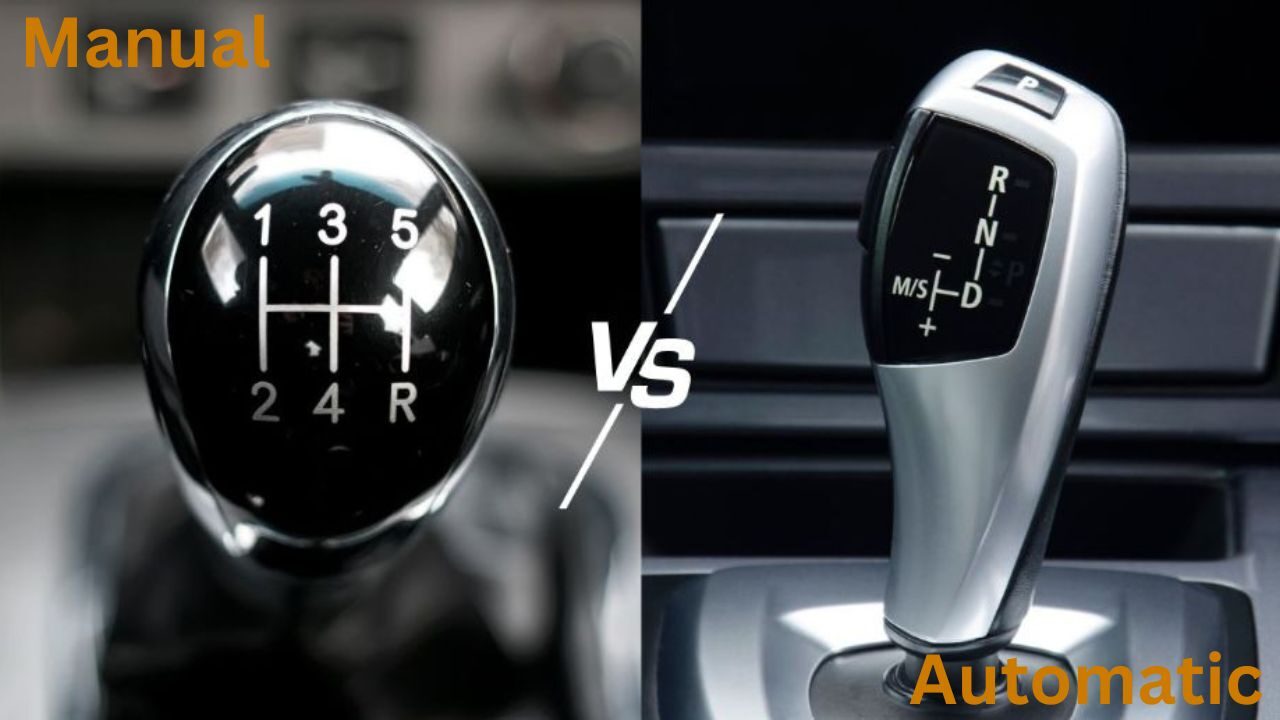
Manual vs Automatic Cars

Buying a new car made you jump on the debate in Manual vs Automatic Cars. You start looking for manual cars then you remember that you don’t have a budget or you need more fuel efficiency, so understanding which car you should buy is crucial and this comparison will help you find out. 

Both gearboxes have earned their place on the road. The real question isn’t which is better — it’s which is better for you.

Manual

Stick shift

Automatic

Self-shifting

  • Full control over gear selection
  • Easier in heavy stop-start traffic
  • Typically cheaper to buy & maintain
  • Faster lap times (modern dual-clutch)
  • Better fuel efficiency (older models)
  • Lower learning curve
  • Driver engagement & “feel”
  • Better for accessibility needs
  • Harder to steal in many regions
  • Dominant in EVs & hybrids

Why This Comparison Still Matters

In an era where electric vehicles are rising and dual-clutch automatics are faster than any human thumb, you’d think the manual vs automatic debate is dead. It isn’t. Every year, millions of first-time buyers and experienced drivers switching segments, face this exact fork in the road.

This debate is consistently occurring because both transmissions are genuinely excellent at what they’re designed to do. There’s no universal winner. The “right” choice depends on your city, your commute, your budget, and honestly — your personality.

The best transmission is the one you’ll enjoy driving every single day, not the one that wins a spec sheet comparison.

The Case for Manual Cars

Driving a manual isn’t just a skill — it’s a philosophy. When you control the clutch and shift yourself, you’re not a passenger in the driving experience; you’re the co-author of it. Enthusiasts will tell you that a mountain road in a manual car is a fundamentally different — and richer — experience than the same road in an automatic.

Beyond romance, manuals carry real practical advantages. They tend to cost less upfront (often ₹50,000–₹1 lakh cheaper on the same model in India), have simpler transmission mechanics that are cheaper to repair, and give you full authority over engine braking — useful in hilly terrain or wet roads.

There’s also a security perk that rarely gets mentioned: a significant portion of car thieves in India and globally simply don’t know how to drive stick. A manual car can be a surprisingly effective deterrent.

Read More:-  Kendrick Lamar Car Collection is Classic Garage With Old & New Luxury Cars

The Case for Automatic Car

Modern automatics — especially CVTs and dual-clutch transmissions — have erased almost every disadvantage they once carried. Today’s 8-speed torque-converter automatics shift faster than a human hand, and DCTs used in performance cars are flat-out faster on a track than any manual equivalent.

In Indian traffic conditions — Lucknow’s congested chowks, Bangalore’s perpetual gridlock, Mumbai’s coastal highway crawl, the case for automatic is almost self-evident. Clutch fatigue is real. Left-knee strain from thousands of small engagements in a daily commute adds up. An automatic eliminates all of that, leaving mental bandwidth for actual driving decisions.

In city traffic, an automatic doesn’t just make driving easier — it makes it safer, by keeping both hands on the wheel and both eyes on the road.

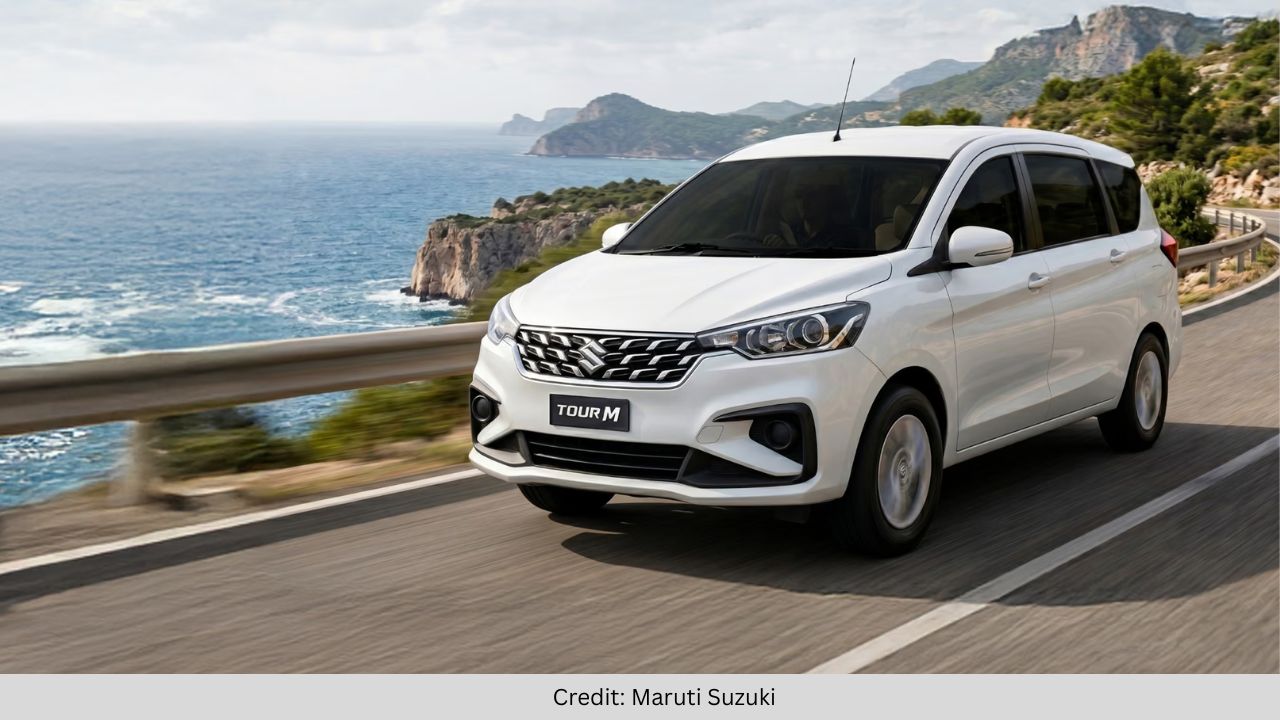
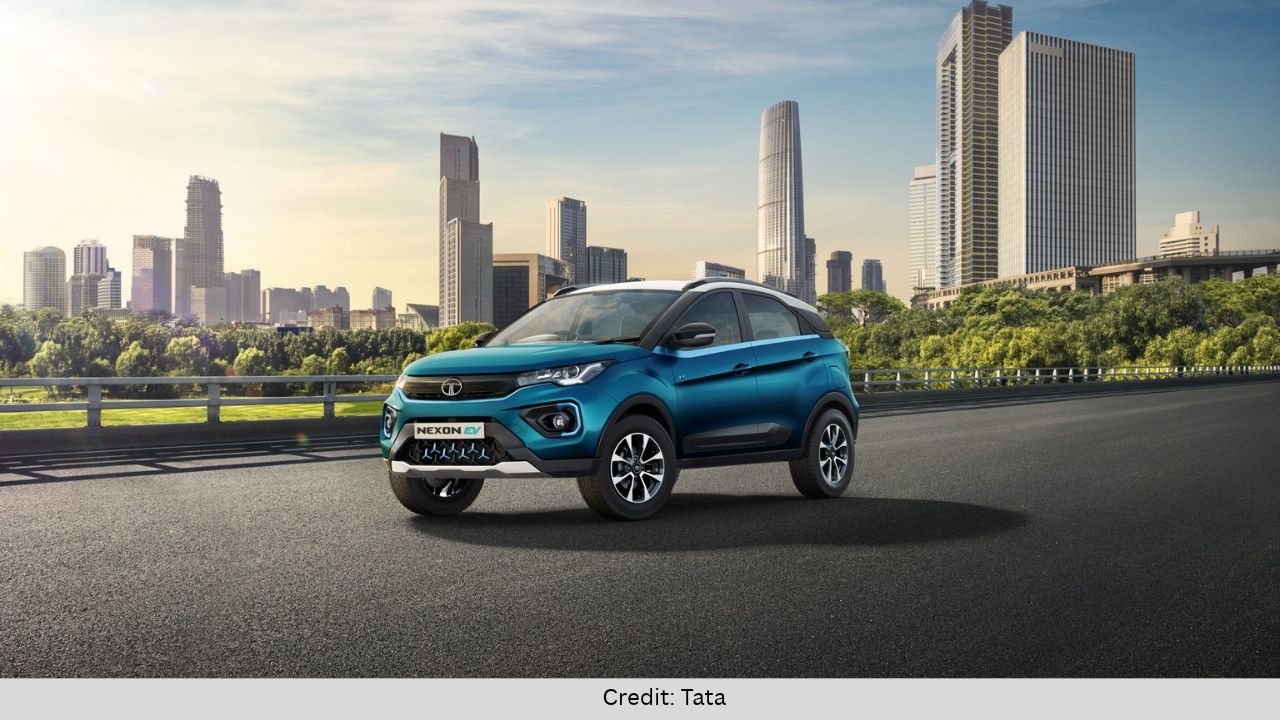
Automatics are also the only real option if you’re buying a hybrid or EV. The Maruti Suzuki Grand Vitara’s strong hybrid, Tata Nexon EV, or MG Windsor — all automatic by design. The future of powertrain tech is speaking clearly here.

Head-to-head Comparison of Manual & Automatic

Factor Manual Automatic
Purchase price Lower (same model) ₹50k–₹1.5L premium typically
City driving ease Tiring in traffic Significantly easier
Highway driving More engagement, fine Effortless cruise
Fuel economy Better (driver-dependent) Near-equal in modern units
Maintenance cost Lower long-term Gearbox service is pricier
Resale value Lower in urban markets Higher demand in cities
Driving fun Higher engagement Depends on transmission type
Accessibility Harder for some users More universally usable

Both Sides Of The Argument Are Genuinely Valid

Here’s what the internet debates often miss: manual vs automatic transmissions solve different problems excellently. A manual car in the hands of an engaged driver on a smooth state highway is pure joy. That same car in the rush hour of the city is a workout nobody asked for.

Conversely, an automatic is undeniably more accessible, less fatiguing, and increasingly more fuel-efficient. But ask a driving purist and they’ll tell you something important is lost — that thin-but-real tactile feedback between you and the road.

Neither camp is wrong. The manual loyalist isn’t being nostalgic for nostalgia’s sake. The automatic advocate isn’t being lazy. They’re optimizing for genuinely different things: one for immersion, one for practicality.

Who Should Buy What?

Choose manual if: you are long trips enthusiast and travel is your passion because experiencing the driving on open road is itself enjoyable, you have enough budget, or you live in a hilly area where engine braking matters.

Choose automatic if: you need to go to the office daily because it is the most rush hour in the city, you want to buy an EV, or you are a beginner.

And if you’re genuinely torn? Drive both. Borrow a friend’s car for a week. One rush-hour commute in a manual versus an automatic will give you an answer no spec sheet ever can.

Conclusion

The Manual vs Automatic Cars debate happens when you are going to buy a car because your friends might suggest their opinion, your family says something else and you get confused. It is not a perfect answer of which is right, because both transmissions are right in their own context. Buy the one that fits your daily reality, your budget, and the way driving makes you feel. That’s always the correct answer.

Sharey Khan

Sharey Khan is an IT entrepreneur and petrol head & a car enthusiast. With a special focus on car-related content, he combines his deep passion for vehicles with a talent for crafting informative, engaging, and easy-to-understand content. His writing is driven by a genuine love for cars and he is committed to providing readers with accurate, up-to-date, and trustworthy information that empowers smarter driving decisions. 

Leave a Reply

Your email address will not be published. Required fields are marked *

0

How to Save Money on Car Insurance?

Save Money on Car Insurance

Car insurance is one of those expenses that most people don’t think about until the renewal reminder shows up. If you’re wondering How to Save Money on Car Insurance?, the good news is that cheaper insurance doesn’t always mean weaker protection. Many insurers offer the same level of coverage at more competitive rates. There are a number of proven ways to lower your car insurance premiums without compromising on the coverage you need.

Whether you are buying a new policy or renewing an existing one, learning How to Save Money on Car Insurance? and making a few smart decisions—such as comparing quotes, taking advantage of discounts, and choosing the right coverage—can help you save a significant amount each year.

Why Car Insurance Costs Vary

Two people driving the same car model in the same city can end up with completely different premiums. That’s because insurers don’t price car insurance on the vehicle alone — they price the risk you represent as a driver. Your claim history, the area you park in overnight, how old the car is, and even which insurer you’re comparing against all shift the number. 

This is exactly why shopping around matters: a premium that looks “standard” from one insurer can be 20-30% higher than what a competitor offers for the same coverage.

Understand the Factors That Affect Your Premium

Before you can lower your car insurance bill, you need to know what’s driving it up. The main factors include:

  • Insured Declared Value (IDV) — a higher IDV means higher premium, since it’s the maximum payout in case of total loss or theft.
  • Car’s age and make — older cars usually cost less to insure, but expensive parts (German sedans, for instance) push premiums up regardless of age.
  • Location — metro cities with higher accident and theft rates typically carry higher premiums than smaller towns.
  • Engine capacity — bigger engines are taxed at a higher premium slab.
  • Claim history — every claim you make resets your No Claim Bonus clock and signals higher risk to the insurer.

Once you have identified which of these are relevant to you, it is much easier to see where you are being overcharged. 

Compare Car Insurance Quotes Before Buying

This is the one most powerful habit you can have to lower your car insurance cost, and yet almost no one bothers to do it, they just renew with the same company year after year out of laziness. Different insurers assess risk in different ways, so the difference between the cheapest and most expensive quote for the same level of cover can be significant. 

How to Save Money on Car Insurance

Use an online aggregator to fetch quotes from a minimum of four or five insurers before you buy, and check each one for the same IDV and coverage type — else you will not be comparing apples to apples. Five minutes of comparison can save you thousands over the policy year.

Choose the Right Coverage for Your Needs

Third-party car insurance is compulsory in India and the damage caused to another party is covered under it, the repairs of your own car can be claimed under your ‘own damage’. Comprehensive car insurance policy provides coverage for both theft and natural calamities besides accidents. 

If your car is relatively new or still has a lot of value, you’ll want to consider full coverage despite the extra cost. But if you drive an older car and mostly drive it on short trips around town, a third-party policy with a couple of targeted add-ons could be all the coverage you really require. 

If your car is new or still holds significant value, comprehensive coverage is worth the extra premium. But if you’re driving an older car that’s mostly used for short local trips, a third-party policy with a few targeted add-ons might be all you actually need. The goal isn’t to get the lowest price policy—it’s to get the policy that best aligns with your car’s actual risk. 

Increase Your Voluntary Deductible

A voluntary deductible is the amount you commit to paying from your own pocket prior to your insurer’s involvement for a claim. Choosing a higher voluntary deductible on top of the mandatory one reduces your premium since you are taking on more of the risk of small claims.  

It works great if you’re a cautious driver who never or very rarely makes claims. Just be sure the deductible is a figure you could easily lay out in cash if you got in a crash. 

Read More :- Hypothecation in Car Insurance: Everything You Need to Know

Take Advantage of No Claim Bonus (NCB)

No Claim Bonus is a discount which accumulates on every claim free year, it starts at 20% after the first year and goes up to a maximum of 50% by the fifth year. It’s linked to you and not the car, so it transfers even if you sell your old car and get a new one. 

If you’ve gone a few years without a claim, make sure your insurer is actually applying your full NCB at renewal — it’s worth checking the math yourself rather than assuming it’s automatic.

Avoid Making Small Insurance Claims

Making a claim for a tiny scratch or a little dent might seem like you’re making the most of what you paid for, but it usually ends up costing you more in the long run. A minor claim will reset your No Claim Bonus, and losing even 20% of your discount can mean more than what the claim is worth. 

For low-cost repairs, it’s usually cheaper to pay out of pocket and preserve your NCB streak. Save your claims for the incidents that actually justify losing the bonus — major accidents, theft, or significant damage.

Install Safety and Anti-Theft Devices

Insurers offer premium discounts — typically around 2.5% on the own-damage component — for cars fitted with ARAI-approved anti-theft devices. Airbags, ABS, and approved security systems can also nudge your premium down, since they lower the insurer’s risk of a large payout. If your car doesn’t already have these, the discount plus the added safety often justifies the upfront cost.

Renew Your Car Insurance on Time

Letting your policy lapse, even briefly, is one of the costliest mistakes a car owner can make. A lapsed policy means you lose your No Claim Bonus, and you may need a fresh vehicle inspection before the insurer will issue a new one — sometimes at a higher premium because you’re now treated as a higher-risk case. 

How to Save Money on Car Insurance

Set yourself a reminder a few weeks ahead of your renewal date so you can shop around rather than renewing in a hurry with the first renewal reminder you receive. 

Bundle Insurance Policies for Extra Savings

A lot of insurers provide you with a discount, if you have more than one policy with them — like car and two-wheeler, or car and home insurance. Bundling lowers the insurer’s cost to acquire you, and they typically share some of that savings with you. 

Just be sure to check the bundled price against the cost of purchasing the individual policies offered separately online; the discount really should be significant enough to beat the alternative, not just offer a convenience. 

Maintain a Good Driving Record

A spotless driving record is one of the silence-but-punch-packaging punches to keep your auto coverage affordable in the long run. Less claims means more NCB and some insurers even offer good driver/telematics based discounts for driving within speed limits and driving habits, monitored via an app or a device installed on the vehicle. Even without telematics, consecutive claim-free years establish a record that carriers will reward at renewal. 

Remove Unnecessary Add-Ons

Add-ons such as zero depreciation cover, engine protection, and roadside assistance are helpful, but only if they are reflective of the way you use your vehicle. Zero depreciation coverage is a good idea for a new car that is in its first few years; on an eight-year-old vehicle it adds very little value. 

Review each of your policy add-ons one by one and remove those that aren’t applicable to your current situation that alone can shave a noticeable amount off your premium. 

Read More :- What is ORVM in a Car and How Does it Work?

Opt for Pay-As-You-Drive Insurance (If Available)

If you drive only occasionally — a car for weekends, or one that’s used primarily for quick trips — pay-as-you-drive coverage can be a lot cheaper than a traditional annual policy. Premiums are based on actual kilometers driven, so that compensates low-mileage drivers instead of subsidizing high-mileage drivers. Not every insurer offers it yet, but if your car is mostly parked, it’s certainly worth asking. 

Review Your Policy Every Year

The value of your car declines every year which is why your IDV needs to be recalculated at every renewal, ensuring your old car at its original value is like paying for protection that you no longer need. 

Reviewing your policy once a year also allows you to re-evaluate add-ons, see if you’re eligible for a new discount, and make sure your NCB has been credited properly. Consider renewal a decision point, not a formality. 

Common Mistakes That Increase Car Insurance Costs

A handful of habits help drive up what people pay for car insurance annually: rolling over with the same insurer without comparing quotes, claiming for small damage and losing NCB, letting the policy lapse, over-insuring a veteran car at an outdated IDV, and not reading the fine print on add-ons that are no longer valid. 

Tips to Get the Best Car Insurance Deals

Getting the best car insurance deal isn’t about finding one trick — it’s about stacking several small decisions correctly. Review quotes from different insurers at each renewal, protect your NCB by not making small claims, select a voluntary deductible that you can afford and remove any add-ons that you are not using. Renew on time, keep your driving record clean, and revisit your IDV annually instead of letting it auto-renew at last year’s number.

Conclusion

Car insurance costs feel fixed until you actually sit down and question each line item — and that’s usually where the savings show up. None of the steps here require switching to a bare-minimum policy that leaves you exposed; they’re about paying for exactly the coverage your car needs, at a price that reflects your actual risk. Next renewal, take the twenty minutes it needs to compare, adjust, and ask your insurer the questions most people never bother asking.

0

New Tata Safari EV Triple Screen Dashboard Spied – Launch Soon

Published Sep 22, 2026, 9:58 AM
Last Updated Sep 26, 2026, 8:43 AM

Tata Safari EV

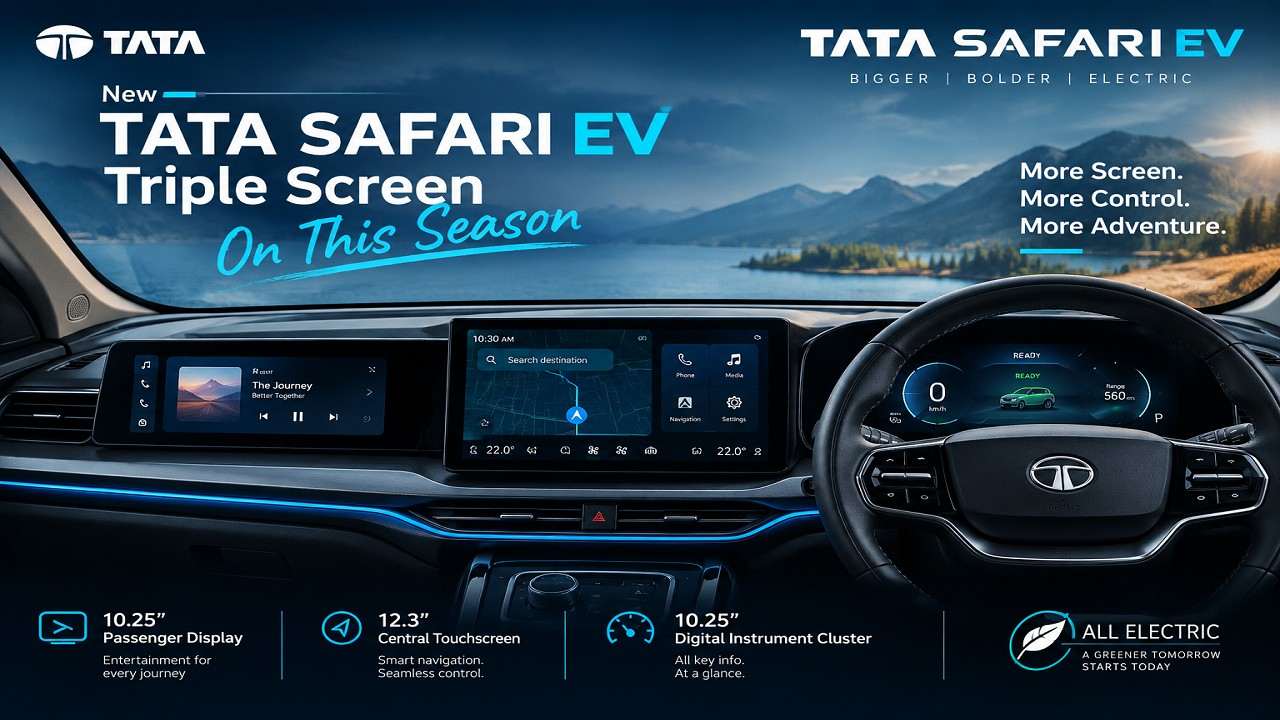
The new Tata Safari EV soon enters the market with three rows and three screens. Since Tata always comes with specific functionality, this time Safari makes an exceptional presence in a seven-seat family SUV segment. Tata hasn’t confirmed the dashboard, the launch date or the price. The outlet speculated that the Safari EV could end up better equipped than the Harrier EV.

What the Spy Shots Show About the Triple Screen Dashboard

Photos credited to Rushlane that show a Tata Safari test mule with a triple-screen layout in the cabin. Nobody at Tata has said which Safari that is. The mule could just as easily preview an update to the petrol and diesel Safari, which has no such setup today. Only the Sierra and Sierra EV carry three screens in Tata’s line-up.

If Tata reuses the Sierra EV hardware, expect a 10.25-inch driver display, a 12.3-inch central touchscreen and a 12.3-inch passenger screen. The last one is the party piece. The co-driver can stream shows or play games, using a phone as a controller or a paired Bluetooth gamepad. It would also give the Safari something the Harrier, which stops at two displays, doesn’t have — a feature that feels fitting for Tata’s flagship SUV. 

The Safari EV spotted with no tailpipe, a side step that the petrol and diesel Safari don’t offer, and the independent multi-link rear suspension borrowed from the Harrier EV. It is an ICE-to-EV conversion on Tata’s Acti.ev+ platform. Software should follow the Harrier EV too. Along with a 540-degree camera, auto park assist, and vehicle-to-load charging are all expected.

BMW i5 LWB On Road Price In Lower Than What Buyers Expected 

New Tata Safari EV Launch Date and Price

The official launch date for the new Tata Safari EV is yet to be announced. It is expected to arrive in a festive-season 2026 so people will pick the new model at the time of diwali at a discounted price. 

Prices of Safari EV are expected around Harrier EV price which runs ₹21.79–30.54 lakh as of September 2026. Now the Safari EV is positioned above it so the starting price could be around ₹22.5 lakh ex-showroom, which can also raise up to ₹26—₹32 lakh.

A ₹22.5 lakh start would leave the Safari EV under ₹1 lakh above the Harrier EV’s base price. That’s thin for a longer three-row flagship, so read ₹22.5 lakh as a floor, not a forecast.

The Harrier EV as Blueprint of Battery, Range and Drivetrain

Expect the Safari EV to carry over the Harrier EV’s 65kWh and 75kWh batteries. On the Harrier EV, the single-motor rear-drive versions make 235bhp, while the 75kWh dual-motor version makes 390bhp and 504Nm. It is unconfirmed on AWD output, so check Tata’s own launch specs sheet when it arrives. 

MIDC-certified range on the Harrier EV is 538km for the 65kWh RWD, 622km for the 75kWh AWD and 627km for the 75kWh RWD. The larger, heavier Safari EV is likely to land slightly lower. Harrier EV’s real-world range is 400–500km, which is the more honest planning figure.

The bigger question is how Tata has packaged everything. The battery placement could affect under-thigh support and seating posture in the third row, so buyers shouldn’t expect the same level of comfort back there. 

Safety is another unknown for now. The Harrier EV scored five stars in Bharat NCAP, including full marks for adult occupant protection, but there’s no crash-test result for the Safari EV yet. 

JLR Landing A Land Rover Defender Pickup Truck In Us

New Tata Safari EV vs Mahindra XEV 9S

The XEV 9S is the direct rival, and it’s already on sale. It launched at an introductory ₹19.95 lakh with bookings opening in January 2026. Prices now run ₹20.65–30.90 lakh as of September 2026. 

Battery options are 59kWh, 70kWh and 79kWh, with claimed ranges of 521km, 600km and 679km. The 79kWh version makes 282bhp, and every version is rear-wheel drive.

New Tata Safari EV (expected) Mahindra XEV 9S
Price (ex-showroom) Unconfirmed; ~₹22.5 lakh floor estimate ₹20.65–30.90 lakh
Battery 65 / 75kWh 59 / 70 / 79kWh
Claimed range Slightly below Harrier EV’s 538–627km MIDC 521 / 600 / 679km
Drivetrain RWD and AWD RWD only
Triple screens Spied, unconfirmed Three 12.3-inch screens
Availability Festive season 2026, unconfirmed On sale now

The XEV 9S has real compromises. Its third row suits children or shorter adults, and the boot is very small with all three rows in use. The real-world mileage delivered at 510km, about 75% of the claim. Mahindra also went after the entry price: from 28 August the XEV 9S starts at ₹12.65 lakh ex-showroom under a battery-subscription scheme, plus a battery rental fee.

The triple screen, then, is a catch-up move. Mahindra’s XEV 9S offers three screens from the base variant. Tata’s better card is the Harrier EV’s dual-motor hardware. If the Safari EV inherits it, it would be the only three-row electric SUV here with all-wheel drive.

What Maruti Suzuki Three-Row SUVs Offers in India

The e Vitara is the only Maruti Suzuki EV which is on sale in India, and it’s a five-seater. It costs ₹16.19–20.21 lakh as of September 2026. It comes with 49kWh and 61kWh batteries, ARAI-rated at 440km and 543km, and earned five stars from Bharat NCAP. A Maruti EV buyer who needs seven seats has nothing to buy, and we found no confirmed launch date for a three-row Maruti EV.

So the cross-shopping happens with Maruti’s petrol and hybrid seven-seaters, which sit at very different price points:

  • Ertiga: ₹8.9–13.04 lakh. Claimed mileage is 20.3–20.51kmpl. The third row is cramped for taller passengers and the boot shrinks with all rows up.
  • XL6: From ₹11.62 lakh. It is a strict six-seater with second-row captain seats.
  • Invicto: ₹24.97–28.61 lakh, a hybrid available in 7- and 8-seat layouts. It’s a rebadged Toyota Innova Hycross.

The Ertiga comparison is a money question. Against a ₹22.5 lakh Safari EV, the gap is about ₹13.6 lakh before insurance and registration. Whether the EV recovers depends on your daily distance and your electricity tariff, and few families drive enough to close a gap that size. The Invicto is the real cross-shop. It lands squarely inside the Safari EV’s likely price band and asks you to plug in nothing.

Conclusion

If you want three rows and a plug before the festive season, the XEV 9S is the only one you can actually buy today, and its subscription pricing lowers the entry cost if you accept a per-kilometre battery fee. 

If all-wheel drive matters to you, or you’re already committed to Tata, waiting is reasonable. The Harrier EV’s dual-motor setup suggests Tata can offer AWD here, but no Safari EV variant list exists yet.

If your ceiling is around ₹15 lakh, none of this applies. The Ertiga and XL6 fit your budget and the Safari EV won’t. If you’re spending ₹25 lakh and don’t want an EV, the Invicto is your comparison, not the Safari.

One thing the triple screen should not decide: the Mahindra already has one, so it doesn’t separate the two cars. What separates them is price, the third row and range in the real world, and Tata has published none of those.

So there is not a fixed answer on which car you should buy or waiting for the new Tata Safari EV is the last option. List out your priorities and then decide.

The new Tata Safari EV brings a triple screen dashboard on a Harrier EV’s dual-motor setup that marks it as Tata’s SUV flagship model. But any specifications and prices are not listed by Tata, the inside reports and spied photo is clearer to know what’s coming into the market under the most trusted brand tag.

0

Top 10 Cars of H1 FY27: Maruti Fills Six Slots, Tata Punch Steals the Growth Story

Published Oct 22, 2026, 12:32 PM
Last Updated Oct 24, 2026, 11:45 AM

Top 10 Cars

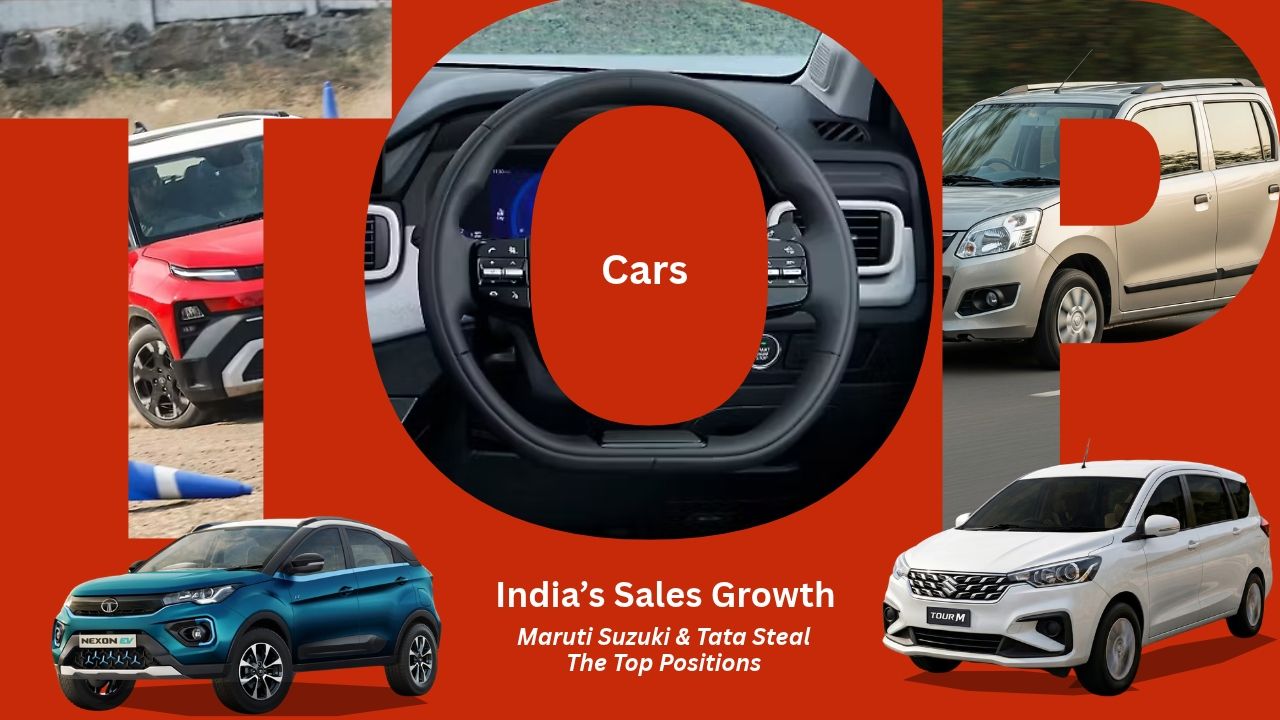
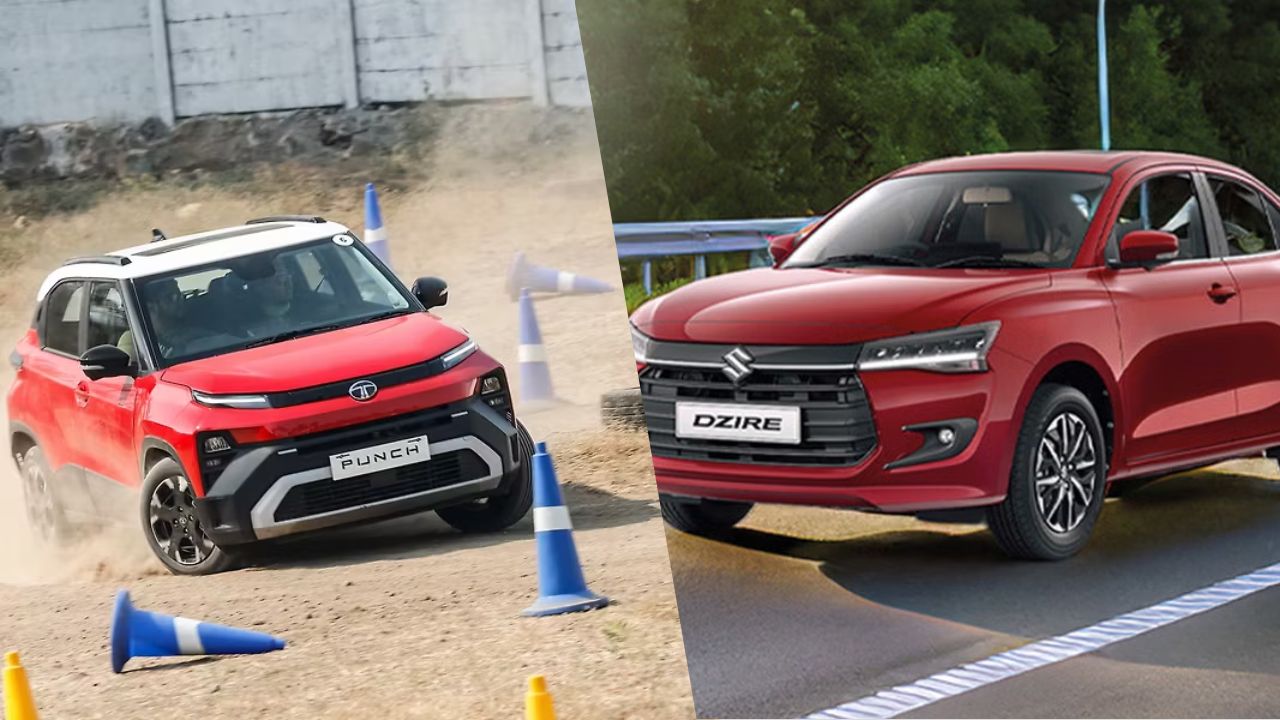
Two cars separated by 2,701 units led India’s sales chart in the first half of FY27, and one of them was a far smaller player a year ago. The top 10 cars of April to September 2026 sold 11,01,031 units, up 27.13% from 8,66,070 in the same period last year. The Maruti Suzuki Dzire finished first with 1,25,988 units. The Tata Punch, which sold 73,455 in H1 FY26, closed at 1,23,287.

Top 10 Cars in H1 FY27 

Rank Model H1 FY27 H1 FY26 YoY
1 Dzire 1,25,988 1,08,006 16.65%
2 Punch 1,23,287 73,455 67.84%
3 WagonR 1,16,029 84,942 36.60%
4 Ertiga 1,12,557 93,214 20.75%
5 Nexon 1,11,919 89,557 24.97%
6 Fronx 1,10,135 76,805 43.40%
7 Swift 1,09,332 84,123 29.97%
8 Baleno 1,08,569 71,989 50.81%
9 Scorpio (incl. Scorpio N) 93,488 84,634 10.46%
10 Creta 89,727 99,345 -9.68%

Positions three to eight are packed. The Fronx, Swift and Baleno finished within 1,566 units of each other, so a good month for any one of them reshuffles the middle of the table.

How Maruti Suzuki Took Six of The Top Eight Places

Maruti holds most positions in the Top 10 Cars ranking with its top models like Dzire, WagonR, Ertiga, Fronx, Swift and Baleno. All six models together sold 6,82,610 units, increasing 62% sales growth. No other car brand comes near this figure. Maruti takes over in every segment whether its sedan or SUV or hatchbacks, if one body style falls out, there’s another to cover for its sales.

Maruti Suzuki

Tata Motors has two entries, the Punch and Nexon, with 2,35,206 units between them, about 21% of the table. Mahindra’s Scorpio and Hyundai’s Creta hold the last two places.

One caution on the Scorpio. The 93,488 units combine the Scorpio Classic and Scorpio N but it flatters the nameplate’s rank compared with single-model entries.

Why Tata Punch Recorded The Highest YoY Gain

The Tata Punch added 49,832 units, a 67.84% jump, the biggest gain in both percentage and absolute terms. It nearly caught the Dzire from a much lower starting base. The January 2026 facelift also helped strengthen Punch to gain its ground. The updated model comes with a turbo-petrol engine option at a price of ₹5.59 lakh (ex-showroom). Tata offers more options such as petrol, CNG and electric versions, which attract every kind of buyer.

The Maruti Suzuki Baleno increased with 50.81% becoming the second-highest selling car. Its sales grew from 71,989 units to 1,08,569 units. The Fronx and WagonR also performed well in the market because both increased with 43.40% and 36.60%, respectively. The numbers are round-off but demand for these Maruti Suzuki models is still strong.

The monthly numbers show momentum shifting. The Tata Punch sales increased by 99% YoY and became India’s best-selling car in August, with 21,320 units sold which shows the demand is higher. The Maruti Suzuki Baleno took over the position with 25,392 units sold and changed the ranking in September, it increased by 93% YoY. 

Tata Nexon

Punch came in third position with 20,333 units, recording 28% year-on-year growth and the second position is filled by the Tata Nexon. Monthly figures are dispatched from factories to dealers, so they track retail sales only loosely. Punch’s growth is slowing partly because last year’s base has caught up.

Dzire vs Punch vs Fronx: Which One Should You Buy?

The top two cars are different kinds of vehicle, so the Top 10 Cars chart can’t tell you which suits you.

The Dzire is the sensible pick for a family that wants a sedan with low running costs. It is a 1.2-litre three-cylinder petrol, with a CNG version, and starts around ₹6.26 lakh. Its claimed mileage is in the mid-20s kmpl on petrol. Choose it for efficiency and a proper boot.

The Punch is the pick if you want an SUV’s seating height and ground clearance at hatchback money. It starts at ₹5.59 lakh and gives you more powertrain choices than the Dzire, including an EV. The trade-off is a smaller boot than a sedan offers.

Dzire vs Punch

The Fronx costs more, from about ₹6.85 lakh, but offers a 1.2-litre petrol and a 1.0-litre turbo-petrol. It sold 1,10,135 units against the Punch’s 1,23,287. Buy it over the Punch if you want a coupe-style roofline and more punch from the turbo engine, and accept paying about ₹1.3 lakh extra at the entry level.

The Nexon, starting around ₹7.40 lakh, is the step up. It sits fifth, up 24.97%, and it was second in September, so Tata’s mid-size SUV isn’t fading as the Punch rises.

The Creta was the only model to shrink: 89,727 units, down from 99,345 (-9,618 units, -9.68%). The reason for the drop is still unconfirmed from the officials. A single half-year doesn’t make a trend, but a 10% fall in a segment that grew 27% overall is worth watching.

Conclusion

If you want the lowest running cost, shortlist the Dzire. If you want an SUV for the least money, shortlist the Punch. Both are within 2,701 units of each other, so sales volume won’t help you choose. Check these Top 10 Cars current ex-showroom prices and festive-season discounts at a dealer before you decide, since both change month to month.

0

Zero Depreciation Car Insurance: Benefits, Coverage & Cost

Zero Depreciation Car Insurance

You back into a pole at 5 kmph. Bumper’s cracked, headlight’s gone. The garage quotes ₹50,000. Then your insurer settles the claim and pays out closer to ₹37,000. The other ₹13,000? Depreciation. So you must understand where Zero Depreciation Car Insurance will help. Your bumper and headlight are made of plastic and rubber, and every standard comprehensive policy in India applies a flat 50% cut to those parts, no matter how new the car is.

This is the exact gap that Zero Depreciation Car Insurance is built to close. It’s an add-on, not a separate policy that sits on top of your comprehensive cover and tells the insurer: don’t deduct depreciation on the parts you’re replacing, just pay the real repair bill, minus the deductible. For a car that’s still within its first few years, that difference in payout can run into thousands of rupees on a single claim.

Why Depreciation Reduces Your Insurance Claim 

The Insurance Regulatory and Development Authority of India (IRDAI) sets a standard age-based depreciation schedule that every insurer follows for a regular comprehensive claim. It looks like this:

Age of vehicle Depreciation on parts
Up to 6 months Nil
6 months – 1 year 5%
1 – 2 years 10%
2 – 3 years 15%
3 – 4 years 25%
4 – 5 years 35%
5 – 10 years 40%
Above 10 years 50%

On top of that age-based table, a few part categories get a fixed rate regardless of how old the car is: rubber, nylon and plastic parts, tyres, tubes and batteries are depreciated at a flat 50%, fibreglass components at 30%, and glass at 0% (glass is the one thing you always get paid for in full). 

Zero Depreciation Car Insurance

Bumpers, dashboards, trims, wiper blades, headlight housings — the parts that actually get damaged in a fender-bender mostly fall into that 50% bucket. That’s why even a fairly minor accident on a fairly new car can leave you covering a surprising chunk of the bill yourself.

Zero Depreciation Car Insurance cover essentially waives that deduction, so the claim tracks the garage invoice far more closely.

Coverage and Limits of Zero Depreciation Car Insurance 

It’s worth being precise here, because “zero depreciation car insurance” doesn’t mean zero deductions of any kind.

  • Metal, plastic, rubber and fibreglass parts replaced during an accident repair are paid in full (subject to your deductible), instead of at the depreciated rate.
  • Tyres and tubes are a common exception: even with zero depreciation, insurers typically still apply the standard 50% cut on tyres and tubes unless you’ve separately added a “Tyre Protect” cover. It’s an easy detail to miss when you’re comparing quotes.
  • Mechanical or electrical breakdown, and damage from regular wear and tear rather than an accident, still isn’t covered — Zero Depreciation Car Insurance only changes how accidental-damage claims are calculated, not what counts as a valid claim.
  • Most insurers cap how many zero-dep claims you can make in a policy year — some restrict it to two, while a handful of newer-generation plans from insurers like ICICI Lombard and Tata AIG are now marketing unlimited zero-dep claims. This varies enough between insurers and even between plans from the same insurer that it’s genuinely worth reading the policy wording rather than assuming.

Read More:-  How to Save Money on Car Insurance?

How Zero Depreciation Insurance Reduces Repair Costs

Go back to that ₹50,000 repair bill. Without Zero Depreciation Car Insurance, a 2-year-old car loses ₹13,000 to depreciation on that claim alone (50% off the plastic/rubber components, 10% off everything else). With Zero Depreciation Car Insurance, most of that comes back to you. Multiply that across the accidental fender-benders, chipped bumpers and cracked tail-lamps most cars pick up in city driving, and the add-on pays for itself fairly quickly on a newer vehicle.

Zero Depreciation Car Insurance

There’s a second, quieter benefit too: because you’re not fighting over depreciated part values, claims tend to settle with less back-and-forth with the surveyor. And if you eventually sell the car, having a clean repair history with OEM-grade parts (rather than a patchwork of cost-cut replacements) tends to help at resale.

Zero Depreciation Car Insurance Cost

Zero dep isn’t free — it adds roughly 10-25% to your own-damage premium, since it’s calculated as a percentage loading rather than a flat fee. For a 2025 Tata Nexon insured at an IDV of around ₹12 lakh, a standard comprehensive premium of about ₹7,800 rose to roughly ₹9,500 with Zero Depreciation Car Insurance added — an extra ₹1,700 for the year. 

That’s one illustrative example rather than a universal figure; your actual loading will depend on the car’s make, model, city (Delhi and Mumbai typically load higher than smaller towns), and the insurer’s own pricing, so treat it as a ballpark and get an actual quote before renewal.

Eligibility is the other cost-adjacent factor: most insurers restrict Zero Depreciation Car Insurance to vehicles up to 5 years old, though the exact cutoff varies by company — some extend it a year or two further for an additional loading.

Who Should Consider Zero Depreciation Cover? 

For a new car, or one still in its first three to five years, yes — this is close to a default recommendation. That window is when a car both depreciates fastest and gets into the most fender-benders, so the add-on is doing real work every time you make a claim. 

It’s an easy call for anyone on a car loan too, since lenders often prefer the vehicle stays fully protected until the EMIs are cleared, and for owners of premium or luxury cars, where part costs run high enough that even a 15-20% depreciation cut is a meaningful sum.

Zero Depreciation Car Insurance

Past the five-to-seven-year mark, the math flips. The car’s IDV has dropped enough that claim sizes shrink, the depreciation percentage is already near its ceiling anyway, and the extra premium starts looking like money spent on a cover you’re unlikely to use fully. 

At that stage, most owners are better off putting that premium toward a straightforward comprehensive policy and, if anything, an engine-protector or return-to-invoice add-on instead.

A Quick Checklist Before You Buy 

Don’t just add Zero Depreciation Car Insurance because the salesperson recommends it — actually check three things on the quote: how many zero-dep claims the policy allows per year, whether tyres and tubes are excluded from the waiver, and how much your own-damage premium actually rises with it added versus without. 

A ₹1,500-2,000 annual increase on a 2-year-old car is an easy yes. The same increase on a 6-year-old hatchback is worth doing the arithmetic on first.

Read More:- How to Renewal Car Insurance: Step-by-Step Guide (2026)

Conclusion

Zero Depreciation Car Insurance is among the few addons that actually come handy at the time of making a claim. For cars that are new or less than five years old, the higher premium often makes sense because it can greatly reduce your repair costs.  

Coverage limits, claim caps and exclusions differ between insurers, so it’s worth comparing the policy wording rather than assuming all zero-dep plans are created equal in terms of benefits. A couple of minutes checking the small print today could save you thousands on your next repair bill. 


0

Ranveer Singh Car Collection: Peek Into Bollywood Celebrity’s Most Flamboyant Garage!

Ranveer Singh Car Collection

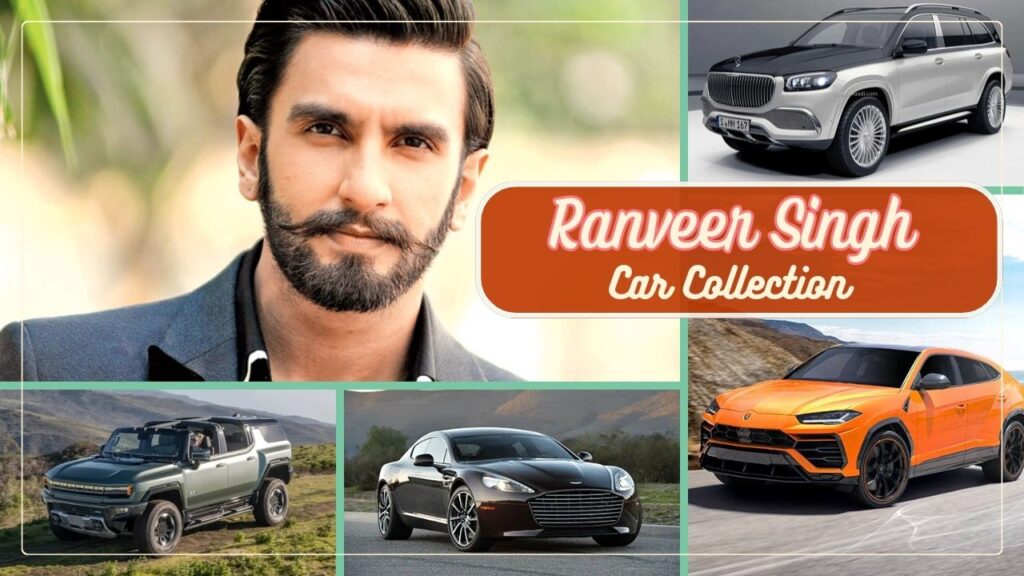
When it comes to Ranveer Singh, the first thoughts are his amazing performances, crazy fashion statements and dance moves that are an instant hit on social media. However, there is a different facet of this Bollywood architect breaker that is little seen – his massive zeal for automobiles. And if his on-screen character screams ‘larger than life’, then Ranveer Singh car collection screams – in the most luxurious way possible. 

Let’s take a joyride through the incredible cars Ranveer Singh has in his garage. Spoiler alert: it’s nothing short of a dream garage for any car lover. 

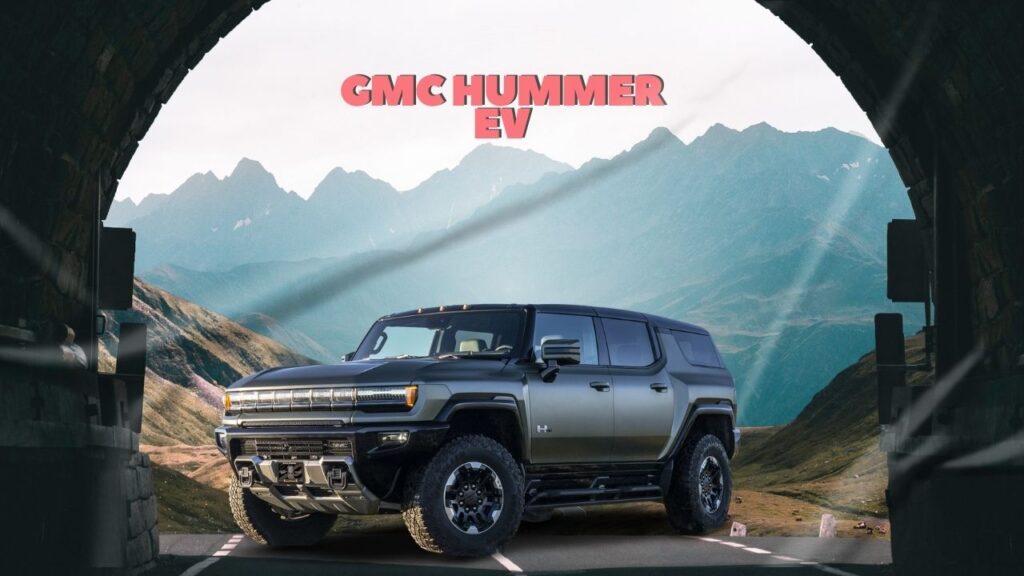
The Newest Addition: GMC Hummer EV 

Just when we thought Ranveer’s garage was full, he stunned us all by becoming the first Bollywood star to own a GMC Hummer EV. The electric beast arrived in his garage in July 2025 when he took his first steps in electric vehicles. At a cost of Rs 3.46 crore (ex-showroom), this is not your run-of-the-mill SUV – it’s a statement on wheels.

GMC Hummer EV

Its sheer presence, for starters. The 178 kWh battery pack has a claimed range of 505 kilometers and the vehicle features tech wizardry such as a ‘crab walk’ mode, multi-zone climate control, and various driving modes.

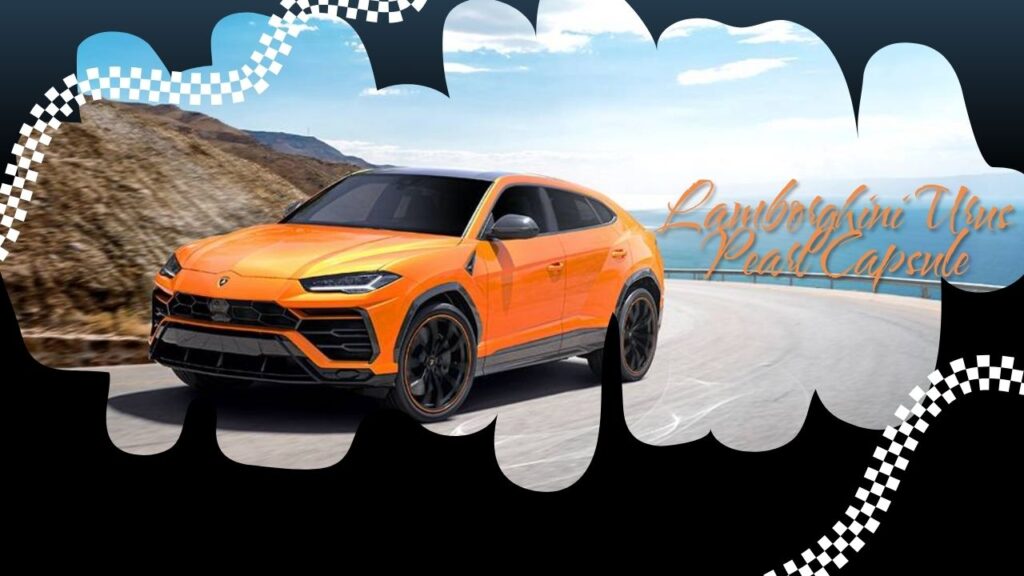
Lamborghini Urus Pearl Capsule

Lamborghini Urus Pearl Capsule is a special edition of the Lamborghini Urus, the world-famous super SUV, made for those that want power with a little more punch of visual drama. It is distinguished by exclusive pearl-effect paint finishes, combined with contrasting elements that make the Urus even more aggressive and refined on the road.

Lamborghini Urus Pearl Capsule

Now, this is where things get really interesting. Ranveer’s Lamborghini Urus Pearl Capsule Edition is without a doubt the most precious stone in his garage and this edition is wrapped in the stunning Arancio Borealis (a fancy word for a beautiful orange). 

The powertrain still boasts the same brutal 4.0-litre twin-turbo V8 producing 650 bhp and 850 Nm of torque, enabling a 0–100 km/h sprint in just 3.6 seconds and a top speed of 305 km/h. Offering supercar performance with everyday practicality, the Urus Pearl Capsule presents a distinctive rendition of Lamborghini’s luxury meets brutality mantra. 

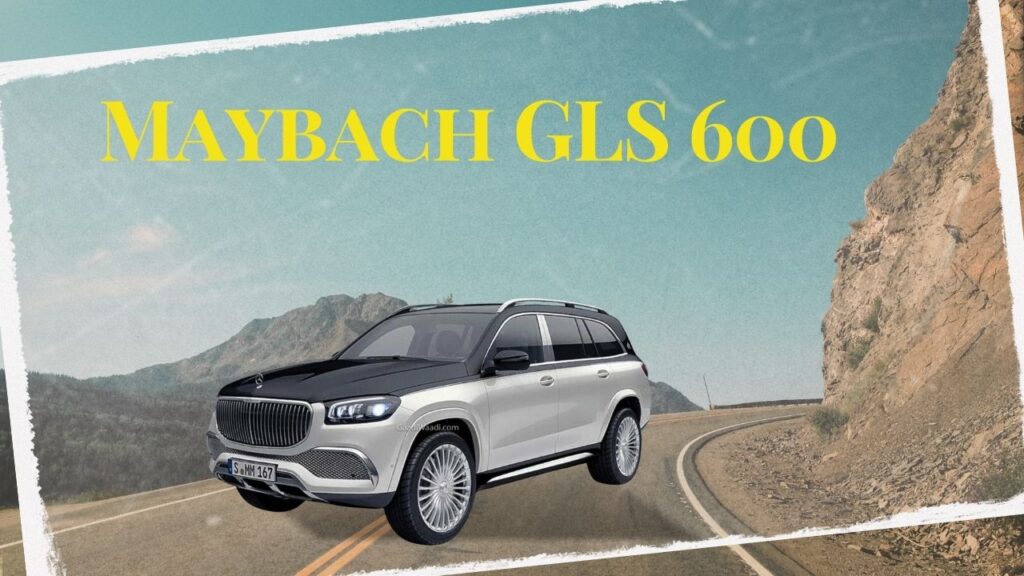
Mercedes-Benz — Maybach GLS 600

Ranveer’s crazy is highlighted when he’s driving the Lamborghini but the Mercedes-Benz Maybach GLS 600 stands for its elegant, underplayed side. Dressed in a sleek Cavansite Blue, this opulent four-seat SUV with a price tag of approximately ₹2.8 crore is the perfect fusion of German engineering excellence and luxurious, first-class comfort. 

Maybach GLS 600

​Ranveer was among the first 50 buyers of Maybach GLS 600 in India and was the first Bollywood actor to own a Maybach GLS. Four-zone climate control, massage seats and ventilated seats that are like a five-star spa on wheels are included in this bastion of relaxation. With a 4.0L twin-turbo V8 producing 542 bhp, it is by no means a slow vehicle and will get you off 0-100 km/h in 4.9 seconds—not bad for a mid-size SUV for a family. 

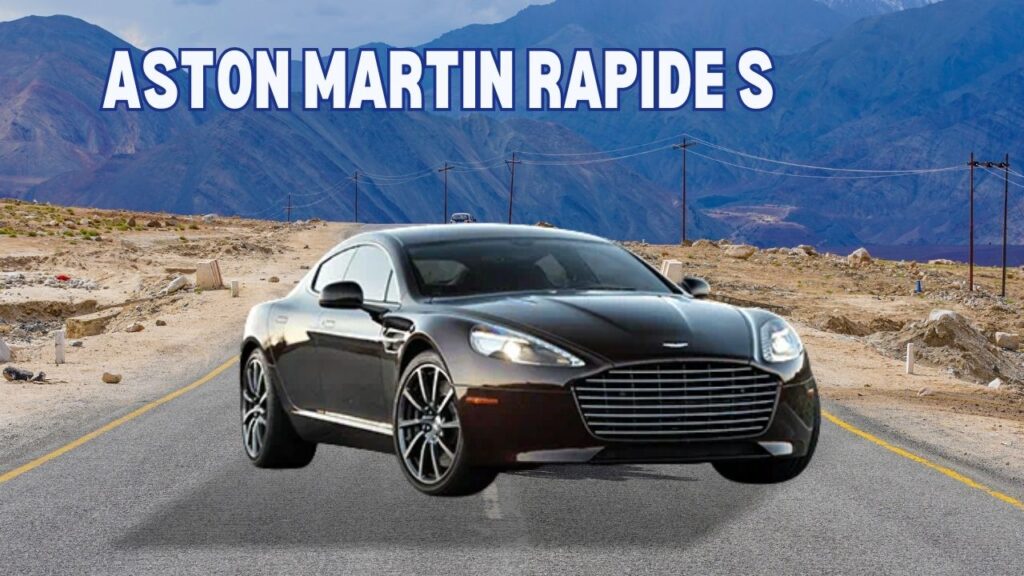
The Bond Villain Move: Aston Martin Rapide S

When Ranveer Singh purchased an Aston Martin Rapide S as a birthday present to himself on his 32nd birthday, he wasn’t just purchasing a car — he was living the James Bond fantasy. This jaw-dropping white four-door sports car, is now draped with a blue skin and costs ₹3.78 crore.

Aston Martin Rapide S

​The performance numbers are heady: 0-100 km/h in 4.2 seconds, a top speed of 327 km/h, and an aerodynamic shape that makes every other car look pedestrian. But here’s the cherry on the cake — Ranveer has also named this beauty: “Ram Pyaari,” that’s vintage Ranveer humor! 

The Practical Additions

Luxury supercars take up the headlines but Ranveer also has uses vehicles like a Range Rover Vogue (₹ 4.38 crore), a Mercedes-Benz GLS SUV in a custom matte-black finish, a Jaguar XJ L (₹1.16 crore) and a Toyota Fortuner Legender (₹37.58 lakh). That one is quite heartwarming and it just goes to show that a bollywood superstar with a net worth of ₹245 crore sees the sense in a dependable, useful family SUV. 

Conclusion

Ranveer Singh cars collection is not about expensive cars or horsepower figures. It is a mirror of his personality – confident, searing, fashionable as much as one could describe the man and unapologetically lavish. From the futuristic GMC Hummer EV to the classic Aston Martin, each car narrates the story of a man who didn’t want to live a normal life.