0

The Future of Electric Vehicles: What Drivers Need to Know

Published Jun 12, 2026, 1:03 PM
Last Updated Jun 19, 2026, 9:46 AM

The Future of Electric Vehicles What Drivers Need to Know

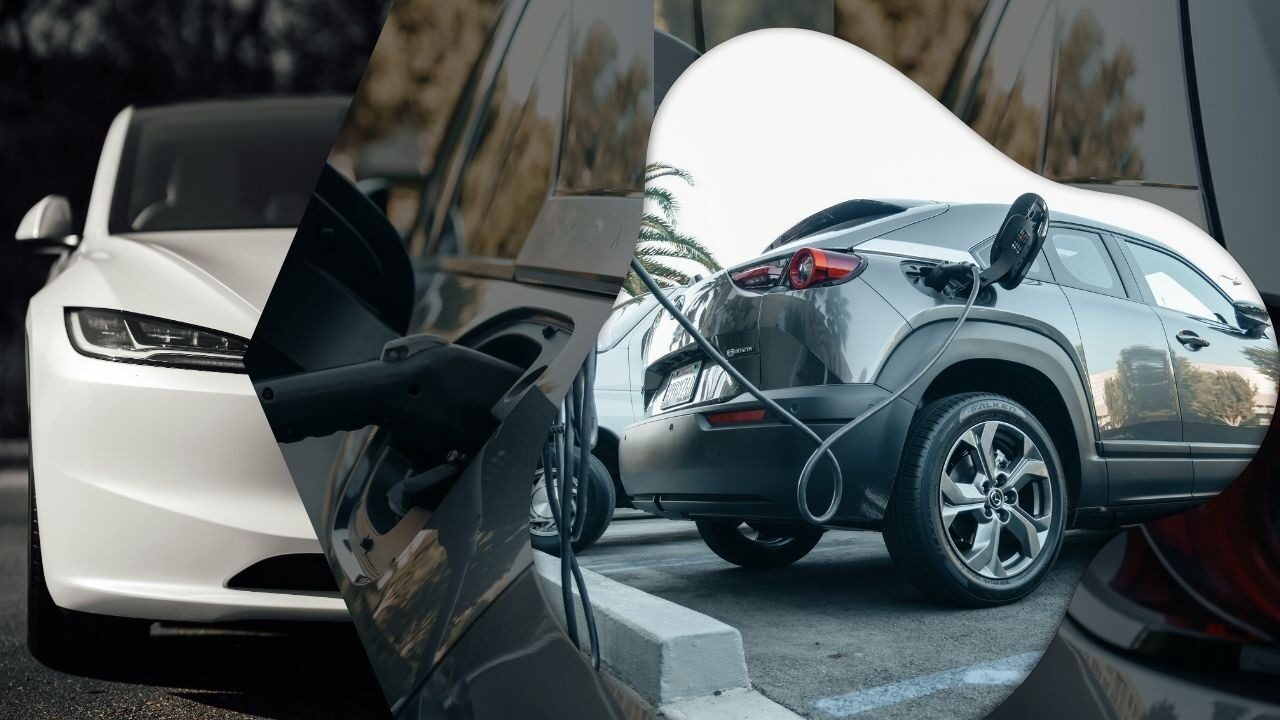
The car market is shifting rapidly from petrol or diesel to Electric Vehicles. It directs us to the conversation around the future of electric vehicles which everyone thinks is far away in the future. But not anymore, auto-driving features and zero emission cars are now here in the market and anyone can buy them.

Electric Vehicles are no longer a niche product for eco-conscious early adopters. In a recent report, over 116 million electric vehicles produced and landed in the market globally by 2026, the numbers EVs are increasing on the road day-by-day – they’re on highways, in parking lots, outside schools, and probably in your neighbor’s driveway right now.

But for millions of everyday drivers, the big questions remain. Is now the right time to switch? What is actually changing in the EV space? And what do you, as a driver, really need to know before you make a decision? Let’s break it all down — no jargon, no fluff.

40% of new cars sold globally expected to be electric by 2030
700 km single-charge range on next-gen EV batteries
15 min target fast-charge time for 80% battery in new models

The Range Problem Is Getting Solved

The number one worry drivers have about EVs is range anxiety — the fear of running out of charge in the middle of nowhere. And honestly, it was a legitimate concern a few years ago. Early EVs could barely do 200–250 kilometres on a full charge. But things have changed dramatically.

Standard EVs deliver around 500 kilometres in one charge. Automakers are continuously working to generate solid-state batteries to launch commercially that could push that number past 700 kilometres. This is real-world performance. The future of electric vehicles is one where range anxiety becomes as outdated as particularly the shift toward more energy-dense solid-state batteries and cost-effective lithium iron phosphate (LFP) cells, so you don’t have to worry about charging.

The future of electric vehicles is basically opting for a green environment, but it isn’t stopped there. The way they are exercising to make smarter, cheaper, more connected EVs in 2026. It suggests that Modern EVs retain an impressive 95% of their original range even after five years. 

Charging Infrastructure Is Growing Fast

One of the real bottlenecks for EV adoption has always been the charging network. The entire world class Electric Car will break down if there’s nowhere to charge it. Now the charging stations are growing rapidly so there won’t be any problem anymore for the EV owners. 

India’s EV charging infrastructure is rapidly growing under national programmes, with thousands of fast-charging stations being installed along highways and in urban centres. Globally, there are malls, offices, and highway stops where charging stations are integrated. 

Ultra-fast chargers that can deliver 200–350 kW of power will charge in 15-20 minutes and provide you thousands of kilometers, that’s why they are becoming more common. The goal, increasingly, is to make charging as unremarkable as stopping at a petrol station — something you do without planning your entire day around it.

The Cost Equation Is Shifting in Your Favour

If you’ve looked at EV price tags and walked away, you’re not alone. The buying cost is so expensive that a middle-class man won’t be able to afford it. But that gap is closing faster than most people realise.

Battery costs have fallen by over 90% in the last decade, and they continue to drop year on year. This will make Electric Vehicles cars affordable in the ₹10–15 lakh range and are becoming genuinely viable options in car markets. Once you invest in an Electric Vehicles, you won’t have to worry about later expenses as fuel costs are lower, cheaper servicing, and government subsidies under schemes like FAME II, the total cost of ownership over five years often comes out lower than a traditional ICE vehicle.

Key Cost Advantages for EV Drivers

  • Electricity costs roughly 60–70% less than petrol per kilometre driven
  • No oil changes, fewer brake replacements, simpler drivetrain
  • Government subsidies and tax benefits available in most states
  • Lower insurance premiums trending in the EV segment
  • Higher resale value as ICE vehicle demand declines

EVs Are Getting Smarter, Not Just Greener

The future of Electric Vehicles is not just about the motor replacing the engine. It’s about software, connectivity, and intelligence becoming core parts of the car experience. Exploring modern EVs like a computer with advanced tech and they are getting faster, safer, and more efficient without you ever visiting a service centre.

Features like regenerative braking, predictive route planning that factors in charging stops, smart home energy integration, and even vehicle-to-grid technology — where your car battery feeds power back to your home during peak hours — are not distant possibilities. They’re available today and will become standard across most models in the coming years.

What Should Drivers Do Right Now?

In the future, there will be fewer petrol or diesel cars left on the road because the current global situation of fuel has highly impacted on automotive industries. You don’t have to rush out and buy an EV today. But dismissing it entirely would also be a mistake. 

  • If you drive mostly within a city and have access to home charging, an EV makes financial and practical sense right now. The math works in your favour even at current prices. 
  • If you’re a long-distance driver or live in an area with limited charging infrastructure, waiting another two to three years might be the smarter move — the network will be much stronger by then.
  • Either way, start learning. Test drive an EV, understand your electricity tariff, check your state’s subsidy policy. The transition is coming, and informed drivers always make better decisions than rushed ones.

The Road Ahead Is Electric

There’s a moment in every technological shift when what felt futuristic suddenly feels inevitable. Electric Vehicles have crossed that line. The debate is no longer whether EVs will dominate — it’s how quickly and whether you’ll be ready when they do.

The future of electric vehicles is one of greater range, smarter charging, lower costs, and a driving experience that most petrol car owners would genuinely prefer once they try it. The road ahead is electric — and for drivers who do their homework now, it’s also a very smooth one.

Conclusion

Electric Vehicles are no longer just a glimpse of the future—they are becoming a practical choice for everyday drivers. In the car market, the future of electric vehicles is growing with longer range, low fuel cost, faster charging and expanding charging infrastructure. EVs are becoming more convenient and affordable with continued development and government support.

Whether you switch today or a few years from now, understanding the EV landscape will help you make a smarter decision. The future of mobility is clearly electric, and being prepared for that change can save money, reduce emissions, and offer a more advanced driving experience.

Sharey Khan

Sharey Khan is an IT entrepreneur and petrol head & a car enthusiast. With a special focus on car-related content, he combines his deep passion for vehicles with a talent for crafting informative, engaging, and easy-to-understand content. His writing is driven by a genuine love for cars and he is committed to providing readers with accurate, up-to-date, and trustworthy information that empowers smarter driving decisions. 

Leave a Reply

Your email address will not be published. Required fields are marked *

Related Articles

0

Subaru Forester vs Honda CR-V 2025: Which SUV Is the Real Champion?

Published Jul 31, 2025, 5:52 AM
Last Updated Apr 11, 2026, 11:08 AM

 Subaru Forester vs Honda CR-V 2025 Which SUV Is the Real Champion

When you are going to buy a SUV, you must get confused about which SUV is the real champ — Subaru Forester vs Honda CR-V. Here you can explore their full details of engine, performance, speed, and design of the two most amazing SUVs. Subaru Forester has unveiled its incredible redesign while Honda CR-V continues to ride high on its latest generation. This isn’t just a battle of features and specs but it’s about both car philosophies. 

Both cars are giving utterly experience to their owners, Forester is made for adventurous-ready partners that are always ready for the rough roads and comes with all-wheel drive. On the other hand, Honda CR-V is smooth, fuel-efficient, and comfortable for running around the city with elegance. Let’s look deeper into the comparison of Subaru Forester vs Honda CR-V for making it easier to choose for you.

Performance: A Tale of Two Drivetrains

The biggest difference between these two SUVs lies right under the hood and in the wheels that put the power down.

Subaru Forester: If you are a person who likes to go on adventure trips or rough roads, the Forester is your champion. All new Forester’s provide AWD which is impressive if we look into the best SUV, Subaru’s legendary Symmetrical All-Wheel Drive as standard. It is ready for rain, snow, or on that gravel road to the trailhead. The powerful system is built on the 2.5-liter with 180 horsepower. It provides a four-cylinder to make it unstoppable but it won’t win many drag races, it’s smooth, capable, and gets the job done.

There is big news for Forester lovers — a Forester Hybrid is coming soon which offers the fuel efficiency that means buyers will get a well-performed SUV with no worries for fuel.  

Honda CR-V: Honda CR-V powerful engine of 1.5-litre will give wonderful performance with its quick speed and extensive high brakes. The turbo engine with 190 horsepower, delivers incredible smooth running on road with its elegant look. The highlight is hybrid powertrain — CR-V Hybrid, stronger with 204 horsepower that can give you the thrill and deliver the purpose of fuel saving — we’re talking up to an EPA-estimated 40 MPG combined.

Who Wins? CR-V is good in saving fuel and sticking to city roads but for all-wheel drive, you have to pay extra. While Subaru gives you for free and supports you totally on your off-road adventure.

Performance Verdict: The Forester is the best choice if you want go-anywhere capabilities because it offers. The CR-V is an ideal SUV for those who want an SUV for daily on-road efficiency, especially in its hybrid form which is more powerful.

Read More :- Jeep Wrangler vs Ford Bronco 2025: Full Comparison of Specs, Style & Performance

Interior and Practicality: The Space Race

Both have amazing style but practically different in cargo space, windows, and door. 

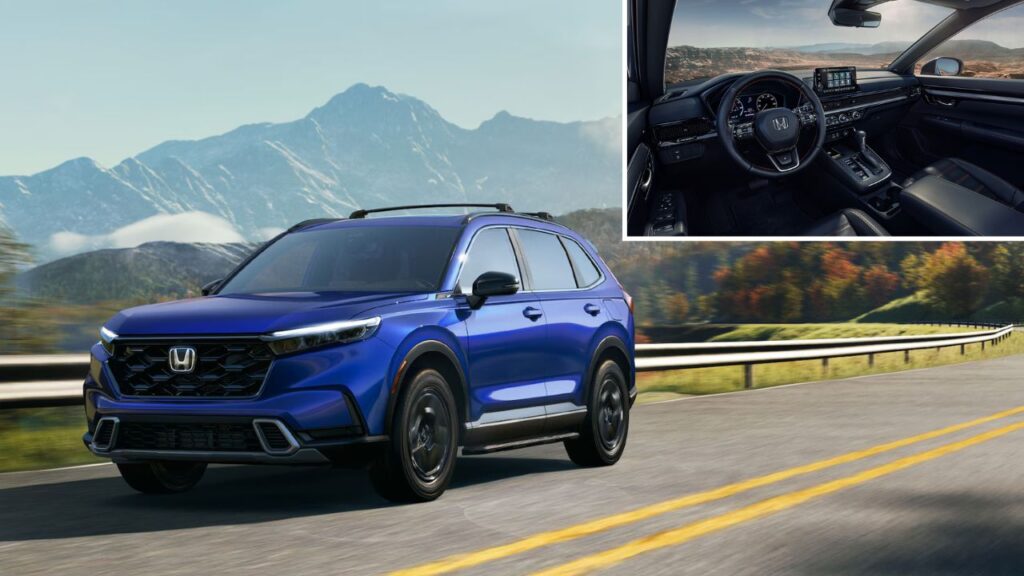
Honda CR-V: The wide interior view and well shaped design is delivering a cool experience to the families traveling or friends enjoying in the SUV. The CR-V is delivering not just a car but total flexibility to their passengers with cargo space of 76.5 cubic feet.

Honda CR-V Interior and Practicality

Honda CR-V Interior and Practicality

The space for the rear seat makes everyone comfortably sit and drive for long hours. Honda has already made the name in fancier cars all over the world.

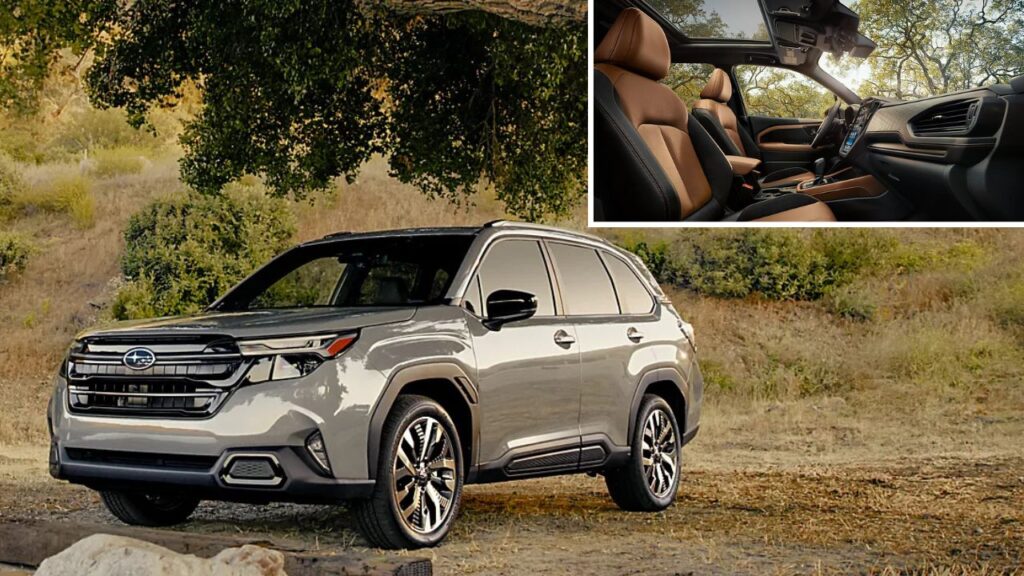
Subaru Forester: The redesigned 2025 Forester offering a cargo space of 74.4 cubic feet with hands-free liftgate for making packing easy. It also offers a wide back opening, no problem with a trip ready mood.

Subaru Forester Interior and Practicality

Subaru Forester Interior and Practicality

You can have a fully functional and modernized interior in one SUV. It has great visibility from the upright windows and thin pillars which is fantastic for navigating tight parking lots or scenic byways. 

Who Wins? Almost a tie because CR-V has a high-end functional and sleek design with more space whereas Forester gives great view and practicality.

Interior Verdict: If you want to feel classic era and a slightly more cargo space then CR-V is might be the best option but If you want good visibility, rugged, and user-friendly design then Forester is a good option. Both are marvelous companions in your driving with a slight difference which will give you incredible experience.

Tech and Infotainment: Screen Time

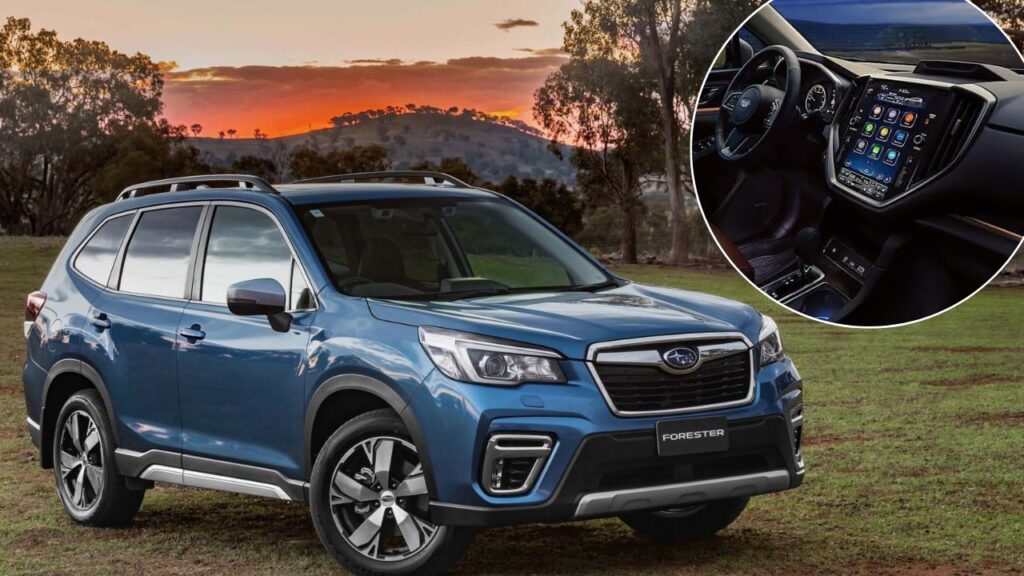
Subaru Forester: The Forester’s new 11.6-inch vertical touchscreen is best for perfect display of the infotainment. Apple Car Play and Android Auto supported infotainment system helps you connect in quick with any device.

Subaru Forester Tech and Infotainment

Subaru Forester Tech and Infotainment

This new tech used in the Forester made it more unique and modern through this upgraded system. 

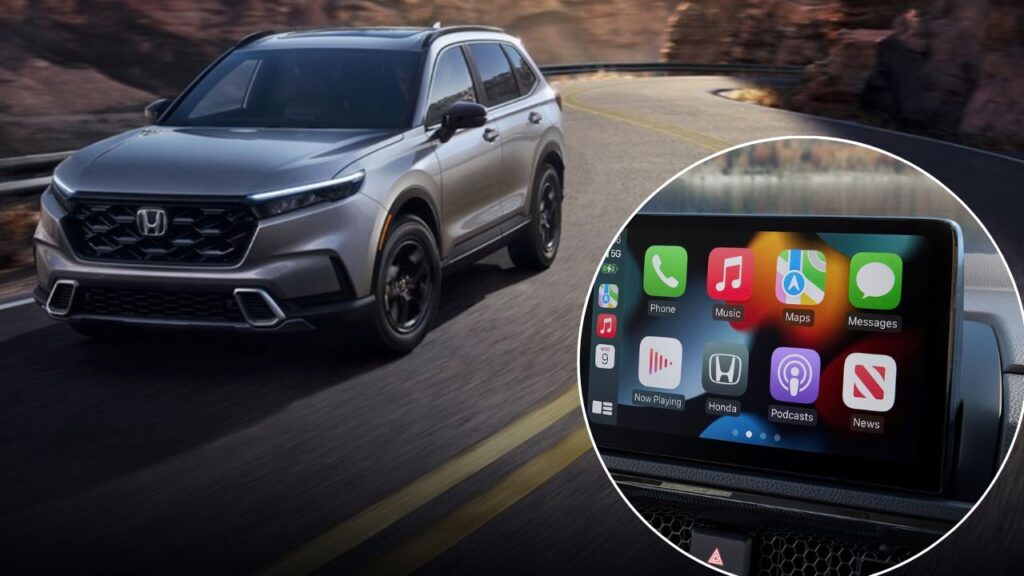
Honda CR-V: People who are comfortable with a 7-inch touchscreen, with a larger 9-inch screen available on higher trims, CR-V is delivering your desire.

Honda CR-V Tech and Infotainment

Honda CR-V Tech and Infotainment

The system is simple and intuitive, but you only get wireless Apple Car Play and Android Auto with the larger 9-inch screen. Tech Verdict: The Forester takes a slight upscale in its tech with a modern big screen with high-end infotainment system for 2025. 

Safety: A Clear Winner Emerges

The SUV will have an advanced tech system, high performance engine, and comfortable interior but safety concerns come first for many buyers. I think it’s important for every person because accidents can take your loved ones away and it’s the main point that makes them two apart from each other. 

Honda CR-V: The CR-V offers a safety system like adaptive cruise control, lane-keeping assist, and automatic emergency braking but it didn’t get IIHS safety ranking for this model. When it comes to safety there is no option in looking for an alternate choice. 

Subaru Forester vs Honda CR-V 2025

Subaru Forester vs Honda CR-V

Subaru Forester: The Forester has a clean role in the Safety section, it delivers you the latest version of its EyeSight driver-assist technology, which now scans wider areas and reacts more quickly. The upgraded system is more advanced in the safety rules. A new Emergency Stop Assist feature can even be tested, bringing the car to halt for safety after a while it senses you become unresponsive.

Safety Verdict: It is clear that Foster is winning here because of its powerful safety measures for passengers and it also got IIHS ranking for its upgraded system. 

The Final Verdict: Which Champion Is Yours?

Both have won on each stage with their powerful performance, design and features but there is a slight difference which makes you choose any one. If you want an SUV for long tour rides then the Forester is a winning trophy because it gives full support for the safety of the passenger. The cargo automatic features are easy to handle by anyone. If you value these things then buying the Forester is worth your money.

CR-V will give you reputation and efficiency for more fields, if you are satisfied with Honda cars before then this might be the best option. If you want an SUV then be sure to take a test-drive for both. And choose what will suit your life journey. 

Choose the 2025 Subaru Forester if:

  • You want full AWD in your SUV with all the weather security support.
  • You want a top safety rated SUV because Safety is your number one priority.
  • You value the best interior and outside view is one of the priorities.
  • You travel more and most likely onto dirt roads, snowy paths, or always ready for adventures.

Choose the 2025 Honda CR-V if:

  • You want a fuel efficient SUV which makes you not worry while spinning around the city.
  • You want more cargo area than Forester to adjust more things, with a good interior look.
  • Spinning around on paving roads is your thing.
  • You believe in Honda’s reputation and flexibility of the quality features, and trust on history of delivering satisfaction.

Ultimately the Subaru Forester vs Honda CR-V, the Forester is the champion of SUV when it comes to adventure and safety, meanwhile the CR-V is the champion of efficiency and refinement. Test drive both, list what you can do with your SUV and which one will help you best in your life and you’ll find your perfect champion.

0

Lexus RX vs BMW X5: Which Luxury SUV Dominates 2025?

Published Sep 26, 2025, 3:05 PM
Last Updated Apr 16, 2026, 11:18 AM

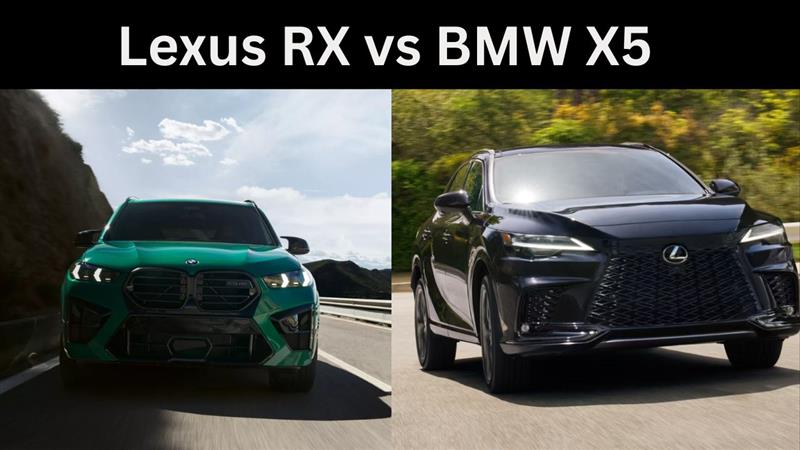
The debate is never going to end between best SUVs because the automotive companies are delivering more new models with high end features and comfortable cabins that make them more attractive. Lexus RX vs BMW X5 are current models of luxury SUV which offer mostly the same features with a slight distinct price & tech. Well, if you are going to buy a luxury SUV which dominates in 2025 then both have positioned themselves in the list. Check out the features and price of these models to understand what can be matched with your taste.

Everyone’s choice is different— not everyone wants a fuel efficient SUV but more speedy and powerful rides. So, there is no single yes or no in this because overall both cars have outstanding features and amazing design which marks your presence anywhere you ride on it.

Still, The BMW X5 beats the Lexus RX in speed, power, and cargo room. The Lexus RX offers superior fuel economy and a lower starting price. Go for the X5 if you want top performance and space. Those prioritizing efficiency and value will lean toward the RX.

Pricing & Positioning

Lexus RX 350 price starts at $49,125 while BMW X5 xDrive40i starting price is $69,775

The RX’s base price is roughly $20,000 less than the X5. This makes it an easier way to get into the luxury midsize SUV market.

Powertrain & Performance 

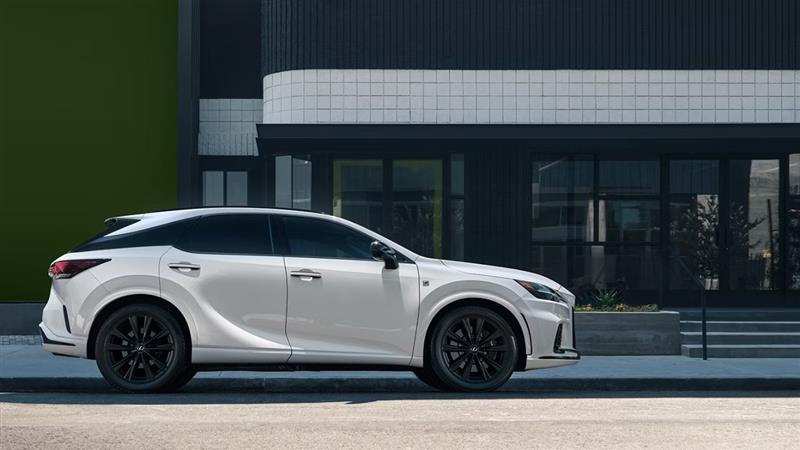
Image credit: Lexus


Model Engine Power/Torque 0–60 mph
Lexus RX 350 2.4 L turbo-4 6,000 rpm with 275 hp; 1,700 rpm with 317 lb-ft   6.8–7.6 s 
BMW X5 xDrive40i 3.0 L turbo-inline-6 with 48 V mild-hybrid 5,200 rpm with 375 hp; 1,850 rpm with 398 lb-ft 5.2 s 

The X’s powerful inline-6 setup delivers 100 hp that makes it more favorite for speed seekers, it also offers sharper acceleration over the RX. These SUVs stand out at the top positions side-by-side because of their powertrain and outstanding performance. 

Also Read: Honda HR-V vs Toyota Corolla Cross: Which Small SUV Should You Buy in 2025?

Fuel Economy

Lexus RX 350 delivers more fuel efficiency with 25 mpg combined that can run up to 22 city and 29 highways with unstoppable speed. For people seeking a long-trip model, RX can be a better option for them.

BMW X5 xDrive40i offers all-wheel drive with 19 mpg combined that can run up to 17 city and 22 highway. It is also a better option for folks who are interested in AWD rides. 

Interior Space & Cargo

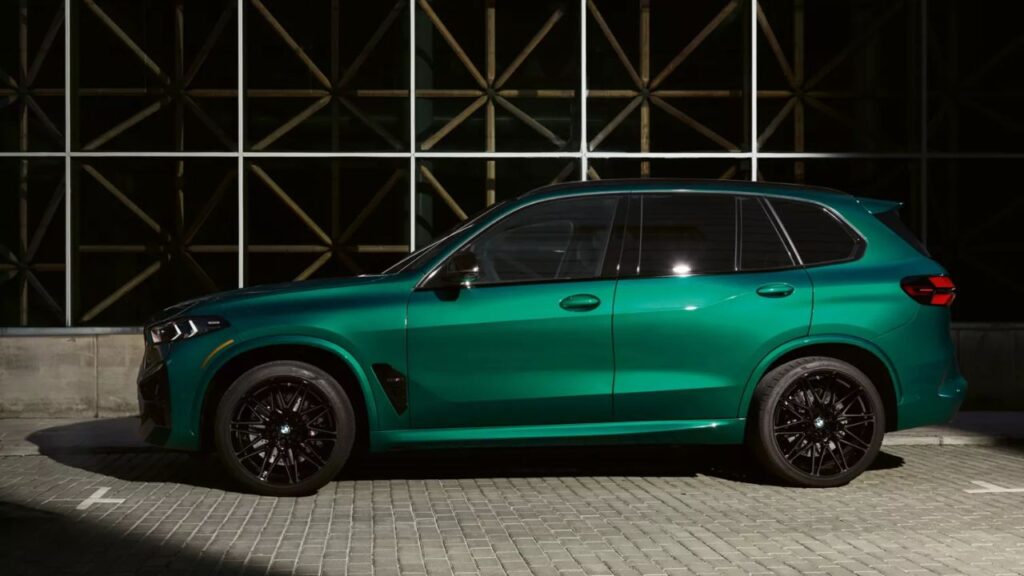
Image credit: BMW


Metric Lexus RX BMW X5
Passenger Volume (cu ft) 52–55 (front) / 45–47 (rear) 56 (front) / 50 (rear) 
Cargo Capacity (cu ft) 30–46  34–72


The X5 is offering more passenger space up to 10% and nearly 60% more cargo volume which makes it the best family SUV in 2025.


Chassis & Ride

Lexus RX offers a unibody SUV where the MacPherson struts used in Front and rear uses multilink setup that make this one look more cool. It marks presence with fluent speed and dynamic transmission up to 8-speed automatic.

BMW X5 has a different approach, with four-wheel independent suspension and 8-speed Steptronic automatic transmission giving a powerful ride without compromising comfort. 

Technology & Safety


Features Lexus RX 
Screen 14-inch touchscreen
Audio Mark Levinson 21-speaker audio
Connectivity Apple CarPlay/Android Auto
Lexus Safety System+ 3.0 pedestrian detection, lane-tracing assist, adaptive cruise


Features BMW X5
Screen Dual 12.3-inch digital displays, Available head-up display
Active Driving Assistant Pro lane-keep assist, Evasion Aid, Stop & Go

Both SUVs offer advanced diver-assist suites and an amazing sound system for a wonderful journey. BMW is giving more options in screening with a modern infotainment interface.

Final Verdict

This is not a static selection but choice is dynamically made for both SUVs because they both offer amazing features and incredible safety features. Whether you decide to buy a BMW or Lexus, the decision depends on the performance, space, design, and price of the SUVs. For better performance, more cargo space and premium cabin features, you can choose BMW X5. For lower entry cost, fuel efficiency, refined ride comfort, you can choose Lexus RX.


0

Kia Carnival Hybrid Price In India And Additional Cost For Accessories

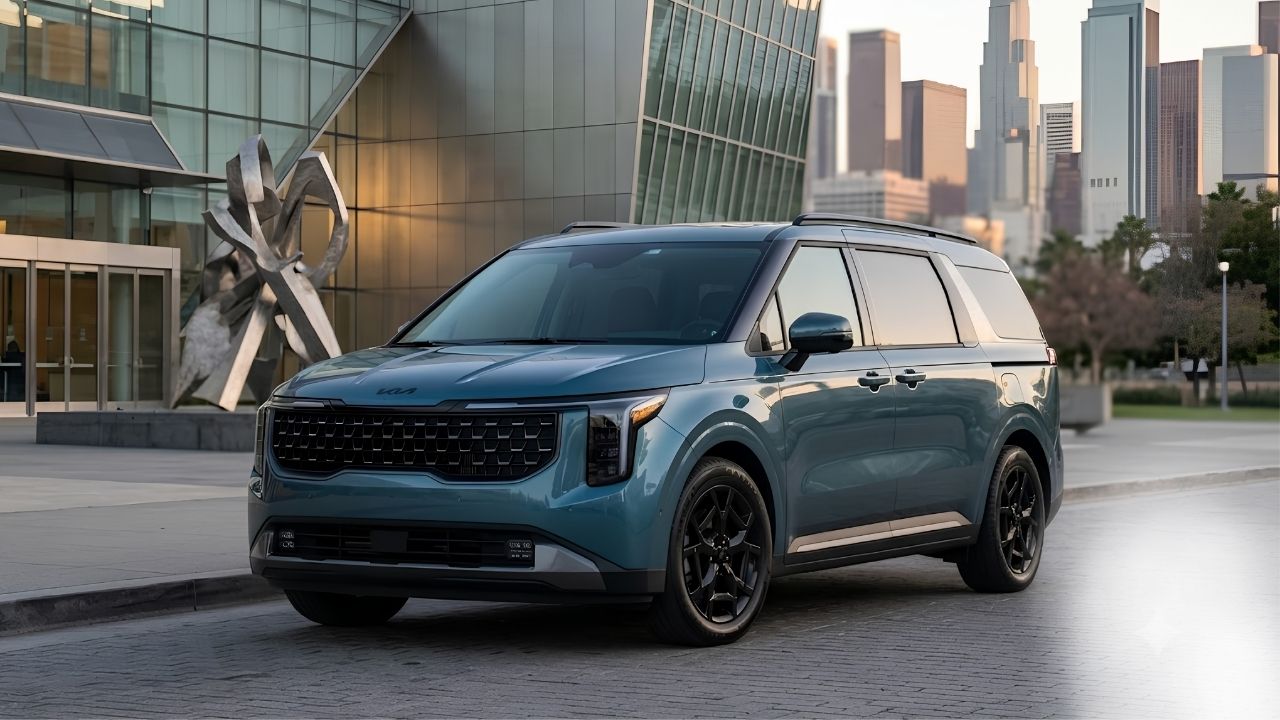
Kia Carnival Hybrid

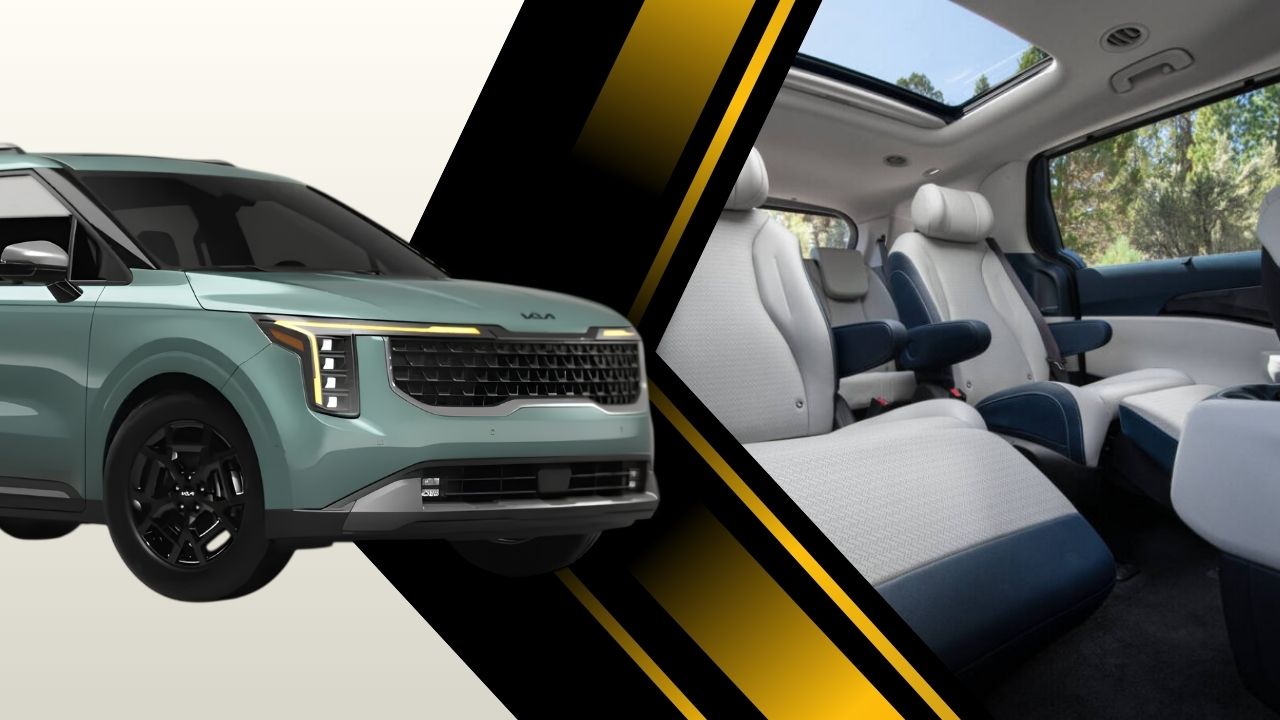
Waiting for two days more for the hybrid is worth it if you are buying for city errands. Kia Carnival Hybrid price in India is not officially announced yet, you will know at the time of launch on September 4, 2026. Expected to arrive with more high-end features, better mileage, and comfortable seating along with smart driving assistance.

Other than that, there are essential accessories that keep the interior manageable. Additional cost for accessories mostly added on-road price but check whether you need it or not. In this segment, it could be expensive but some of them are non-negotiable so let’s see the important accessories cost and Kia Carnival Hybrid expected price.

Will Carnival Hybrid be More Expensive Than Its Diesel Model?

Kia hasn’t published pricing for the Carnival Hybrid. The car will sit alongside the existing diesel model rather than replace it on September 4. We now know today is diesel Carnival’s ex-showroom price of ₹59.65 lakh, sold in a single fully-loaded Limousine Plus trim. The on-road price will sum up to around ₹70-75 lakh depending on your city’s registration and insurance costs.

Automotive industry reporters suggest that hybrid models put at an accessible entry point into Carnival lineup rather than premium over diesel and this positively makes sense because parallel-hybrid systems are usually cheaper to build at scale than a big turbo-diesel and 8-speed gearbox. 

A working estimate of roughly ₹55-65 lakh ex-showroom is a reasonable range since it’s a hybrid model but it’s not a quote so treat this range as a guess point. Wait for Kia’s confirmed range on the 4th before making a decision to buy.

Read More 👉 New Kia Niro EV Price 2025 – Full Details, Features & Latest Updates

Features And Performance

Most of the features and specifications of hybrids are similar from diesel Carnival including body size but we can expect powerful powertrains that gives you new experience.

Powertrain

The Carnival Hybrid swaps the current 2.2-litre diesel (193 PS, 441 Nm, paired with an 8-speed automatic) for a 1.6-litre turbo-petrol engine working with a 54kW electric motor through a 6-speed automatic. 

Combined output is expected to land around 242 HP and 367 Nm, matching the figures Kia quotes for this powertrain in international markets. 

Kia Carnival Hybrid Features And Performance

Fuel Economy

The system also gets three levels of regenerative braking, which is what’s expected to close the efficiency gap with the diesel — global specs suggest fuel economy near 14.5 km/l for the hybrid, close to the diesel’s ARAI-rated 14.85 kmpl, but with petrol running costs and none of the diesel’s low-end clatter.

Body Size & Exterior

Dimensions carry over largely unchanged: 5,156mm long, 1,994mm wide, 1,740mm tall, on a 3,091mm wheelbase — so the hybrid isn’t a smaller, more city-friendly Carnival. It’s the same big MPV with a different heart.

Carnival Hybrid Rival in The Indian Car Market

If you’re cross-shopping, the decision splits pretty cleanly along how you actually drive. The diesel Carnival’s 441 Nm of torque and proven 8-speed gearbox still make sense if you’re doing long, loaded highway runs regularly — that’s where diesel torque earns its keep. The hybrid makes more sense if your driving is a city-highway mix, since the electric motor and regen braking do their best work in stop-start traffic where the diesel is least efficient.

In this segment, one more name is sitting on the top: Toyota Vellfire, pricing starts at ₹1.20 crore and runs to ₹1.30 crore ex-showroom so it’s not a really competitor of Carnival in price. In functions, it comes with a 2.5-litre hybrid engine that makes 190 HP of power with 240 Nm torque which is less than what Kia offers, but Vellfire claimed 19.28 kmpl with a more opulent cabin in higher trim.

If your budget tops out anywhere near ₹60-75 lakh, the real comparison is Carnival diesel vs. Carnival hybrid, not Carnival vs. Vellfire.

What’s Different to Look At, Not Just Drive

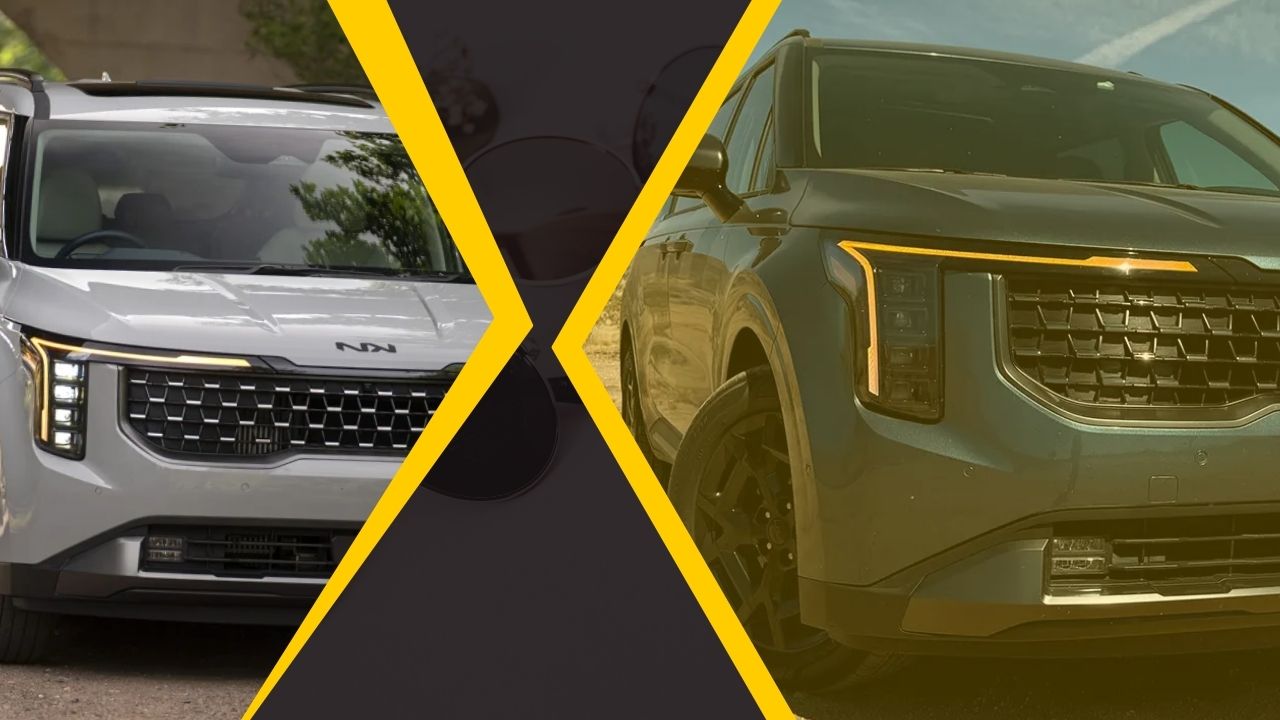
The hybrid isn’t just a badge change. It will be a more futuristic and sleek-packed design with 19-inch glossy black alloys and a Dark Edition trim option. Front and rear full LED lighting is making a presence remarkably extinguish. For higher trims, relaxed second-row seating with power adjustment, recline, and ottomans, plus heating and ventilation is a peak comfort. Kia is leaning into chauffeur-driven appeal rather than turning it into a conventional family MPV.

Read More 👉 EMI vs Lease: Which Is Better If You Plan to Upgrade Your Car Every 3 Years 

Additional Cost For Kia Carnival Hybrid Accessories

Accessories are a separate line item worth buying along with a new car to secure it from daily dirt and keep it refreshed. It’s mostly added in an on-road price quote but Kia hasn’t published a hybrid-specific accessory catalogue yet. So we should look into the Kia-authorized accessory for the current Carnival which is a reasonable stand-in given the hybrid shares the same body and cabin.

Essential Accessories to keep the car clean and refreshed while finishing city errands or going on a longer trip, comfort and styling comes from little care and small things. If you are buying a Kia Carnival Hybrid. Keeping the add-ons in the list will increase a little money but it will be worth it.

Accessory Price Range (₹)
Lifelong 7D floor mats (full set) 8,000 – 10,000
Leather-look seat covers (full set) 8,000 – 10,000
Car garbage bin 760 – 900
Tissue box holder 410 – 480
Microfiber cloths (set) 200 – 420

If you want more styling and make it look like a premium car then adding a few more things like a genuine chrome accessory kit, door visors, or a body cover is enough to make your car attractive. There is no fixed mention price because it is quoted per-order rather than listed at a fixed price. So ask your dealer for an itemized accessory bundle rather than guessing.

One outlier worth a premium aftermarket horn upgrade with relay was priced around ₹2,600 — a small but common add-on for MPV owners who find the stock horn underwhelming.

Kia Carnival Hybrid Accessories

None of this is optional-optional if you’re buying a car in this price bracket — dealers routinely bundle ₹40,000-60,000 worth of mats, covers, and styling extras into the on-road price quote, and it’s easy to miss that this is negotiable.

Should You Book Now or Wait Two Days?

If you’re not in a hurry, waiting until September 4 costs you nothing and gets you a real number instead of a range. If you’re already leaning diesel because you need the towing torque or you’re not interested in a wait, there’s no reason the hybrid launch should change your plans — you’re not cross-shopping the same use case anyway. 

Either way, treat every “Carnival Hybrid price” you see published before the 4th, including the estimates in this piece, as a placeholder until Kia says otherwise.

Read More 👉  Ceramic Coating vs PPF For Kia Carnival Hybrid 2026 

Conclusion

The Kia Carnival Hybrid is worth waiting for if most of your driving happens in the city, especially if you want a quieter, smoother MPV without giving up the Carnival’s space and premium features. But don’t book it based on the ₹55-65 lakh estimate yet — Kia’s September 4 pricing will determine whether the hybrid is genuinely better value than the ₹59.65 lakh diesel.

If your priority is highway touring, full-load performance and maximum torque, buy the diesel. For a mixed city-highway lifestyle, the hybrid is the version to watch. For additional cost for the accessories to buy along with a new car can be around ₹40,000-60,000 other than the cost of the car.

So wait for the hybrid’s official price point from Kia then compare it with the final on-road price of diesel, if Kia manages to keep the hybrid near the ₹60 lakh mark, that’s a win-win for urban buyers.

0

Top 10 Most Expensive Cars in Mukesh Ambani’s Collection with Price

Published Jul 2, 2025, 12:51 PM
Last Updated Jul 3, 2025, 6:54 AM

Top 10 Most Expensive Cars in Mukesh Ambani’s

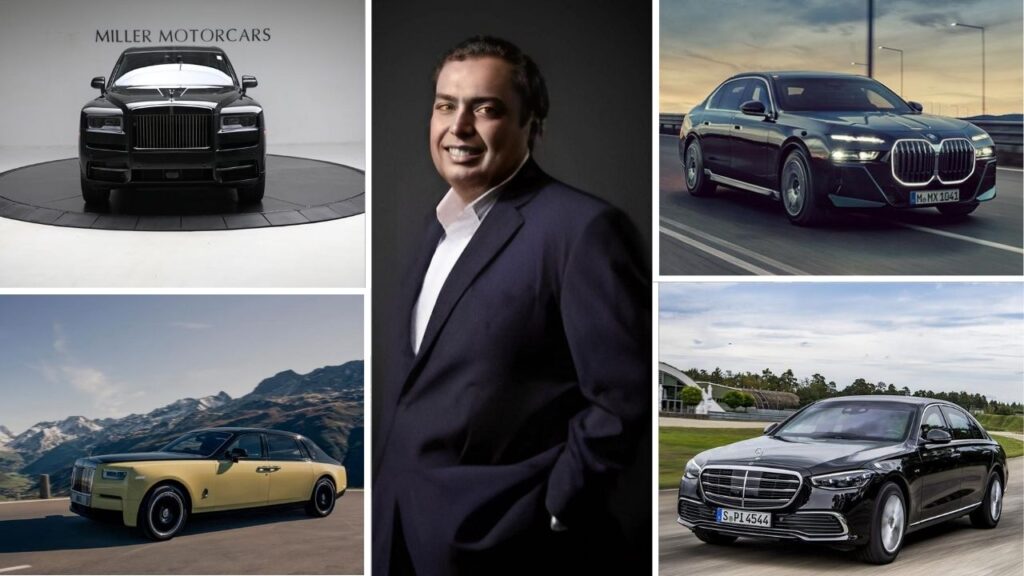
Mukesh Ambani, the name is mentioned in discussions among the wealthiest men. He is famous for his big business and his love for luxury cars. The Mukesh Ambani car collection is large and the collection has very luxurious cars. It has some of the most expensive and beautiful cars you can imagine. These cars are not just for show. They are also very safe and have the latest technology. Learn about Mukesh Ambani’s Top 10 most expensive cars, know about their prices, and features. 

Why Is Mukesh Ambani’s Car Collection Famous?

Mukesh Ambani’s lavish lifestyle is incomplete without his 150 expensive car collection. Each car is picked with care. They are all top brands. Many of them are custom-made. Some are even bulletproof. The Mukesh Ambani car collection showcases power, luxury, and safety. People all over the world talk about his cars.

Top 10 Most Expensive Cars in Mukesh Ambani’s Collection

Here are the top 10 most expensive cars in Mukesh Ambani’s collection. You will also find their prices and what makes each one special.

1. Rolls‑Royce Cullinan Black Badge

Rolls‑Royce Cullinan Black Badge

Image Credit: Rolls Royce

Mukesh Ambani owns a Rolls‑Royce Cullinan Black Badge SUV, gifted to his wife for Diwali at ~₹10 crore ex‑customization, with on-road cost reaching ₹9–10 crore. It runs on a 6.75‑liter twin‑turbo V12 engine tuned to about 600 PS and 900 Nm torque, capped at 250 km/h. The cabin is high-tech, with a fibre-optic “Shooting Star” roof and carbon-fibre details. It’s the most capable Cullinan and combines power and elegance. Ambani’s version includes unique wraps and a VIP ‘555’ plate.

2. Bulletproof Rolls‑Royce Cullinan (Standard)

Bulletproof Rolls‑Royce Cullinan

Image Credit: YouTube

Ambani’s custom bulletproof Cullinan costs over ₹13 crore with armour and military-grade tyres. Built on a base price of ₹7.99 crore, it has a 6.75‑liter twin‑turbo V12 making 563 bhp and 850 Nm torque. It has bullet‑ and grenade‑resistant glass, underbody armour, and run‑flat tyres. The inside is luxurious, seating five in peace, security, and quiet. Ambani became the first in India to own a bulletproof Cullinan, a highlight of safety and luxury.

3. Rolls‑Royce Phantom VIII EWB

Rolls‑Royce Phantom VIII EWB

Image Credit: Rolls Royce

The Phantom VIII EWB is Ambani’s ultra‑long, ultra‑luxury flagship. This car combines with 563 bhp and torque of 900 Nm, powered by a roaring 6.75-liter V12 engine. Extra length gives more legroom and a grand, limousine-style ride. Its interior features handcrafted leather and wood. The car is worth about ₹13.5 crore . It sits high in his garage, a royal symbol. This beast rides smoothly, sliding on the roads which symbolizes his status as India’s richest man.

4. Mercedes‑Maybach S680 Guard

Mercedes‑Maybach S680 Guard

Image Credit: Mercedes Benz

Mercedes‑Maybach S680 Guard: This heavily armoured sedan offers high security and refined ride. It has VR10 protection, bulletproof body, and a 6.0‑liter V12 engine. It costs roughly ₹12 crore. Inside, you’ll find yourself in a serene haven, featuring tinted windows and cushioned leather seats. The Guard version protects from bullets and bombs. When it comes to safety and comfort, Ambani is ready to go ride with it.

5. Mercedes‑Maybach S600 Guard

Mercedes‑Maybach S600 Guard

Image Credit: Mercedes Benz

A sister to the S680, the S660 is another armoured luxury. It sports the same V12 engine and VR10 security. Price: ₹10.5 crore. It gives plush interiors, thick leather, and tinted shields. This car is shorter and sportier than the S680, with similar protection. Ambani uses it when he wants a combination of sportiness, luxury, and safety.

6. Mercedes‑S600 Guard

Mercedes‑S600 Guard

Image Credit: YouTube

The S600 Guard is a strong and well-armoured luxury sedan with a V12 engine. It offers high security, impeccable running speed which makes an incredible model. Its price is close to ₹10 crore. This model also shields from bullets and explosions. It runs smoothly in silence, and offers an enjoyable ride. Luxurious taste from the inside, with leather and a calm ride. Ambani and his family often use it on important journeys.

7. BMW 760Li Security

BMW 760Li Security

Image Credit: BMW

Ambani’s bulletproof BMW 760Li costs ₹8.5–8.9 crore. It uses V12 power (544 bhp, 750‑880 Nm torque), armored doors, windows, and a self‑sealing fuel tank. Underbody protection keeps it safe from bombs. Yet it drives smoothly and quietly. Leather seats and modern controls sit inside. Despite its heavy security, it remains a refined luxury sedan for secure travel.

8. Ferrari SF90 Stradale

Ferrari SF90 Stradale

Image Credit: Ferrari

Ambani’s Ferrari SF90 Stradale is a really expensive hybrid supercar. Together they generate 769–986 bhp and 800 Nm torque, hitting 0–100 km/h in 2.5 s and top speed of 340 km/h . Its carbon‑fibre body and F1‑inspired tech deliver blistering speed and advanced features. This Ferrari is powerful, fast, and full of modern tech worth ₹7.5 crore.

9. Rolls‑Royce Phantom Drophead Coupe

Rolls‑Royce Phantom Drophead Coupe

Image Credit: YouTube

This convertible Rolls‑Royce is rare and elegant. Ambani’s model is worth ₹7.6 crore. This model gives you the prime look with a soft folding roof and a 6.75‑liter V12 engine. This car offers open-air driving with supreme luxury. Inside is plush leather, wood trim, and custom amenities. The Drophead fits special occasions when Ambani wants style and grace under the sky.

10. Ferrari 812 Superfast

Ferrari 812 Superfast

Image Credit: YouTube

Ferrari 812 is a fantastic beast which is superfast with petrol V12 GT. It costs around ₹5.2 crore. It uses a 6.5‑liter V12 engine revving high to deliver 340 km/h. The fast and thrilling car is ready to go on. It has no hybrid system or extra weight. Its design is sleek, angular, and sporty. Ambani adds this car for raw speed and classic supercar feel.

Read More :- Elon Musk Car Collection: A Glimpse Into His Garage

Famous Cars Not in the Top 10

Mukesh Ambani collection has also included most of the famous cars including the Ferrari SF90 Stradale, Bentley Continental Flying Spur, and Tesla Model S. These cars are also very expensive and special. Want to feel Hybrid supercar ride? The Ferrari SF90 Stradale will give you that feel. It is very fast and uses electric power but not only that, It is very comfortable and stylish. It is very fast and has the latest technology.

Conclusion

Mukesh Ambani’s car collection is one of the best in the world. It has the most expensive and luxurious cars. Each car is special in its own way. The collection is a mix of speed, safety, and comfort. It shows the best of what cars can be. If you love cars, the Mukesh Ambani car collection is a dream come true.

0

Top Points to keep in mind while buying a used car online

First Time Buyer’s Checklist

Before it comes to the process of buying a used car, the biggest challenge is selecting the car you need to buy.

When you are buying a used car, it is possible to get swayed very easily. For example, when you go to a dealership you might see a 7-year-old Hyundai Verna for 7 Lakhs and standing next to it you’ll see a 4-year-old Honda Accord (which is a far more premium car) for 9 lakhs. You might convince yourself to spend that extra 2 lakh and pick up an Accord but the cost of running and maintaining an Honda Accord is far higher than that of Hyundai Verna. In the long run, you’ll end up spending a lot more money on used car’s maintenance.

Check the used car’s condition

Despite being a used car, the vehicle you are considering should be in good running condition, and must be good value for money. Take the vehicle for a test drive and get all major systems such as engine, cooling, transmission, wheels, etc by an expert or checked by a trusted mechanic. These checks will help you ascertain whether the car is as well-maintained as the seller claims. Further, you can plan (10% of value of used car) for unavoidable repairs and maintenance and include the same in your budget.

Tip: Ensure that you carry out a thorough check when you go to take the delivery of your vehicle as well. This is important because a dealer might replace some of the components from your seeing of the vehicle to the delivery of the vehicle- for example – he might replace new brake pads with old ones.

Registration documents

Is the seller the real owner of the car? Is this the first or the second time it is being resold? The Owner Serial Number in the RC book or smart card indicates the number of times the car has been sold. Has the owner paid all dues, including road tax? Ensure the seller provides you with other papers that need to be verified, including the original invoice, NOC from the car loan provider, and road tax receipt.

The car’s transfer is effected when you and the seller sign on RTO Forms 29 and 30. Further, the seller must submit Form 28, which is the NOC for transfer of the car.

Car insurance

Tip 1: Check the car’s insured value in the policy, It will be a useful benchmark during price negotiations.

Tip 2: Track the No Claim Bonuses over the past 2-3 years. Frequent claims may imply frequent accidents requiring repair and maintenance to the vehicle.

Tip 3: Get the seller’s car insurance policy transferred in your name or buy a new policy within 2 weeks of the date of transfer of the car.

Not doing above may lead to your insurance claim being rejected in case of any accident or mishap. Only claims related to third parties will be approved under the deemed insurance policy transfer of the law.

Documents required

  • Proof of sale of the car
  • Proof of delivery of car to your possession
  • New RC book issued in your name
  • Request from the seller for cancellation of policy
  • Your application for transfer of the policy

Potential modifications

Can you convert the car into a dual-fuel automobile for example CNG? Can you opt for upgrades for greater comfort, safety, and value? Older vehicles may come cheap but may be impossible to upgrade. A relatively new model is preferable, especially if it comes at an affordable price as compared to the used one.

Get Your Deal Today – Click Here