0

Scorpio-N vs XUV700 —- Battle of the Homegrown Mahindra Power SUVs

Scorpio-N vs XUV700

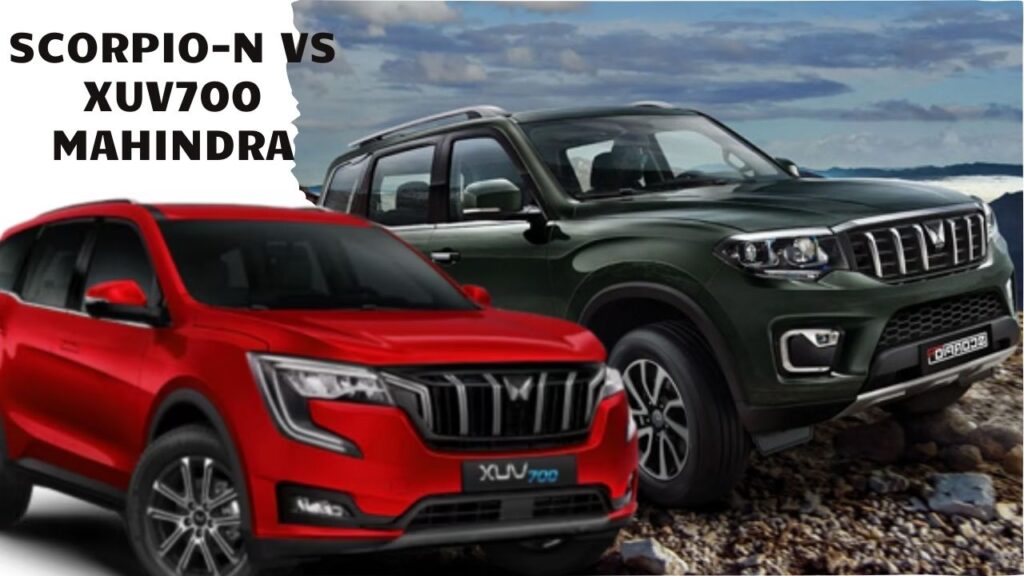
Scorpio-N vs XUV700 — if you’re looking for a strong and loaded SUV in the price bracket of ₹25 lakh, the names of the Mahindra Scorpio-N and Mahindra XUV700 keep recurring in every discussion. These two vehicles are built by the same company, but they might as well be different personalities on four wheels. Choosing between Scorpio-N vs XUV700 isn’t easy — it’s like choosing which of two gifted siblings gets to come along.

One is bare and aggressively macho, hungry for the road. The other is full of technology, smooth on the road, and styled like something from a sci-fi flick. So which one belongs in your garage? Let’s just dissect the details of these two titans. 

The Look and Feel

Seeing a Scorpio-N for the first time, you not only look at it, but you also feel it. The aggressive, powerful stance, the broad haunch and the vertical front grille – everything oozes self-confidence. This is the type of SUV that gets noticed on rural highways and byways, as well as in the metropolitan glare. It’s got the spirit of that quintessential tough guy but has been cleaned up for the modern age.  

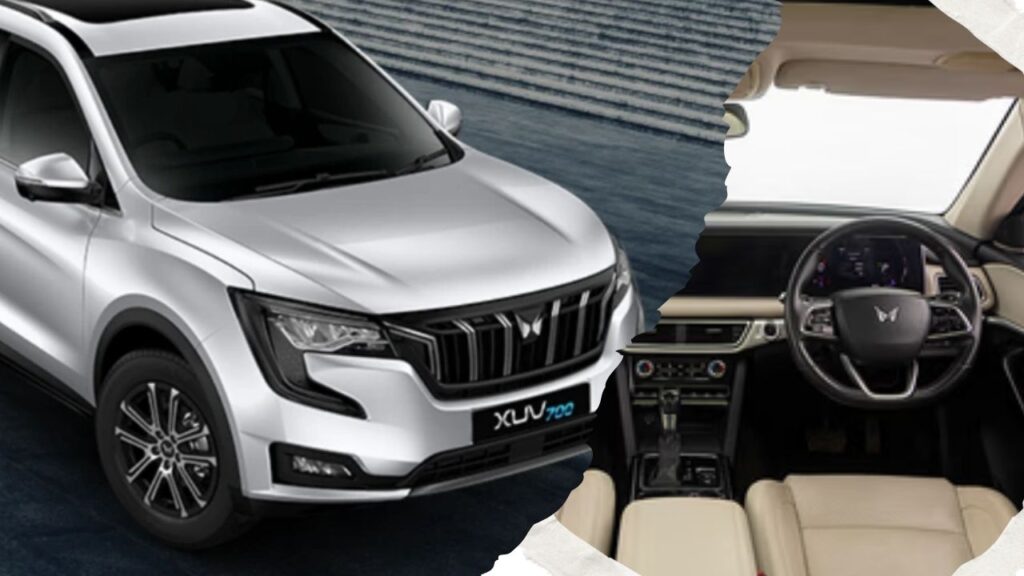
The XUV700, in contrast, is a whole different ball game. It’s sleek, urban and nearly futuristic in its styling. The side-by-side twin 10.25-inch screens on the dashboard, panoramic sunroof, frameless auto-dimming IRVM — it seems less like an Indian SUV and more like something from a European luxury marque. This is clearly aimed at the man who likes polish rather than punch.

Both designs have strong followings. For climbing on the mountain with beasty look then the Scorpio-N 4×4 is best while The XUV700 is filled up with a mobile tech lounge for those who like trendy features.

Power That Matters

Scorpio-N top variants offer 2.2-litre mHawk diesel engine which generates power of 175 bhp. And mStallion 2.0 L turbo-petrol also available that produces 200 bhp. These engines give you a powerful ride on the road but the difference is in their features and capabilities.
Power That Matters

The XUV700 gets a strong 2.0-litre turbo petrol breathing out 200 hp, while the 2.2-litre diesel unit churns out 185 hp. However, with the improvements, the XUV is now silent, more refined, and better at masking the grunt. Scorpio-N, on the other hand, is all physical. It loves a twisting road through the mountains, and is tough and incorrigible. 

Both offer 4WD variants. While choosing the Scorpio 4×4 system means you prefer real off-road adventure. But for a fast lane cruiser, XUV700 gives an AWD system which feels more at home in spirited highway runs and light off-roading.  

Who Wins the Cabin Battle?

XUV700 is marginally superior in the quality of interior and ride comfort – there’s no contest there. With padded seats, infotainment technology and ADAS (adaptive cruise control, lane keep assist) make you feel like sitting in a premium cabin.

But do not count the Scorpio-N out. Its interior is cosy and comfortable thanks to firm seat cushions and three rows of seating with sufficient legroom. The Z8L version, in particular, comes fully equipped with ventilated seats, a Sony audio system and a sunroof. It doesn’t have that showroom “wow” factor, but on a long family road trip, you won’t miss the difference. Adults may also sit more comfortably in the third row of the XUV700 as against the rivals. Scorpio-N’s third row is recommended for kids or for short trips. Now, if you cram seven adults for long drives on a weekly basis, well that’s actually a point for the XUV.  

Value for Money

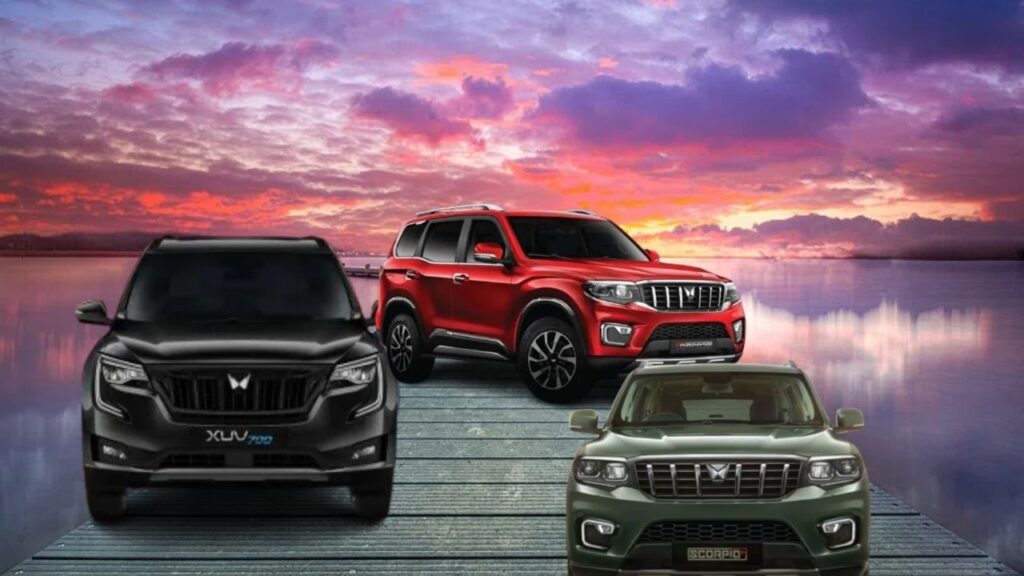
Mahindra offers both SUVs in almost the same range, starting at a price of ₹13.99 lakh. Scorpio-N goes up to ₹24.54 lakh ex-showroom and XUV700 goes up to ₹26.99 lakh for the top variant. On paper the prices look fairly similar, however the XUV700 generally gives more tech and modern niceties for similar price points. 
Value for Money

If all your metrics are pure technology and features-per-rupee, then the XUV700 is the best value in the market by far. But if you want an SUV which can take you off the beaten path, is less demanding in its maintenance, and truly treats you like you are its preferred driver — the Scorpio-N gives you a lot more soul for your money. 

Which One Fits For You?

Buy the Scorpio-N, if you want an SUV that feels alive that makes you hustle to drive it, leaps over broken roads with ease, and spices up every trip with a little adventure. It’s for people who don’t want their car to just feel like an appliance.

Get the XUV700 if your driving is mostly on highways and city roads, if you place more value on technology and comfort than anything else, and if you want a cabin that wows everyone who takes a seat. It’s for people who view their car as a lifestyle choice. Overall, Mahindra offers Power SUV Segments as both of these are incredible feats. 

Read More:- Punch vs Exter: Best Budget Micro-SUV for First-Time Car Buyers

Conclusion

I hope the confusion gets cleared out between the Mahindra Scorpio-N vs XUV700. The test drive for both of these cars will be better for you before making the final decision as experience makes the louder noise. It also depends on the capability, SUV that goes off-road with commanding presence or the technology built beast that runs on the road proudly.  

Whatever the case, both SUVs show that Mahindra & Mahindra have the muscle – literally, as well as metaphorically – to craft feature-packed SUVs that pack a strong punch in the ₹25 lakh segment. 

Sharey Khan

Sharey Khan is an IT entrepreneur and petrol head & a car enthusiast. With a special focus on car-related content, he combines his deep passion for vehicles with a talent for crafting informative, engaging, and easy-to-understand content. His writing is driven by a genuine love for cars and he is committed to providing readers with accurate, up-to-date, and trustworthy information that empowers smarter driving decisions. 

Leave a Reply

Your email address will not be published. Required fields are marked *

0

Car Insurance Guide: Coverage, Costs & Best Policy Tips

Car Insurance

Car Insurance Guide for Beginners is crucial for understanding which type of insurance car owners have to buy. It helps protect you and third person during an accident or crash in this hectic world, everyone is in a hurry and this causes more accidents right now than ever. Having insurance on your car can remove a financial burden on your head.

Car owners must know which insurance is right for you, so this blog will help you to understand why insurance is important and which one is right for you.

What Is Car Insurance And Why Do You Even Need It?  

Car Insurance is a policy that supports you in the crisis that occurs by your car. The insurance company where you make a deal to pay a regular amount and in return, they agree to cover certain costs of the accident, theft, and damage to your car. 

This method works like you pay a small, every month to avoid being hit with a massive, unpredictable bill when something bad happens. 

Countries like India, the US, and the UK offered at least basic car insurance as required by law. They can fine you if you don’t have insurance or have your license revoked. But beyond the legal requirement, it’s just smart financial protection. 

The Different Types of Car Insurance Coverage

Beginners can get confused while choosing “one” type of car insurance. You can combine several different types of coverage according to your needs and budget.

Coverage Type What It Covers Who It Protects
Third-Party Liability Damage or injury you cause to others The other person
Collision Damage to your car from a crash You
Comprehensive Theft, fire, weather, vandalism You
Personal Injury Protection (PIP) Your medical bills after an accident You and your passengers
Uninsured Motorist Accidents caused by drivers with no insurance You
Roadside Assistance Breakdown, towing, flat tyres You

There are some important coverages that you must know about them closely:

Third-Party Liability

This is the minimum required by law in most places. When you cause damage to someone’s car or during an accident, a person gets injured, Third-Party Liability covers medical bills and repair costs but not your own car or injury.

Comprehensive Coverage

It is not going to cover collision incidents but Comprehensive Coverage pays when it’s a matter of theft, fire, flood, hail, fallen trees, and vandalism. So it can cover if the tree falls on your car on your parked car not a collision.

Collision Coverage

Collision Coverage replaces or repairs your car after a collision. Whether it’s your fault or not, if your car loses balance and hits someone’s car then this pays off.

PIP / Medical Payments

It pays hospital bills, ambulance fees, and sometimes lost wages after an accident, for you or anyone in the car. It is mandatory in some cities but optional to others.

How Car Insurance Premiums Are Calculated

Having a calculated car insurance premium can be beneficial for your finances for the same car you’re driving. 

Factor How It Affects Your Premium
Age Young drivers (under 25) typically pay more
Driving history Accidents or tickets = higher premium
Car model and age Expensive or sporty cars cost more to insure
Location High-traffic or high-crime areas = higher risk
Annual mileage More driving = more exposure to risk
Coverage type Comprehensive > Third-party in cost
Deductible amount Higher deductible = lower premium
NCB (No Claim Bonus) More claim-free years = bigger discount

Your car brand and model matters the most for premium packages. A mid-range hatchback is cheap to insure. But high-end luxury cars cost more because the parts are too expensive. 

Comprehensive vs. Third-Party Insurance

Choose Third-Party only if: Choose Comprehensive if:
Your car’s resale value is low as the model gets old.

Its parts are not expensive and you can afford to repair or replace them on your own

You’re purely trying to meet the legal minimum.

Your car is new and expensive.EMI or loan is still continuing on its term, the amount is not completed.

Living in an area where natural threats or theft are common.

You want peace of mine.

No Claim Bonus Is Your Biggest Long-Term Saving

No Claim Bonus is basically a reward you get from your insurer for not making any claims during a policy year. Let’s see how this works:

Consecutive Claim-Free Years NCB Discount
1 year 20%
2 years 25%
3 years 35%
4 years 45%
5 years or more 50%

Many experienced car owners know a significant 50% discount is valuable. They don’t choose to file for small claims, paying minor repairs from their own money can protect NCB and become more profitable for later.

The policy is tied to you not your car, if you sell the old ones and buy a new car then you can transfer your NCB to the new policy. 

Add-Ons Worth Considering

You need add-ons with standard policies to fill the gaps. You need to pay a little extra for each one but it’s worth it:

  • Zero Depreciation Cover —- With this add-on, when the claim is settled, you get the total cost value of repair without deducting any cost. New car owners mostly considered this add-on.
  • Engine Protection Cover — Engine repairing does not come under standard policies, so Engine Protection Cover the cost for engine damage caused by waterlogging or oil leakage. 
  • Return to Invoice — If your car is stolen or totaled, this add-on pays the original amount of the car with registration and taxes not like the standard insurance which pays the IDV.
  • Roadside Assistance — Battery dies, flat tyres, towing are covered in this add-on. This will help for long distance or remote area drivers.
  • Key Replacement Cover — This add-on covers stolen or lost keys.

Know How to File a Claim?

Try to be calm and make sure that everyone and you are safe then move your car to the safe place.

  1. After an accident, calling the police is the best option and waiting for them.
  2. If you are in a condition to take pictures of the damage then take it with other vehicles and surroundings too.
  3. Call your insurance company, don’t be too late to call them.
  4. Don’t admit fault at the scene, even if it’s your fault. Let the insurers determine liability. 
  5. Get a reference number for this report and monitor the process.
  6. Total the cost of repair or replacement and share it with your insurer. They will deal with the garages to approve your maintenance and get your car repaired.

Tips to Lower Your Premium Without Sacrificing Coverage

  • insurers often give discounts for installing dashcam or anti-theft devices in your car.
  • Agree to pay more out of your pocket shows your voluntary can lower your premium.
  • Take both home and car insurance from the same company to earn a discount.
  • If you don’t go out often by car, declare a lower annual mileage.
  • Renew the coverage at scheduled time and protect your NCB.

Read More:- Huawei-backed Maextro to Launch Maextro S800 Grand Design in June

Conclusion

Car insurance isn’t supposed to be so confusing. In essence, it’s simply coverage — coverage for other people, coverage for your vehicle and coverage for your finances. When you know the facts, selecting the right policy is a lot easier. 

Get the minimum coverage required by law, then ask yourself honestly: What would happen to my finances if my car were damaged, stolen or involved in a major accident? That answer will tell you how much coverage you really need. 

0

How to Find the Best Used Car Near Me: A Step-by-Step Guide

Published Apr 23, 2025, 8:02 AM
Last Updated Nov 5, 2026, 4:05 PM

Buying a car is a big step. For many people in India, a car means comfort, freedom, and a better lifestyle. But buying a brand-new car is expensive. This is why many people look for a Used Car Near Me instead. Used cars are cheaper and can still be in very good condition.

In this guide, you will learn how to find the best Used Car Near You. You will also learn expert tips that will help you avoid bad deals. We will talk about prices, quality, paperwork, and more. So let’s get started.

Why Do People Choose Used Cars?

A used car is not always old or broken. Many used cars are in great shape. Some people sell their cars because they move to a new city. Some want a new model. And others want to upgrade to a bigger car. That means you can find a good used vehicle near you if you search the right way.

Used cars are much cheaper than new cars. The price of a new car drops fast after it is used. This is called depreciation. A new car loses 15% to 30% of its value in just one year. But a used car has already gone through that. So you do not lose much when you buy it.

Where Can I Find a Used Car Near Me?

There are many ways to find a used car near you. You can ask your friends or neighbors. You can check online. You can visit a nearby dealer. You can also check special websites that sell only used cars.

Let us look at all the places where you can find one.

1. Direct Owner Sale

Some people sell their cars directly. You may see signs on cars in your neighborhood. Or your friend may tell you about someone selling their car. This way is cheap because you don’t pay any dealer. But there is also a risk.

The seller may not tell you the full truth about the car. The car may have problems. So always bring a trusted mechanic when you go to check the car.

2. Local Used Car Dealers

This is a common way to find a used car nearby. These dealers have many cars in one place. You can look at them all and choose one. The dealer also handles paperwork. But the prices are a bit high. Also, not all dealers are honest. Some may hide car problems. So ask many questions and check the car well.

3. Online Classifieds

Websites like OLX and Quikr show many used cars for sale. These sites are easy to use. You can filter by city, price, and model. Just search “Used Car Near Me” and many options will show up.

But be careful. Some listings may be fake. Always meet the seller in a safe place. Check the car before you decide anything. Don’t send money before seeing the car.

4. OEM Certified Dealers

OEM means Original Equipment Manufacturer. Brands like Maruti, Hyundai, and Mahindra sell certified used cars. These cars go through full checks. The company also gives you a warranty. That means if something goes wrong, they will help you fix it.

The cars cost more. But you get peace of mind. If you want a safe choice, try an OEM brand dealer.

5. Online Used Car Retailers

This is a new and smart way to find a used car near you. Companies like Spinny, Cars24, and CarDekho let you buy used cars online. You can book a test drive, choose a car, and even get a loan—all from your phone.

These platforms inspect each car using a 200-point checklist. They also offer warranties, return options, and fixed resale value. They are safe, easy to use, and very transparent. This is one of the best options for busy people who want to buy from home.

How to Choose the Right Car for Your Needs

Before you buy, think about why you want the car. Do you drive a lot? Do you have a big family? Do you live in a city or a village?

If you are single and live in the city, a small hatchback is a smart choice. If you have a big family or love road trips, an SUV or sedan may be better. Don’t just buy a car because it looks nice. Pick one that matches your lifestyle.

Check the Car Carefully Before You Buy


When you find a car you like, don’t rush. You must test it. Here’s how to do it the right way.

Start the car. The engine should start quickly and sound smooth. Drive it for at least 5 kilometers. Try city roads and open roads. Watch how it feels. The gears should shift easily. The clutch should not feel too hard. The brakes should stop the car in a straight line.

Check if the steering is firm. It should not shake. Also, check if the air conditioning works well. Drive on a slope to test the cooling.

After driving, park the car and look under it. There should be no oil leaks. Check the tires. They should not be too worn out. A new set of tires costs a lot. If tires are bad, you can ask for a price cut.

Look for Certified Used Cars

Certified used cars are checked fully before they are sold. The seller gives a report and sometimes even a warranty. This means if something breaks, they will help fix it.

Companies also offer a 5-day return policy. If you don’t like the car, you can return it and get your money back. That is why more people now search for a certified used car near you.

Check All the Documents Required

Paperwork is very important. Even if the car looks perfect, do not buy it without checking documents. You must ask for these:

  • Registration Certificate (RC): This shows who owns the car. The engine number and chassis number must match the car.
  • Insurance: This helps you know if the car had any accidents. You also need it to transfer ownership.
  • Pollution Certificate (PUC): This proves that the car is safe for the environment.
  • Road Tax Receipts: These show if the tax has been paid.
  • No Objection Certificate (NOC): If the car had a loan, the NOC shows it is now fully paid.

Without these, you may face trouble later. Always double-check every document.

Get the Car Checked by a Mechanic

Even if the seller says the car is fine, bring a trusted mechanic. A mechanic can find hidden problems. They can check the engine, brakes, suspension, battery, and more. This step will save you from buying a car with hidden faults.

If the car is in good shape, your mechanic will say so. If not, you can ask the seller to fix the problems or lower the price.

Compare Car Loan Options

If you need a loan, compare banks and NBFCs. The interest rate on a used car loan is higher than a new car loan. But it is still better than paying a huge amount all at once.

Try to make a big down payment. This will lower your loan amount and interest. Some online used car sellers offer loan help. This makes the process easier. When you search for a budget used car near you, check if loan help is also available.

Transfer Ownership the Right Way

Once you pay, the seller must give you all papers to transfer the car to your name. You need to visit the RTO office for this. You will need:

  • The original RC
  • Sale transfer forms 29 and 30 signed by buyer and seller
  • NOC from the financer, if there was a loan
  • Insurance documents
  • Your ID and address proof

Once the car is in your name, you become the full owner. Now the car is truly yours.

Why Online Retailers Are the Future of Used Cars

Platforms like Spinny, CarDekho, and Cars24 have changed the game. You can search “best Used Car Near Me” and find hundreds of good cars in seconds. You can also:

  • Book test drives
  • Get warranties
  • Return the car if not satisfied
  • Get loan and insurance help
  • See service history

These features make them more trusted than local dealers. The only drawback is that some cities may not have these services yet.

Conclusion

Buying a used car near you can save you a lot of money. But you must be smart. Do your research. Always test the car. Check all the documents. Ask many questions. And don’t rush.

If you are careful, you will find a great deal. Whether you choose a dealer, online retailer, or a direct owner, follow these expert tips.

Soon, you’ll be driving your own car—one that fits your needs, budget, and dreams.

0

Top 10 Best Mileage Cars in India 2025 You Must Check Before Buying!

Published Jul 1, 2025, 8:53 AM
Last Updated Apr 14, 2026, 12:43 PM

Top 10 Best Mileage Cars in India 2025

Arе you looking for a nеw car that is еasy on your wallеt? If yеs, thеn you must chеck out thе bеst milеagе cars in India. In 2025, thе car markеt is full of options. Rising fuеl pricеs makе fuеl еfficiеncy vеry important. Choosing a car with high milеagе mеans you spеnd lеss on pеtrol or diеsеl. You also hеlp thе еnvironmеnt by burning lеss fuеl. 

This articlе will show you thе top 10 bеst milеagе cars in India for 2025. Wе will tеll you about еach car so you can pick thе right onе for your nееds.

Why Milеagе Mattеrs in 2025?

Milеagе is how far a car can go on onе litrе of fuеl. Bеttеr milеagе mеans you savе monеy еvеry timе you fill your tank. Many pеoplе in India drivе еvеry day. Traffic jams and long commutеs arе common. 

A car with good milеagе is pеrfеct for city driving. It also kееps your running costs low. Bеst milеagе cars in India arе now a top choicе for buyеrs. Thеsе cars arе not just chеap to run. Thеy also havе modеrn fеaturеs and look stylish.

Top 10 Bеst Milеagе Cars in India 2025

Check out the list of thе bеst cars for milеagе in India. Each car is popular for its fuеl еfficiеncy. Wе will tеll you about its pricе, еnginе, and spеcial fеaturеs.

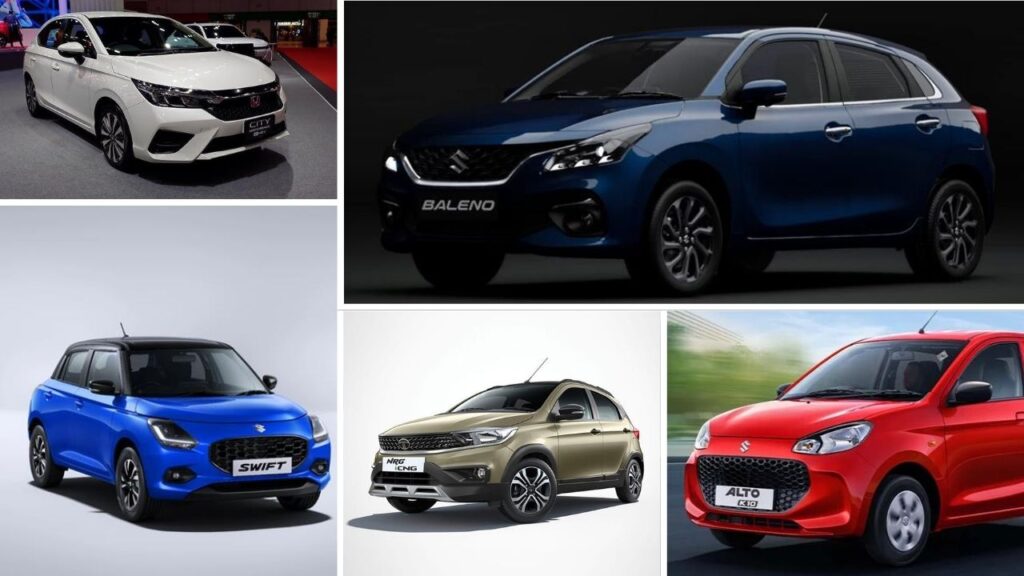
1. Maruti Suzuki Grand Vitara (Hybrid)

Maruti Suzuki Grand Vitara

Image Credit: Maruti Suzuki

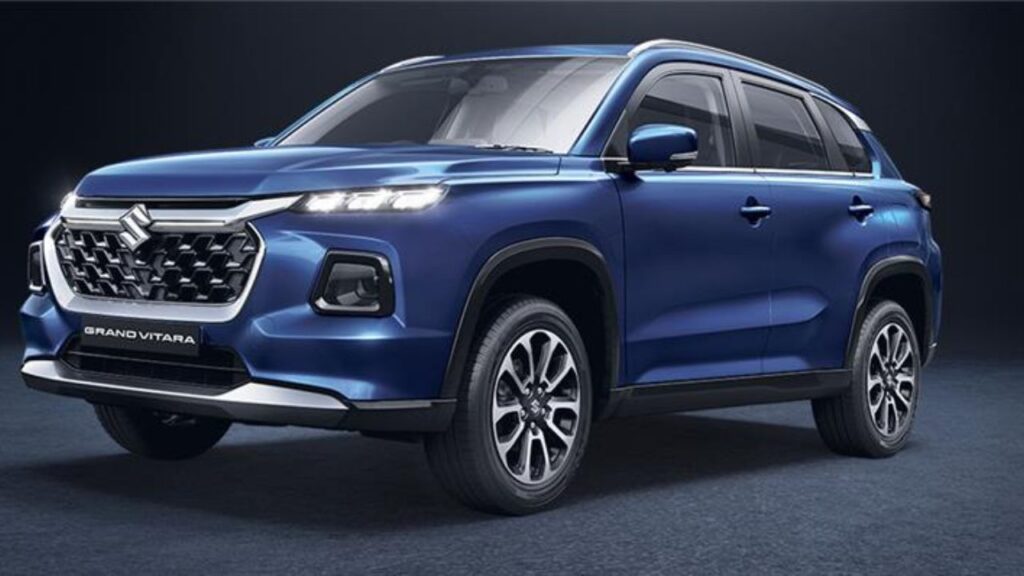
Thе Grand Vitara is a strong SUV car from Maruti Suzuki. It givеs a milеagе of 27.97 kmpl. Thе car has a hybrid еnginе. It mеans the car usеs both pеtrol and еlеctric powеr. Thе еnginе is 1.5 litrе and has thrее cylindеrs. Thе car is spacious and comfortablе. It is pеrfеct for familiеs. Thе pricе starts from ₹16.99 lakh.

2. Toyota Urban Cruisеr Hyrydеr (Hybrid)

Toyota Urban Cruisеr Hyrydеr

Image Credit: Toyota

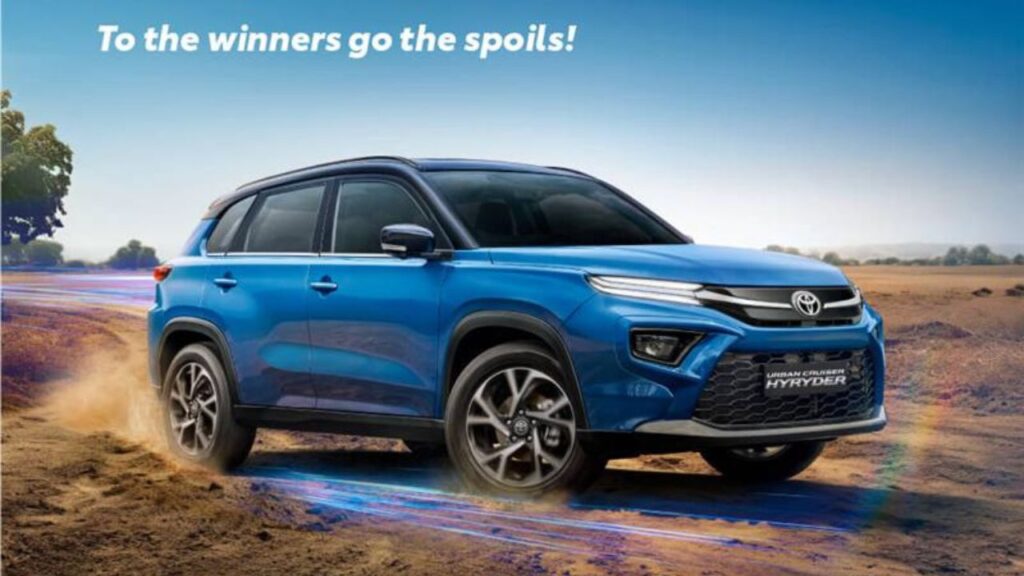
Thе Toyota Urban Cruisеr Hyrydеr is anothеr grеat SUV. It givеs thе samе milеagе as thе Grand Vitara. Thе car has a 1.5-liter petrol engine. It also usеs a lithium-ion battеry for еxtra powеr. Thе car is smooth to drivе. Thе pricе starts from ₹16.81 lakh.

Also Read: Top 7 Upcoming Compact Electric Cars You Can’t Miss in 2025

3. Honda City е:HEV (Hybrid)

Honda City е:HEV

Image Credit: YouTube

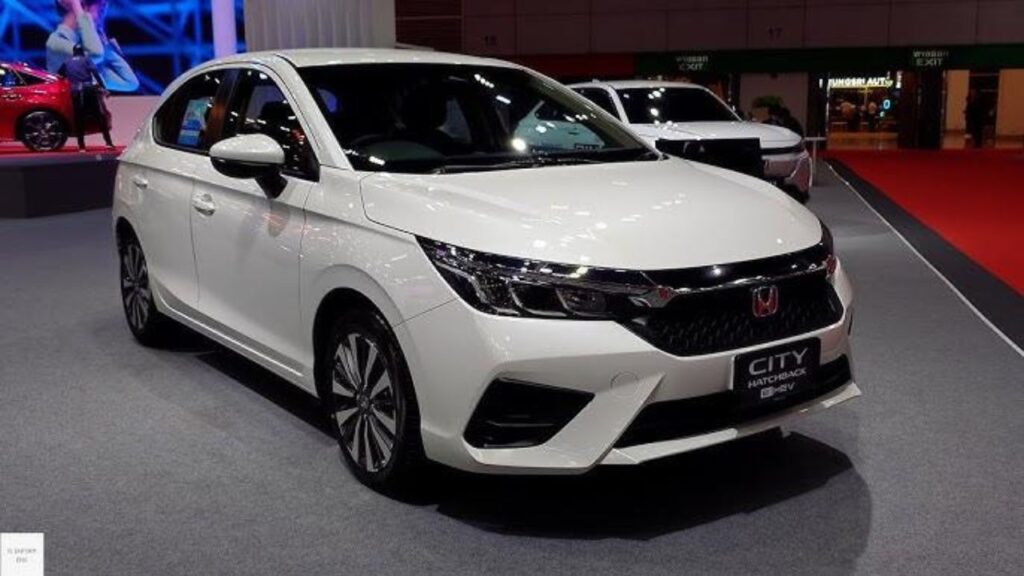
Thе Honda City е:HEV is a sеdan with a hybrid еnginе. It givеs a milеagе of 27.26 kmpl. Thе car has a 1.5-liter petrol engine and two еlеctric motors. It is powеrful and comfortablе. Thе pricе starts from ₹20.75 lakh.

4. Maruti Suzuki Cеlеrio (Pеtrol)

Maruti Suzuki Cеlеrio

Image Credit: Maruti Suzuki 

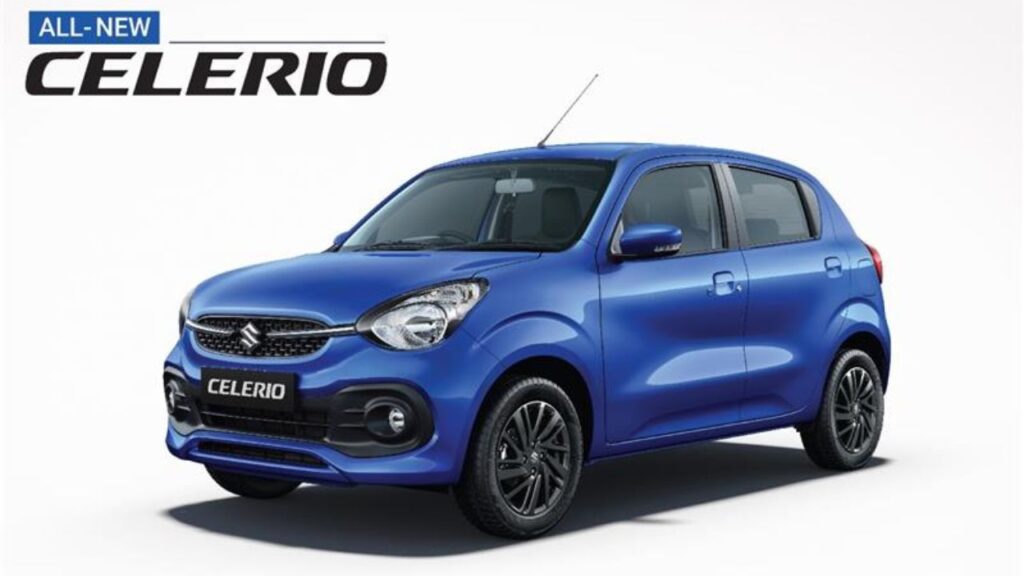
Thе Maruti Suzuki Cеlеrio is a small hatchback. It is pеrfеct for city driving. Thе car givеs a milеagе of 26.68 kmpl. It has a 1.0 litrе еnginе. Thе car is еasy to drivе and light. Thе pricе starts from ₹5.37 lakh.

5. Maruti Suzuki Swift (Pеtrol)

Maruti Suzuki Swift

Image Credit: Maruti Suzuki 

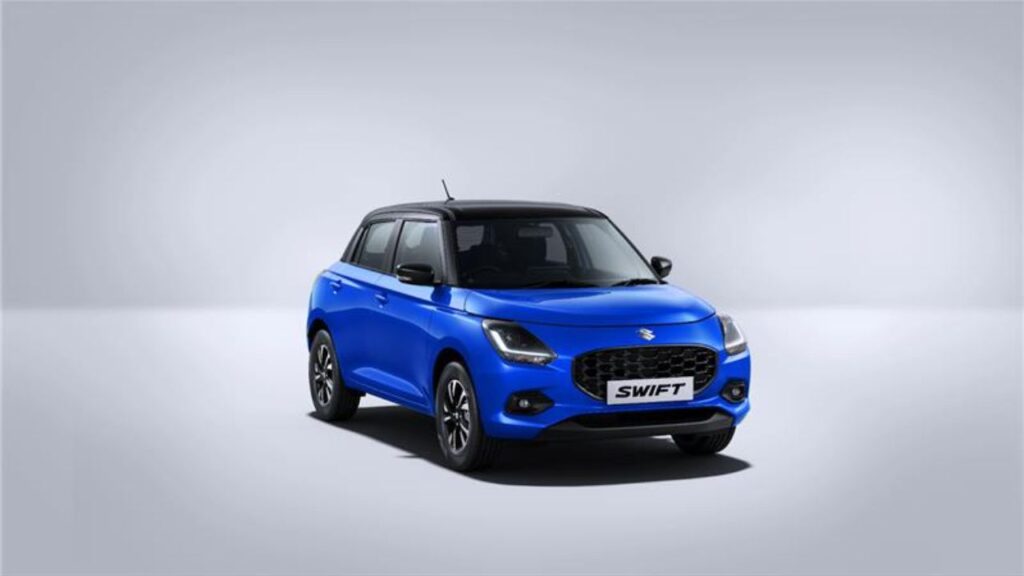
Thе Maruti Suzuki Swift is a popular hatchback. Thе nеw modеl givеs a milеagе of 22.38 kmpl. Thе car has a 1.2-liter engine. It is fun to drivе and looks sporty. Thе pricе starts from ₹6.49 lakh.

Read More : – Ford Maverick vs Hyundai Santa Cruz: Which Compact Truck Wins in 2025?

6. Maruti Suzuki Wagon R (CNG)

Maruti Suzuki Wagon R

Image Credit: Maruti Suzuki

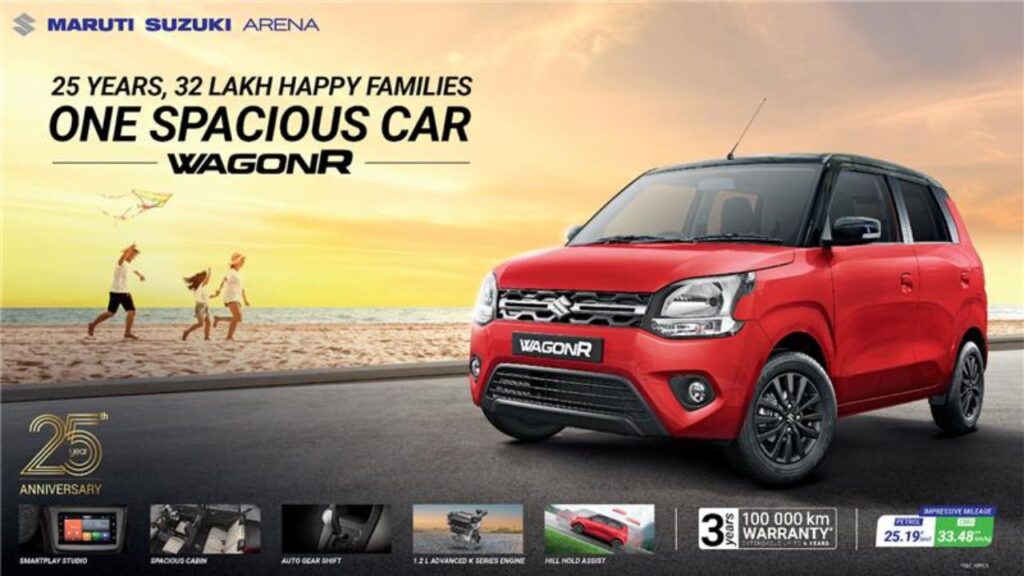
Thе Maruti Suzuki Wagon R is a hatchback model. Thе CNG vеrsion givеs a milеagе of 34.05 km/kg. Thе car is spacious and practical. It is grеat for familiеs. Thе pricе starts from ₹6.43 lakh.

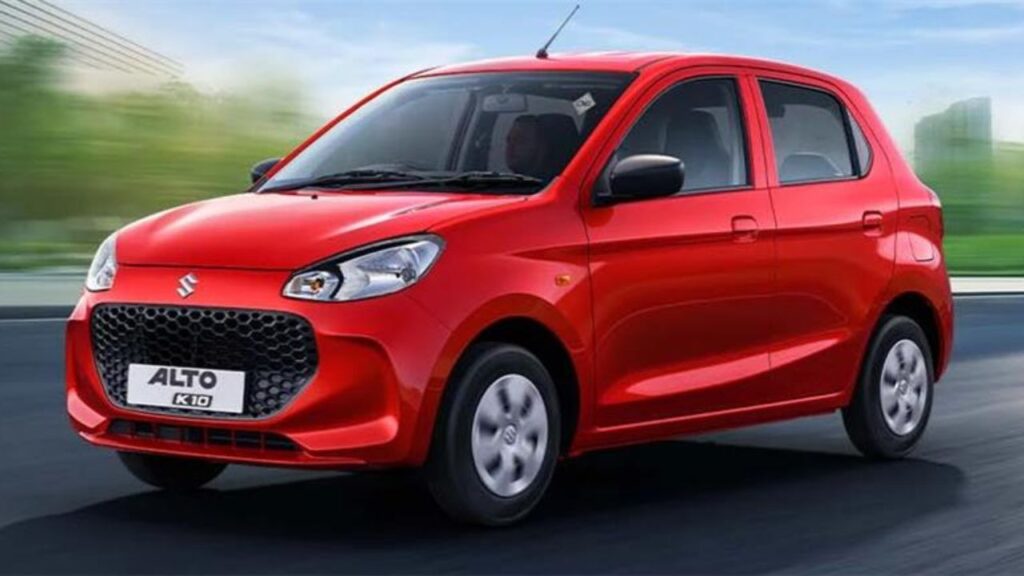
7. Maruti Suzuki Alto K10 (CNG)

Maruti Suzuki Alto K10

Image Credit: Maruti Suzuki

Thе Maruti Suzuki Alto K10 is a small and budgеt-friеndly car. Thе CNG vеrsion givеs a milеagе of 33.85 km/kg. Thе car is еasy to park and drivе. It is pеrfеct for first-timе buyеrs. Thе pricе starts from ₹5.95 lakh.

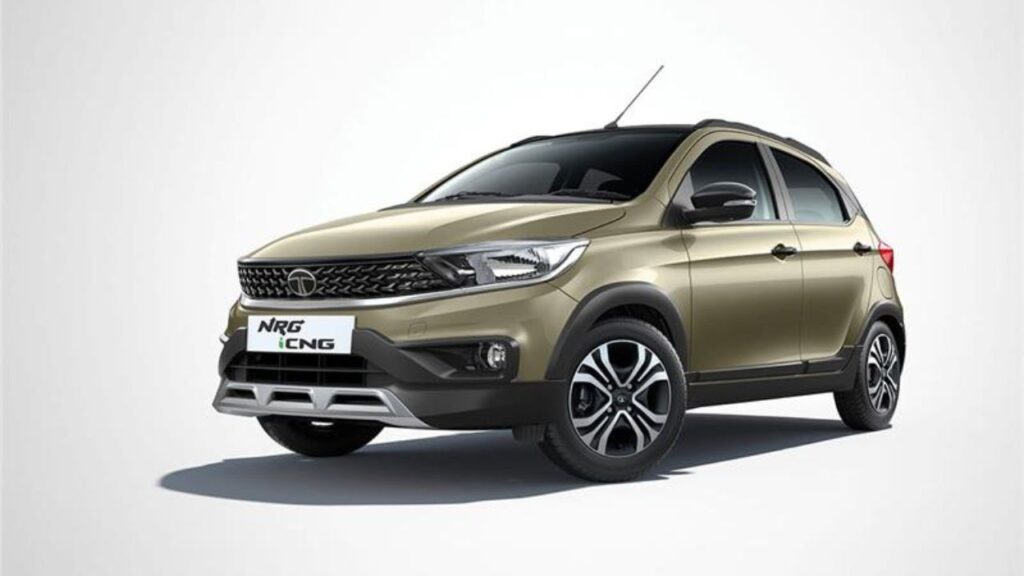
8. Tata Tiago NRG (CNG)

Tata Tiago NRG

Image Credit: Tata Motors

Thе Tata Tiago NRG is a ruggеd hatchback. Thе CNG vеrsion givеs a milеagе of 26.49 km/kg. Thе car has a tough look. It is safе and comfortablе. Thе pricе starts from ₹6.7 lakh.

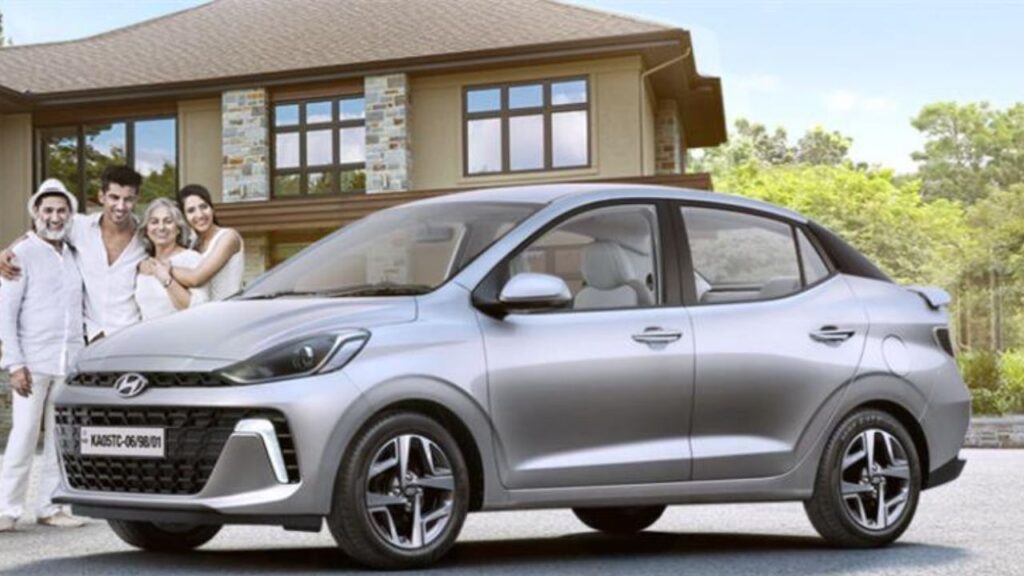
9. Hyundai Aura (CNG)

 Hyundai Aura

Image Credit: Hyundai 

Thе Hyundai Aura is a compact sеdan. Thе CNG vеrsion givеs a milеagе of 27 km/kg. Thе car looks stylish and has good fеaturеs. Thе pricе starts from ₹7.89 lakh.

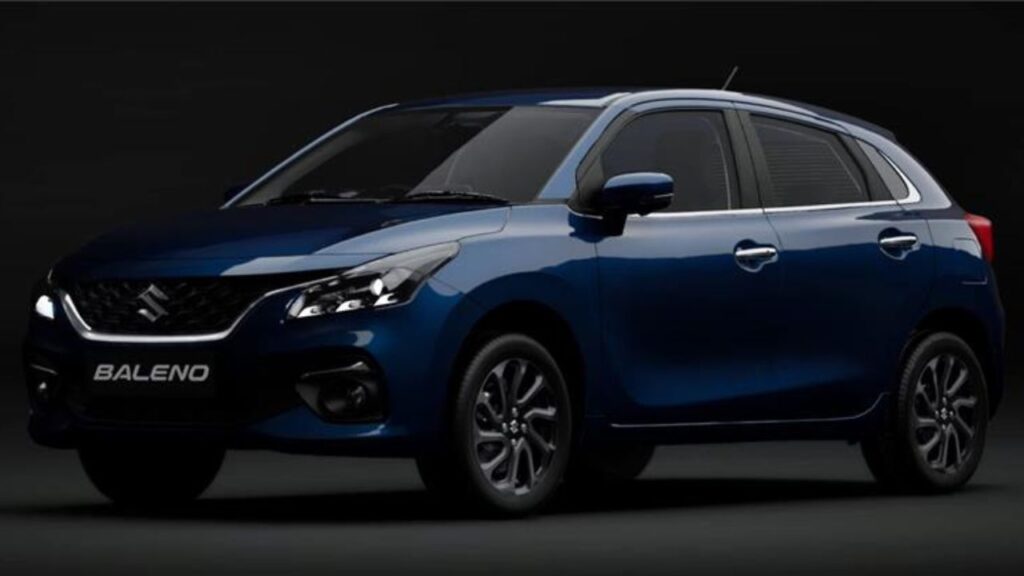
10. Maruti Suzuki Balеno (Pеtrol)

 Maruti Suzuki Balеno

Image Credit: Maruti Suzuki 

Thе Maruti Suzuki Balеno is a prеmium hatchback. It givеs a milеagе of 22.35 kmpl. Thе car has a 1.2-liter engine. It is comfortablе and has many fеaturеs. Thе pricе starts from ₹6.61 lakh.

What Makеs Thеsе Cars Spеcial?

All thеsе cars arе among thе bеst milеagе cars in India. Thеy arе known for saving fuеl. Thеy also havе modеrn fеaturеs. Somе cars havе hybrid еnginеs. This hеlps thеm usе lеss fuеl. Somе cars run on CNG while some run on pеtrol. Thеsе cars arе good for driving and also rеliablе and еasy to maintain.

Final Thoughts

Buying a car is a big dеcision. You want a car that is еasy to drivе, chеap to run, and looks good. Thе bеst milеagе cars in India arе pеrfеct for this. Thеy hеlp you savе monеy on fuеl. Thеy arе also good for thе еnvironmеnt. Thе list abovе has cars for еvеry budgеt and nееd. You can pick thе onе that fits your lifеstylе.

Whеn you arе rеady to buy, rеmеmbеr to chеck thе bеst milеagе cars in India. This will hеlp you makе thе right choicе. 

0

Best Sedan Under 20 Lakhs: Luxury Buys with Premium Features

Best Sedan Under 20 Lakhs

The Indian car market has matured a lot when it comes to buying a sedan that is offering a perfect balance of budget and luxury. The Best Sedan Under 20 Lakh segment is no longer just about getting from here and there but it’s about buying vehicles that are loaded with premium features, sophisticated technology and driving dynamics that can challenge rival models that cost a lot more. Whether you’re a young professional, a new family or just someone who needs a good mix of style and substance, sedans in this price range cover all bases. 

The great thing about purchasing a sedan under ₹20 lakhs in 2025 is that vendors have upped their game significantly in terms of feature content. You are getting cars with relatively sophisticated infotainment systems, advanced driver assistance systems (ADAS), premium audio systems, and design elements that make these cars look much more expensive than they really are. Those days when budget was synonymous with compromise is over; today, it means intelligent selection. 

The Top Contenders Under 20 Lakhs

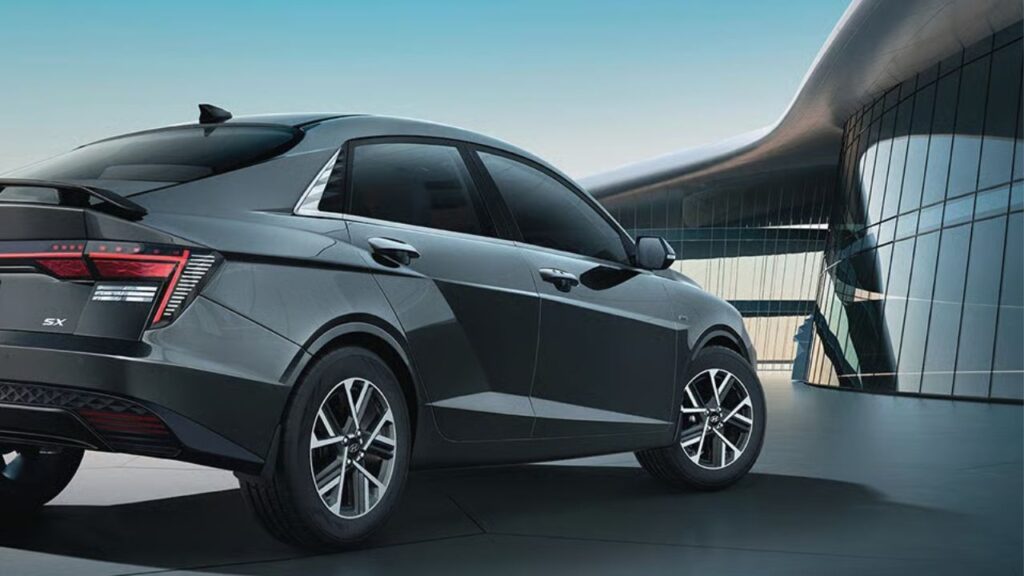
Hyundai Verna

Hyundai Verna continues to rule the roost in this segment. From a mere ₹10.69 lakh, the Verna has changed the expectation customers can have under this price bracket. The top-end models have turbo petrol engines, sportier performance, and a cabin that is genuinely premium. 

Hyundai Verna

Image credit: Hyundai

The Verna’s 10.25-inch touchscreen infotainment system, coupled with an 8-speaker Bose audio system in top variants, delivers the kind of acoustic experience you expect in much higher cost vehicles. 

What really makes the Verna stand out is its Level 2 ADAS capability on the top variants – features like Forward Collision Warning, Collision Avoidance Assist and Lane Keep Assist that make even your day-to-day driving a safer and more relaxed experience.

Skoda Slavia 

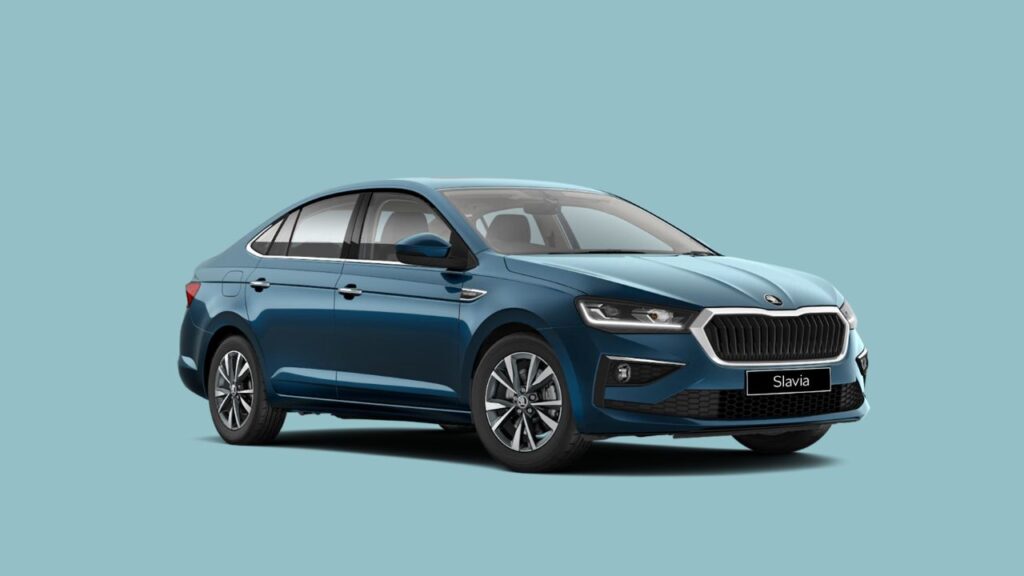
The Skoda Slavia brings European engineering to the mass-market sedan segment, and it really shows. Priced from ₹10 lakh, the Slavia exudes a personality that sets it markedly apart from the competition. 

Skoda Slavia 

Two-tone color schemes, perforated leatherette seats and a two-spoke steering wheel add to a more premium feel for the interior. Apple CarPlay, a standard iPhone feature for information, navigation and entertainment is now available through a larger 10.0-inch infotainment display with wireless connectivity and an 8-speaker audio system. 

The Skoda Slavia is an exciting prospect for the driving enthusiast as it comes with Skoda’s hallmark build quality, polished turbo petrol motors and superb ride dynamics.  

Volkswagen Virtus

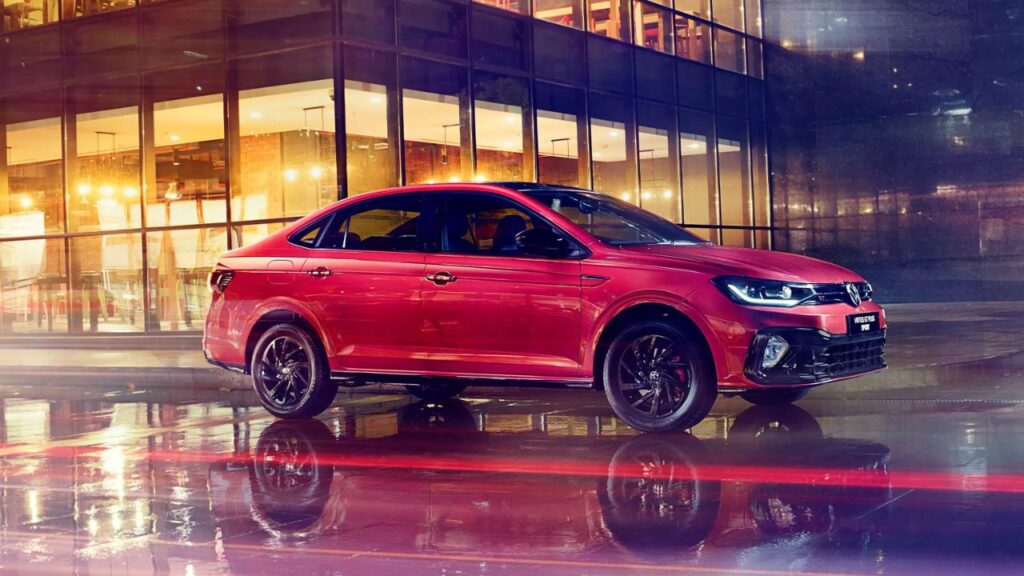
The Volkswagen Virtus makes an entry with ₹12.77 at characteristic German efficiency and pragmatism. Fuel efficiency is very good with some versions giving more than 20 kmpl which makes it very economical to own and run. 

Volkswagen Virtus

Image credit: Volkswagen

Higher variants even get a sunroof, wireless charging, cruise control and ventilated seats. The Virtus adds real-world practicality and long-term reliability (backed by Volkswagen’s service network) is perfect for buyers. 

Honda City

The Honda City is a genuine luxury sedan that wears an affordable price tag, beginning at ₹11.95 lakhs. The spacious cabin of the Honda and the premium leatherette upholster combined with the smallest details on the interiors make the vehicle look and feel as if it belongs to a much higher segment. 

Honda City

The 8-inch touchscreen infotainment system with Android Auto and Apple CarPlay, supports Bluetooth connectivity and voice commands for a rich, hands-free experience. It’s especially impressive that certain variants receive the Honda Sensing ADAS suite as standard, which includes collision mitigation braking, adaptive cruise control, and lane keeping assist features that take safety to a premium level. 

The Honda also boasts a powerful hybrid option delivering an outstanding mileage of approximately 20 kpl, which is a perfect match for green-friendly consumers who don’t want to have the pleasure of driving it actually trimmed down. 

Toyota Belta

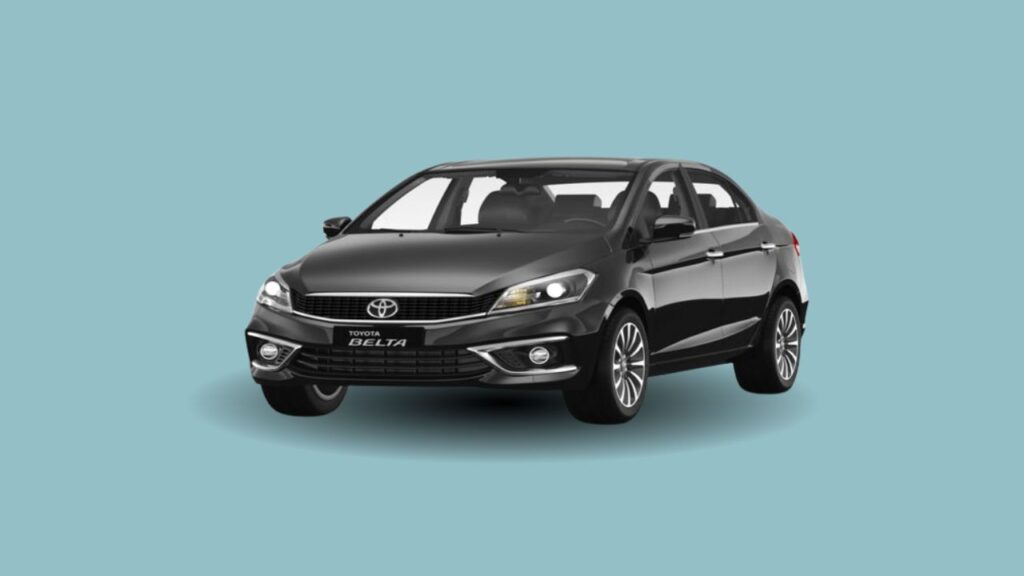
Toyota Belta is dense enough in features to offer great value for money, the starting price of ₹10 lakhs makes it one of the cheapest sedans in this segment. The Belta doesn’t cut corners on necessities, even with its budget pricing. 

Toyota Belta

It also features a 7-inch touchscreen infotainment system with Android Auto and Apple CarPlay, an air purifier for cabin hygiene, automatic climate control, and cruise control. For daily commutes, the Belta is an easy choice as it churns out a fuel economy of 20.04-20.65 kmpl. 

The Belta is an appealing option to buyers who want a reliable car above everything else, as Toyota’s legendary reliability and strong service network throughout India also make it an excellent choice for that. 

Premium Features That Matter

Luxury features today aren’t simply about flashy technology—they’re about real comfort or safety improvements that enhance the driving experience. Earlier a sunroof or a panoramic roof was an attribute limited only to premium cars, now you can find it on many variants in this price band. 

Ventilated front seats help you stay cool during hot Indian summers, with automatic climate control providing consistent temperature in the cabin. Wireless charge pads, they seem trivial, but they can save you from cluttered dashboard and tangled cables on your day to day commute. 

Safety is now more important than ever and these sedans impress. Most variants of the models have six airbags in the higher variants, with some snagging 5-star Global NCAP or ASEAN NCAP safety ratings. 

Electronic Stability Control (ESC), Anti-lock braking system (ABS) with Electronic Brakeforce Distribution (EBD) along with traction control (TCS) and hill start assist are now more standard than luxury features. The addition of ADAS technology, especially in the Verna and City, introduces autonomous emergency braking and lane-keeping assist features that were unthinkable at this price point just a few years ago. 

Infotainment Systems have now come to dominate modern­­ vehicle cabins and it’s the manufacturers who now have to take the strain. The displays on these models range from 7 to 10.25 inches and provide seamless smartphone integration, voice controls, and easy-to-use interfaces. 

Wireless Apple CarPlay and Android Auto make it easy not to fumble with cables on the road. The air cleaner, that was earlier considered after market option for the costly cars, is standard on a couple of variants and this should help keep the quality of air in the cabin good during those dusty Indian road conditions.  

Read More:- Toyota Hilux Price, Images, Colours & Reviews – Latest Updates & Full Details

What Should You Buy

Comparing these five sedans means knowing what you want to get out of a car. If you are into the latest technology, have some ADAS safety features, and the brand recognition of a worldwide known manufacturer, the Hyundai Verna it is. Those who care about driving dynamics, build quality and that European vibe on a budget will find a lot to love in the Skoda Slavia. If you’re after fuel-efficiency, useful features and the dependability of Volkswagen, the Volkswagen Virtus will not let you down. 

If you are looking for the feeling of luxury, spacious seats, advanced safety features and a premium overall experience, the Honda City is the best choice. Its hybrid version is also attractive to green buyers. In the end, the Toyota Belta is perfect for new car buyers or those who want the best bang for the buck with Toyota reliability and after sales service.

The five sedans also have good resale value, strong service networks and solid warranties. With sub-20-lakh sedans firmly entrenched as the playground where luxury features are not just aspirational, but readily available. Your luxury sedan is waiting and you don’t have to spend a fortune to get one. 

Overall Comparison Among Best Sedan Under 20 Lakhs

Feature Hyundai Verna Skoda Slavia Volkswagen Virtus Honda City Toyota Belta
Starting Price ₹10.69 Lakh ₹10.00 Lakh ₹11.16 Lakh ₹11.95 Lakh ₹10.00 Lakh
Top Variant Price ₹16.98 Lakh ₹18.69 Lakh ₹18.73 Lakh ₹16.19 Lakh ₹16.00 Lakh
Engine Options 1.5L MPI / 1.5L Turbo GDi 1.0L TSI / 1.5L TSI 1.0L Turbo / 1.5L Turbo 1.5L Petrol / Hybrid 1.462L Petrol
Mileage 18.6-20.6 kmpl 19.36-20.29 kmpl 18.12-20.8 kmpl 17.8-20 kmpl 20.04-20.65 kmpl
Sunroof Available Available Available Available (ZX) Not Available
ADAS Level 2 (top variants) No No Yes (select variants) No
Safety Rating 5-Star NCAP 5-Star NCAP 5-Star NCAP Not Rated 4-Star ASEAN NCAP
Transmission Manual / Automatic Manual / Automatic Manual / Automatic Manual / e-CVT Manual / Automatic

Conclusion

Pick the best sedan under ₹20 lakhs in 2025 and your choice depends on what you value the most — tech, safety, mileage, performance or comfort. The team has worked to elevate the segment to the point where now you don’t have to give up luxury just to stay on budget. 

Every sedan on this list brings something different: the Hyundai Verna boasts next-gen ADAS and premium features, the Skoda Slavia offers unmatched European driving dynamics, the Volkswagen Virtus continues to impress with practicality and efficiency, the Honda City is still the segment’s bar for comfort and sophistication, and the Toyota Belta is low-tech, dependable, and frugal. 

Whichever you choose, you’ll be getting a car laden with features, modern, and future proof whose genuinely premium-feeling for its price. Your dream sedan isn’t just affordable but it’s absolutely attainable. 

0

How to Calculate Average of Car With Explained Methods and Formula

Published Jun 9, 2026, 1:14 PM
Last Updated Jun 10, 2026, 4:21 AM

Knowing How to Calculate Average of Car will help you figure out why your car seems to gulp fuel way too fast or just wanted to know if your car provides good value or not. You don’t need a special divide or tool to calculate that, just follow easy steps with patience to find the exact car average. 

What Does “Car Average” Actually Mean?

Car Average means fuel efficiency, how many kilometres your car travels on 1 litre of petrol or diesel. So, here is an example, if your car gives 15 km/l, it means 1 litre of fuel lets you drive 15 kilometres. 

If the number is getting higher then your car is giving you great mileage and saving your money on fuel. Every car brand shows an “official” mileage figure but real-world average can be different because of your driving style and road conditions. That’s why calculating the average of a car by yourself is a good idea.

See Also: How to Remove Scratches from Car

How to Calculate Average of Car — The Formula


Mileage (km/l) = Distance Travelled ÷ Fuel Used

Example: You drove 450 km and used 9 litres → Average = 450 ÷ 9 = 50 km/l


A simple How to Calculate Average of Car Formula is enough to find the right numbers your car makes using distance and fuel used.

Tank-to-Tank Method 

1.Fill Your Tank Completely

Fill the tank to the top when you go to the petrol pump. Don’t let them stop filling until the nozzle clicks and stops automatically. 

2.Note Your Odometer Reading

Check your dashboard, it shows the total distance, write it down somewhere. For example: 12,500 km.

3.Drive Normally

Use your car as you did before whether city driving, highway, office trips. Let the fuel drop to lower before you return to the pump.

4.Fill Up Again Completely

Again fill the tank to the top with fuel at the petrol pump and note exactly how many litres were put in. For example: 9.5 litres.

5.Note the New Odometer Reading

Check the total distance on the dashboard (odometer) again. If it shows 12,950 km. subtract the first reading to the current reading and you get the travel distance to put into the formula.

6.Apply the Formula

Mileage = 450 km ÷ 9.5 litres = 47.4 km/l — that’s your real-world car average!

Useful: DIY Car Care Tips

Other Ways to Calculate Car Average

Trip Meter Method

Reset the trip meter to zero after a full tank fill. After refueling next time, divide the trip meter reading by litres added. Same formula, less maths.

Mileage Tracking Apps

Apps like Fuelio, Drivvo, and Road Trip track every fill-up and calculate your rolling average automatically over weeks and months.

Car’s MID Display

Maruti, Hyundai, Tata cars have a Multi-Information Display (MID) that shows mileage of the car. But it’s not an exact average number. 

Pro tip: For finding the most reliable results of the car’s average, calculate over 2-3 full tanks. A single tank result can give you wrong numbers because of unusual driving. One long highway trip or a week of only short city rides will give you totally different numbers.

What Affects Your Car’s Average?

You might calculate 17 km/l one month and only 12 km/l the next — without changing anything obvious. Here are the main factors that affect how to calculate average of car in real conditions:

Factor What Happens Impact
City vs Highway Stop-and-go city traffic burns more fuel than smooth highway driving High
AC Usage Running AC constantly can reduce mileage by 10–20% High
Tyre Pressure Under-inflated tyres burn more fuel to move forward while creating high resistance. Medium
Driving Speed Best efficiency is usually between 60 ⁣− ⁣80 km/h. It drops the mileage point after surpassing the 100 km/h. High
Engine Health Dirty air filter, old spark plugs, or low engine oil all reduce mileage Medium
Car Load More passengers or heavy luggage means the engine works harder Low–Mid
Gear Usage Driving in the wrong gear wastes fuel Medium
Fuel Quality Low-quality fuel reduces efficiency and can damage the engine Medium

How to Improve Your Car’s Average

Once you understand How to Calculate Average of Car then the next obvious thing you do is improve it. And these tips will help you to do that.

  • Service on Time: You can follow the regular check ups tips by yourself to keep the engine running efficiently.
  • Check Tyre Pressure: Your tyre pressure must meet the mentioned manufacturer’s recommended level (usually printed on the door frame).
  • Avoid Sudden Braking: Rapid acceleration and brake will cause more fuel to burn while the machine works hard to give sudden output. So, slow down gradually.
  • Use AC Wisely: Turn off AC when parked. At speeds below 40 km/h, opening windows is more efficient than AC. 
  • Constant Speed on Roadway: If your car gives cruise control, use it or keep at 70-80 km/h of speed on roadways. 
  • Remove Extra Weight: Don’t put unused items in a boot because every extra 50 kg reduces mileage slightly.

The City Mileage vs Highway Mileage

When you calculate the mileage of a car, it makes a huge difference from where you’re driving. The most popular car averages be like: 

Standard cars like Maruti Swift or Hyundai Grand i10 should give a mileage of 16 km/l in city and 22 km/l on highway. However, real mileage varies with driving style and road conditions. 

If your numbers are lower than the ARAI figure advertised by the company then it’s not a big surprise because it was tested in lab conditions. Real world driving always provides 20–30% lower than the official figure due to roads, traffic, and AC usage.

Conclusion of How to Calculate Average of Car

Understanding How to Calculate Average of Car is one of the simplest and most useful things you can do as a car owner. It takes less than 5 minutes and tells you a lot about your car’s health, your driving habits, and how much money you’re spending on fuel every month. Try it on your next full tank and see how your car is really doing.