0

Scorpio-N vs XUV700 —- Battle of the Homegrown Mahindra Power SUVs

Scorpio-N vs XUV700

Scorpio-N vs XUV700 — if you’re looking for a strong and loaded SUV in the price bracket of ₹25 lakh, the names of the Mahindra Scorpio-N and Mahindra XUV700 keep recurring in every discussion. These two vehicles are built by the same company, but they might as well be different personalities on four wheels. Choosing between Scorpio-N vs XUV700 isn’t easy — it’s like choosing which of two gifted siblings gets to come along.

One is bare and aggressively macho, hungry for the road. The other is full of technology, smooth on the road, and styled like something from a sci-fi flick. So which one belongs in your garage? Let’s just dissect the details of these two titans. 

The Look and Feel

Seeing a Scorpio-N for the first time, you not only look at it, but you also feel it. The aggressive, powerful stance, the broad haunch and the vertical front grille – everything oozes self-confidence. This is the type of SUV that gets noticed on rural highways and byways, as well as in the metropolitan glare. It’s got the spirit of that quintessential tough guy but has been cleaned up for the modern age.  

The XUV700, in contrast, is a whole different ball game. It’s sleek, urban and nearly futuristic in its styling. The side-by-side twin 10.25-inch screens on the dashboard, panoramic sunroof, frameless auto-dimming IRVM — it seems less like an Indian SUV and more like something from a European luxury marque. This is clearly aimed at the man who likes polish rather than punch.

Both designs have strong followings. For climbing on the mountain with beasty look then the Scorpio-N 4×4 is best while The XUV700 is filled up with a mobile tech lounge for those who like trendy features.

Power That Matters

Scorpio-N top variants offer 2.2-litre mHawk diesel engine which generates power of 175 bhp. And mStallion 2.0 L turbo-petrol also available that produces 200 bhp. These engines give you a powerful ride on the road but the difference is in their features and capabilities.

Power That Matters

The XUV700 gets a strong 2.0-litre turbo petrol breathing out 200 hp, while the 2.2-litre diesel unit churns out 185 hp. However, with the improvements, the XUV is now silent, more refined, and better at masking the grunt. Scorpio-N, on the other hand, is all physical. It loves a twisting road through the mountains, and is tough and incorrigible. 

Both offer 4WD variants. While choosing the Scorpio 4×4 system means you prefer real off-road adventure. But for a fast lane cruiser, XUV700 gives an AWD system which feels more at home in spirited highway runs and light off-roading.  

Who Wins the Cabin Battle?

XUV700 is marginally superior in the quality of interior and ride comfort – there’s no contest there. With padded seats, infotainment technology and ADAS (adaptive cruise control, lane keep assist) make you feel like sitting in a premium cabin.

But do not count the Scorpio-N out. Its interior is cosy and comfortable thanks to firm seat cushions and three rows of seating with sufficient legroom. The Z8L version, in particular, comes fully equipped with ventilated seats, a Sony audio system and a sunroof. It doesn’t have that showroom “wow” factor, but on a long family road trip, you won’t miss the difference. Adults may also sit more comfortably in the third row of the XUV700 as against the rivals. Scorpio-N’s third row is recommended for kids or for short trips. Now, if you cram seven adults for long drives on a weekly basis, well that’s actually a point for the XUV.  

Value for Money

Mahindra offers both SUVs in almost the same range, starting at a price of ₹13.99 lakh. Scorpio-N goes up to ₹24.54 lakh ex-showroom and XUV700 goes up to ₹26.99 lakh for the top variant. On paper the prices look fairly similar, however the XUV700 generally gives more tech and modern niceties for similar price points. 

Value for Money

If all your metrics are pure technology and features-per-rupee, then the XUV700 is the best value in the market by far. But if you want an SUV which can take you off the beaten path, is less demanding in its maintenance, and truly treats you like you are its preferred driver — the Scorpio-N gives you a lot more soul for your money. 

Which One Fits For You?

Buy the Scorpio-N, if you want an SUV that feels alive that makes you hustle to drive it, leaps over broken roads with ease, and spices up every trip with a little adventure. It’s for people who don’t want their car to just feel like an appliance.

Get the XUV700 if your driving is mostly on highways and city roads, if you place more value on technology and comfort than anything else, and if you want a cabin that wows everyone who takes a seat. It’s for people who view their car as a lifestyle choice. Overall, Mahindra offers Power SUV Segments as both of these are incredible feats. 

Read More:- Punch vs Exter: Best Budget Micro-SUV for First-Time Car Buyers

Conclusion

I hope the confusion gets cleared out between the Mahindra Scorpio-N vs XUV700. The test drive for both of these cars will be better for you before making the final decision as experience makes the louder noise. It also depends on the capability, SUV that goes off-road with commanding presence or the technology built beast that runs on the road proudly.  

Whatever the case, both SUVs show that Mahindra & Mahindra have the muscle – literally, as well as metaphorically – to craft feature-packed SUVs that pack a strong punch in the ₹25 lakh segment. 

Sharey Khan

Sharey Khan is an IT entrepreneur and petrol head & a car enthusiast. With a special focus on car-related content, he combines his deep passion for vehicles with a talent for crafting informative, engaging, and easy-to-understand content. His writing is driven by a genuine love for cars and he is committed to providing readers with accurate, up-to-date, and trustworthy information that empowers smarter driving decisions. 

Leave a Reply

Your email address will not be published. Required fields are marked *

0

Top 10 Most Fuel-Efficient Cars in India Under ₹10 Lakhs You Must See in 2025

Published Oct 3, 2025, 9:23 AM
Last Updated Apr 24, 2026, 11:19 AM

The 2025 Indian sub-₹10 Lakh automotive market is driven by ultra-low running costs, making CNG cars being the most popular option as they cost 50-60 percent less on fuel compared to petrol. Maruti Suzuki Celerio (34.43 km/kg) and Wagon R (34.05 km/kg) are two such models that set the efficiency benchmark.

Good hybrids (Grand Vitara, Urban Cruiser Hyryder) provide great mileage however are beyond this price range as they are priced above ₹10 Lakh.

Value shoppers must choose between:

  • Most Mileage Cars (Celerio, WagonR, AltoK10) Are Economical But Have Poor Safety Ratings (0–2 Stars).
  • Safer modern alternatives (Maruti Dzire – 5 star, Tata Tiago – 4 star) are a bit costlier, but they offer vital occupant safety.

Fuel Efficiency is Shaped By Two Key Realities:

ARAI vs Real-World Mileage

Since ARAI certified figures are laboratory tested and are doubtful.

City mileage in real life is relatively up to 47% lesser (Wagon R CNG claims 34 km/kg, but its real life mileage is 22 to 26 km/kg).

Efficiency needs to be calculated a little differently: km per litre for petrol/diesel, km per kg for CNG and the true financial metric is Cost per km (CpK) – and in terms of CpK, CNG comes out as the winner for the fuel is dirt-cheap.

Market Barrier for Hybrid Technology in India

Decent hybrids (like Grand Vitara, Urban Cruiser Hyryder) may come close to high mileage (28 kmpl) but still are out of reach in this segment, with prices commencing well over ₹10 Lakh (generally ₹17 Lakh+ on-road).

So, in the sub ₹10 Lakh buyers have to bank on CNG to get significant savings, with sophisticated hybrid efficiency being available only at the upper end of the cost spectrum. 

For the value-conscious consumer CNG is still the only viable option to really achieve Total Cost of Ownership (TCO) savings though that can really cash in only if consumers temper their expectations to the reality in real world mileage and not inflated ARAI figures. 

The Top 10 Fuel Efficiency Cars (Under ₹10 Lakhs)

Factory-fitted CNG variants, which come with the highest certified mileage figures, take the top spot in the the conclusive list of the most fuel-efficient cars under ₹10 Lakhs. The list below has been prepared on the basis of highest ARAI-certified efficiency figure of a single variant in all the cars available under the price cap of ₹10 Lakhs Ex Showroom for major metros.

Model/Variant Fuel Type ARAI Certified FE (km/unit) Ex-Showroom Price (₹ Lakhs)
Maruti Suzuki Celerio CNG 34.43 km/kg ₹ 6.65 – 8.64 Lakhs
Maruti Suzuki Wagon R CNG 34.05 km/kg ₹ 6.80 – 8.96 Lakhs
Maruti Suzuki Dzire Tour S  CNG 34.3 km/kg ₹ 7.19 – 9.00 Lakhs
Tata Tigor CNG 33.1 km/kg ₹ 6.49 – 8.90 Lakhs
Maruti Suzuki Alto K10 CNG 31.59 km/kg ₹ 5.50 – 7.18 Lakhs
Maruti Suzuki Baleno CNG 30.61 km/kg ₹ 7.70 – 9.10 Lakhs
Hyundai Aura  / Grand i10 Nios  CNG 28.0 km/kg ₹ 8.00 – 9.00 Lakhs
Tata Tiago  CNG 26.49 km/kg ₹ 6.15 – 8.00 Lakhs
Maruti Suzuki Swift Petrol 25.75 kmpl ₹ 6.49 – 9.64 Lakhs
Honda Amaze Petrol 25.0 kmpl ₹ 7.92 – 9.50 Lakhs

The clearest feature of this list is the undeniable dominance of Maruti Suzuki: it takes 7 places out of the top 10. This widespread presence especially in the top CNG high-efficiency slots cements Maruti’s strategy of Efficiency as Core value Proposition. The company holds an edge to this day in its unique engineering of small displacement, highly tuned engines and integrated factory fitted CNG solutions.

The final two spots are taken by none other than Maruti Suzuki Swift and Honda Amaze. It shows that even a highly tuned petrol engine cannot objectively compete with the volumetric efficiency, cost efficiency and performance offered by MCNG. Pure petrol variants are becoming a second option to mileage-conscious buyers and more for those living in areas that are not that well connected with CNG refilling infrastructure. 

Read More:- EV vs Petrol vs Hybrid: Which Car Type Is Perfect for You in 2025?

In-Depth Profiles of the Top Cost-Efficiency Leaders

Maruti Suzuki Celerio

The Maruti Suzuki Celerio is a good hatchback in the Maruti range and has been one of the highest selling from the segment largely due to its fuel-efficient engines, especially the CNG version. It offers 1.0-litre three cylinder petrol engine paired with 5-speed manual or AMT gearbox, power steering, front power windows, keyless entry and a 7-inch touchscreen infotainment system.

Image credit: MarutiSuzuki

It provides maximum cabin space, while the size of the exterior is kept to a minimum. Dual front airbags are offered along with ABS with EBD, rear parking sensors and more.

Maruti Suzuki Wagon R

The Maruti Suzuki Wagon R is a tallboy hatchback which is known for its spacious cabin and tall roofline. It has two powertrain options: 1.0-litre and 1.2-litre petrol engines, both with the choice of manual and AMT transmission. It is also available in a factory fitted CNG variant for more mileage efficiency.

Image credit: MarutiSuzuki

It comes with provisions such as 7-inch touchscreen, steering-mounted audio controls, power adjustable mirrors, rear seats that split-fold. Standard safety provisions on the hatchback include two airbags, ABS with EBD, rear parking sensors and it is well poised to attract new car buyers in the urban Indian market.

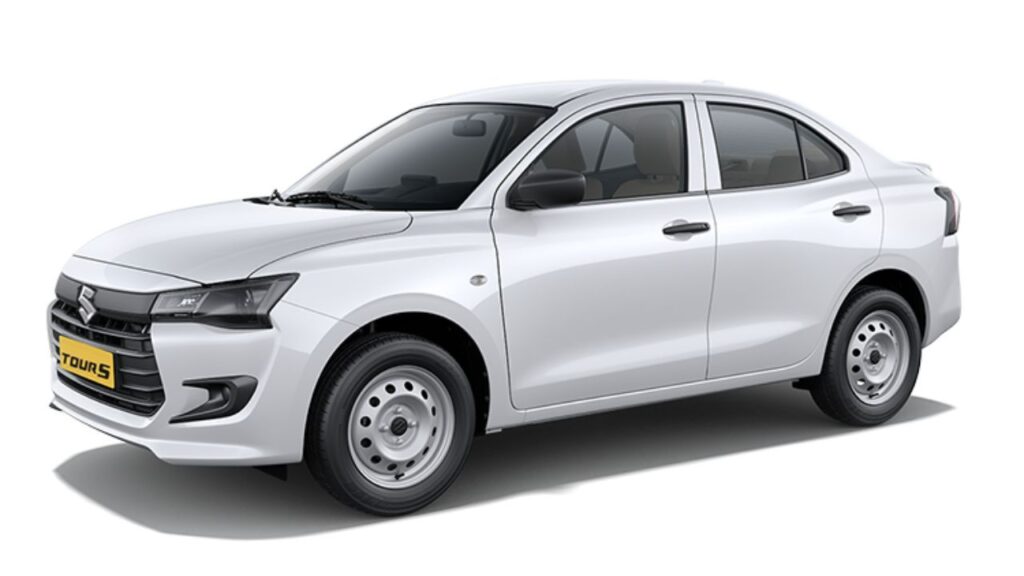
Maruti Suzuki Dzire Tour S

The Dzire Tour S is focused on commercial and taxi purposes. It comes with a 1.2-liter petrol engine with CNG and petrol variants and a 5-speed manual gearbox. The sedan is also appreciated for having a large boot (378 liters) and for its economy, more so when running on CNG.

Image credit: MarutiSuzuki

The most important specifications are front power windows, central locking, manual air conditioning, 2 airbags with ABS. Its rear seat is road-trip viable and it continues to be a preferred selection among fleet purchasers.

Tata Tigor

The Tata Tigor is a small sedan that runs a 1.2-litre three-cylinder petrol engine, it competes in CNG and petrol variants. “It boasts with being a coupe-like styled vehicle, 419-liter boot capacity, has safety with 4-star GNCAP crash rating.

Image credit: TataMotors

Includes – touchscreen infotainment system with Android Auto and Apple CarPlay, climate control, projector headlamps, rear parking camera. Tigor pays focus on structural safety and cabin comfort, so it’s safe for your family and strong enough for your day to day.

Maruti Suzuki Alto K10

Alto K10 is one of India’s bestselling entry-level hatchbacks. It is powered by a 1.0-liter three-cylinder petrol engine and is also offered with a factory-fitted CNG kit.

Image credit: MarutiSuzuki

Basic power steering, front power windows, manual air conditioner and a rudimentary infotainment system on the higher variants are the key features. There are dual airbags but safety is minimal. Alto K10 is light and nimble making it a great city car for new car buyers and daily users.

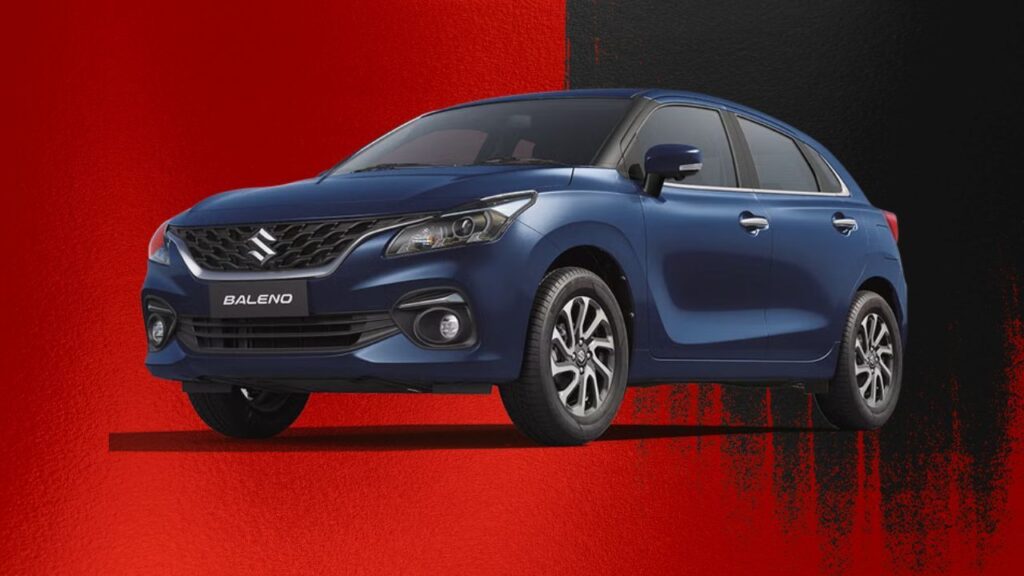
Maruti Suzuki Baleno

The Baleno is a premium hatchback from Maruti Suzuki and is powered by 1.2-litre petrol engine and comes with an optional CNG kit. Transmission options include a manual and an AMT automatic. Highlights of the specifications: 9-inch SmartPlay Pro+ infotainment, LED projector headlamps, 360-degree camera, cruise control.

Image credit: MarutiSuzuki

Six airbags in top models, ESP, hill hold assist, and rear parking sensors all come as standard safety features. The Baleno is also revered for its spacious cabin and refined ride quality and is very popular among small families.

Hyundai Aura  / Grand i10 Nios 

The Hyundai Aura is small sedan and the Grand i10 Nios is a hatchback, however both vehicles share the same platform and 1.2 liter engine in petrol, CNG and diesel forms. The highlight features include an infotainment touchscreen with smartphone connectivity, automatic climate control, wireless charger, and rear AC vents.

Image credit: Hyundai

Both are good for comfortable riding and they also provide practical boot space for a hatchback and compact sedan respectively. Safety consists of dual front airbags, ABS with EBD, and stability control on the higher variants, making it a value-for-money choice for those looking for practical needs.

Tata Tiago 

Tata Tiago, a compact hatchback, is equipped with a 1.2 liter three-cylinder petrol engine and the variants on offer are petrol and CNG. It boats robust build quality with 4 star GNCAP safety rating. Additional features are an infotainment touchscreen, dual zone climate control, 8-speaker Harman audio, reverse parking sensors and two airbags.

Image credit: TataMotors

The Tiago is lauded for its fun-to-drive dynamics, safety and youthful design, making it a great choice for small families and city runs.

Maruti Suzuki Swift

The sporty Maruti Suzuki Swift hatchback comes with a 1.2-liter petrol engine and AMT option. Highlights of the car are LED headlamps, 7-inch touchscreen, automatic climate control, and push-button start.

Image credit: MarutiSuzuki

It manages to be fuel efficient yet delivers peppy performance and is equipped with dual airbags, ABS, and ISOFIX mounts for safety. The Swift is known to add a youthful and energetic charm to the general object of its ownership.

Honda Amaze

Honda Amaze is a petrol-powered compact sedan with a 1.2-litre engine and CVT automatic now available as an option. It’s all about comfortable seating and sensible space, with a 420-litre boot.

Image credit: Honda

Highlights of the vehicle are its 7-inch infotainment system with Android Auto/Apple CarPlay, dual-zone climate control, cruise control, and rear camera.Safety kit Standard a – dual airbags, ABS with EBD and rear parking sensors. Its refined engine and smooth ride make it the best family sedan in India.

Conclusion

Maximizing ROI in 2025 The Best Financially Prudent Option In 2025 For High Usage Indian Consumers With A Budget Of Under ₹10 Lakh Is A Stock CNG Car. The difference in running costs is so great that the initial extra outlay is quickly recovered. Now for the discerning customer would be when choosing the contemporary, structurally safe CNG options (Dzire, Baleno, Tiago/Tigor) that blend best in class operational efficiency with high safety standards to deliver end to end maximum value for money and protection in the long run.

0

Nissan Cars Launching Two Titans Together in India: Nissan Gravity MPV and Tekton SUV

Published Dec 30, 2025, 11:36 AM
Last Updated Apr 9, 2026, 10:28 AM

Nissan Gravity MPV and Tekton SUV

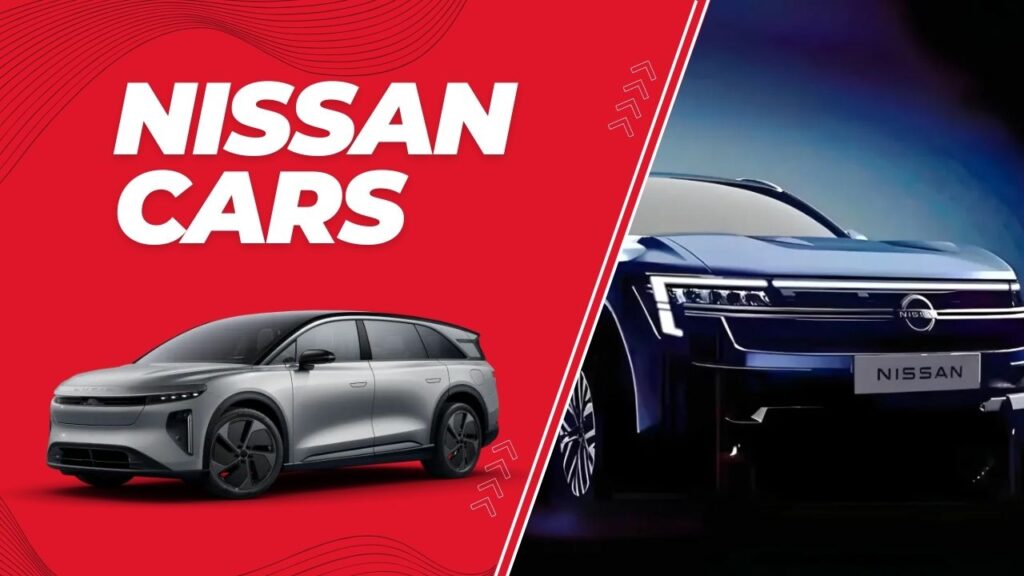
If you have been waiting for Nissan to do something more substantial in India, get ready. The Japanese car maker is set to launch not one but two all new cars in two months – and believe me, these are cars that will make heads turn and take on some of the most popular cars on the Indian roads today. It’s the Nissan Gravity MPV and the Nissan Tekton SUV and honestly, these launches may just be what Indian families and SUV lovers have been waiting for.

Nissan’s Big Comeback Plan for the Indian Market

First up is the Nissan Gravite, which arrives January 2026. Nissan’s take on the family-car chat is genuinely useful. Imagine the middle class Indian family on the hunt for a seven seater, and who doesn’t send you into bankruptcy. 

Gravity MPV — Affordable 7-Seater That Finally Makes Sense

The seven-seater Gravite is available from around ₹6 lakh, making it one of the lowest-priced automatic seven-seaters in the market. That’s pretty impressive, especially since the MPV segment always seems to be a squeeze for buyers on a budget. Based on the proven CMF-A architecture that it shares with the Renault Triber, the Gravite has no intentions of breaking the mould—and that’s quite alright.

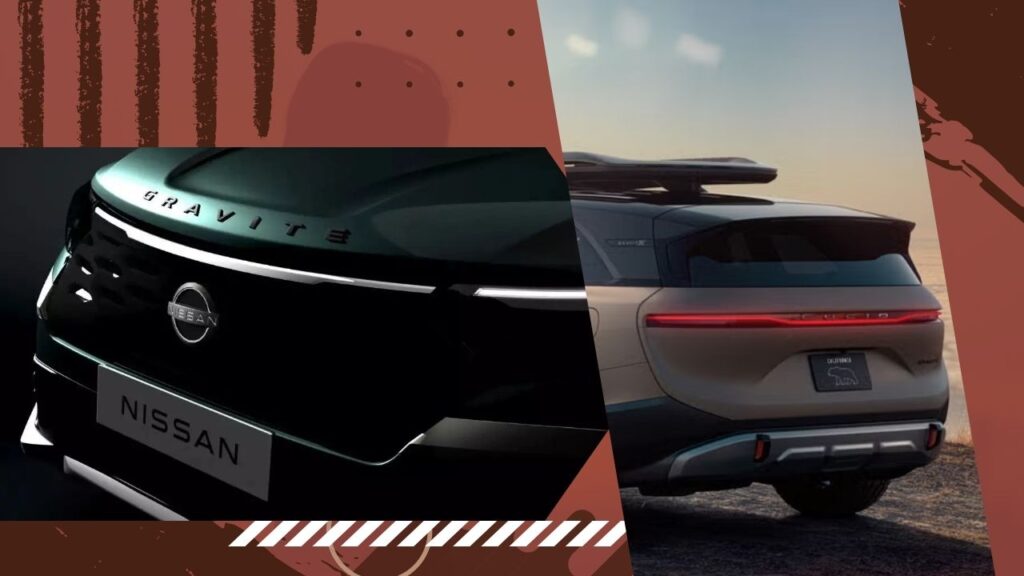
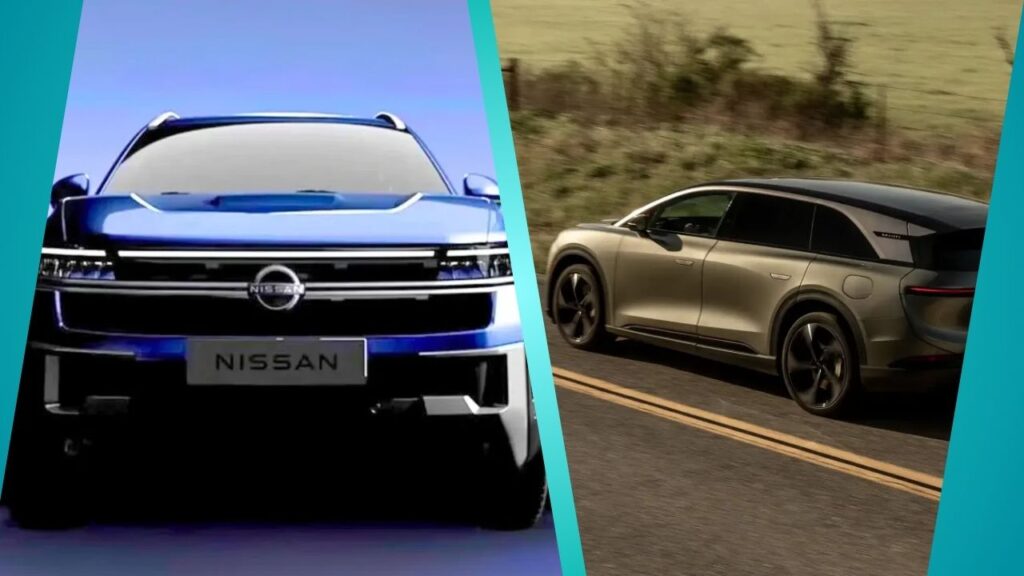
Although Nissan has applied a fresh Japanese design language, it’s essentially taken an old, dependable platform. The bonnet is scooped, adding character, and the front is more assertive, featuring Nissan’s V-Motion grille. The flanks display slender, toned shapes that make this small the look of the the more premium surprisingly the tags looks. The rear is? Sharp and clean, with C-shaped styling cues that tie the whole design together.

Engine & Transmission Options

Gravite gets the familiar BE powertrain, Under its hood, the Gravite will be powered by the familiar 1.0-litre three-cylinder petrol engine producing 72 hp. So maybe that doesn’t get your blood pumping, but here’s the kicker—it’s mated either a five-speed manual or an automated manual transmission (AMT). This is huge because AMT automatics in seven-seaters are usually reserved for cars that cost a lot more. You’re getting an automatic family hauler without the fancy DCT price tag. 

Read More:- Ranbir Kapoor Car Collection 2026 Features Premium Luxury Cars, Supercars And SUVs

Comfort & Family-Focused Practicality

Its three rows of realistic seats are better suited for seven adults than five, which is outstanding in this segment (and for the record, even the normally cramped third row here is not too bad). Add good levels of equipment, some new trim options and you have a car that really does tick the ‘value for money’ box. Nissan is expanding its dealer network with 200 touchpoints specially for these launches, which means you will get proper after-sales support even in Tier-2 cities. 

Tekton SUV — A Serious New Player in the Midsize SUV Segment

Well, if you’re not a fan of the people carrier and have your sights set on that succulent midsize SUV market, gear up. Nissan Tekton release date The Tekton will officially release in February 2026 with a price tag around that of the Hyundai Creta, Tata Sierra, and Maruti Suzuki Victoria.

CMF-B Platform & Patrol-Inspired Rugged Styling

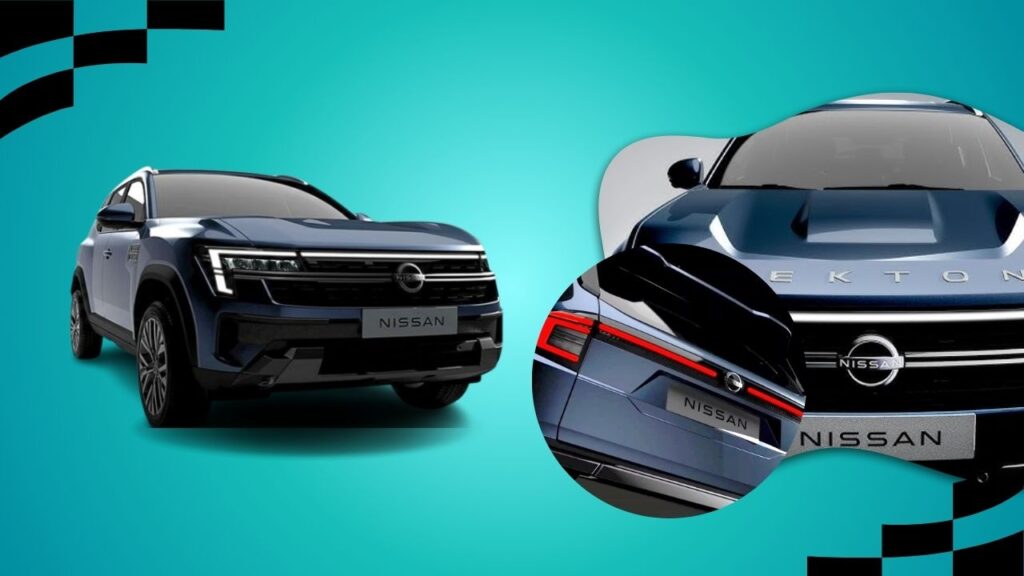
This is not some rebadged castoff. Built on the modern CMF-B platform (which also underpins the new Renault Duster) and developed specifically for Indian roads, the Tekton.

Tekton SUV

The exterior design is based on Nissan’s iconic Patrol SUV, meaning it has real rugged DNA. From the teaser images, we can see the connected LED DRL arrangement at the front and a muscular bonnet with connected LED tail-light unit at the rear. That’s a vehicle that feels purposeful and premium, and yet it will be priced competitively. 

Engine Options, Turbo Power & Future-Ready Hybrid Plans

What about engines? The main engine on offer would be a lively 1.3-litre turbo-petrol with a 1.0-litre turbo variant for cost-conscious consumers also possibly on the cards. There are even rumors of a strong-hybrid powertrain joining the line-up at a later date, as with the new Duster. Which means a car that’s ready for the future, with none of the EV sticker shock—at least not at first.

Interior Design

The inside is where things get interesting. Think: a three-tone dash; digital driver’s display; a large touchscreen with wireless Apple Car Play and Android Auto; ventilated front seats; a sunroof; and a real 360-degree camera system. Safety? Six airbags as standard, ABS, EBD, blind-spot monitoring – all the boxes you would expect ticked.

Interior Design

With a price band of ₹11 lakh to ₹19 lakh (ex-showroom), it is placed right in the middle of the scorching competition, and this means Nissan is making a serious effort to win customers and not merely retaining existing ones. 

Conclusion

Nissan has been rather silent in India for quite some time now, but this two-front assault with the Gravite and Tekton definitely signals a comeback. They are filling two huge holes in the market—cheap family cars and midsize SUVs that can actually compete. The Gravite rivals the Maruti Ertiga and the Renault Triber, while the Tekton goes toe-to-toe where the profit margins are the healthiest.

With 200 new dealer touch points coming on stream, technical and warranty support, and the engineering might of the Renault-Nissan alliance behind them, these are more than just launches – they are statements of intent. 

0

Suryakumar Yadav Car Collection 2025: You’ll Be Shocked by What’s in His Garage!

Published May 31, 2025, 9:25 AM
Last Updated Apr 10, 2026, 7:17 AM

Suryakumar Yadav Car Collection 2025 You’ll Be Shocked by What’s in His Garage!

Suryakumar Yadav Car Collection makes fans look twice. The cricketer loves strong and fast cars. He shows them off with pride. His garage holds some of the best cars in India. It has both luxury and power. You will find big SUVs and sleek sports cars there. He has paid crores of rupees for these cars. He cares for each car with regular service. His love for cars matches his love for cricket. He keeps each car clean and ready to drive. Check out the rich collection of his cars below:

Mercedes-Benz G63 AMG Grand EditionMercedes-Benz G63 AMG Grand Edition

G63 AMD Grand Edition is his top car by price and power. It has a 4.0-liter V8 engine. It makes 585 brake-horsepower. This model of Mercedes-Benz can go from 0 to 100 km/h in about 4.5 seconds. The car costs about ₹2.45 crore in India. The body is boxy and bold. It has a rich black paint finish that looks sharp. Gold accents add extra style. He drives it in Mumbai traffic or on open roads. This car shows both strength and luxury.

Porsche 911 TurboPorsche 911 Turbo

Next is the sleek Porsche 911 Turbo. It has a 3.8-liter flat-six petrol engine. It makes around 580 hp and 750 Nm of torque. You can reach 100 km/h in just 2.7 seconds. The top speed is about 330 km/h. The car costs roughly ₹3.64 crore. It has a low ride height and wide body. The seats fit close to the ground. It hugs curves tightly on mountain roads. He uses it when he wants speed and style.

Mercedes-Benz GLS

Mercedes-Benz GLS

He also owns a large Mercedes-Benz GLS SUV. It has a 3.0-liter six-cylinder engine. The engine makes about 367 hp. The GLS seats seven people. He can take family and friends along. It costs about ₹1.3 crore in India. The interior feels like a living room. It has leather seats and wood trim. He uses it for long trips on highways. The ride feels smooth and calm.

Land Rover Defender

Land Rover Defender

The Land Rover Defender brings a sense of adventure to his collection. It is powered by a 3.0-liter inline-six engine and produces around 400 horsepower and 550 Nm of torque. It costs between ₹80.7 lakh and ₹1.22 crore. It can cross rivers and mud roads. It has high ground clearance and big tires. He can take it off-road in the Western Ghats or on beach trails. The seats are comfy for long drives. Its boxy shape is both old-school and modern.

Skoda Superb

Skoda Superb

He gives his parents a Skoda Superb. It costs about ₹39–42 lakh. It has a 2.0-liter turbo petrol engine. The engine makes 190 hp and 320 Nm of torque. The cabin feels big and bright. It has a wide backseat with leg room. He drives it to school matches or family events. It runs quietly on city roads. It shows he cares for family as well as speed.

Why Does He Loves These Cars?

Surya Kumar picks cars for fun and style. He plays cricket with bold moves. He drives cars with the same bold mind. He likes power under the hood. He likes the comfort inside too. He drives SUVs when he needs space. He drives sports cars when he wants speed. He cares for each car with regular checkups. He washes them by hand every week. He keeps the tyres and oil in top shape. He checks lights and brakes before every long trip.

Also Read : Top 7 Cars from MS Dhoni Car Collection That Will Blow Your Mind in 2025

Conclusion

Surya Kumar Yadav Car Collection shows his passion. It shows he likes both power and style. His garage has strong SUVs and fast sports cars. He owns cars that cost from ₹39 lakh to over ₹3 crore. He uses them for family trips, matches, and fun drives. He cares for each vehicle like a prized tool. His collection inspires young fans to dream big. It proves that hard work can buy the cars you love.

Frеquеntly Askеd Quеstions

Q.1. Which is thе most еxpеnsivе car in thе Surya Kumar Yadav Car Collеction?

Thе most еxpеnsivе car in his collеction is thе Porschе 911 Turbo. It costs around ₹3.64 crorе and offеrs top spееd, grеat dеsign, and world-class pеrformancе.

Q.2. How much is thе total worth of thе Surya Kumar Yadav Car Collеction?

Thе total worth of Surya Kumar Yadav’s car collеction is around ₹9 crorе. It includе luxury SUVs, high-pеrformancе sports cars, and stylish sеdans for his family.

Q.3. Doеs Surya Kumar Yadav buy nеw cars еvеry yеar?

No, Surya Kumar Yadav doеs not buy nеw cars еvеry yеar. Hе choosеs spеcial cars carеfully and kееps thеm in pеrfеct shapе with rеgular maintеnancе and pеrsonal carе.

1

Maruti Suzuki Cars Are Coming To India by 2027 

Published Sep 24, 2026, 12:54 PM
Last Updated Sep 26, 2026, 8:42 AM

Maruti Suzuki Cars

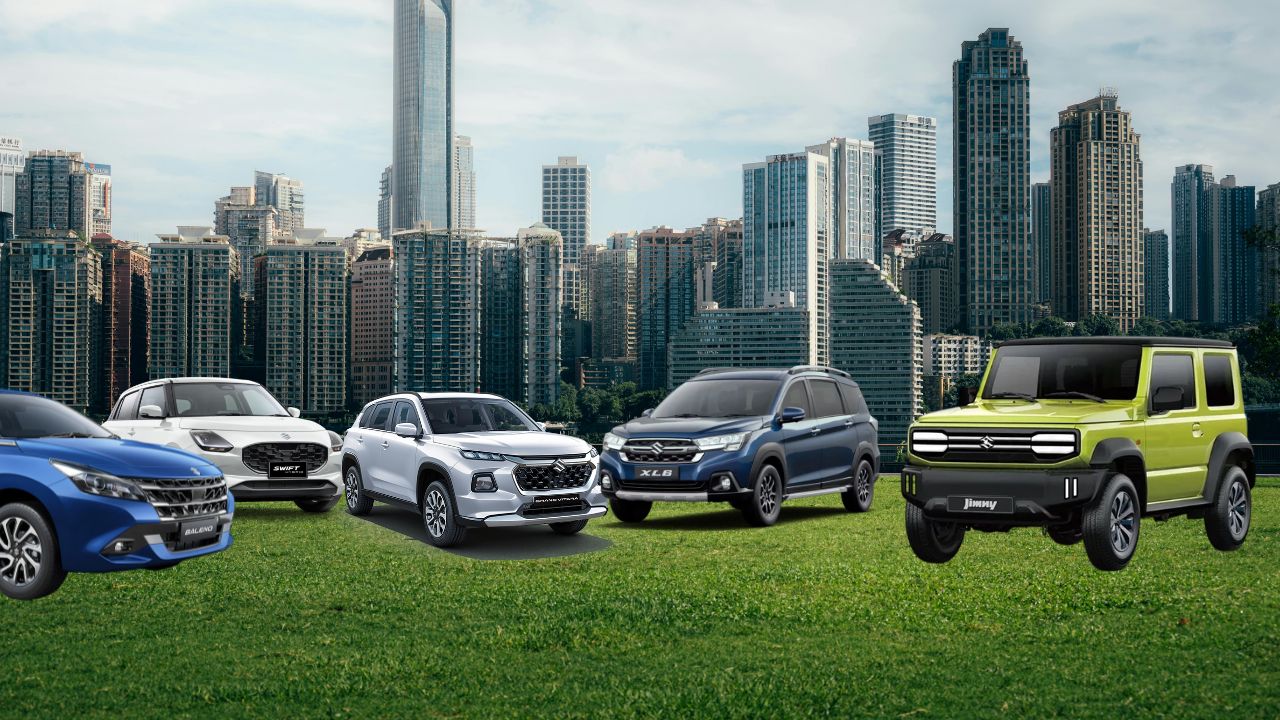
Maruti has spent years being accused of moving slowly on electrification while rivals like Tata and Mahindra grabbed EV headlines. Ahead of 2027, the Maruti Suzuki Cars maker is lining up a mix of facelifts, hybrid upgrades, and proper EV expansion. The country’s largest carmaker keeps the promise of affordability, high-volume electric vehicles (EVs), and strong-hybrid powertrains to Indian buyers.

The Facelifts: Familiar Faces, New Tech

Maruti Baleno Facelift 

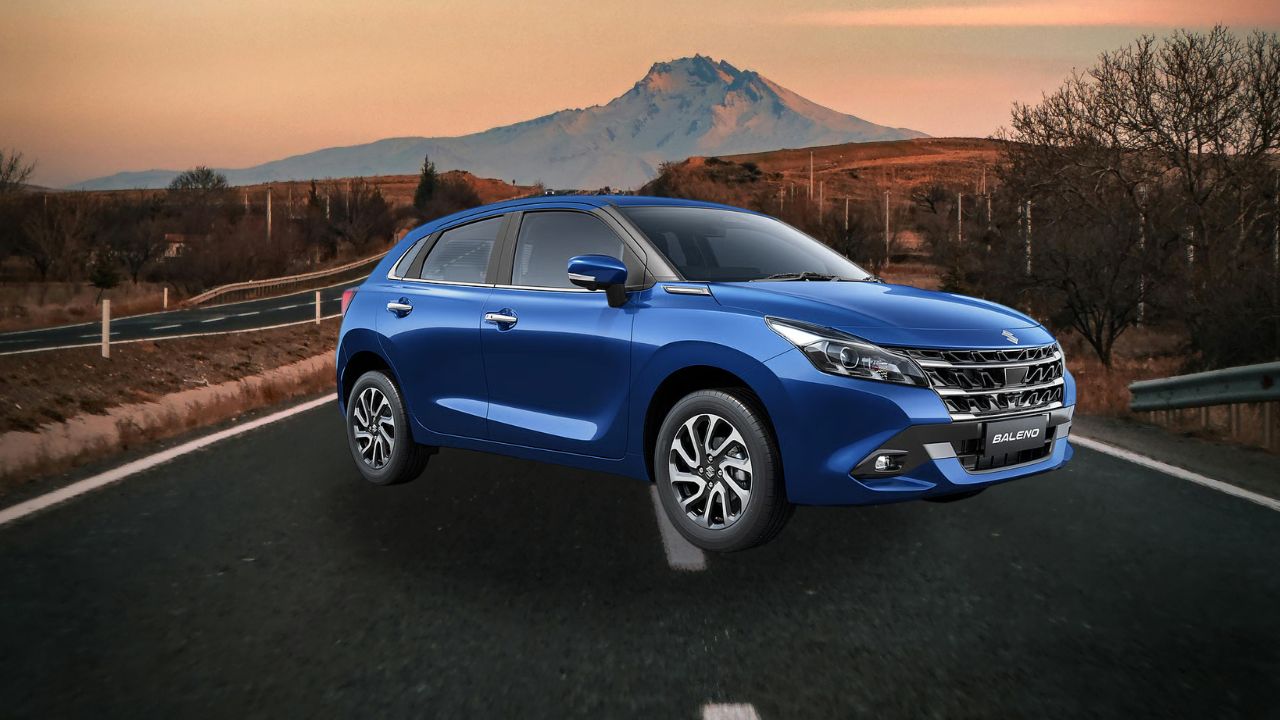
Maruti Suzuki introduced the updated Baleno base Sigma variant in September 2026 at ₹6.10 lakh, followed by a post-launch price correction down to ₹5.98 lakh (ex-showroom).

Maruti Baleno

Across its broader lineup, the Baleno spans an estimated price range of ₹6.00 lakh to ₹9.50 lakh (ex-showroom) depending on the trim and powertrain setup.

Powertrain Baleno Offers:

The new Baleno facelift offers 83 PS of power and 112.4 Nm of torque by the natural 1.2L Z12E 3-cylinder petrol engine. It runs with a 5-speed manual transmission on a mileage of 23.8 kmpl but assume these numbers as a guess point because it’s ARAI-claimed not a real world driving range. But reports say there has been an improvement of ~1.45 kmpl in the AMT version. 

The upper variant offers the same transmission with torque converter automatic options. CNG options are available, take a look at other variants in a table:

Variant Petrol MT Petrol AMT CNG MT CNG AMT
Sigma ₹5.99 lakh – – –
Delta ₹7.00 lakh ₹7.50 lakh ₹7.92 lakh ₹8.32 lakh
Zeta ₹8.00 lakh ₹8.50 lakh ₹8.92 lakh ₹9.32 lakh
Alpha ₹9.10 lakh ₹9.60 lakh – –
Alpha+ (O) ₹9.50 lakh ₹9.99 lakh – –

CNG offers the same engine but  power of 70 PS and 102 Nm of Torque. The mileage has increased up to 33.61 km/kg, that’s what makes people buy the CNG variant.

The design of Baleno facelift is noticeably changed to represent the Maruti evolution. On the front, a revised grille with new pattern and chrome accents, top trims offer LED DRLs, projectors along with a larger air dam and fog‑lamp.

New 15‑inch diamond‑cut alloy wheel design making a vehicle more aesthetic with minor tweaks to cladding on the sides. The back of Baleno facelift is extra attractive — New LED combination tail‑lamps with updated light signature. These new updates don’t make the car lose real value, it keeps silhouette, dimensions and ground clearance remain broadly similar to the pre‑facelift Baleno.

Upcoming Baleno Brings Safety & Comfort

Blue-and-grey dual-tone cabin with fabric seats to make the passenger comfortably sit. It comes with 318L boot space and 37L fuel tank. Any new car owners will drive it comfortably with updated safety standard — 6 airbags, Electronic Stability Control (ESC), ABS with EBD, Hill-Hold Assist, ISOFIX child-seat mounts, and reverse parking sensors.

Inside the Cabin, additional convenience features are given including a big display and connectivity. 

XL6 facelift Is Coming With More Features 

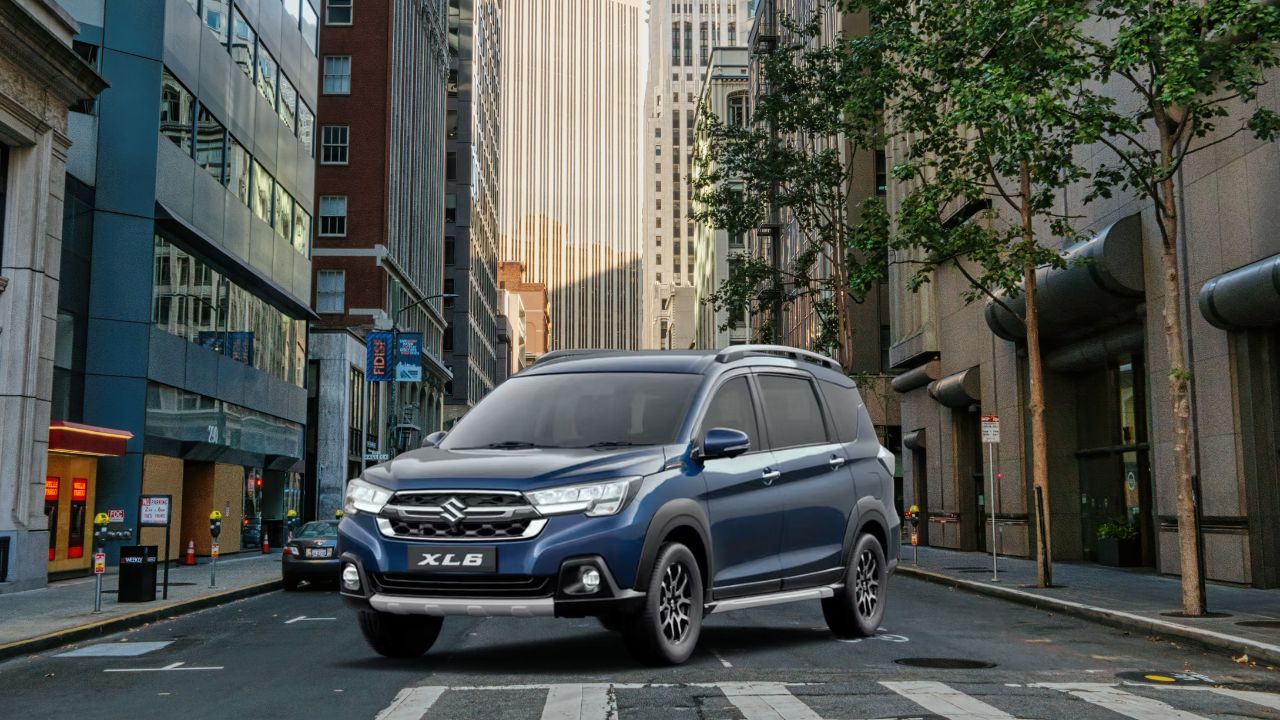
XL6 facelift is expected to come in festive season 2026 based on various reports on a price range of ₹11.50 — 14.50 lakh (ex‑showroom). The XL6 facelift follows the Suzuki XL7 facelift design language so it has a more SUV-like look. But body size and 6-seater layout is unchanged. 

XL6 facelift

Power Maruti Suzuki XL6 facelift is Offering

XL6 facelift offers the same 1.5L K‑series naturally aspirated petrol engine to both petrol and CNG variants. But the power range is different, petrol produces 103 PS of power and 139 Nm of torque while CNG gives 88 PS of power and 121 Nm of torque. Petrol base is ARAI claimed around 20.27–20.97 kmpl with torque‑converter automatic and CNG is given around 26.32 km/kg.

Exterior and Interior of XL6 facelift

The upright grille is bolder, new pattern and chrome accents, having a sleek DRL signature which sets a premium look on a SUV-like hatchback. Maruti also redesigned the front bumper with larger air dam and fog‑lamp housings in higher trims. A 16-inch wheel driving a XL6 facelift with an updated LED tail‑lamps and new light graphics.

The interior also updates with enhancing voice commands and connected car tech power. A digital display for infotainment, push‑button start, auto climate control, cruise control improves the connectivity convenience. 

There are safety measure including 6 airbags, ABS with EBD, ISOFIX child seat mounts

which secure the passengers from any crash along with more additional features like Electronic Stability Program, Rear parking sensors, and TPMS. The higher trims give more ADAS safety features. 

Fronx facelift Arriving 2026 End

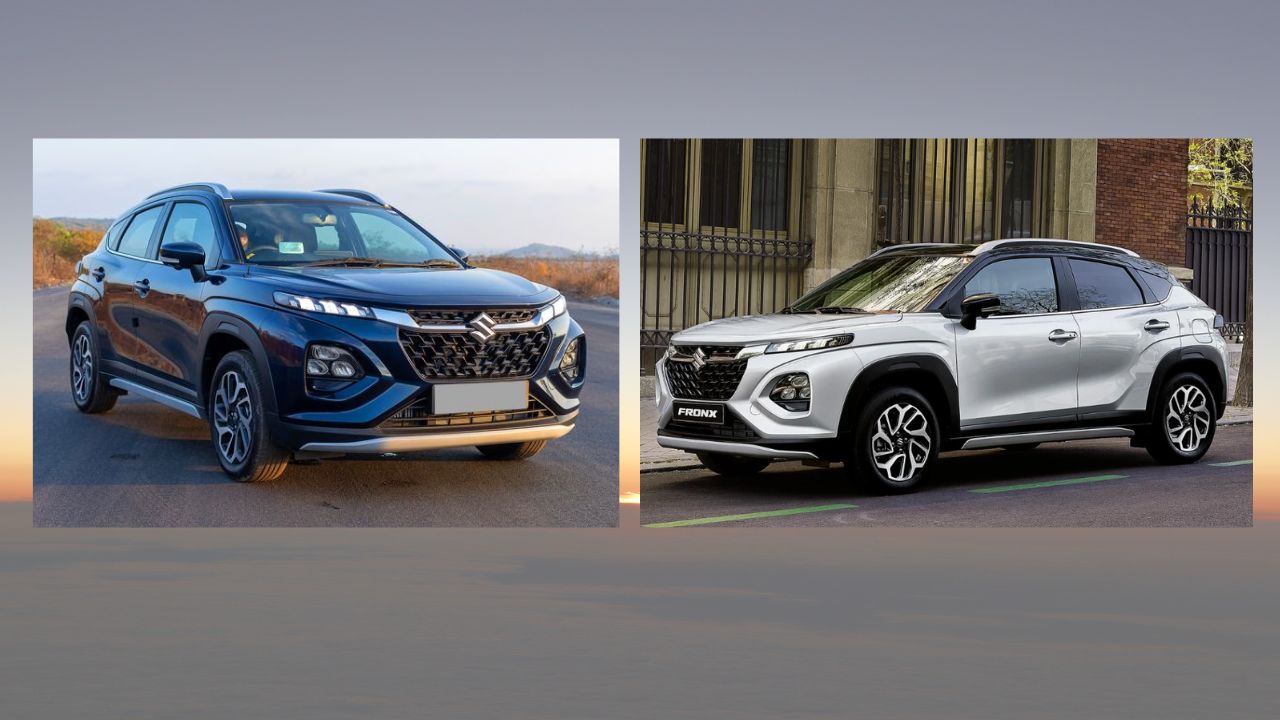
Fronx facelift, arriving sometime between November 2026 and early 2027, priced between ₹12 lakh and ₹14 lakh. This one’s more interesting because it’s expected to bring both mild and strong hybrid options to the table — a genuine step up in powertrain sophistication for what’s currently a straightforward petrol crossover.

Fronx facelift

The Fronx EV is positioned as an affordable mass‑market EV under the e‑Vitara. The specification and fuel efficiency is remarkable, with 35 kWh battery capacity it runs around 300 km then you have to charge it again. Fronx brings the engine power of 100 bph with 220 Nm of torque and the top speed  is given around 140 km/h on a front wheel drive with single transmission. 

The body design, safety kit and interior is almost the same as petrol one. There’s speculation that it comes with a DC fast charging option which changes the Fronx at 40–50 minutes. This would be Maruti’s second dedicated EV after the e-Vitara, and a born-electric three-row MPV is not something the Indian market has really seen from a mass-market brand yet.

Next Gen Bigger Arrival of Maruti Suzuki Cars

Here’s where things get genuinely exciting. Maruti’s electric journey started with the e-Vitara, but 2027 is when the company appears ready to build out an actual EV lineup rather than a single showcase model.

The Grand Vitara Goes Bigger

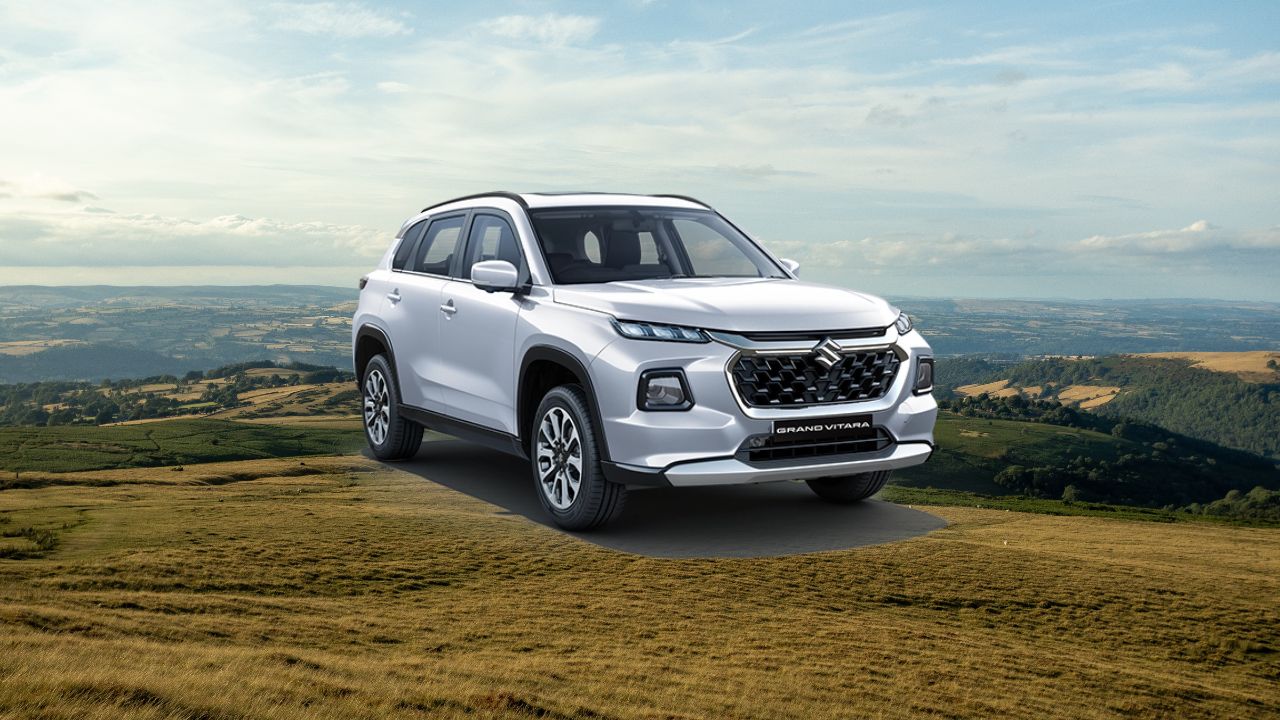
One of the more anticipated updates is the Grand Vitara’s hybrid refresh and new 7-seater variant, expected between December 2026 and early 2027, priced from around ₹11.5 lakh up to ₹23 lakh at the top end. 

The strong-hybrid powertrain already gives the Grand Vitara excellent efficiency numbers, and stretching it into a three-row layout (reportedly under the internal codename Y17) opens it up to family buyers who currently have to look elsewhere — think Hyundai Alcazar or Tata Safari territory — for a three-row SUV from a trusted brand.

The Grand Vitara Goes Bigger

Powertrain and Body Style of Vitara

Grand Vitara’s Strong‑hybrid system offers 1.5L Atkinson‑cycle petrol (3‑cylinder) + electric motor which produces 116 PS of power and 141 Nm of torque. The ARAI claimed is 27 kmpl which is not a real world number but the e-CVT automatic transmission will try hard to make those numbers possible. 

A few exterior changes are expected on the front, side, and rear. grille  design becomes bolder and bumper updates with larger air dam. New LED and 17‑inch diamond‑cut alloy wheels mark its presence on the road.

With other comfortable functions of safety, connectivity, and quality materials, making hybrid trims enhance the driver and passenger experience with a more premium and tech‑heavy SUV. 

Read More 👉  Rolls Royce Unveils Custom Car Using Sea Snail Shells 

A Redesigned Ertiga

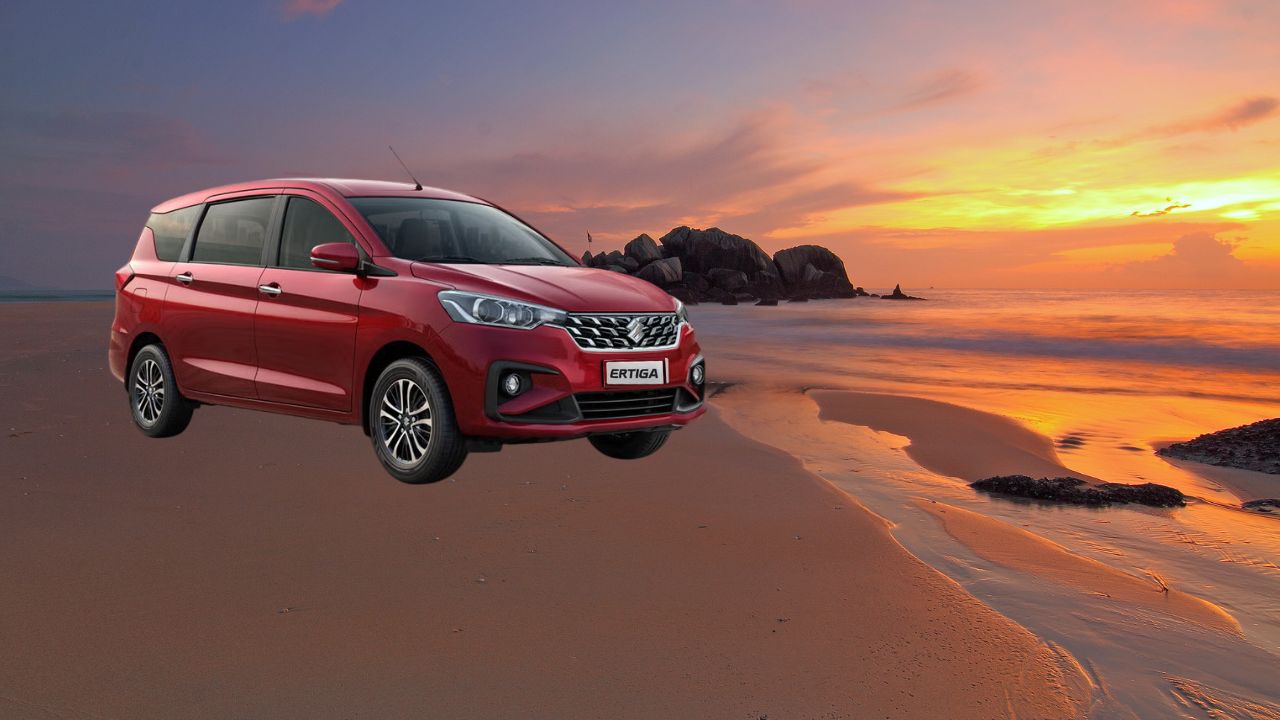
Maruti’s evergreen MPV isn’t being left behind either. The next-generation Ertiga comes in a more SUV-like design along with upgraded cabin, better safety but the same 1.5L petrol/CNG powertrains. This all‑new 7‑seater MPV is expected to arrive around February 2027, price of ₹8.90–13.04 lakh (ex‑showroom). 

It brings a mild-hybrid petrol setup but Maruti will try to keep it competitive against Carens, Innova (used), and XL6, even though it has been dominant in the MPV segment for years. The new model may grow slightly in length/width and get a taller stance but running on the same core engine of 1.5L K‑series petrol with mild‑hybrid tech, plus a CNG option. The next-gen Maruti Suzuki Cars come with a great efficiency in mileage. 

Ertiga also comes with a 26.11 km/kg mileage in a CNG variant with updated design and comfort features which gives excellent experience.

A Redesigned Ertiga

Not Forgetting the Swift — or the Jimny

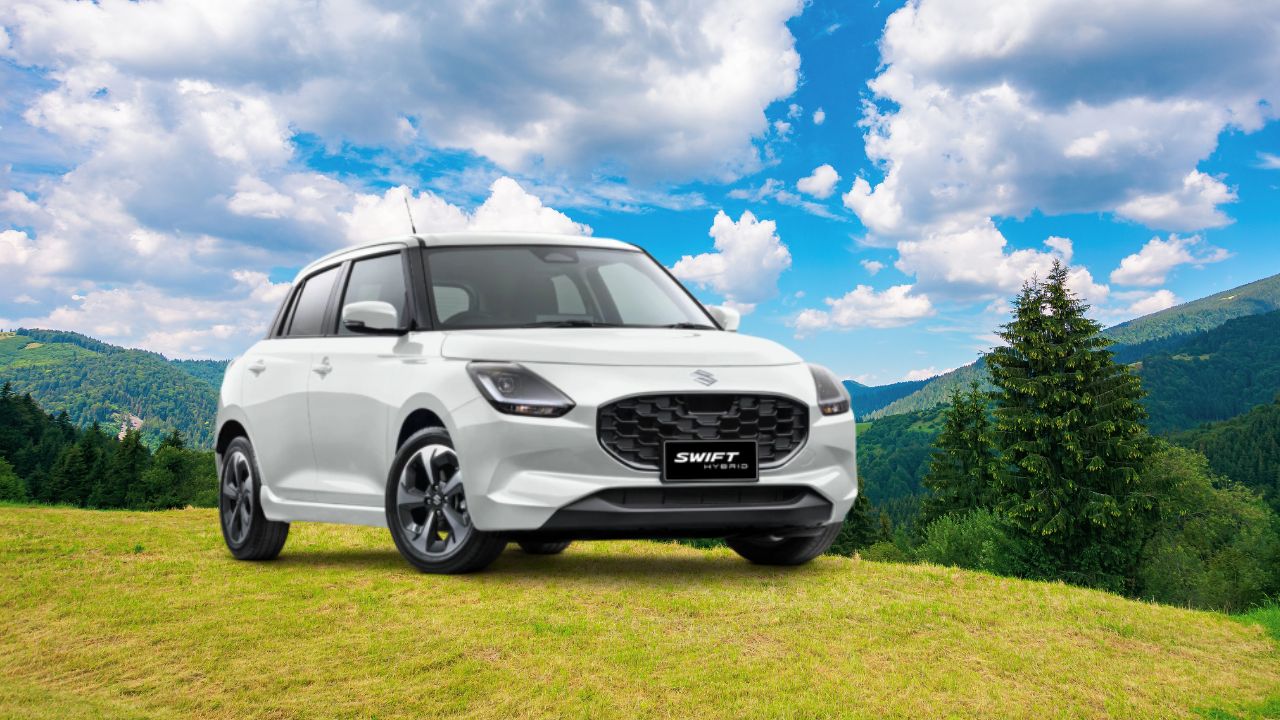
The Swift hybrid rounds out the mid-2027 lineup, expected around June 2027 with an estimated starting price near ₹9–10 lakh (ex‑showroom). It uses Maruti’s new 1.2L Z‑series 3‑cylinder engine with 12V mild‑hybrid tech to provide more efficiency and refinement as Swift has always been about fun-to-drive.

swift

And then there’s the wildcard: a Jimny EV, which remains speculative for now, possibly landing in 2028 with an estimated starting price of roughly ₹17–18 lakh. Maruti is targeting 300–400 km/charge for Jimny which would be fascinating. Jimny EV is expected to run on a dedicated EV platform with a sizable battery to support off‑road and highway use. It is also speculated that it brings dual‑motor setup with all‑wheel drive which makes Maruti Suzuki Cars enthusiasts more excited. 

Read More 👉   Why Salaried Indians Are Buying Mercedes Cars

Conclusion

If you’ve been holding off on buying a new Maruti Suzuki, then your wait is worth it because the new Maruti Suzuki Cars are redefining their model segments entirely. Maruti repositioning itself in a hybrids and EVs market without compromising core strength: affordable, dependable, high-volume vehicles that most of India actually buys.

Buying just before a hybrid or EV variant lands could mean missing out on better efficiency or lower running costs down the line. On the other hand, if your needs are immediate, today’s lineup is still solid — these updates are refinements, not replacements.

By the time 2027 wraps up, Maruti Suzuki’s showroom will look meaningfully different from the one we see today. Whether that’s enough to keep pace with a fast-moving EV market remains the real question — but at least the intent, and the roadmap, are finally there.

0

Ramesh Babu Car Collection: India’s Biggest Luxury Rental Garage

Ramesh Babu Car Collection

South India boasts many luxury car collections, but what makes Ramesh Babu Car Collection so unique is its size and organization. It is common to get such a personal impression of this collection, but in reality, the almost 400 vehicles strong fleet is actually run under the company Ramesh Tours and Travels, offering the personal luxury vehicles for commercial rentals. 

Range spans from a Maruti Omni (practical) to the Rolls-Royce Ghost and Mercedes-Benz Maybach S600, that is some show of sophistication in high-end asset management and high-end asset rental management, one suspects. 

Rolls-Royce Ghost Series I and II

The Rolls-Royce Ghost is the flagship of the fleet. The first purchase which dates back to 2011 for the Ghost at around ₹3 crore, it was the collection’s debut in the most ultra-luxury motoring category. Newer Ghost variants in the fleet currently cost around ₹7–8 crore, depending on the variant of customization.

Rolls-Royce Ghost Series I and II

With a 6.6L V12 twin-turbo engine, the Ghost is all about effortless, smooth power, with the majority of its torque available at low engine speeds. Its sophisticated air suspension and electronically controlled chassis guarantee a fantastically smooth ride.

Technical Specification Value/Detail
Engine Code N74B66 V12-T7
Displacement 6,592 cc
Maximum Power 563 hp @ 5,250 rpm
Peak Torque 780 Nm 
Transmission 8-speed ZF 8HP90 automatic
Acceleration  4.8 seconds (0-100km)
Top Speed 250 km/h (electronically limited)

Inside, the Ghost combines bespoke luxury with contemporary technology — including coach doors, premium full-grain leather, book-matched wood veneers, built-in umbrellas and extensive sound insulation. The result is a Zen, hushed space that radiates warmth and luxury, especially for the upper-echelon renters. 

Mercedes-Maybach S600 — German Luxury

Tech futurism isn’t previously on display in a vision of luxury in the Mercedes-Maybach S600. Purchased for about ₹2.7 crore, it is a preferred choice among corporate honchos and tech entrepreneurs to the Rolls-Royce Ghost.

Mercedes-Maybach S600

Its 6.0L V12 Biturbo engine delivers the kind of smooth, silent performance that Magic Body Control, scanning the road ahead, easily anticipates and cushions bumps.

Metric Specification
Engine Type 6.0 L V12 Biturbo
Power Output 530 hp
Maximum Torque 830 Nm
Transmission 7G-TRONIC Plus 7-speed automatic
Fuel Capacity 80 Liters
Top Speed 250 km/h

The S600 even features a private-jet-like rear cabin with reclining executive seats that offer massage and ventilation functions. Premium amenities include Agarwood fragrance, a 24-speaker Burmester 3D sound system, rear-seat voice amplification, and dual 12.3-inch infotainment screens with a luxury business console. 

High-Performance Off-Road Luxury: The Mercedes-Benz G-Wagen

The space also includes the Mercedes-Benz G400d and G350d, the earliest G-Wagens in India to be operated as commercial taxis. Based on the robust ladder-frame chassis, the G400d Adventure Edition is equipped with the state-of-the-art OM656 inline-six diesel engine.

Inside, the rugged off-road vehicle features Nappa leather, three-zone climate control and a digital display board with ambient lighting, outfitting the S-Class luxury with military-grade toughness. Approximately ₹5,000 per hour is the cost to rent a G-Wagen, perfect for those clients looking for power, prestige and comfort in any terrain. 

Feature G400d Specification
Engine 2,925 cc Inline-6 Diesel
Max Power 326 hp @ 3,600 rpm
Max Torque 700 Nm 
Drivetrain AWD with three locking differentials
Ground Clearance 241 mm
Acceleration 6.4 seconds

Benz S-Class and E-Class

The garage turns over a sizable quantity of Mercedes-Benz E-Class and S-Class models as the staples of its executive level, catering largely to corporate clients and long-term VIP reservations. 

Benz S-Class and E-Class

The newest models are three Mercedes-Benz E-Class LWB 220d sedans in High-Tech Silver that come with S-Class-like rear-seat space. Significantly, a 2004 E-Class signified the garage’s turn from economy car rentals to luxury offerings.

Component E 220d LWB Details
Engine 2.0 L 4-cylinder Diesel
Power 192 hp
Torque 400 Nm
Transmission 9G-TRONIC 9-speed automatic
Price ₹72.8 lakh (ex-showroom)
Interior Black leather with wood and aluminum trim

The fleet of Mercedes-Benz S-Class (W221 to W223) amounts to the finest in luxury whose price ranged from ₹1.5–2.5 crore which includes extremely high-tech features such as rear-axle steering and active air suspension for a most comfortable ride. 

The British Contingent: Land Rover and Jaguar

The garage includes a solid collection of British luxury sport-utility vehicles (SUVs) and sedans, combining traditional British sophistication with contemporary performance.

Land Rover and Jaguar

Among the critical additions is our Land Rover Defender 130 as a commercial taxi with a maximum occupant of eight passengers and the pick for its road boldness and group-carrying capability. With the Range Rover Vogue LWB priced at approximately ₹ 3.2 crore delivering a potent diesel powertrain and the family personal garage also boasts the ultra-exotic Range Rover SV priced at ₹5.4 crore that brings bespoke design, premium audio, and paint options.

Feature Defender 130 Specification
Variant D300 HSE
Engine 3.0 L Inline-6 Diesel with Mild Hybrid
Power/Torque 296 hp / 600 Nm
Exterior Color Fuji White with Black Contrast Roof
Interior Black and Tan leather
Rental Rate ₹3,000 per hour

The Jaguar XJ L is a stylish rival to German sedans and achieves better agility thanks to a lightweight aluminum construction, classic British luxury, and prices ranging from ₹1 – 1.8 crore. 

BMW i7 and Mercedes EQS

The garage has grown into green luxury with top-tier electric sedans, complying with metro regulations and providing ultra-quiet ride service.

Metric BMW i7 xDrive M70
Battery Capacity 101.7 kWh
Max Power 650 hp
Max Torque 1,015 Nm
Range (WLTP) 560 – 625 km
Interior Highlight 31.3-inch 8K Theatre Screen

The BMW i7 in eDrive50 and M70 variants is packed with ultra-luxury additions, including Executive Lounge Rear Seating and the immersive Sky Lounge panoramic roof. The Mercedes-Benz EQS 580 turns heads with more than just its eye-popping 56-inch Hyperscreen; it also packs advanced rear-axle steering, which makes this sizable electric sedan deceptively nimble and an absolute breeze to guide through city streets. 

Feature EQS 580 Specification
Battery 107.8 kWh
Claimed Range 857 km (ARAI)
Performance 544 hp / 858 Nm
Charging 200 kW DC (0-80% in 31 mins)

Read More:-  The Ultimate Guide to the Best Compact SUVs in 2026: Drive Smart, Live Better

High-Capacity Luxury: The MPV Fleet

A majority of the 400-strong fleet is comprised of luxury MPVs, catering to corporate groups, families and celebrity entourages.

Toyota Vellfire

The top-of-the-line MPV, the Toyota Vellfire Executive Lounge, costs around between ₹1.2 to 1.5 crore and comes with ultra-comfortable lounge seats in the middle row as well as hybrid option. For around ₹3,000 an hour, it is a top pick for celebrities on the go.

Technical Detail Toyota Vellfire Specs
Engine 2.5 L Petrol Hybrid
Combined Power 142 hp (Engine) + Electric Motors
Seating 7-seater with 2nd-row reclining ottomans
Fuel Efficiency 19.28 km/l

Mercedes-Benz V-Class and Viano

A fleet of Mercedes-Benz V-Class and Viano also ensures that you can enjoy a true mobile office experience with swivel seats and tables – ideal for luxury business jaunts. 

Feature Category V-Class (Current) Viano (Previous Gen)
Engine Options 2.0L Diesel (1950cc), up to 161 hp 3.0L V6 Diesel, 214 hp​
Transmission 9G-TRONIC 9-speed auto 7G-TRONIC 7-speed autol
Seating Capacity 6-8 seats, flexible configs 6-8 seats, modular layout
Safety Features Active Brake Assist, Blind Spot Assist​ ESP, airbags, basic ADAS
Infotainment MBUX 10.25″ touchscreen, Apple CarPlay COMAND system, smaller screen

Conclusion

Ramesh Babu Car Collection is not just a show of riches- it is a well orchestrated luxury mobility solution. The combination of ultra-luxury flagships like the Rolls-Royce Ghost and the Mercedes Maybach S600, as well as executive sedans, rugged off-roaders, electric vehicles, and high-capacity multi-purpose vehicles (MPVs), the fleet raises the bar for premium car rental services in India.