0

How to Calculate Average of Car With Explained Methods and Formula

Published Jun 9, 2026, 1:14 PM
Last Updated Jun 10, 2026, 4:21 AM

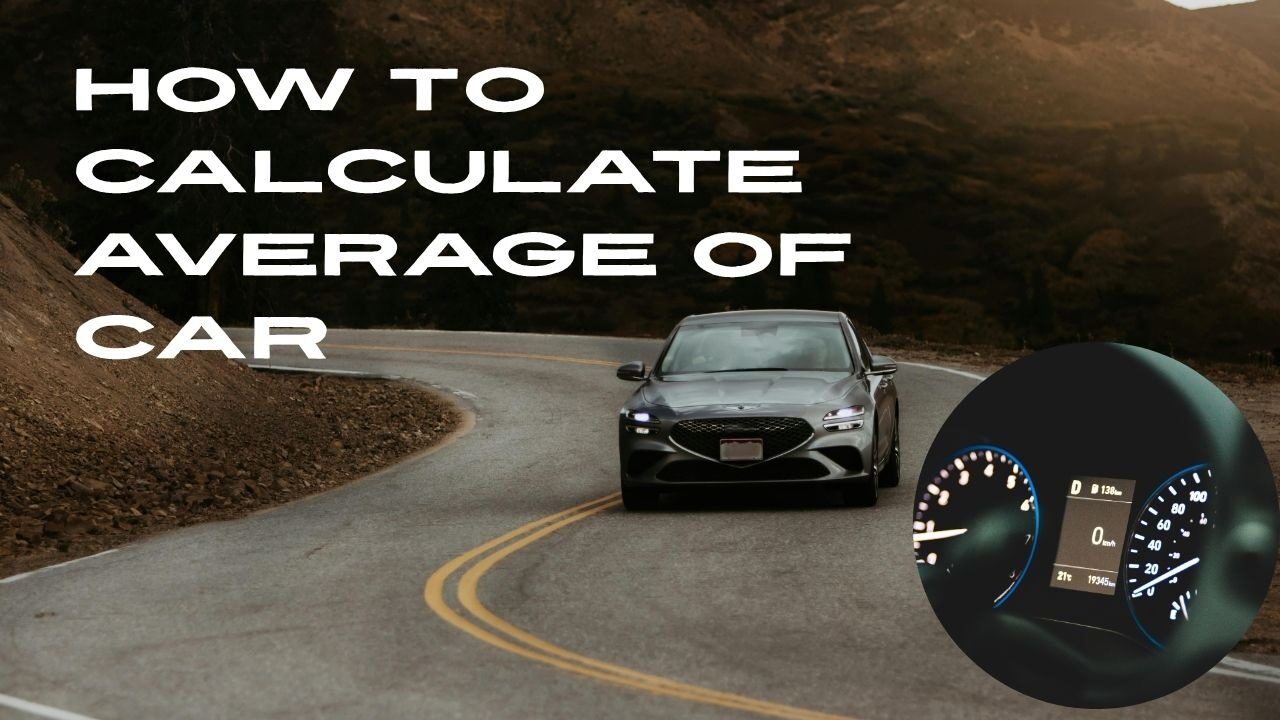
Knowing How to Calculate Average of Car will help you figure out why your car seems to gulp fuel way too fast or just wanted to know if your car provides good value or not. You don’t need a special divide or tool to calculate that, just follow easy steps with patience to find the exact car average. 

What Does “Car Average” Actually Mean?

Car Average means fuel efficiency, how many kilometres your car travels on 1 litre of petrol or diesel. So, here is an example, if your car gives 15 km/l, it means 1 litre of fuel lets you drive 15 kilometres. 

If the number is getting higher then your car is giving you great mileage and saving your money on fuel. Every car brand shows an “official” mileage figure but real-world average can be different because of your driving style and road conditions. That’s why calculating the average of a car by yourself is a good idea.

See Also: How to Remove Scratches from Car

How to Calculate Average of Car — The Formula


Mileage (km/l) = Distance Travelled ÷ Fuel Used

Example: You drove 450 km and used 9 litres → Average = 450 ÷ 9 = 50 km/l


A simple How to Calculate Average of Car Formula is enough to find the right numbers your car makes using distance and fuel used.

Tank-to-Tank Method 

1.Fill Your Tank Completely

Fill the tank to the top when you go to the petrol pump. Don’t let them stop filling until the nozzle clicks and stops automatically. 

2.Note Your Odometer Reading

Check your dashboard, it shows the total distance, write it down somewhere. For example: 12,500 km.

3.Drive Normally

Use your car as you did before whether city driving, highway, office trips. Let the fuel drop to lower before you return to the pump.

4.Fill Up Again Completely

Again fill the tank to the top with fuel at the petrol pump and note exactly how many litres were put in. For example: 9.5 litres.

5.Note the New Odometer Reading

Check the total distance on the dashboard (odometer) again. If it shows 12,950 km. subtract the first reading to the current reading and you get the travel distance to put into the formula.

6.Apply the Formula

Mileage = 450 km ÷ 9.5 litres = 47.4 km/l — that’s your real-world car average!

Useful: DIY Car Care Tips

Other Ways to Calculate Car Average

Trip Meter Method

Reset the trip meter to zero after a full tank fill. After refueling next time, divide the trip meter reading by litres added. Same formula, less maths.

Mileage Tracking Apps

Apps like Fuelio, Drivvo, and Road Trip track every fill-up and calculate your rolling average automatically over weeks and months.

Car’s MID Display

Maruti, Hyundai, Tata cars have a Multi-Information Display (MID) that shows mileage of the car. But it’s not an exact average number. 

Pro tip: For finding the most reliable results of the car’s average, calculate over 2-3 full tanks. A single tank result can give you wrong numbers because of unusual driving. One long highway trip or a week of only short city rides will give you totally different numbers.

What Affects Your Car’s Average?

You might calculate 17 km/l one month and only 12 km/l the next — without changing anything obvious. Here are the main factors that affect how to calculate average of car in real conditions:

Factor What Happens Impact
City vs Highway Stop-and-go city traffic burns more fuel than smooth highway driving High
AC Usage Running AC constantly can reduce mileage by 10–20% High
Tyre Pressure Under-inflated tyres burn more fuel to move forward while creating high resistance. Medium
Driving Speed Best efficiency is usually between 60 ⁣− ⁣80 km/h. It drops the mileage point after surpassing the 100 km/h. High
Engine Health Dirty air filter, old spark plugs, or low engine oil all reduce mileage Medium
Car Load More passengers or heavy luggage means the engine works harder Low–Mid
Gear Usage Driving in the wrong gear wastes fuel Medium
Fuel Quality Low-quality fuel reduces efficiency and can damage the engine Medium

How to Improve Your Car’s Average

Once you understand How to Calculate Average of Car then the next obvious thing you do is improve it. And these tips will help you to do that.

  • Service on Time: You can follow the regular check ups tips by yourself to keep the engine running efficiently.
  • Check Tyre Pressure: Your tyre pressure must meet the mentioned manufacturer’s recommended level (usually printed on the door frame).
  • Avoid Sudden Braking: Rapid acceleration and brake will cause more fuel to burn while the machine works hard to give sudden output. So, slow down gradually.
  • Use AC Wisely: Turn off AC when parked. At speeds below 40 km/h, opening windows is more efficient than AC. 
  • Constant Speed on Roadway: If your car gives cruise control, use it or keep at 70-80 km/h of speed on roadways. 
  • Remove Extra Weight: Don’t put unused items in a boot because every extra 50 kg reduces mileage slightly.

The City Mileage vs Highway Mileage

When you calculate the mileage of a car, it makes a huge difference from where you’re driving. The most popular car averages be like: 

Standard cars like Maruti Swift or Hyundai Grand i10 should give a mileage of 16 km/l in city and 22 km/l on highway. However, real mileage varies with driving style and road conditions. 

If your numbers are lower than the ARAI figure advertised by the company then it’s not a big surprise because it was tested in lab conditions. Real world driving always provides 20–30% lower than the official figure due to roads, traffic, and AC usage.

Conclusion of How to Calculate Average of Car

Understanding How to Calculate Average of Car is one of the simplest and most useful things you can do as a car owner. It takes less than 5 minutes and tells you a lot about your car’s health, your driving habits, and how much money you’re spending on fuel every month. Try it on your next full tank and see how your car is really doing.

Sharey Khan

Sharey Khan is an IT entrepreneur and petrol head & a car enthusiast. With a special focus on car-related content, he combines his deep passion for vehicles with a talent for crafting informative, engaging, and easy-to-understand content. His writing is driven by a genuine love for cars and he is committed to providing readers with accurate, up-to-date, and trustworthy information that empowers smarter driving decisions. 

Leave a Reply

Your email address will not be published. Required fields are marked *

0

Car Insurance Guide: Coverage, Costs & Best Policy Tips

Published May 21, 2026, 12:20 PM
Last Updated May 21, 2026, 12:32 PM

Car Insurance

Car Insurance Guide for Beginners is crucial for understanding which type of insurance car owners have to buy. It helps protect you and third person during an accident or crash in this hectic world, everyone is in a hurry and this causes more accidents right now than ever. Having insurance on your car can remove a financial burden on your head.

Car owners must know which insurance is right for you, so this blog will help you to understand why insurance is important and which one is right for you.

What Is Car Insurance And Why Do You Even Need It?  

Car Insurance is a policy that supports you in the crisis that occurs by your car. The insurance company where you make a deal to pay a regular amount and in return, they agree to cover certain costs of the accident, theft, and damage to your car. 

This method works like you pay a small, every month to avoid being hit with a massive, unpredictable bill when something bad happens. 

Countries like India, the US, and the UK offered at least basic car insurance as required by law. They can fine you if you don’t have insurance or have your license revoked. But beyond the legal requirement, it’s just smart financial protection. 

The Different Types of Car Insurance Coverage

Beginners can get confused while choosing “one” type of car insurance. You can combine several different types of coverage according to your needs and budget.

Coverage Type What It Covers Who It Protects
Third-Party Liability Damage or injury you cause to others The other person
Collision Damage to your car from a crash You
Comprehensive Theft, fire, weather, vandalism You
Personal Injury Protection (PIP) Your medical bills after an accident You and your passengers
Uninsured Motorist Accidents caused by drivers with no insurance You
Roadside Assistance Breakdown, towing, flat tyres You

There are some important coverages that you must know about them closely:

Third-Party Liability

This is the minimum required by law in most places. When you cause damage to someone’s car or during an accident, a person gets injured, Third-Party Liability covers medical bills and repair costs but not your own car or injury.

Comprehensive Coverage

It is not going to cover collision incidents but Comprehensive Coverage pays when it’s a matter of theft, fire, flood, hail, fallen trees, and vandalism. So it can cover if the tree falls on your car on your parked car not a collision.

Collision Coverage

Collision Coverage replaces or repairs your car after a collision. Whether it’s your fault or not, if your car loses balance and hits someone’s car then this pays off.

PIP / Medical Payments

It pays hospital bills, ambulance fees, and sometimes lost wages after an accident, for you or anyone in the car. It is mandatory in some cities but optional to others.

How Car Insurance Premiums Are Calculated

Having a calculated car insurance premium can be beneficial for your finances for the same car you’re driving. 

Factor How It Affects Your Premium
Age Young drivers (under 25) typically pay more
Driving history Accidents or tickets = higher premium
Car model and age Expensive or sporty cars cost more to insure
Location High-traffic or high-crime areas = higher risk
Annual mileage More driving = more exposure to risk
Coverage type Comprehensive > Third-party in cost
Deductible amount Higher deductible = lower premium
NCB (No Claim Bonus) More claim-free years = bigger discount

Your car brand and model matters the most for premium packages. A mid-range hatchback is cheap to insure. But high-end luxury cars cost more because the parts are too expensive. 

Comprehensive vs. Third-Party Insurance

Choose Third-Party only if: Choose Comprehensive if:
Your car’s resale value is low as the model gets old.

Its parts are not expensive and you can afford to repair or replace them on your own

You’re purely trying to meet the legal minimum.

Your car is new and expensive.EMI or loan is still continuing on its term, the amount is not completed.

Living in an area where natural threats or theft are common.

You want peace of mine.

No Claim Bonus Is Your Biggest Long-Term Saving

No Claim Bonus is basically a reward you get from your insurer for not making any claims during a policy year. Let’s see how this works:

Consecutive Claim-Free Years NCB Discount
1 year 20%
2 years 25%
3 years 35%
4 years 45%
5 years or more 50%

Many experienced car owners know a significant 50% discount is valuable. They don’t choose to file for small claims, paying minor repairs from their own money can protect NCB and become more profitable for later.

The policy is tied to you not your car, if you sell the old ones and buy a new car then you can transfer your NCB to the new policy. 

Add-Ons Worth Considering

You need add-ons with standard policies to fill the gaps. You need to pay a little extra for each one but it’s worth it:

  • Zero Depreciation Cover —- With this add-on, when the claim is settled, you get the total cost value of repair without deducting any cost. New car owners mostly considered this add-on.
  • Engine Protection Cover — Engine repairing does not come under standard policies, so Engine Protection Cover the cost for engine damage caused by waterlogging or oil leakage. 
  • Return to Invoice — If your car is stolen or totaled, this add-on pays the original amount of the car with registration and taxes not like the standard insurance which pays the IDV.
  • Roadside Assistance — Battery dies, flat tyres, towing are covered in this add-on. This will help for long distance or remote area drivers.
  • Key Replacement Cover — This add-on covers stolen or lost keys.

Know How to File a Claim?

Try to be calm and make sure that everyone and you are safe then move your car to the safe place.

  1. After an accident, calling the police is the best option and waiting for them.
  2. If you are in a condition to take pictures of the damage then take it with other vehicles and surroundings too.
  3. Call your insurance company, don’t be too late to call them.
  4. Don’t admit fault at the scene, even if it’s your fault. Let the insurers determine liability. 
  5. Get a reference number for this report and monitor the process.
  6. Total the cost of repair or replacement and share it with your insurer. They will deal with the garages to approve your maintenance and get your car repaired.

Tips to Lower Your Premium Without Sacrificing Coverage

  • insurers often give discounts for installing dashcam or anti-theft devices in your car.
  • Agree to pay more out of your pocket shows your voluntary can lower your premium.
  • Take both home and car insurance from the same company to earn a discount.
  • If you don’t go out often by car, declare a lower annual mileage.
  • Renew the coverage at scheduled time and protect your NCB.

Read More:- Huawei-backed Maextro to Launch Maextro S800 Grand Design in June

Conclusion

Car insurance isn’t supposed to be so confusing. In essence, it’s simply coverage — coverage for other people, coverage for your vehicle and coverage for your finances. When you know the facts, selecting the right policy is a lot easier. 

Get the minimum coverage required by law, then ask yourself honestly: What would happen to my finances if my car were damaged, stolen or involved in a major accident? That answer will tell you how much coverage you really need. 

0

Top 10 Cars of H1 FY27: Maruti Fills Six Slots, Tata Punch Steals the Growth Story

Published Oct 22, 2026, 12:32 PM
Last Updated Oct 24, 2026, 11:45 AM

Top 10 Cars

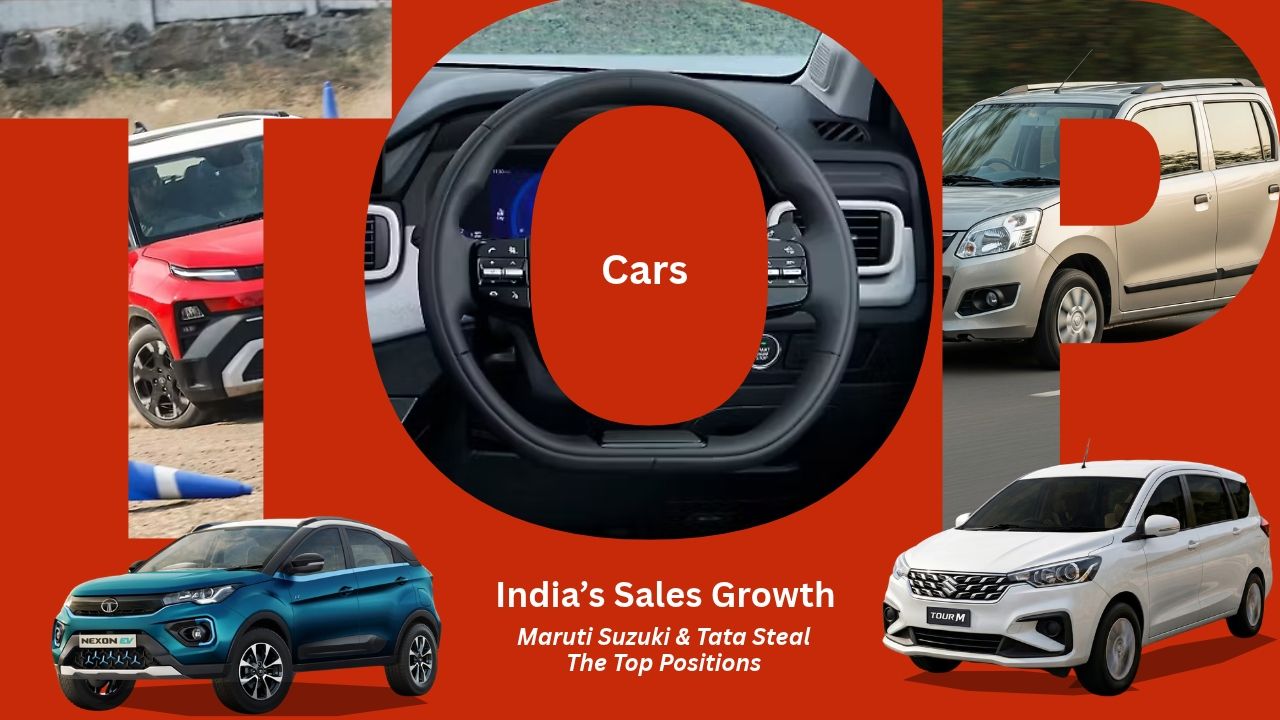
Two cars separated by 2,701 units led India’s sales chart in the first half of FY27, and one of them was a far smaller player a year ago. The top 10 cars of April to September 2026 sold 11,01,031 units, up 27.13% from 8,66,070 in the same period last year. The Maruti Suzuki Dzire finished first with 1,25,988 units. The Tata Punch, which sold 73,455 in H1 FY26, closed at 1,23,287.

Top 10 Cars in H1 FY27 

Rank Model H1 FY27 H1 FY26 YoY
1 Dzire 1,25,988 1,08,006 16.65%
2 Punch 1,23,287 73,455 67.84%
3 WagonR 1,16,029 84,942 36.60%
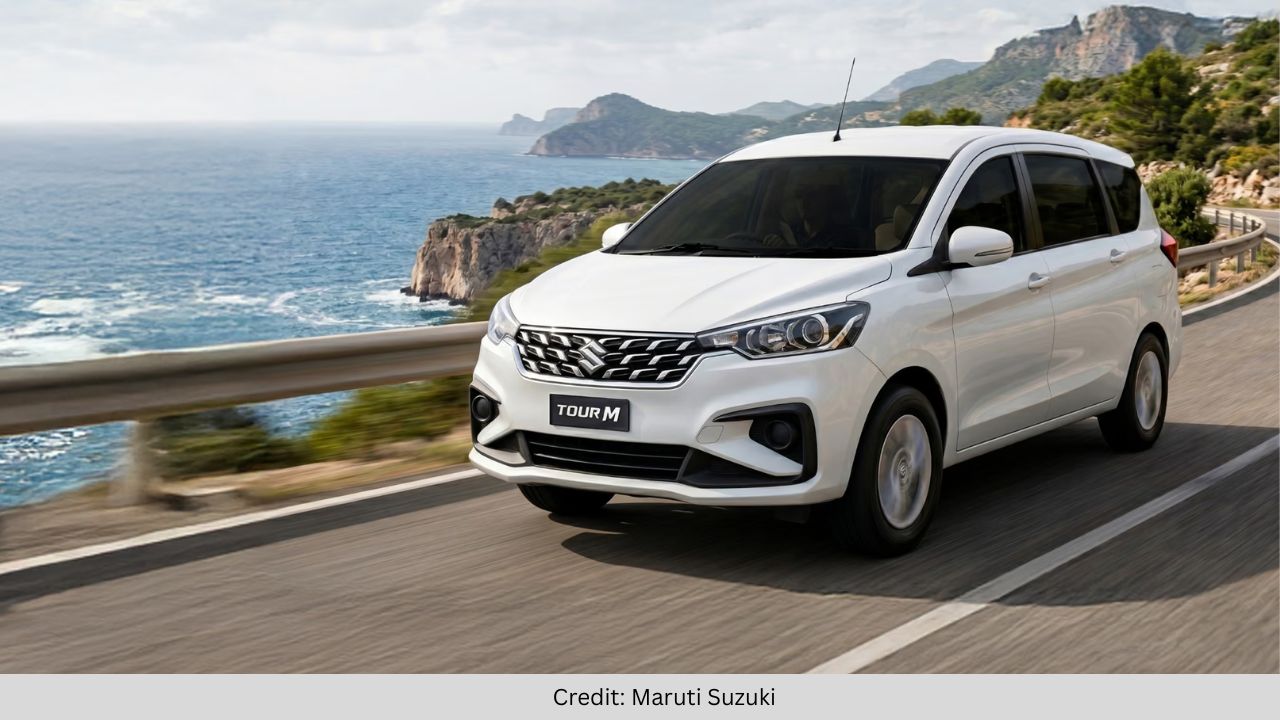
4 Ertiga 1,12,557 93,214 20.75%
5 Nexon 1,11,919 89,557 24.97%
6 Fronx 1,10,135 76,805 43.40%
7 Swift 1,09,332 84,123 29.97%
8 Baleno 1,08,569 71,989 50.81%
9 Scorpio (incl. Scorpio N) 93,488 84,634 10.46%
10 Creta 89,727 99,345 -9.68%

Positions three to eight are packed. The Fronx, Swift and Baleno finished within 1,566 units of each other, so a good month for any one of them reshuffles the middle of the table.

How Maruti Suzuki Took Six of The Top Eight Places

Maruti holds most positions in the Top 10 Cars ranking with its top models like Dzire, WagonR, Ertiga, Fronx, Swift and Baleno. All six models together sold 6,82,610 units, increasing 62% sales growth. No other car brand comes near this figure. Maruti takes over in every segment whether its sedan or SUV or hatchbacks, if one body style falls out, there’s another to cover for its sales.

Maruti Suzuki

Tata Motors has two entries, the Punch and Nexon, with 2,35,206 units between them, about 21% of the table. Mahindra’s Scorpio and Hyundai’s Creta hold the last two places.

One caution on the Scorpio. The 93,488 units combine the Scorpio Classic and Scorpio N but it flatters the nameplate’s rank compared with single-model entries.

Why Tata Punch Recorded The Highest YoY Gain

The Tata Punch added 49,832 units, a 67.84% jump, the biggest gain in both percentage and absolute terms. It nearly caught the Dzire from a much lower starting base. The January 2026 facelift also helped strengthen Punch to gain its ground. The updated model comes with a turbo-petrol engine option at a price of ₹5.59 lakh (ex-showroom). Tata offers more options such as petrol, CNG and electric versions, which attract every kind of buyer.

The Maruti Suzuki Baleno increased with 50.81% becoming the second-highest selling car. Its sales grew from 71,989 units to 1,08,569 units. The Fronx and WagonR also performed well in the market because both increased with 43.40% and 36.60%, respectively. The numbers are round-off but demand for these Maruti Suzuki models is still strong.

The monthly numbers show momentum shifting. The Tata Punch sales increased by 99% YoY and became India’s best-selling car in August, with 21,320 units sold which shows the demand is higher. The Maruti Suzuki Baleno took over the position with 25,392 units sold and changed the ranking in September, it increased by 93% YoY. 

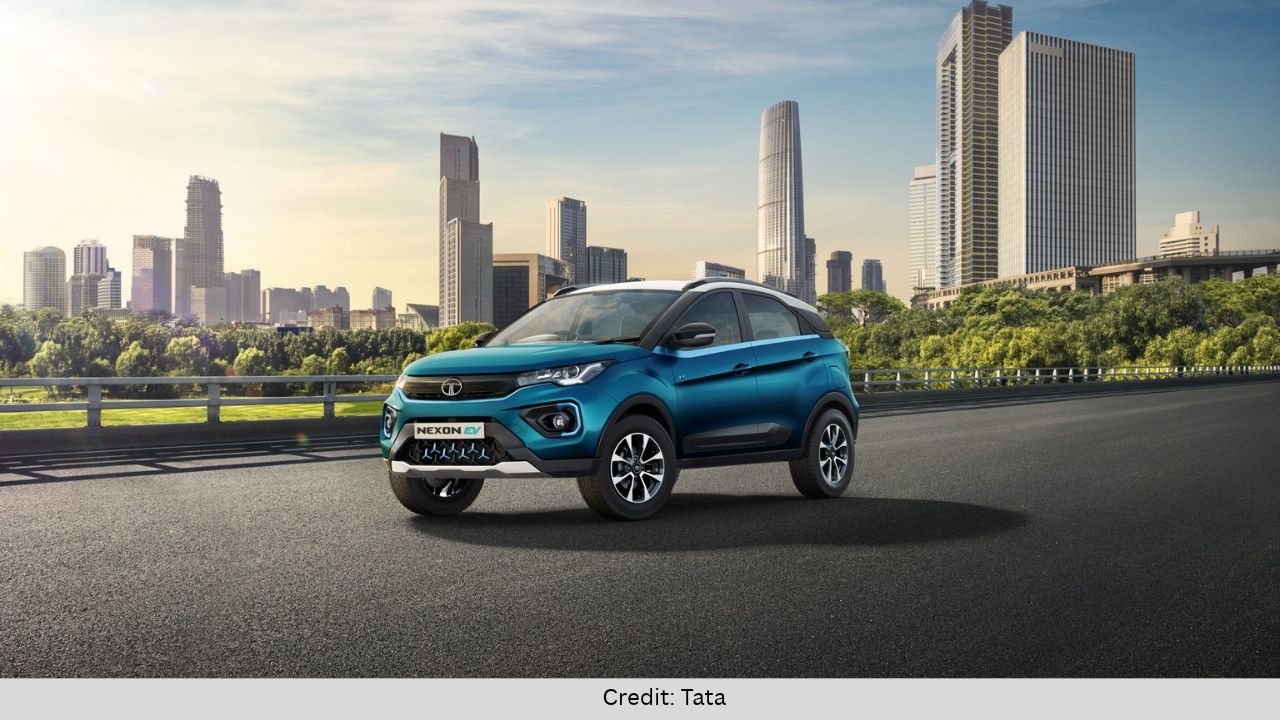
Tata Nexon

Punch came in third position with 20,333 units, recording 28% year-on-year growth and the second position is filled by the Tata Nexon. Monthly figures are dispatched from factories to dealers, so they track retail sales only loosely. Punch’s growth is slowing partly because last year’s base has caught up.

Dzire vs Punch vs Fronx: Which One Should You Buy?

The top two cars are different kinds of vehicle, so the Top 10 Cars chart can’t tell you which suits you.

The Dzire is the sensible pick for a family that wants a sedan with low running costs. It is a 1.2-litre three-cylinder petrol, with a CNG version, and starts around ₹6.26 lakh. Its claimed mileage is in the mid-20s kmpl on petrol. Choose it for efficiency and a proper boot.

The Punch is the pick if you want an SUV’s seating height and ground clearance at hatchback money. It starts at ₹5.59 lakh and gives you more powertrain choices than the Dzire, including an EV. The trade-off is a smaller boot than a sedan offers.

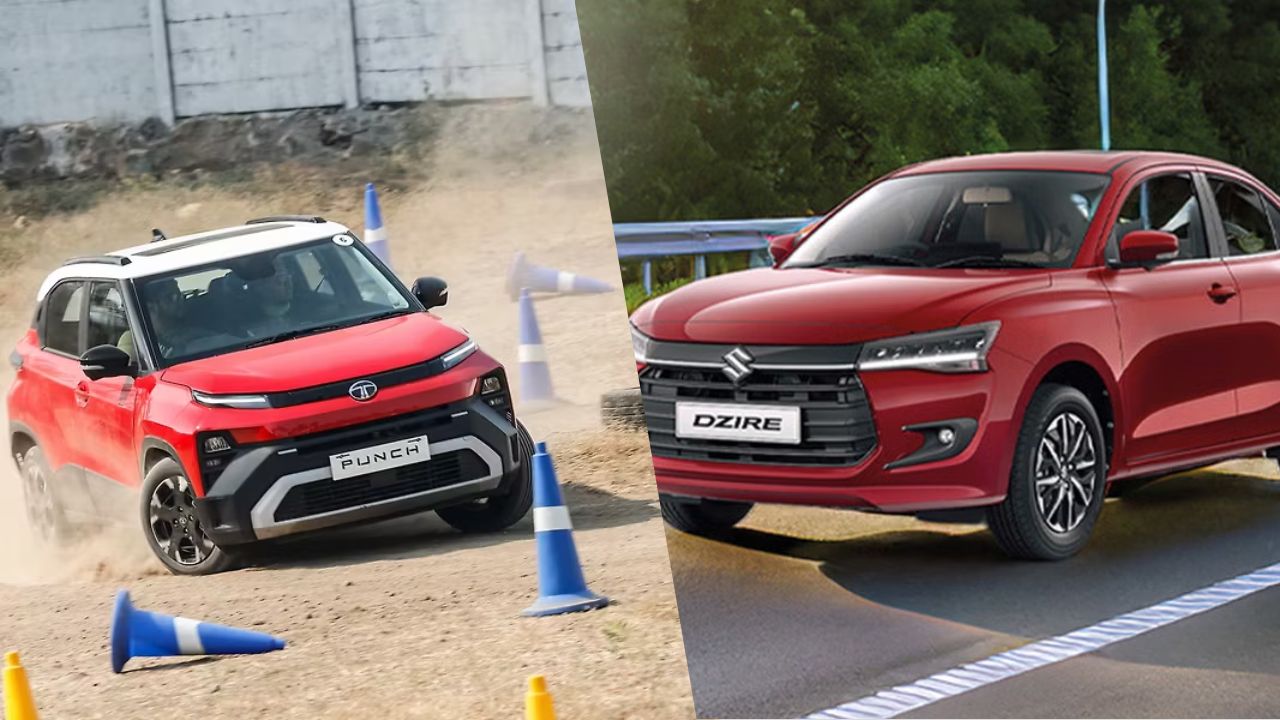
Dzire vs Punch

The Fronx costs more, from about ₹6.85 lakh, but offers a 1.2-litre petrol and a 1.0-litre turbo-petrol. It sold 1,10,135 units against the Punch’s 1,23,287. Buy it over the Punch if you want a coupe-style roofline and more punch from the turbo engine, and accept paying about ₹1.3 lakh extra at the entry level.

The Nexon, starting around ₹7.40 lakh, is the step up. It sits fifth, up 24.97%, and it was second in September, so Tata’s mid-size SUV isn’t fading as the Punch rises.

The Creta was the only model to shrink: 89,727 units, down from 99,345 (-9,618 units, -9.68%). The reason for the drop is still unconfirmed from the officials. A single half-year doesn’t make a trend, but a 10% fall in a segment that grew 27% overall is worth watching.

Conclusion

If you want the lowest running cost, shortlist the Dzire. If you want an SUV for the least money, shortlist the Punch. Both are within 2,701 units of each other, so sales volume won’t help you choose. Check these Top 10 Cars current ex-showroom prices and festive-season discounts at a dealer before you decide, since both change month to month.

0

Monsoon Car Care Tips: Keep Your Car Safe During the Rainy Season

Published Jul 9, 2026, 12:40 PM
Last Updated Jul 22, 2026, 12:07 PM

Car Care Tips

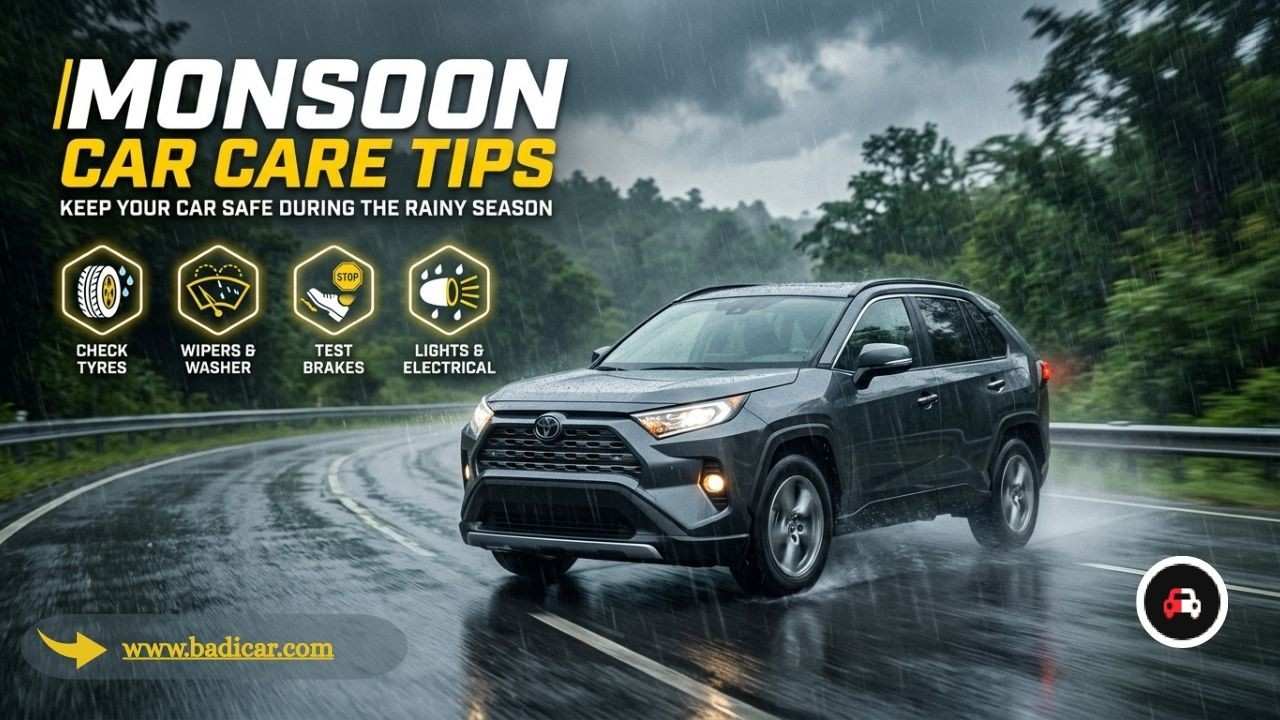
Monsoon can give a hard time to your car while you’re sitting inside and taking short trips. Your car is dealing with water, mud, and humidity altogether but with right Monsoon Car Care Tips before the season starts can save unexpected breakdowns of a car, rusted parts, and also save your money which can cost you dearly.

Monsoon isn’t just rainy weather for your car. It’s a stress test on the engine, electricals, brakes, tyres, and body — all at once, every single day for weeks.

Why Monsoon Car Care Actually Matters

Monsoon brings not just water but that rain carries road grime, salt, and pollutants that speed up corrosion. Indian roads also have poor drainage systems that cause heavy flow and slippery surfaces and if you neglect Monsoon Car Care Tips that turn into major failures fast.

A car that runs fine in the summer can start misbehaving during the monsoon if you don’t get basics like wipers, battery terminals, and tyre tread checked up on. Some preventive maintenance before the rainy season can really save money on unexpected breakdowns or costly repairs down the road. 

Read Also: Which Engine Oil is best for your Car?

The Real Damage Rain Can Cause

Before getting into tips, it’s helpful to know what your car is actually being protected from: 

Indian roads become a pool in the rainy season and that causes rust and corrosion in metal parts of the car. Wiring malfunctioned due to moisture which made it difficult to generate spark.

The most risky part is the engine if water flows into the air intake when driving through flooded areas, be ready for engine damage. Moisture negatively affects the brake performance by reducing friction between the brake pads and the disc. Old cars with manual gear can suffer from clutch slipping if the clutch plate area becomes wet from water ingress, leading to loss of control over the car.

Car Care Tips

Early Maintenance: What to Check Before the Rains Start

It makes all the difference to do this a few weeks before monsoon hits, and not when the first floodwaters arrive. 

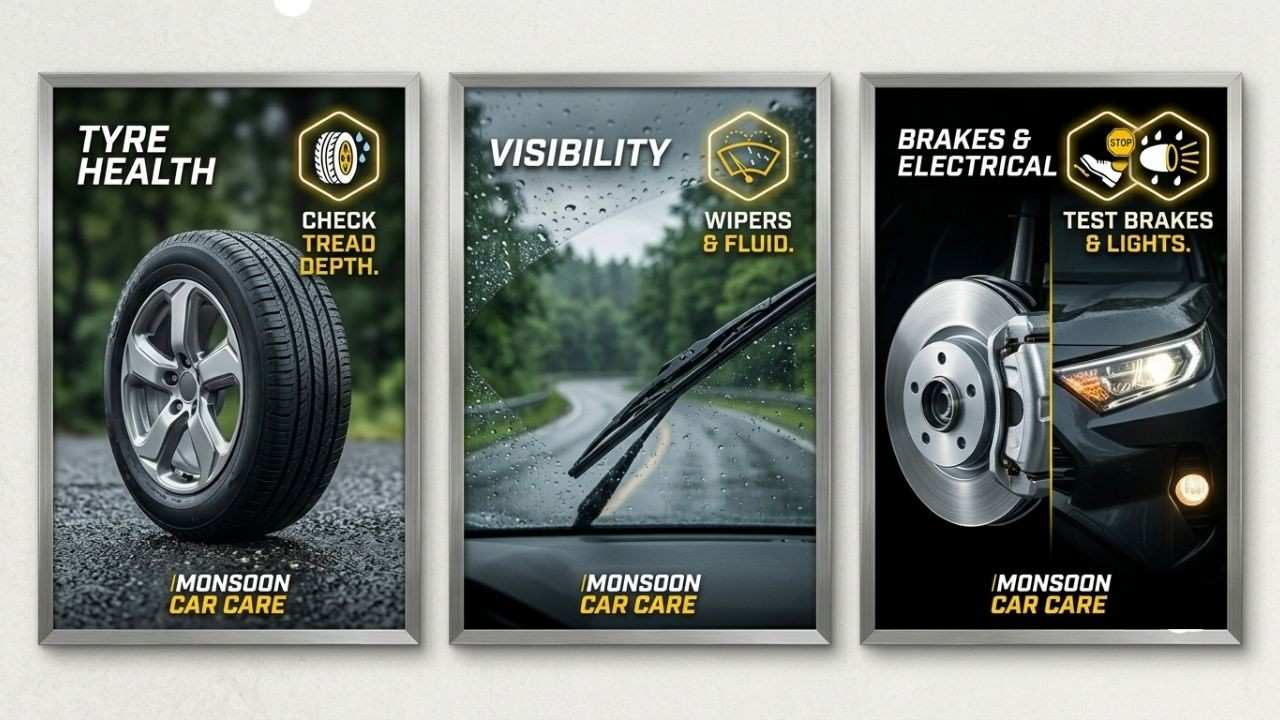
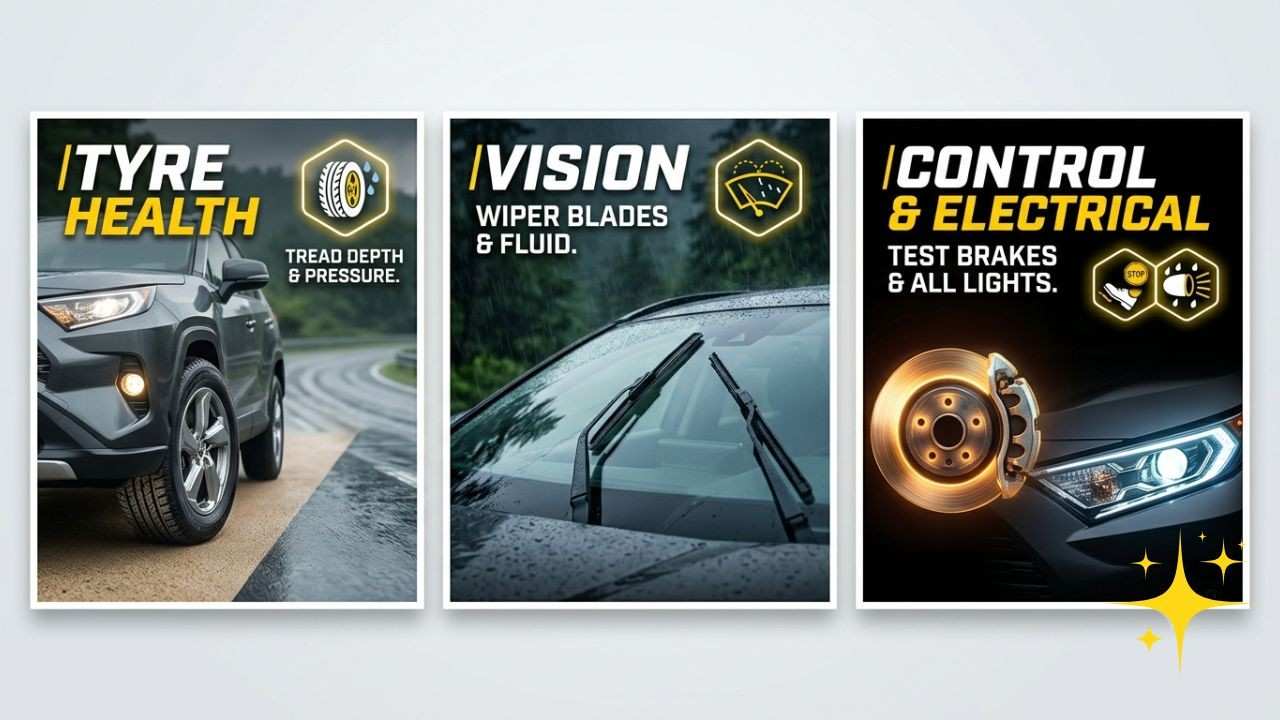
Tyres: 

You should be very diligent about checking tread depth. Bald or worn tyres lose grip virtually immediately on rain-slicked roads. Keep tyres at the right pressure – underinflated ones are more likely to go into a spin. 

Brakes: 

Have the brake pads and discs checked along with the brake fluid level. Wet roads require brakes that deliver the right response immediately, not brakes that have already given their all. 

Wipers: Replace the wiper blades if they streak or make noise (such as squeaking). This is the cheapest upgrade that does the most to visibility in a rainstorm.  

Battery and electricals: Clean your battery terminals and look for signs of buildup. Have exposed wires inspected, that is if your car is not brand new. 

Underbody coating: A rust-proof underbody salt-spray or wax treatment before the monsoon protects from continuous splattering of dirty water.  

Door and window seals: Worn rubber seals allow water to enter into the cabin resulting in musty odors, electrical shorts and mold. Replace them if they have hardened or split.  

Air filter and engine air intake: Ensure the air intake is not too low as to draw in water when waterlogging. If you’re in a flood-prone area, this is one to talk over with your mechanic. 

Car Care Tips

Monsoon Car Care Tips By Car Type

Hatchbacks and Small Cars

They’re also lower to the ground, so a flooded road is more hazardous. Don’t drive through water above the lower door sill. Maintain your tyre pressure a little higher than normal for extra grip and have your underbody checked for rust a little more often with reduced ground clearance. 

Sedans 

Sedans typically have acceptable clearance but they also have a longer body, which exposes more surface area to splashing and rusting. Have a close look at the boot and rear wheel arches where moisture lingers. Wax the exterior before the season to shield the paint. 

SUVs 

SUVs benefit from greater ground clearance when in flooded conditions, but don’t get too big for your britches — even SUVs can stall if water gets into the air intake. Inspect for rust on four-wheel-drive components and undercarriage, as SUVs tend to be driven on rougher, muddier ground in the monsoon. 

Electric Vehicles

EVs are typically well sealed from water with IP rated battery packs, but charging ports and connectors still need to be kept dry. Don’t charge in the open in heavy rain, have the battery compartment seals checked. Never take for granted that “electric” means “waterproof all the time.” 

Driving Tips That Matter As Much As Maintenance

  • Slow down in plenty of time before you drive into standing water, since you can hydroplane at relatively low speeds. 
  • Allow more space between your car and the car in front as wet roads can add up to 15 percent to stopping distances. 
  • Turn on your headlights while driving in heavy rain so that you can see and be seen by other drivers. Don’t just use the tail or parking lights. 
  • Never drive on flooded roads unless you’re certain of the water depth. A puddle that looks shallow could hide a deep hole, an open sewer or other dangers. 
  • If your vehicle dies after you drive it into water, do not try to restart it. Trying that can squeeze water further into the engine and cause expensive repairs. 

After the Rain: Don’t Skip This Step

After driving in a heavy rain you should probably clean your car or mud, dirt and road grime will get stuck inside the parts of your car if you just parked it. Dry the cabin quickly if you get any water inside as it generates foul smell and damages the fabrics. Check features if they are working properly like turning on your AC. 

If you schedule a professional inspection and cleaning once a month during the rainy season, you can catch problems early and avoid having to make expensive repairs later on. 

One Thing Most People Forget: The Emergency Kit

A monsoon emergency kit doesn’t need to be fancy — a flashlight, an extra wiper blade, jumper cables, a tow rope and a rain poncho can cover it. If you ever find yourself stranded in flooded traffic or your car breaks down, this kit makes an overwhelming situation a controllable one. 

Conclusion

Monsoon does not destroy cars in a single day, it deteriorates them with small exposure after multiple exposures. A little pre-monsoon prep, a bit of driving caution and a post-rain cleaning is honestly all you need to get through the season without any unplanned garage visits. View these Monsoon Car Care Tips as a checklist instead of once-off information and your car will take care of the rains just fine.

0

Buying a Used Car? Don’t Get Cheated! Must-Know Precautions & Tips

Published May 21, 2025, 12:16 PM
Last Updated Nov 5, 2026, 4:18 PM

Chosen to purchase a trade-in vehicle? Indeed, you are not by any means the only one, a great many Indians are currently picking utilized vehicles and on the off chance that we take a gander at measurements the most recent two years have seen a flood in the trade-in vehicle market as an ever increasing number of individuals are presently deciding on private vehicle. Whatever your explanation be, we need you to realize that you’ve settled on the right decision.

In any case, on the lookout, not all things are what it is by all accounts and you ought to consistently have a watchful eye to spot which vehicle vender is a cheat and which isn’t. On those lines we need you to be advised about a couple of insurances that you ought to embrace when purchasing a pre-owned vehicle.

Let a car mechanic accompany you

Unless you are an expert evaluator yourself, it would be wise to take an experienced car mechanic with you to know the nitty-gritty details of the vehicle. Although you might have to pay him for his services, it would be better than buying the wrong car and feeling remorseful afterward.

Check the car thoroughly

Try not to depend on what the merchant claims about the vehicle, check the vehicle for yourself. You can relinquish minor scratches and marks yet be careful about the greater ones, vehicles with body rust are a major no. Check for paint surface contrasts. These will assist you with understanding the circumstance the vehicle might’ve been in. Likewise, watch out for the electricals, everything ought to be in working condition, in case anything is awkward, deal. The tires ought to be in acceptable condition, in case they’re thinning up top, you ought to have the option to set aside more cash.

Test Drive

A very important aspect of buying a car is the test drive. Starting the car should be a very smooth process. There shouldn’t be any untoward noises, hop out of the car with the engine running and open the bonnet to check weird noises. Check the tailpipe, there shouldn’t be any smoke or oil spouts.

Gear shifting should be effortless, you should not apply any extra pressure on the stick. Engage the clutch and when you release it, the vehicle should move forward in a gentle manner without jerks or vibrations.

Take the car out for a ride, feel the suspension, no squeaking or odd vibrations should be felt. Another way to test the suspension is to tackle corners with a little more speed than you usually drive at. Sharp turns put the suspension into action and if you feel anything is out of place, take the call.

Document verification

Check documents when buying a used car

So, the car is good, but don’t move ahead until you’ve verified the documents and the information on them. A few pointers:

  • Registration Certificate is a crucial document that confirms the legality of the vehicle and ownership. Make sure that the certificate is not a duplicate one  – Duplicate Registration Certificate. If you are buying from a dealer check if the RC has the name of the dealer, this would mean that you would be the third buyer, which should not be the case as the market value will be low for a third-hand car.
  • VIN and Engine no. should be the same everywhere i.e., on the Registration Certificate and the car. A few places where you can find the VIN no.
  • Insurance is another important vehicle document without which a car cannot ply on the roads. Make sure that the insurance is also transferred in your name and has a validity of at least three weeks post purchase. If it doesn’t you can bargain and buy new insurance which is much more beneficial.
  • A vehicle service book tells a lot about the car, for example if the servicings are consistent then you know that the car was cared for and maintained to the highest standards. But, on the flip side it can be forged as well. If it is too good to be true then maybe it is not true. Be sure to ask as many questions to the owner. Like the dents and major scratches.
  • Road tax certificate is another important document that certifies that no taxes are due. Although it is a one time payment that is paid at the time of purchase of the car. In any case if it isn’t, there is something fishy.
  • Pollution under control certificate shows the emission levels of the car, via which you can ascertain the condition the engine is in.
  • A Loan NOC is something that you should be aware of in case the vehicle was purchased on a loan, this confirms that all loan dues have been paid and the financier has no claim on the vehicle.

Vehicle modifications

Many people opt for vehicle modifications to make their car look a certain way, and any part of the vehicle can be modified, that is, as long as it is legal. Certain changes like car color, engine tweaking are illegal. So are installation of tyres bigger than what the manufacturer recommends.

Here’s a list of car modifications that are considered illegal in India.

  • Fancy number plates
  • Loud exhausts
  • Roof modifications
  • Engine mods
  • Wide tyres
  • Body lifting kits
  • Car color

Make sure that the car you are going to buy doesn’t have the above modifications, if it has then it would be best to look out for another vehicle.

Get an idea of the price online

Image depicting a search for a used car online

Before you go out hunting for a used car, select the car that you think is the right choice for you, this includes the no. of kilometers it has run and its age. Check these details online to get an idea of the price, compare it, and bargain accordingly.

Know when to pay

At times delay is not denial, this also holds true when you buy a car. Take into account all your options, go through them again and again, and make the decision only when you deem it is right.

If all of this overwhelms you and makes you think twice about buying a used car, don’t give up as we have got a better alternative for you, Badicar.com .

Buying a used car on Badicar.com  is the easiest thing and the most hassle-free thing you will ever do.


0

First-Time Buyers: How to Sell Your Car

Published Jun 24, 2021, 7:20 AM
Last Updated Aug 13, 2025, 5:29 AM

Increasing disposable incomes and the availability of a large number of makes and models has resulted in a boom in the used car market. People are graduating from two-wheelers to four-wheelers and those with four-wheelers are looking at upgrading their ride. So if you were planning to sell a car in India, this is the right time to do so. There are various avenues that you can explore to sell your ride. Let’s take a quick look at them and their pros and cons.


How To Sell Car The Traditional Way?

Placing an advertisement in the local newspaper, getting in touch with local car dealers, informing your friends and family members and asking them to spread the word around, sticking a ‘For Sale’ sign with your contact details on the rear windshield of your car, putting up leaflets on the notice board of your housing complex, office, clubs etc – these are all the traditional or offline ways of selling your used car.


How To Sell Car The Modern Way?

Placing an advertisement on online classified portals, availing trade-in and exchange offers, utilizing the power of the social media and using car buying services are some of the modern ways to sell car.


There are four major steps if you plan to sell the car yourself:


Preparing the car for sale

Interacting with prospective buyers

Documentation and payments

And finally, things to do post sales

  1. Preparing The Car For Sale

The first step consists of preparing the car and advertising your intentions to attract prospective buyers for your vehicle. Let us break this down further:


Preparing your used car for sale


In order to be able to sell car at the best possible price, it is important that you put in place the following steps:


Get your car serviced and cleaned –  Remove all personal belongings from the car and if possible and viable, get scratches and dents repaired. Make sure that the interiors are clean and free from blemishes and stains. Of course, if you have maintained your car properly, these should not be a big issue

Gather all the papers of the car and make a copy of them –  If you have a service record of the car, be sure to include it with the other documents. Do not forget to include the owner manual, battery warranty cards, PUC certificates and any other document that is related to the car

Park your car in a clutter free area and take at least ten to fifteen photographs of the car –  Take good photographs of your car – both the exteriors and the interiors – and from different angles. Though you do not need to get a professional to do this job, you need to make sure that the photographs are in focus, sharp and clear.

The next step is creating the advertisement – Along with the photographs of the car that you have taken, your advertisement should contain as much information about the car as possible. This would include:

1) The year and month of manufacture or registration

2) The state or city of auto registration

3) Commercial or individual lifetime tax

4) The total number of owners

5) Comprehensive or Third party insurance type and its validity

6) The availability of service history

7) Colour of the car, both interior and exterior, and if original or re-painted.

8) Variant or Trim level

9) The number of kilometres covered

10) A list of accessories fitted

11) Reasons for selling

12) Expected price


Ensure that your expected price for selling your car is neither too high nor too low – Again some amount of research will give you an indication of the price range for cars of similar make, model, and age. Along with the above, state the salient features of the car which would count as advantages – for example – single ownership, low mileage, accident-free, extended warranty coverage etc. Include an email id (you can create a new one for this purpose) and a phone number (with timings for receiving calls if you wish). If possible, scan the car documents – this will help as you can email the same to prospective buyers if they wish to inspect them beforehand.

Research will help you to find out the best portals for placing your online advertisement. You can also place the advertisement on your social media platforms, as well as on the notice boards of your apartment, office, and club. However, do find out if you are allowed to do so before you pin your advertisement on the notice boards.


  1. Interacting With Prospective Buyers To Sell Your Car

Selling your used car


Once your car advertisement is in place, you will start receiving calls and emails from prospective buyers. How you interact with your potential buyers can make or break the deal.


The first step is to screen the potential buyers – You will receive inquiries from businesses, agents, individual buyers and also from sellers like yourself who are calling up to do their research on the price factor. You need to focus your time and energy on serious buyers only – hence, you need to separate the serious potential buyers from the rest at the first call/email stage

When talking/answering queries, be as straight forward as you can in your interactions –  Do not get too eager to sell or overly aggressive. Remain focused and to the point, answering all queries to the best

Once you have screened the buyers, send them the scanned copies of the documents – This will save both of you time and effort before the buyer decides to physically inspect your car

Fix a time that is convenient to both for the physical inspection of the vehicle – Request the buyer to be punctual and make sure that you are punctual too – this shows your seriousness. Be prepared by asking the buyer beforehand if he would like to test drive the car, and set the time accordingly. Remember to go along with the prospective buyer on the test drive

The prospective buyer might want the car inspected by an authorized, reliable and credible service station or his mechanic – This is a commonly placed, reasonably valid request and shows the serious intent of the buyer. Discuss the most convenient way to get this done – the mechanic could come to your place and inspect the car or you could drive it to the service center/ mechanics workshop. However, ensure that you or your representative is present at the time of the inspection

Negotiate for a reasonable deposit – It is possible that the buyer might say yes to the deal, but requires time to get the finance in place (either his own or from a bank/NBFC). It is wise to hold negotiations for a reasonable deposit – maybe between 10,000 and 30,000 and clearly state the time frame by which the entire amount of the payment should be made. Failure to pay within the stipulated time would lead to forfeit of the deposit and allow you to subsequently offer the car to a different buyer.

Lastly, never be in a rush to sell the car or feel pressurized into doing so – Inform the prospective buyer that you will get back to him/her within a stipulated time period and stick to it. Think the deal through before committing yourself to the sale.

  1. Documentation & Payment – Which documents should you give to the buyer and which ones should you keep

Documents for selling a used car


Assuming that you have been able to find a buyer for your car and confirmed the deal, the next step is documentation and payments. This is the most crucial step in selling your car.


Wait for the cheque/ demand draft to be cleared before handing over the documents and the vehicle – There is a slew of documents that need to be prepared and signed for transferring the ownership of the car. However, remember this cardinal rule – signing of transfer papers and delivery of the vehicle must happen only after receiving the full payment for the car.

Ask the buyer to provide you with a copy of his government issued photo id and address proof – It could be a copy of the passport, driving license or any other acceptable document.

All fields in the transfer forms issued by the RTO, and the delivery note, should either be filled or N.A written if not applicable – Do not, I repeat, do not leave any blank fields on the forms. Similarly, the forms need to have the signature of both the buyer and the seller. The best way, if time permits, is for both parties to visit the RTO in unison and help the transfer process to reach its completion.

Along with the duplicate keys, the list of documents that is required to be given to the buyer of your vehicle is:

1) Form No.28 (3 originals) – This pertains to the N.O.C. as well as the grant of certificate when the buyer happens to belong to another RTO’s jurisdiction

2) Form No.29 – Notice of the transfer of car’s ownership (Original)

3) Form No.30 – Report of the transfer of vehicle’s ownership (Original)

4) A copy of the delivery note

5) The Registration Certificate in original

6) All RTO tax related documents in original

7) Insurance cover/ policy – in case it has been included in the deal

8) The vehicle’s owner’s manual

9) All warranty papers

10) Service history

11) Copy of the original invoice of the car

12) PUC certificate.

13) Form No.35 – The finance organization has to provide the NOC. If the outstanding loan on your vehicle is still unpaid, as per the general procedures in place, you have to foreclose the loan. Thereafter, procure the NOC and forward it to the buyer.


While you hand over the documents to the buyer, remember there are some documents that you need to keep in your custody. These include:

1) Copy of Form No.29

2) Copy of Form No.28

3) Original delivery note

4) Copy of Form No.30

5) Copy of the Government issued id (with photo) of the buyer

6) Copy of the vehicle’s RTO tax papers, Registration, insurance policy

7) Original car invoice

8) Copy of NOC from the finance company, only if applicable


  1. After You Sell Car

Used car sold


The fourth step consists of actions to be taken after selling and giving delivery of your vehicle to the buyer. Although these may come across as additional work, they are important as they ensure your safety and security.


Inform the RTO – As per the law, as long as the car is registered in your name, you hold the responsibility for the car and any unwanted incident that takes place because of it. Therefore, it is your responsibility to inform the RTO of the transfer. You need to inform the RTO, belonging to where the vehicle was registered, in a period of 14 days of the sale, by sending copies of all the relevant categories of documents (the documents retained by you) through registered post. The postal confirmation needs to be maintained for records. Once the delivery acknowledgement is received, only then can you be indemnified of all the liabilities associated with the car sold by you. Remember, just in case, the address of the buyer happens to be the jurisdiction presided by another RTO, an identical document has to be dispatched to him as well.

Inform the insurance company – The insurance company has to be appropriately informed of the transfer; especially if the insurance cover happens to be part of your deal with the buyer. If not, then you need to inform them of the cancellation. This should be done by registered post, just as it was to be done with respect to the RTO.  If you decide to visit your insurance company, do carry an “acknowledgement” stamp on your application’s copy. All No Claim Bonus benefits cannot be transferred and are available for use towards the car that you decide to hold next.

Ask for the updated RC from the buyer – Remember to ask the buyer to dispatch a copy of his updated RC book (which has been duly transferred to the buyer’s name) to you. While this will, in all probability, need consistent follow-up, it is important that you do so. Keep the copy along with the other retained documents of the car.

Found the article helpful? Do share and explore more tips on selling car online. Looking to sell car quickly? Sell it to Badicar.com From free online car valuation, guaranteeing the best price for your used car, taking care of ownership transfer and other paperwork to instant payment – we ensure a simple and hassle-free way to sell your car.