0

Gautam Singhania Car Collection 2026: Ferrari, Lamborghini, McLaren & More

Gautam Singhania Car Collection

Billionaire Gautam Singhania Car Collection is not just cars but it has a collection of supercars — he drives them at top speed, races them in Europe, drifts on the Mediterranean island of Malta and publicly criticizes billion-dollar companies when they let him down. 

Most people who shell out ₹8 crore for a car would keep it garaged. Take it out on Sunday mornings when traffic is light and then spend the next hour wiping off a layer of unseen dust. About the last person to live up to the name “gautam singhania” is the man himself.

The Raymond Group Chairman — the man behind India’s most recognisable suiting brand — has quietly put together possibly the most technically extreme automotive collection on the subcontinent. We’re talking LaFerrari hypercars parked in Dubai, a Nissan Skyline GT-R that runs sub-10-second quarter miles, a Ford Mustang that pushes 1,300 bhp, and a 37-storey Mumbai skyscraper with a multi-floor car park literally built into it. 

But what makes Singhania truly interesting is not just the wealth. That’s the attitude. He races. He drifts. He wins championships. And when a ₹8-crore Lamborghini breaks down on a highway bridge. Let’s break down the Gautam Singhania Car Collection to fill the curiosity of car lovers out there.

The Ferrari Obsession

We’ll start with Maranello because that’s clearly where Singhania’s heart resides. He’s a bonafide Tifosi — not just one of those people who slap on a red car cover with the Ferrari logo and call it a day, but one who actually races in the Ferrari Challenge Europe with Kessel Racing, putting up double podiums at Paul Ricard along with runs at Monza and Budapest.

The Ferrari Obsession

He became the very first person in the world to own a RHD (right hand drive) unit of the Ferrari 296 Speciale and not just any unit, but the first customer car. Finished in Giallo Modena, the same shade of yellow he used on the first 458 Italia he ever brought to India — this isn’t your run of the 296. It’s a track weapon twinned with a twin-turbo V6 PHEV making 880 bhp, runs 0-100 km/h in 2.8 seconds, and generates 435 kg of downforce at 250 km/h. Ferrari took the titanium connecting rods from the LaFerrari programme to develop it. 

“He’s never thought of supercars as Veblen goods for running climate-controlled simulations, but as precision tools that need driver inputs at the very edge.” 

That is followed by the 849 Testarossa, the new flagship of Ferrari, introduced in India in March 2026, reviving a legendary name with a tri-motor PHEV arrangement producing 1,035 hp and achieving 0-100 km/h in 2.2 seconds. India is no longer coming late for these cars. Singhania’s patronage is a large reason for that. 

The Lamborghini Drama

Singhania has many Lamborghini models parked in his garage not on their luxury looks or price but because of their products’ engineering.

Model Power Engine Type Price Notes
Lamborghini Revuelto 1,001 bhp V12 PHEV ₹8.89 cr Broke down at 15 days
Lamborghini Temerario 920 PS Twin-Turbo V8 PHEV ₹6 cr Bought anyway in 2026
Aventador SV 750+ bhp V12 NA – 1 of 600; UK import
Gallardo Twin-Turbo 1,600+ bhp Underground Racing build – Street legal

What followed next is now automotive internet legend. He publicly criticized the head of Lamborghini India and the head of Asia on social media, shared a video of yet another Revuelto warning of a ‘Transmission Malfunction’ while running at 300 km/h on the highway, and sarcastically remarked that Lamborghini’s bugs are turning into features. The company remained quiet. He got louder.
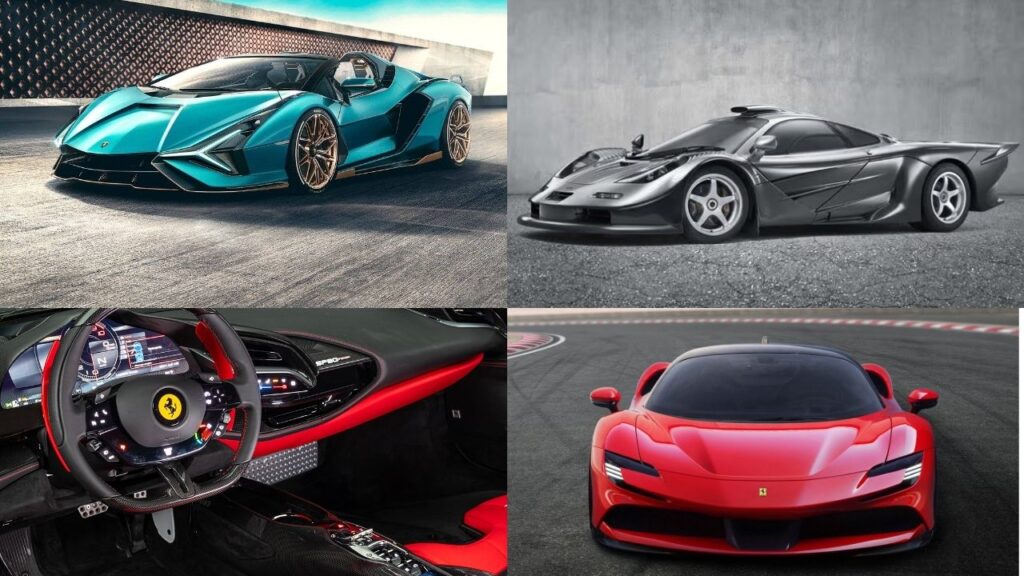
The Lamborghini

And then in an absolute curveball no one saw coming — he purchased the new Lamborghini Temerario in 2026 anyway. The next model from the brand in Gautam Singhania Car Collection, the Huracan successor with 920 PS. Caught on camera running through the streets of Mumbai with a police escort. The man who had spent weeks publicly excoriating Lamborghini ‘just bought one more’. If that isn’t an veryspecific type of car lover, then nothing is. 

The McLaren Assembly

In 2024 Singhania bought the brand new Marque Mclaren 750S for ₹5.91 crore (ex-showroom). The 750S, painted in a bright hi-vis orange with black accents in a dual-tone design, is the 720S’s iterative evolution. Singhania is also hav­ing one 720S after buying a limited edition version (one of 400 units world­wide) in 2017 for nearly ₹2 crore which he was occasionally bringing into India from Dubai. 
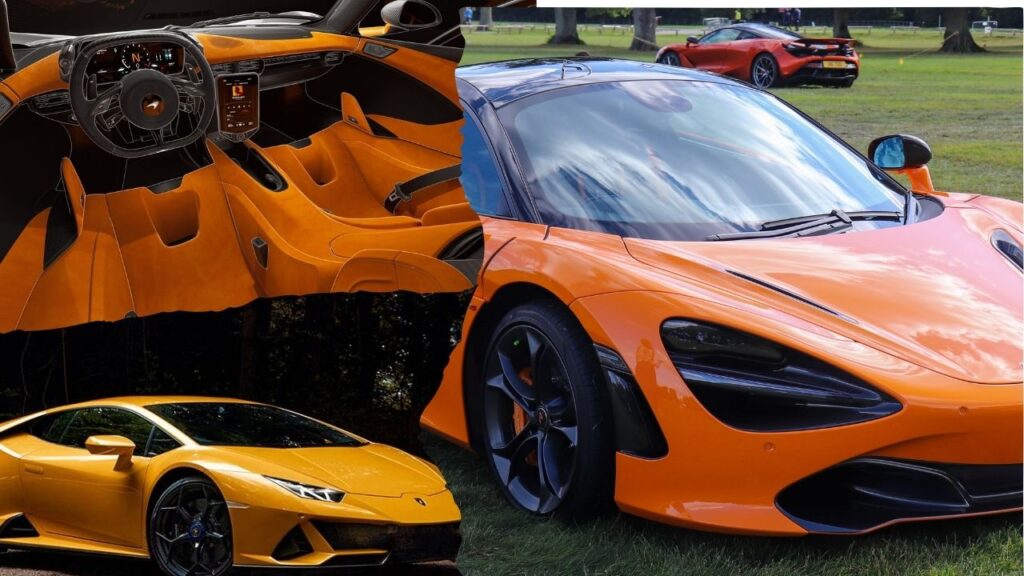
The McLaren Assembly

The tolerance engineering of the 750S is incredible. It is equipped with the M840T 4.0 liter twin-turbo flat-plane crank V8 engine. Flat-plane crankshafts enable higher RPM limits as well as faster exhaust scavenging when compared with traditional cross-plane V8s and lends to a higher pitched exhaust sound. With this package, the engine produces 750 PS and 800 Nm of torque at maximum levels. 

Carbon fibre seats with forged wheels and light center-exit exhaust system are ready for racing at high speed with less worry of exhaustion. The fastest speed it can give is 0-100 km/h in 2.8 seconds and 0-200 km/h in 4.4 seconds, 10% faster than the outgoing 720S in longitudinal acceleration. 

High-Stakes Motorsport in Gautam Singhania Car Collection

Skyline GT-R

In order to prevent the power from tearing the car apart, the whole driveline crafted with high tech ATTESA E-TS all-wheel-drive system included was “bulletproofed” to handle the enormous torque dump. It can go up to 100 km/h in just 2.5 seconds, so it inevitably can climb 200 km/h in 6.7 seconds.

Its greatest features are high-lift cams, and massive turbochargers; it offers a 1,000 bhp barrier. It’s a wild evolution for a car that left the factory chained to just 276 bhp in Japan’s well-known “gentlemen’s agreement.” 

Nissan S15 Silvia

Nissan S15 Silvia since it was prominently featured in his 2025 Valley Run appearance, this S15 has now undergone a highly desirable engine swap, the standard SR20DET four-cylinder has been replaced by the iconic RB26 inline-six engine from the Nissan GT-R. With a very responsive—526 bhp output—tuned engine, large rear wing for stabilize at high speed and skin in special white purple color with the sponsor logos of Raymond and SCCG. 

Drift-Specific Cars

BMW E46 M3 (LS3 Swap)

Showcasing a fusion of European chassis dynamics and American muscle, Singhania’s BMW E46 M3 has been gutted and stuffed with a Gen-5 LS3 V8 engine from General Motors. The LS pushrod V8’s torque-heavy, naturally stout output, along with the Magnaflow exhaust, and the 17-inch custom wheels deliver the right-low end throttle response to clutch-kick and keep the high-angle drifts up. 

Ford Mach-1 Mustang

An over the top version of the classic American muscle car platform, with a twin-screw supercharger setup that delivers a mind-boggling 1,300 bhp, it’s one of the most powerful cars you can slide around on four wheels in India. 

Honda S2000

Nearly all of it will go toward making a very naturally aspirated high-revving engine famous for its redline at 9,000 rpm. It has a custom color-shift wrap from orange to purple to blue depending on the refraction of the light and has become a staple at modern classic car rally. 

Read More:-  Scorpio-N vs XUV700 —- Battle of the Homegrown Mahindra Power SUVs

Benz 540K Cabriolet

When it comes to vintage car collection Mercedes-Benz 540K Cabriolet finds its place at the top of the list. As the 500K’s successor (and the experimental 580K’s close kin), this left-hand-drive beauty is equipped with a hefty supercharged “Kompressor” straight-eight engine. 

It has some 177.5 bhp and a hefty 431 Nm of torque, but it is the looks that make people halt-those undulating, sweeping wheel arches and it’s a regular participant at global Concours events.

1985 Mercedes-Benz AMG

Singhania doesn’t simply conserve history, he rewrites it through “Resto-Modding.” Noteworthy among his SCCG team is the “Resto-Mod” transformation of a 1985 Mercedes-Benz AMG 190E with eye-popping modifications. 

They actually chopped and stretched the body just enough to shoehorn in a high-voltage, modern 2015 AMG C63 engine. The result is the ultimate sleeper – a car that looks like a 30-year-old classic but has the power of today’s supercar. 

1932 Ford Coupe

And nothing adds a little bit of rough and tumble American to the mix like his 1932 Ford Coupe Hot Rod he calls the “Rebel.” This is not the classic Ford that your dad drove, the classic car has been gutted and outfitted with a snarling, exposed V8 designed for nothing but acceleration. It’s a crowd-pleaser at the Parx Supercar Show, a raw mechanical foil to the polished luxury of his European classics. 

The Maserati MC20 Evaluation

In August 2023, Singhania trashed the Maserati MC20 supercar, calling it the “worst” car he has ever driven and advising buyers to stay away from it due to active safety concerns. The main problem was the vehicle’s suspension tuning, which Singhania said led to hazardous, “football-like bouncing” on the uneven roads of India. 

Conclusion

The Gautam Singhania range is not just a stack up of metal, carbon fibre and internal combustion. It is a highly curated, multi-million dollar ecosystem that represents the pinnacle of mechanical engineering, historical preservation, and localized automotive innovation. From the 1,000 bhp drag strips to the heights of European GT racing, vertically integrated down to domestic coachbuilding and 37-story architectural display cases, it serves as the prototypical expression of ultra-high-net-worth automotive immersion in the breed era. 

Bipin Sharma

Bipin Sharma is a seasoned automotive content writer with over 10 years of hands-on experience in the world of cars. From the latest car news and reviews to in-depth maintenance tips and expert buying guides, Bipin covers everything that drives the automotive world. Writing about cars isn’t just his profession — it’s his passion. His deep industry knowledge and love for automobiles fuel every blog he creates, helping readers make informed decisions and stay updated on the fast-evolving auto landscape.

Leave a Reply

Your email address will not be published. Required fields are marked *

0

Hyundai Cars See Major Price Reductions Under GST 2.0 Reform

Published Sep 24, 2025, 11:28 AM
Last Updated Apr 22, 2026, 11:35 AM

Hyundai Motor India has significantly benefited from the GST 2.0 reforms that took effect on September 22, 2025. The company passes all the perks of lower taxes right away with buyers. The updates rates of GST cuts down the real price of Hyundai Cars, buyers can save from ₹60,640 up to ₹2.40 lakh. GST 2.0 changes mark India’s biggest tax update since the 2017 GST launch. The government has simplified the complex four-tier structure (5%, 12%, 18%, 28%) into simplified form (5% on basics and 18% on regular items). And the luxury rate with 40%, let’s look what it means to Hyundai cars:

Small cars with 1200cc petrol, 1500cc diesel, and ≤4m length get a reduction from 28% to 18% GST.

Larger Cars and SUVs get down to 50% including cess, now GST rate set at 40%

Electric vehicles continues at 5% GST rate

Model-wise Price Reductions

Hyundai’s price cuts in different ways for various vehicle types with SUVs receiving the most substantial reductions. 

Premium SUVs

Tucson Up to ₹2.40 lakh reduction (highest across the lineup)
Alcazar Up to ₹75,376 cheaper
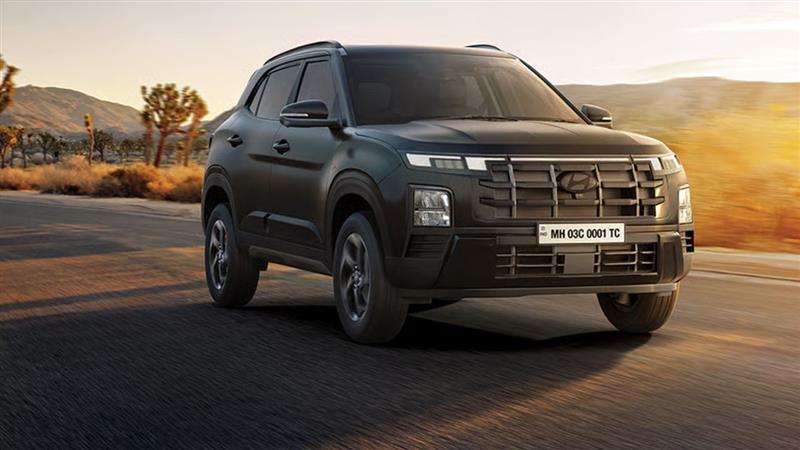
Creta Up to ₹72,145 reduction
Venue Up to ₹1.24 lakh lower
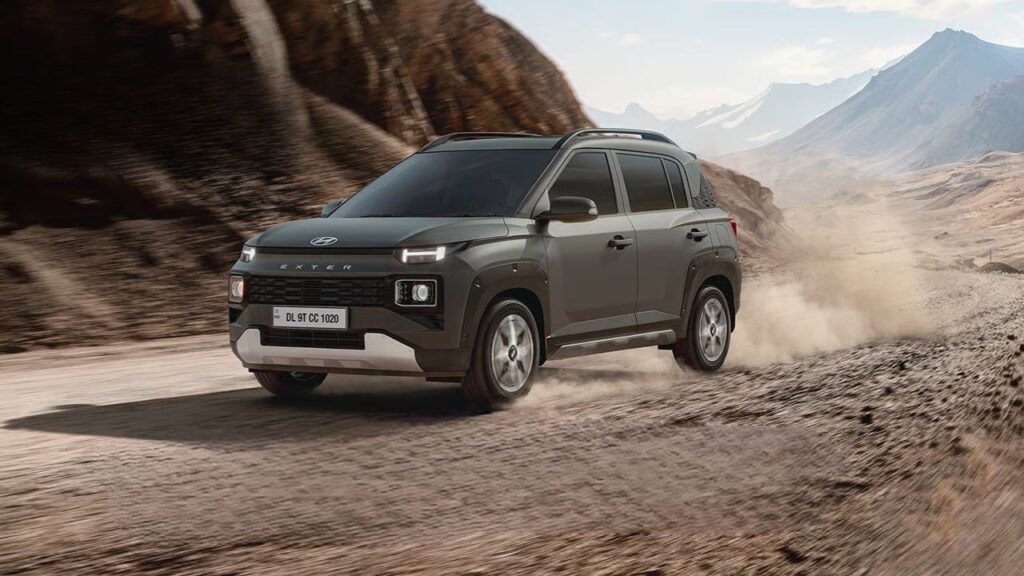
Exter Up to ₹89,209 price drop

Sedans

Verna Up to ₹60,640 reduction
Aura Up to ₹78,465 cheaper

Hatchbacks

i20 Up to ₹98,053 reduction
Grand i10 Nios Up to ₹73,808 price cut

Market Impact and Sales Performance

Image credit hyundai

GST 2.0’s launch during the festive period sparked huge market energy. Hyundai recorded 11,000 dealer billings on September 22, 2025 making a huge single-day performance than the five years of sales. This remarkable hit emphasizes how price cuts boosted buyer interest towards Hyundai cars. 

Tarun Garg, Whole-Time Director and COO at Hyundai Motor India welcoming the positive market response. “Navaratri’s lucky beginning, boosted by GST 2.0, changed the company’s sales growth and brought real energy to the market.

GST Rate Categories for Hyundai Models

The rates are decreased as per the new GST structures, there are several Hyundai Models which are represented here with saving percentage that applied on it.

Image credit: hyundai

Vehicle Category Savings GST rate cuts
Sub-4 meter petrol vehicles 11% savings from 29% to 18%
Sub-4 meter diesel vehicles 13% savings from 31% to 18%
Larger cars with engines up to 1,500cc 5% savings from 45% to 40%
SUVs above 4m with engines 1,500cc 10% savings from 50% to 40%

From Old Price To New Price After Reduction + Festive Offer

Models Old Ex-Showroom Price GST Reduction New Ex-Showroom Price Additional Offer Up To
VENUE ₹7,94,100 ₹67,719 ₹7,26,381 ₹50,000
EXTER ₹6,20,990 ₹52,957 ₹5,68,033 ₹70,000
i20 ₹7,50,900 ₹64,035 ₹6,86,865 ₹50,000
AURA ₹6,54,100 ₹55,780 ₹5,98,320 ₹40,000
Grand i10 NIOS ₹5,98,300 ₹51,022 ₹5,47,278 ₹55,000
ALCAZAR ₹14,99,000 ₹51,695 ₹14,47,305 ₹65,000

Industry-wide Transformation

Image credit: hyundai

The GST 2.0 changes have wider impacts through India’s car sector. All the big companies—car manufactures offer huge price cuts as Hyundai gives to its customers. Dropping the compensation cess cuts rates. The new GST structures simplified things and made it clear for the buyers.

Read More:-  Maruti Suzuki Victoris: The Family SUV Everyone’s Waiting for in 2025

Effective Date and Implementation

All revised prices became effective from 22 September 2025, clashing into the festive season in India. This combination boosts the sales for all the vehicle manufacturers.The holiday time has always been prime for buying cars.

Conclusion

This comprehensive price reduction across Hyundai’s lineups combined with additional festive offers, making its brand compete better in India. The GST 2.0 changes bring big benefits to buyers and let more people afford cars. Those buyers who are interested in basic and mid-range models become more happy because the price reductions are most substantial in that segment.

0

Fast Charging vs Home Charging: Which Is Better for Your EV? 

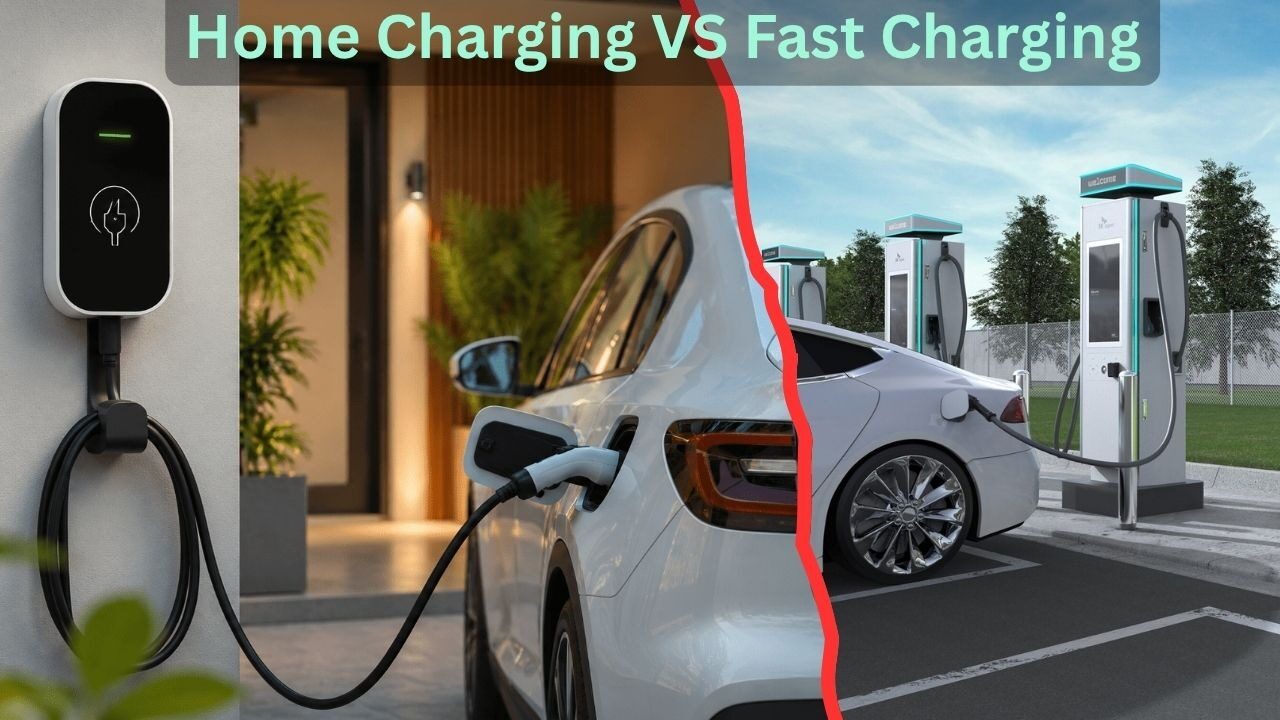
Fast Charging vs Home Charging

Buying an EV is not as hard as choosing a charging method that matches with your lifestyle, expense, and daily convenience. Fast Charging vs Home Charging is not a debate in which one can win, there are different answers from EV car owners themselves. But if you are going to buy an EV car and are confused about the charging method then this blog will make you understand how these two charging methods work.

1. Home Charging: The Reliable Anchor

Home charging usually means an AC charger — either the basic 15A plug that comes with most EVs or a dedicated wall box installed by the manufacturer or a third-party installer. It’s slow by design. A typical home setup adds roughly 8 to 15 km of range per hour, depending on your car’s onboard charger and your home’s power supply. 

For most owners, this means plugging in overnight and waking up to a full battery, every single day, without ever visiting a charging station.

The Advantages

  • Massive Cost Savings: Home electricity tariffs—especially off-peak or night-rate smart tariffs are incredibly cheap. You’re paying your domestic electricity tariff, not a premium station rate. 
  • Increases Battery Lifeline: Slow AC charging produces less heat and stress on lithium-ion cells which increase the battery health. It means your EVs battery won’t be damaged in early years as they experience low average battery degradation of only 1.5% per year, according to large-scale telematics data. 
  • Convenient for City commuters: You don’t have to stand in the line for hours at the station so this home charging method becomes handy. Once you plug in at night, you will get a fully charged vehicle in the morning. 

The Disadvantages

  • Slow Speed: If you need range back in an hour, home charging won’t deliver it since it almost takes from 6 to 12 hours to fully charge a depleted battery.
  • Installation cost and Wiring Upgrades: You have to purchase and install a proper wall box plus wiring upgrade as recent data highlights that nearly 45% of older residential homes or apartment blocks require a minor electrical grid to handle the load that costs you real money.
  • The Apartment or Rentals problem: If you live in an apartment without assigned parking or society approval for a wall box then home charging isn’t an option for you. Even renters and people in shared housing are cut off from this option as they don’t own the parking.

Who It Fits Best

It fits if you live in an independent house or an apartment with assigned covered parking, your daily driving is mostly within city limits, and you can plug in every night without a second thought. This covers a large chunk of EV buyers in Tier 1 and Tier 2 Indian cities who bought an EV specifically to cut down on daily commute costs. 

Cars That Require It Most

Compact or Mid-size EVs and Plug-in Hybrid are required for home charging most. Some reliable EVs such as MG Comet, Tata Tiago EV don’t need high-powered DC fast charging as their batteries are small. If you can afford overnight charging at home then these cars are the best options to buy. And home charging is the cheapest and most convenient way to keep them running.

2. DC Fast Charging: The Road Trip Fuel

Fast charging refers to DC charging stations — the ones you find at highway plazas, malls, and dedicated charging hubs from networks like Tata Power, Statiq, or ChargeZone. These can take a battery from near-empty to 80% in anywhere from 20 minutes to an hour, depending on the car’s charging capability and the station’s output.

The Advantages

  • Incredible Speed: Fast charging can boost the battery from 20 to 80 percent in as little as 20 to 40 minutes. 
  • Enables Long-Distance Travel: That’s the only practical choice for highway travel, it effectively erases range anxiety on highways, making hundred-mile cross-country road trips feasible. 
  • Growing Network: Car manufacturers and the government are working to increase the charging stations. They are rapidly growing as car owners are shifting from petrol to EV cars. 
  • People who don’t own parking spots: Perfect for apartment dwellers, renters now buy an EV for city commute. Similar to a fuel station visit.

The Disadvantages

  • Premium Pricing: Public fast chargers are businesses with high operational overhead. You will pay 2 to 3 times more per kilowatt-hour (kWh) here than you would on your home utility bill.
  • Slightly Higher Battery Wear: Pushing massive amounts of current creates internal heat. Fleet tracking data shows that vehicles relying exclusively on high-power DC fast charging experience an average annual degradation of up to 3.0%.
  • The Taper Effect: Fast chargers slow down significantly after hitting 80% to protect the battery cells from overheating, meaning the final 20% takes frustratingly long.

Who It Fits Best

If you live in a rented flat or a society without charging approval, you regularly drive between cities, or your job involves long daily distances that a single overnight charge can’t cover. It also fits anyone whose EV is a second car used mainly for longer, less predictable trips rather than a fixed daily commute. 

Cars That Require It Most

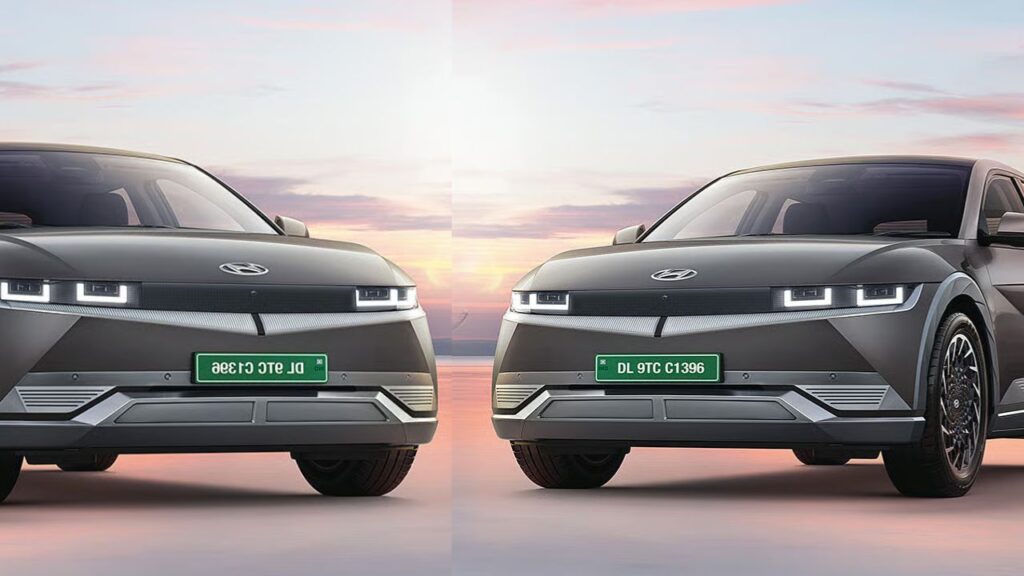
In Premium & high-range EVs, the advanced 800V battery is fixed to run the engine for many kilometers. Big range EVs like Hyundai Ioniq 5, Kia EV6, or Porsche Taycan are equipped with this battery. These vehicles are specifically engineered to gulp down 250+ kW of power, allowing them to extract maximum utility from ultra-fast public networks.

Read More :- Mercedes Benz CLA 250+ Real-World Range Tested

The Fair Comparison of Fast Charging vs Home Charging

Factor Home Charging Fast Charging
Speed 8–15 km/hour (slow, overnight) 0–80% in 20–60 minutes
Cost per charge Lowest — domestic tariff Higher — commercial station rate
Battery health impact Minimal stress, better long-term health More heat, faster degradation if overused
Convenience High, if you own your parking High, but requires a trip to a station
Upfront cost Wall box + installation charges None — pay per use
Best for Daily commuting, city driving Highway travel, no home parking, urgent top-ups
Availability Depends on your housing situation Depends on your city/route infrastructure

The Car Matters More Than People Admit 

A city-focused compact EV with a smaller battery — the kind bought mainly for daily office commutes leans almost entirely on home charging, since the battery is rarely drained enough to need a fast-charge stop. Premium EVs built on big batteries to give longer range are particularly bought for highway trips. They depend on a strong fast-charging network, because home charging alone can’t refill a large battery overnight for back-to-back long drives. 

In short: Compact everyday EVs are designed to run on home charging, meanwhile long-range and luxury EVs are designed to run highways with fast-charging availability.  

Your Car’s Battery Chemistry (LFP vs. NMC) That EV Buyers Often Forget

Lithium Iron Phosphate (LFP) — The LFP battery is known for being long lasting. They handle aggressive fast charging with close to zero additional degradation, and they can be charged to 100% every day, safely. 

Nickel Manganese Cobalt (NMC) — NMC batteries are more susceptible to heat and high voltage. If you’ve got a vehicle with an NMC battery, it thrives on slow charging at home, and you’d best think of DC fast chargers as something you need just for occasional road trips. 

Read More :- Best Automatic Cars in India Under 10 Lakhs – Easy Driving Options

Why This Comparison Actually Matters for EV Buyers

Most people cross-shop EVs by comparing range and price, and treat charging as an afterthought they’ll figure out later. That’s backwards. Your charging setup determines your real-world cost of ownership, how fast your battery degrades over five to eight years, and whether owning an EV is even convenient for your specific living situation. 

Two people can buy the identical car and have completely different ownership experiences — one because they have a private garage and never touch a public charger, the other because they’re queuing at a mall charger three times a week. The charging question isn’t a footnote. It’s arguably more important than the range number on the brochure.

Why Buyers Should Plan for Both

The most realistic approach isn’t picking one — it’s building a routine where home charging handles 80-90% of your needs, and fast charging exists as a backup for the days that don’t fit the routine: a road trip, a forgotten overnight charge, an unexpectedly long day of driving. 

Buyers who plan around both, rather than betting on one exclusively, tend to get the best of both worlds — low daily running costs from home charging, and the flexibility to never be stranded, thanks to fast charging when it’s genuinely needed.

Crucial Factors EV Buyers Often Forget

  • Check your onboard charger’s AC limit before buying a wall box. Some EVs cap AC charging speed regardless of how powerful your home charger is — paying for a high-output wall box in that case is wasted money.
  • Society approval can take longer than expected. If you live in an apartment, start the RWA approval process for a charging point well before your car is delivered.
  • Fast charging isn’t available at the same speed everywhere. Not all “fast chargers” are equal — output varies station to station, so your actual charging time on the road can differ a lot from the advertised number.
  • Battery warranties usually still apply regardless of charging method, but manufacturers often quietly recommend limiting fast charging to occasional use rather than a daily habit, for exactly the degradation reasons mentioned above.

Read More :-  The Future of Electric Vehicles: What Drivers Need to Know

Conclusion

Home charging wins on cost and battery health. Fast charging wins on speed and flexibility. Neither one replaces the other — they solve different problems. The right question isn’t “which is better in Fast Charging vs Home Charging,” it’s “how much of my driving is predictable daily commuting versus unpredictable long-distance travel,” because that answer decides how much you’ll actually lean on each option. 

0

Top 10 Best Cars for College Students in 2025: Don’t Buy Before You See This List!

Published May 7, 2025, 7:41 AM
Last Updated Apr 9, 2026, 10:35 AM

Top 10 Best Cars for College Students in 2025

The decision to purchase a car is not to be taken lightly. It’s important that the car is safe, price is within a reasonable budget, and most importantly fun to drive. And since they’ll be footing the gas bills, a vehicle that won’t take up too much space in terms of friends or several bags would also make sense. Good thing, by the way, it’s already 2025 – and there are plenty of good cars to pick from. This listing will help you find the Best Cars for College Students.

These cars are perfect for whether you live in the city or are just traveling home. From sedans to small SUVs, we have got you covered.

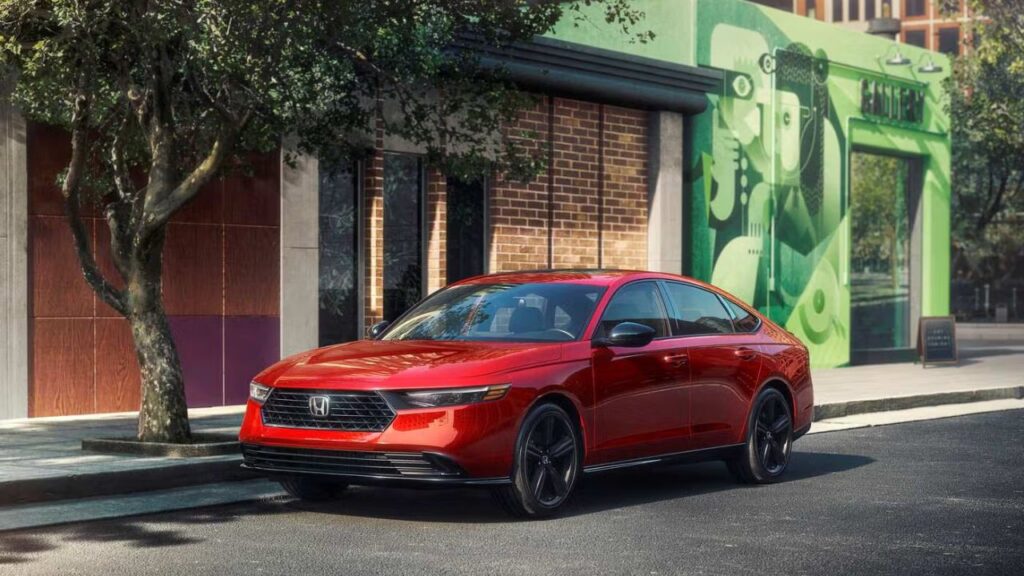
2025 Honda Accord – Best Midsize Pick

Image Credit: cars.usnews

The 2025 Honda Accord is an intelligent selection for students to acquire. While being priced at around $28,295, it attains an overall score of 9.3/10. It has the style to look hot and is very ambitious in design. It’s got a turbo engine of considerable power, and still, it saves gas. A huge trunk to carry your books, sports gear, or travel bags. Lane-keeping and automatic braking are some of the safety features in the car. This makes the Accord one of the Best Cars for College Students who want space, safety, and value.

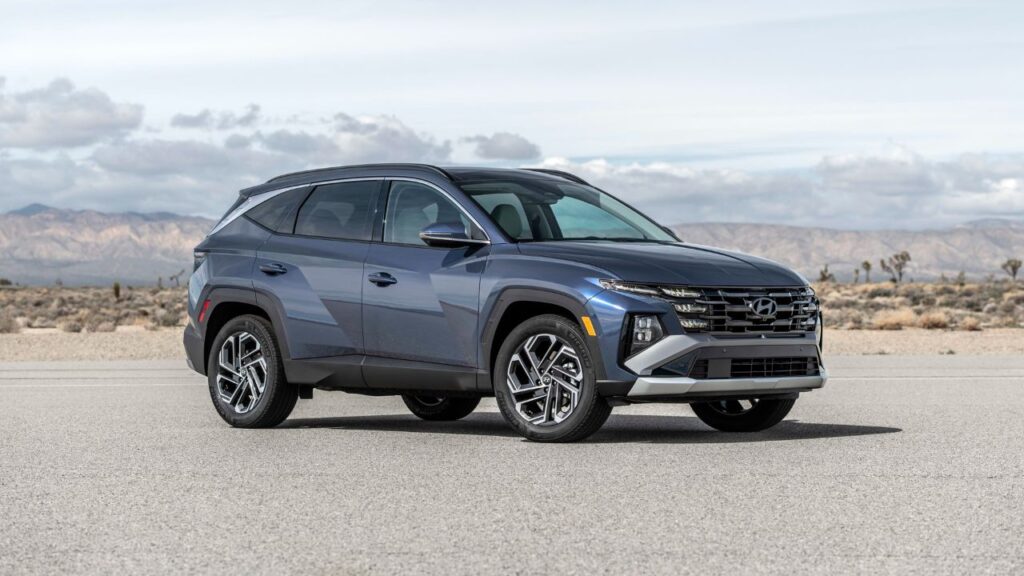
2025 Hyundai Tucson – Best for Comfort

2025 Hyundai Tucson – Best for Comfort

Image Credit: cars.usnews

The Hyundai Tucson is spacious, compact, and well-regarded. It has a price tag that reads $28,705 and an overall score of 9.1, maybe not the best but good enough. A newly updated exterior design and enhanced interior screens are among the features for the 2025 year model. It is comfortable to ride and has ample room for both passengers and bags. It also offers all-wheel-drive features which can be a good choice if you reside in a place where rain or snow blankets the area. It’s one of the best car for college students in USA; it’s got the look, space, and loads of new tech.

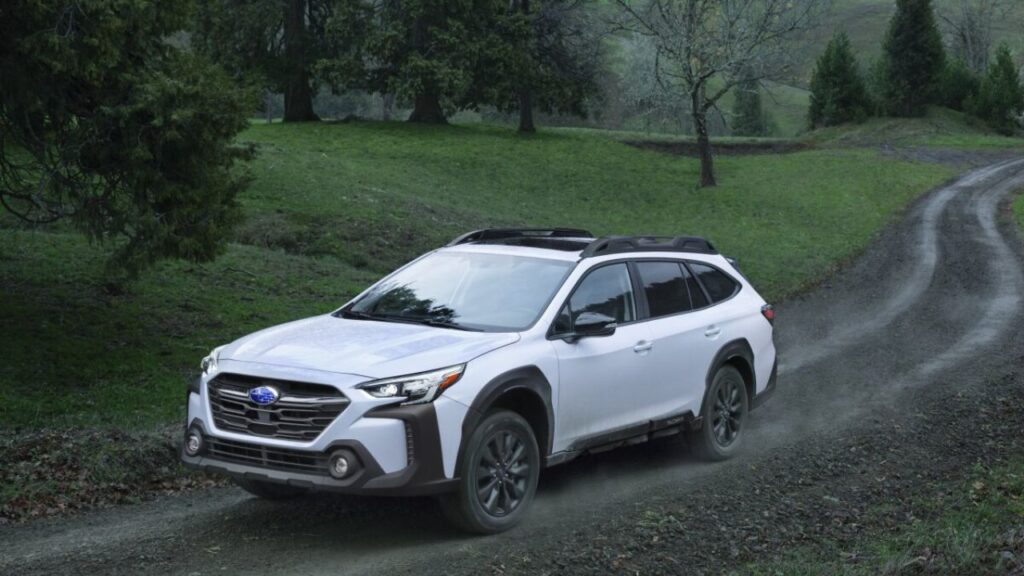
2025 Subaru Outback – Best for All-Round Use

2025 Subaru Outback – Best for All-Round Use

Image Credit: cars.usnews

Subaru Outback: The Outback is a crossover between an SUV and a wagon; it is robust, safe, and user-friendly for $29,010 starting in the 2025 model, scoring 9.1 out of 10. You get all-wheel drive standard, great for any weather. It’s loaded with tech and safety features. Room for friends and towing power for trips. It’s one of the Best Cars for College Students who want a car that lasts beyond college.

2025 Honda CR-V – Best for Everyday Use

2025 Honda CR-V – Best for Everyday Use

Image Credit: cars.usnews

The Honda CR-V is among the best compact SUVs for 2025 with an entry price of $30,100 and a very high 9.0/10. The CR-V is fuel-efficient and provides a comfortable drive with ample cabin space and numerous safety features. Boosting relatively decent horsepower numbers without guzzling too much fuel, the turbo engine is a fine performer. That makes this car best suited for students desiring comfort and space with a trusted brand.

2025 Ford Bronco Sport – Best for Adventure

2025 Ford Bronco Sport – Best for Adventure

Image Credit: cars.usnews

2025 Ford Bronco Sport : If you’re an explorer at heart, the Ford Bronco Sport could be an exciting choice. This 2025 model is priced starting from $29,995 and garners an 8.9 rating. The Bronco Sport is compact but robust. It looks tough and is capable of taking on unpaved tracks and camping. It carries powerful engines and plenty of amenities. While it’s not the smoothest ride on pavement, that’s all right for a nature-loving student in search of a statement ride.

2025 Subaru Forester – Best for Snowy Places

2025 Subaru Forester – Best for Snowy Places

Image Credit: cars.usnews

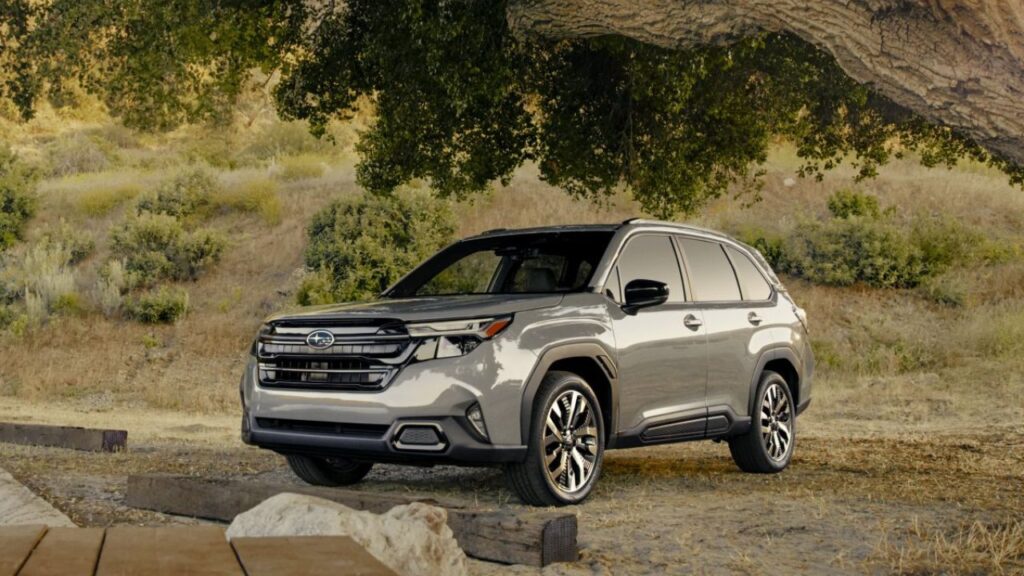
The 2025 Subaru Forester is perfect for any student living in an area where it gets cold or snowy since it is priced at $29,995 while scoring an overall rating of 8.9 out of 10. Safety and tech features are enhanced in this model, which is also good on fuel and standard with all-wheel drive. Passenger and bag room is quite ample, and that’s why the Forester stands among the Best Cars for College Students wanting safety and comfort in all seasons.

2025 Kia K4 – Best for Budget and Tech

2025 Kia K4 – Best for Budget and Tech

Image Credit: cars.usnews

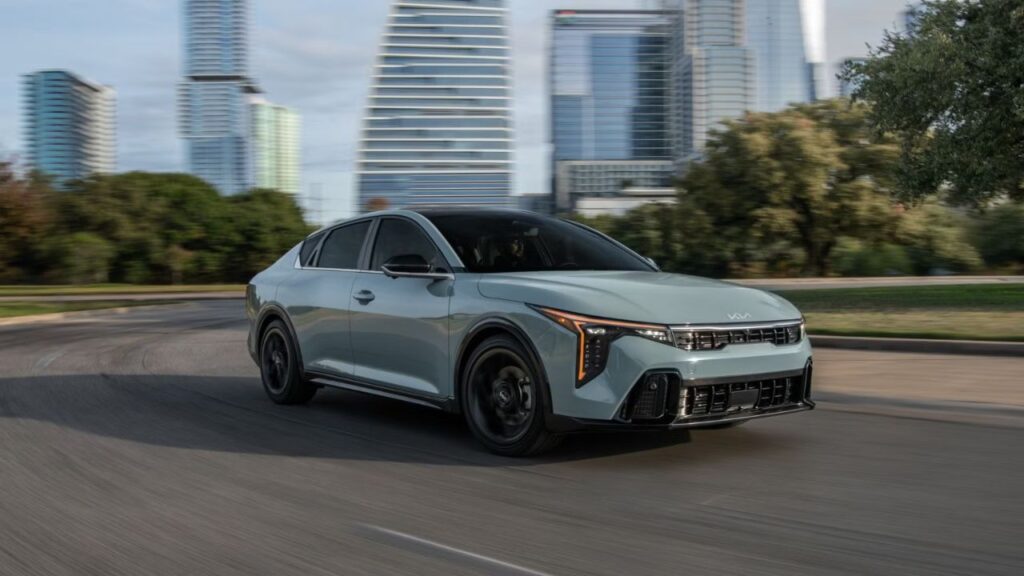
The Kia K4 is brand new in 2025 and replaces the older Forte model. It is very affordable with a starting price of $21,990 and has a high score of 8.8 out of 10.

Even though it is a small car, it comes with many tech features. It also saves a lot on gas. The turbo engine gives good speed while still being fuel-efficient. This car is one of the best car for college students in India who want modern features without a big price tag.

Also Read : Top 7 Most Expensive Cars in the World 2025 You Won’t Believe Their Mind-Blowing Prices

2025 Hyundai Santa Cruz – Best for Utility

2025 Hyundai Santa Cruz – Best for Utility

Image Credit: cars.usnews

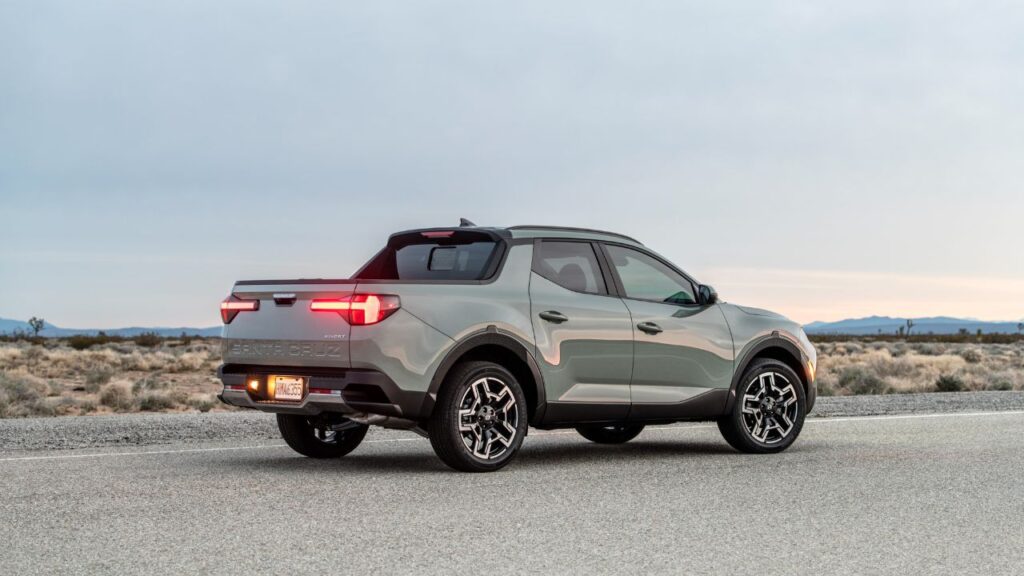
The Hyundai Santa Cruz is a cool mix of a car and a truck. It starts at $28,750 and has a strong score of 8.8 out of 10. This compact pickup has a truck bed, so you can carry bikes or small furniture. It rides smoothly like an SUV and fits five people inside. You can choose from two engines, and both are fun to drive. All-wheel drive is also available. This is a great pick for students who want something different and useful.

2025 Chevrolet Trax – Best for Value

2025 Chevrolet Trax – Best for Value

Image Credit: cars.usnews

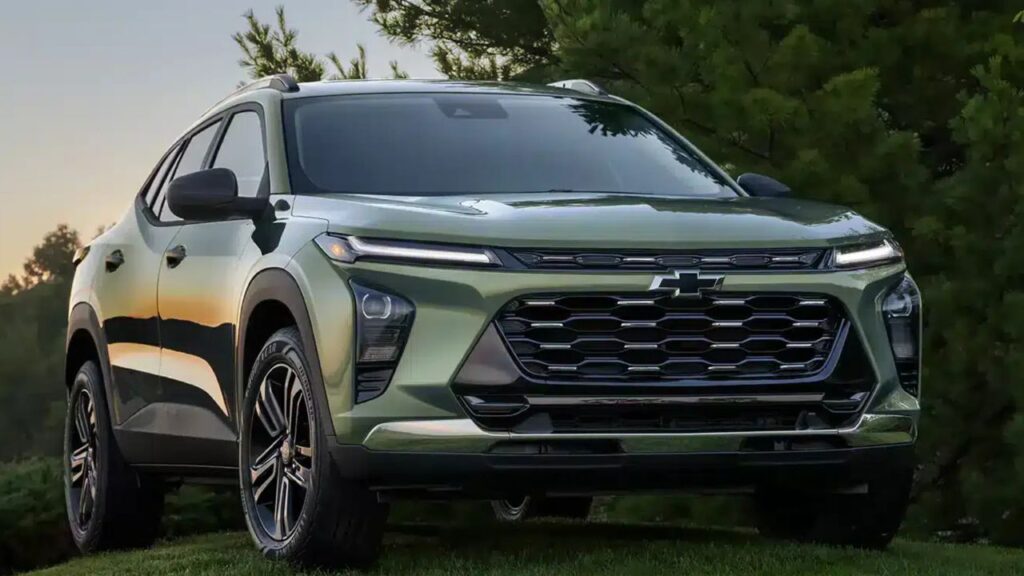
The 2025 Chevrolet Trax is very budget-friendly and offers lots of space. It costs around $20,500 and has an overall score of 8.7 out of 10. It was redesigned in 2024 and stays the same in 2025. While it’s not the most exciting car to drive, it is roomy and comfortable. However, it does not offer all-wheel drive. It is still a smart choice for students who want a safe and simple ride at a low price.

2025 Toyota Corolla – Best for Simplicity

2025 Toyota Corolla – Best for Simplicity

Image Credit: cars.usnews

The Toyota Corolla is a favorite on college campuses. The 2025 model starts at $22,325 and has a solid score of 8.6 out of 10. It comes in both sedan and hatchback versions. While it only has one engine, it is very fuel-efficient. Toyota includes many safety features at no extra cost. This makes it one of the best car for college students in India who want a car that is simple, safe, and affordable.

Final Thoughts

Having the right car can make things easier. It helps you get to class, go home for the holidays, or take road trips with friends. This list of the Best Cars for College Students shows the top cars in 2025 for safety, comfort, value, and fun.

Each car on this list has something special. Some are great for snowy areas, some save lots of fuel, and others have lots of space. Whether you are looking for the best car for college students in USA or the best car for college students in India, this list has you covered.

So before you buy a car, take another look at these 10 great options. You will surely find a car that fits your budget and your life at college.

0

How to Check Tire Pressure Correctly: Guide For Car Owners

  How to Check Tire Pressure

Most drivers check tire pressure only when a tire already looks flat — which is exactly the wrong time to check it. By then you’ve likely been driving on underinflated rubber for weeks, burning extra fuel and wearing the edges of your tread down faster than the center. Understanding how to check tire pressure correctly can save your fuel.

What makes it tricky is that you can’t tell if a tire is under-inflated by simply looking at it. It changes with temperature and must be measured with a gauge. It’s a quick check that only takes a few minutes, and it can increase your gas mileage and tire life. 

Why Correct Tire Pressure Is Essential for Better Mileage 

A tire that is only 15% underinflated can reduce its life by thousands of kilometers and increase fuel consumption by 3 to 4%, the U.S. The Department of Transportation’s NHTSA quotes this data. Overinflated tires aren’t better as they shrink the contact patch with the road, which reduces grip and makes the ride harsher when you run over potholes. 

There’s a tight range that’s actually correct for your car and that size isn’t the number that’s printed on the sidewall of the tire. That figure is the tire’s maximum pressure rating, not the recommended one for your vehicle. 

The correct number resides in two places: a label inside the driver’s door jamb and the owner’s manual. Splitting the number is often given as two numbers – one for the front axle and one for the rear, as the rear often carries a different load. A normal Sedan tyre is inflated to around 30-35 PSI (approx. 2.1-2.4 bar) and for SUV/4X4 or heavier vehicles are usually recommended to be inflated 2-4 PSI more. 

When to Check Tire Pressure for the Best Results 

Tire pressure needs to be measured when they are “cold” — when the car has been stationary for at least three hours or if you haven’t driven more than two miles. Driving causes the air in the tire to heat up, and heat causes air to expand, which reads higher by 4-5 PSI or more depending on how long you’ve been driving. Check pressure immediately after a long drive and you’ll get a number that looks fine but isn’t — the tire will read low again once it cools overnight. 

The best time is early morning, before the car has moved, and before the sun has had a chance to warm the tires either.

Read More :-  How to Improve Gas Mileage: 15 Proven Tips That Actually Save Fuel

Accuracy Starts With the Right Gauge

Gas station pressure gauges on the air pump are well known for being inaccurate — they can be off by 3-5 PSI or more in either direction. A simple digital tire pressure gauge is very inexpensive and well worth having on hand; it eliminates guesswork and provides a consistent reading every time. Pencil-style gauges work too and are cheap and pocket-sized, but they’re harder to read precisely and tend to drift out of calibration faster than digital ones.

If your vehicle comes equipped with a Tire Pressure Monitoring System (TPMS), don’t use it as your sole check. In fact, the warning levels for TPMS are set to announce a single drop of approximately 25% from the recommended tire pressure – meaning that a tire can already be very under-inflated when the dashboard says something. 

Checking Tire Pressure Step by Step

  1. Take off the tire valve cap and place it in a safe place where you won’t lose it. 
  2. Press the gauge down on the valve stem until the hissing stops and you get a steady reading — a brief, uneven press results in an inaccurate reading. 
  3. Compare the reading with the number on the door jamb label for that particular axle (front and rear boots can be different). 
  4. If it’s low, pump in air in short bursts, checking between each — it’s easy to go too far. 
  5. If the pressure is too high, briefly press the small pin inside the valve stem to let some air out, then check again.
  6. Replace the valve cap. It’s not just cosmetic — it keeps out dirt and moisture that can lead to slow leaks, over time. 

Do this for all of the regular tires, and the spare if you have one. The spare is perpetually neglected and often the flattest tire in the vehicle when you actually require it. 

Temperature Changes Pressure More Than People Expect

Tire pressure drops roughly 1 PSI for every 10°F (about 5.5°C) drop in outside temperature. This matters a lot for drivers in North India or anywhere with a real winter — a tire set correctly in October can be noticeably underinflated by December without a single leak involved. 

The reverse happens in peak summer heat, especially in places like Dubai, where tires can run several PSI higher on hot asphalt purely from ambient heat, not overinflation. Checking pressure with the seasons, not just when something feels off, catches both problems before they become a blowout risk or an uneven wear pattern.

Signs You’ve Been Ignoring the Problem

Uneven wear on the outer edges of the tread usually points to underinflation; wear concentrated in the center strip points to overinflation. A car that pulls slightly to one side, feels softer than usual in corners, or seems to be drinking more fuel than it used to are all pressure symptoms before they’re anything else. None of these show up overnight — the build slowly enough that most drivers adjust to the change without noticing it.

The Habit That Actually Works

Checking tire pressure once a month, and always before a long highway trip, catches almost every problem before it becomes expensive. It takes less time than filling a fuel tank and costs nothing beyond the gauge sitting in your glovebox. 

The number on the door jamb is correct for a reason — trust that over the sidewall, over the gas station gauge, and over how the tire happens to look.

Read More :- How to Transfer Car Ownership in India: A Step-by-Step RTO Guide (2026)

Conclusion 

Properly checking tire pressure is one of the simplest and most beneficial maintenance routines. Among other things, it improves gas mileage, prolongs tire life, increases braking and handling, and minimizes the chance of an unplanned tire failure on the road. 

The trick is to measure the pressure when the tires are cold; use a good-quality gauge; and go by the PSI value on your car’s door jamb , not the number on the sidewall of the tire. 

Three minutes once a month can save your money on gas, extend the life of your tires and make every trip safer. For the typical car owner, it’s a small habit that can prevent a lot of bigger expenses down the road, not just something to think about when a warning light comes on. 

Keep a tire-pressure gauge in your glovebox, check all four tires and the spare on the reg, and make correcting tire pressure a normal step in your car-care routine. 

2

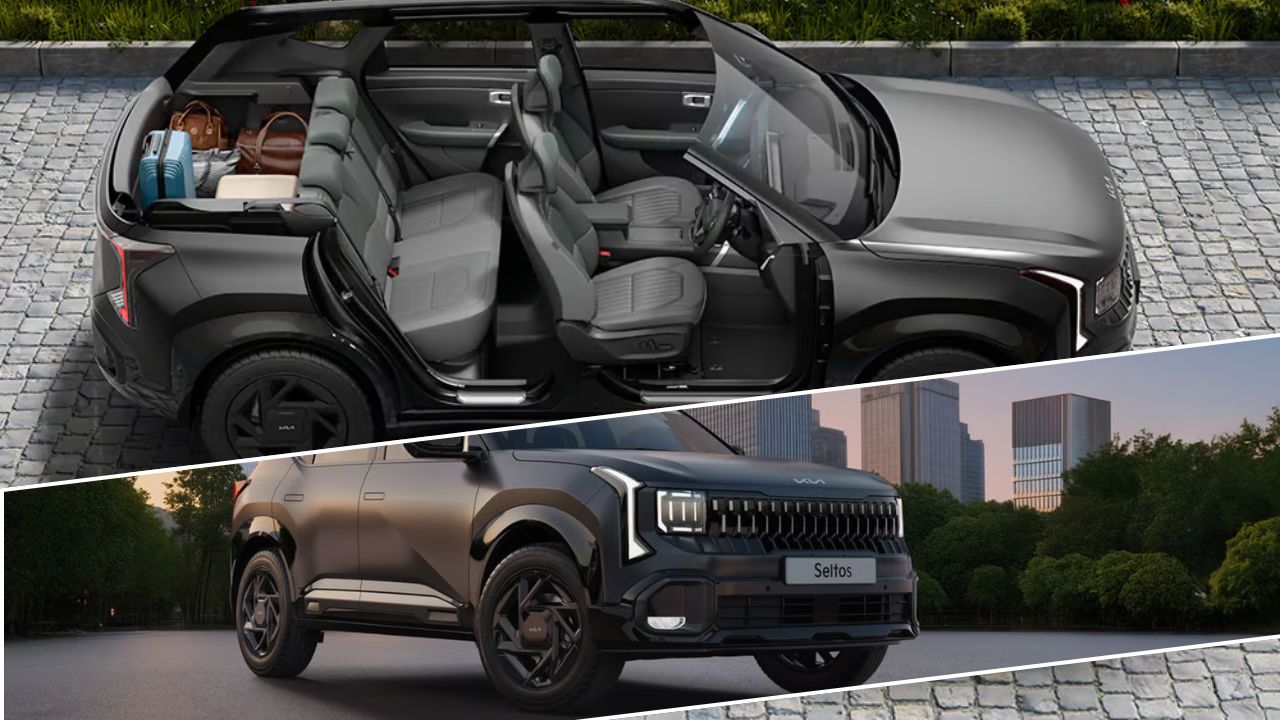
Kia Seltos Earns a 5-Star Crash-Test Rating: A Big Win for Safety

Kia Seltos Earns a 5-Star

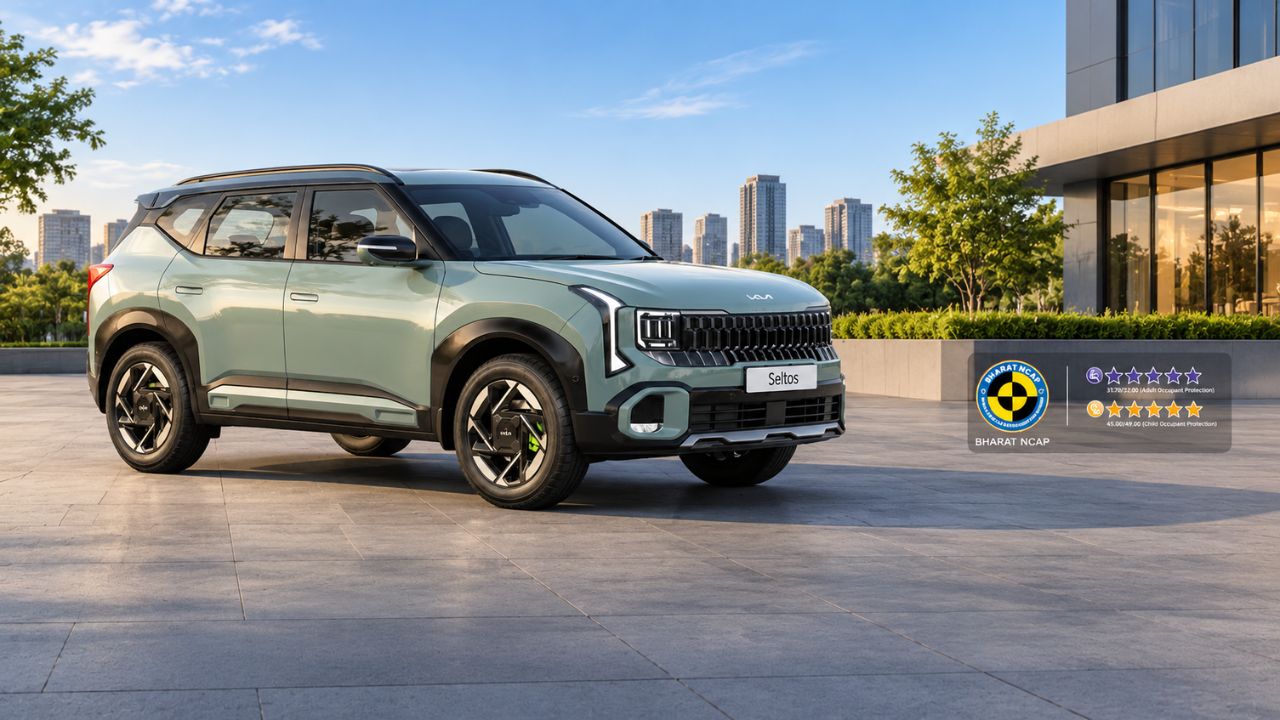
Kia Seltos Earns a 5-Star Rating from crash tests, providing another compelling reason for buyers to think about it. It got 31.70 out of 32 for adult occupant safety, and 45 out of 49 for child occupant safety in the new round of Bharat NCAP tests. You will be surprised by what these numbers say when you’re in search of an SUV for family. 

How Kia Seltos Earns a 5-Star in Bharat NCAP Crash Tests

Bharat NCAP tested the diesel-automatic HTE (O) and GTX trims. The agency says the rating applies to every variant in the range.

Adult protection came in at 31.70 out of 32. The frontal offset test earned 15.70 of 16, and the side barrier test earned a full 16 of 16. Child protection scored 45 out of 49, helped by full marks for the dynamic test and for child seat installation.

5-Star in Bharat NCAP

Kia says this is the highest adult score among petrol and diesel cars tested under the programme so far. That is Kia’s claim, so check the Bharat NCAP site for the current leaderboard. It’s also only the second Kia in India to earn five stars, after the Syros.

Why the Seltos’ Five-Star Safety Rating Matters for Buyers

Crash-test ratings are often overlooked when people choose a car. Many buyers focus on design, features, mileage, or price—but safety should always come first, especially for families.

This also demonstrates that the Seltos has demonstrated superior durability and restraint system performance in a controlled collision test, which means it turns out to be fair to its passengers that the interior cabin has been built with safety as its primary consideration in case of collision. 

The fact that the Seltos has got a high adult protection rating means that not only the driver but the front passenger also is protected very well.

Safety Features That Support the Rating

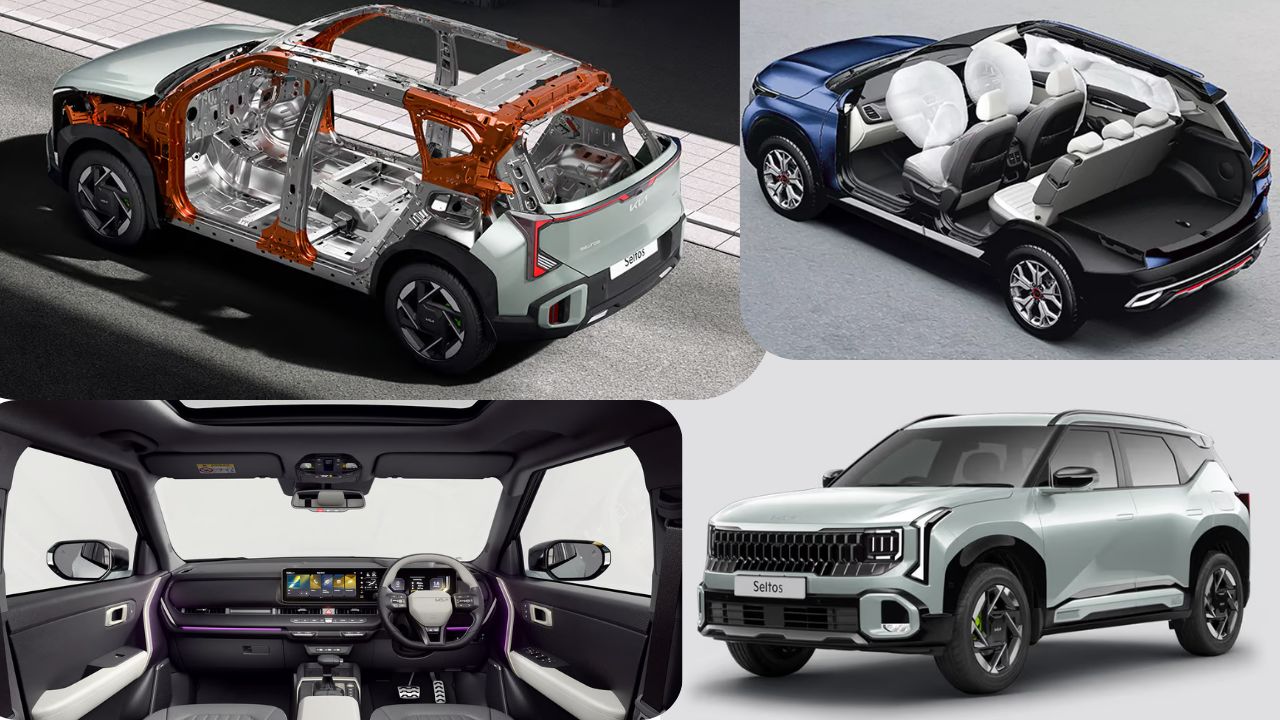
The Seltos comes with a comprehensive safety package that helps support its crash-test performance. Standard equipment includes six airbags, electronic stability control, ABS with EBD, and tyre-pressure monitoring.

These features work together in different ways:

  • Airbags help reduce impact forces during a collision.
  • ESC helps the driver maintain control during sudden manoeuvres or slippery conditions.
  • ABS and EBD improve braking stability.
  • Tyre-pressure monitoring helps prevent tyre-related risks before they become dangerous.

The Seltos also offers advanced driver-assistance features in higher variants, adding another layer of protection for everyday driving.

A Major Improvement for Kia

Kia Seltos Earns a 5-Star and it is especially important because the previous-generation Seltos had faced criticism for its Global NCAP performance. The new five-star Bharat NCAP result signals a clear shift in Kia’s approach to safety and structural engineering.

Kia Seltos Earns

This is a comforting move for the Indian buyers because Seltos has always been known to be popular due to its style, comfort, features, and presence on the roads. According to the official statement by Kia India, the Seltos achieved the maximum adult occupant protection rating among the internal combustion engine cars tested under the Bharat NCAP, as well as one of the maximum child protection ratings.

What This Means for Buyers

If you are planning on buying a midsize SUV, the Seltos is now known not just as a car loaded with features and style, but as a car that also puts safety first. The Kia Seltos Earns a 5-Star rating assures parents that their car has been independently tested for safety of its occupants.

Yet, there is no rating that will be able to replace safe driving. The use of seat belts, child safety seats, correct seating posture, and attentive driving is still crucial. Safe cars offer protection, but responsible driving avoids many accidents.

Explore👉 Tesla Cybercab: How Much Will the Driverless Robotaxi Cost?

Conclusion

The Kia Seltos Earns a 5-Star Rating from a crash test. With an adult safety score of 31.70 out 32 and a 45 out of 49 for child safety, it proves that not only is this a great looking vehicle but it is a great family vehicle with great safety features.

For buyers who want style, comfort, technology, and safety in one package, the new Seltos has made a very strong case for itself.