0

How to Find the Best Used Car Near Me: A Step-by-Step Guide

Published Apr 23, 2025, 8:02 AM
Last Updated Nov 5, 2026, 4:05 PM

Buying a car is a big step. For many people in India, a car means comfort, freedom, and a better lifestyle. But buying a brand-new car is expensive. This is why many people look for a Used Car Near Me instead. Used cars are cheaper and can still be in very good condition.

In this guide, you will learn how to find the best Used Car Near You. You will also learn expert tips that will help you avoid bad deals. We will talk about prices, quality, paperwork, and more. So let’s get started.

Why Do People Choose Used Cars?

A used car is not always old or broken. Many used cars are in great shape. Some people sell their cars because they move to a new city. Some want a new model. And others want to upgrade to a bigger car. That means you can find a good used vehicle near you if you search the right way.

Used cars are much cheaper than new cars. The price of a new car drops fast after it is used. This is called depreciation. A new car loses 15% to 30% of its value in just one year. But a used car has already gone through that. So you do not lose much when you buy it.

Where Can I Find a Used Car Near Me?

There are many ways to find a used car near you. You can ask your friends or neighbors. You can check online. You can visit a nearby dealer. You can also check special websites that sell only used cars.

Let us look at all the places where you can find one.

1. Direct Owner Sale

Some people sell their cars directly. You may see signs on cars in your neighborhood. Or your friend may tell you about someone selling their car. This way is cheap because you don’t pay any dealer. But there is also a risk.

The seller may not tell you the full truth about the car. The car may have problems. So always bring a trusted mechanic when you go to check the car.

2. Local Used Car Dealers

This is a common way to find a used car nearby. These dealers have many cars in one place. You can look at them all and choose one. The dealer also handles paperwork. But the prices are a bit high. Also, not all dealers are honest. Some may hide car problems. So ask many questions and check the car well.

3. Online Classifieds

Websites like OLX and Quikr show many used cars for sale. These sites are easy to use. You can filter by city, price, and model. Just search “Used Car Near Me” and many options will show up.

But be careful. Some listings may be fake. Always meet the seller in a safe place. Check the car before you decide anything. Don’t send money before seeing the car.

4. OEM Certified Dealers

OEM means Original Equipment Manufacturer. Brands like Maruti, Hyundai, and Mahindra sell certified used cars. These cars go through full checks. The company also gives you a warranty. That means if something goes wrong, they will help you fix it.

The cars cost more. But you get peace of mind. If you want a safe choice, try an OEM brand dealer.

5. Online Used Car Retailers

This is a new and smart way to find a used car near you. Companies like Spinny, Cars24, and CarDekho let you buy used cars online. You can book a test drive, choose a car, and even get a loan—all from your phone.

These platforms inspect each car using a 200-point checklist. They also offer warranties, return options, and fixed resale value. They are safe, easy to use, and very transparent. This is one of the best options for busy people who want to buy from home.

How to Choose the Right Car for Your Needs

Before you buy, think about why you want the car. Do you drive a lot? Do you have a big family? Do you live in a city or a village?

If you are single and live in the city, a small hatchback is a smart choice. If you have a big family or love road trips, an SUV or sedan may be better. Don’t just buy a car because it looks nice. Pick one that matches your lifestyle.

Check the Car Carefully Before You Buy


When you find a car you like, don’t rush. You must test it. Here’s how to do it the right way.

Start the car. The engine should start quickly and sound smooth. Drive it for at least 5 kilometers. Try city roads and open roads. Watch how it feels. The gears should shift easily. The clutch should not feel too hard. The brakes should stop the car in a straight line.

Check if the steering is firm. It should not shake. Also, check if the air conditioning works well. Drive on a slope to test the cooling.

After driving, park the car and look under it. There should be no oil leaks. Check the tires. They should not be too worn out. A new set of tires costs a lot. If tires are bad, you can ask for a price cut.

Look for Certified Used Cars

Certified used cars are checked fully before they are sold. The seller gives a report and sometimes even a warranty. This means if something breaks, they will help fix it.

Companies also offer a 5-day return policy. If you don’t like the car, you can return it and get your money back. That is why more people now search for a certified used car near you.

Check All the Documents Required

Paperwork is very important. Even if the car looks perfect, do not buy it without checking documents. You must ask for these:

  • Registration Certificate (RC): This shows who owns the car. The engine number and chassis number must match the car.
  • Insurance: This helps you know if the car had any accidents. You also need it to transfer ownership.
  • Pollution Certificate (PUC): This proves that the car is safe for the environment.
  • Road Tax Receipts: These show if the tax has been paid.
  • No Objection Certificate (NOC): If the car had a loan, the NOC shows it is now fully paid.

Without these, you may face trouble later. Always double-check every document.

Get the Car Checked by a Mechanic

Even if the seller says the car is fine, bring a trusted mechanic. A mechanic can find hidden problems. They can check the engine, brakes, suspension, battery, and more. This step will save you from buying a car with hidden faults.

If the car is in good shape, your mechanic will say so. If not, you can ask the seller to fix the problems or lower the price.

Compare Car Loan Options

If you need a loan, compare banks and NBFCs. The interest rate on a used car loan is higher than a new car loan. But it is still better than paying a huge amount all at once.

Try to make a big down payment. This will lower your loan amount and interest. Some online used car sellers offer loan help. This makes the process easier. When you search for a budget used car near you, check if loan help is also available.

Transfer Ownership the Right Way

Once you pay, the seller must give you all papers to transfer the car to your name. You need to visit the RTO office for this. You will need:

  • The original RC
  • Sale transfer forms 29 and 30 signed by buyer and seller
  • NOC from the financer, if there was a loan
  • Insurance documents
  • Your ID and address proof

Once the car is in your name, you become the full owner. Now the car is truly yours.

Why Online Retailers Are the Future of Used Cars

Platforms like Spinny, CarDekho, and Cars24 have changed the game. You can search “best Used Car Near Me” and find hundreds of good cars in seconds. You can also:

  • Book test drives
  • Get warranties
  • Return the car if not satisfied
  • Get loan and insurance help
  • See service history

These features make them more trusted than local dealers. The only drawback is that some cities may not have these services yet.

Conclusion

Buying a used car near you can save you a lot of money. But you must be smart. Do your research. Always test the car. Check all the documents. Ask many questions. And don’t rush.

If you are careful, you will find a great deal. Whether you choose a dealer, online retailer, or a direct owner, follow these expert tips.

Soon, you’ll be driving your own car—one that fits your needs, budget, and dreams.

Bipin Sharma

Bipin Sharma is a seasoned automotive content writer with over 10 years of hands-on experience in the world of cars. From the latest car news and reviews to in-depth maintenance tips and expert buying guides, Bipin covers everything that drives the automotive world. Writing about cars isn’t just his profession — it’s his passion. His deep industry knowledge and love for automobiles fuel every blog he creates, helping readers make informed decisions and stay updated on the fast-evolving auto landscape.

Leave a Reply

Your email address will not be published. Required fields are marked *

0

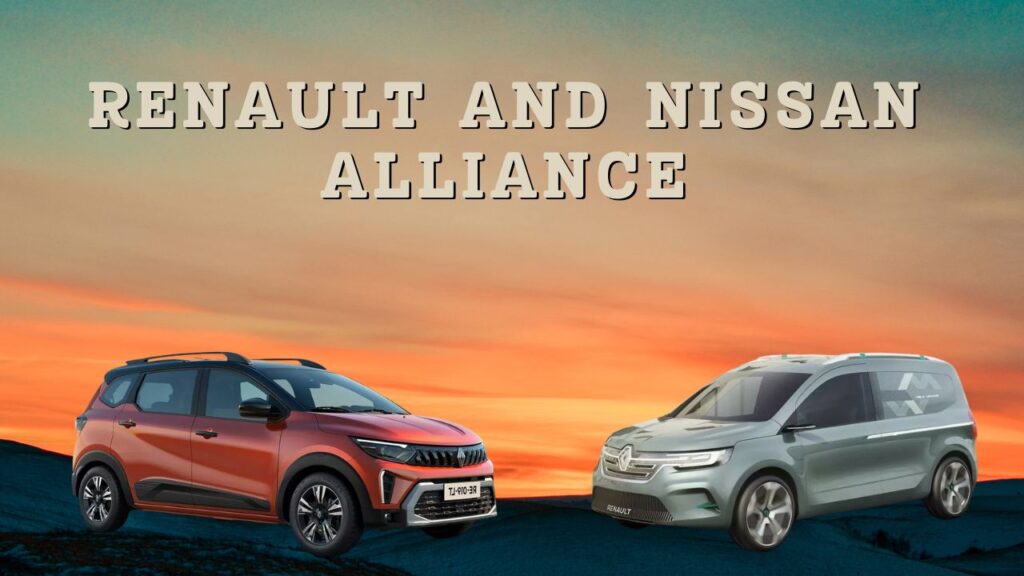
Renault and Nissan Alliance Guide – History, Benefits & Future Vision

Renault and Nissan Alliance

The Renault-Nissan Alliance is one of the best examples of cross-cultural collaboration within the automotive industry worldwide. Since 1999, the strategic cooperation of two very different market players has never ceased to shake and reshape the globally automotive industry with shared technologies, economies of scale and coordinated market strategies. Now the Alliance, which has expanded to include Mitsubishi Motors, oversees eight major automotive brands, is one of the largest automotive groups in the world in terms of sales volume. 

From Rescue to Revolutionary Partnership History

The Founding Era (1999-2003)

The Renault-Nissan Alliance was born out of a time of crisis for Nissan. In 1999, the Japanese carmaker was on the verge of collapse and was seeking a strategic partner worldwide. On March 27, 1999 in Tokyo, Louis Schweitzer of Renault and Yoshikazu Hanawa of Nissan concluded the historic Alliance agreement, with Renault purchasing a 36.8% equity stake in Nissan Motor for around $3.5 billion. That deal also involved the sale of a 15.2% share in Nissan Diesel and the divestiture of Nissan’s five financial units.​

Alliance making was systematic and strategically planned. From mid-1998 to March 1999, a nine-month negotiation process, the two companies pinpointed around 20 potential synergy areas and formed 21 joint study teams to conduct feasibility studies. Carlos Ghosn – who was named President and CEO of Nissan in June, 1999 and who played a key role in formulating the turnaround strategy that saved Nissan in the early days of the alliance. 

In 2001, after Nissan’s return to financial health, the partnership reached an equilibrium with a 15% stake of Nissan in Renault and a 43.4% stake of Renault in Nissan. The two companies exchanged shares, creating the basis for a truly collaborative rather than a controlling partnership. 

Early Growth and Scale Achievement (2003-2010)

The benefits of the Alliance swiftly became evident: joint buying, shared logistics and joint part development. By 2010 the Alliance was delivering annual synergies of over €1.5 billion as a result of combined purchasing, shared warehousing, combined transportation, and harmonized customs procedures over the major markets.  

Alliance With Mitsubishi  (2011-2019)

With Mitsubishi Motors weakening and struggling in 2016, Nissan bought a majority stake in the company. The year after, the Alliance revealed its “full member” concept, enabling Mitsubishi to become part of Renault-Nissan-Mitsubishi from 2017. This enabled growth of the Alliance’s global production base. The expanded Alliance was delivering €5.7 billion in annual synergies by 2017, representing a 14% increase over the previous year. 

The Alliance 2022 strategic plan, disclosed in September 2017, was expected to raise annual synergies to an aggressive €10 billion for the end of 2022. The scheme projected combined sales of more than 14 million units with revenues of $240 billion, as the three member companies shift common platform usage to cover a wider product range. 

Organizational Challenges and Transformation of the Leadership (2018-2020)

Alliance cohesion was to be greatly shaken when Carlos Ghosn was arrested in Japan in November 2018 and subsequently ousted from his executive positions at Nissan and Mitsubishi. This geopolitics crisis activated long dormant tensions between the French government’s role as shareholder and Japanese management fears of losing control.  

To help bring stability back to the partnership, Renault vowed in a legally binding commitment not to oppose the Nisan board in shareholders meetings.​

Organizational Challenges and Transformation of the Leadership (2018-2020)

In the face of these difficulties, the Alliance unveiled an all-encompassing, €2 billion, three-year cost-cutting package in May 2020 that would slash the number of vehicle platforms from seven to four and that included a “leader-follower” system where one corporate iliad develops a technology first, and others then adopt it. The mission of this structural rethink reinvented the alliance around profits from scale rather than expansion. 

Alliance 2030: The Electric and Connected Future (2020-Present)

In January 2022, the Alliance launched its most ambitious strategic plan for the future –Alliance 2030 – with a pledge to invest €23 billion in electrification over the next five years and with goals for 35 new EV models by 2030. The green roadmap identified pure-electric and intelligent connected mobility as the two key pillars for future growth. 

How the Alliance Creates Value

1. Unprecedented Economies of Scale

The reason for the Alliance’s superiority is that it combines the buying and manufacturing power of three of the world’s largest car companies. As of 2017 it was the largest car manufacturer in the world based on light vehicle sales, assembling more than 10.6 million vehicles annually. The size of the senior from translates into tangible benefits for:

Bargaining powers: The Alliance has precise bargaining powers: against suppliers, through the Renault-Nissan Purchasing Organization (RNPO), created in 2004, managing supplier negotiations for all the three partners. This line of centralized defense significantly cuts component prices. The Common Module Family (CMF) concept tries to achieve 30 to 40 percent reduction in entry costs per vehicle, and 20 to 30 percent reduction in parts costs through massive scale economies.

Platform and component sharing: Instead of developing separately, Alliance partners create modular architecture that allows global use across different brands and vehicle categories. This saves you engineering dollars and still differentiates brands. The same underbody modules, for example, can also underpin vehicles as varied as compact cars and sport-utility vehicles, even across multiple marques. 

2. Shared Technology Development and Innovation

The Alliance pools R&D investment for capital-intensive projects that individual companies might find difficult to finance alone. Prominent areas of innovation are:

Battery and electric vehicle technologies : The Alliance has pledged to renew 220 GWh of battery production capacity worldwide by 2030. 

Nissan pioneers development of revolutionary all-solid-state battery (ASSB) technology that promises to deliver twice the energy density of current lithium-ion batteries while offering one-third the charging time. The aim is to have full-scale production of the ASSB in the mid-2028, and if the future cost target of $65 per kWh is achieved to contribute to cost competitiveness against internal combustion engines.​

Alliance Creates Value

Image credit: Nissan

Common EV platforms: Presently, the CMF-EV platform that has been engineered as a modular platform for 100 percent electric vehicles underpins the Nissan Ariya crossover and Renault Megane E-Tech Electric (with more than 15 models planned for launch by 2030 on this platform, totalling 1.5 million vehicles per year).

Autonomous and connected systems: The Alliance relies on its 20 years of experience in ADAS (advanced driver-assistance systems) and robotic driving to develop the next generation of safety systems. The Alliance aims in originality and development. The Alliance foresees the use of autonomous systems on 10 million vehicles for 45 models by 2026. The joint approach to innovation is exemplified by Nissan’s award-winning ProPILOT system. 

3. Geographic Market Expansion

Add to that the geography of the two companies and the Alliance combines Renault’s strength in Europe, Latin America and Russia with that of Nissan’s in the Asia-Pacific region and strong presence in North America. Mitsubishi brings more expertise to the table in the Southeast Asian region. This geographic complementarity means that:

Joint development of the market: All the three members the Alliance, namely, are focused strategically on India where vehicle development, manufacturing and sales are coordinated. A restructuring in 2025 enabled Renault to buy out its Chennai joint venture (Renault Nissan Automotive India Private Ltd) and streamline its operations.​

Common dealer networks: The Alliance manages dealer profitability and cost reduction through the shared services center and digital platform, enabling a reduction in the cost of infrastructure duplication. 

4. Financial and Operational Synergies

The Alliance generated €5.7 billion of synergies on an annual basis by 2017, which equated to around $6.6 billion of cost reductions and revenue enhancements. These synergies come from:​

Share logistics services: The Alliance achieves more than €200 million a year in logistics synergies through sharing warehouses, containers, crates, seagoing vessels, customs procedures.

Joint financial services: The Alliance’s far-reaching combined financial and bank activities allow for better credit terms and financing fees.

Cross-manufacture of vehicles: The success in commercial vehicles highlights the advantage of cross-manufacture — the Renault Kangoo/Nissan Kubistar, the Master/Nissan Interstar, and the Trafic/Nissan Primastar all share roughly 80% of parts while still distinct brands. 

Core Innovation: Common Module Family (CMF) Architecture

The Common Module Family is the Alliance’s biggest breakthrough in vehicle development efficiency. To be clear, rather than build full platforms for single vehicles, CMF applies modular design with interchangeable “Big Modules”:

The five core modules:

  • Engine compartment module
  • Cockpit module
  • Front underbody module
  • Rear underbody module
  • Electrical and electronic architecture module 

These modules can be mixed and matched to build cars across segments and brands. As an example, a single underbody can be stretched and stretched again to produce a compact sedan, a mid-size sport-utility vehicle and even a large crossover simply by changing module sizes and configurations. 80% of the Alliance model launches between 2014 and 2016 will be based on shared platform and CMF standardisation.​

The CMF architecture evolved drastically towards the Alliance 2030 vision, with the aim of achieving 80% platform commonization by 2026 for the three member companies, in contrast to 60% currently. 

Present Status & Developments (2024-2025)

Nissan is Ready To Overcome Challenges

Nissan was under increasing pressure financially in 2024 with its net profit for the first half falling 93% and the carmaker announcing it was cutting tens of thousands of jobs. There were several reasons: obsolete products, battered brand image, competition from Chinese carmakers, import tariffs in the US, and costs of shifting rapidly to EVs.​

Re:Nissan Recovery Plan

Futuristic looks, a great new engine series, etc. In May 2025, Nissan’s CEO, Ivan Espinosa, presented the all-encompassing “Re:Nissan” revival strategy with a focus on achieving profitability in fiscal 2026. 

Nissan Recovery Plan

There are numerous activities to take into account including the following:­

Manufacturing restructuring: Streamlining production and slashing global capacity by 20% through cutting production plants from 17 to 10. This restructuring shift capital toward electric vehicles and autonomous technology investments. 

Cost saving: Aiming for €400 billion yen (£3.6 billion) in savings by consolidating its supplier panel to obtain higher volume from fewer suppliers and also by reducing legacy inefficiencies.​

Restructuring: Reducing top management by 20 percent, implementing a single-layer non-officer structure, and establishing a smaller, faster-moving global headquarters.

Product focus: Stopping further advanced and post-2026 development to turn 3,000 employees’ attention to cost-cutting. 

Restructured Alliance Agreement

March 2025 was a major overhaul in the Renault-Nissan alliance. The revised agreement allowed more flexibility in cross-shareholdings by reducing the lock-up obligation from 15% to 10%, thus granting more freedom to both companies in terms of shareholding. 

Renault bought 51% stake of Nissan in Renault nissan automotive India, now with this acquisition Renault got full hold on the joint venture and subsided its presence in India while $200 million to Nissan’s immediate cash. Nissan was freed from its obligation to invest in Ampere (Renault’s EV investment company) while continuing on other agreed product projects. 

Read More:- Renault and Nissan Alliance Guide – History, Benefits & Future Vision

Future Vision: Alliance 2030 Roadmap

The Alliance 2030 strategic plan is the most advanced vision of the partnership’s future, built on three pillars: 

1. Electrification Leadership

The €23 billion investment pledge for the next five years backs the development of 35 new EV models by 2030. Of these, 90% will be developed against five common EV platforms which address the major global markets and covers all vehicle segments.”​

Some major EV platforms include the following:

CMF-EV: The global flagship platform is also the first to be built on with the Nissan Ariya and Renault Megane E-Tech Electric as production models

CMF-BEV: A new small car platform for the replacement of Micra EV in Europe 

Shared platforms: Shared models for all three group companies across the C-, D- and SUV segments

Battery strategy: In addition to the 220 GWh production capacity target, the Alliance has full ownership of battery hardware and software—enabling predictive health monitoring, advanced recycling protocols and second life battery applications. 

2. Connected and Autonomous Mobility

The Alliance aims for 25 million connected vehicles exchanging data through the Alliance Cloud by 2026, versus 3 million today. This connectivity enables:​ 

Software updates: Enable all customers such as you & retailers and workshop to enjoy and get more – fend off older game features with new additional features more and services, safety improvements, and personalisation of vehicles and services.

Active driver assistance system: 10 million vehicles with autonomous driving functions across 45 models in 2026 

Google ecosystem integration: The Alliance will be the first mass-market automaker to bring the Google ecosystem to vehicles with native Google Maps, Google Assistant and Google Play integration. 

3. Sustainable and Profitable Growth

Sustainable Vision 2030 is consistent to become a full supporter of a sustainable future with other goals for the environment. The Alliance targets to reach full carbon neutrality in Europe by 2040, to play its part in wider climate goals and stay competitively profitable. 

Conclusion

The Renault-Nissan-Mitsubishi Alliance is a unique strategic automotive collaboration, which has allowed three very different companies to achieve substantial benefits and efficiencies. A relentless focus on EVs, battery technology, software-defined vehicles and autonomous driving systems positions the Alliance to lead the transformation of the automotive industry into sustainable, connected mobility.

The Alliance 2030 roadmap with its target of 35 new EV models, 220 GWh battery capacity and 25 million connected vehicles reaffirms that the tripartite cooperation, though facing short term challenges, is still strategically committed to industry leadership in an era of unprecedented automotive change. 

0

Citroën Aircross X Max Turbo 5S: 5-Seater Max Trim Launching For Better Comfort

Published Jan 27, 2026, 10:12 AM
Last Updated Apr 24, 2026, 11:24 AM

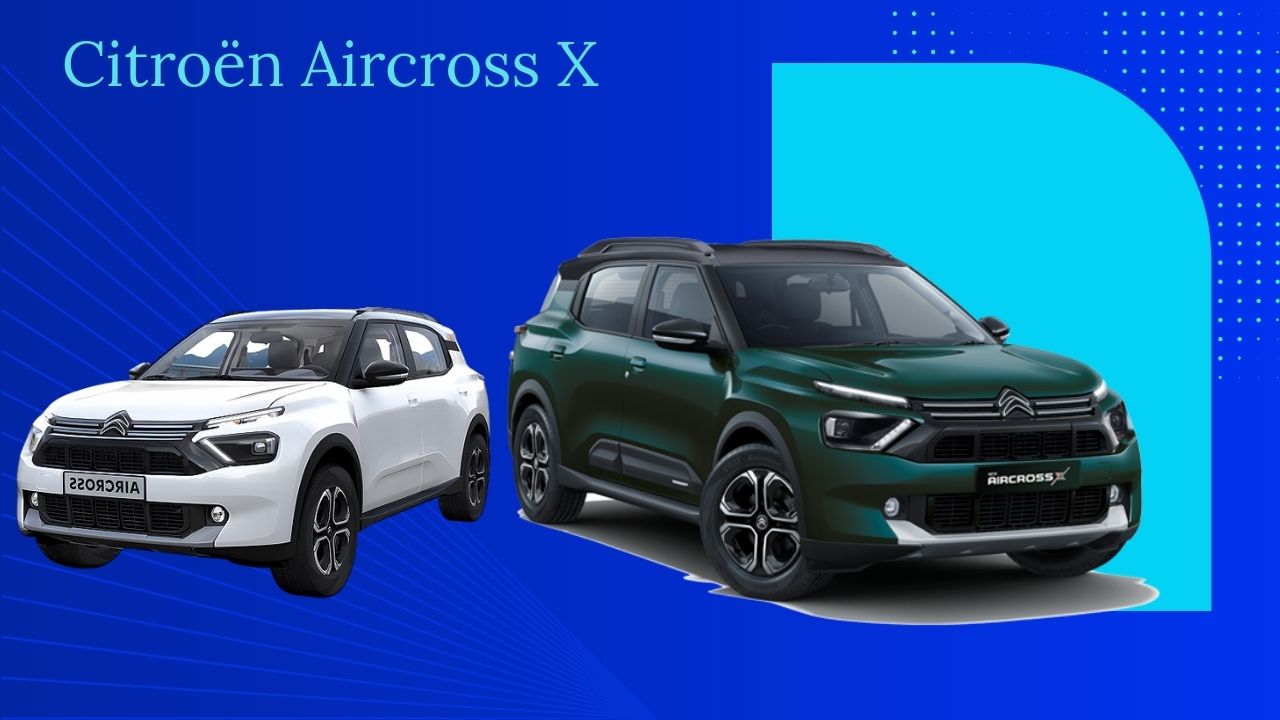
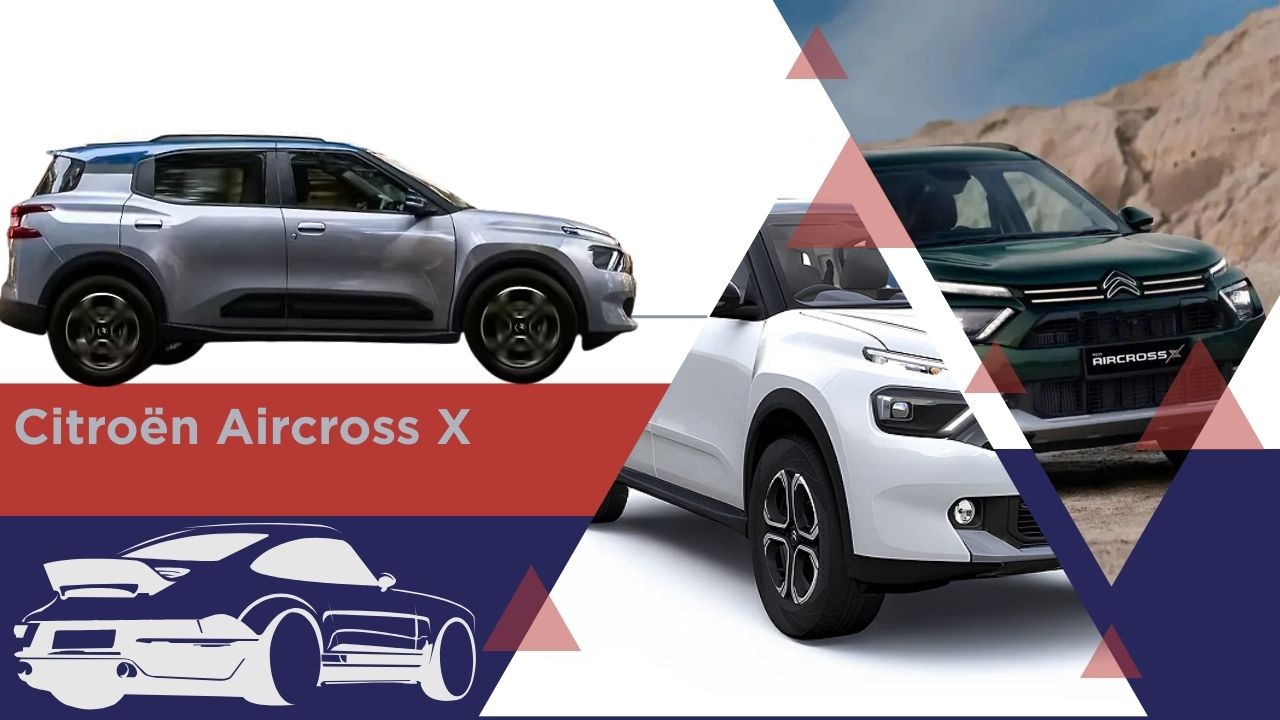
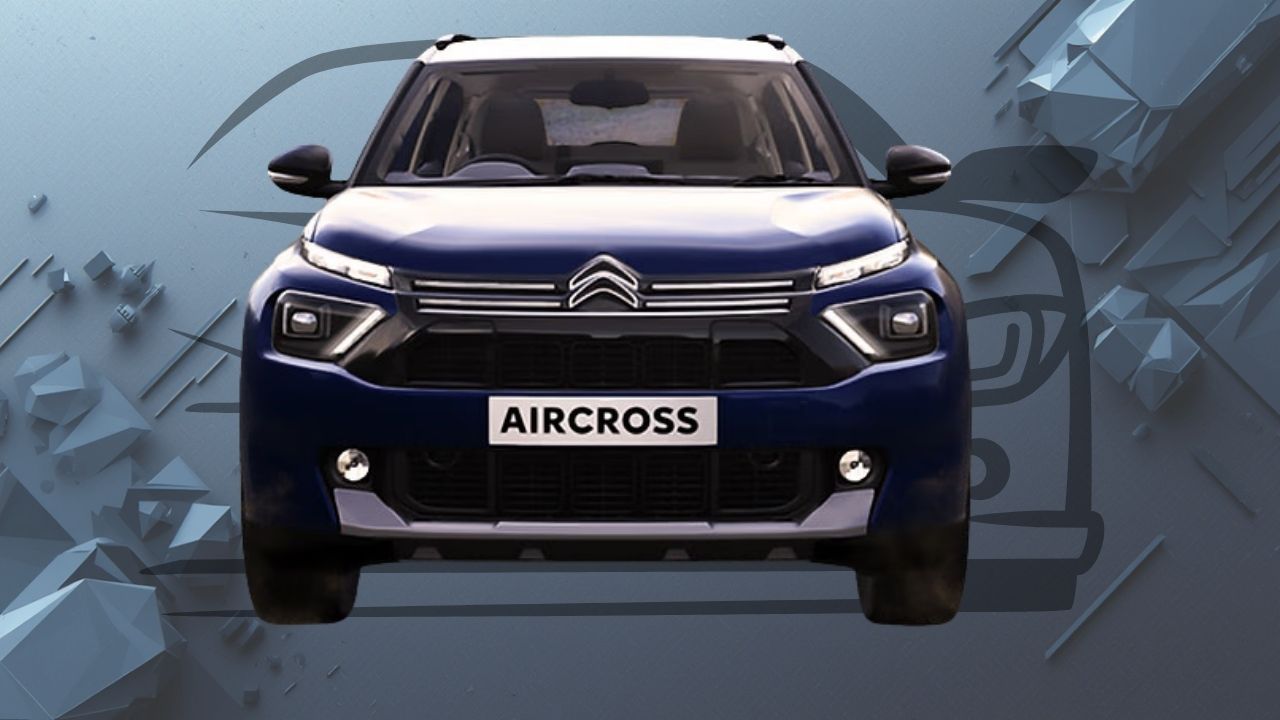
Citroën Aircross X Max Turbo 5S

Citroën is now silently tweaking its India play, the Aircross X Max Turbo 5S launching in the first half of 2022 is a manifestation of that. Revealed in January 2026, this new 5-seat version of the Aircross in the top-spec “Max” configuration is designed specifically for those who appreciate comfort and practicality rather than the highest number of seats. 

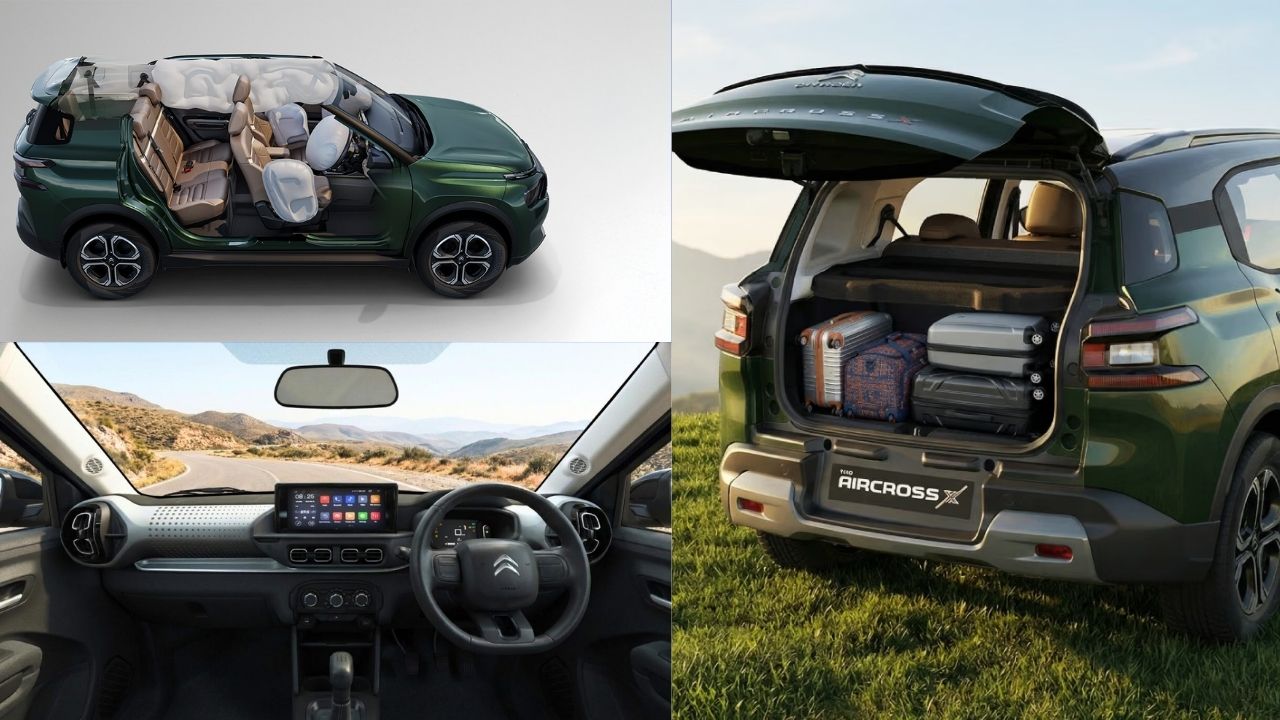
After discarding the seldom used third row, Citroën reworked the interior to accommodate more second row legroom, a much larger boot, and a slightly friendlier price tag. To sum up, the Aircross X Max Turbo 5S isn’t about cramming in more, it’s about making the most of space. 

Built-to-Order, Not Built-on-Hope

Built-to-Order, Not Built-on-Hope

This launch is a step towards transforming Citroën’s India rollout into a production following bookings model. Rather than filling dealer floors with speculative inventory, the Aircross X Max Turbo 5S is produced once a solid customer booking is received. That “demand-sensing” strategy enables the brand to match production availability with real market trends. 

Price and Positioning

The manual transmission version of Aircross X Max Turbo 5S costs ₹12.41 lakh (ex-showroom). This makes it around ₹39,000 cheaper than the Max Turbo 7-seater manual variant, making it more affordable for those who don’t need a third-row. 

Feature Citroën Aircross X Max Turbo 5S
Price (Ex-showroom) ₹12.41 Lakh
Engine 1.2L PureTech 110 Turbo-Petrol
Performance 110 PS / 190 Nm (MT)
Transmission 6-speed Manual
Seating Layout 5-seater with improved 2nd row
Boot Space 444–511 Liters
Key Safety 6 Airbags (Standard), ESP, Hill Hold

Key Features of the 5S Variant

The big change for this edition is the second row passengers are more comfortable. By dropping the third-row jump seats, Citroën has reshaped the cabin for:

Key Features of the 5S Variant

  • More Legroom: Although the second row passengers receive an extra 60 mm of space for their knees.
  • Second-Row Seating Flexibility: The second-row seats can now recline in three steps.
  • Convenience: There’s a new ‘rear center armrest with cup holder’ in the back.
  • Premium Interior: It has the premium Fauve Dark Brown leatherette upholstery along with the new dual-tone dashboard theme. 

Modern Technology and Safety

Even though it is now a single-seat configuration the Max Turbo 5S does not lose any of the tech of the top-tier trim with a 10.25-inch bezel-less touchscreen with wireless Android Auto and Apple CarPlay. It even boasts the CARA voice assistant that can speak in 52 languages.

Modern Technology and Safety

Safety continues to be a concern and 6 airbags, ESC and TPMS are now standard. In addition, the Aircross X has also been awarded a 5-star safety rating in the recently conducted Bharat NCAP crash tests. 

Its Competitor in the Market

For those families or travelers that hardly use seven seats, the Aircross X Max Turbo 5S is a more rational offer. It gives up the cramped “+2″ seating arrangement for a massive 444-litre boot and better comfort at the rear, making it a viable option for mid-sized SUVs such as the Hyundai Creta or Maruti Grand Vitara. 

Read More:- Maruti Fronx vs Baleno: See What’s The Right Choice For You in 2026 

Conclusion

Aircross X Max Turbo 5S is a welcome common-sense offering from Citroën for the Indian consumers. The brand has removed the infrequently used third row and focused more on what the majority of consumers really need–rear-seat comfort, a usable boot space, and top-trim-specs at a slightly lower price. Couple this with a demand driven ‘built to order’ business model , high levels of safety and a tried and tested turbo-petrol engine and you have a strong case for the 5S being the most sensible Aircross yet. 

For those who are undecided between mid-size SUVs such as the Creta and the Grand Vitara, but are more inclined towards space and comfort, rather than seat count, this variant finally gives Citroën an answer that can be called truly compelling. 

0

Pagani Utopia, Hypercar, Luxury Cars, Supercars 2025, V12 Engine, Pagani Cars, Exotic Cars

Published Mar 30, 2026, 11:42 AM
Last Updated May 23, 2026, 9:44 AM

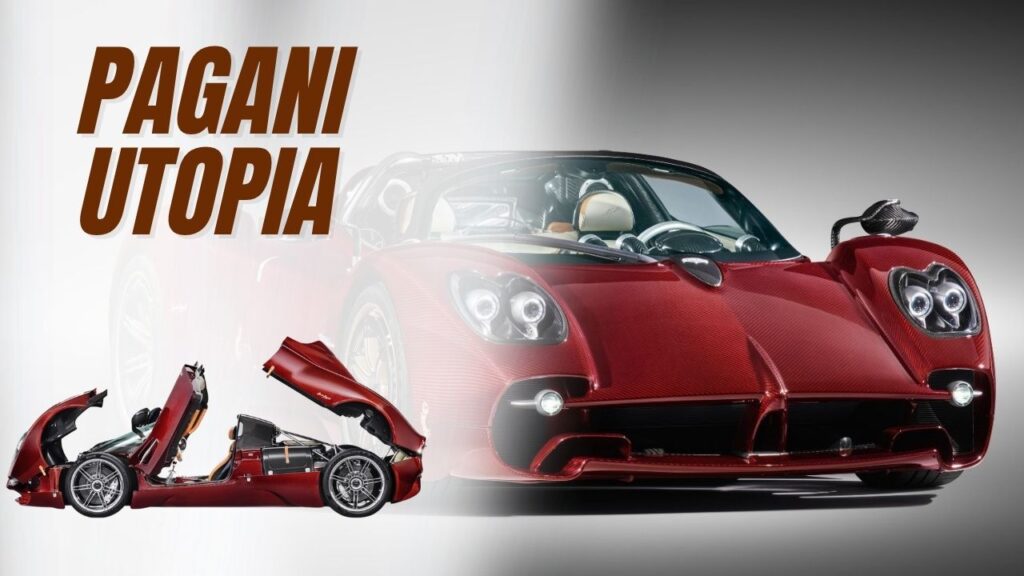
Pagani Utopia

When you see the Pagani Utopia for the first time, something inside you clicks. It is recognition not just appreciation. You’re looking at an uncompromising machine that harks back to an era when engineering and art were soul mates, not just neighbors.

The Utopia is a fiery expression of human handcrafting, the pure physical excitement of the driver, and classic dreams of the V12 engine in an era in which hyper cars are more and more beginning to look like spaceships being steered by computers. 

The Third Symphony

Horacio Pagani had three seemingly simple goals to give his team as he prepared to build his third work of art, after the legendary Zonda and the revolutionary Huayra: simplicity, lightness and driving enjoyment. That wasn’t a tagline, that was the attitude.

In 2022, the result, the Utopia, was revealed and is slated for delivery in 2025. It has that race-bred thoroughbred spirit, even though it’s as heavy as a small hatchback, at just 1,280 kg dry. 

Not a single option listed in this line-up will be suitable for the selector, for just 99 Coupes and 130 Roadsters will ever be produced. Each begins at approximately €3.1 million. Hopefully, you’re not reading this too late and they’re still available. But rarity doesn’t account for the Utopia’s allure. what it has in it and what it does to you. 

The Heart That Refuses to Surrender

The Pagani M158, a 6.0-liter twin-turbo V12 engineered by Mercedes-AMG for Pagani, is visible under the rear clamshell Michael Kübler, one man in Affalterbach, Germany, who uses his hands to assemble every engine. This is mechanized high fashion, not industrial manufacturing. 

It produces but a laughable 864 hp at 6,000 rpm with 1,100 Nm of torque between 2,800 and 5,900 rpm. It is, however, only part of the picture. What truly determines the character of the V12 – how it spins smoothly like a turbine at low revs and comes alive when you really focus on it – is the sense of what matters.

The Heart That Refuses to Surrender

The turbos spool up super fast, delivering boost without the lag that plagued earlier models. In fact, the sound of four valves opening and closing at four times the engine speed is the distilled roar of a 12-cylinder engine breathing fire, not much different than the sound from the speakers. 

 No help from a hybrid. Without regenerative braking. None of those aids. One of the last great V12 engines ever made, just you and a mechanical throttle cable. 

The Sacred Ritual of Shifting

Pagani could have just gone with the flow and put in a dual-clutch transmission. They would have been faster, more efficient, more… modern. Instead they teamed up with British specialists Xtrac to create an increasingly rare thing: a real seven-speed manual gearbox.

It’s not like it was simple to engineer a manual transmission for 1,100 Nm of torque. The clutch is a light adjustable triple disc unit. The synchronizers had to be designed to handle forces that would destroy lesser transmissions.

But the payoff is worth every engineering hour – a shift feel that has been described as having “real lightness of touch,” a clutch pedal that doesn’t require leg-press strength, and a driver-machine connection that’s vanishing in the hypercar realm. 

There is indeed an automated manual for those who want it. But Pagani expects 80 per cent of Utopia customers to go for the stick. These are people who understand that driving is more than just arriving — it is the trip, the ritual, the dance. 

Sculpted by Wind, Finished by Hand

The Utopia’s outline is instantly that of a Pagani, but it’s softer and more mature than those that came before. Where the Huayra bore its aerodynamics like armor—active flaps opening and closing like fighter-jet wings—the Utopia makes downforce part of its DNA. Six years of wind tunnel testing fine-tuned every curve, every surface, until the vehicle was more aerodynamically efficient than the Huayra without one visible wing. 

Sculpted by Wind, Finished by Hand

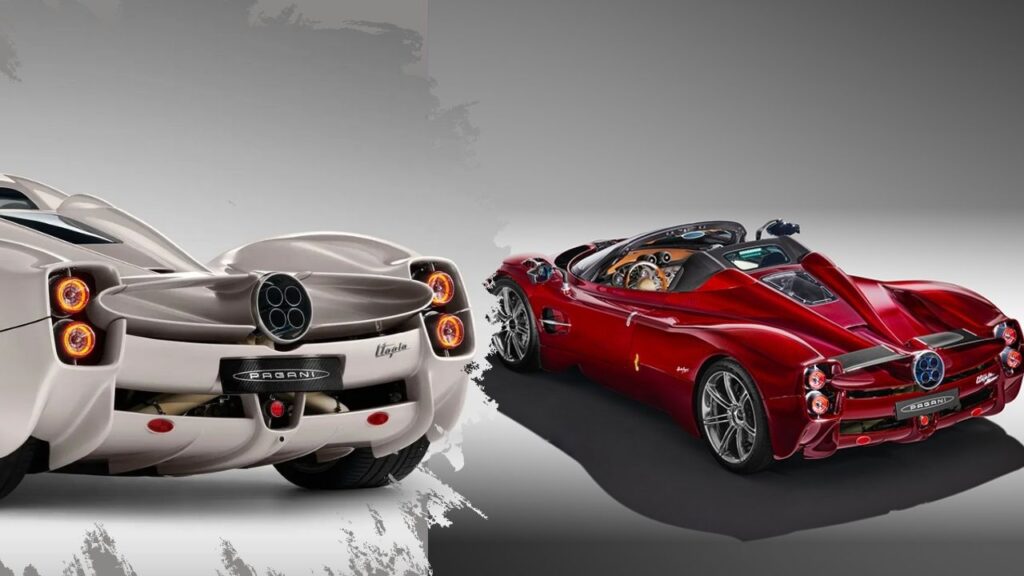
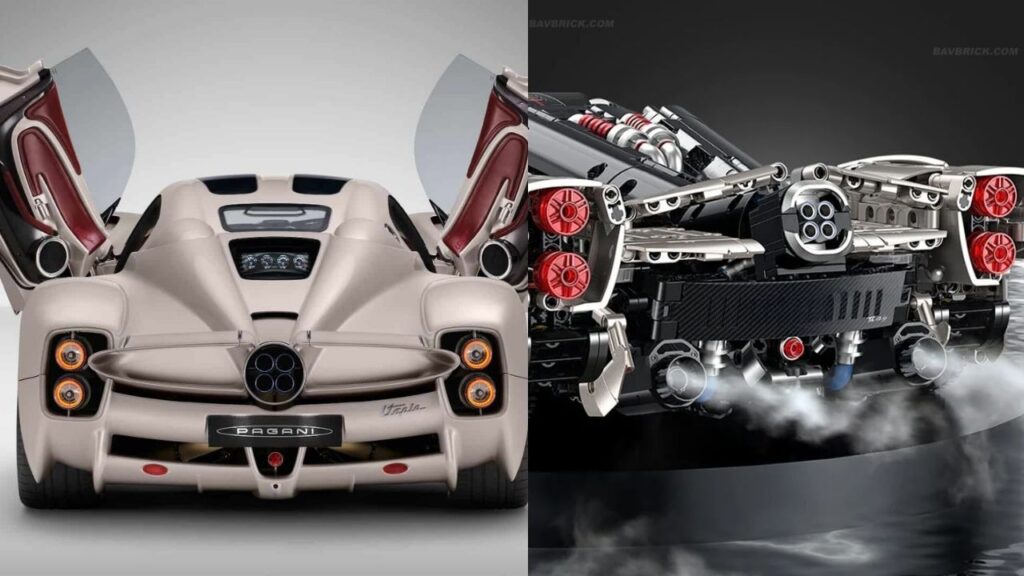
Worthy inspection brings about detailed rewards. The turbine shaped carbon fiber wheels are not only beautiful, they actively pull hot air away from the brakes while reducing turbulence. The headlights are inspired by 1950s Vespa scooters, and the ceramic-coated­titanium exhausts that emerge from the rear like mechanical sculptures. Even the side mirrors, which rest on airfoil-shaped arms, help the car’s aerodynamic performance. 

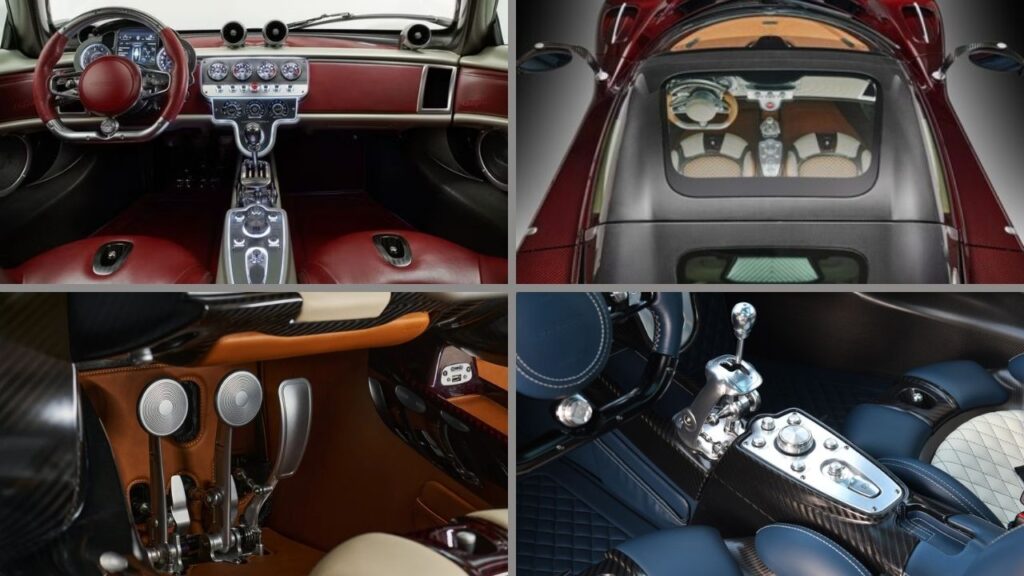
The sentiment of mechanical honesty is prevalent within. The digital screens so common in today’s supercars have been replaced by analog dials, with real needles that sweep. The wheel is billet aluminum shell which has been multi axis machined.

Rather than hide behind plastic casings, the mechanisms of the pedals are on display and celebrated as they are made from solid metal and cut. Every toggle switch, vent and surface is vetted by human eyes and hands. 

The Weight of Lightness

The monocoque of the Utopia, made from Pagani’s own Carbo-Titanium HP62 G2 and Carbo-Triax HP62 materials, is as robust as it is lightweight. Suspension triangles are forged from aerospace-grade aluminum alloy.

This preoccupation with weight pays off in handling. Utopia doesn’t ram the road; it twirls with it. Steering is light and accurate. The chassis tells you every subtlety in the texture of the road below. You don’t lurch as you brake the car just responds.

A Pagani Utopia for the Senses

In driving this hypercar, you utilize all your senses. You can feel the weave of the road under the tires in the steering wheel as if you were running a hand over the pavement. Hear how the voice of the V12 varies with load and revs on this link.

There’s the warm electronics and leather, and a faint whiff of high- performance lube. Through narrow A-pillars and a domed canopy you look out upon a world almost alien to the supercars of today. 

The 2025 Pagani Utopia is far from perfect in the usual sense. It’s not the quickest hypercar in a straight line with a respectable but by no means record-breaking 0-60 mph time of around 3.1 seconds. Its electronically limited maximum speed of 217 mph is nothing compared to Bugatti’s chasing 300+ mph. A Porsche 911 GT3 RS will lace the ‘Ring faster than it. 

A Utopia for the Senses

In the era of drone delivery and smart toasters, the Pagani Utopia is a glimpse of what we have lost and what we might lose. It’s a celebration of mechanical purity, human ingenuity and the simple yet irreplaceable connection between driver, car and open road.

It’s more than just a hypercar, it’s a love letter to driving itself, penned in carbon fibre, titanium and the roaring song of a V12 engine.

And that is what will be handed down to the lucky, and for those lucky few who own one it means something much more rare: the knowledge that even in an imperfect world, moments of true utopia can be found. You just need the right key – and €3.1 million. 

Read More:- The Garage of Dreams: Inside C.J. Roy’s Car Collection

Conclusion

The Pagani Utopia isn’t trying to set records or follow trends—it’s pursuing an emotion. In an era when speed is increasingly defined by software and electrification, this car is a testament to what driving used to be and, on occasion, still is. It sacrifices pure numbers to emotion and precision and to a profoundly human connection between machine and driver.

It probably won’t be the fastest or the most technologically advanced hypercar of 2025, but that’s precisely the point. The Utopia is craftsmanship over convenience, analog over artificial, passion over perfection. It’s not designed to own the lap time – it’s designed to be memorable.

And maybe that’s the reason why it is so important. Because cars like the Utopia, they don’t just move you physically — they move you mentally long after you’ve turned the engine off. 

0

Mahindra XUV 3XO REVX is Finally Here – Explore Its Fresh Styling, Engine Power and Features

Published Jul 9, 2025, 10:57 AM
Last Updated Apr 7, 2026, 6:24 AM

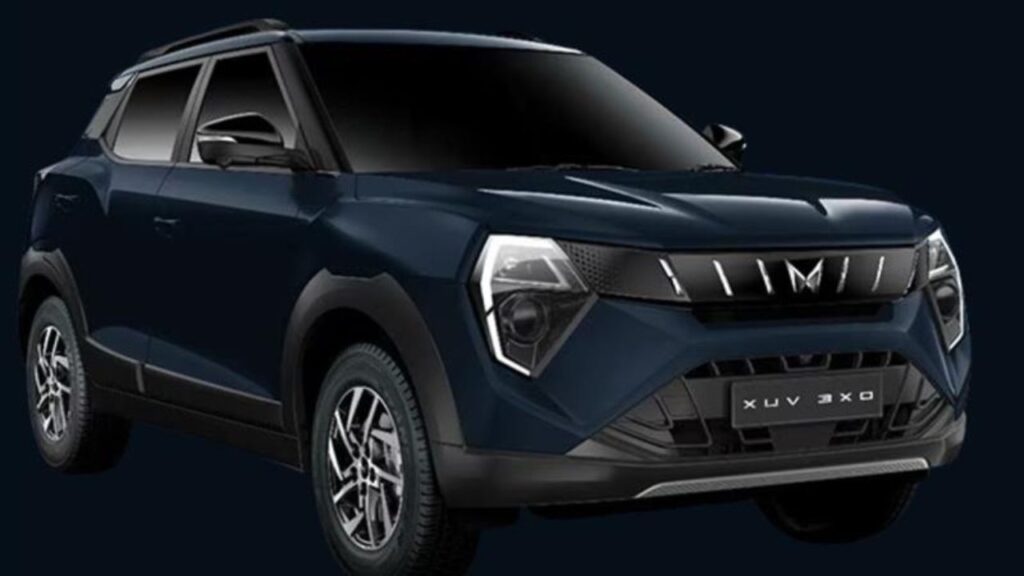
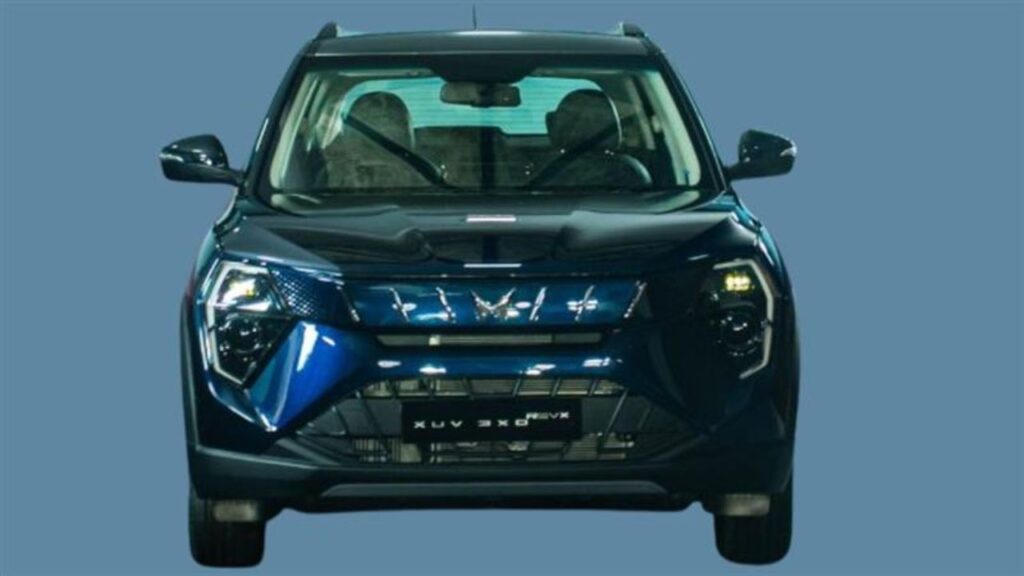
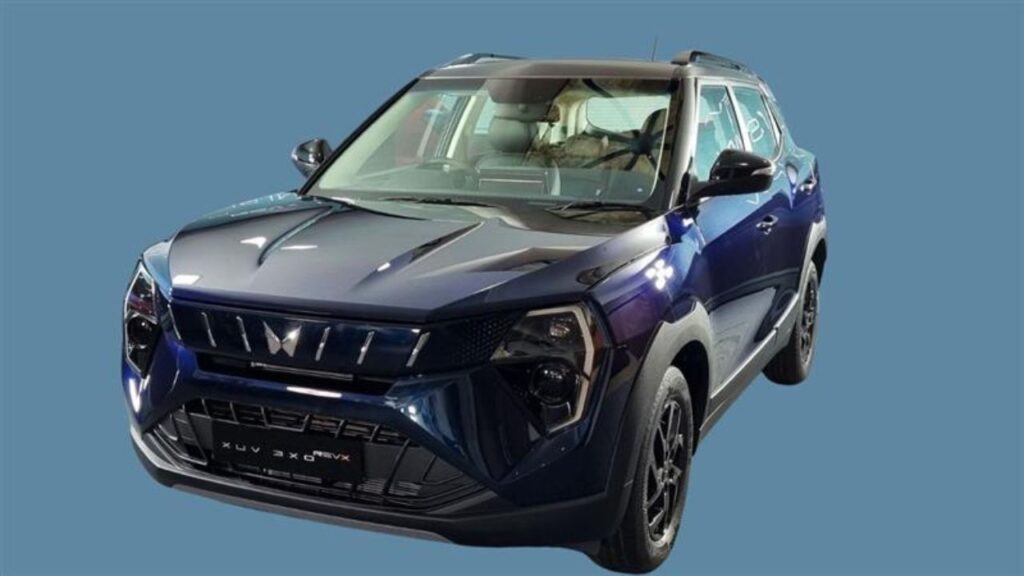
Mahindra XUV 3XO REVX is Finally Here

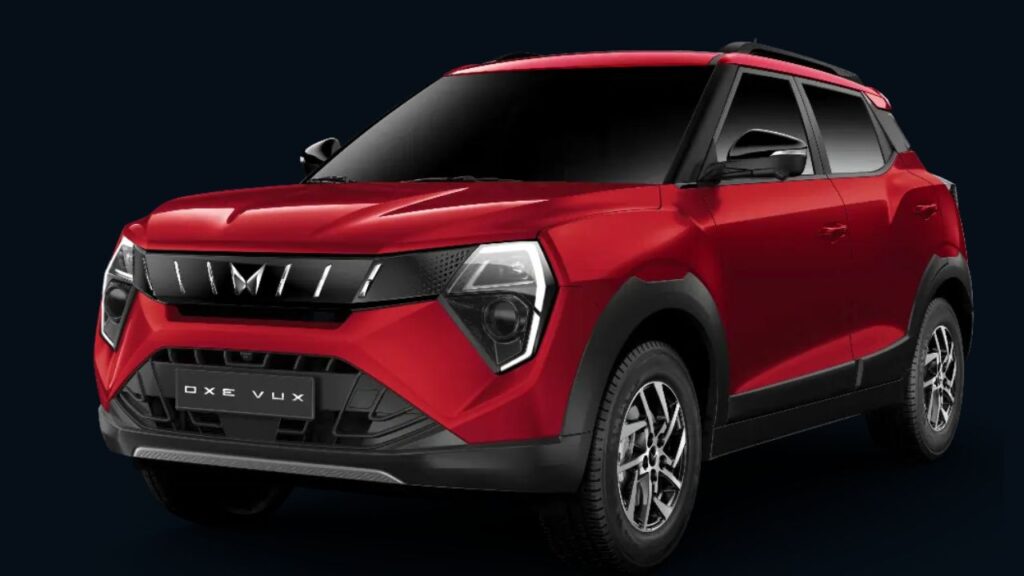
Mahindra is not lettingus take a breath, the new version of XUV 3XO SUV is here as Mahindra XUV 3XO REVX. Mahindra added mind blowing features in the new model such as design, engine, and its sporty interior. The car amazes your mood with its features that let you drive everywhere smoothly. There is a slight difference with its 1.2L turbo engines that are based only on petrol. Few changes have been made to acquire the best performance.

Mahindra swear to make strong contenders in the SUV world, it makes a great impression with its sporty looks and practical features. The combination hits the market.

Exterior Design 

Exterior Design

The minor front change of color in the panel that was black before, now looks more amazing with the dual-tone color scheme. The black colored roof with C-pillar has been added to the new version that goes unnoticed by anyone. 

The design pattern remains the same in the wheels with 16-inch black wheels that make a good impression. This premium look stands a chance among the coolest cars collections.

Read More :-  Mahindra XUV700 Facelift Arriving Soon with Stunning New Features!

Look & Interior Design

Look & Interior Design

Mahindra XUV 3XO REVX is designed with sporty interior look including panoramic sunroof, leatherette stitched seats, comfortable front pedal, 10.25-inch touch screen pad to control & instruct. 

Mahindra XUV 3XO REVX Pricing:

Mahindra XUV 3XO REVX Pricing

In India, there are three variants available REV M, M(O), and A that cost you around Rs. 10.32 lakh, Rs. 10.90 lakhs, and Rs. 15.26 lakhs respectively. 

0

Best Sunroof Cars Under 12 Lakh: Affordable Models With Premium Features

Best Sunroof Cars Under 12 Lakh

If you want to buy the best car under ₹12 lakh with a sunroof without burning a hole in your pocket, you’re in for a treat. While there used to be a scarcity of steam-powered appliances, there is now a plethora of feature packed hatchbacks, micro SUVs and compact SUVs in the Indian automobile market that offer style, comfort and technology at place which can be described as affordable. From voice-enabled electric sunroofs and huge touchscreens, to high-tech safety ratings and fuel-efficient engine choices, sub-12 lakh cars today offer far more than just a “premium look.”

This list covers the best sunroof cars in India you can get under ₹12 lakh — comparing prices, features and what makes each sunroof car worth considering for you. From city friendly easy to wheel car, fuel efficient or even loaded with rich features—a right pick would be found for every need. 

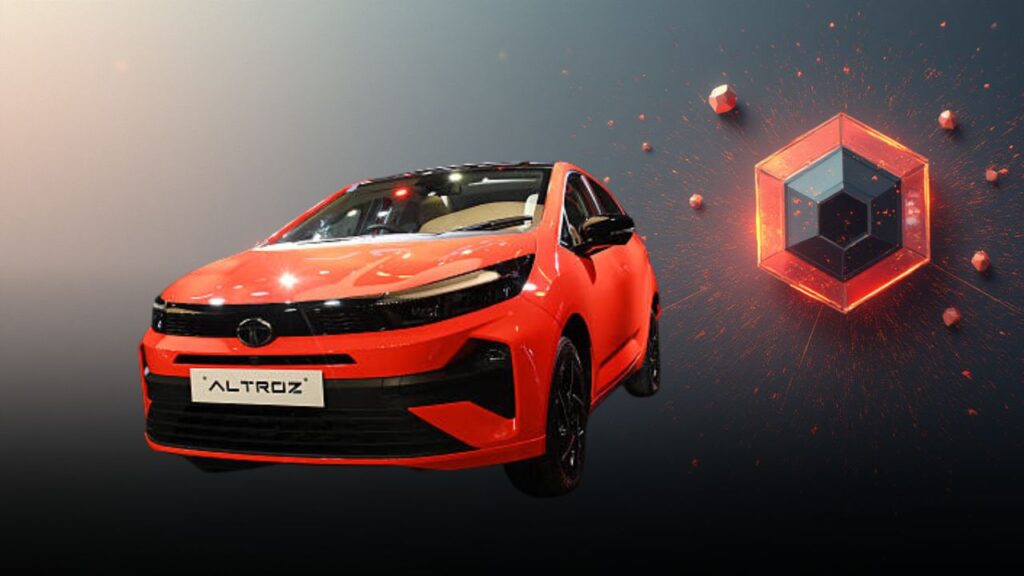
1. Tata Altroz – Premium Hatchback with Value

Tata Altroz

Image Credit : Badicar

For the price, the Tata Altroz is indeed one of the best affordable mass-­market hatchbacks with a sunroof in India. It also has a voice-enabled electric sunroof across various variants with CNG, diesel and petrol engines.

Ex-showroom price range ₹6.30 lakh to ₹10.51 lakh
With Sunroof  ₹7.36 lakh in India For the Pure S trim
Highlights  360-degree cameras are among the key features in a cabin that also includes rear air-con vents and automatic climate control. 

The spacious interiors of the hatchback, combined with its 10.25-inch touchscreen with wireless Android Auto and Apple CarPlay and its 5-star Global NCAP safety rating, add more value. There are 3 engine options– a 1.5-litre diesel (1497 cc), a turbo-petrol variant and a 1.2-litre petrol (1199 cc) developing 72.49 bhp. 

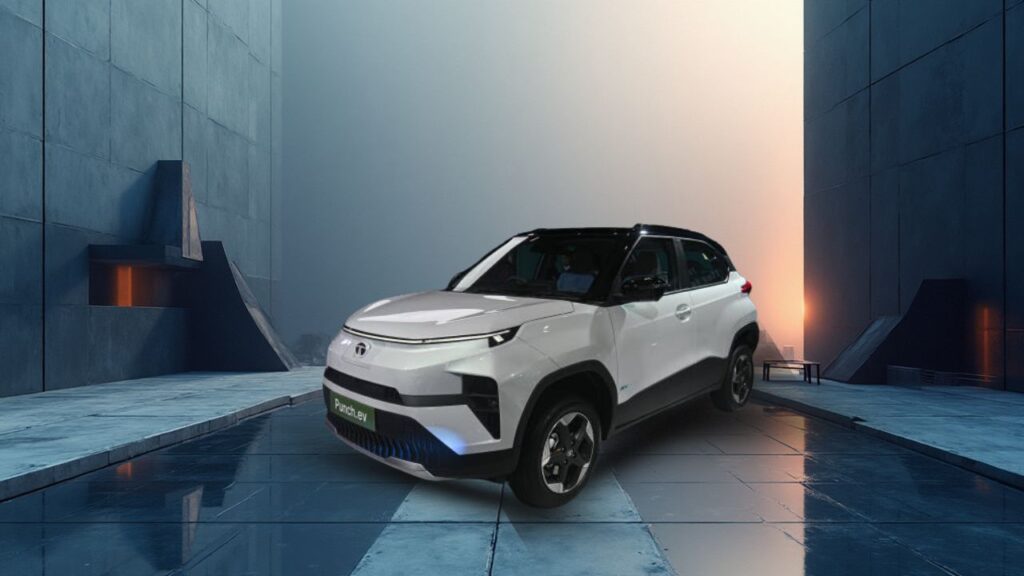
2. Tata Punch – Micro SUV Practicality

Tata Punch

Image Credit : Badicar

With eye­‐catching aesthetics and solid safety packages the Tata Punch has brought sunroof Parentage to the micro SUV segment.

With Sunroof  Adventure S and Accomplished variants come with a sunroof for ₹8.35 lakh
Highlights  six airbags, rear parking sensors, Android Auto/Apple CarPlay and compact size ideal for City driving.

It gives 20.09 kilometres per gallon with its 1.2 litre petrol engine. Buyers on a budget looking for upscale things will be drawn to the Punch because it’s five-star NCAP ratings and features such as traction control and rear parking sensors.

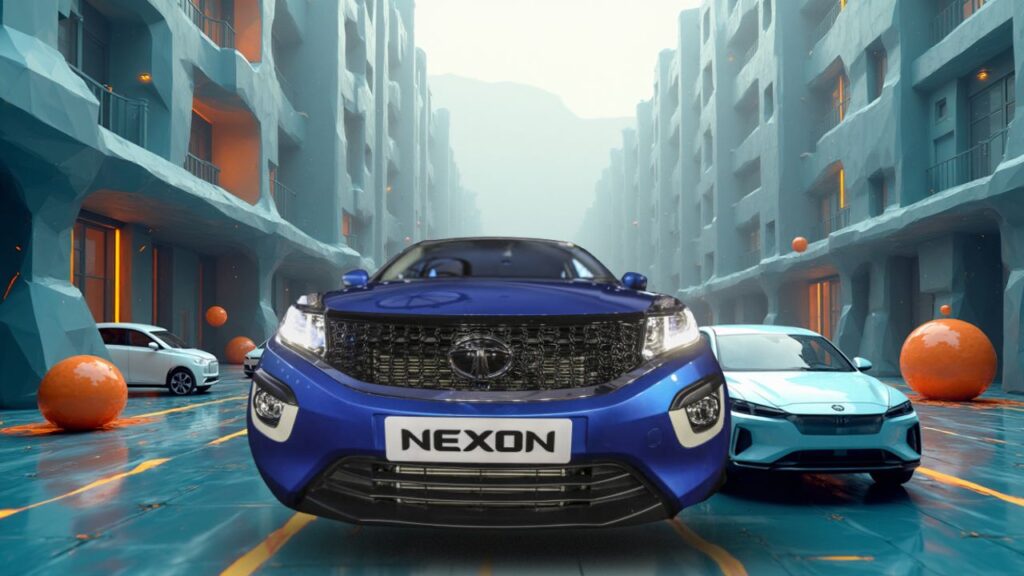
3. Tata Nexon – Powerful Compact SUV

Tata Nexon

Image Credit : Badicar

Tata Nexon is one of the best-selling models in the segment which offers good performance with a sunroof option on the lower variants.

Ex-showroom price range ₹7.32 to ₹14.05 lakh
With Sunroof  ₹8.30 lakh for the Smart Plus S variant
Highlights  A 1.2-litre turbo petrol or a 1.5-litre diesel mill, six airbags, a 360-degree camera and ventilated front seats.

There are 44 variants of the voice-enabled electric sunroof, from the Smart Plus S (1.2-litre petrol manual at ₹8.30 lakh) to diesel and CNG variants. The 10.25-inch touchscreen, 10.25-inch driver display and JBL sound system make the driving experience richer.

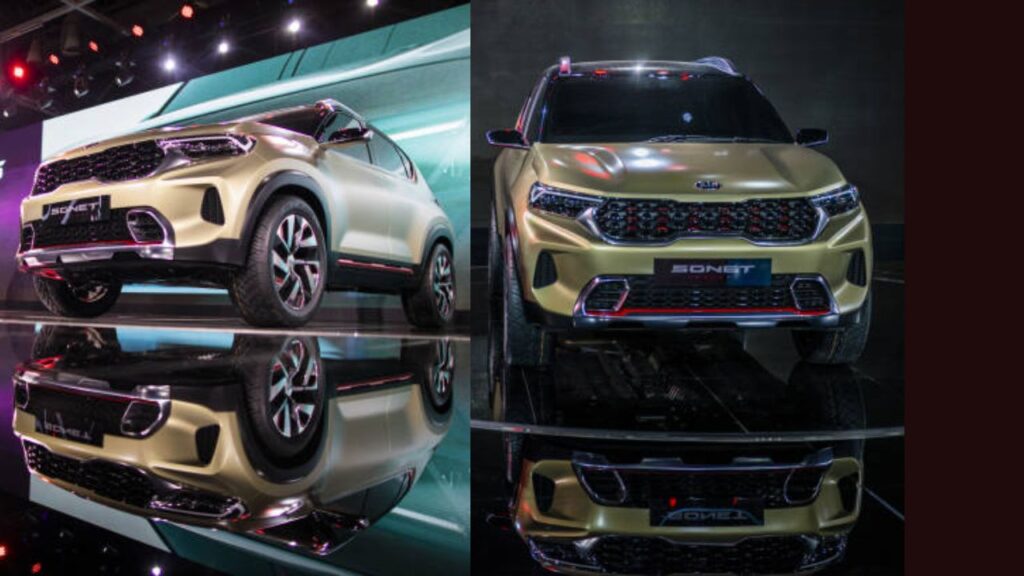
4. Kia Sonet – Feature-Rich Compact SUV

Kia Sonet

Image Credit : Badicar

Starting with the HTE Optional variant, the Kia Sonet delivers good value with a sunroof as an option.

Ex-showroom price range ₹7.30 lakh to ₹14.09 lakh
With Sunroof  HTE (O) variant at ₹8.29 lakh
Highlights  10.25-inch touchscreen, wireless Android Auto/Apple CarPlay, six airbags, rear parking sensors, and cruise control.

It comes with a savory 1.2 litre petrol engine that returns 18.4 kmpl and has a premium interior which in no way look dull or mismatched. Tech-savvy consumers will also appreciate that it comes with four different engines and, in some markets, ADAS Level 1 technology.

5. Hyundai Exter – Budget-Friendly Micro SUV

Hyundai Exter

Image Credit : Badicar

Being an inexpensive sunroof car in India at present, the Hyundai Exter offers promising value for money.

Ex-showroom price range ₹5.68 lakh to ₹9.61 lakh
With Sunroof  S Voice activated intelligent variant
Highlights  voice activated sunroof, 6 airbags, rear parking sensors, Android Auto/Apple Car Play as well as petrol and CNG options.

For such a low price, the voice-enabled intelligent electric sunroof transforms the atmosphere of the compact cabin and the digital cluster and state-of-the-art safety features bring premium features. 

Read More :-  Mahindra XUV700 Facelift 2026 – New Features, Design Updates & Latest Details

6. Hyundai i20 – Premium Hatchback

Hyundai i20 With Sunroof  The Hyundai i20 does offer a sunroof option in specific variants below the 12 lakh mark, and the vehicle sports a design that is the pièce de résistance of contemporary aesthetics and cutting-edge technologies.

Ex-showroom price range ₹6.87 to 10.43 lakh
With Sunroof  Voice-packed lower trims available for under ₹10 lakh. Sunroof 
Highlights  a large infotainment screen, motor-driven electric power steering, advanced safety features, and a 10.25-inch touchscreen

The smart electric sunroof, which can be voice-activated, adds to the experience of everyday driving, and a diverse range of engines and transmissions let you choose the one that best meets your needs. 

7. Mahindra XUV 3XO – Stylish Sub-4m SUV

Ex-showroom price range ₹7.79 – ₹15.49 lakh
With Sunroof  AX7 with panoramic sunroof at ₹11.84 lakh,

MX2 Pro with single-pane sunroof at ₹9.24 lakh

Highlights  10.25-inch touchscreen, dual-zone climate control, seven airbags and a five-star BNCAP rating

At 12+ lakh, Mahindra’s XUV 3XO offers the sunroof options as well as style at multiple price points Higher AX7 models gain a panoramic sunroof (still fairly pricey for a few configurations), MX2 Pro comes with an electric sunroof. It delivers 18.06 km/l with 1.5-litre diesel or 1.2-litre turbocharged petrol engine.

8. Skoda Kylaq – Modern Entry SUV

Ex-showroom price range ₹7.55 lakh – 12.80 lakh (expected)
With Sunroof  Prestige model is priced at ₹11.84 lakh
Highlights  six airbags, ESC, ISOFIX mounts, a 10-inch touchscreen and rain-sensing wipers (Prestige)

Although the top Prestige variant is the only one with a sunroof, Baleno is definitely a trendy pick for those who want to splurge a little. The sunroof version features 17-inch alloy wheels, ventilated front seats, ambient lighting and wireless charging. For 19.76 kmpl, it delivers a 1.0-liter turbo petrol engine to make this vehicle competent.

9. In Compact SUV — Maruti Suzuki Brezza 

In the enhanced ZXi variant, Maruti Suzuki Brezza adds functionality to a well-balanced ride quality by serving sunroof option.

Ex-showroom price range ₹8.26 lakh to ₹13.01 lakh
With Sunroof  ZXi variant priced at ₹11.04 lakh
Highlights  six airbags, a 9-inch touchscreen with HUD, rear air-conditioning vents, wireless Android Auto/Apple CarPlay and a proven Maruti service network.

With Trusted Mileage 17.38–25.51 kmpl, the 1.5-litre petrol engine (or CNG option) delivers reliable power. Practical customers are attracted by its long list of features including wireless connectivity and a 360-degree camera and it has a 4-star Global NCAP safety rating.

Consider These Points Before Buying A Car Under 12 Lakh With Sunroof

  • On the value for money front, only the Tata Altroz and Tata Punch are riders included options with a sunroof. 
  • Tech and comfort lovers would do well to look at the Hyundai Venue and Tata Nexon as they are the most feature dense cars in this segment by a huge margin. 
  • City slickers who want excellent mileage can also look at the CNG variants of Punch and Nexon as these can offer a good amount of savings in the long run. 
  • Safety minded buyers will like the Tata Nexon and Altroz both star rated by Bharat/Global NCAP for Best in class crash protection. 
  • Also, Maruti and Tata provide hassle free maintenance with their pan-India service network. 

Conclusion

The best car under ₹12 lakh with a sunroof has really evolved and now offers real quality upgrades instead of just cosmetic upgrades. Each variant offers a sweet spot between price and equipment level, enabling customers to choose according to their choice of body style, fuel efficiency requirements and specific feature needs, and still enjoy the luxury of outdoor driving.